Karol Suszka

* 1942

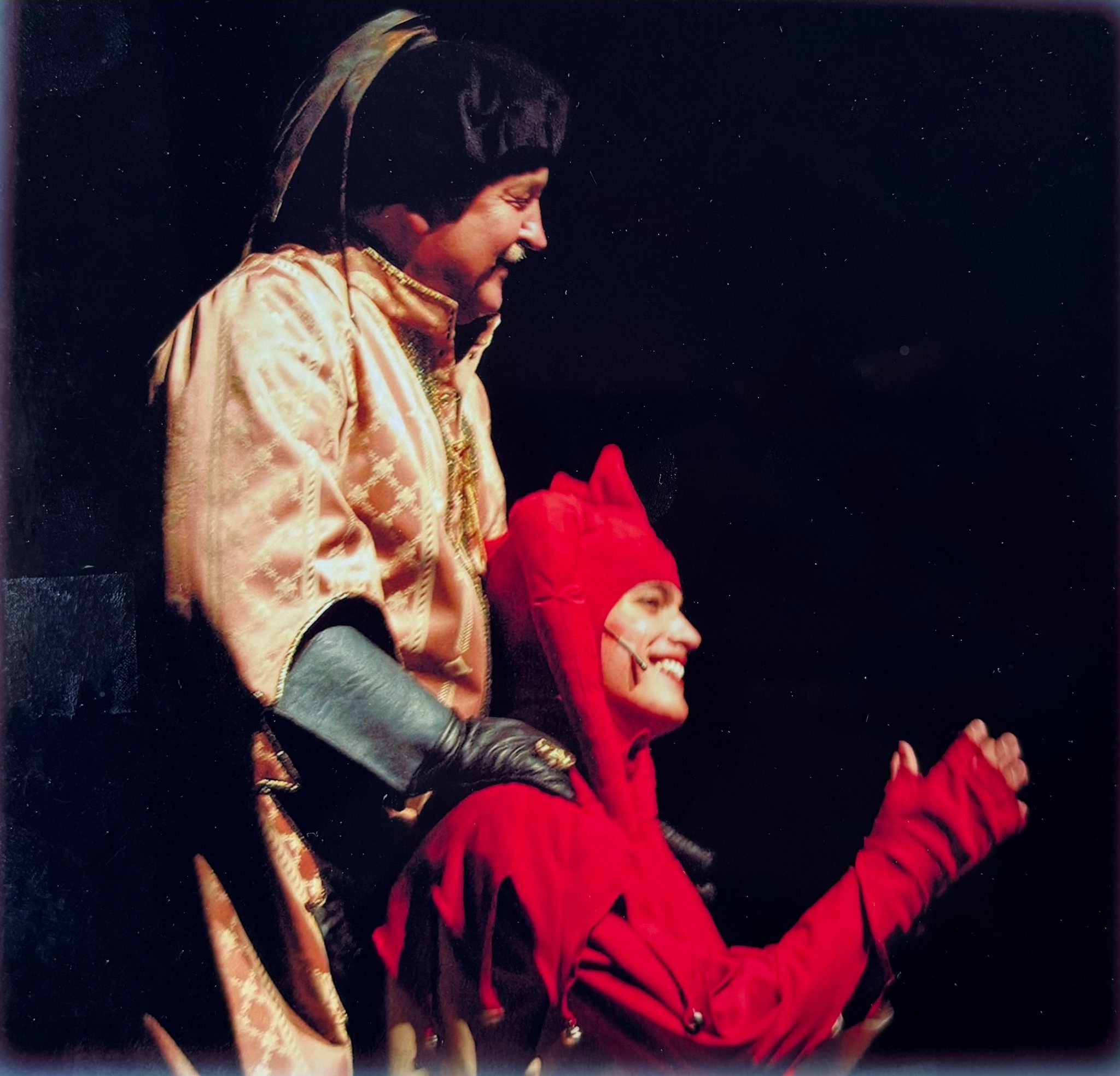
  • "First of all, we found that audiences had turned away from the theater in favor of political events. All that was going on, and we were left wondering what to do. We looked for ways to keep our audience, to convince them that we were there for them and they were there for us. We came up with something quite bold. The fairy tale Snow White and the Seven Dwarfs. That was in 1991, and Snow White is still being performed today. There were situations where, for example, a woman from Český Těšín waited four years to get a ticket. She couldn't get a ticket because it was completely sold out. So she brought a chair from home and said, "I'm going to sit here and no one is going to kick me out." And that's how we gained the audience's trust, that we don't want to cheat them, that we are here for them. And the next year, or a year and a half later, we did Ferda the Ant, which we also still perform today. So these performances have been running for over thirty years. And that's how we found our way to the audience, so that the audience didn't leave us, and we didn't have to deal with any crisis of the audience fleeing our theater."

  • "I used to hate poetry; it was something repulsive to me. That is, until I was forced to earn a living. When I was studying in Poland, I was, of course, on a modest scholarship, and my colleague and I came up with the idea of organizing Polish-Czech poetry evenings at the Polish Cultural Center. So I had to get into it, into poetry. And coincidentally, the first program was Adam Mickiewicz and Karel Hynek Mácha, which we combined. We also brought in some Czech colleagues, so we spoke about Mr. Mickiewicz in Polish, and they spoke about him in Czech. And we recited Karel Hynek Mácha in Polish, and they recited him in their language. It was very interesting. We did about thirty evenings at the Polish Cultural Center, schools came to see it, and we also traveled around the Czech Republic with it. It was very, very interesting, and it made me realize that poetry isn't completely stupid. On the contrary, it's a very beautiful thing, and I've been doing it for a long time."

  • "I knew a little bit about what theater was, but I had no idea whatsoever about politics, so I wasn't interested in it. But of course, since I was lucky enough to travel to the West frequently starting in 1968... So I was more or less aware of what was happening in the West and how it was happening. So when it all came crashing down here, I was obviously very happy that it was gone. That I could drive to Poland normally without being stopped by customs officers who would knock on my car, ask me what I was carrying and why, and listen to see if there was anything hidden in the doors or something like that, which happened to me very often."

  • Celé nahrávky
  • 1

    Český Těšín, 27.11.2024

    (audio)
    délka: 01:08:57
    nahrávka pořízena v rámci projektu The Stories of Our Neigbours
Celé nahrávky jsou k dispozici pouze pro přihlášené uživatele.

The theater captivated me. I used to want to be like Pelé
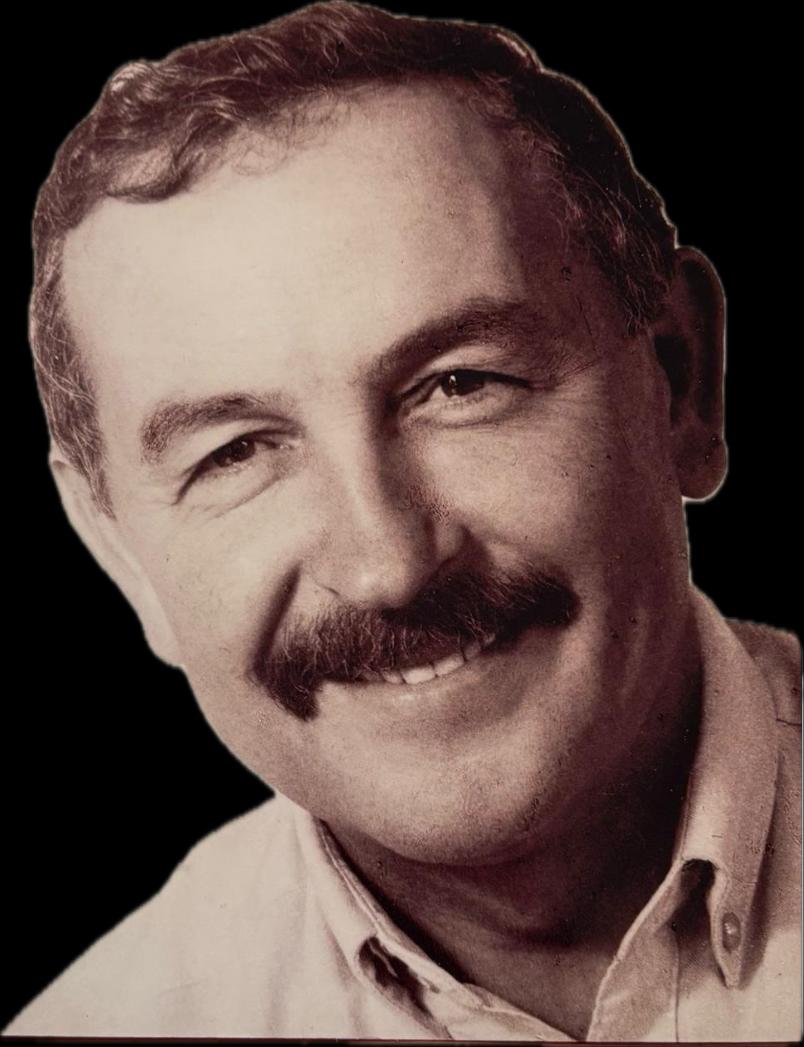
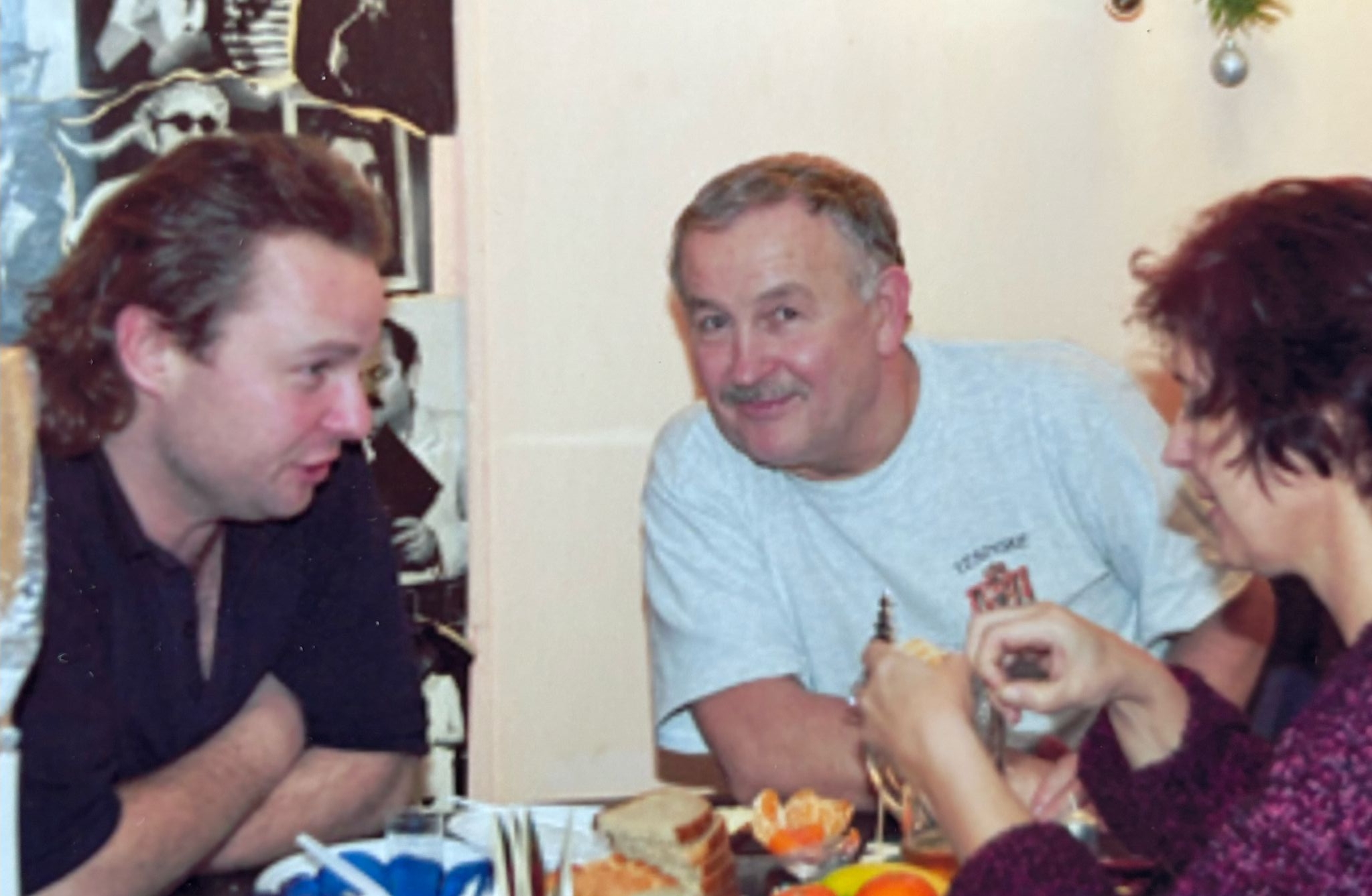
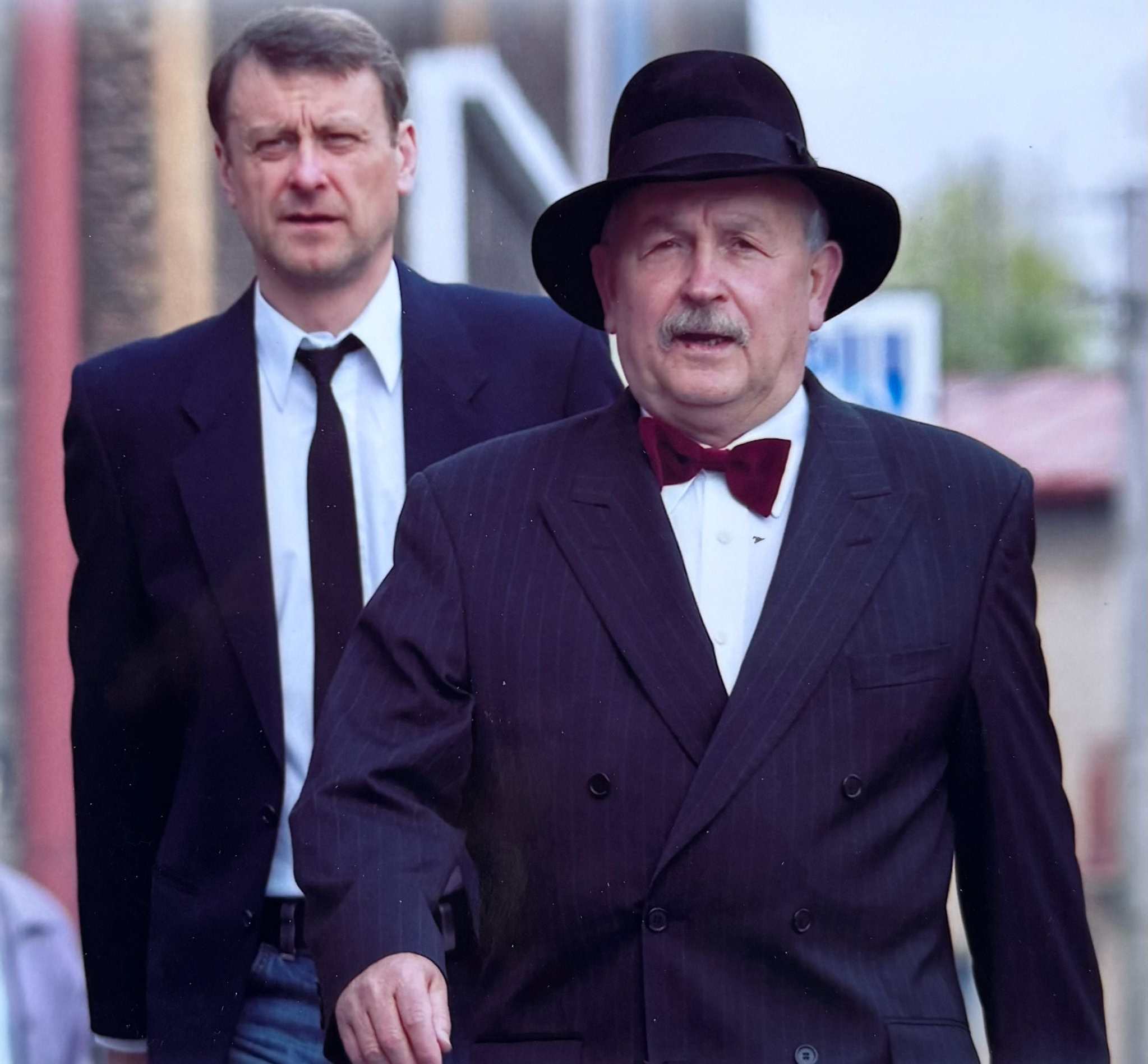
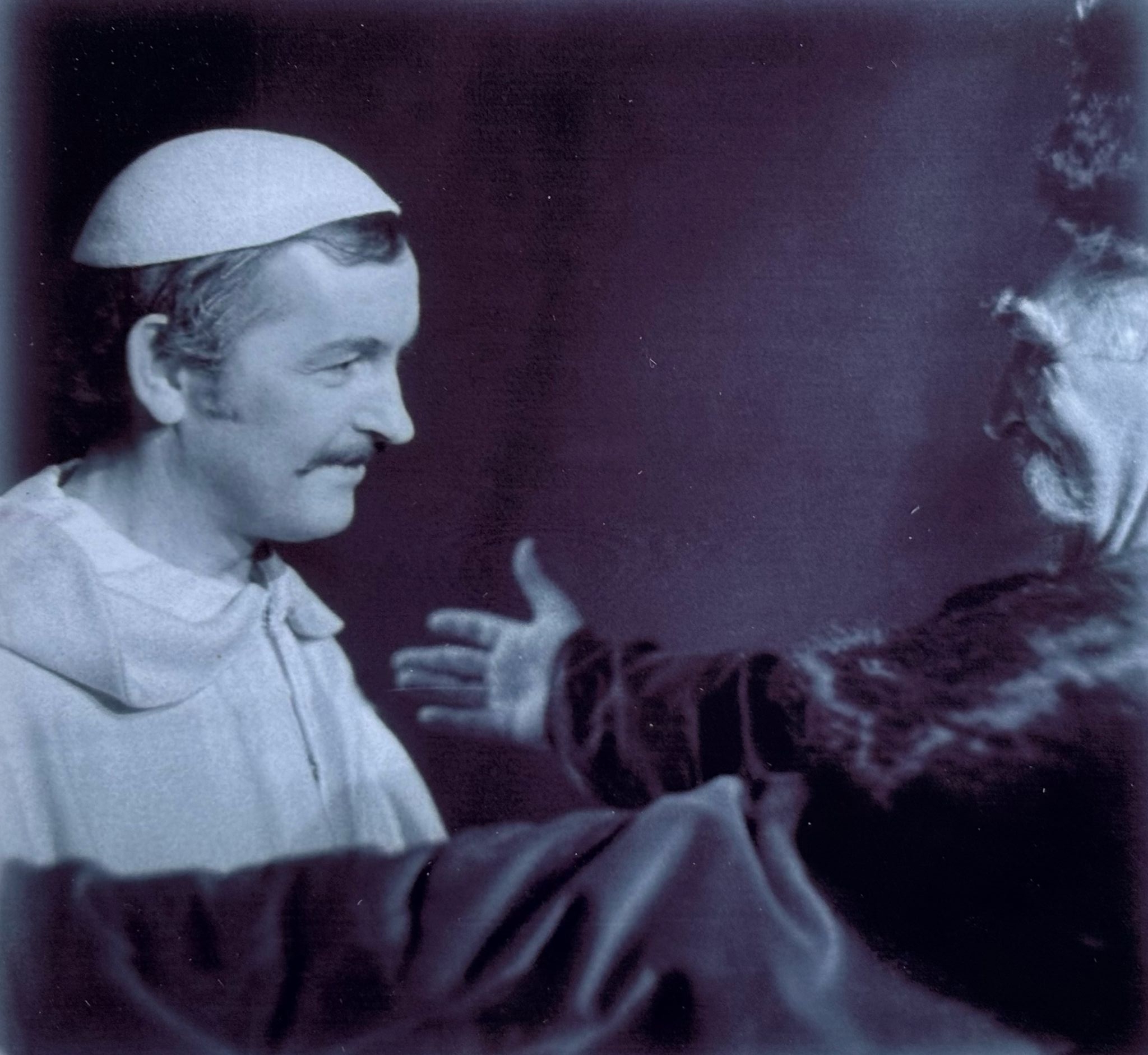
Period photo by Karol Suszka
zdroj: Witness archive

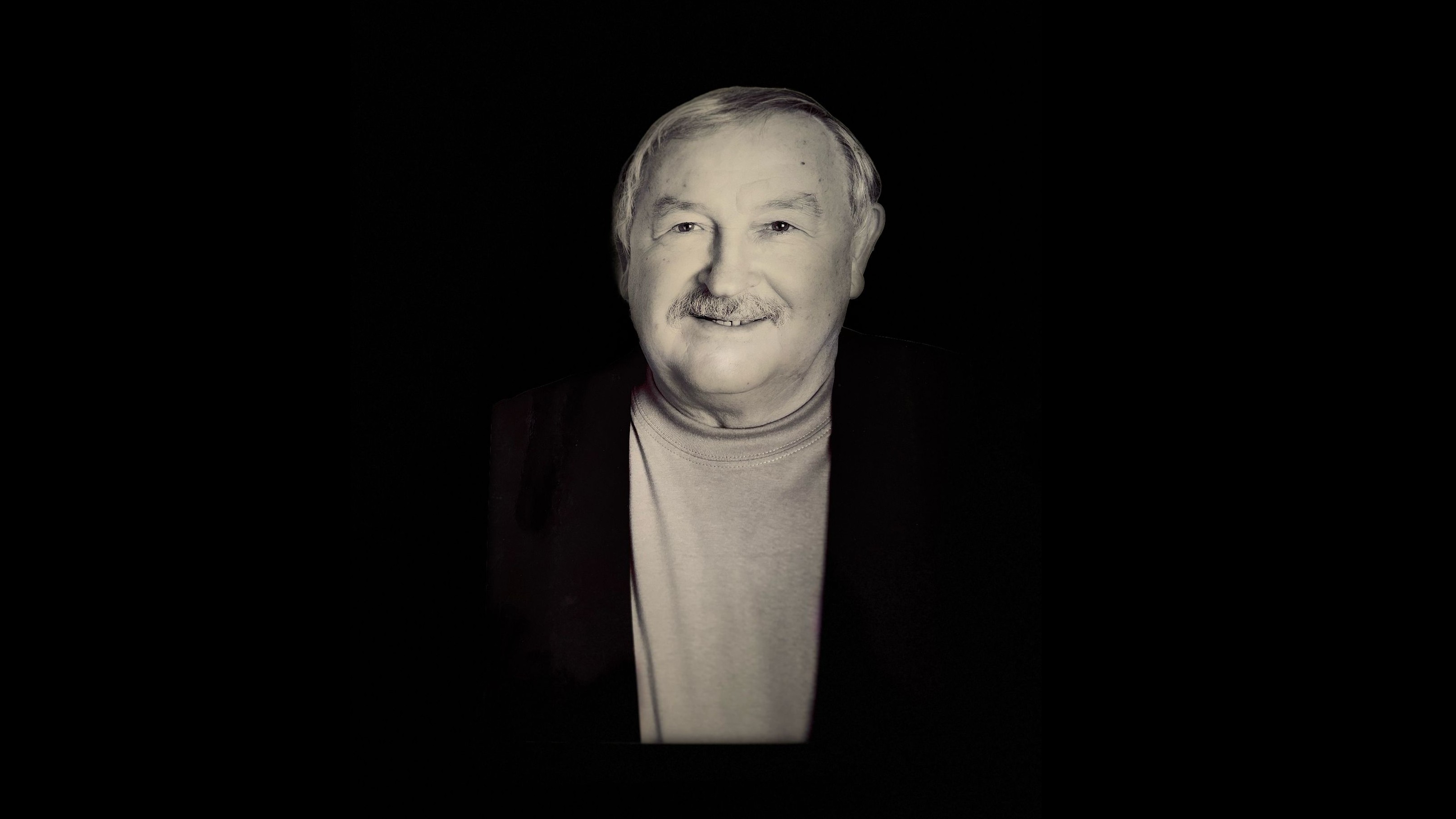
Karol Suszka was born on August 8, 1942, in Návsí near Jablunkov. He grew up with two older brothers. His father worked in the metallurgical industry and his mother was a housewife who took care of the household. As a child, Karol Suszka wanted to be a soccer player, but he began acting at the age of seventeen. At that time, he played one of the characters in Gogol‘s comedy The Inspector General. He studied acting at the State Higher Theater School in Warsaw between 1961 and 1965 and then continued his studies in theater directing at the Theater Faculty of the Academy of Performing Arts in Prague, which he completed in 1976. He spent his entire professional life at the Těšín Theater in Český Těšín, where he worked not only as an actor and director, but also as the artistic director of the Polish and Czech stages. However, he also worked on theater stages in Poland and was briefly associated with the Petr Bezruč Theater in Ostrava. In the 1990s, the Těšín Theatre produced the plays Snow White and Ferda the Ant, which this Silesian theatre still performs today. He was the director of this theater from 2000 to 2018. Karol Suszka has participated in a number of productions and still performs on stage today, while continuing to direct. He has received numerous awards for his life‘s work. In 2024, he lived in the Frýdek-Místek region.