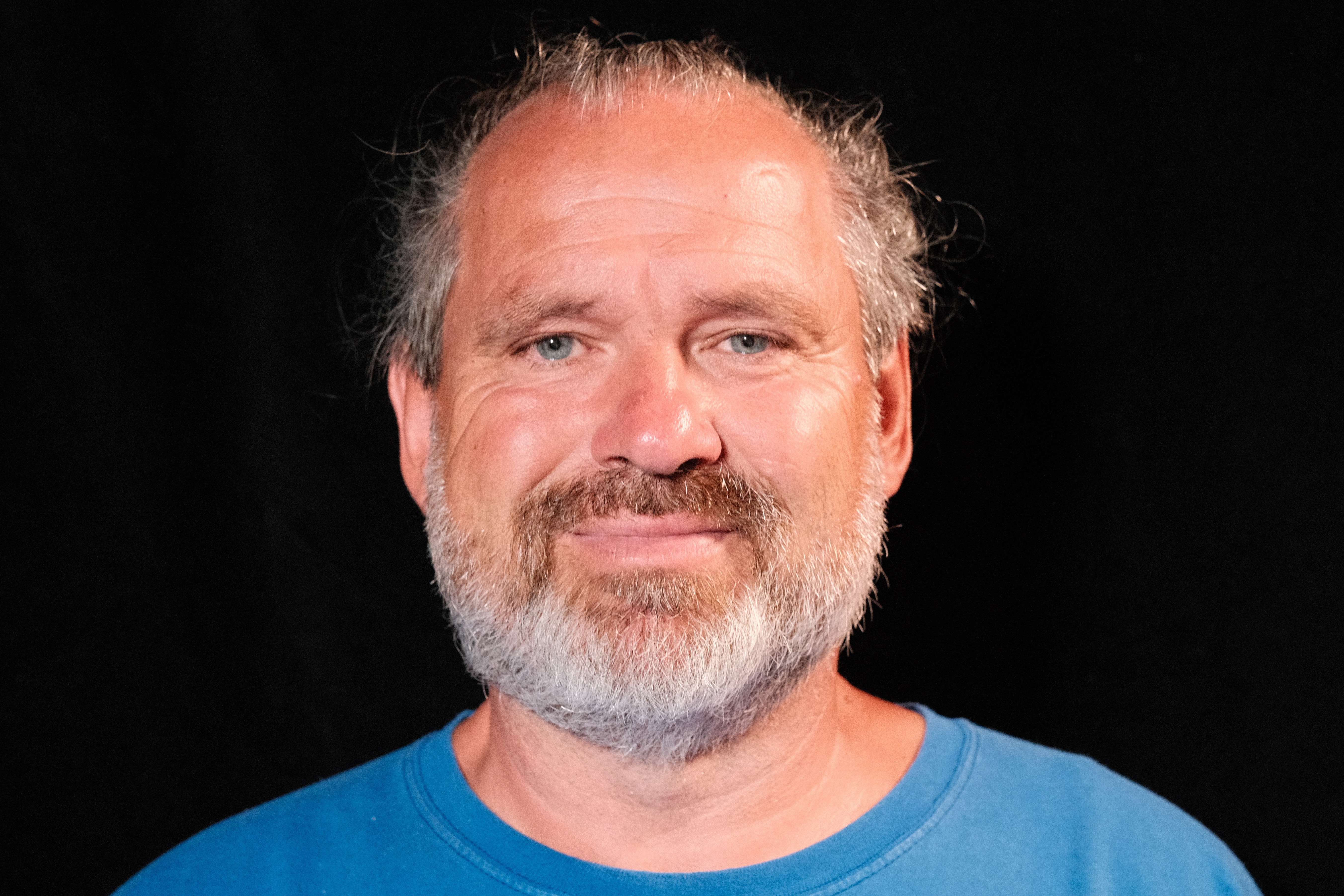
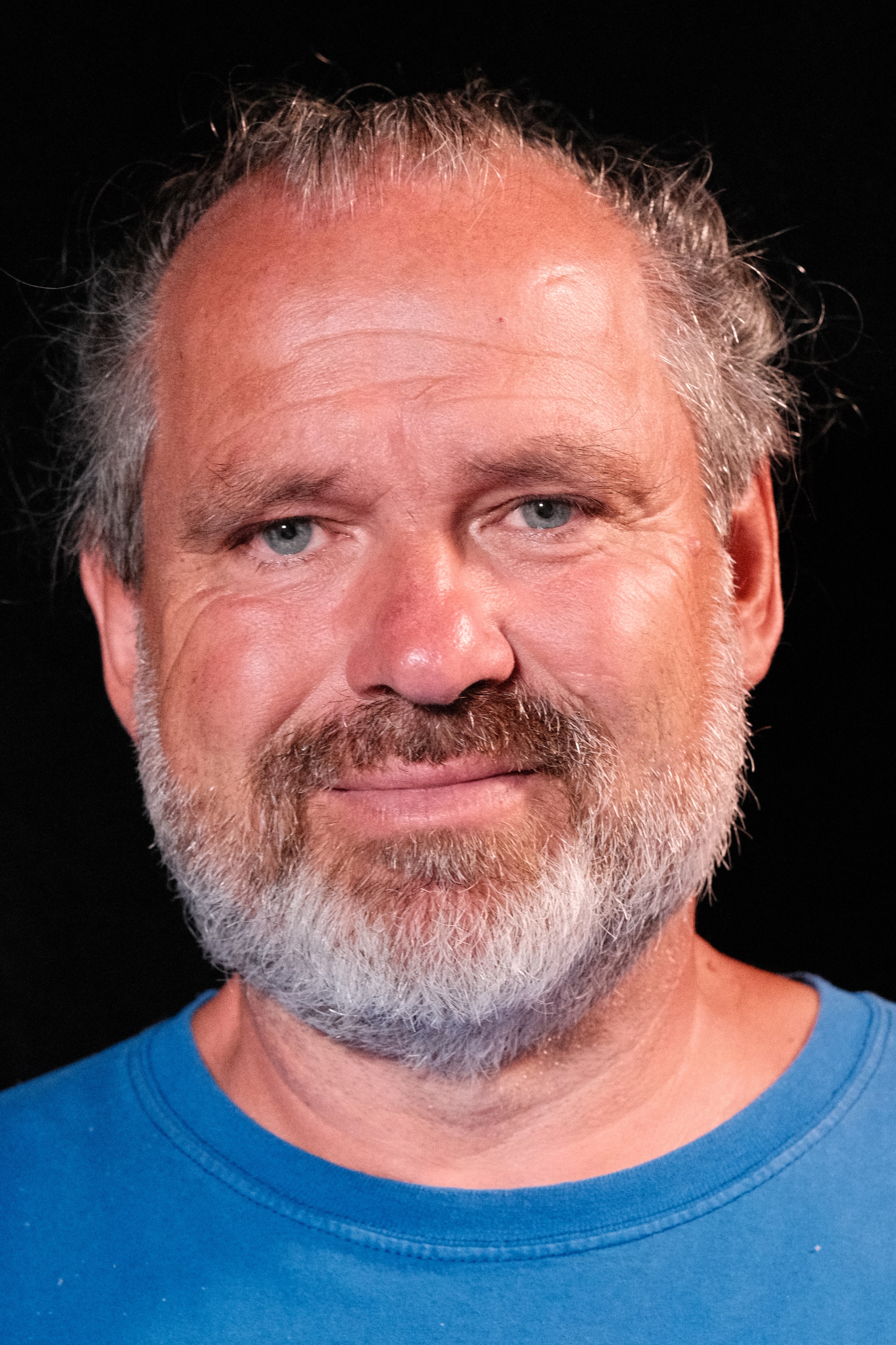
Petr Strnadel

* 1966

  • "It is absolutely horrible to me that there has been such a terrible pursuit and persecution of State Security collaborators, while the people who were real monsters are being treated as state officials. It seems incommensurable to me how much pressure was often put on people who found themselves in such a situation in life that they simply gave in to that pressure for various reasons. Whereas the people who did it quite consciously, who planned it, who set traps for people, who got evaluations and money for the way they tormented people, stayed completely off the hook. Nobody really paid any attention to them. Nobody publishes them anywhere. Nobody has any problem with it. They're probably taking fantastic pensions and living the good life. And so on."

  • "Because I was convinced I wasn't doing anything wrong, I didn't hide with it at all. Just like when my dad caught me openly saying something when I was 14, I never changed that modus operandi. It was incomprehensible to me when I learned that the boys somehow arranged for one to say something about the other to the State Security guys, but he was actually allowed to say it to State Security, so then there would be nothing wrong with it. To make it easier for themselves. For me, it was unacceptable to have any kind of conversation with the State Security guys at all. Of course, if it happened that I had a bag full of some samizdat and I was sitting in a pub somewhere and a raid started, I would somehow kick the bag under the benches. I wouldn't claim it. I wasn't such a hero that I'd go and show it to them and tell them to beat me up and lock me up. But would I worry about it? Or checking on somebody to see who I was going to lend something to or say something to... I didn't do that."

  • "I've always longed to work in the sewage treatment plant. That was my horizon in life. My wife and I didn't want to emigrate, but I also didn't see an end to communism at all. So I wanted to get a job at a sewage treatment plant because a friend told me it was just amazing. That nobody bothers you there, that you're holed up. I had this idea of having my old Mercedes typewriter there. I don't even know who ever gave it to me... So I imagined it that I was going to do some texting at the sewage treatment plant, and if I was lucky I wouldn't get arrested. That was my horizon. I was just a kid, actually."

  • Celé nahrávky
  • 1

    Ostrava, 13.08.2025

    (audio)
    délka: 02:21:59
  • 2

    Ostrava, 13.08.2025

    (audio)
    délka: 02:01:08
Celé nahrávky jsou k dispozici pouze pro přihlášené uživatele.

He longed for freedom in the sewage treatment plant. The Diletant movement was born
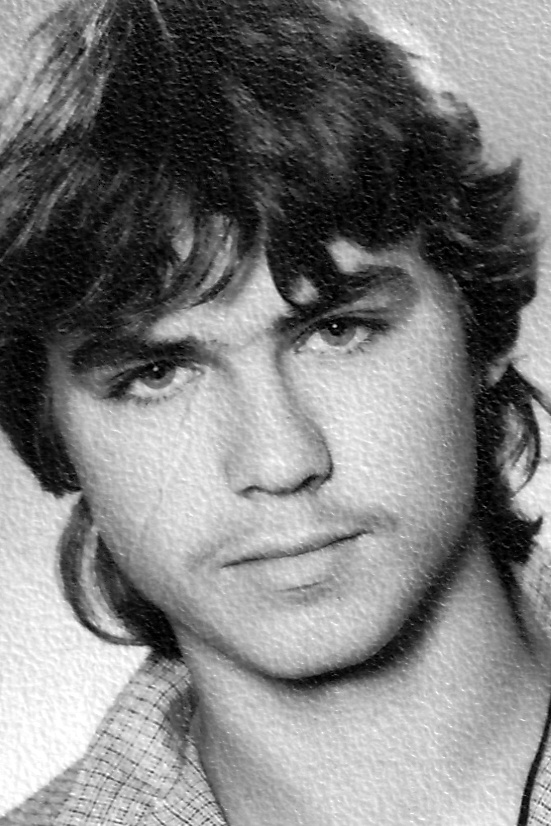
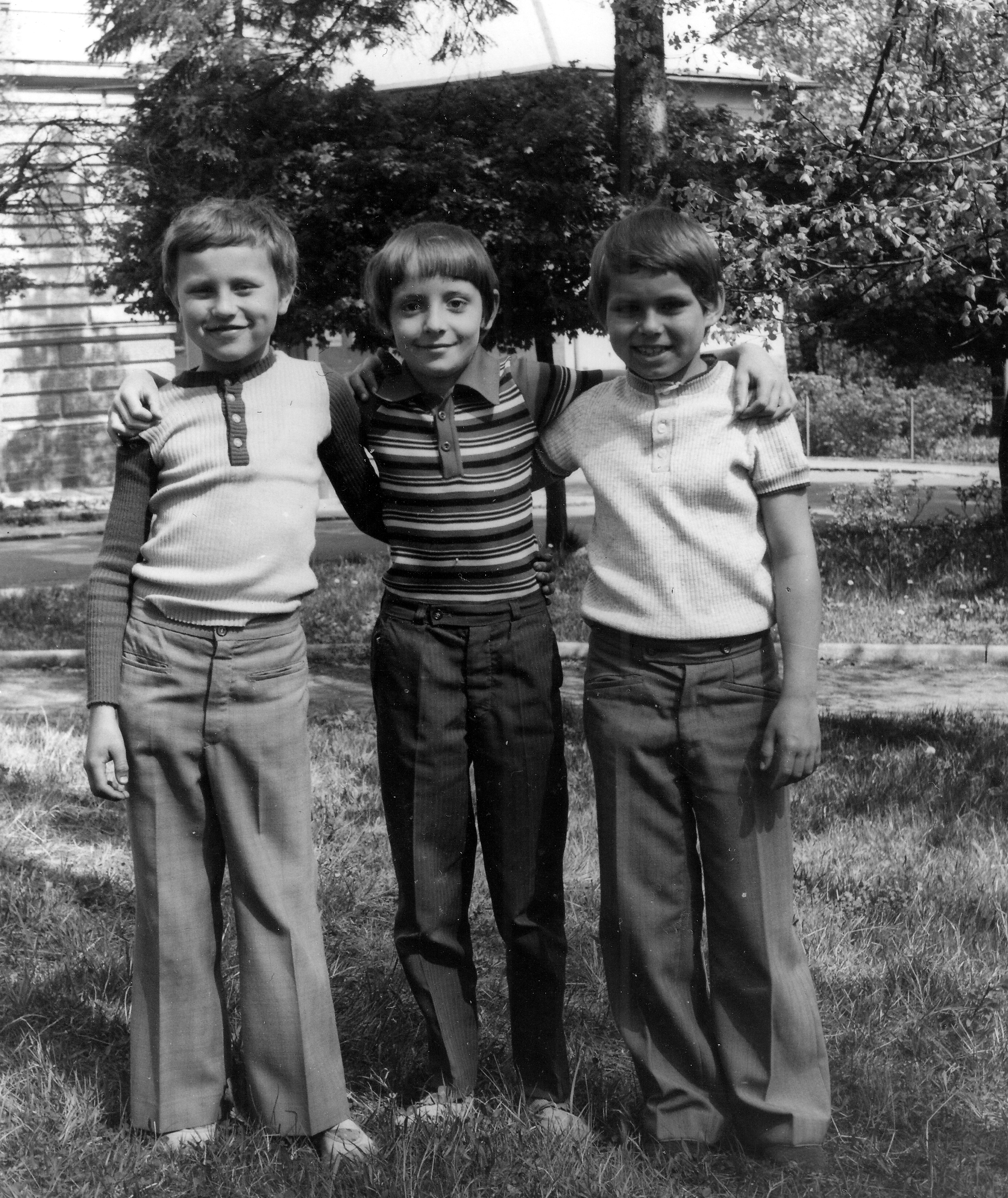
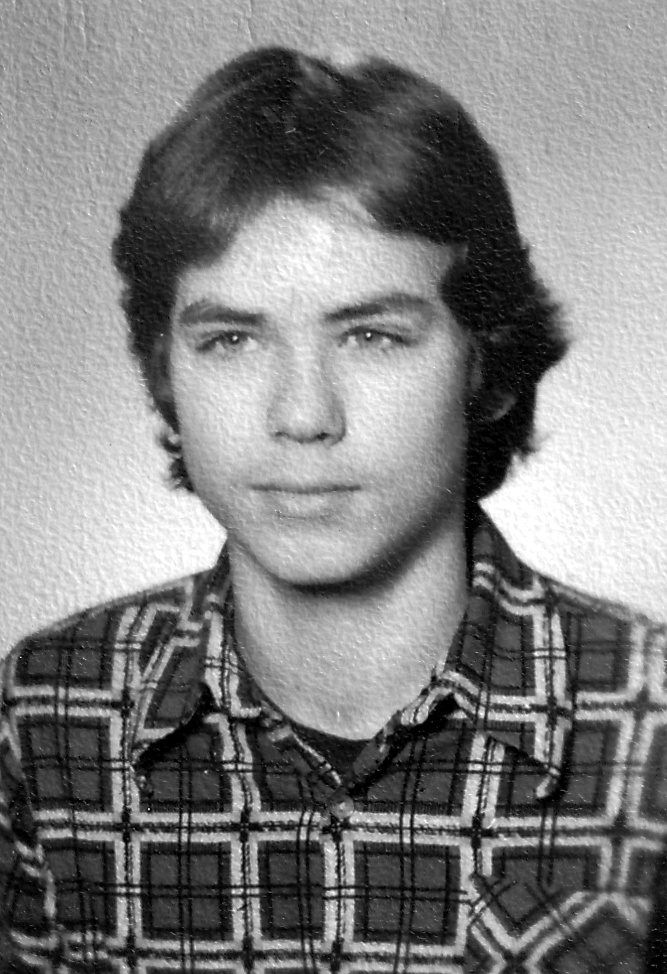
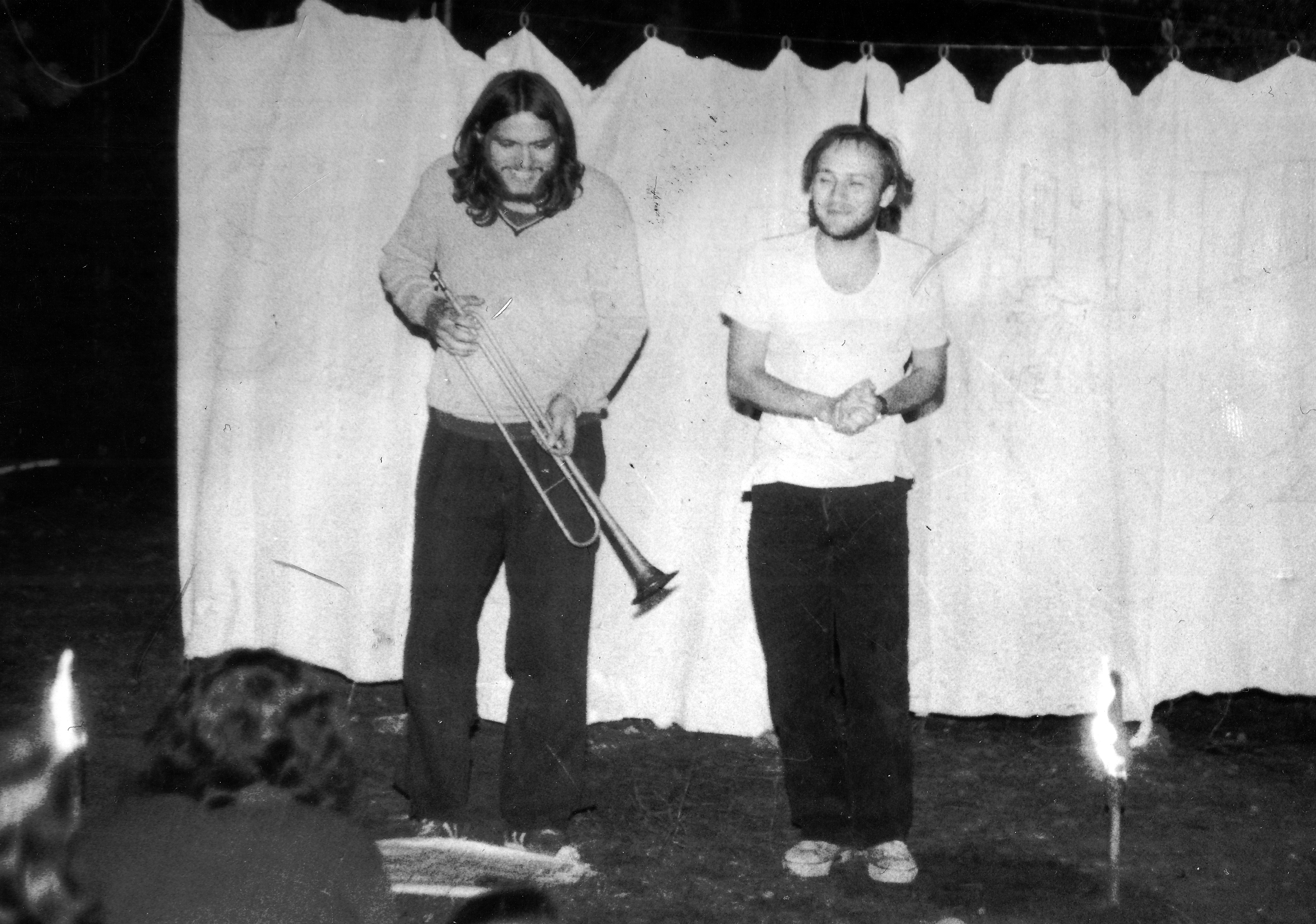
Petr Strnadel, early 80s
zdroj: archive of Petr Strnadel

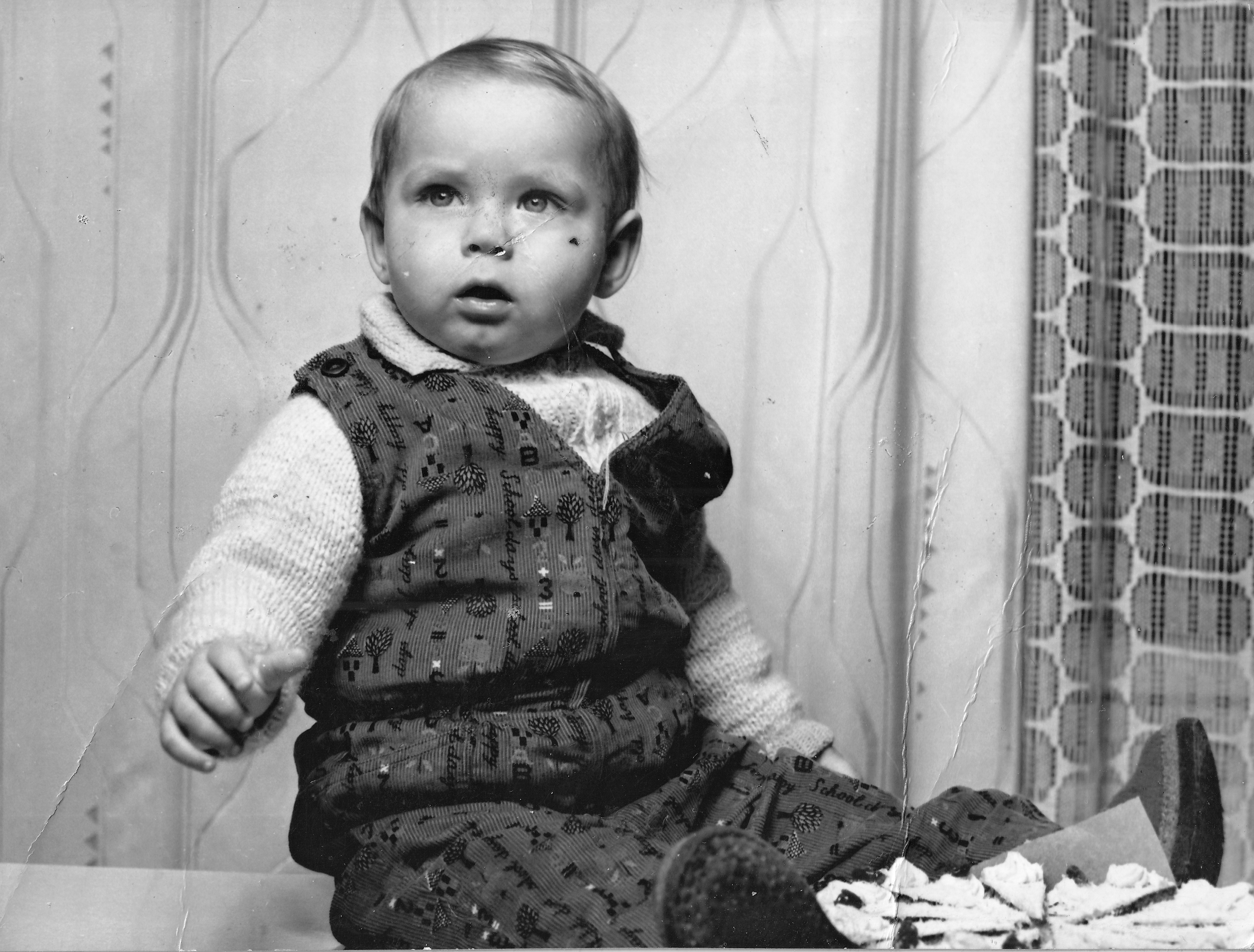
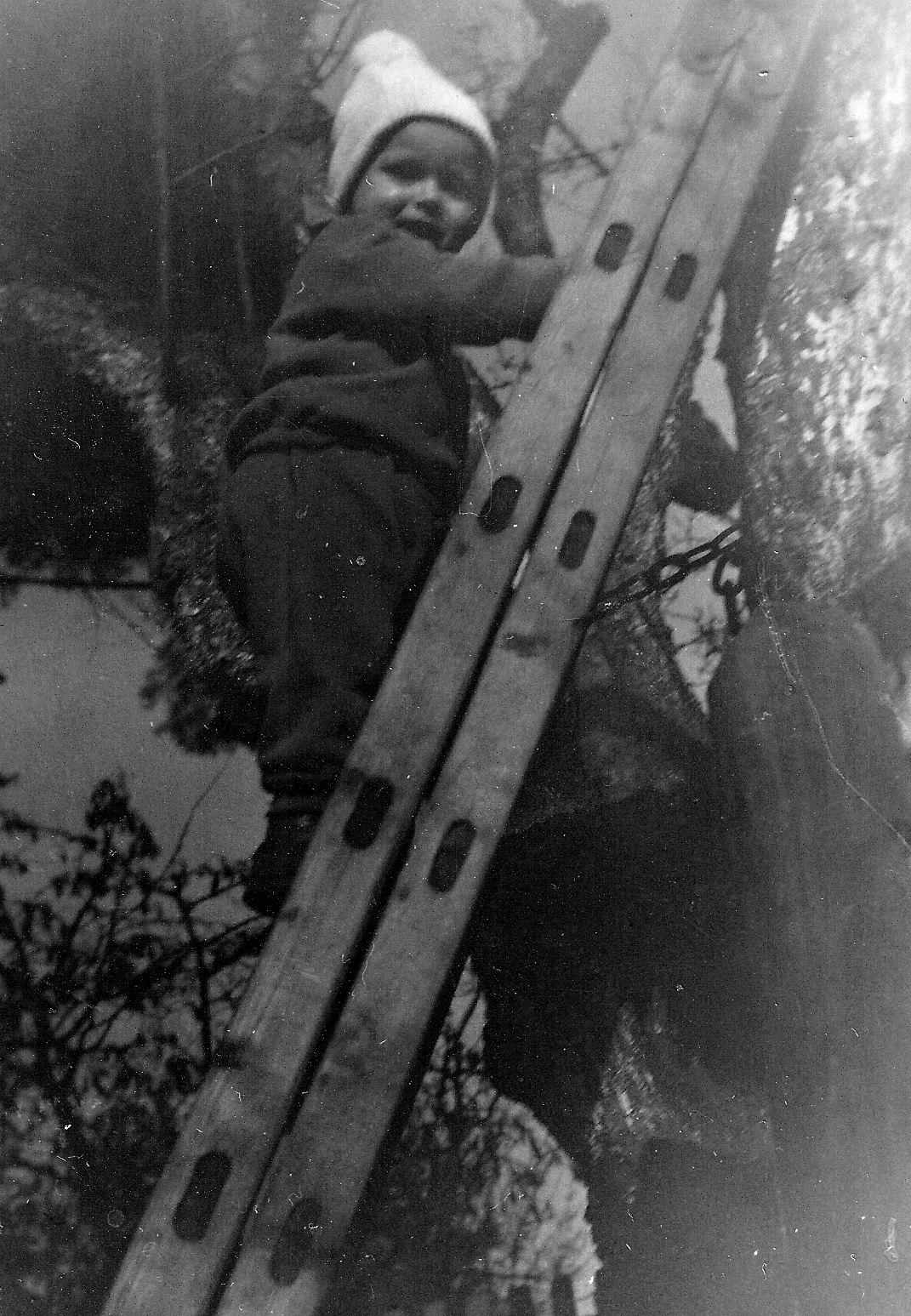
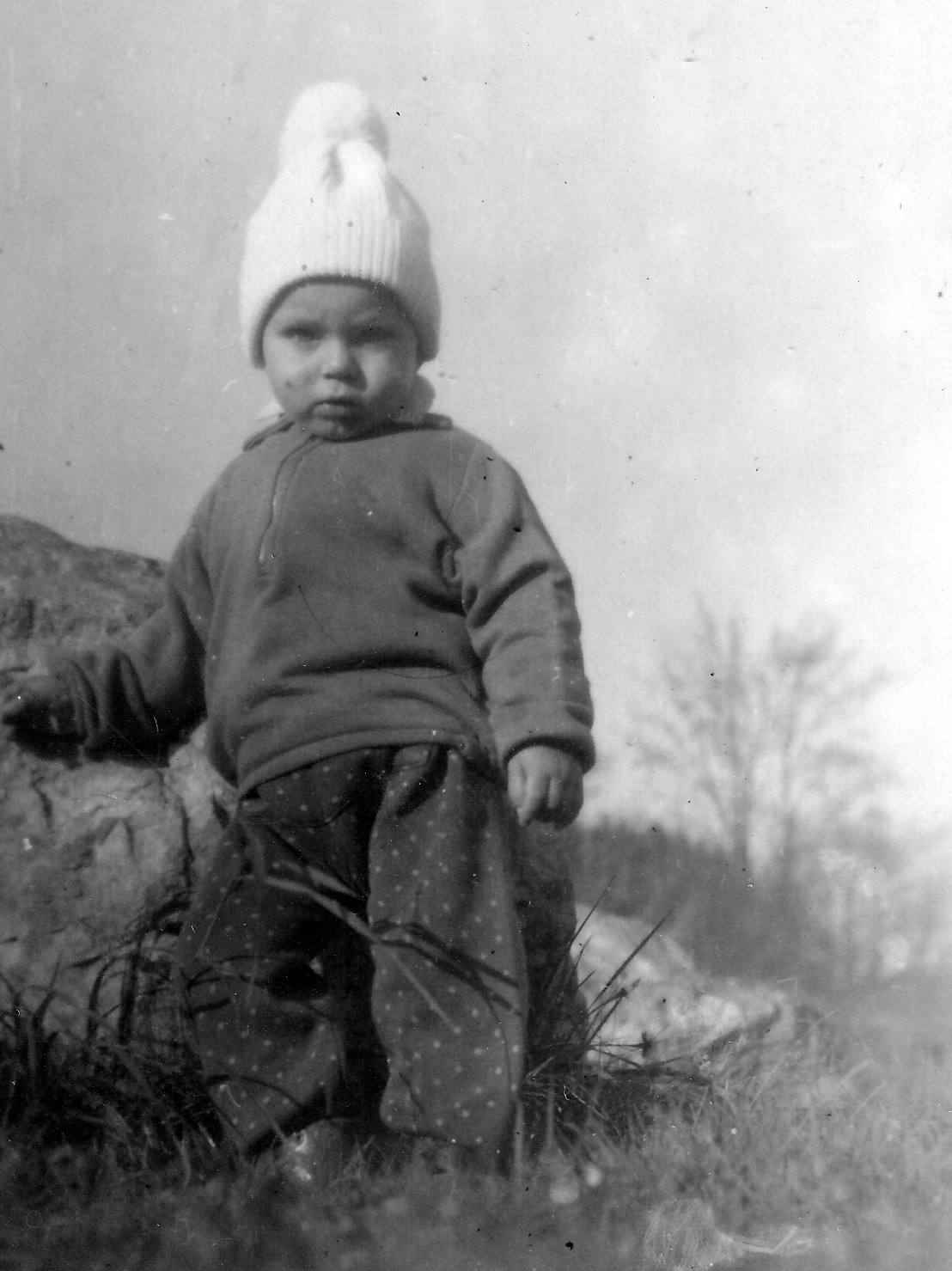
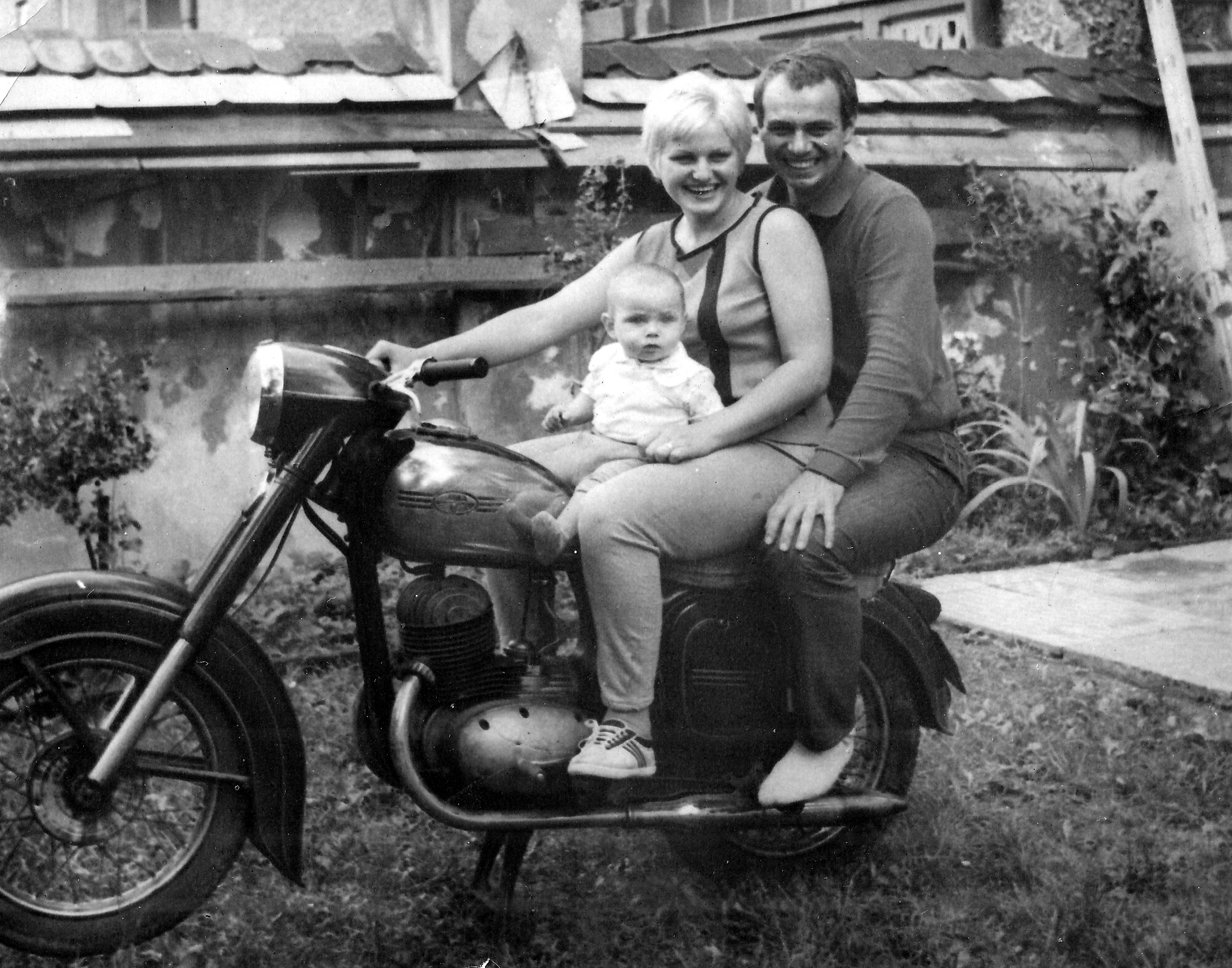
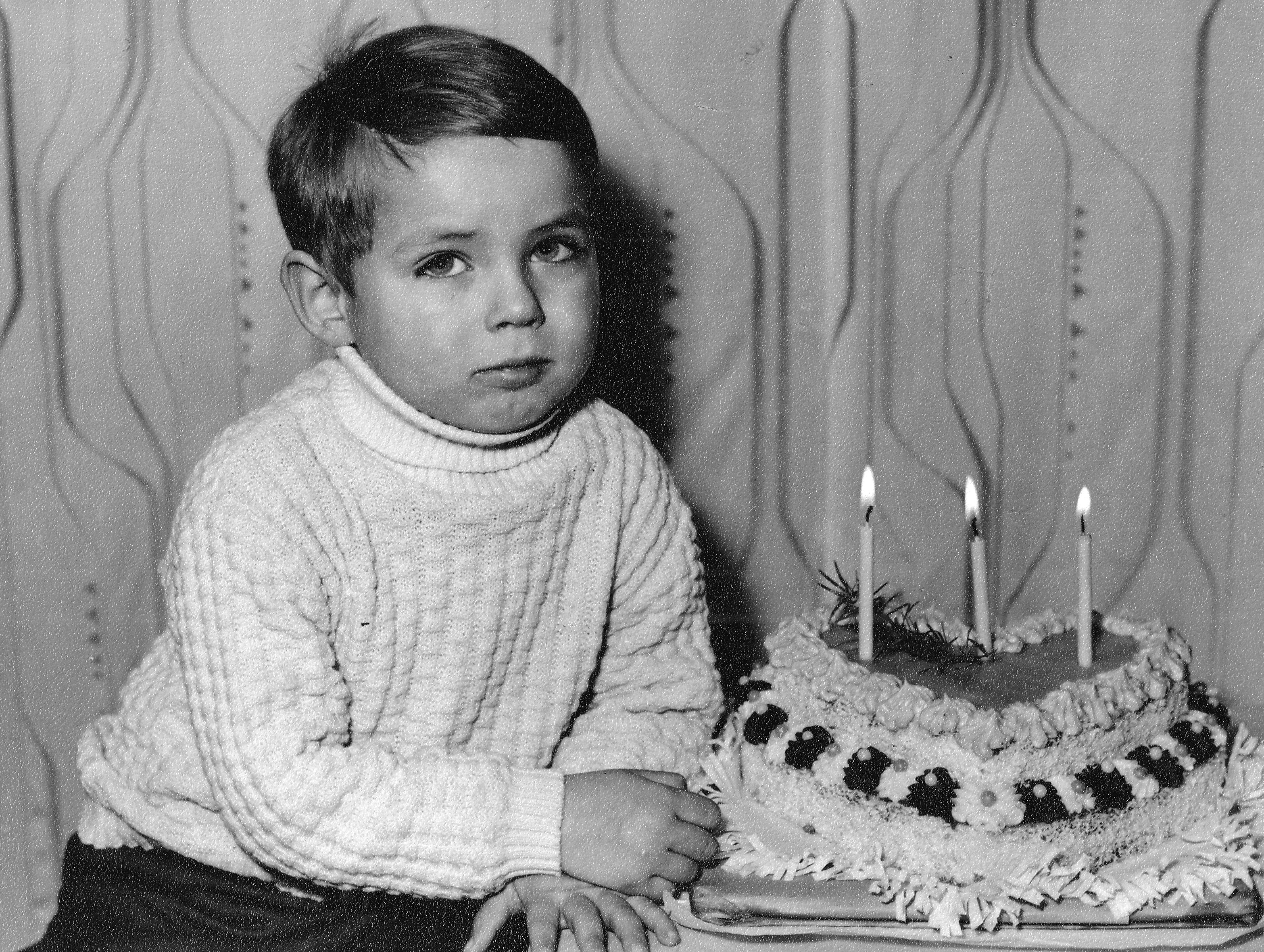
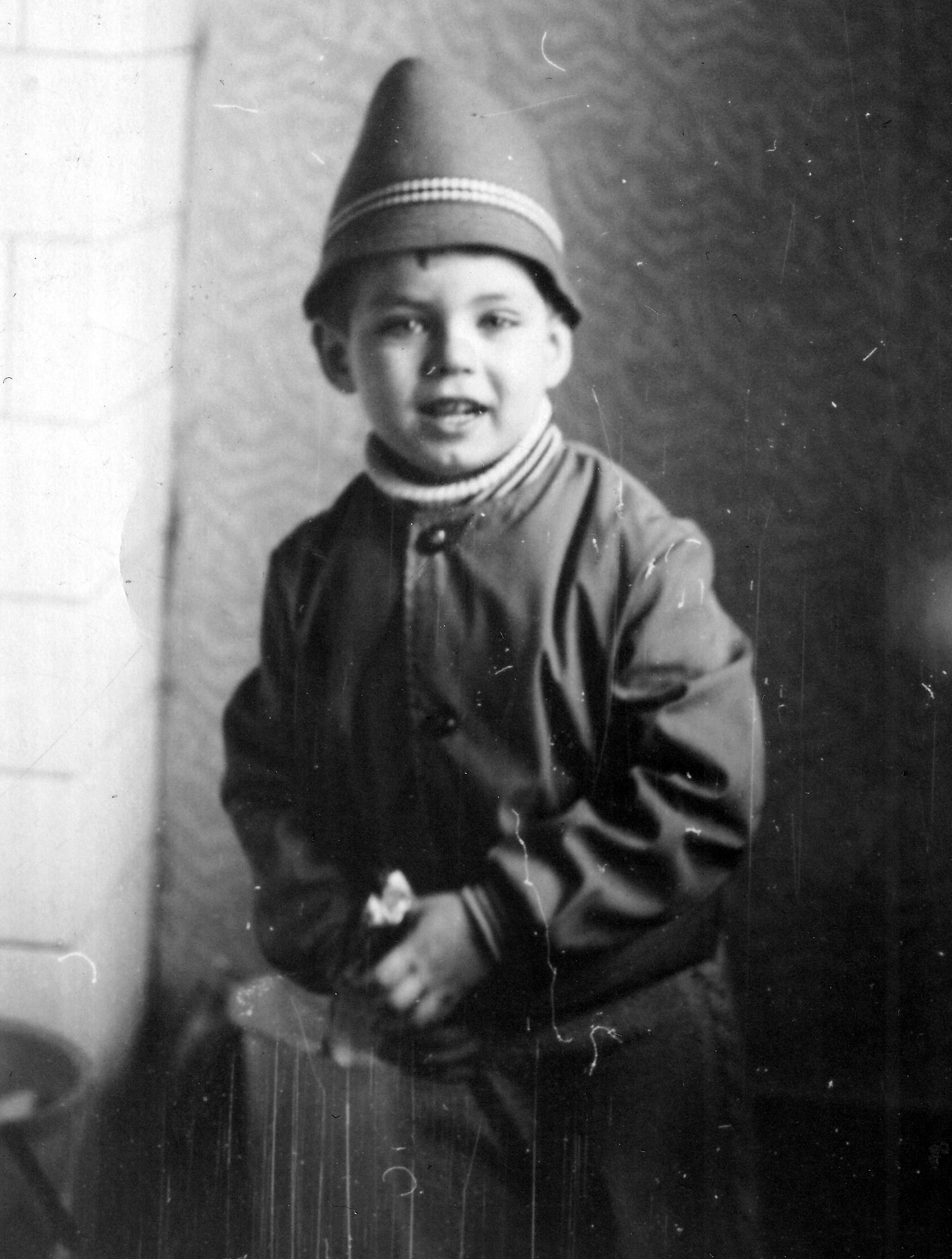
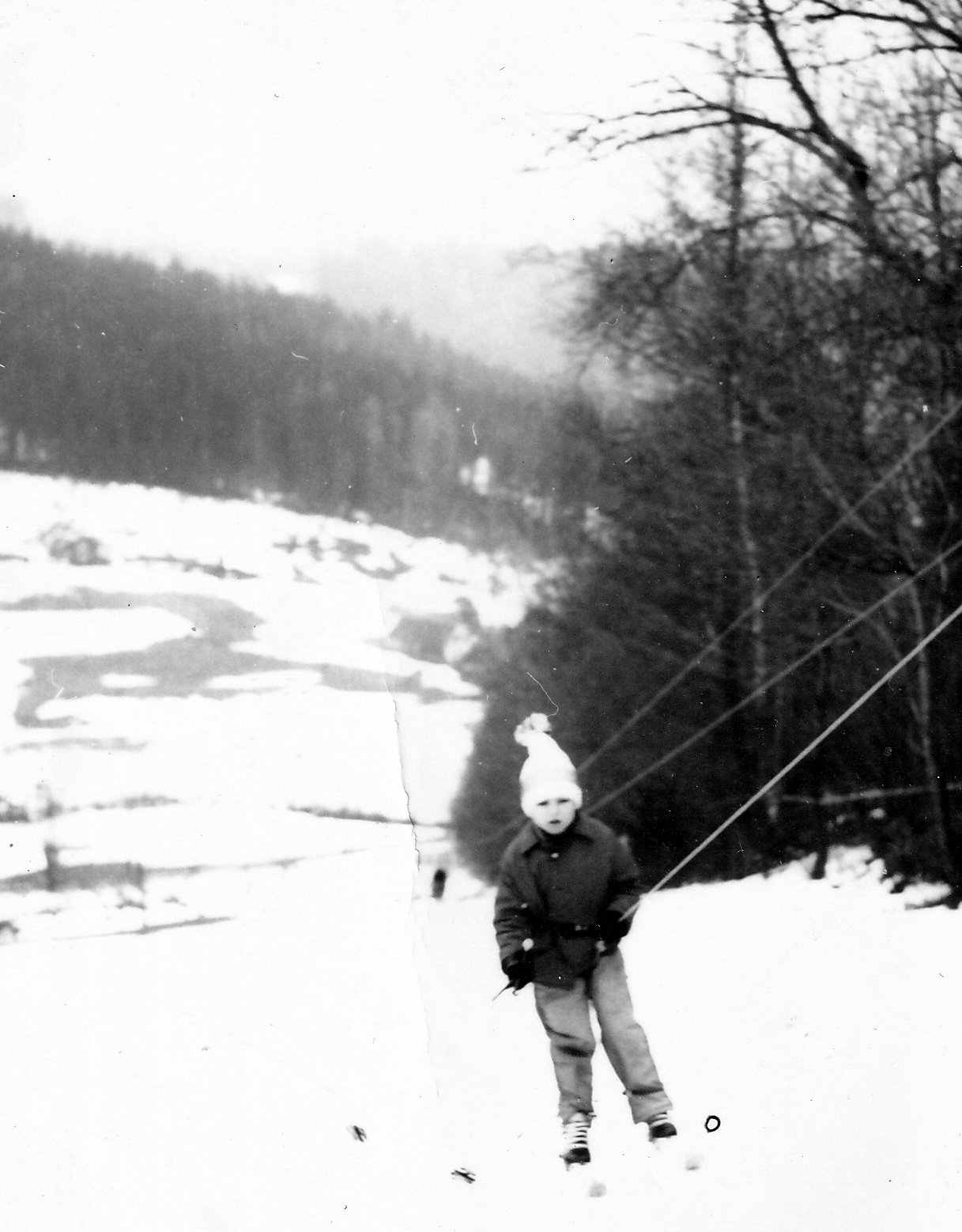
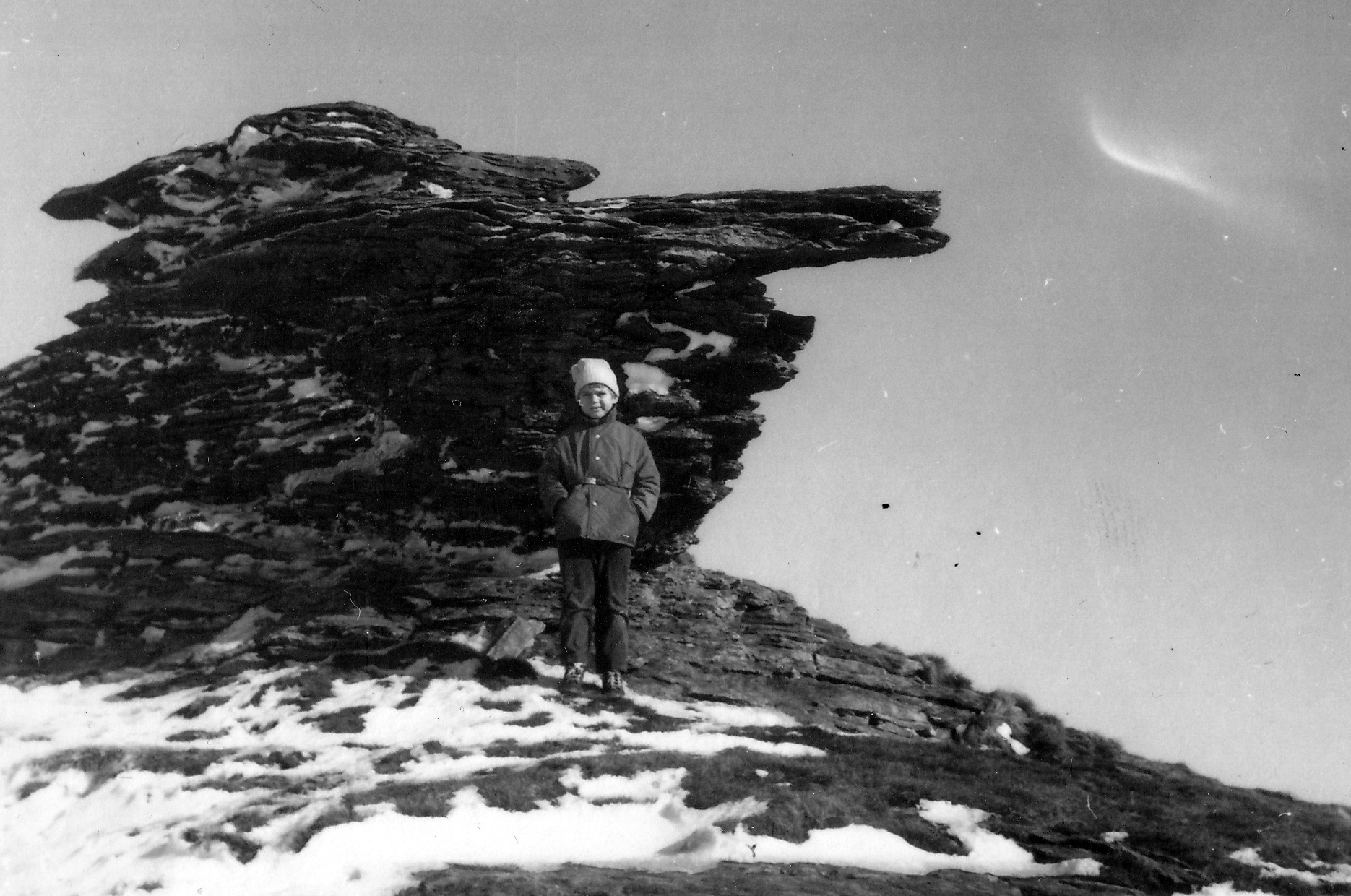
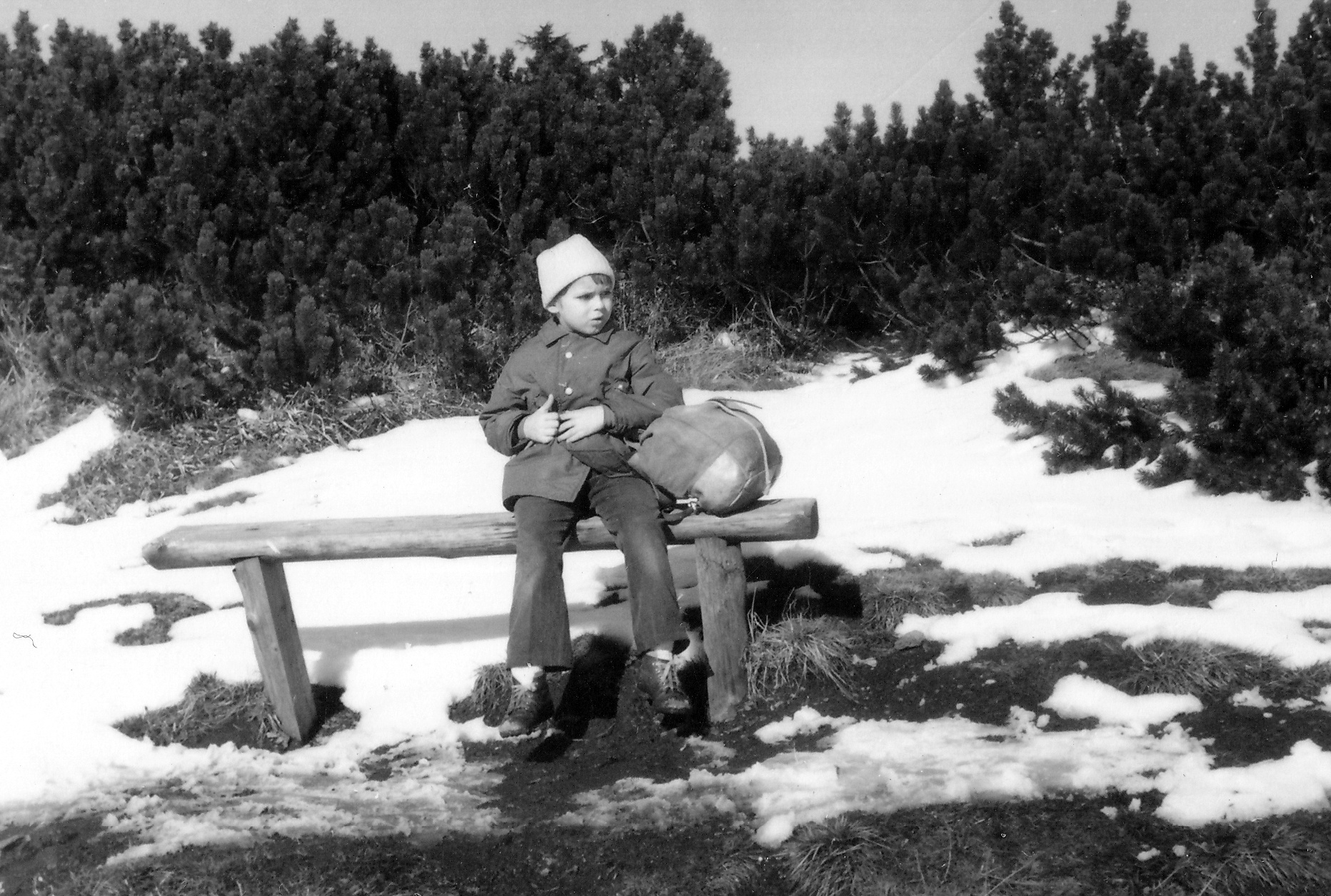
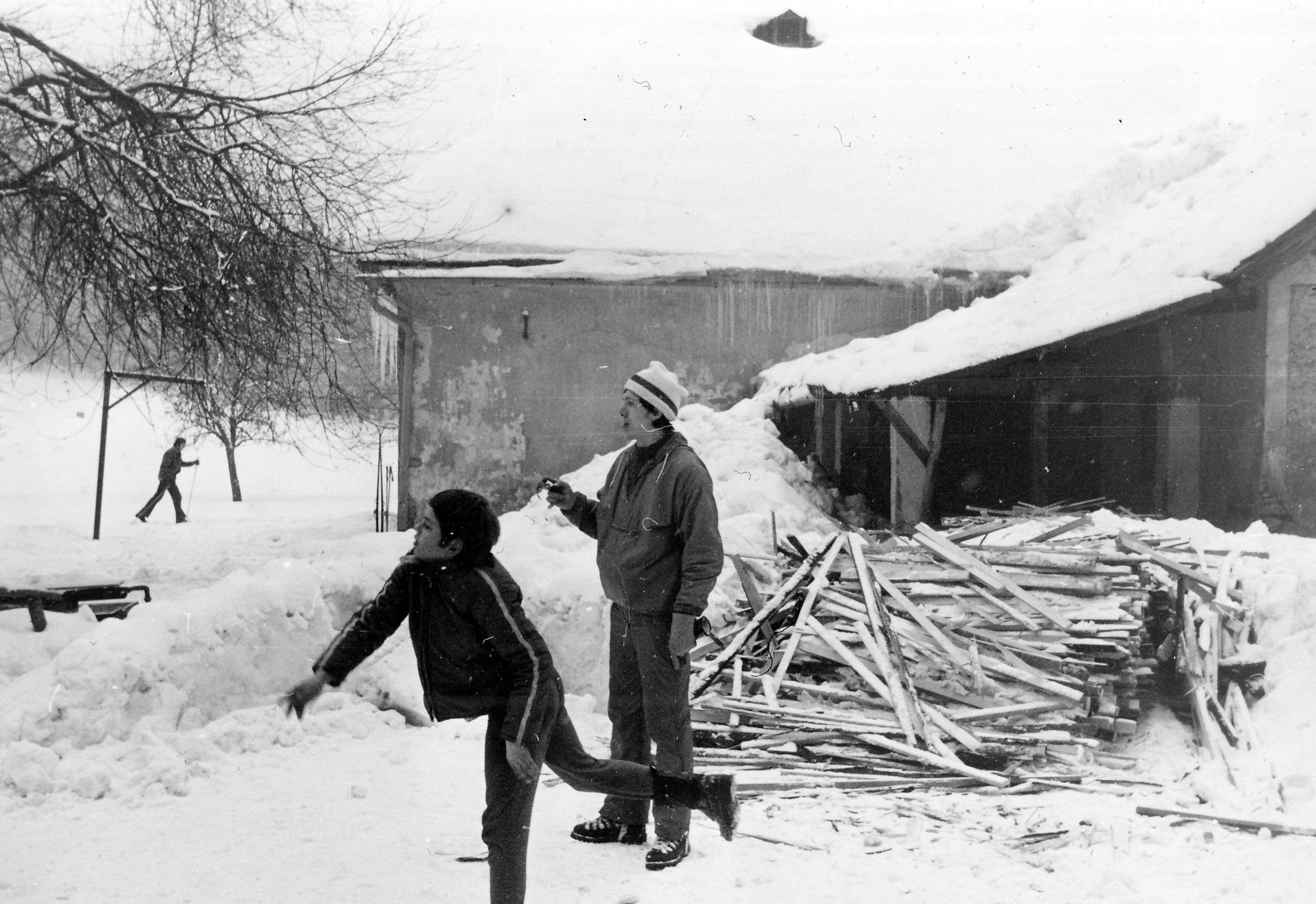
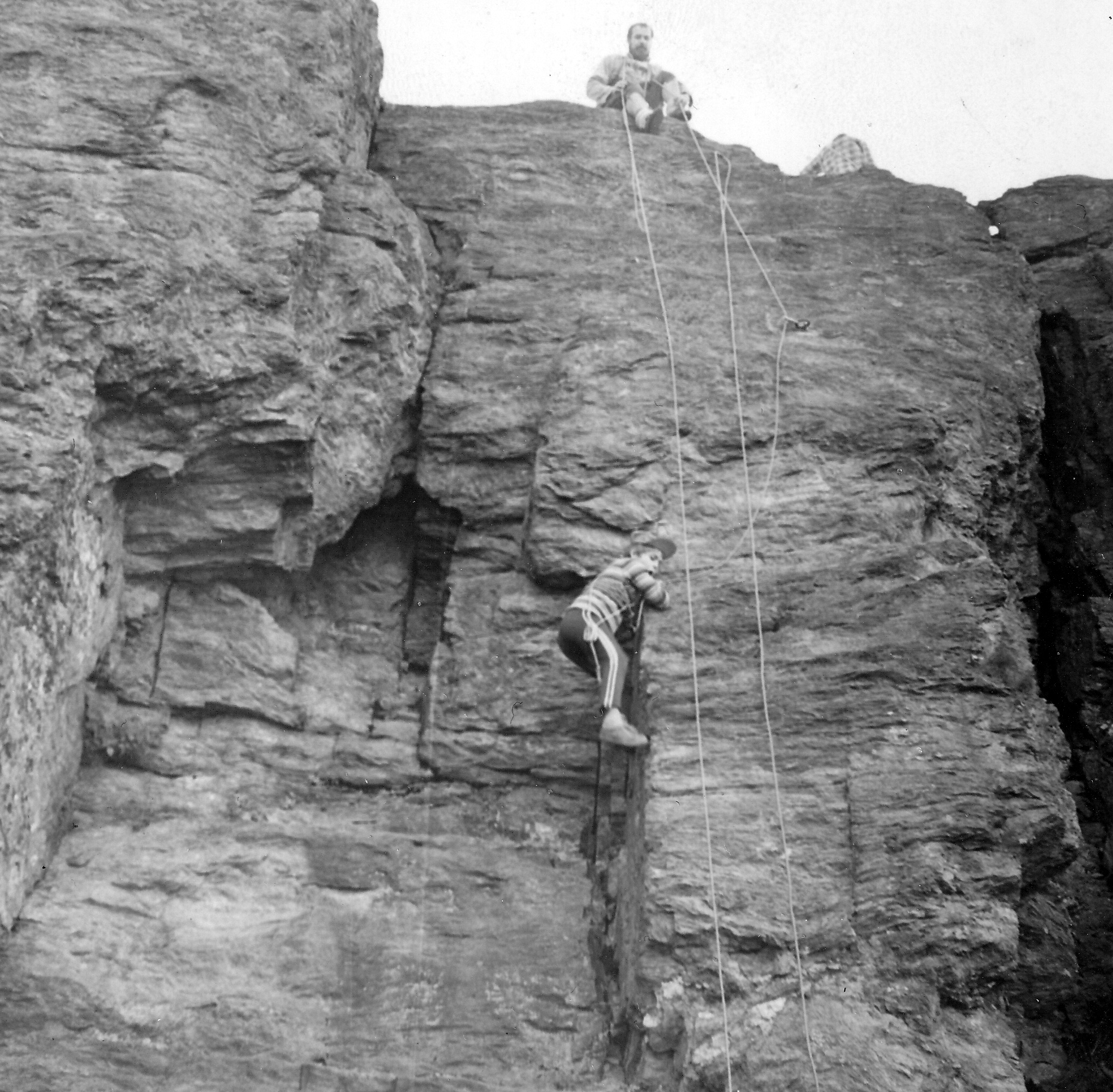
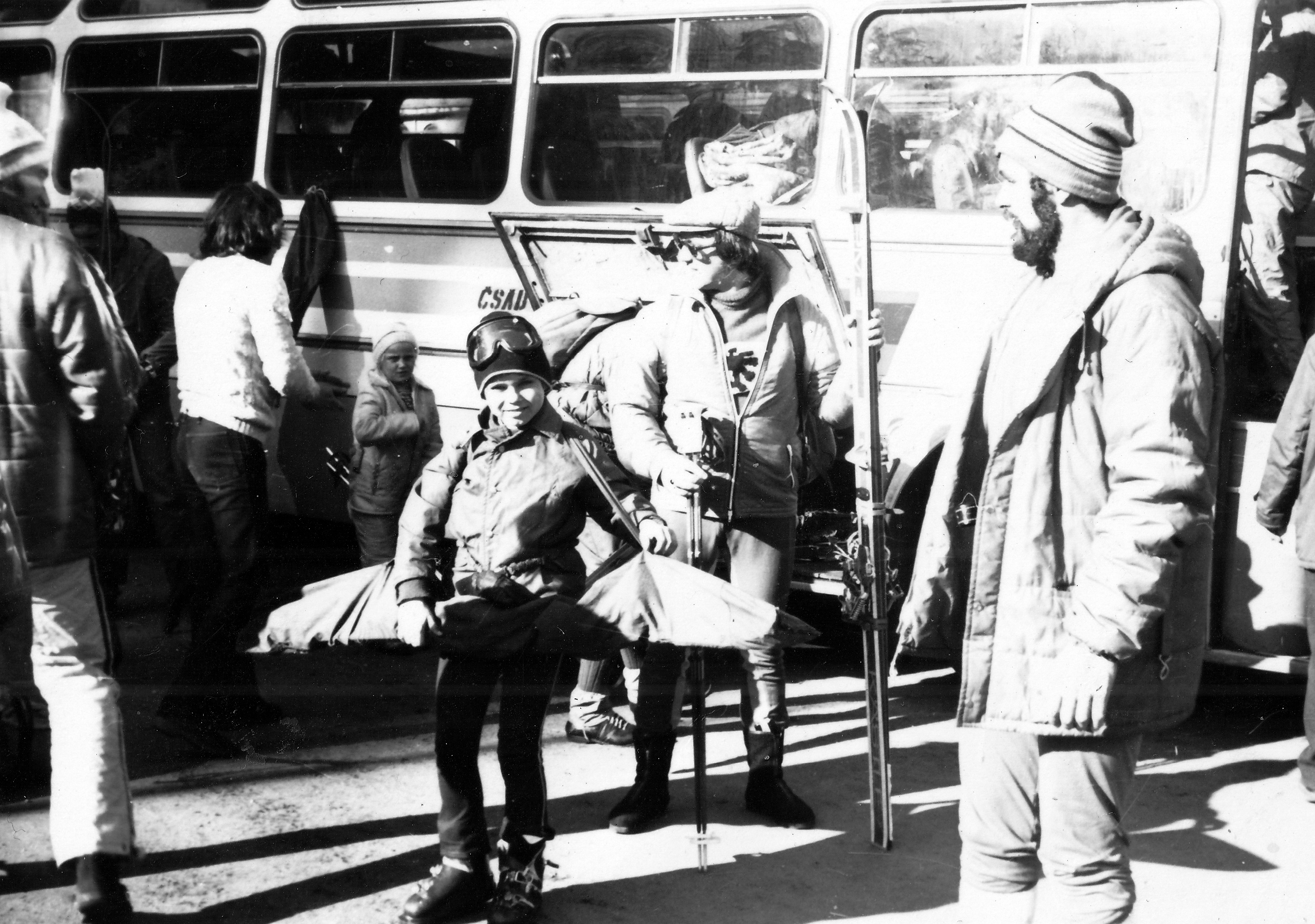
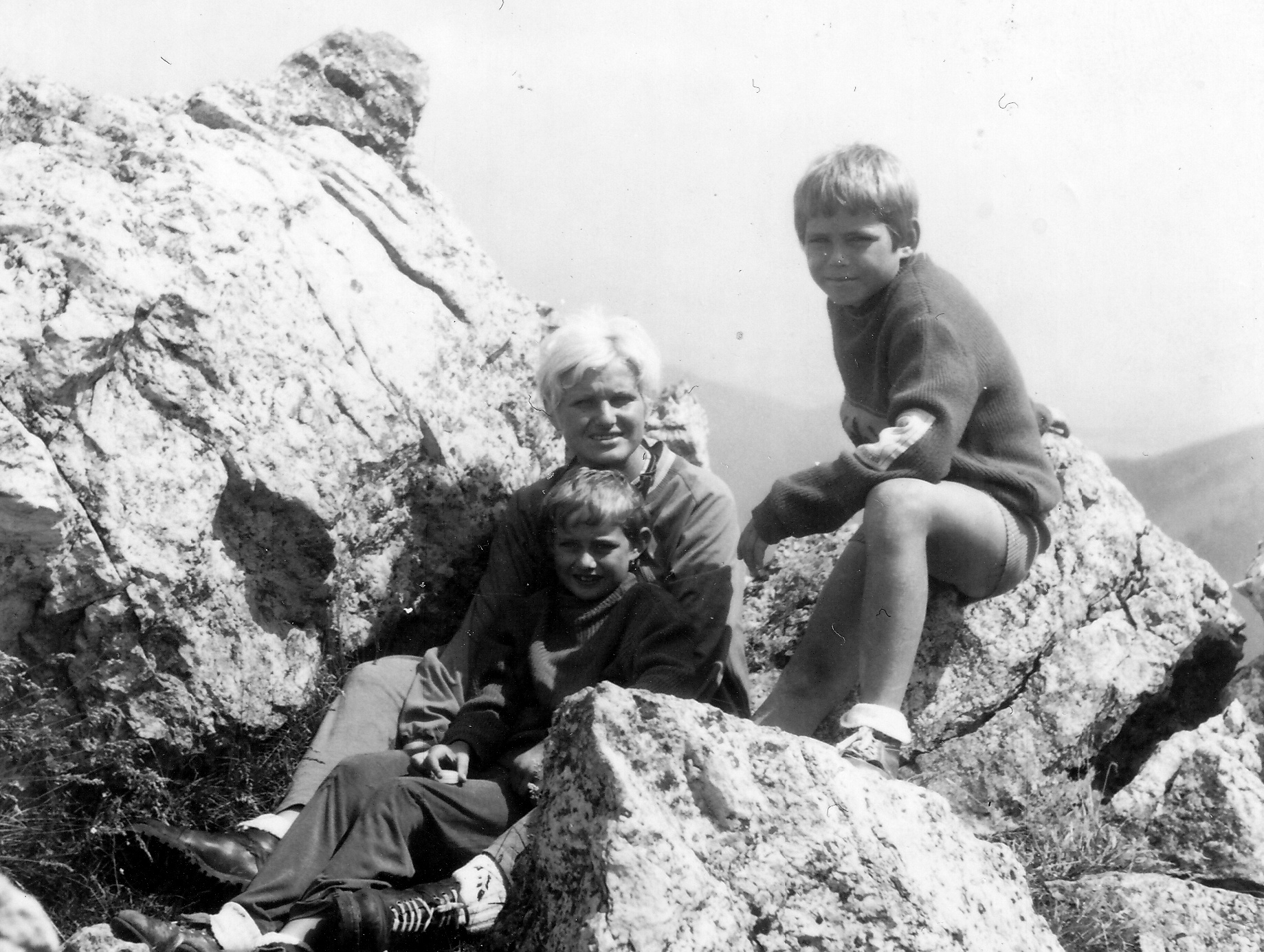
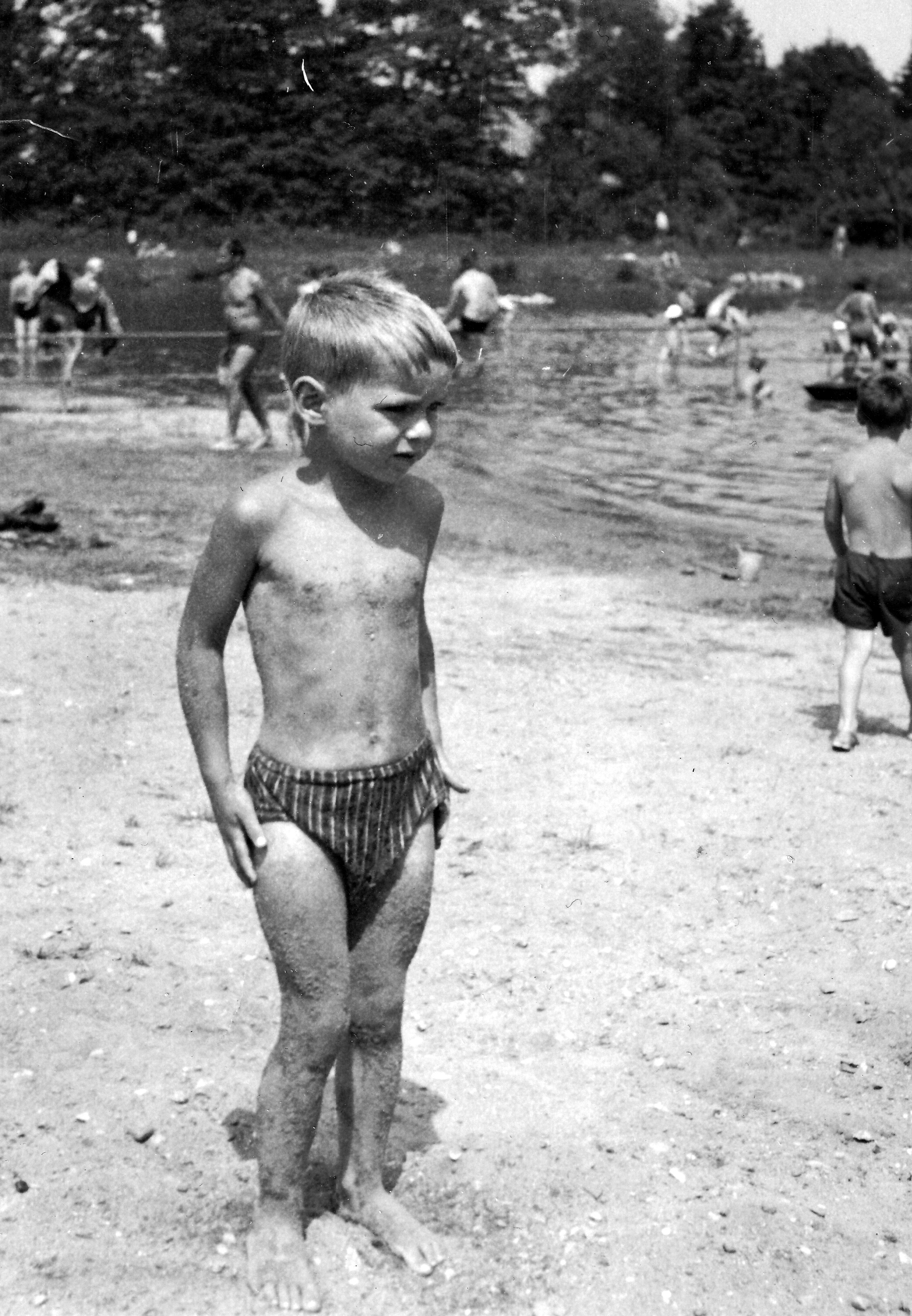
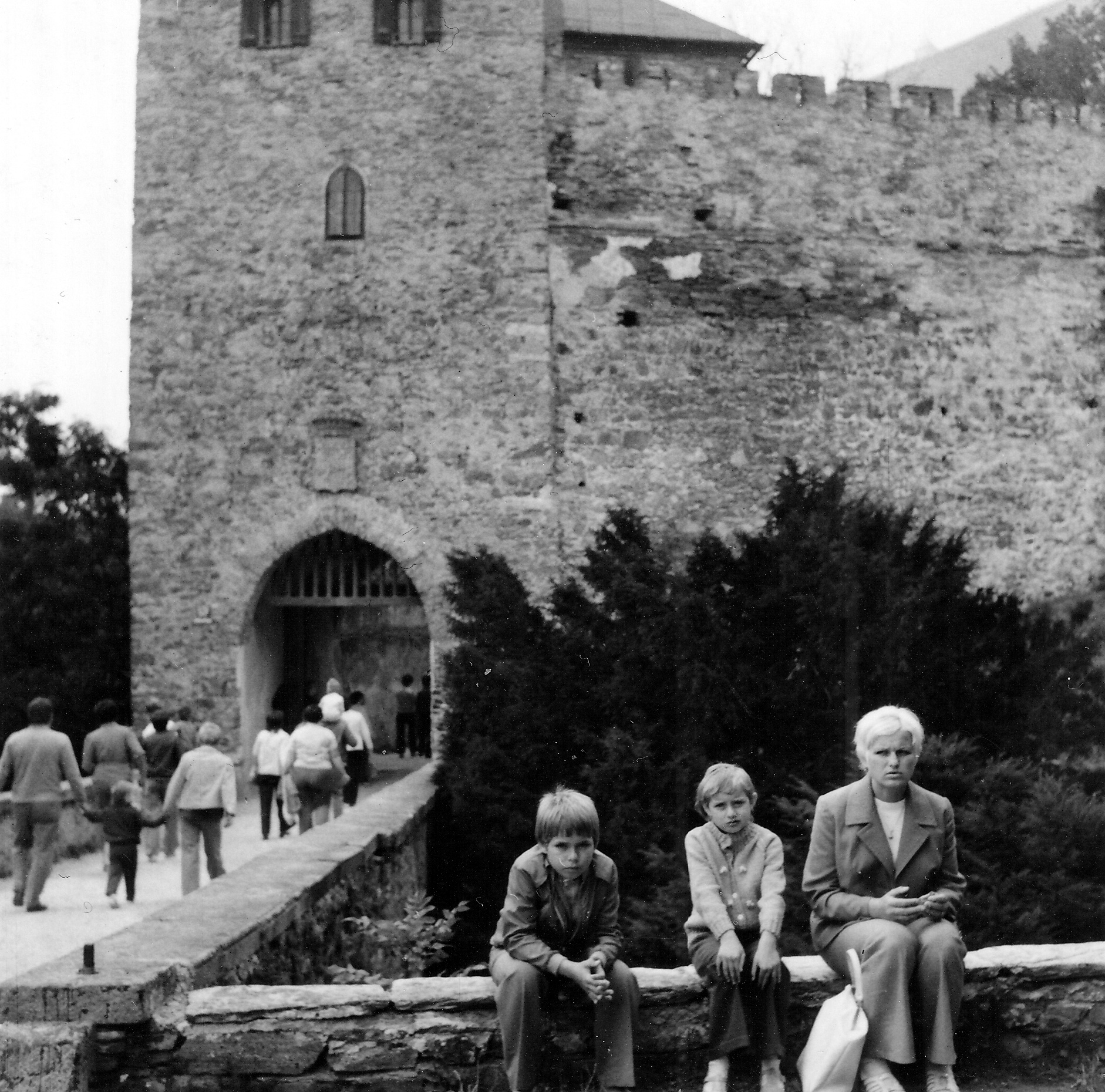
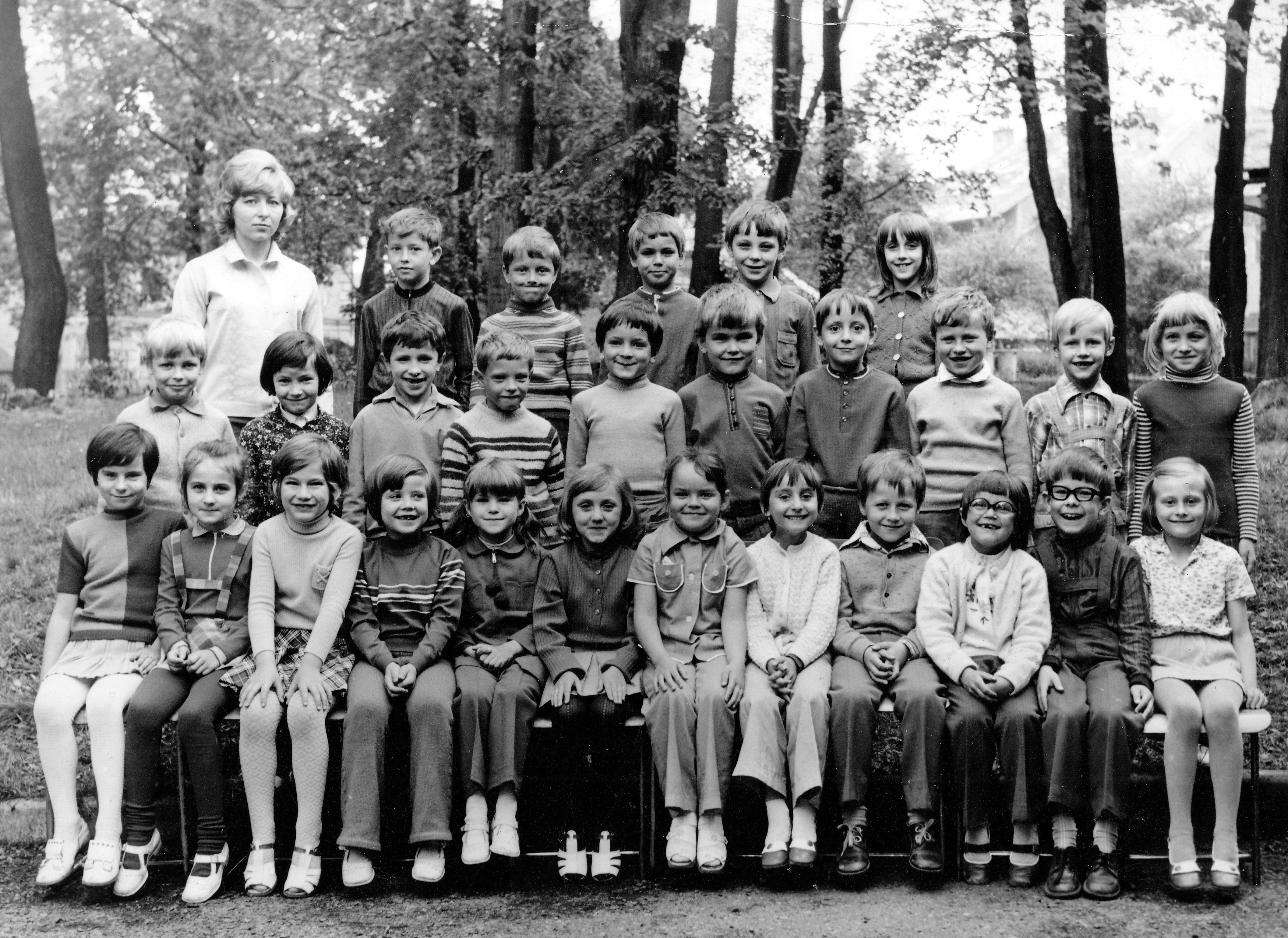
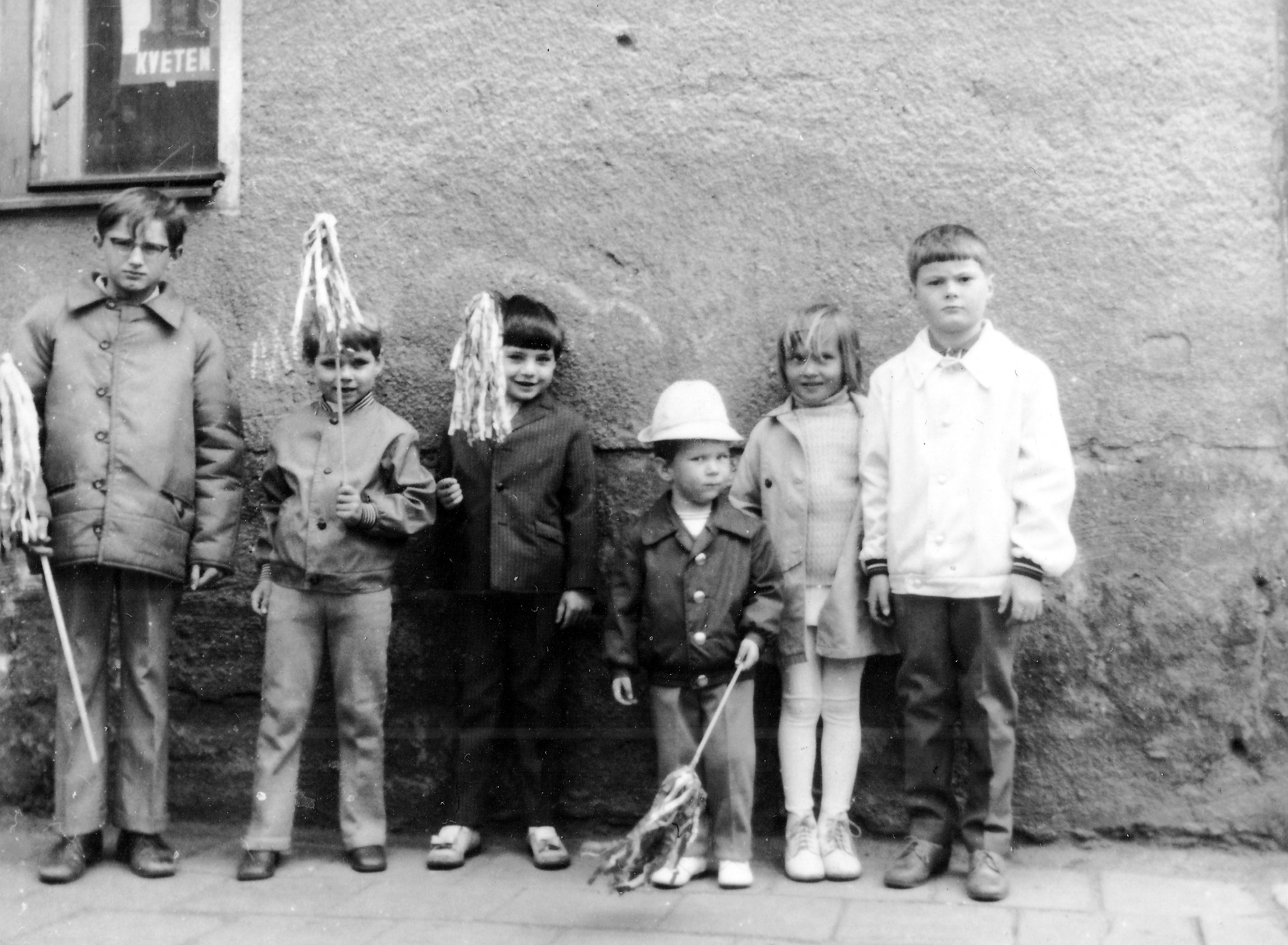
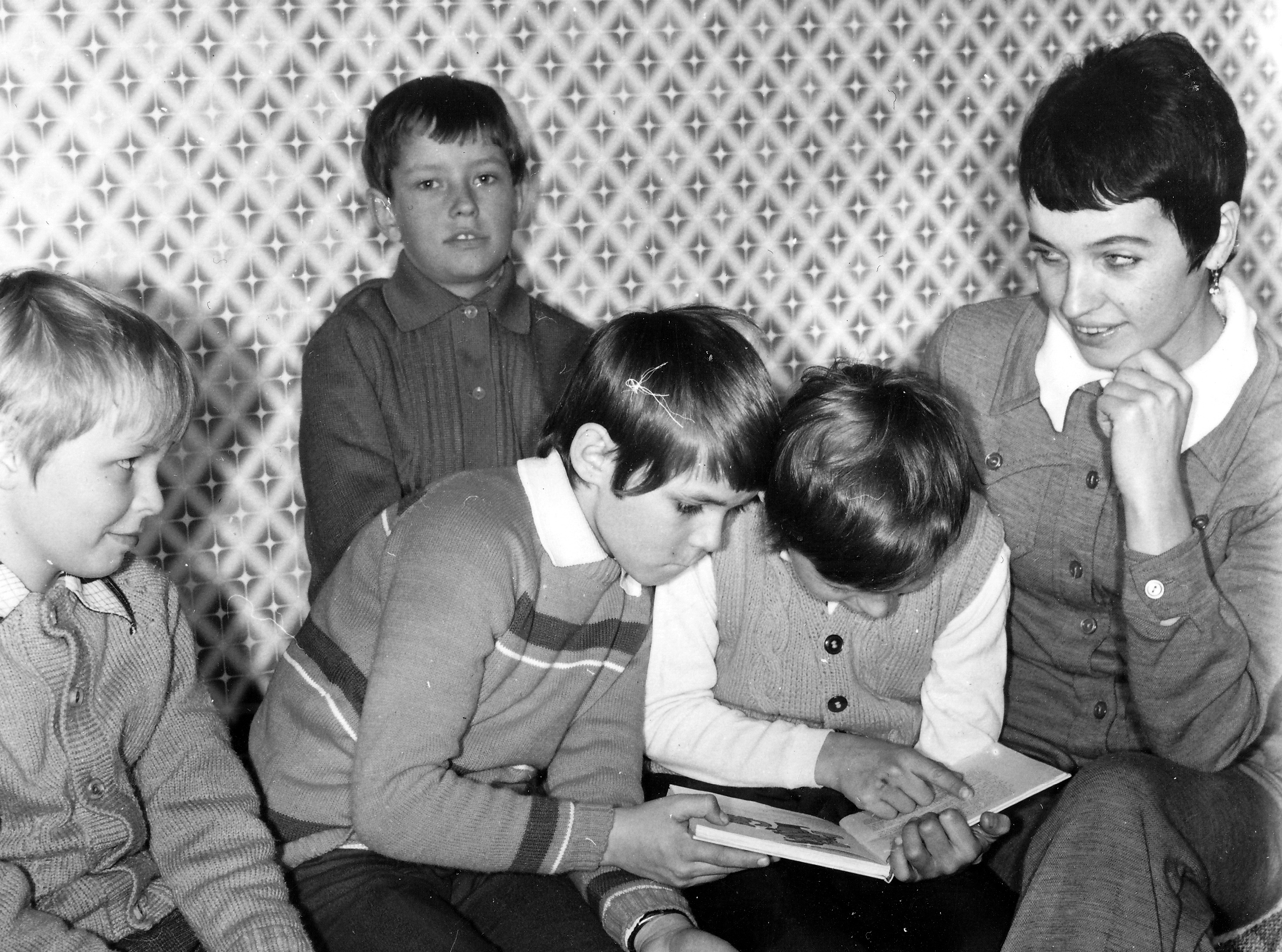
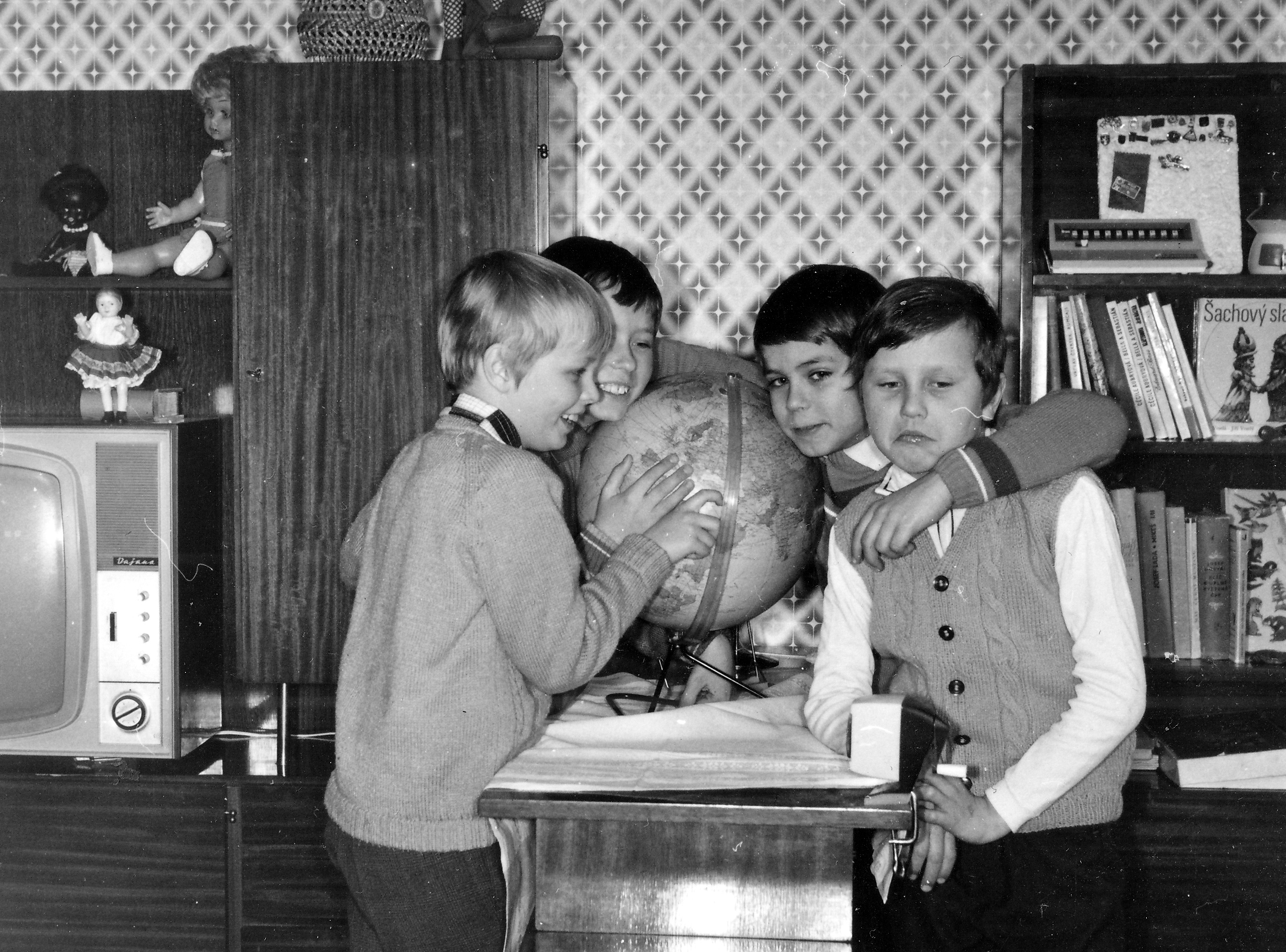
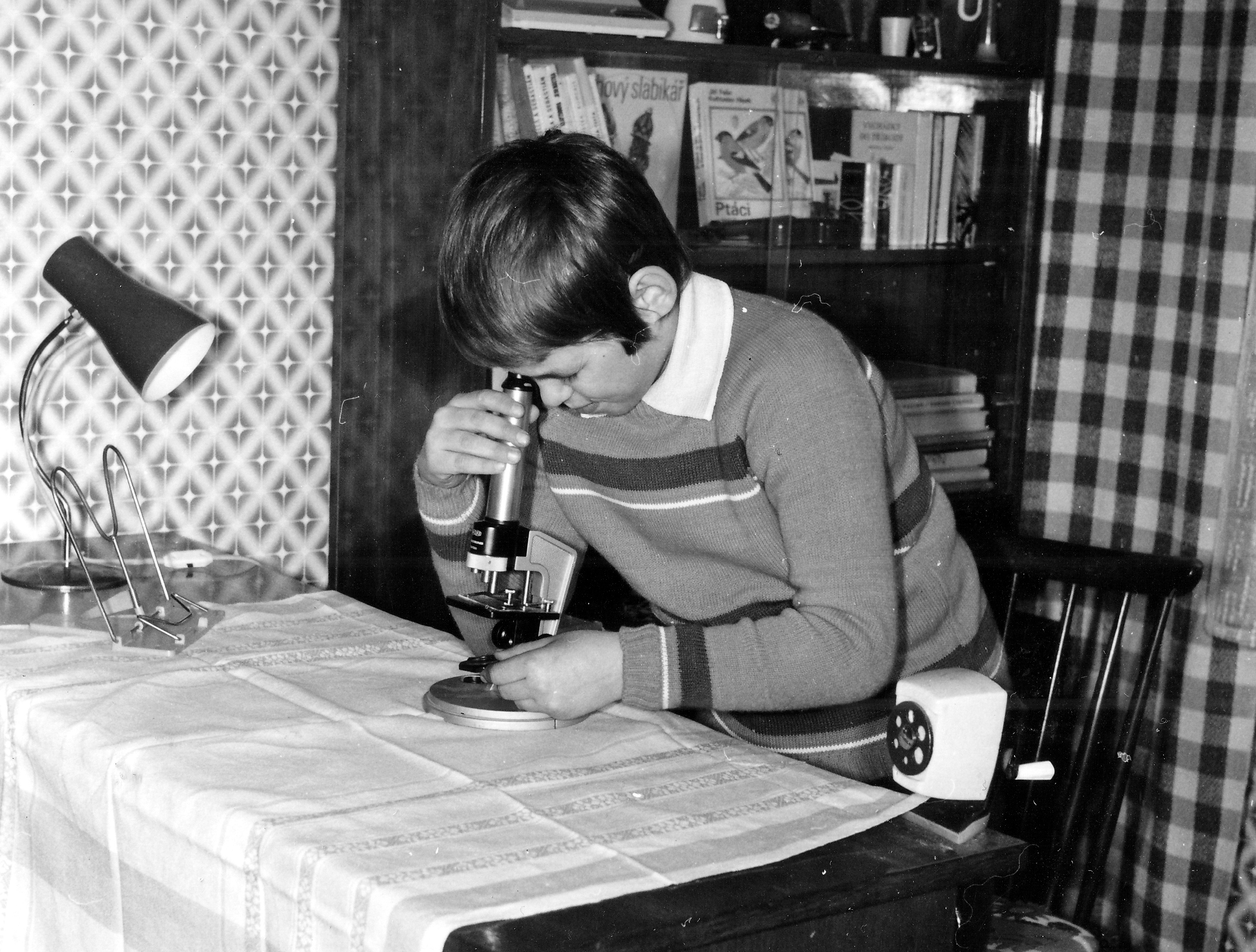
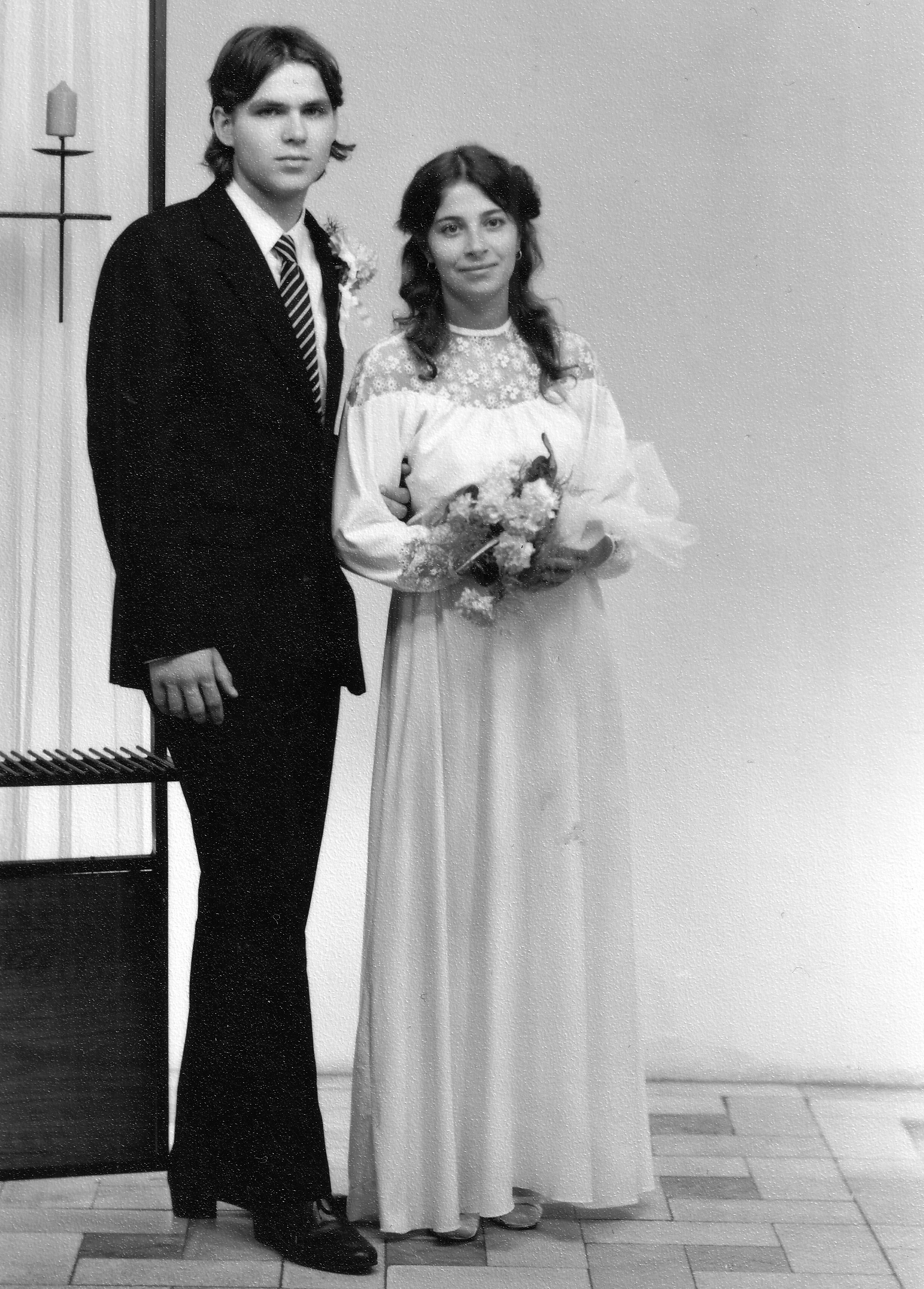
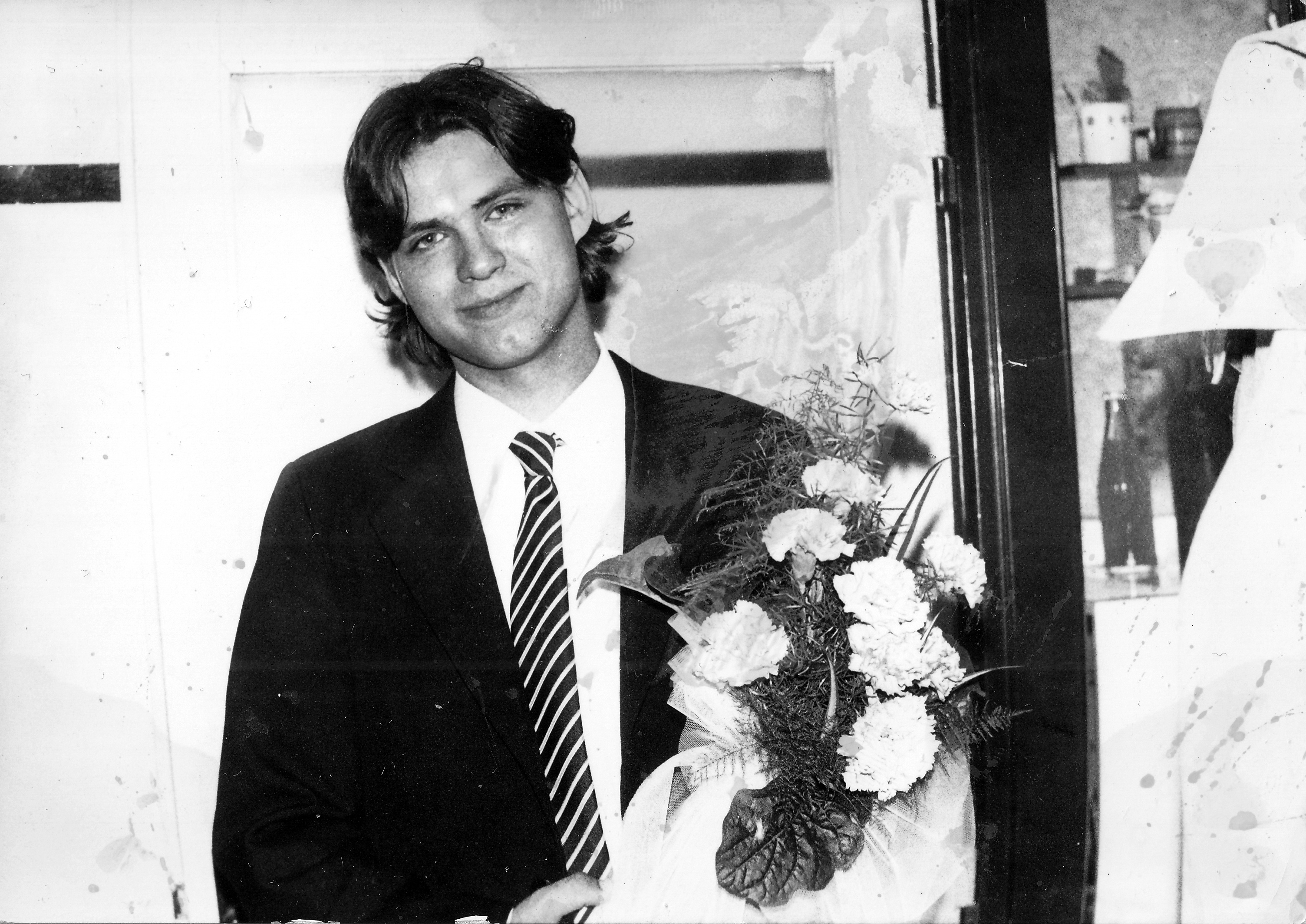
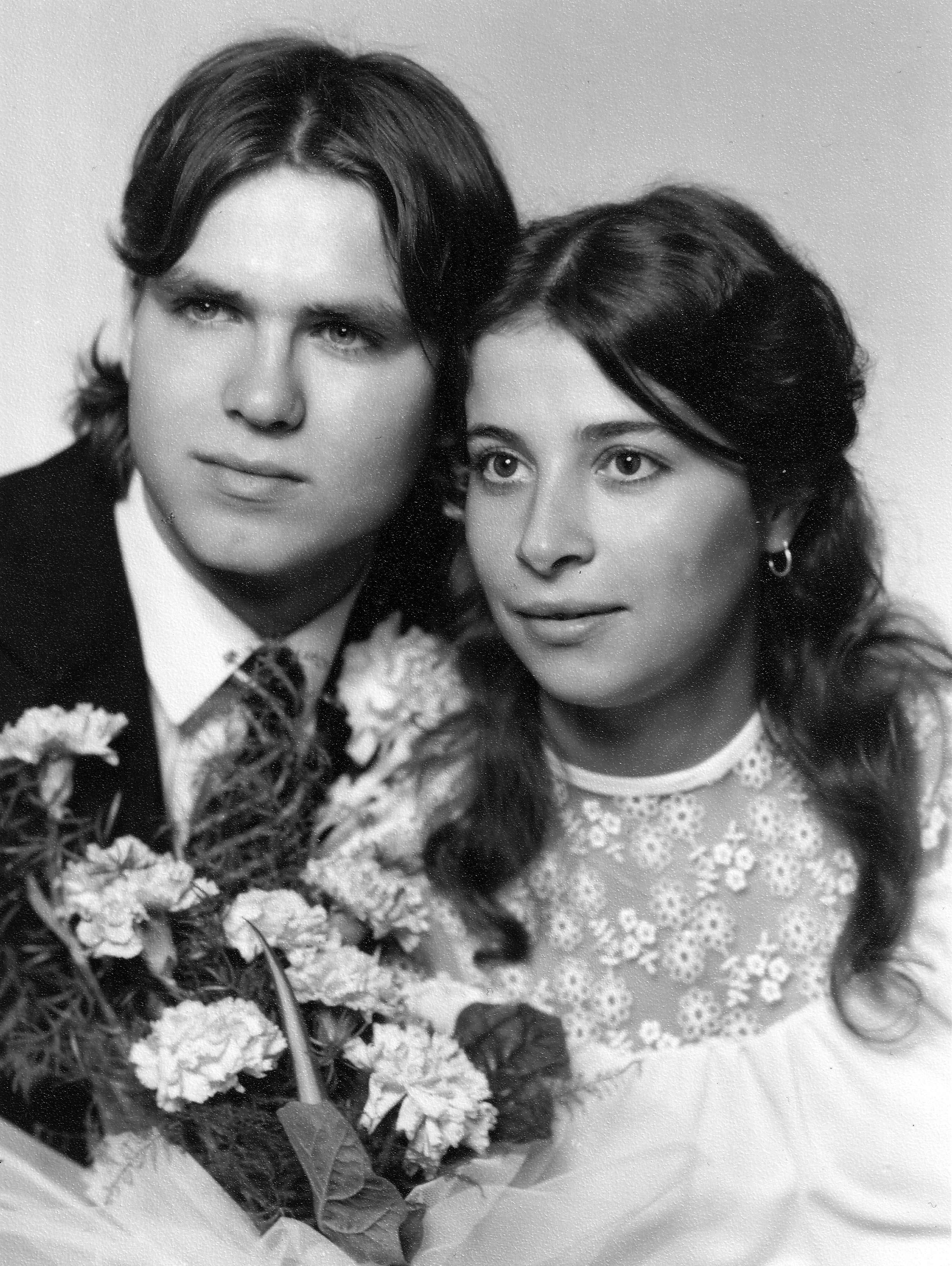
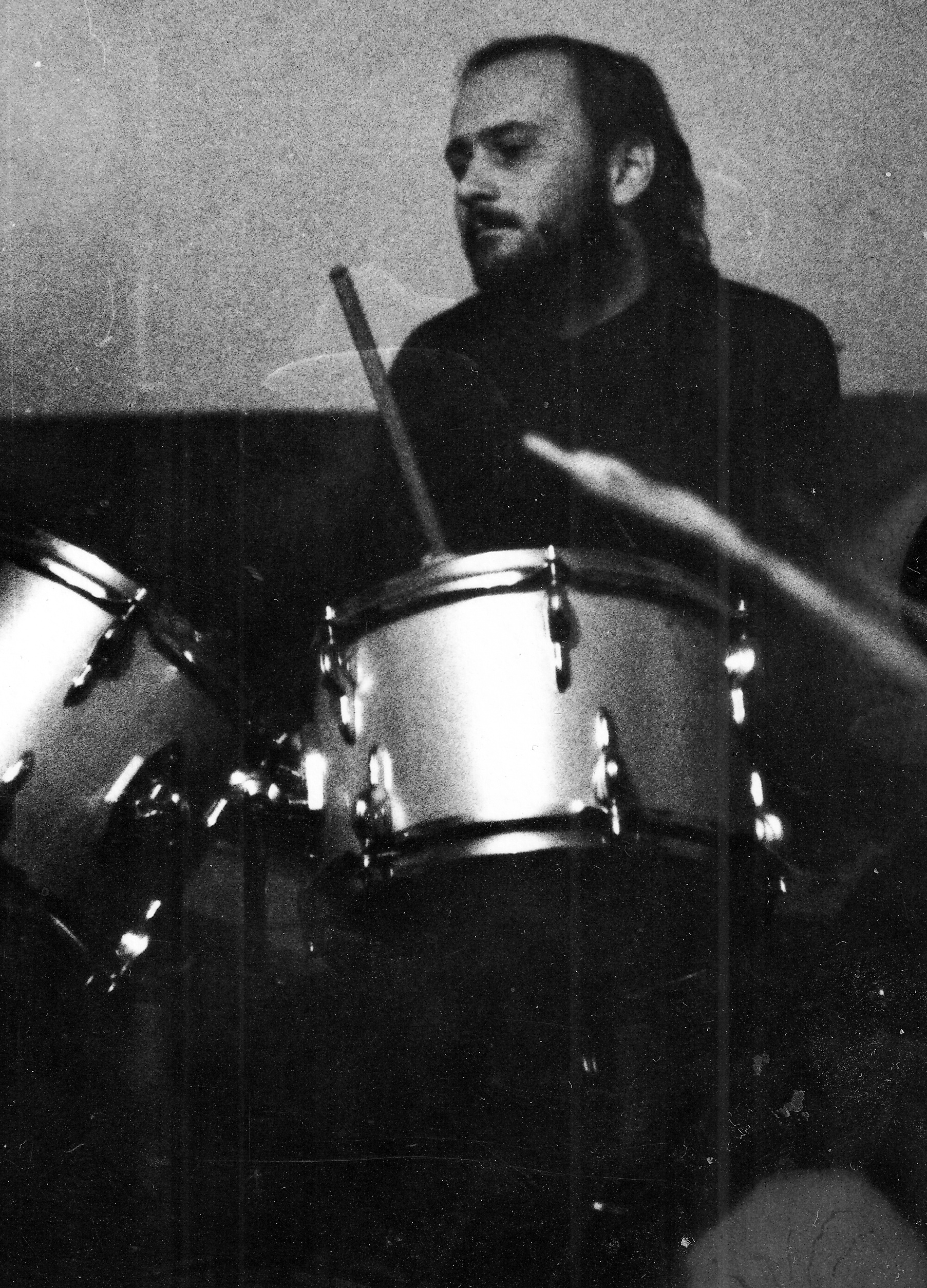
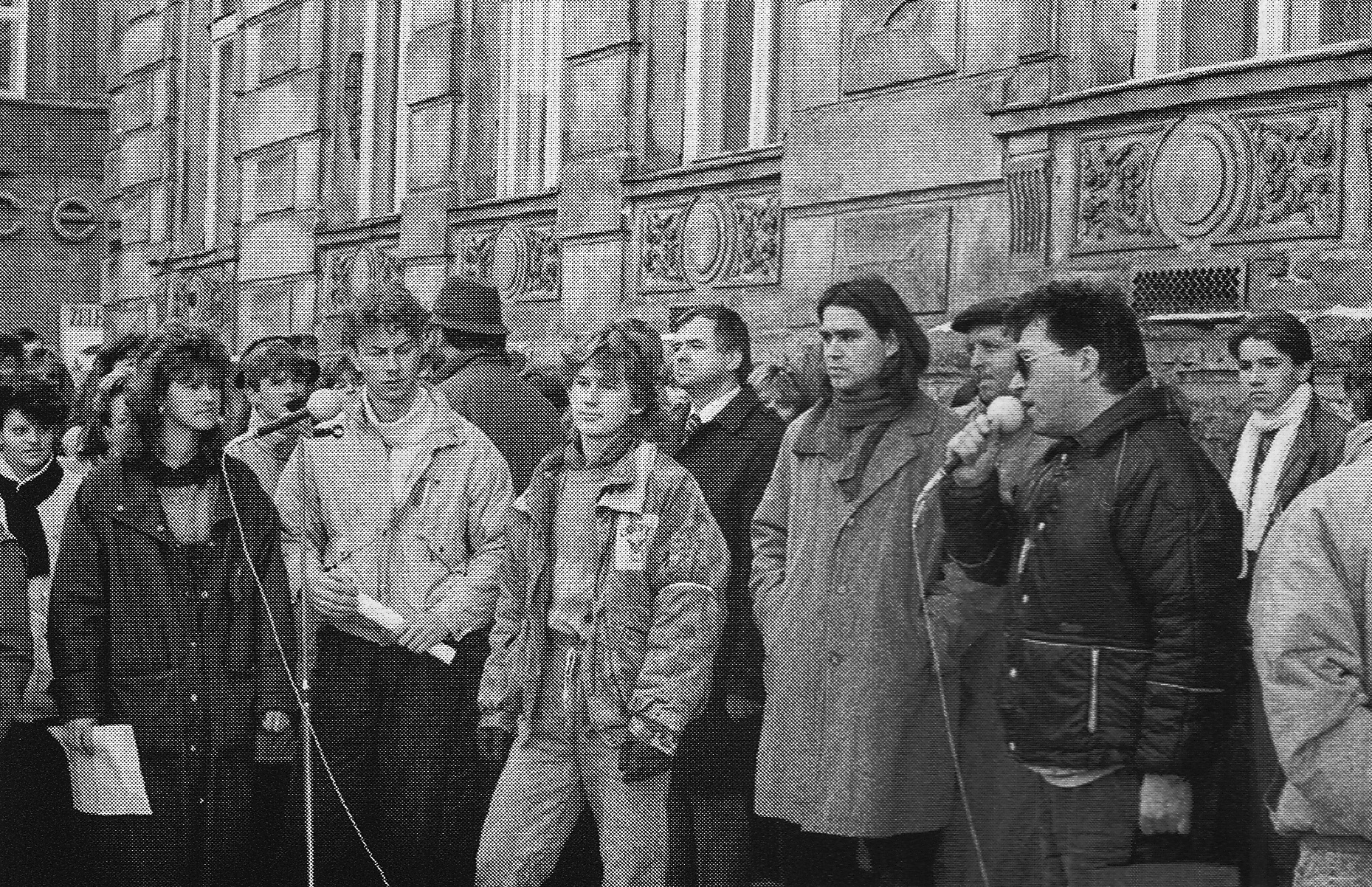
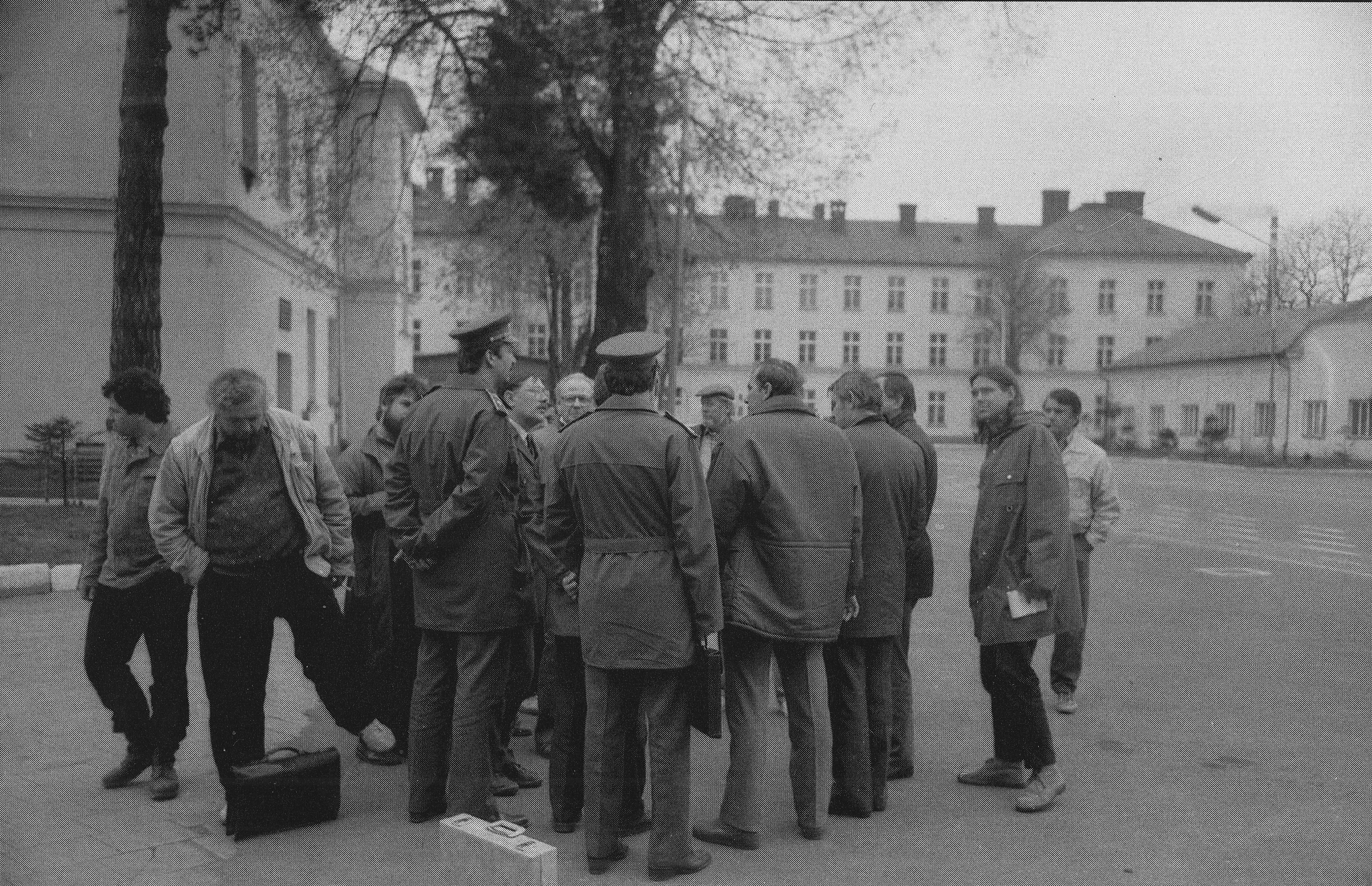
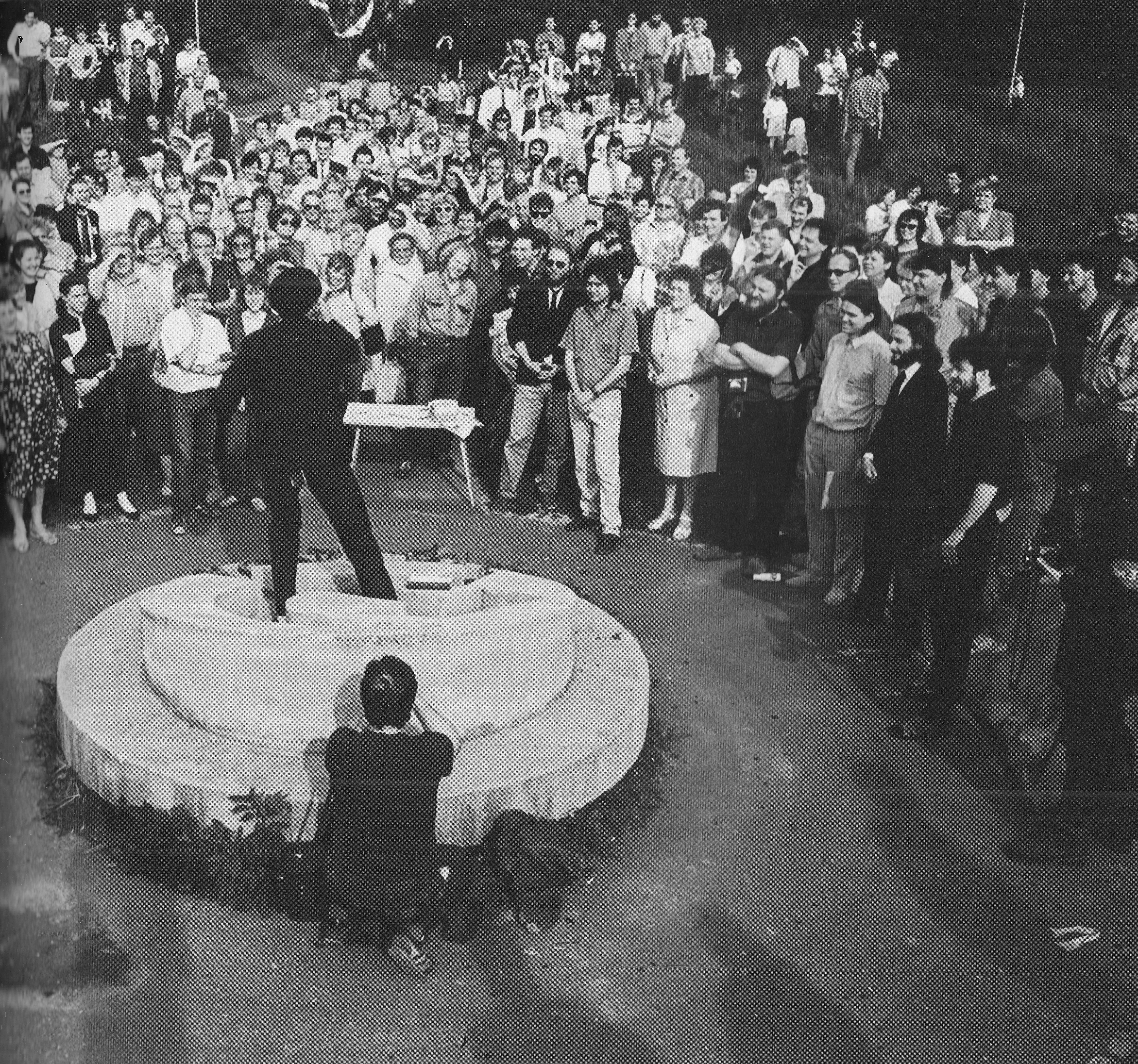
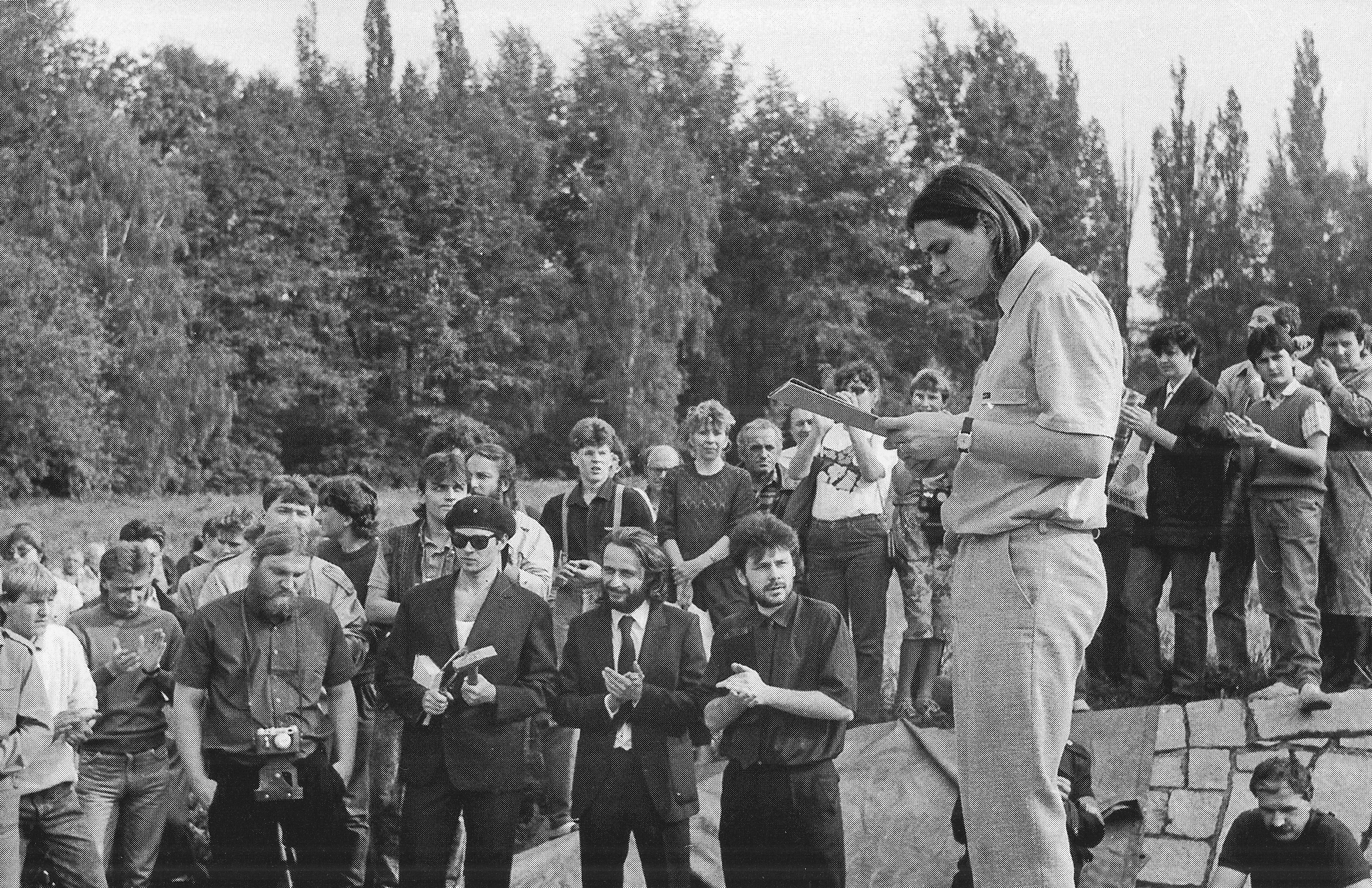
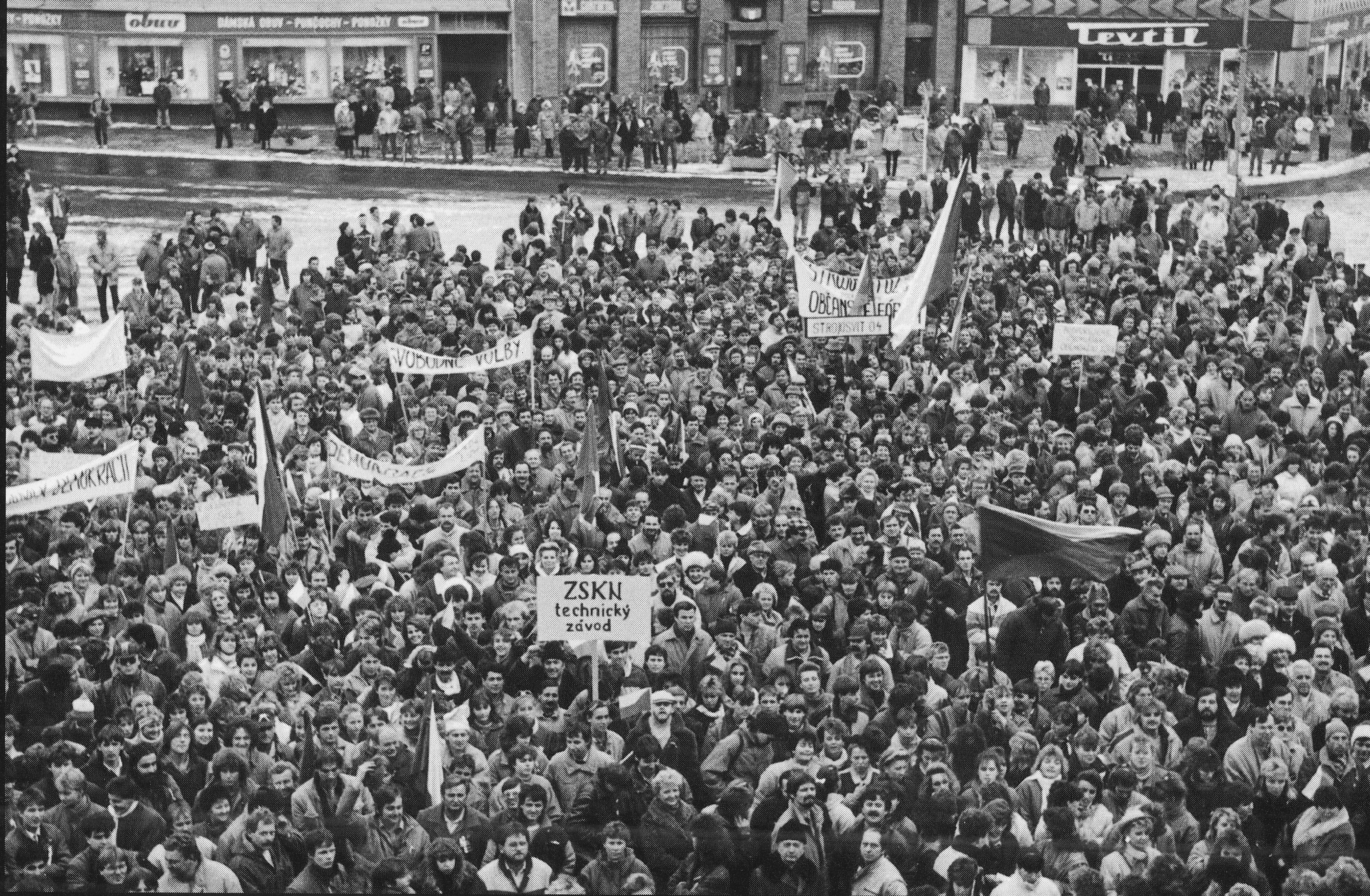
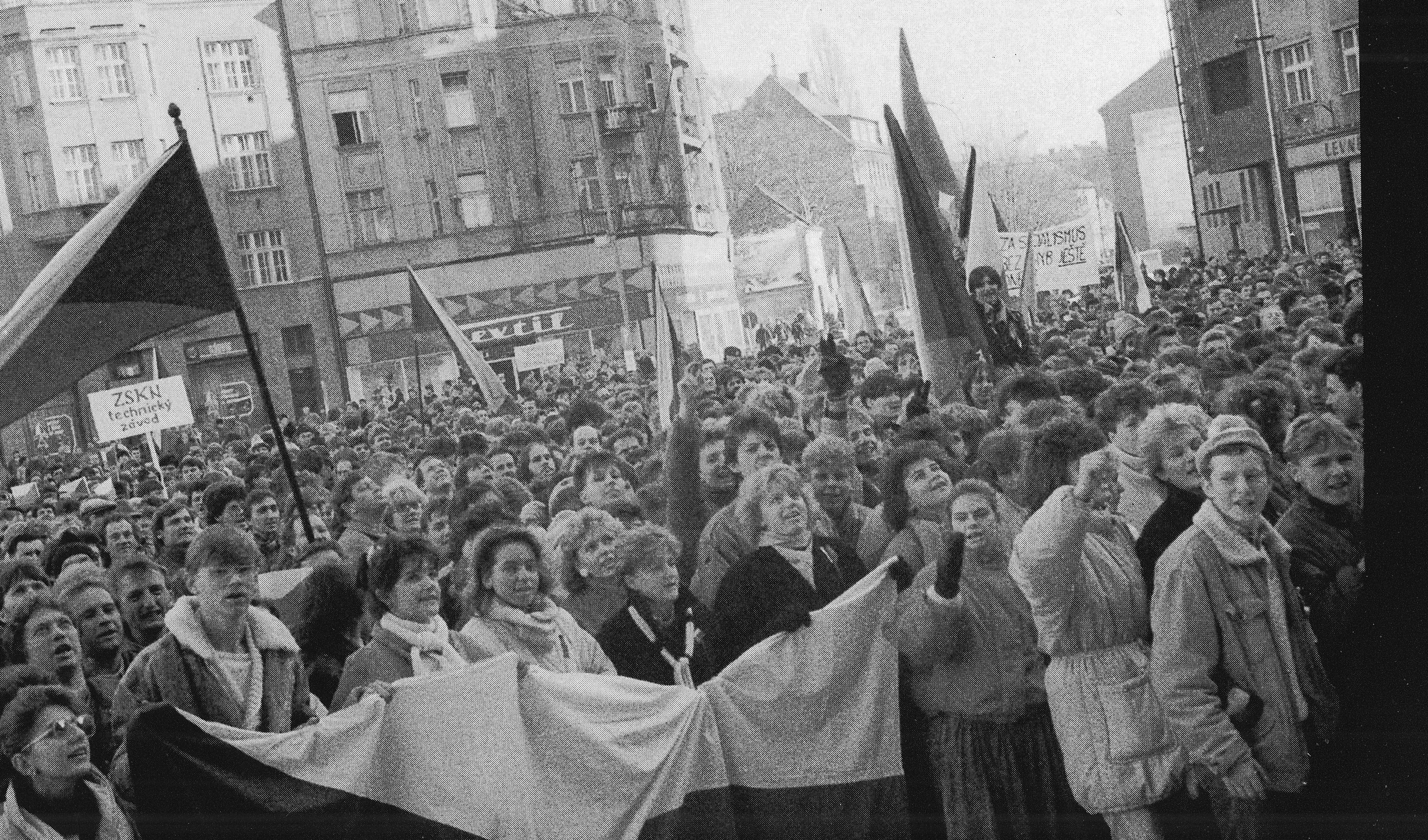
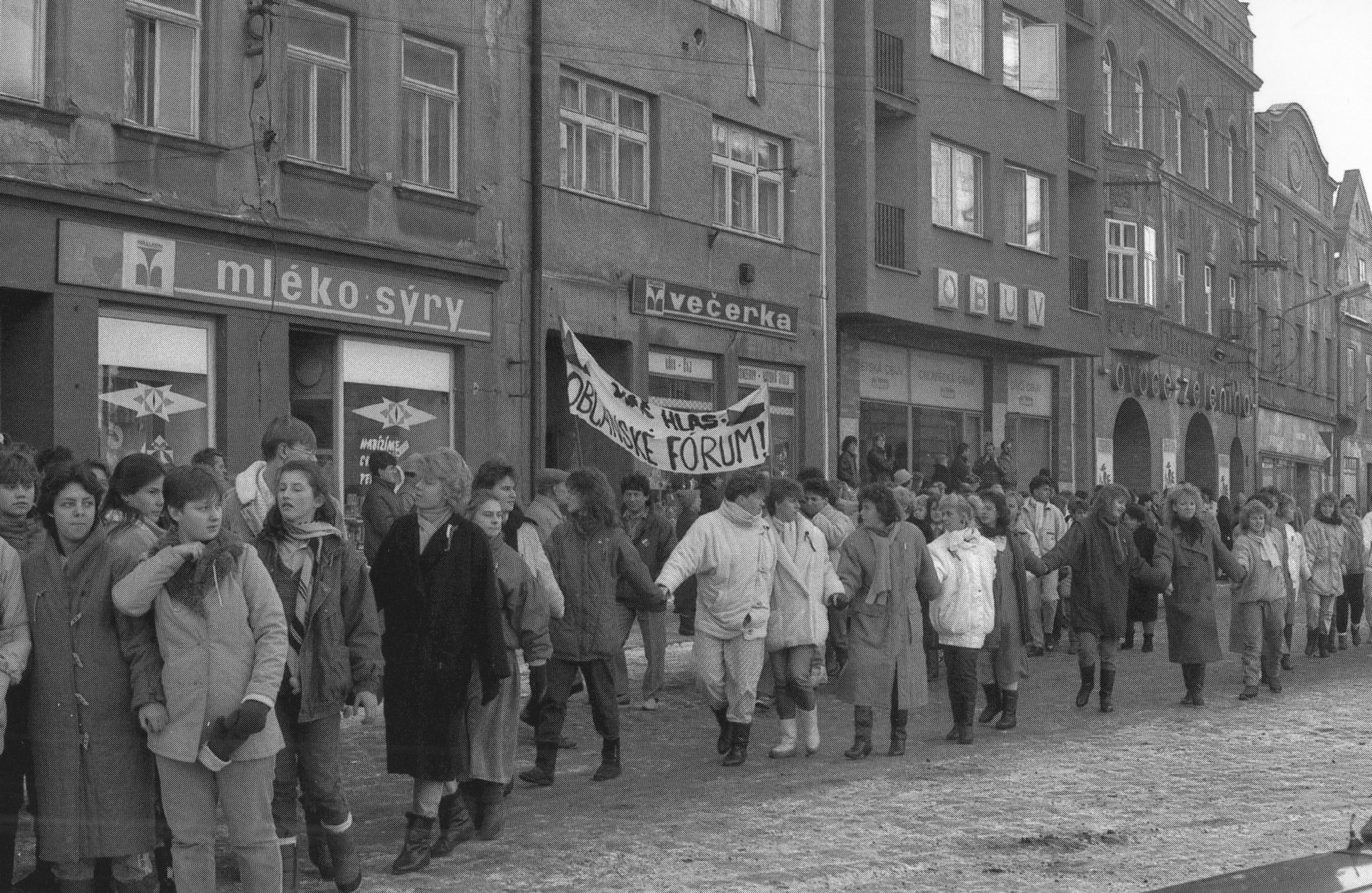
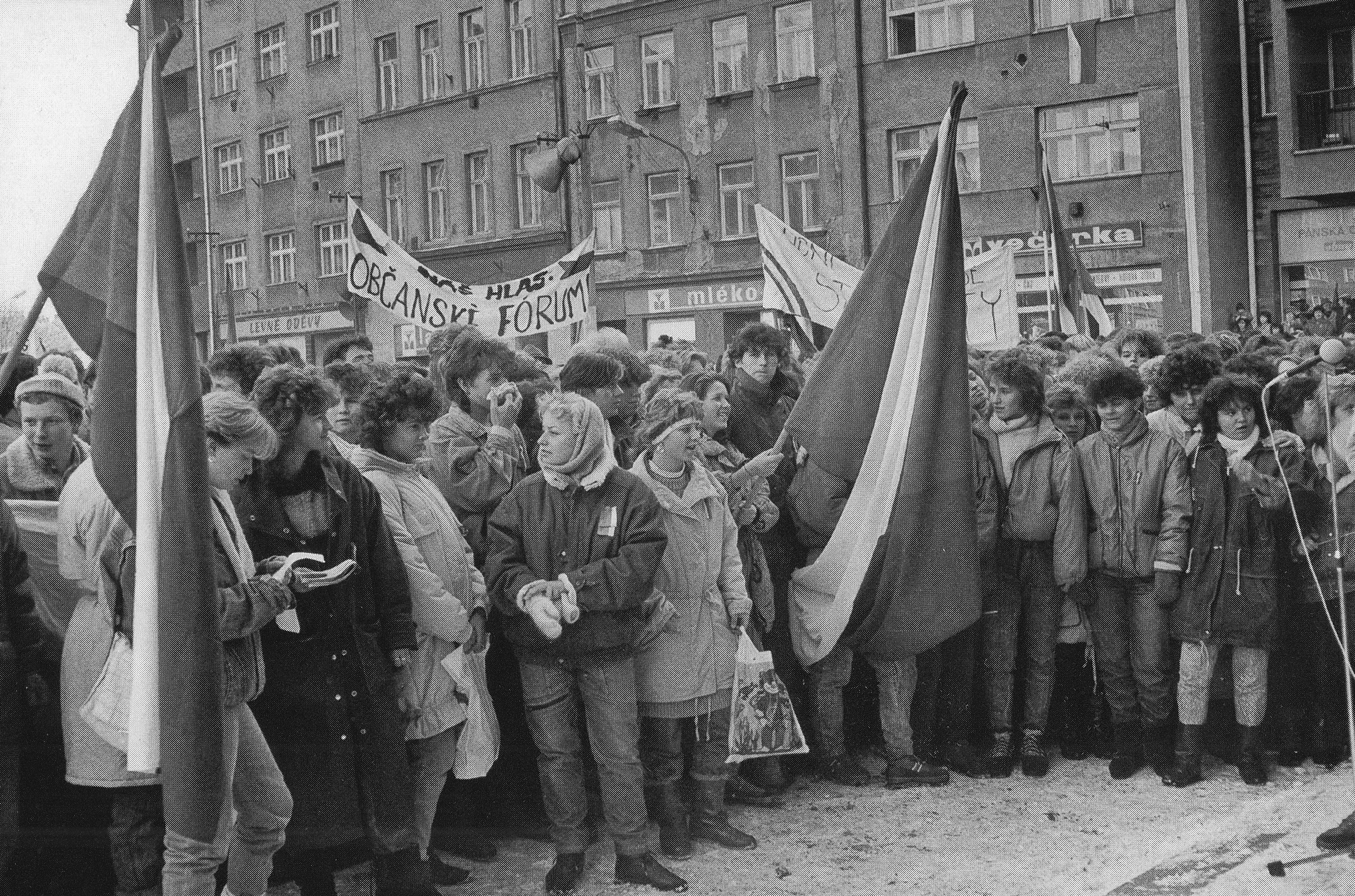
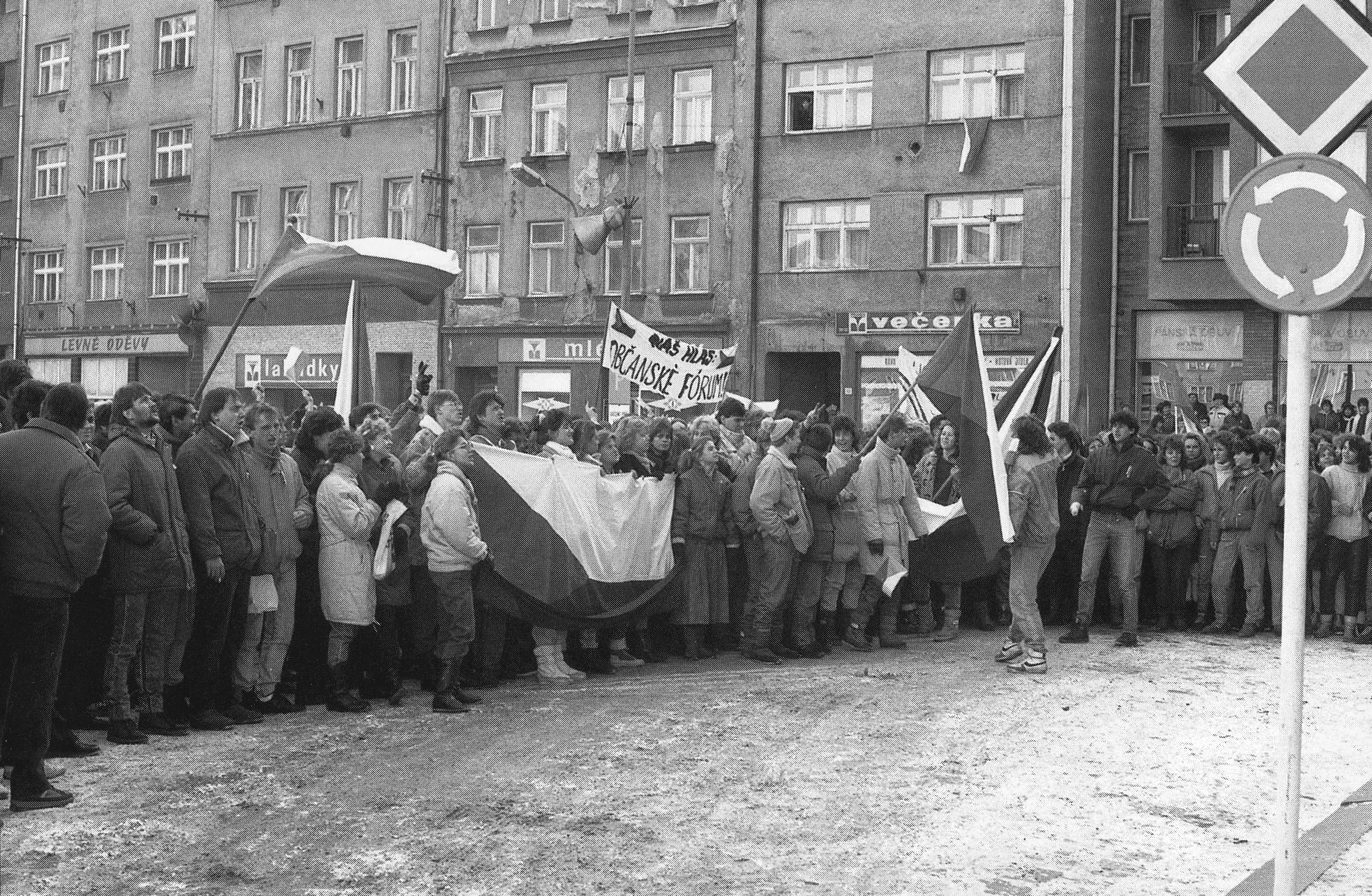
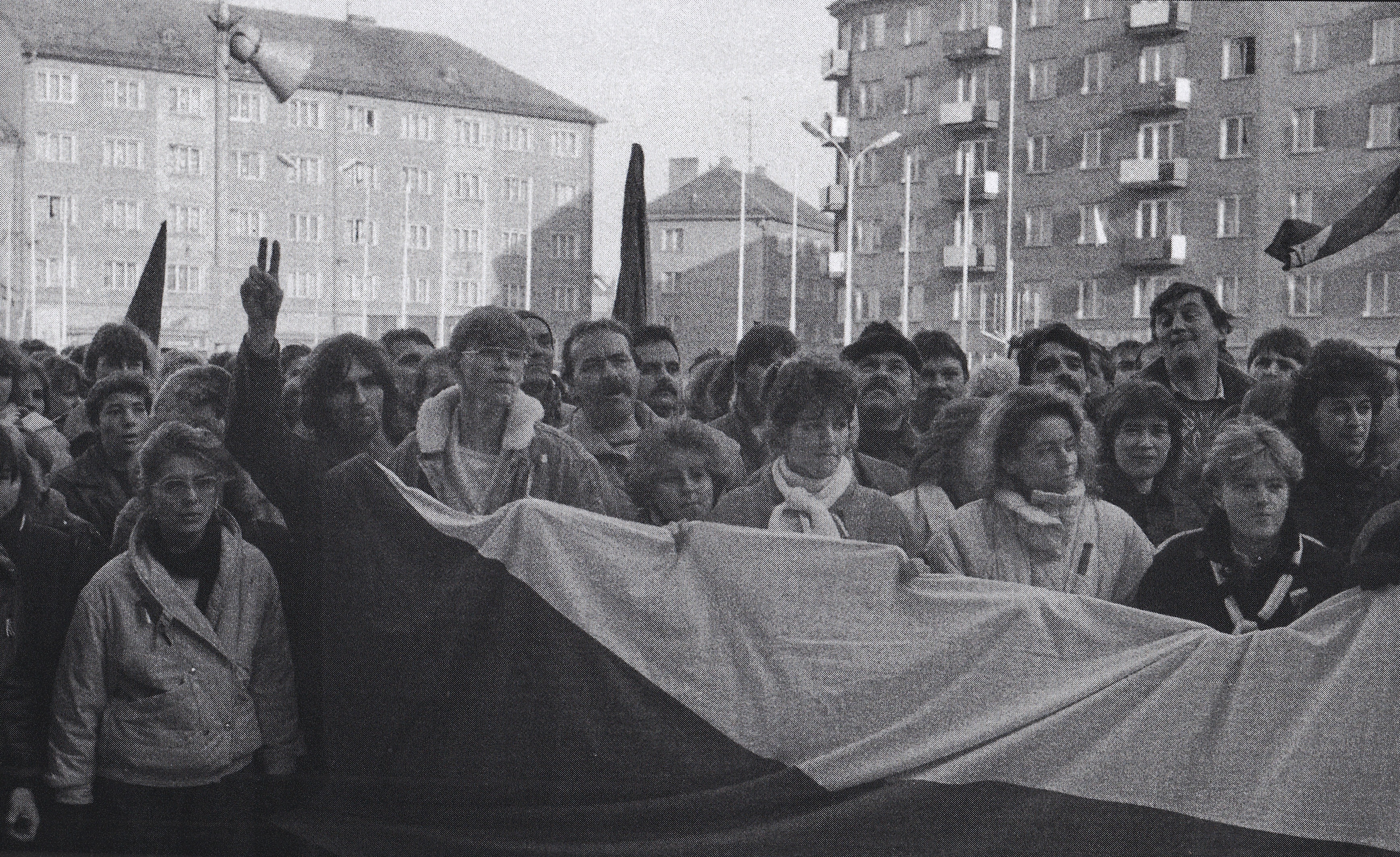
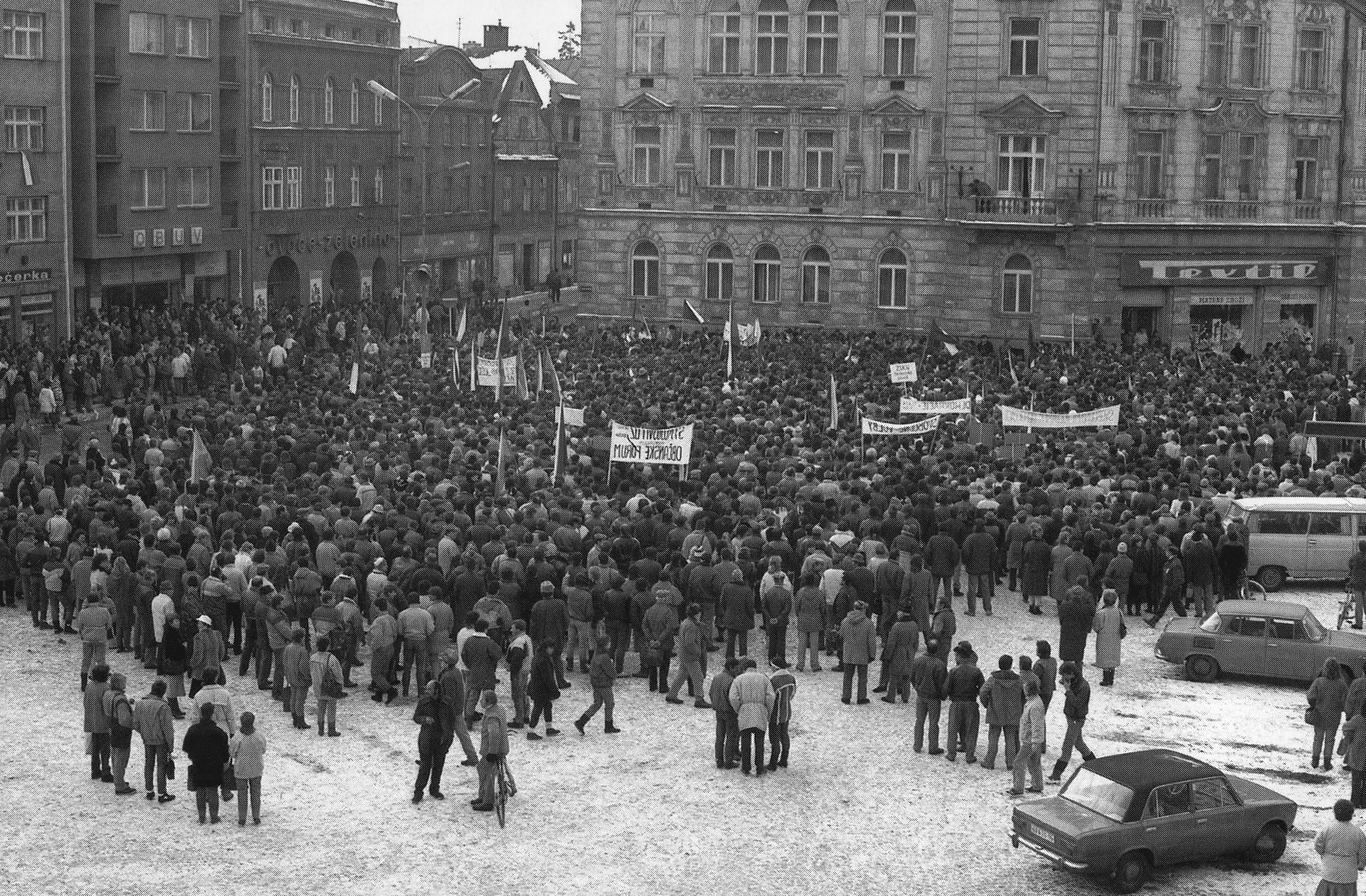
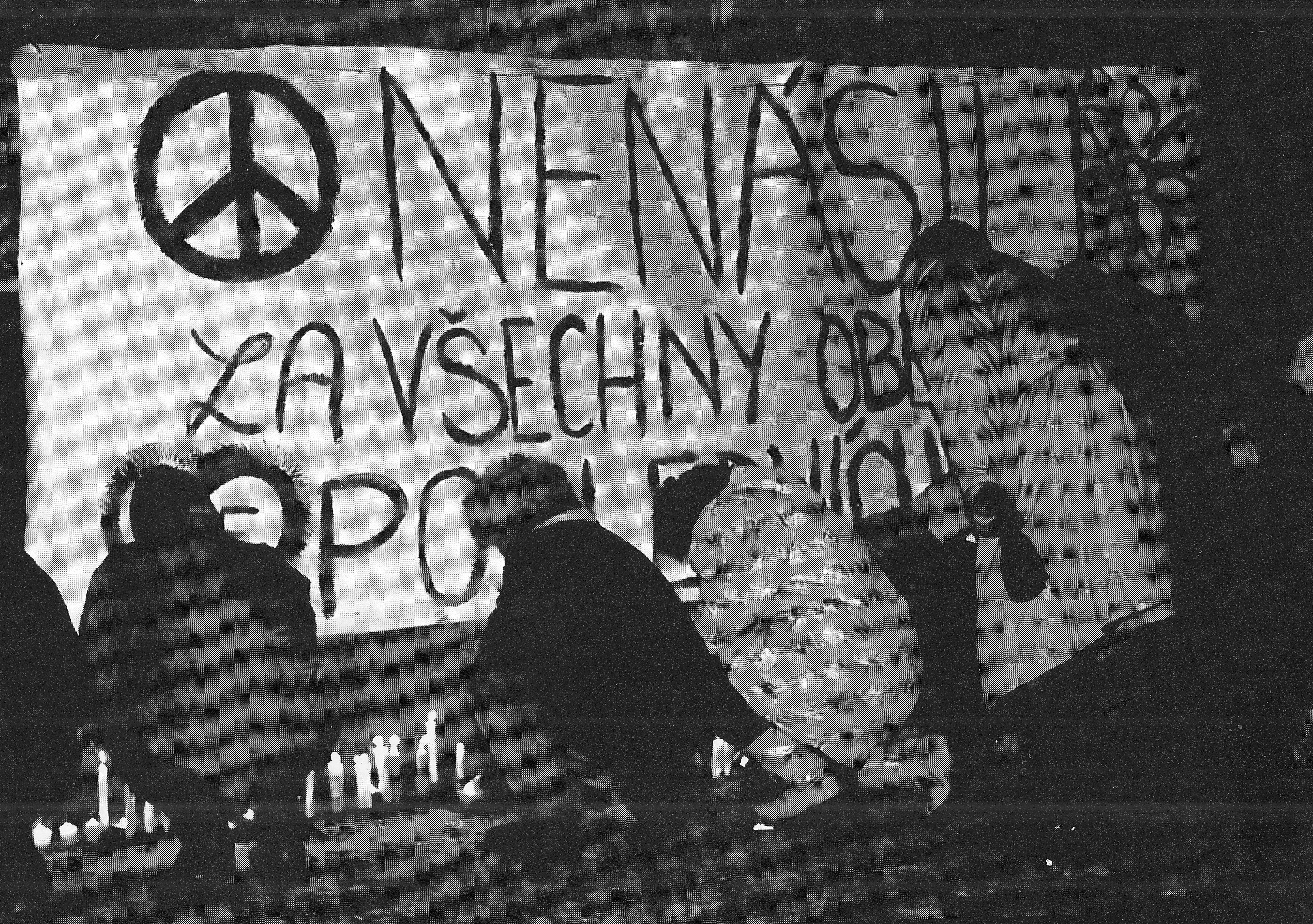
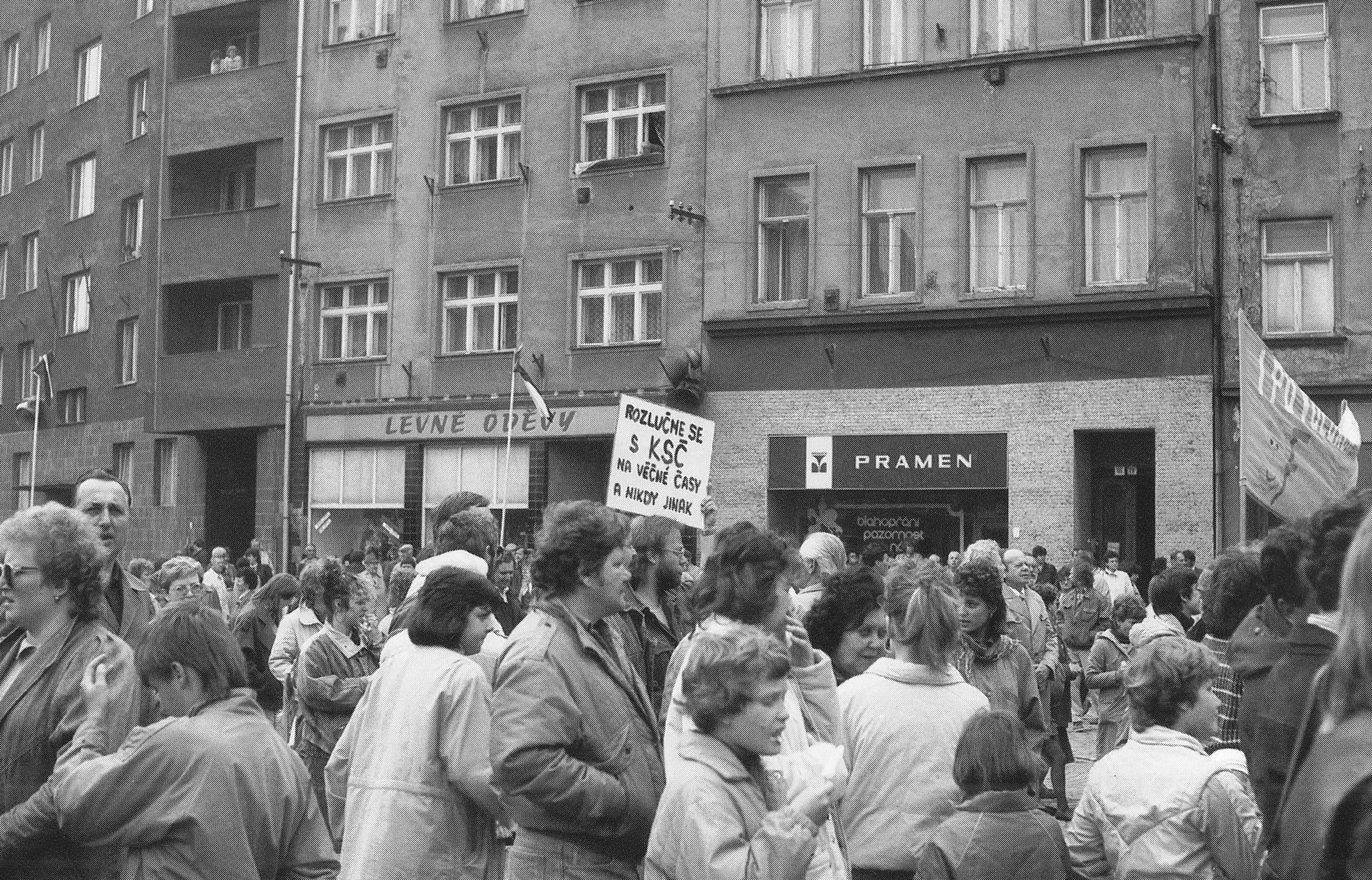
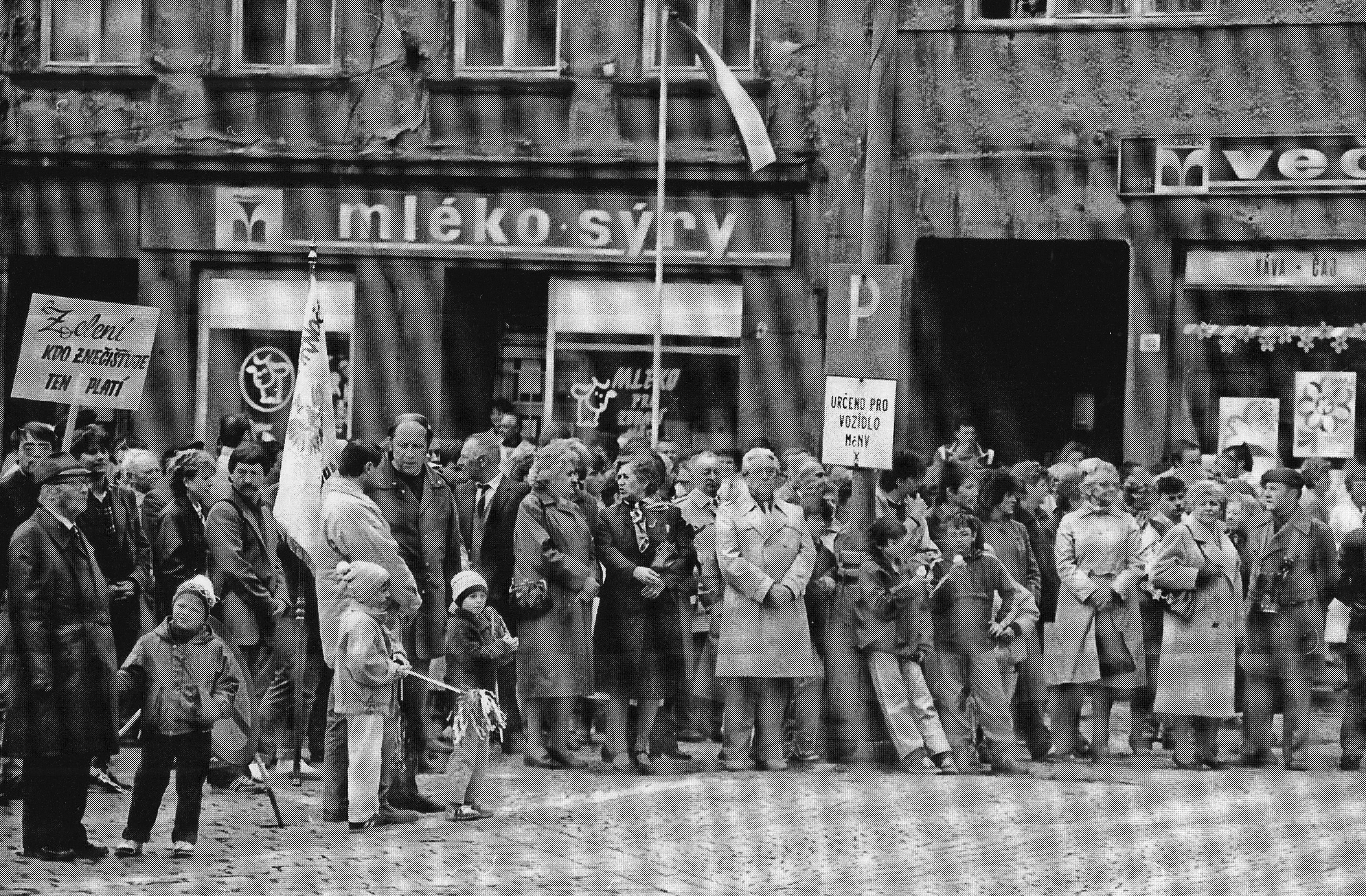
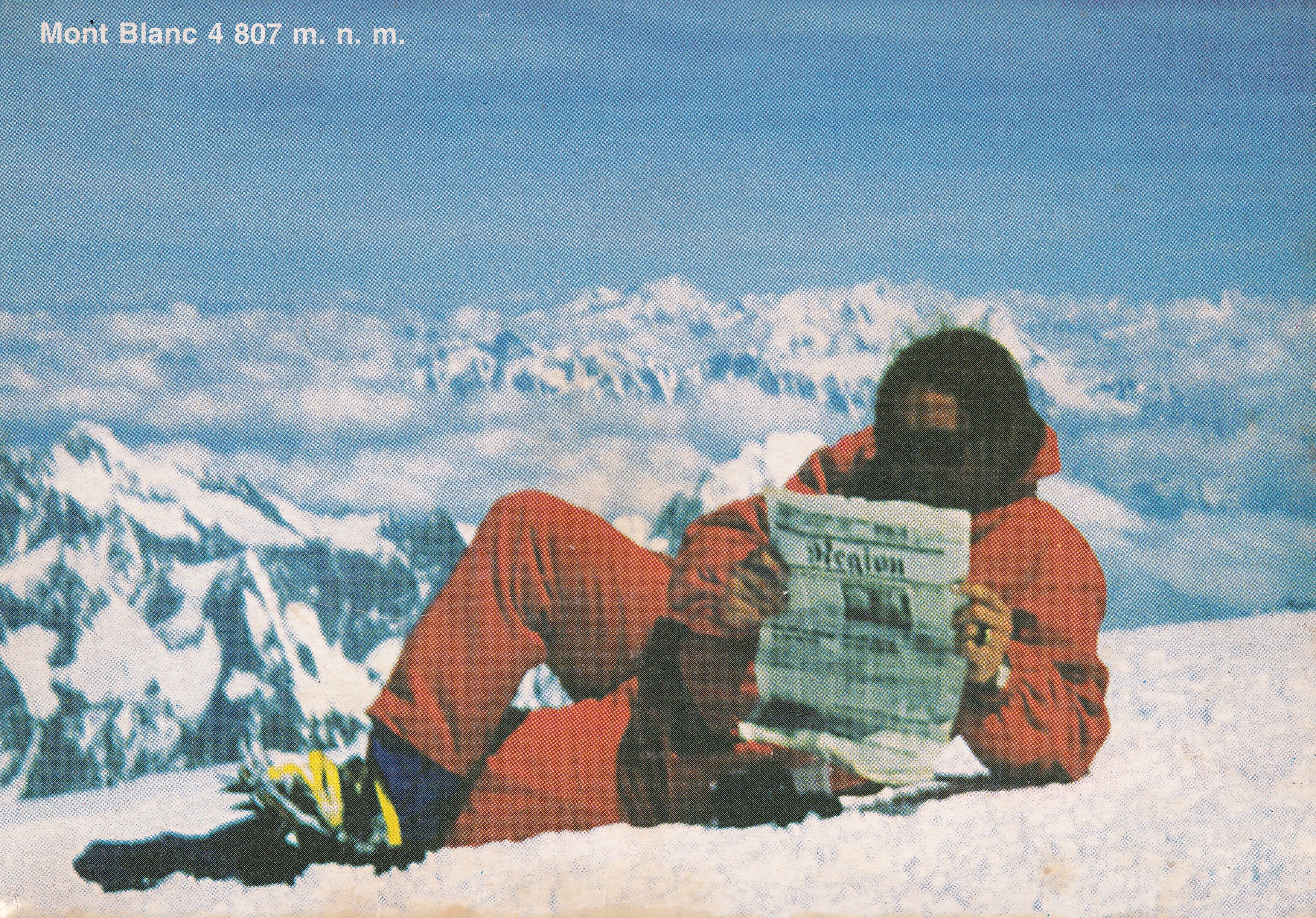
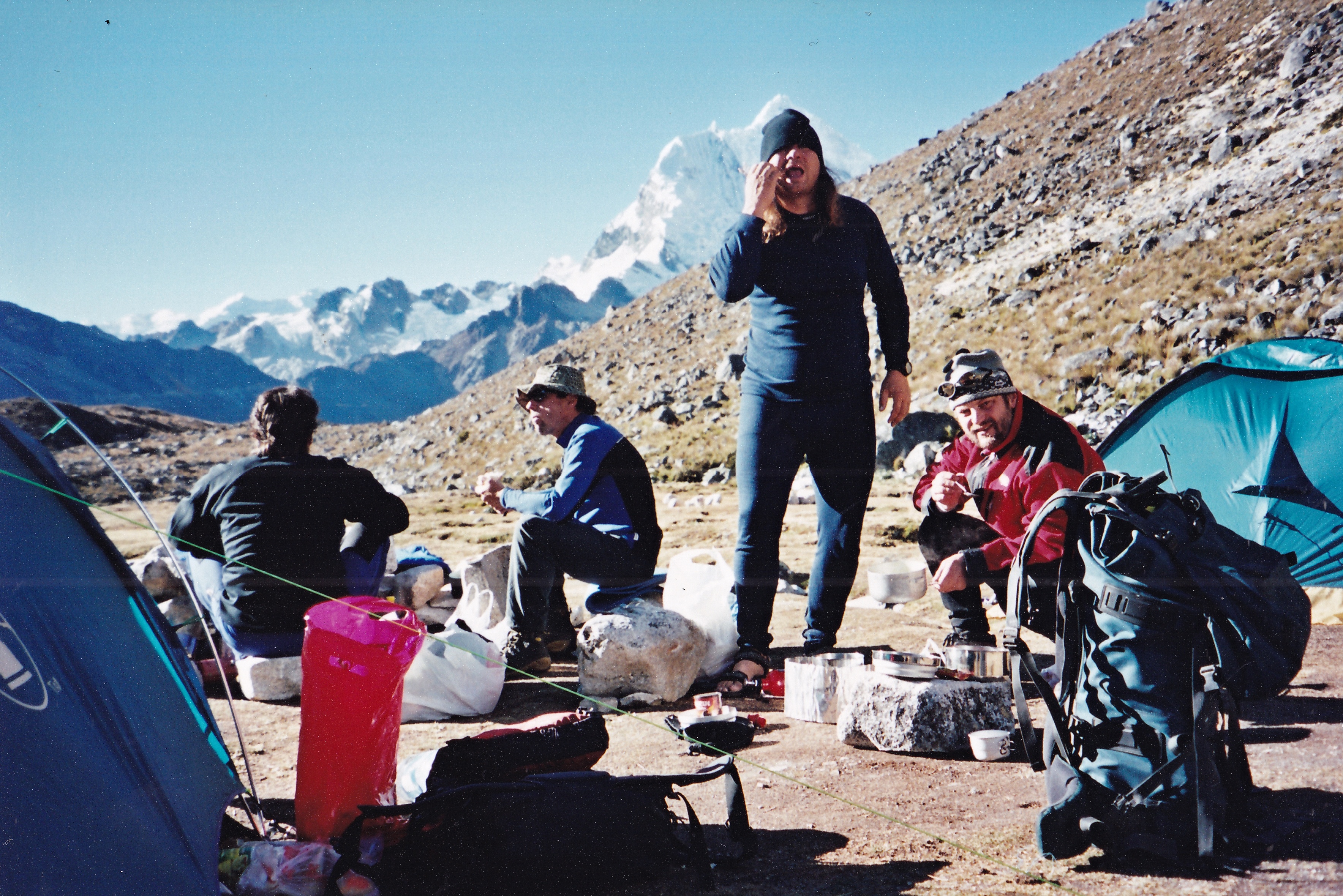
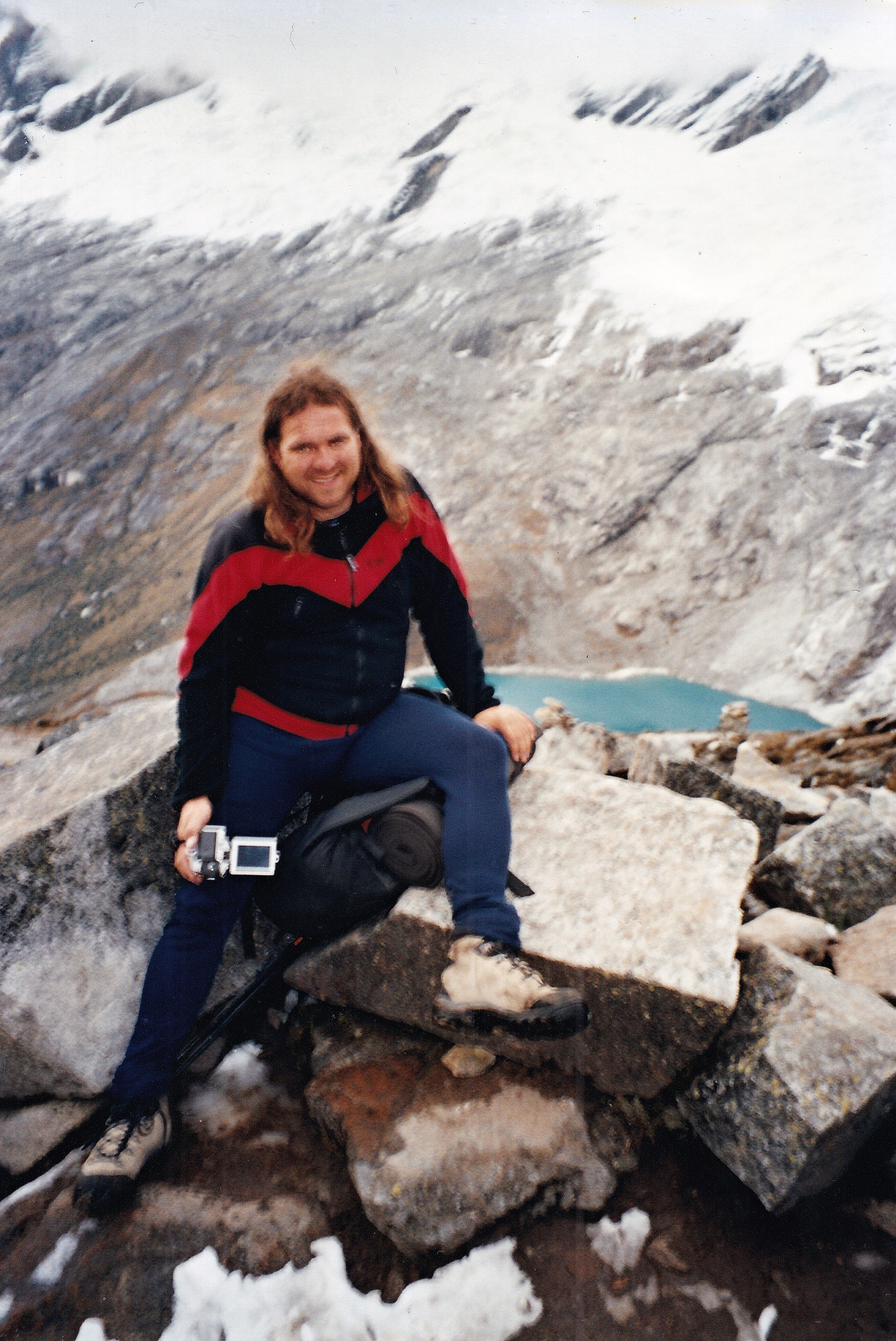
Petr Strnadel was born on 1 December 1966 in Krnov. His father Jan came from Klatovy, his mother Marie from Ostrava. Both of them came to the Jeseníky Mountains after the war as children of new settlers from the former Sudetenland. Until the age of 12 he grew up in Rýmařov. His father led him to mountaineering and skiing. In 1978, Petr Strnadel returned to his native Krnov with his mother. He was interested in rock music and literature and wore his hair long. From 1981 he studied at the building industry in Opava. He belonged to a community of long-haired men and met people from the non-conformist milieu of which he was a part. He began to write plays, organized happenings and founded the recessionist movement Diletant. After graduating from secondary school in 1985, he worked as a worker at the Karnola Krnov factory. He was followed and regularly interrogated by State Security, facing intimidation and pressure to cooperate. In November 1989 he was one of the organisers of the public rallies in Krnov. In the 1990s he co-founded the regional newspaper Region. In 2025 he lived and ran business in Krnov.