"Basically, it was not dealt with much, although at that time stream bank vegetation and such natural barriers were being promoted, but otherwise it did not manifest itself twice. Unfortunately, there was also a financial issue, which bothered me, for example, that every forestry plant got some funds for land improvement or drainage. In some places it was appropriate, but there were also sections where the forestry plant did not have land for drainage. I remember, for example, that here in the Dvur Kralove we were given a section where we had to do drainage where there was basically no water, and there was no need for it. One of the problems I had there was that I refused to sign off on the site selection, for which, of course, I was penalized in bonuses."
"As I have already said that I spent part of my holidays at travelling botanical camps, we were in Slovakia in August at Malá Fatra. We stayed in a camp normally under tents. I remember that evening when the planes were still flying and rumbling. We didn't know what was going on. Our leader still said at that time that they were doing military exercises here during the holiday time. In the morning, when we got up and went to buy something for breakfast, there were East Germans, tourists, Trabants with the windows smashed out. There we learned that we were occupied. Otherwise, all over the streets there were various signs like, 'Shut your geese, the Russians have come to us' and similar slogans. You could see tanks up above Žilina, so that day we started packing and trying to get to Žilina, which was a bit complicated, and then we took the train from Žilina to Hradec Králové."
"We were on a trip to Sweden sometime in the late 1970s, which the former director of the KRNAP National Park managed to organise. This was, I think, 1979 or 1980, 1981. We were on a three-week stay, and after returning from Sweden, an acquaintance told me that I was listed as having had contact with emigrants. So I got reported somewhere, I know now by whom, who was the one who was reporting these things at the time of our trip. But I wasn´t summoned for any interrogation. Moreover, I didn't even have any contacts with emigrants in Sweden. I know that, for example, when we went on the boat, there was a family from Vrchlabí and they were talking with my colleagues from Vrchlabí. We didn't know them, because we weren't that old Vrchlabí, but I was still reported."
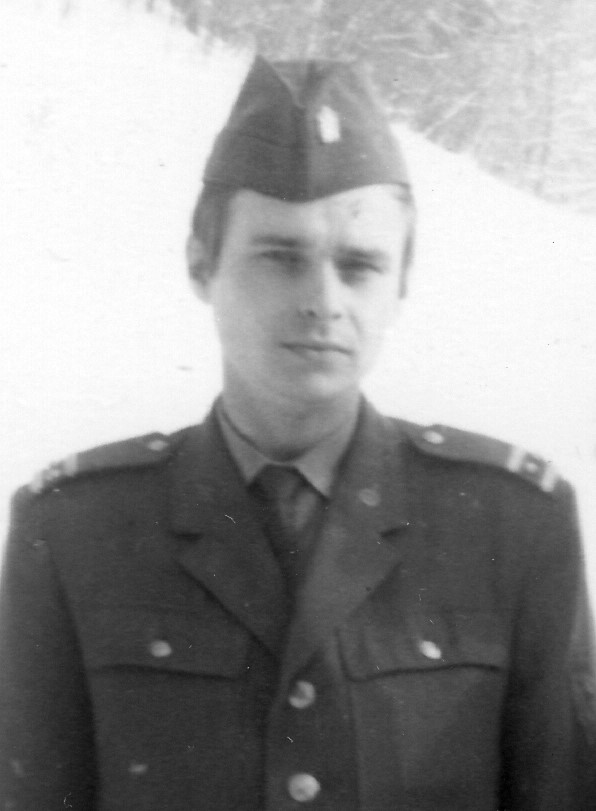

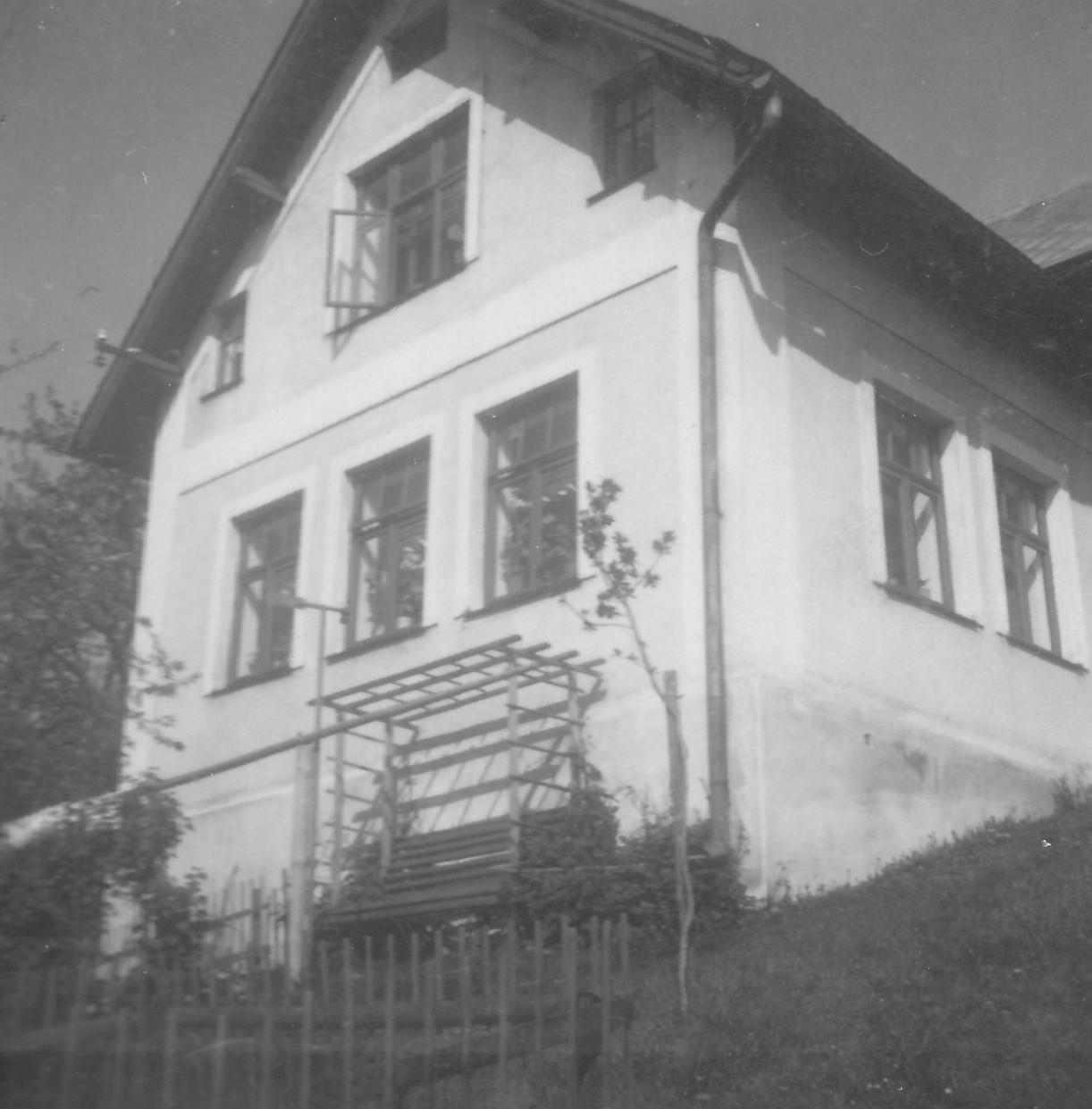
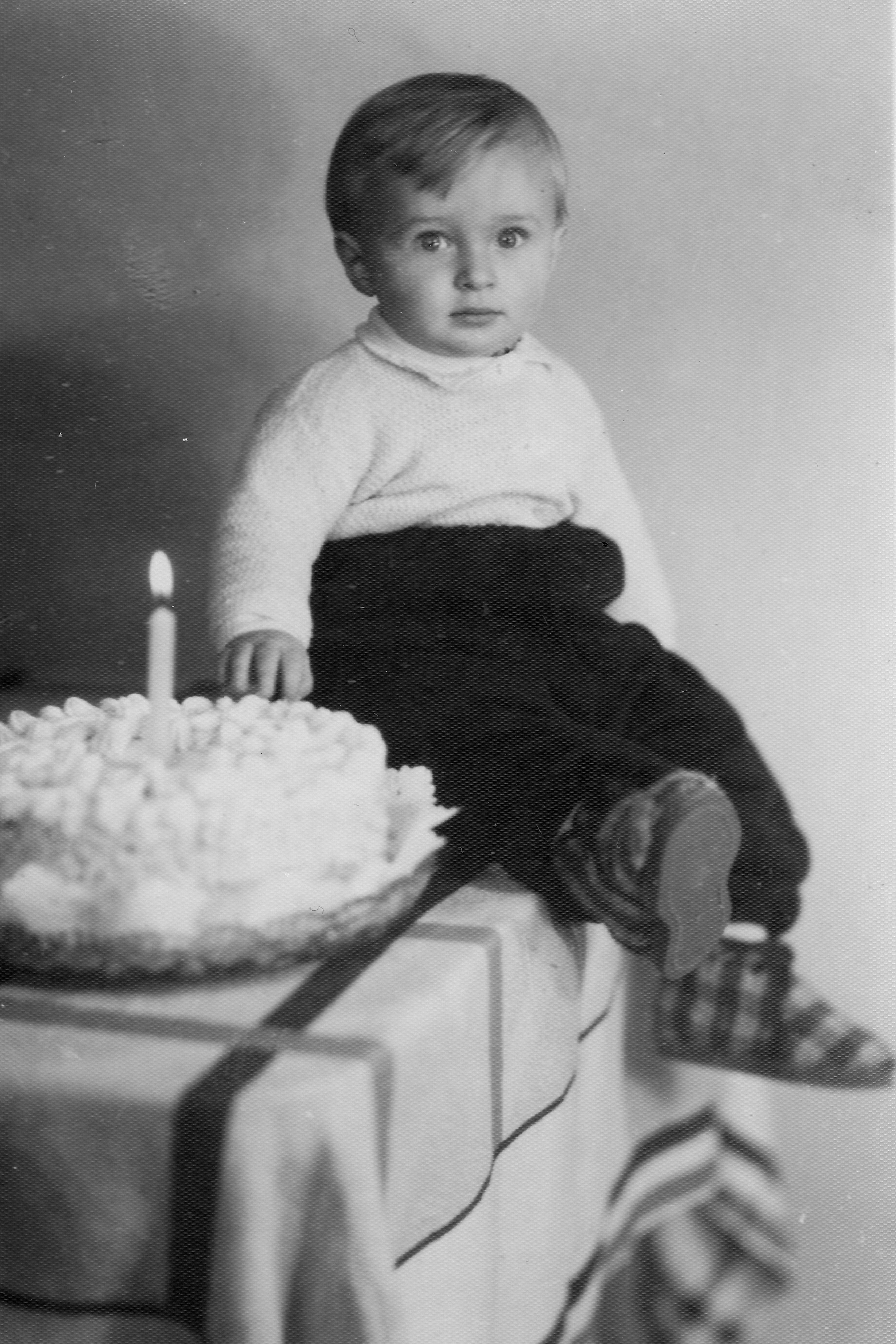
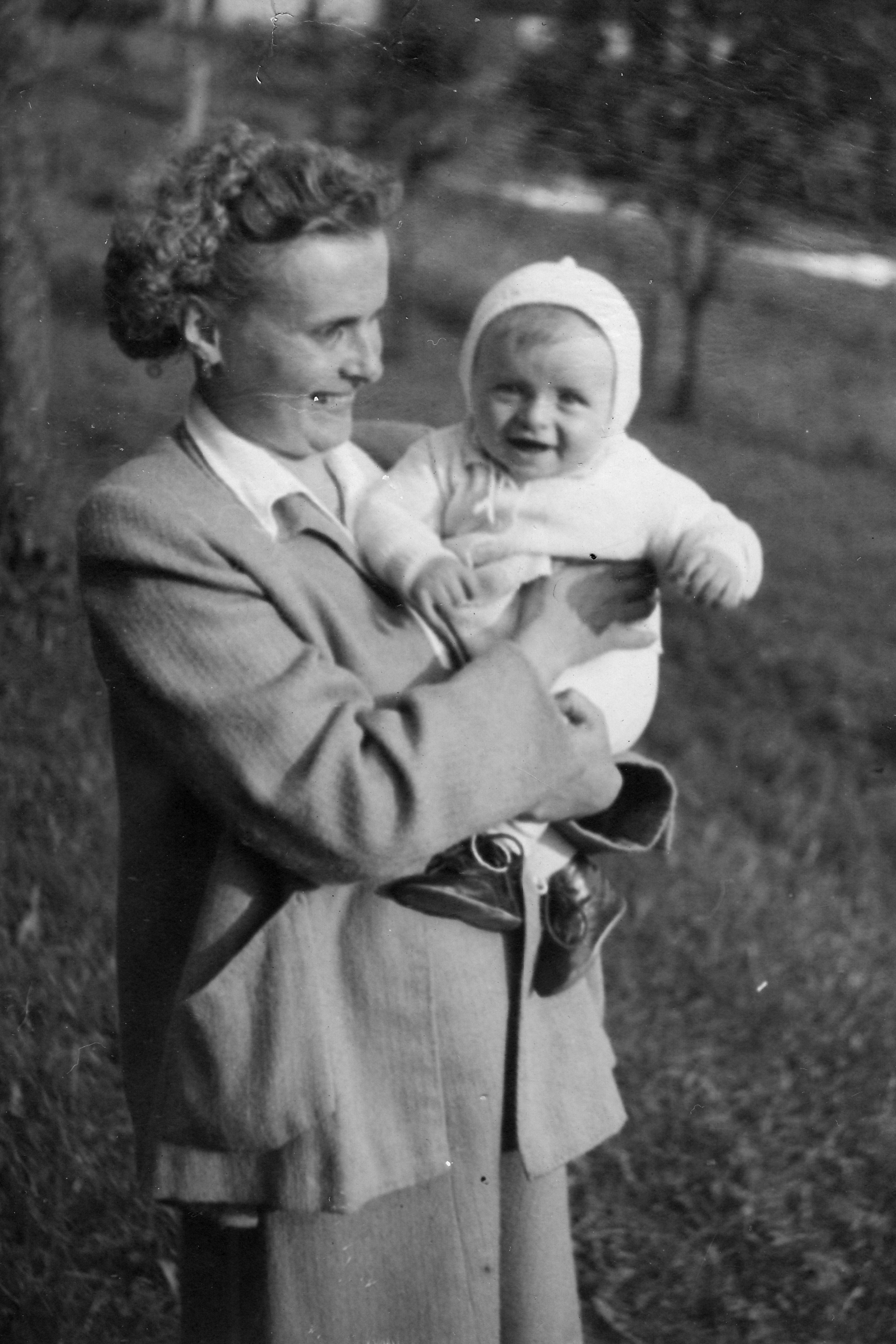
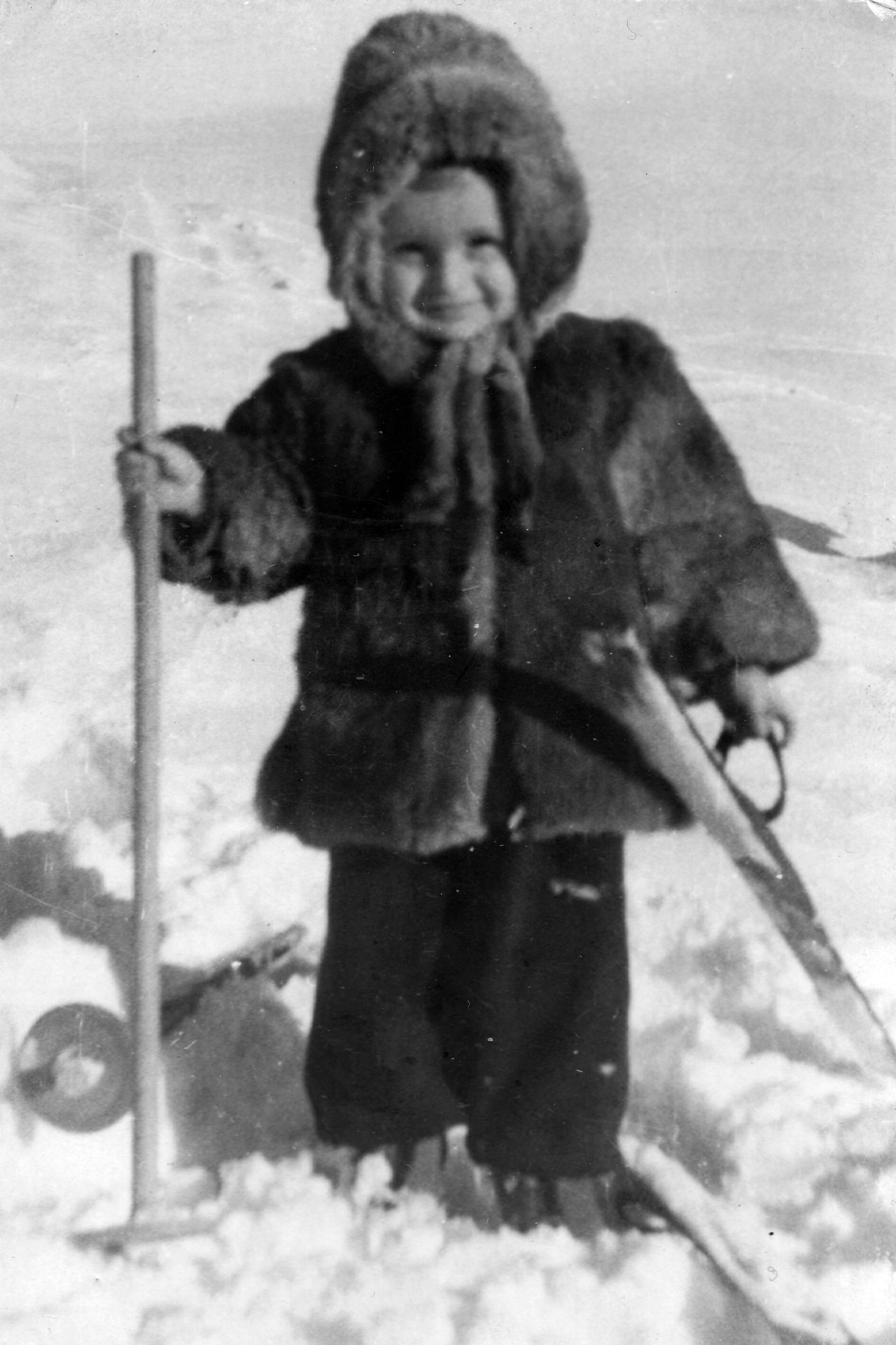
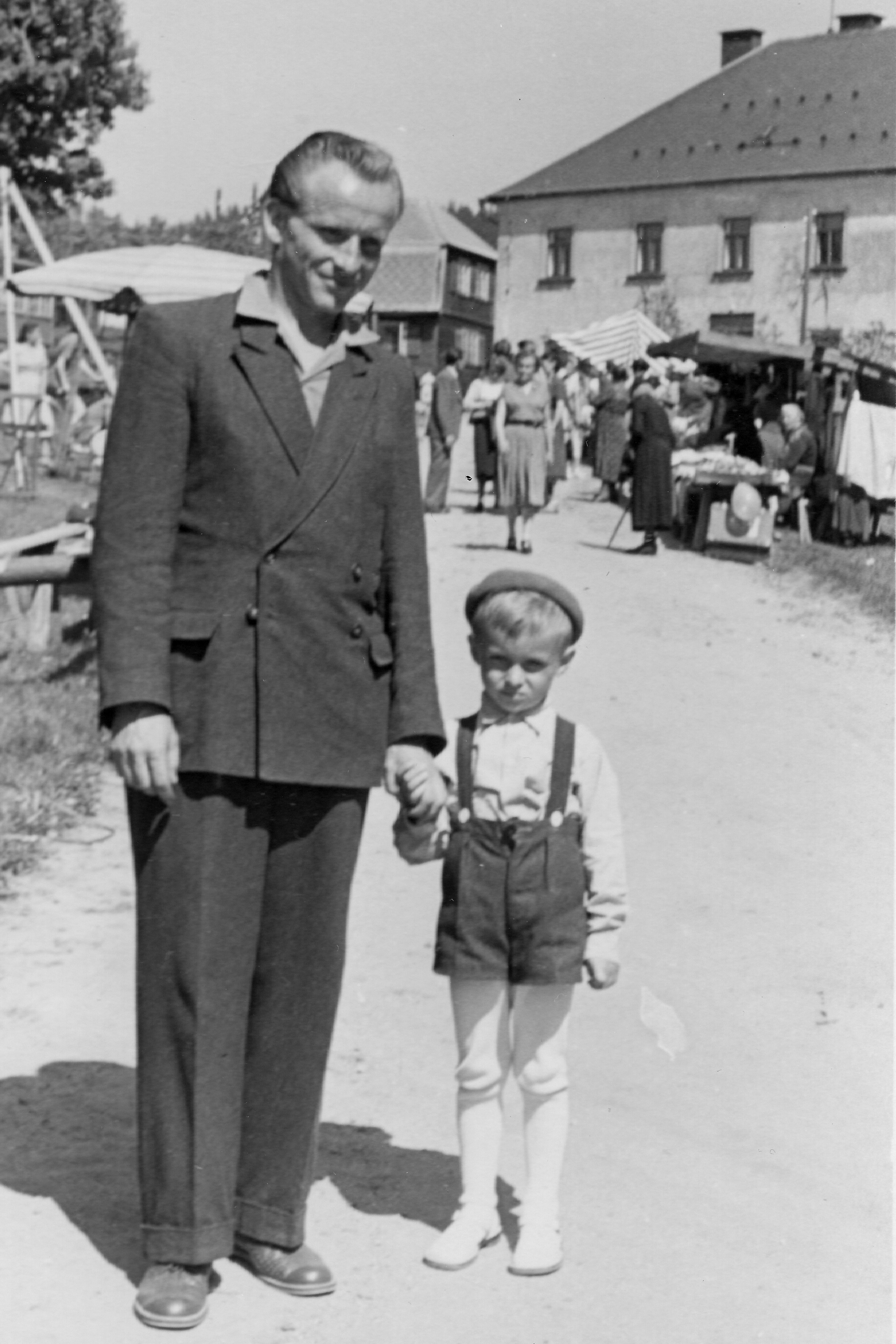
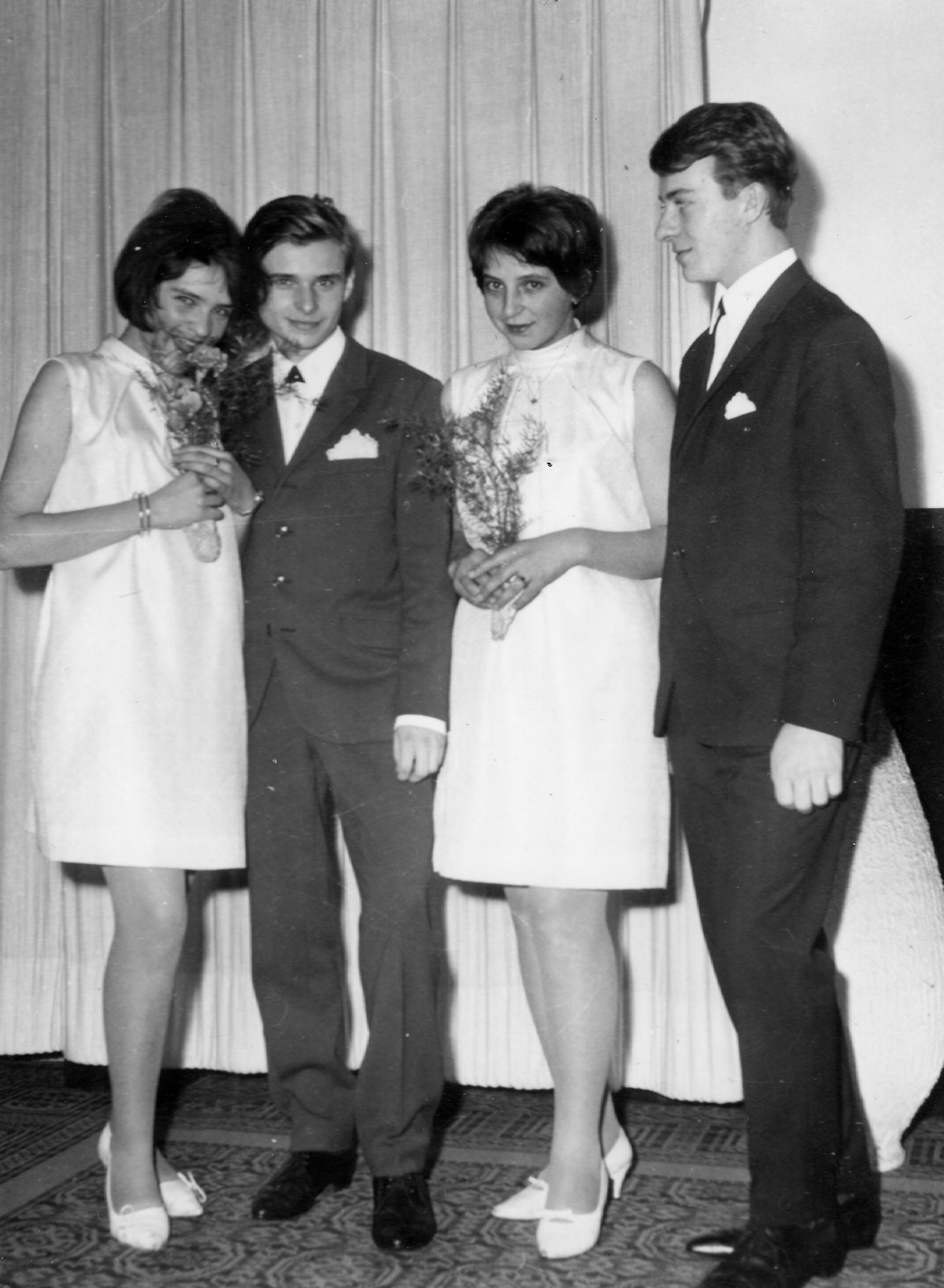
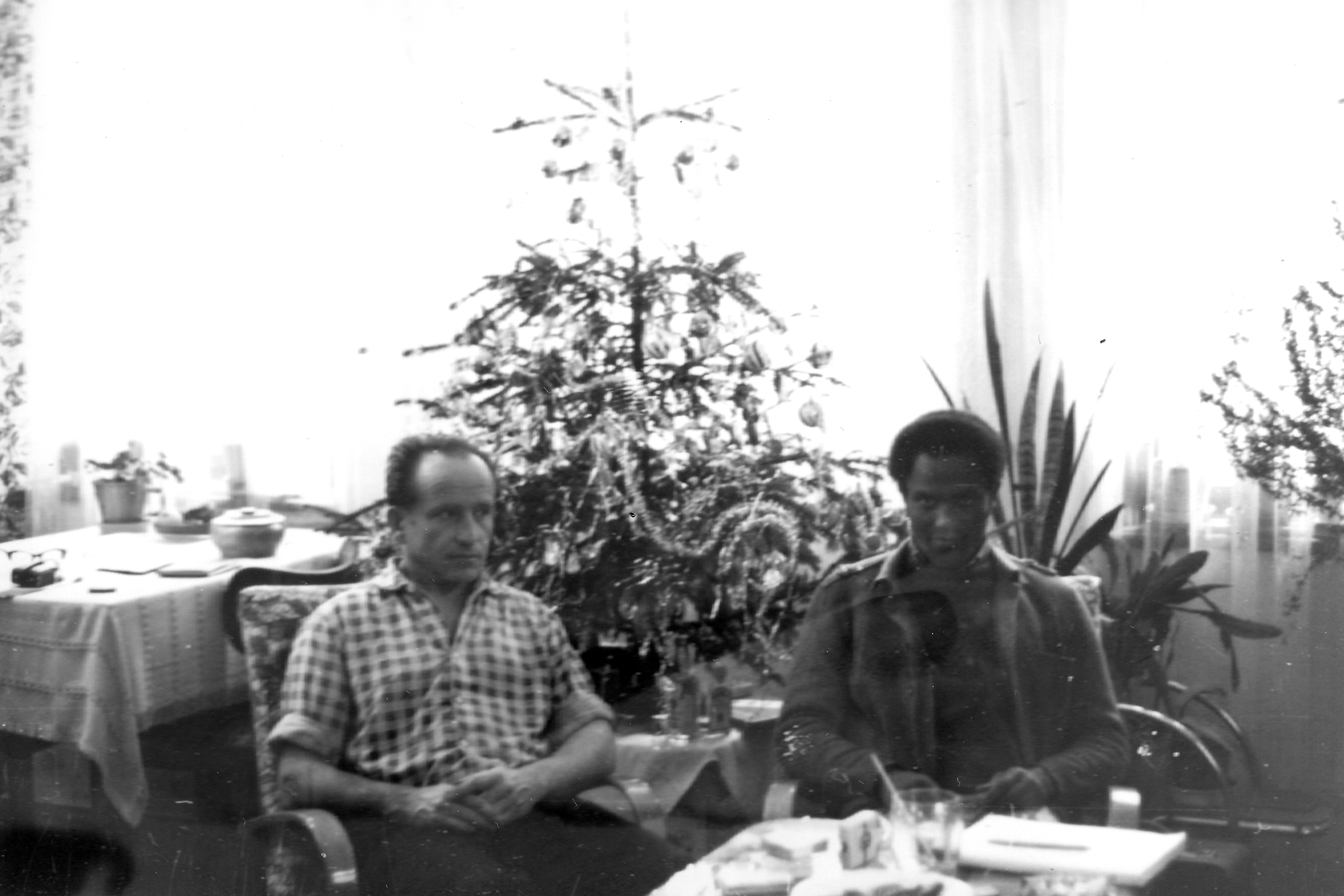
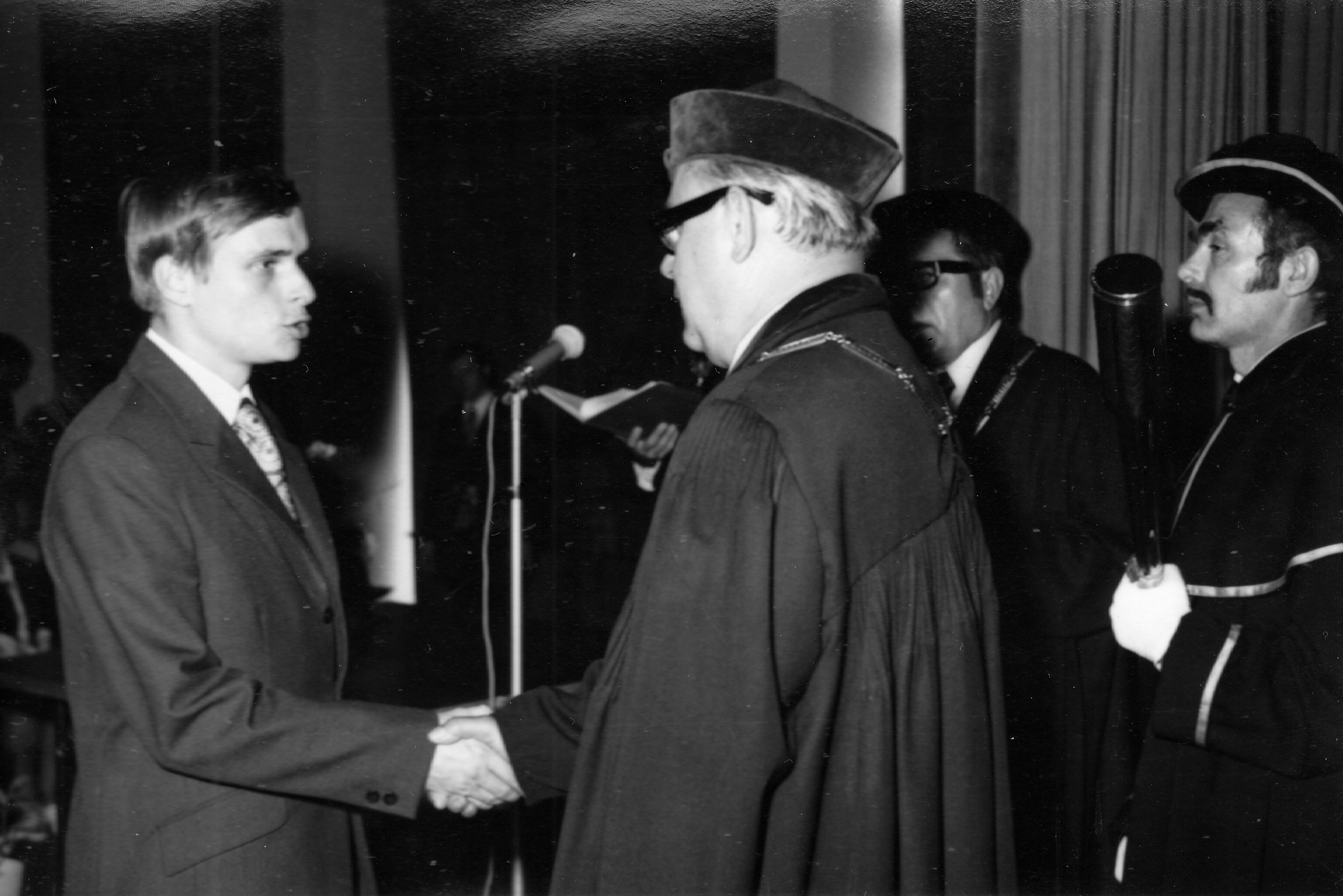
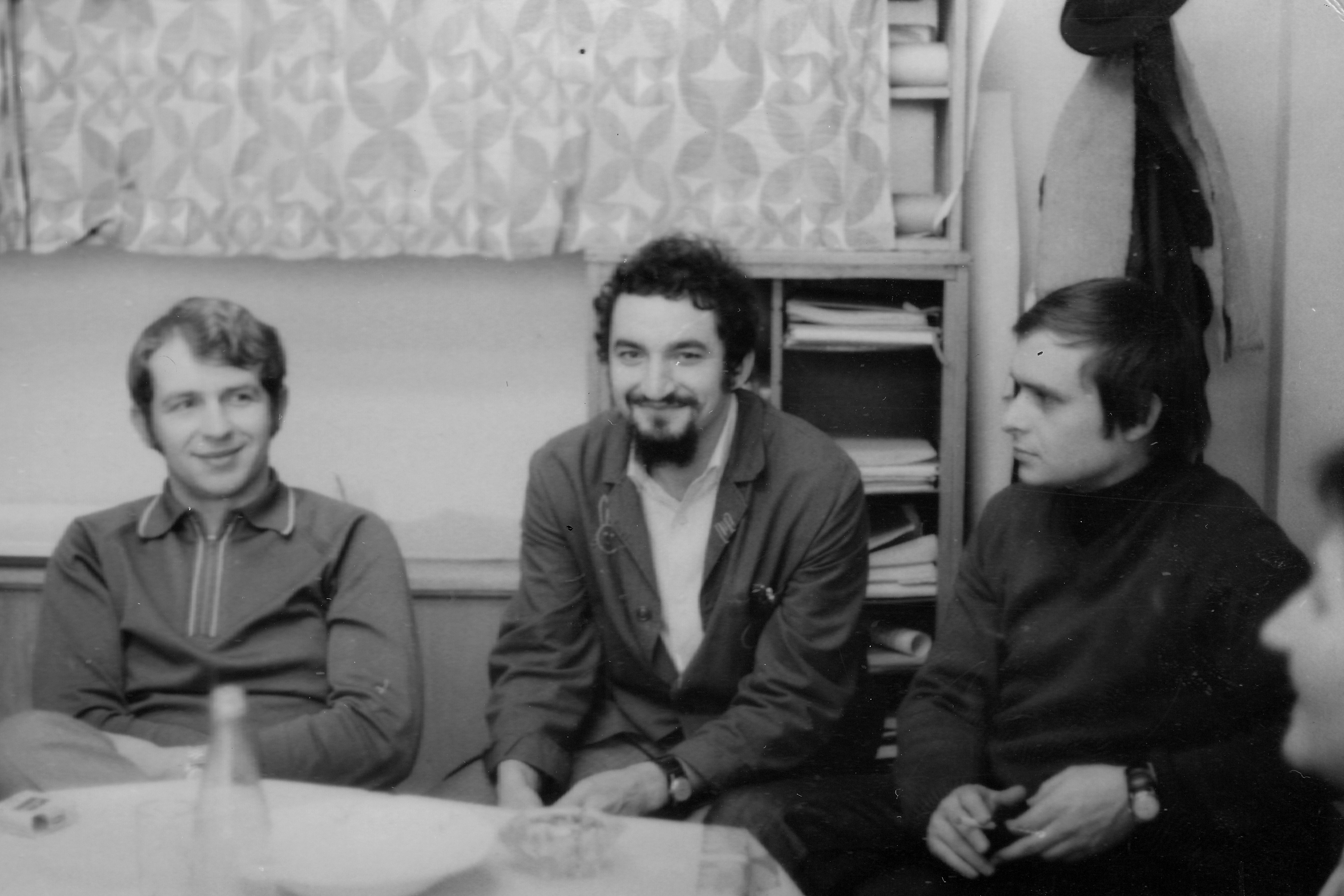
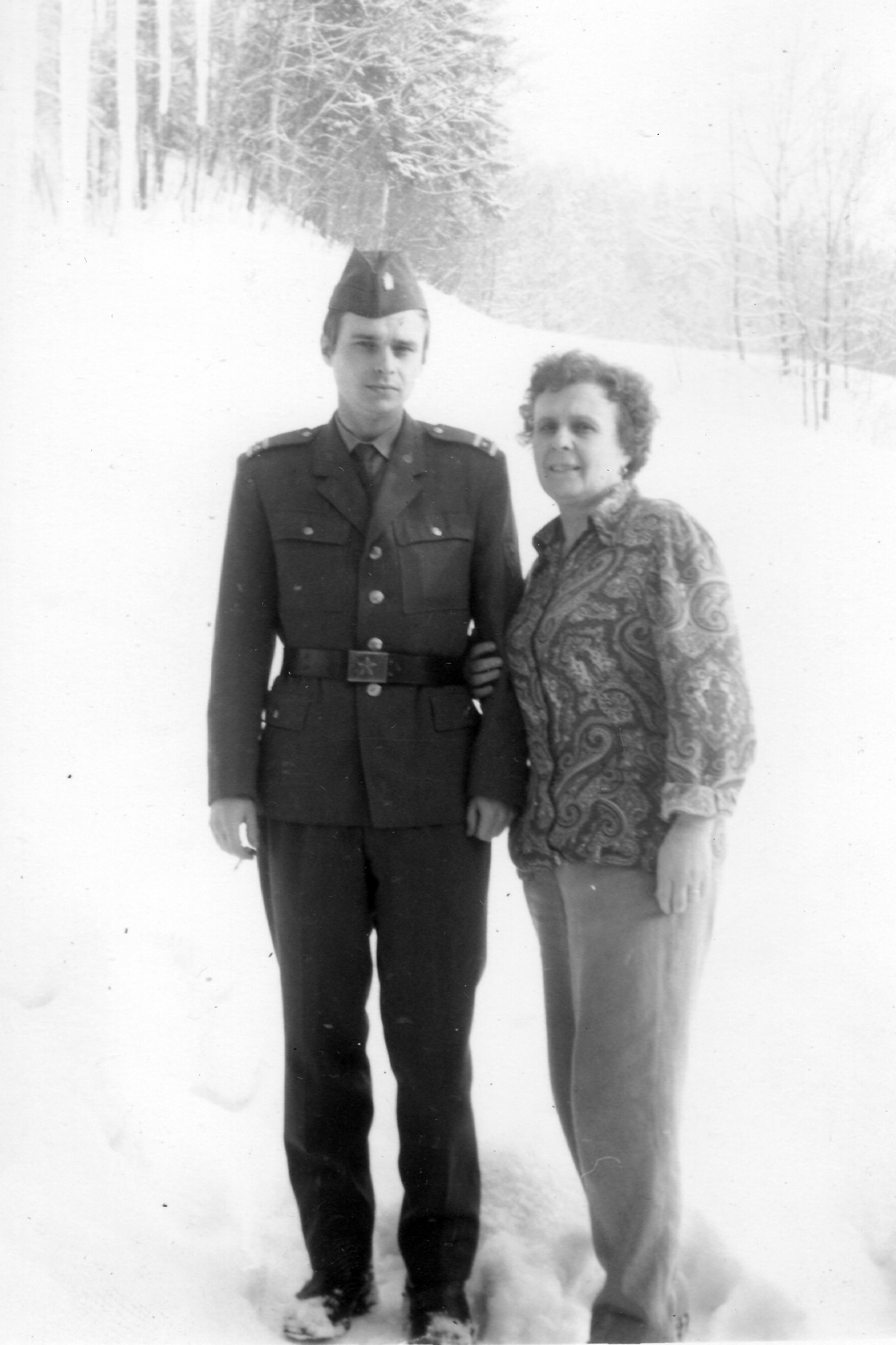
Petr Štěpánek was born on 14 December 1950 in Vysoké nad Jizerou. His father, Zdeněk Štěpánek, worked all his life as a machine setter at Naveta, later Elitex. His mother Marie Štěpánková came from a mixed Czech-German family and worked as a domestic worker for the wooden toy factory TOFA Albrechtice. After primary school, he studied at the grammar school in Jilemnice, graduating in 1969. He was a member of the botanical section within the Pioneers and Youth Centre. He experienced the occupation in August 1968 at a botanical camp in Malá Fatra, Slovakia, and then distributed leaflets in Hradec Králové. He graduated from the University of Agriculture in Prague, majoring in land improvement, in 1974. During his studies he joined the Communist Party of Czechoslovakia (KSČ). He worked for the East Bohemian State Forests as a planner. From 1977 he worked in the Krkonoše National Park (KRNAP), where he introduced ecological education. In 1984 he became the director of the Krkonoše Museums. He cooperated with regional associations of displaced Germans and participated in the partnership between Vrchlabi and the French town of Trouville-sur-Mer. After the Velvet Revolution, he worked as deputy director of the Krkonoše National Park, which he twice temporarily headed. He married twice and had a total of four children. In 2025 he lived in Vrchlabí.