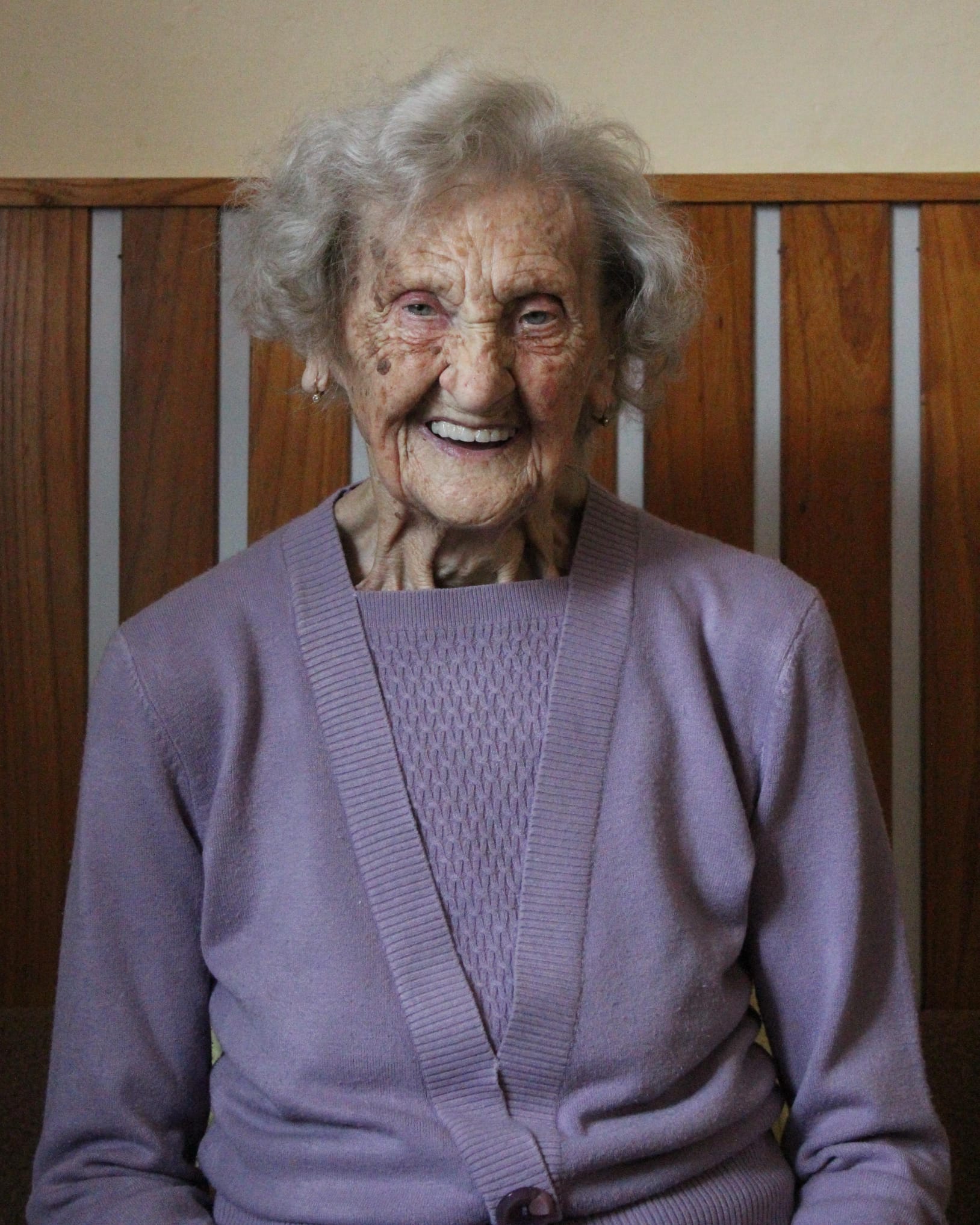
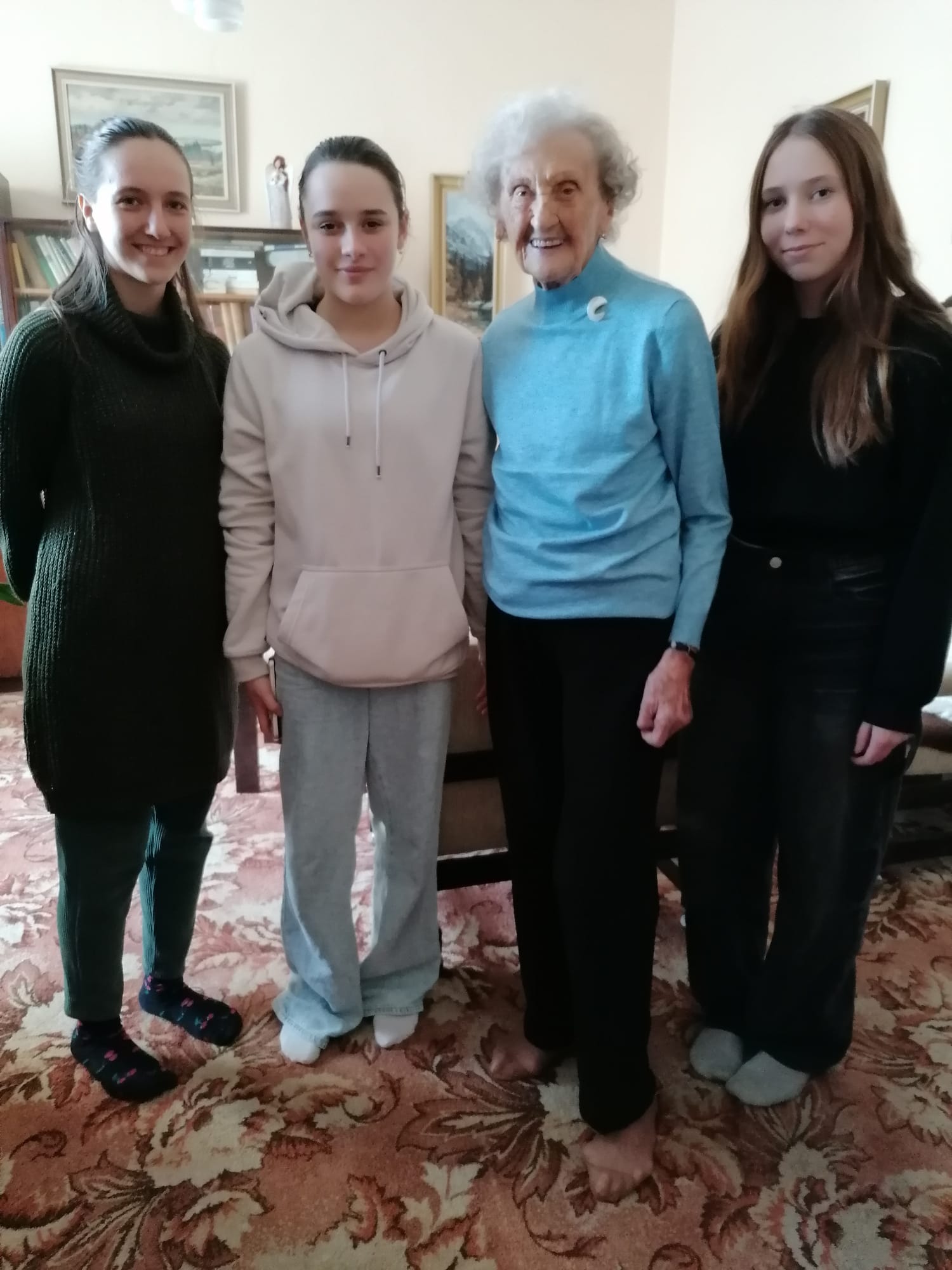
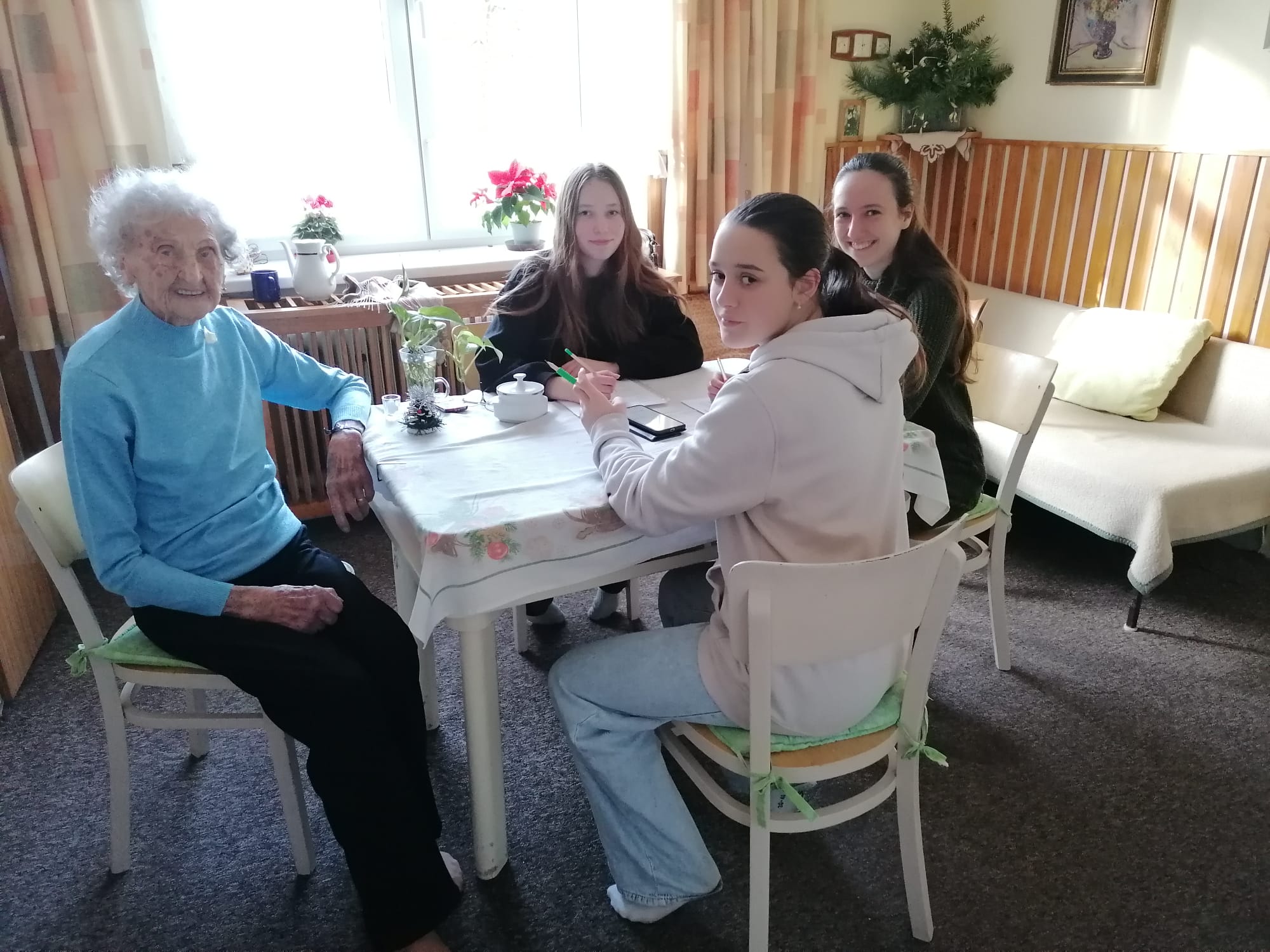
Marie Šteflová

* 1929

  • "Then also, when I was selling at Matějka, it was taught, it was after the war, so we were also given UNRRA, if you know what that is. That was from America and it was tins and then it was like these chocolates. It was for the soldiers at the front, these chocolates - real chocolates. That's what I remember we used to sell too, and then the tins. Then there were tins, big ones, military tins, for juice."

  • "Then all those soldiers were dumping all those weapons in front of our house. But when the war was on, they also had drills behind our house, where we lived. And they had drills there, and those poor ordinary soldiers would crawl around the fence and my mother would go and cut everybody a slice of bread. Daddy would say: 'What are you doing?! They'll shoot you for that!' But she gave it to them in some clever way, otherwise, the soldiers would be shot too. They weren't allowed to do that, they weren't allowed to take anything."

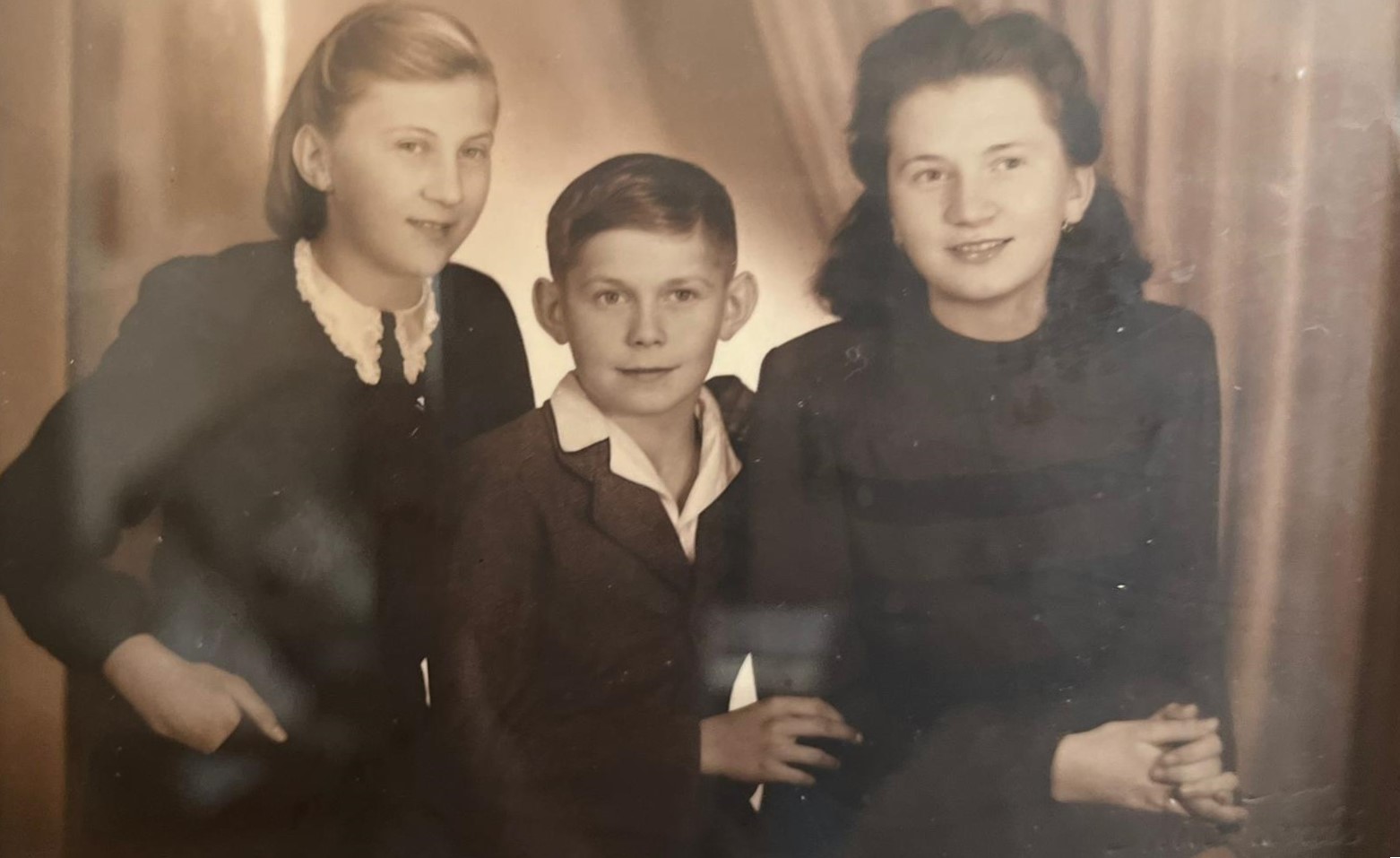
  • "My sister was learning to be a seamstress and my brother, he went to study, and we really saw how, when the war was almost over, the Germans kept walking around us. They used to go away and they used to go to Jindřichův Hradec, as they were headed west. My sister, when she was learning to be a seamstress, she would sit down and sew these tricolour pins and we'd pin it on our lapels like this and we'd go out on purpose on the road. My daddy came running for us and said, 'You geese!' And then they shot at us because they didn't want to see it, the tricolour."

  • Celé nahrávky
  • 1

    Žirovnice , 08.11.2024

    (audio)
    délka: 02:15:45
    nahrávka pořízena v rámci projektu The Stories of Our Neigbours
Celé nahrávky jsou k dispozici pouze pro přihlášené uživatele.

We wore our tricolours and the Germans shot at us
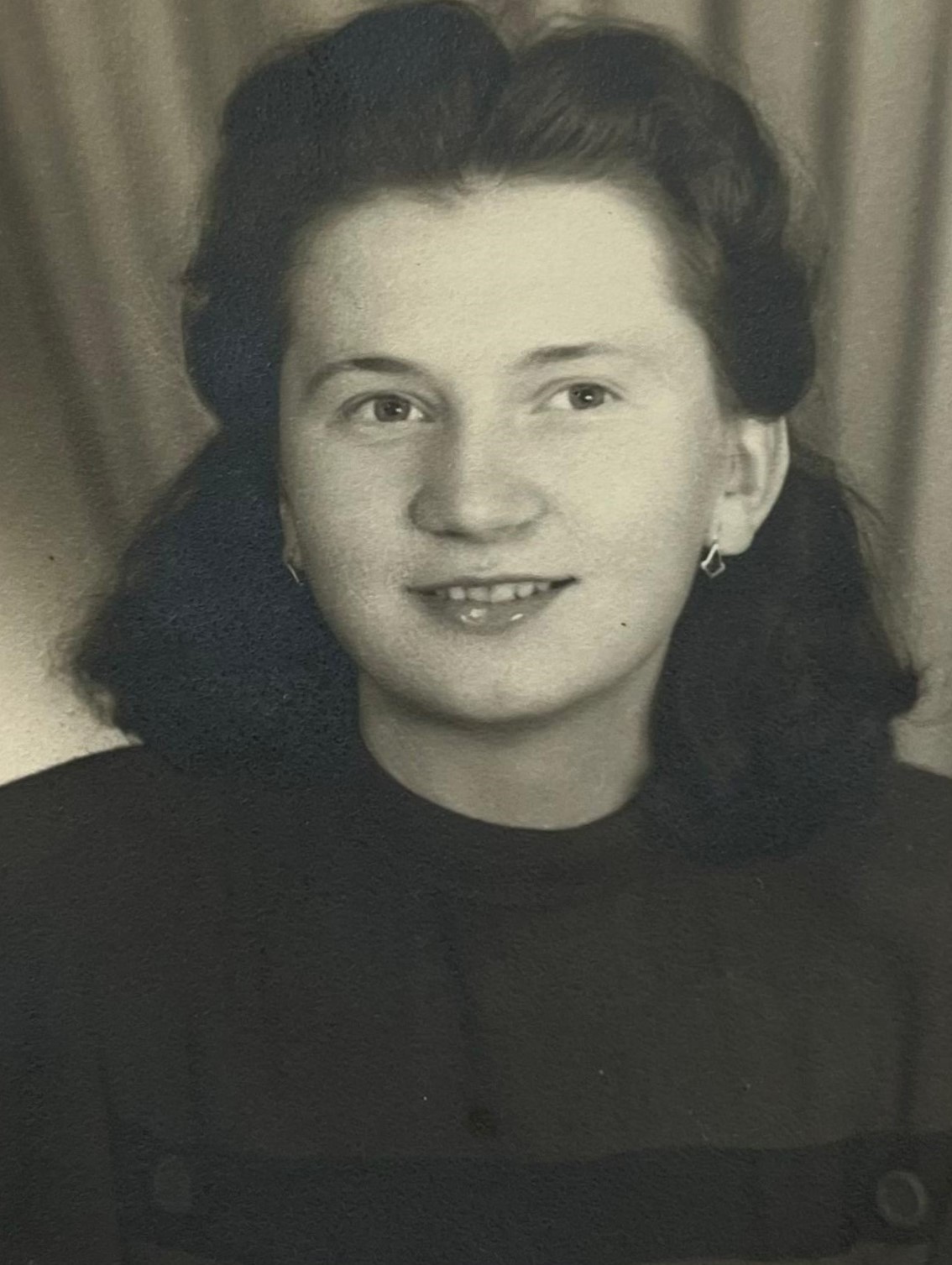
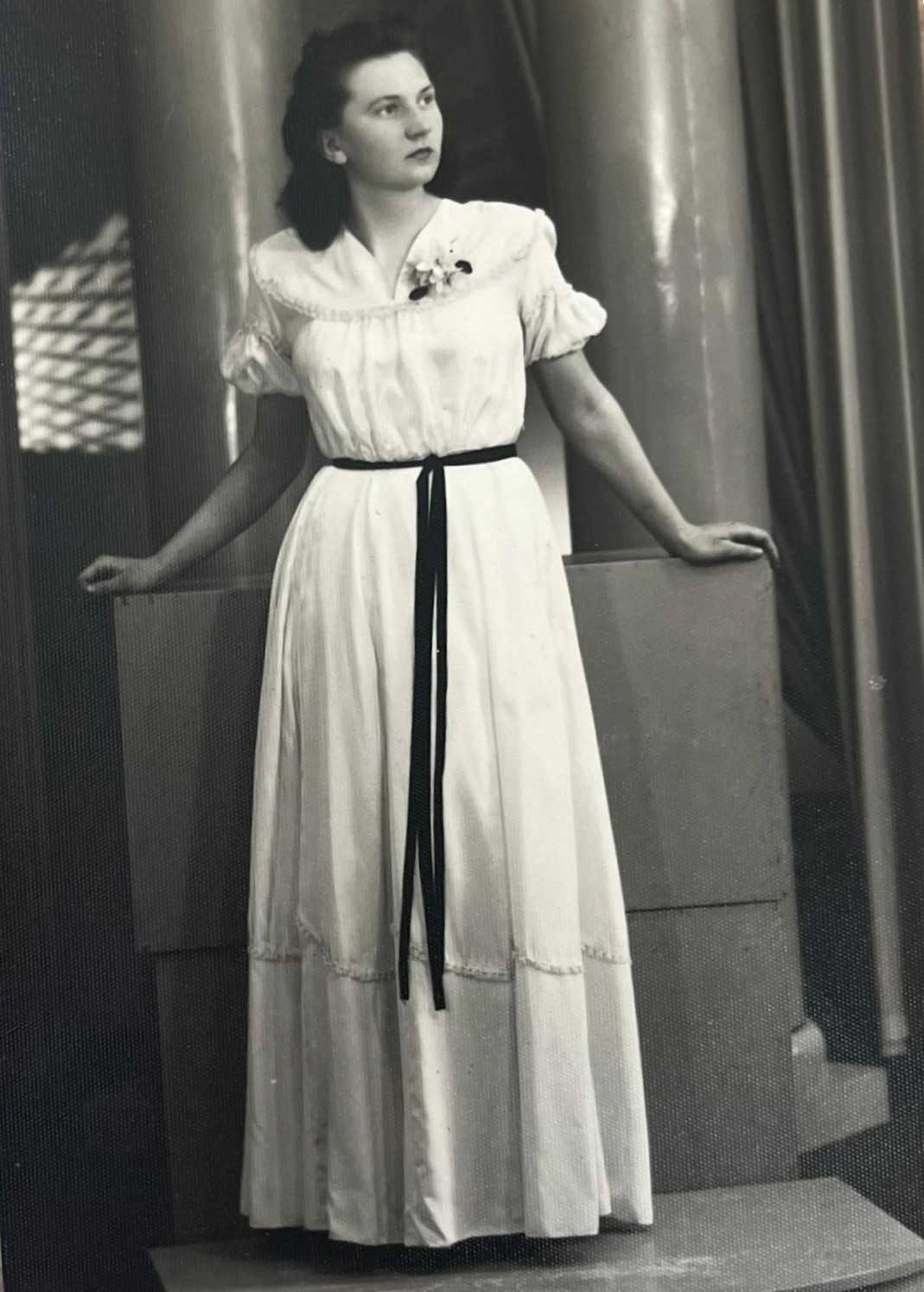
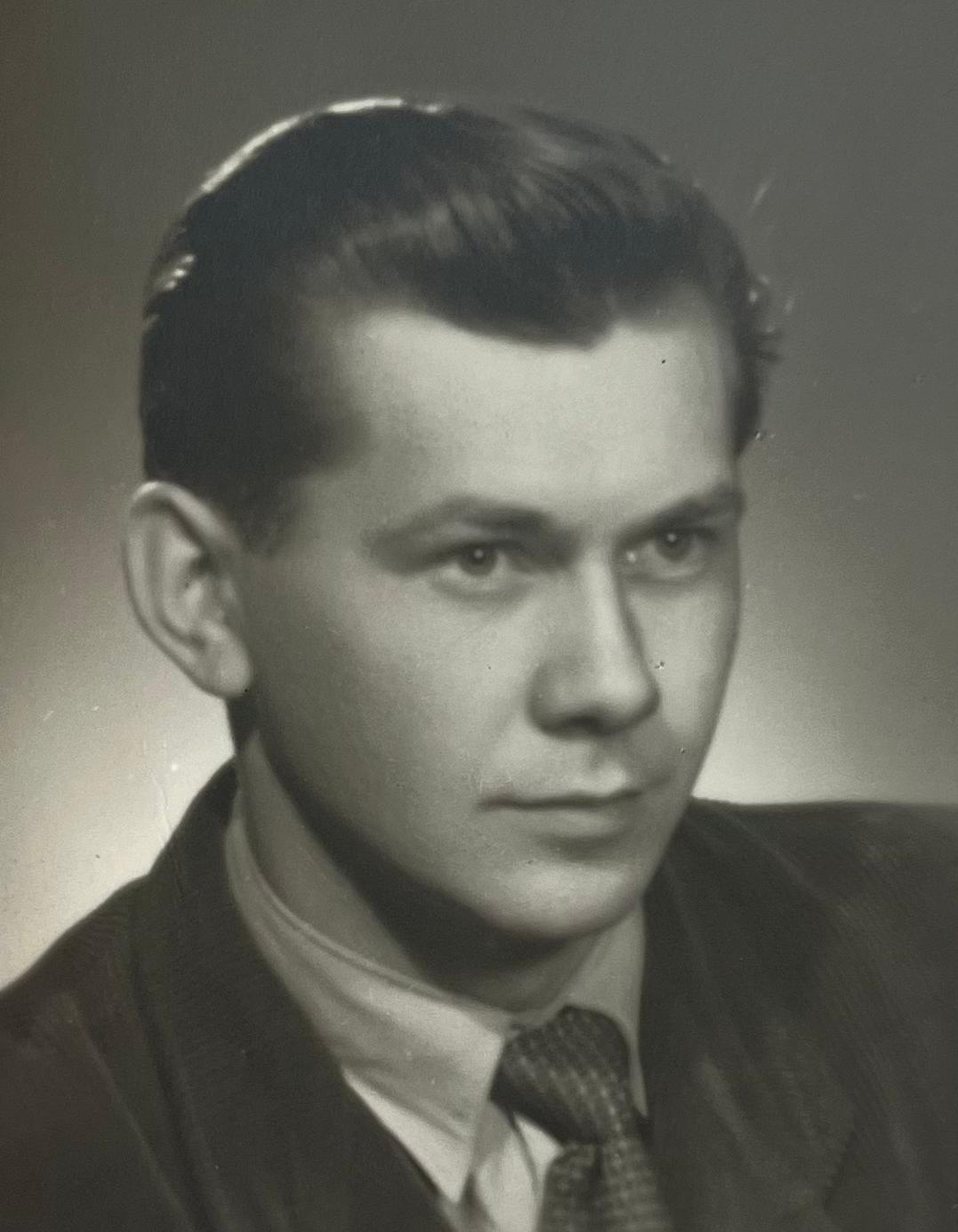
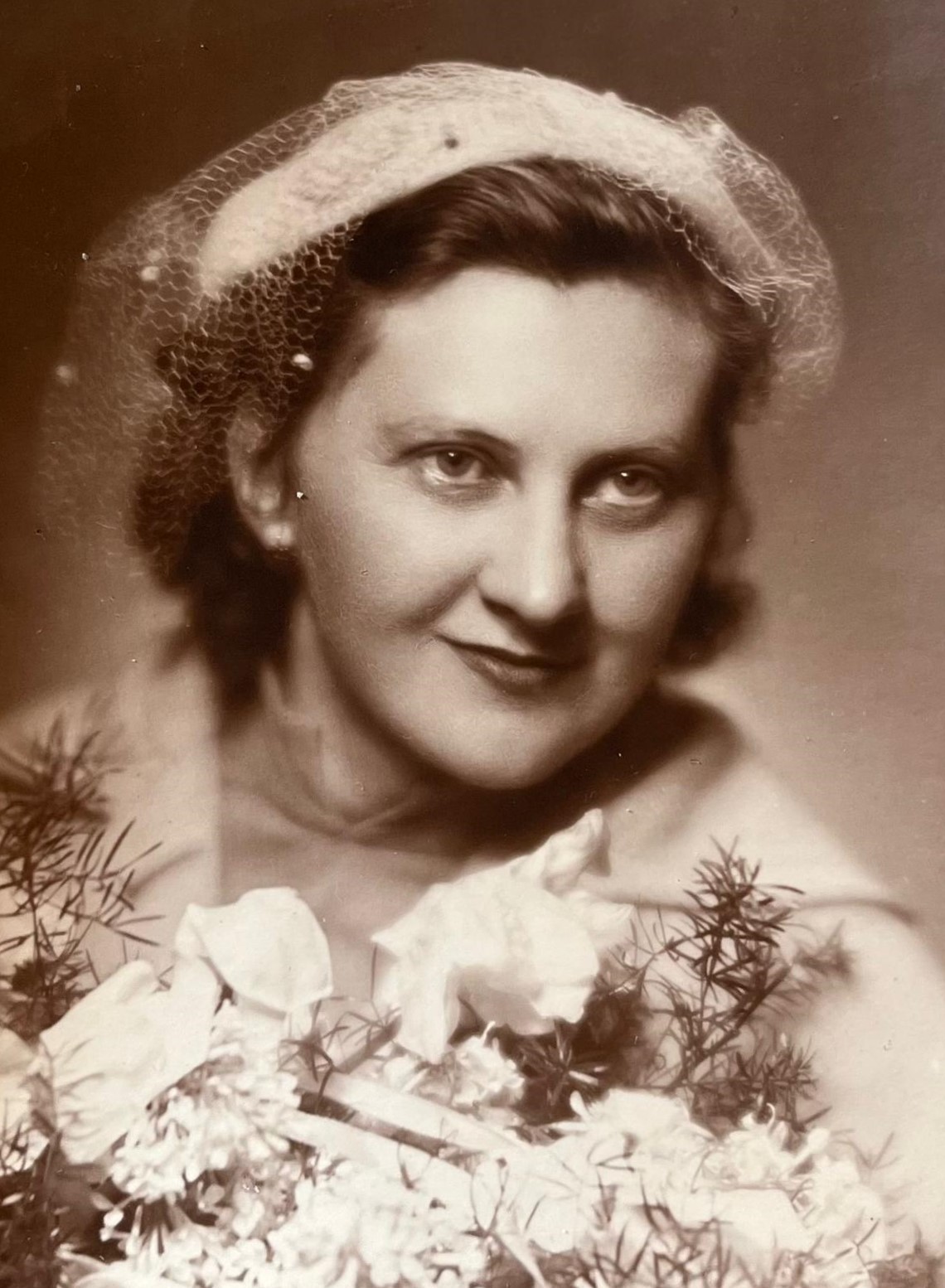
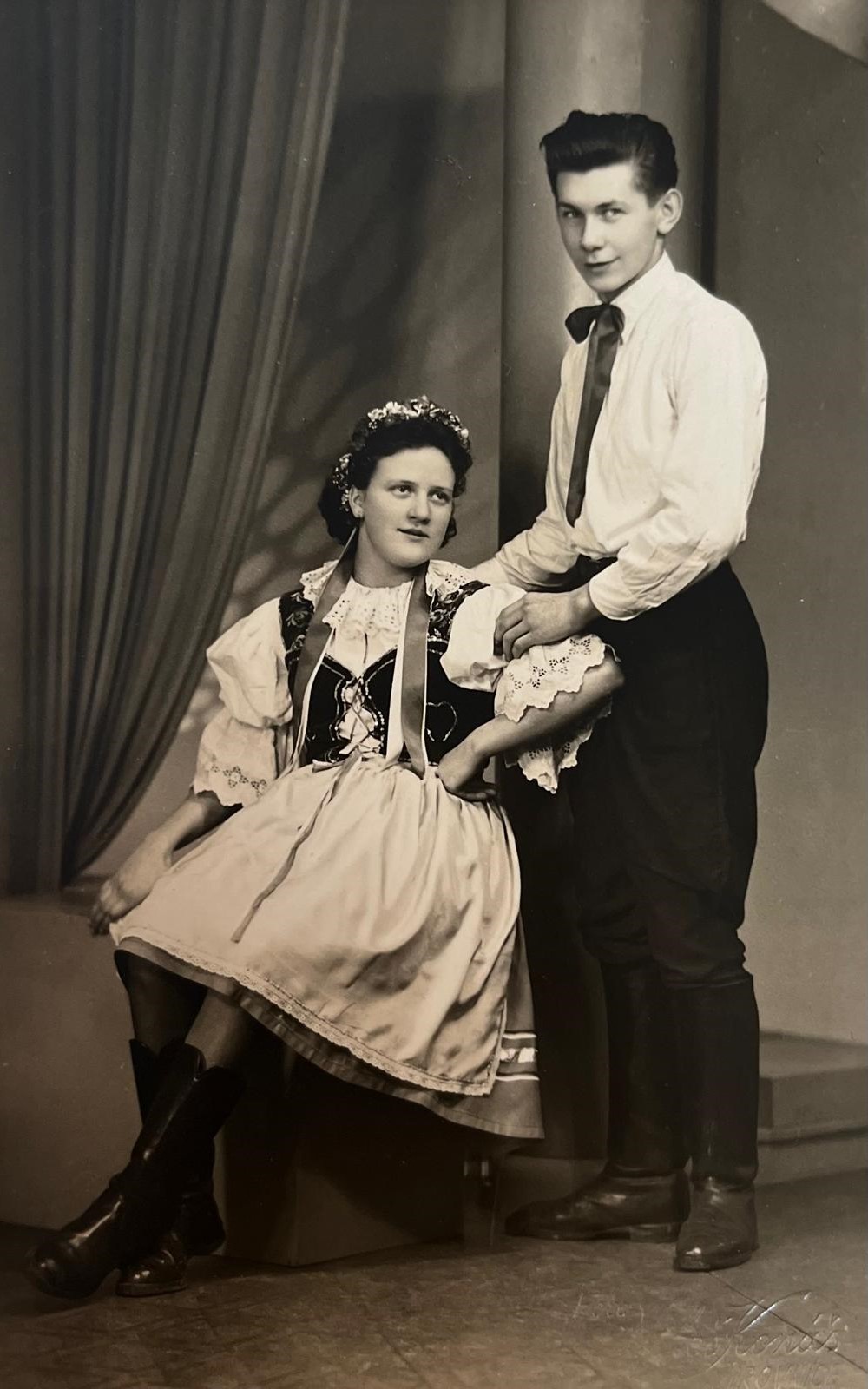
Marie Šteflová, 1950
zdroj: witness archive

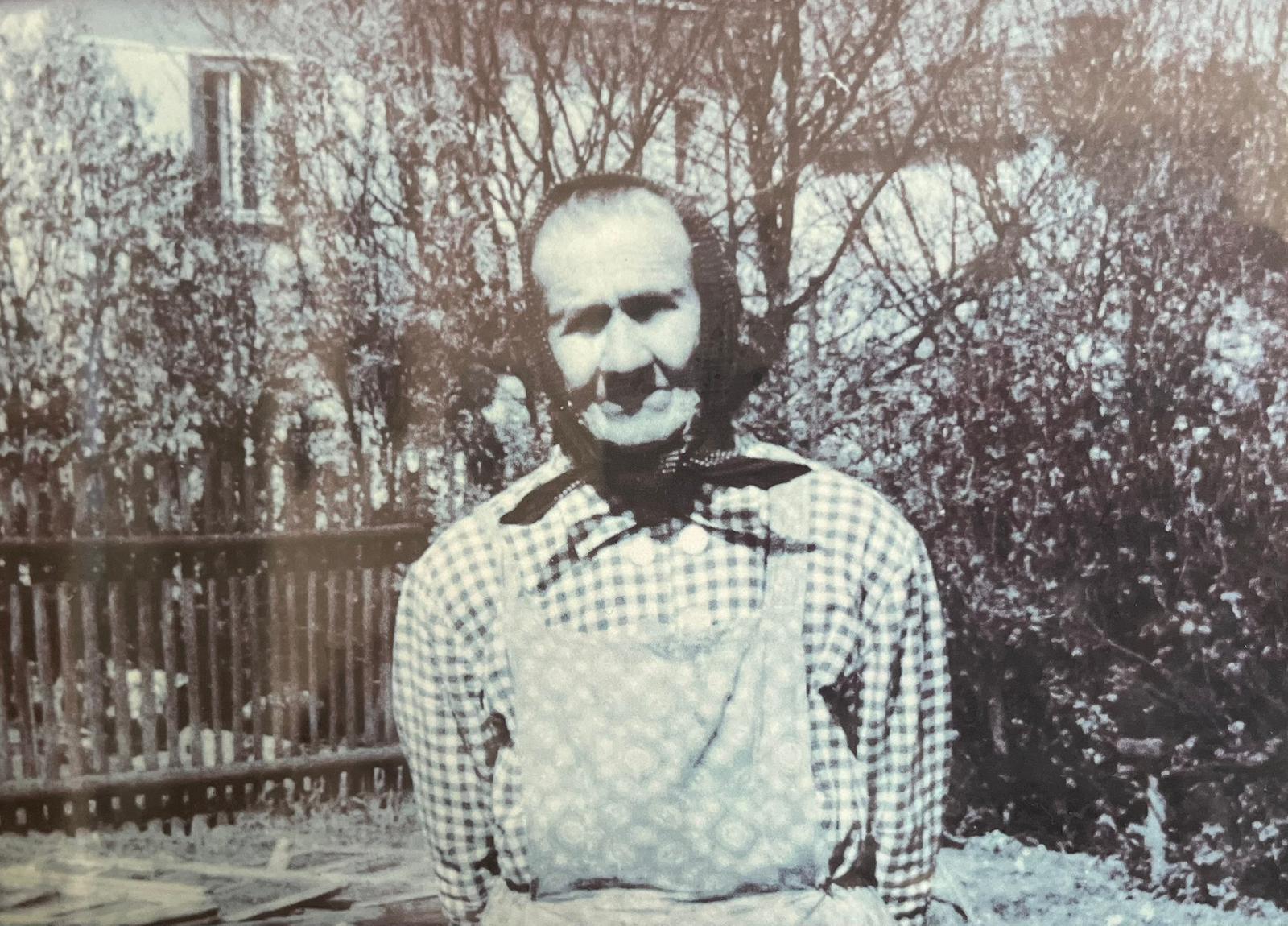
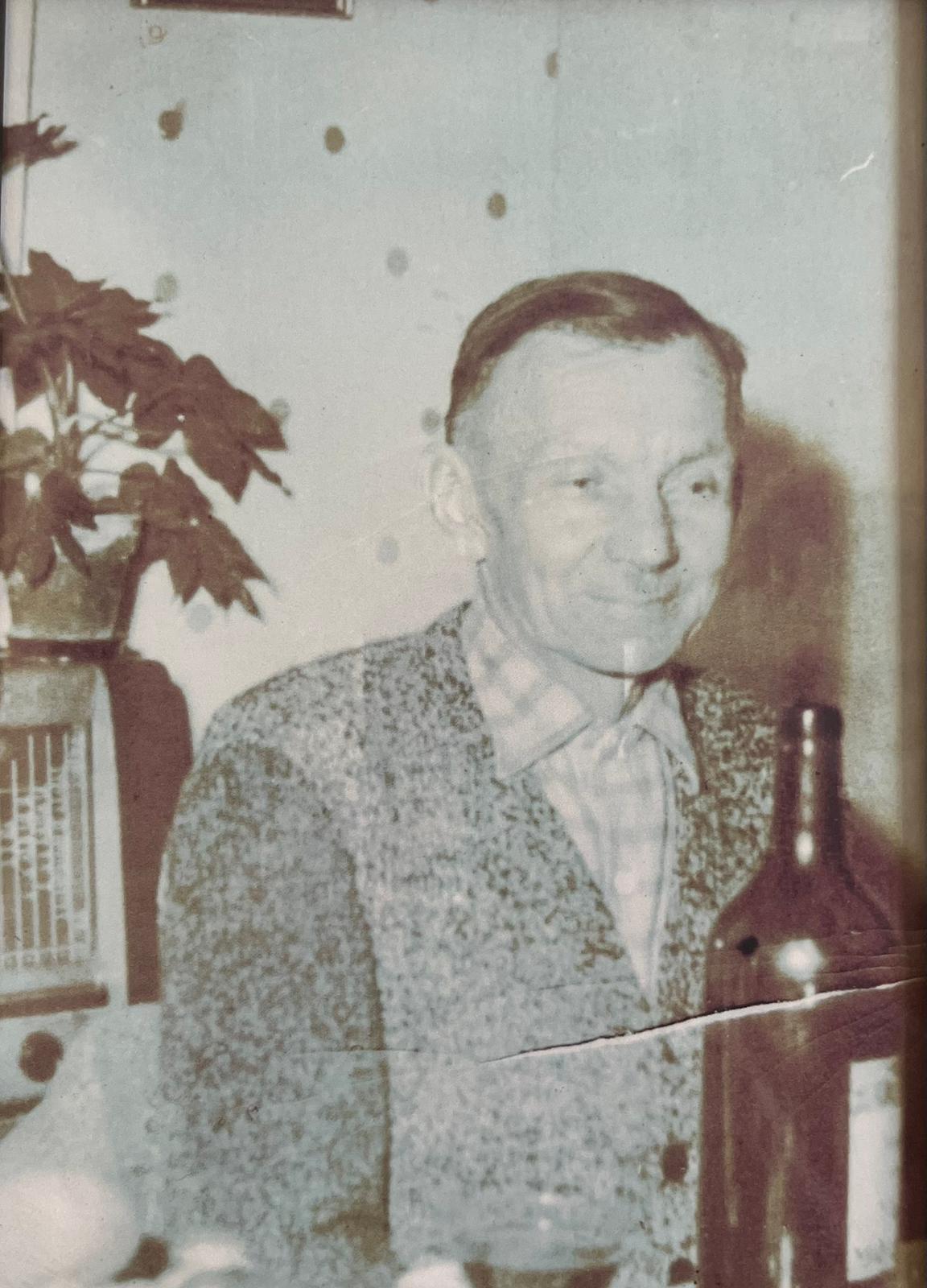
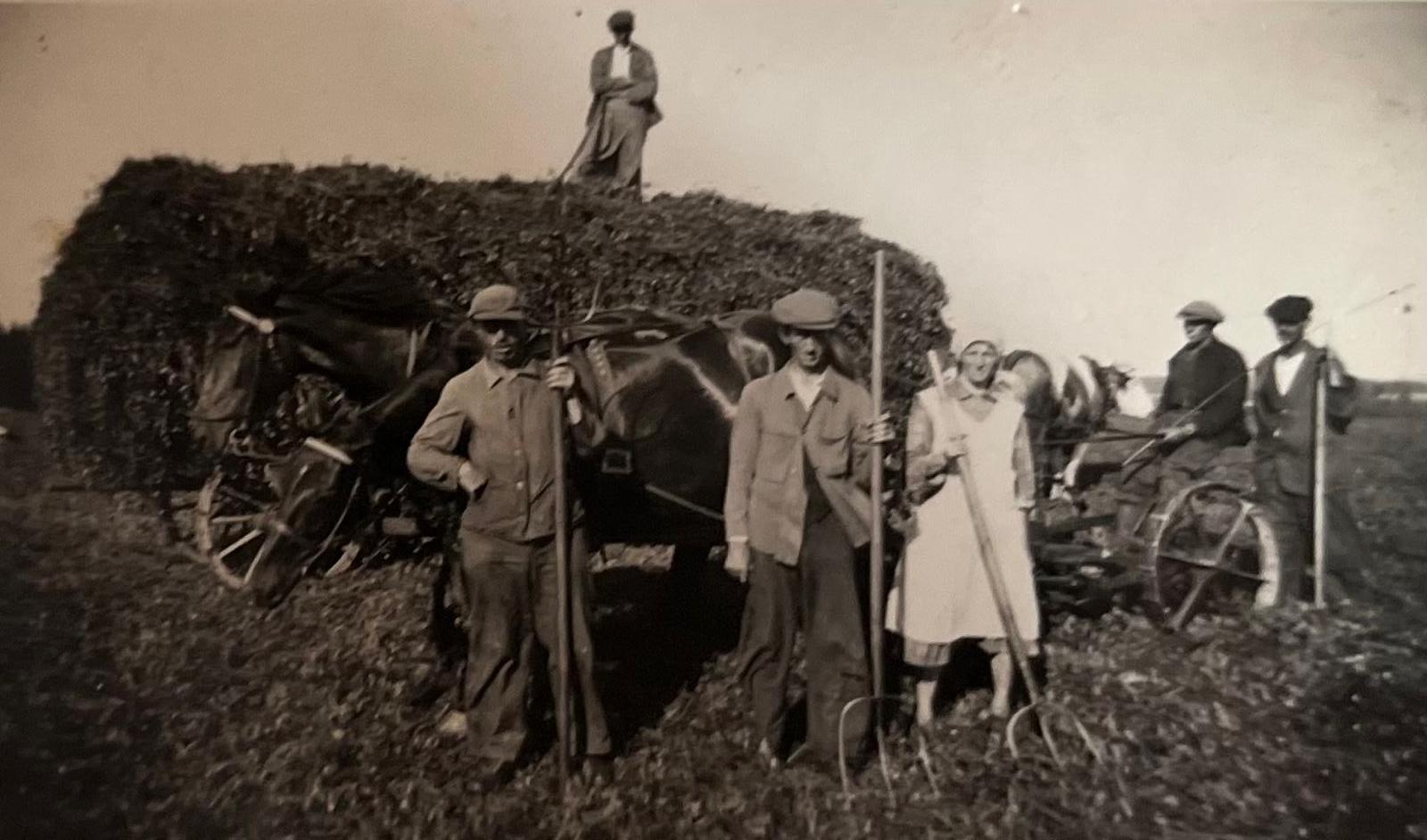
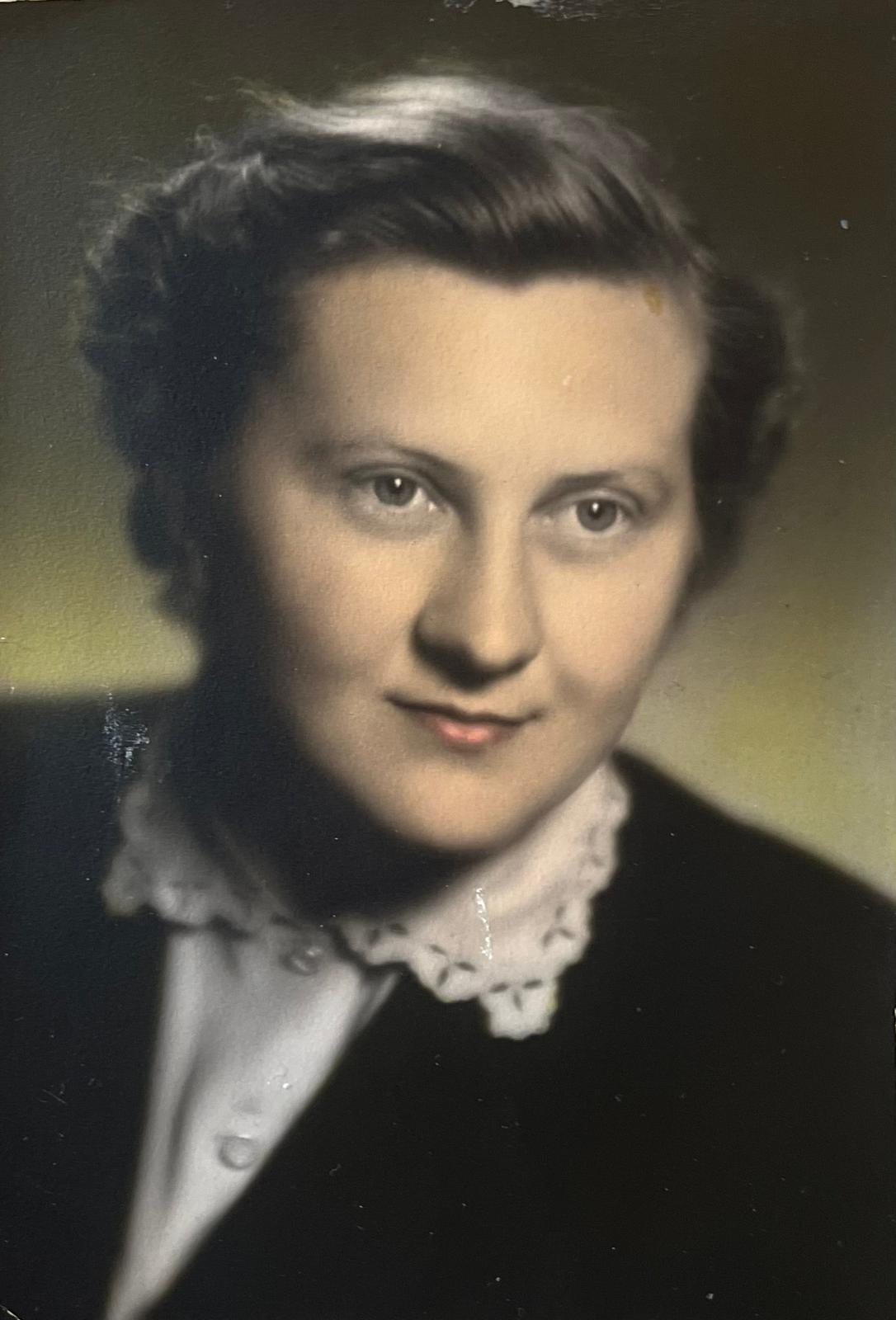
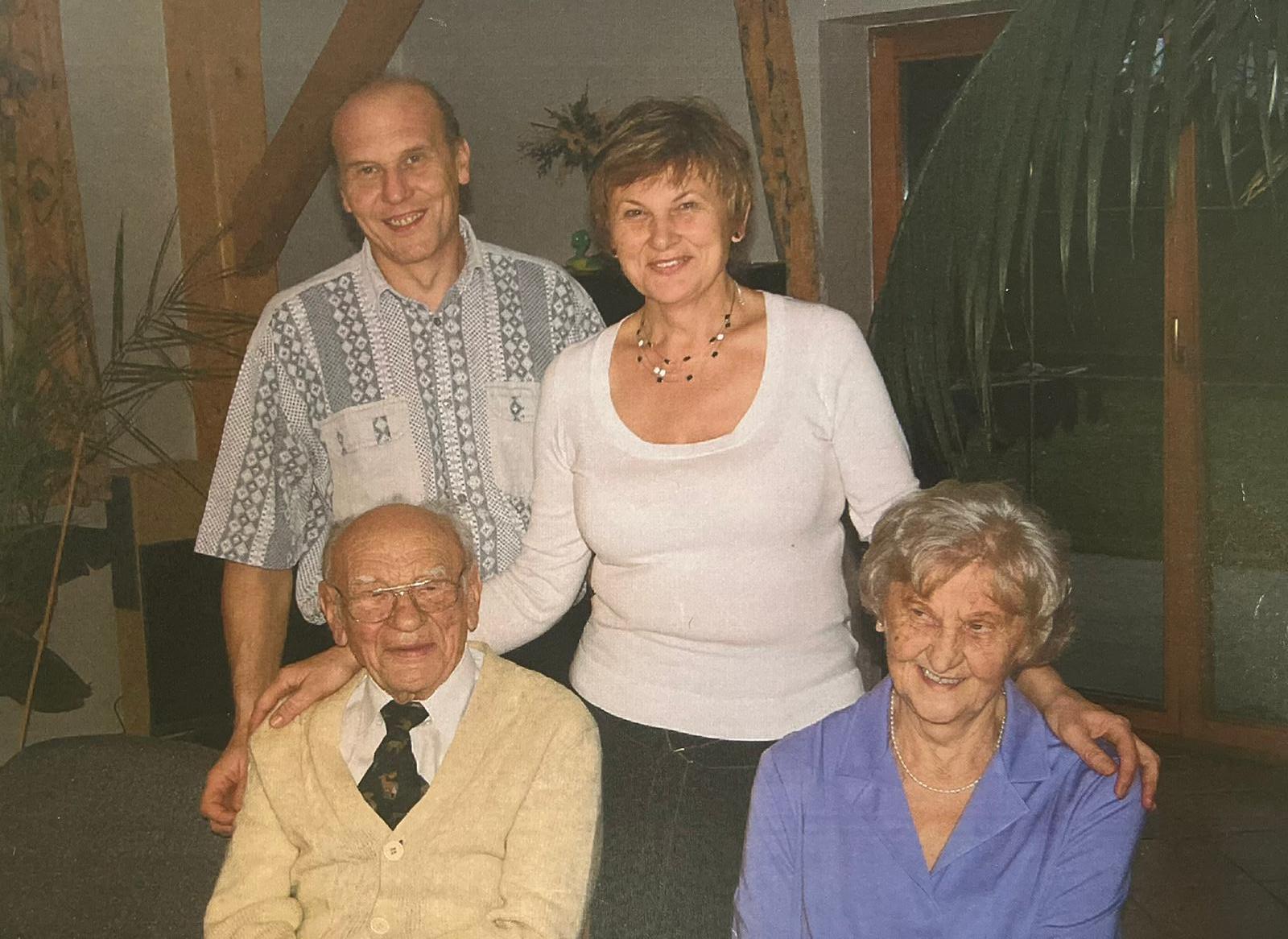
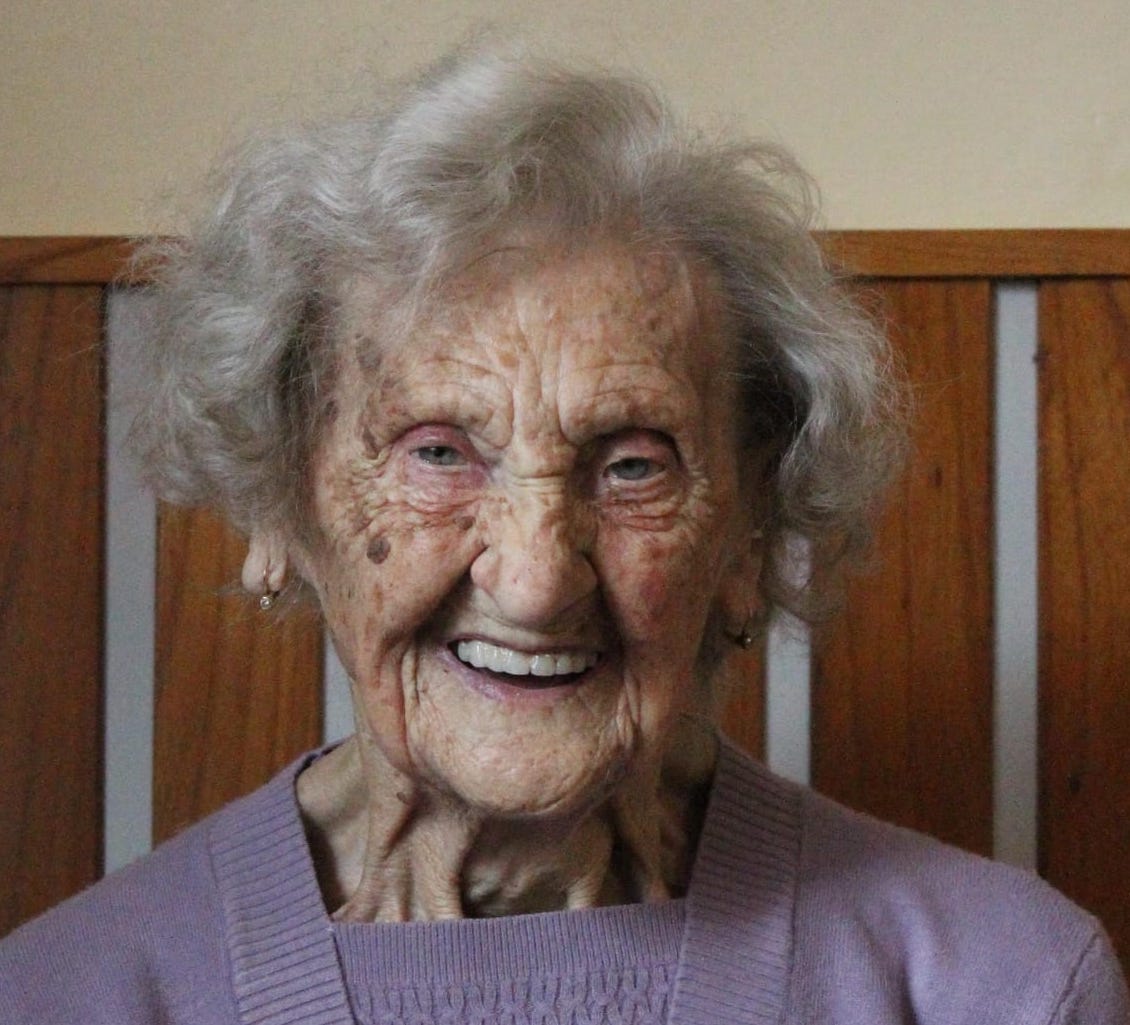
Marie Šteflová, née Kadlecová, was born on 26 October 1929 in Žirovnice. Her father rode horses and her mother fed cattle. Soldiers slept on straw on their family farm during the 1938 mobilisation. A few months later, they watched with sadness the arrival of the German army. During the war, her father had to hide the horses and at the end of the war, German soldiers passed by their house and shot at Marie Šteflová when she went outside with a tricolour pinned on. She trained as a shop assistant. She married and had two children. In 2024, she was still living in Žirovnice.