"Capricious Summer was a project of fundamental importance to us, because it was the first time that Menzel and I had been exposed to the medium of colour film. And we were going to enjoy it. And we got, as I mentioned, a high-quality Eastman Kodak negative. At that time I was one of the first to have an exponometric metre in my hands, a Spotmeter brightness metre of Czech manufacture. Prehistoric, but very accurate. I used the Spotmeter to measure everything. So I started with a new method of measurement, exposure measurement. And we made it under extremely difficult conditions, because the summer, the weather didn't suit us. Not at all. And here we have to mention the advantage of nationalised cinematography, because no producer would let us shoot it in a situation that was absolutely necessary for the film, because it was a rainy summer. The film started with the first shots being shot at the end of May. There was living greenery, natural, summer without a single shower or with a minimum number of rainy days. Not days at all, it was single clouds. So it was made in unfavourable conditions. But we had the nerve. And of course the crew was enjoying themselves because it was a beautiful summer by the water. We were much worse off, but we learned to walk the tightrope. Jiří Menzel had it in his role and the rest of us had time to do it too. So the advantage of nationalised cinema was that the producer, Dr Oves, would come around and pout and ask us if something could be done. Well, it could not, we defended it. And the film isn't damaged by that miserable summer when everything dried up. Freshly cut grass was brought in from the mountain areas and scattered on the opposite bank by the river to make it look like it was tied to footage shot in late May. Of course, the Eastman Color negative, being prime material, did not go well with our Orwo positive. Which was the only option, East German material was shipped to our countries with Orwo positives. It didn't go together. So I was forced to do very heavy makeup, very strong makeup. Everybody was, in the end, even Mr. Hrušínský, who was a completely different generation, he was a middle-aged man compared to us guys, he was very considerate, and he had comments about it, but in the end he let himself be bothered by that pasty make-up every day. And of course, film by film, the relationship with Mr. Hrušínský was more friendly, downright matey."
"Closely Watched Trains was finally a film and at the same time my return to the people of my generation, to my friends, my classmates. I started this project with a lot of experience from my previous film, from the project of Karel Kachyňa and the writer Procházka's Let the Republic Live. So nothing could surprise me anymore and I could serve Jiří Menzel as a perfectly armed professional. Jiří Menzel was very professional for his age and for his lack of footage in cinema. He behaved like a really experienced director. And that's just the way we made it. Of course, the medium of black and white film helped us. That's irreplaceable, because it's hard to portray the Protectorate in any other way. And we agreed to give it this kind of archaic form of an unedited documentary, like a Protectorate film. It went forward quite smoothly. Even then, we were working in threes at the camera. I had a first assistant, Mr. Hník, and he did the work for us in full understanding of our whole team. It was going well. Of course, when we were shooting it, we were having fun as always. We were enjoying the work. Nobody thought at all that it would do any good for the prestige of Czech film abroad. And it did. Jiří Menzel was invited to America to receive the Oscar, the American Oscar for foreign language film at that time. And with him went the very supportive director of Barrandov, Mr Vlastimil Harnach. Mr. Vlastimil Harnach was an old Baťa person from Zlín. He was a producer at Studio Gottwaldov at the time. And he was very supportive of our project and very friendly to us. It was impossible for a man to go abroad at that time. Besides, only professionals who work for foreign capital, for American money, are allowed to get an Oscar for a camera. For a foreign language film, it's awarded as a film, as a whole. It had its consequences with a president who seemed acceptable to the Russians at the time, at a dramatic time around the 1968, a president who seemed favourable to the Russians, that was General Svoboda. And with him we drank a shot of cognac at Prague Castle. That was all."
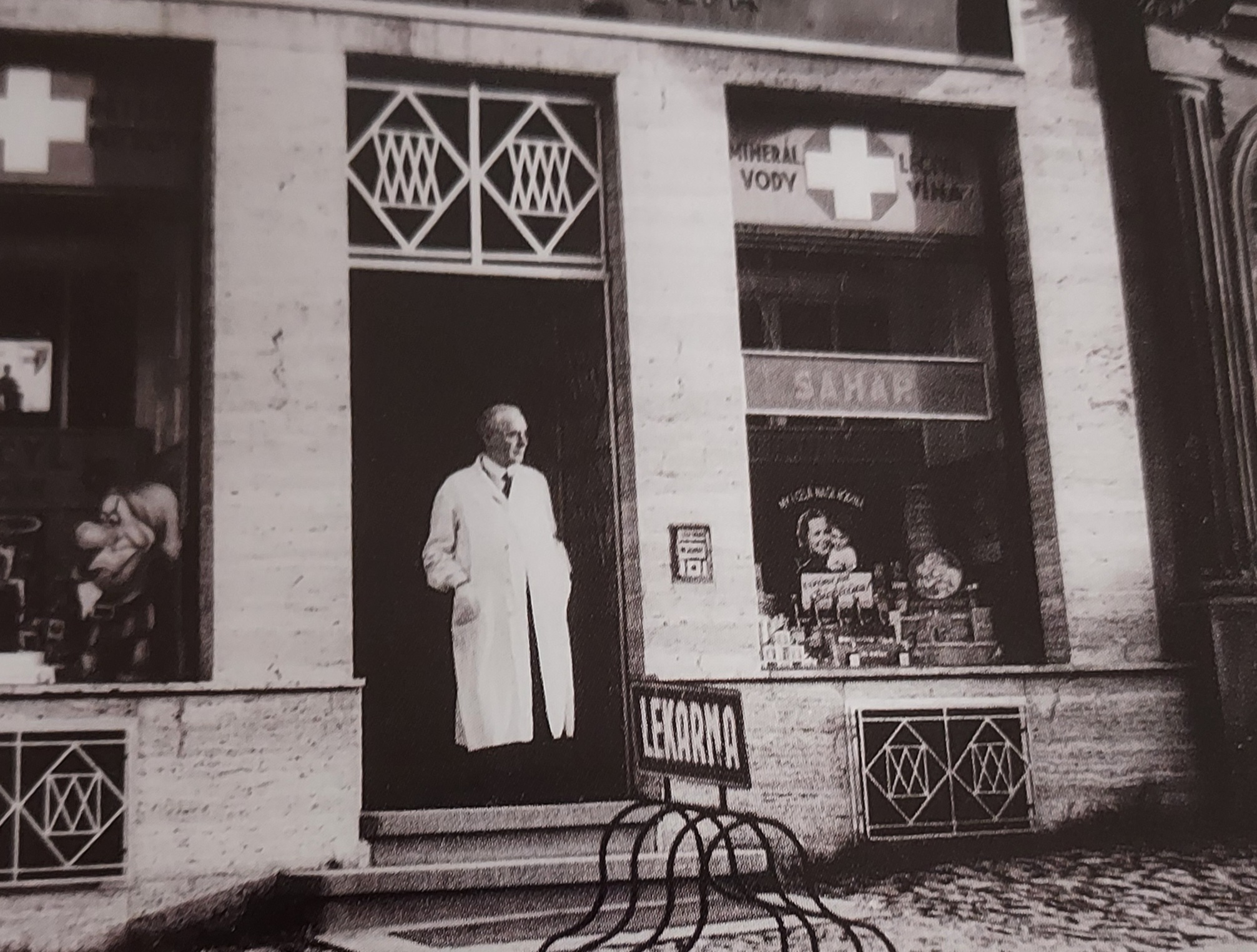
"The events that can be considered devastating from a family point of view came, of course, with the year forty-eight. A pharmacy that had been nationalised, and of course not with the consent of my father, who was subject to some sort of charges, there was some sort of trickery going on, which was usually used to get charges against people who were not convenient with the matter of nationalising businesses. So my father had to leave the city, then he worked in the industry, fortunately, but in Brno. Before that, of course, there were a number of interrogations, a number of accusations. It was some kind of trick that used to be used against these people. It was not unusual for pharmacists. And not just those, anyone who had achieved some kind of status through service. Good service. All these people were affected. Someone, of course, offered their business and then organized and had the legitimacy to do so and that's how. Thus there was a kind of escape and then a sweet life, whereby a person who entered a new era in this way, of course, thereby started an existence quite extraordinary."
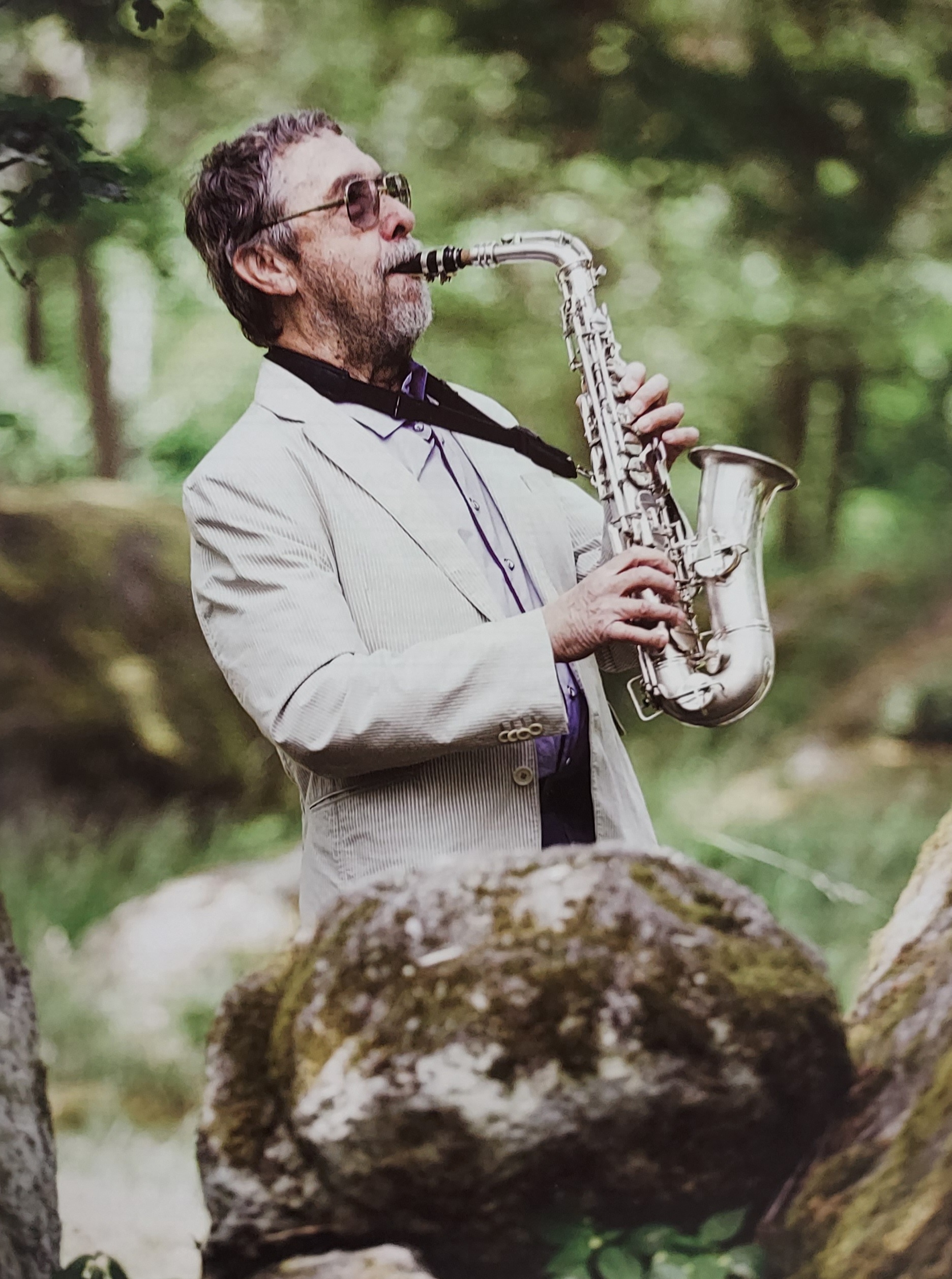
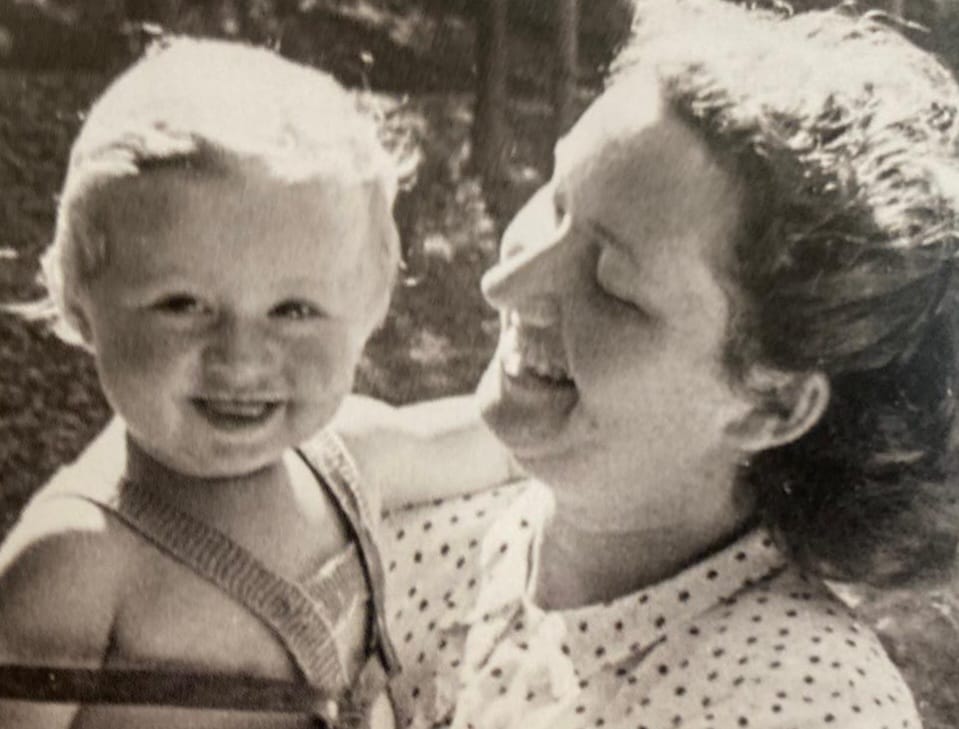
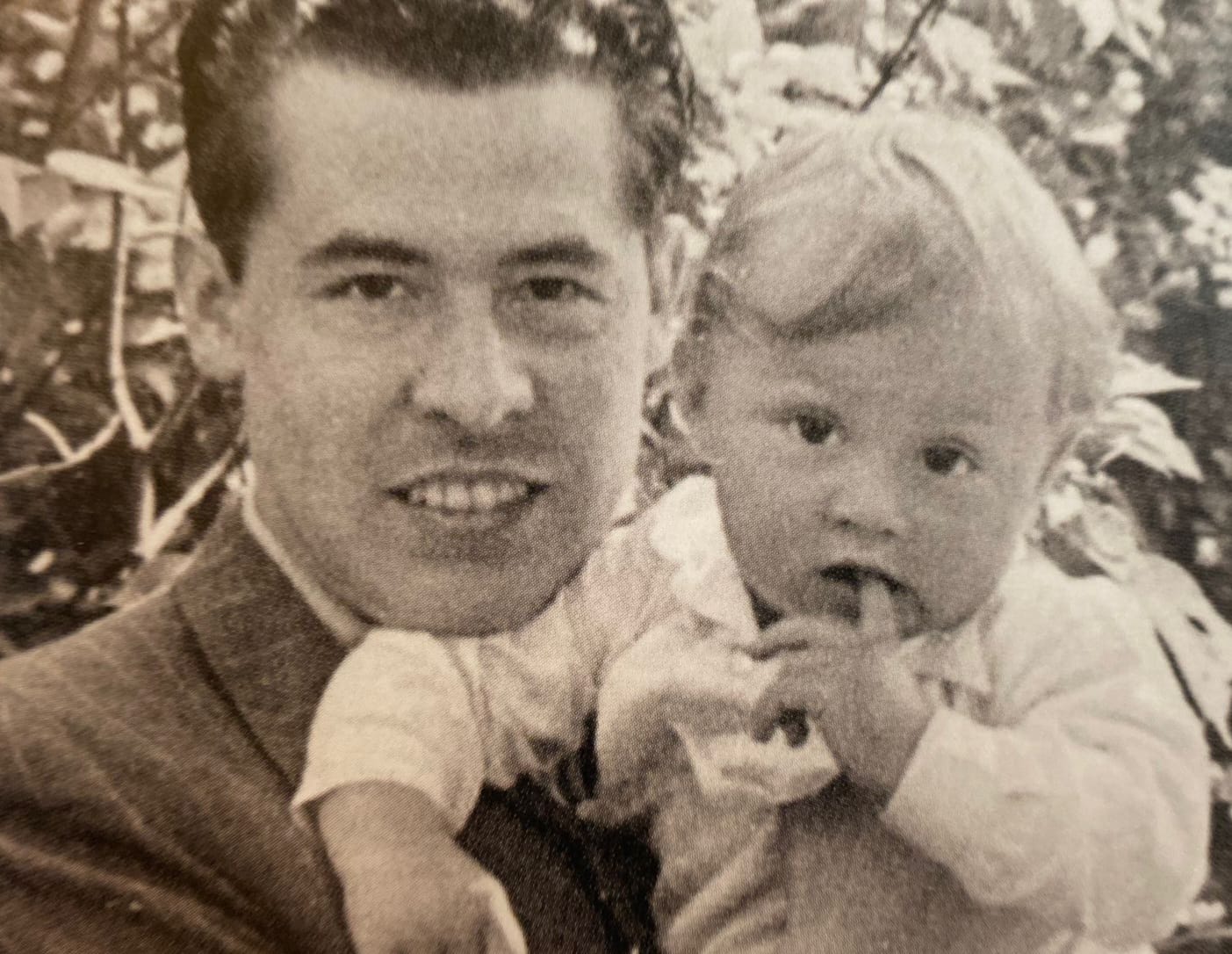
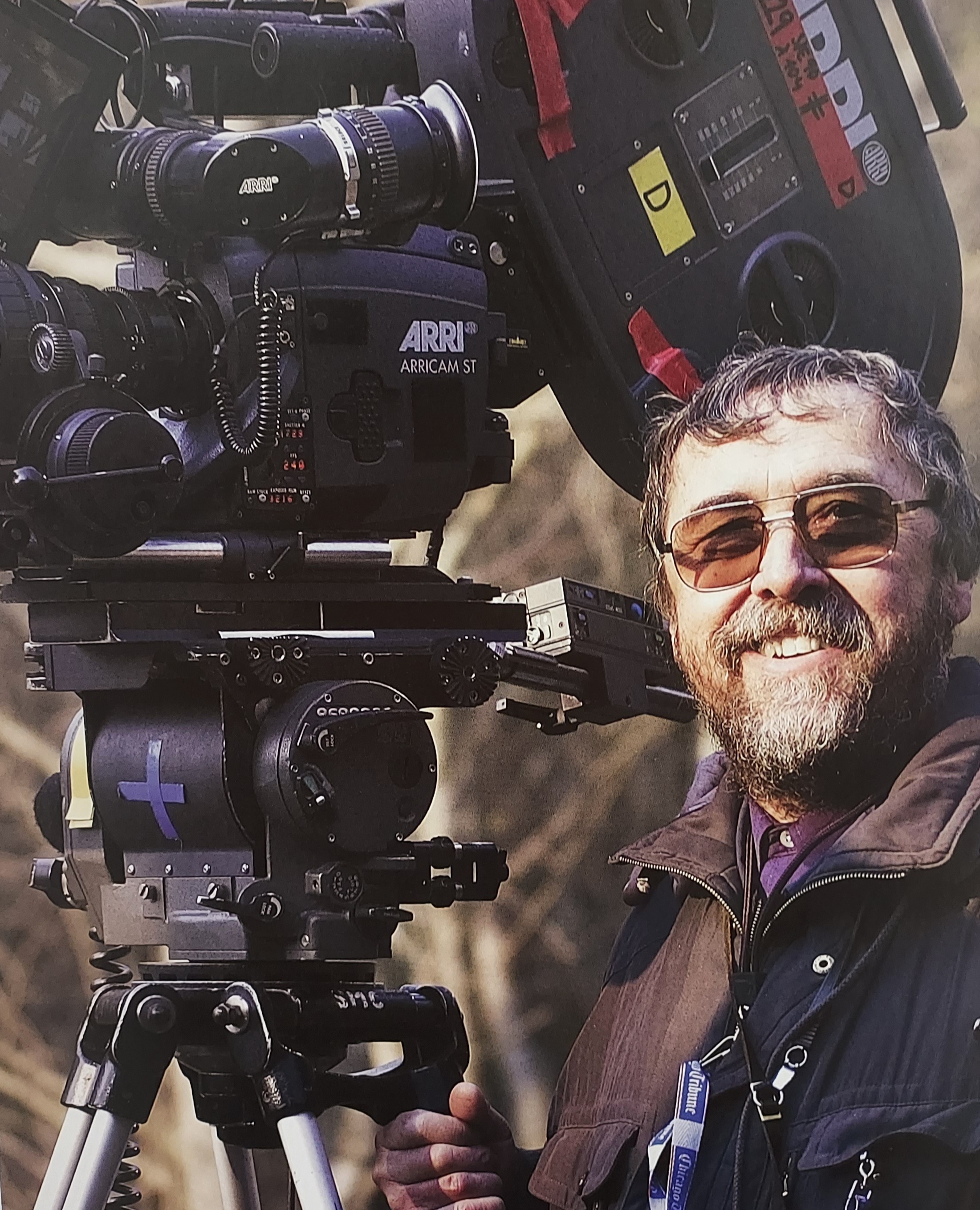
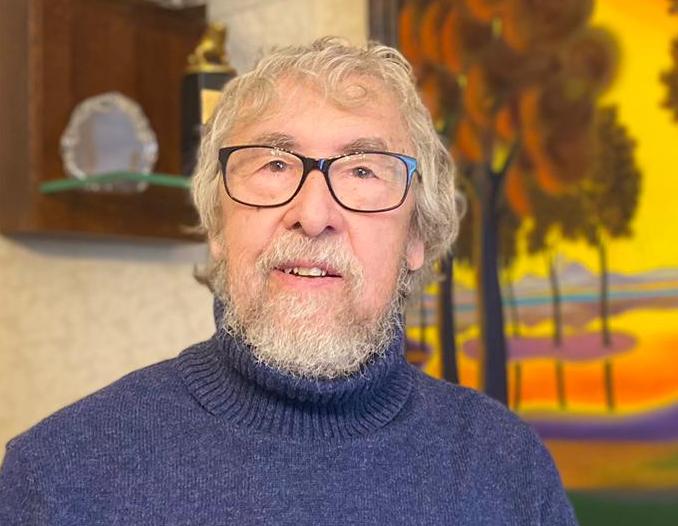
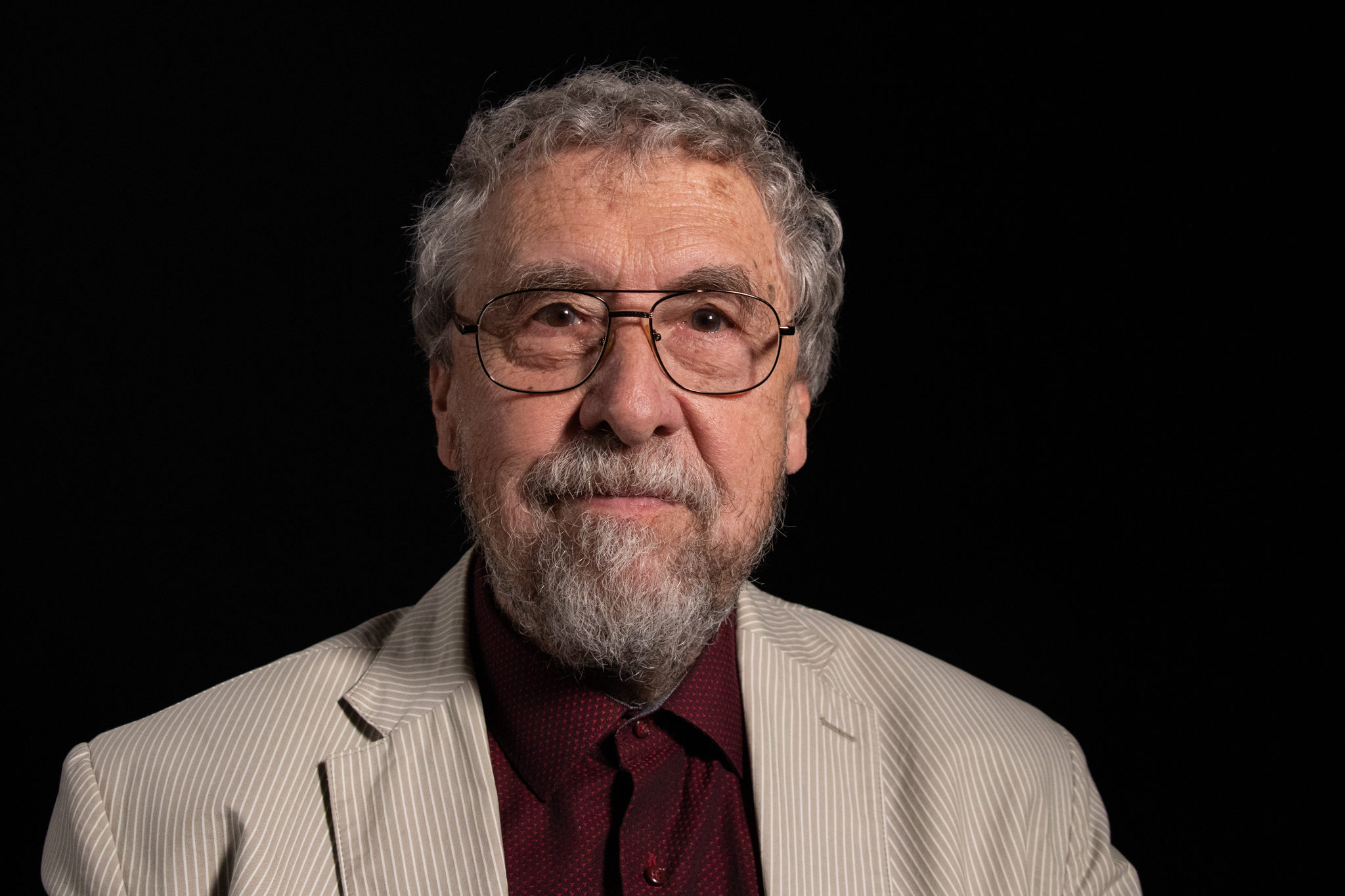
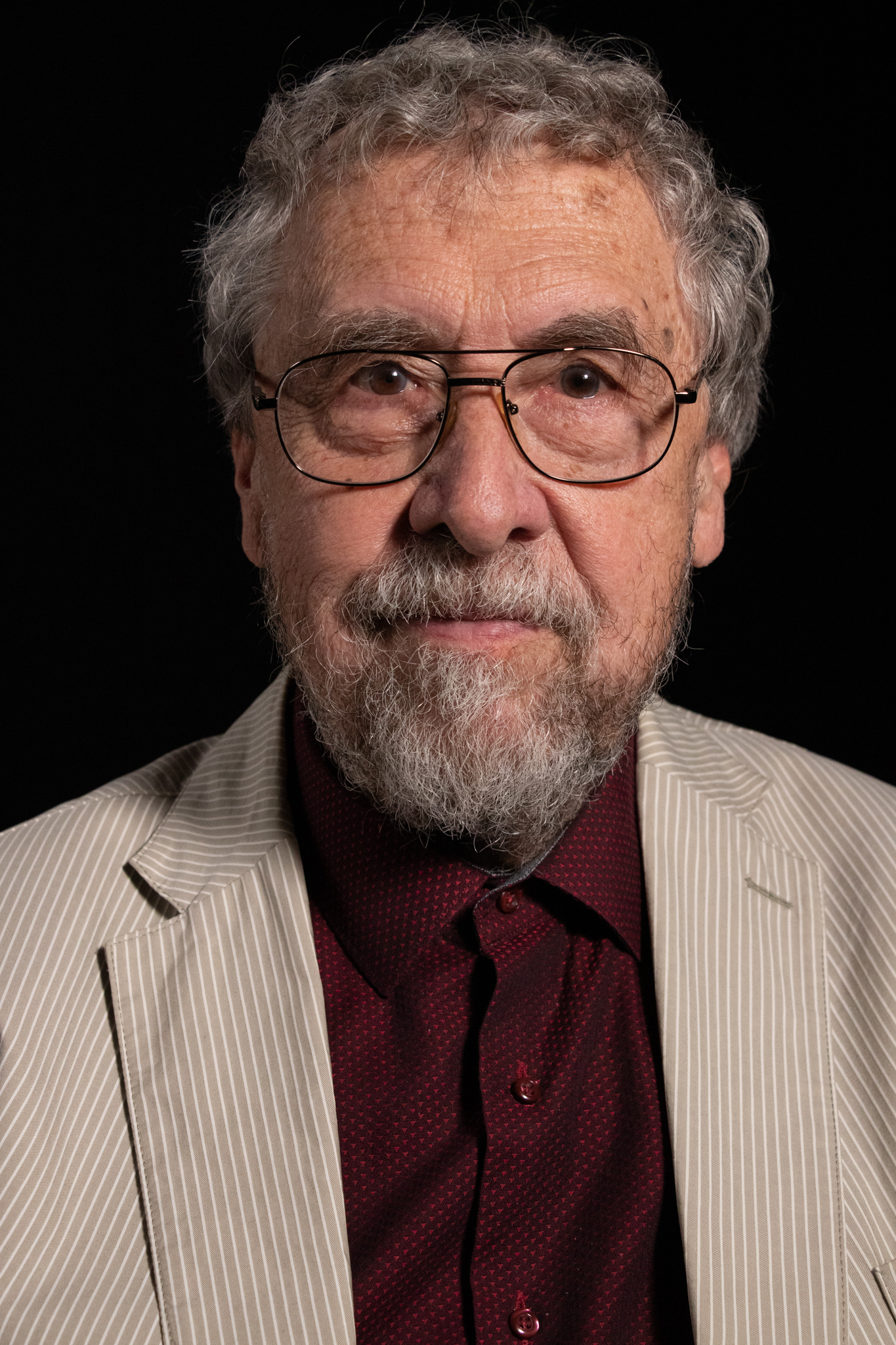
Jaromír Šofr was born on 20 September 1939 in Brno and grew up in Třebíč. His parents ran a pharmacy, which was nationalized in 1950 as part of the changes in the political system. After graduating from the Třebíč grammar school in 1956, he began studying camerawork at the Film and Television Faculty of the Academy of Performing Arts in Prague (FAMU), where he made his first film, Houses of Panels (Dům z panelů), in 1959 and finished his studies two years later with Věra Chytilová‘s The Ceiling (Strop). From 1961 to 1962 he worked at the Gottwaldov Film Studio (now Zlín), then in 1962 he joined the Czechoslovak Army Film Studio for two years of basic military service. From 1964 to 1991, he worked at the Barrandov Film Studio, where he collaborated with leading directors such as Jiří Menzel, Věra Chytilová, Evald Schorm, Karel Kachyňa, Otakar Vávra and others. As a cicameraman, he participated in the 1968 Oscar-winning film Closely Watched Trains (Ostře sledované vlaky). In 2007, he won the Czech Lion Award as a director of photography of the film I Served the King of England (Obsluhoval jsem anglického krále) and during his career he received numerous awards at home and abroad for his lifetime contribution to the art of camerawork. From 1990 to 2005, he headed the Department of Camerawork at FAMU and from 1999 to 2008 he also worked as a teacher and lecturer in the USA. He is one of the founding members of the Association of Czech Directors of Photography and is behind the development of the DRA (Digitally Restored and Authorized) method of film digitization. At the time of recording, in 2022, Jaromír Šofr was living in Prague.