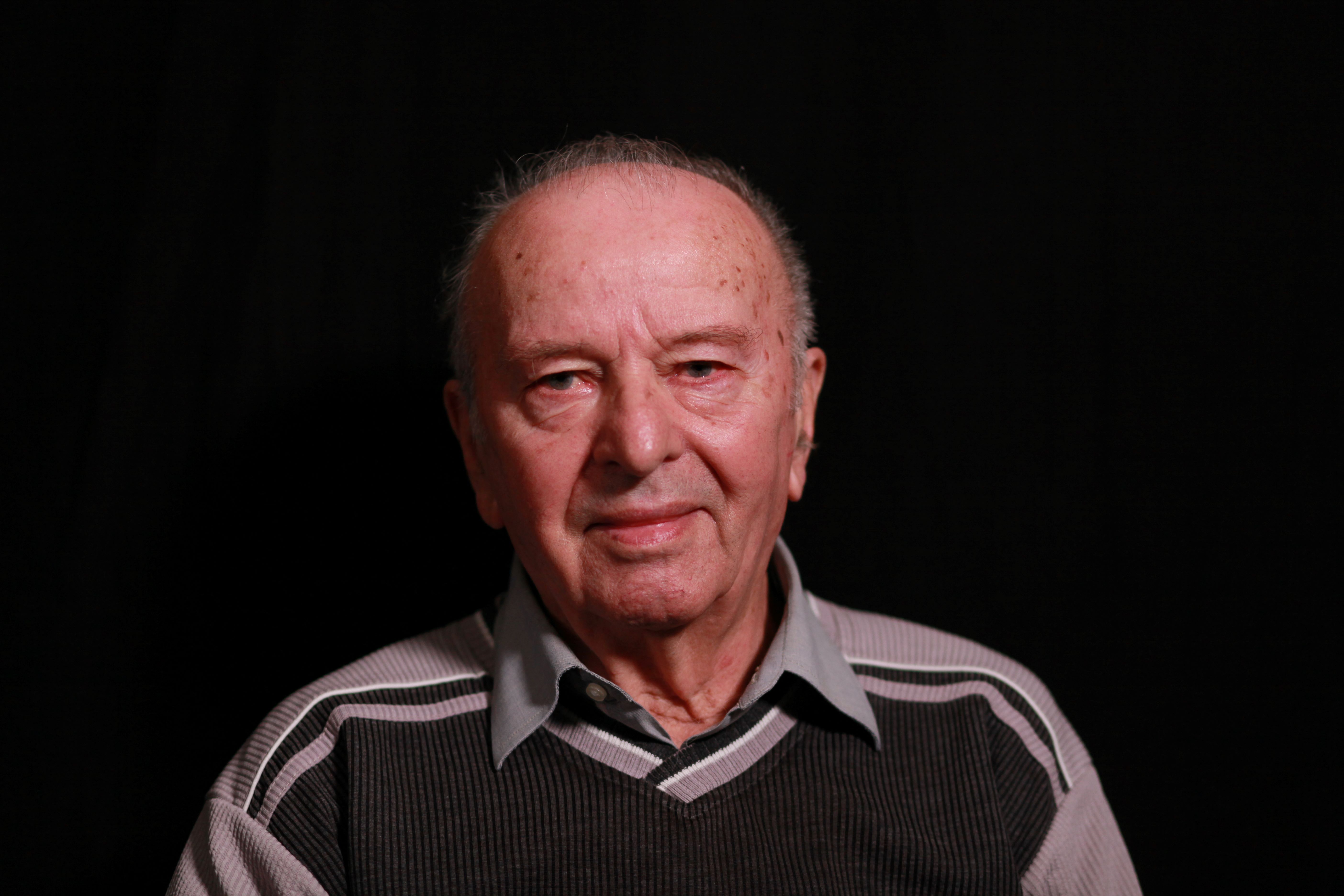
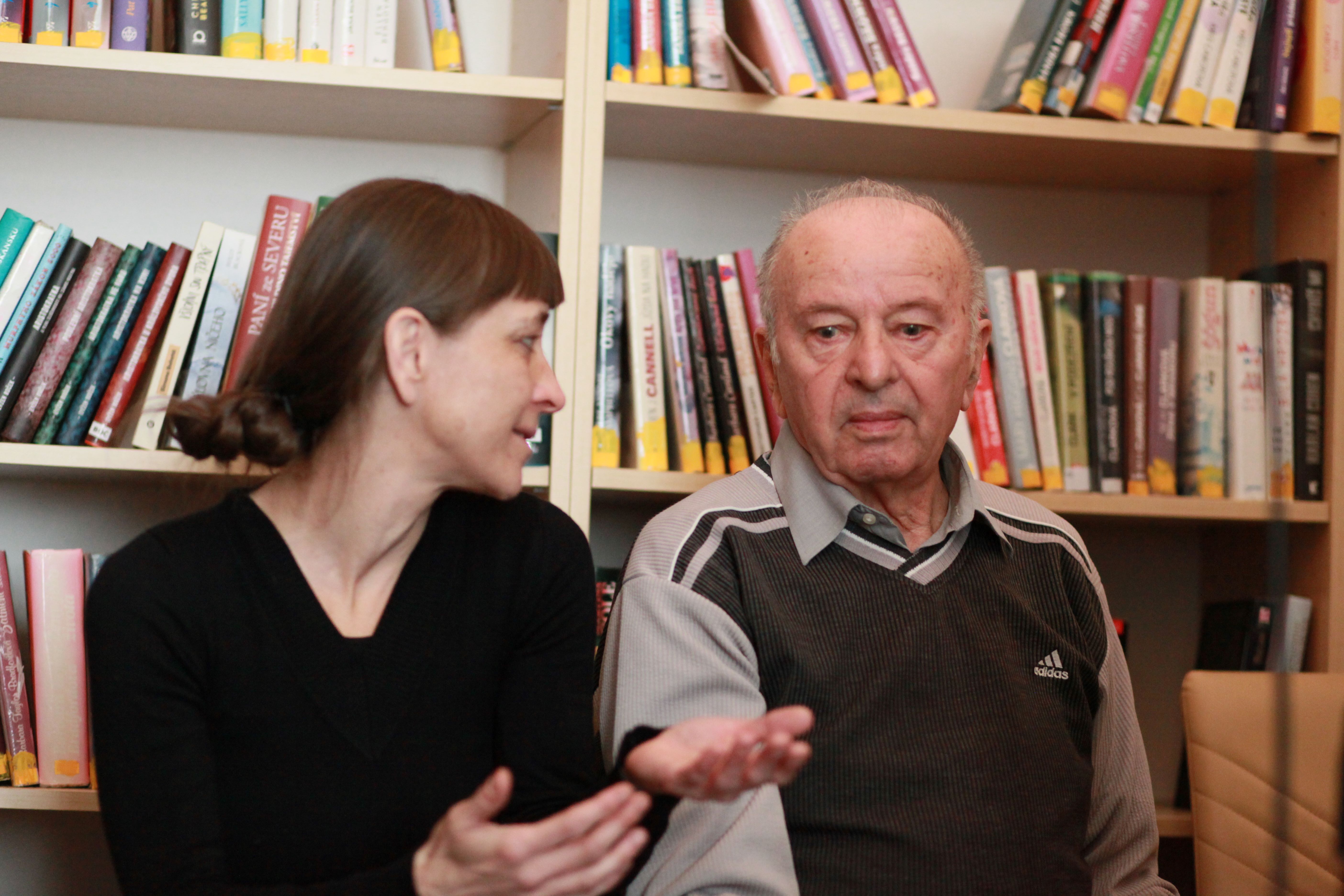
Zdeněk Smékal

* 1937

  • "We jumped from balloons and aeroplanes. I think this was the second jump from a balloon with the opening of the reserve parachute. The main parachute was on your back, and the reserve parachute was in the front. To use the backup in a hazard, you had to have done the jump, so you knew what to do. It was supposed to open. You opened it with your hand, you were supposed to take the canopy and throw it in front of you so you wouldn't get tangled in it, because that way, it would stay on your hands. It just happened to me that the canopy fell out from under my feet - and now the wind, as you're falling, it picked you up, everything around me was white, I couldn't see anything. I was thinking: what now?! So I marched with my feet; that was the instruction on how to behave. So I marched, marched, marched until I was out of it, but my main chute was open, right... I was falling off a rope. I barely hit the ground when the reserve parachute opened completely. I threw it off - I was already on the ground."

  • "It was said that they were then shot by [the Soviet commissar] outside the village, close to the school. The school was built there after. They were shot and buried there. And when the school was being built, they dug them up, and it came out. When they were digging them up, my uncle Lojza was there too. They were shot on his land, where the school was being built, and so they dug them up because it was going to be built there, and they took them away, to a cemetery somewhere, to the wall." - "So they're still buried in Ptení, in some unmarked place?" - "The people of Ptení didn't want to bury them, so the Revolutionary Committee did it - the guys from Vícov - they buried them in the cemetery, probably somewhere near the wall. There was supposed to be one more German who was shot there. I don't know what the case was, but that was the story among the people - on the right side, at the first gate. There were no graves there; today, there are graves there. The graves from the war used to get removed, and today there are occupied graves there."

  • "The partisans were said to be active here, but nothing more specific, some big... these are the witnesses that are all dead now... Dr. Šindelář, the one... in Holubice, in the first house, some Rozsívals lived there, and supposedly they had an infirmary there in case something happened or... It was right by the road. That's where the infirmary was supposed to be and where Dr. Šindelář used to go and get them medicine. Otherwise, they worked in the Na Pohodlí inn, the innkeeper Vítek supplied them with food, and that's where they would all meet. Then the confederates operated and took Mr Vítek away. He was imprisoned, his son too, I believe he studied in Brno and died in the concentration camp, but the innkeeper came back from prison."

  • Celé nahrávky
  • 1

    Ptení, 03.02.2025

    (audio)
    délka: 02:03:53
    nahrávka pořízena v rámci projektu Stories of the region - Central Moravia
Celé nahrávky jsou k dispozici pouze pro přihlášené uživatele.

My friend and I threw our Communist Party registration forms out of the train windows
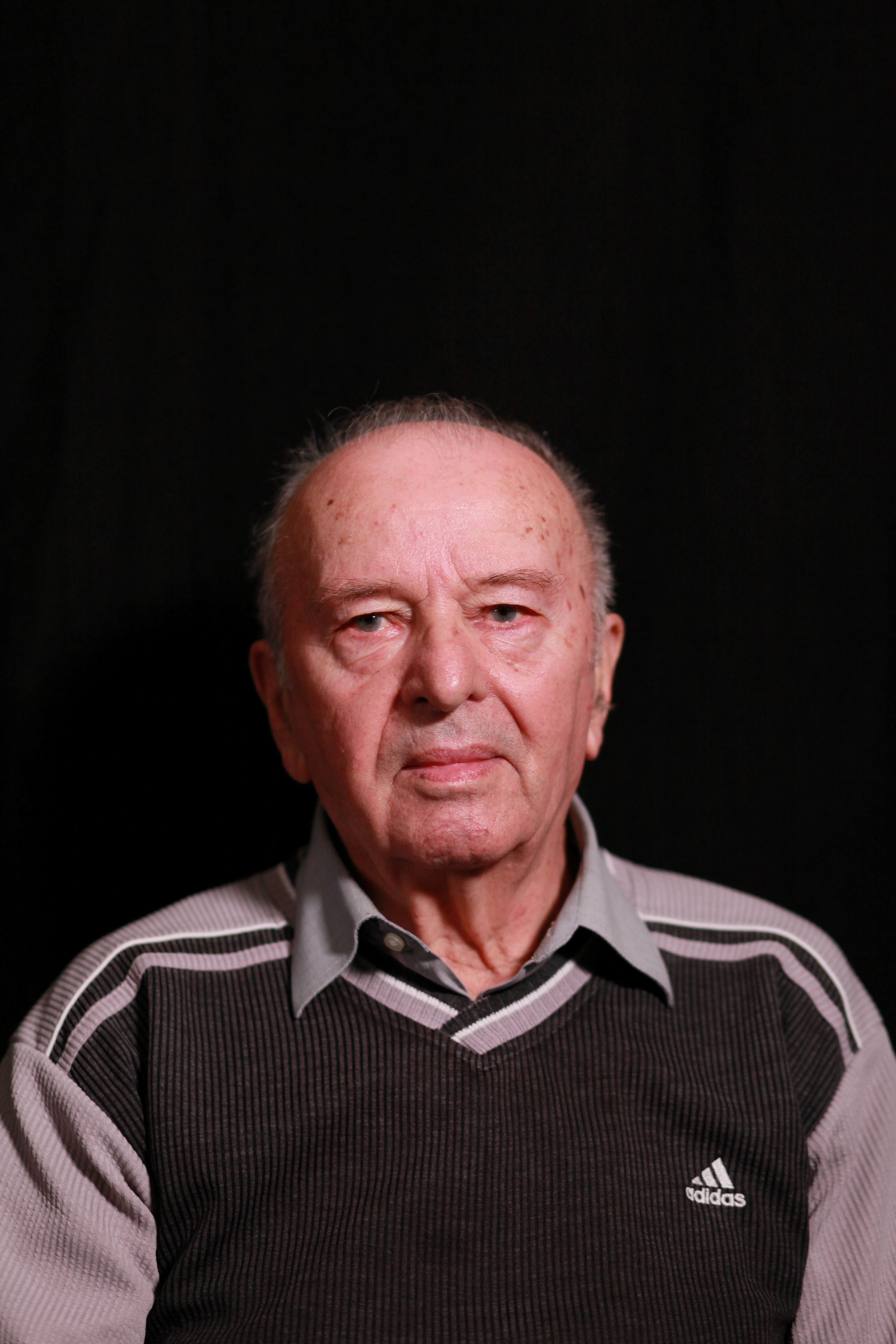
Zdeněk Smékal during filming for Memory of Nations, Ptení, March 2025
zdroj: Memory of Nations

Zdeněk Smékal was born on 23 March 1937 in Ptení to parents Jindřich and Františka Smékal as the youngest of three children. His father worked as a carpenter, and they had a small farm. Zdeněk grew up during the Second World War, survived several local war events, the imprisonment of his uncle by the Gestapo for listening to foreign radio, and the liberation of the village. He witnessed the cruel Vlasov army interrogation on the day of Ptení‘s liberation. From 1952 to 1954, he trained as a maintenance and machinery repairman in Uničov, in the then branch of the V. I. Lenin Plants. He then worked most of his life in the Prostějov Ironworks as a maintenance foreman. From 1956 to 1958, he underwent tough military training, first in Prešov with the paratroopers, where he also graduated from the non-commissioned officer school in 1957. The commander of the unit was Colonel František Mansfeld. In the second year, they were posted to Sabinov to the newly formed Special Purpose Unit. When he returned to civilian life in 1958, he had twenty-five parachutes under his belt. In 1959, he married Marie, née Osohová. Together, they raised their children Zdeněk (1960) and Hana (1965-2024). During his work examinations after 1968, he disagreed with the entry of Warsaw Pact troops on our land. He never joined the Communist Party. At the time of filming, in 2025, he lived in Ptení.