Miroslav Šmejkal

* 1950

  • "The first time at MAPE it was very tough because there was nitric acid, sulfuric acid, ammonia, so my first introduction to the plant was going on an acid leach. Basically my eyes were full of tears, I couldn't breathe and so on. And this was all over the operation, so a person who was used to healthy air outside - and now there were fumes everywhere, there was smoking, steaming... So I took it hard, but in that time you got used to it and it didn't cause any more problems. Even though you could feel it everywhere when you walked through the different workplaces, but overall at that age I took it well."

  • "We got a route from here to there, let's say 100 metres. Basically, even though there were still houses left by the Germans on that route, or even some old beech trees that were a hundred or two hundred years old, the comrades stretched the route and a clearing had to be made. So they used to put 10-kilogram anti-tank mines in the basement of those buildings, so that the house would jump out, fall down, bulldozers would come and level it. They'd put 200-gram or 400-gram charges on these trees - kind of a cut around the tree. The tree was cut like that and again the bulldozers came and cleared it and the signal could be pulled."

  • "It was great there because the hills - the skiing, the ski jump was there... In the winter it was good for the boys. There were a lot of sports. In the fall, the snow came in and it stayed until spring, so it was skiing, sledding and climbing hills. We used to go to Nové Město. There were concentration camps everywhere. We used to go for walks with my parents, for example to Plavno, there was a big concentration camp there, so when we walked by, the guards with dogs immediately ran out and immediately checked us. Then there was a 60-metre high ski jump and in front of it was a big concentration camp. When we walked past the concentration camp, they immediately lustrated us, so they didn't let unchecked people go there for these sports."

  • Celé nahrávky
  • 1

    České Budějovice, 14.10.2025

    (audio)
    délka: 01:36:33
    nahrávka pořízena v rámci projektu Příběhy regionu - Jihočeský kraj
Celé nahrávky jsou k dispozici pouze pro přihlášené uživatele.

On my first day at the uranium processing plant, my eyes immediately filled with tears and I couldn‘t breathe.
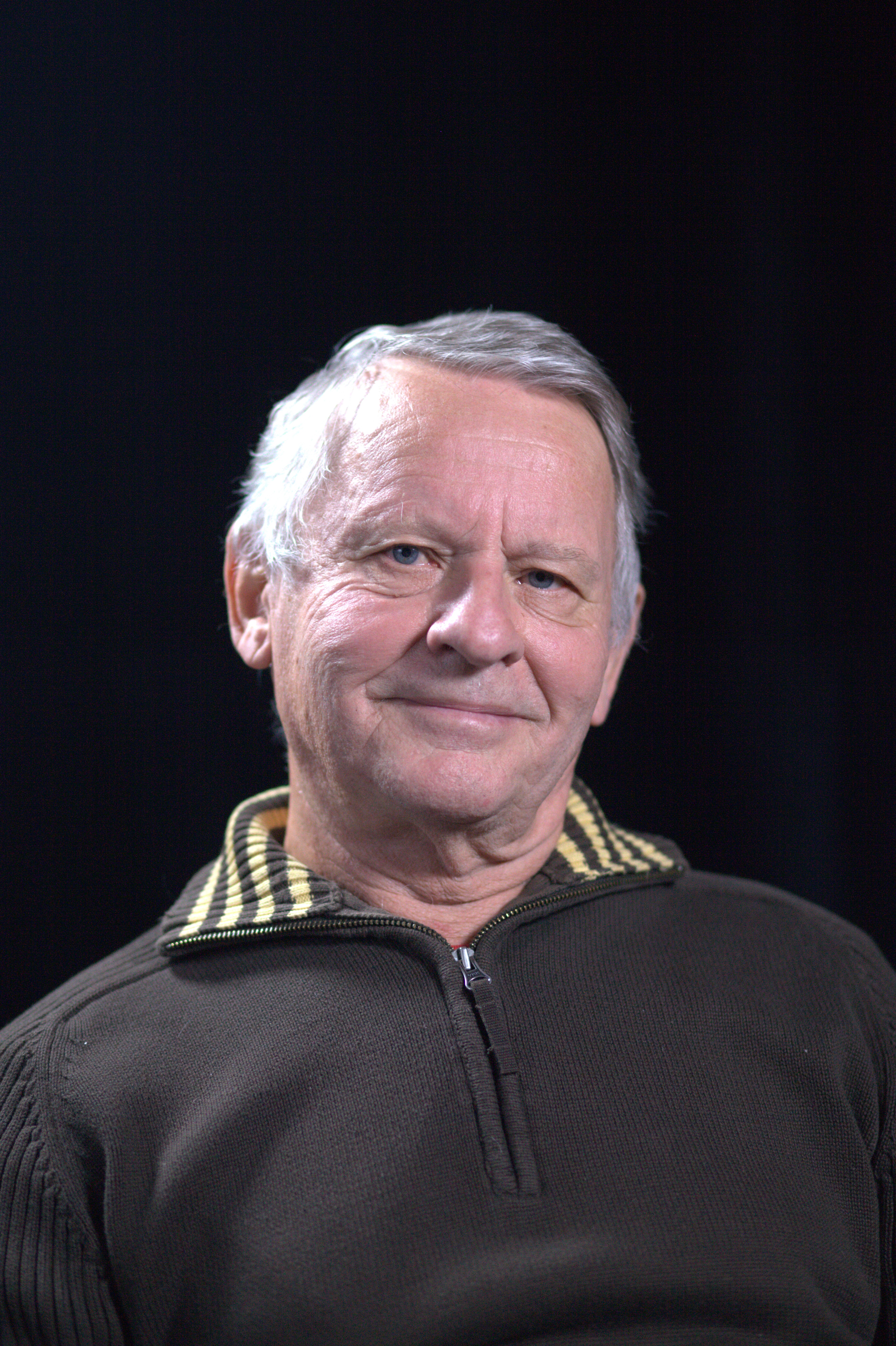
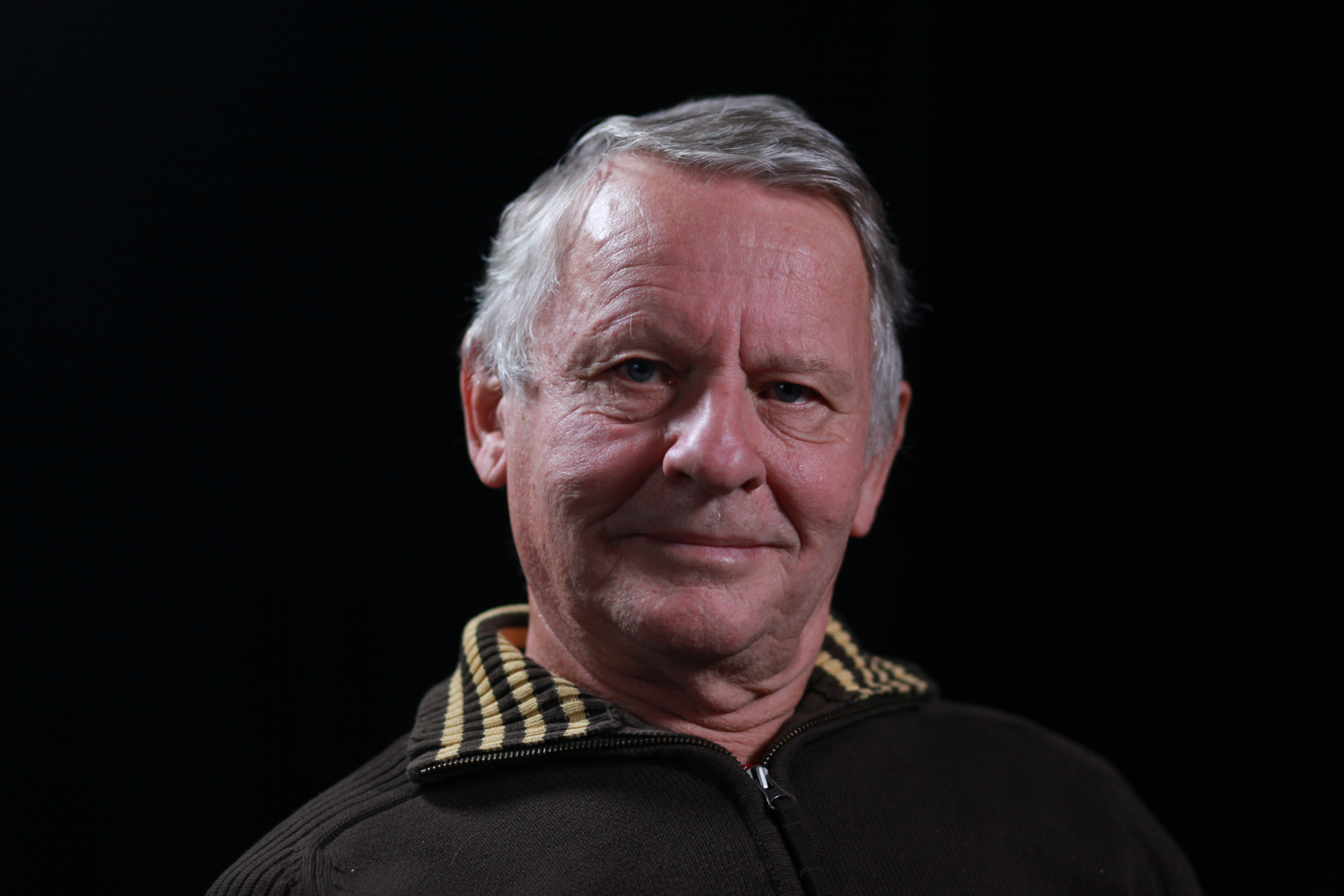
Miroslav Šmejkal in 2025
zdroj: Poste Bellum

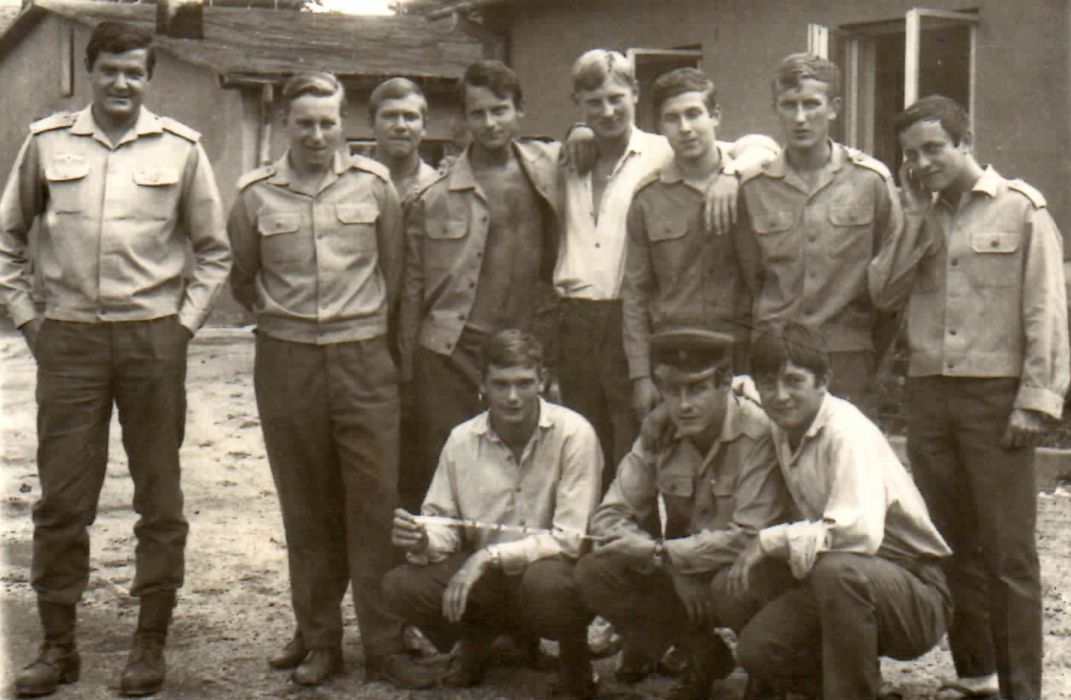
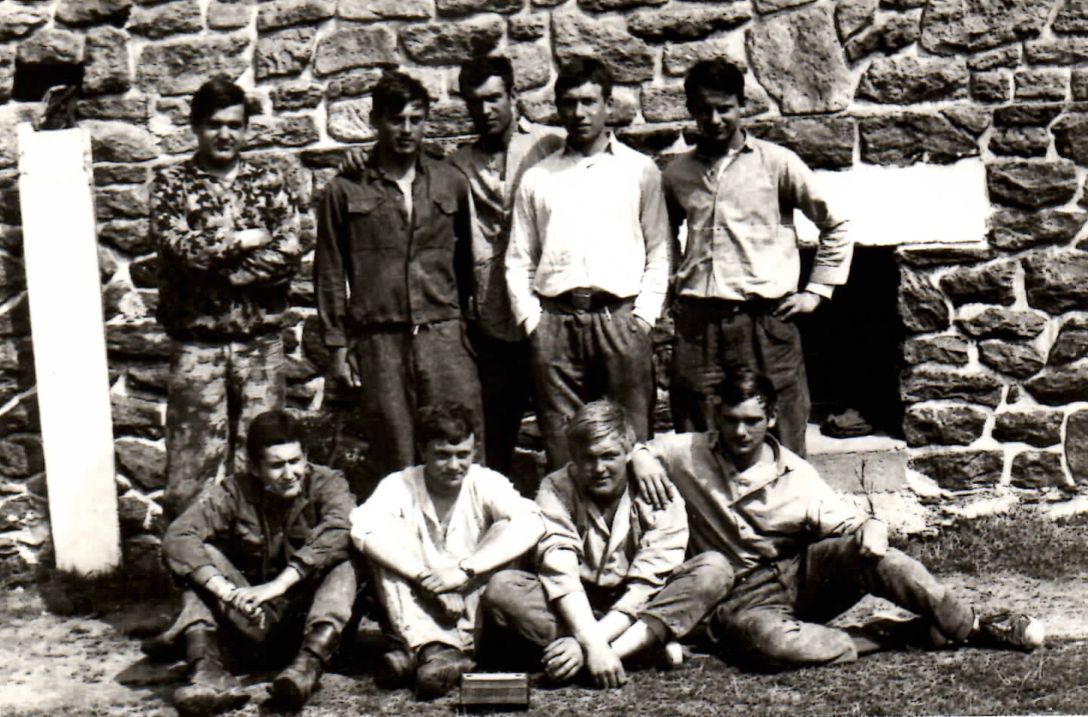
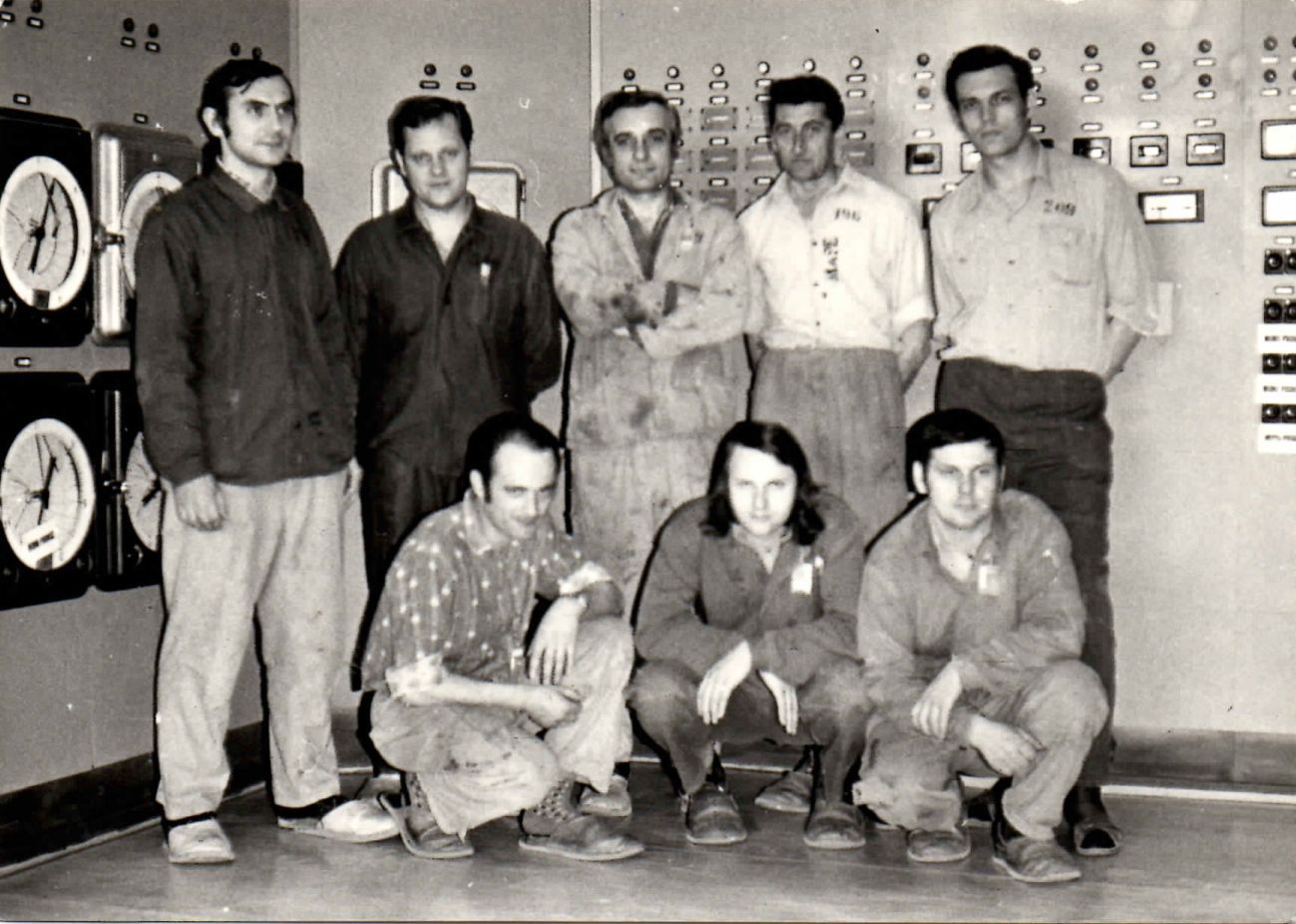
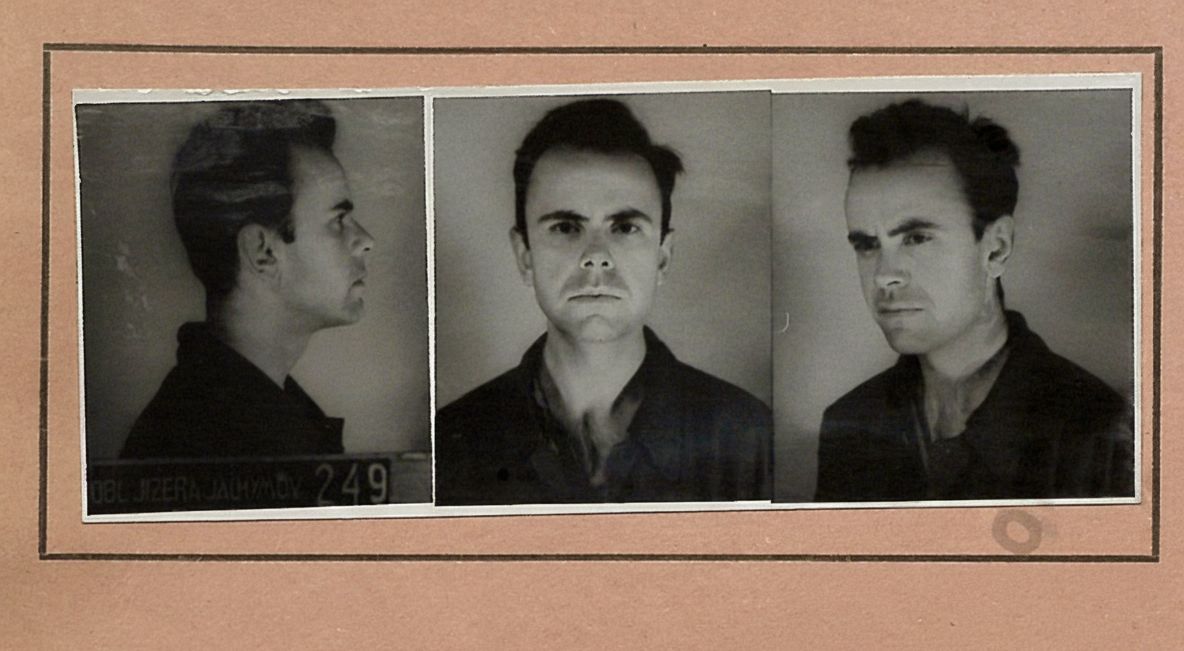
Miroslav Šmejkal was born on 20 July 1950. His parents divorced while he was still at school and his mother Marie remarried to Jan Fišer. The family moved to Jáchymov in 1960, where Jan Fišer got a job in the uranium mines. There, he spent three years in the immediate vicinity of the labour camps. His uncle Stanislav Zima, who was sentenced to 17 years in prison for espionage, was also imprisoned in one of them. In 1963, the family moved to Zliv, where Miroslav‘s stepfather got a job in the newly opened MAPE uranium ore processing plant. After secondary school, the witness joined full-time military service with the Border Guard. After graduating from the six-month non-commissioned officer‘s engineer school, he was assigned to the engineer company of the 15th Brigade of the Border Guard. The unit to which he was assigned carried out the shifting of a signal wall in the area of the Novohradské Mountains. After the war, he joined MAPE-Mydlovary in the measurement and regulation section. In the ore processing plant he witnessed frequent chemical spills and other environmental accidents, which were kept secret by the company management. He refused to join the Communist Party of Czechoslovakia. Because of his interest in Western music and maintaining written contact with emigrants, he was monitored by Communist Party agents. In 1986 he was interrogated for the first time by State Security. The State Security captain JUDr. Malecha introduced the file of the candidate of secret cooperation „Oto“ on him, but after a while he stated that the witness was only „acting stupid“ and moreover he deconspired the captain. In November 1989, Miroslav Šmejkal supplied Budějovice students with paper for the production of posters and leaflets from MAPE stocks. In Zliv he became a member of the Civic Forum. After the revolution, he remained in the company as a sales clerk, then as chief engineer. He witnessed the illegal dumping of MAPE waste in the 1990s. He retired in 2017.