Petr Slezák

* 1964

  • "I was allegedly reported by a waiter from Femina. The one who emigrated was replaced by a Kapuč, Capuč, I don't know his name. So he supposedly said that he knew my girlfriend, then girlfriend, now wife, by name even. Because he was an intern and he had a mother or somebody there, and so he knew her by name. I was at home in that studio apartment, and two men rang the doorbell. I opened the door. They were looking for Miss Malimánková - well, actually, they asked for Mrs. Malimánková. I looked at them - cop faces, you could tell right away. I said she didn’t live there, that she lived somewhere else, and that I only knew her by sight, nothing more. They accepted that and left. I had time to sweep the place. The next morning, I had a house search. So they didn’t know me by name, just by nickname, and no one had ever called me anything else. But by showing up like that, they basically gave themselves away. The waiter Erich - I don’t know his full name - acted as a witness during the search. That evening, I hid everything at his place. I went through all the papers, and I had one of those signature sheets with me… I had everything cleaned out, but that one I still had. They were really thorough - they even looked inside the washing machine. Later I remembered I had it in my jacket, and they ended up checking the jacket too.”

  • "But in the meantime, I made this demonstration again, where I wrote on a piece of paper, I don't know, maybe a meter by fifty, 'Get atomic weapons out of our territory', because at that time Russia wanted to deploy - or had already started to deploy - atomic weapons in our country. I just internally disagreed with that, and somehow I didn't quite... And they used to do these little things to wipe the rooms. It was a 'T' shaped board and you put a rag on it and it was easier to mop. And I'd nail it to the board and I'd demonstrate it. Everybody got away with it. Then I put it away in the cleaning room, the [banner], because I went to 'špak', as they used to say, to keep watch. That was when you had a two-hour shift, so it was just there on the edge. So I took the machine gun and went to patrol. In the meantime, someone was active and had already ratted me out. So some major came and found it, but that was stupid, because somebody must have 'painted' it. Well it was so funny how they lured me down - I had sixty sharps on me, a machine gun, and they shouted, 'Come on down,' because I was reporting, or in charge of the road from Cheb, and I was supposed to report through the passes and through the binoculars who was coming. Well, the first UAZ went, the second UAZ, the third UAZ, a civilian car, in between the UAZ. I always reported to them, well, and then they lured me down. I didn't realize they were going to replace me or something. And there they arrested me solemnly. It was massive, they searched everything, and then I had some interrogations. They took me to Cheb, and there they put me in jail. And there was quite a fuss about it, but no wonder, at that time."

  • "After that I had trouble with the State Security because of the leaflets and maybe it was also because of various other things. So they were behind me about two or three times. The first time they were there, they came in the morning. They used to always do that at eight o'clock, coffee at half past eight and we'd go and get it. They came to Rudolph's Hut to the kitchen and they were all [bleep] up. They thought they were important, the doorman was broken at the waist, she couldn't straighten up for a week. Now they came in and they wanted to take me away. There was an old accountant in the office, I can't remember his name now, but he was from Bystřice. A seventy year old man who was over-servicing, and he had a blue coat. A real accountant's gray gentleman, and he came in, and as he was kind of that first republic, he came up to them and said, 'Gentlemen, are you going to cook these four hundred meals here? Or are you going to pay for them? Or what are we going to give these people?' I was cooked, I hadn't [finished]... Of course, he could have replaced me, they would have managed or something... And he says, 'So come when it's over, at twelve o'clock. I'll keep an eye on Mr. Slezak here for you.' And they looked and they really left. I don't know, they went into the office somewhere and waited for eleven o'clock for me to give the meals out, for them to cook, and then they took me away. But the gentleman was very brave, and somehow he said it like that. In the meantime, the kitchen girls bought me a cigarette in the canteen to take with me, gave me a glass of wine to be brave. That was nice, I like to remember that, there was a really good team there."

  • Celé nahrávky
  • 1

    Teplice, 25.07.2024

    (audio)
    délka: 01:45:54
    nahrávka pořízena v rámci projektu Příběhy regionu - Ústecký kraj
Celé nahrávky jsou k dispozici pouze pro přihlášené uživatele.

Back in September 1989, I was condemned for my petition A Few Sentences
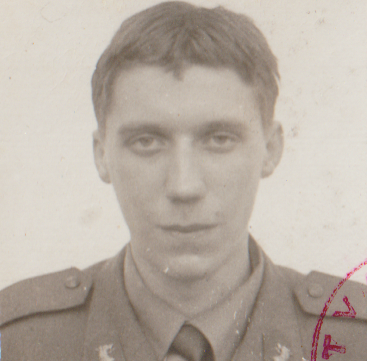
Petr Slezák during his military service in the Border Guard Unit 8842 in Cheb, 1982
zdroj: Archive of the witness

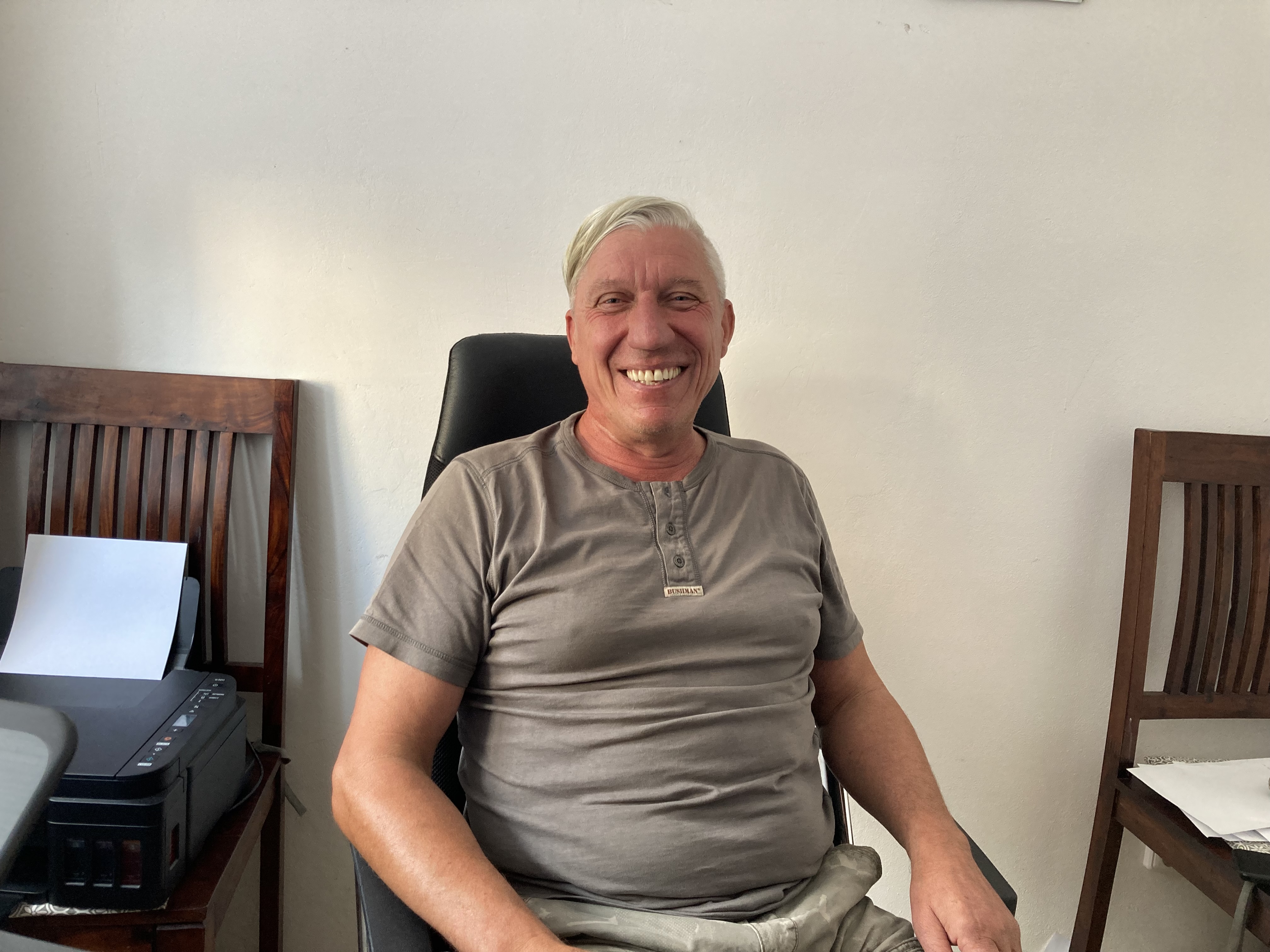
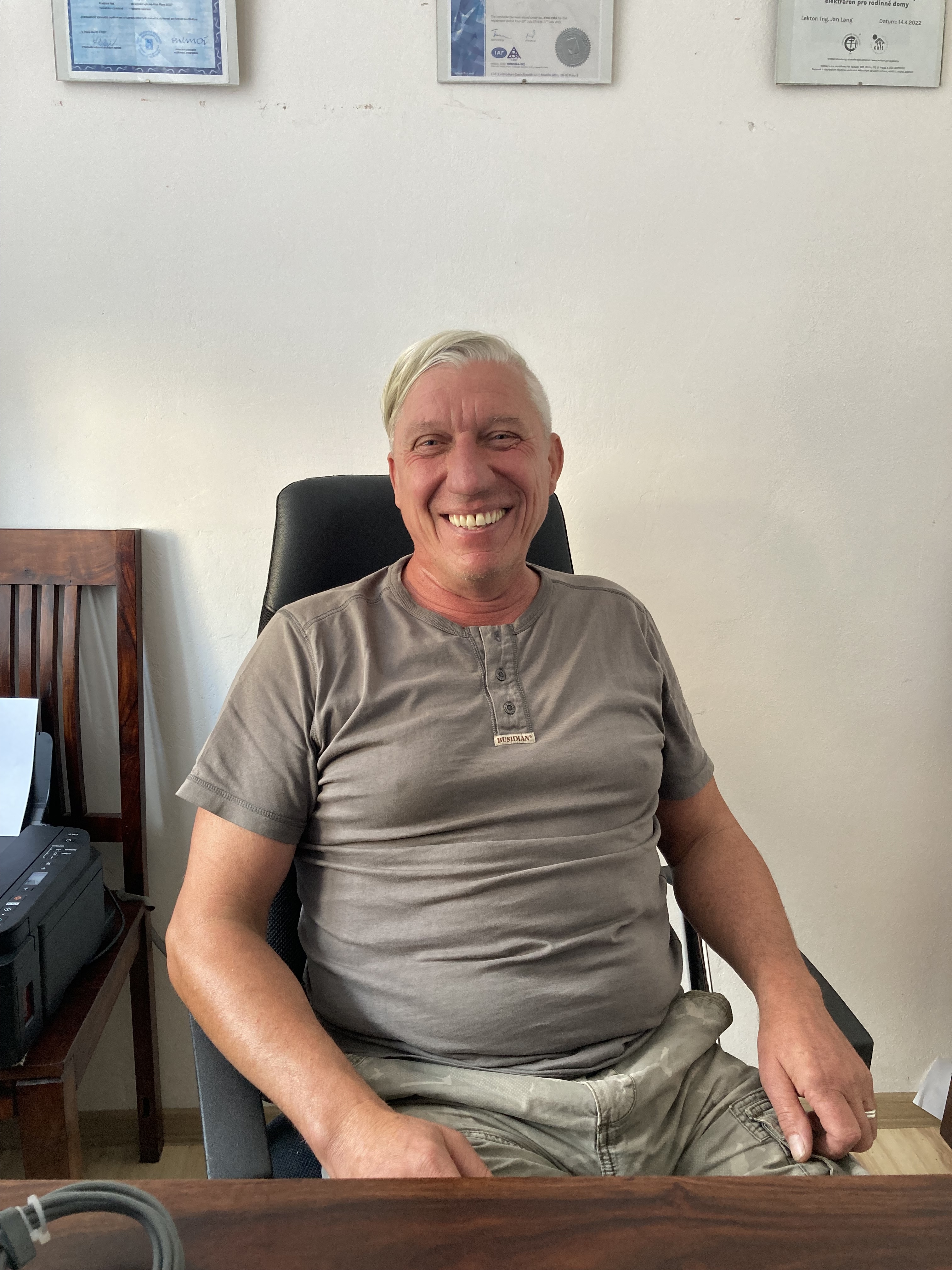
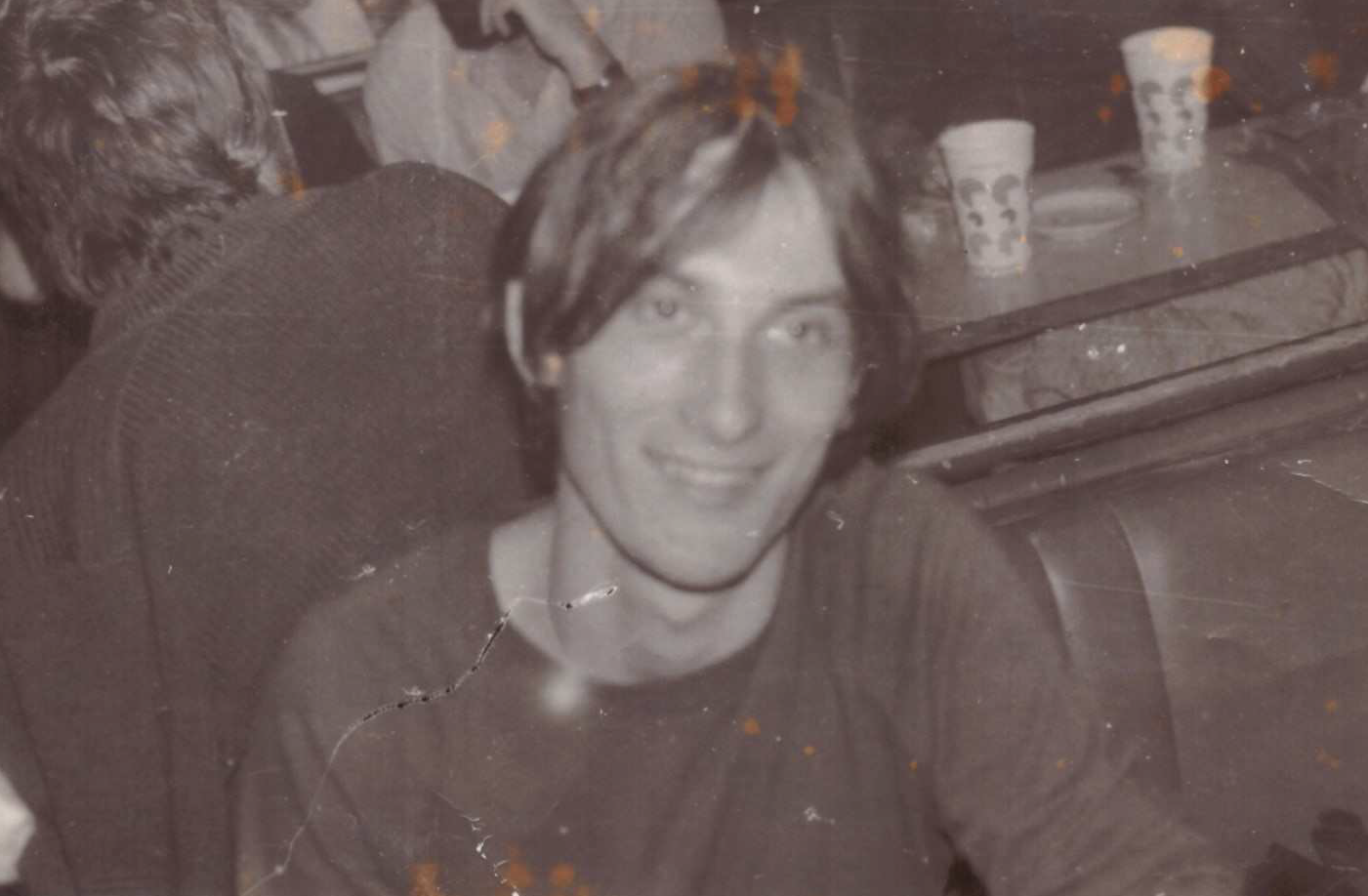
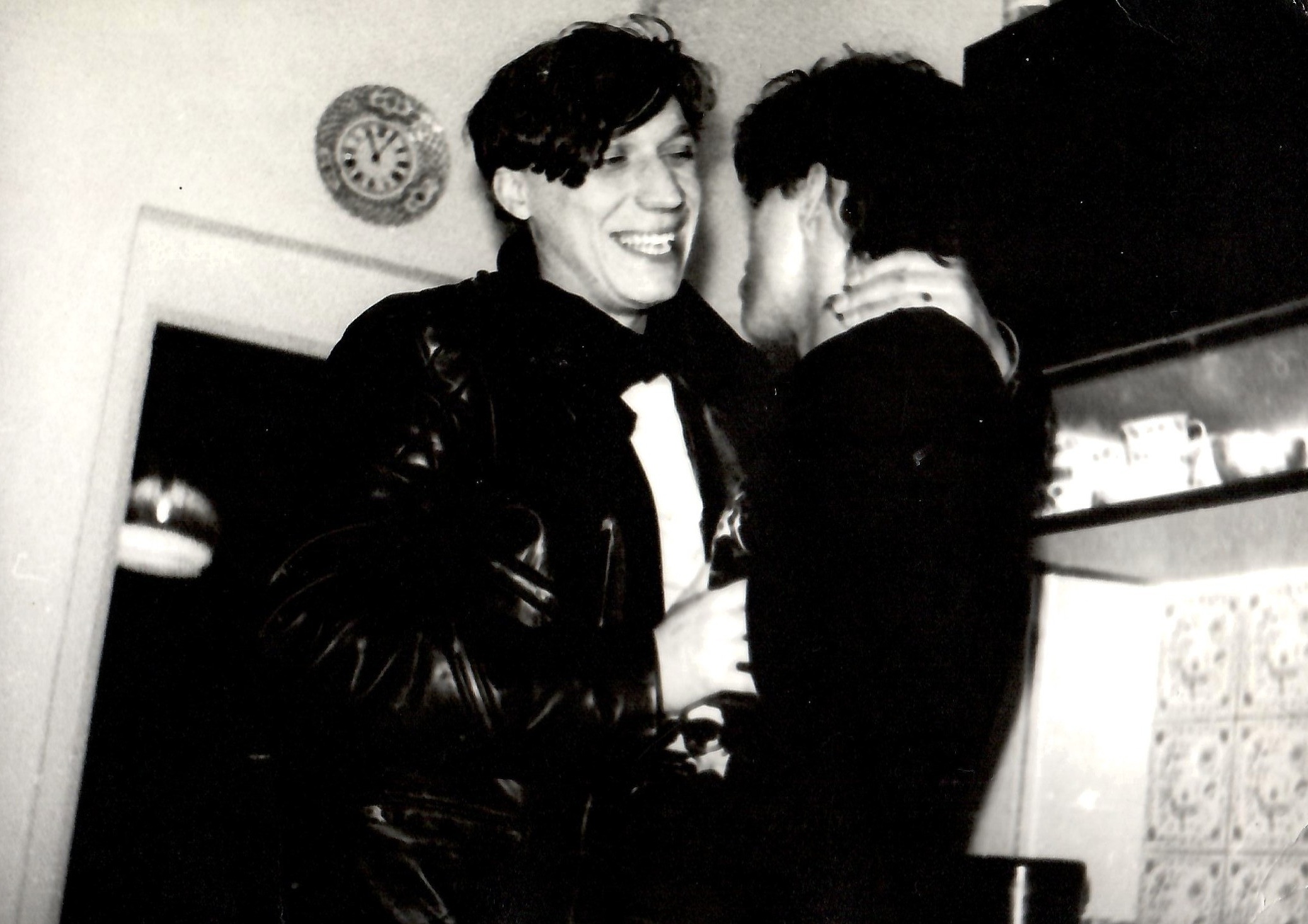
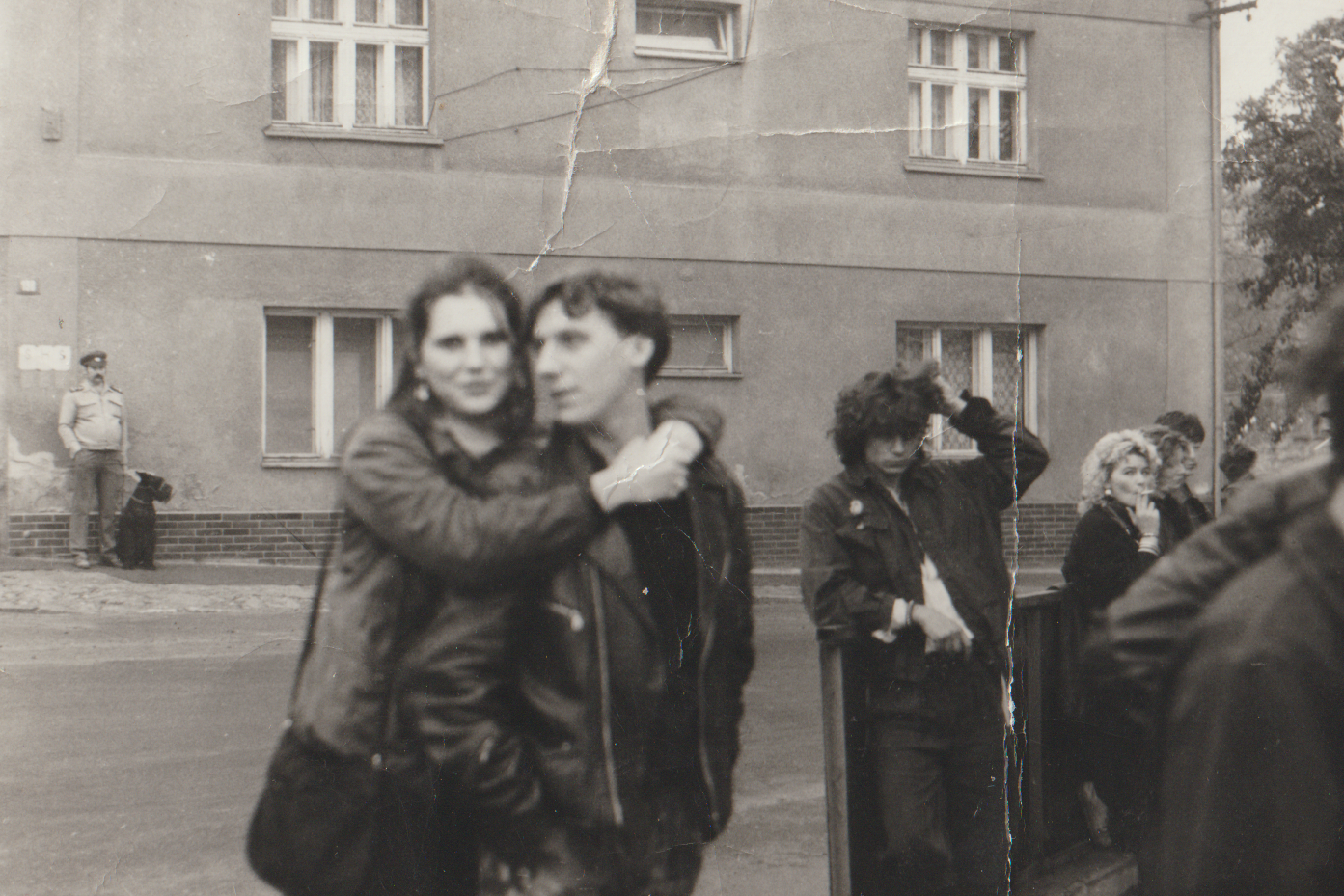
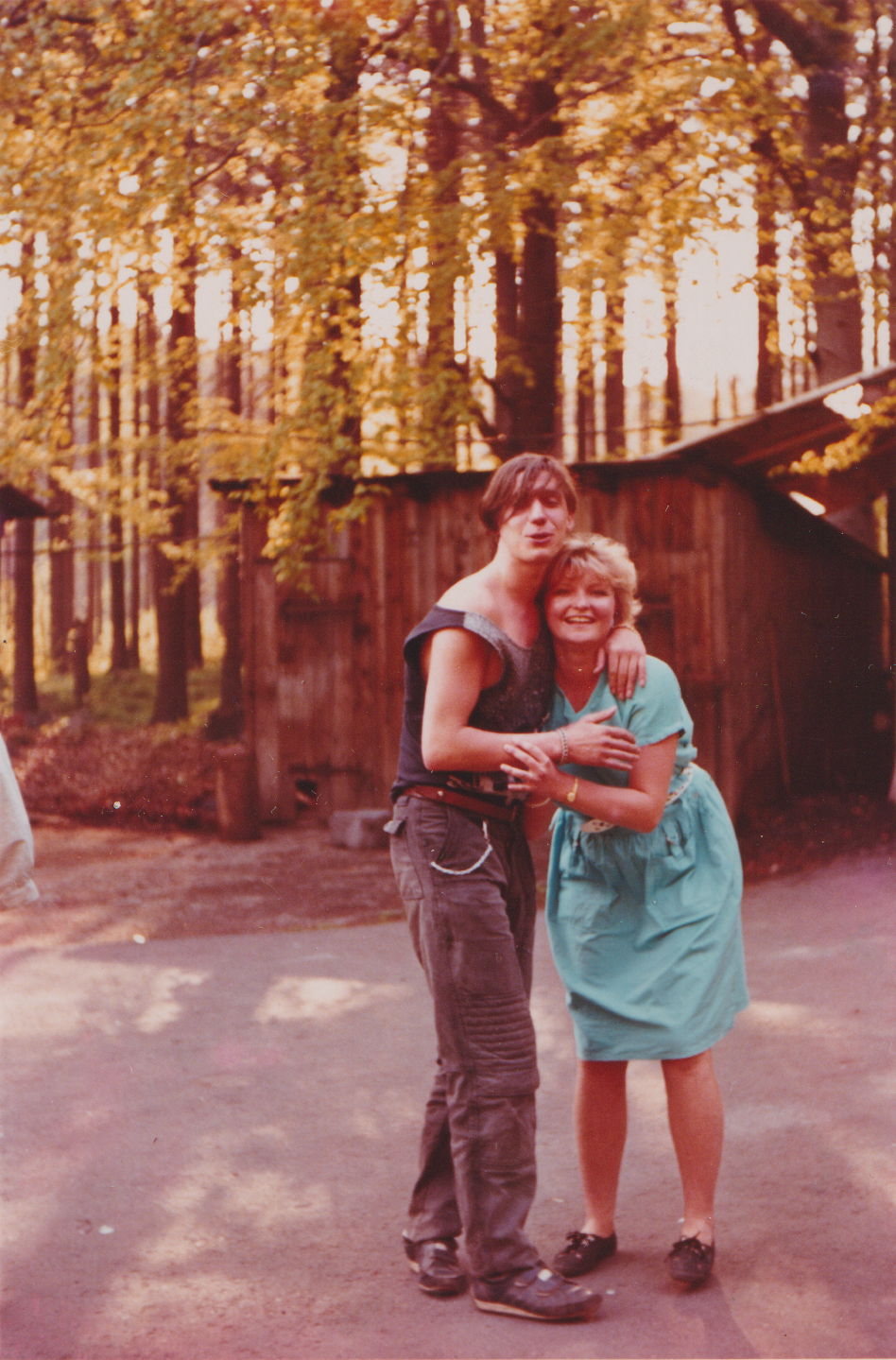
Petr Slezák was born on June 28, 1964 in Teplice. From childhood he grew up in nearby Dubí, where his family moved after the end of World War II as part of the new settlement of the border region. At the age of eighteen he joined the army and was assigned to the Border Guard unit in Cheb. Here he first spoke out against the policies of the Communist Party and created a banner condemning the placement of atomic bombs on Czechoslovak territory. He was subsequently transferred to Olomouc, where he served out the military service. After returning to civilian life, he began working as a cook and became fully identified with the punk subculture in Teplice. As a so-called boxer of the band F.P.B. he travelled to concerts and various events connected with musical performances. During the 1980s he was actively involved in the distribution of samizdat publications. Since 1988, he participated in anti-communist demonstrations at which he was attacked, arrested and later interrogated by the intervening forces. In 1989 he actively collected signatures for the petition Several Sentences. He was later convicted for this activity, but with the fall of the regime his sentence was lifted by an amnesty. After the Velvet Revolution, he completed his higher education in occupational safety. In 2024 he received a certificate for his anti-communist activities as a participant in the resistance and resistance against communism. At the time of the filming (2024) he lived with his wife in Dubí u Teplice.