"But I'll come back to this Kocáb. I strongly sided with him. He's a singer, but where did he get the strength. He was close to Havel. He put himself in perfectly, pushed the Russians out. And even the last tank, he got them out of the Republic. I strongly sided with him. I didn't understand where he got the power and what leverage he had to get them out. I still don't understand that. And the amazing resolution with which he got those Russians out. For that I was extremely grateful."
"And it wasn't once. It's happened to me so many times that I've woken up and now I'm staring into the darkness and I'm like, 'Oh my God, I was dreaming again. Again I saw German soldiers, helmets, then I saw the Gestapo. They were wearing leather coats, and they wore their hats with the visor down. And when the war was going on, we were living in the dark. It was dark everywhere. Once it got dark, even the cars didn't have headlights, they had them half shaded, so when a car was going - there wasn't that much traffic then - it was almost unlit. Everything was in darkness. We had to keep the blinds down. When it got a little bit darker, the lights came on in the flat, you had to close them. This all had an effect on you. I was a nine-year-old boy, and up until I was fifteen it had an effect on me, it just kept deepening, and the more the Germans lost, the more aggressive it became. Even the situation in the trams: for example, a tram with two cars, so Jews were not allowed to travel in the motor car, they had these stars. That was everywhere. All this had an unimaginable effect on people. And it's really literally a trauma that comes back at the slightest mention or sight in these restored war films. They're stories, I get it, but I just can't watch it. It just stays with me."
"My mother was walking with me to the main street. There was a main street near us that led from Prague to Poděbrady. A convoy of Germans was coming from Poděbrady. Most of them were on motorbikes with sidecars. We were standing on the corner. We watched it, terrified. It was a convoy. And across the street was a sweet shop. I remember as a kid... at a certain point, the convoy stopped. And the Germans got off their bikes and went into the sweet shop. Being a kid, I was watching it in awe. They were coming out with cakes, smeared with whipped cream. That stayed with me. I watched it and I didn't understand it as a kid. I was brought up to eat decently in a sweet shop. And here I see soldiers gobbling our Czech whipped cream. I don't know what they got, if they paid in marks or if they already had Czech money. But they rushed into the sweet shop. That was already disgusting to me at the time. It was disgusting. Then the column started moving and we were occupied."
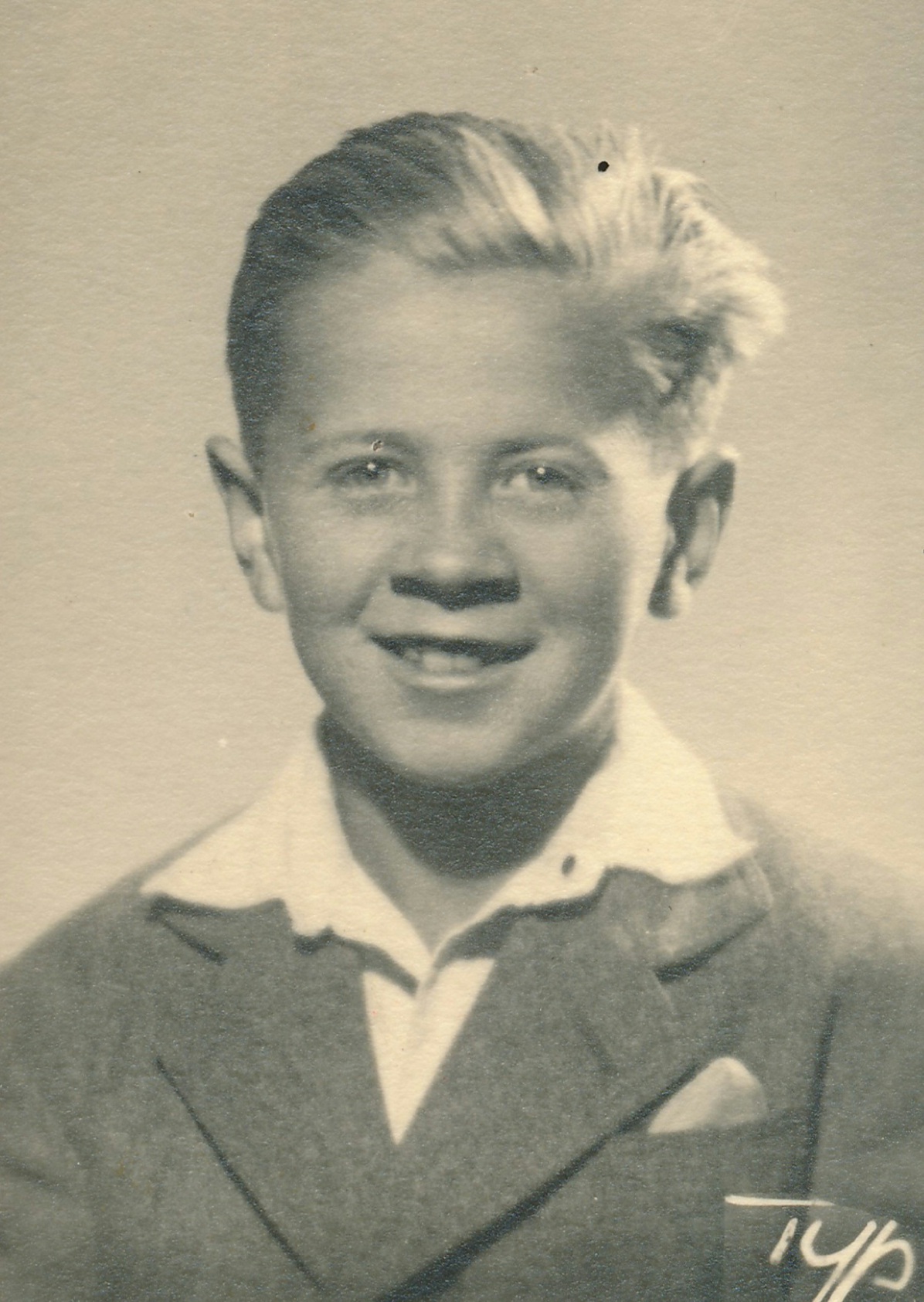
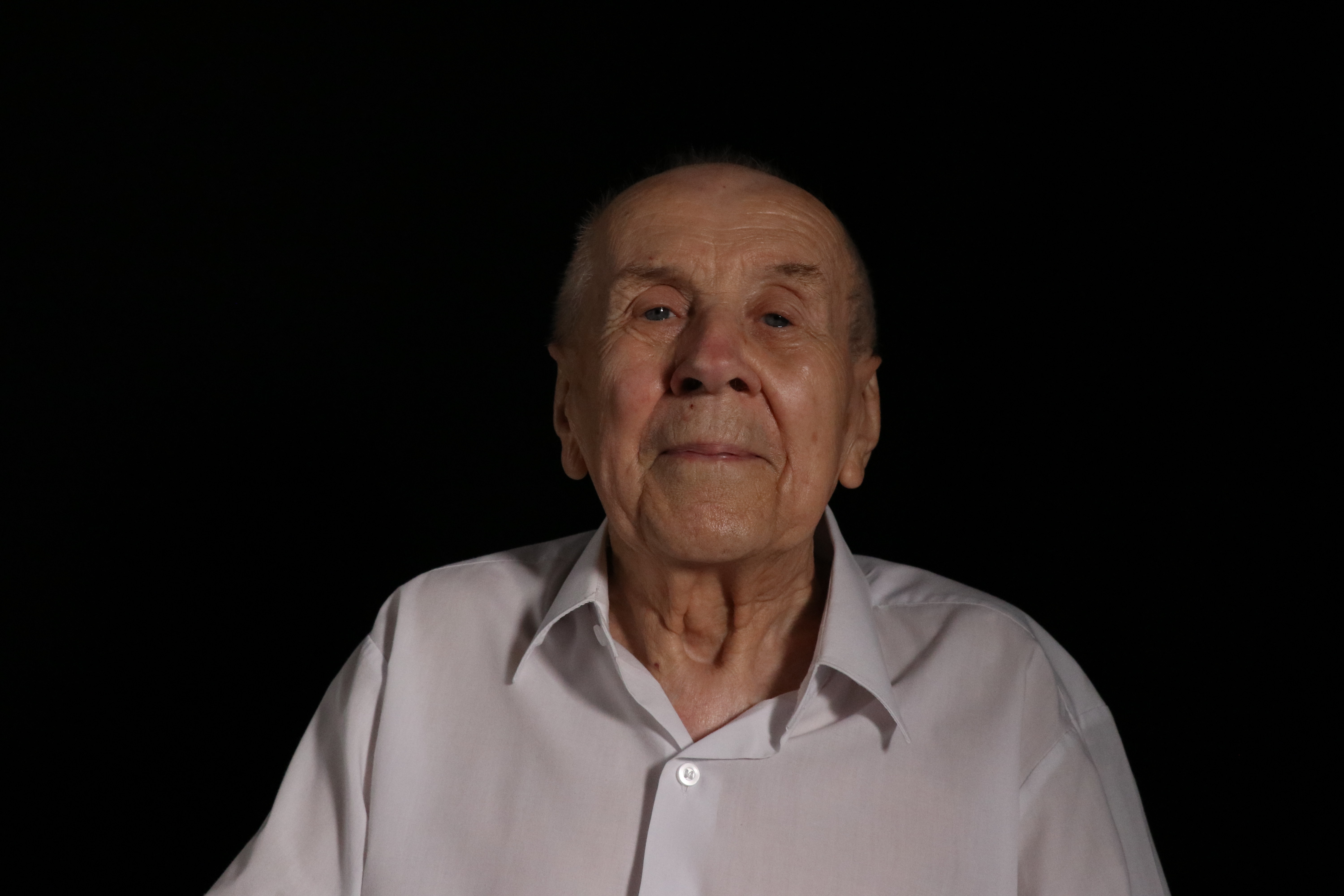
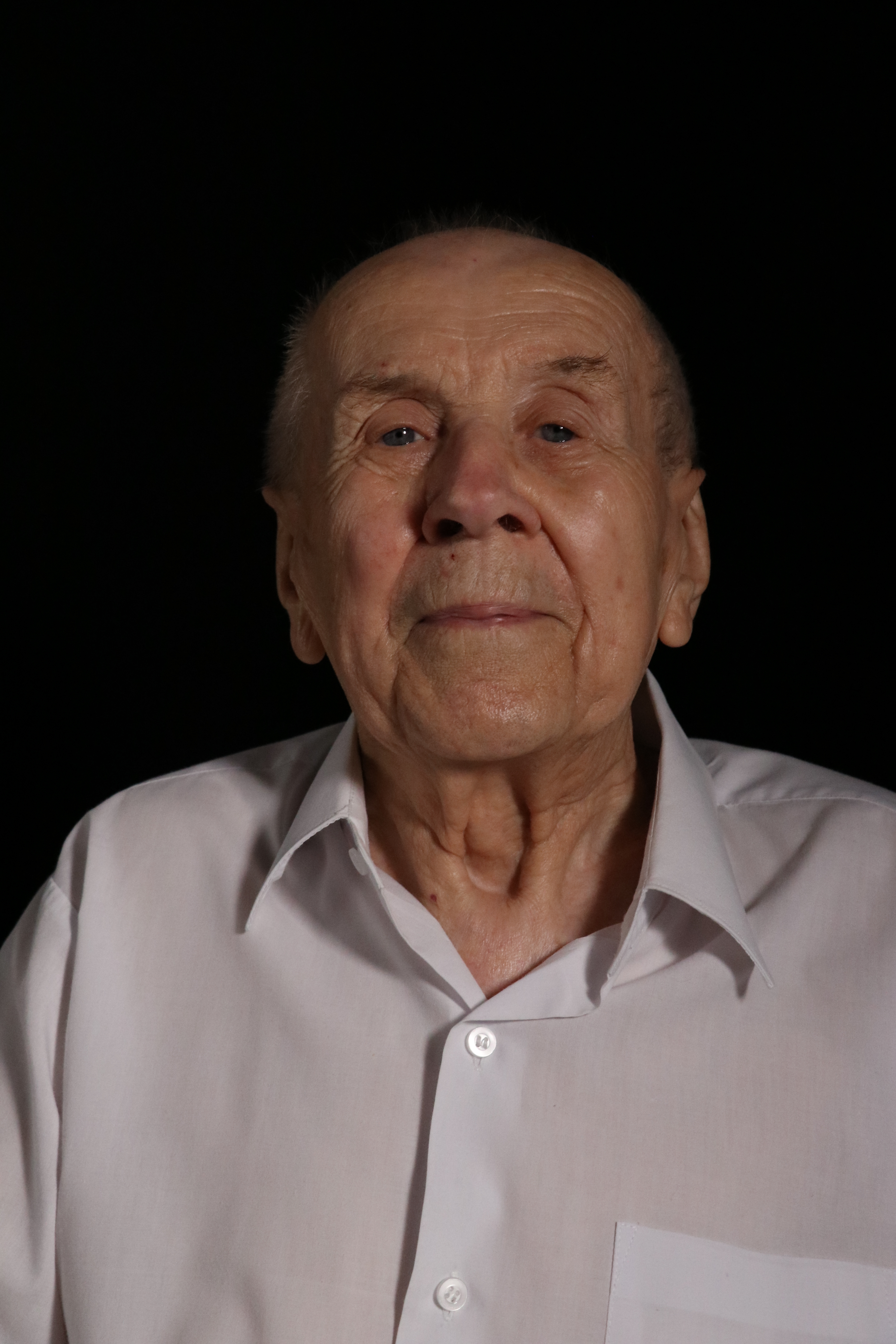
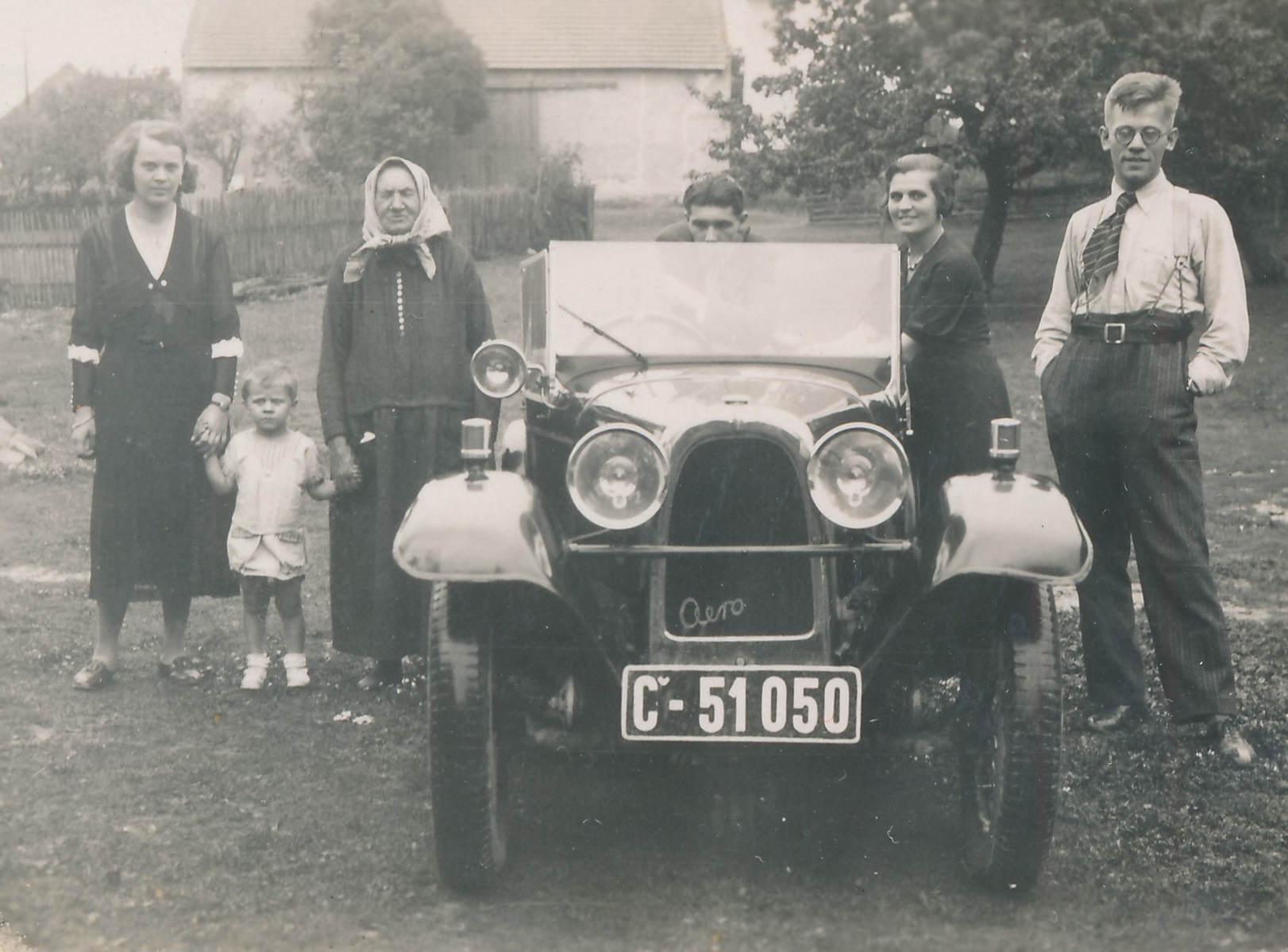
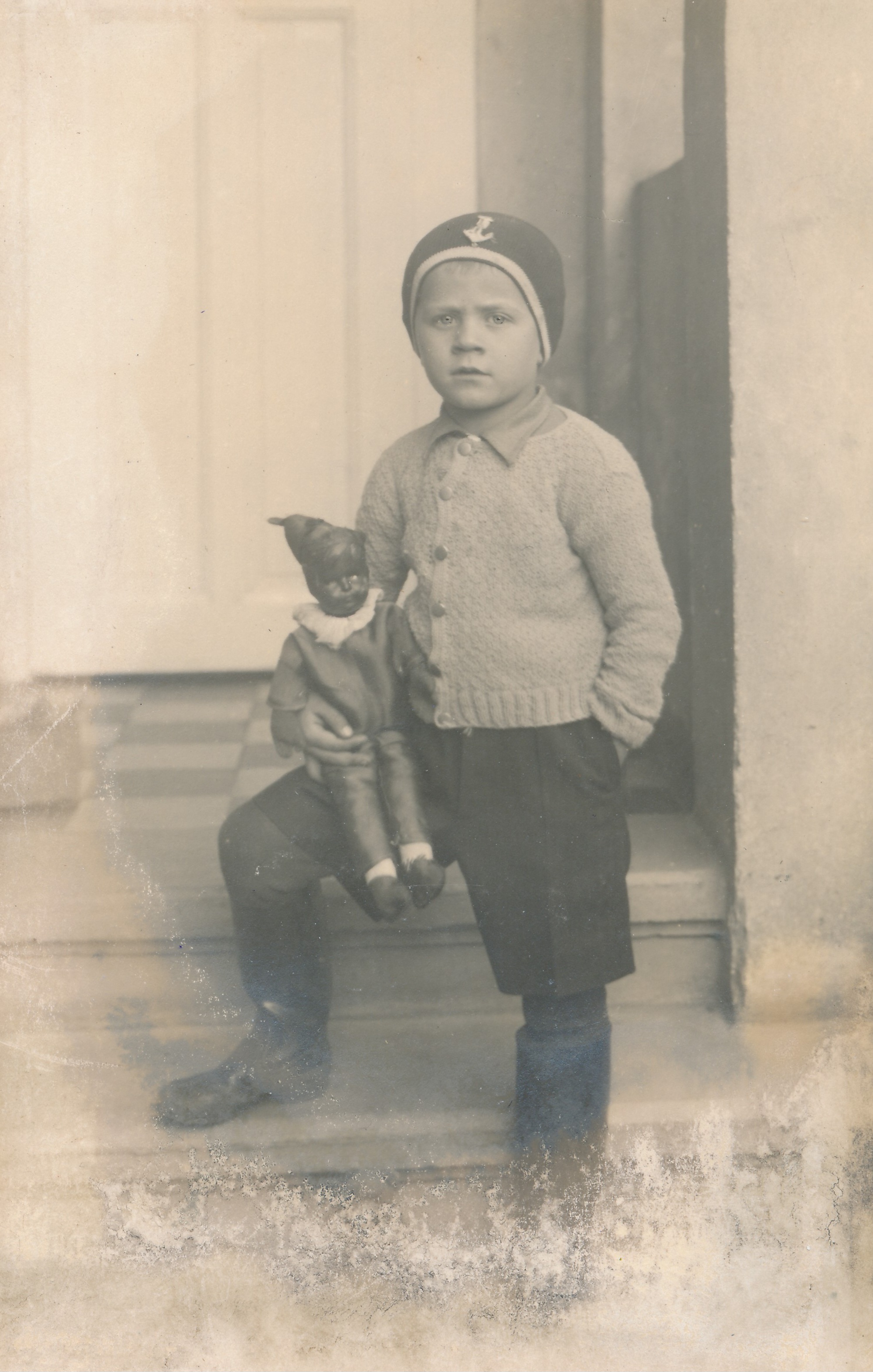
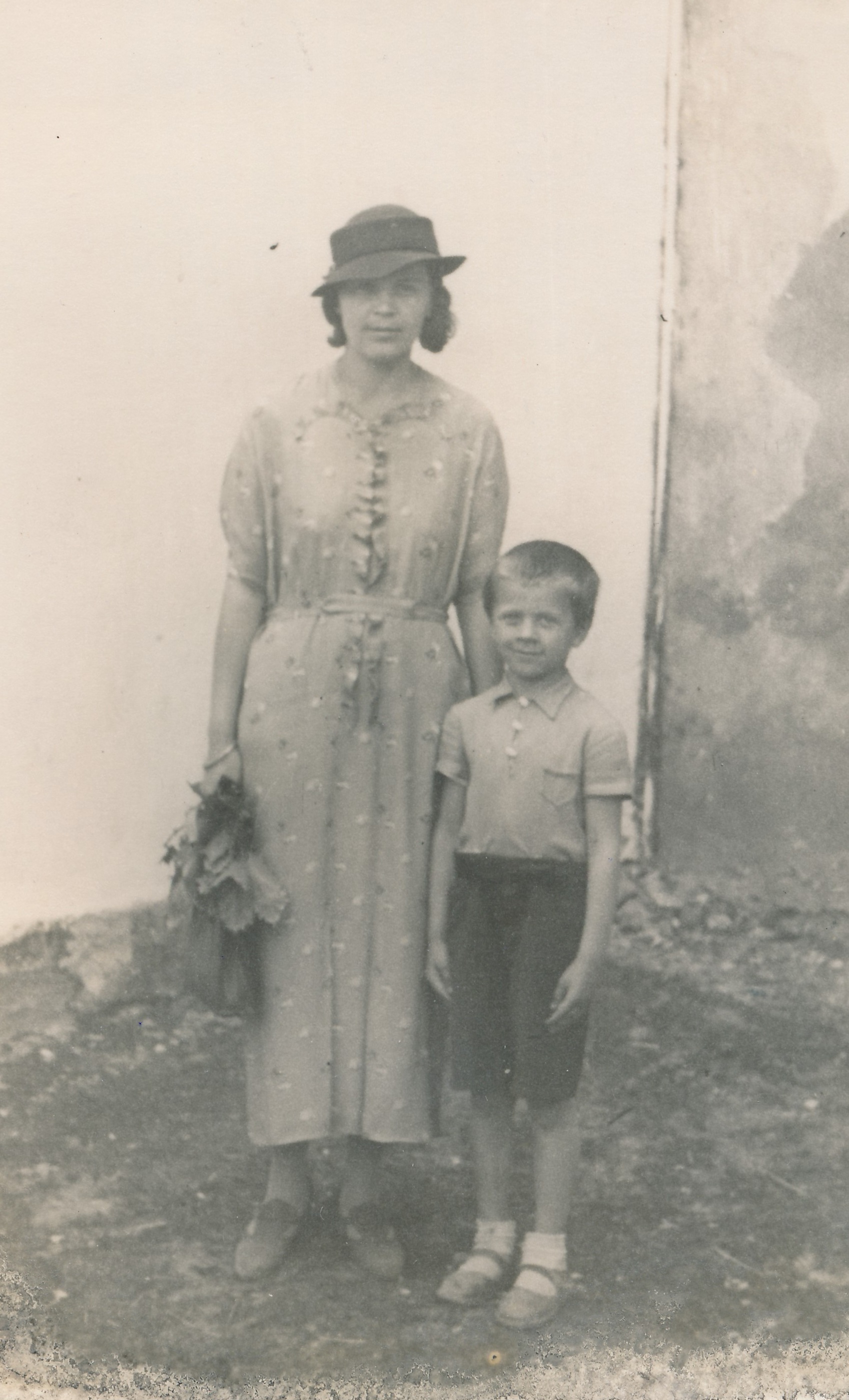
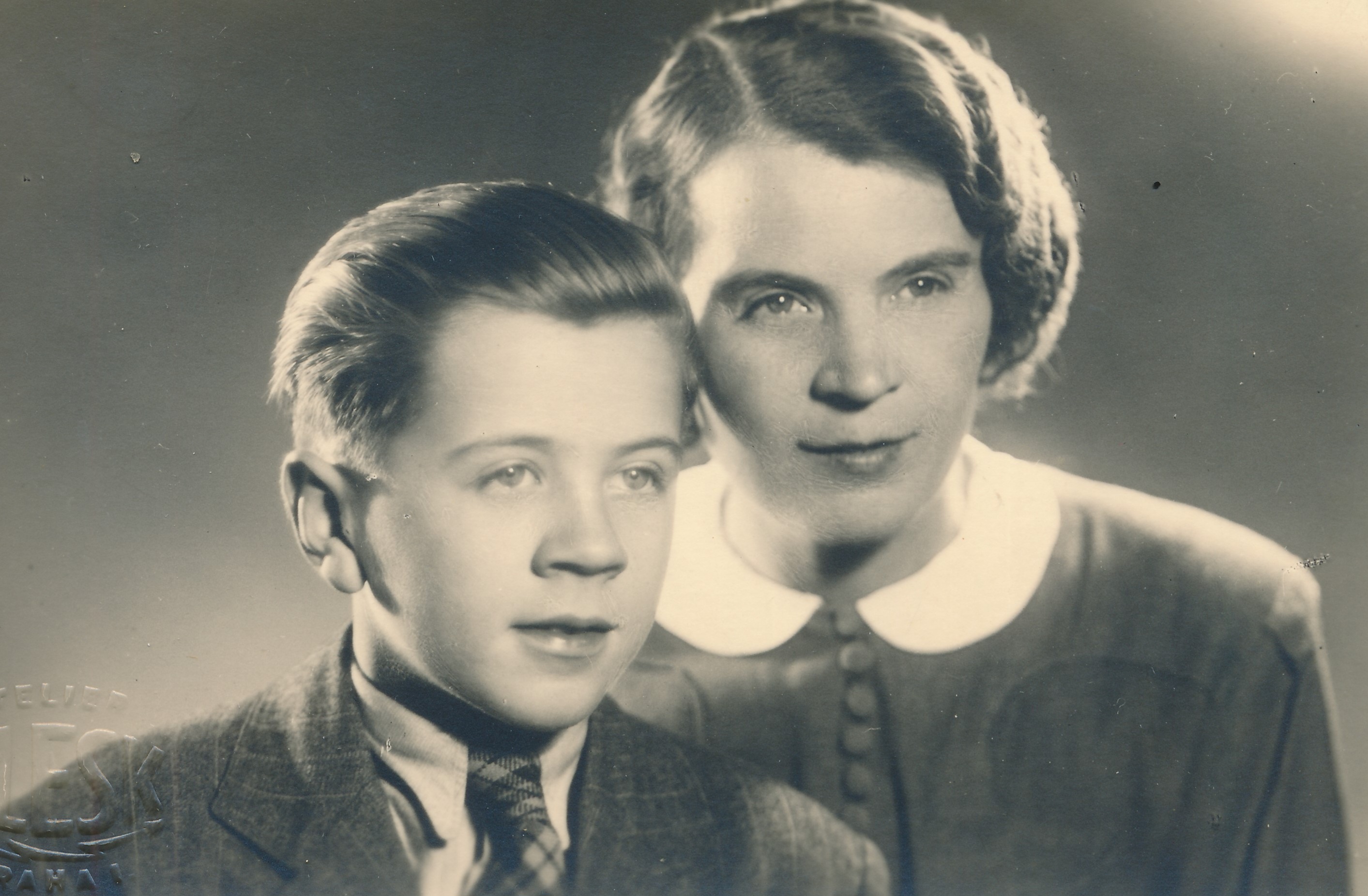
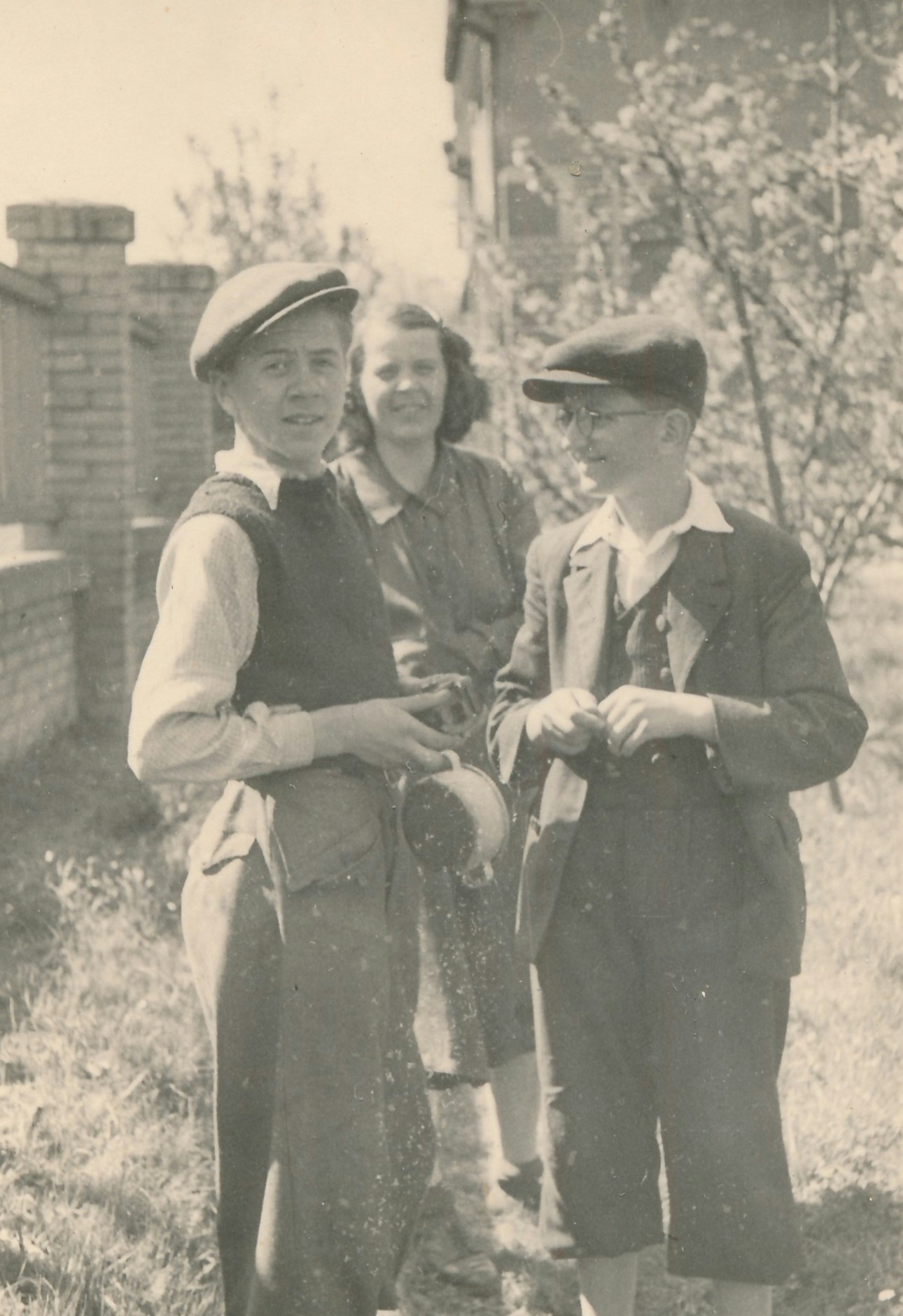
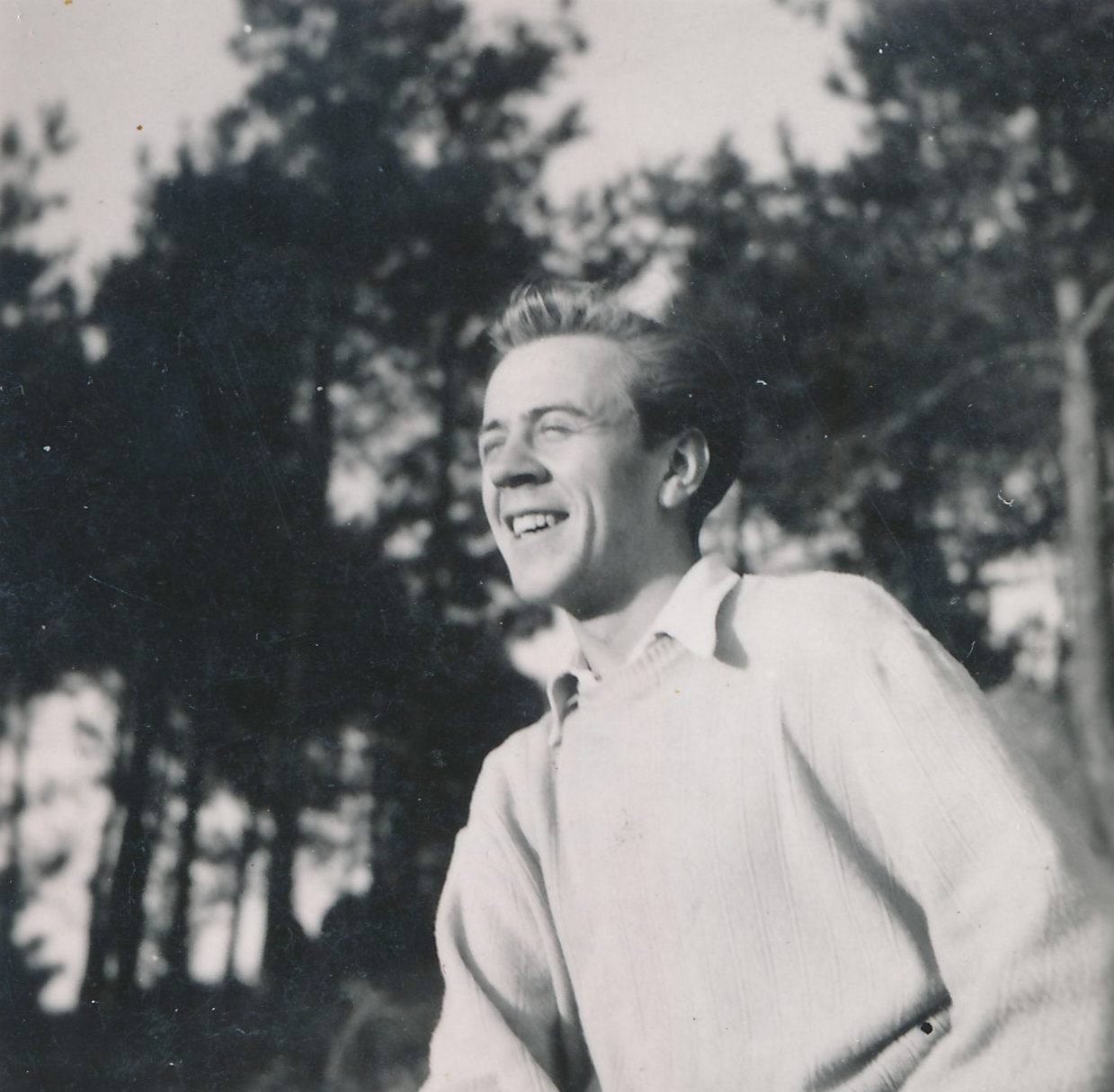
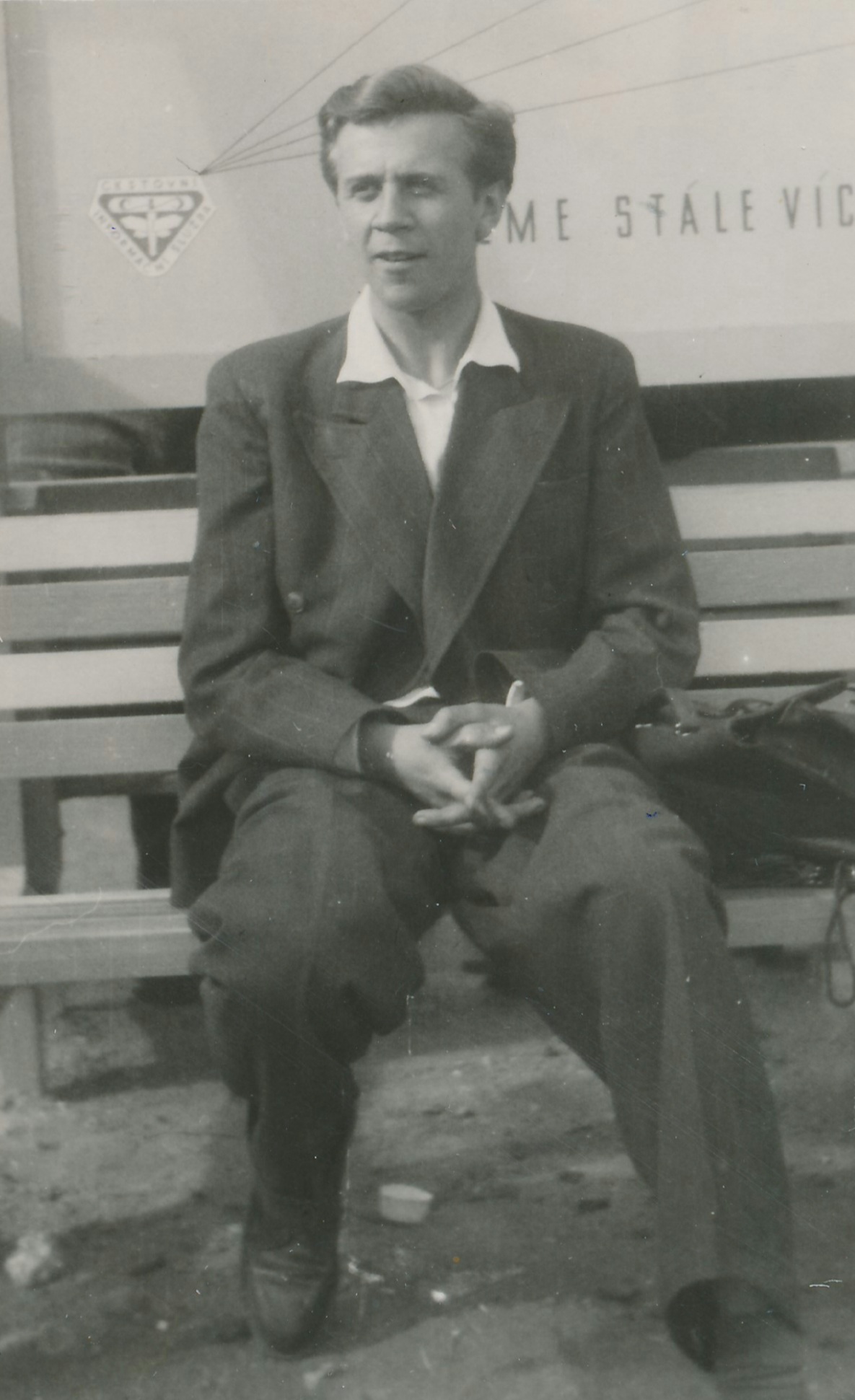
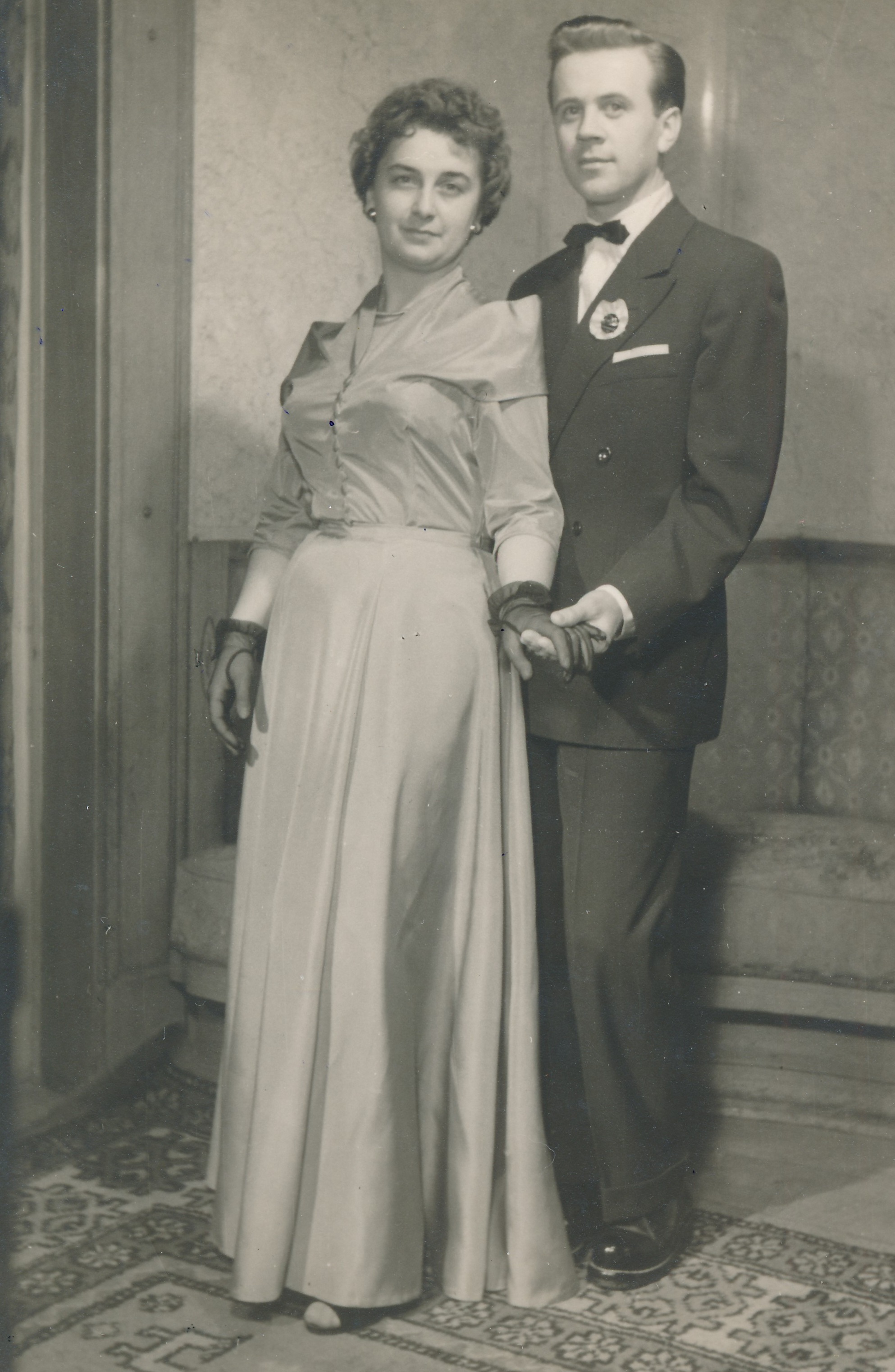
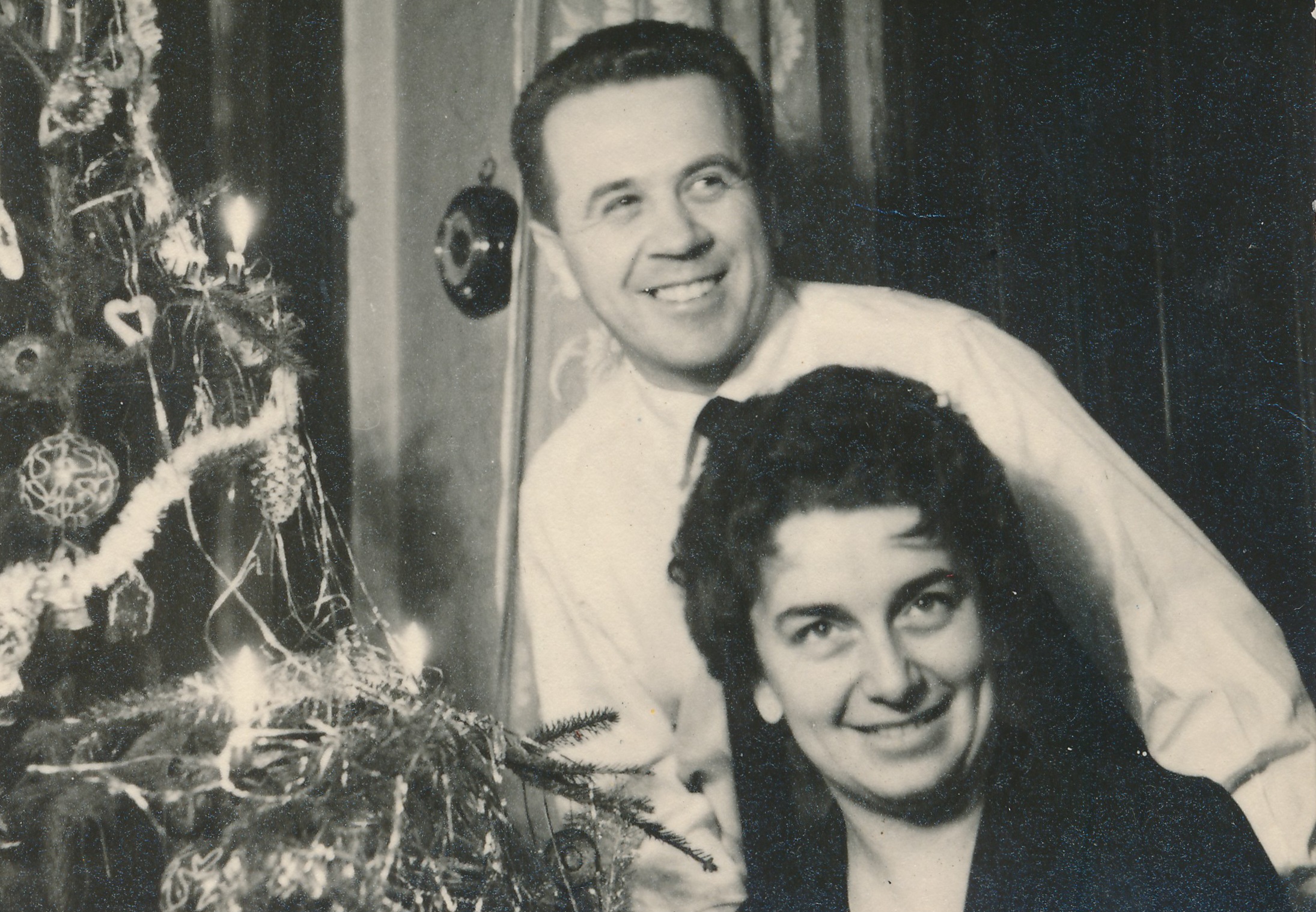
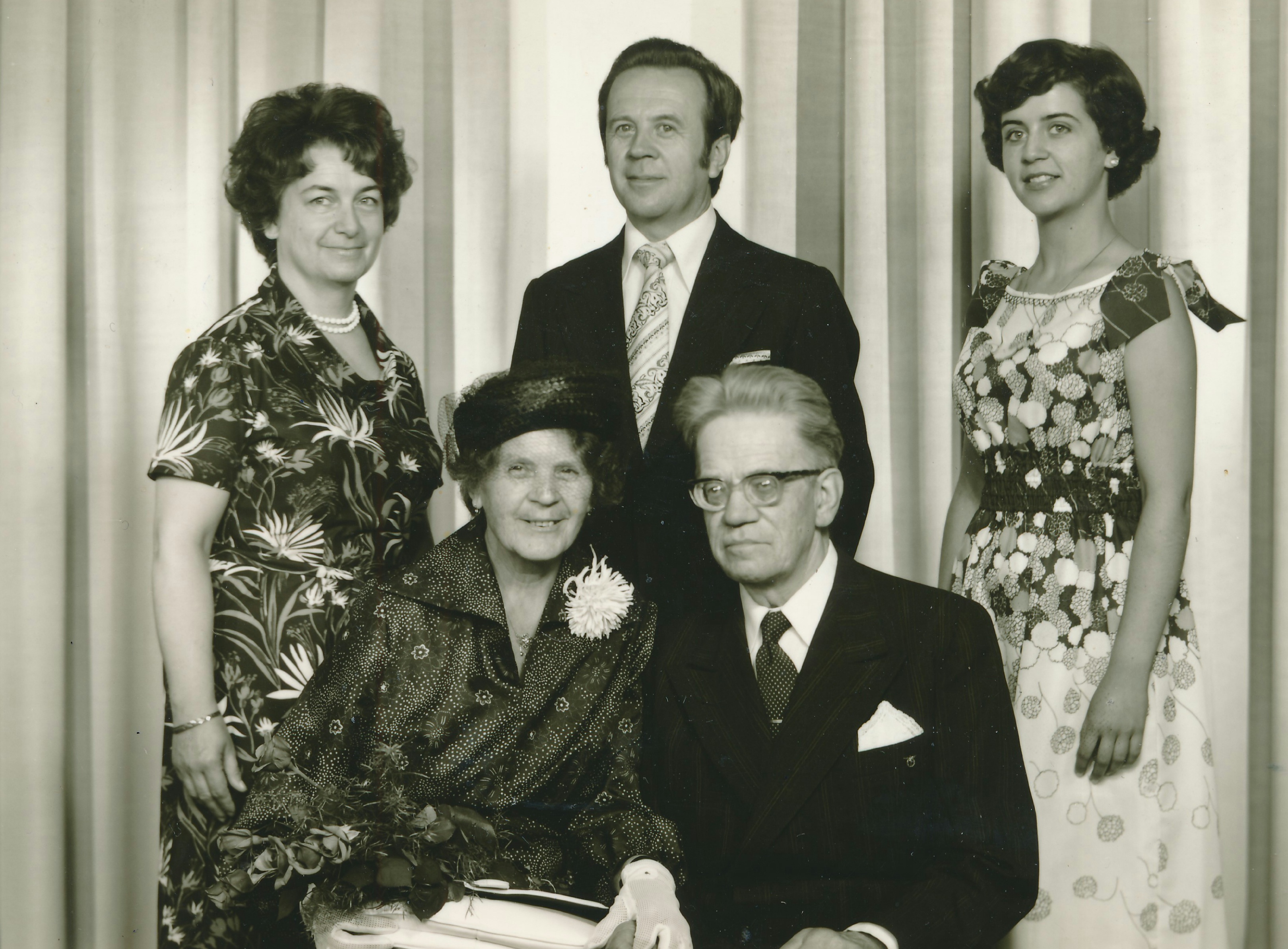
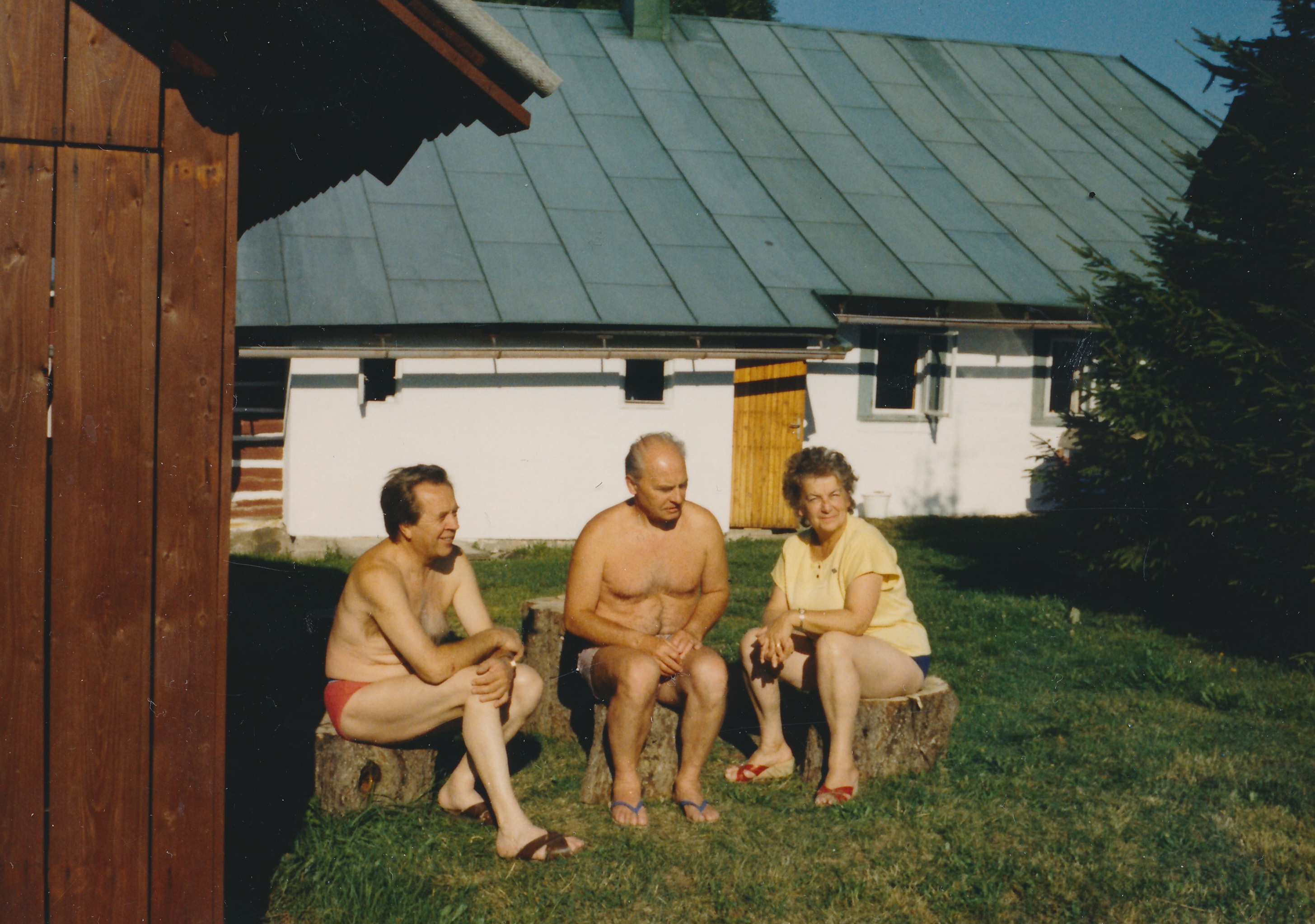
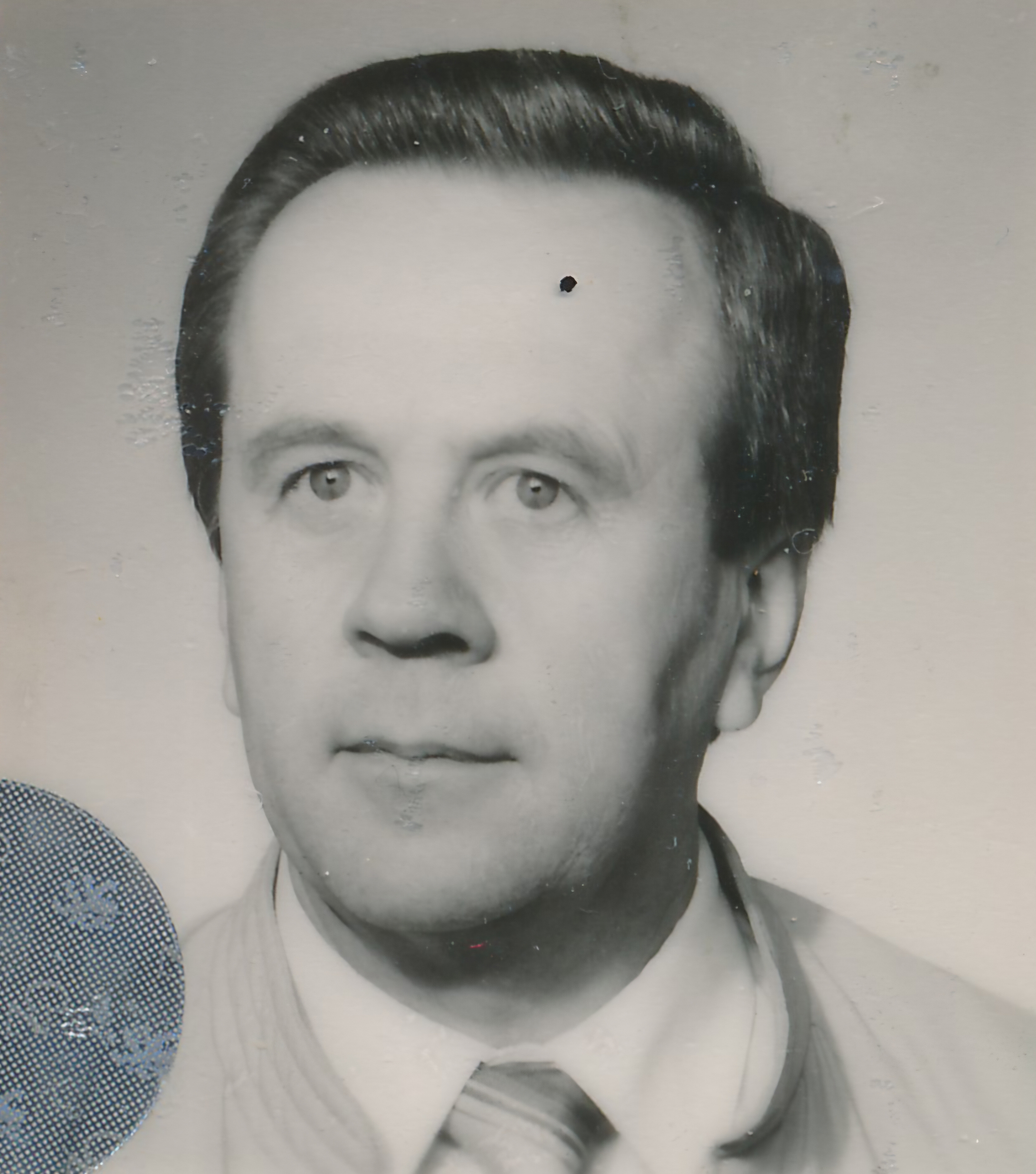
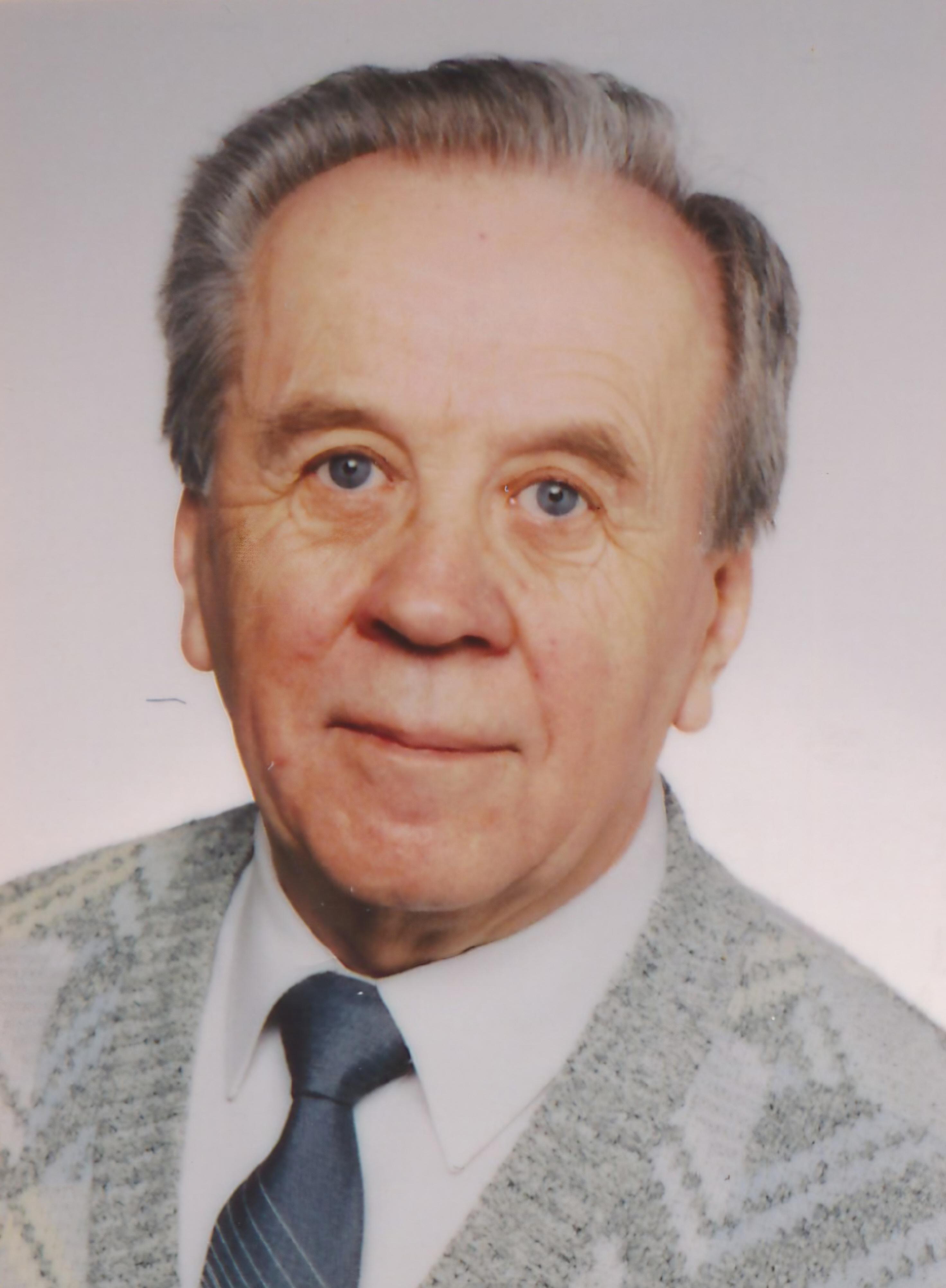
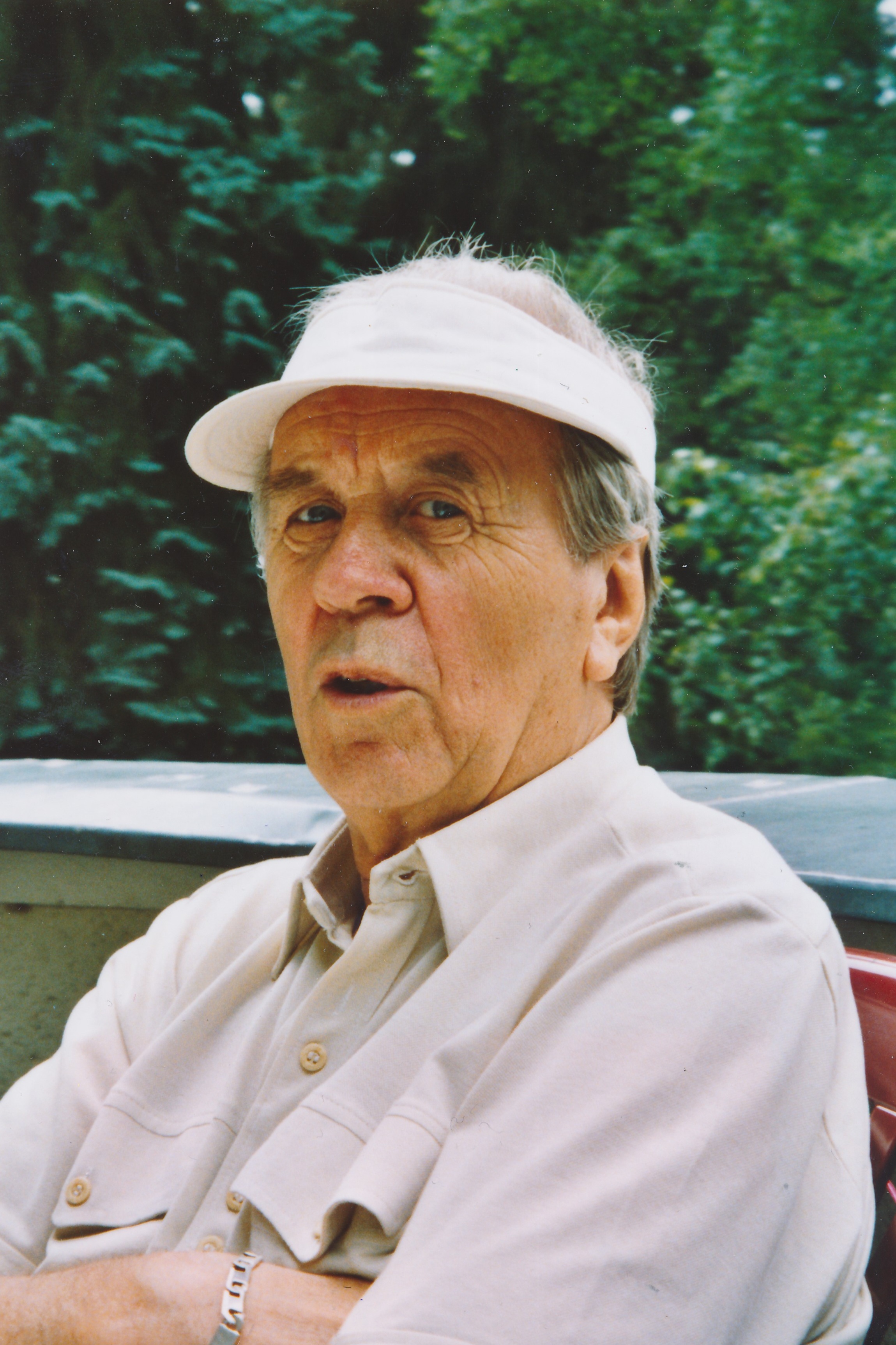
Lubomír Šlechta was born on 14 July 1930 in Horní Počernice. His father, Jarmil Šlechta, came from the family of a close associate of the owner of the Aero factory. His mother Jarmila remained in the household. During World War II, Lubomír Šlechta perceived a pervasive fear - for example, when their house was searched by the Gestapo or when huge posters with the names of many victims of the period after the Heydrich´s assassination were hanging on the doors of Denisova Railway Station in Prague. When the war was over and everything seemed to be bathed in sunshine, February 1948 arrived. Because of his uncle who had emigrated, Lubomír Šlechta was not allowed to go to university. However, he made the most of his technical talents and worked practically all his life as a design manager at the Research Institute of Power Electrical Engineering in Prague. His life journey was accompanied by an indomitable faith in God. Already at the age of five his father brought him to a meeting of the Czechoslovak Evangelical Church and that was the beginning of his spiritual journey. Lubomír Šlechta later became the curator of his church in Horní Počernice. At the time of filming in 2025, Lubomír Šlechta was living in his native Horní Počernice. He died on 23 April 2026.