Jan Škrabánek

* 1950

  • "We left in the private car we had at the time, which was not smart, but we didn't know how to travel out of Czechoslovakia, we didn't know that. We knew from this Maxera that he also went there in a private car. We knew that from written communication. We wrote to him. Not often, but we knew some things. And one day we got in the car and left, with the cops taking away our - we didn't even have passports, so there was nothing to hand over, but they took the number plate from the car, I remember that, and they gave us an A5 piece of paper, which was on typed on a typewriter, but it was as if I had written it. On that paper it said 'persons of unspecified nationality'. And they told us that we would cross the border with it."

  • "There was the cooperative farm in Slušovice. At that time, my friend Milan Krupička was dating Růženka, his to-be-wife, who was from Slušovice, and we went together to Růženka's father in Slušovice, who was such a simple man, and he gave us advice: 'You have to do this - knock, knock.' That was the advice. So I dared then and went straight to this Čuba and I did knock, knock. And I don't know what helped it, I'm just guessing. František Čuba's father knew my father, from his communist anabasis. It was short, as I said, it lasted a year or two. Yet he knew him, how, I don't know. And it worked, he took me there. I learned at that time that there were a couple of people working there who had been expelled after '68. I felt like a total nobody. He was hiring some former personalities. So that worked." - "And what did you do there?" - "I was a computer maintenance technician."

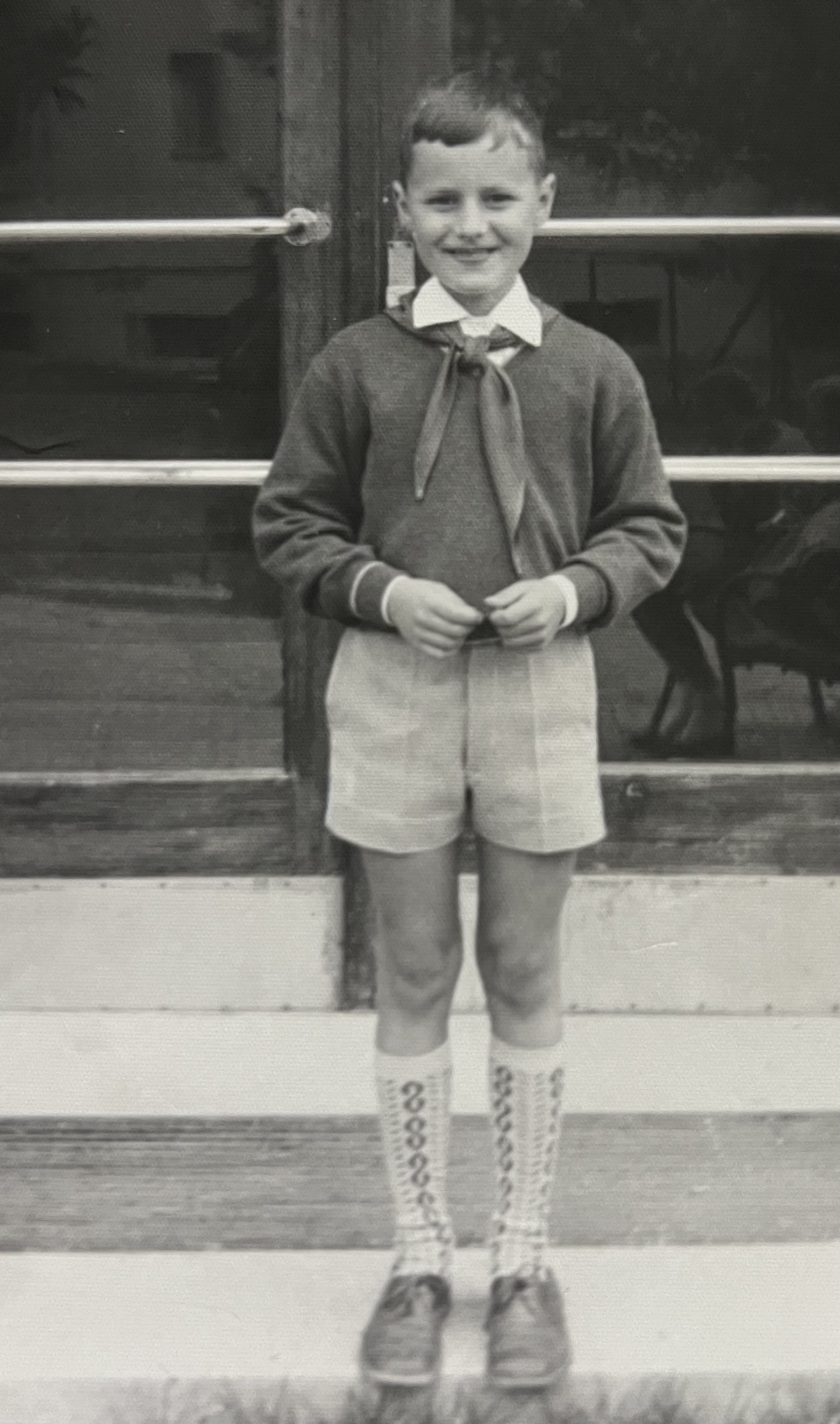
  • "And in that school, in about the sixth grade, the story is also political, the class teacher, I also remember - Ševčík was his name, after school, as a class teacher, he called us together and told us that we had to join Pioneer. After classes. And among other things he said, 'Who doesn't want to go, let him go home.' I got up and left. It wasn't without consequences. In a moment, when I was heading, in those Baťa schools, down that long corridor to the entrance staircase, I was already at the staircase, so he ran after me and pushed me down the stairs. I managed to keep balance. But it was an experience that you can't forget. And then the aftermath. My father got called to school because of me and I felt terrible remorse because I understood that my father was in a bad way, so I was actually very sorry afterwards."

  • Celé nahrávky
  • 1

    Léskovec, 09.02.2026

    (audio)
    délka: 02:22:08
    nahrávka pořízena v rámci projektu Stories of 20th Century
Celé nahrávky jsou k dispozici pouze pro přihlášené uživatele.

It was only in emigration that I changed my attitude towards institutions
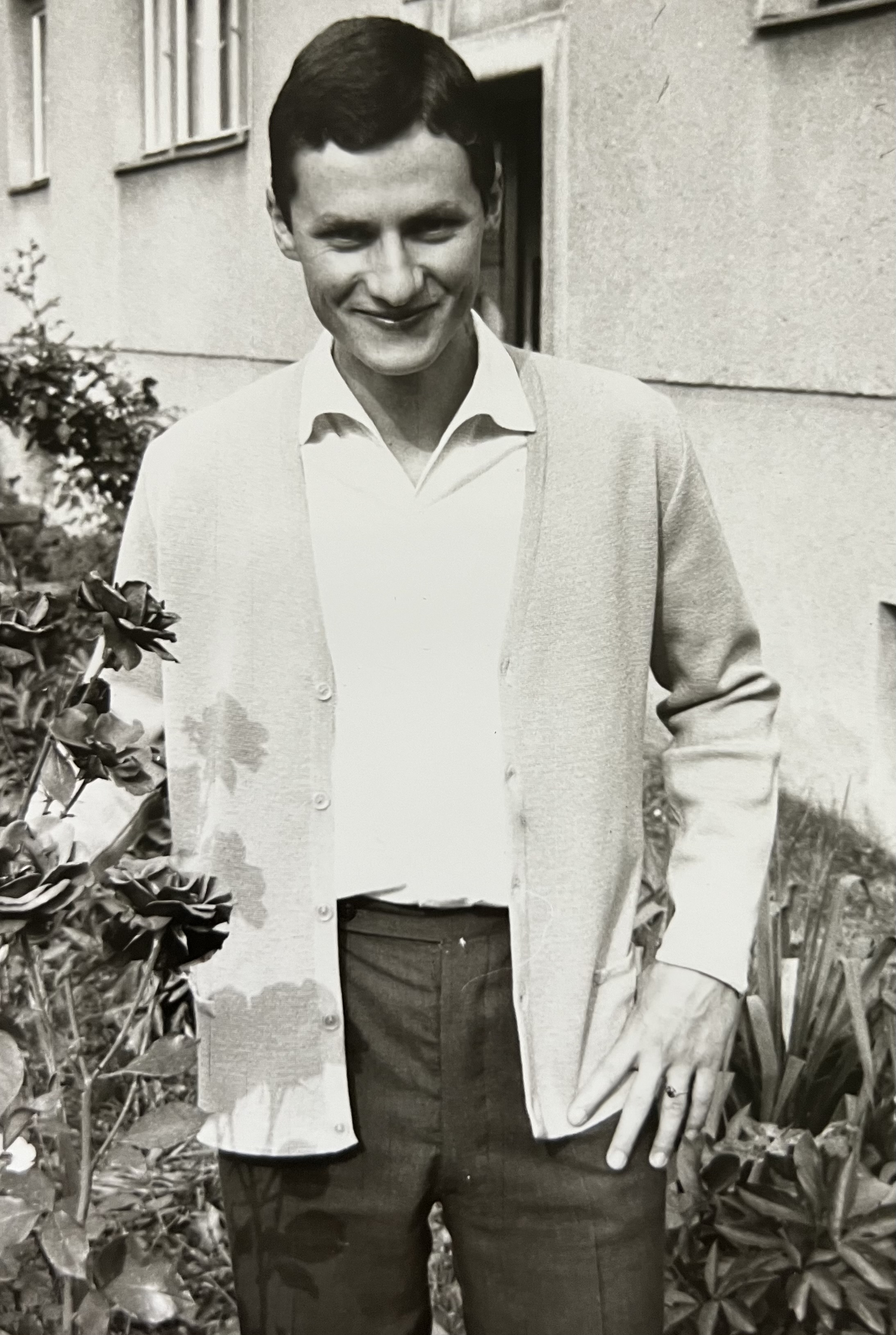
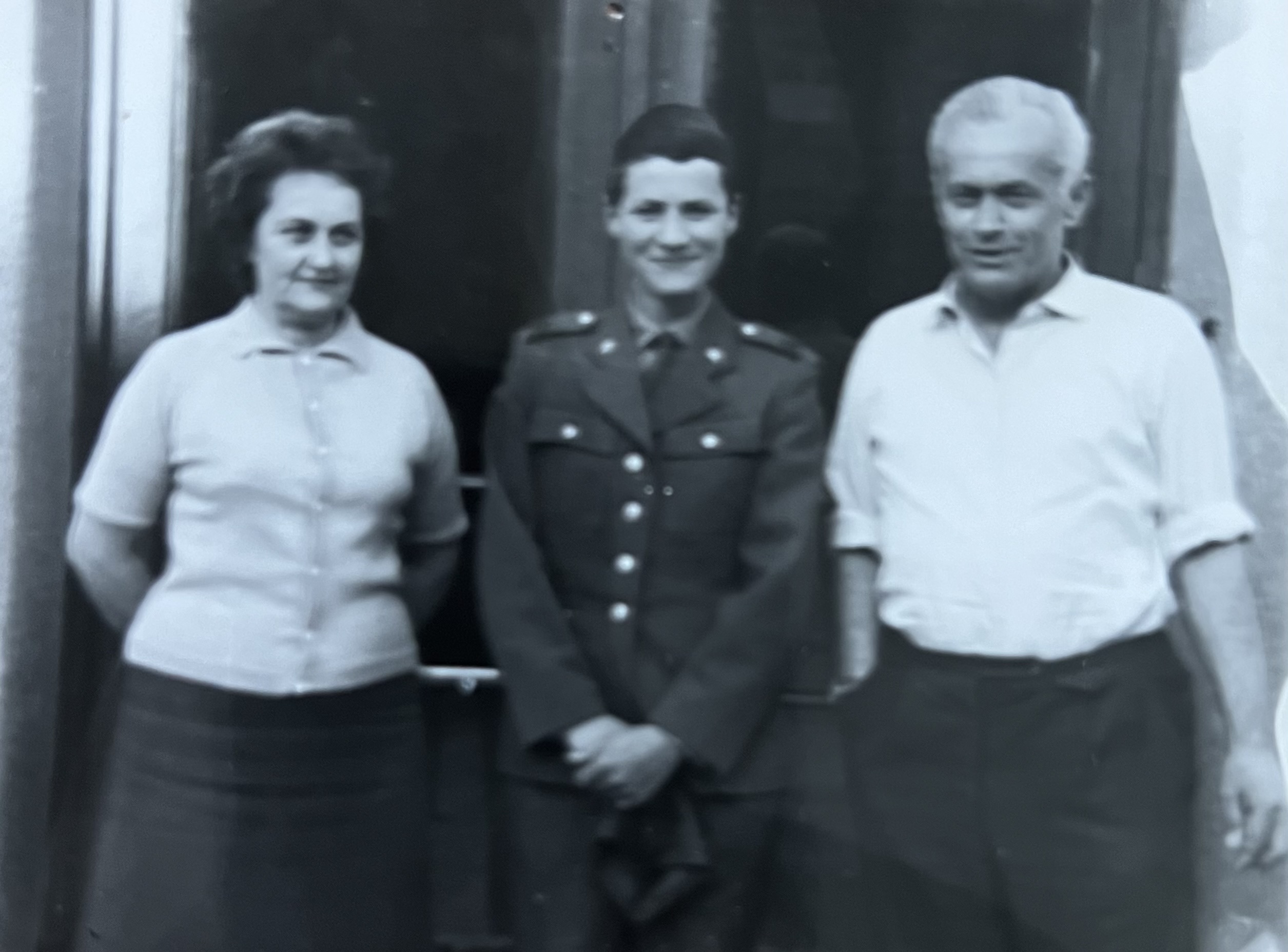
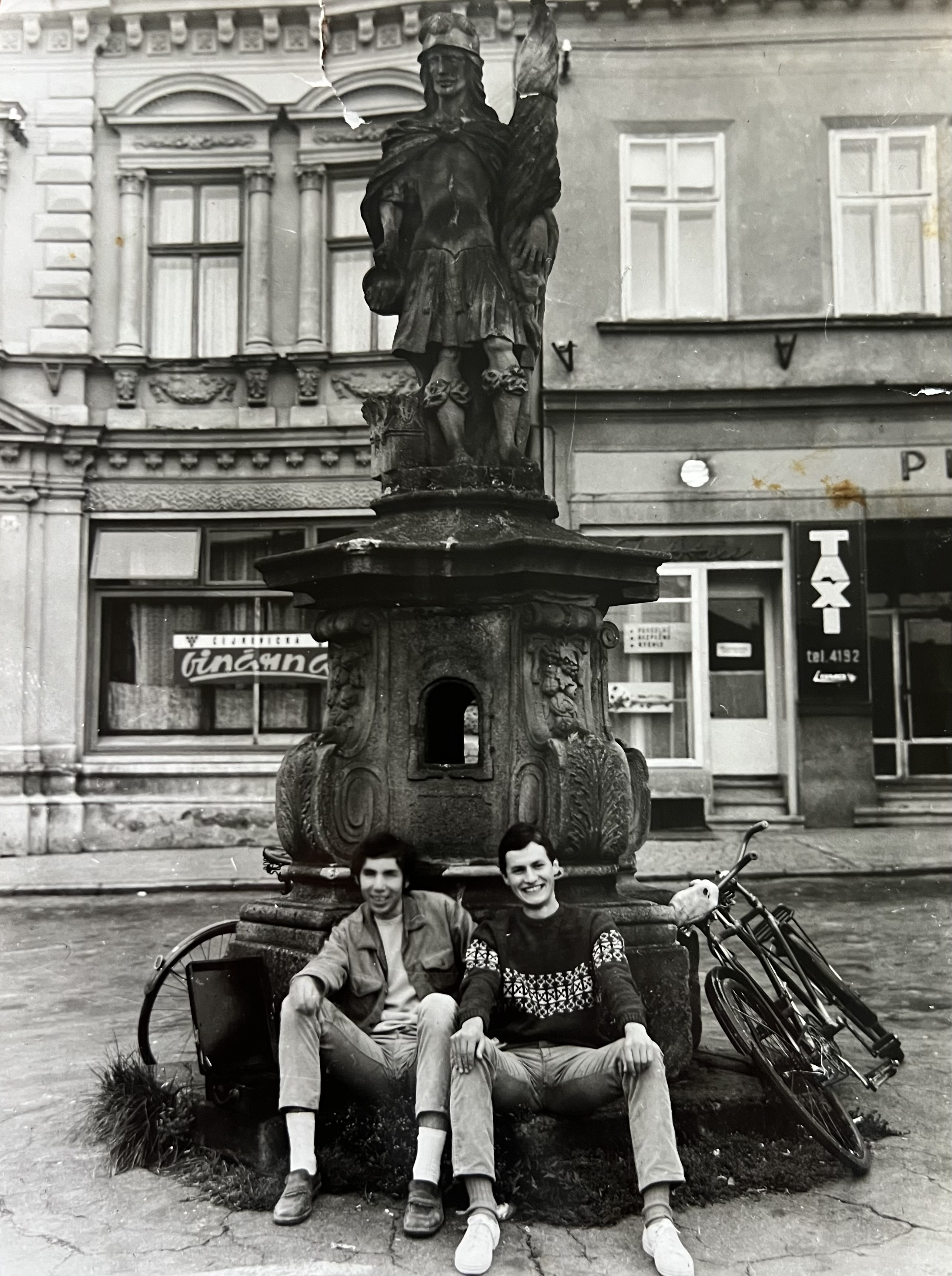
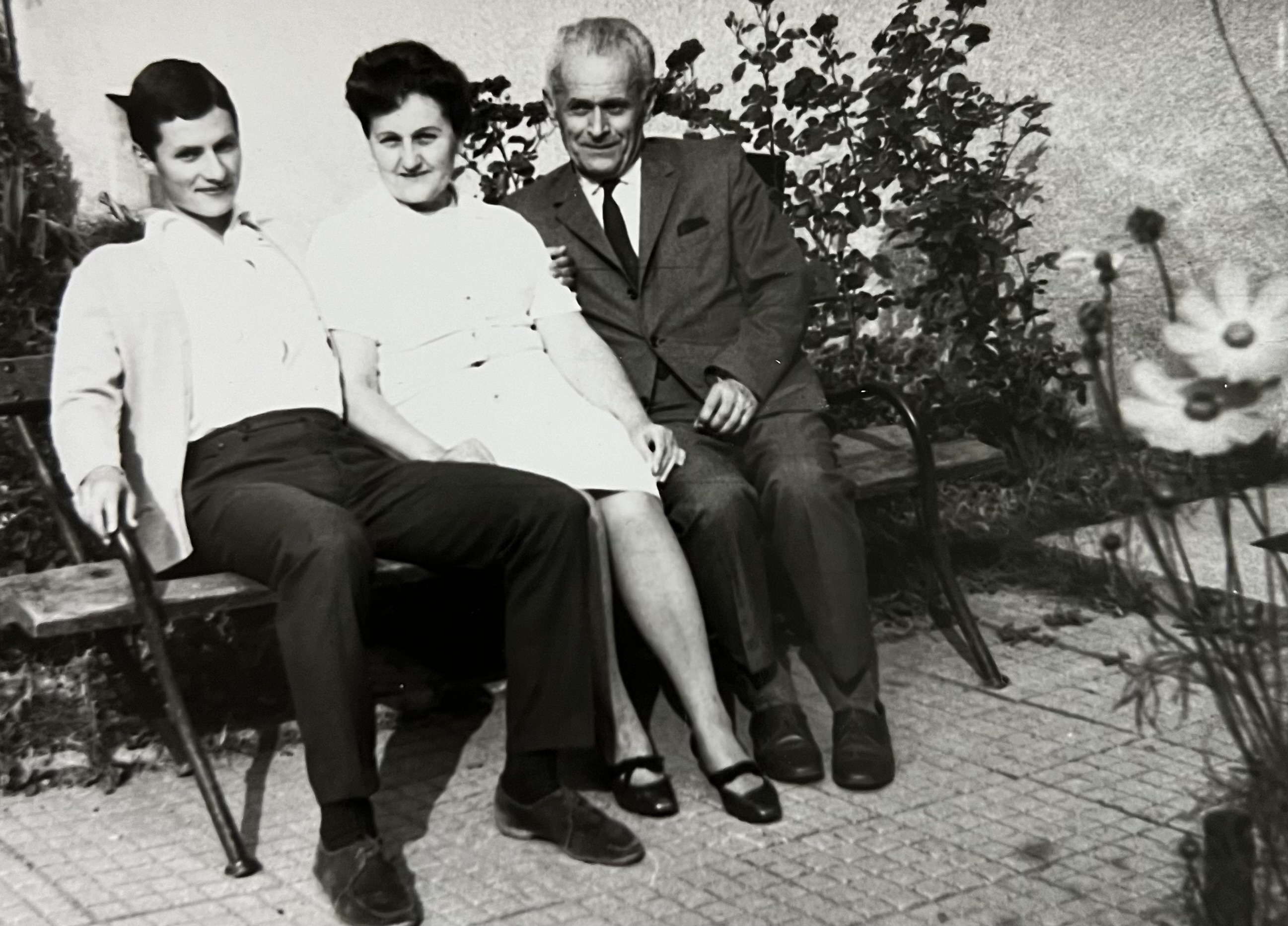
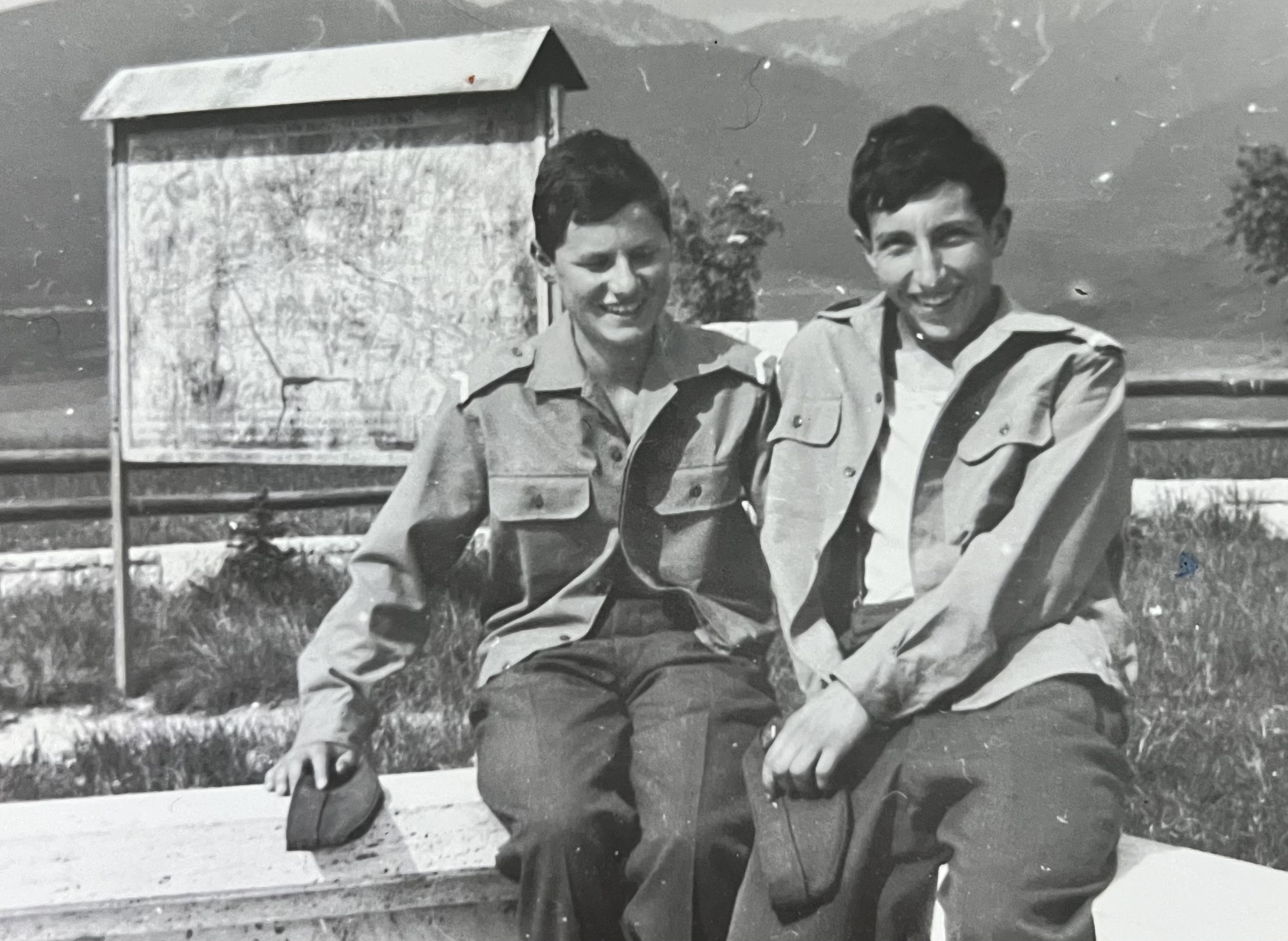
Jan Škrabánek, 1969
Jan Škrabánek, 1969
zdroj: witness´s archive

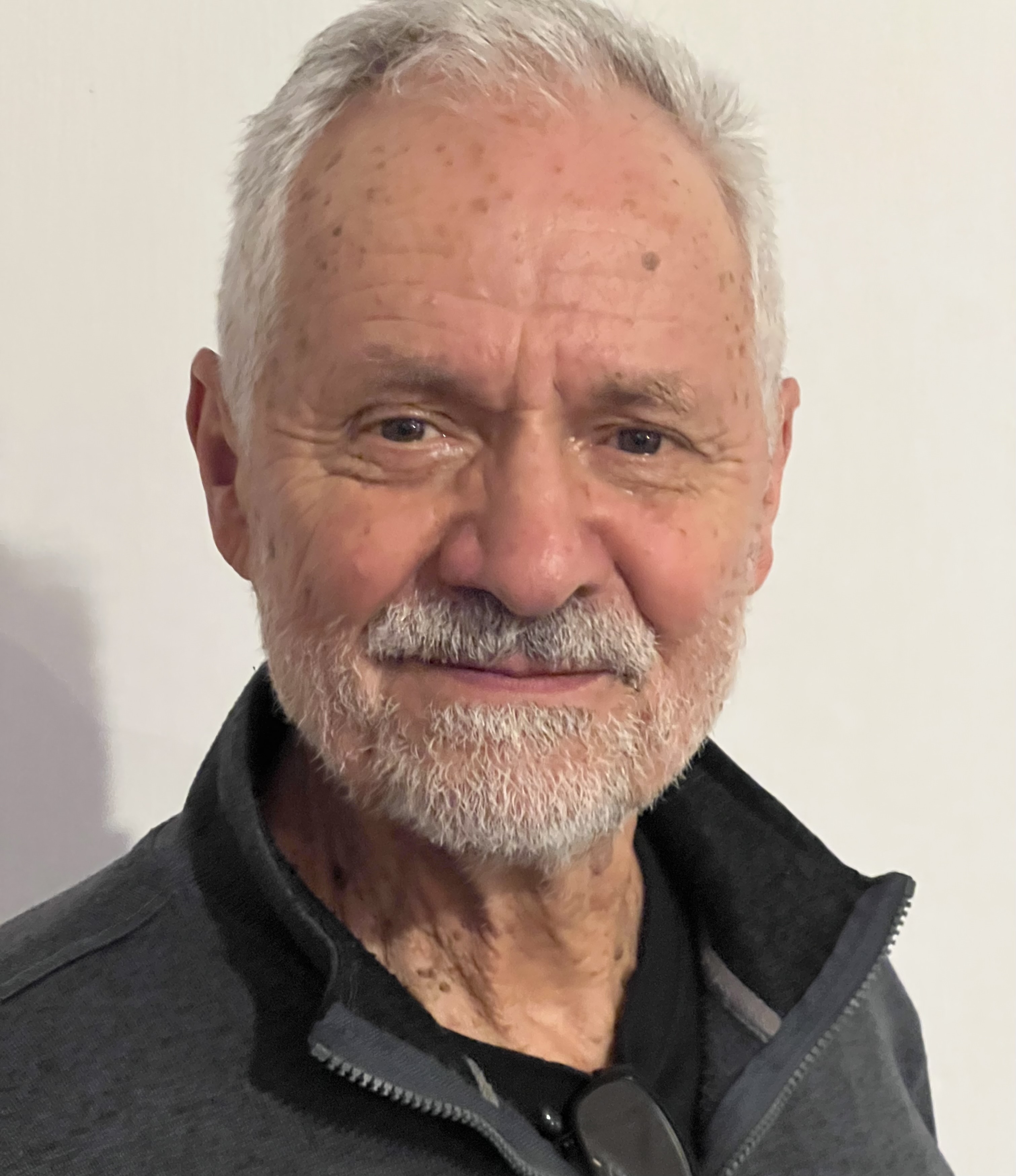
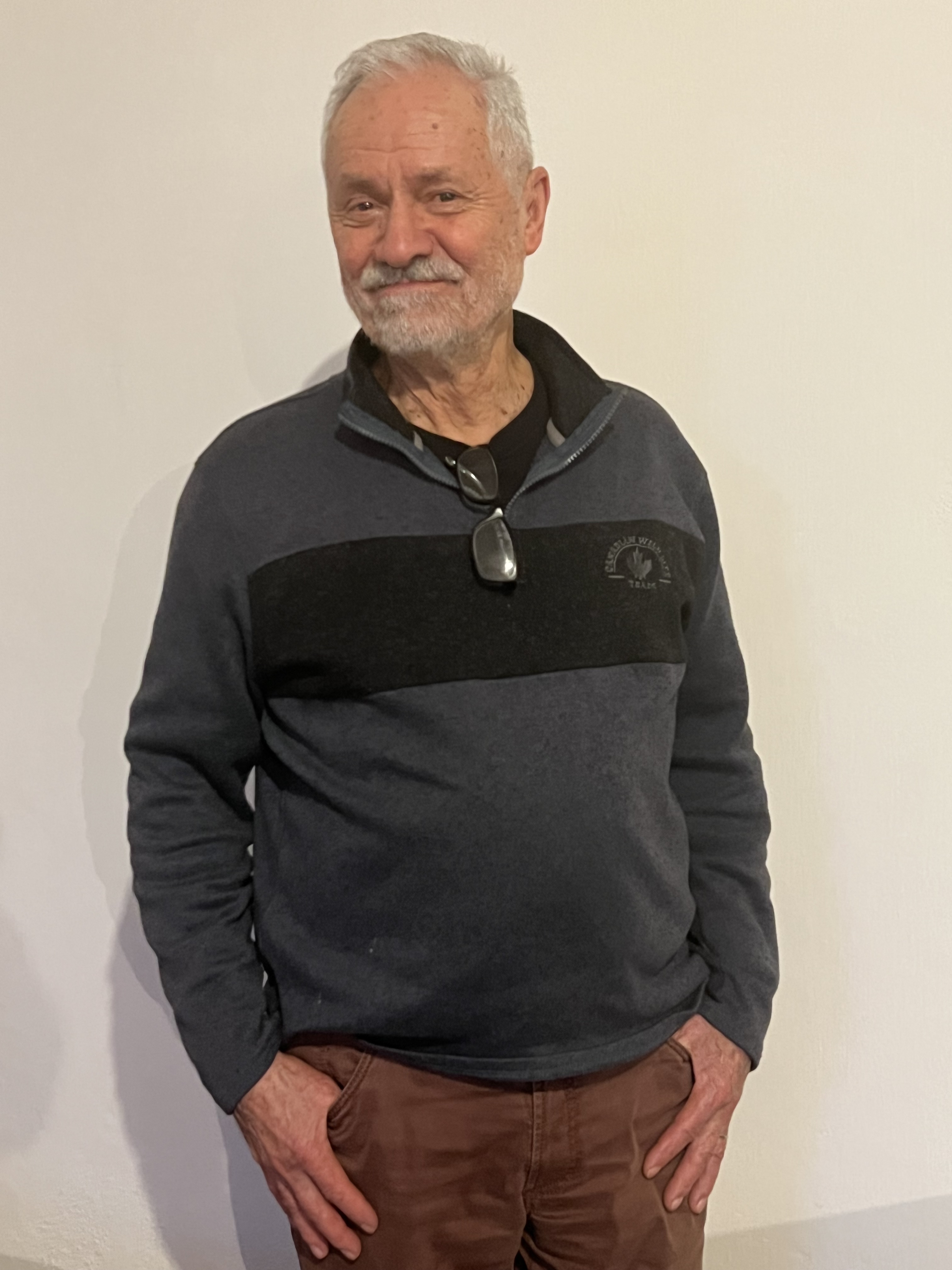
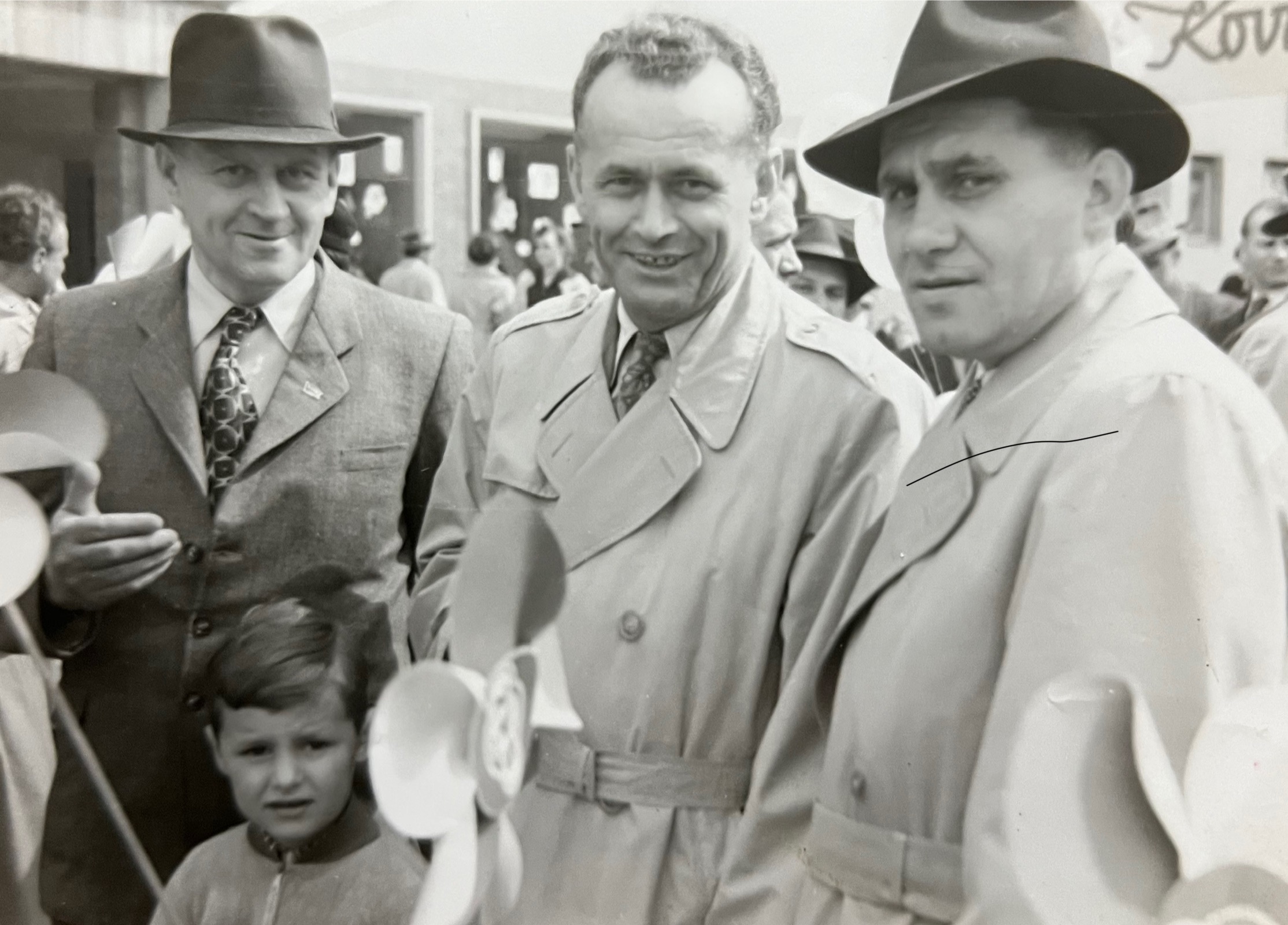
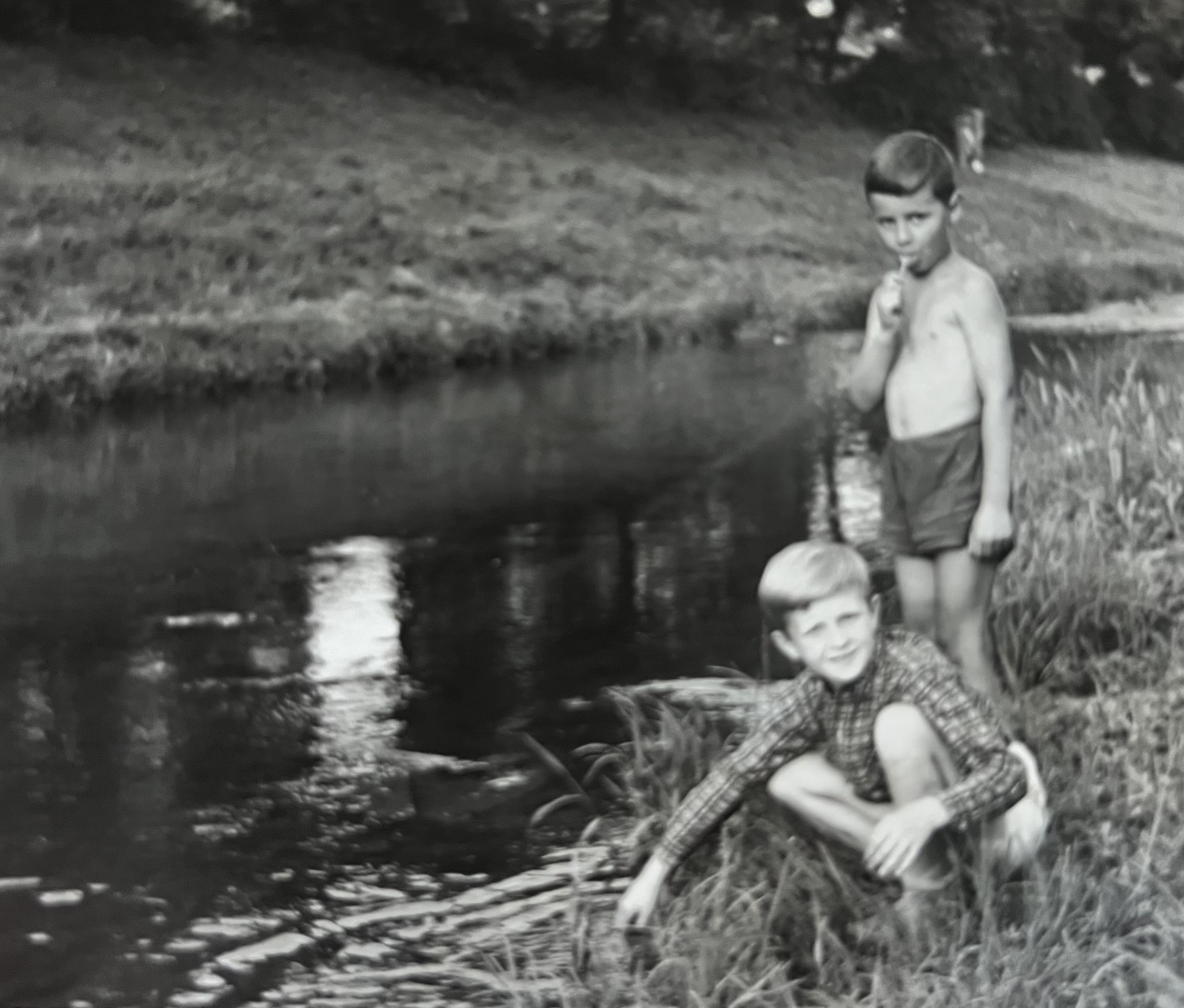
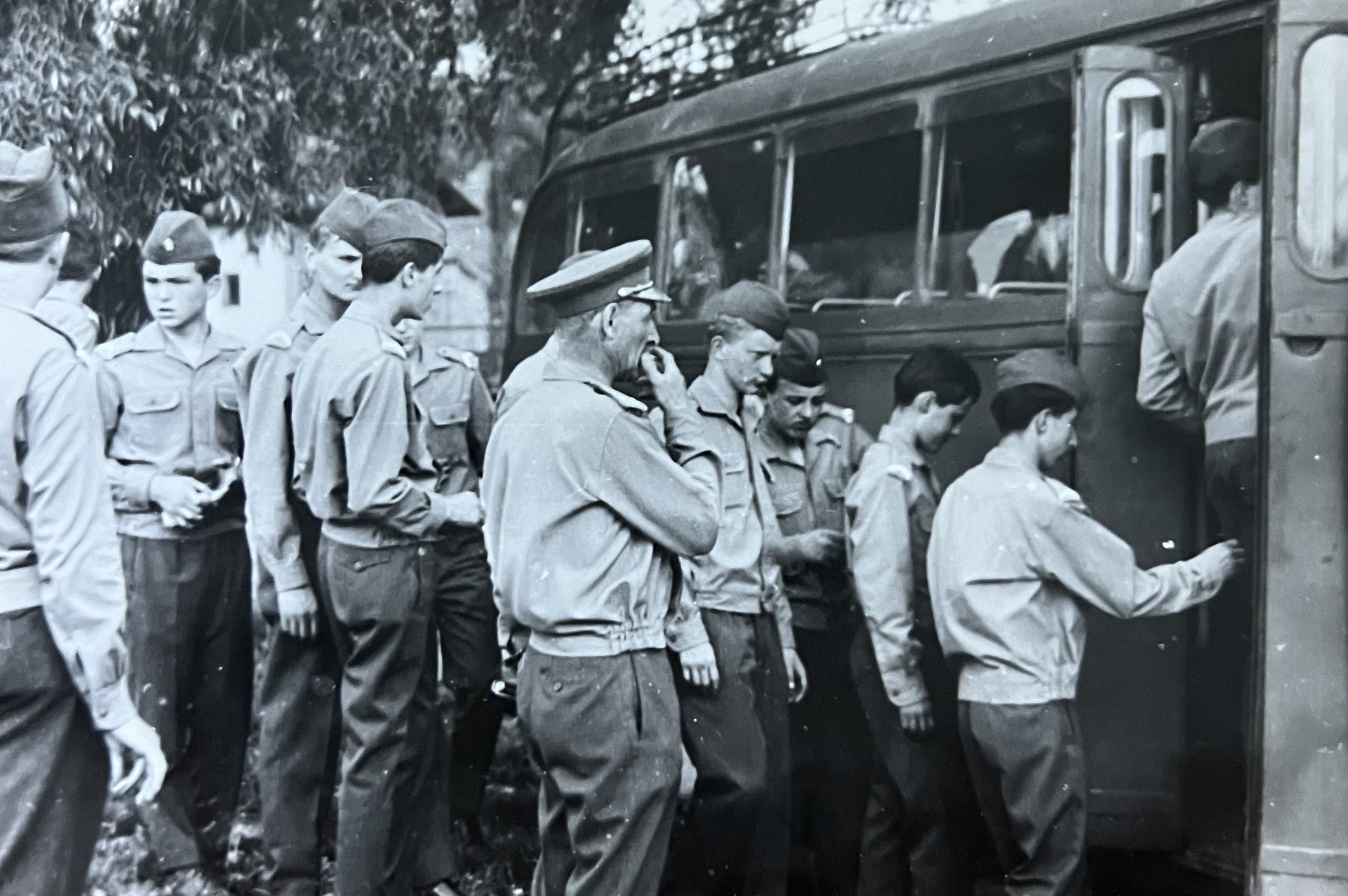
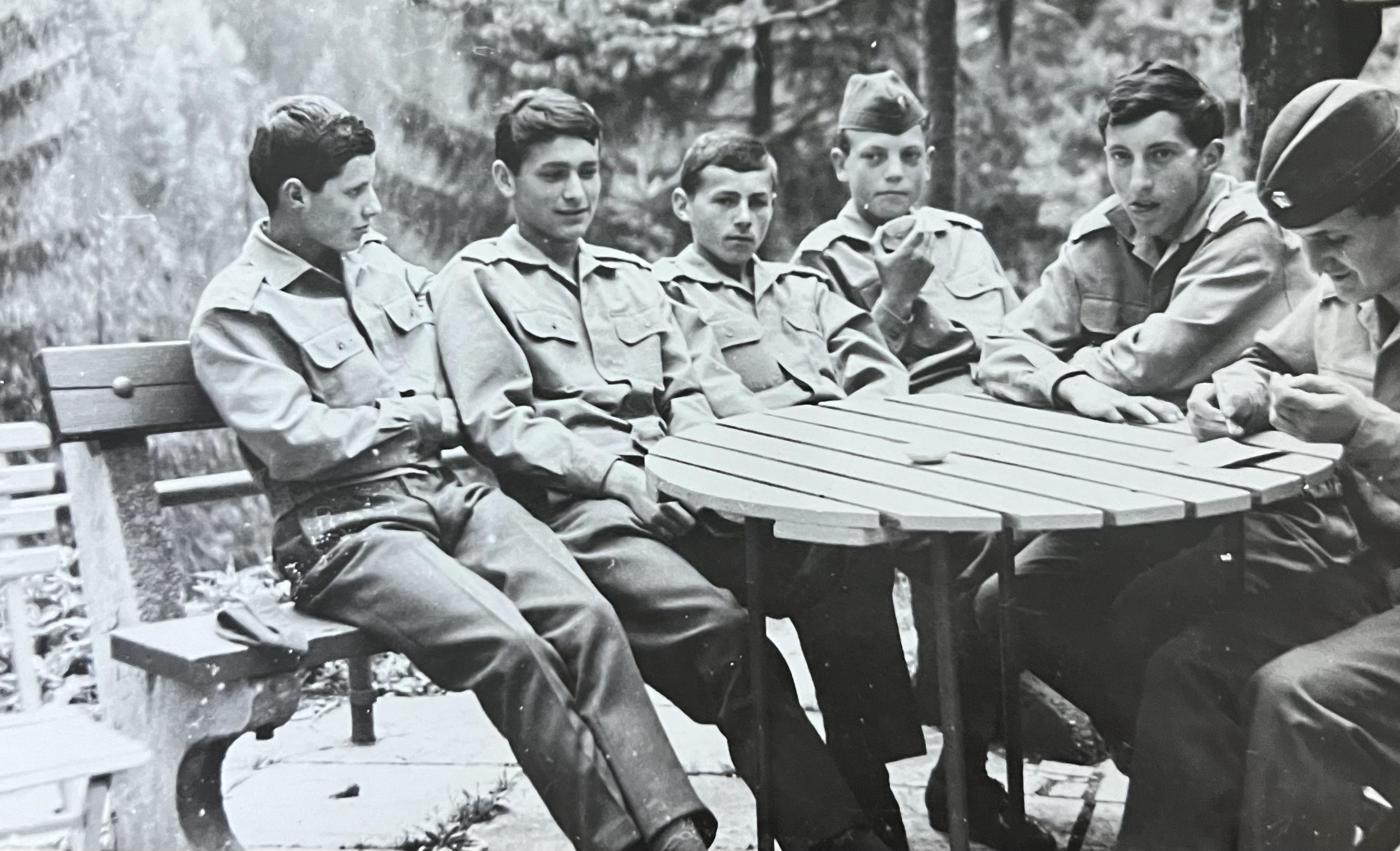
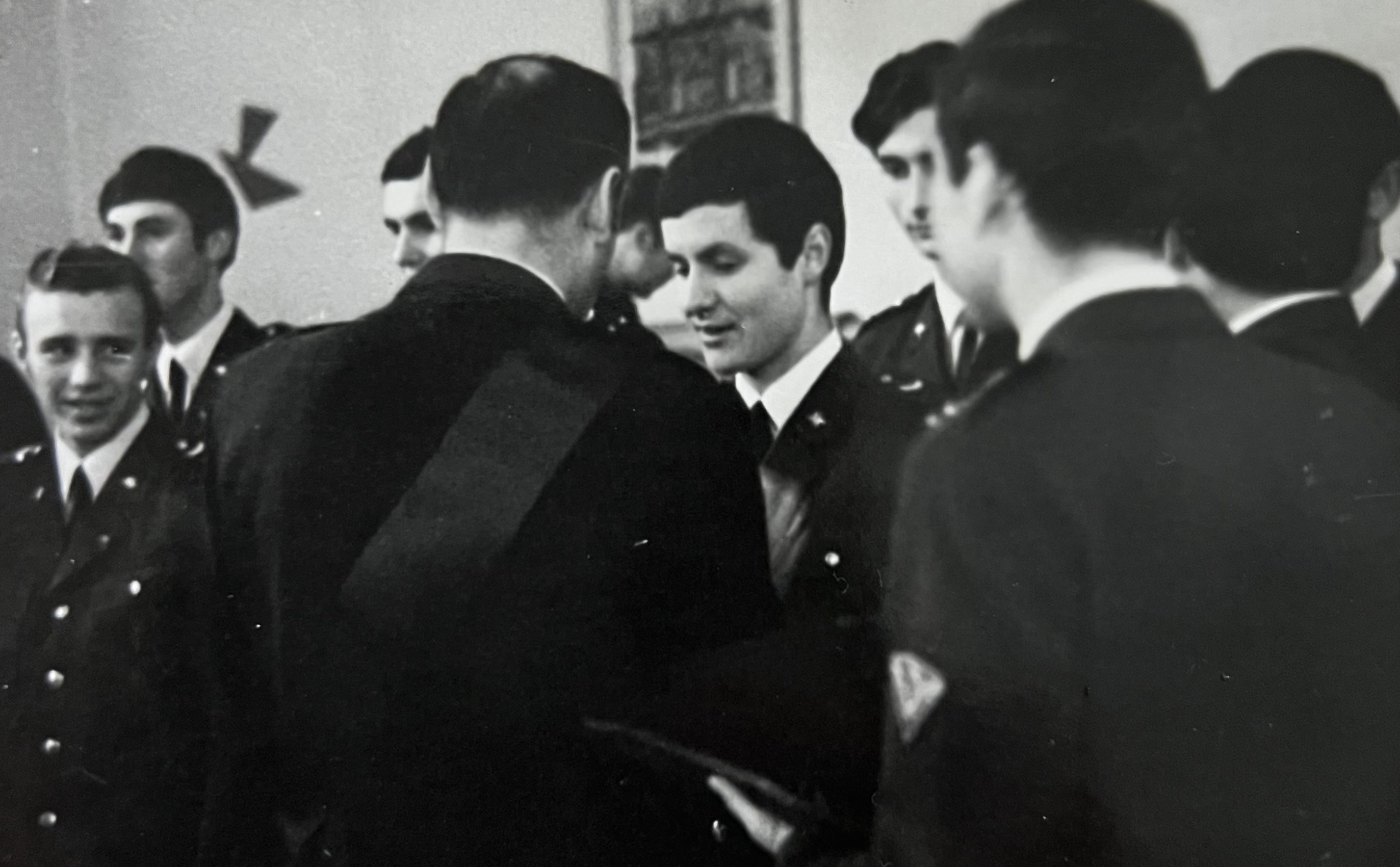
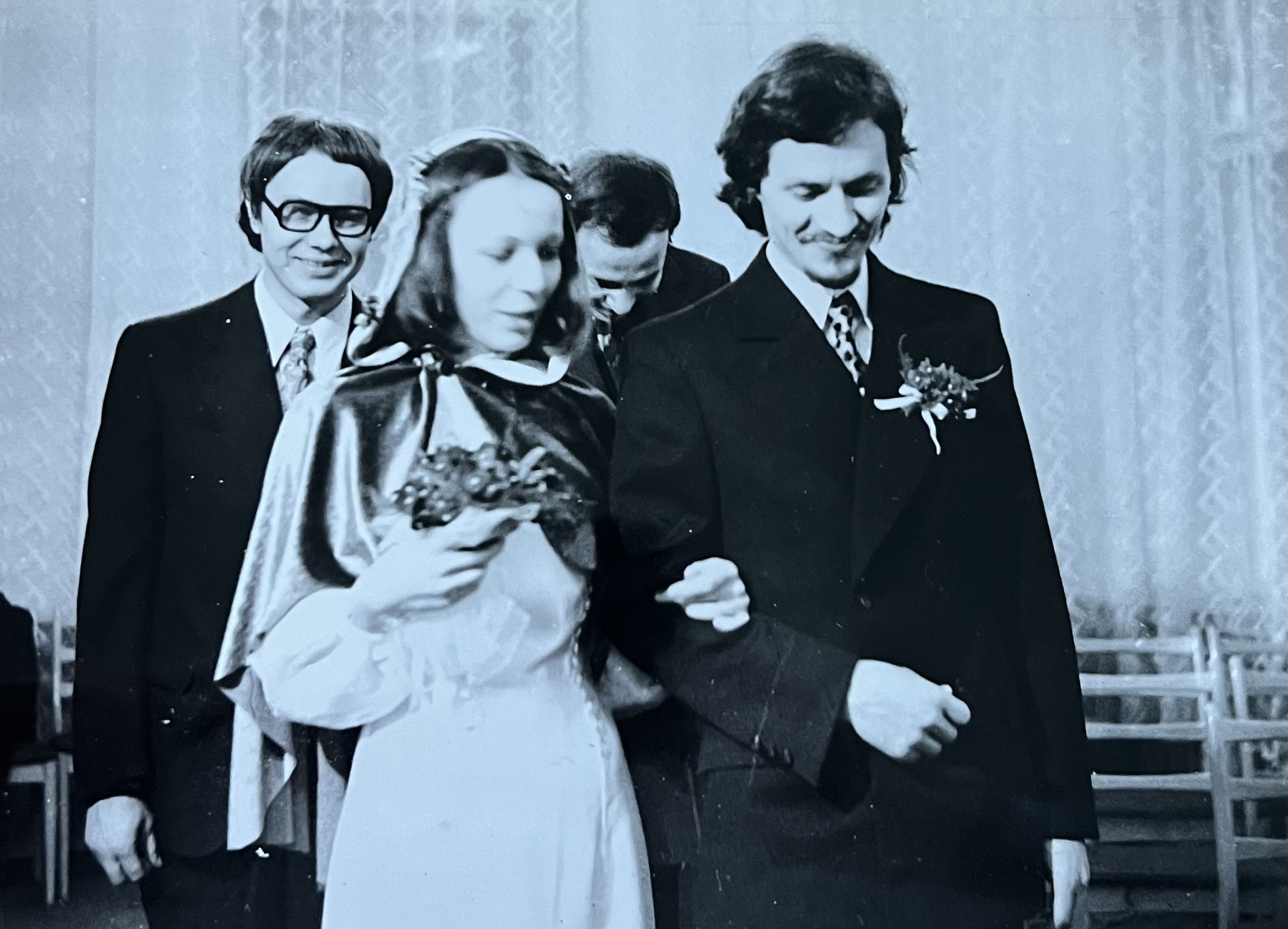
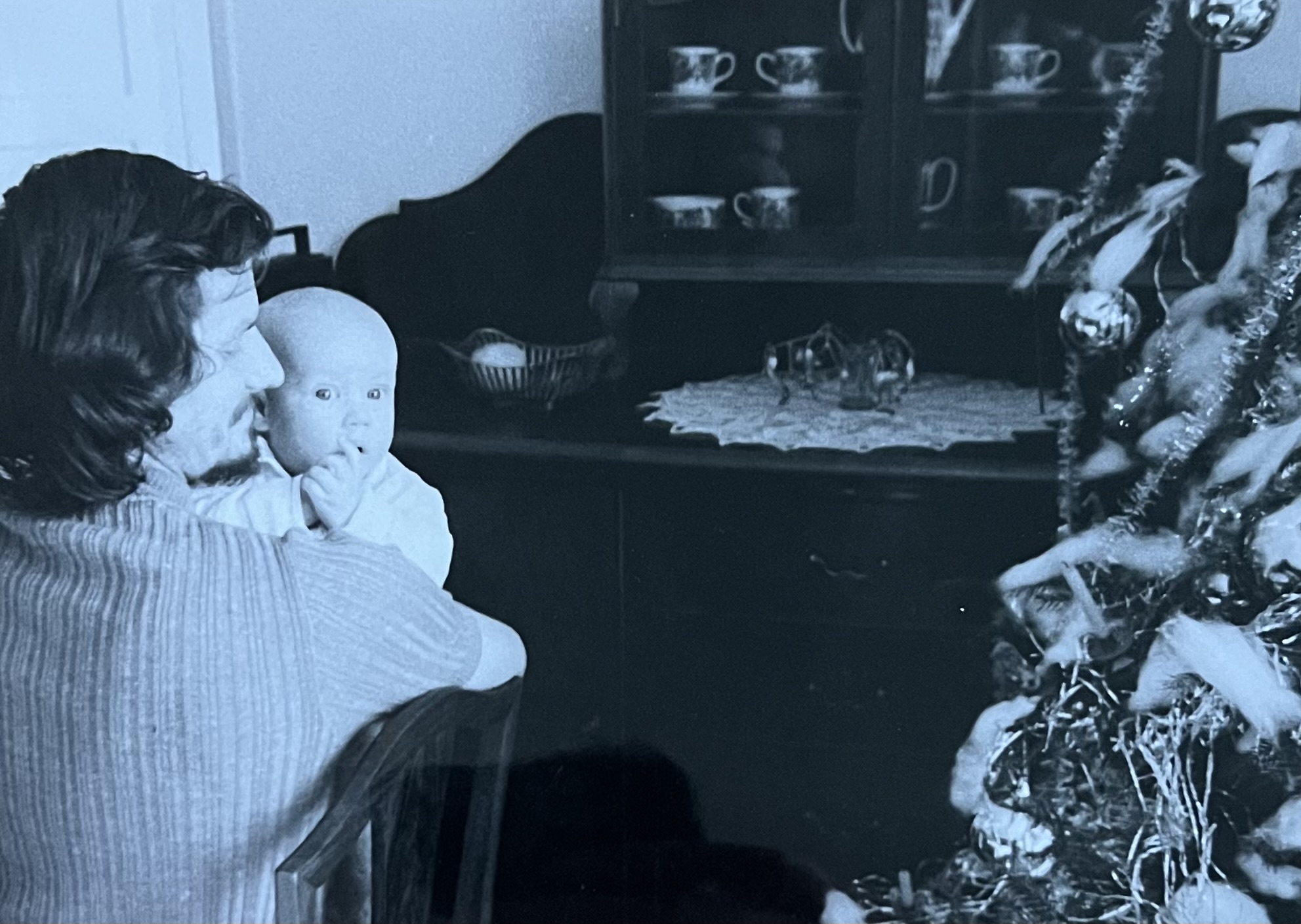
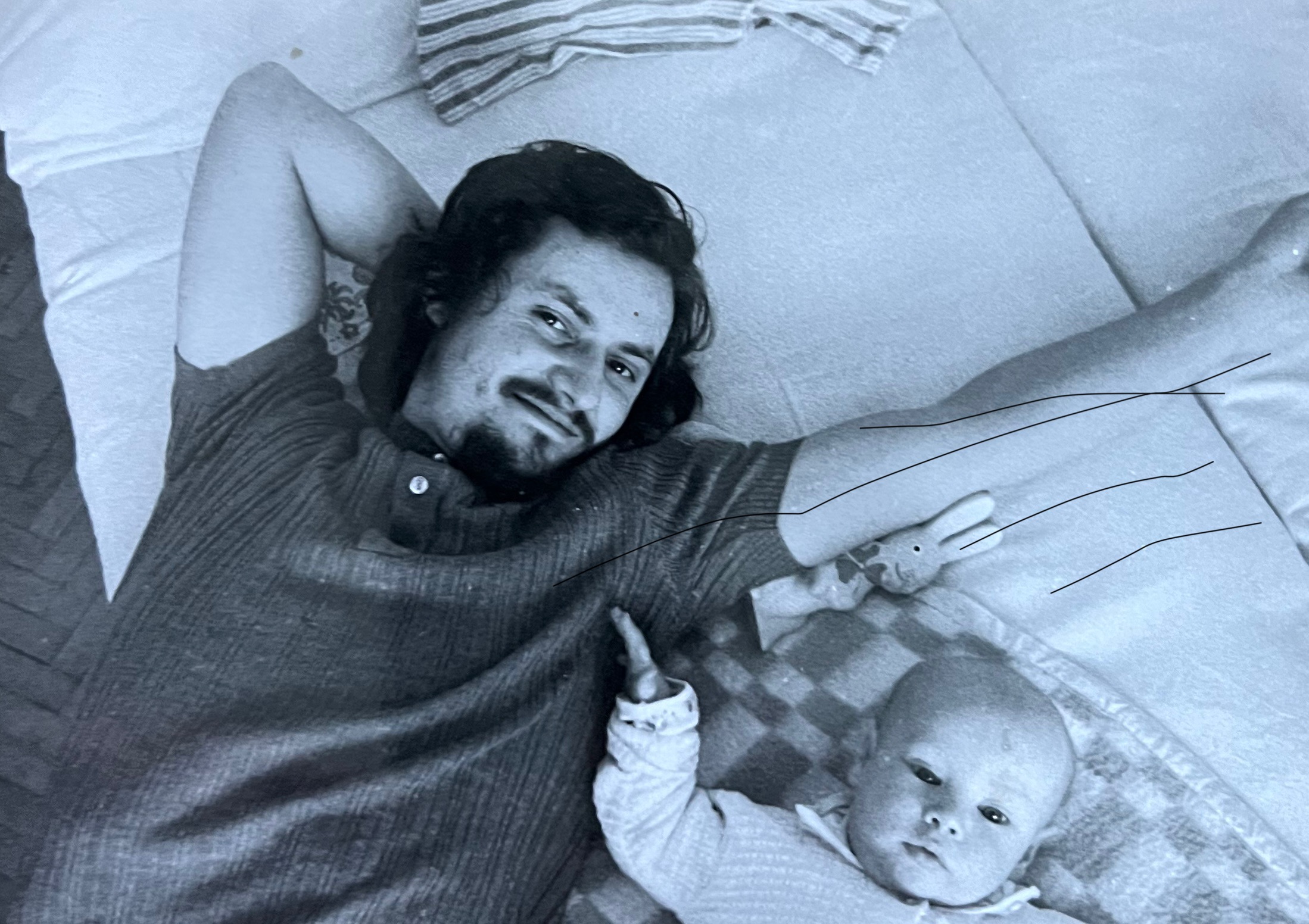
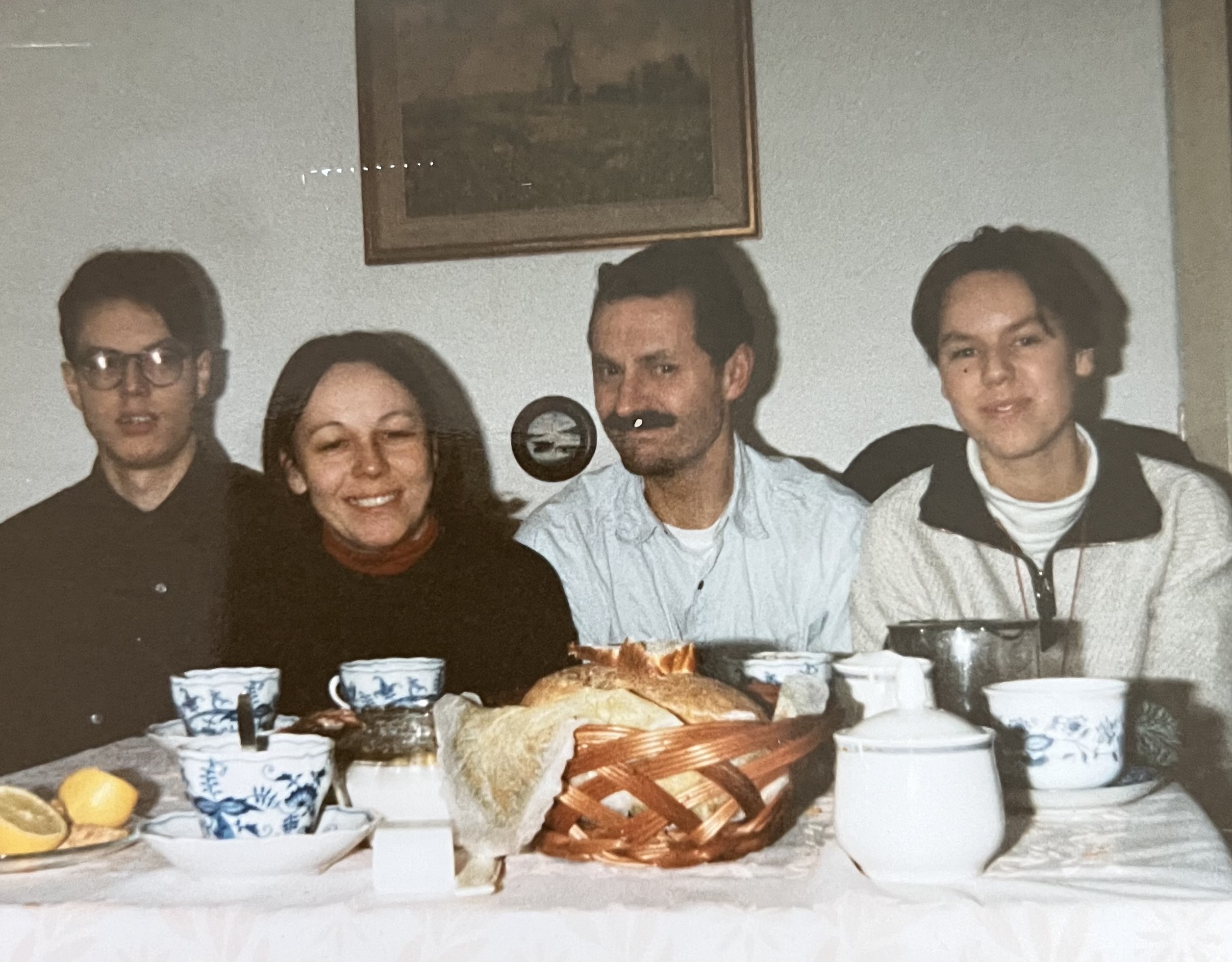
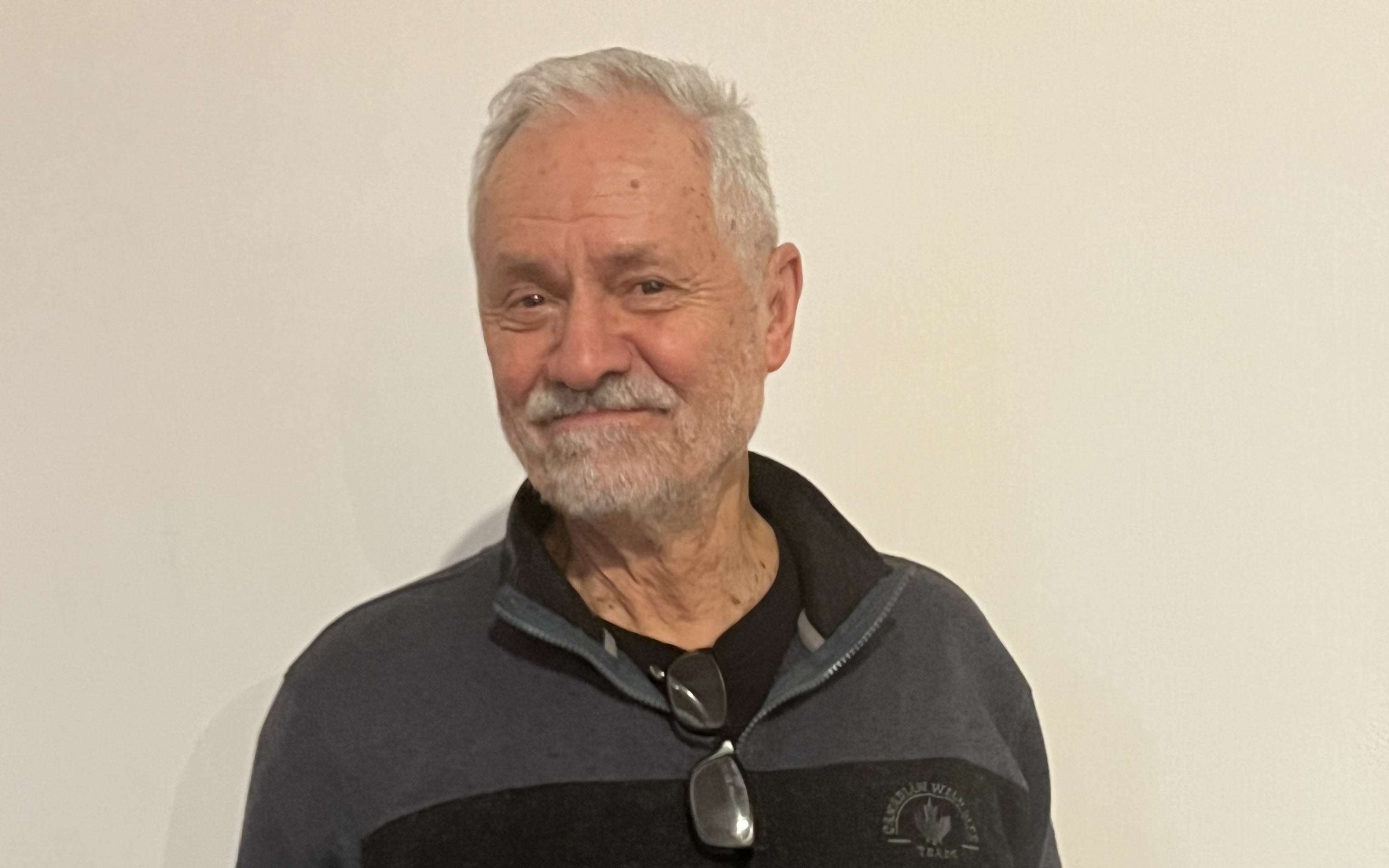
Jan Škrabánek was born on 26 August 1950 in Gottwaldov [today´s Zlín] as the fourth child of a teacher who was expelled from the party and persecuted after a conflict with the communist apparatus. He grew up on the Pionýrů Embankment (today‘s Benešovo Embankment) in an environment strongly marked by the political atmosphere of the 1950s and 1960s. After primary school he entered a military technical school in Poprad and later in Nové Mesto nad Váhom, where he received a technical education, but he perceived the military environment critically. After a prolonged illness he was discharged from military service. He worked in various blue-collar jobs, in the film studios in Kudlov in Gottwaldov as a lighting and later sound engineer. In August 1974 he was arrested together with friends after an improvised puppet show at Hostýn, which was judged to be anti-state. He was convicted of aiding and abetting a crime, his future wife Lenka was sentenced to prison, and the witness was given conditional sentence. After his release from detention, he faced losing his job and worked outside the industry, including as a driver at a bakery. In the second half of the 1970s, he joined the circle of people around Charter 77, which he signed in 1979. The family was monitored by State Security and Jan Škrabánek was symbolically demoted from reserve rank by the military. Gradually they came to the decision to emigrate. After completing the formalities, he moved with his family to Austria, where he worked as a craftsman and started a new life. After 1989, at retirement age, he returned to the Czech Republic. In his narrative, he emphasized personal freedom and respect for the law as the basic values of his life. At the time of recording in February 2025, Jan Škrabánek lived in Léskovec near Počátky.