I‘m afraid people will forget who the communists are
Stáhnout obrázek
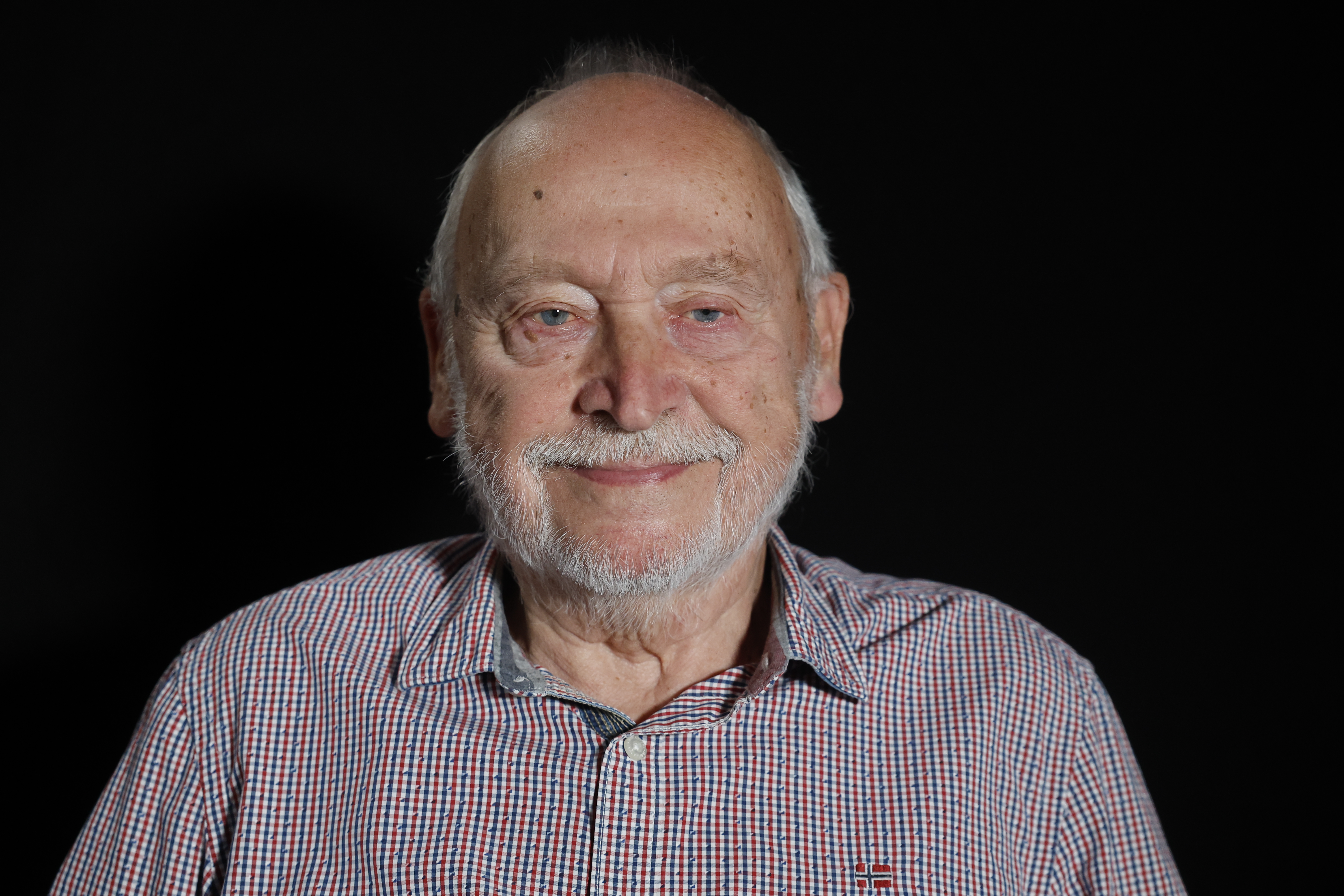
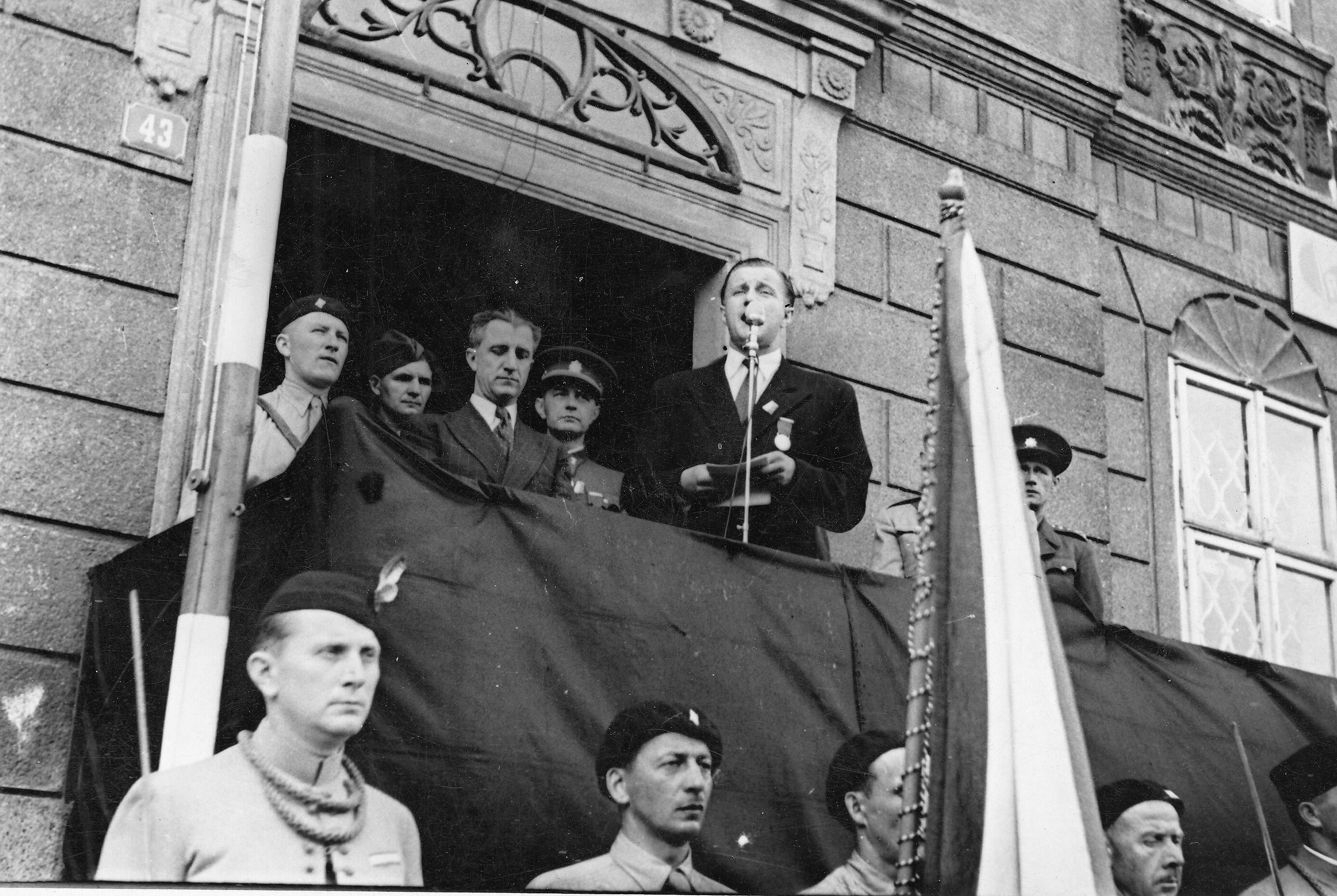
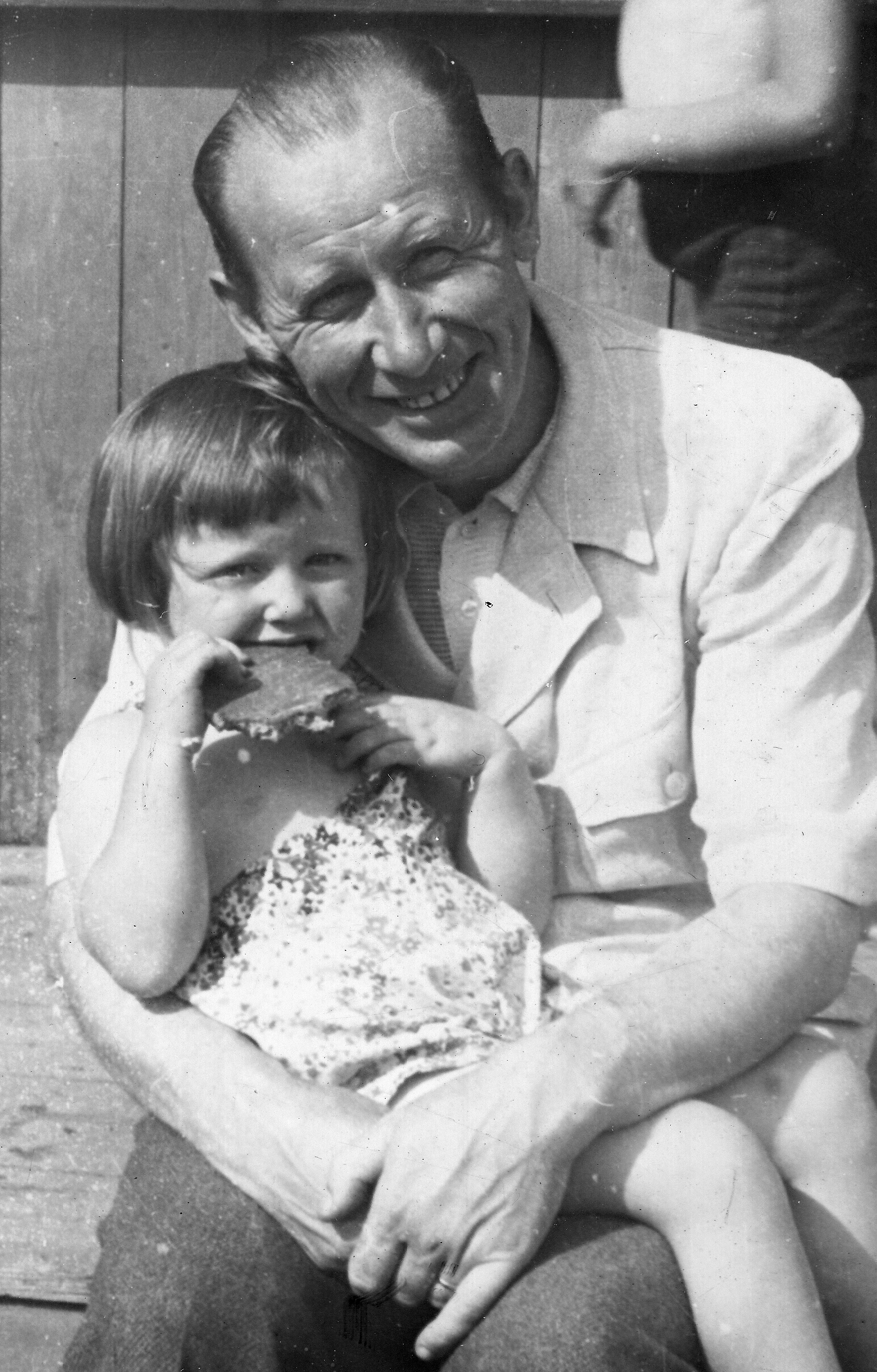
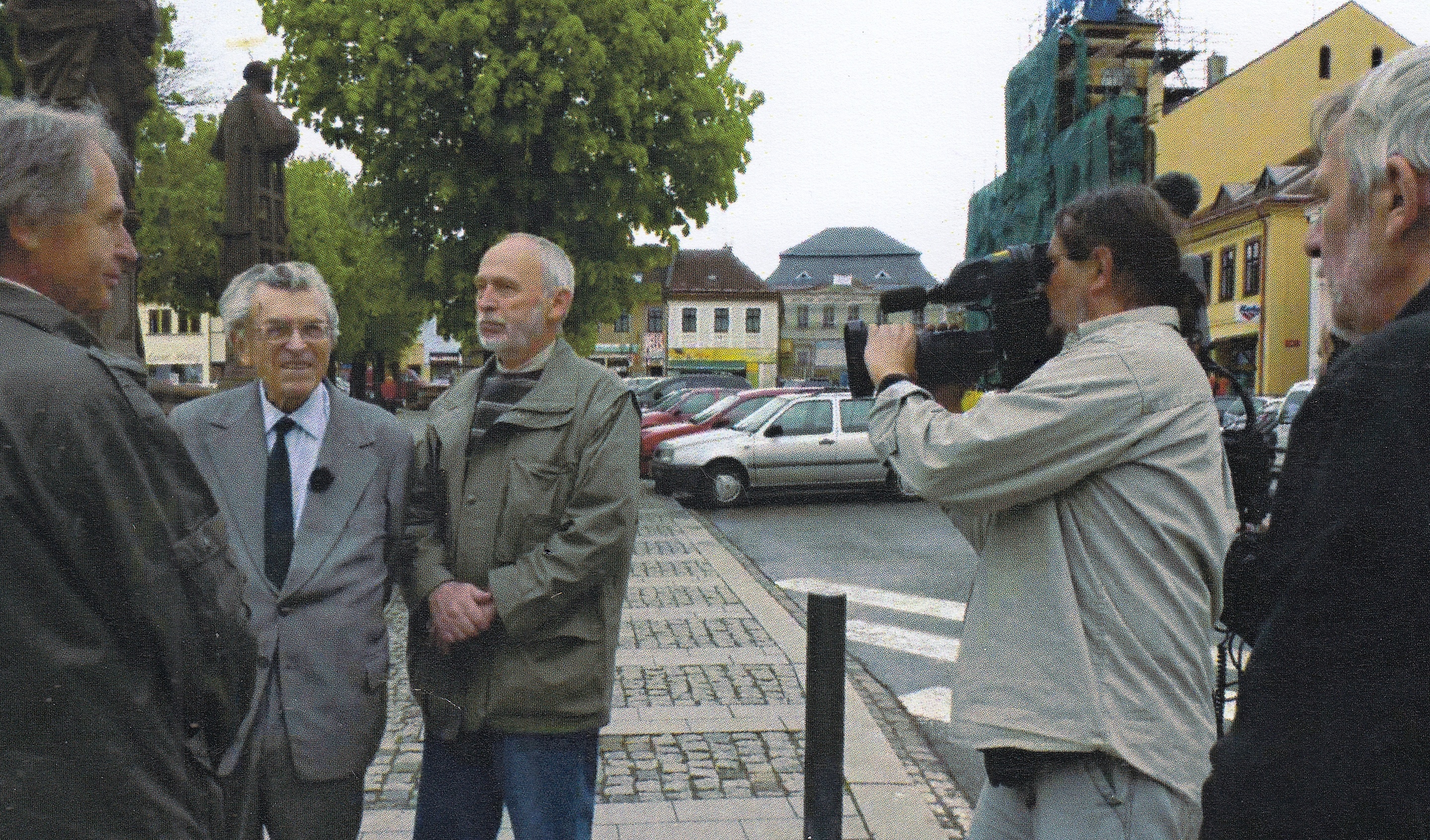
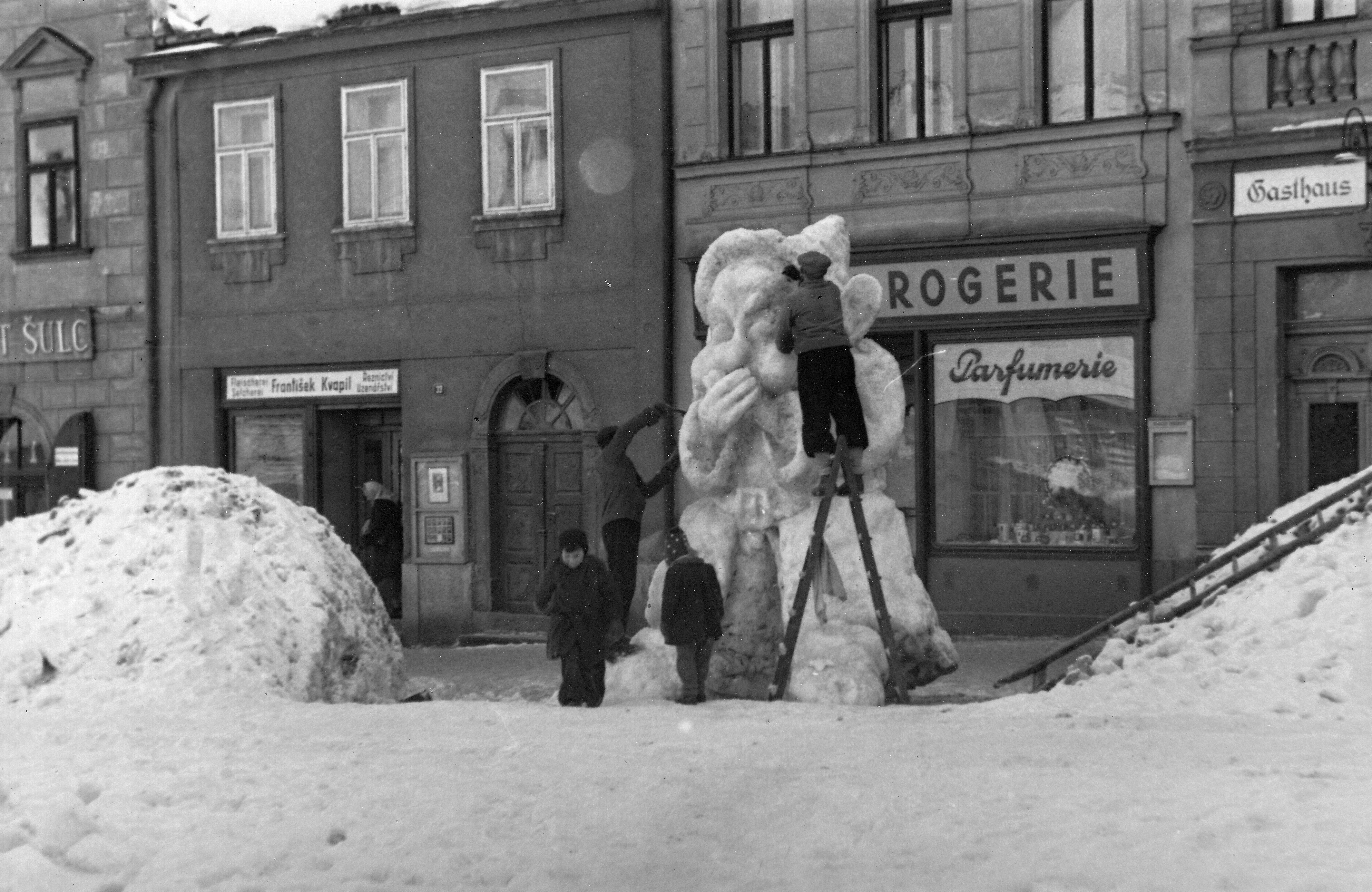
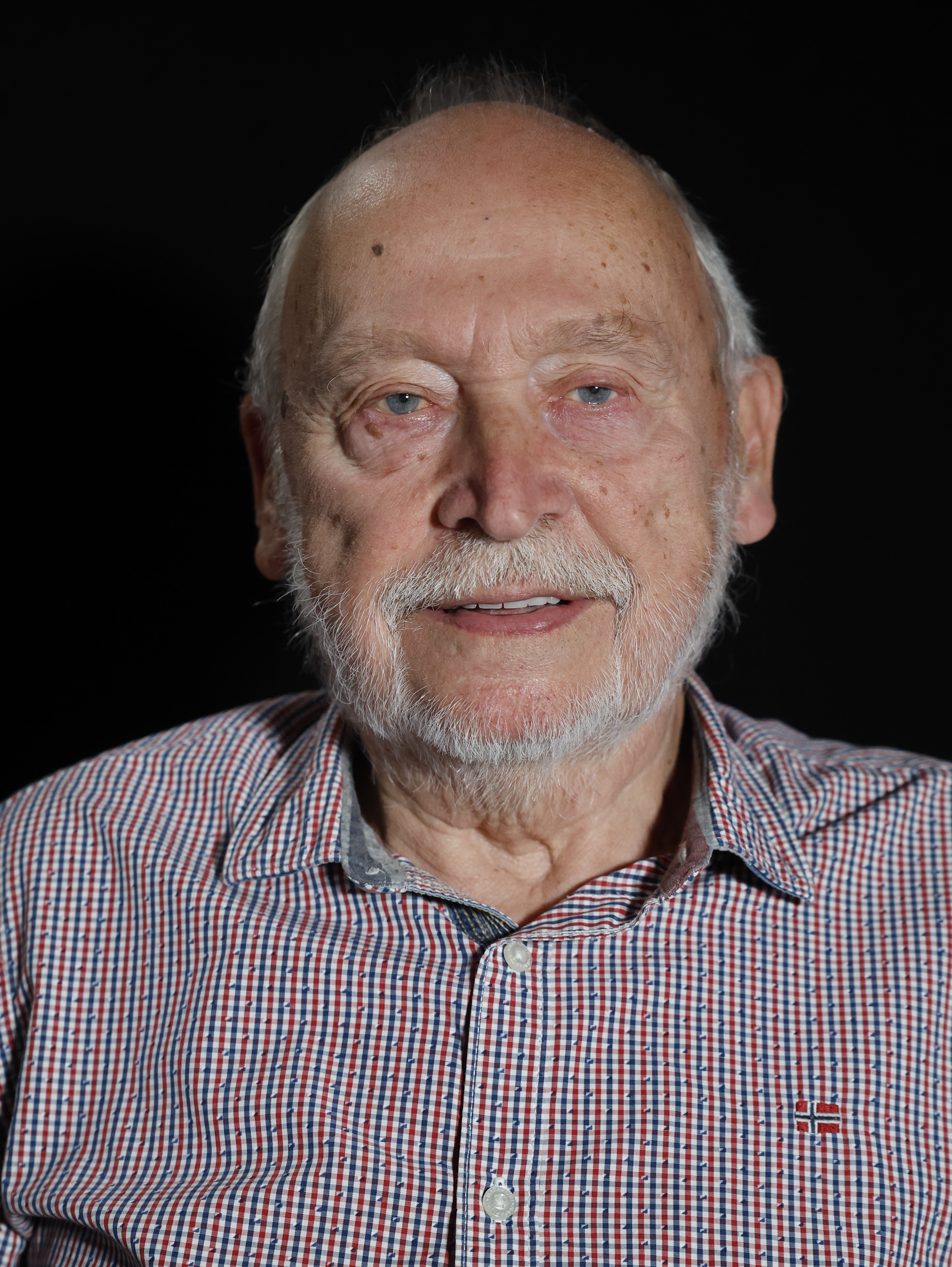
Tomáš Škopek was born on October 29, 1942 in Lomnica nad Popelkou to Karel and Berta Škopek. His parents owned a drugstore and knew each other as avid Sokol members. During the war, his father Karel Škopek was a member of the Anti-Fascist Resistance (ÚVOD), his identity was kept secret throughout the war. In the 1950s, the communist repression did not take long. The drugstore was nationalized, food stamps were withheld, and the family was left penniless. At first, Karel Škopek would not be employed anywhere, but eventually he took the hardest jobs in the factory. Berta Škopková also could not find a living, and after a while she sewed bags at home for the textile factory. Nevertheless, the Škopkas managed to keep Tomáš and Karel, two years older than them, safe from the influence of events. They explained the changes taking place to their sons. The brothers never joined any of the communist organisations. After finishing primary school, the first-grader Tomáš Škopek was not recommended to study, and the Communist officials did not even allow him to take an apprenticeship. He went to Prague, where he worked as a construction worker. After a year, he began to study at the secondary industrial school at night. In 1960, the witness began basic military service, and after completing it, he returned to the Earthworks as a clerk. He welcomed the cultural liberation of the late 1960s but did not trust any communists. He ignored the opening of the borders at that time because asking the Communists for a visa was unacceptable to him. Tomáš Škopek lived through the invasion in August 1968 with his future wife Eva Stuchlíková in Prague and within a short time he guessed how the situation would develop. He passed the vetting in the 1970s thanks to the goodwill of the Commissioner. From the second half of the 1970s onwards, Tomáš and Eva Škopek devoted themselves to their family, and in 1975 their daughter Markéta was born, followed five years later by their son Tomáš. The Škopeks welcomed the Velvet Revolution with enthusiasm, began to travel and enjoy the fruits of freedom. At the time of filming (2025), he and his wife lived in a cottage in the summer months and in Prague in the winter. He enjoyed a large, successful family. At the end of the narrative he expressed his fear that people would forget what communists were really like, that once they took power they would act as he had experienced.