Mgr. Ivo Sedláček

* 1961

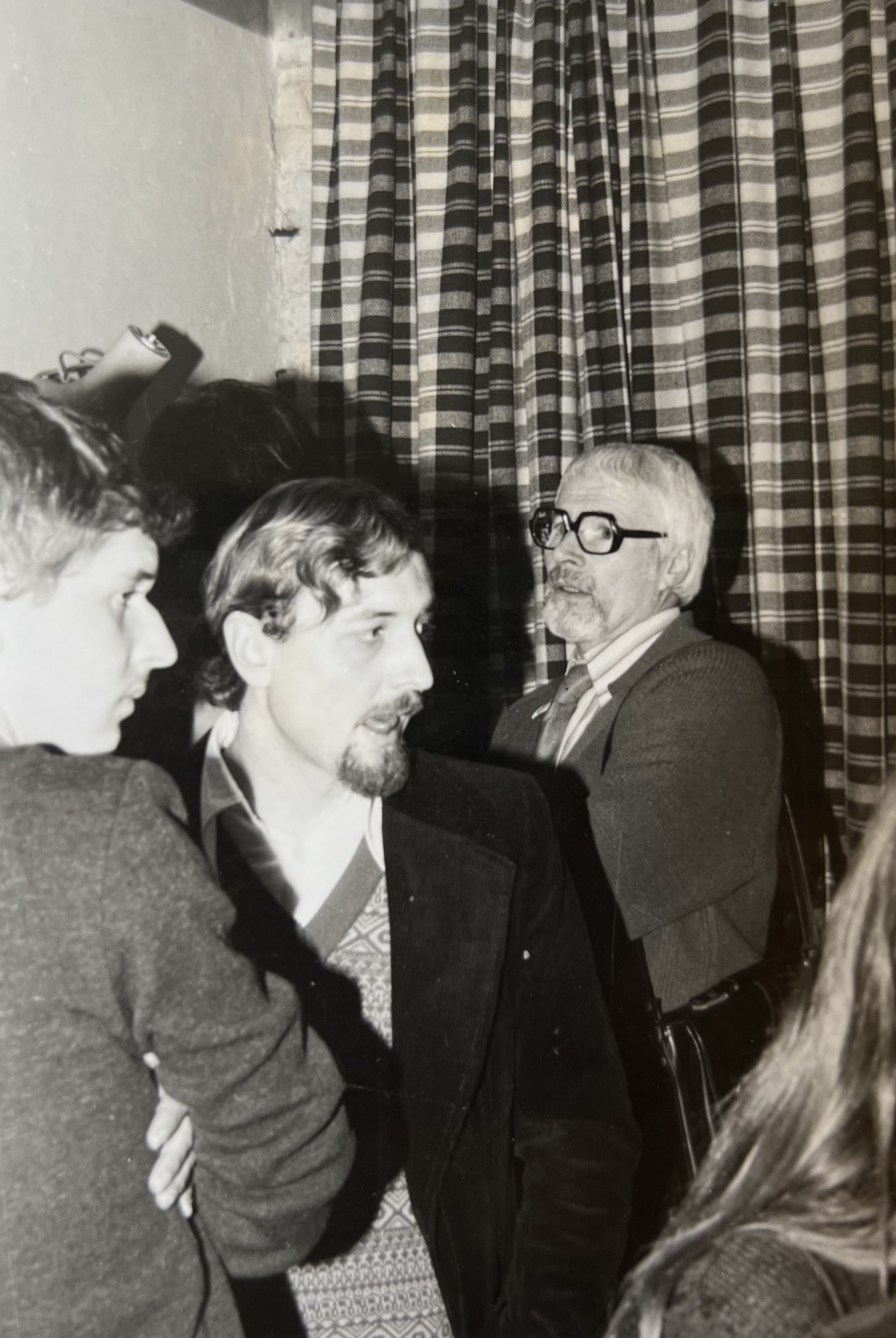
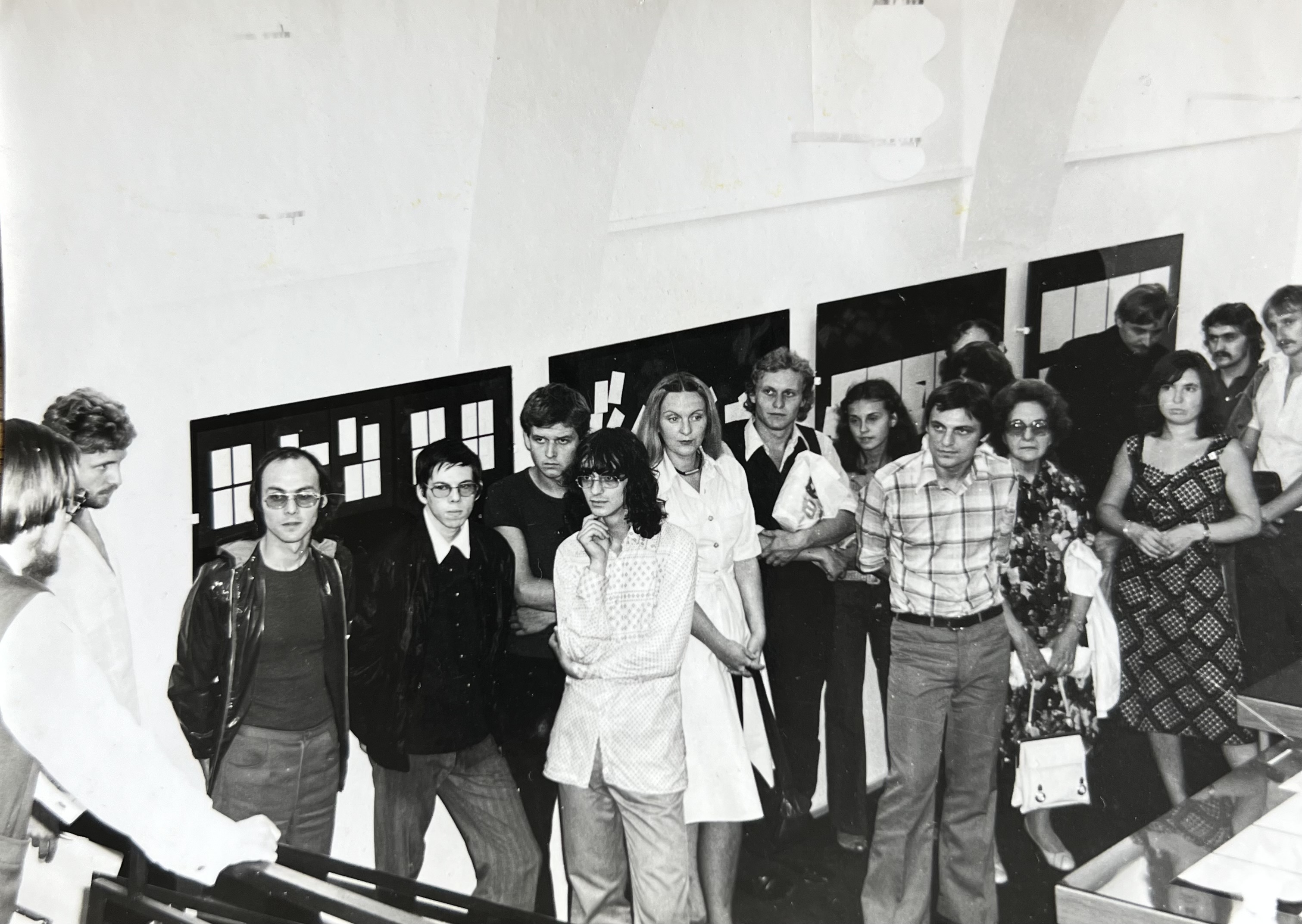
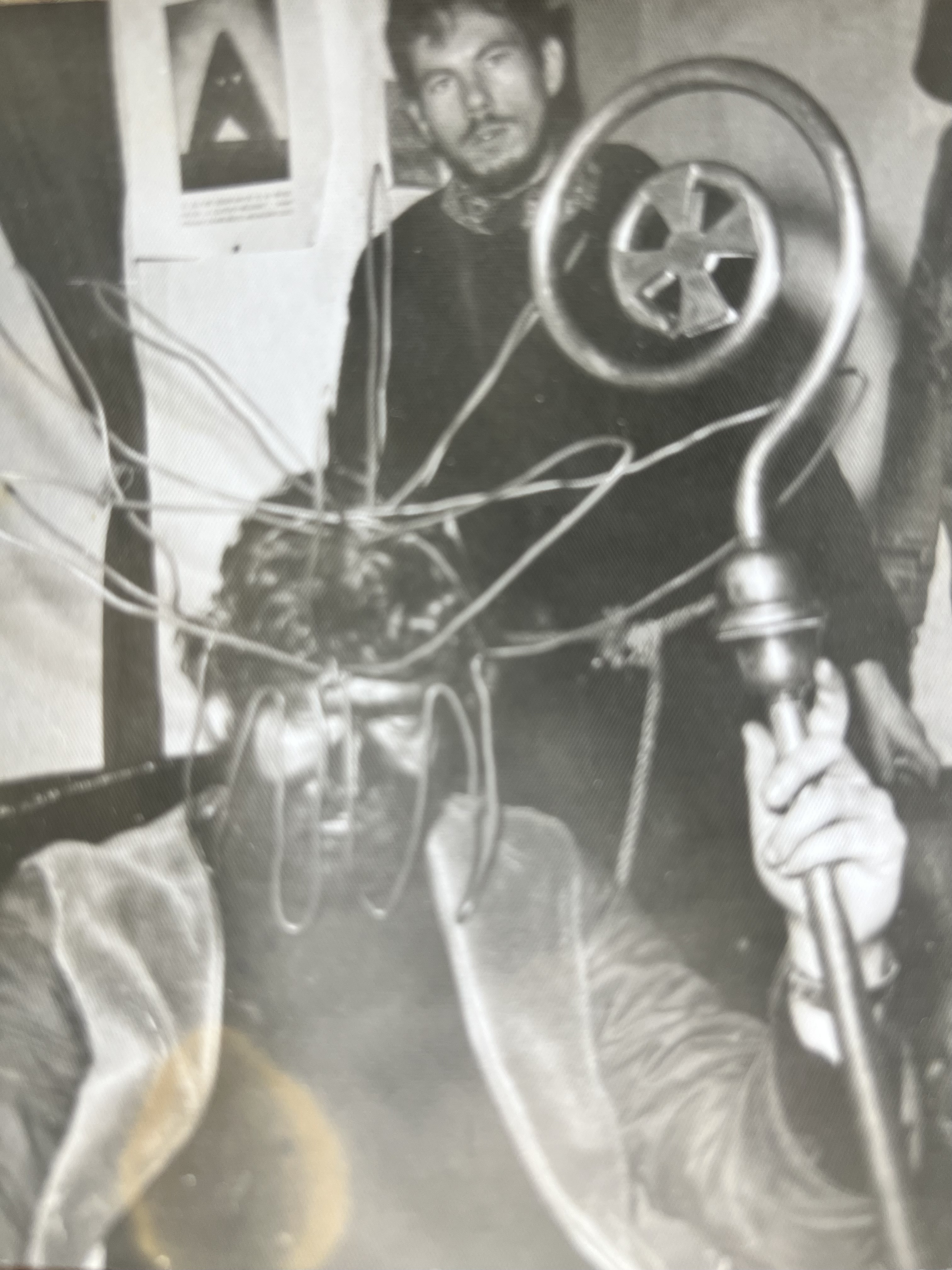
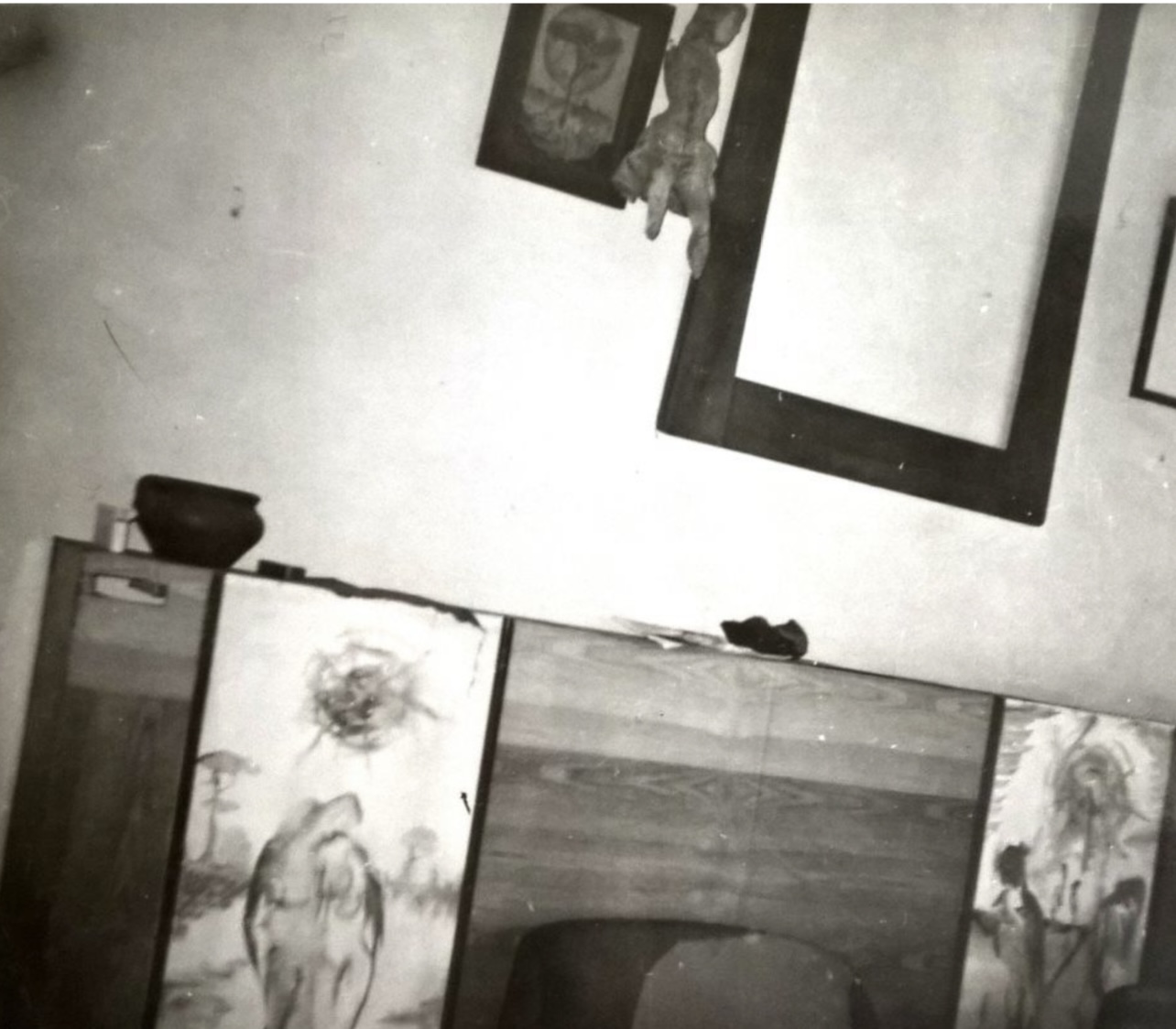
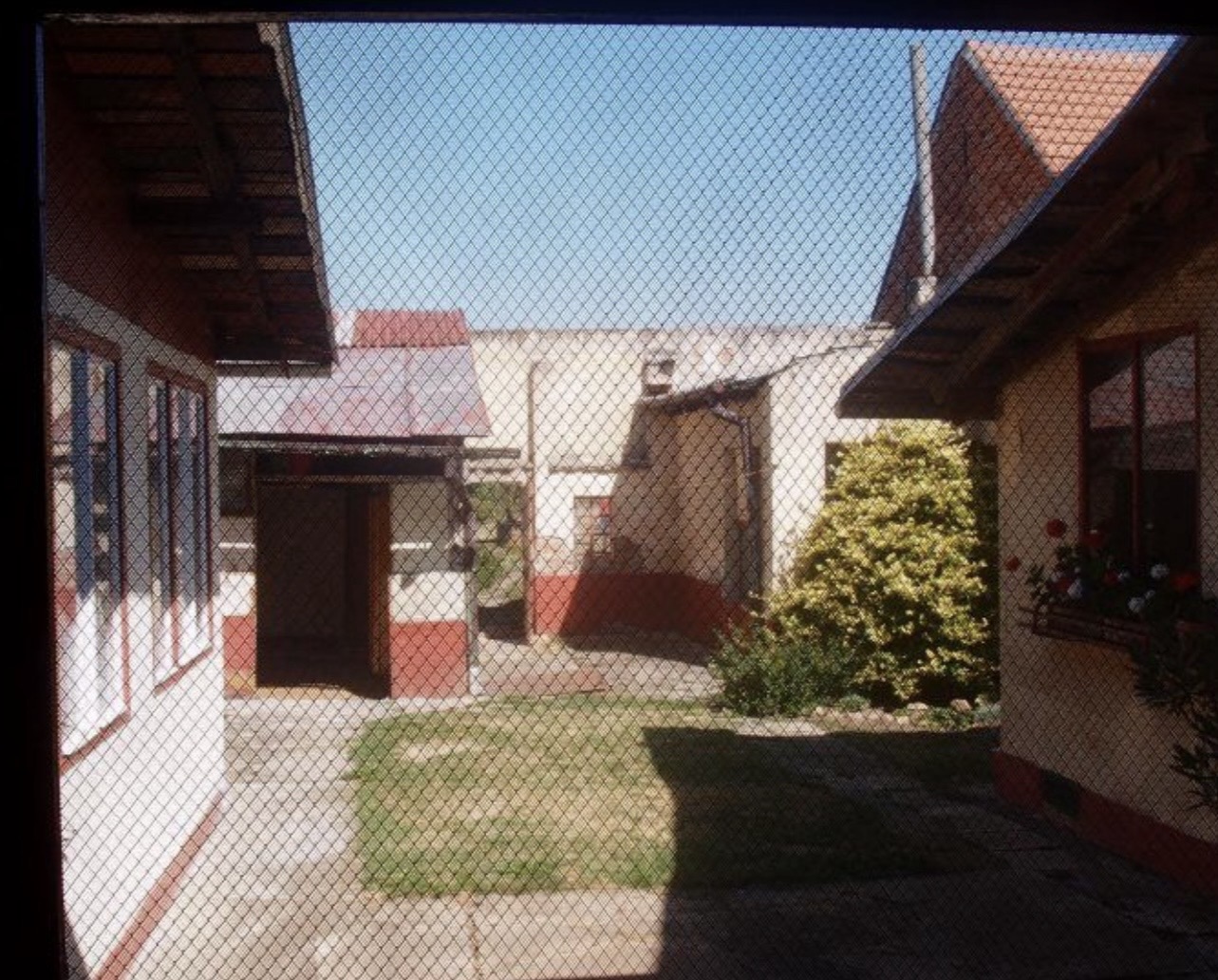
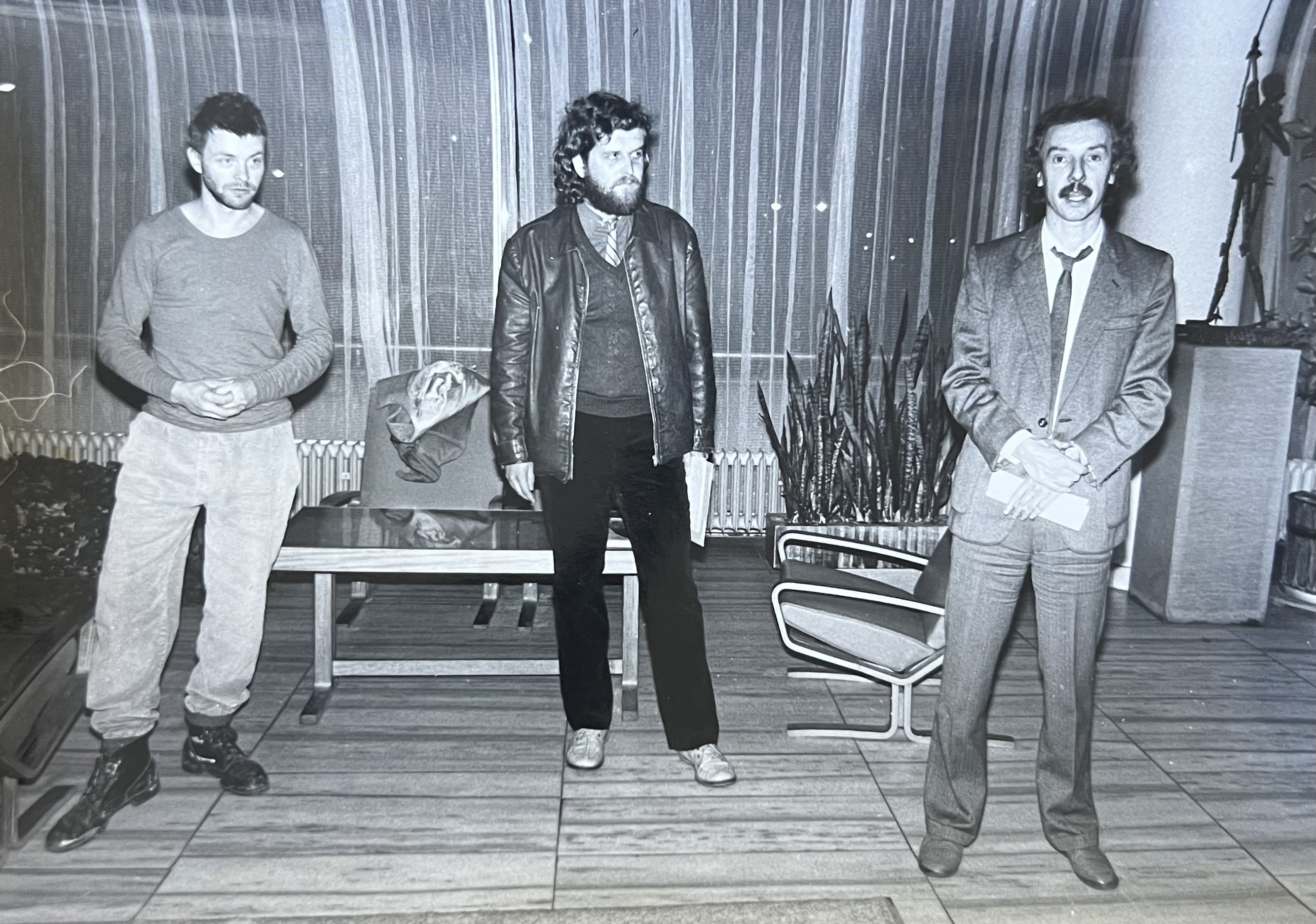
  • "We started doing events. The second one was, I came up with my own museum in Žabčice where I used to live, in a friend's apartment. He had an upstairs flat; a big house with three rooms and an attic. We cleared and cleaned it up, and made it into my permanent exhibition, the Ivo Sedláček Museum. I have a photocopied almanac. People arrived for the opening; Jiří Havlíček, Magni, Josef Daněk and Blahoslav Rozbořil all spoke at the opening. They basically slandered me because they envied me a museum while they had nothing. Many people came. It was in May or in the summer of 1988. They came from Brno, and Josef was at the station to greet them. He had this horn and spoke through it. He took them to the house, which belonged to my friend Honza at the time. A programme was prepared. Rost'a Čuřík photographed the whole thing, so we have it documented in an almanac. We also released it as a photocopy. These were samizdat books. We also put out a photocopied almanac with texts for the Lunch event. Just for fun, we had a Spanish translator. She was a Faculty of Arts student named Marcela, but I can't remember her surname; it's written in there. We asked her to translate everything into Spanish in case someone came in from Spain. Nobody came, but she still translated everything we said. You said a sentence and had to wait for her to translate it into Spanish. Still, no Spaniards. Then we drank until like 5 am as the first morning train left Žabčice at 5:00. It was in Honza's place's garden. Luckily, nobody paid attention. There was no trouble even though a former military major and the chairman of the National Committee, Mr. Večera, lived across the street. Had he seen it, he would've probably called the police on us because it was an unauthorised gathering. A lot of people from Brno came and there were even friends from Žabčice. I'd say that maybe thirty people crammed into my museum in Honza's upstairs apartment."

  • "In high school, we were obviously told that few of us would ever get a job or have an exhibition. They knew there were a select few who were like the chosen ones. They told us we had to be correctly (politically) active, preferably with that red (communist) ID card. Those who were got government jobs and were allowed to exhibit their work. Otherwise, you needed permits and stamps for everything. Just everyting. If you wanted to sell a piece, you could only sell it through Dílo; not by yourself. If you wanted an exhibition, you had to apply. Then there was a censor who judged it. People with no idea were judging it from an ideological point of view. There was no future. I thought, I'll just finish this high school. If I'm successful, I'll get a job in promotion or in a print shop. Which I did for a year, screen printing before admission to the Faculty of Education. The military gave me a year's deferment, and I said I was going to apply to the teaching school. It was like, if you get in, you go to school; if you don't, you enlist. You join the army in September."

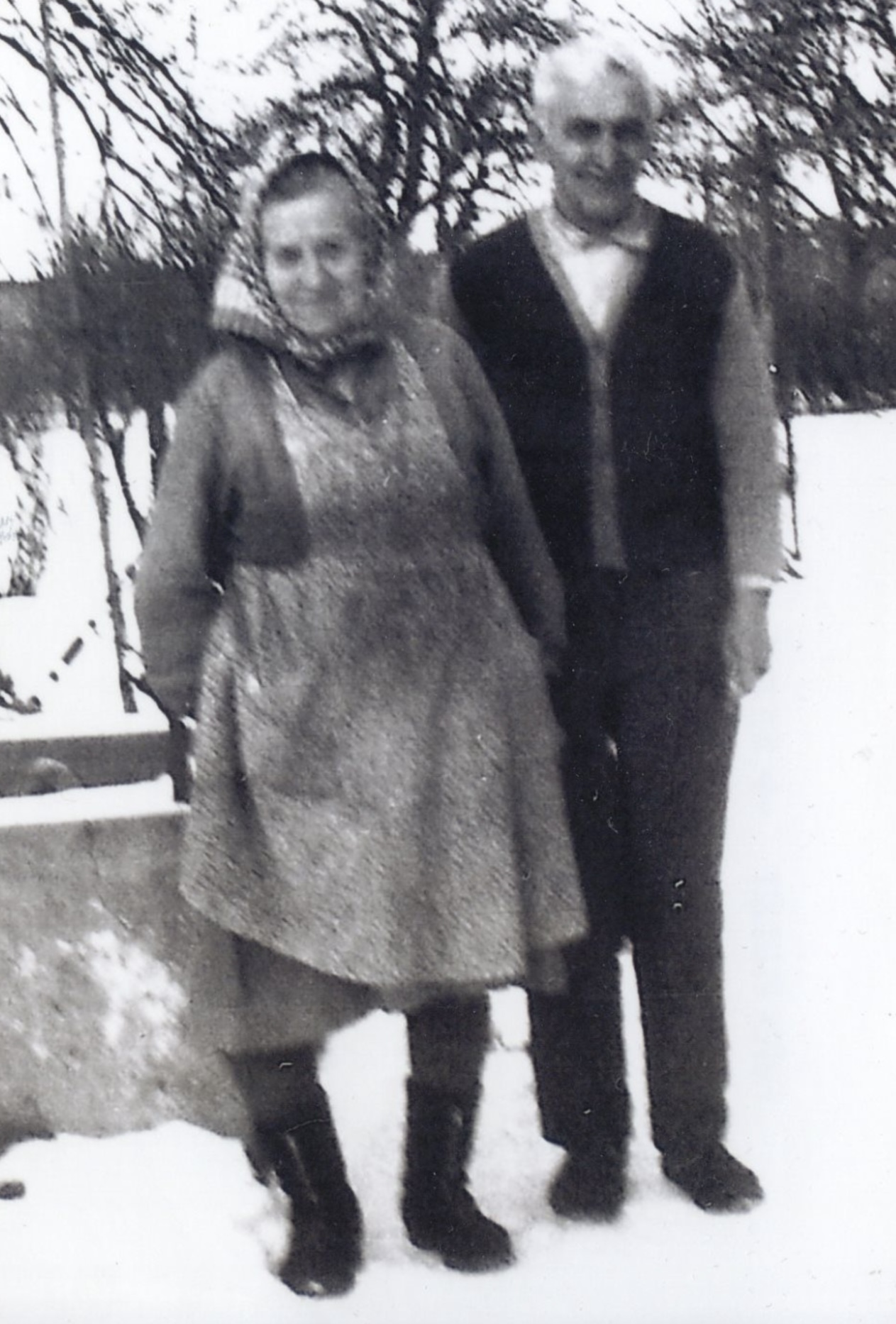
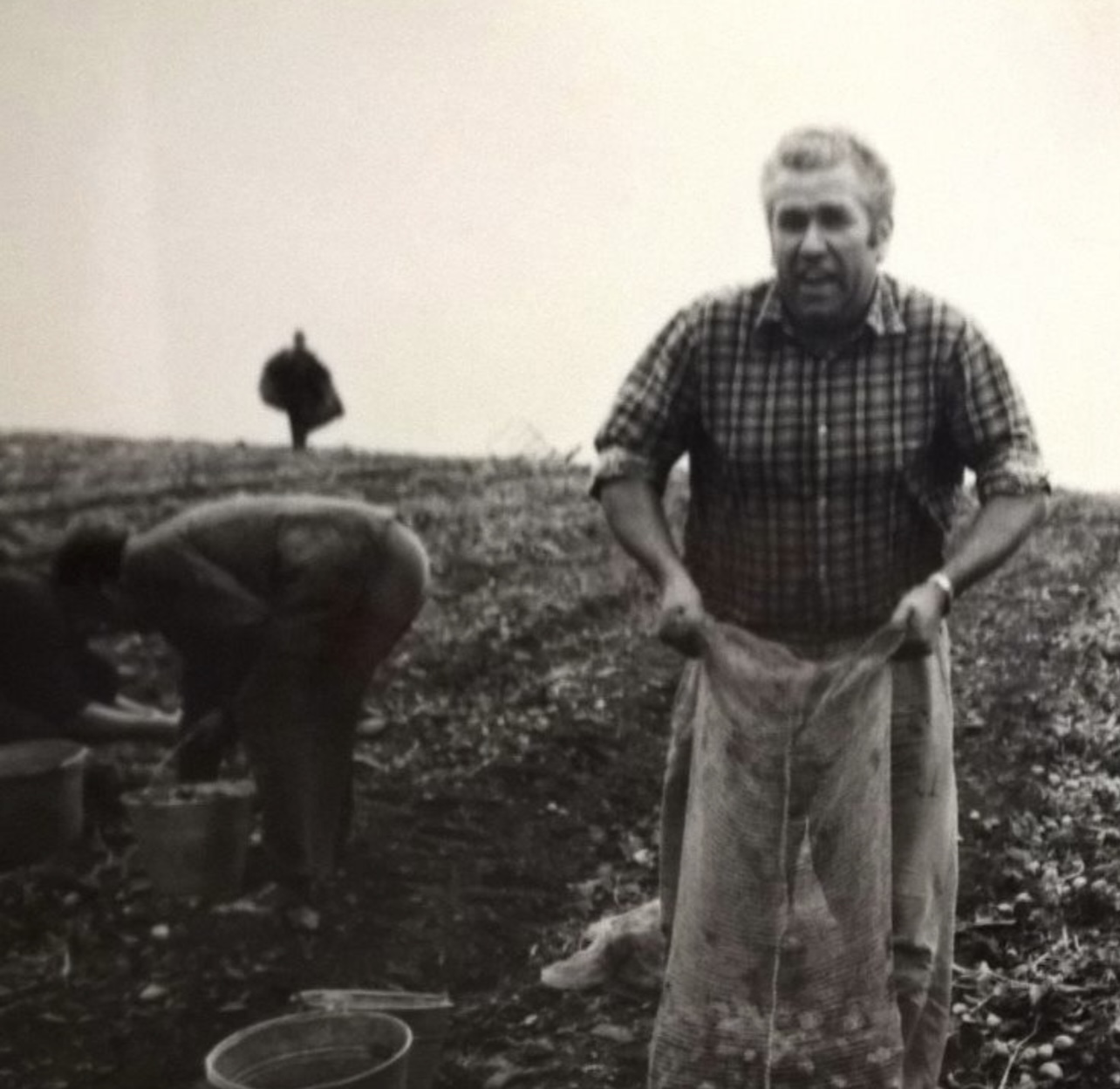
  • "I know my grandfather experienced the First World War; he was about twenty at the time and was drafted. When I was a child, he would show me his wounds. A shell had torn out a chunk off of his thigh and there was a piece missing, and he used to scare us kids with it; not a nice sight. He walked normally, though. I wasn't too envious of his life because he saw World War I, World War II, and the collectivisation in the 1950s. He had to work at the coop farm afterwards, driving a horse cart and working the scales. He really lived through some tough times; two wars and totalitarianism in the 1950s. He died in 1977."

  • Celé nahrávky
  • 1

    Zlín, 07.05.2025

    (audio)
    délka: 02:21:07
    nahrávka pořízena v rámci projektu Stories of 20th Century
Celé nahrávky jsou k dispozici pouze pro přihlášené uživatele.

Why does everyone ask for the meaning of life when they actually create it
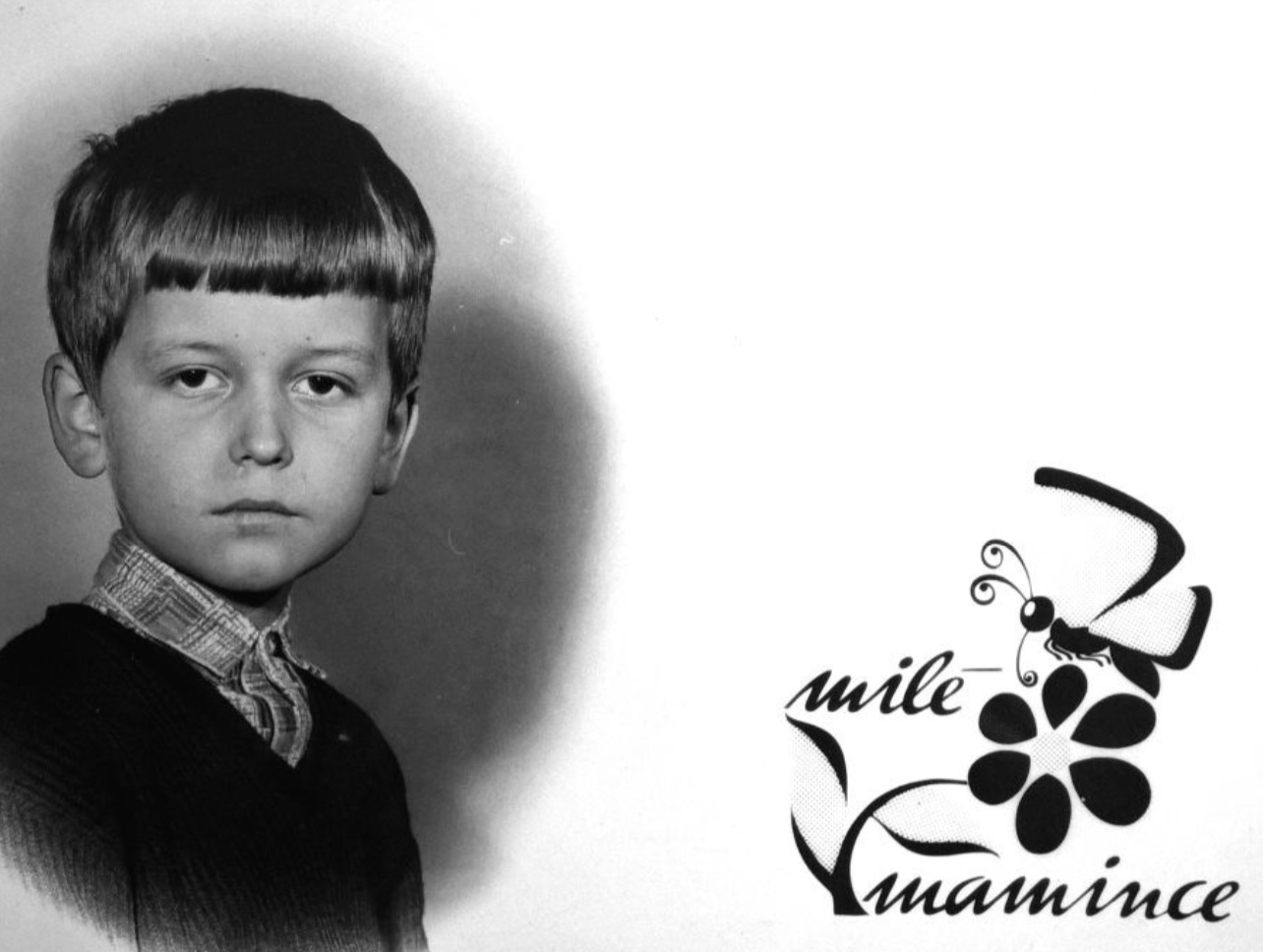
School portrait, first or second grade
zdroj: Witness's archive

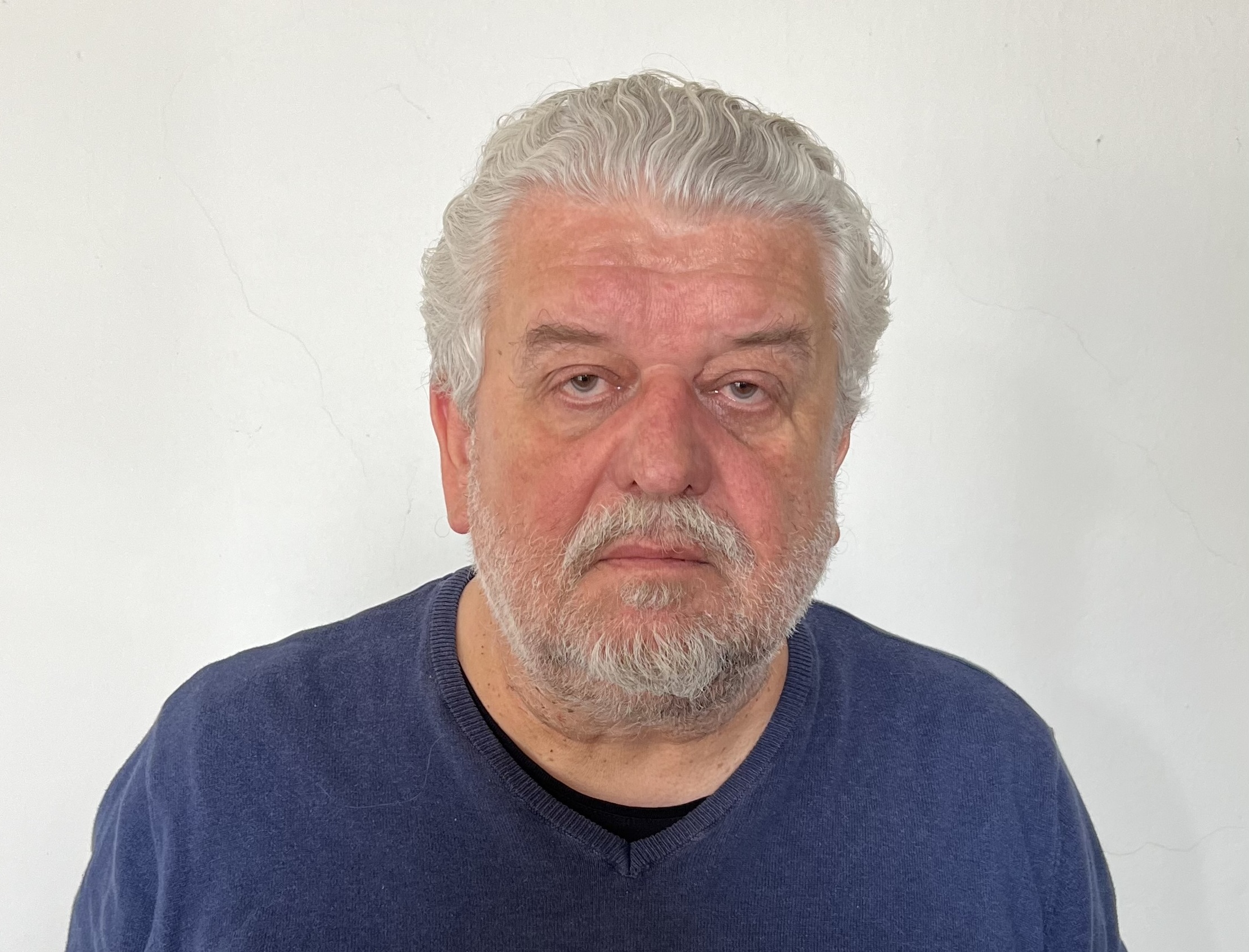
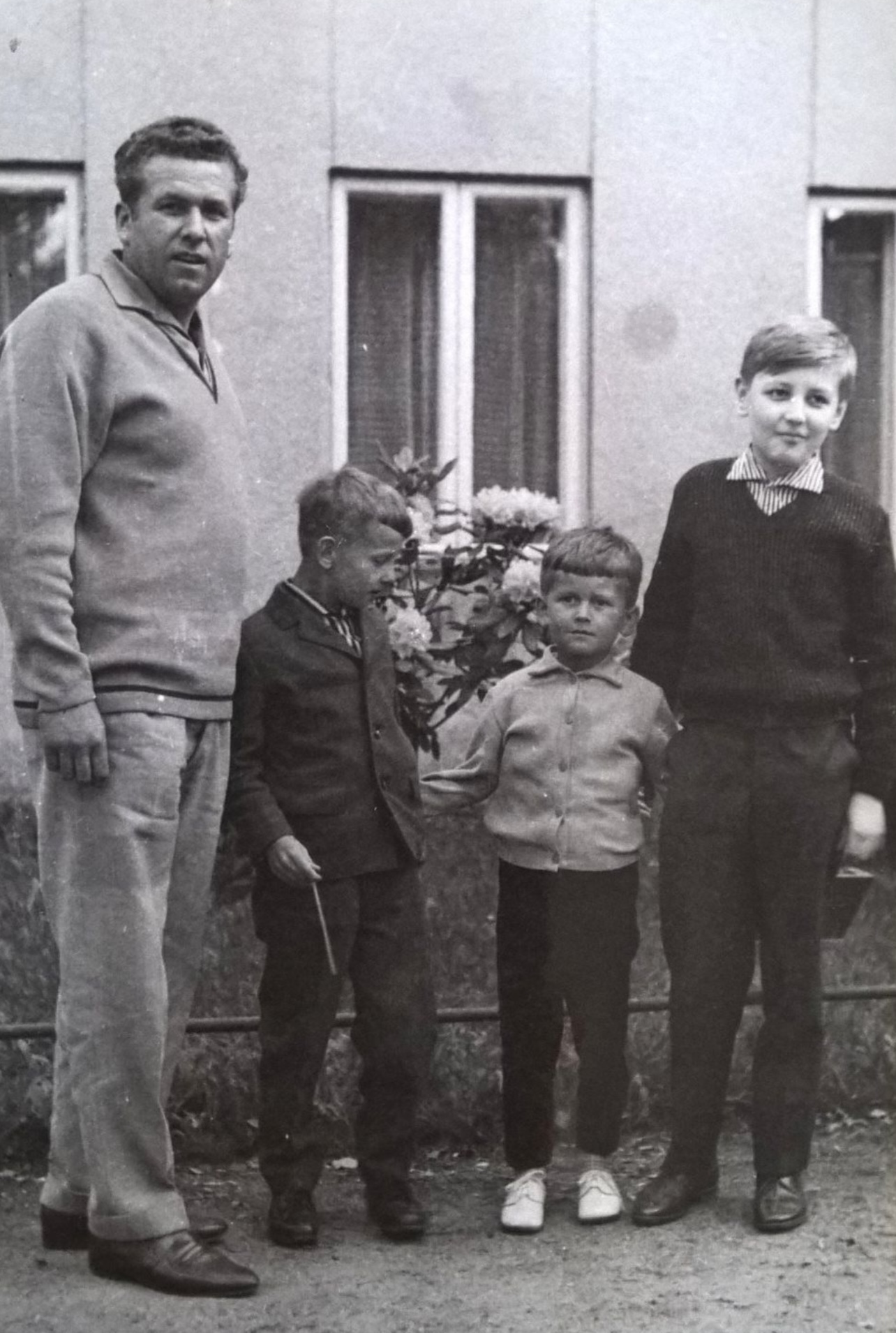
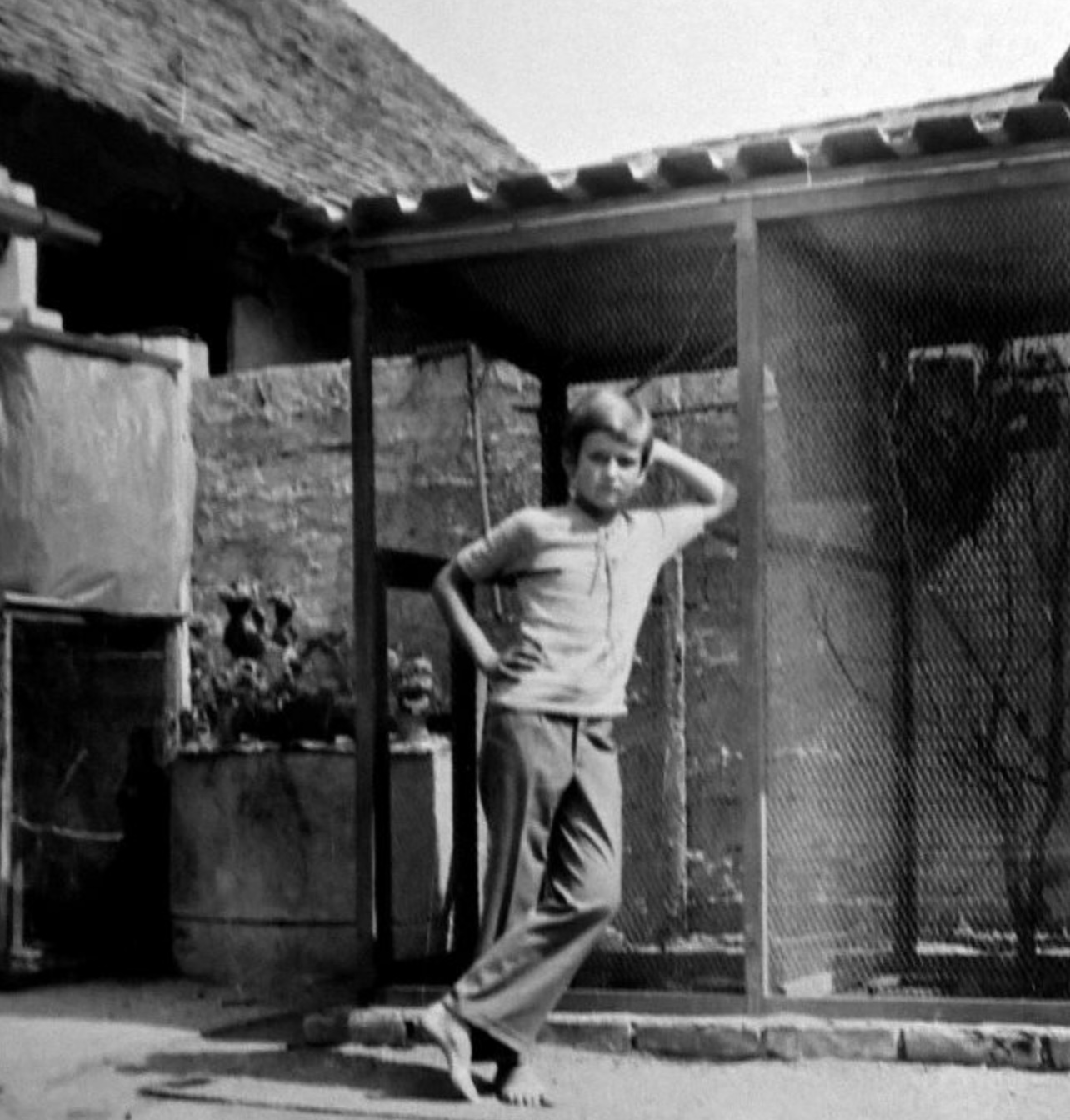
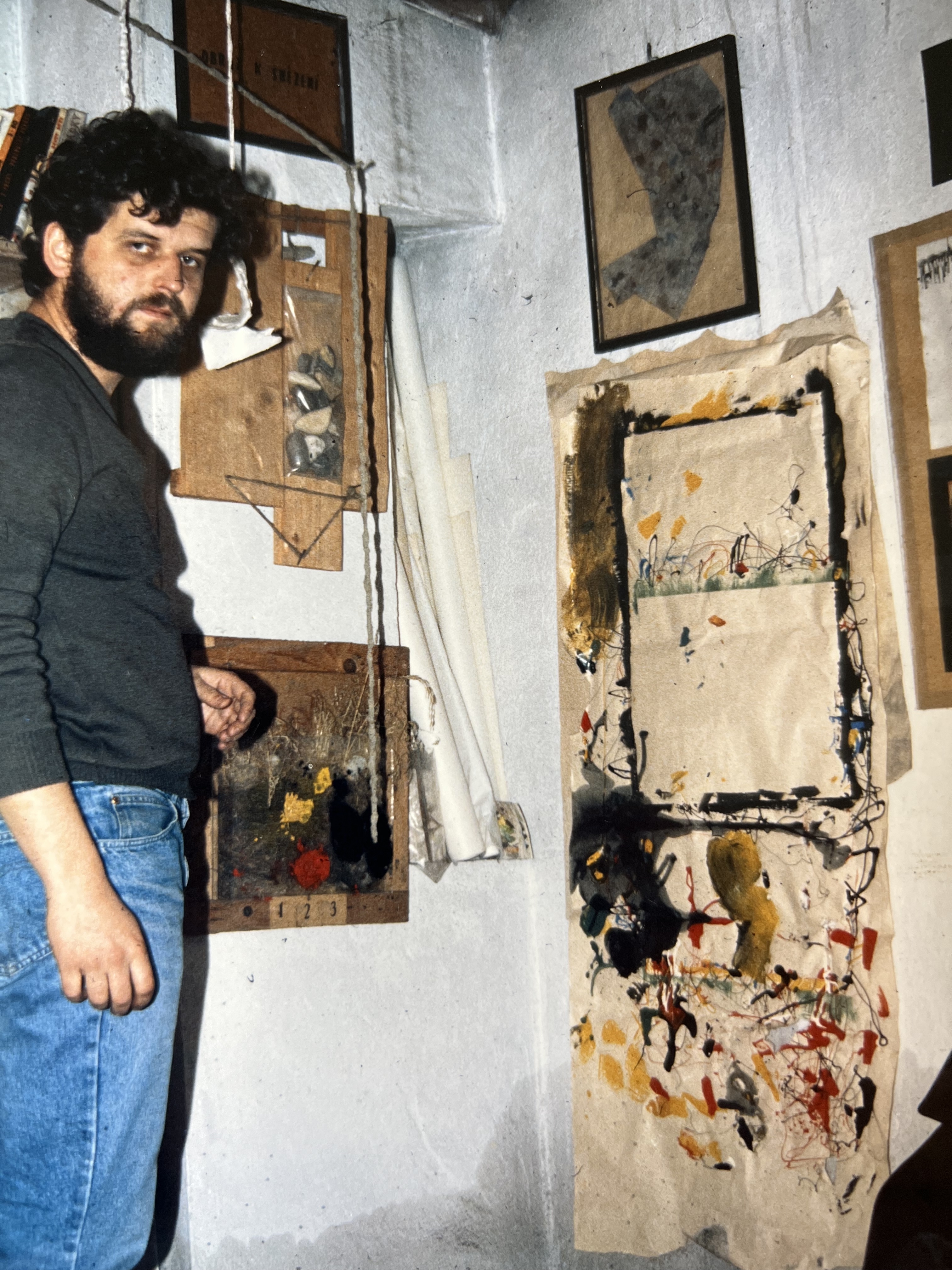
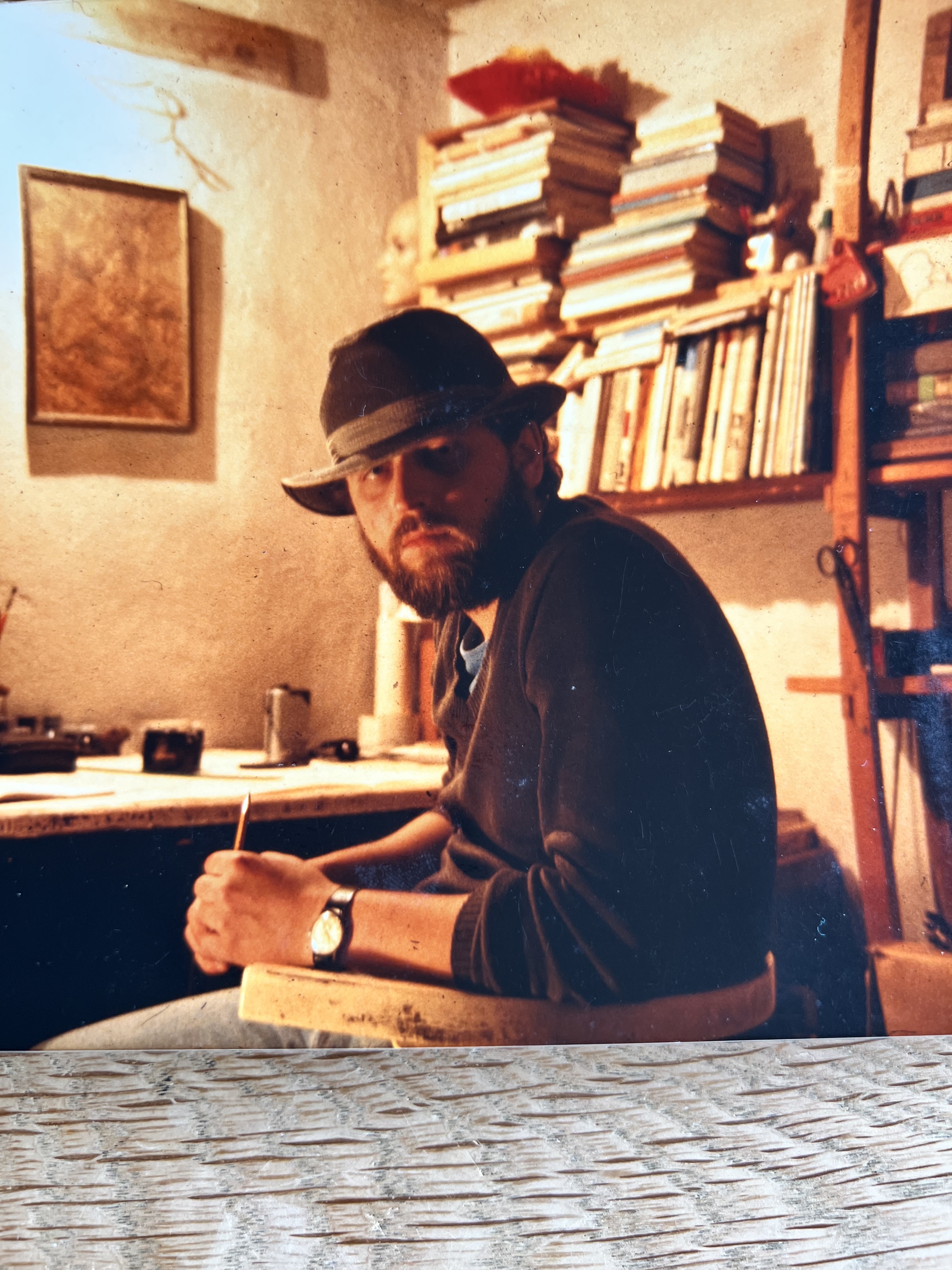
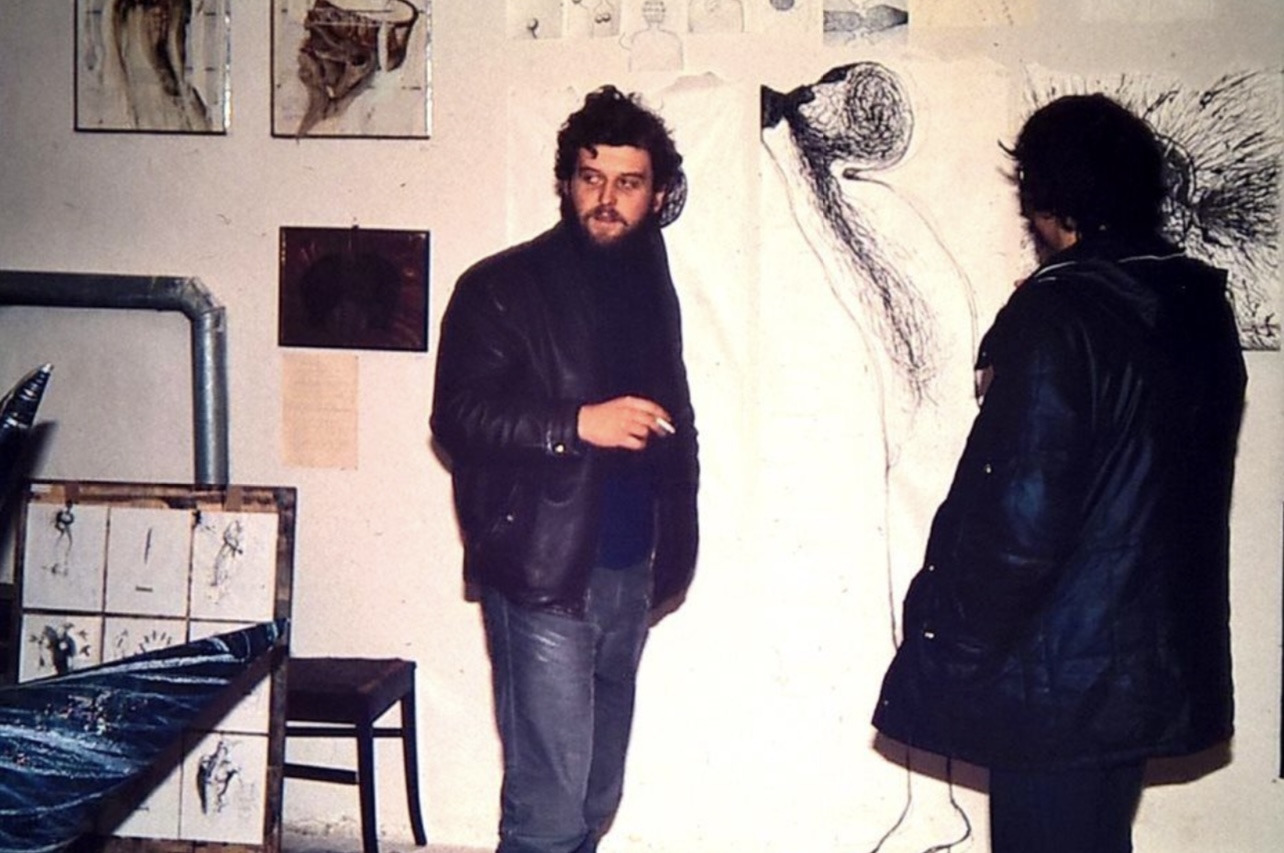
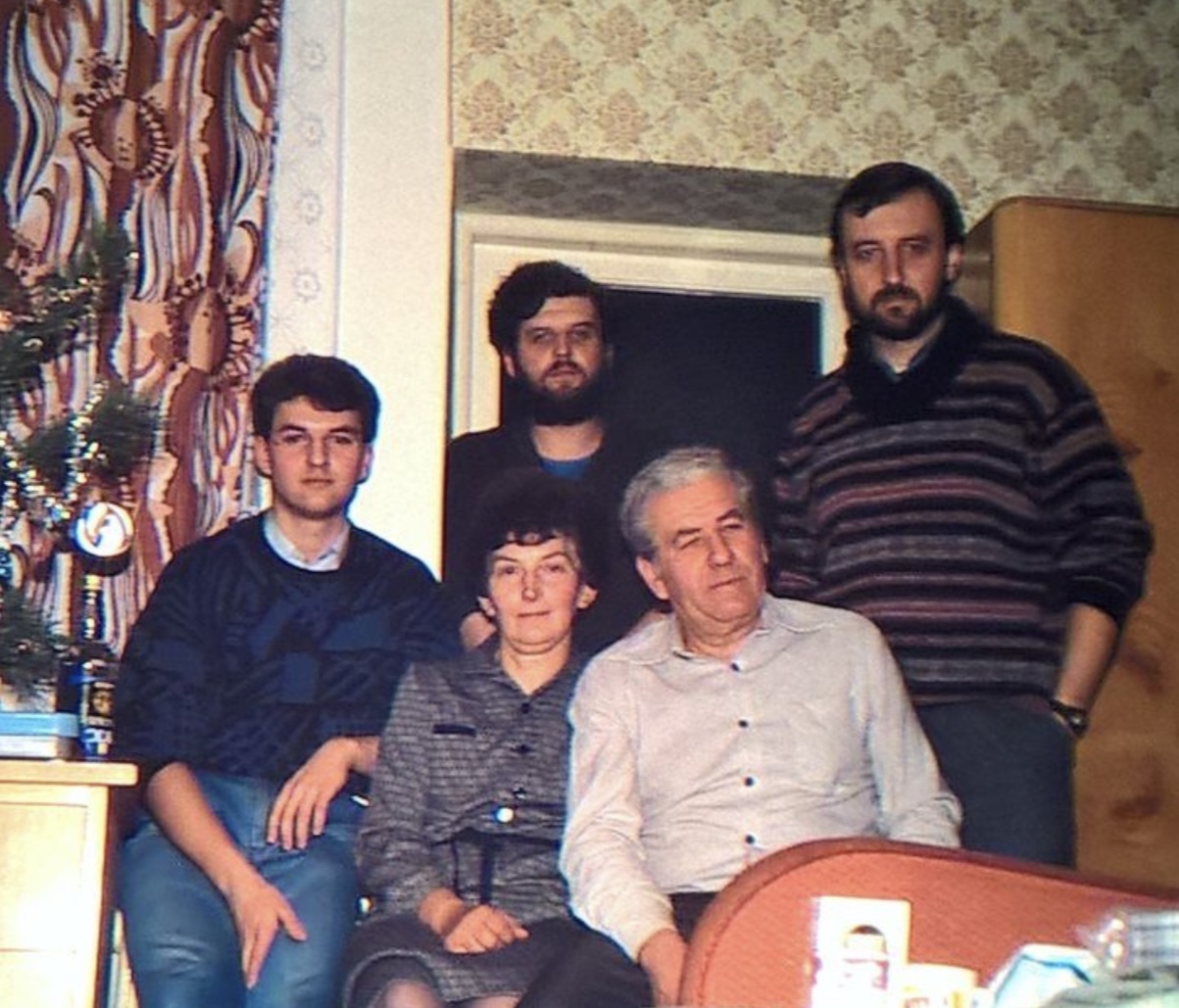
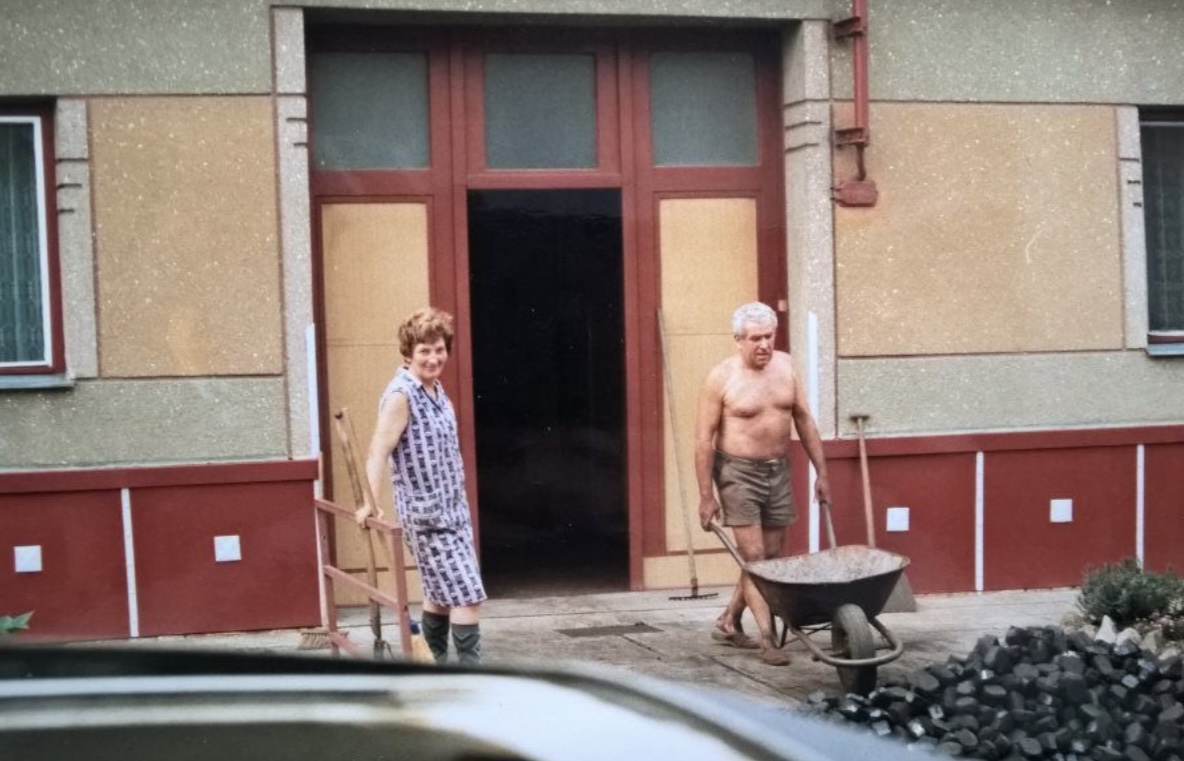
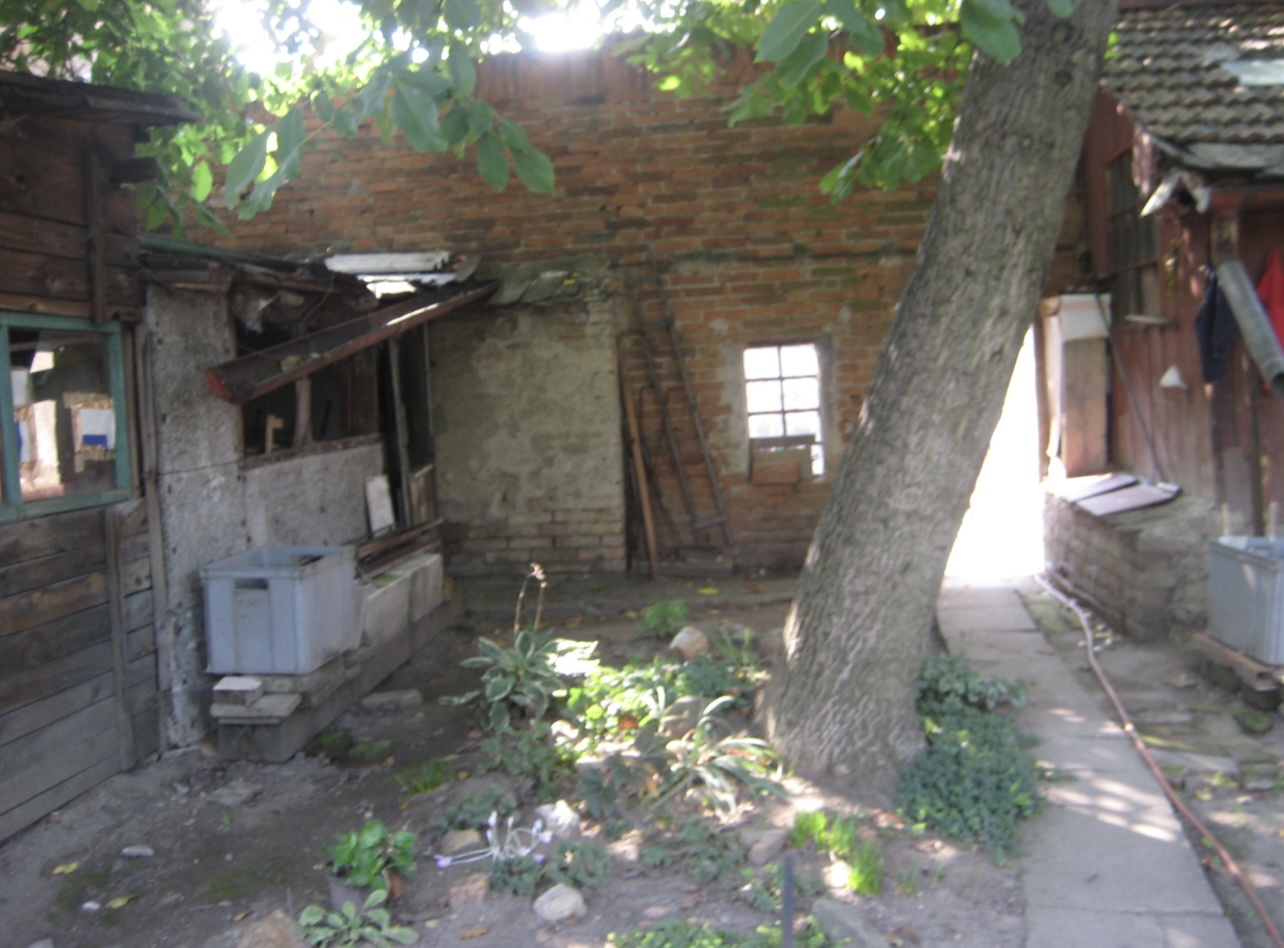
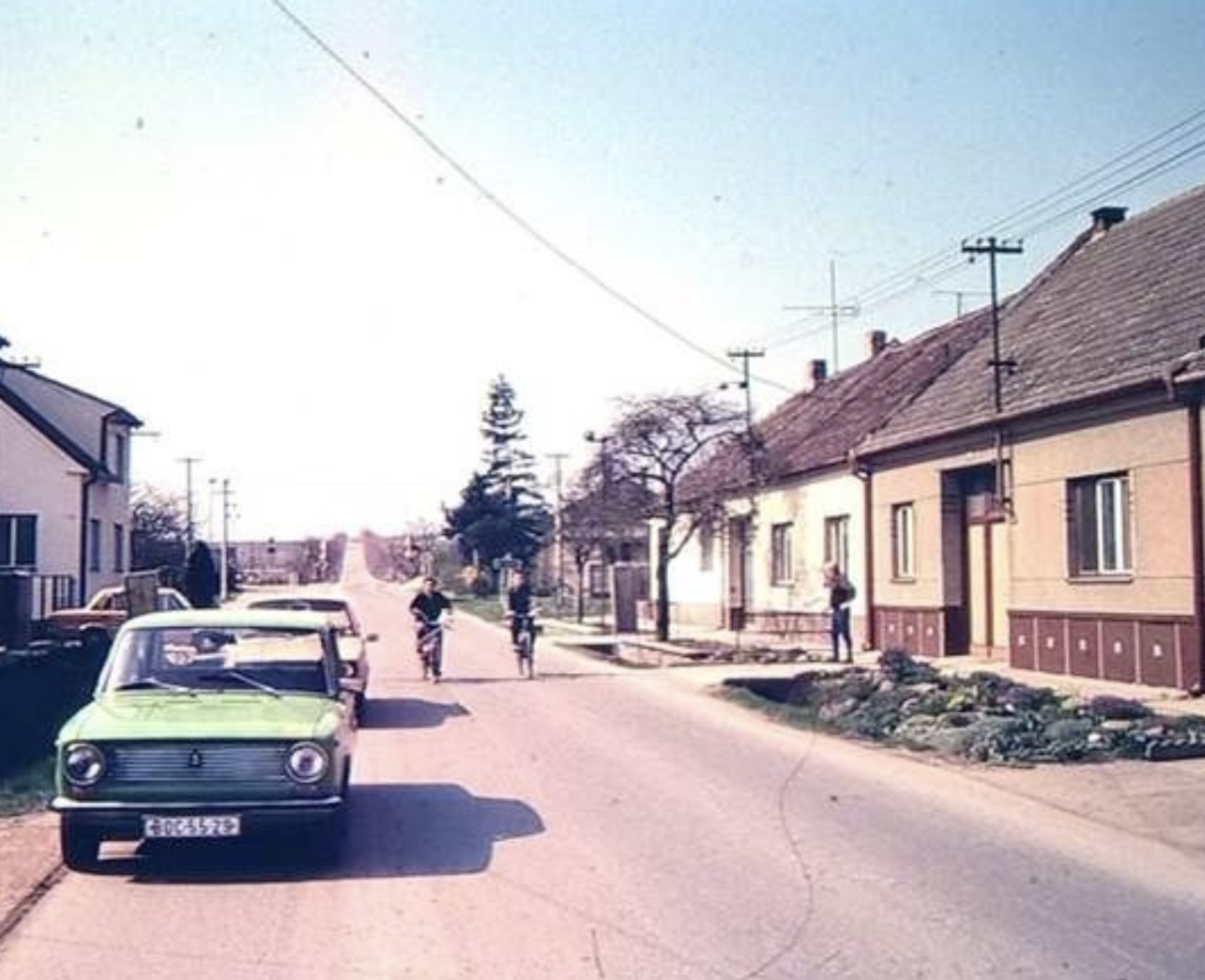
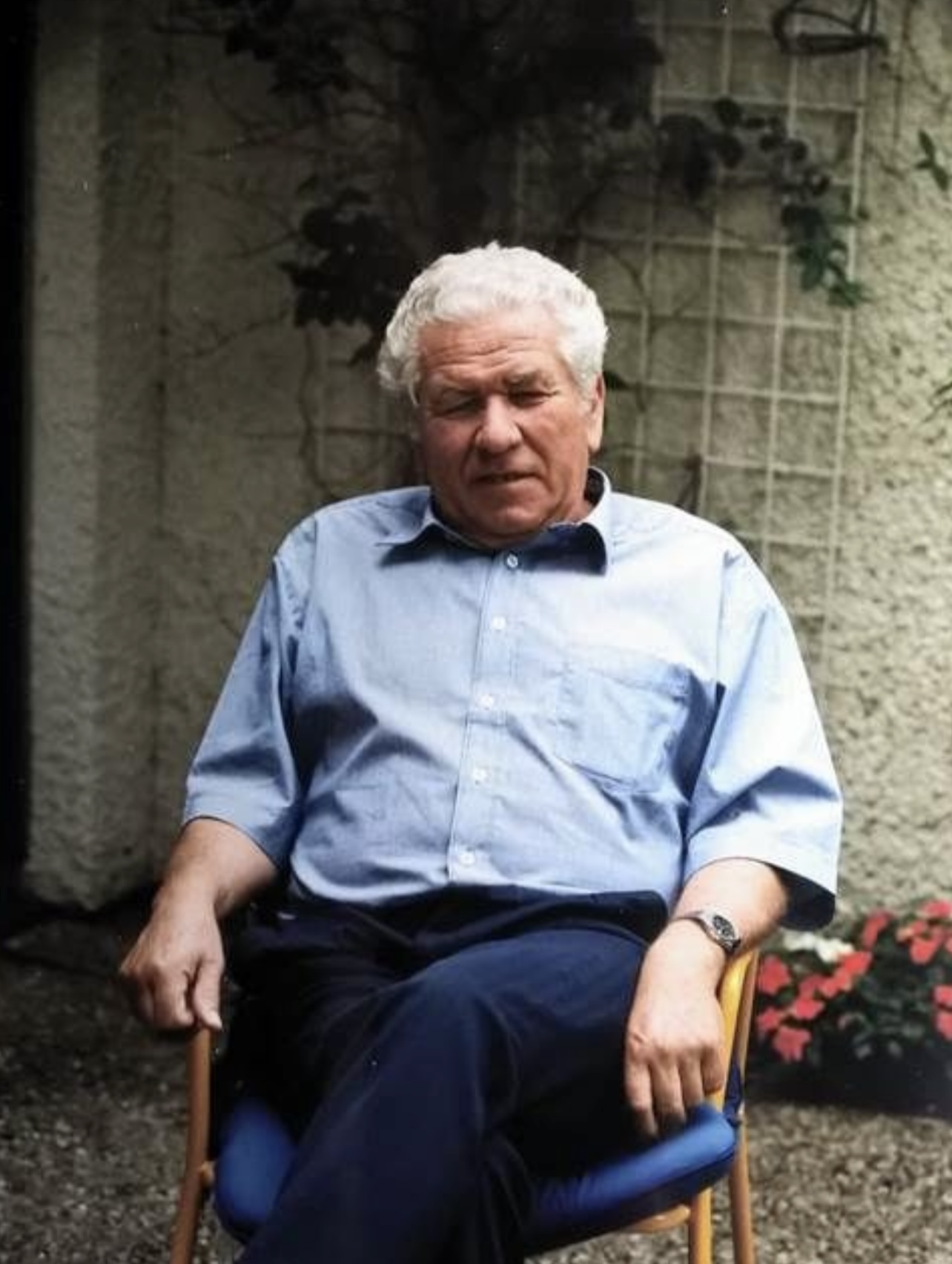
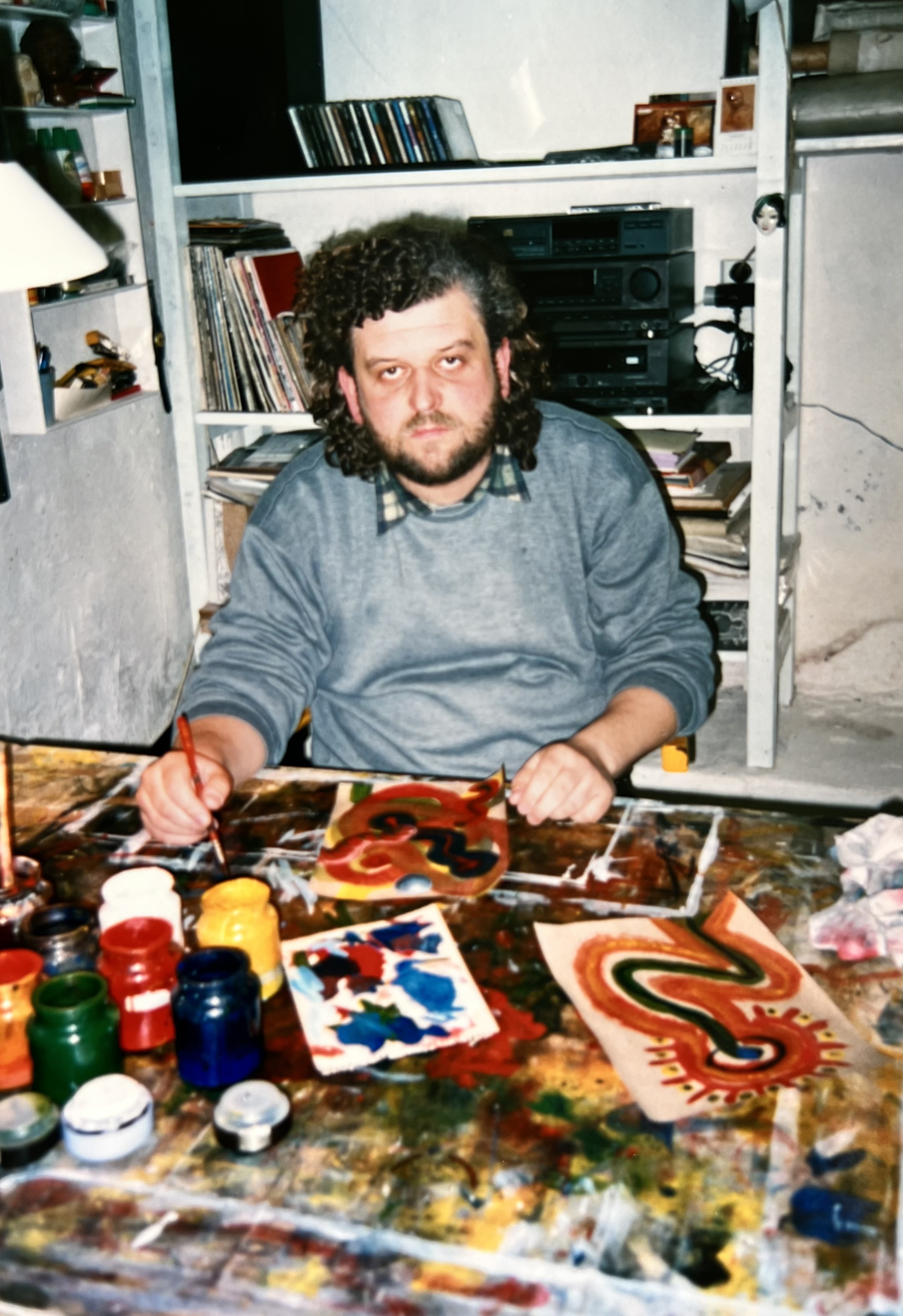
Ivo Sedláček, the middle of Silvie and Zdeněk Sedláčeks‘ three sons, was born in Brno on 1 March 1961. The family with grandparents moved to a larger house in Žabčice which his father repaired after work for several years. The father was a laborer and the mother lived on disability pension. The witness remembers his childhood as a time of dire poverty. Still, the parents supported their sons in every way. When the eldest Zdeněk became a self-taught visual artist, his father built him a small studio in the back yard. Six years Ivo‘s senior, Zdeněk‘s work appealed to experts in Brno. Friends and artists came to visit in Žabčice, debates were held in the studio and music played. Zdeněk was a great influence on Ivo, letting him do his artistic experiments in his studio. He introduced him to many luminaries of Brno‘s independent art scene and directed him towards fine art. Zdeněk married in 1984 and moved to West Germany. Ivo went to art classes in Brno preparing for his art studies. Following primary school, he completed a high school of applied art in Brno. Following a year of working in promotion at Brnosport, he completed the Faculty of Education in Brno, majoring in art education and Czech. While in high school and universitty, he and friends printed samizdat and ran exhibitions, home seminars and music and art events. After school, he joined the Regional Gallery in Gottwaldov (Zlín) as an art historian, striving to curate exhibitions of many artists outside the official period structures. After the coup d‘état, he co-founded the Zlín Private Higher Vocational School of Art in 1994. At the time of the filming in May 2025, Ivo Sedláček was living in Zlín, having worked as the headmaster of the Zlín private school for twenty-six years. &