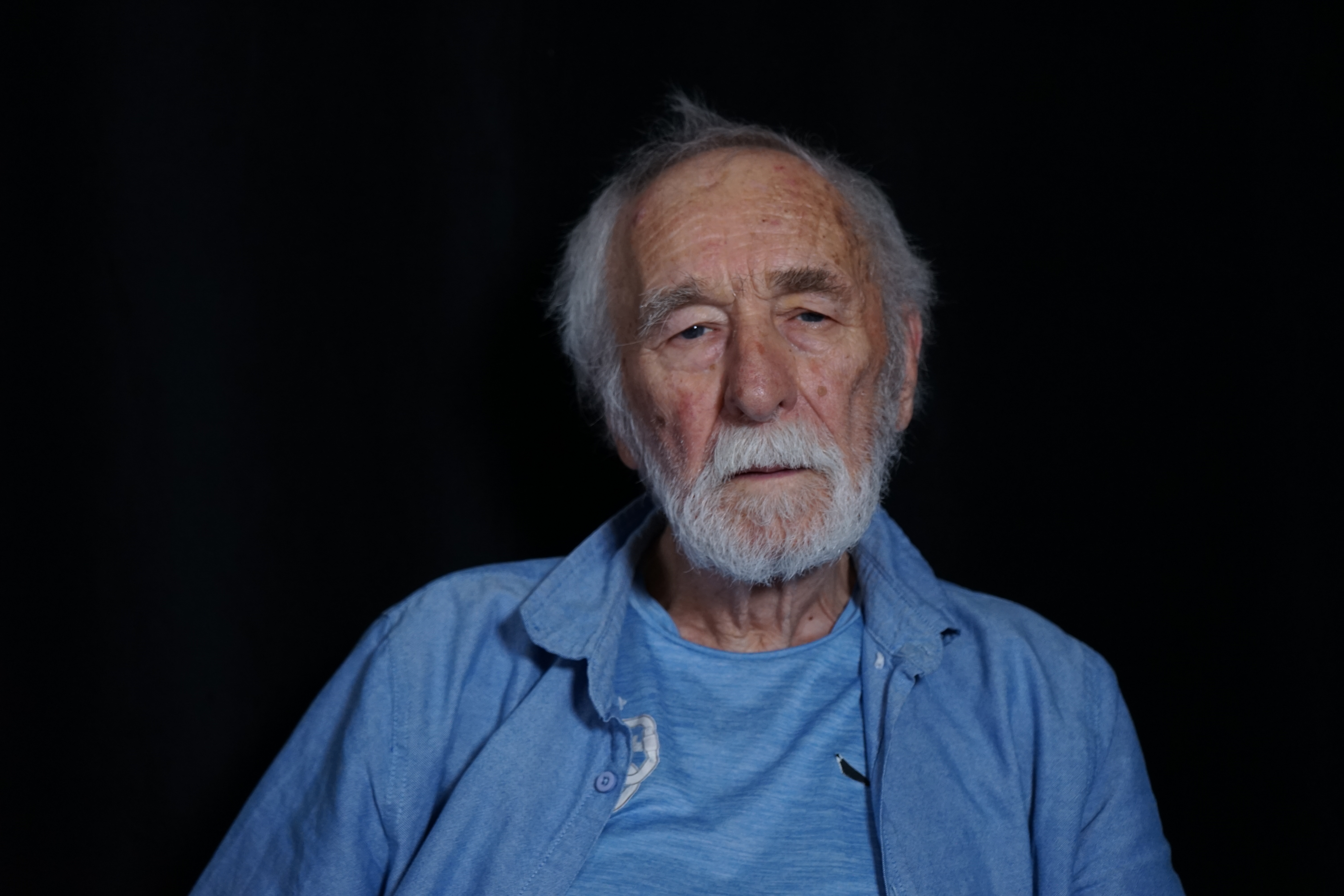
Marian Sajnog

* 1939

  • "You know, I never expected or believed those areas would reforest ever again in my lifetime. It came out of nowhere. The cause was two coal-fired power stations in Germany and Poland, Hirschfelde and Turoszów, and as the wind in the Giant Mountains blows from the same southwest direction virtually all year round, it carried acid rain. This rain weakened the trees, all the more so because it was a monoculture at the time. Those were spruce trees grown for mine timber. It was an industrial forest, not the native forest that had covered the area before; a forest planted for the Silesian mines' purposes. The trees were weakened and attacked by this insect... I don't remember its name. It started to eat them away, and you can see that today when you go to 'Kopeć' or take the funicular to 'Szrenice'. All there was were stumps on the left. I have photos; it looked terrible. There were just stumps, nothing but stumps."

  • "Collaboration was really crucial. I have to stress - and underline it with four thick red lines - that we learned a lot from them. We did all the time. Just think of Biały Jar in 1968. They came excellently prepared then - 40 people, avalanche dogs, good equipment, they even had skialp skis and a snowmobile. And us? We had almost nothing, just a few avalanche probes. Later, we learned about avalanches from them, hands-on too. Among them was Valerian Spusta, an excellent Slovak who settled in Špindlerův Mlýn and - as he liked to say - became a Czech out of necessity. It was one nation, Czechoslovakia, back then. Valerian was a huge expert on avalanches in the Krkonoše, not least because the first avalanche institute was founded in Jasná, Slovakia. They were really a few steps ahead of us in the field of mountain rescue. We tried to catch up - and not only tried, we met them regularly, worked with them and learned."

  • "See, the Giant Mountains were very interesting back then. First of all, because the national border was there. There was the Polish-Czech Friendship Trail, a ridge trail through entire mountain range. We may come back to it again. It was weird: you were allowed to walk along the 'Friendship Route', but you were not allowed to cross it. A huge paradox. For example, at Sněžka there was a great Czech booth with excellent beer - Czech beer was the best in the world back then, and still is. We couldn't buy it. It was hot, the beer was within reach, yet you were not allowed to walk half a meter because you had no Czech crowns and were not allowed to cross the border. It was really vibrant on the top of Sněžka back then. Czechs and Poles gathered for a little barter trade. The Czechs had excellent sunglasses, for example, but no gum. The Poles had gum, so they would swap. Or bacon for shoes - just whatever you had. You could say it was the first Polish-Czech integration. People met there, talked, and exchanged goods and addresses."

  • Celé nahrávky
  • 1

    Jelení Hora, 26.06.2025

    (audio)
    délka: 01:20:33
    nahrávka pořízena v rámci projektu Příběhy regionu - HRK REG ED
Celé nahrávky jsou k dispozici pouze pro přihlášené uživatele.

I never believed those forests would grow back in my lifetime
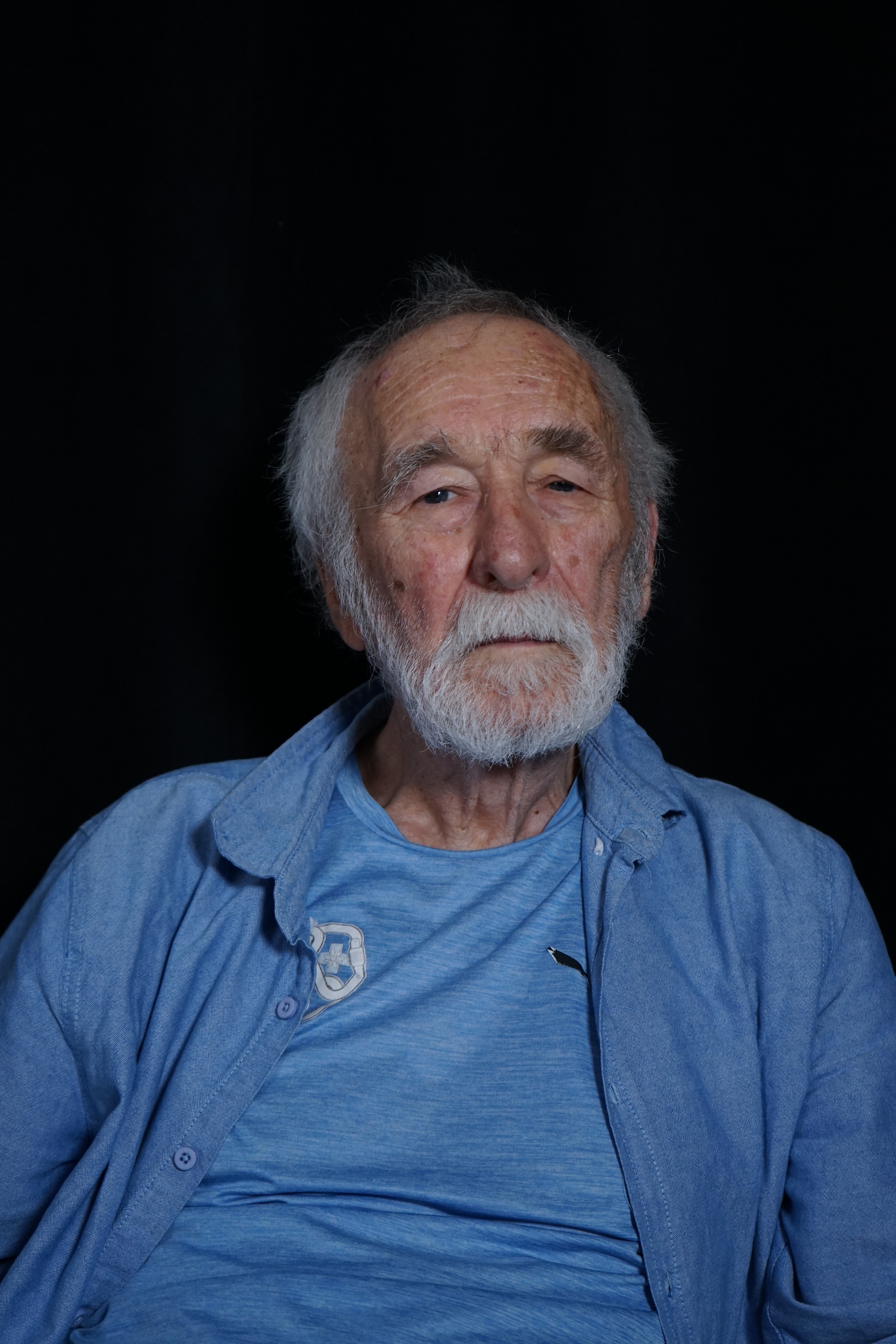
Marian Sajnog in 2025
zdroj: Post Bellum

Marian Sajnog was born on 15 August 1939. He graduated from the Nicolaus Copernicus University in Toruń in pedagogy. He moved from Toruń to Szklarska Poręba in 1960 and ten years later settled in Jelenia Góra. He completed the Academy of Physical Education in Wrocław, majoring in hiking and skiing, and qualified as a mountain rescuer in 1965. In 1973-1975 he worked as the chief of the GOPR (Górskie Ochotnicze Pogotnicze Ratunkowe). He worked as a mountain guide in 1978-1989, and took part in several expeditions to seven- and eight-thousanders in 1975-1987 including Broad Peak, K2, Mount Everest, Himalchuli, Kohe Shahaur and Manaslu. With the expeditions, he served as a truck driver and camp caterer. He also took part in rescue operations after earthquakes in Italy and Armenia. He ran his own Muflon travel agency from 1989 to 1994, and worked with the Angora weekly for years. He has been the editor-in-chief of the quarterly magazine Ratownictwo górskie (Mountain Rescue Service) since December 2015. In 2025, he was still living in Jelenia Góra.