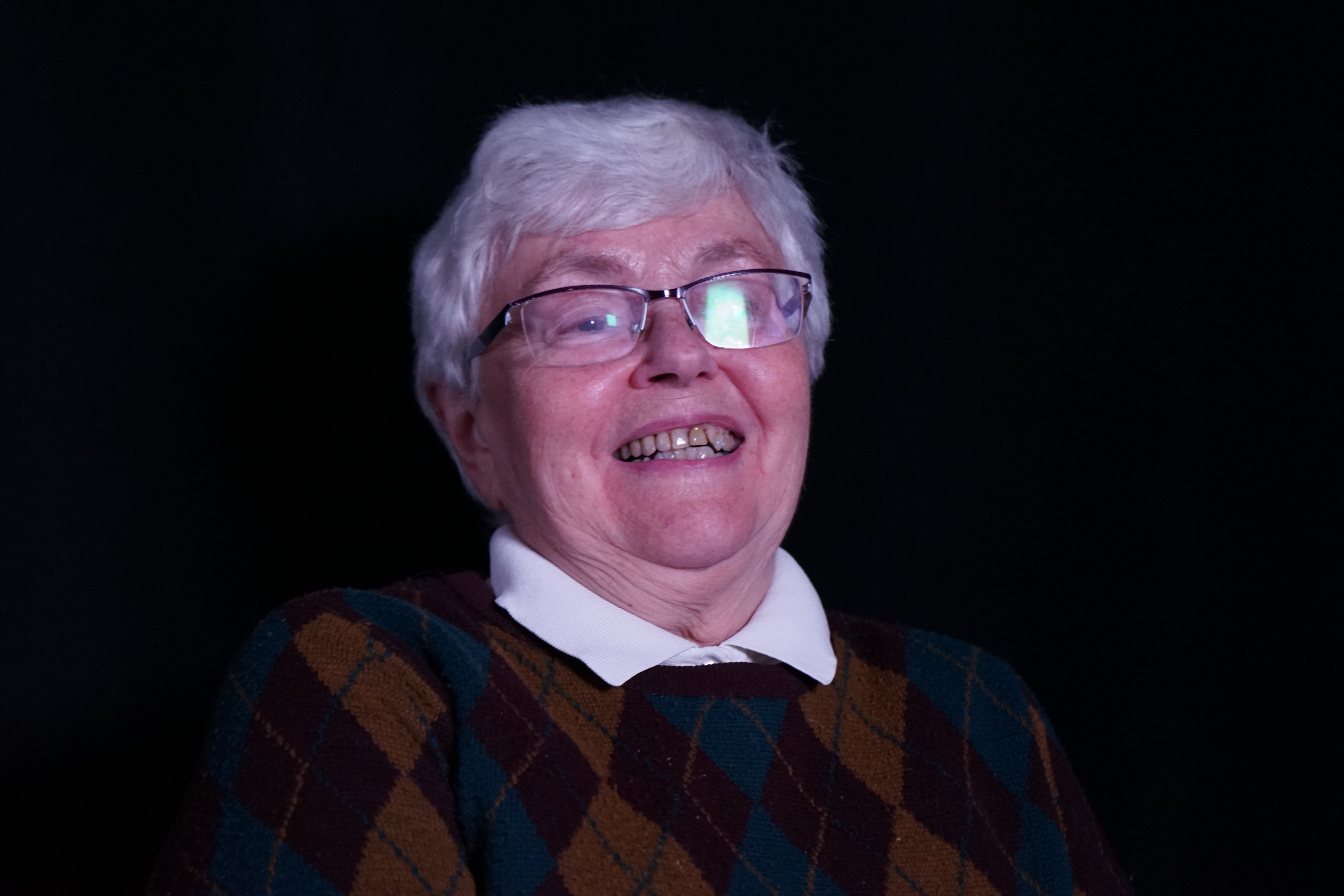
Marie Rychlíková

* 1940

  • "Some of the workers in the glassworks were Germans, and among them was a boy of about seventeen. I saw in him a psychologically ruined young man, for whom the hatred had become incarnated in my person, for whom the world that Adolf Hitler had promised him had collapsed. I worked as a laborer. I held the mould and the glassblower blew into the mould, nothing difficult for me. When the boy was blowing, he picked up the hot glass and threw it at my head. As a young girl, I had braids and a scarf on. It burned a little bit, burned the ends of my braids. I twisted my head, it flew off my shoulder onto my blouse, and then it fell to the ground. Nothing serious happened to me. The glassblowers pounced on it and immediately handcuffed it. I felt so sorry for him afterwards."

  • "A truck full of German soldiers arrived in Cerekvice. All citizens were under curfew. But I was curious and wanted to know what was going on. They stopped at a column near us. There were people on the truck and the soldiers were putting ropes around their necks. I ran out and wanted to take a closer look. And in the house where we were staying with the farmer, they had a fence with a brick base. Above the fence were wooden slats. As I ran out, one of the Germans sprayed it with a machine gun. I could see how it looked through the wood, like when you put your finger through a gingerbread house, it just made holes. Dad ran out, knocked me down, held my head against the baseboard and said to me, 'You're a wild goose, I'll probably beat you!' Dad never hit us, but he just held my head down. Then those people were swinging on that pole when they were hung. Dad told me afterwards that we were alive because of those people, because not one of them betrayed Dad."

  • "The Wehrmacht came there. A German officer came to the school and told my father that the school was closing. He was surprised at how clear German my dad spoke. He proudly told the German officer that he was a Czech from Žacléř. And that people from Žacléř can usually speak German. The officer left, and when it got dark, suddenly someone knocked at the school and it was the officer again. He handed dad a paper and said, 'These people on the list will be arrested tomorrow, and you're first on the list, teacher. Take what you want, don't look at the pounds, but don't be here in the morning.' The officer then said to dad, 'Your people, the Czechs, gave us the list.' And then he and my mother, with whom they were already very friendly, loaded and packed books from the teacher's library instead of folding their things, and then they took everything to my mother's mother in Nová Paka."

  • Celé nahrávky
  • 1

    Žacléř, 24.04.2024

    (audio)
    délka: 01:47:51
    nahrávka pořízena v rámci projektu Příběhy regionu - HRK REG ED
Celé nahrávky jsou k dispozici pouze pro přihlášené uživatele.

The history of our family is purely pedagogical
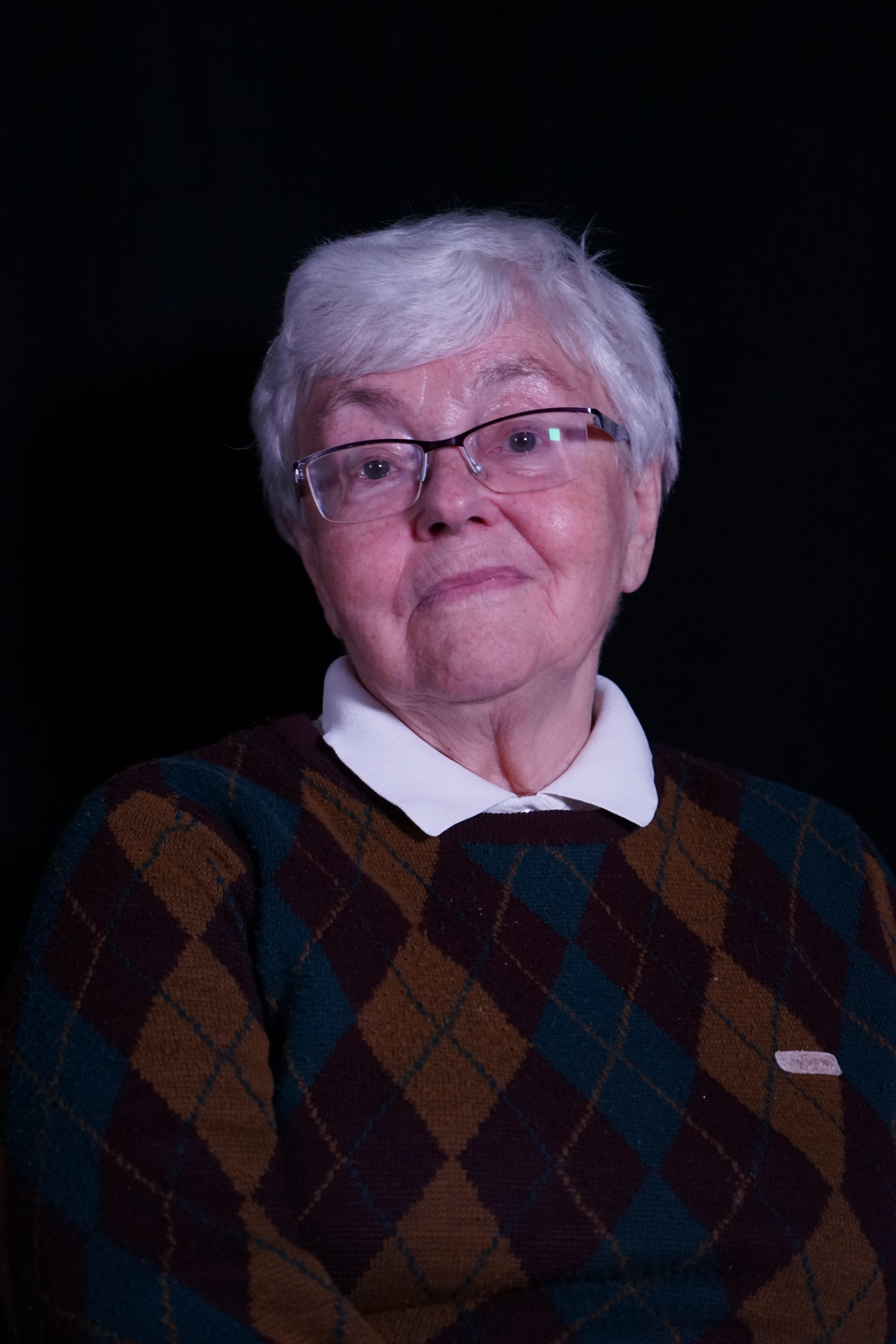
Marie Rychlíková, 2025
zdroj: Post Bellum

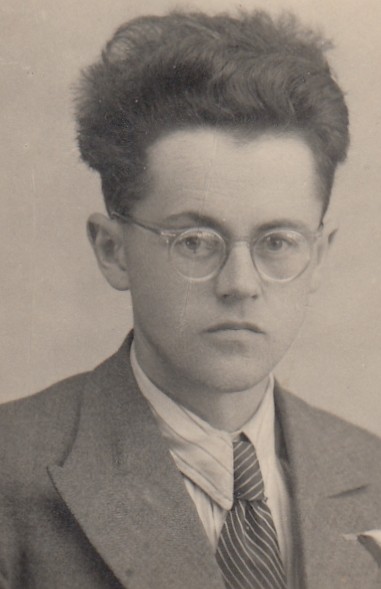
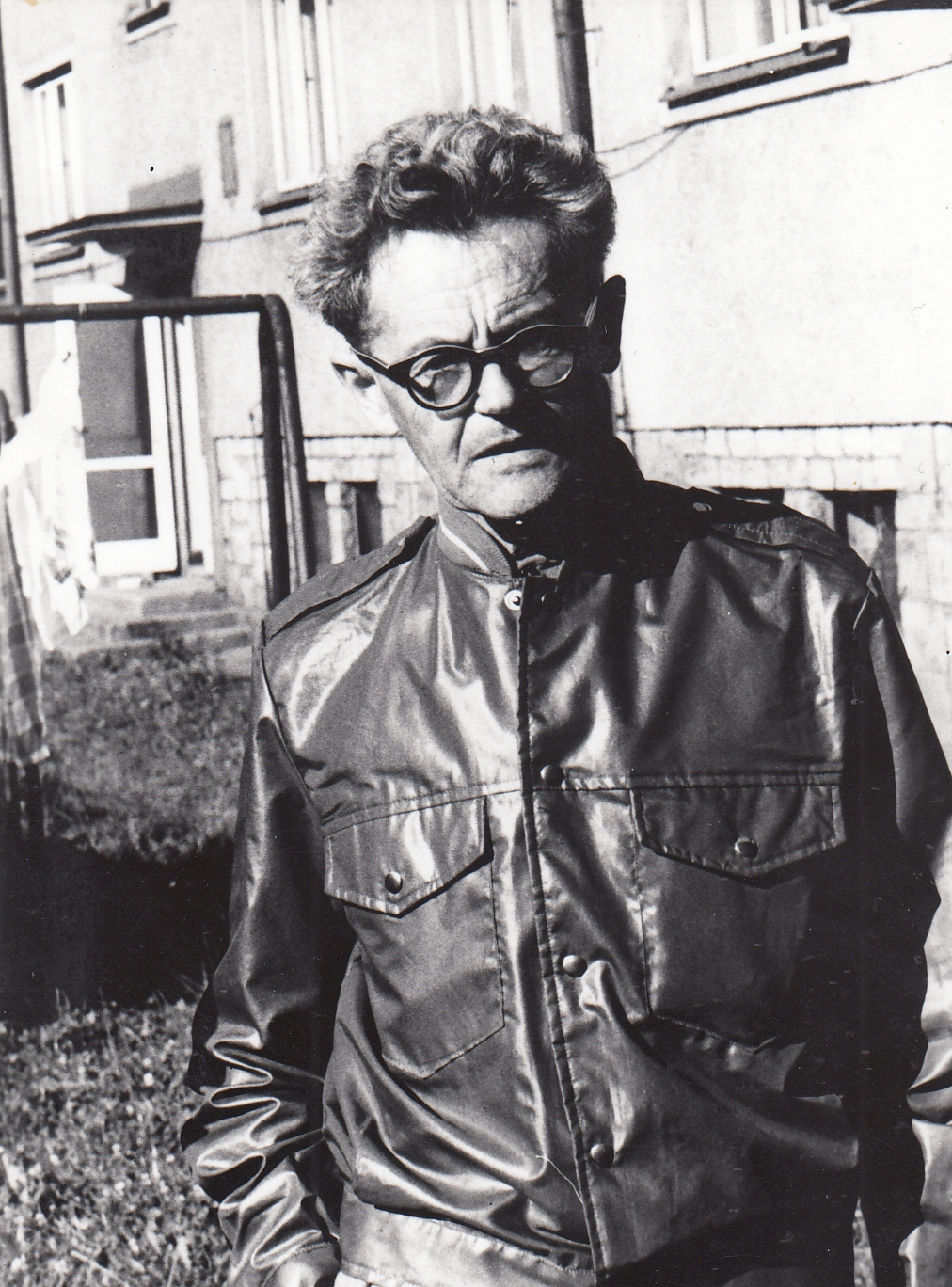
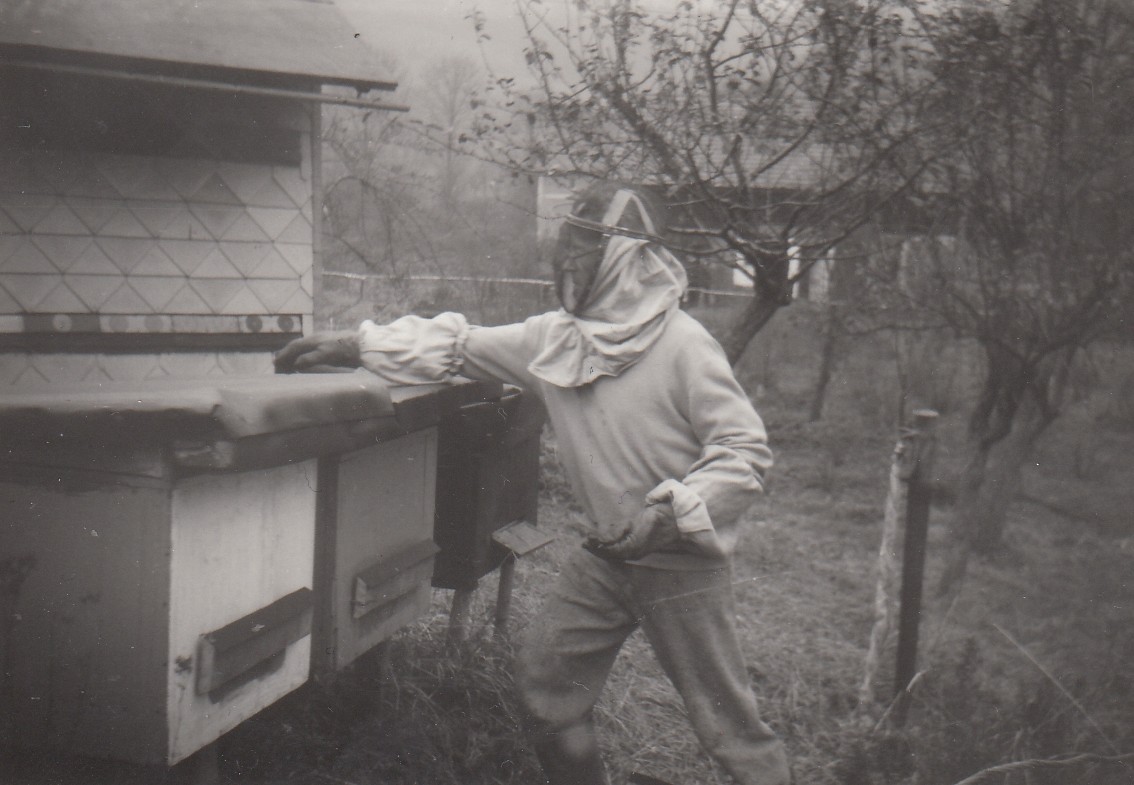
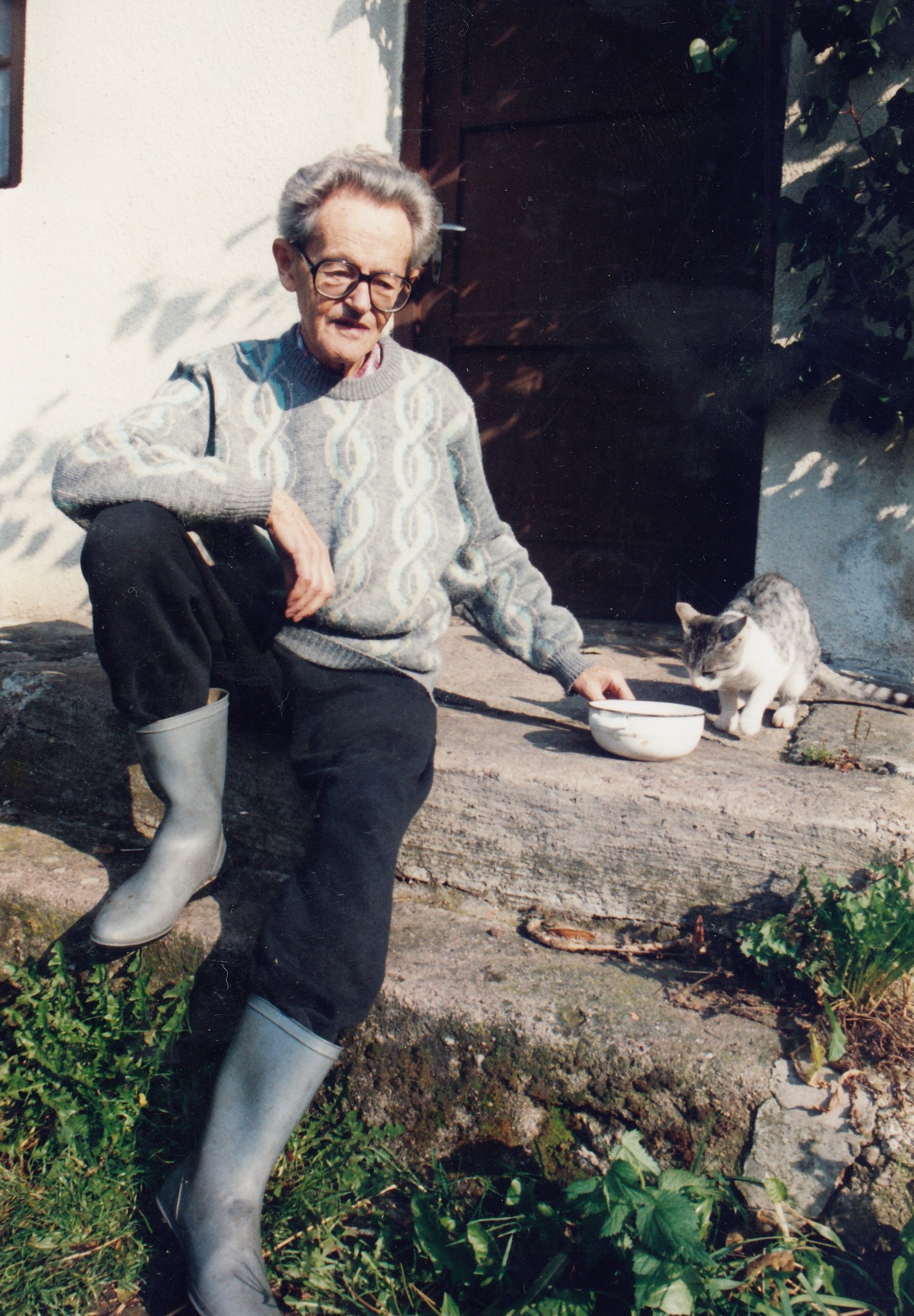
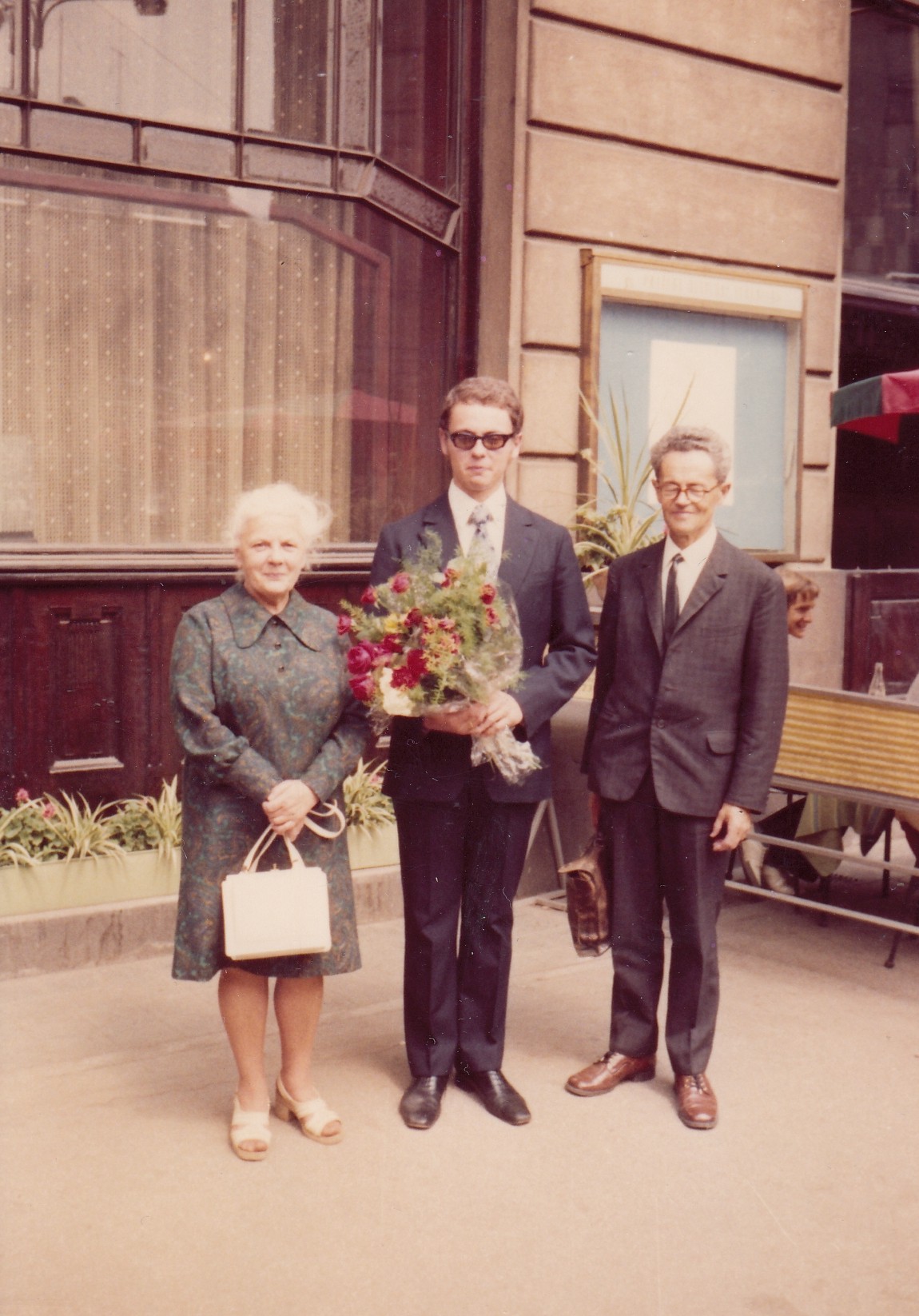
Marie Rychlíková was born on February 13, 1940 in Nová Paka into a family of teachers who worked in the border region before and during the Second World War. She spent her childhood in Cerekvica nad Loučná, where the family moved after the Munich Agreement. Her father, Vladimír Rychlík, a teacher who spoke several languages, was involved in teaching there despite the wartime restrictions and provided support to the local population. During this period, the family experienced forced evictions, the presence of the German army and the activities of resistance groups. After the war, the Rychlik family moved to Kamenický Šenov, where the father taught again, and the family became involved in the post-war reconstruction of the town. Marie Rychlíková attended the eleven-year high school in Nový Bor. At first she was persuaded to study medicine, which she left after the first year. From 1959 she studied Czech language, literature and history at the Faculty of Arts of Charles University in Prague. Her studies took place during a period of gradual political liberation, which allowed for the presence of important figures of Czech intellectual life at the faculty. After graduating in 1964, she began teaching in Žacléř, where she taught Czech language, literature and history. She worked there throughout her professional life. In 1968 she witnessed the events connected with the occupation by the Warsaw Pact troops, which also affected the local region. In 1989 she took part in the events of the Velvet Revolution and the subsequent social changes. She has dedicated her professional life to teaching, regional history and working with youth. Her family and personal life is connected with the border regions of eastern Bohemia, where she has long been involved in teaching. At the time of filming (2025), Marie Rychlíková lived in Žacléř.