Daniel Rusniok

* 1966

  • "They cut our hair first, of course... and the hair, so you look younger. They locked it up, they gave me a bed and the guy in the cell said to me, 'Have they started locking up kids too? Like what are they going to do with you here?' And I said, 'I don't know. There's some trouble here and they're trying to lock us up for what we did.' And he says, 'What did you do?' And I say, 'We spray painted the walls with some anti-communist symbols.' And he says, 'Dude, you're gonna get fifteen years for politics.' That's what the guy said to me. I was stunned, but of course I wasn't completely ignorant, the information about... It's not politics this, I was thinking, these are some scribbled symbols that can't be that dangerous to the society or to the system. But they're like, 'Just so you don't wonder...' So I was thinking in my head, well, that's bullshit, fifteen years. I wasn't living under the assumption that I should get fifteen years in prison. The next day I was dragged out of there and of course, before they dragged me to another cell, we used to go out to these triangles, like the ceiling is - the net and there's a tower above you and there's armed guards. So I remembered war movies, as a kid, and I'm like, it's the same thing. So well, because they kept showing us those war films, the comrades, because we had to go to school film projections compulsorily, and I thought, this is it. So I went round and round, and then we were chased out and I had to pack my things and they took me to a cell where there were five boys, and they were all teenagers, but maybe eighteen years old or more. Or teenagers, well I didn't know the information about how old they were, but they were older boys. So I figured they were at least of age. And they were all, I thought, to put it politely, Roma. Every single one of them. And they said to me, 'What are you doing here?' And I told them, and they said to me, 'Well, you're going to get fifteen years for politics.' They told me the same thing, and I thought, well, that's it, they know how things work here. And the guards were there and they immediately gave me the nickname 'Painter'. They knew right away - he scribbled on the wall, he's a Painter."

  • "They picked us up, took us away for questioning. I remember how they took me, I still had this strange jacket, like between a coat and a jacket, and it was still covered in paint. And they immediately took it as evidence. They took us upstairs somewhere and I just stared. How old I was and what was going on. I was trying to understand things and I was like, 'Oh, yeah. We shouldn't have done that.' And, actually, there were Soviet soldiers sitting on the bench in front of the offices, maybe three or four of them sitting there in these boots, caps on their heads, radios on the ground in front of them, big boxes, and they started... the communications was going on. I thought to myself that they must have some kind of action there, that they were practicing something. And the policeman, of course in plain clothes, so he wasn't an ordinary policeman, says to me, 'They're here because of you, so you know,' and I say, 'Why?' And he says, 'Because of you two, there's a hundred policemen in action, and we're dealing with what's started to happen here, that there's an anti-regime protest.Where they took Aleš, I don't know, but then they took each of us to the building and we had to point, always stand in front of the symbol and show with our hands that it was us. Because there they were dealing with the evidence that we had committed this crime."

  • "Of course, the biggest uproar started when we moved in front of the Communist Party of Czechoslovakia building, where things got a bit heated. We... the heroes, who were in euphoria, started to push into the front door. Then ran out, what they were called, they weren't normal policemen, some kind of riot unit... I don't know what it was called, but they had helmets with long shields and batons. And there it went off in such a way that we were surprised but stayed there. I saw a couple of people get hit on the back there, and I think Růžička got hit too. I think it's in front of my eyes, him running and that long baton bending over his back. So we retreated to the Prior, but we stayed there. We started shouting there, shouting, but it was all about the smog. And [Antonín] Váňa [the district secretary of the Communist Party of Czechoslovakia in Teplice] came out - this is well known - and started shouting, 'What do you want? What is it? What's going on?' Some people started shouting, 'What are you doing to us? How come...' And I remember I stood on this flowerpot and I said something there, like towards him, like towards him specifically. And I said to him, 'I mean, you can see it all over the place with the smog.' I used to go to Dubí, the forests destroyed, everything in those hills dry, it was died out. And he was like, 'Where are you from? And where do you work and where do you live?' And I said, 'Yeah, I'll tell you, and you can arrest me tomorrow.' That was my answer. So we were yelling at each other like that, and then other people were yelling. Well, then they realized that the best thing to do was to let the crowd yell, they'd get tired and then they'd go somewhere."

  • Celé nahrávky
  • 1

    Ústí nad Labem, 08.02.2025

    (audio)
    délka: 02:34:46
    nahrávka pořízena v rámci projektu Příběhy regionu - Ústecký kraj
Celé nahrávky jsou k dispozici pouze pro přihlášené uživatele.

„Are they locking up kids already?“ The first sentence I heard in detention
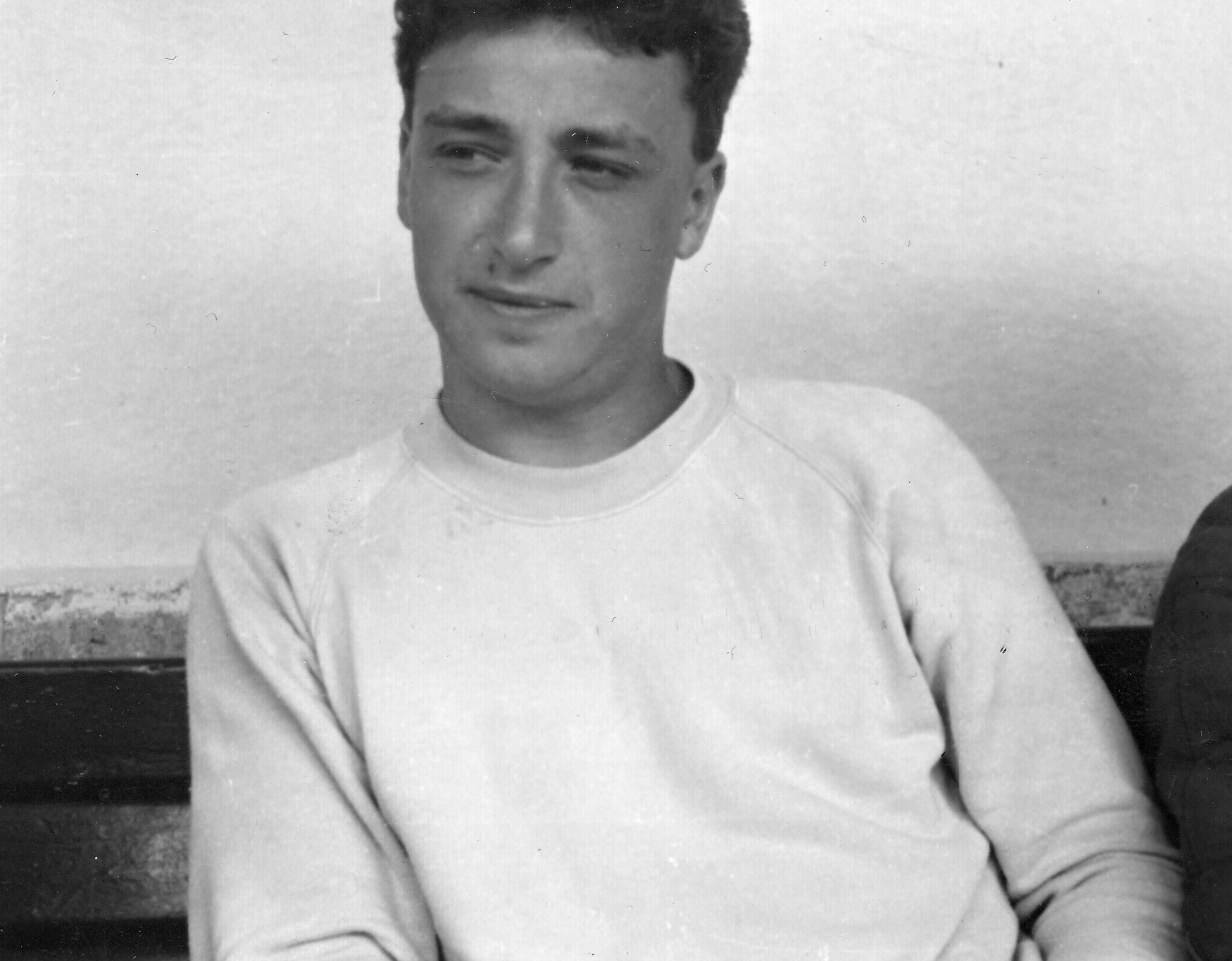
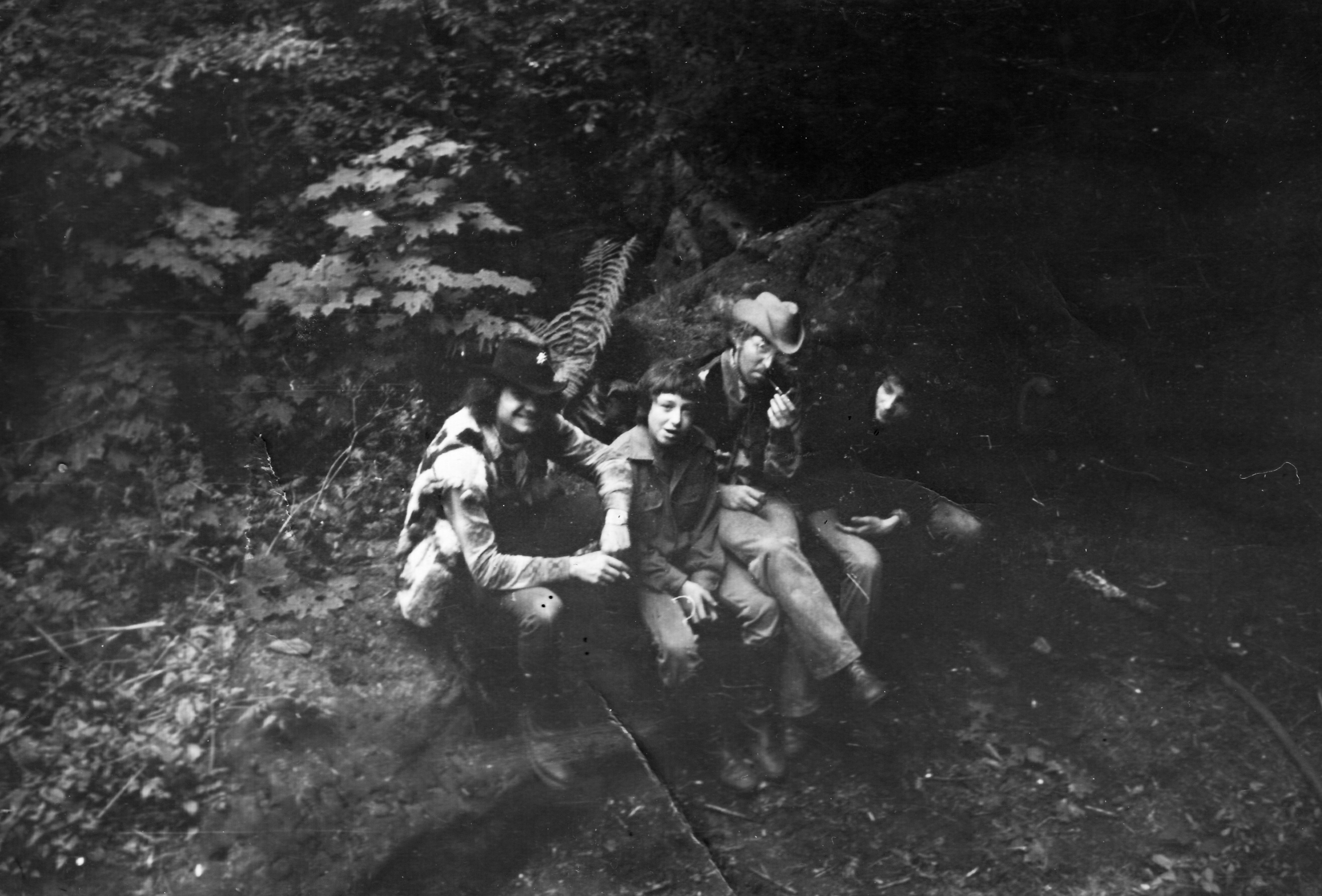
Daniel Rusniok, 1980s
zdroj: Witness´s archive

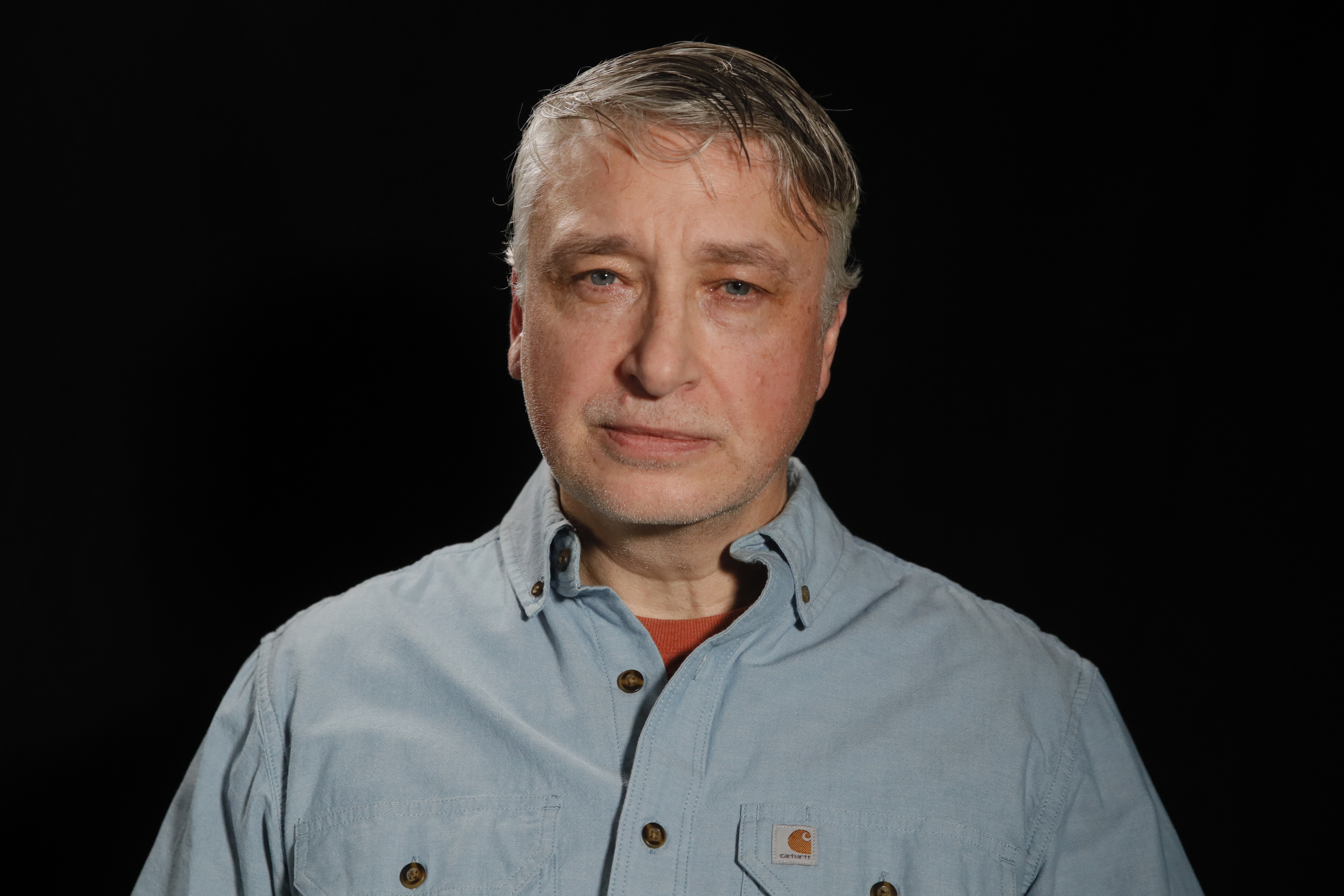
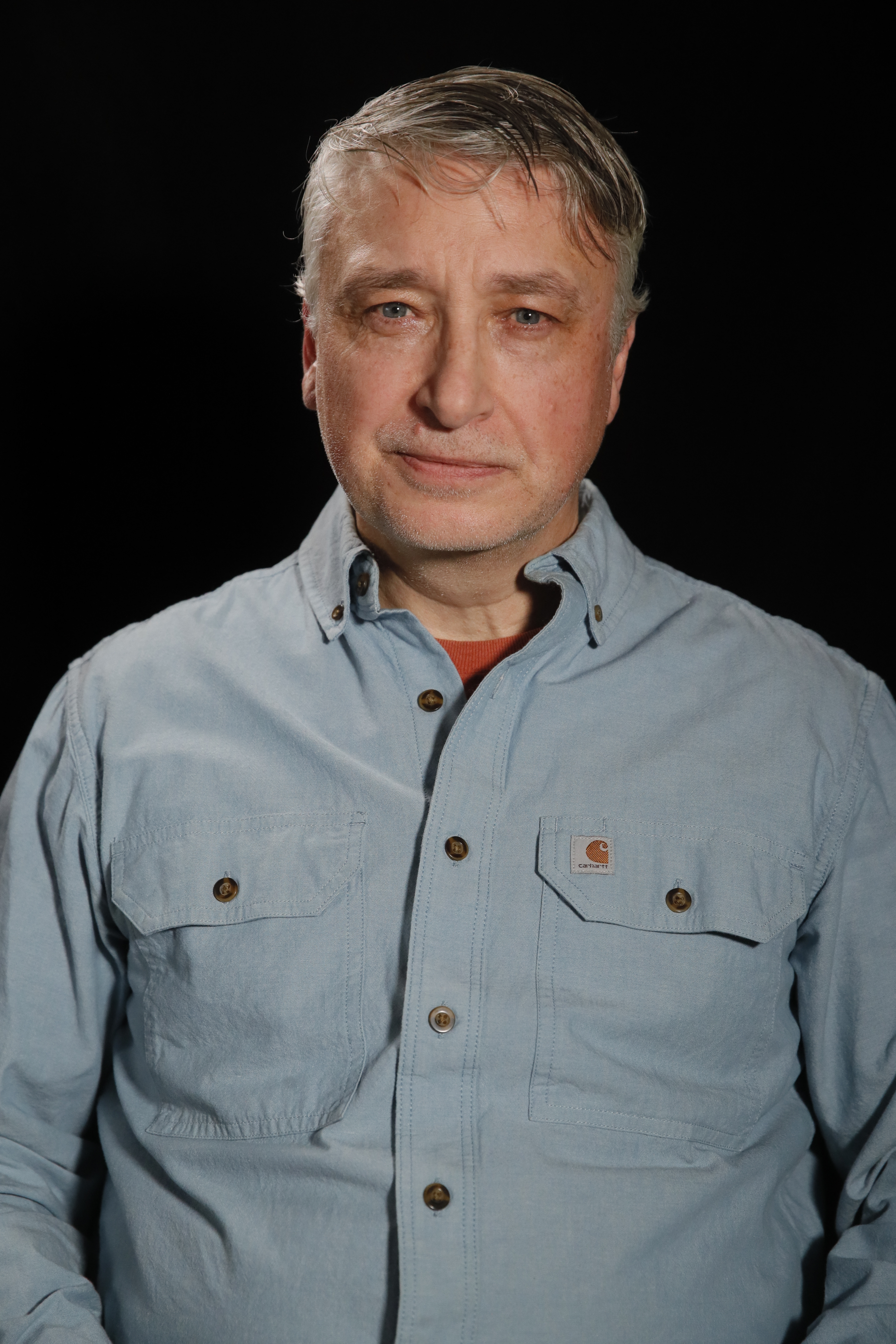
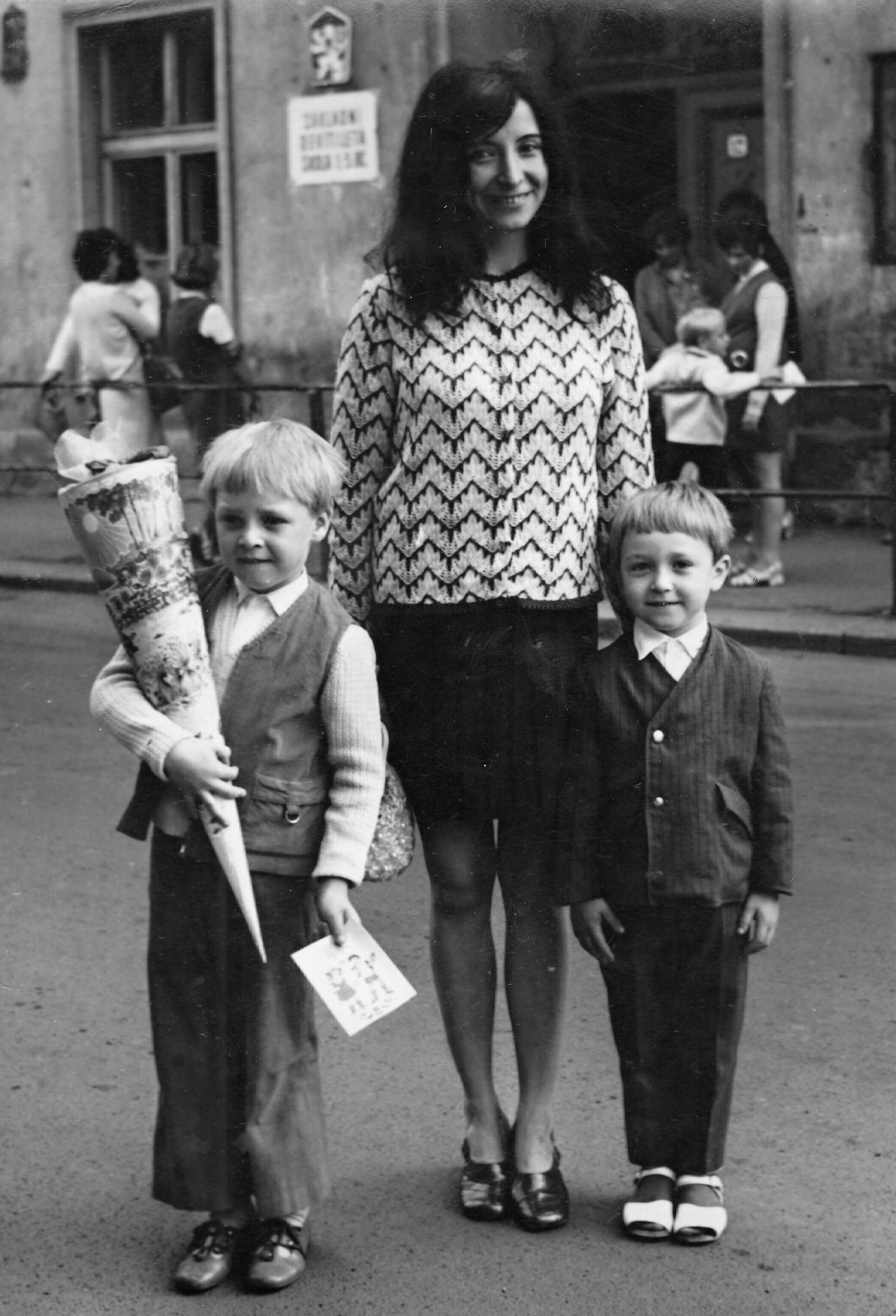
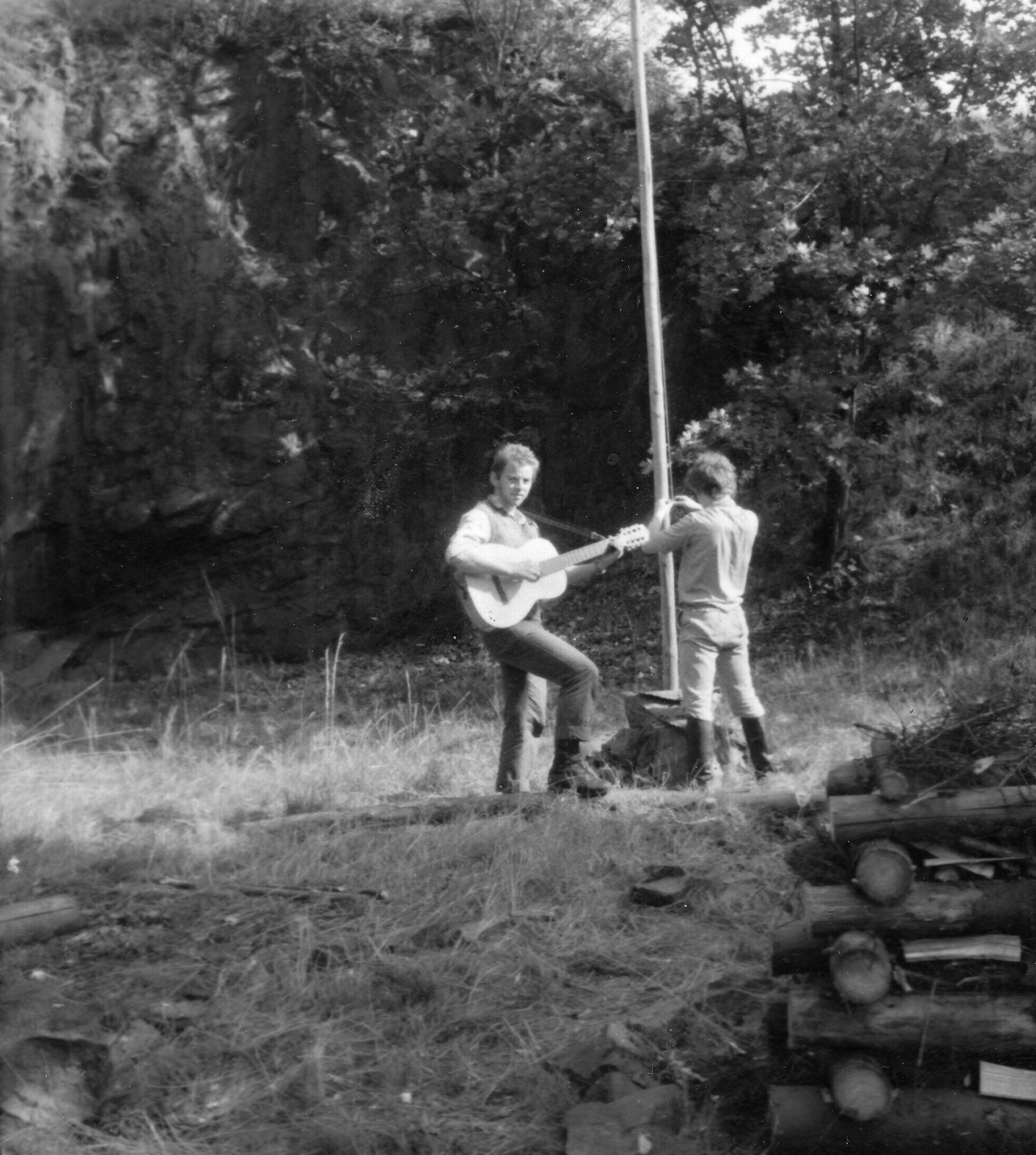
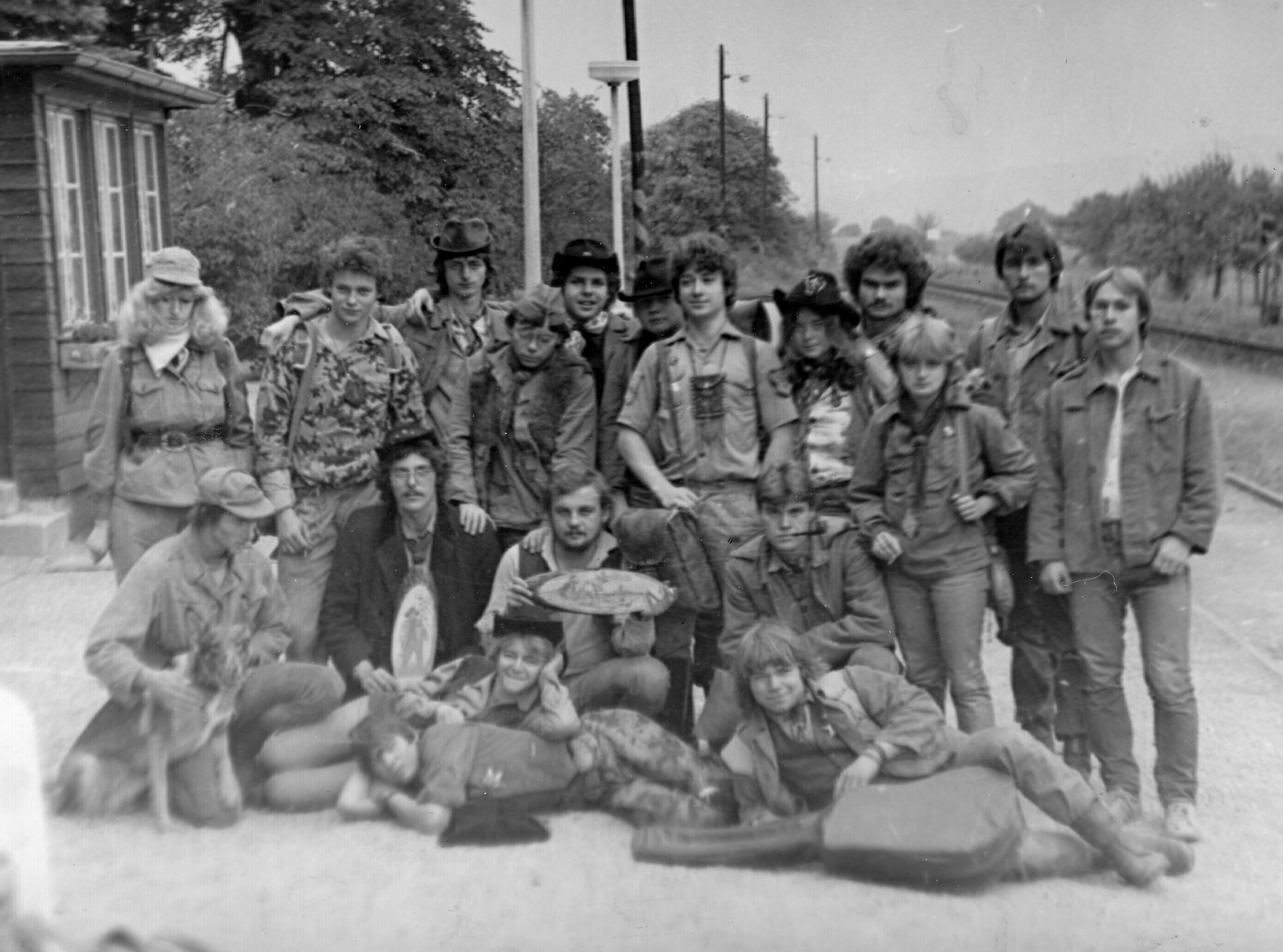
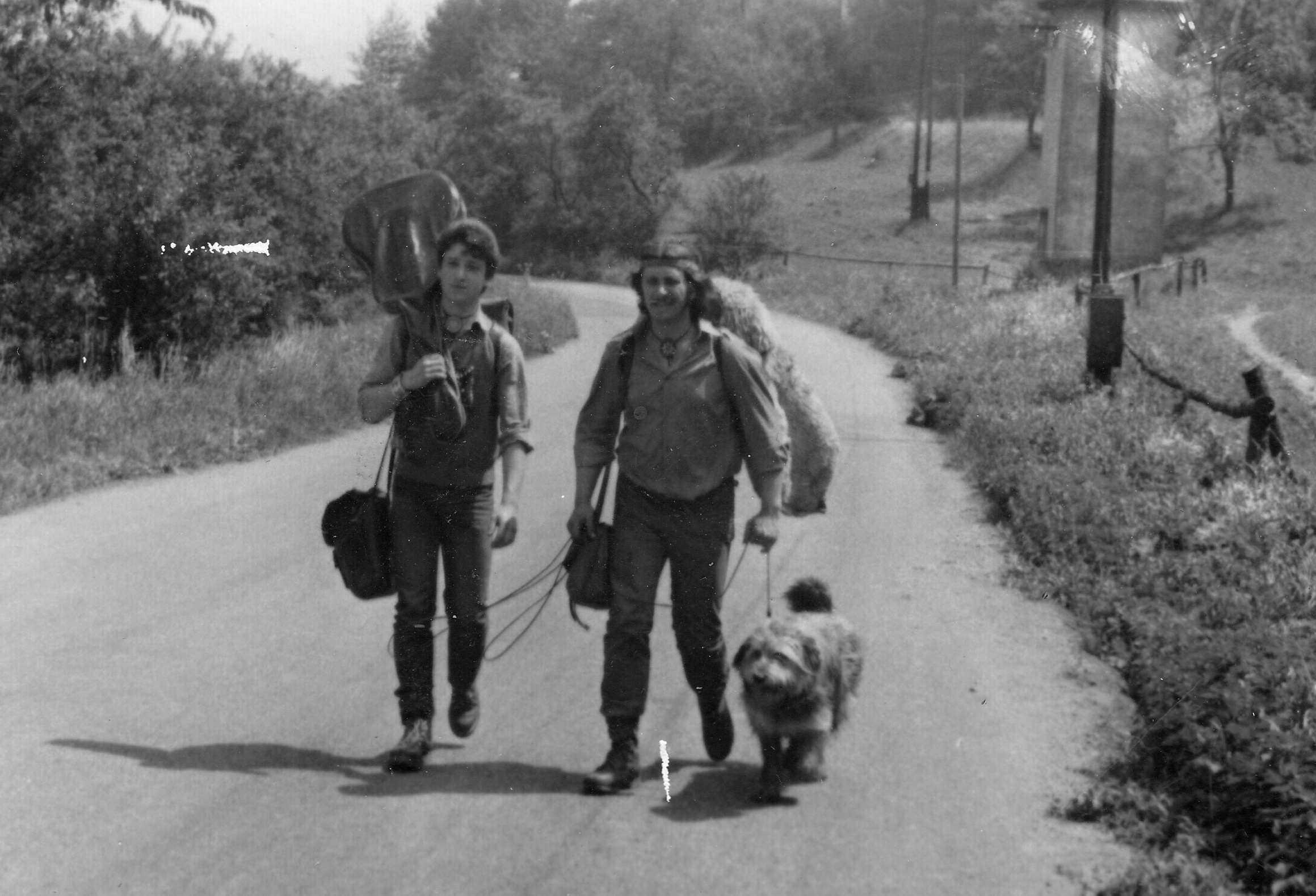
Daniel Rusniok was born on 31 August 1966 in Teplice. His father was a military officer, but after the August occupation he was expelled from the army. The family lived in the Šanov district of Teplice, where he spent his entire youth. Here he also met his friend Aleš Jindra. The two were united by tramping, music and a negative attitude towards the communist regime. In the autumn of 1981, they decided to speak out publicly against communist totalitarianism and painted the symbols of communist and Nazi dictatorships on the wall of their apartment building as common signs of both totalitarianisms. After being denounced, both were arrested and taken in for questioning, where they confessed to the offence. Daniel Rusniok, as a 15-year-old boy, was taken to custody in Litoměřice, where he awaited trial. He received a suspended sentence of four years. During this time, he started working as a carpenter at the company Interiér Praha, where he worked on furniture production. He was to serve his military service in Chotusice at the military airfield, but after a short time he was transferred to Teplice, where he joined a company that produced filters for military bunkers. He actively participated in the ecological demonstrations in Teplice that preceded the Velvet Revolution and the fall of the communist regime. In 1993, Daniel Rusniok founded a construction company, which he owned and ran even at the time of recording (2025), when he lived in Teplice.