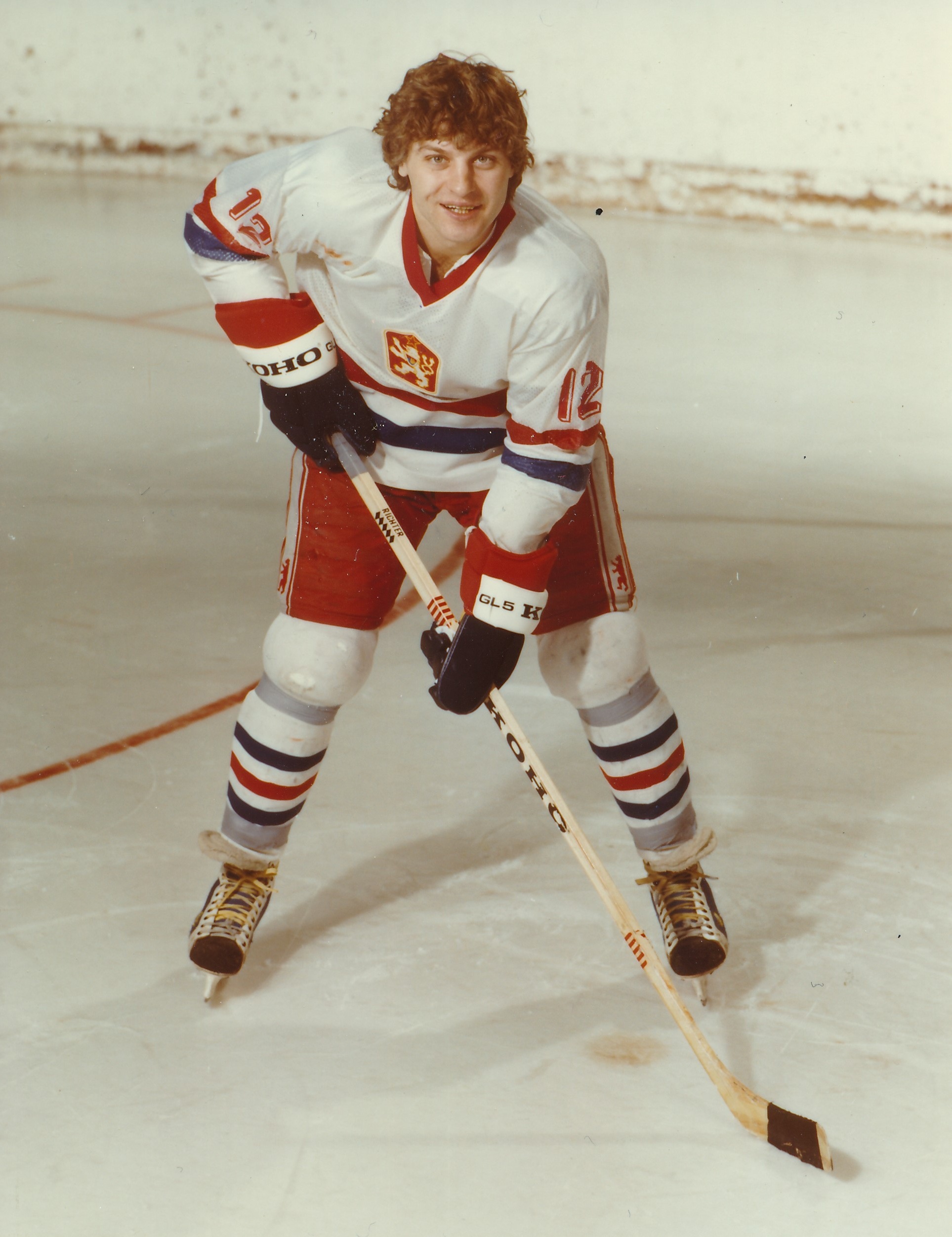
Pavel Richter

* 1954

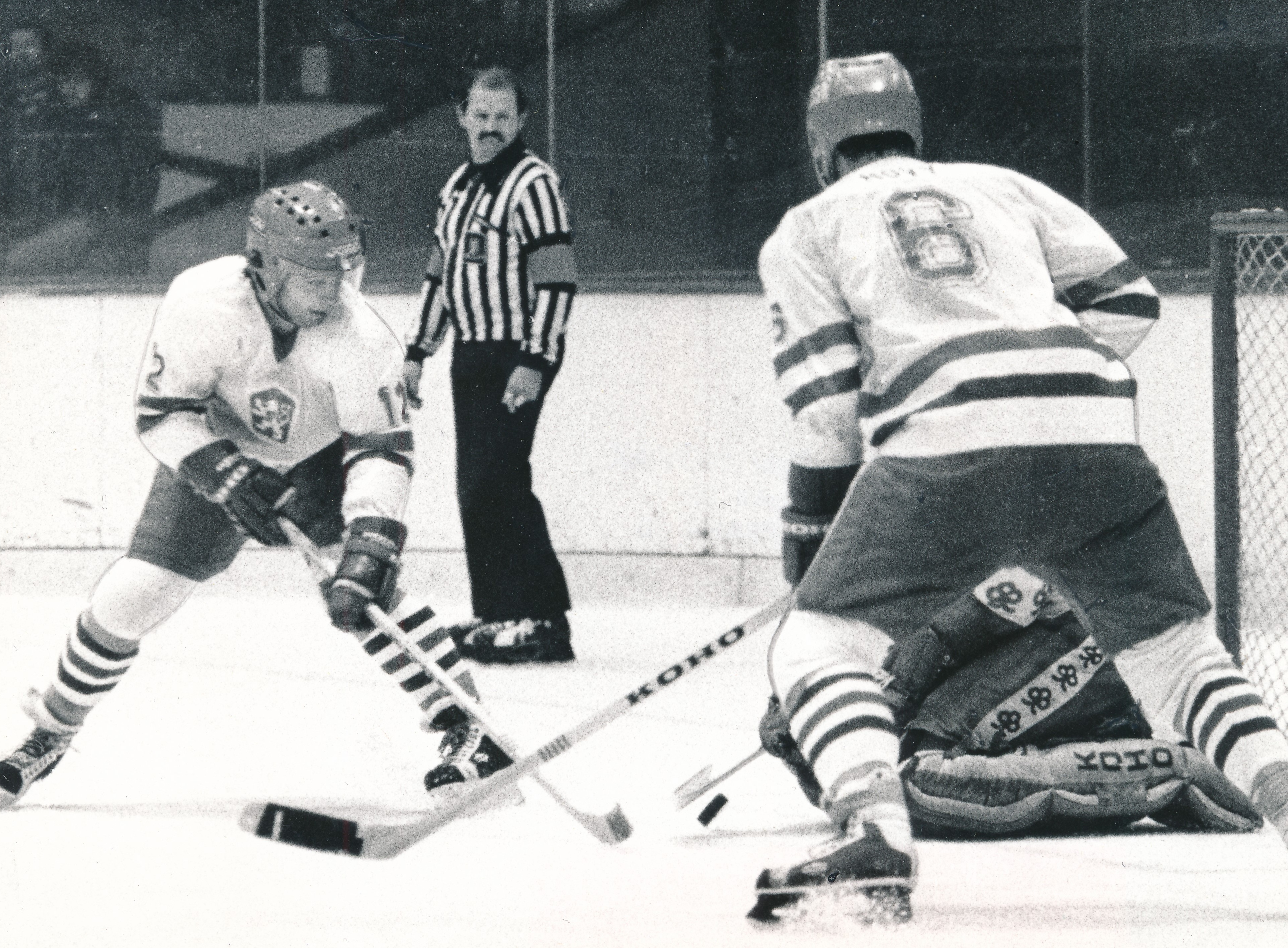
  • "We were very lucky in Germany, we were silver there too. But we played - the Germans did it on purpose - we played the Russians in Düsseldorf one day at 8 o'clock in the evening, where we played them for two periods 1:1 and 2:1. Then we got 5-1 and went to Munich for the night. We played from three o'clock and the Germans had the day off - the day before, I should point out. And we played from three o'clock with the Germans in Munich. We were completely and utterly decimated, no power, no juice, no nothing. That game, it was probably the game of Jirka Králík's life, we were leading 3:0 after thirty minutes and suddenly our legs gave out. Suddenly we just stopped skating, we stopped playing. I was on the ice and I remember when all three goals were scored by Kühnhackl Erich, and there was a situation where Jirka Králík deflected the puck and it bounced to Kühnhackl, who would have... We had to get at least a draw to get into the Final Four, I should point out. Well, it bounced to Kühnhackl and I jumped in and he shot me over. And Jirka Králík, as he was playing in that goal where he was standing, it hit him with the stick cue. So we were really lucky to make the final four there. There we beat the Swedes, Canada and we played the Russians 1-1. That's where I passed to Jirko Hrdin for the 1-1 tie. We had huge chances, we had huge chances that time at 2-1, when of course I'm not going to say that the Russians had a lot more chances, but we had huge chances, so that was it, we were already on them."

  • "The greatest experience I had was when, and this was not from capitalist countries, but when I was carrying an eighty-pound planer from Moscow. It was recommended to me by my father-in-law that it was excellent there, and there was about a 25 centimeter planer. The two of us... Normally I would split up all the equipment and distribute it among the guys to take it, and I just had some papers in there myself so it wouldn't tear up the hockey bag. It came out on Ruzyne as it was running from the bottom, and the dude that was throwing the bags over there, as you took it from him, he took it and went all the way to the end where he hit the wall. So two of them came and they carried it over and I went through the customs where I was dragging it because it couldn't be lifted. So I'm dragging it through customs and the customs man says, 'What are you carrying?' And I said, 'Nothing.' And he said, 'Well, open it up for me.' So I opened the bag and there's the planer and just the knife was clearly visible. And he said, 'What's that?' And I said, 'I'm the youngest and that's a grinder.' He looked at it and said, 'Oh, that's a grinder, I see. You can go.'"

  • "We had a day off and the person who took care of us there, an expatriate, was our interpreter. And he worked at NASA. The management didn't take him to the table, of course, because they were afraid something might happen. There was always that 'eye' with them. So, of course, he was sitting at the table with us, and we said, 'Hey, could you arrange for us to go up there?' And he says, 'Guys, I can't do that.' Imagine him being there in the morning before we had our morning training, and saying to us, 'Well, I did it.' We had a bus pulled up and we went to the control center where all the rockets were controlled from. They even had an Apollo 15, I think, or 11, there, which was a replacement for the Apollo that went to the moon. So that was an experience that totally shook us up."

  • Celé nahrávky
  • 1

    Praha, 29.11.2025

    (audio)
    délka: 02:36:52
    nahrávka pořízena v rámci projektu Tipsport for Legends
Celé nahrávky jsou k dispozici pouze pro přihlášené uživatele.

Sarajevo was golden silver for us
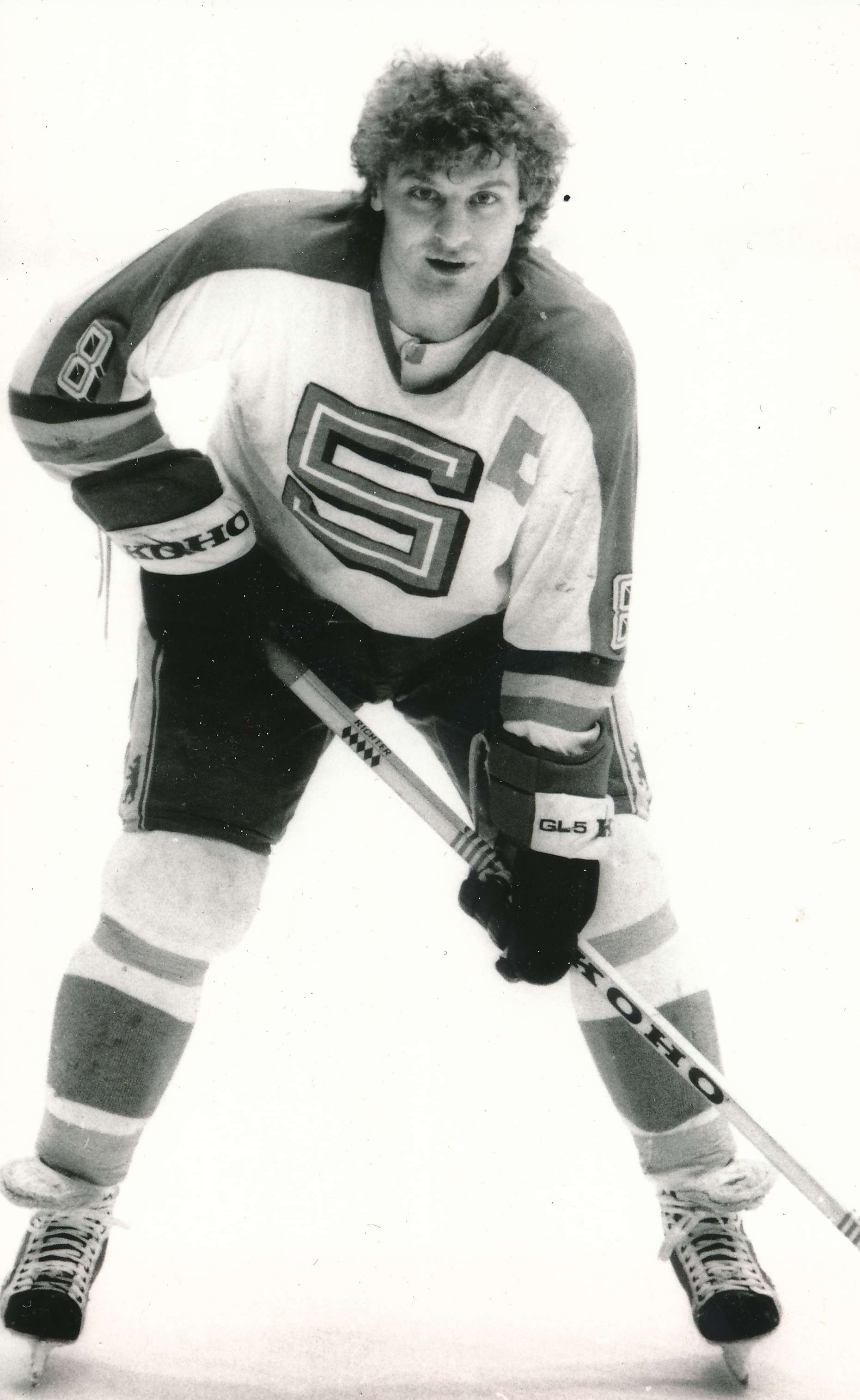
As a Sparta player, 1984
zdroj: Archive of a witness

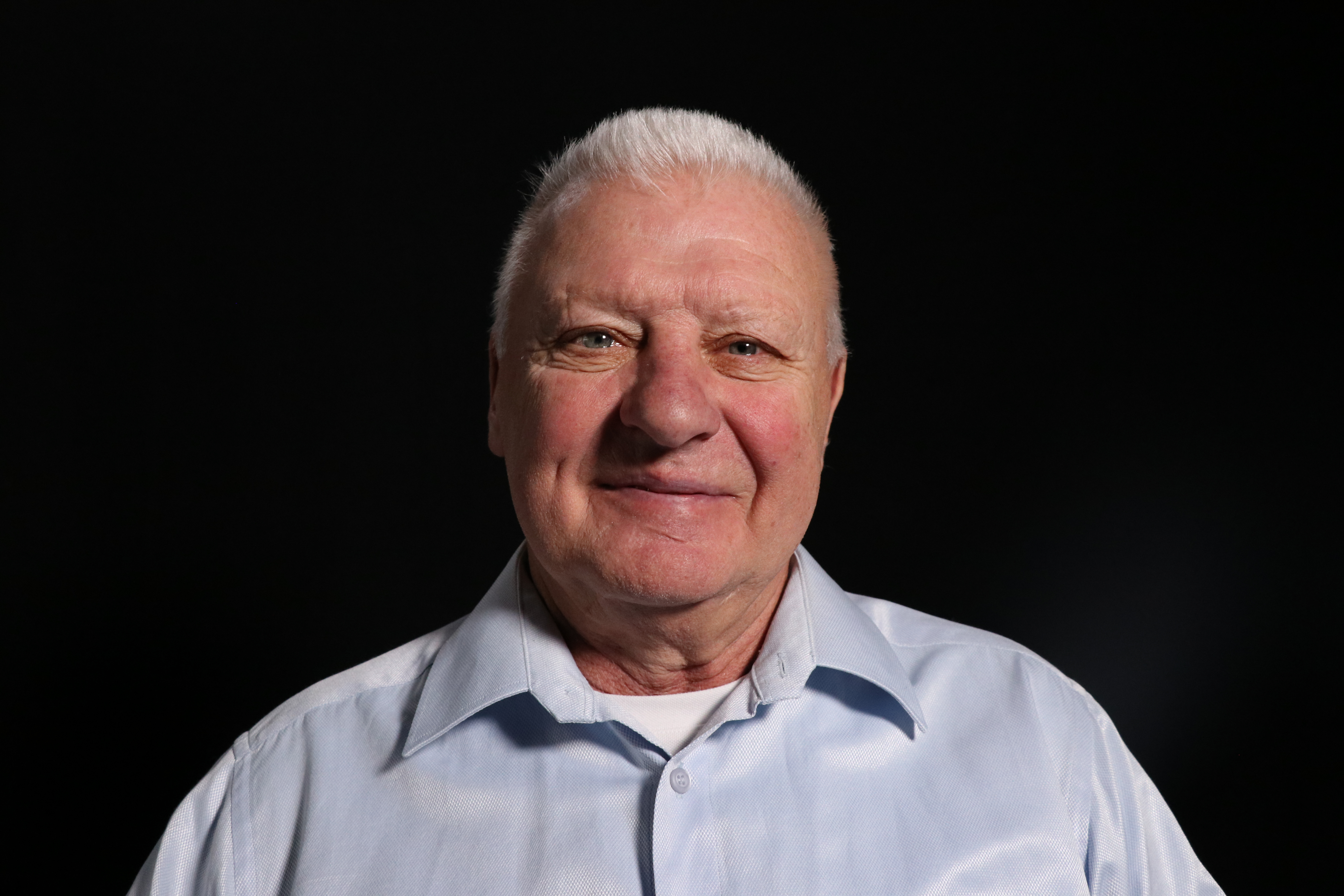
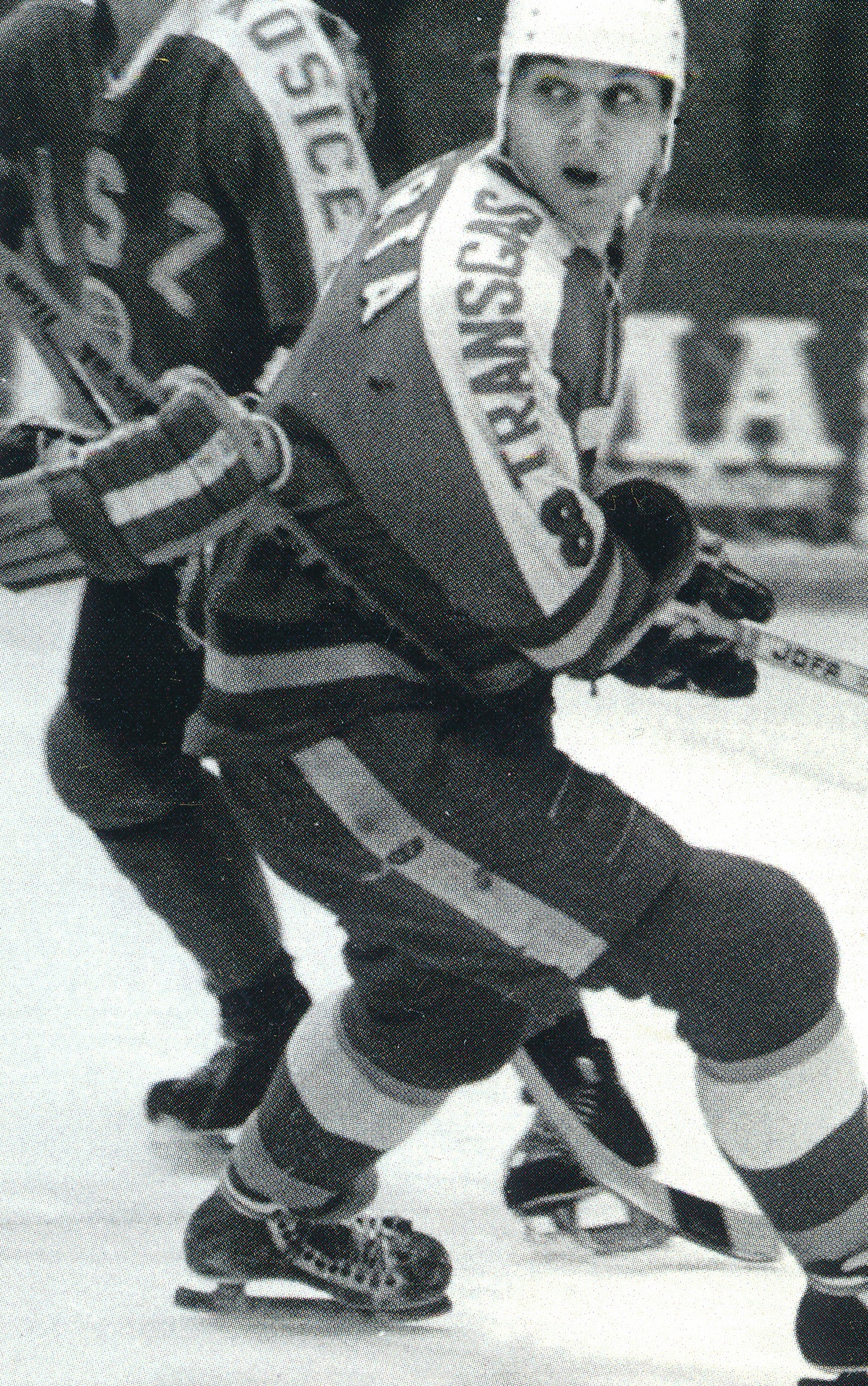
Pavel Richter was born on 5 December 1954 in Prague. He comes from the family of Josef Pobuda, a member of Orel organisation, imprisoned by the communists. Since childhood, he and his younger brother, following their father‘s example, devoted themselves to hockey. He started out at the Motorlet Praha club, where he began playing for the adult A team in 1971. After two years, he was offered a transfer to Sparta Prague, where he eventually played 11 seasons, with the exception of the 1979/1980 season, when he spent his military service in Dukla Trenčín. In 1973 he won bronze medals with the Czechoslovak team at the European Junior Championships in Leningrad. In 1978, he participated in the World Ice Hockey Championships for the first time, where the national team won silver medals. However, the greatest success of his career occurred in the mid-1980s when, after winning valuable metals at the World Championships, the national team achieved gold medals at the 1985 World Championships. This success was preceded by winning silver medals at the 1984 Winter Olympics in Sarajevo, where the Czechoslovakia lost only to the Soviet Union in the final group. In the mid-1980s, he received an offer from abroad and started playing in Switzerland. During his first season he got injured and moved to Germany, where he played until 1992. After his active career, he started coaching - first at HC Slavia Praha and then at HC Sparta Praha. For more than 25 years he worked as a hockey expert for Czech Television. At the time of filming in 2025 he lived in Prague.