Good people can be found in any party
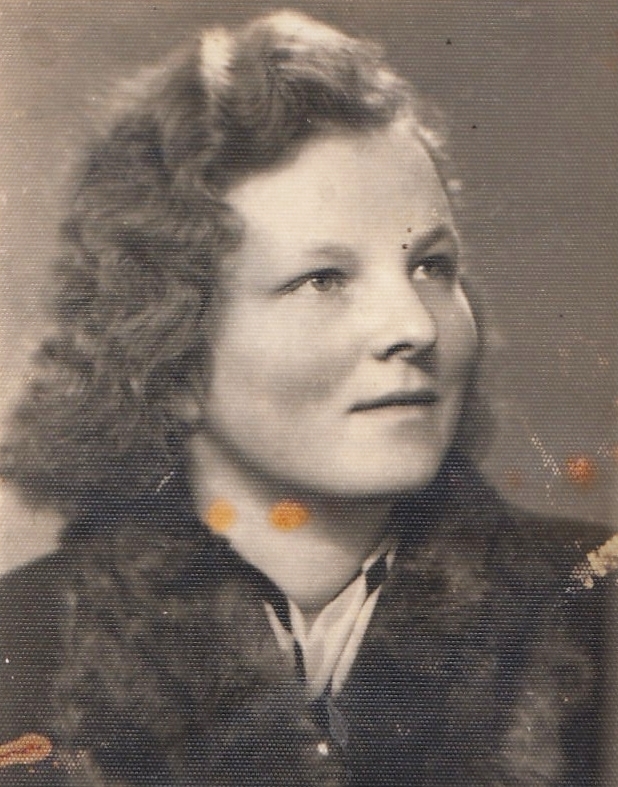
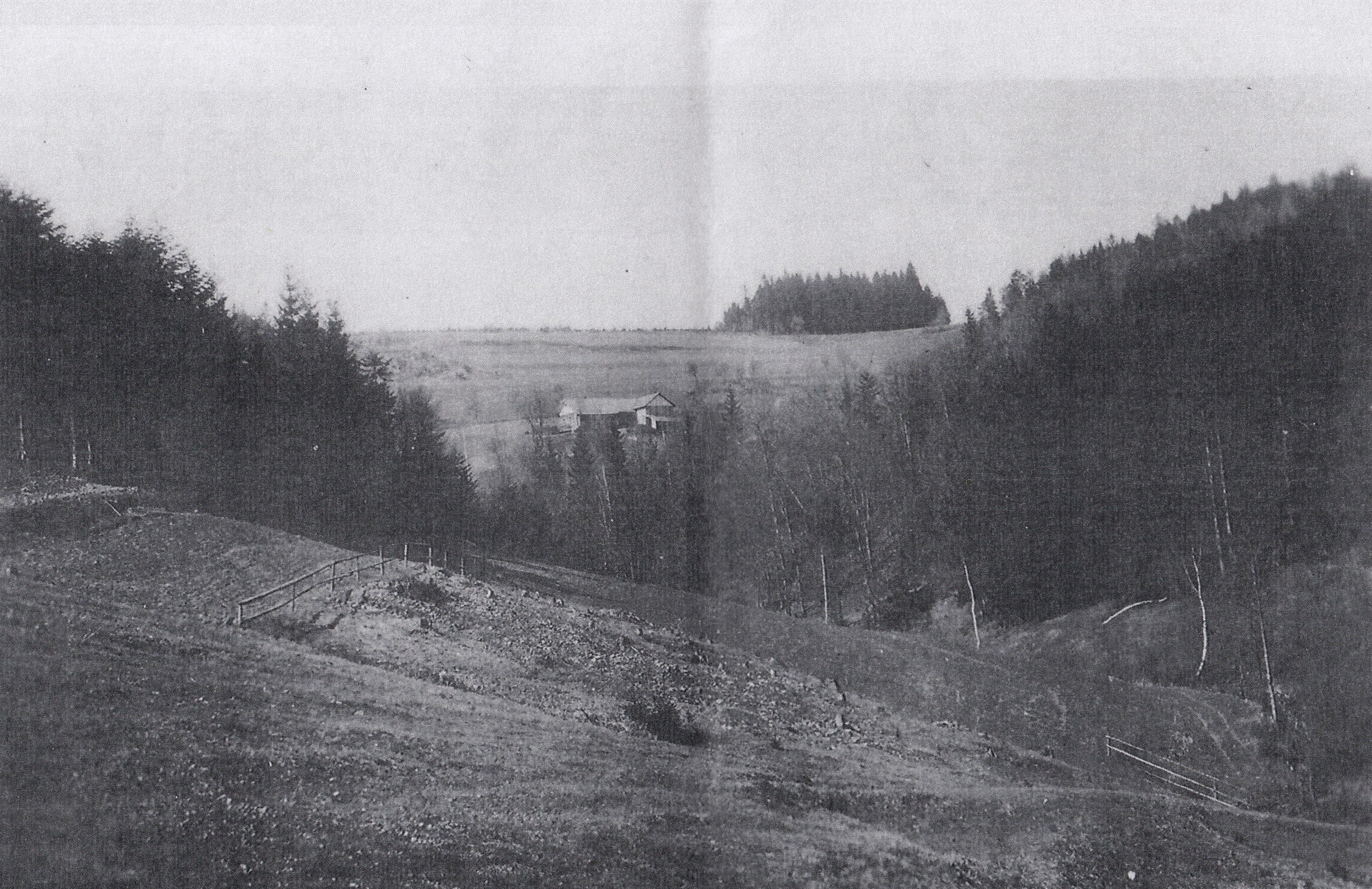
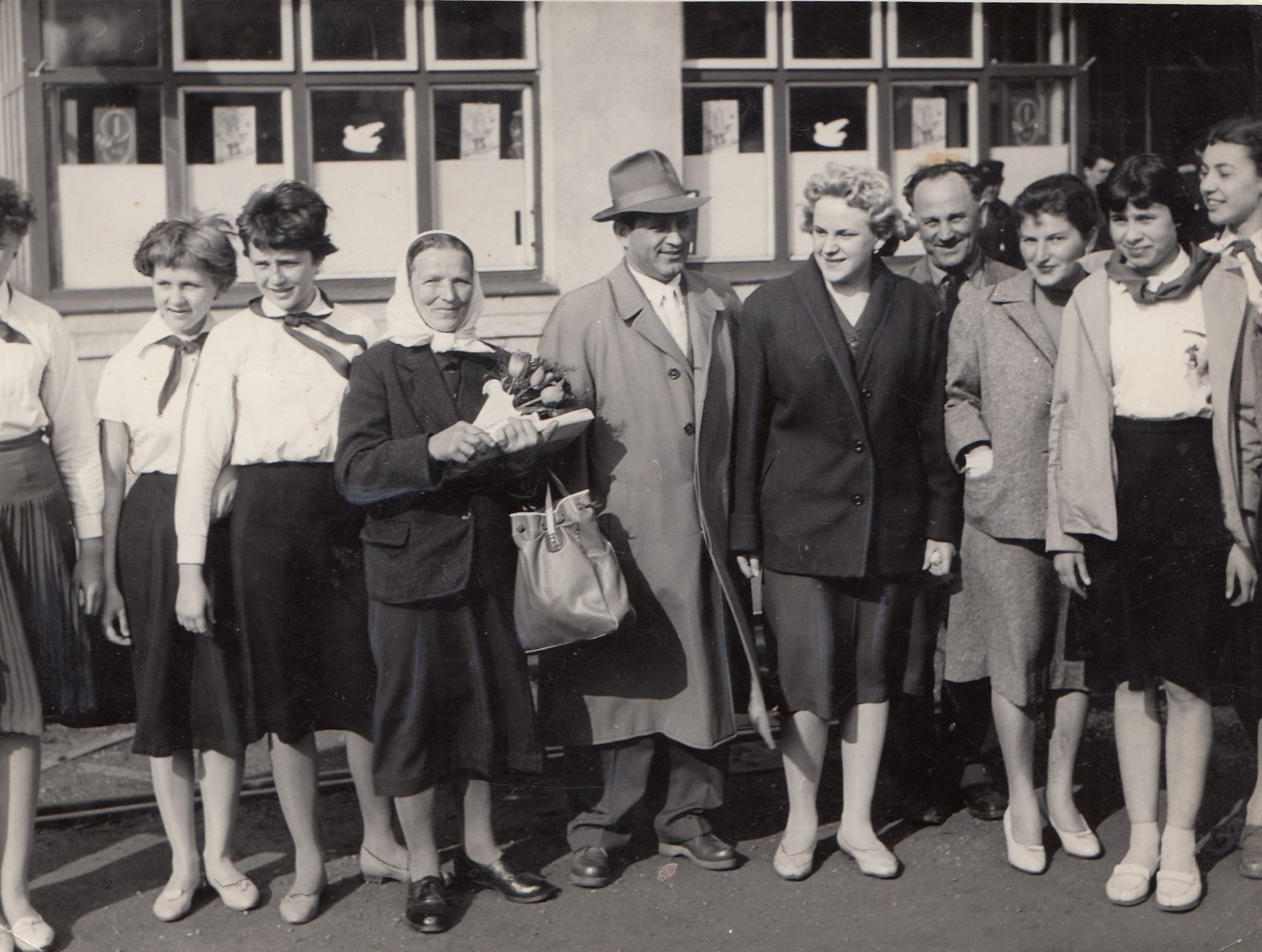
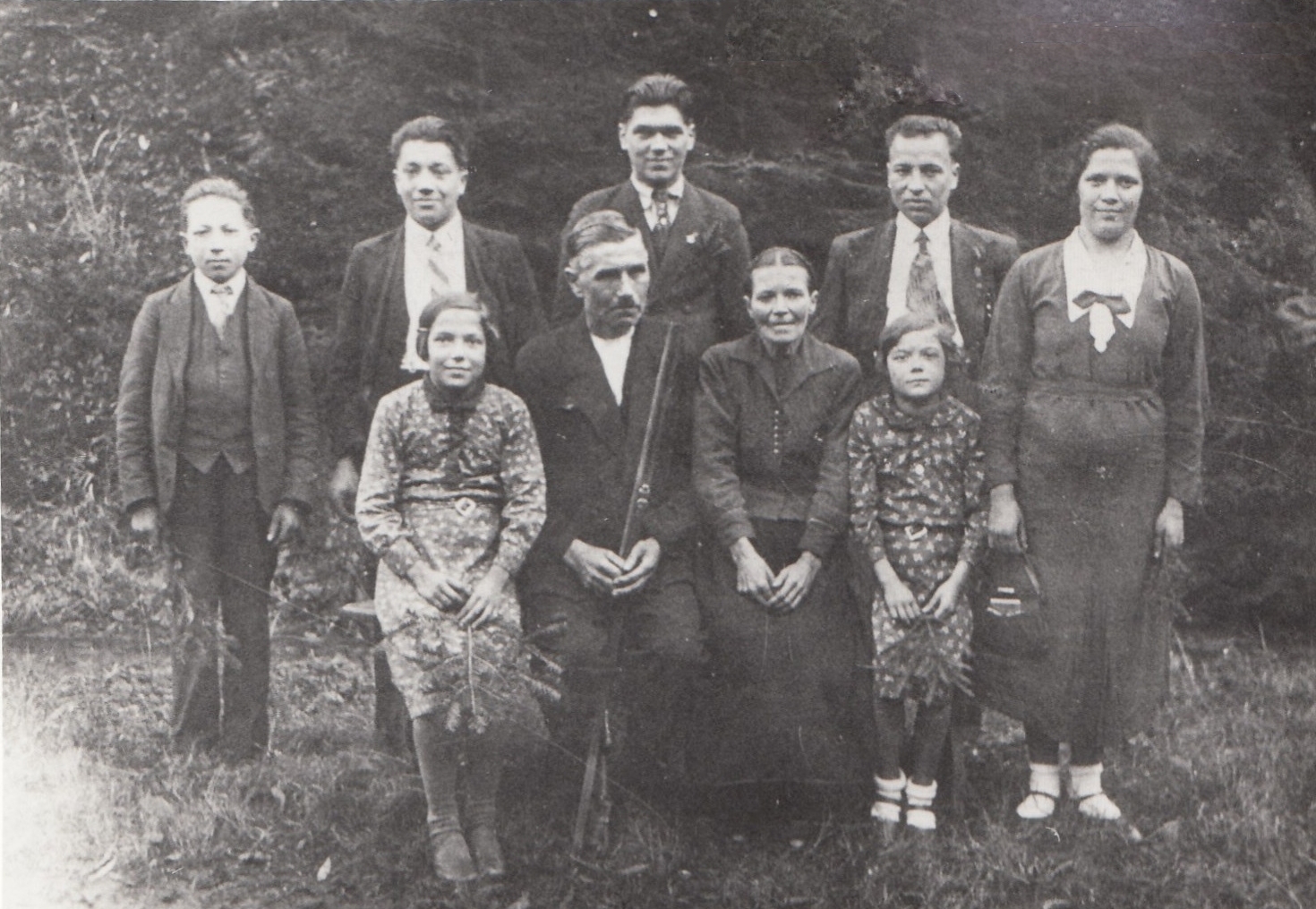
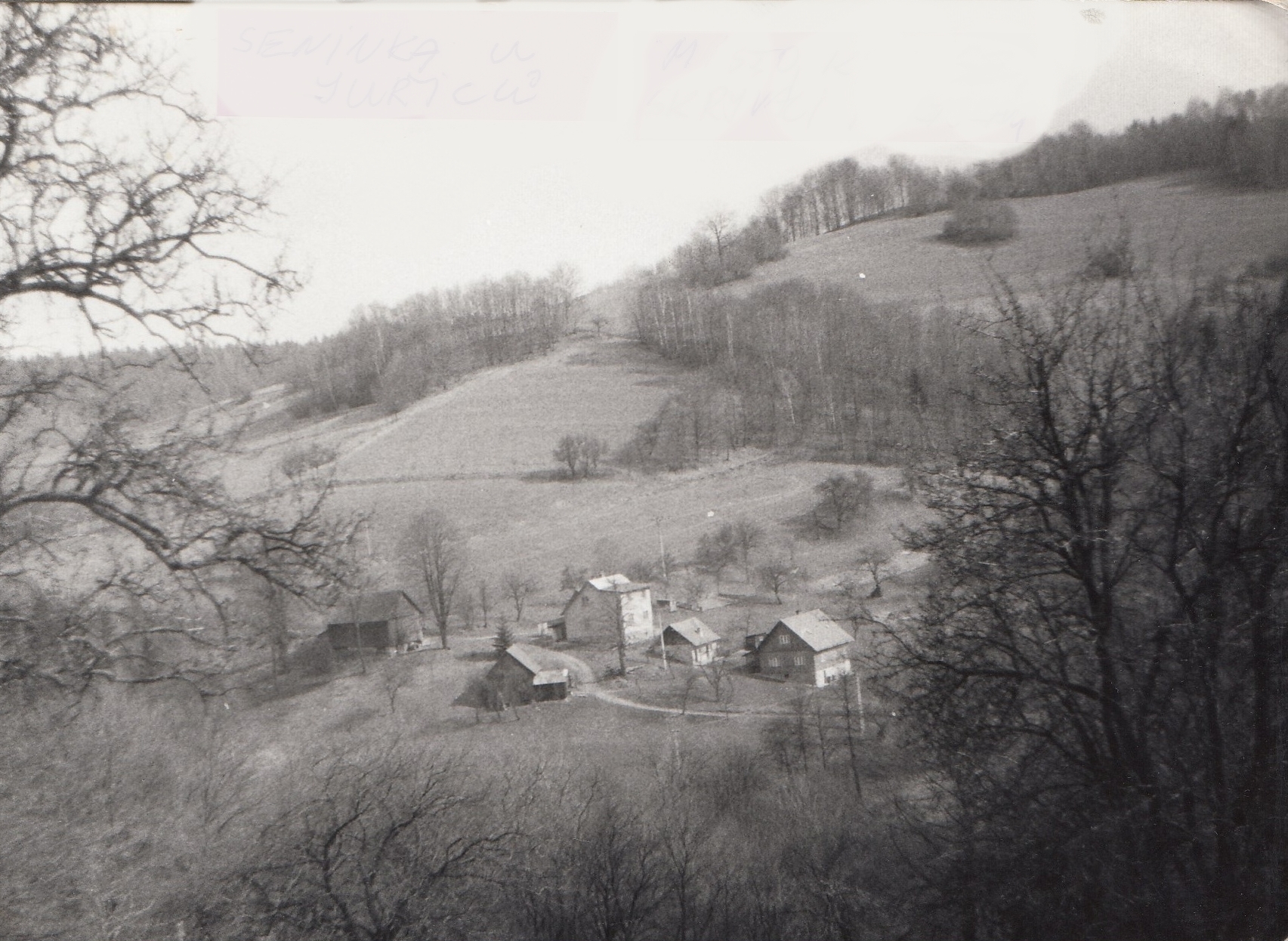
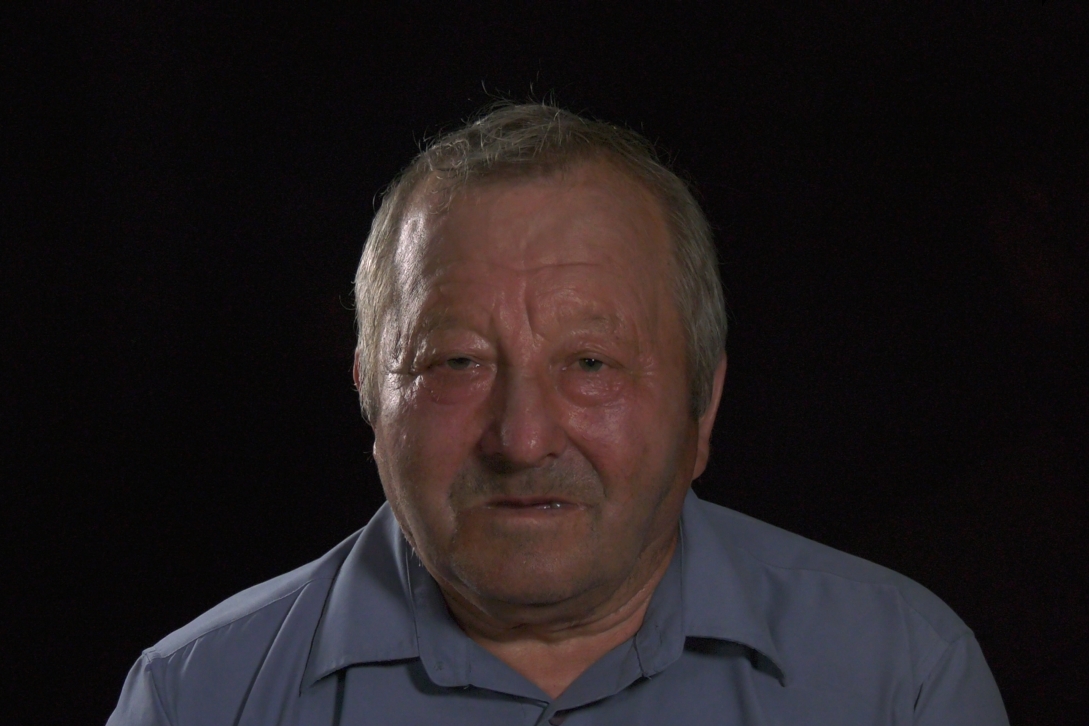
Pavel Řezníček was born on the 5th of June in 1946 in a settlement of Pokojka in the hills of Moravian Wallachia. He did not experience the war years but the war experience had a formative influence on the family. His parents Vlasta and Pavel Řezníček cooperated with the resistance fighters. Towards the end of WWII, they hid the injured Dajan Bajanovič Murzin, the commander of the First Czechoslovak Resistance Brigade of Jan Žižka. A few days before, by a nearby Pozděchov, a minor clash between the resistance fighters and the Nazi Jagdkommando had happened and D. B. Murzin had been shot. The Řezníček family dug a bunker under their porch but they later moved him to a dugout in the horse stable because the Nazis were getting more rabid in their actions. During a Gestapo search, the resistance fighter was almost discovered and only by sheer stroke of luck, the Nazis had not found him. D. B. Murzin showed gratitude for his salvation and he would visit the R family when he travelled to Czechoslovakia. Pavel Řezníček apprenticed as a bricklayer but he loved working with horses. At first, he worked in the Unified Agricultural Cooperative, later on, he would cut down trees on his own and the horses helped him to drag the logs from the barely accessible terrain in the mountains. He followed the example of his father and joined the Communist Party. He has been a member ever since.