Milan Ptáček

* 1946

  • "I still remember behind bars my father saying, 'Don't join any party. Never.' That's what my mother kept telling us when we got to him and we saw him fall, see him being tortured, see his life go downhill. A totally messed up life. What are they gonna make of you? Nobody knows. And the worst part is, you didn't do anything. And for nothing, they're gonna ruin your whole family, destroy everybody. It's a plague, it's a contagion. My mother always said: 'It's a pity he didn't shoot himself in Uherské Hradiště. Even that death would have been better for him than what he went through.' Mum didn't accept it, she kept writing to ask him to be pardoned, but she didn't know what would happen afterwards. She said death was his release from what he'd been through. It's horrible. How could it be erased when you've lived through it? You can't. Or forget? You can't. 'Forget the communists.' How on earth can we forget them? How can anyone say that? What's that? They´ve been brought up from a very young age: 'You have to go in or we'll take your kids.' They were tyrants and they are still. You can do whatever you want, but don't come to me. If you're hungry, I'll feed you, even if you're a communist. I won't let you die, but don't talk to me."

  • "Mummy got the approval that we could come. As far as I remember, it was seven kilometres from Tichov to [Valašské] Klobouky and maybe eight kilometres to the station. Mum used to carry us on her back to the station at one o'clock at night when we were little kids. And we went to Bylnice and down to Slovakia. And many times we got to Leopoldov and they didn't even show him to us. There was a waiting room in front of the prison where we waited to be called, and twice they told us we couldn't see him. So we went back again. So when we did see him, about six months later, they showed him to us. It was behind bars, behind glass. There was just this long hole in the glass. We stood on the outside and peeked in. Two guards next to him and he was chained to this iron ball around his waist. We could talk to him, but we were always corrected when my mother asked a question or he asked how his friend was. The Slovak guards always told him, 'Simulenko, talk about family matters'."

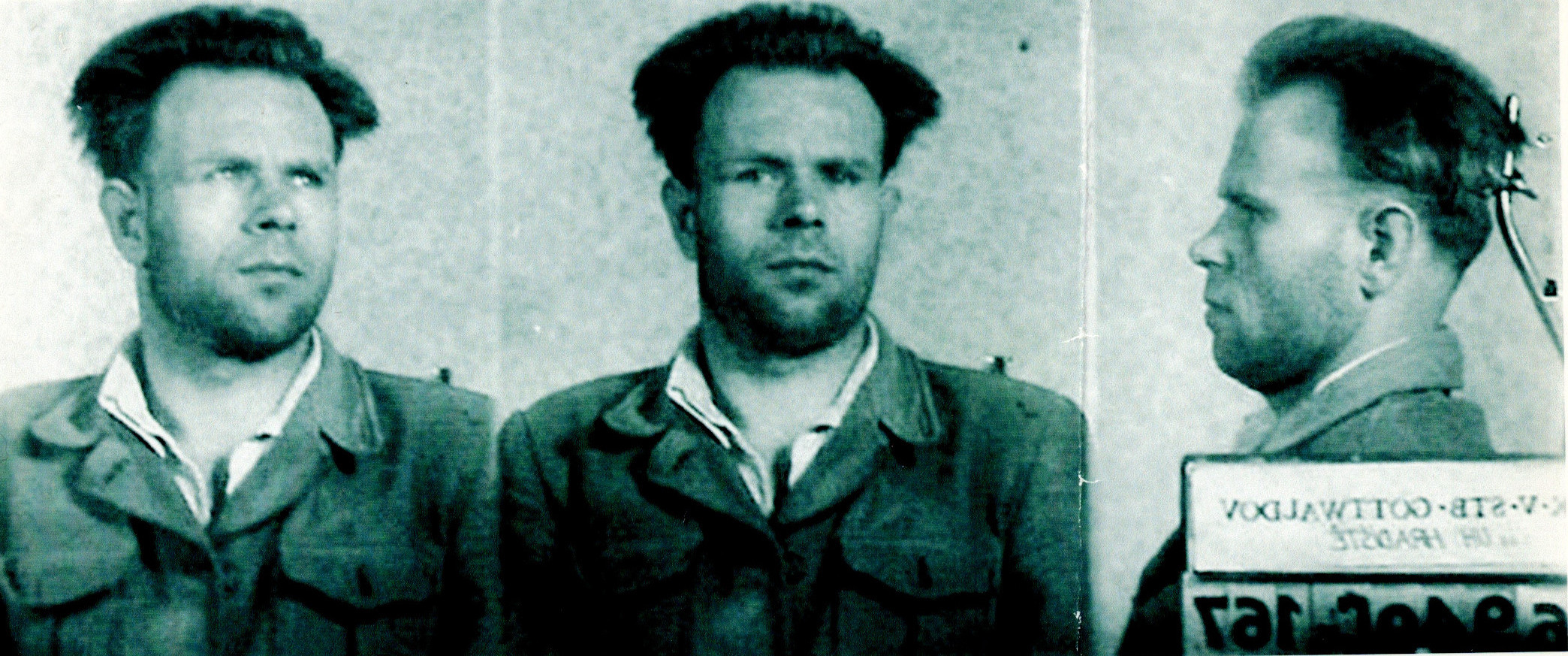
  • "They lured part of the partisan group onto the bus and wanted to transport them, but my father didn't believe them. He said, 'When you get to Austria, write me a ticket and I'll know you're there.' Milada used to bring him some snacks in the mountains when the goats were grazing. In this way he was lured to Tanečnice, where he was supposed to be the last one to be transported by motorbike, but it did not happen. He was brought to the Hradiště, to the Grand Hotel, where he was interrogated for two hours at table number six. He had a small gun with him. There were machine guns pointed at him from two corners and he was about to surrender. He didn't surrender for two hours. Later he said he should have shot himself if he had known what was coming. He didn't do anything, he just distrubur´ted the leaflet. That's practically how it started."

  • Celé nahrávky
  • 1

    Vsetín, 13.08.2025

    (audio)
    délka: 01:20:06
    nahrávka pořízena v rámci projektu Stories of 20th Century
Celé nahrávky jsou k dispozici pouze pro přihlášené uživatele.

Mummy said death would be better for Daddy than what he‘d been through
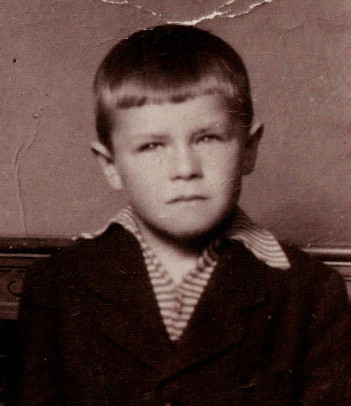
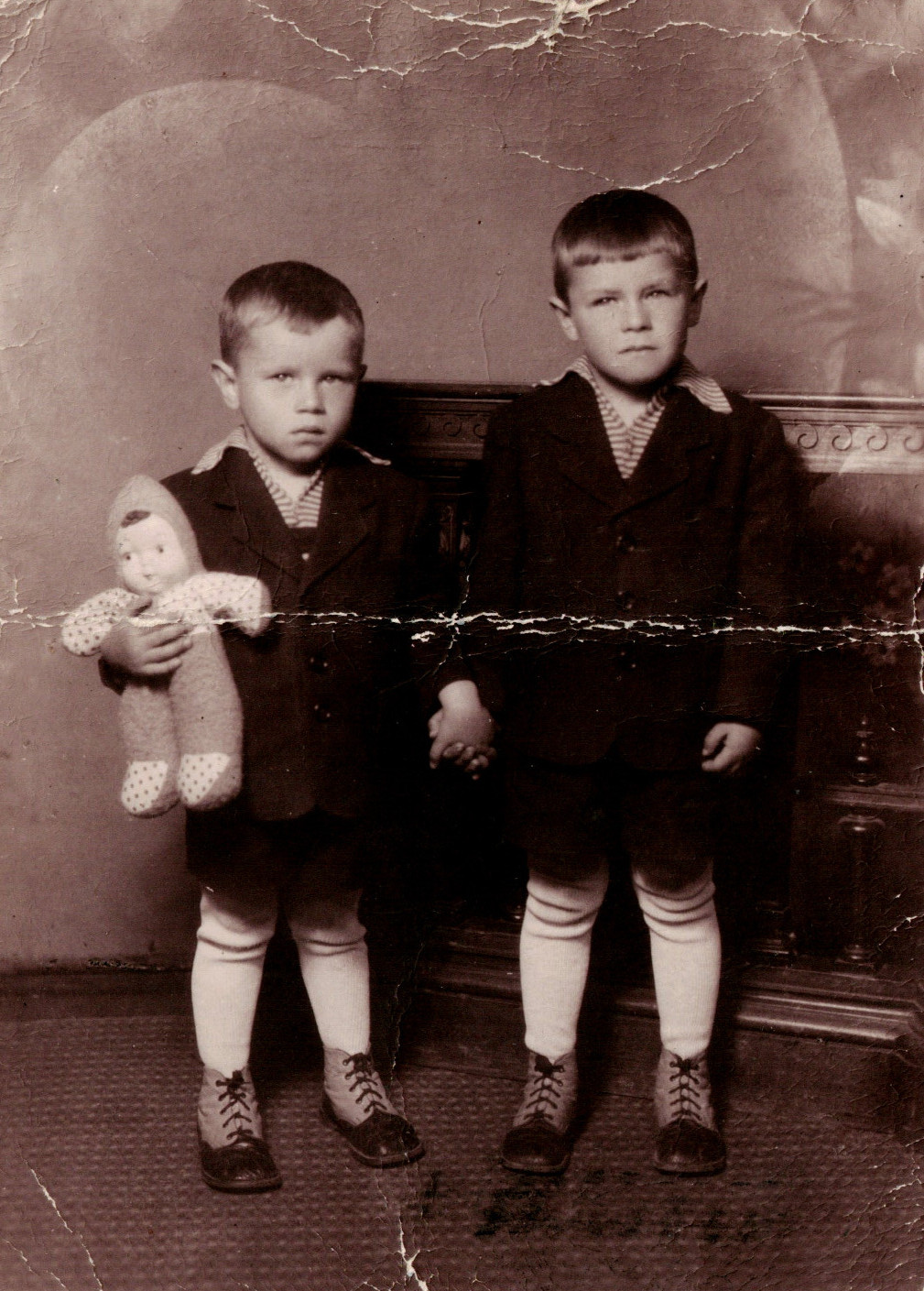
Milan Ptáček at the age of five, 1951
zdroj: witness´s archive

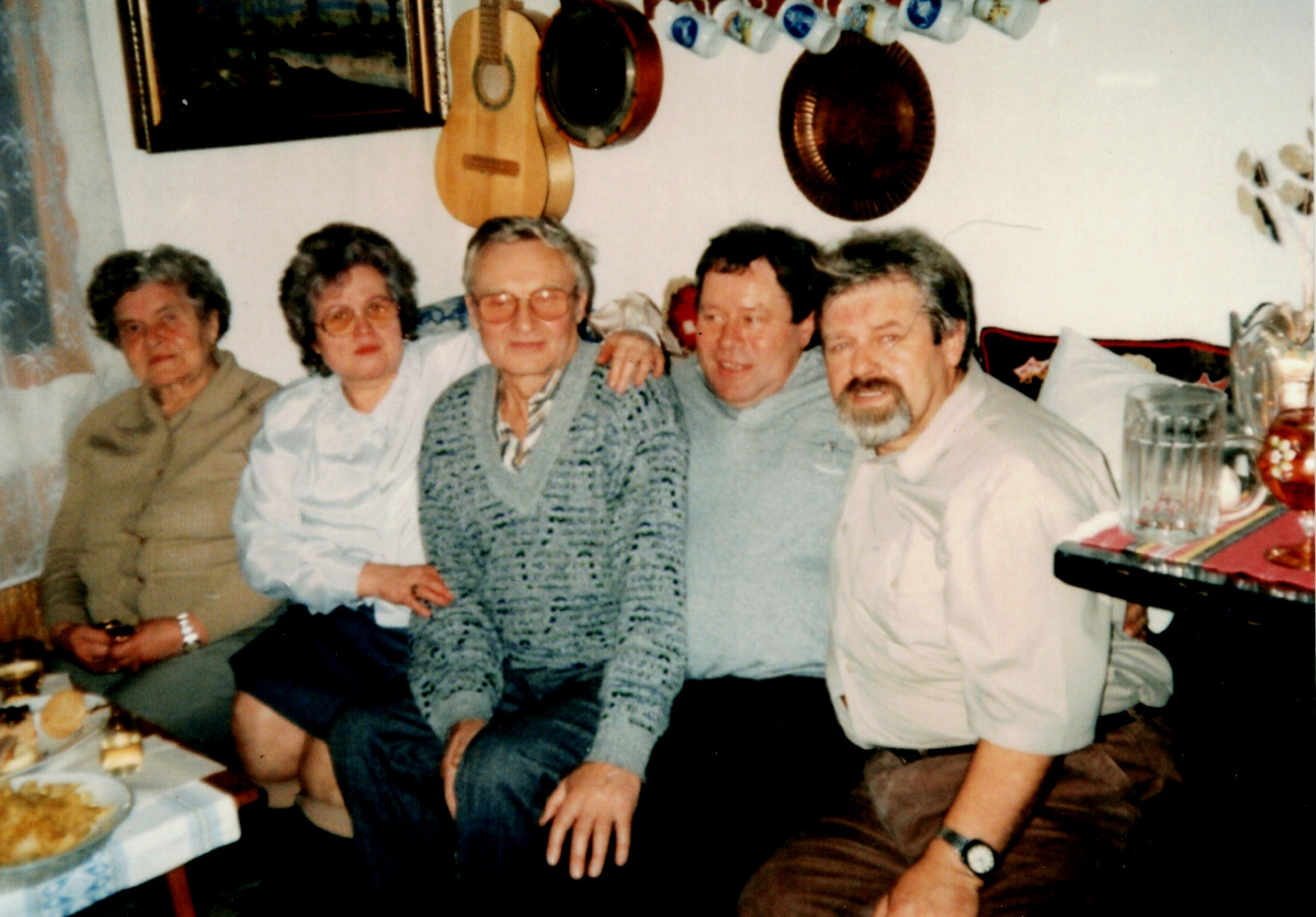
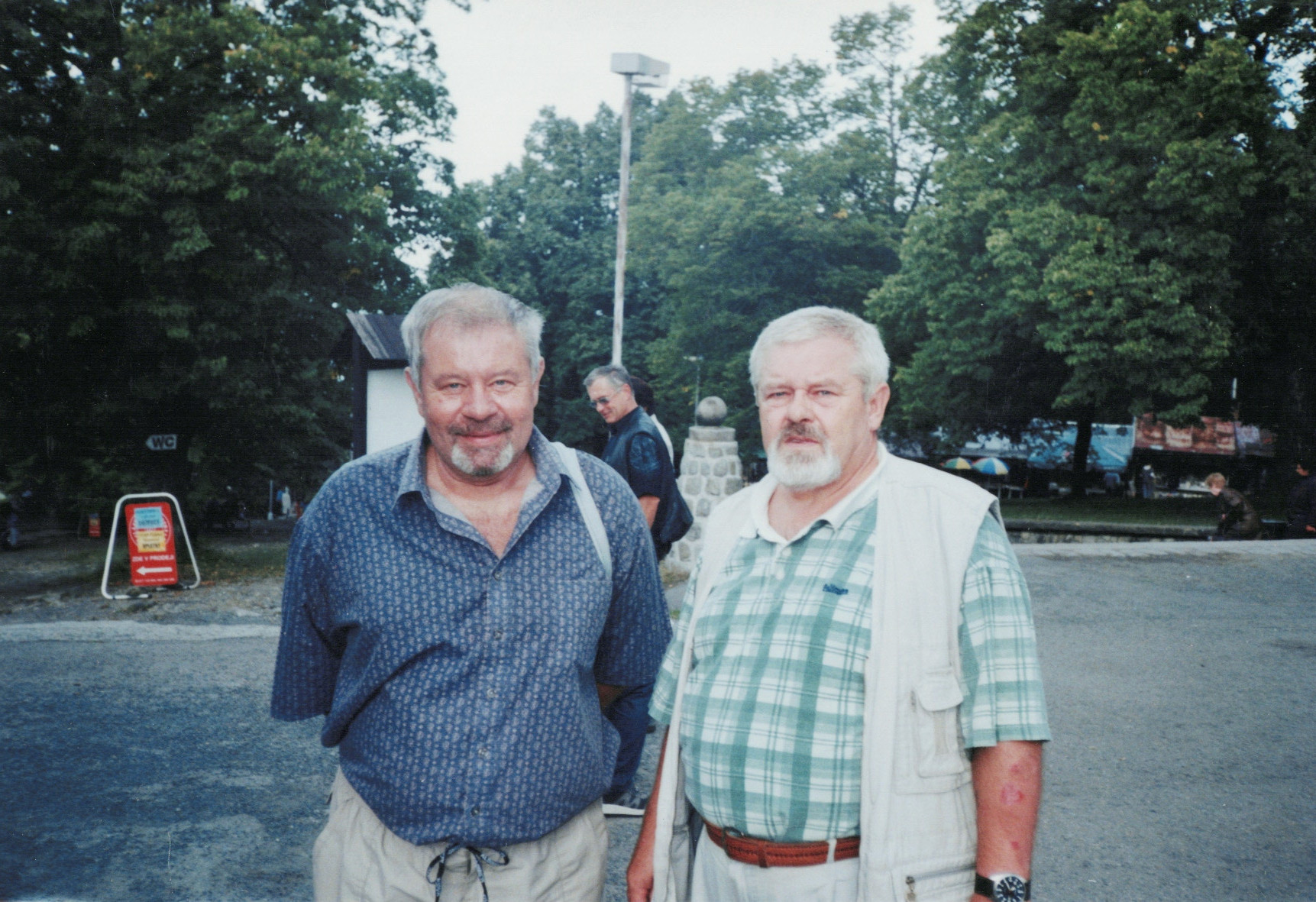
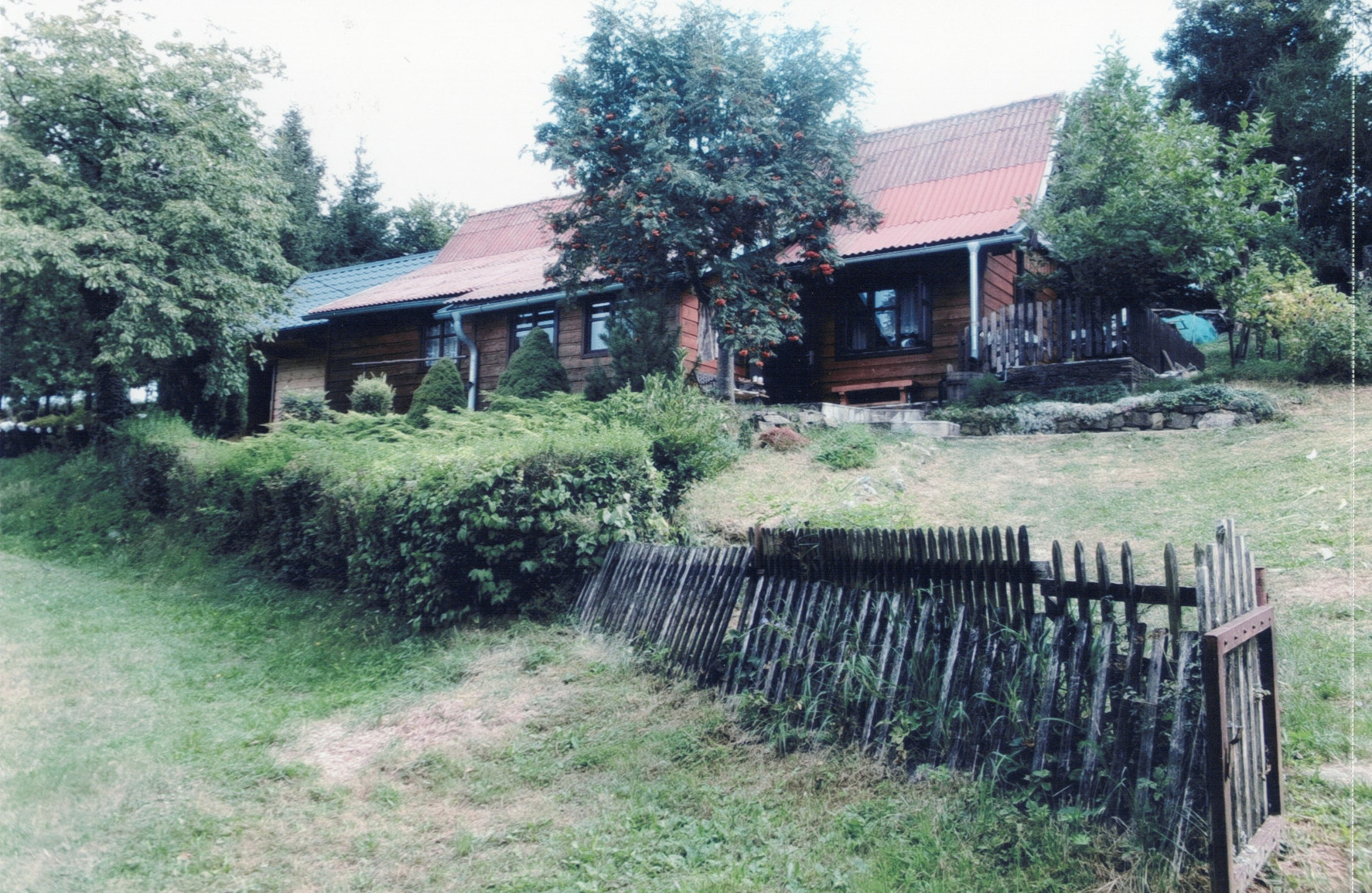
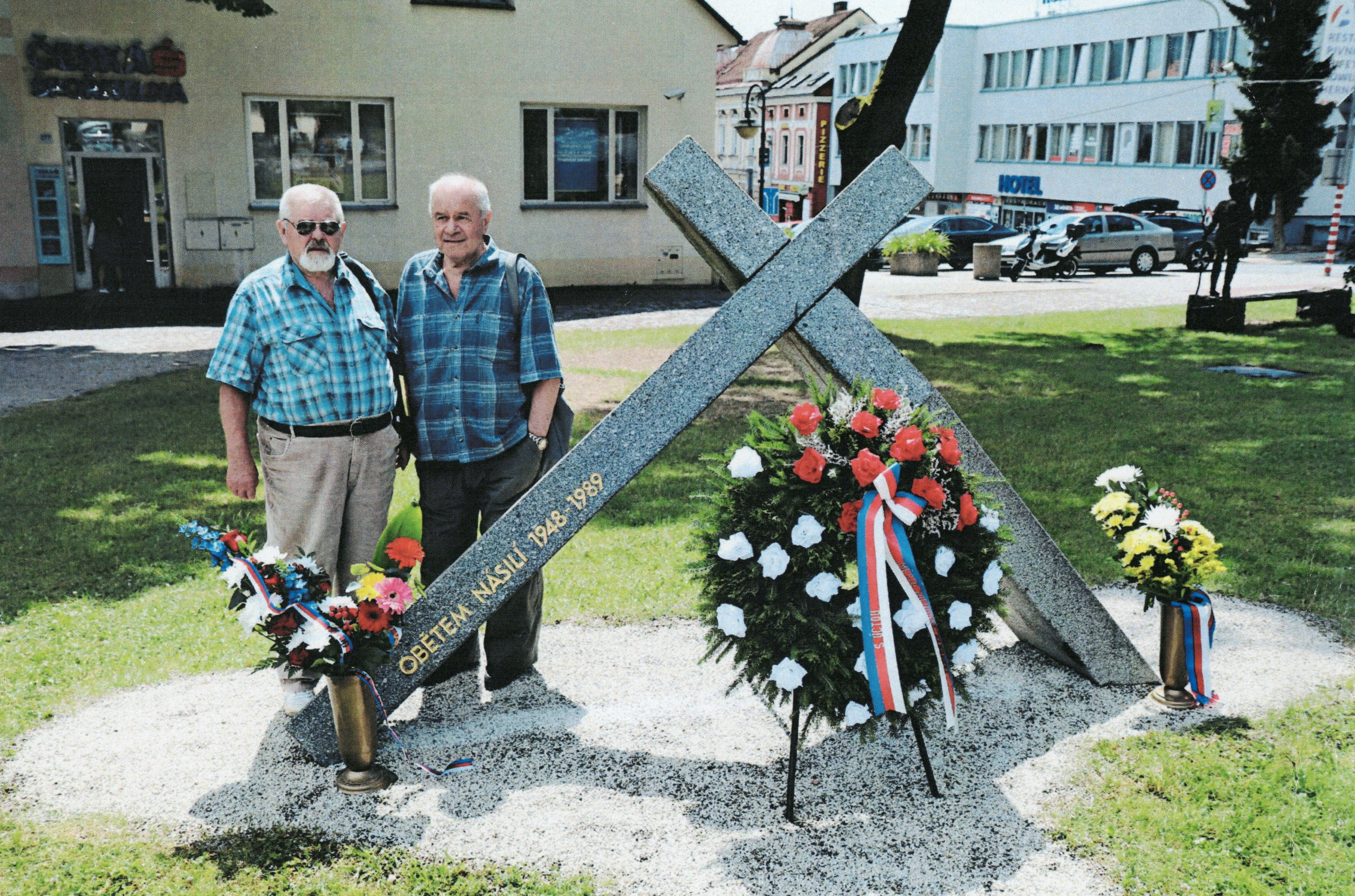
Milan Ptáček was born on 22 December 1946 to Františka Ptáčková and Timofej Simulenko, called Timošenko. He spent most of his life in a wooden house above the village of Tichov near Horní Lideč. His mother had three other children besides him, two of whom were from a previous relationship. Milan‘s father Timofej Simulenko was a partisan and later a member of the resistance group Světlana. In 1949, his father was arrested by members of the State Security (StB) and sentenced to death, which was later changed to life imprisonment. His children visited him several times in all the prisons and in the sanatorium he was sent to as a result of the development of schizophrenia. His son Milan describes these encounters as terrifying and tragic. However, he remembers his childhood in a good way, protected from hardships mainly by the surname Ptáček and also helped by many people who knew the fate of the family. He was thus able to live a relatively normal life. After the war, he worked in the forest together with his uncle František Ptáček, who was also a member of the Světlana group and served several years in the prison at Mírov. Later, Milan married and began working for Czech Railways as a train handler. Over the years, together with his brother Ivan, he took part in several commemorative events in Ploština and elsewhere. They still remember their father‘s steadfastness in facing his fate. At the time of recording in 2025, Milan Ptáček lived in Vsetín.