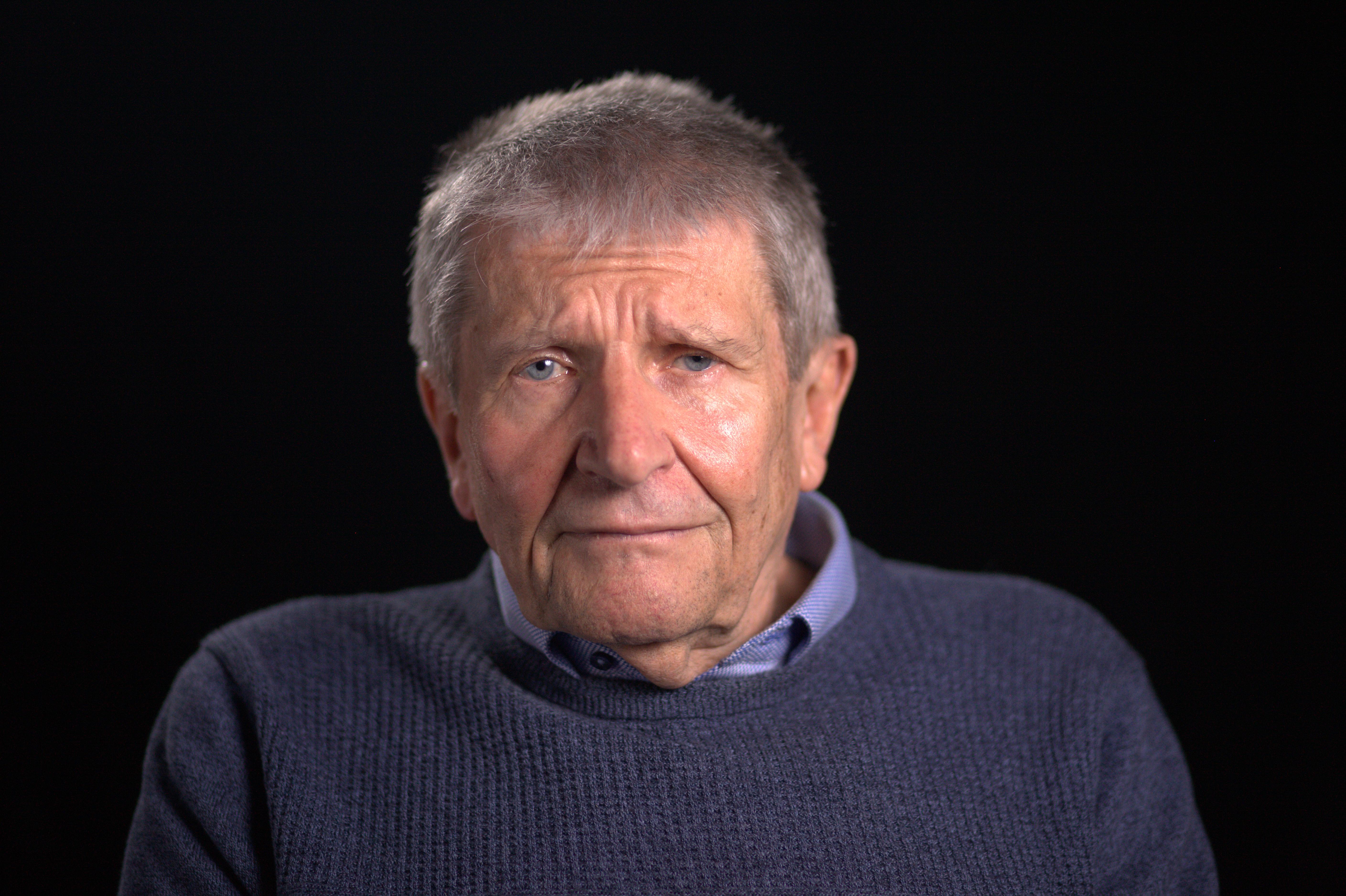
Ing. Karel Prokop

* 1940

  • "He said when he came back that it was much worse psychologically than the German concentration camp. It was already obvious that it (the war) would end. Of course, there was the risk that it might end in his execution. But it was short and he was younger, whereas in that communist camp it was quite hopeless, as there was no hope that things might change. That hopelessness was worse than the drastically worse conditions in Terezín."

  • "You're leaving the person. You see them for, say, half an hour and you go away. Later on, the news would get out how things were going, not to mention that in Jáchymov, during the worst of times, there was downright famine. Those people were really in a terrible state. Adding to those difficult working conditions, there was borderline famine. It was only after the intervention of Soviet advisors, who saw how the prisoners would be devalued as a workforce, that things got a little bit better. But in the early 1950s, or before '56, the conditions were really drastic there. What saved my dad was that we sent him an accordion, which looked pretty nice, and he gave it to a Russian, this Soviet advisor who then got him a little better food rations. That's how he made it through the worst of the hunger."

  • "Then he was supposed to go to Dresden for a martial law trial, and of course he was facing the death penalty because my mother told me the investigation files contained the remark 'return undesirable'. His lawyer at the time claimed he had managed to erase the remark from the files. It's a question whether he actually did, but in any event, he wanted a hefty sum for that. Fortunately, Dresden was heavily bombed at that time, so the train taking my father to Dresden was also attacked and they went back to Terezín. There was a typhus epidemic in Terezín at the time, which affected the entire complex, so security was weakened and Dad managed to escape. He got to Prague where we had relatives. That's where he spent those final days of the war in 1945. Then he came home, also infected with typhus. He recovered, and by then the war was over. Better times began for us."

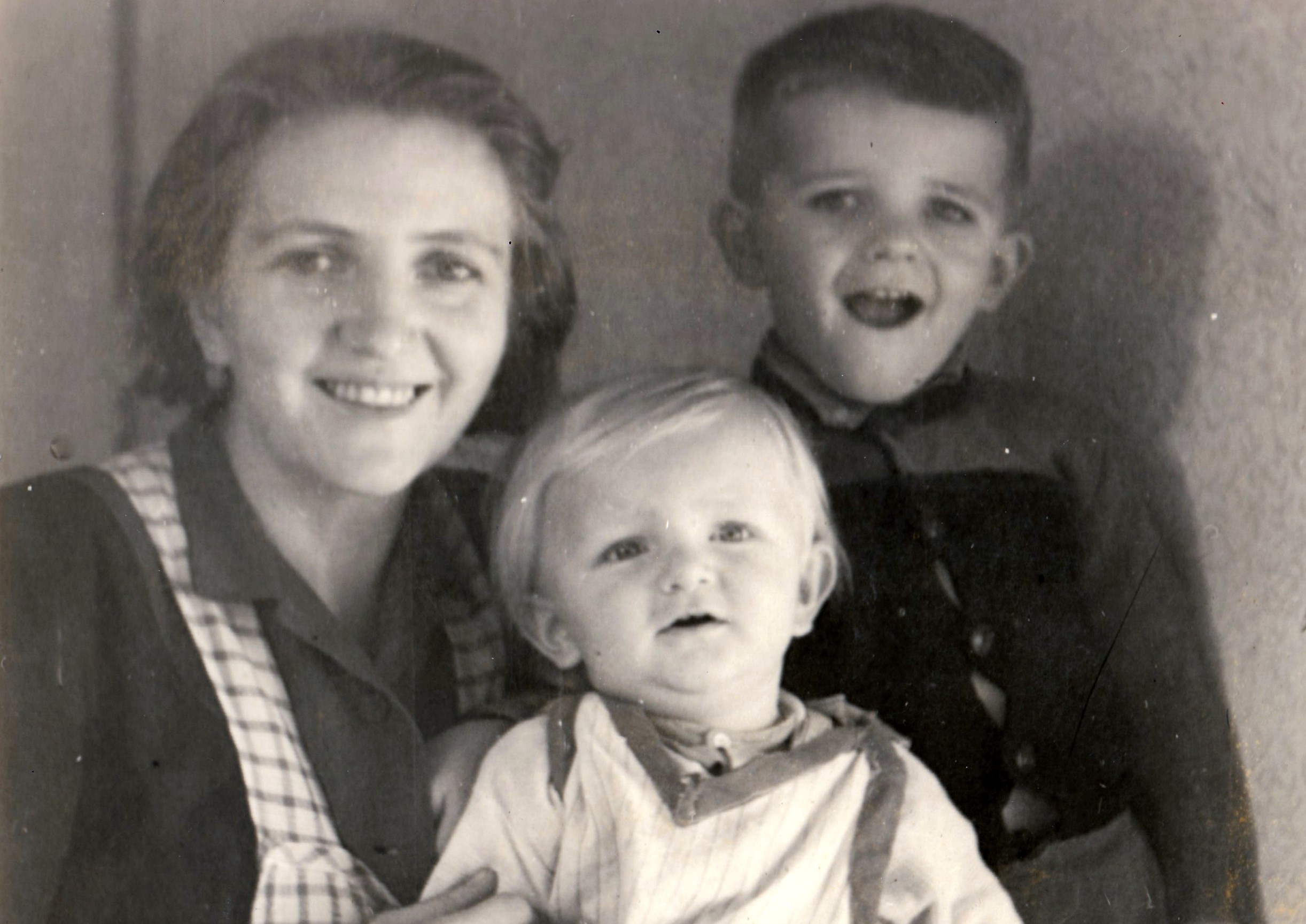
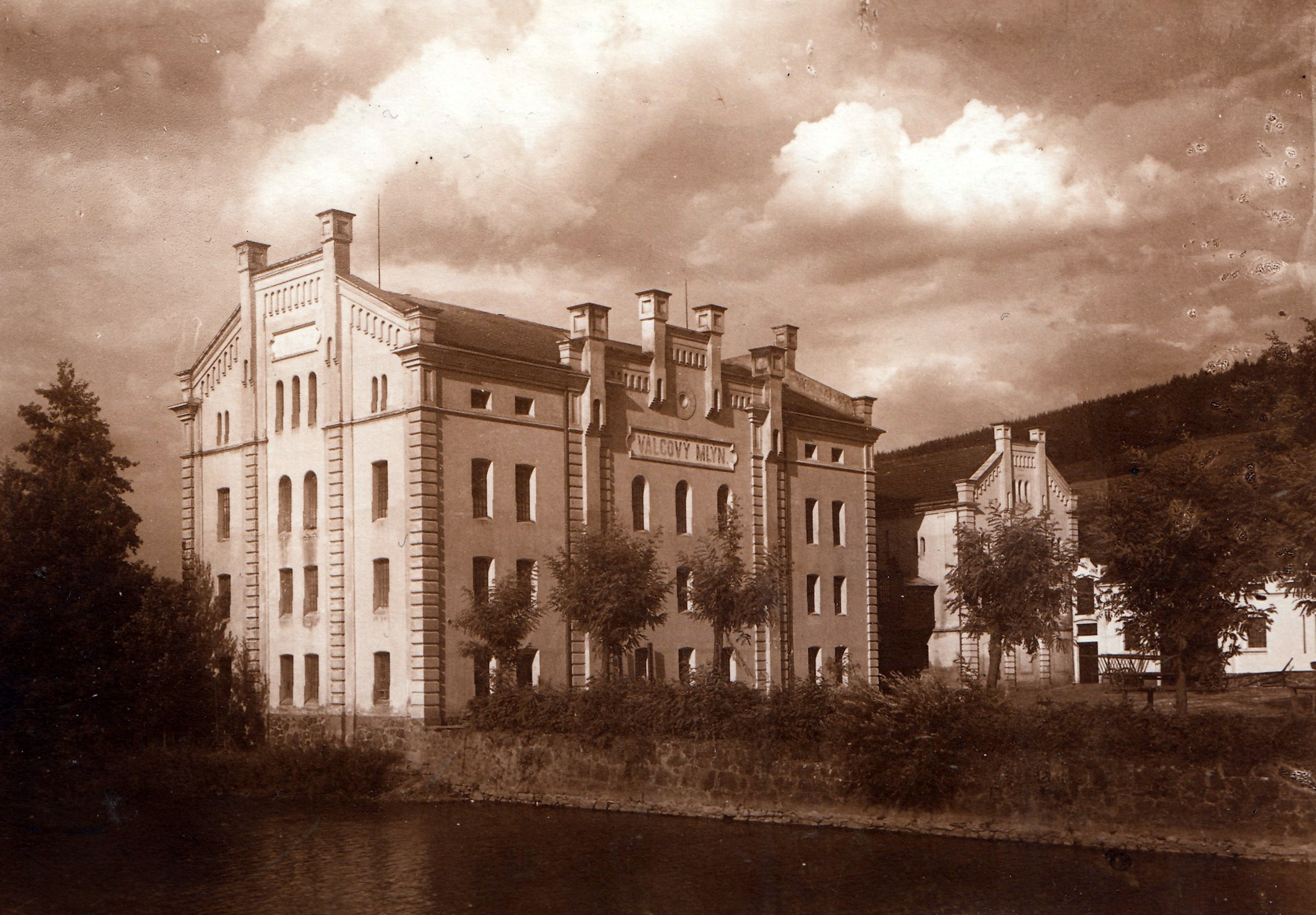
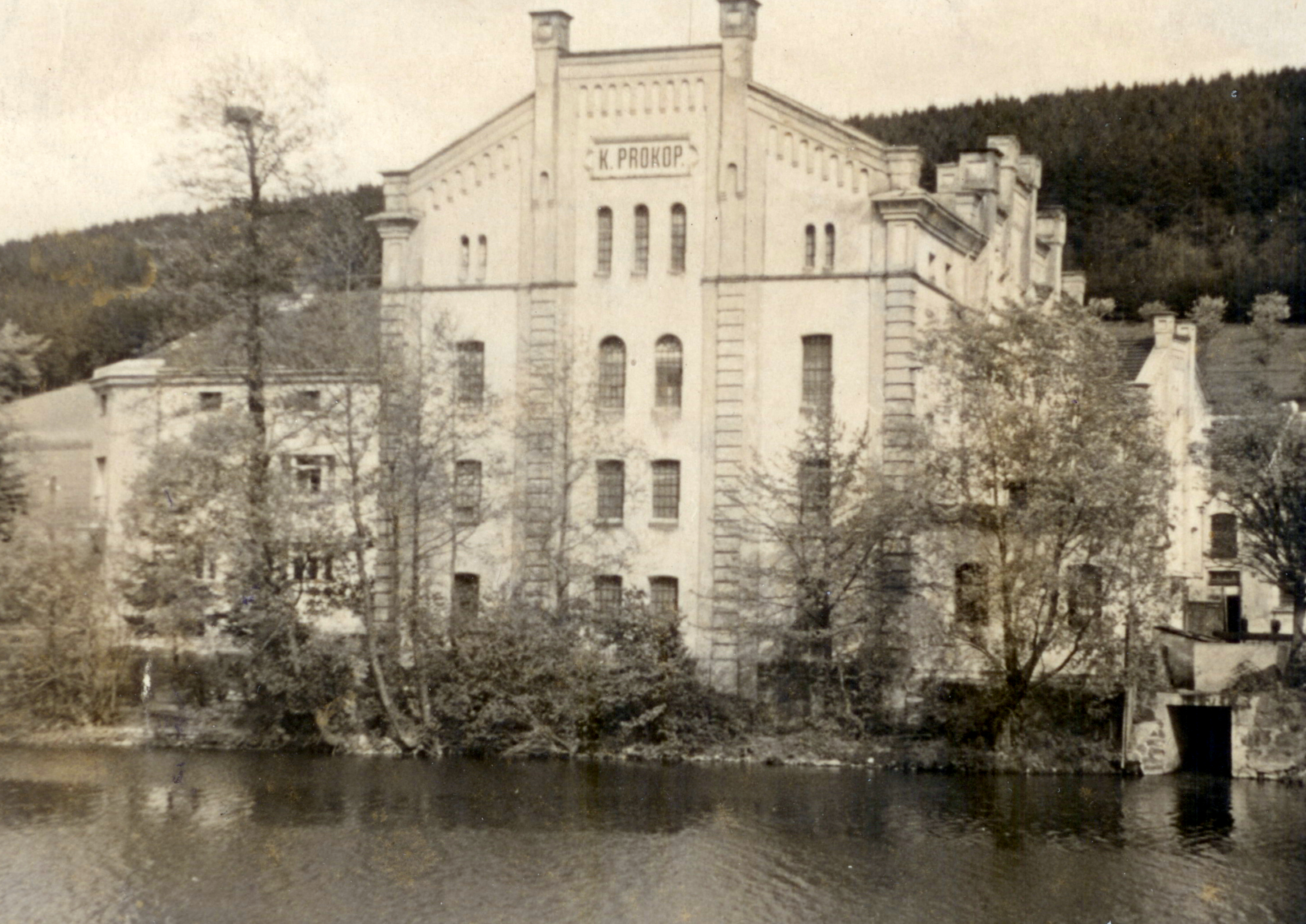
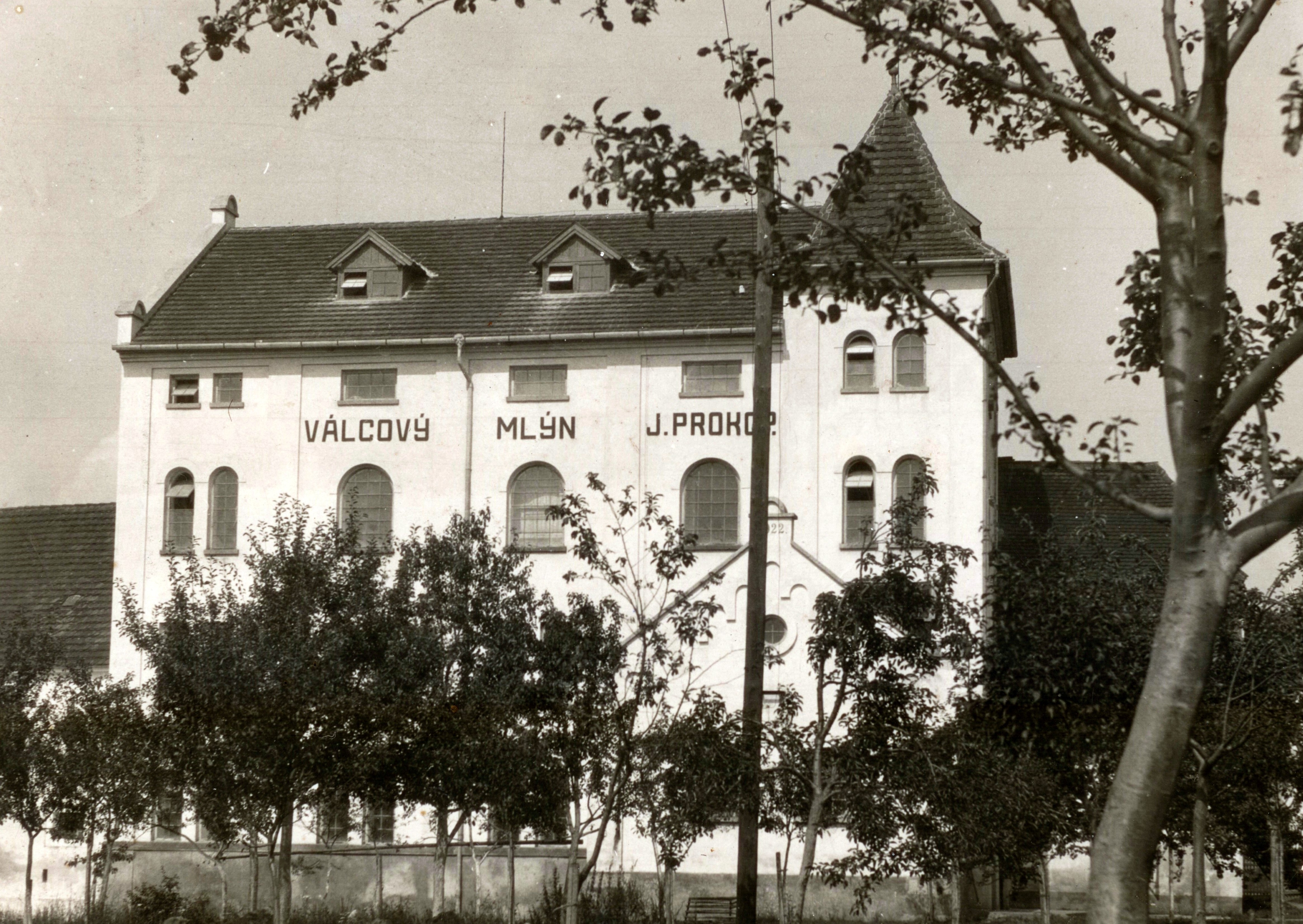
  • "I see my mother with my younger brother in her arms; he was a year old at the time. I see the bedroom flooded by light because the yard was full of Gestapo cars and spotlights that illuminated the mill. I learned they were supposedly looking for weapons and had actually come to arrest my father. They didn't find the guns because our friend had managed to take them out of the mill just before. They then told the Germans that he came fishing there, which was true, and that he hardly knew us, but of course, he was a long-time acquaintance. My father was arrested and taken to the Gestapo investigation villa in Klatovy and spent about a month or two months there. My mother brought him laundry and things like that. She walked because there were no trains at the time and our cars were seized at the beginning of the occupation. The distance from Borovy to Klatovy is about 17 kilometres, and she walked there and back."

  • Celé nahrávky
  • 1

    Plzeň, 03.04.2025

    (audio)
    délka: 02:24:31
    nahrávka pořízena v rámci projektu Stories of the 20th Century TV
Celé nahrávky jsou k dispozici pouze pro přihlášené uživatele.

I didn‘t know my father much as a child, the Nazis arrested him first and then the Communists.
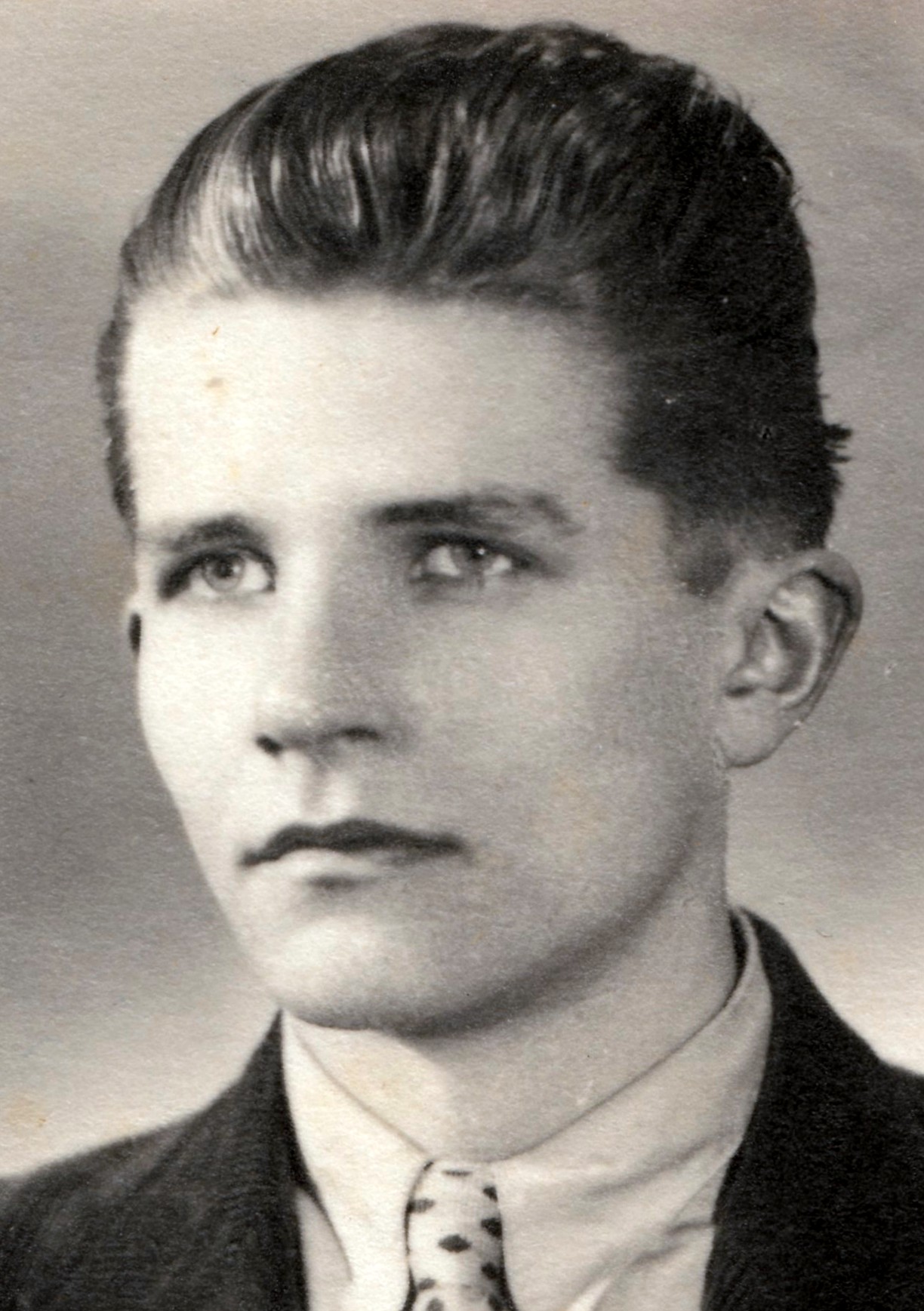
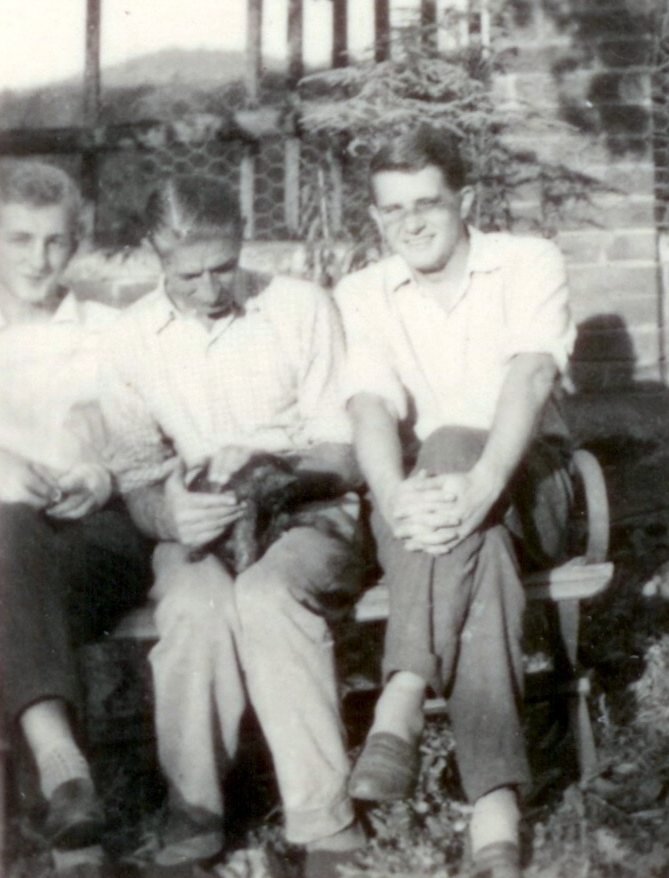
Karel Prokop in 1954
zdroj: Witness's archive

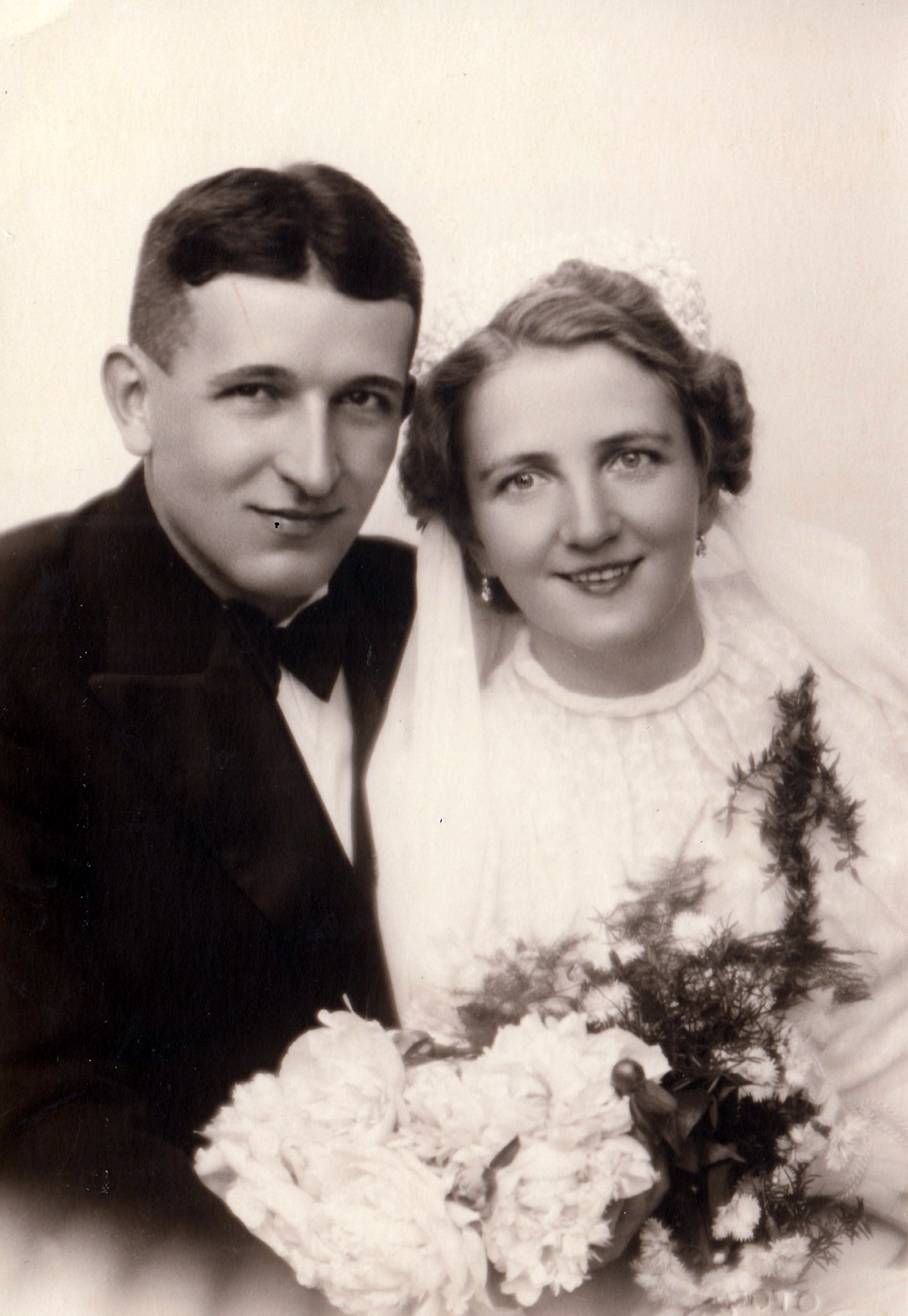
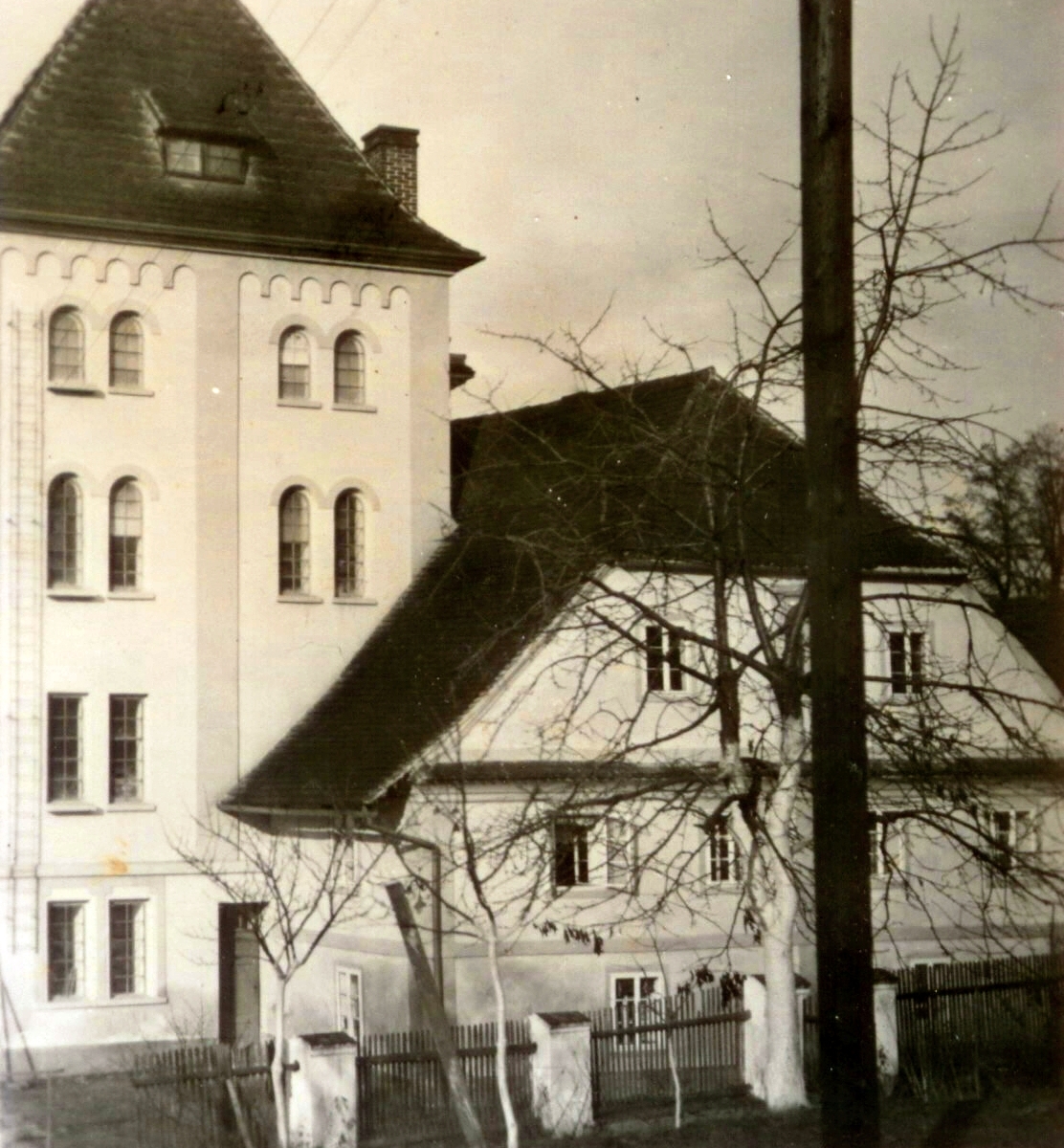
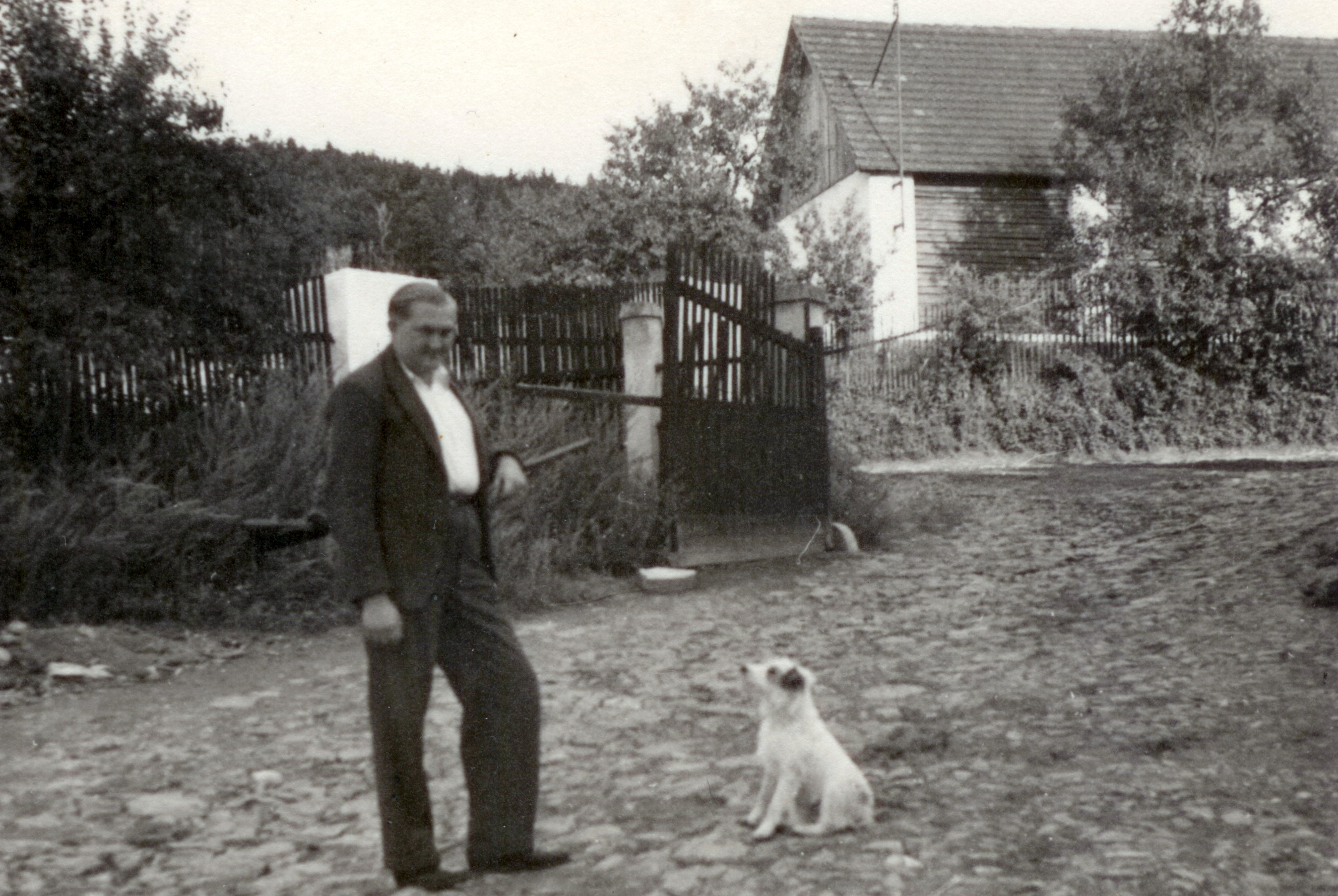
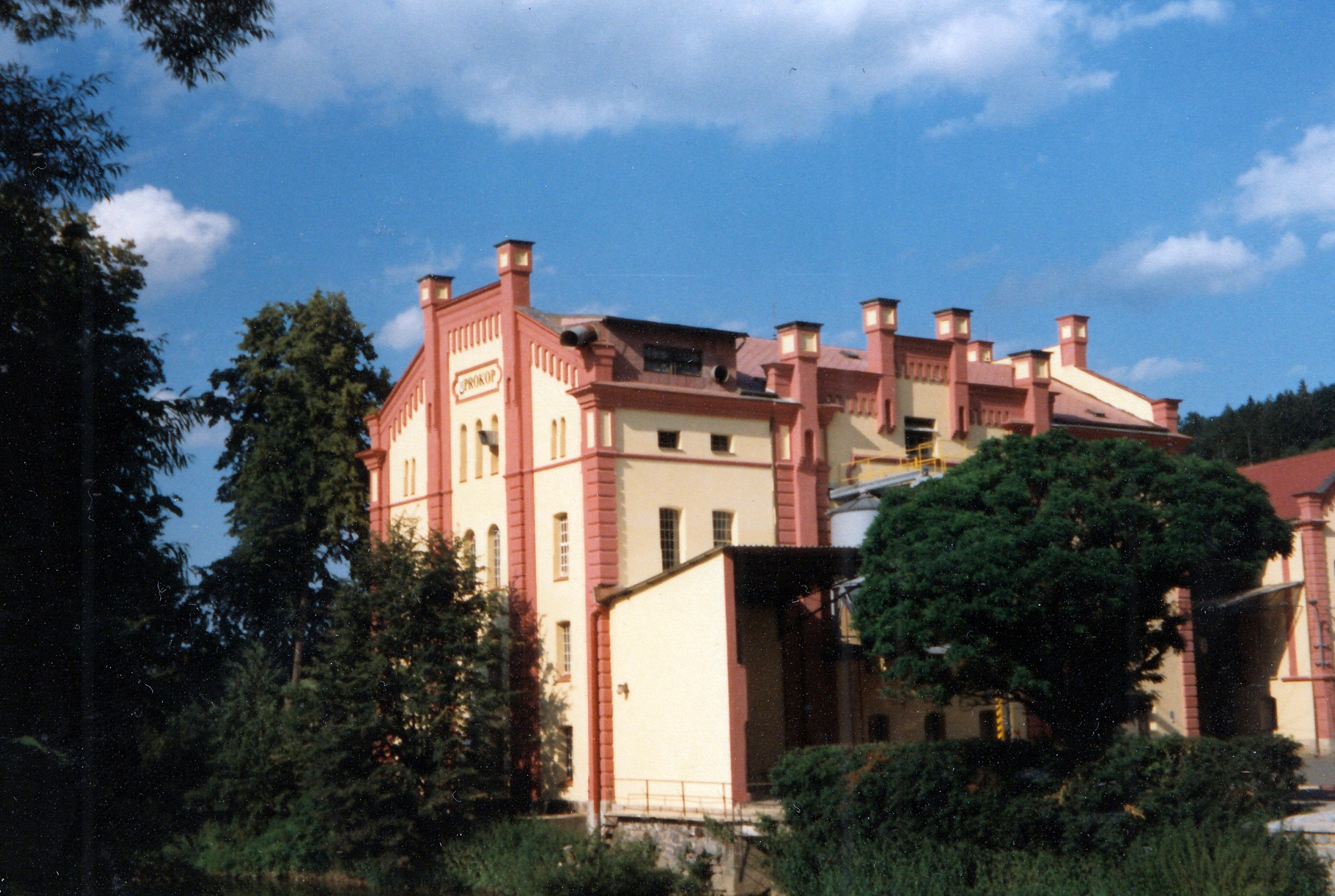
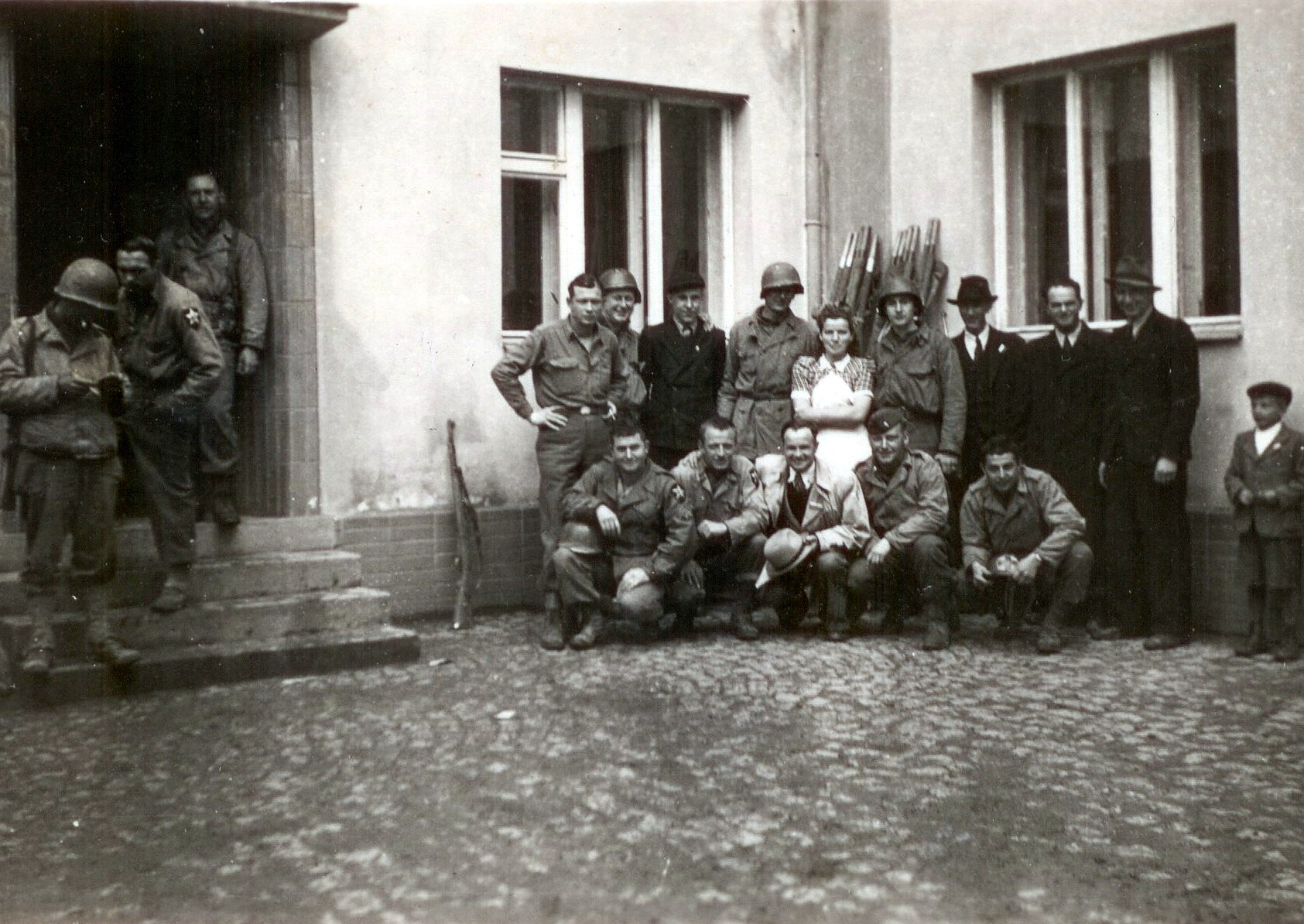
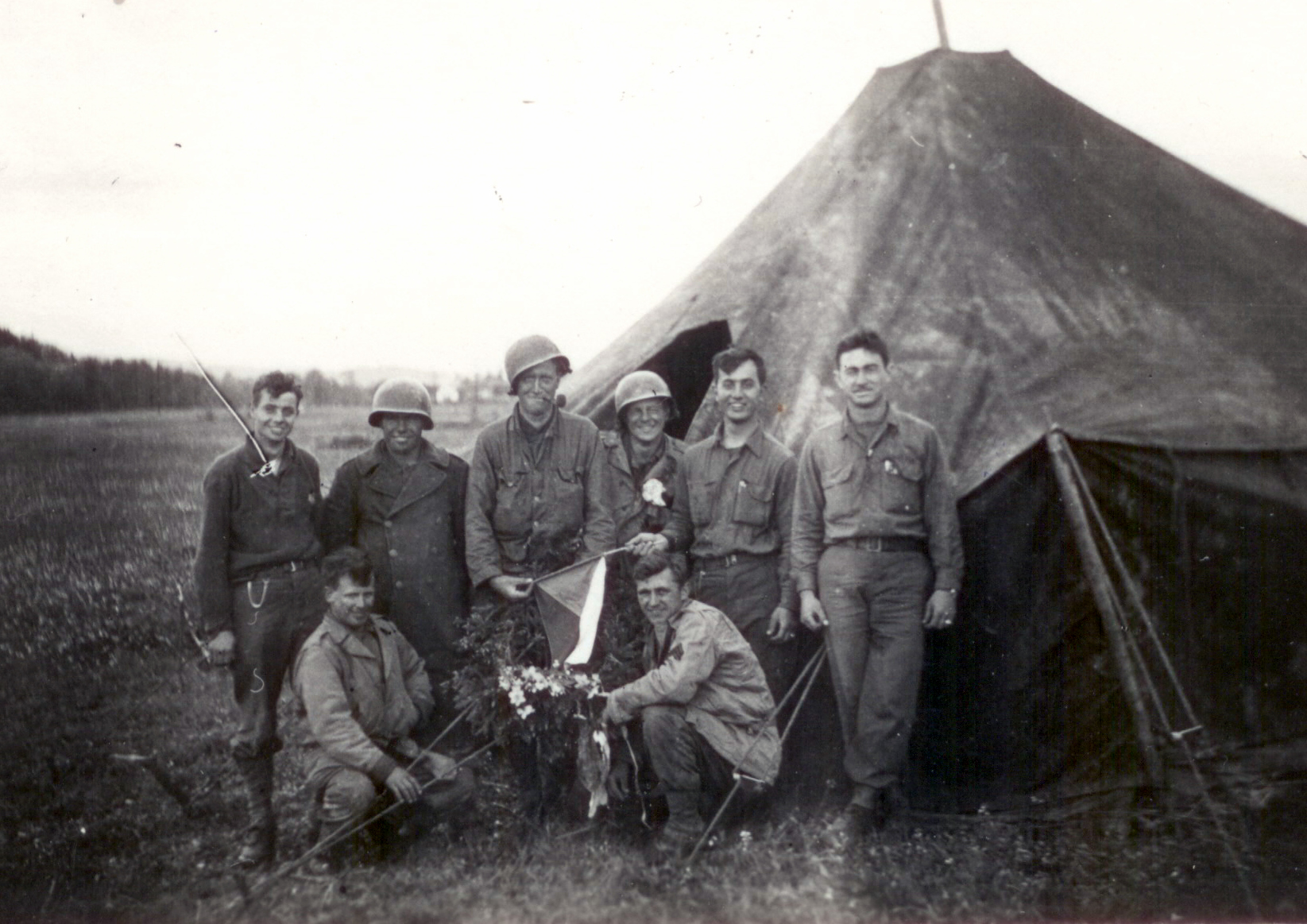
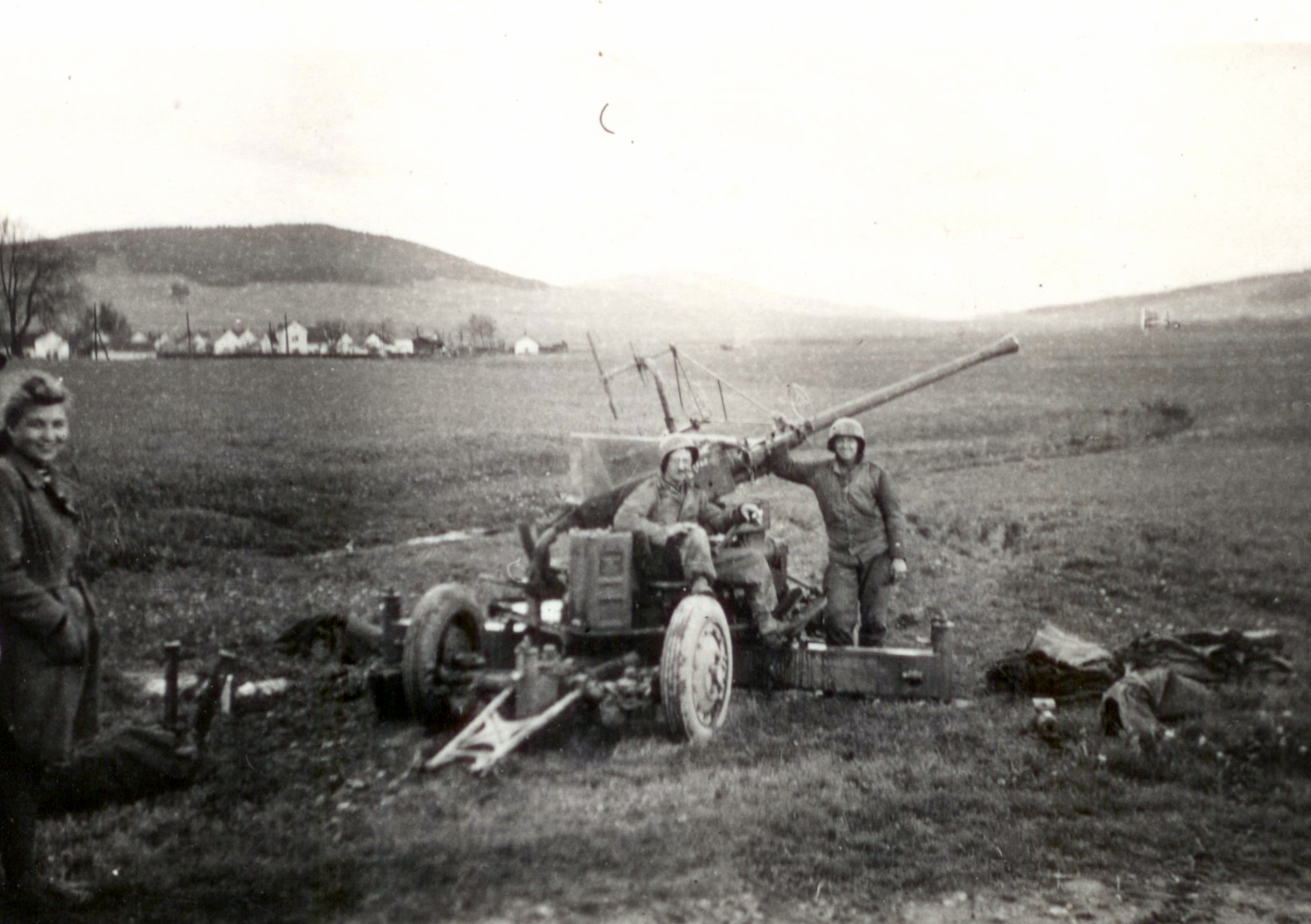
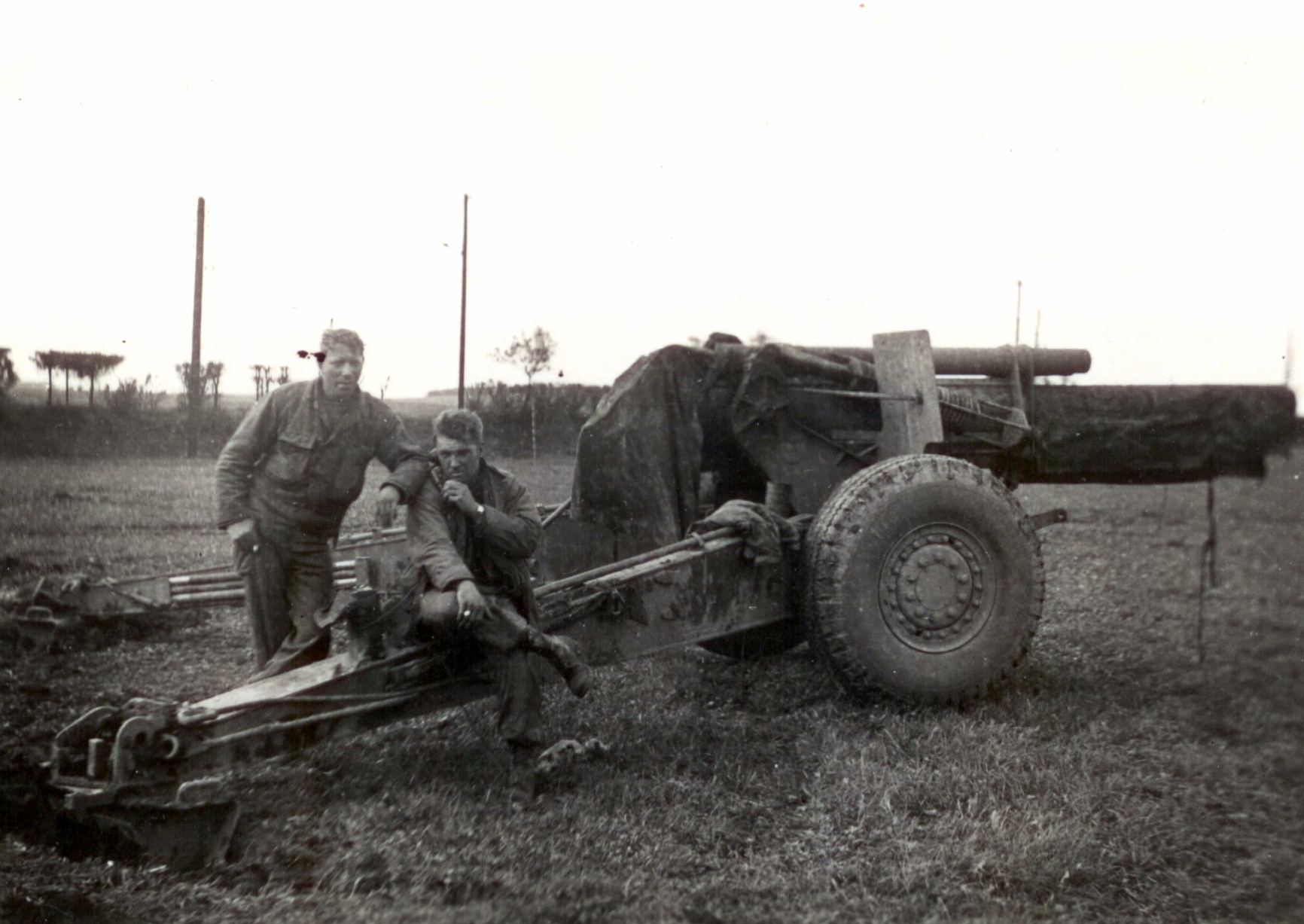
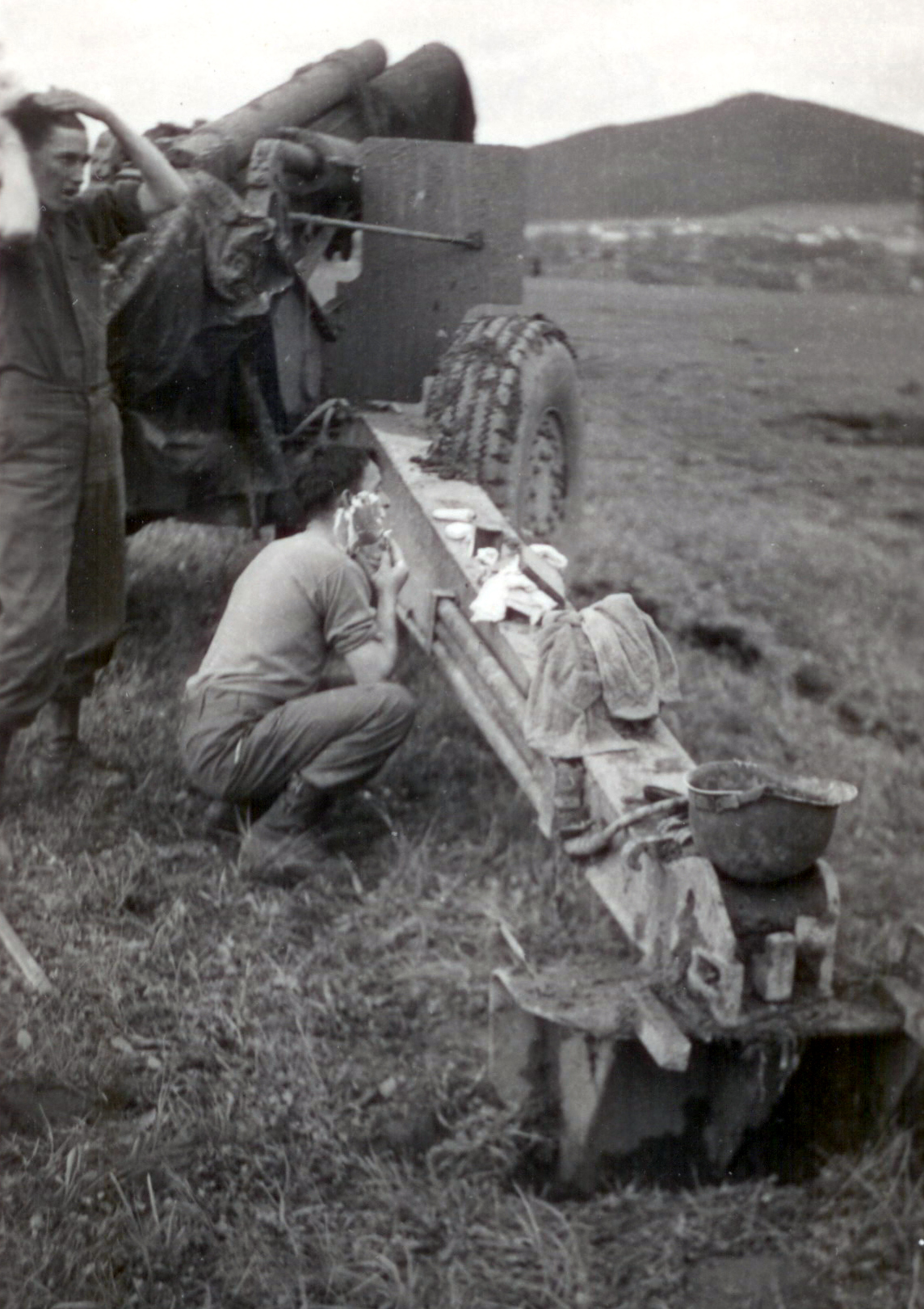
Karel Prokop was born in Klatovy on 25 June 1940. He grew up in nearby Borovy where his family owned and operated a large water mill. His parents‘ names were Karel Prokop and Anna Prokopová. The mother came from neighbouring Nezdice where her brother Jan Prokop ran another large mill. Karel‘s father joined the anti-Nazi resistance in 1942 under the Second Secret Light Division whose leadership planned an anti-German uprising in the Plzeň region. The activity of this military-controlled resistance group was exposed in the summer of 1944 and dozens of its members were arrested. Karel‘s father was among them, spending a year and a half in Nazi prisons. He managed to escape from the Small Fortress of Terezín in early May 1945 and was taking part in the Pilsen Uprising by the very end of the war. Karel Prokop remembers American soldiers staying at their mill. The mill was nationalized in 1948 and Karel Prokop Sr. was arrested again two years later. In one of the fabricated trials of the 1950s, he was sentenced to 12 years for alleged treason and espionage. In a separate trial, his brother-in-law Jan Prokop was also sentenced to 18 years. Karel Prokop Sr. spent 10 years in a labour camp in Jáchymov. Due to the communist propaganda of the time, his relatives were also punished to a great extent. His wife and two sons had to vacate their apartment in the mill, and all their other property was confiscated. They experienced feelings of exclusion; Anna Prokopová could not find a job and she and her two sons made their living sewing gloves at home. Karel‘s father and uncle returned home as part of an amnesty for political prisoners in 1960. It was not until the political thaw of 1968 that Karel was admitted to study in university. By then, he had already been working at the Klatovy plant of the Škoda Plzeň factory for several years (named V. I. Lenin plant at the time). The employees voted him the CEO of the plant in December 1989 and soon afterwards he became the first deputy general director of Škoda Plzeň. At the same time, he also restituted the Borovy mill and reopened it under the name Prokop. In 2025, he was living in Borovy near Klatovy and taking care of the mill‘s operation together with his son.