Miroslav Prokeš

* 1958

  • “I got my hands on Infoch - Information about the Charter - for the first time in 1982 or 83 or thereabouts. I found out that it was printed, and when you want to print something, you need a machine to do it. Say at the school in Malenovice where Mum worked as a cleaning lady - they had a cyclostyle room. At one point I considered burgling it. Then I discovered some kind of handle machine in the iron yard. I reckoned: ‘Great, I’m confiscating that, that’s not going anywhere.’ I told [Vladimír] Trlida that I had a cyclostyle. And he said I should guard it. Then they lost their cyclostyle in Brno, so I found them another one, and the handle device was moved there. The best were the two motorised ones. Those were enormous machines that churned the stuff out. And you didn’t have to turn any handle. I found [them] in a scrapyard in Pasecká Street. They’d been left there by someone from some firm.”

  • "They were hand-cranked, mostly standard mimeograph machines. But the last two pieces, I found them... at that time there was a scrap yard on Vodní Street, the buyer there was František Adámek, and that's where I found two machines. They were normal motorized ones, they were bigger, taller, about, I don't know, 60 centimeters tall, the mimeograph, and they were both the same. So I pulled them out of the scrap metal, out of the scrap iron, and because I went there for paper, I remember that to this day, because I was loading paper there, pressed into bales, so I took those two iron mimeograph machines and put them in the car. I had to pay Franta Adámek for them, because he said, "Hey, we know how it is, bought for a crown, it's worth fifty crowns, give me a hundred," so I had to pay for it, but that didn't bother me. I took the mimeographs to Kudlov, where they collected raw materials, and I just called Jungmann (or I stopped by) and said, 'Hey, have someone come and pick up these mimeographs. Another mimeograph was found by Karel Jermanský, a driver, who brought it from Slušovice—he also had a mimeograph and a Xerox machine, which was an absolutely amazing find. But they threw the Xerox machine out from the first floor. So when Bedřich Koutný came to pick it up, he burst into tears. He cried over that Xerox machine, tears just streamed down his face, because it was clear that it couldn't be repaired."

  • "When Standa [Devátý] was the spokesperson, they gave me a phone that Staňa had made, which had a connector for recording to a tape recorder. If the connection was accidentally interrupted somewhere, they would call me at home, because I had a double phone with my neighbor, so they would call me and I would record it on tape. If something happened and they couldn't call from Prague—for example, Václav Havel or someone like that who wanted to say something to the spokesperson, Standa. So I had this phone, adapted for recording, which was probably made by Staňa or someone close to him, I don't know. But we never used it, it was just a precaution."

  • "Or [I supplied] paper... At that time, I could collect... although it was probably later, when they started printing the SPUSA magazine, right, so I got some membranes—yes, they were there, they were also thrown away many times. It was expired stock from some company, we went there, loaded four tons of paper, and among it was a pile of clean white office paper. It was being thrown away, so I packed it up. And when they wanted to make covers, for example, I stole thirty centimeters of box paper from the paper mill and had it cut to A4 size at the printers (now Grafo). They cut it for me on a machine, I gave them half a liter of "průtahové" [a type of liquor – transl.], and we had it done. We didn't have to cut it by hand. Just things like that, supporting the printing."

  • “People knew about it. The cops chucked the folders into a pulper. A pulper is a ten-or-so-metre-long cylinder with a stream of water inside. You throw paper into it, which dissolves and is pulverised by a big cogwheel, producing a pulp that is extruded into a drum. From there it goes on to a kind of warm belt, where it dries. And it becomes paper and is pressed. There was someone there almost all the time. It’s still used to shred documents even today. I think they started doing it the week after the demonstration in Letná. I guess they decided they wouldn’t get through it this time and that they couldn’t lie their way through, so better to destroy it. They crammed it into the thing. The boys said they also burnt some things, but burning is more visible. They used to come there before as well, in eighty-six, eighty-seven, but whereas they’d previously come about twice a year, now they were at it every other day.”

  • “I nabbed half a pallet of paper from the paper works in Svit, Otrokovice, which was used to make shoe boxes, and when we drove to the printing shop in Louky, I took it with me in the lorry. I came to the man who cut the paper. I told him to cut it into A4 sheets for me and gave him half a litre of borovička [juniper brandy, a traditional Slovak liquor - trans.]. He asked me what I wanted it for, and I said for rabbit hutches. I had a pallet of cut paper. Or they’d throw out old, expired paper in firms. I knew they’d be throwing it three quintals of A4 paper and that it would be good printing material. I called [Vladimír] Trlida and asked him where I should take it to. I brought it there and we shifted it off. I didn’t want to know where it was.”

  • Celé nahrávky
  • 1

    Zlín, 22.09.2017

    (audio)
    délka: 02:39:59
    nahrávka pořízena v rámci projektu Stories of 20th Century
  • 2

    Zlín, 01.08.2025

    (audio)
    délka: 01:42:52
    nahrávka pořízena v rámci projektu Stories of the region - Central Moravia
Celé nahrávky jsou k dispozici pouze pro přihlášené uživatele.

He procured machines and paper for samizdat printing
Miroslav Prokeš
Miroslav Prokeš
zdroj: archiv Dany Foukalové

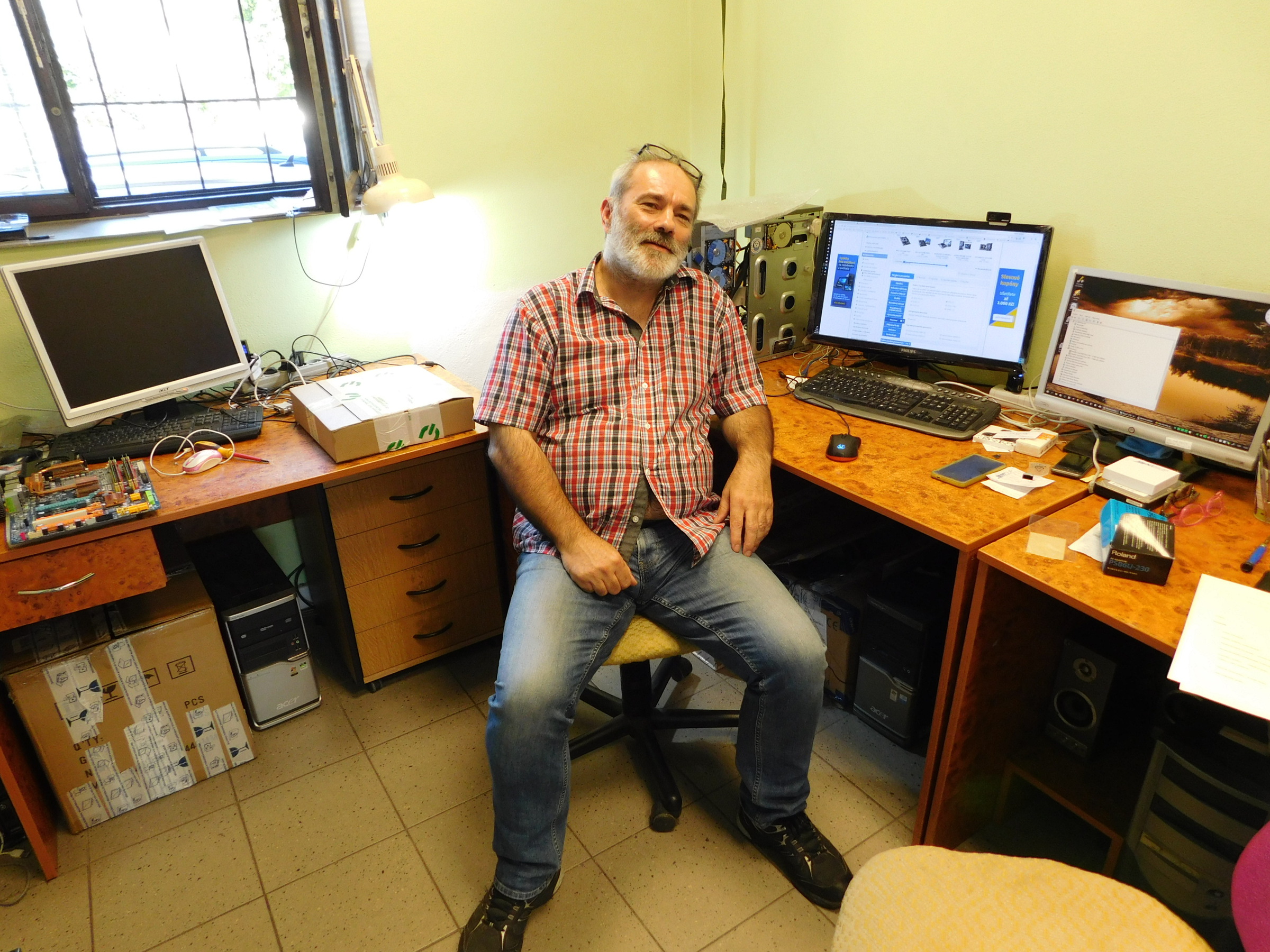
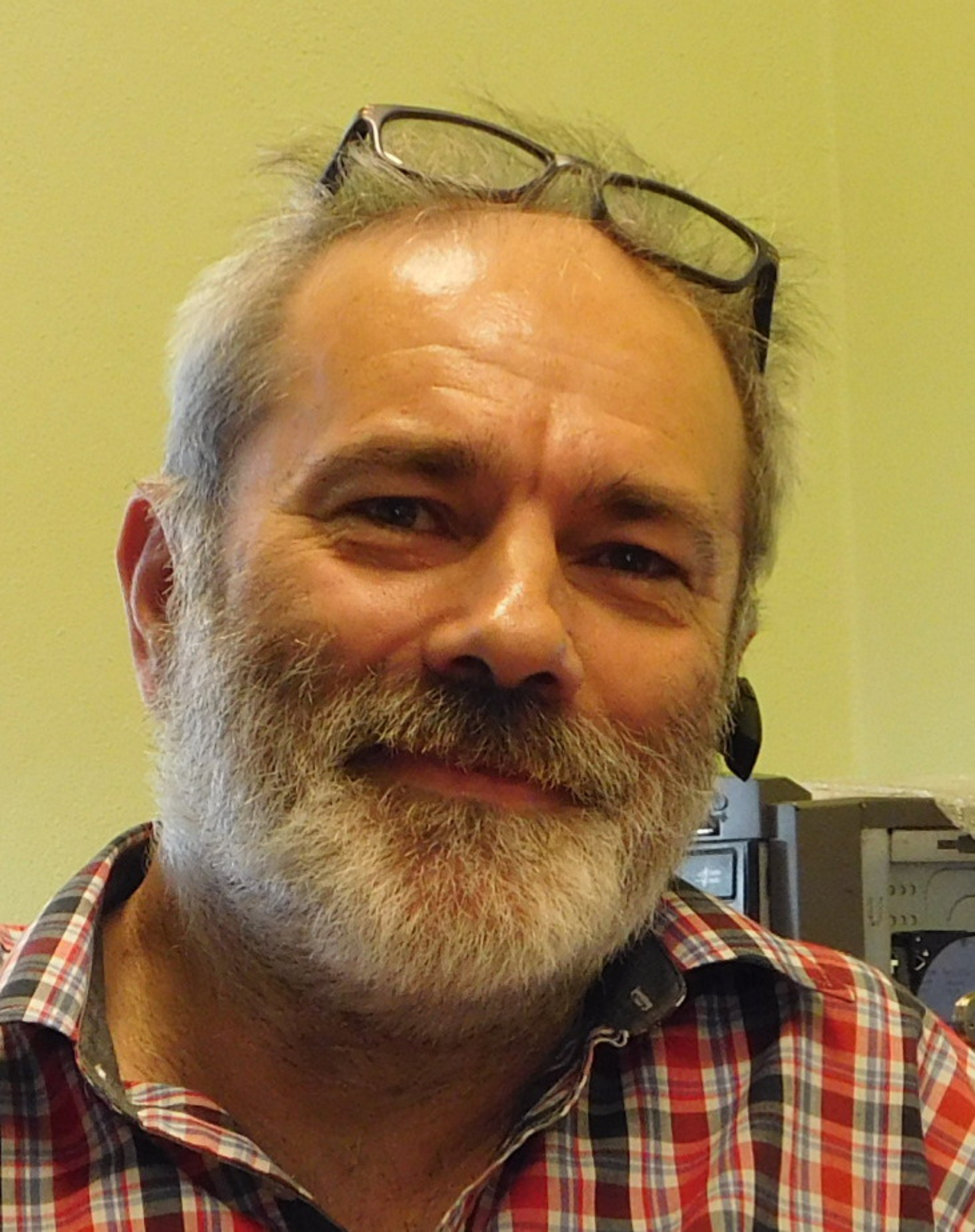
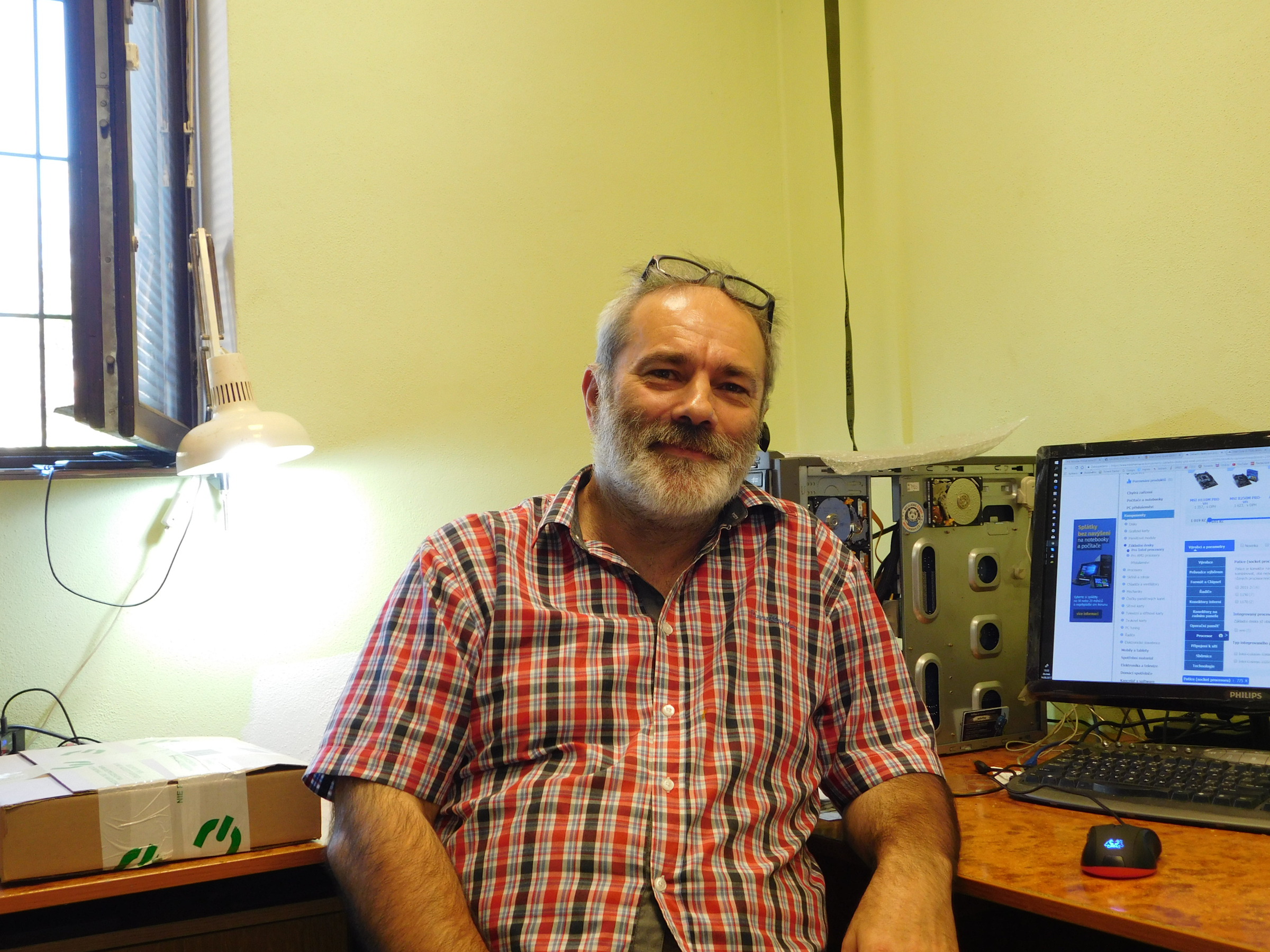
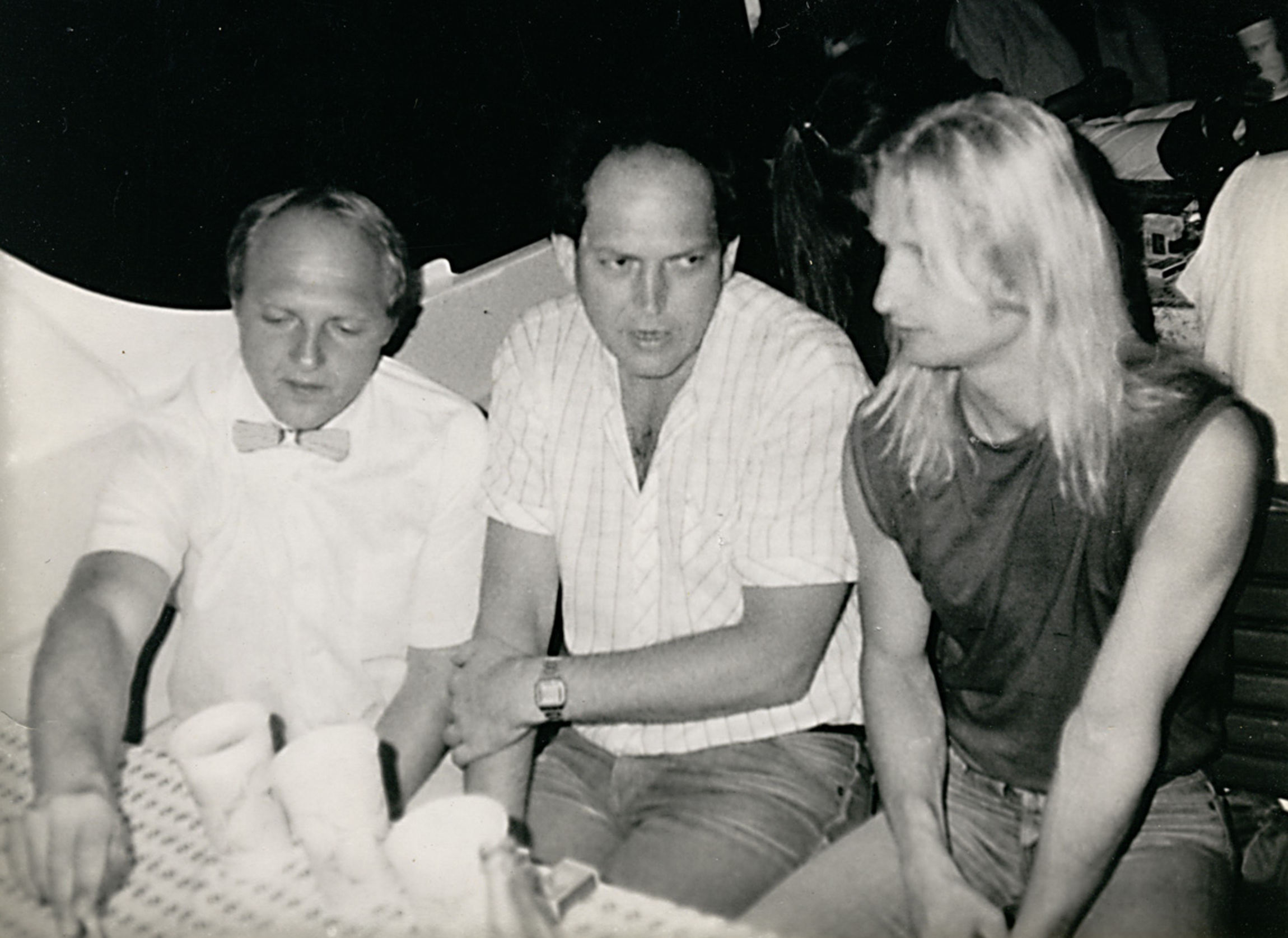
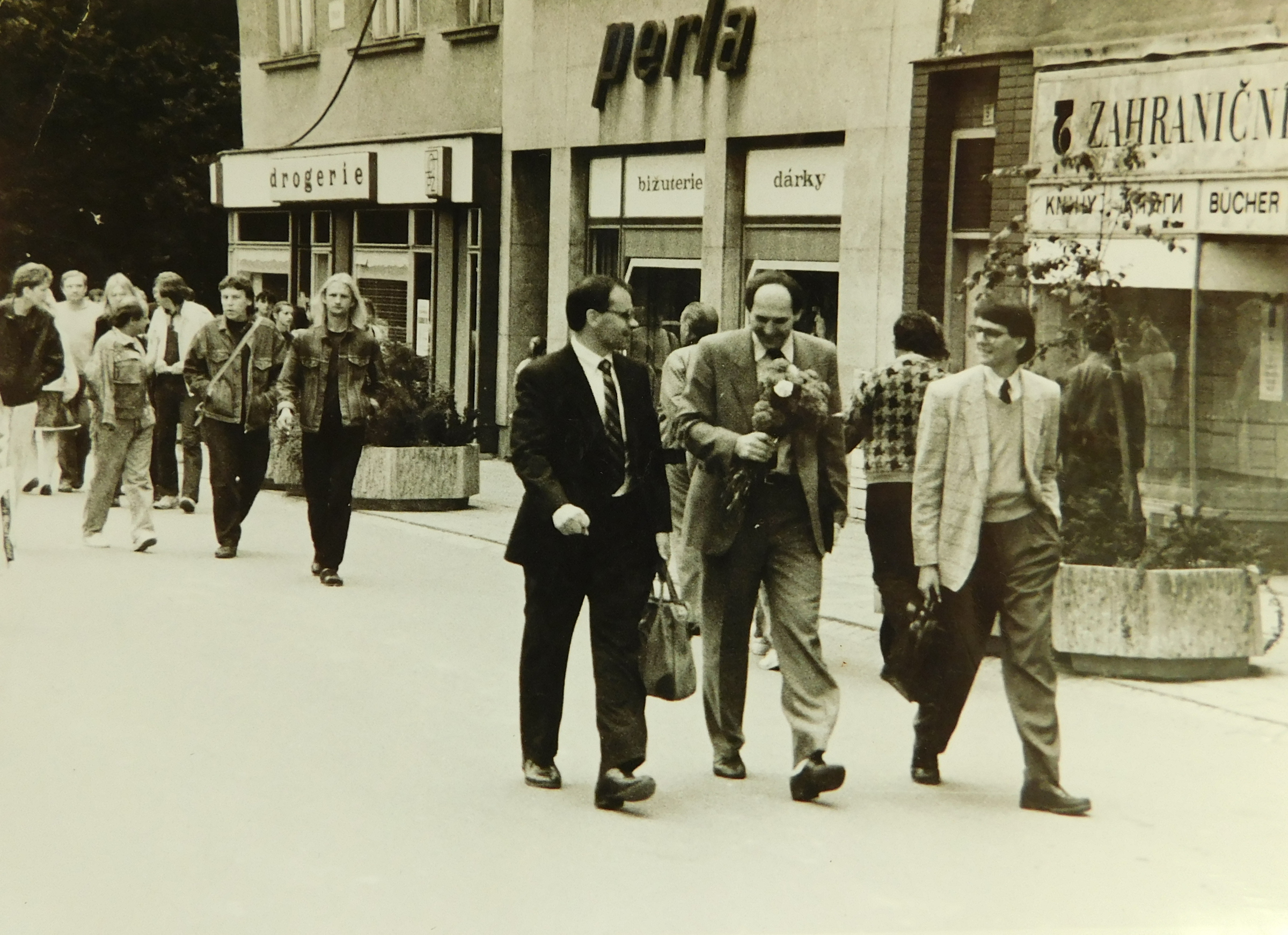
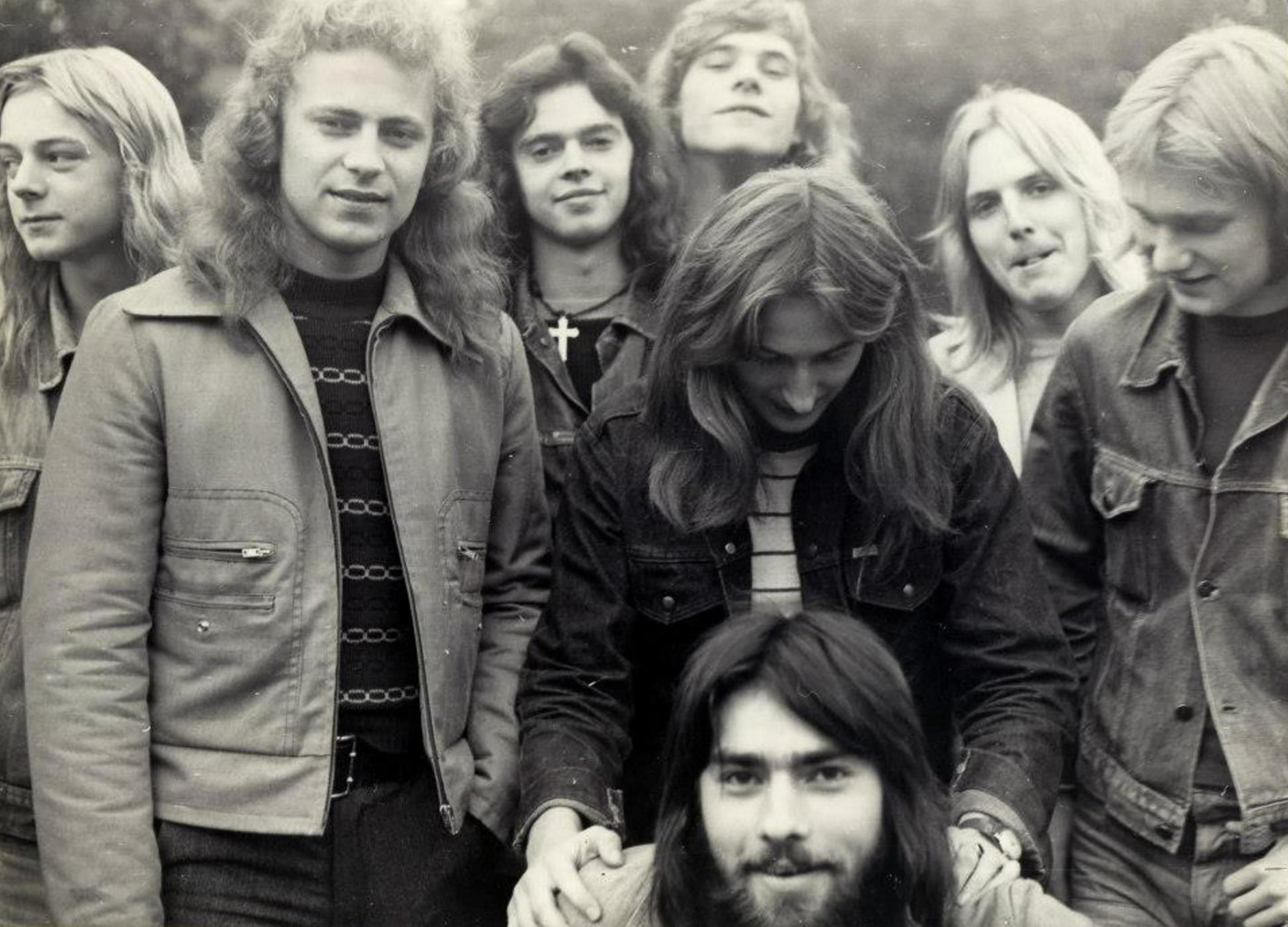
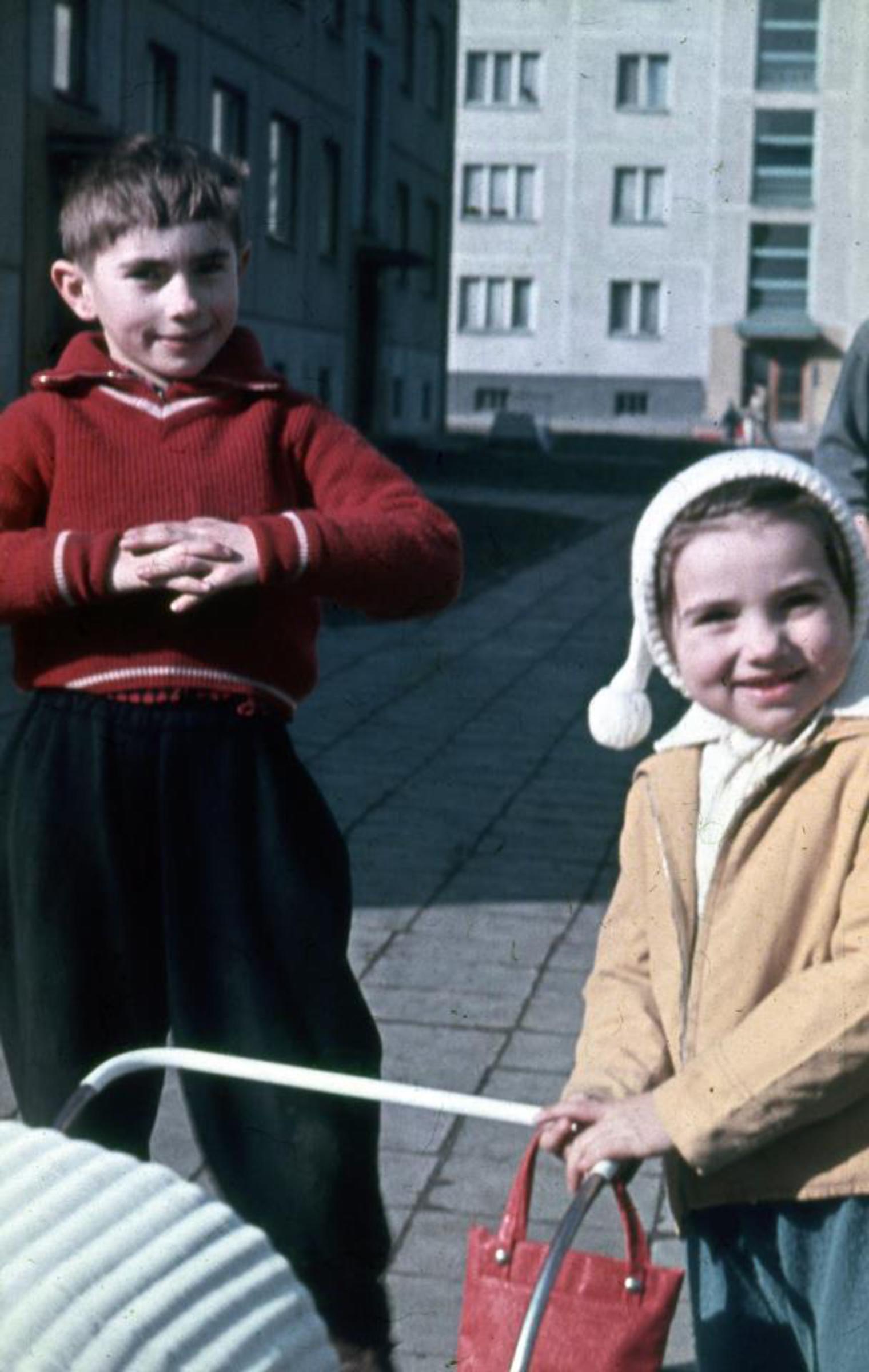
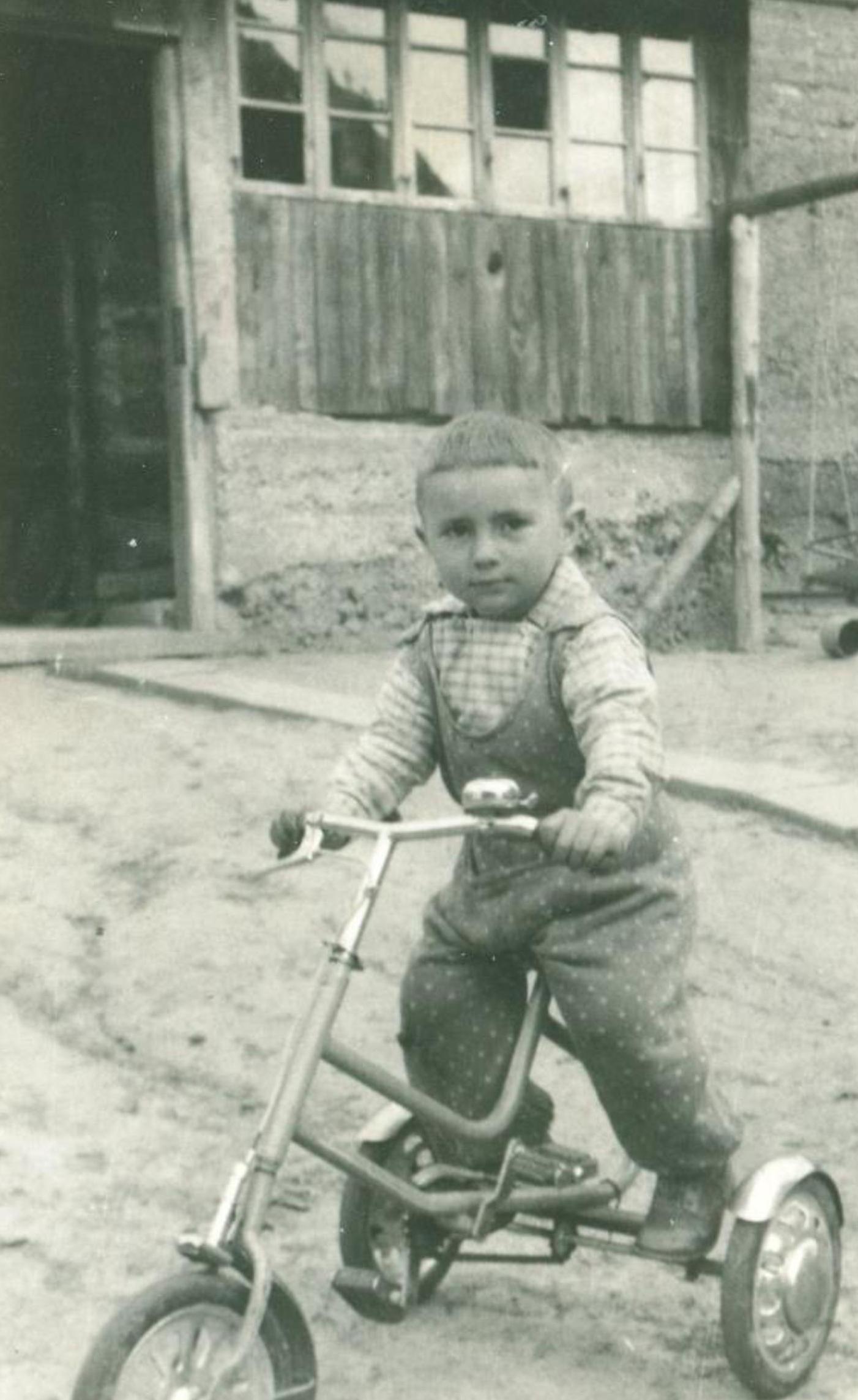
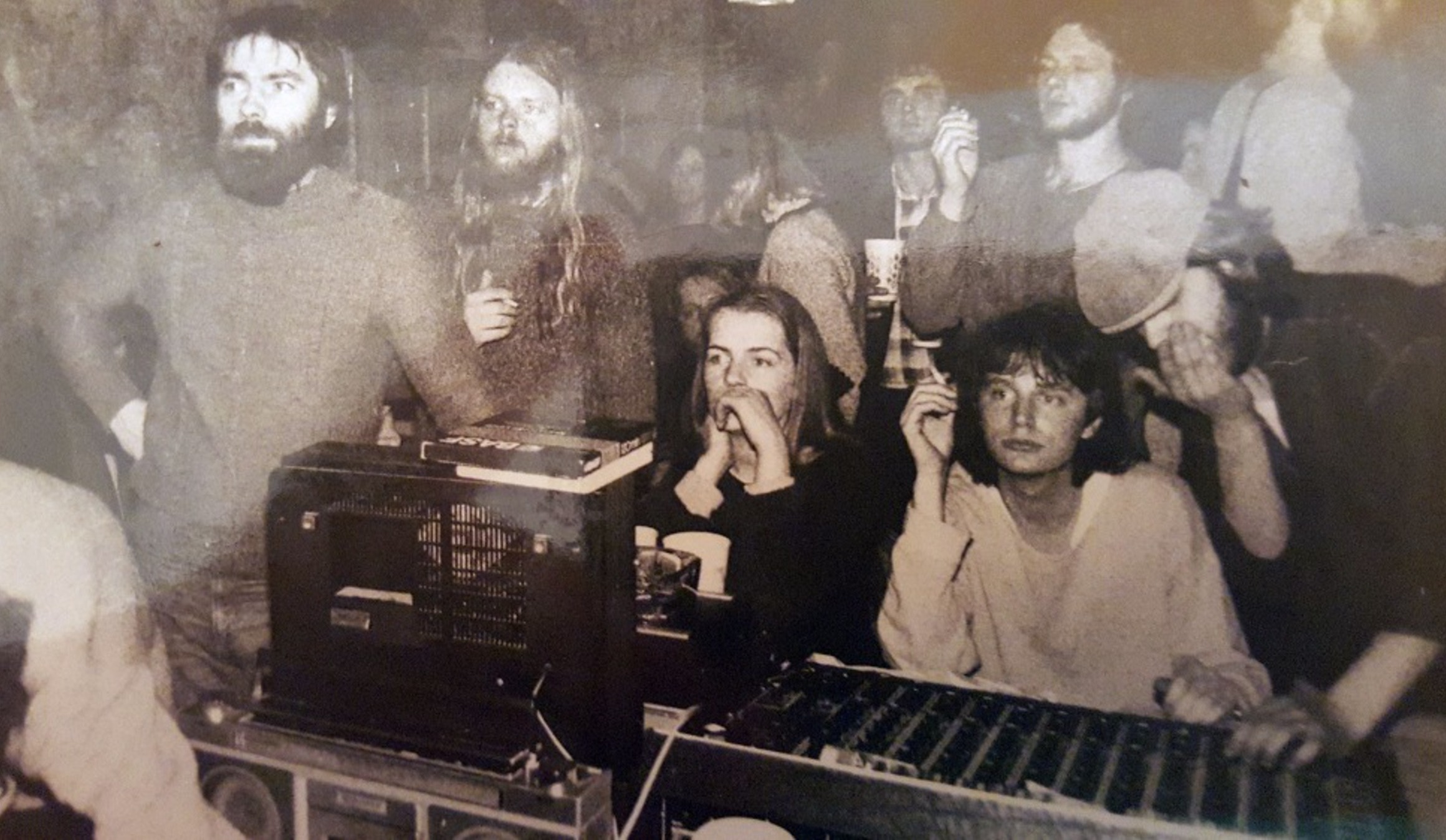
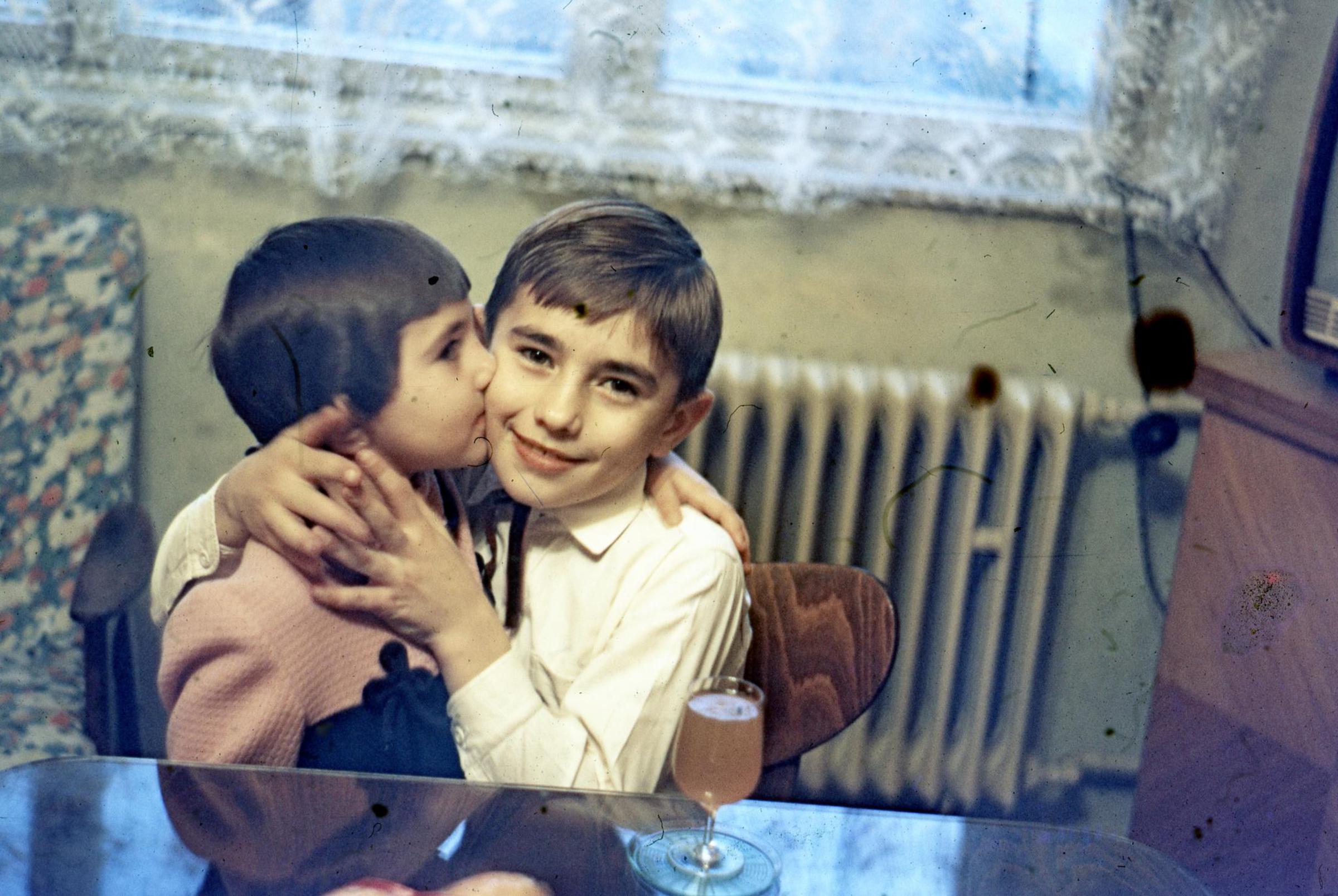
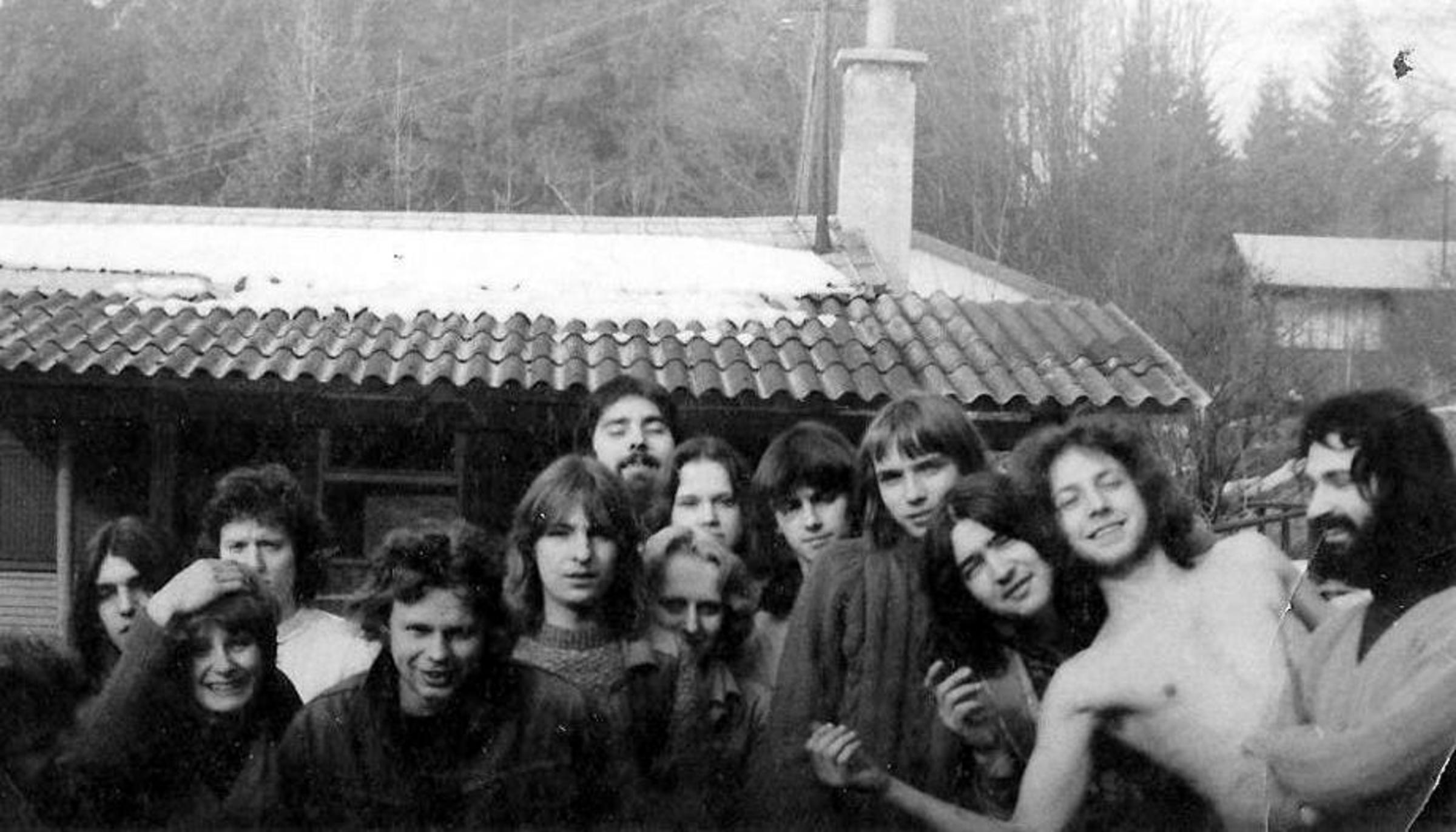
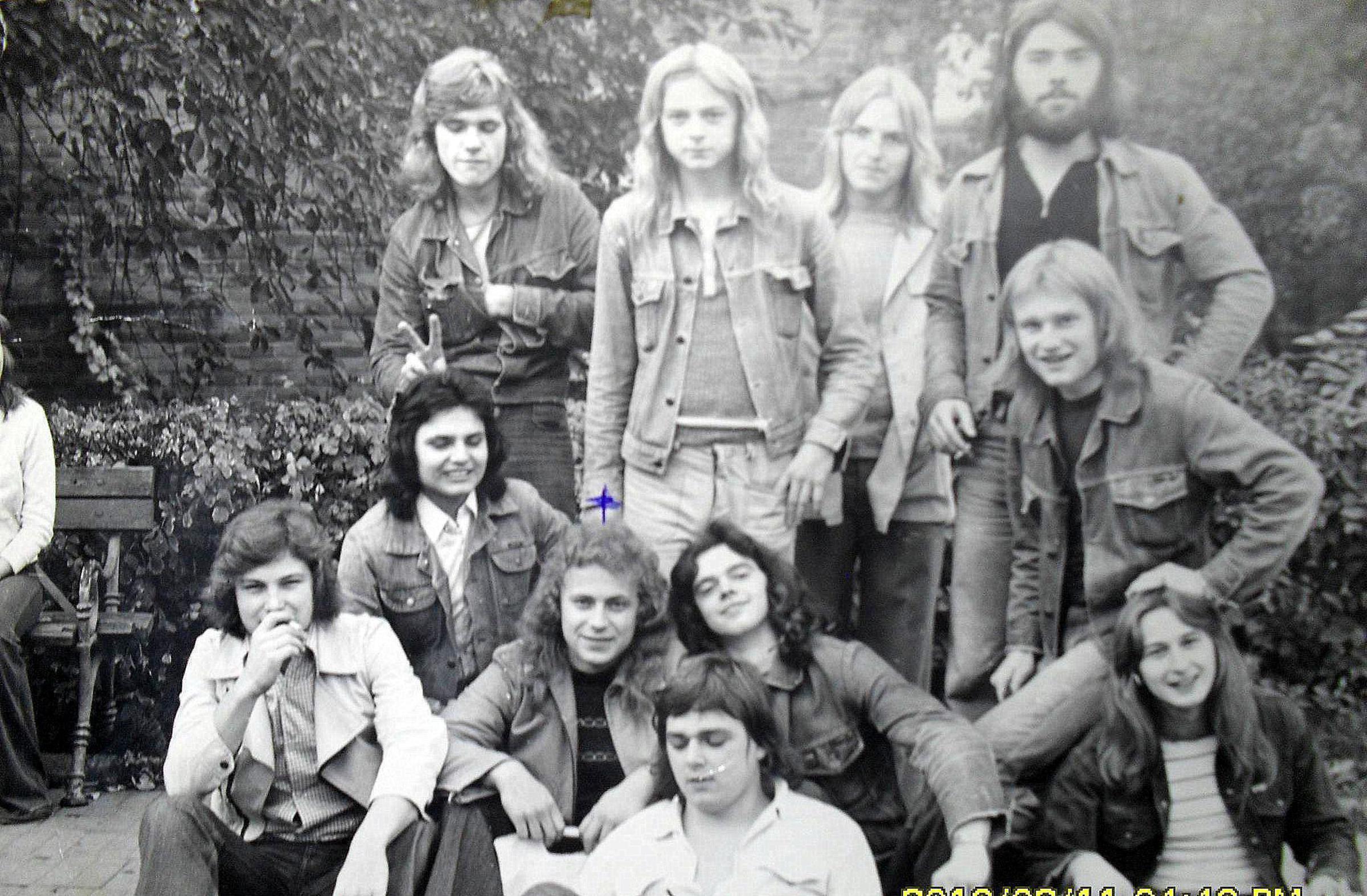
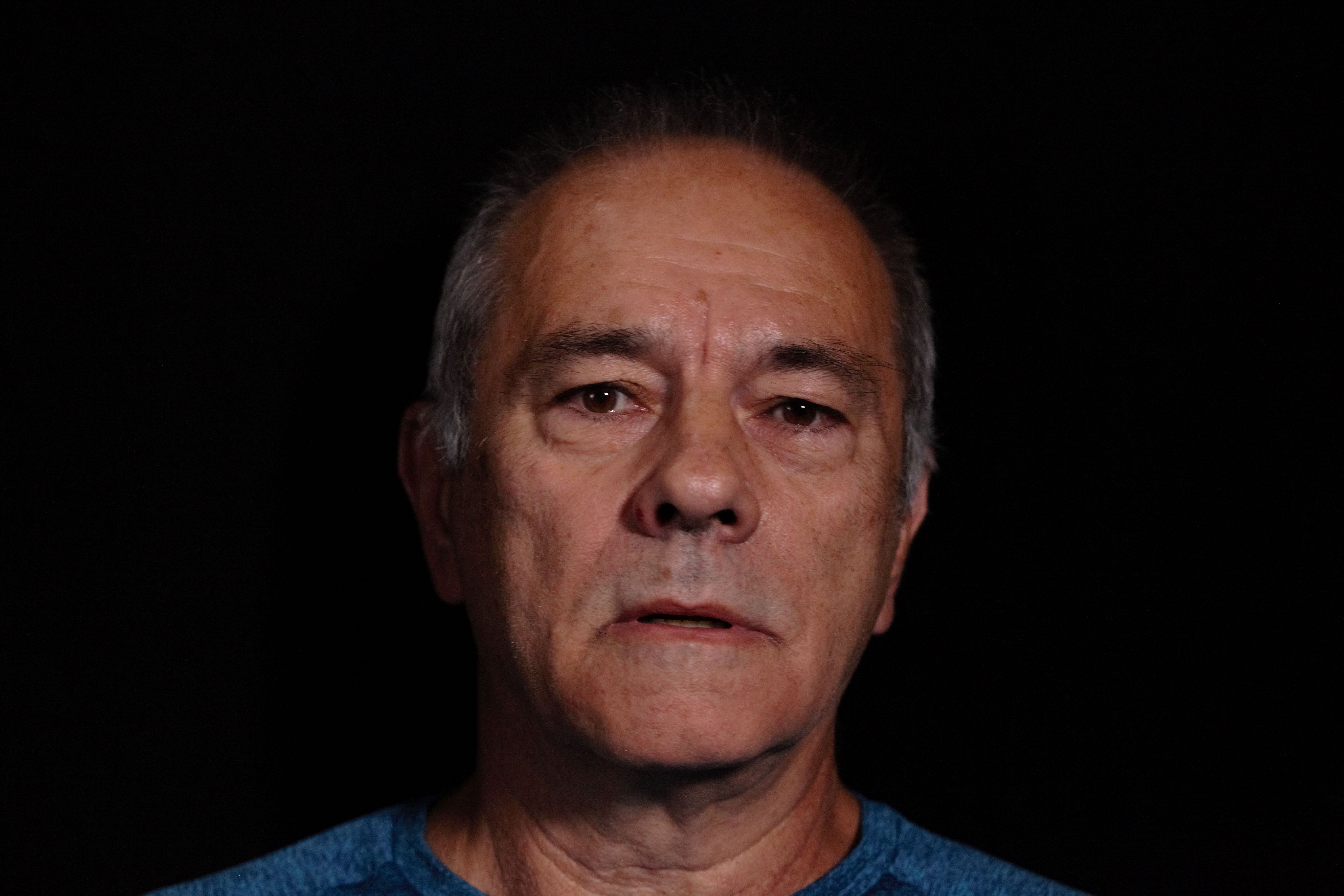
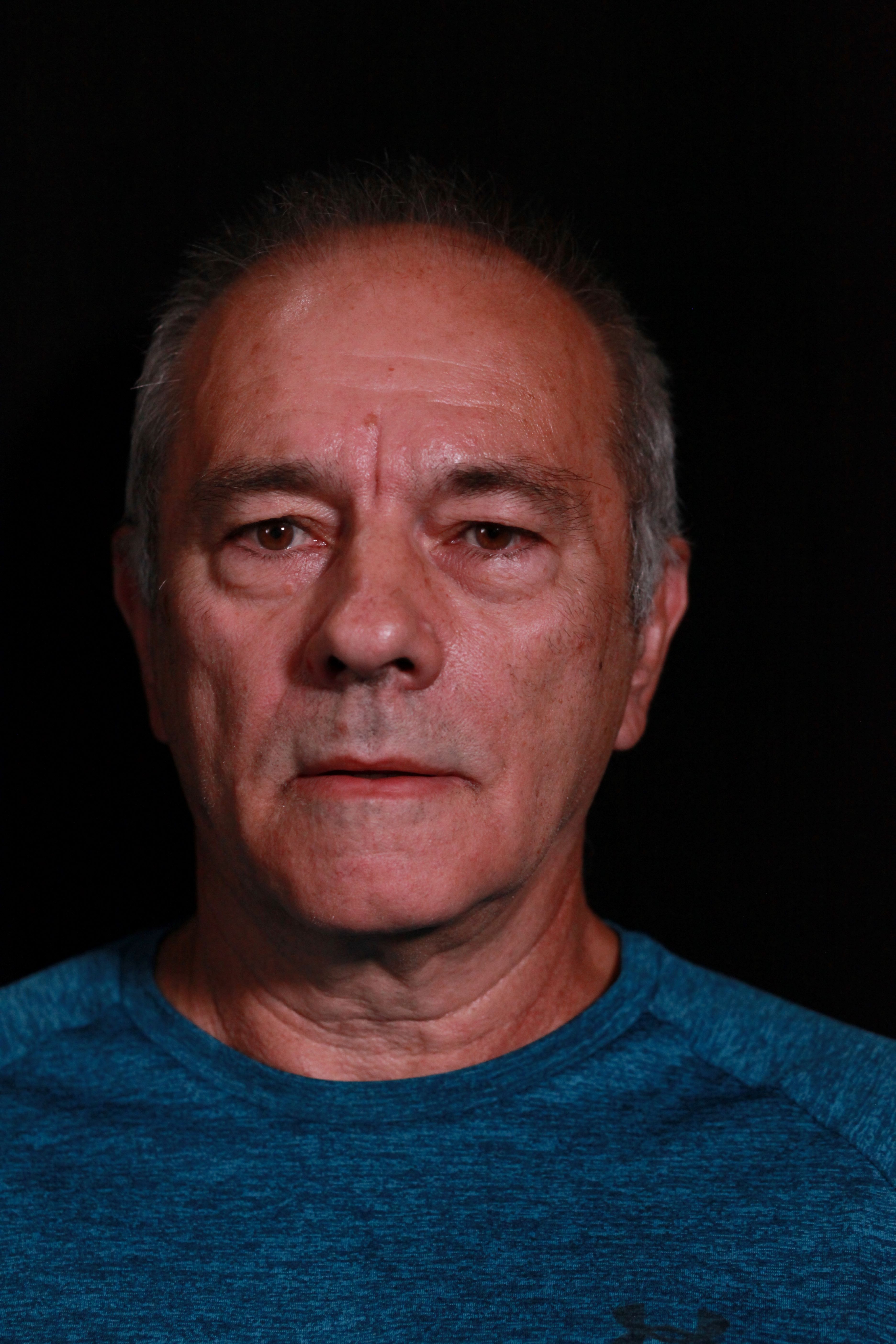
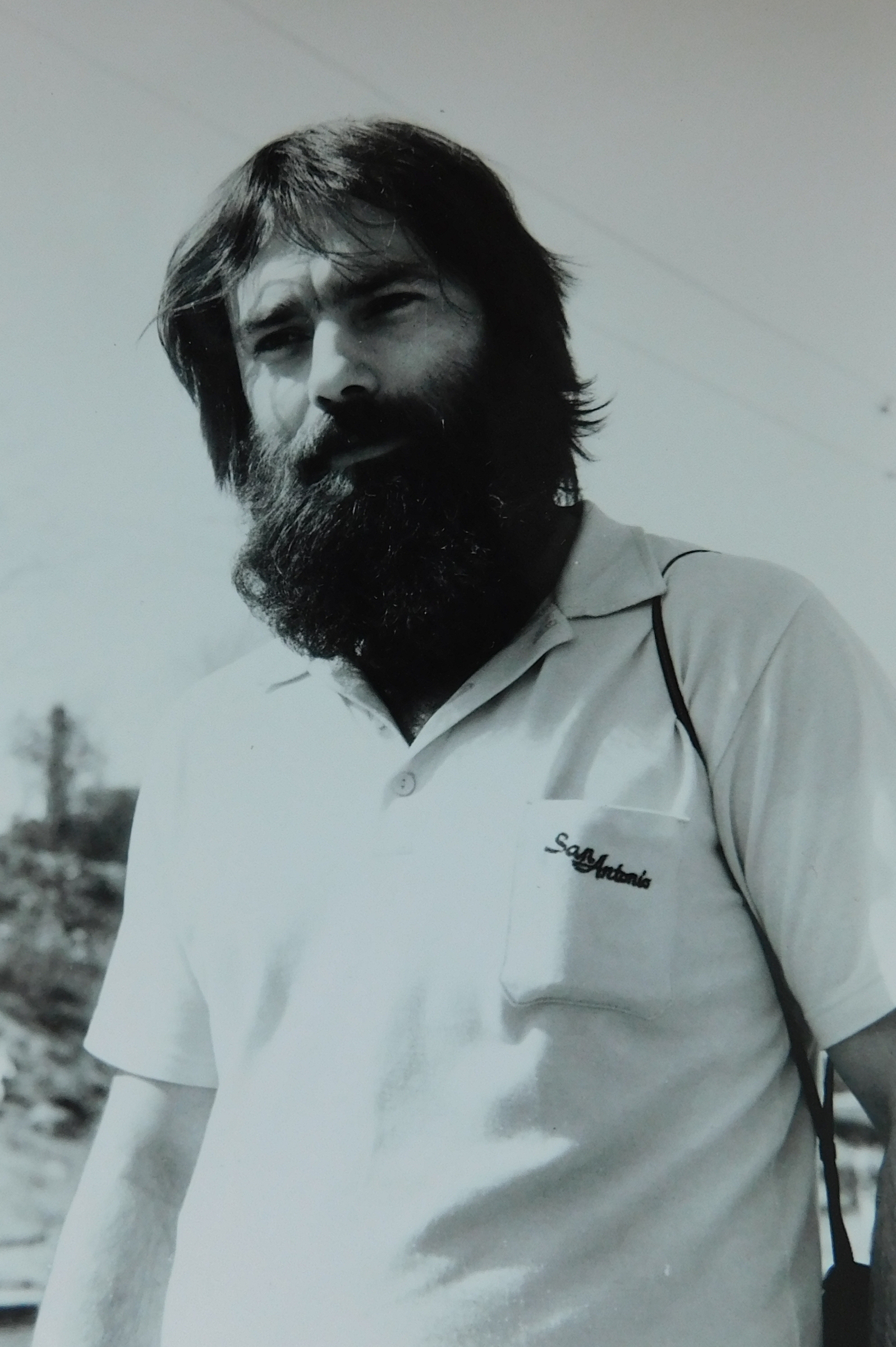
Miroslav Prokeš was born on 13 December 1958 in Vsetín. At the age of four his family moved to Zlín (then called Gottwaldov). As a youth he was a so-called dandy - he wore long hair and distinctive clothing. He says that it was during his mandatory military service in Cheb that he fully realised that he was living in a prison state hemmed in by barbed wire. In Zlín he got in touch with the people around Stanislav Devátý, who actively resisted the Communist regime. One way how they did this was by printing samizdat in the city and the surrounding area. This required printing machines and large amounts of paper. Miroslav Prokeš, who worked at a scrapyard, secretly supplied them with the necessary material. In December 1989 he witnessed how State Security officers destroyed folders from their archives. After the revolution Miroslav Prokeš started a private business. In 2025, he was still living in Zlín, where he ran a computer store and service center until his retirement in 2022.