Ing. Hubert Poul

* 1955

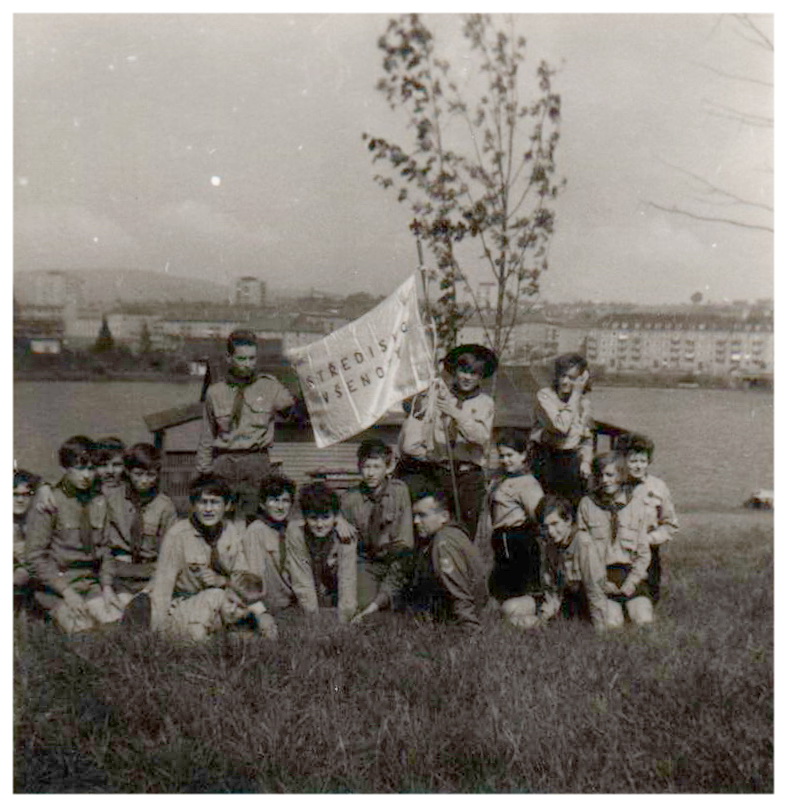
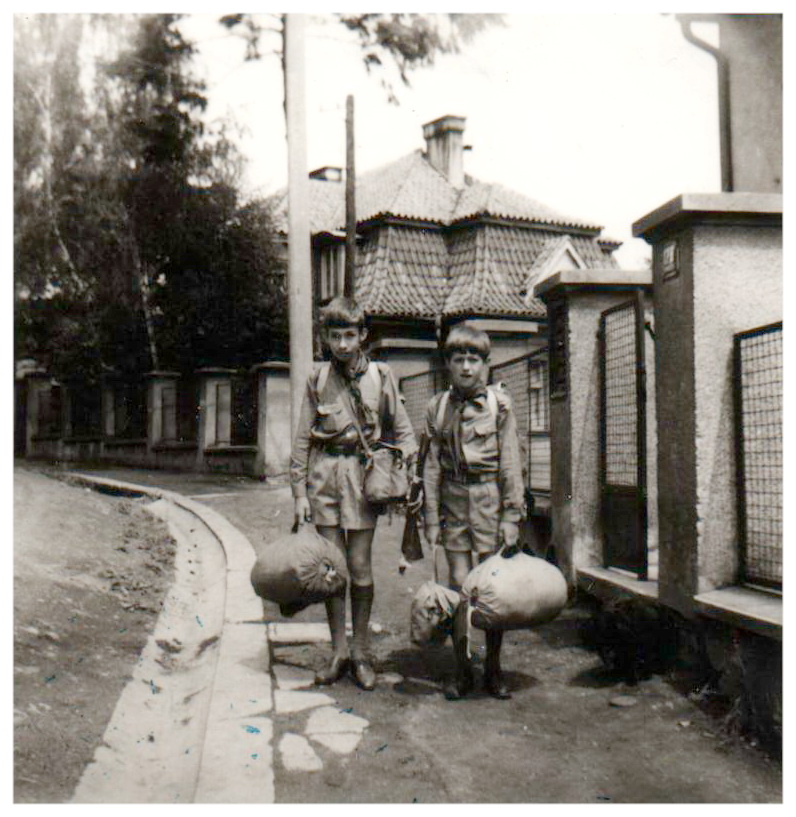
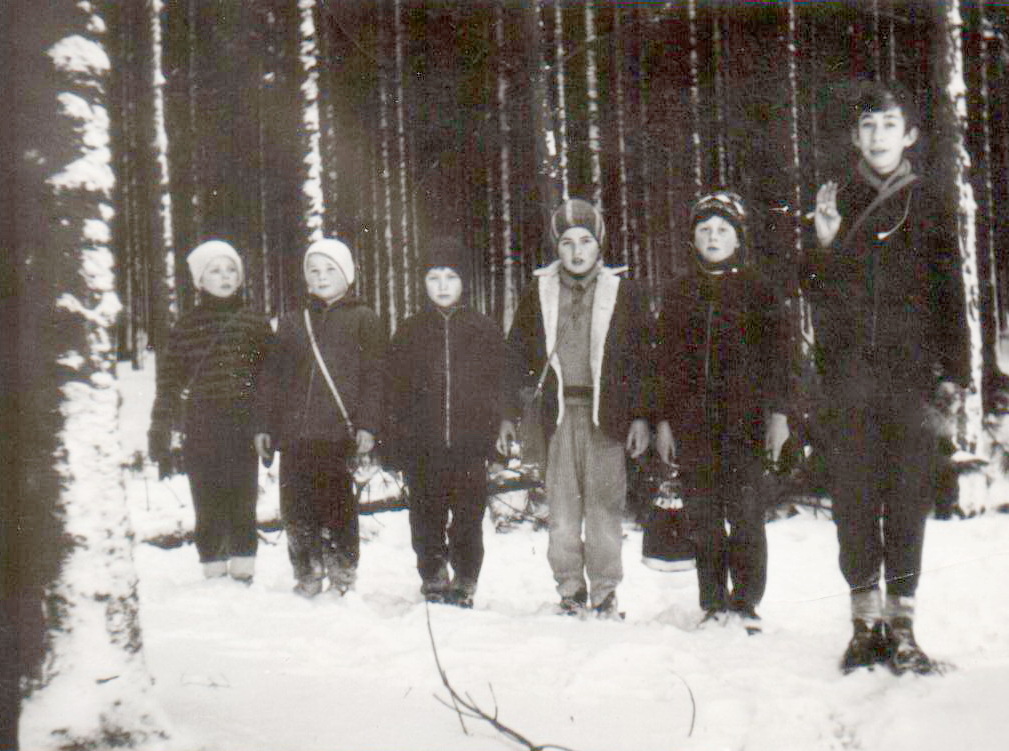
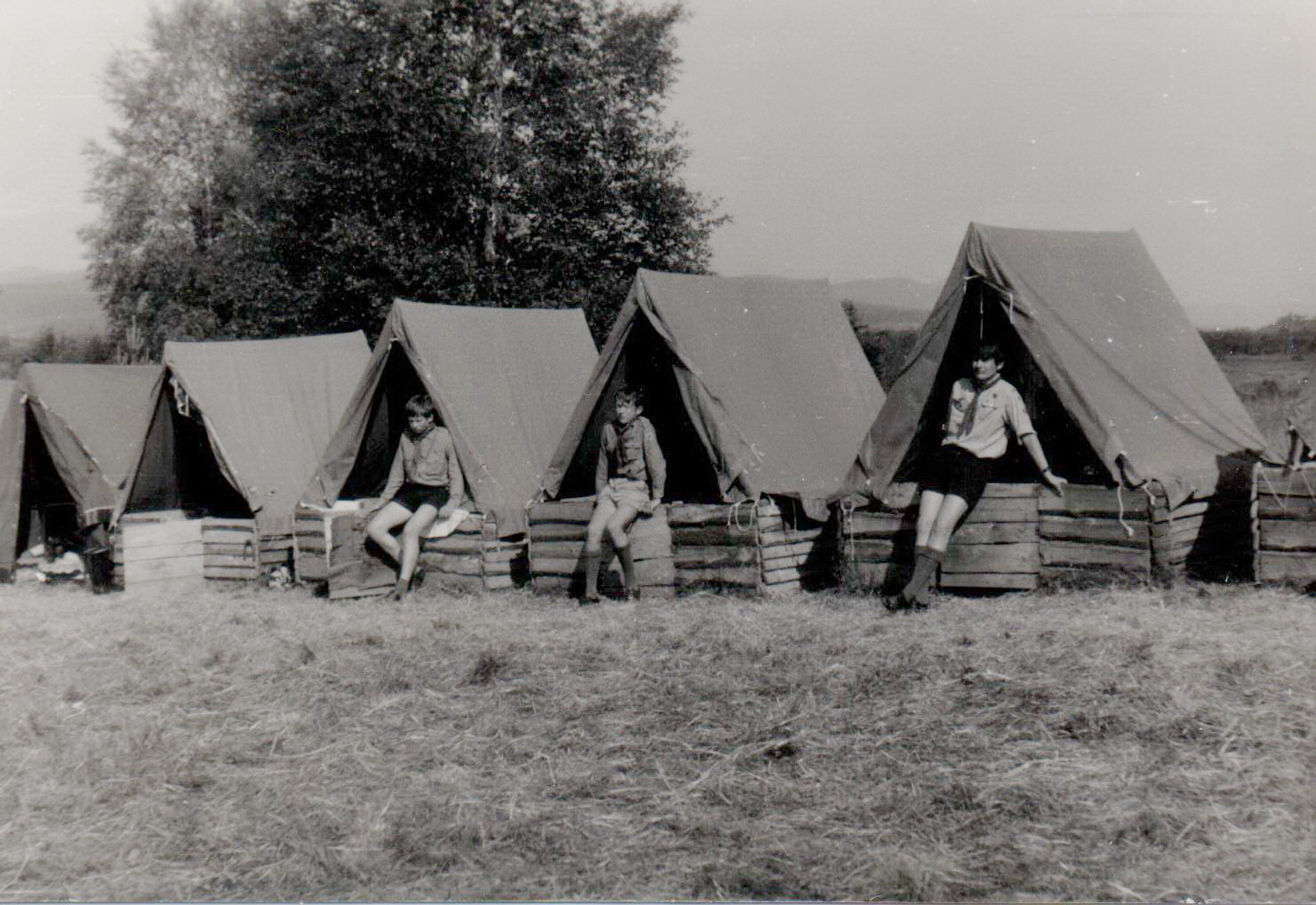
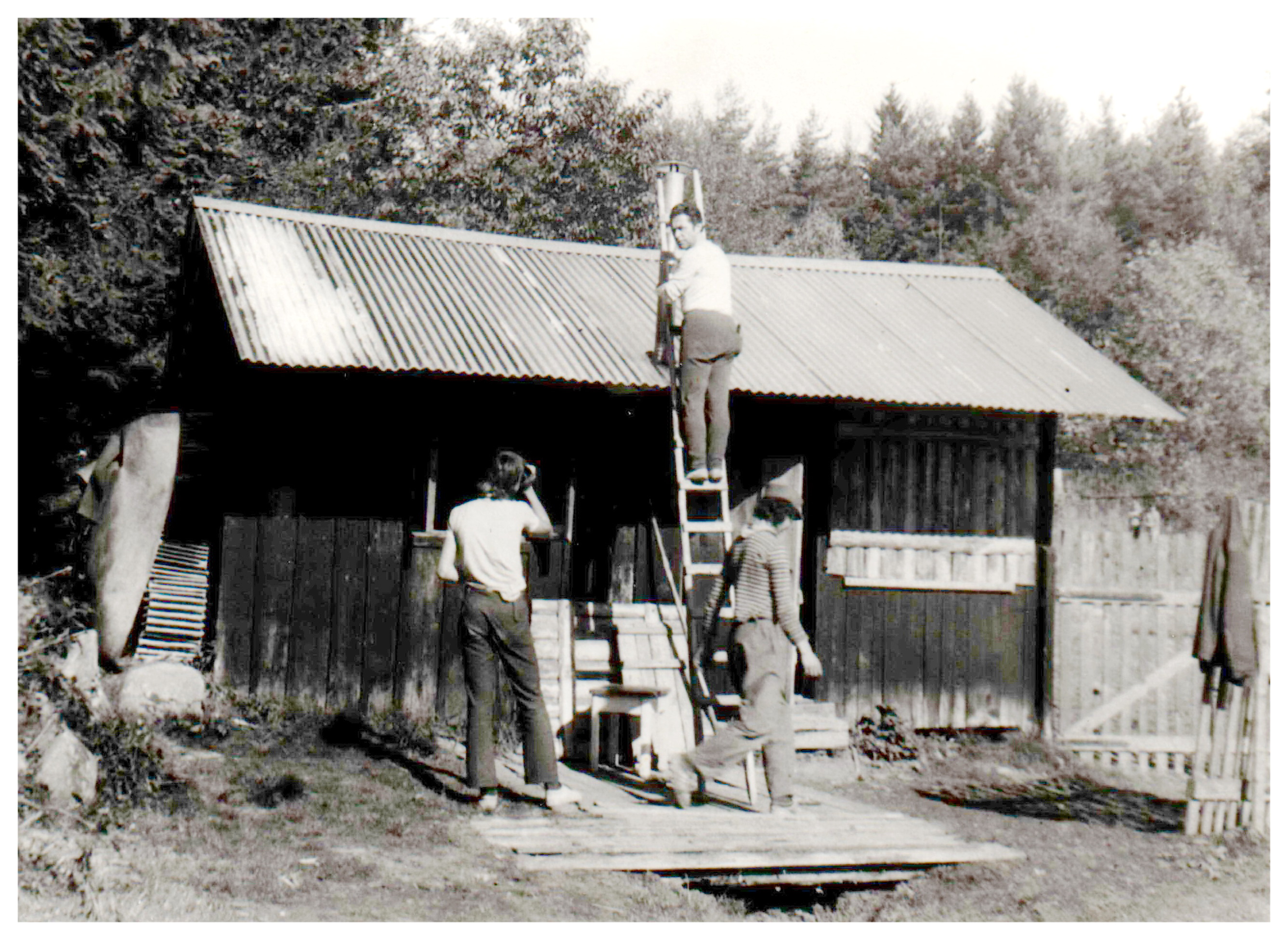
  • "It came during the holidays in 1970, after the summer camp, when our centre leader informed us that Junák was going to be banned, that everything would be transferred to Pioneer and the Union of Youth. So we, as 15-year-old boys, of course had our own ideas and we wanted to work in the spirit that we had been shaped for all those three years. When this actually happened, which was in September 1970, when the Junák was formally closed, we still met several times at our centre leader's house and somehow consulted what to do next. And my group from Černošice, there were five of us at that time, and there were still two of us getting ready, so we decided that it was giving us a lot of life, already as fifteen-year-olds, and that we would continue this activity. We renewed that previous Batman Club, "Bat Men", and we worked for more than three more years in a home environment. Then we built a sort of clubhouse in the woods and we had meetings, we had our model in Foglar, we benefited a lot from his books. So, for example, in my diary I have a record that we did the so-called Blue Life, which were the actions during the day that belong and fit the life of an honest Junák member, such as brushing my teeth, washing up, warming up in the morning, doing a good deed, I was happy about the day and things like that, and we made charts and we evaluated just the month, how the month was. And we had those meetings regularly, it was really every week for the first two years. We always had a motto for the week, and then we always included in the agenda, in addition to the organizational stuff, various games to shape us, and then over time there were informal meetings with this former leader of ours. And to somehow round off this club life in that bunch of ours, we came up with the idea of continuing to organise summer camps. So we used to go to Šumava, and we had an arrangement with the gamekeeper there to let us go to the meadow where we had our last scout camp, and we would go there for three weeks and camp. And more or less the life at that camp was really in the Scout spirit. So that was lovely, that was wonderful, but then as the years went on, as graduation exams approached, things started to change a little bit, there wasn't as much time, we were growing up, we were suddenly 18 years old, so more or less then the activity, the typical Foglar club activity, got a little smaller, less intense, but we went on trips several times a year, targeted, prepared trips, which we always prepared in our clubhouse, so that we had a program for those trips. So we would go to the Brda Mountains here, we would go to different parts of our area here, whatever was just reachable in the course of a day. So that was our life that was in that first half of the seventies. From my perception of it nowadays, we didn't make too much of a big deal of it and somehow we didn't perceive that we were doing some activity that we weren't allowed to do, but I have it written in my diary at that time that we were doing it knowingly knowing that it was forbidden. But because we weren't doing any activity that was provocative, because really we held on to that Scout spirit and heart that everything had to be like from the heart, that it had to be good, love for other people, care, maybe help the needy and stuff, so I don't think it stepped out of any boundaries where anybody could see any politics or anything like that. So we've come through this period beautifully and I think it's given us all a lot. At least, speaking for myself, it's kick-started such a tremendous stamina for life."
  • "And then 1970 came and at that camp, when I was already a leader of a team of Wolf Cubs, they were called Hedgehogs. And I actually had ten wolf Cubs who were from Černošice, who came there from Černošice, so actually guys that I knew. Well, that was the last official camp, and by then you already knew, the normalization pressures were starting. It was already known that it would probably be the last camp. And indeed, during the holidays a letter came that the local organization was being transferred to the SSM, that was the Socialist Youth Union. Well, of course, we as 15-year-olds had a big problem with that. And so it was decided in the centre that the property that we had would be given away, that is, mainly the library, that yes, there wasn't much material, but mainly the library, so it would be given away among the older scouts, and the money that was left would be spent. And so we did a big all-centre party in September at the beginning of the year, and the remaining money was eaten through. So that was the last meeting, but what's really tied to that last meeting is that we had some desire within ourselves to continue that."

  • "But the interesting thing was when after those fortnight my dad and mum took us to Prague, took a taxi and we drove around the whole centre. And they showed us what had happened in Prague. Shot windows, now there were these tanks at every intersection, armed soldiers. Now they were sitting there with these machine guns, so of course it was very interesting for us as boys, but at the same time we didn't know what to think about it. So it was such a difficult time, and I guess, as far as I can remember, the biggest experience was when my mother came to work for the first time after something like fourteen days, three weeks, and she was telling us what it was like in the Czechoslovak Radio, how devastated, destroyed, shot up. They came into their office, into that newsroom, they had an archive of all the footage of all those programmes that they had filmed, prepared, it was on tape reels. The reels were all pulled out, the tapes were in a pile. She even said that there was a corner in that one room that had been burned out, so that the Soviet soldiers there acted as if they didn't know where they were. Whether they were looking for anything, you don't know, but we were struck by how the tapes were pulled out. Why were they pulling it out, because it served no purpose."

  • "Because I grew up alone in a Catholic environment, in a Catholic family, we went to Sunday services, so it was not like a foreign environment for me. And I spent several holidays at his parish house in Nymburk. Well, that's where I discovered the world. I was discovering the world there, because the parish house was, he lived in the former dean's house, which was a kind of a shack, I would say, it's been renovated now, a kind of a shack where the parish house used to be, and it's stuck to that town wall in Nymburk. And not only in that church of St. Giles, which even in my teenage years I perceived as something wonderful, something that just completely overwhelmed me, whenever I went in there, actually even between those walls, I felt so good there. He still had that classic parish household where he had a housekeeper, her husband looked after the garden. There was a big, huge orchard, so a big space for us. And I think he actually educated us in a great way with his kind of quietness, without saying anything. He was actually showing us how to behave. So I don't know if it was purposeful, but he continued to set such a huge example for us. He never said anything bad about the people who tormented him. Never. He forgave them. And he actually kept that forgiveness by not wanting to talk about them because he knew that if he started talking about them, he had to say something about them. So he didn't want to talk about it much either. But we felt ourselves that his nature was terribly generous in this. Without saying it. Maybe that's why he was able to be rector."

  • Celé nahrávky
  • 1

    Praha, 13.06.2025

    (audio)
    délka: 02:08:11
    nahrávka pořízena v rámci projektu Stories of the 20th Century TV
  • 2

    Praha, 20.06.2025

    (audio)
    délka: 01:19:57
    nahrávka pořízena v rámci projektu Stories of the 20th Century TV
Celé nahrávky jsou k dispozici pouze pro přihlášené uživatele.

Scouting and the Catholic community—they go well together

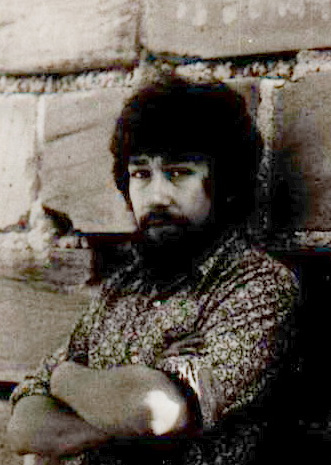
Hubert Poul, circa 1980
zdroj: witness´s archive

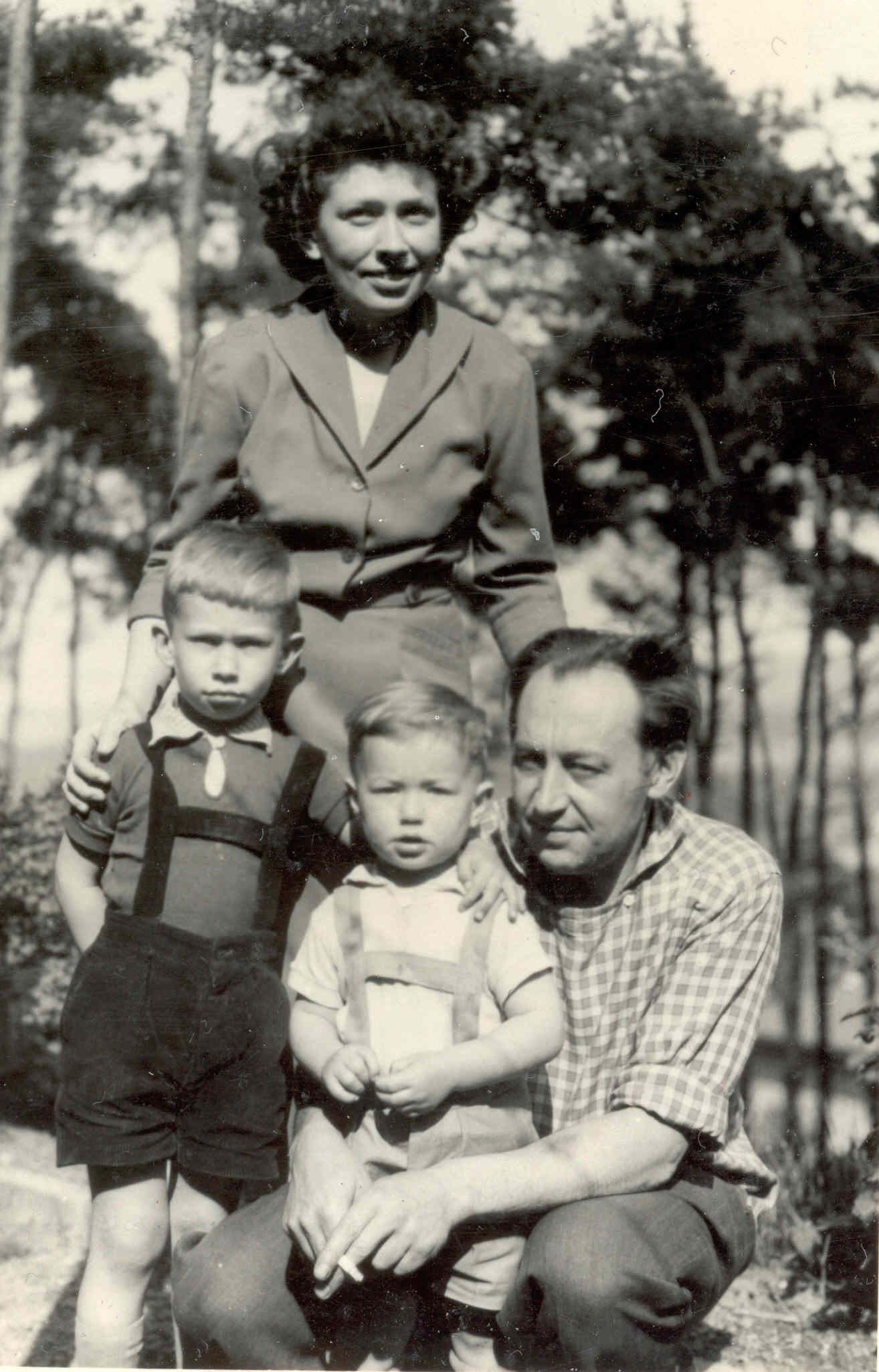
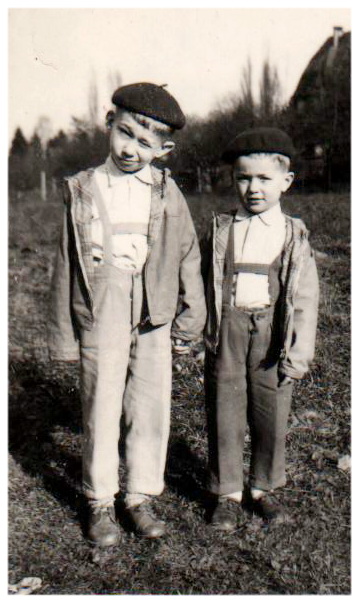
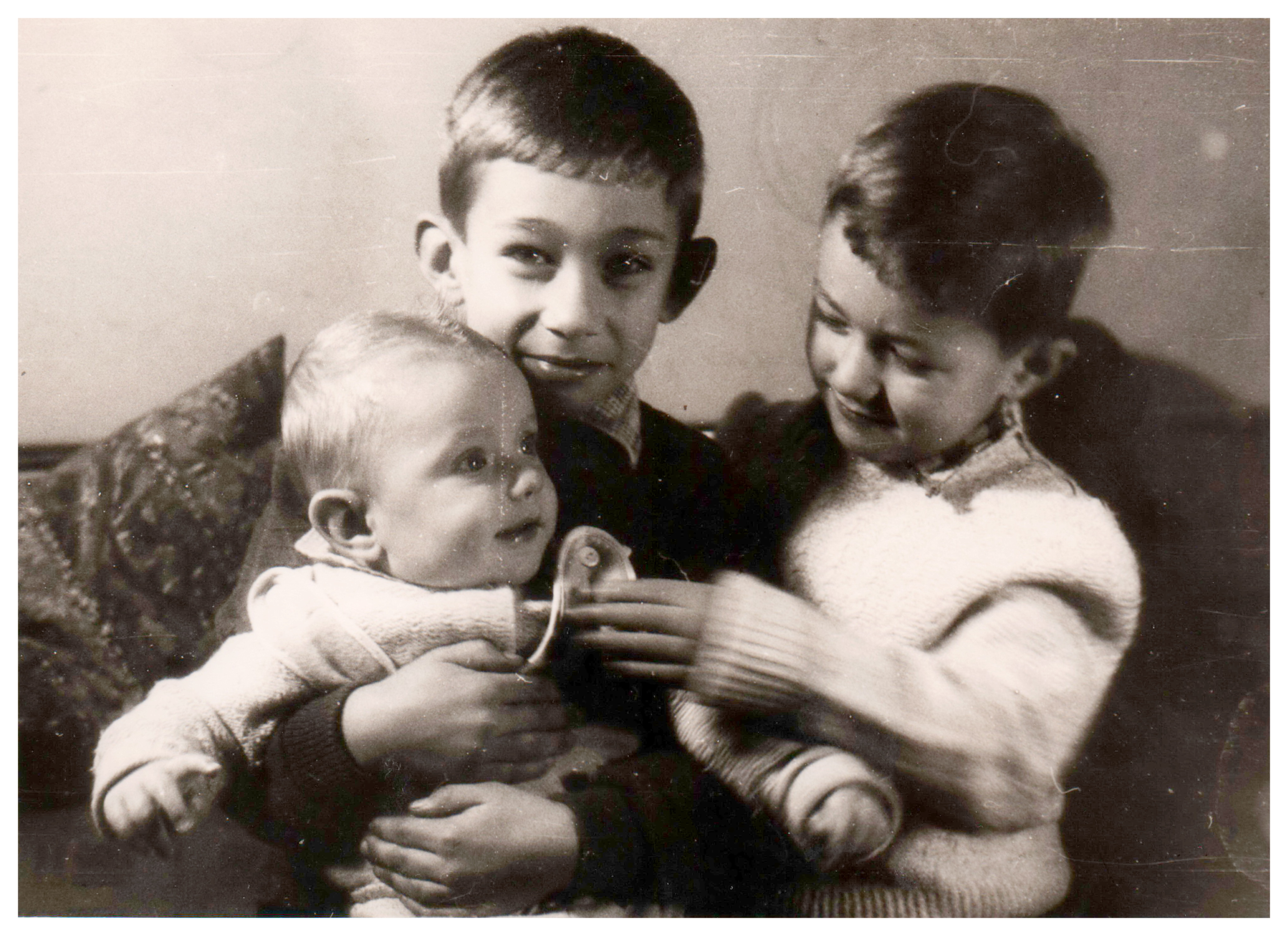
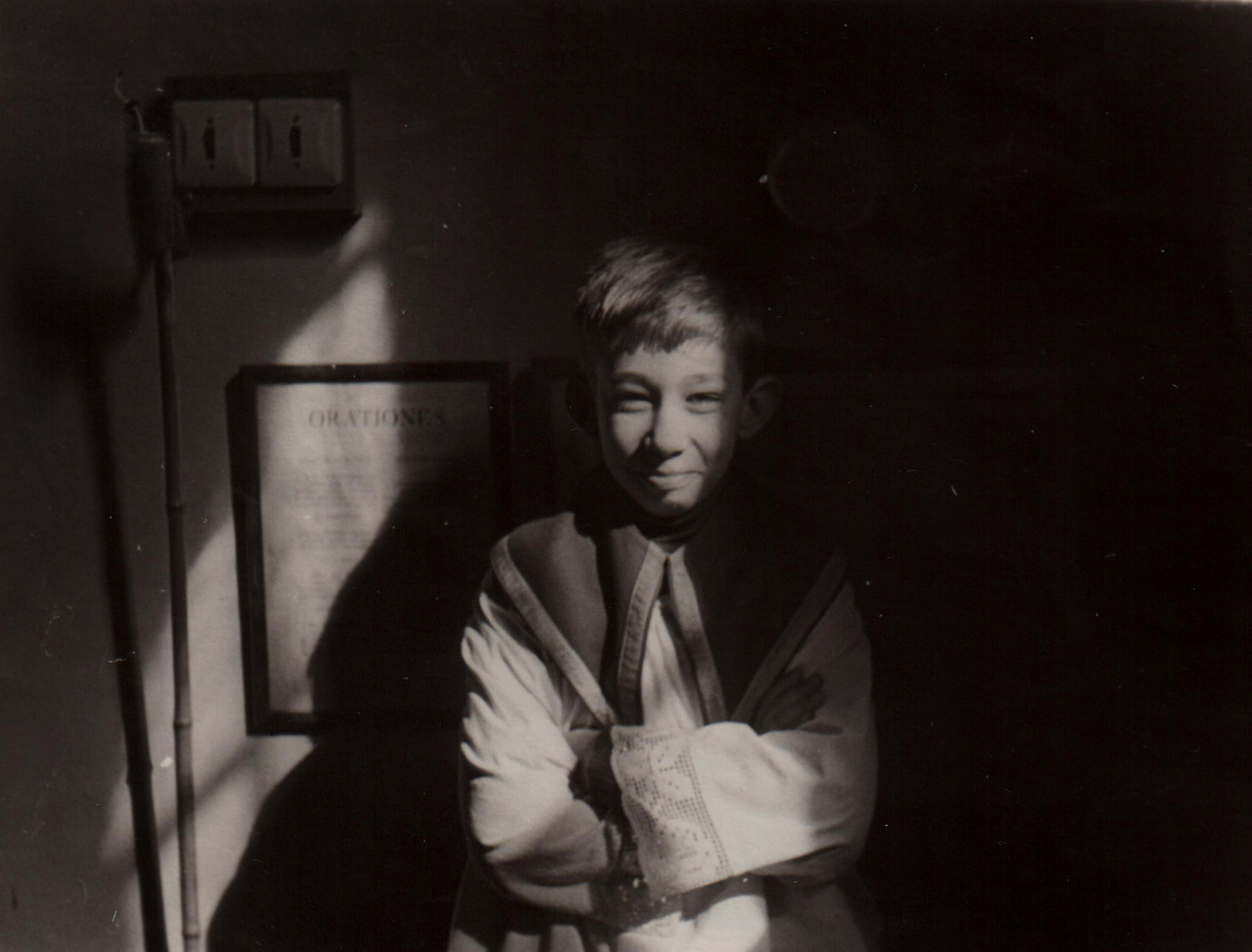
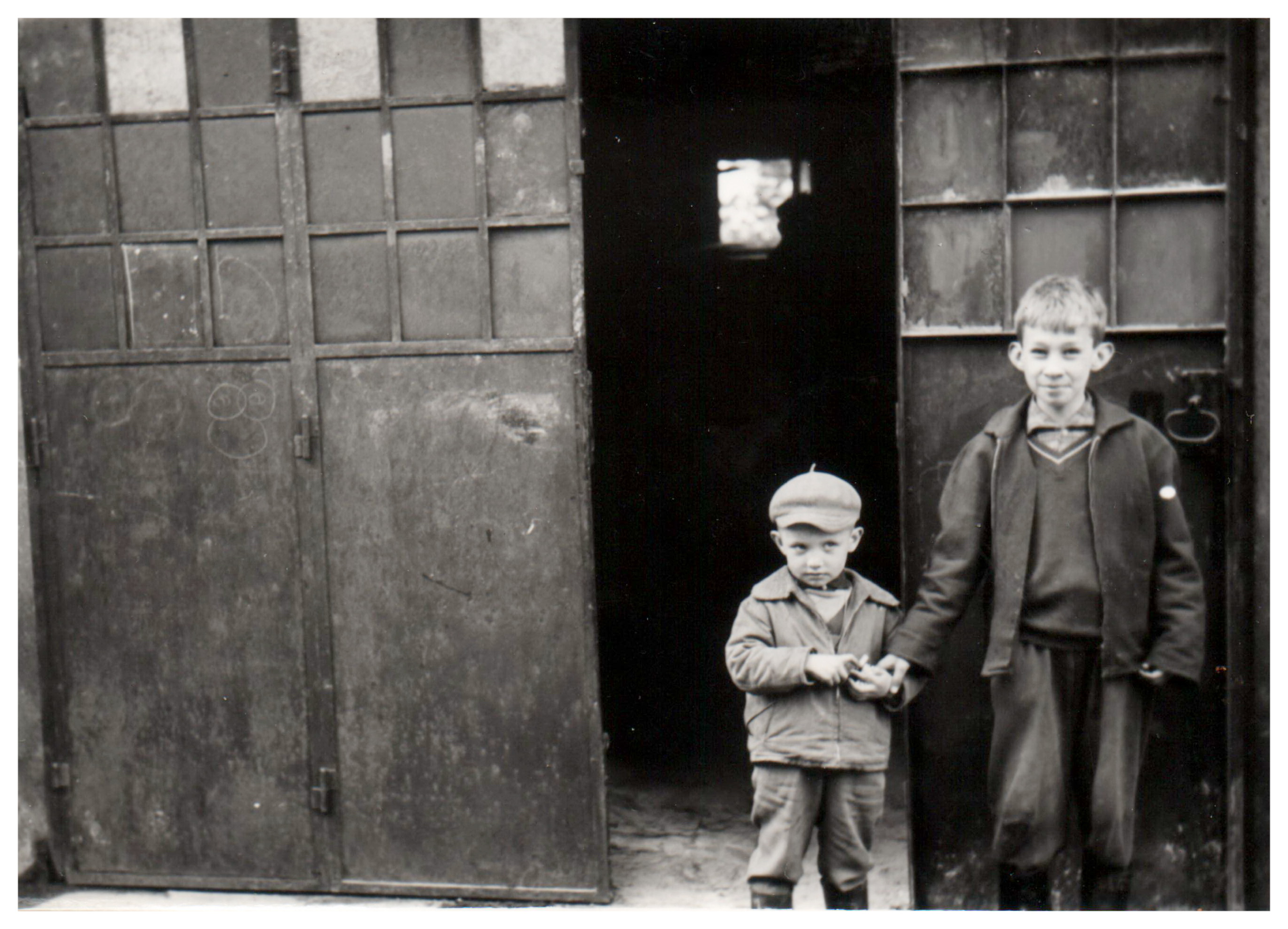
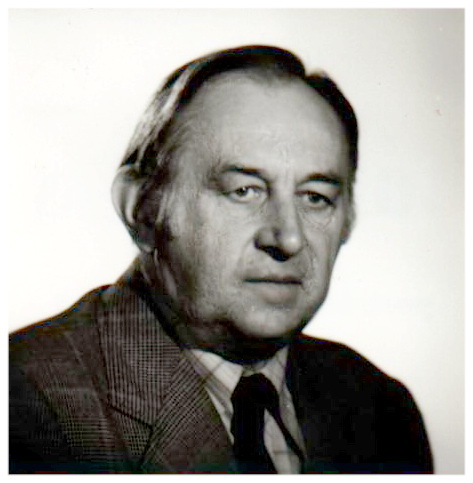
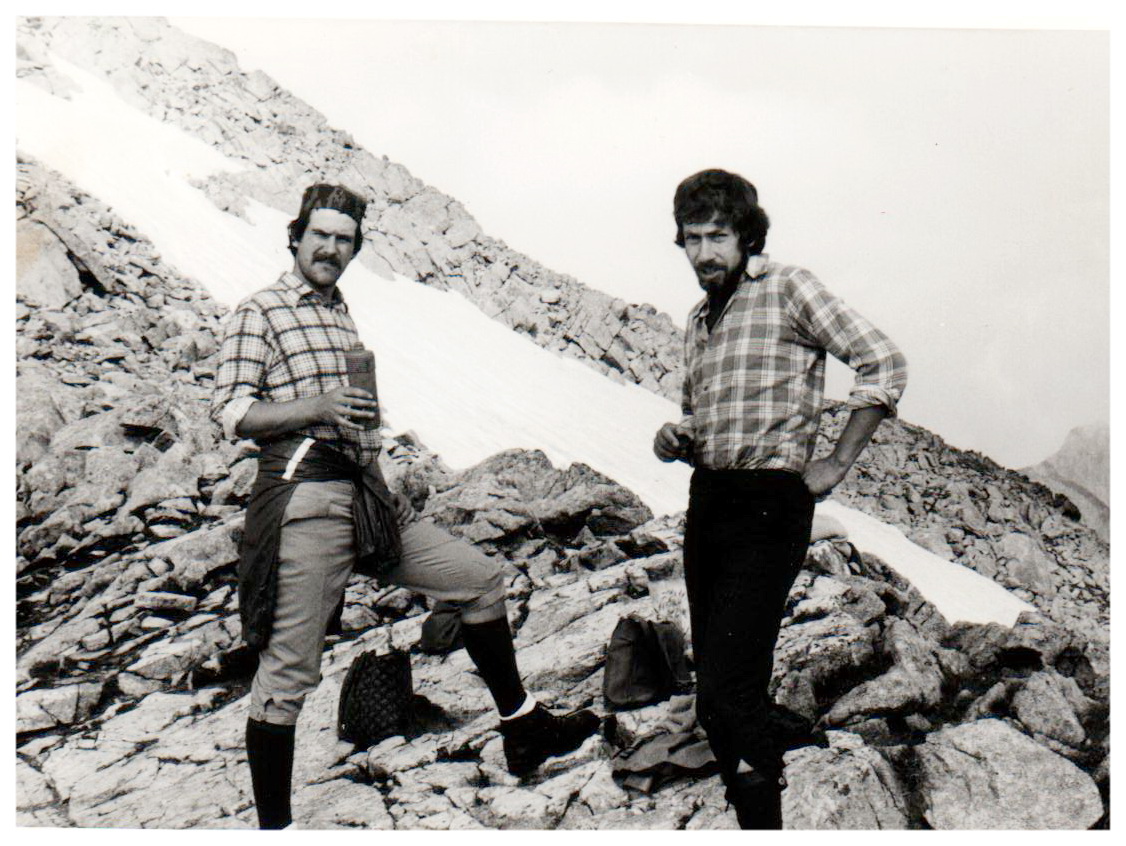
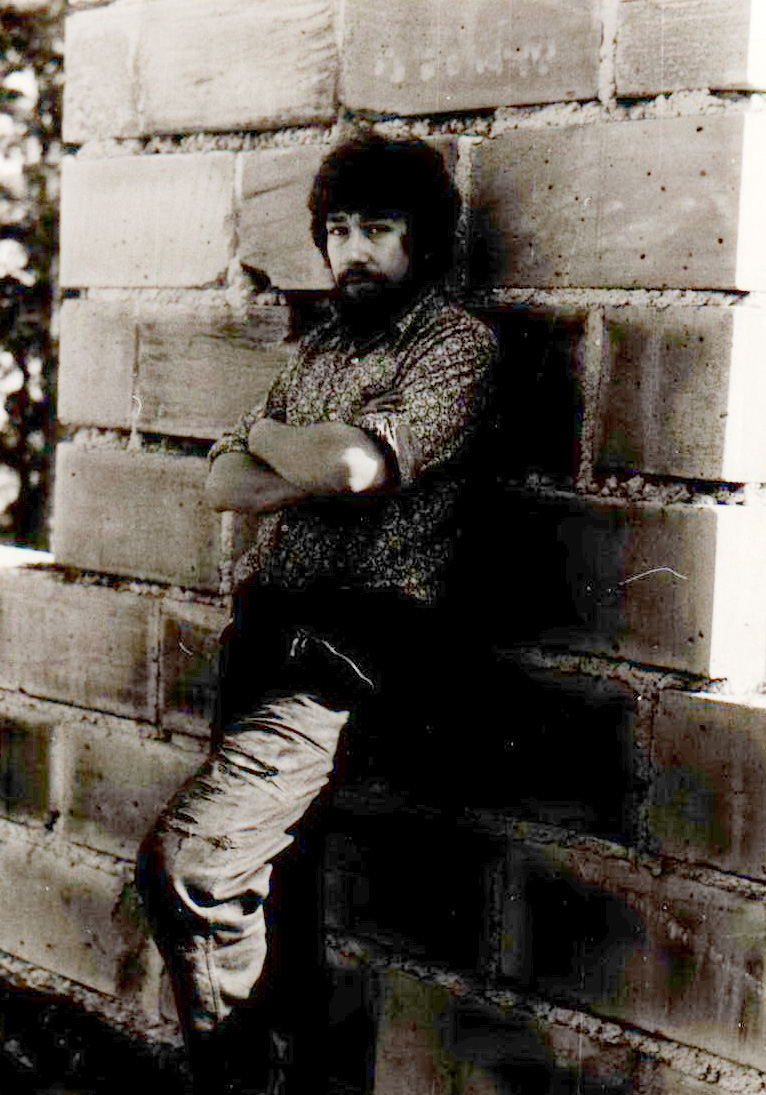
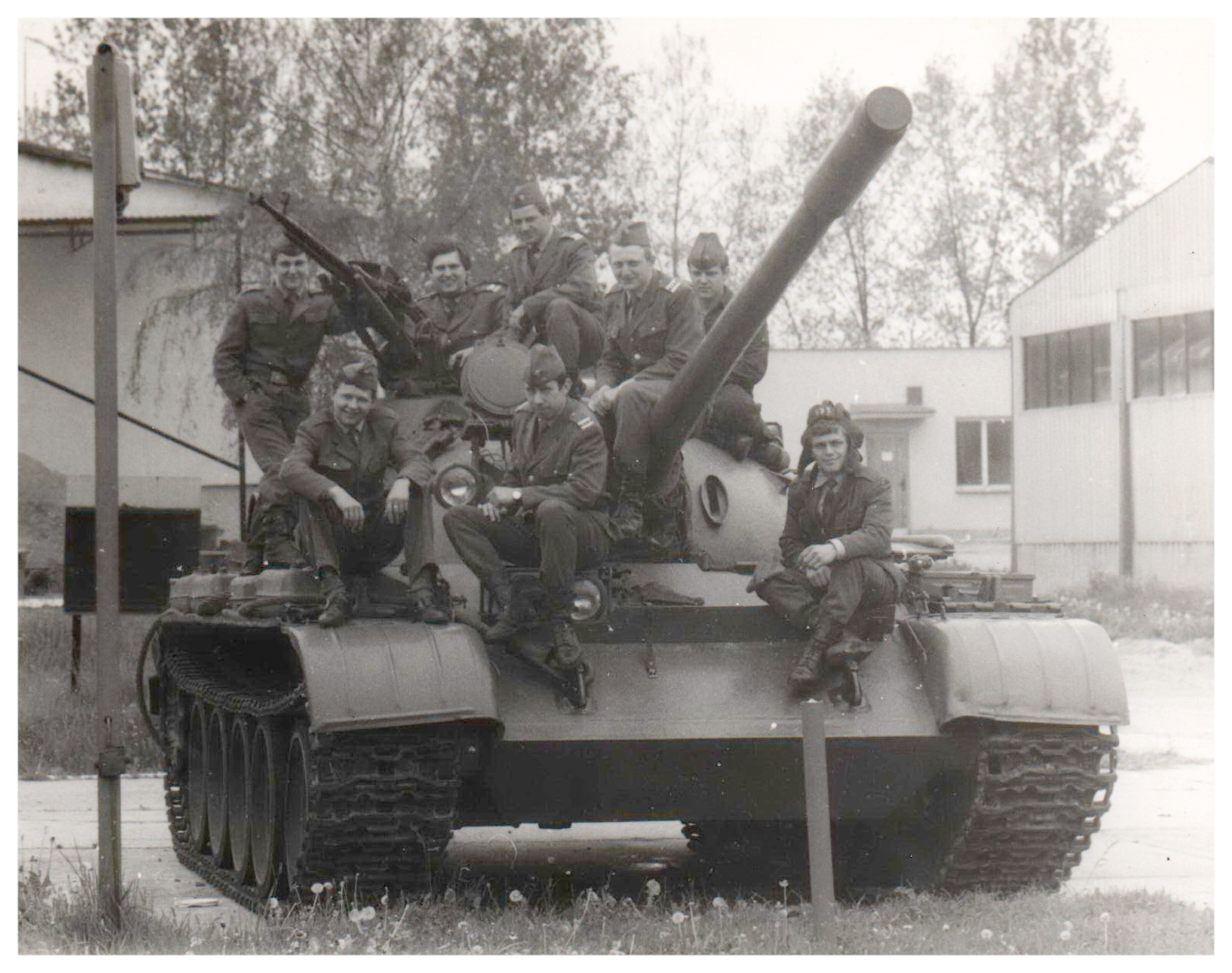
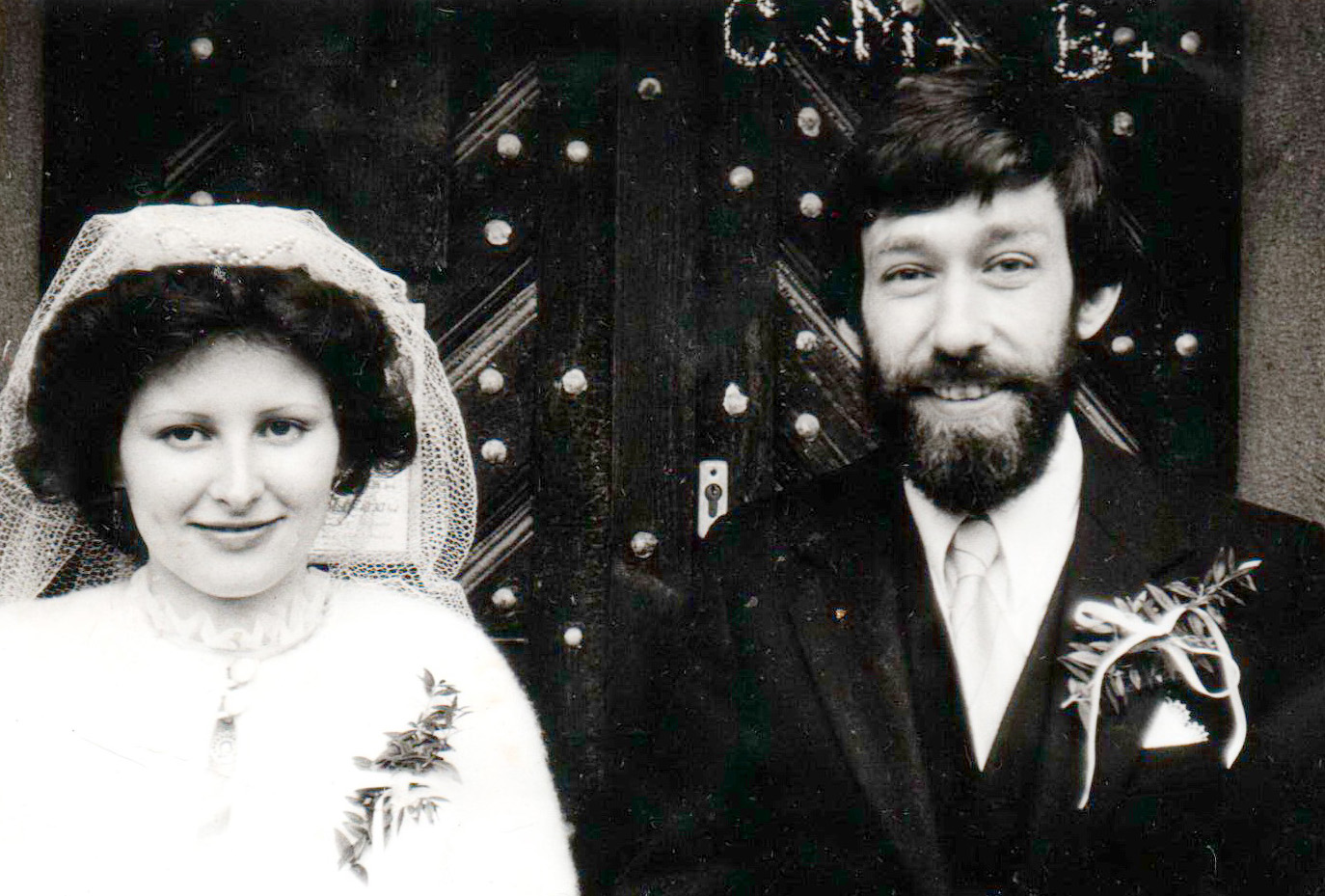
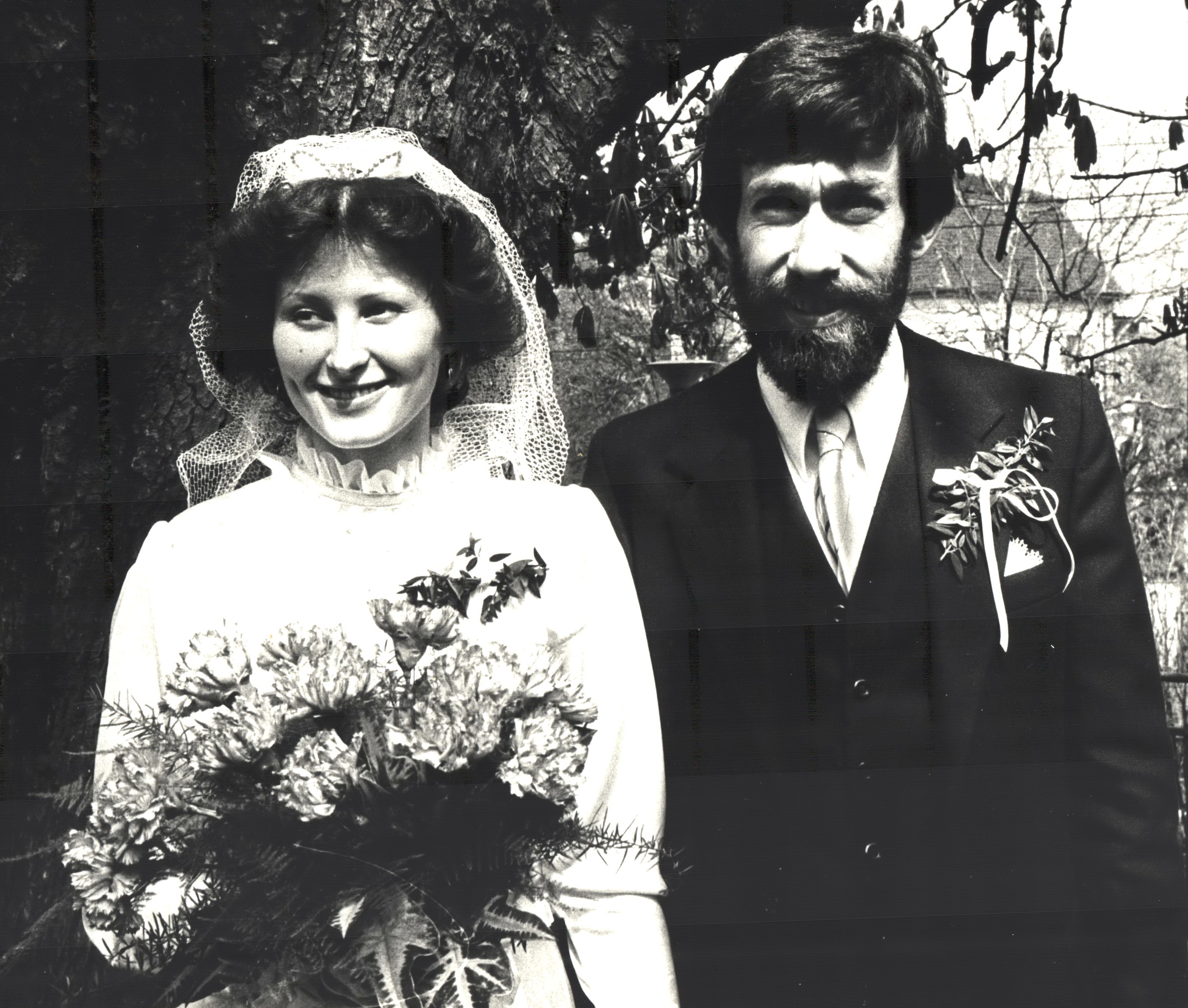
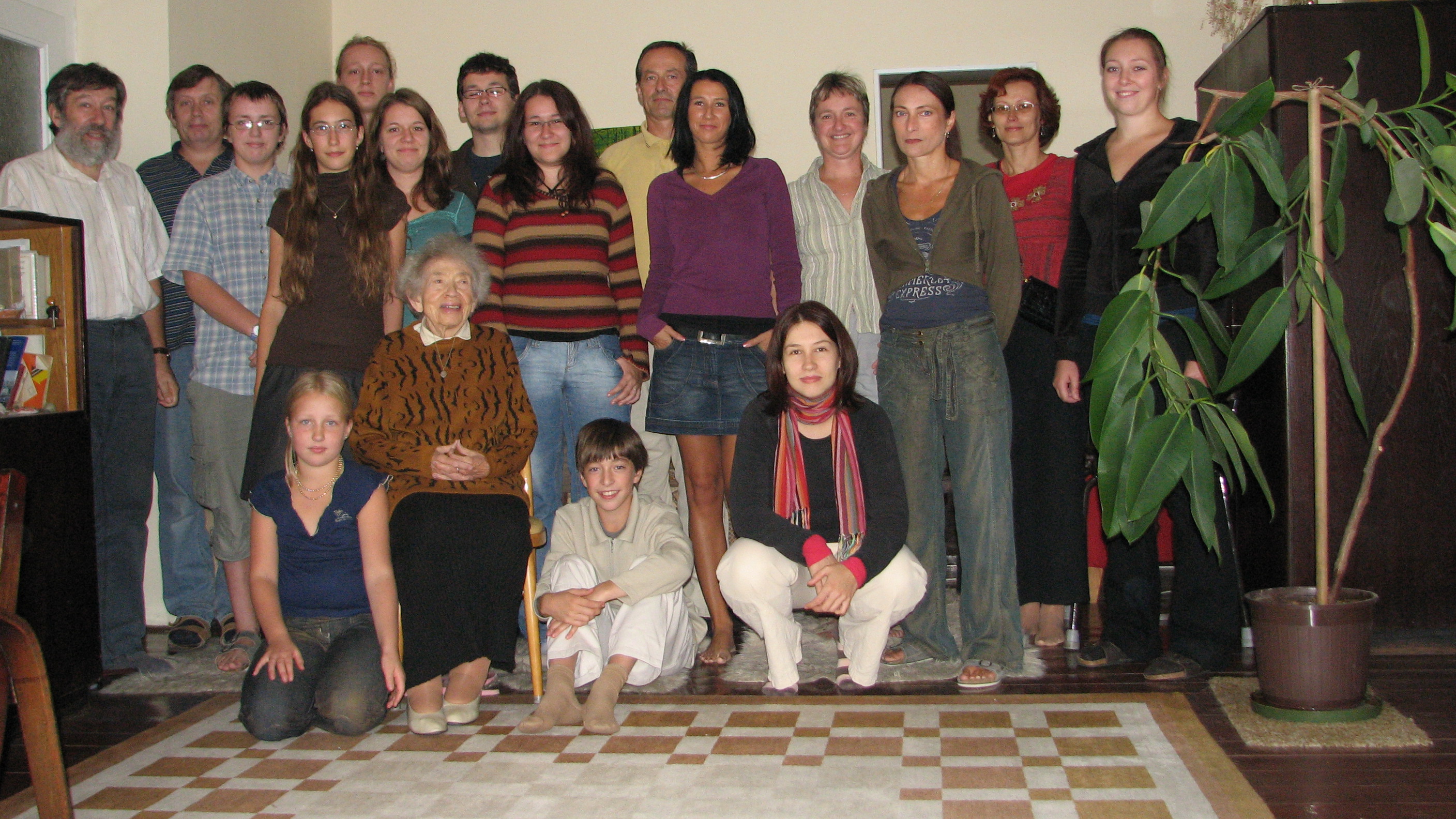
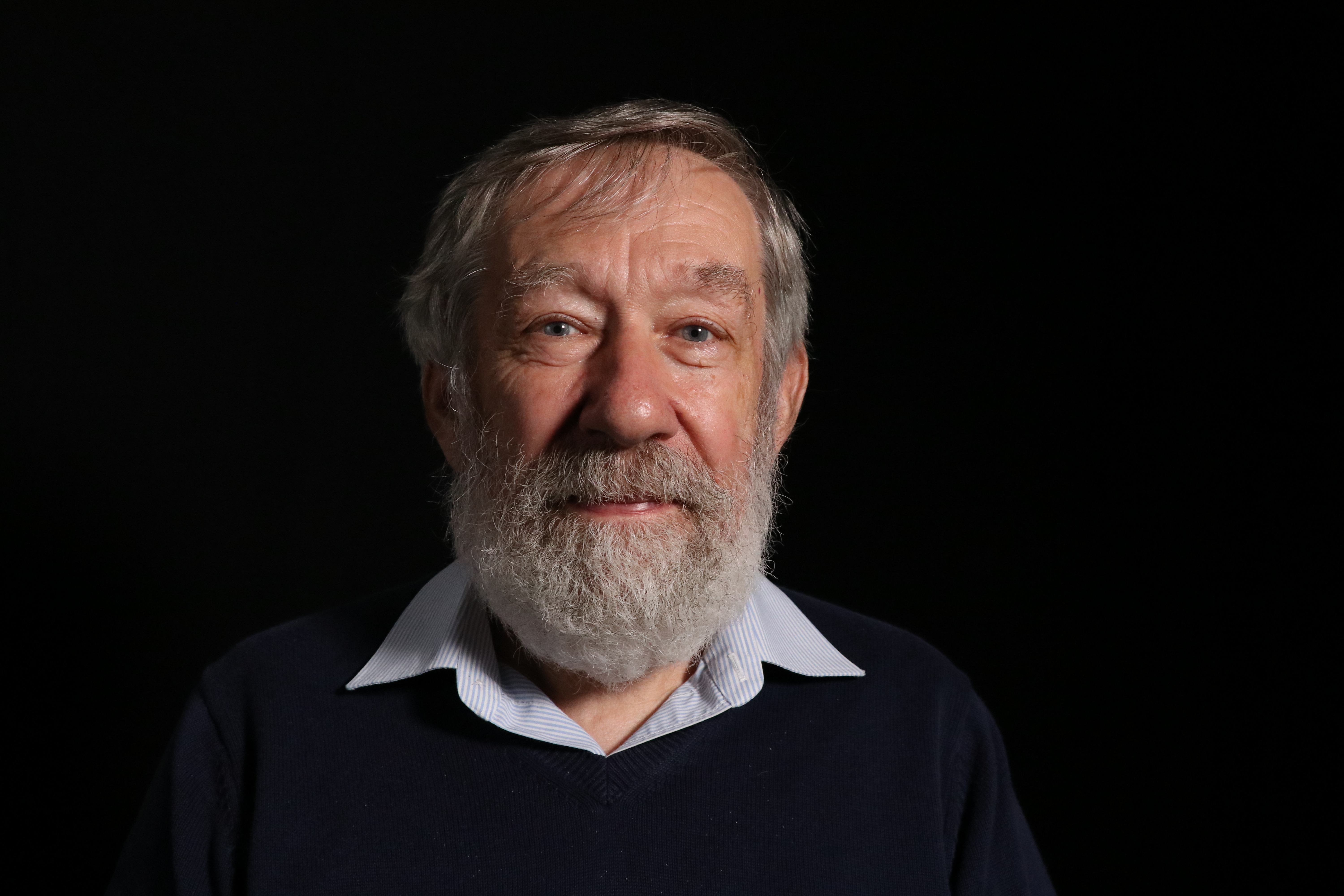
Hubert Poul was born on 29 June 1955 in Prague into a Catholic family. On his mother‘s side they were all persecuted after the war because of his grandmother‘s German origin and lost their villa in Černošice. Only Arnoštka Roztočilová was allowed to stay in the attic room, at first unmarried, later already married to Hubert Poul Sr. Despite the obvious injustice that happened to her family, she managed to create a loving background for her sons. Hubert had been an altar boy and religious student since his youth, and was also an active Boy Scout. In his childhood he founded the Batman Club with his friends, in 1968 he joined the restored club in Všenory and after 1970, when Junák was banned again, he continued for a few years under the banner of Svazarm and later only completely unofficially. His Scout spirit and Catholic faith helped him to pass through the period of normalisation without the slightest trace of bitterness. After graduating from the Faculty of Engineering, he worked as a designer in the State Chocolate Factory. In 1984 he married and with his wife Jana raised four children. After November 1989 he became involved in municipal politics for the People‘s Party, while his younger brother Richard Poul was involved in the revival of scouting in Černošice. In 2022 Hubert Poul published a book about his uncle Mons. Josef Poul, a Catholic priest persecuted by the communist regime, who as rector of the theological seminary educated a number of future bishops in the difficult times of the 1970s. In 2025 Hubert Poul lived with his family in Černošice and for more than forty years he kept the parish chronicle.