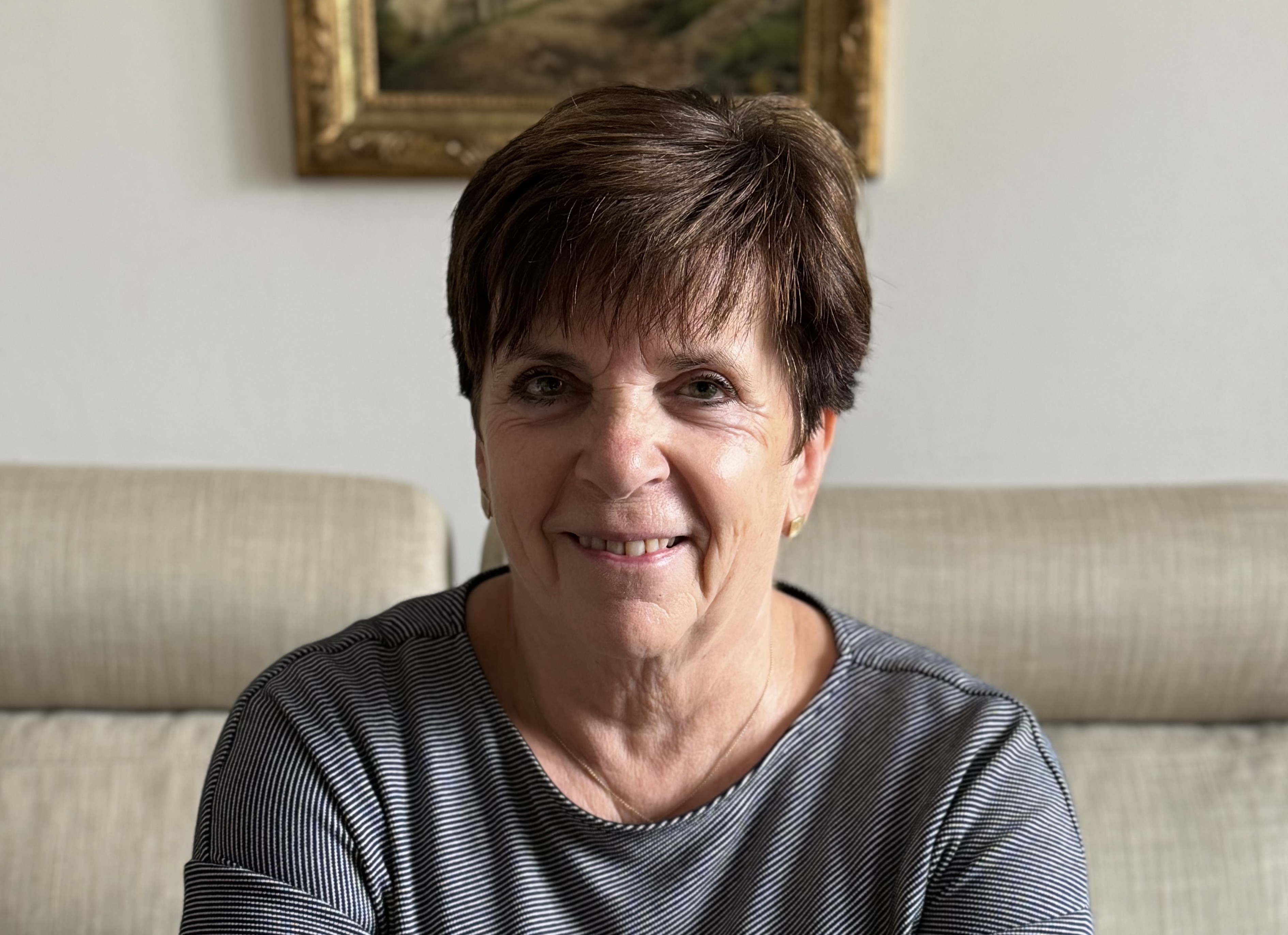
Věra Pošelužná

* 1954

  • "Now I don't know if it was back in 1989 or '90, so we went to Austria. By car, we went, we had a car by then. And we went to Austria for one day and there was a queue of several kilometres in front of the border, where normally they let, maybe they didn't even check any documents, I don't remember that, so there was a queue of several kilometres. We were going, I don't even know which crossing, if it was Dvořiště, but I know that there was a downhill going, going downhill, and this way you could see how there were Czech cars everywhere, there was nowhere to park where we arrived in some town. So we went there to see." "And what was it like in Austria?" "Well, completely different, well. Completely different, because here, it was in the autumn, but more or less then there was always green grass, here everything was grey, kind of grey, even maybe dirty, nothing in the shops here, only later gradually."

  • "There was a big hospital here, a lung hospital, I don't know if you know it. It was very famous in the First Republic, they treated tuberculosis here a lot. And in 1971 the Soviets took it over and made it a Soviet hospital. The staff got fired, the doctors that were there, they had to find a place somewhere else and Russian soldiers were treated there. They left in 1991, when they were still here for those twenty years, their wives used to go shopping in Kosteliec, and those were full [bags], they bought everything in the shops. We came to the shop and there was nothing there, because they bought it all up, they were carrying full bags. That was the crazy thing. So then when they were supposed to leave in 1991, before they left they bought up everything that was available, and so I didn't hear that, but friends said that, that the soldiers said, we'll be back. So it was kind of scary."

  • "We were scared too, we are, I wasn't brave. And even my parents what they lived through, my dad - it was before I was born that he was locked up, but he had that fear in him. Because he was limprisoned because he was a professional soldier. It was sometime in 1949 when they handed out, when he came to work, they handed out party registration forms and sign and turn in. And a couple of them didn't sign and he came home that time and he said, and he was still laughing and he said, they're going to arrest us for not signing. Well, they searched his home, and they found something from work, some forms or some papers, absolutely probably harmless, but by taking it home they accused him of revealing military secrets and he was in prison for two years. So there was some fear in him after that, and I guess the whole family after that. So there wasn't much courage in me."

  • Celé nahrávky
  • 1

    Kostelec nad Černými lesy, 22.11.2024

    (audio)
    délka: 56:38
    nahrávka pořízena v rámci projektu The Stories of Our Neigbours
Celé nahrávky jsou k dispozici pouze pro přihlášené uživatele.

Fear has remained in the family after my father‘s imprisonment
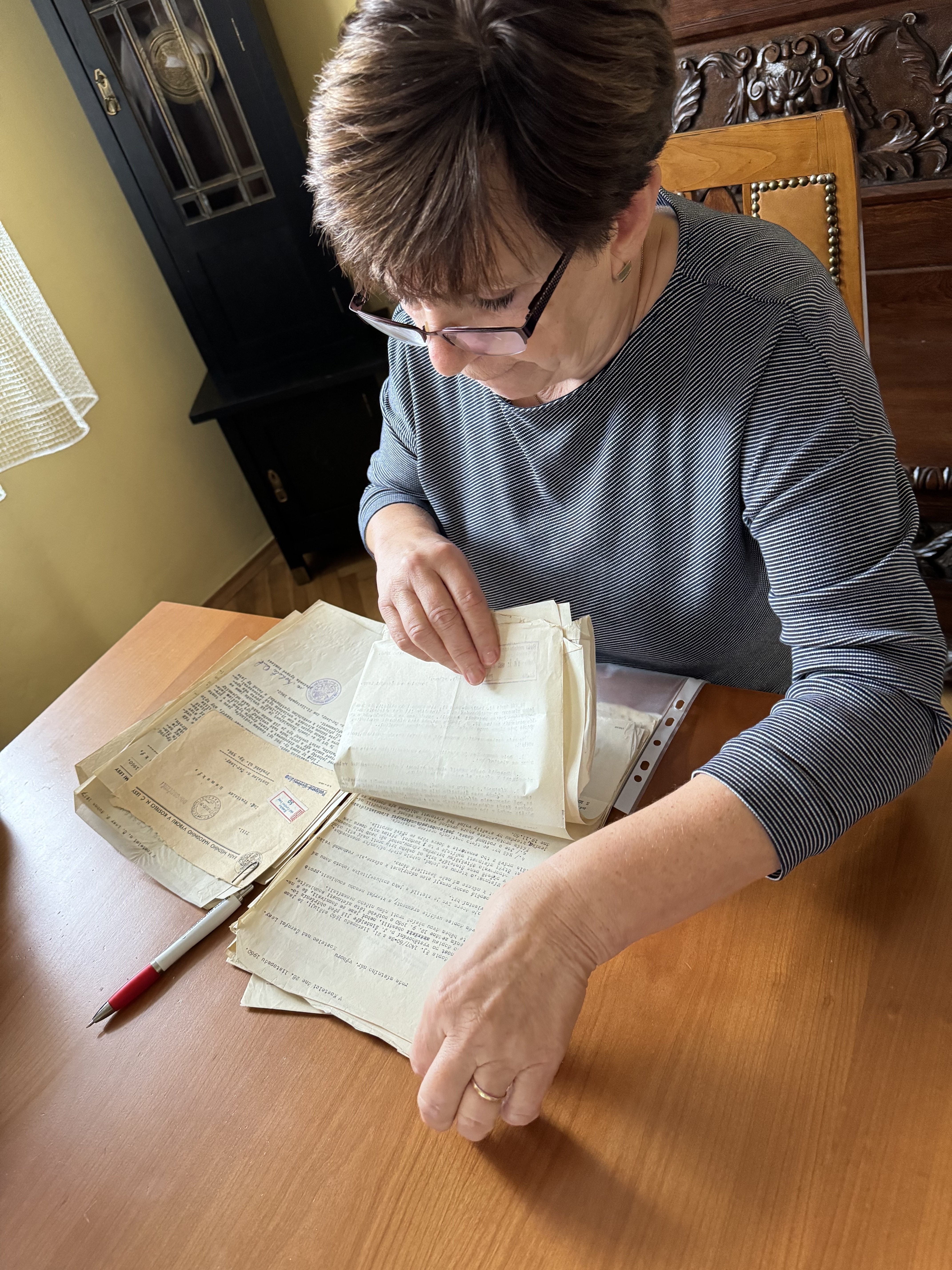
Věra Pošelužná going through her archive; 2024
zdroj: Post Bellum

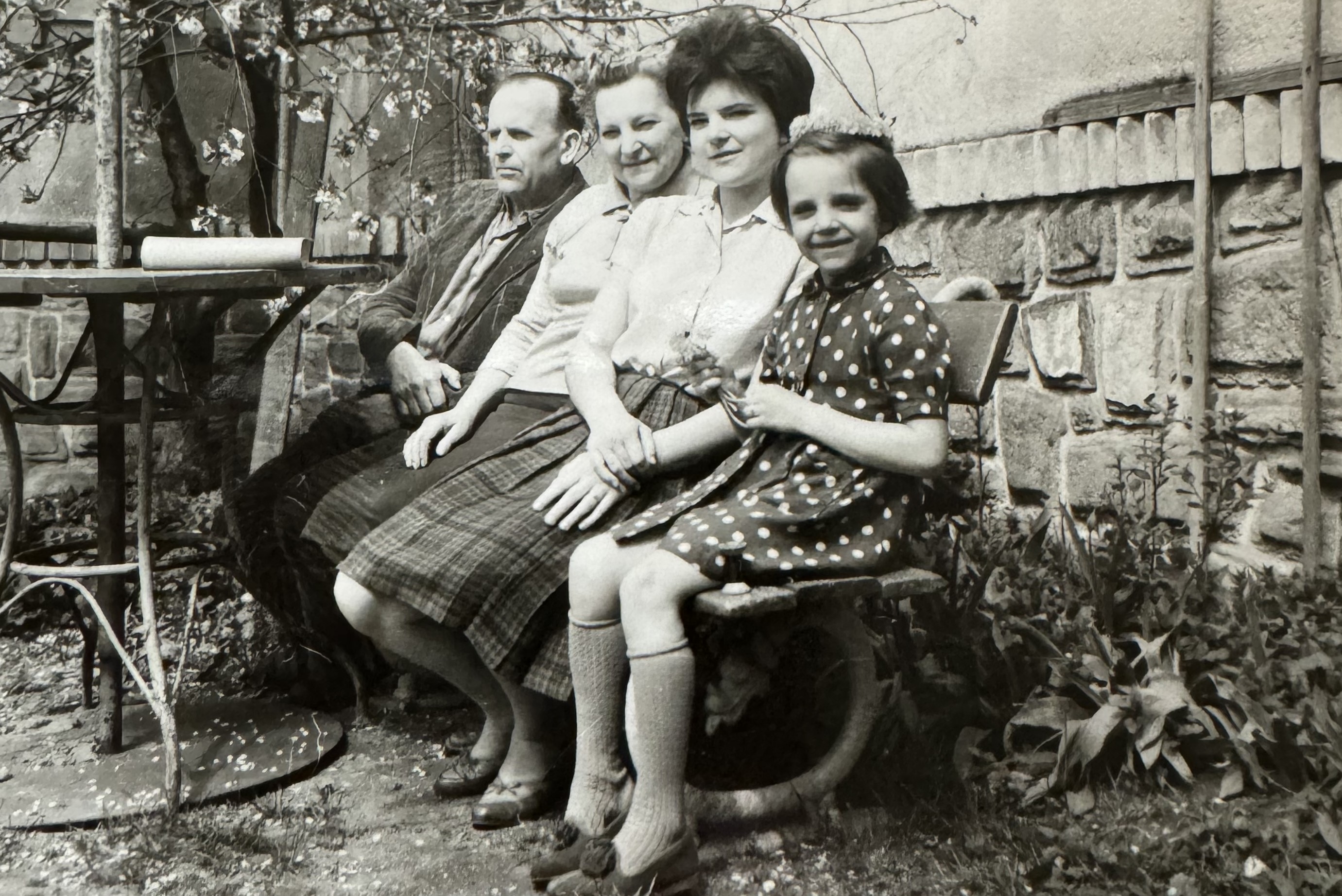
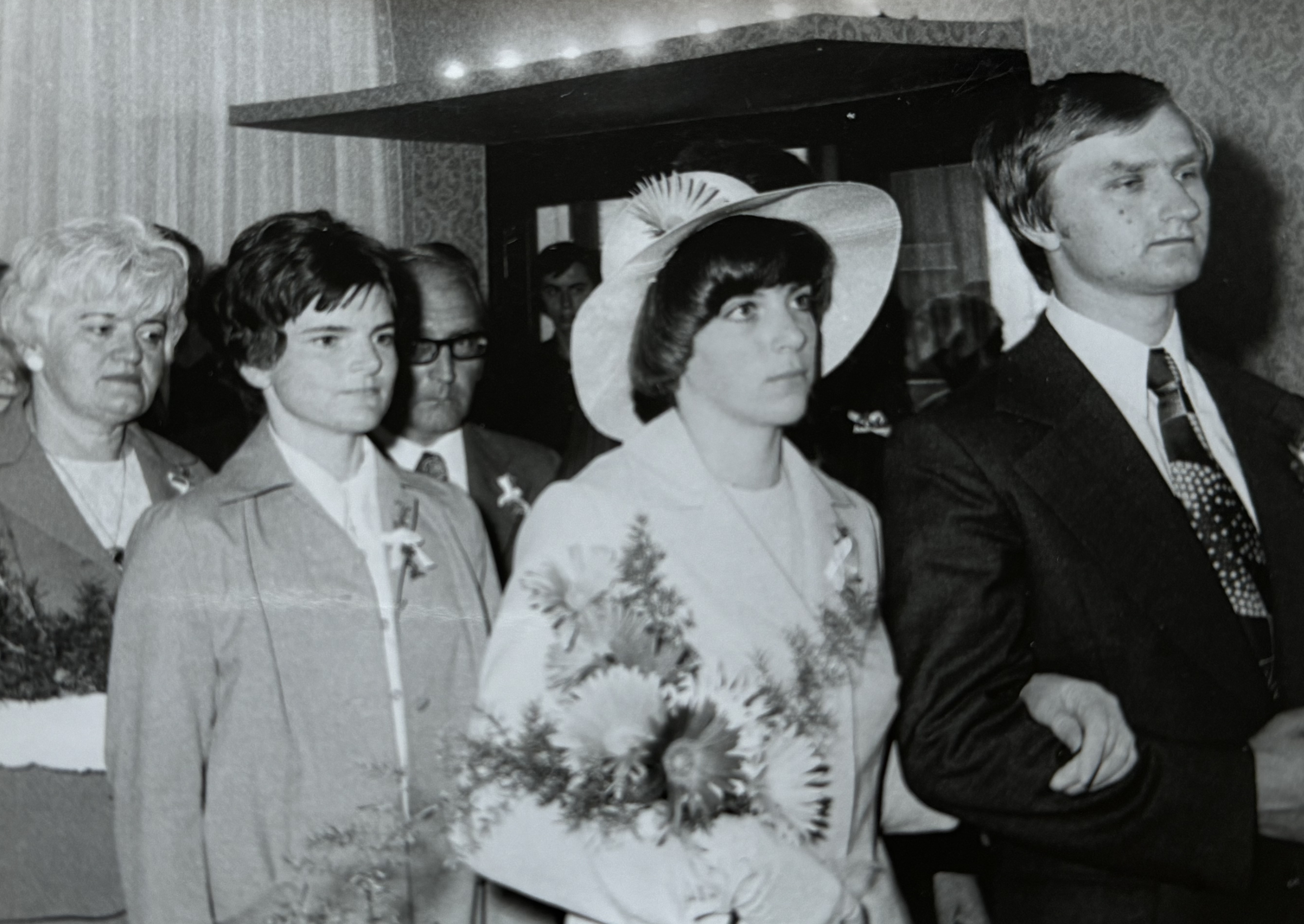
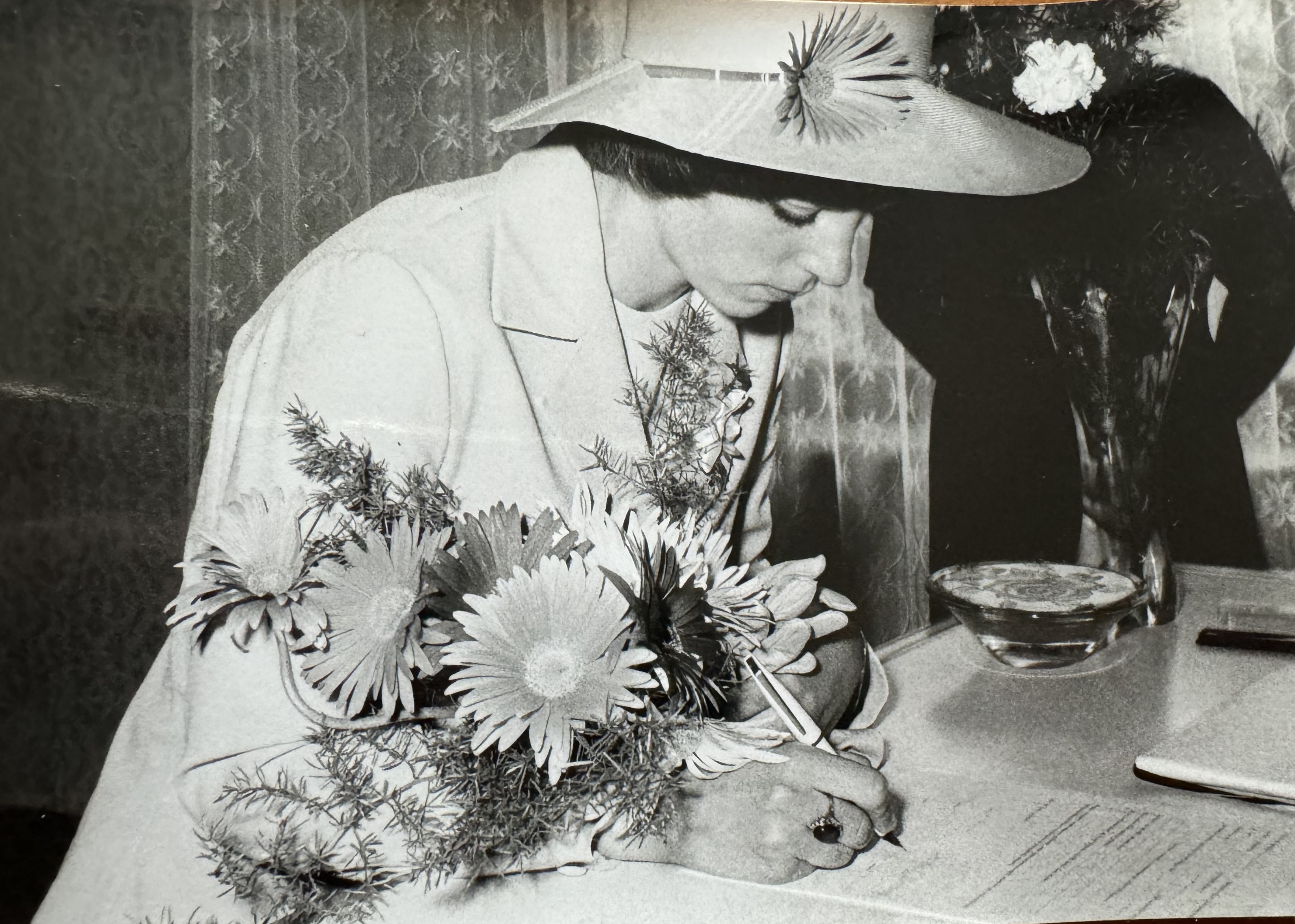
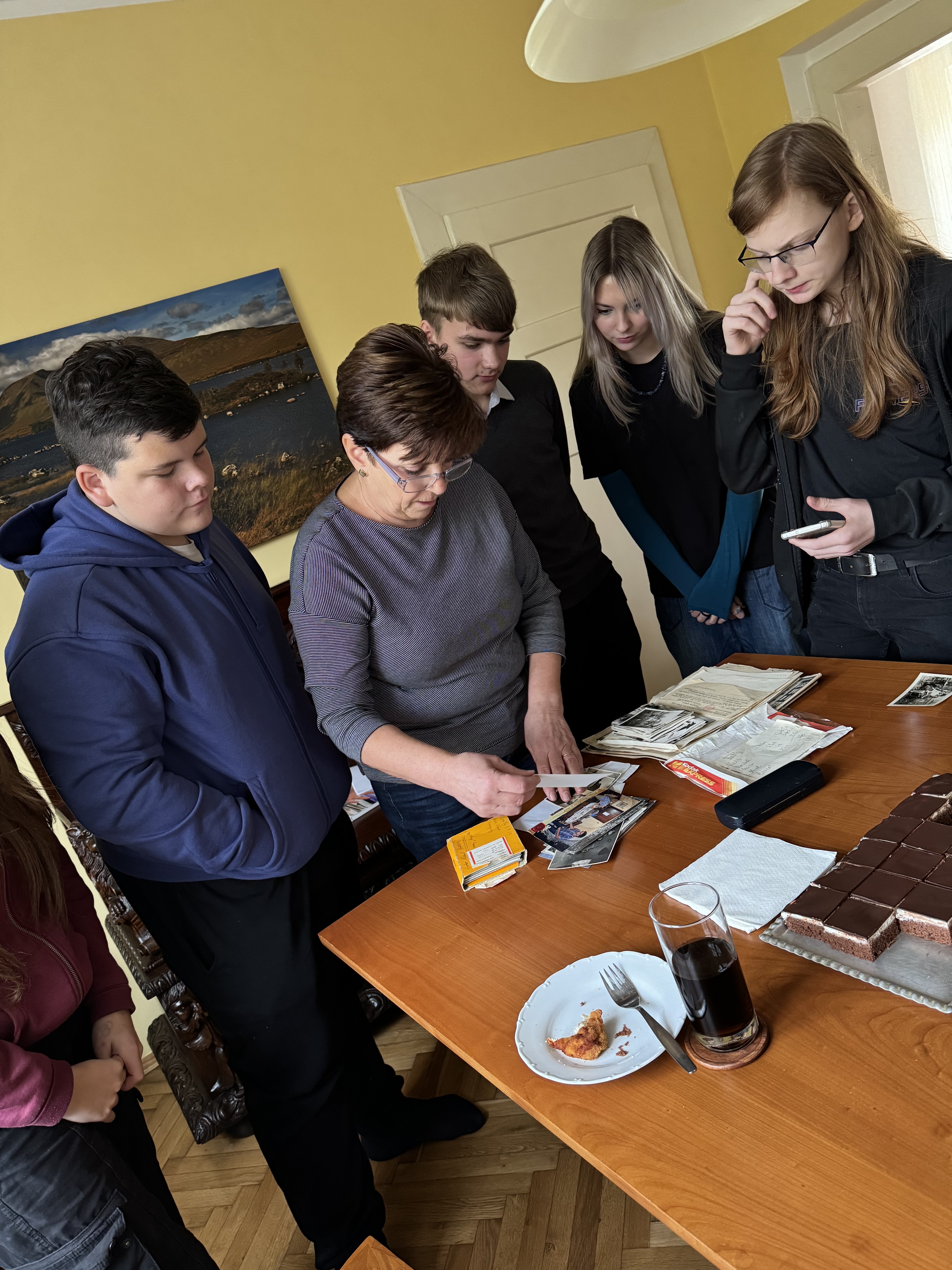
Věra Pošelužná, née Hemská, was born on 27 December 1954 in Prague as the younger of two sisters. She grew up in Kostelec nad Černými lesy in her grandmother‘s villa. Her father, a professional soldier, refused to join the Communist Party in 1949, and after a search of his home he was sentenced to two years for allegedly revealing state secrets. Until 1968, tenants were assigned to my grandmother‘s house because it was allegedly too big for one family. She remembers the confusion and fear of war that reigned after the occupation of Czechoslovakia by Soviet troops. After elementary school, she graduated from the General Education Secondary School in Říčany, where she was one of the few in her class to refuse to join the Socialist Youth Union (SSM). From 1972 to 1976, she studied at the University of Economics in Prague, married in her final year and raised two children with her husband. She started working at the Computing Centre for Medical Supply in Říčany, where she lived through 1989. In November she went to see a demonstration on Wenceslas Square together with her boss, and in early 1990 she went on a day trip to Austria with her husband and children. From 1991 to 1992 she worked briefly in a hospital set up by the Russian army in the former lung sanatorium in Kostelec na Černými lesy. She recalls their withdrawal from the republic in 1991. From the mid-1990s until her retirement, she worked as a senior accountant in the international company Euromedia Group in Prague. In 2024 she was living in Kostelec nad Černými lesy.