Karel Pořízka

* 1958

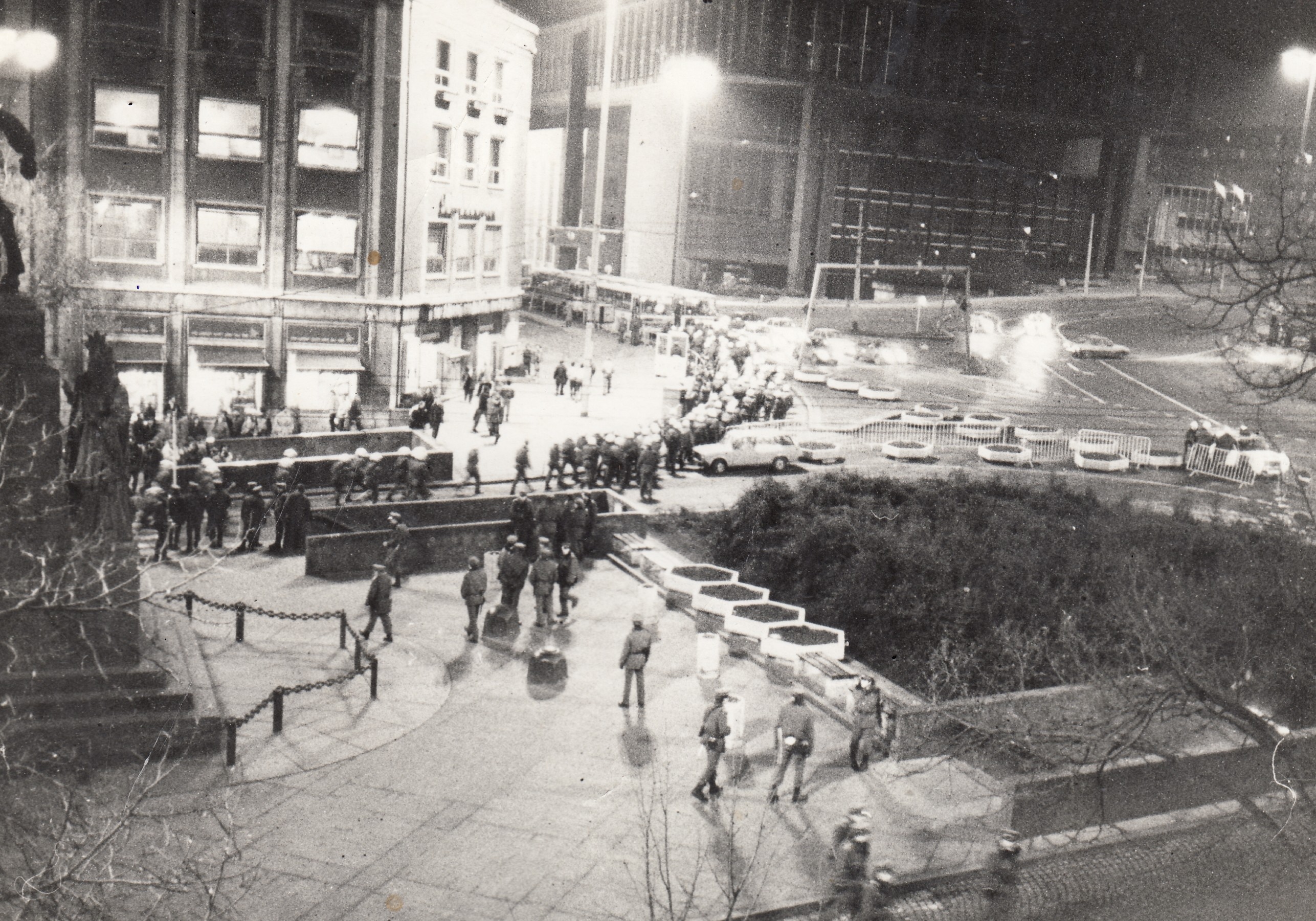
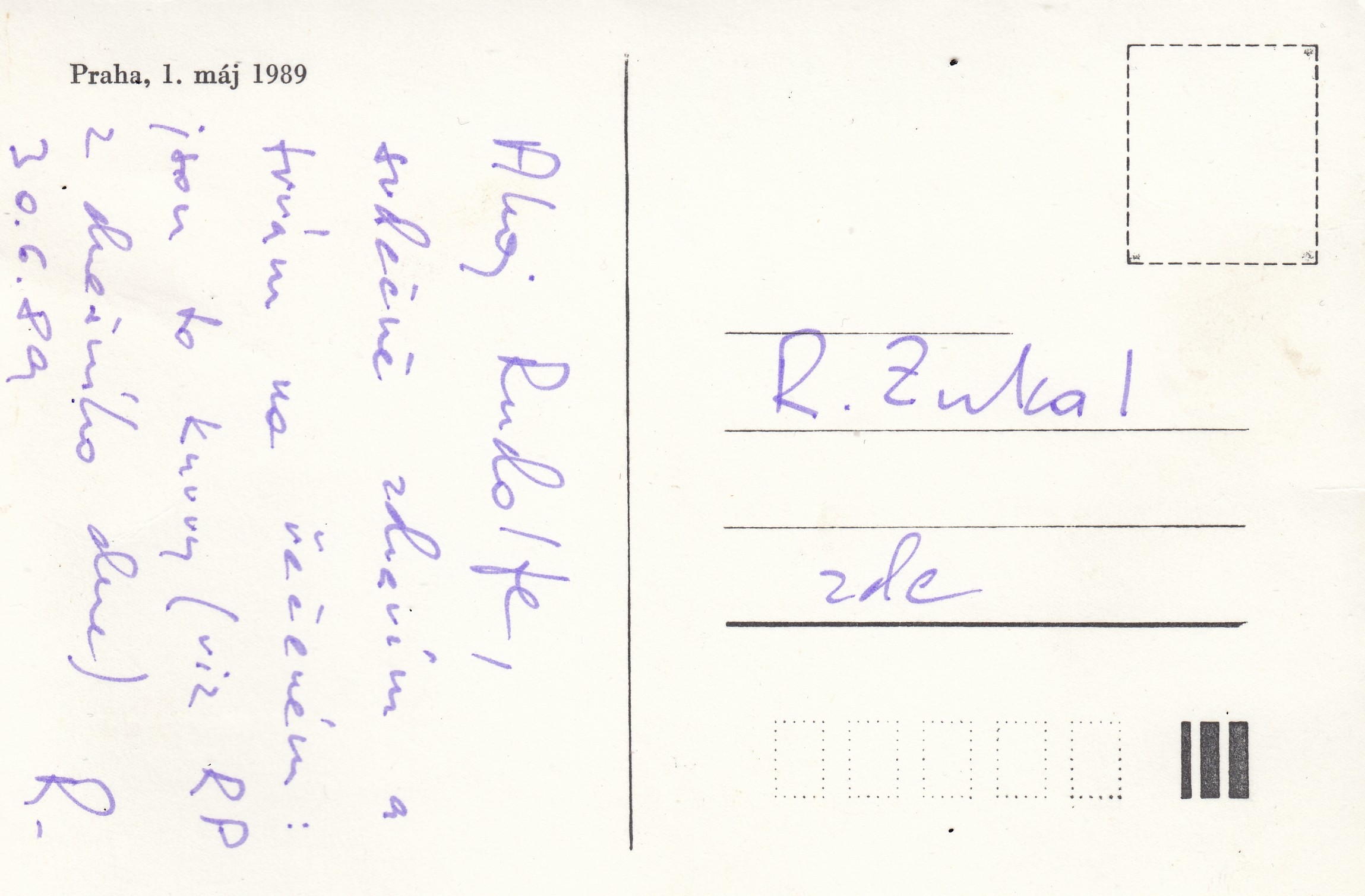
  • "I went there. I didn't know that Palach Week was going to happen. The Voice of America never mentioned it until the day before, saying there would be a Palach remembrance event. But nobody imagined it would take almost a week. The way they cracked down - brutally - got people so worked up that it went on. I think it was five days total. I was there for two days, and I had arranged in advance to visit this Mr. Zukal in Prague and stay overnight. What happened is, the protests were going on, and so we went to Palach week together. We got wet, of course, as we got hit with a water cannon. The water wasn't from the Vltava River; it came from some kind of a cesspool or a septic tank, so our clothes were destroyed."

  • "I took the car and stopped by the hospital in Prostějov. I borrowed a hospital dressing gown frrom Ward 11, and I was wearing sweatpants because they were appropriate with the dressing gown. I arrived in Kroměříž, put on the gown outside the psychiatric hospital gate, and pretended being a psychiatric patient. I visited Augustin. He was pleased. I told him the story of how one comrade in Bousín had denounced his petition - what kind of freedom did they want? - and that in the end his own wife signed it. He laughed and was pleased. And I didn't return the gown to Prostějov. I threw it in the garbage can and went home."

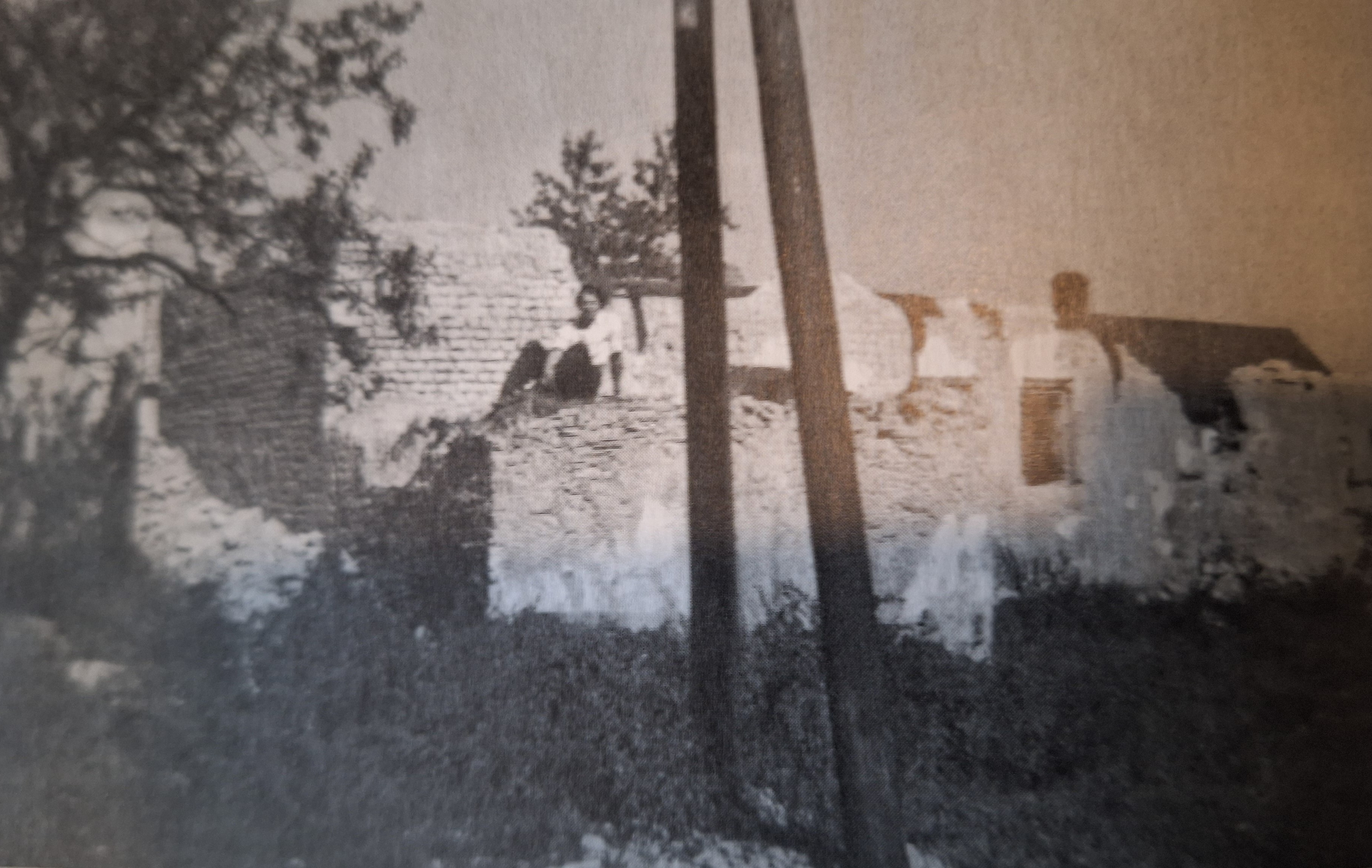
  • "They came at night to relieve him of his position as the chairman of the national committee, and he gave them the keys to the office, but he had a spare set. When they left - they likely went to celebrate his removal from office - he got a wheelbarrow and went into action. Similar things had been already happening in the villages around - municipal archives were being destroyed, shredded, burned or whatever they did to them. He loaded the majority of the archive on his wheelbarrow and took it home, and then he hid it in one room in the house. They went after him hard, demanding that he must have known about the lost archive, but he never admitted it, claiming he didn't know anything and he didn't take anything away, but in fact he kept it at home."

  • Celé nahrávky
  • 1

    Bousín , 12.06.2025

    (audio)
    délka: 44:03
    nahrávka pořízena v rámci projektu Stories of the region - Central Moravia
  • 2

    Olomouc, 13.07.2025

    (audio)
    délka: 01:52:54
    nahrávka pořízena v rámci projektu Stories of the region - Central Moravia
Celé nahrávky jsou k dispozici pouze pro přihlášené uživatele.

Rather walk with your head against the wall than bend all the way down
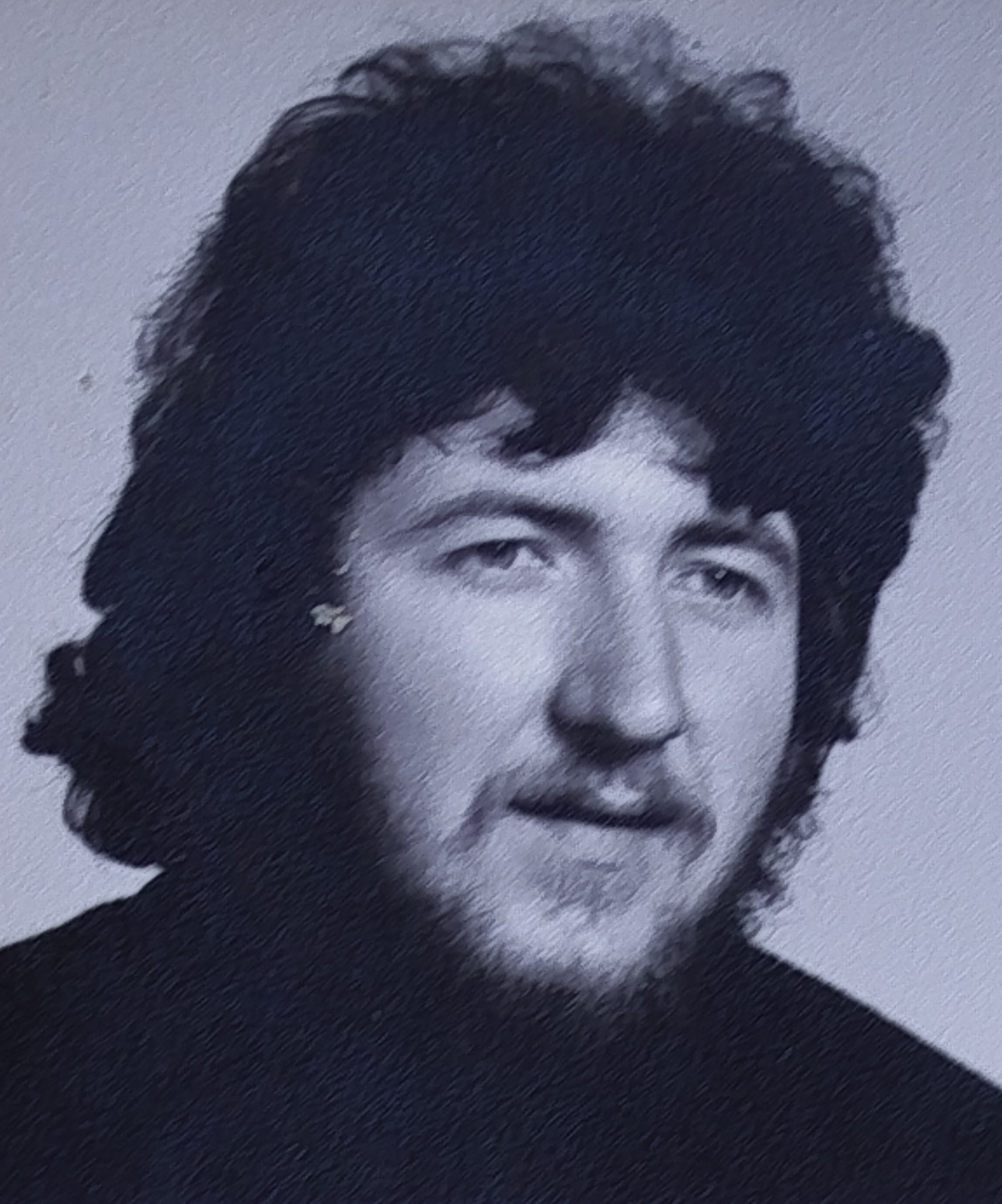
Karel Pořízka at the time when he took an active part in protests
zdroj: Witness's archive

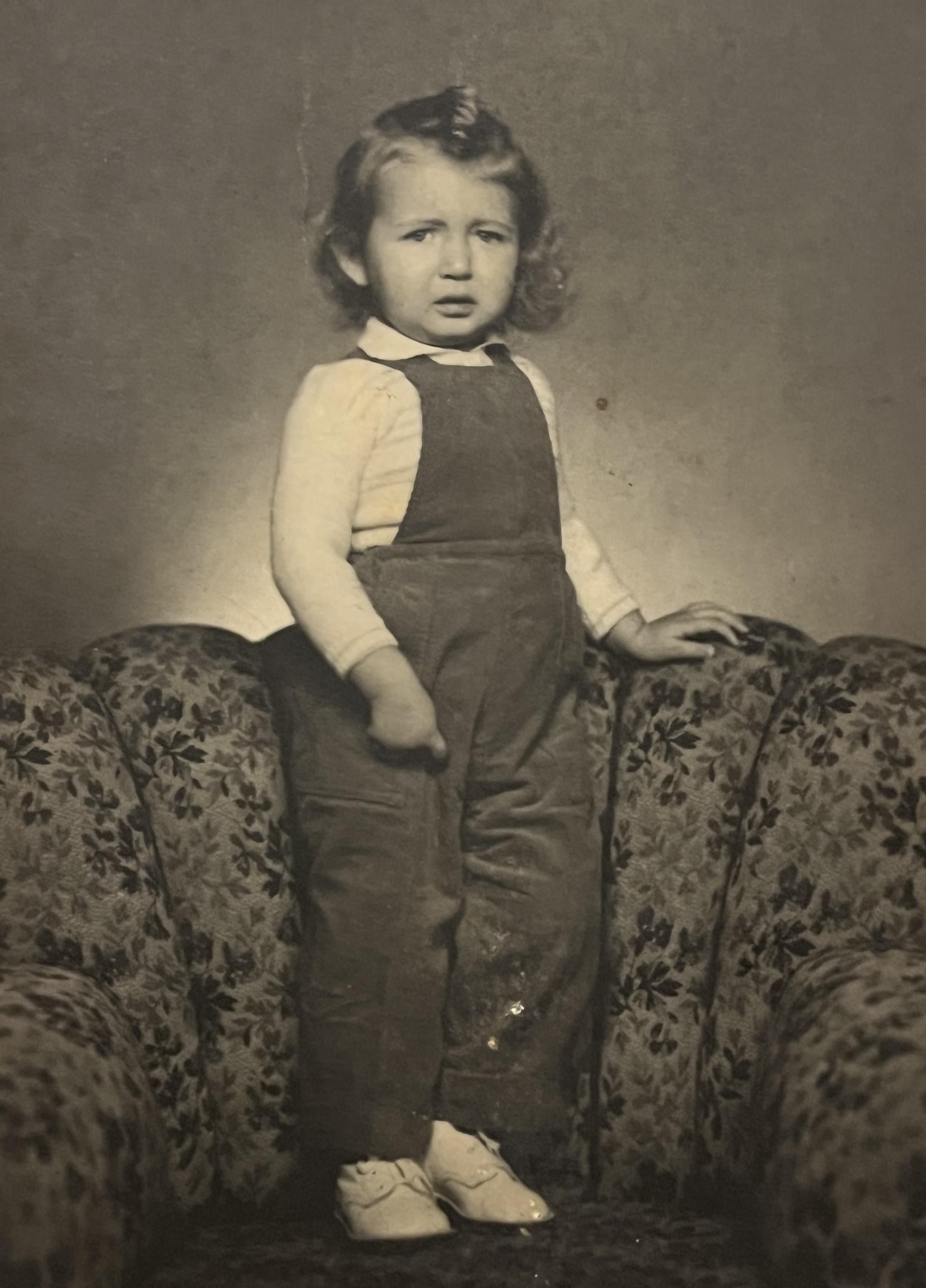
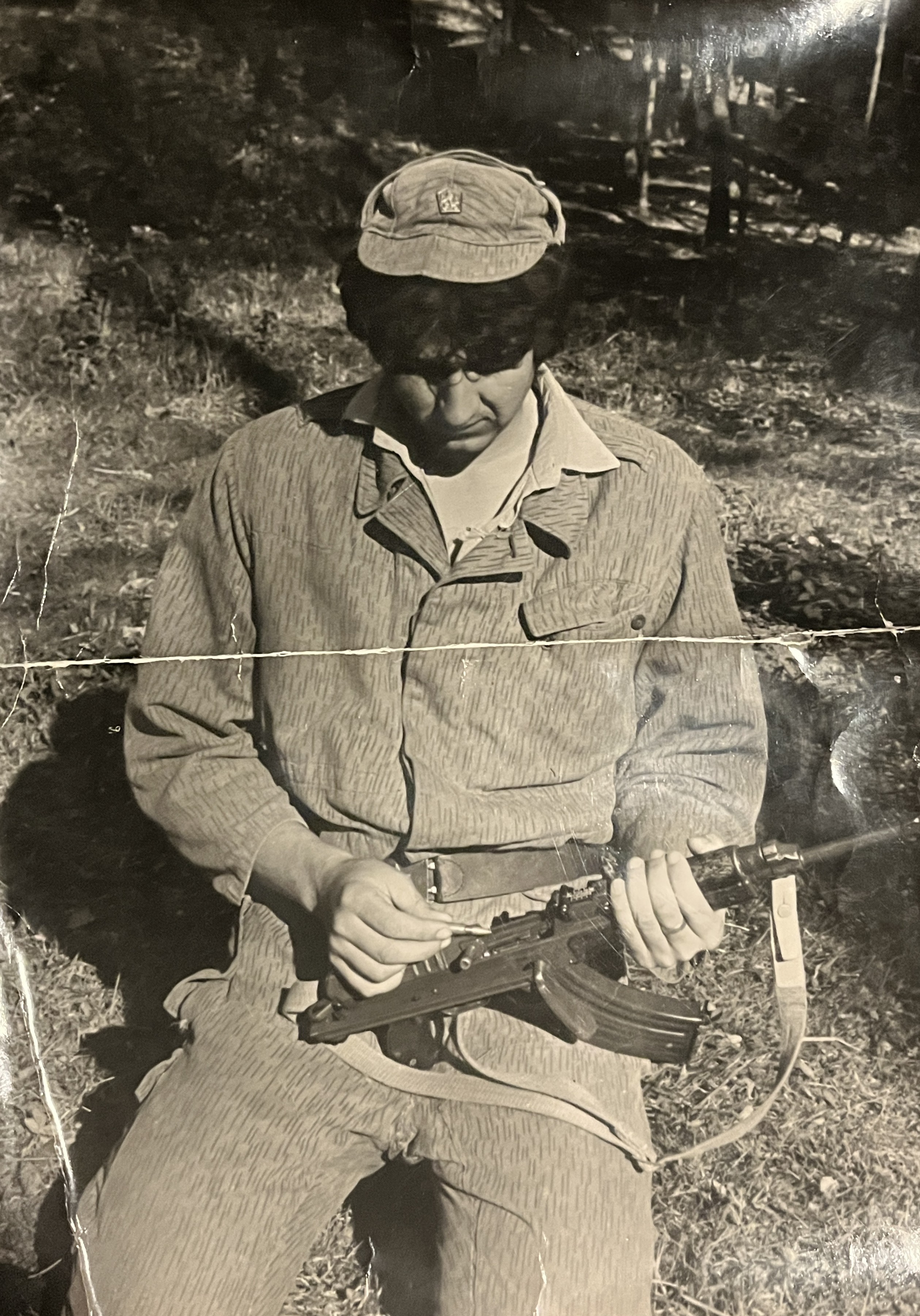
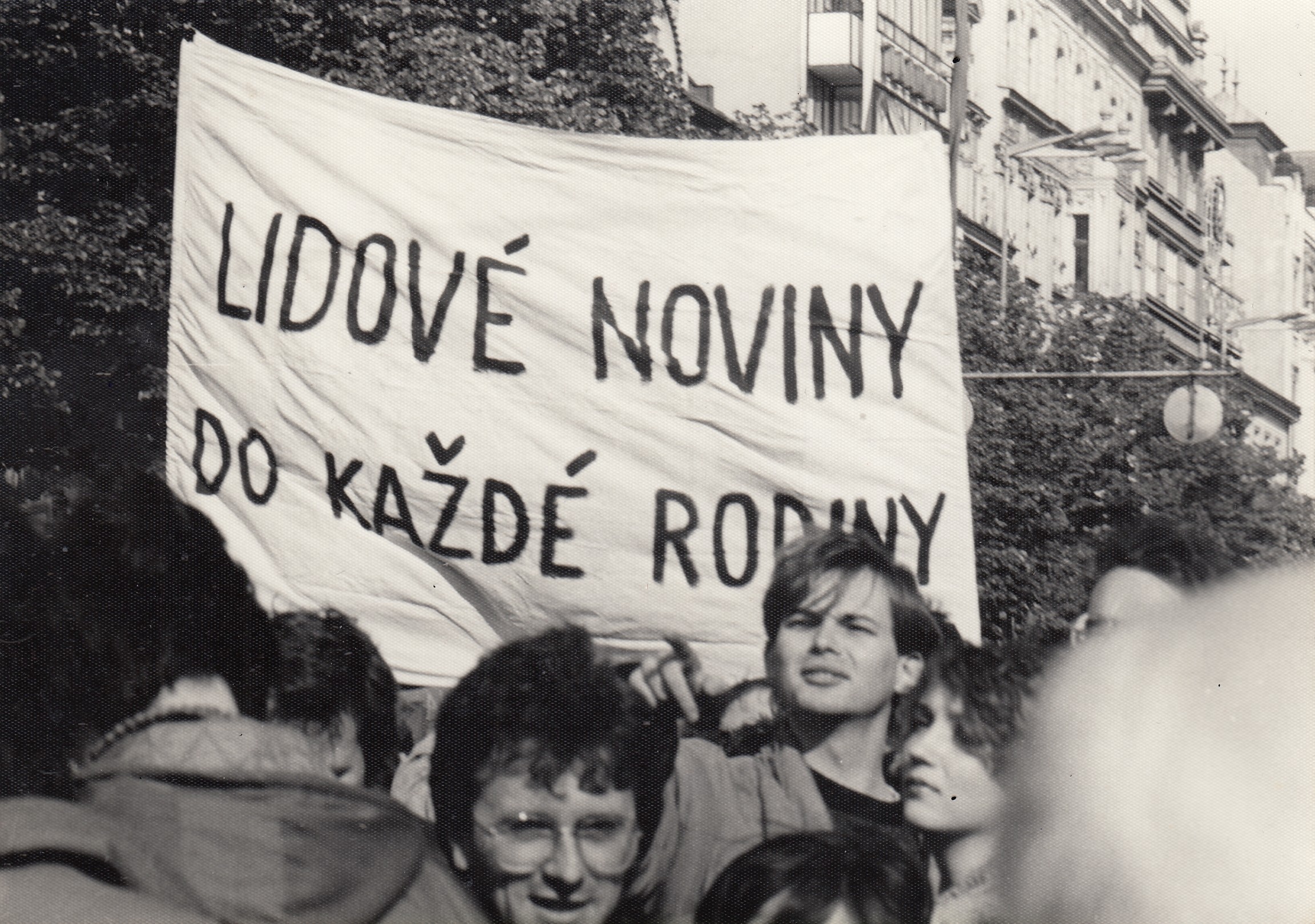
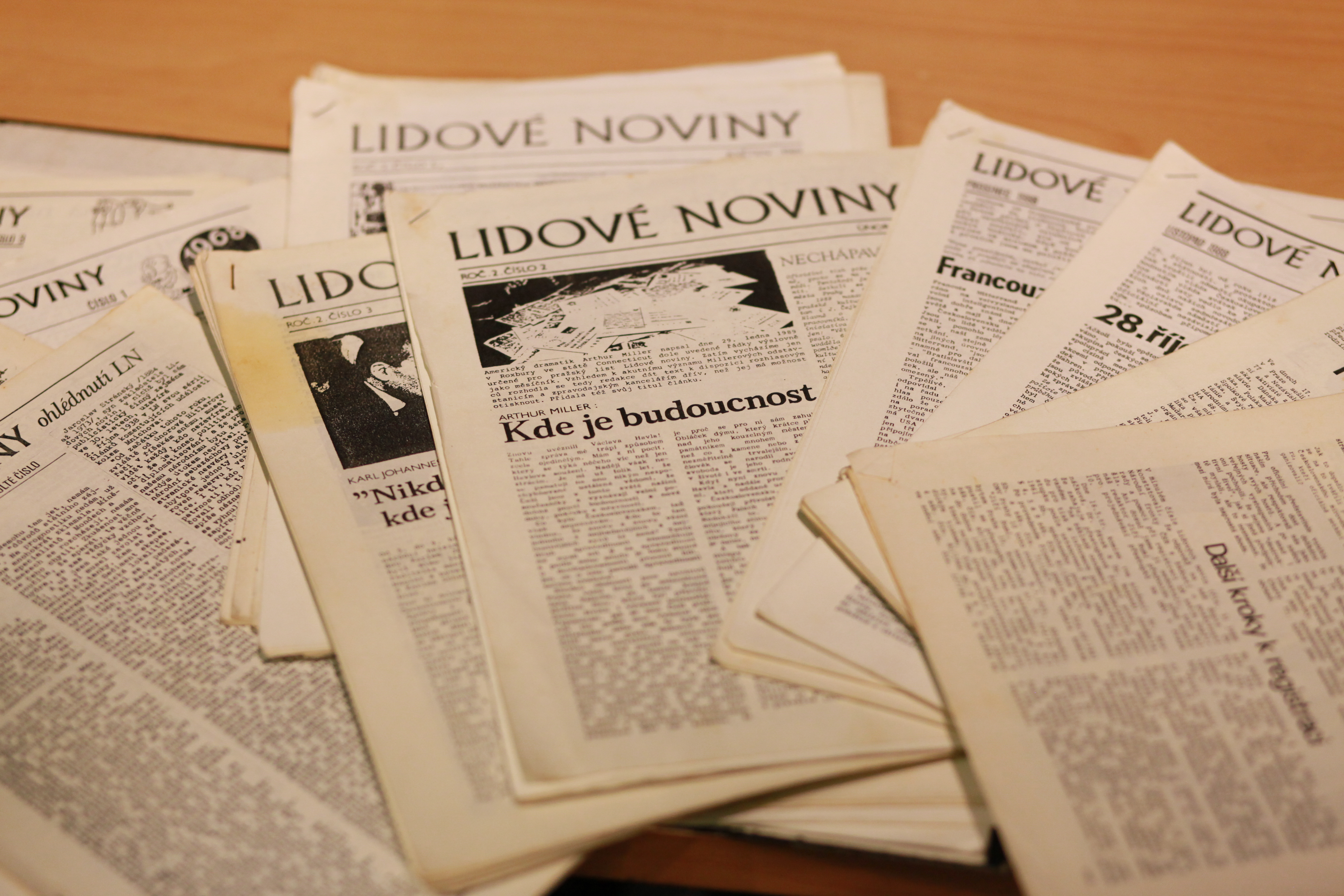
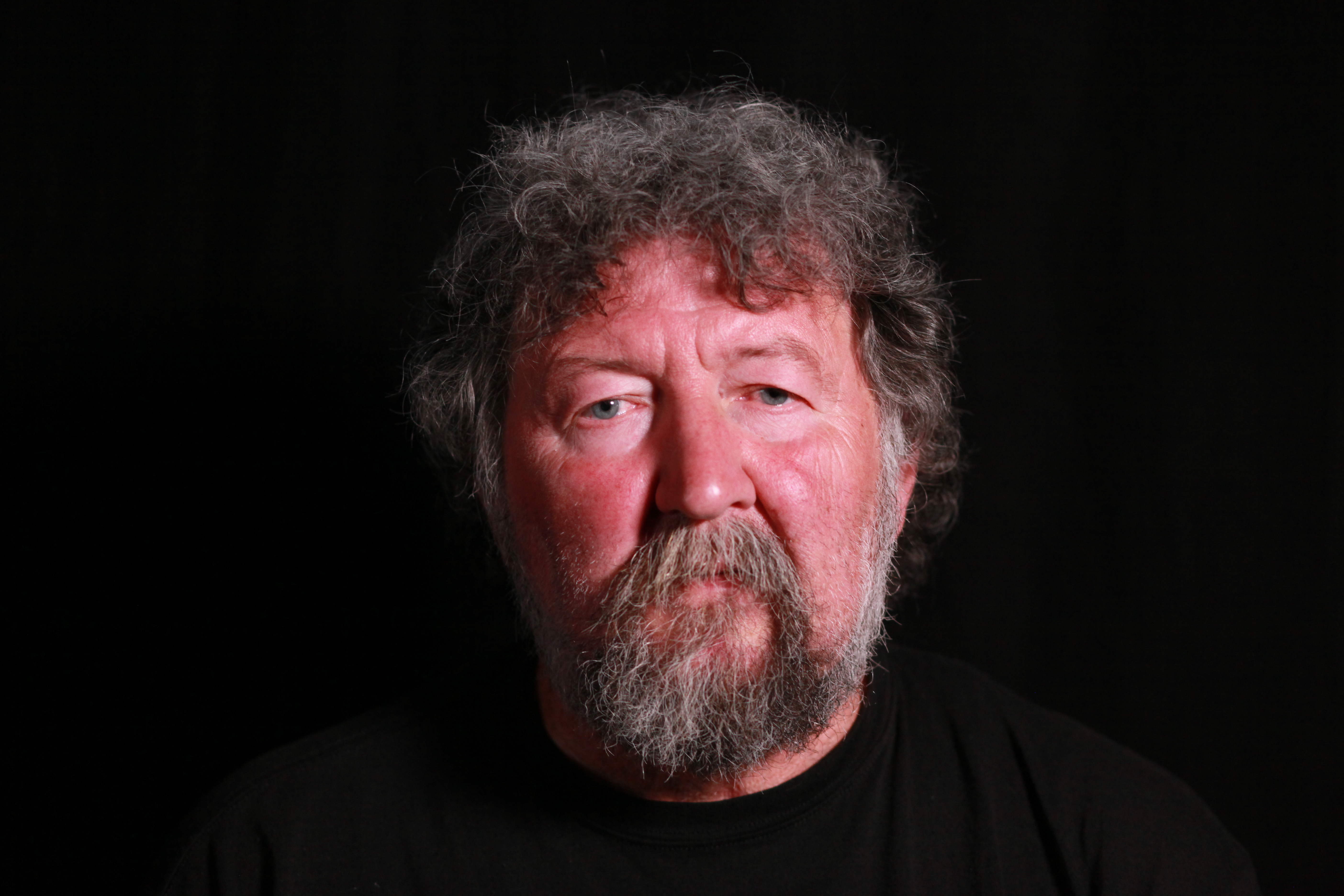
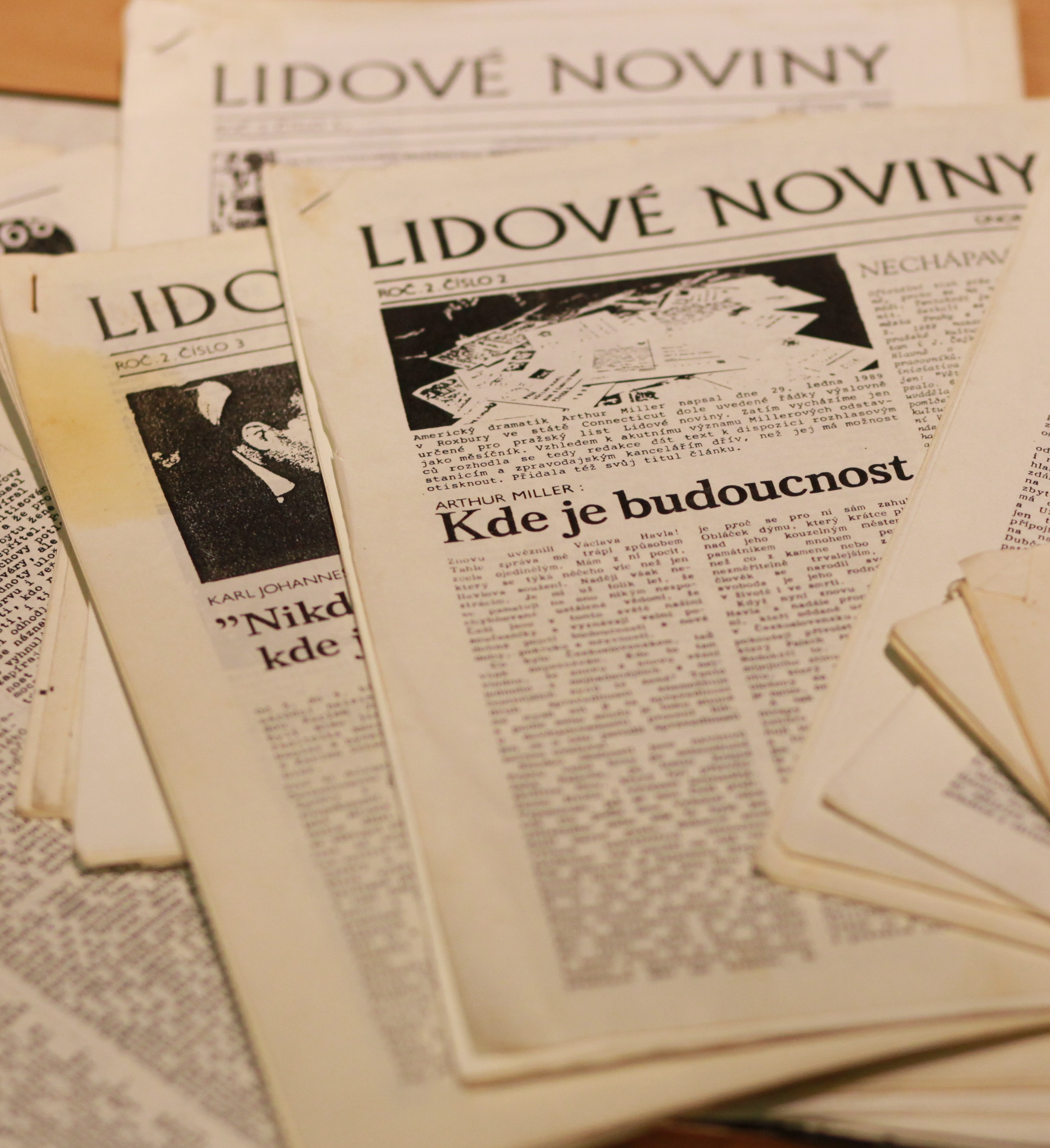
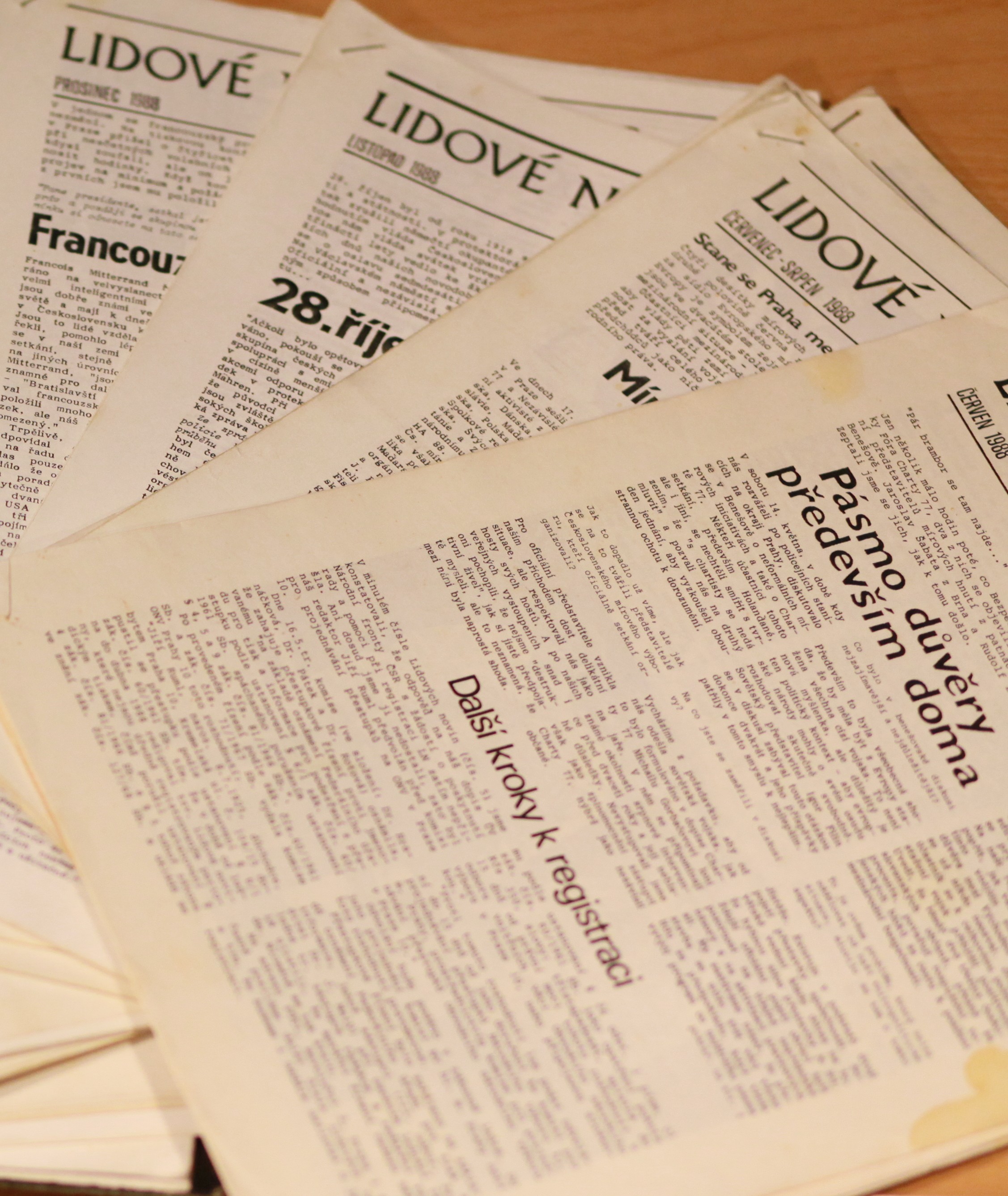
Karel Pořízka was born on 5 May 1958, ten years before the Warsaw Pact troops invaded Czechoslovakia. His grandfather František Janeček served as the chairman of the local national committee in Bousín after the war, but once the communist government took over in 1948, he was removed from his post overnight. Still, he managed to save the municipal archive, which is the only surviving archive from the villages in the area today. Karel Pořízka took care of it after his grandfather. From his early youth, he was strongly opposed to the communist regime and took part in anti-regime activities soon - he regularly went to protests and distributed the samizdat newspaper Lidové noviny. Disguised as a patient, he succeeded to enter the psychiatric hospital in Kroměříž to visit Augustin Navrátil who was circulating a petition for the rights of believers and religious freedoms. He also took part in Palach Week, during which he believes the most brutal crackdown on protesters took place. He did not sign Charter 77 because to protect his three children. At the time of filming for Memory of Nation in 2025, he lived in Bousín and ran the local pub.