Erhard Pluške

* 1933

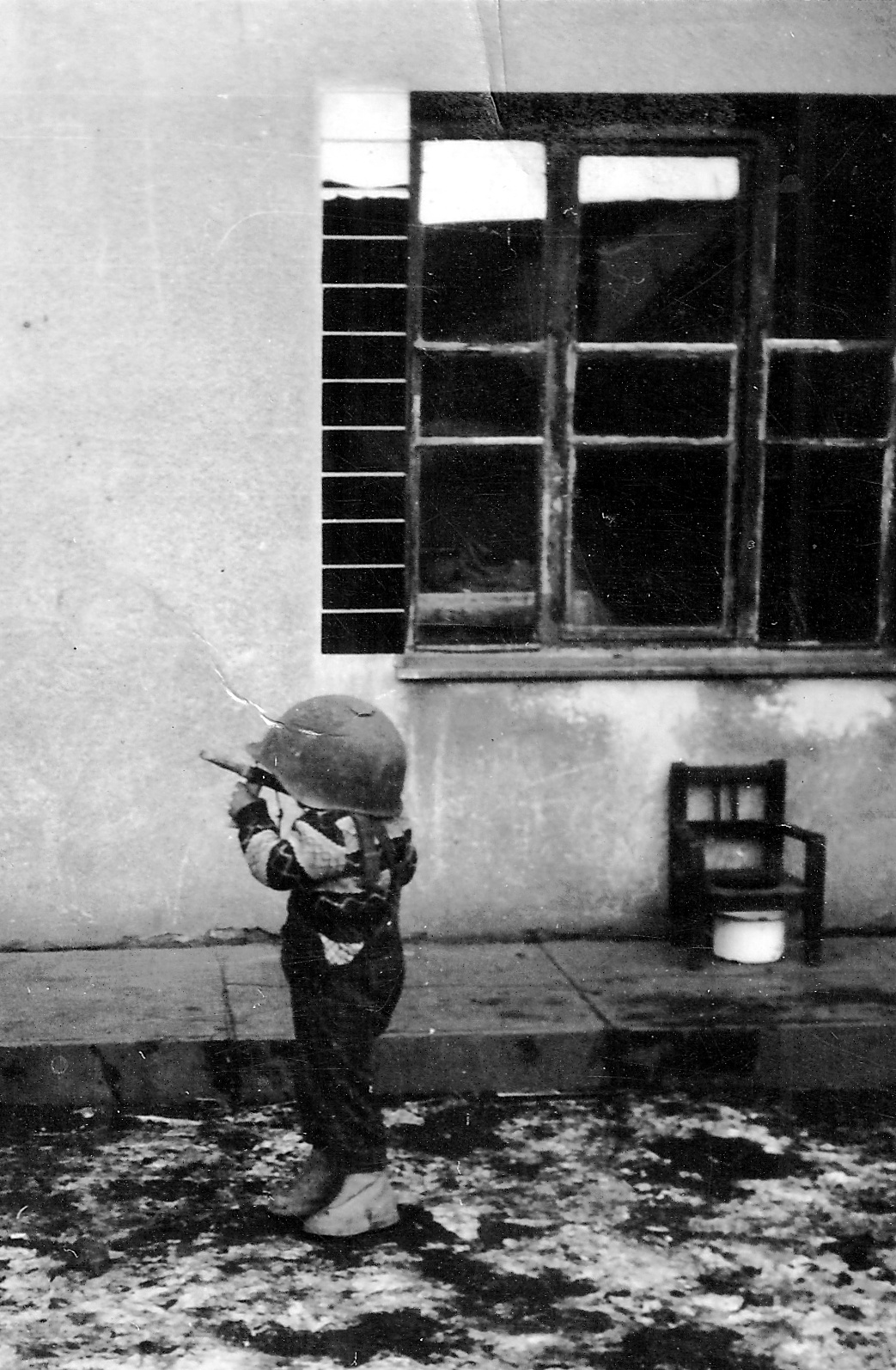
  • "You found a grenade?" - "Right! Grenades... Egg grenades... I can show you. Look at my legs. Here and here a shrapnel flew through me. See my legs, governor?" - "Yes. I see them." - "Down here. The shrapnel flew through here and here. We found the egg grenades and figured out how to make them explode. Like the boys we were... We went towards Svoboda. There's this hill called the Rohov Hill. We went there with the grenades and were going to blow them up. We had one each. We pulled out a grenade, threw it and it rolled down. When it was my turn, I threw it but it didn't explode for a long time. I stood up to look, because otherwise we were all lying down. Then the grenade exploded and the shrapnel went through my legs. I was lucky it just grazed my skin. It's overgrown on both legs. I was lucky. If it had been lower down, I'd have lost both my legs." - "What did your mother tell you?" - "Jesus Christ! There was no doctor. They took me all the way to the hospital in Opava on a cart."

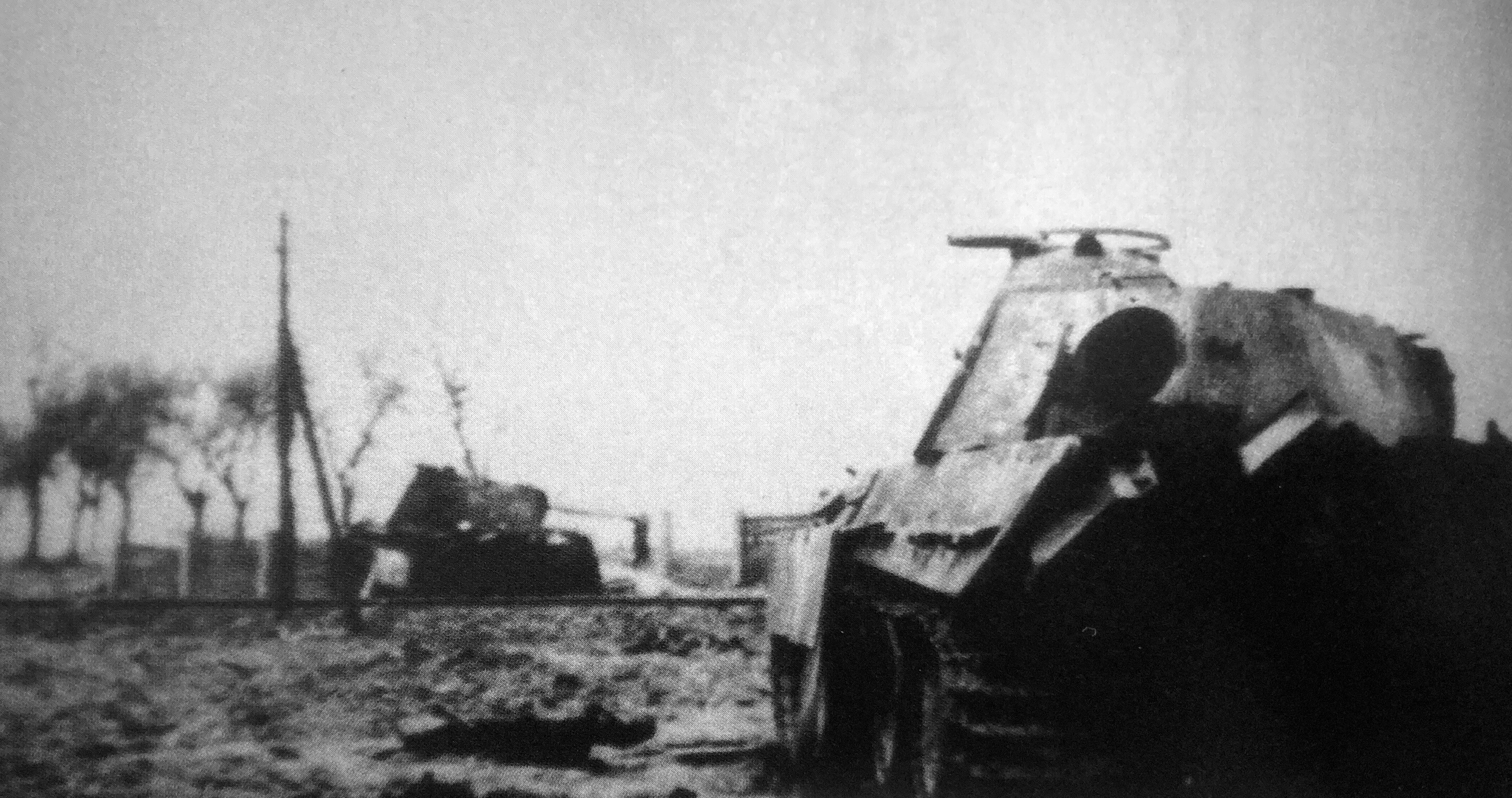
  • "The cupboards at home were flipped because the Russians didn't know how to sleep in beds. The bed was next to the wardrobe, but they slept on the overturned wardrobe. The first Russians to come wre likely convicts. They had no weapons and just waved their hands over their heads and shouted, 'For Stalin! For Stalin! Hurrah! For Stalin!' Some 90 Russians and 15 Germans were killed in our village. The Russians were all buried in a big garden opposite the church. They dug them up after the war. Extra people were hired to do it; we weren't allowed near. The smell was bad as they dug them up with pickaxes. Some were just dumped in while others were wrapped in tarpaulins. The Russian cemetery was in Hlučín, so they took them there. The Germans were buried in the cemetery in Štěpánkovice."

  • "Soldiers came to pick us up with a military truck with a tarp. It had wheels in the front and tracks in the back. We were the only ones in the car. They drove us all the way to Bruntál, called Freudenthal in German. They put us up in a cinema. I don't know exactly how long we were there, but when we got home it was warm and potatoes were growing. A farmer lent us a horse and cart, and we went home. We would walk like eight kilometres, and whichever village we reached, we stayed there overnight. My mother said that it took us a week to get to Štěpánkovice."

  • Celé nahrávky
  • 1

    Ostrava, 24.06.2025

    (audio)
    délka: 02:15:27
  • 2

    Ostrava, 25.06.2025

    (audio)
    délka: 01:42:24
  • 3

    Štěpánkovice, 29.07.2025

    (audio)
    délka: 51:34
Celé nahrávky jsou k dispozici pouze pro přihlášené uživatele.

First my dad came back from the Reich, then our team won the world championship and Erhard rejoiced
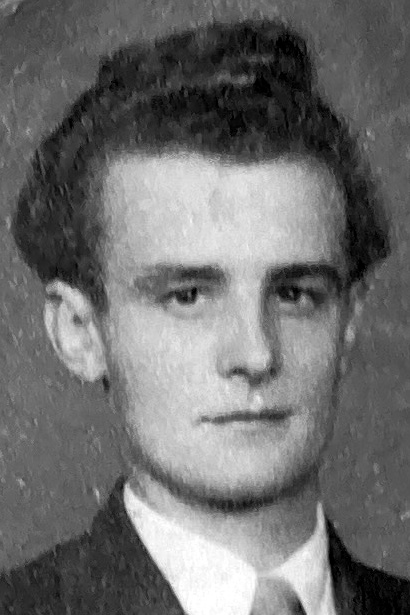
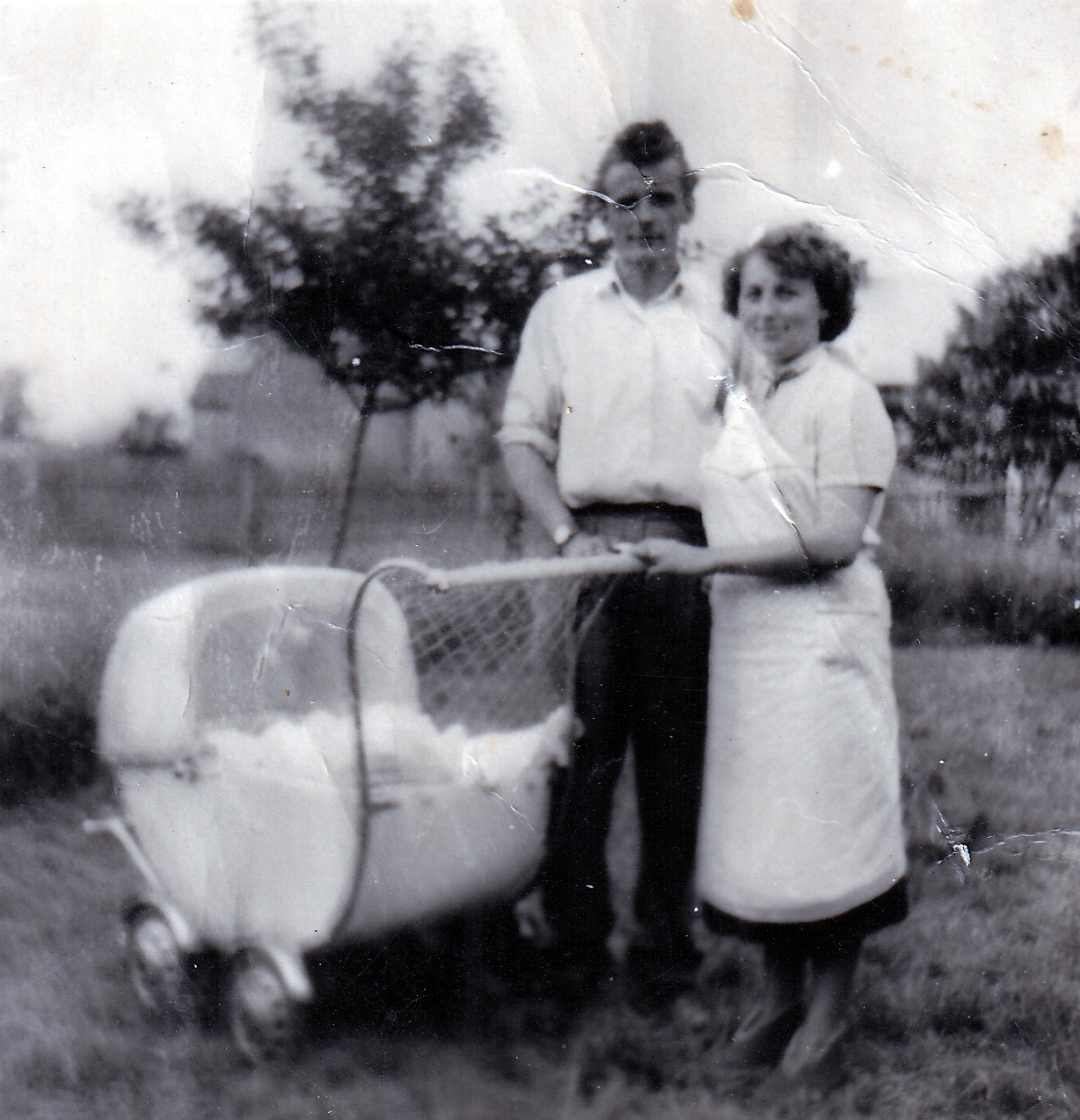
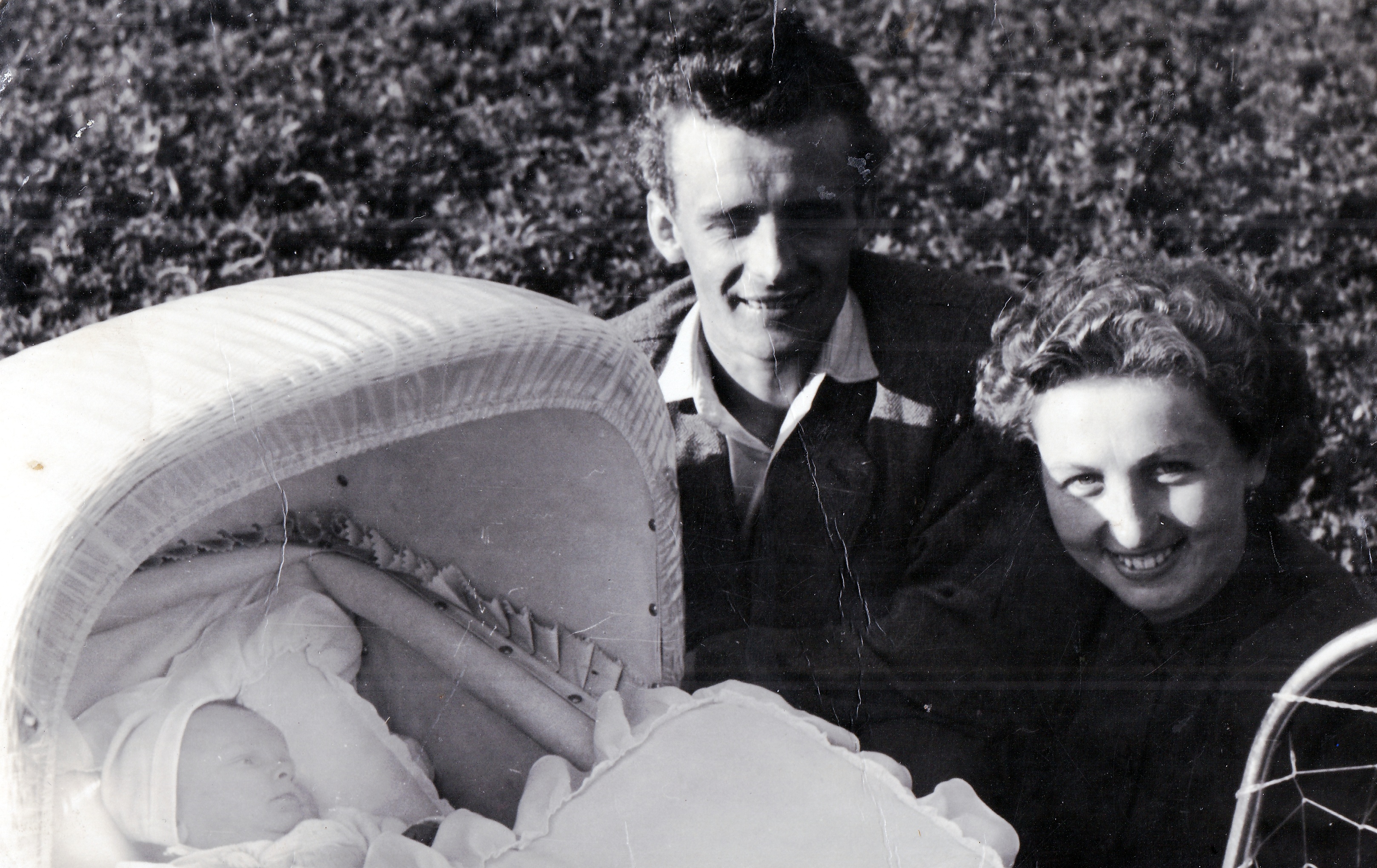
Erhard Pluške, 1950s
zdroj: Erhard Pluške's archive

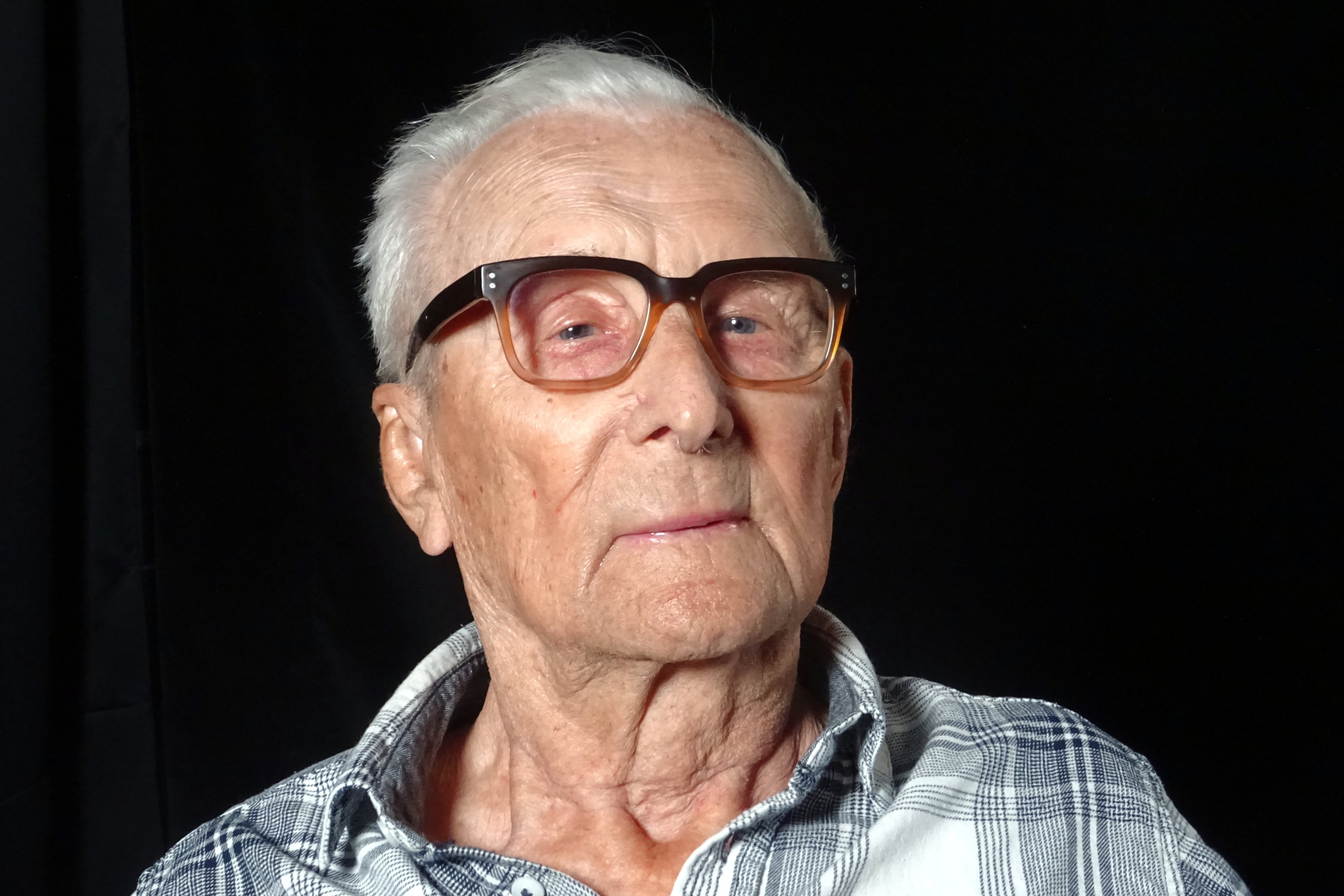
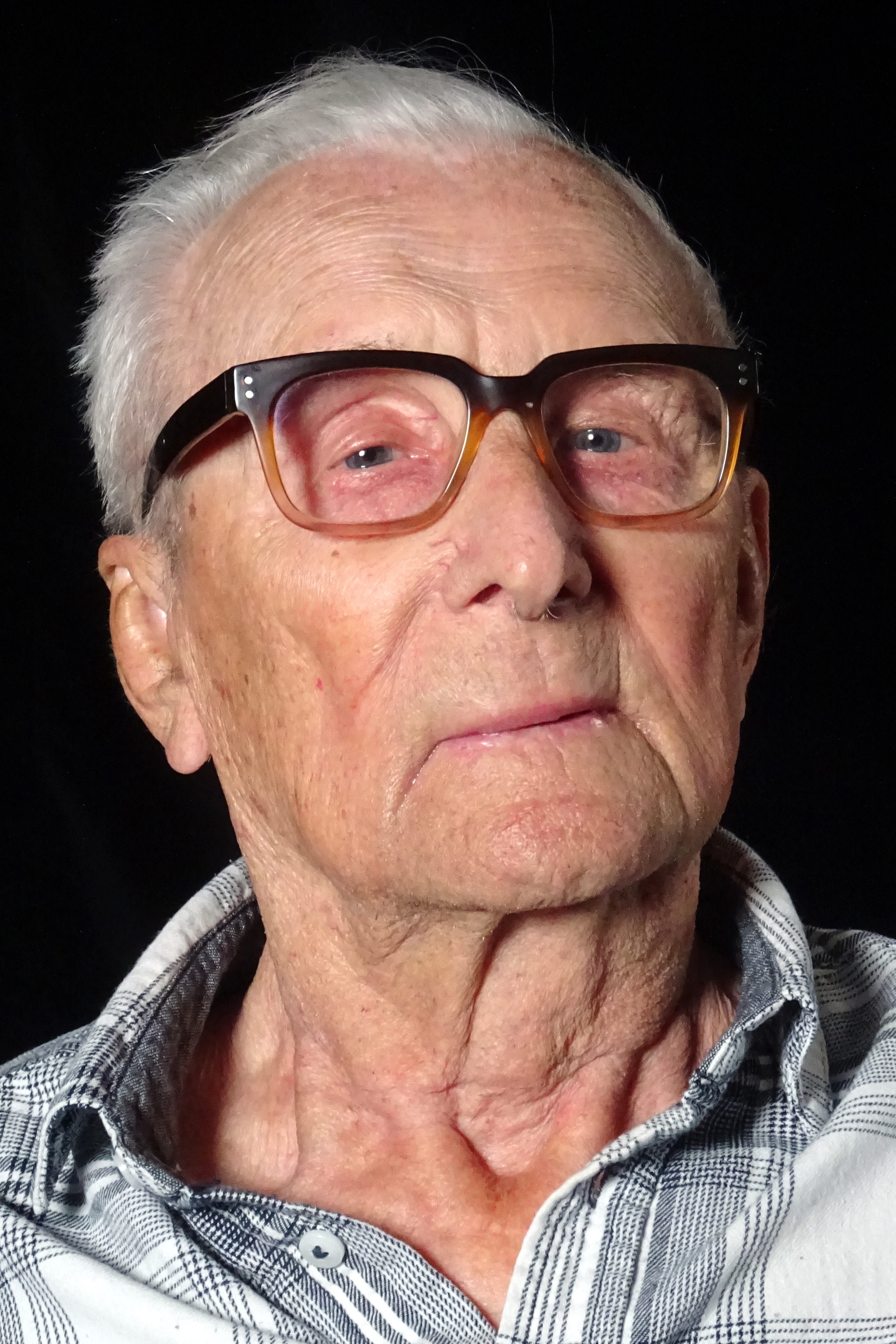
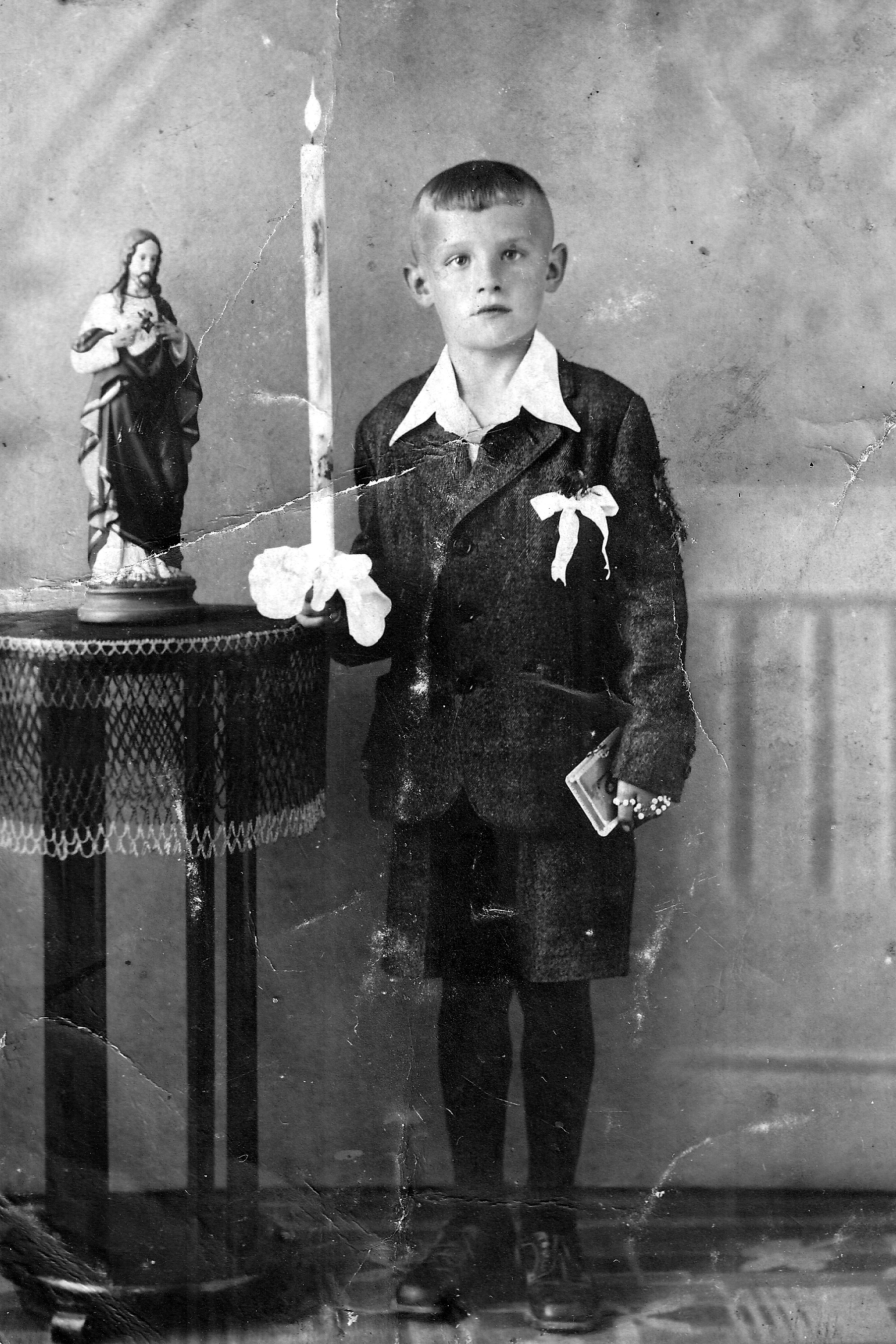
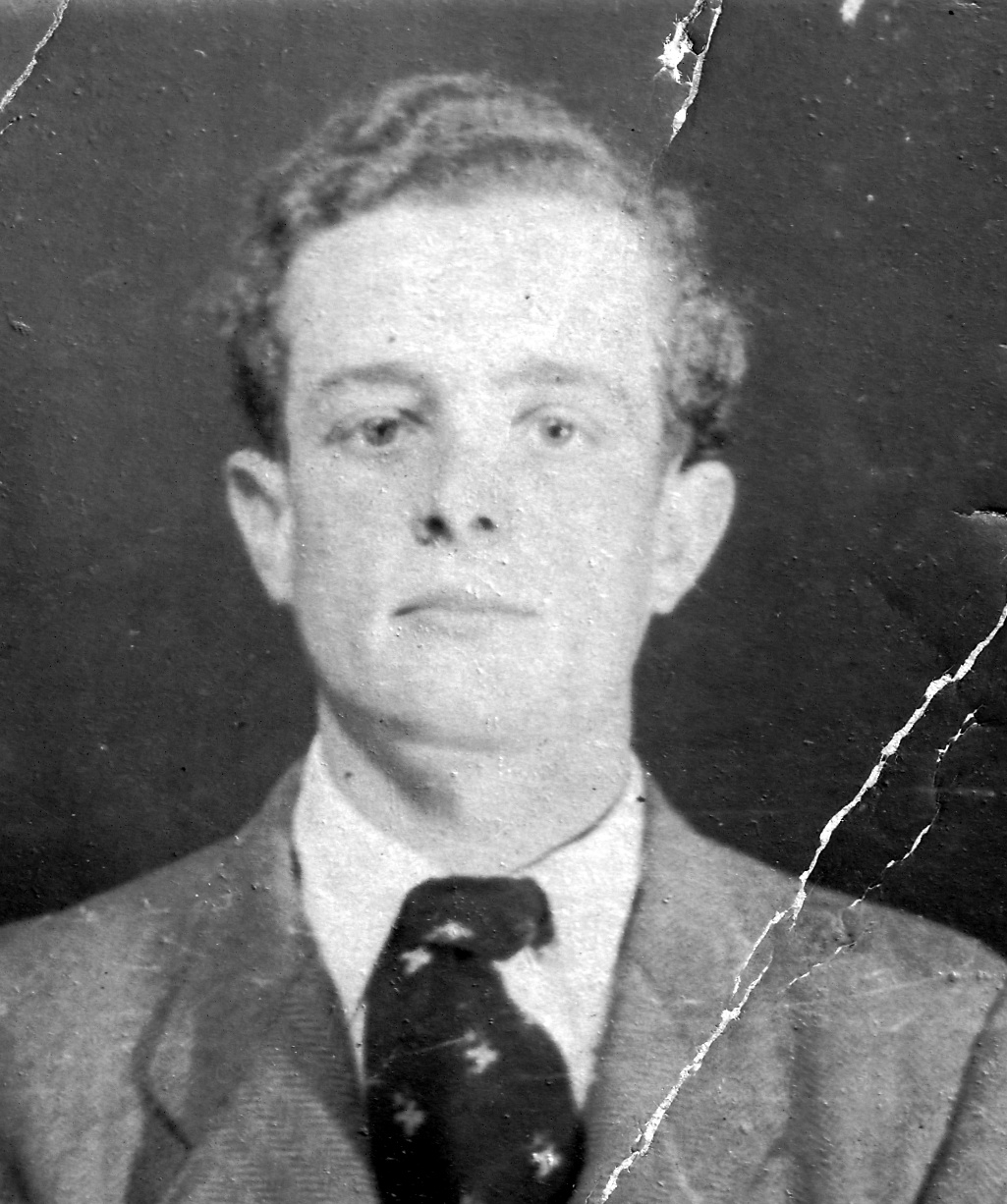
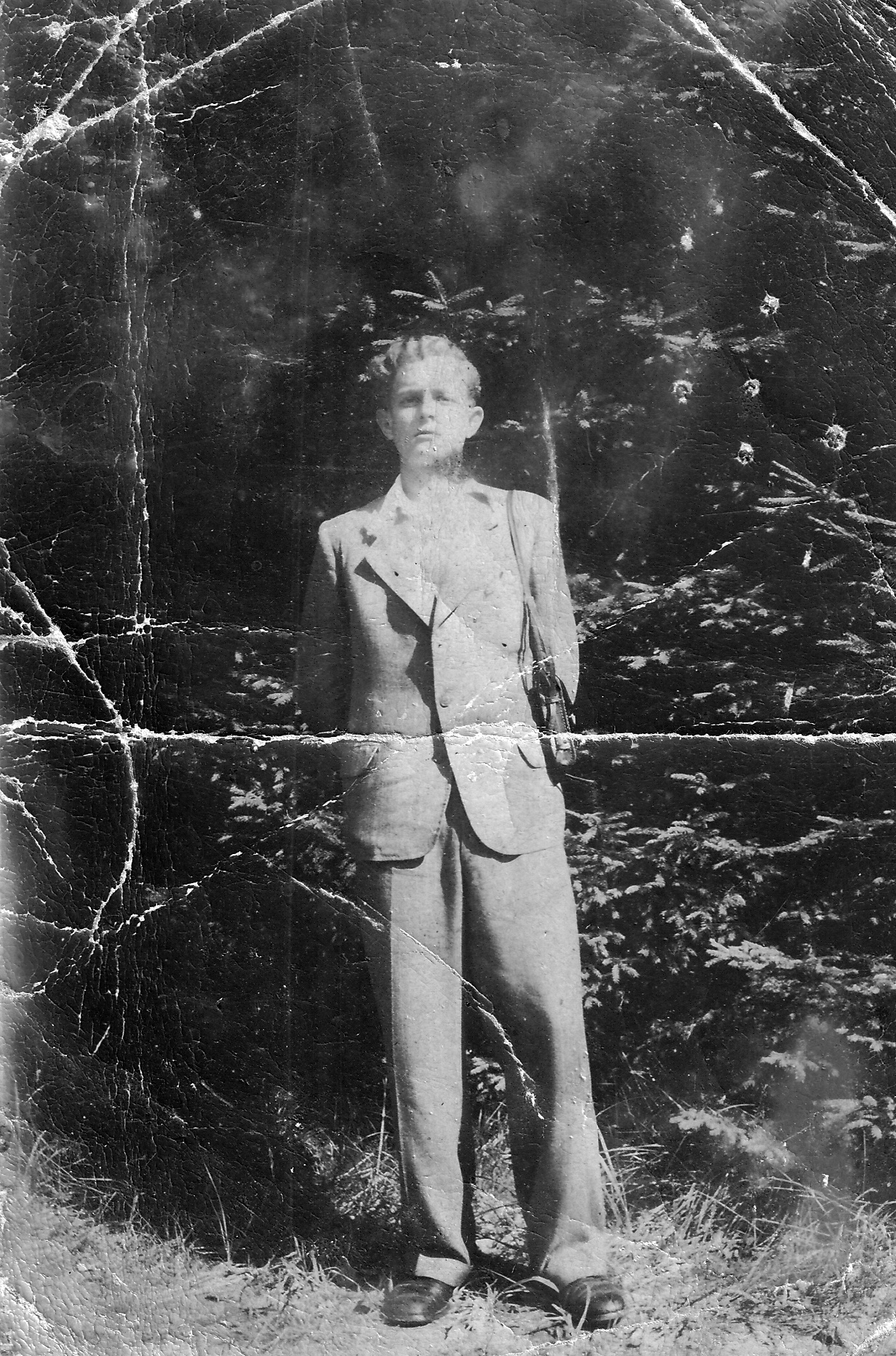
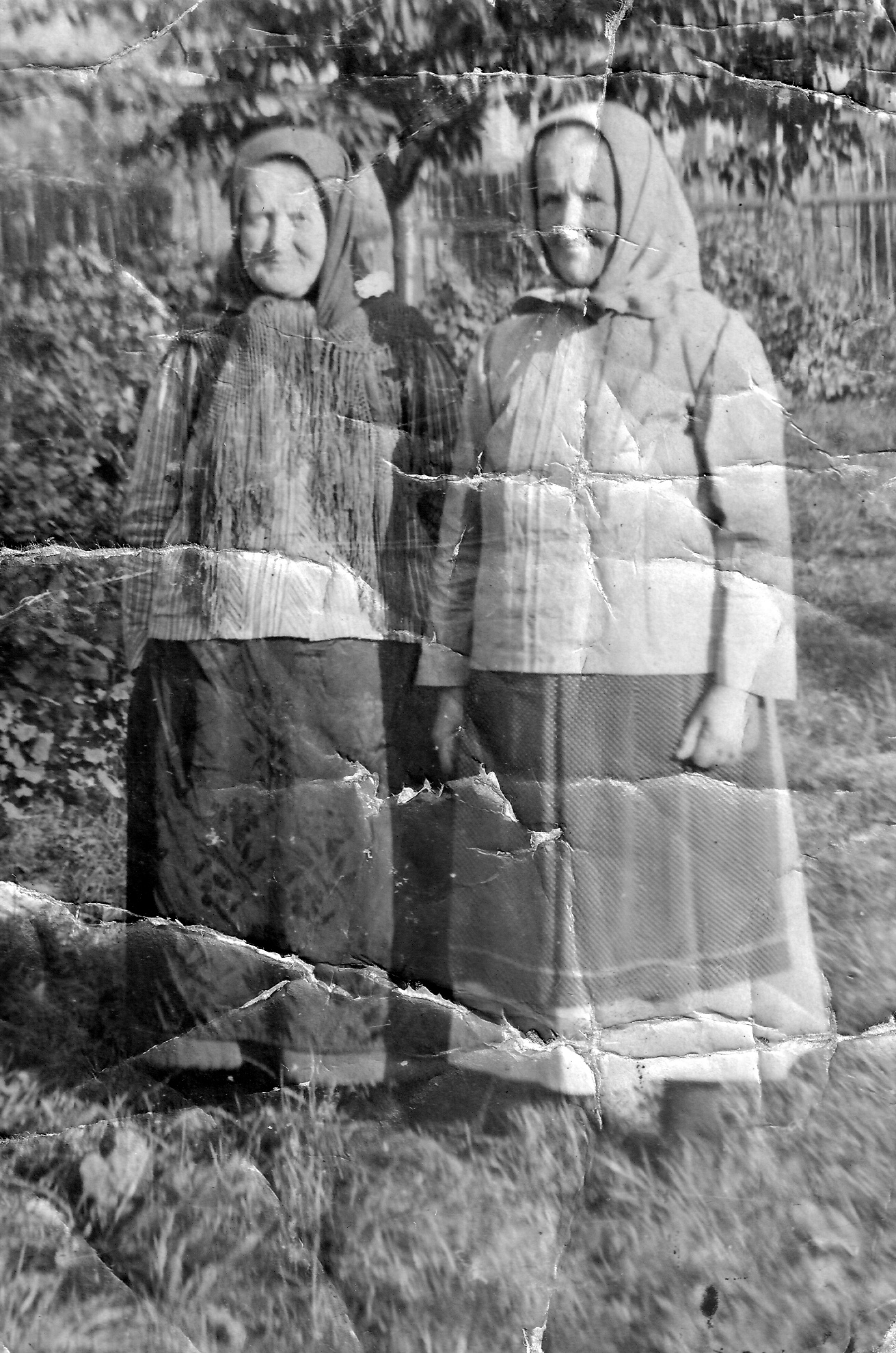
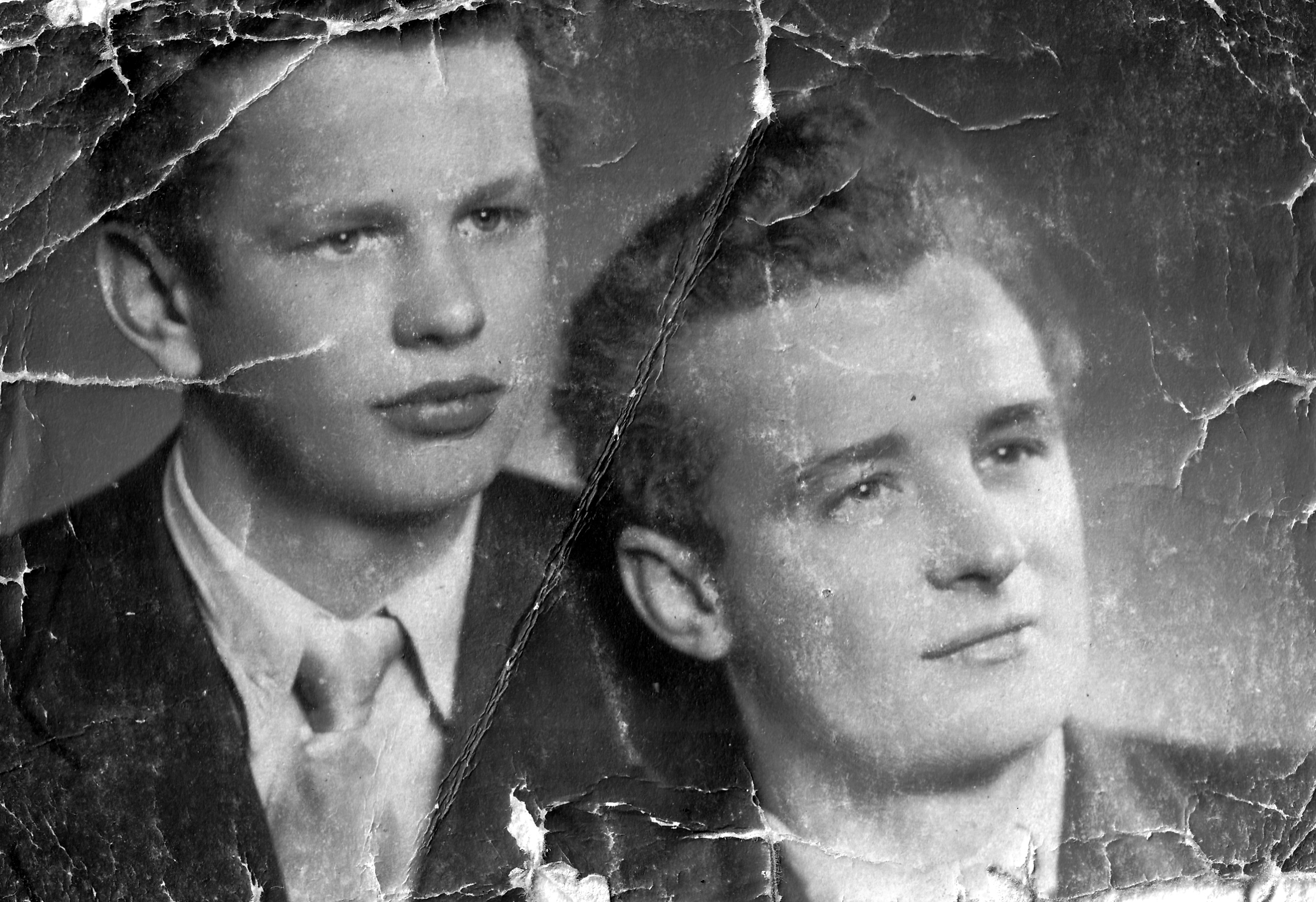
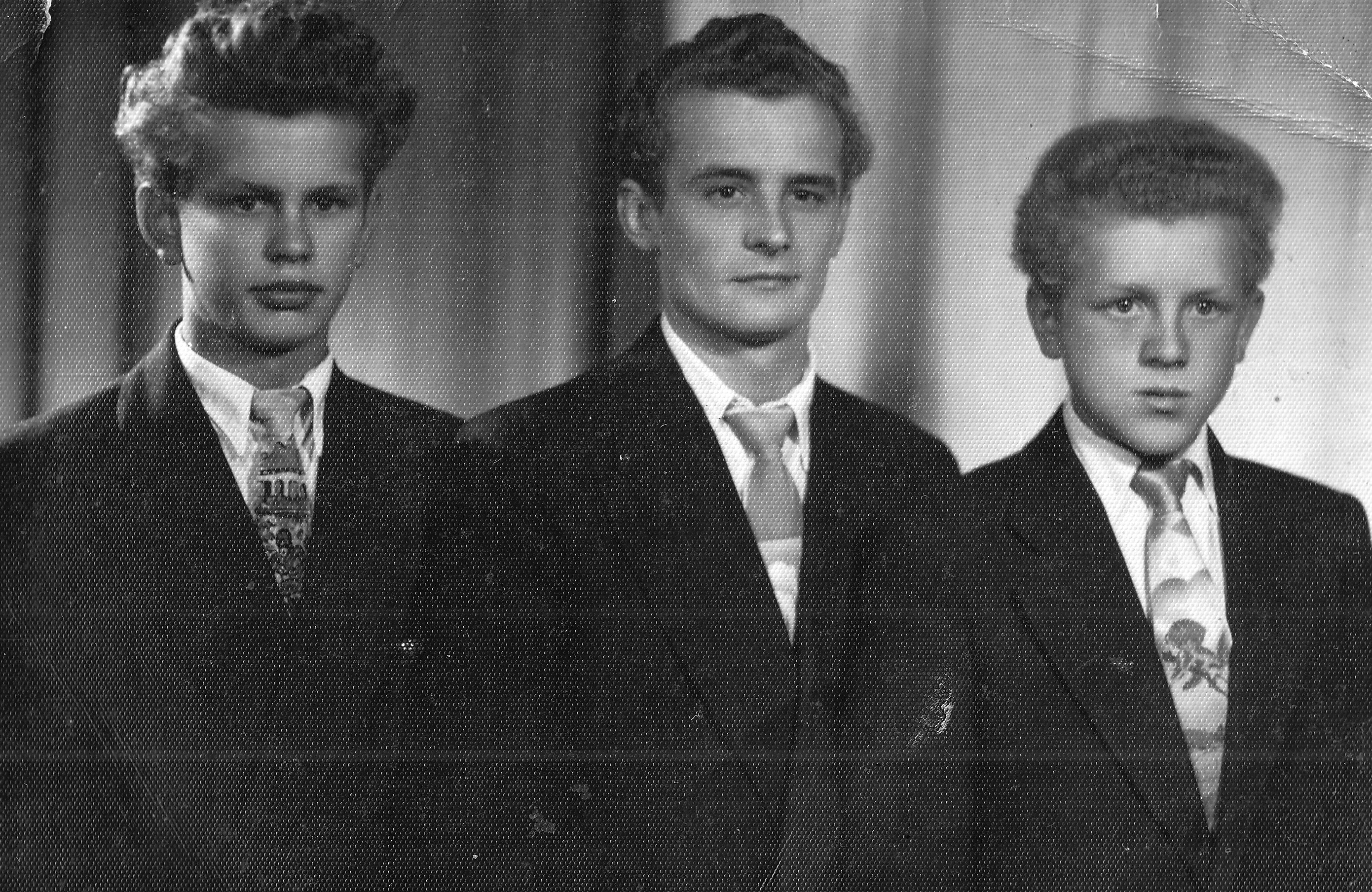
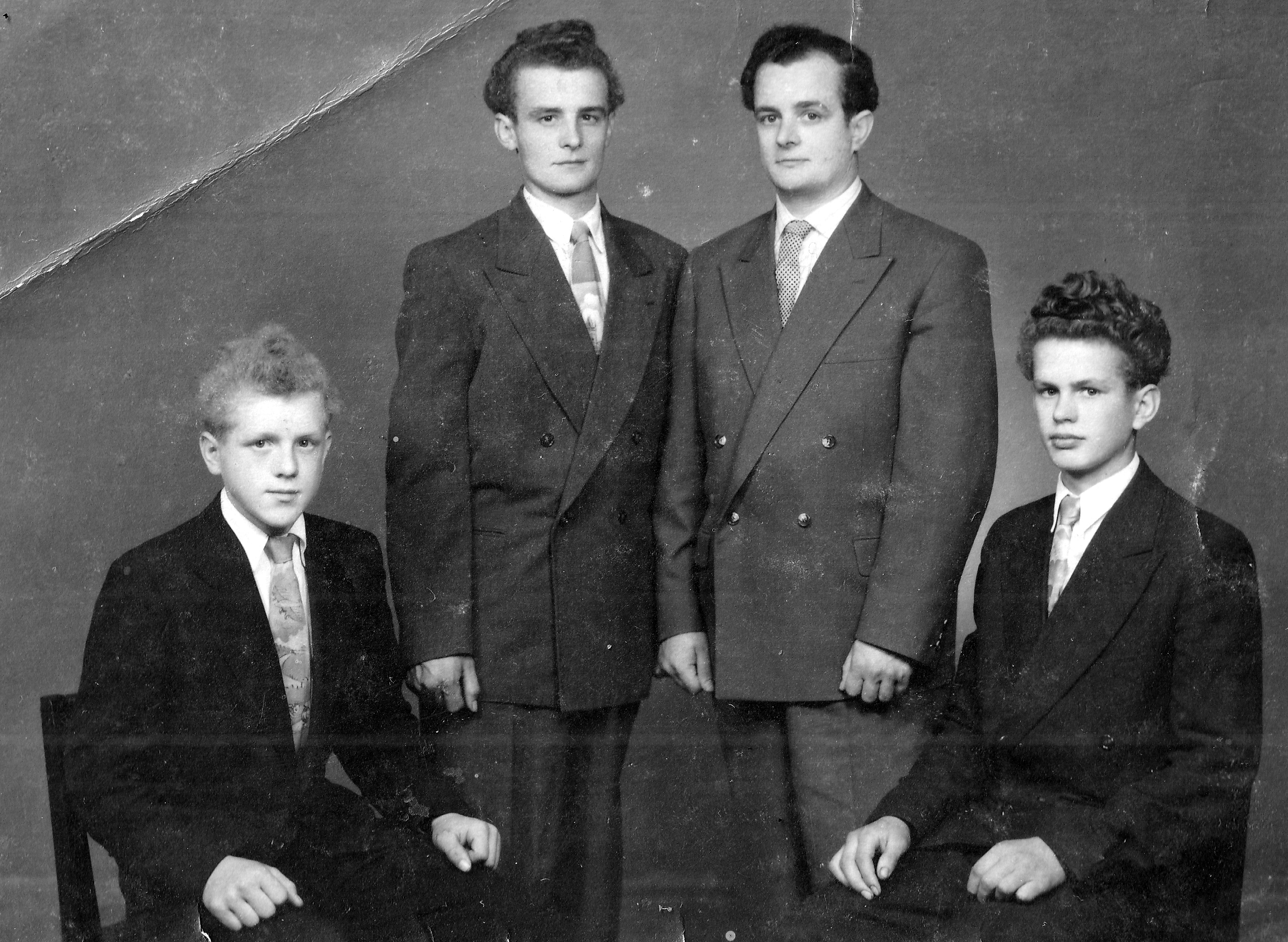
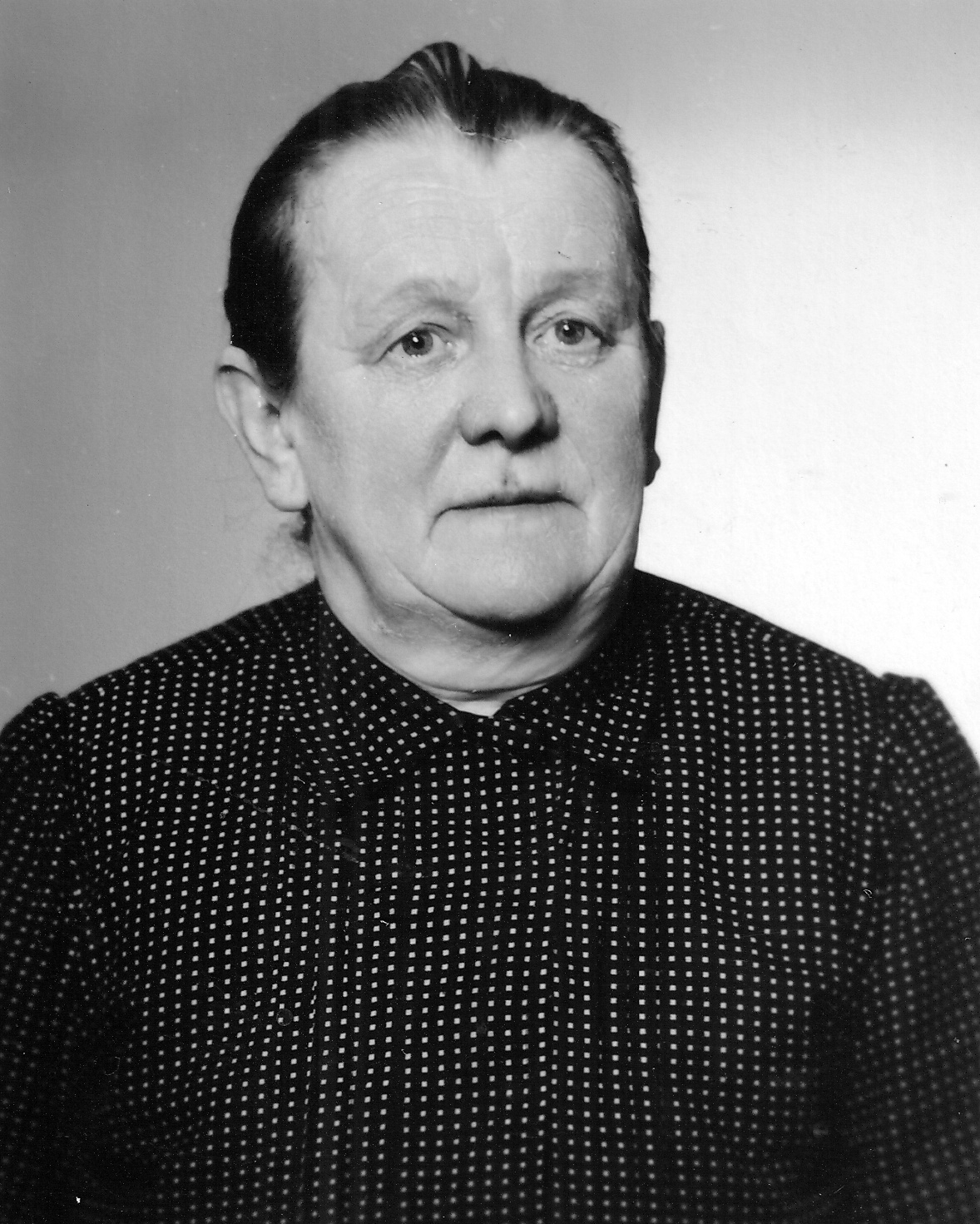
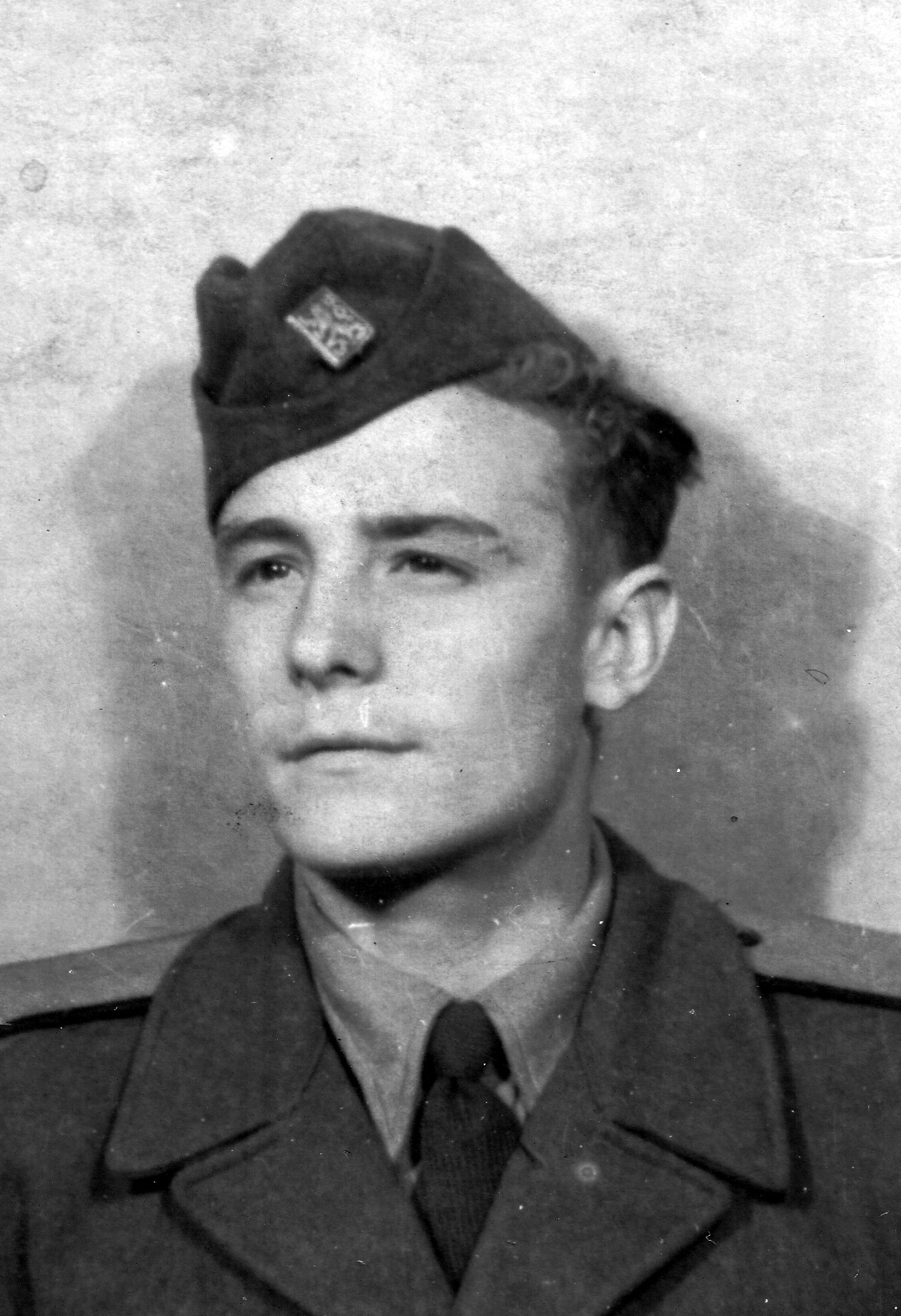
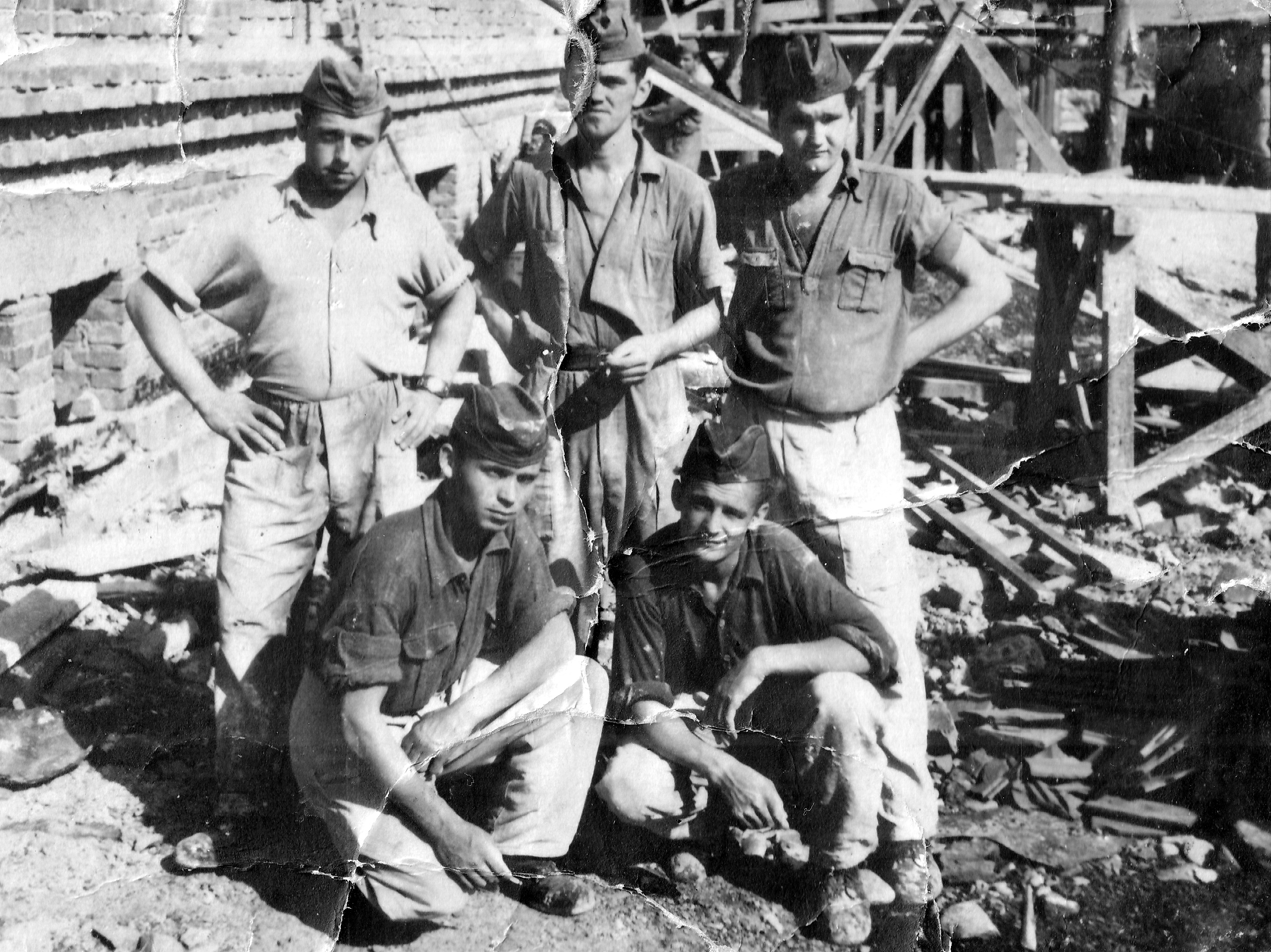
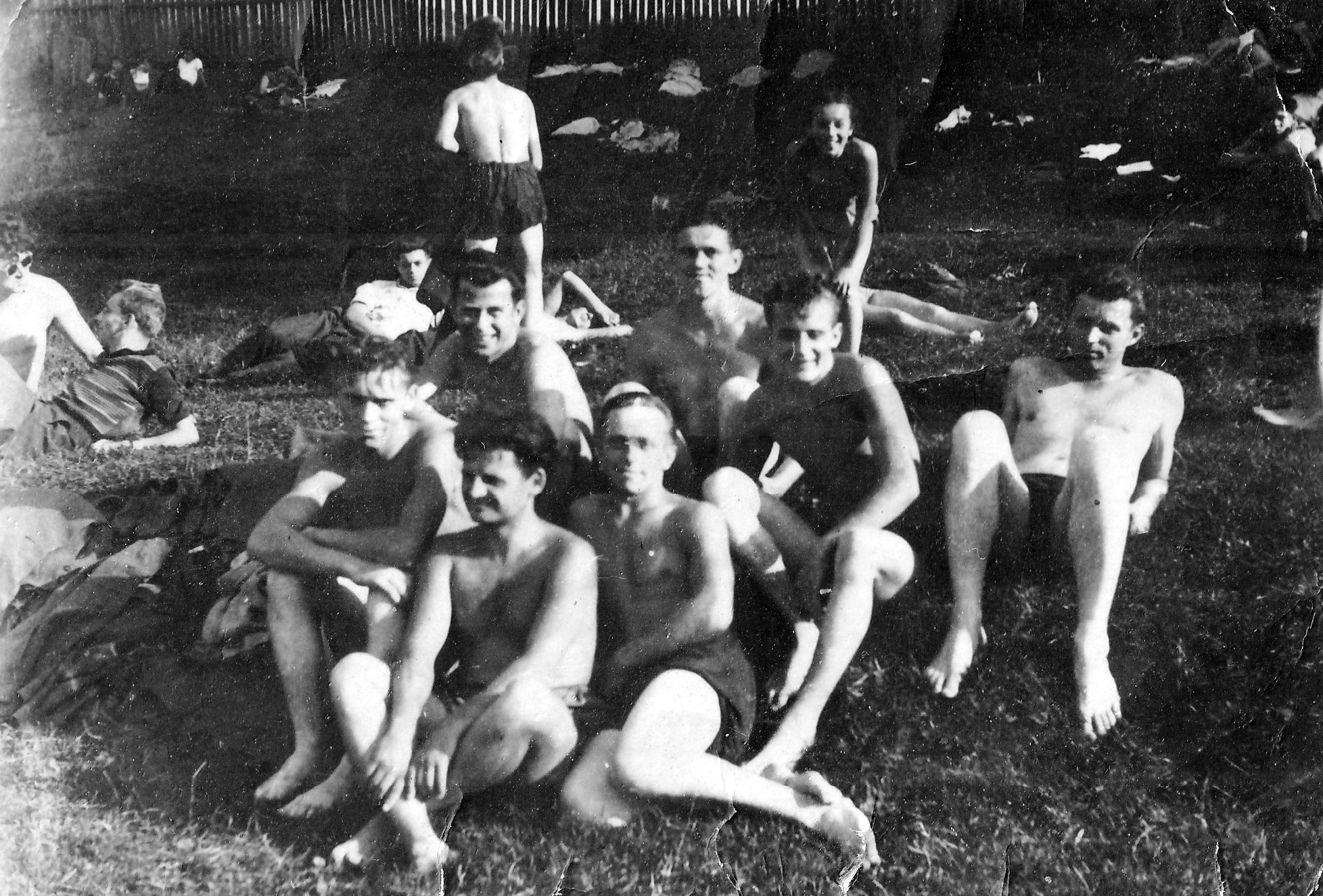
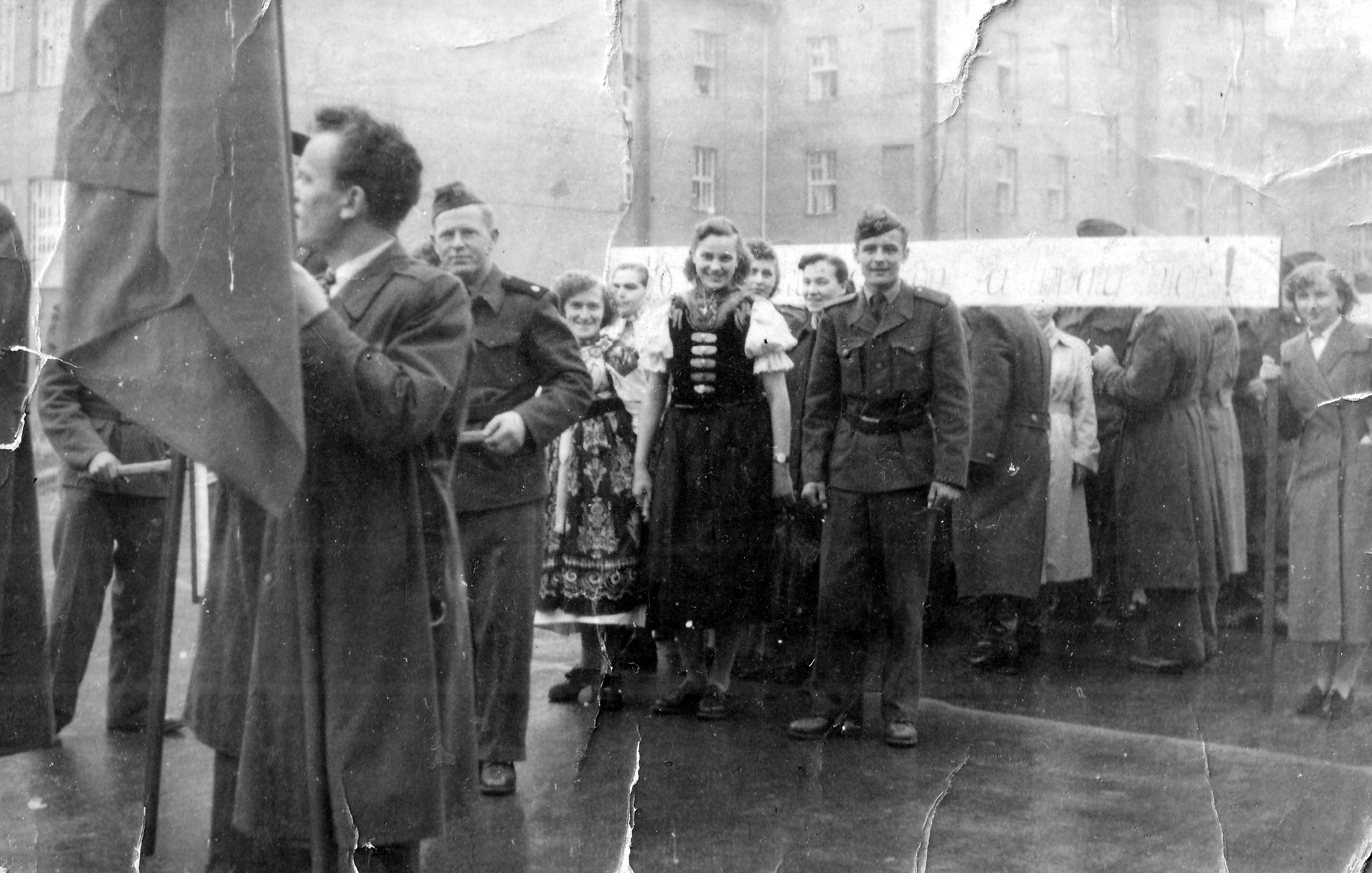
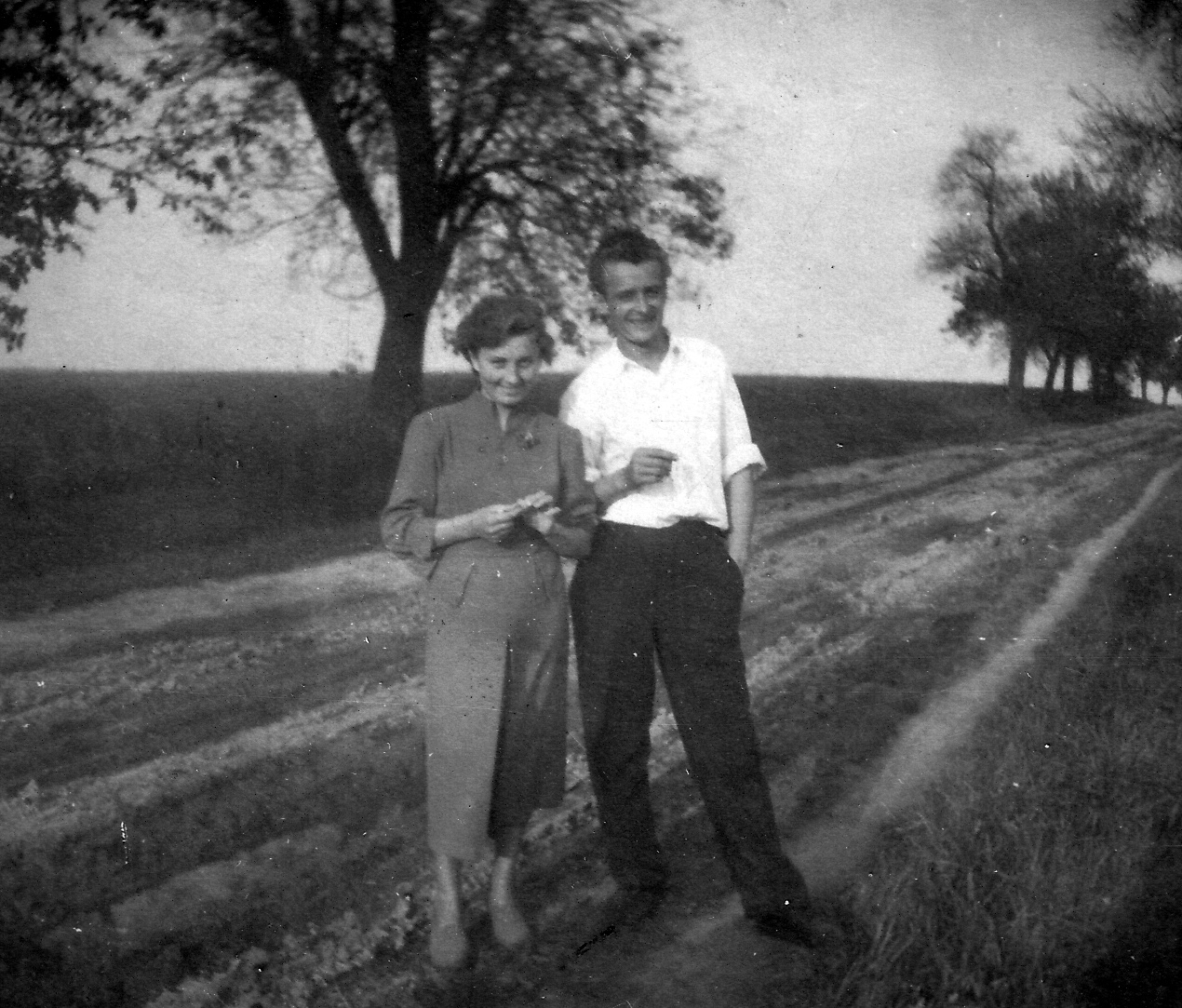
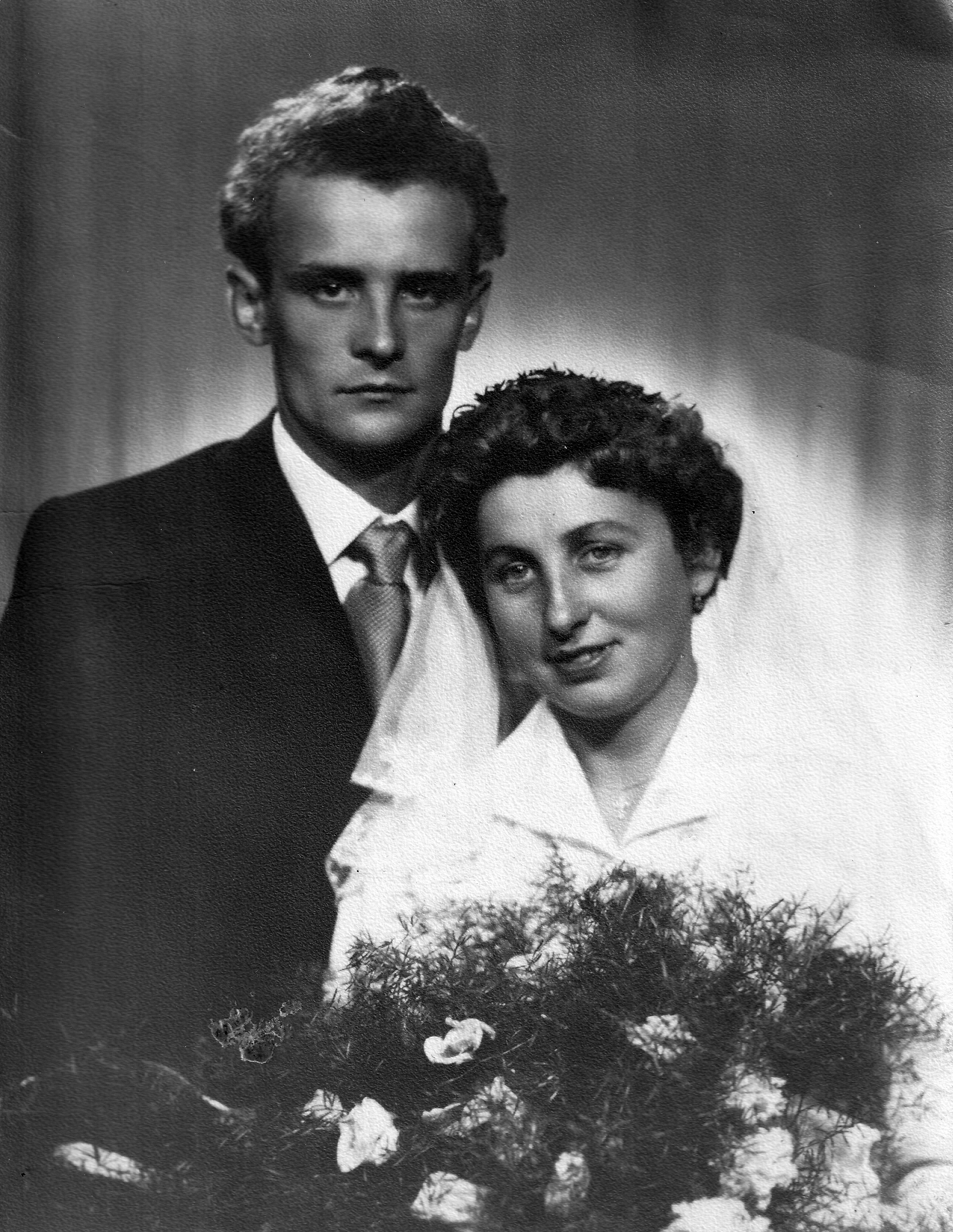
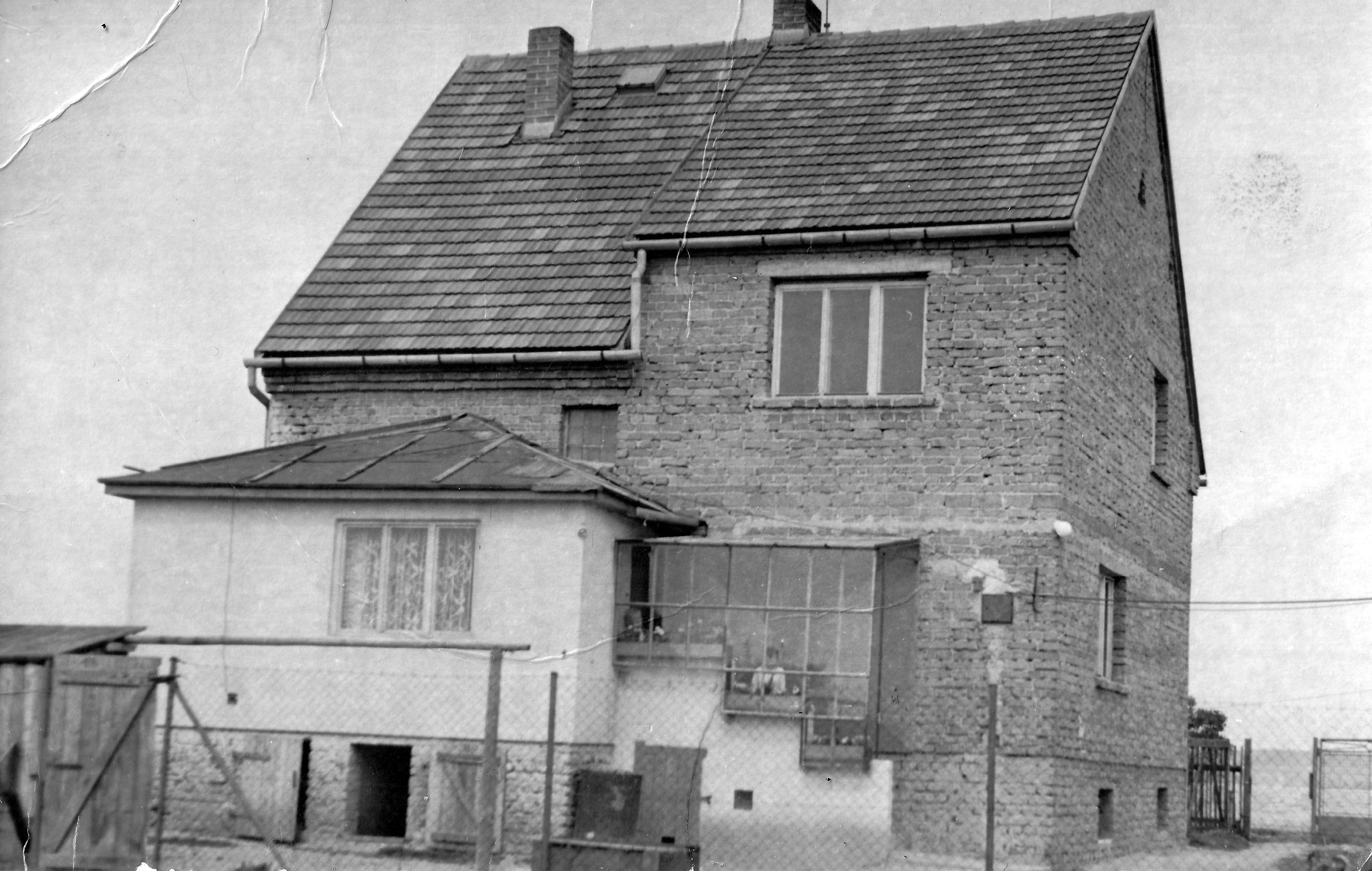
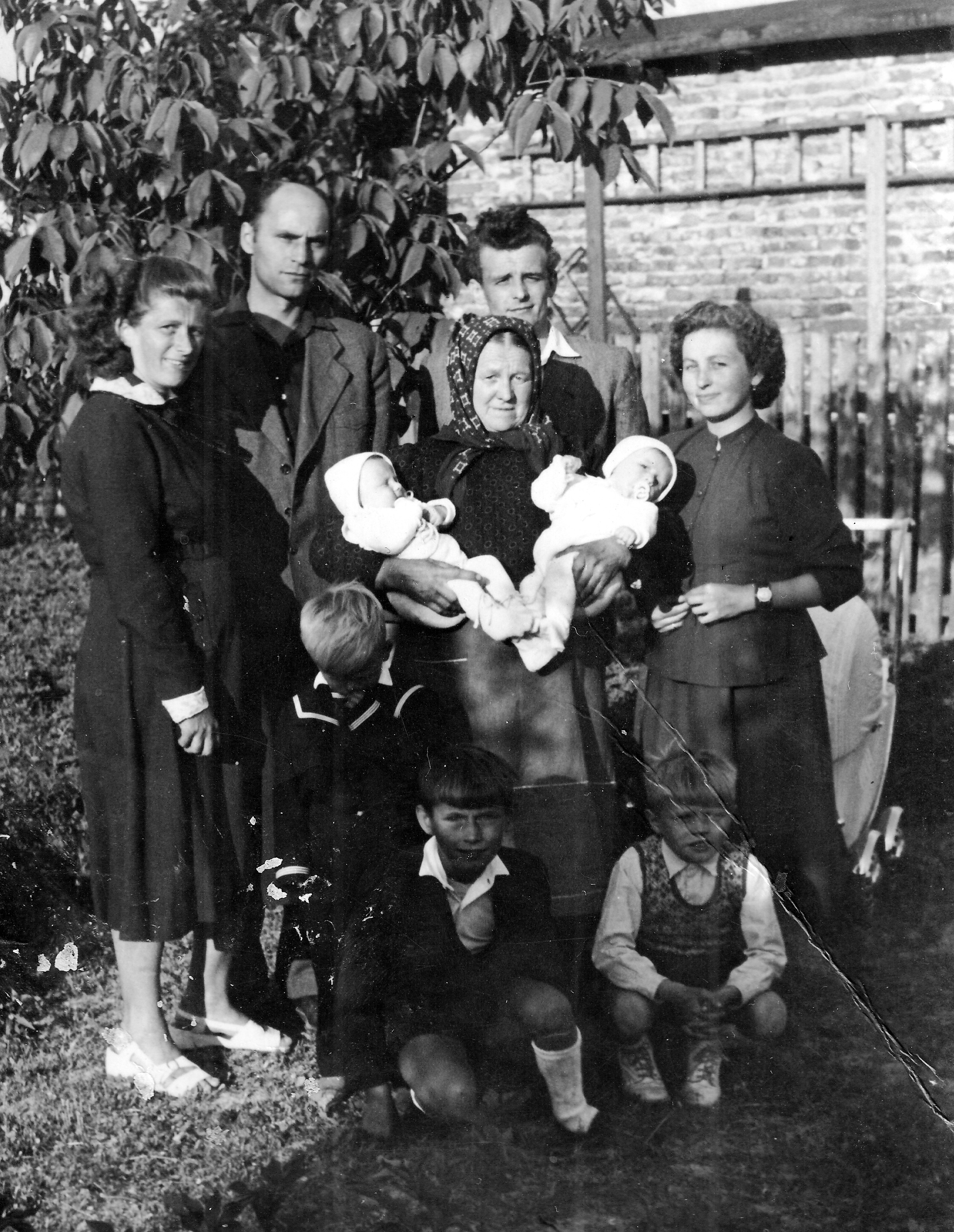
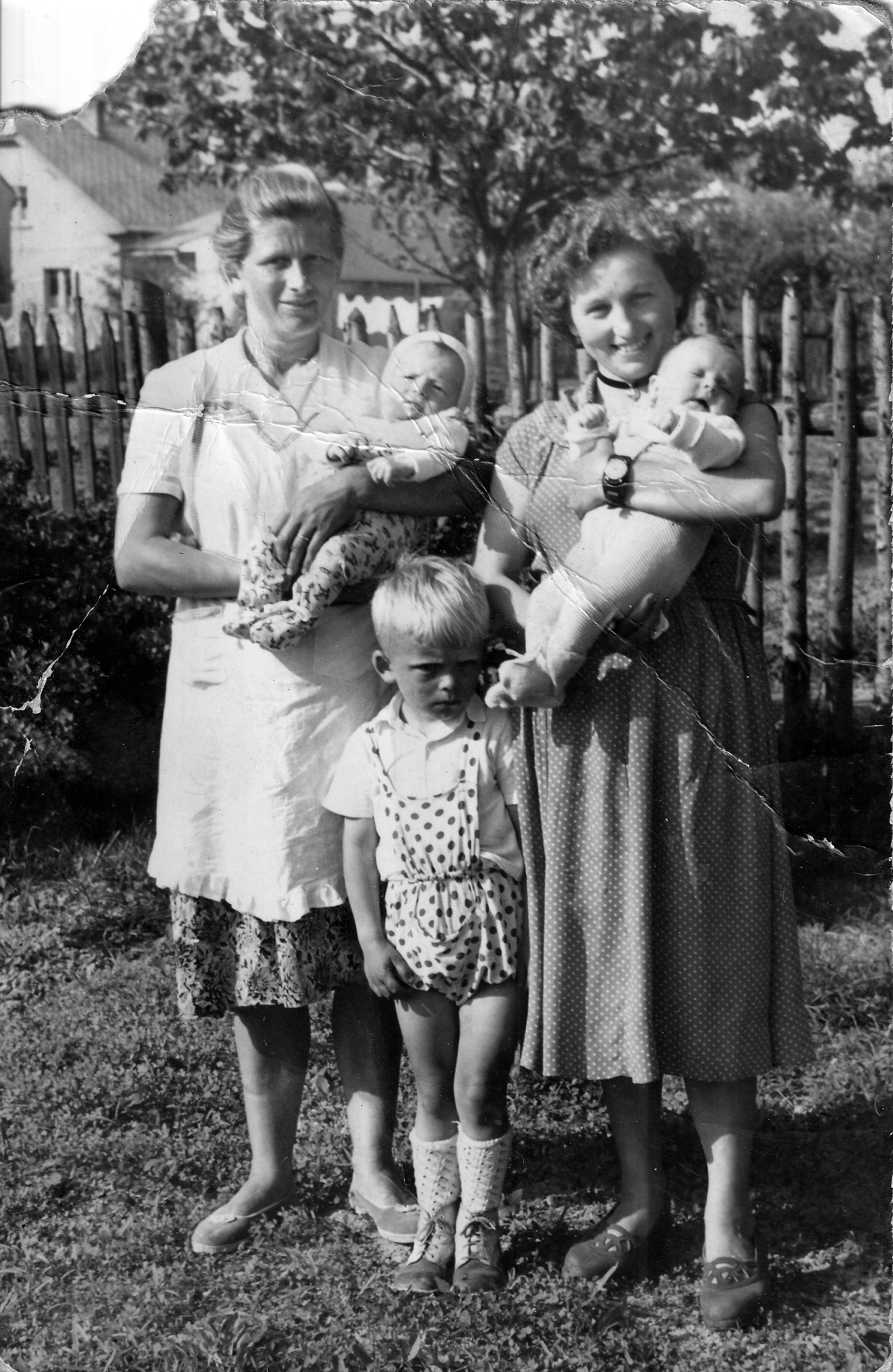
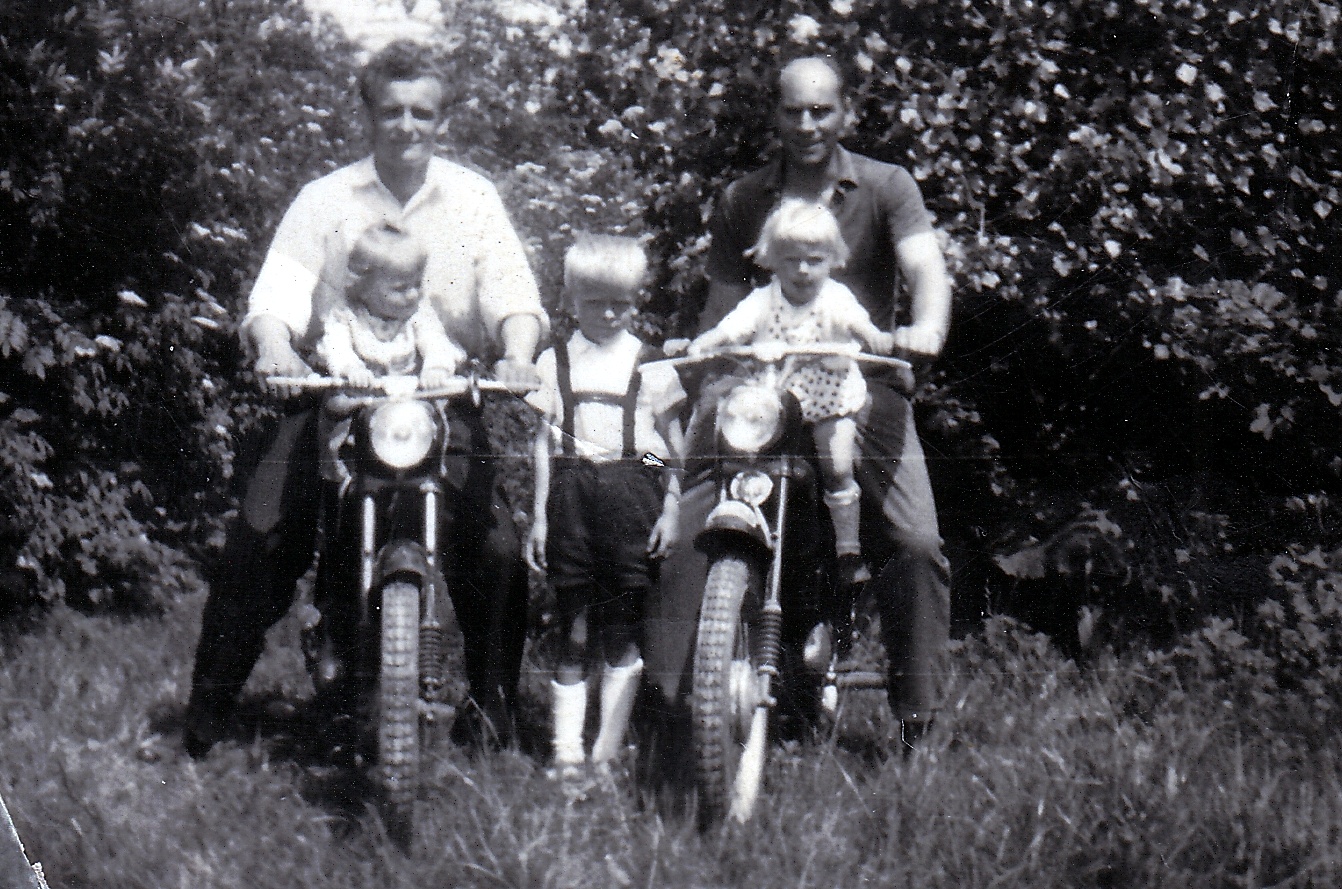
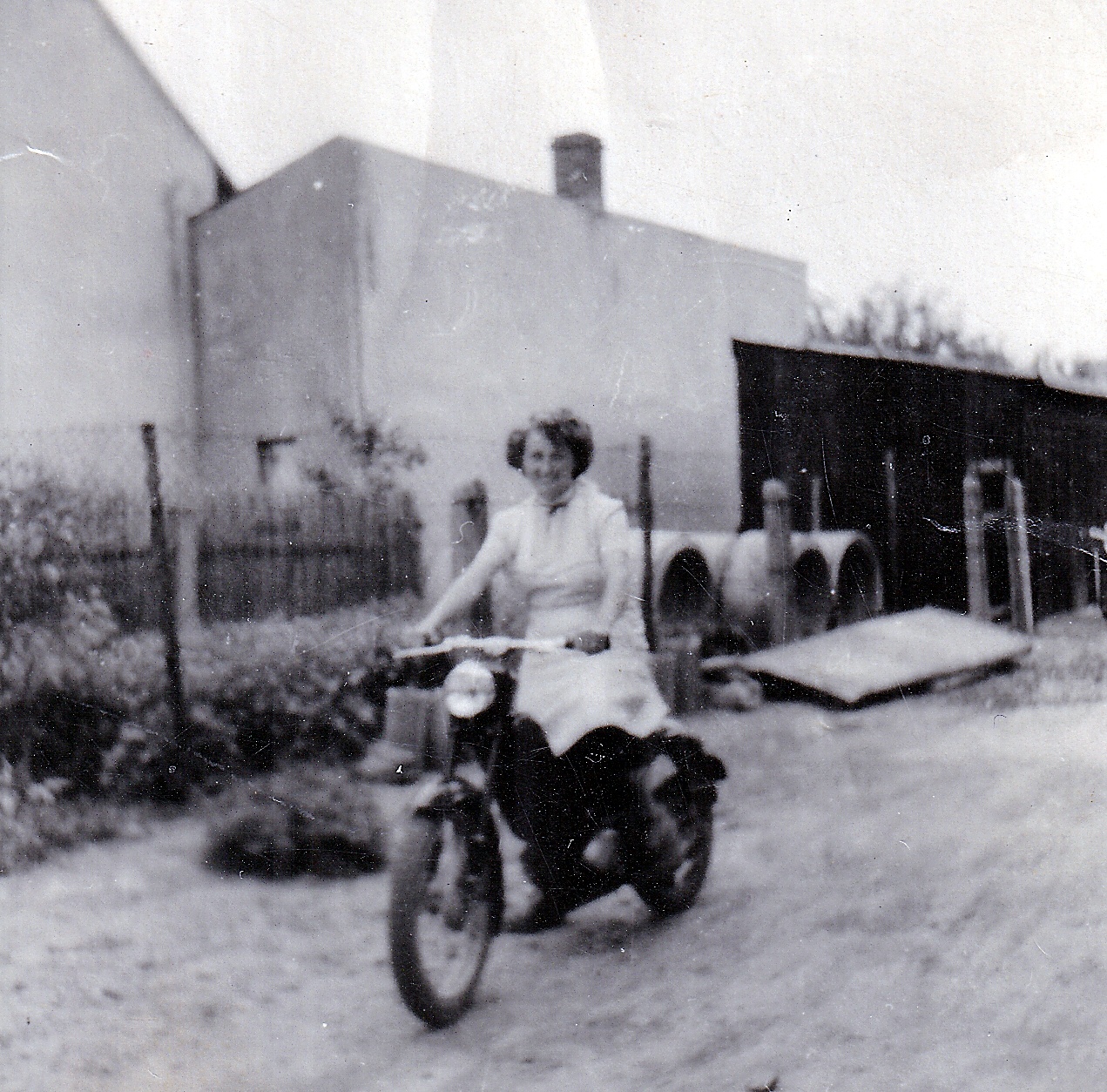
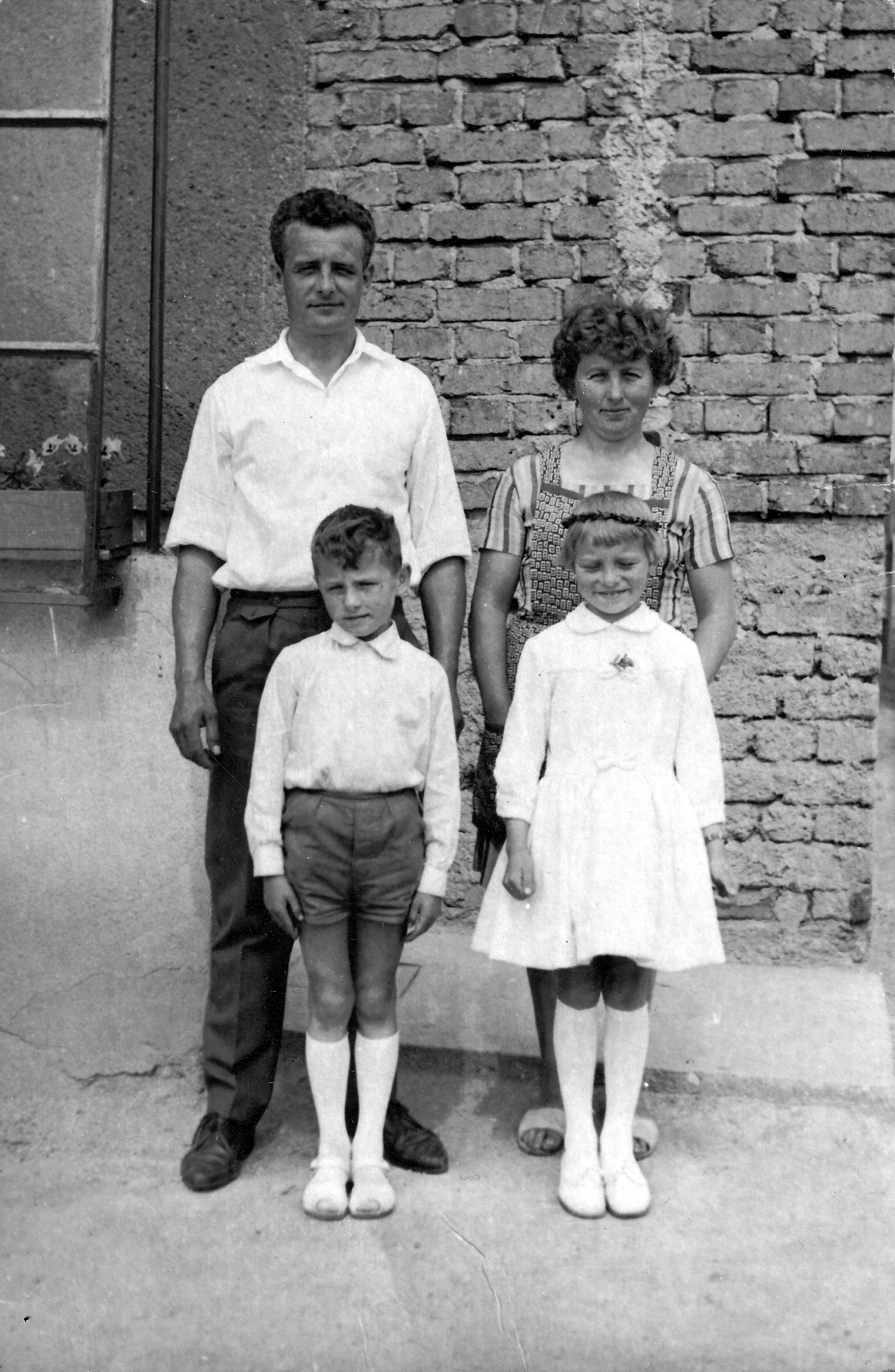
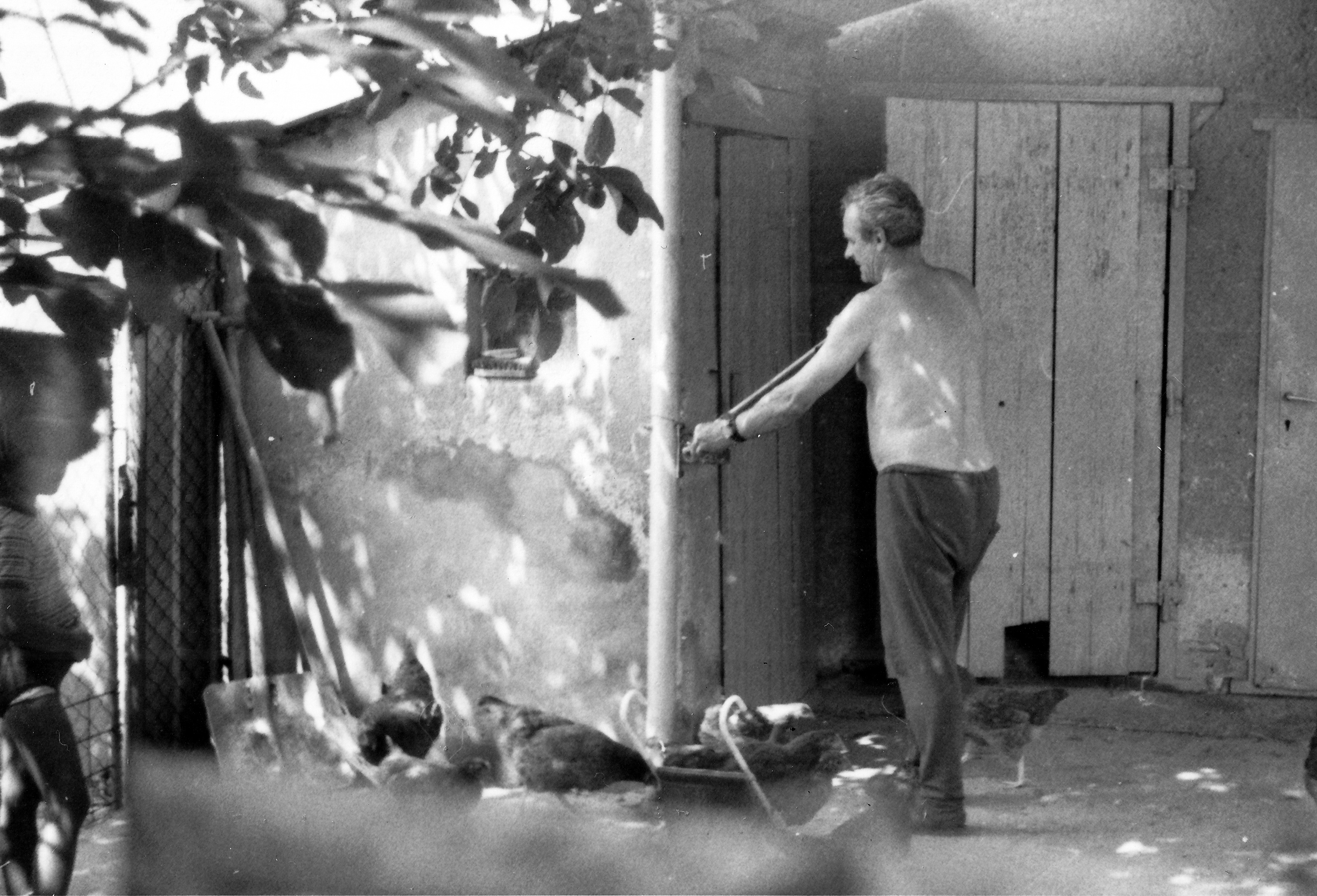
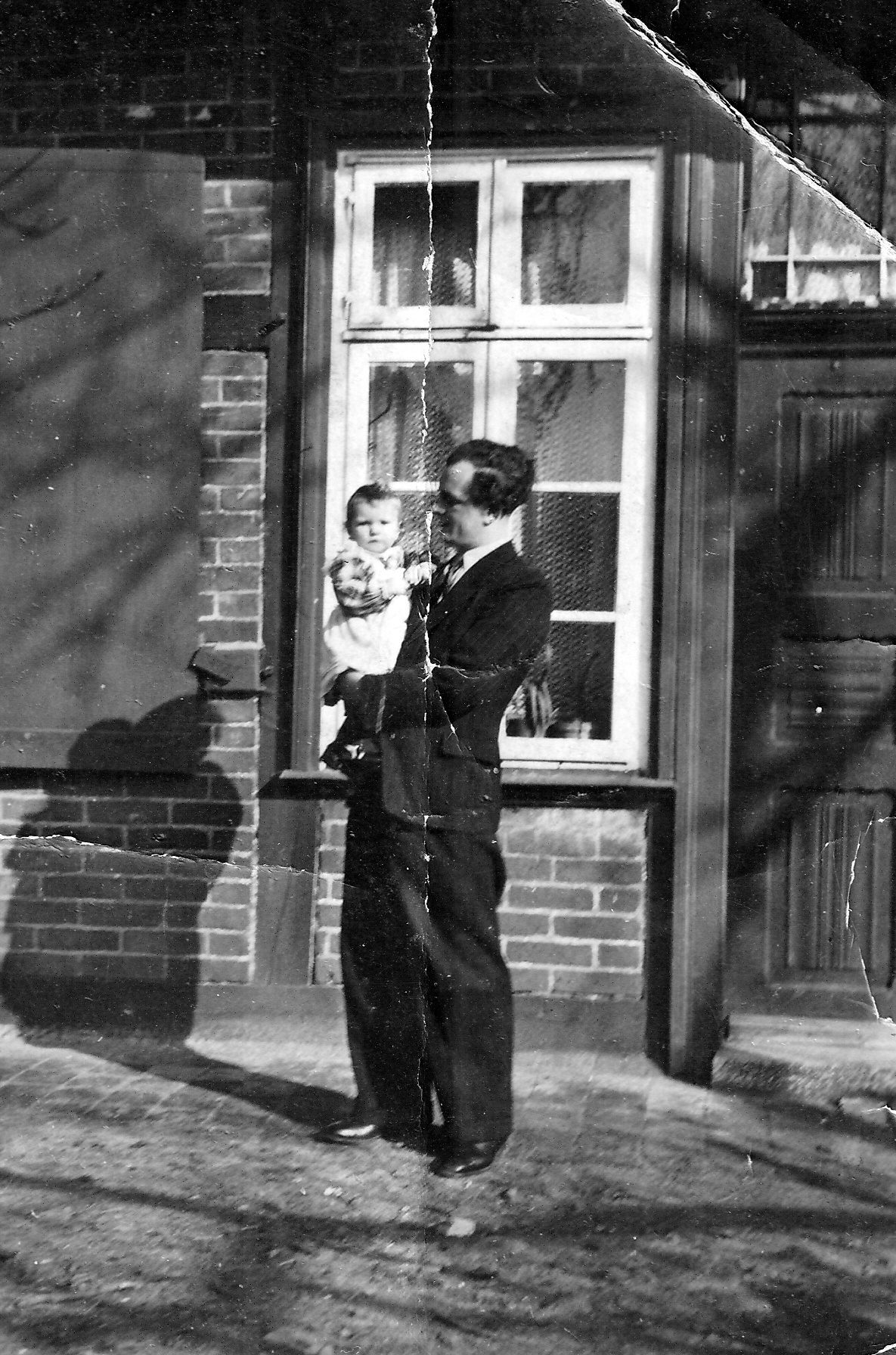
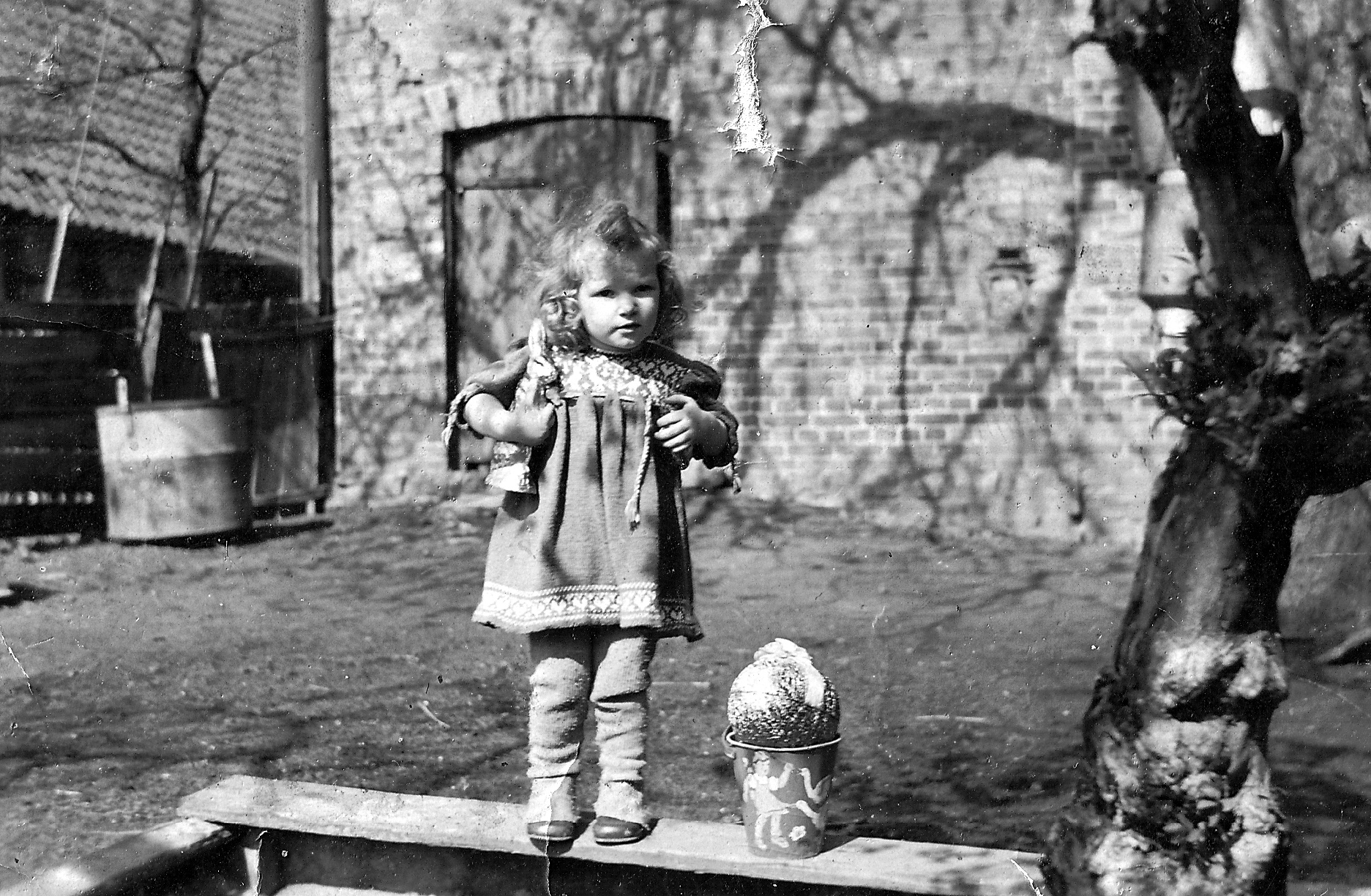
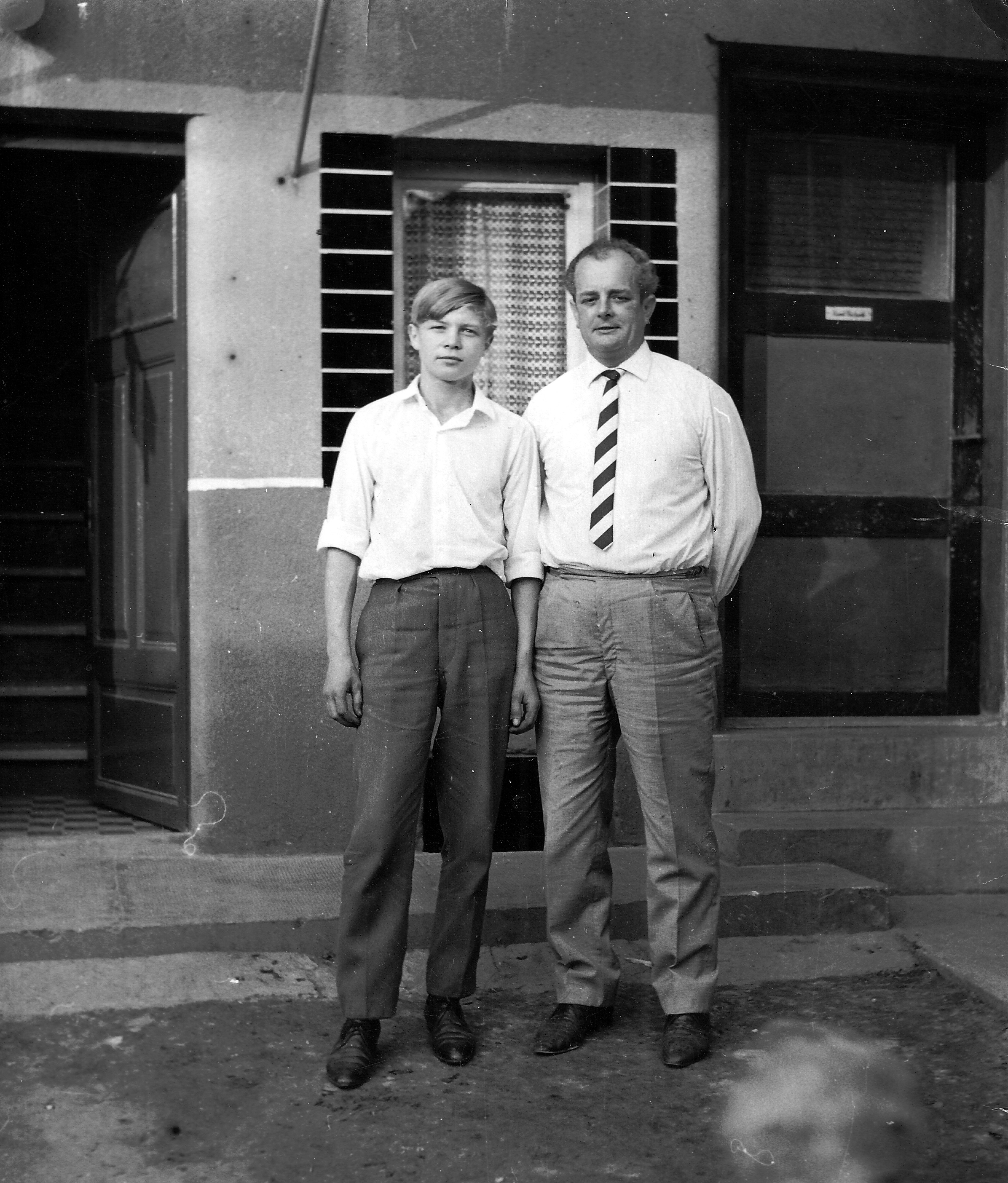
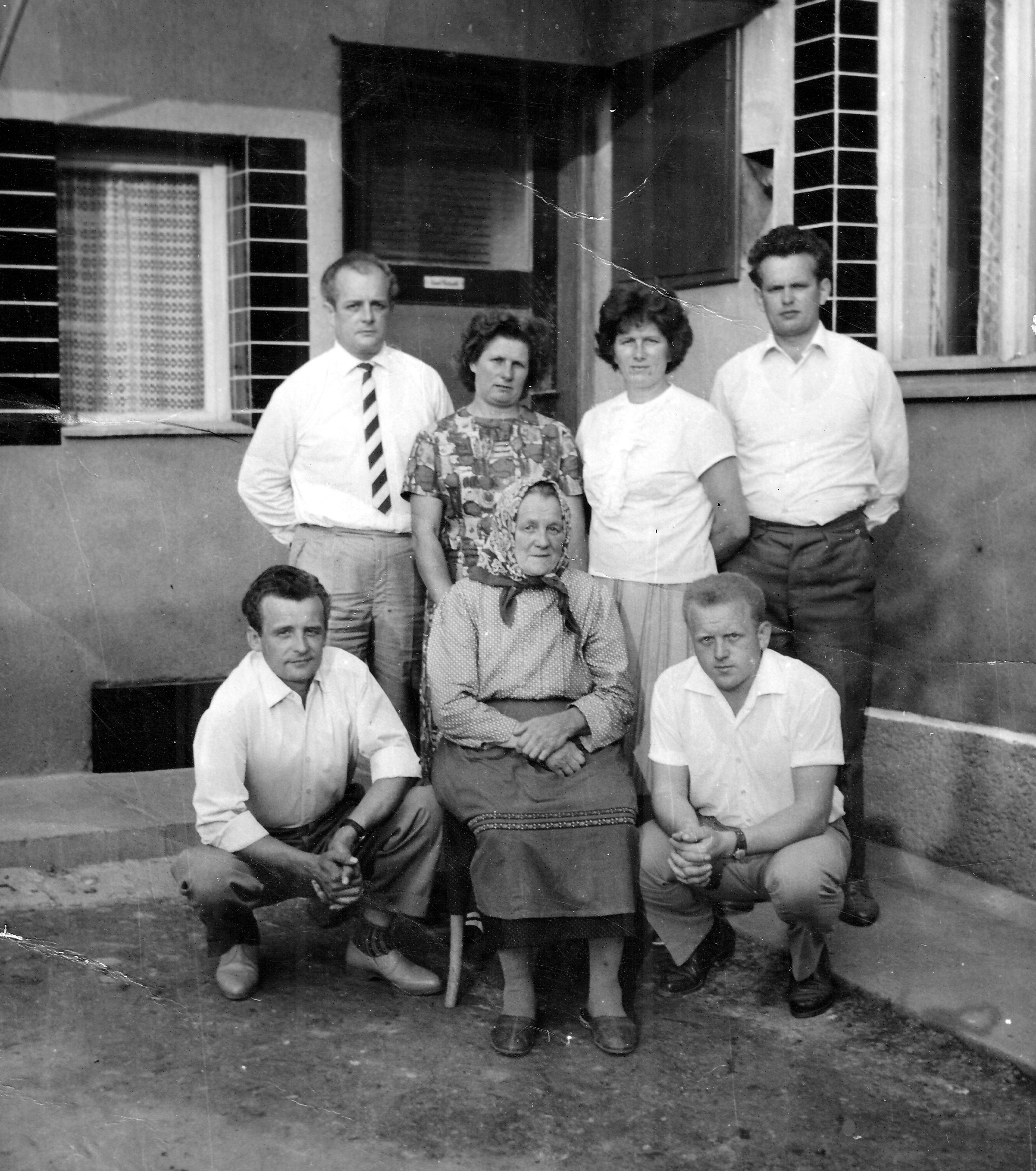
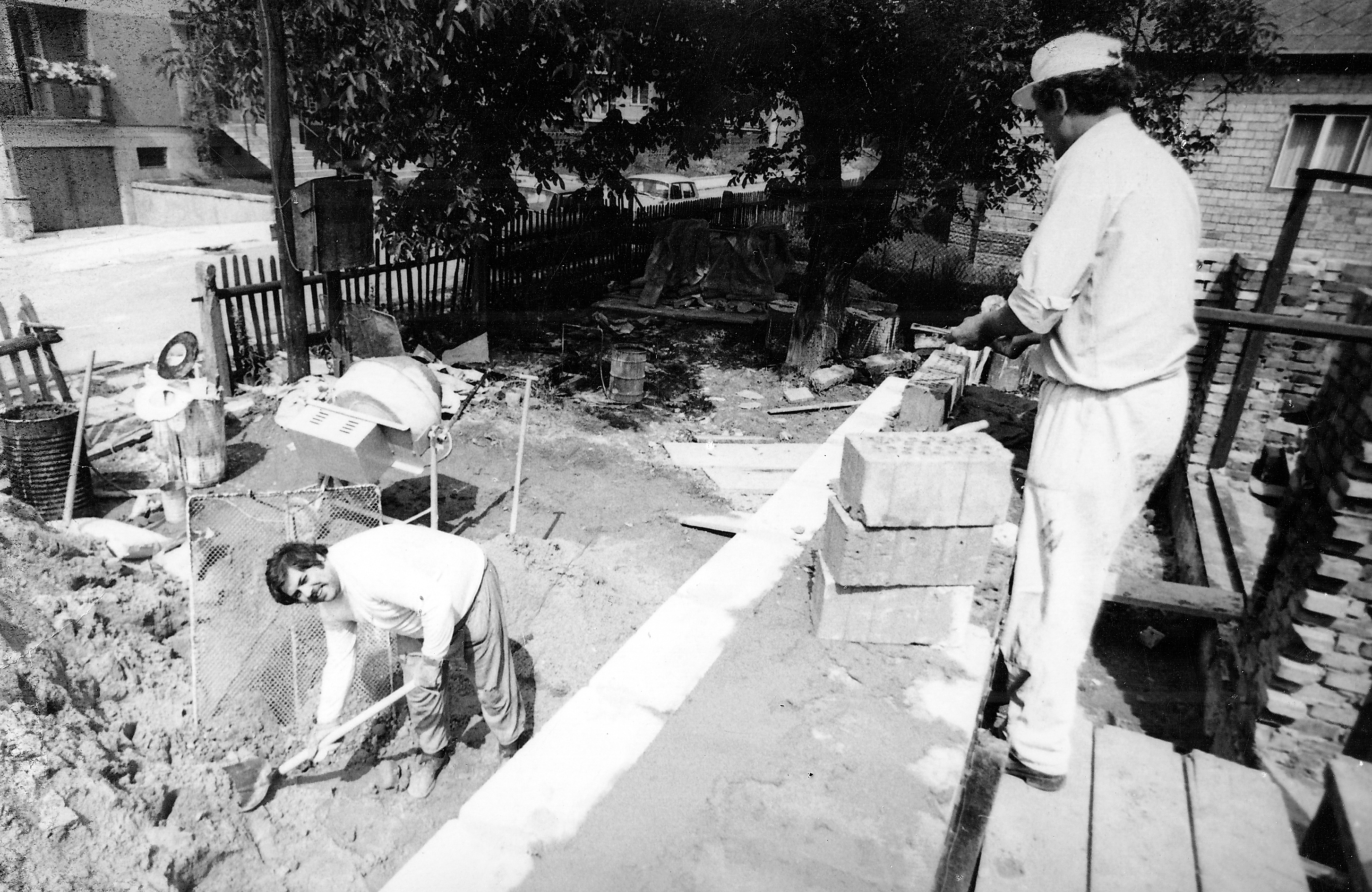
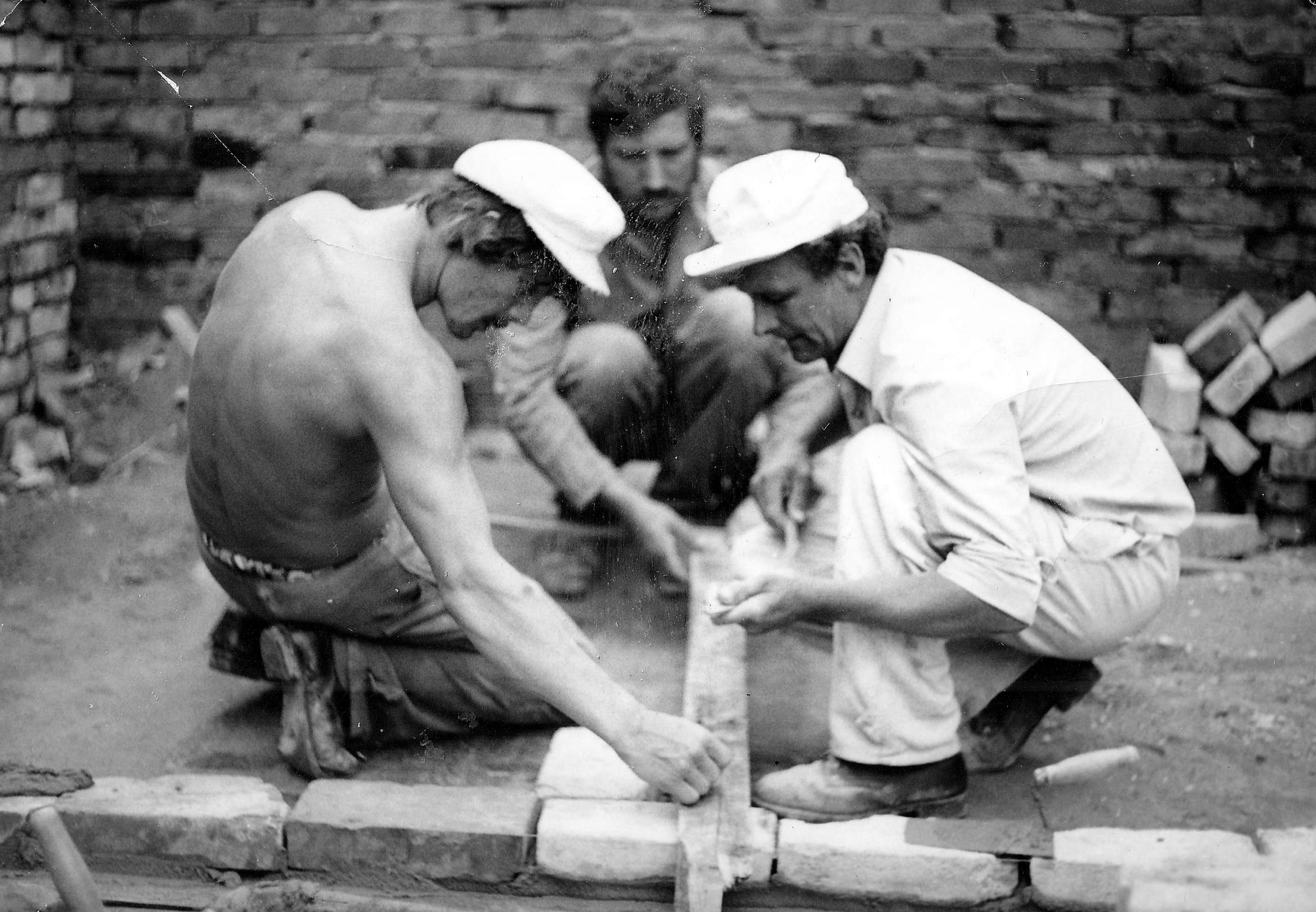
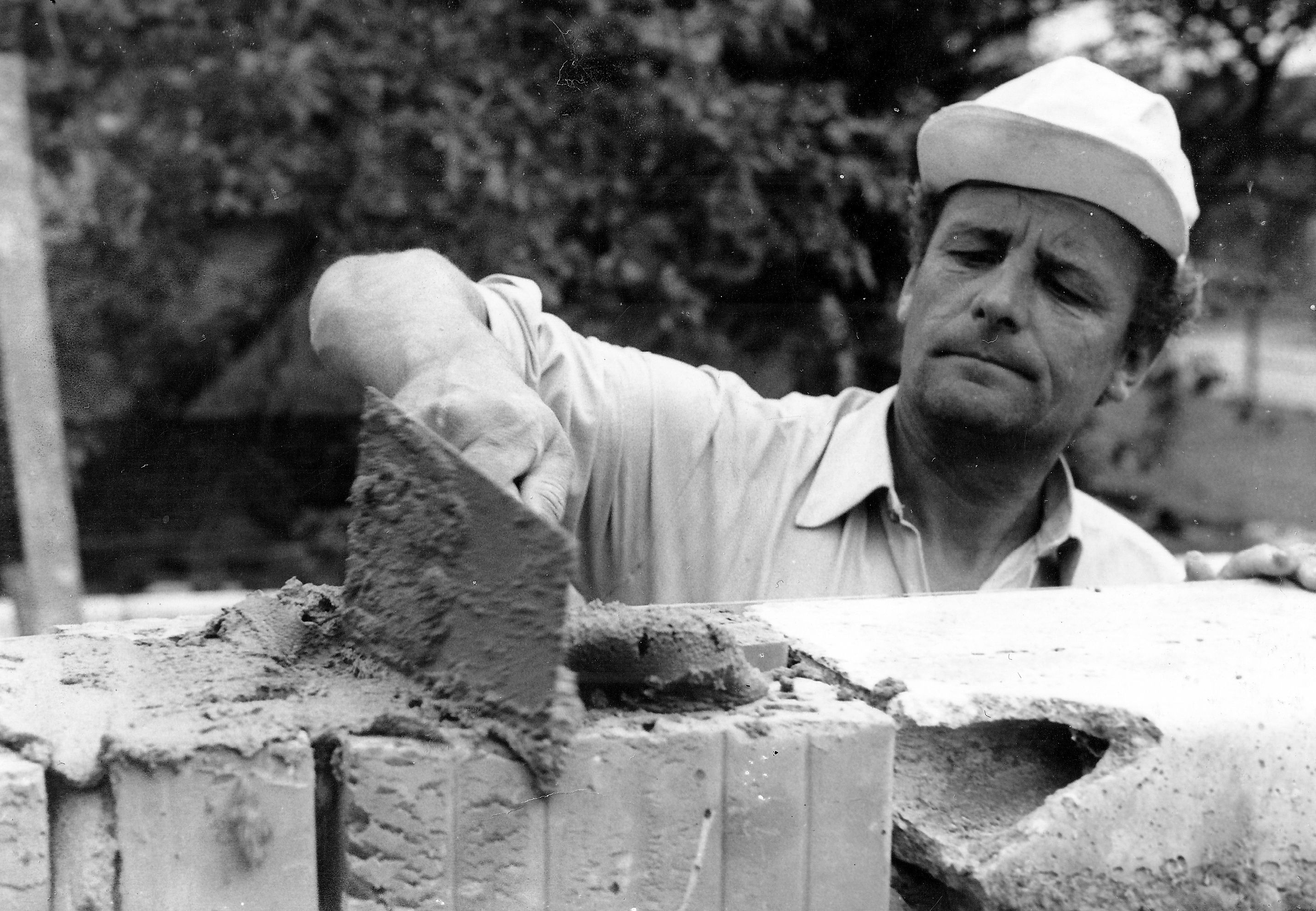
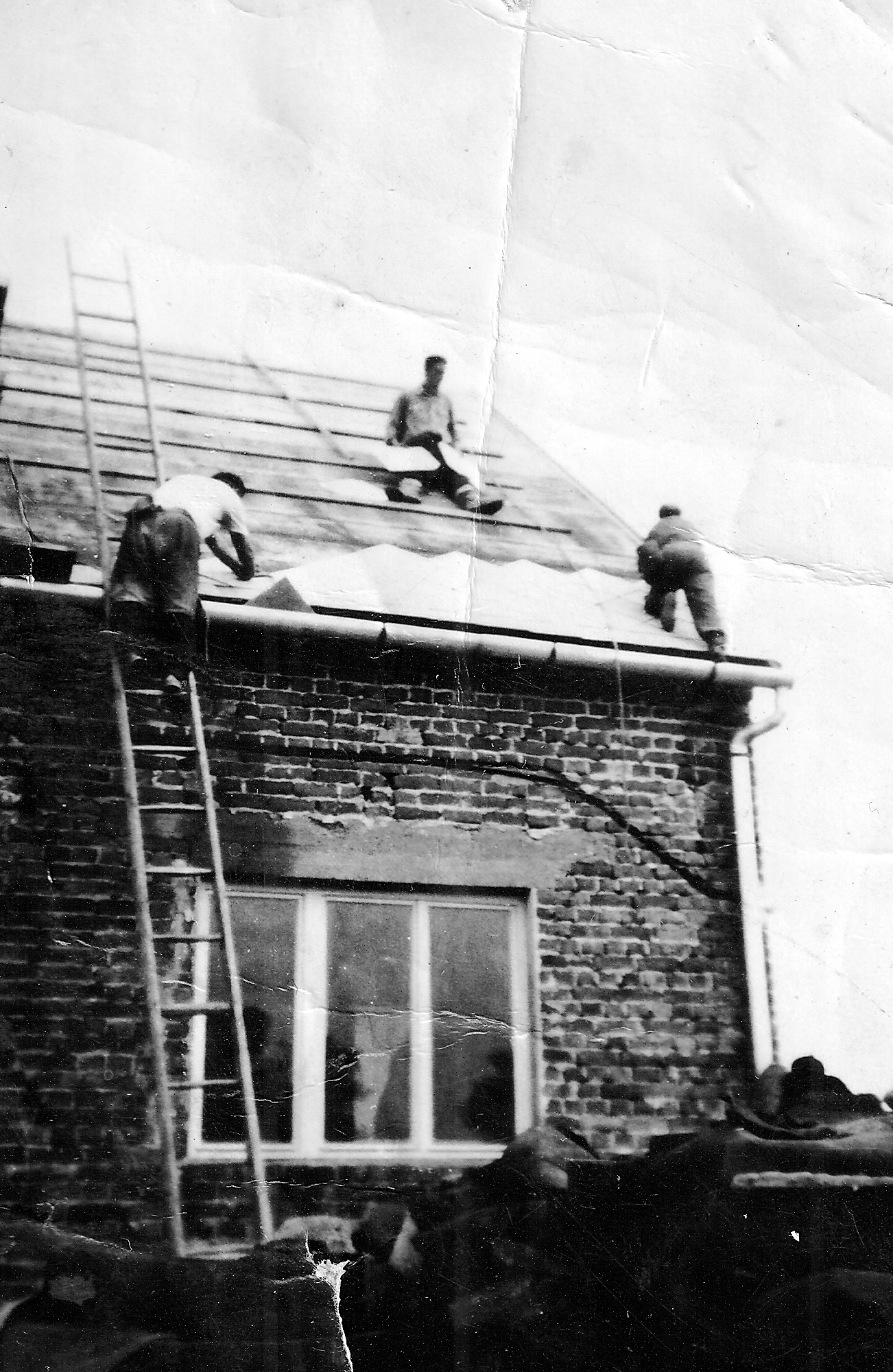
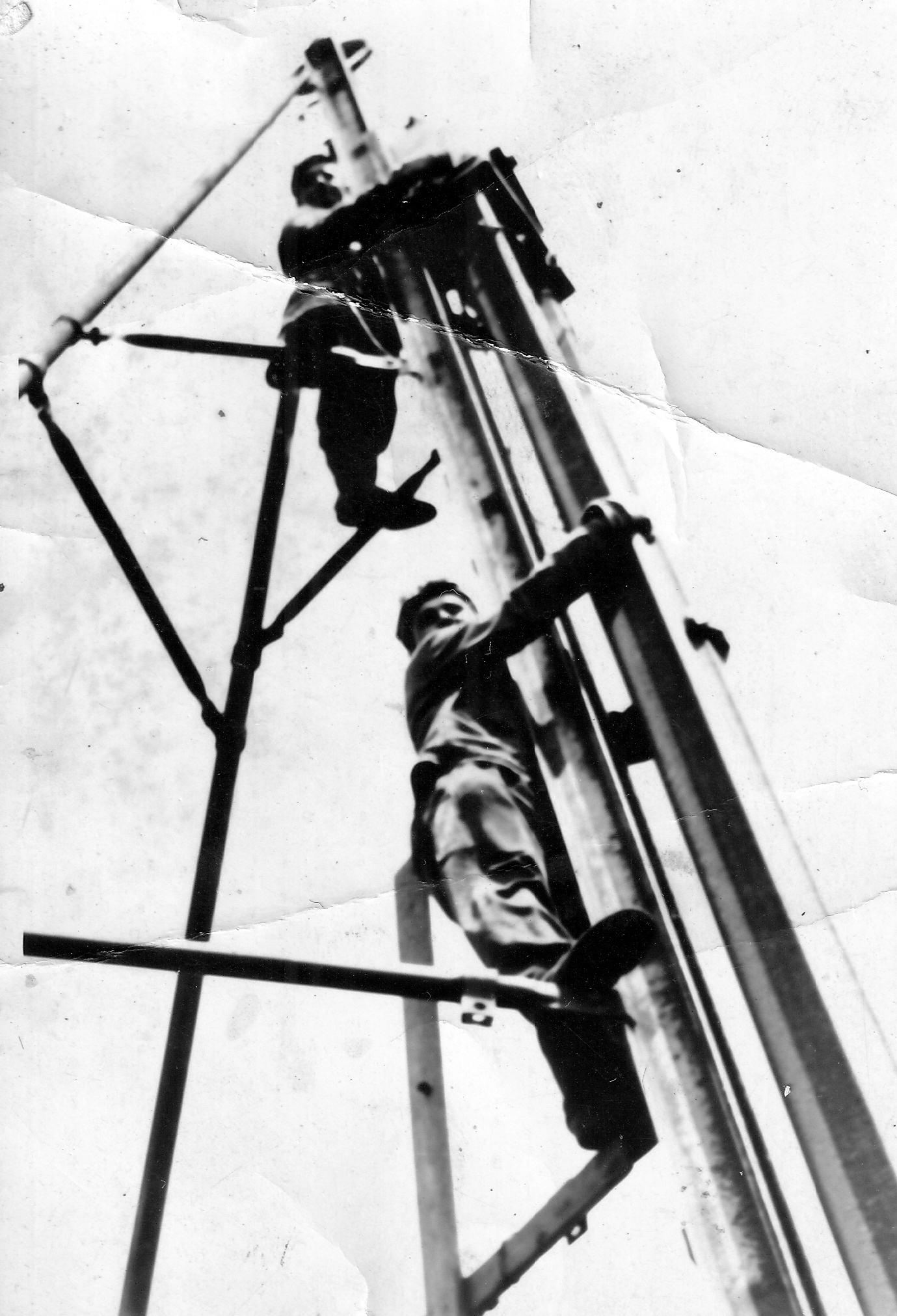
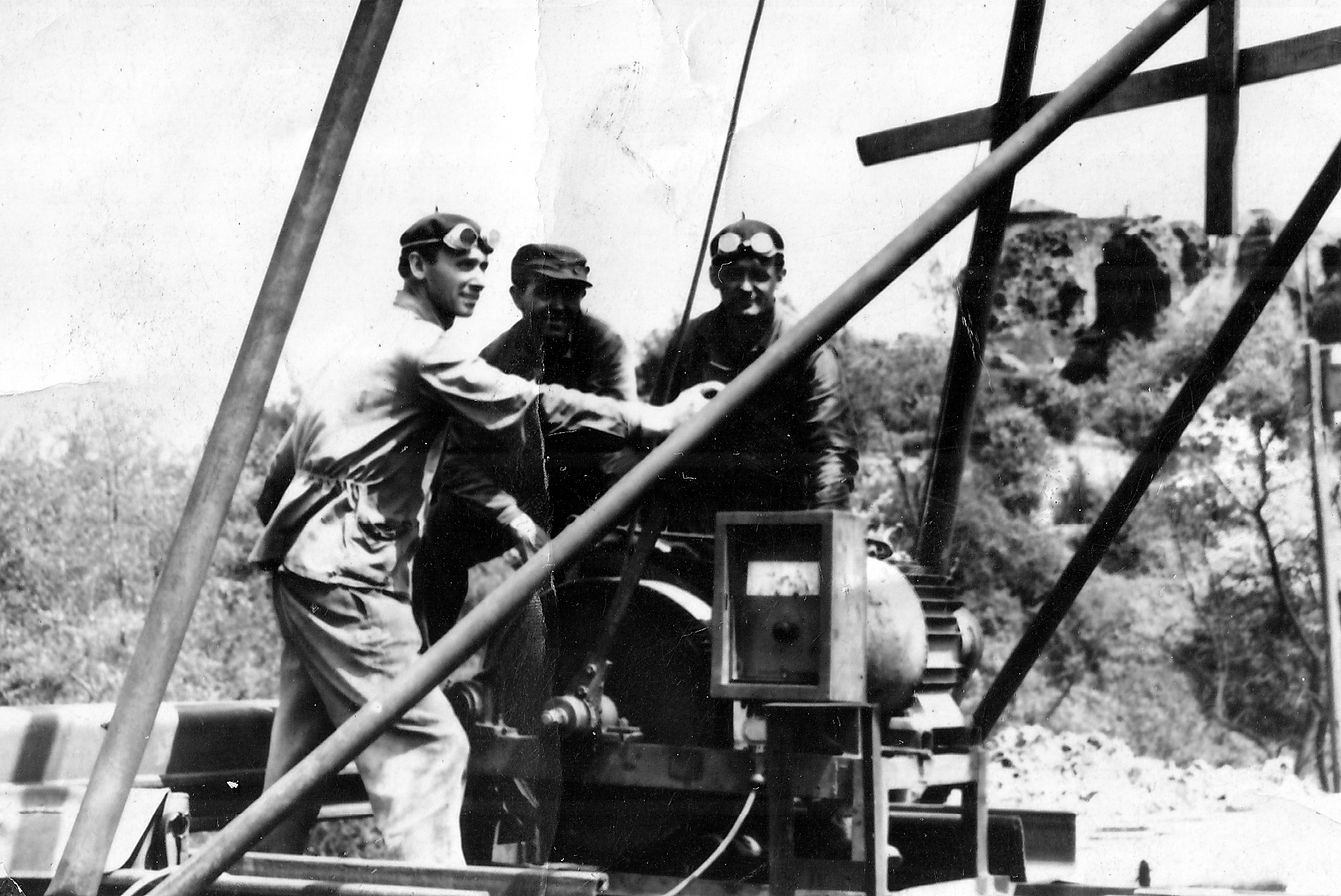
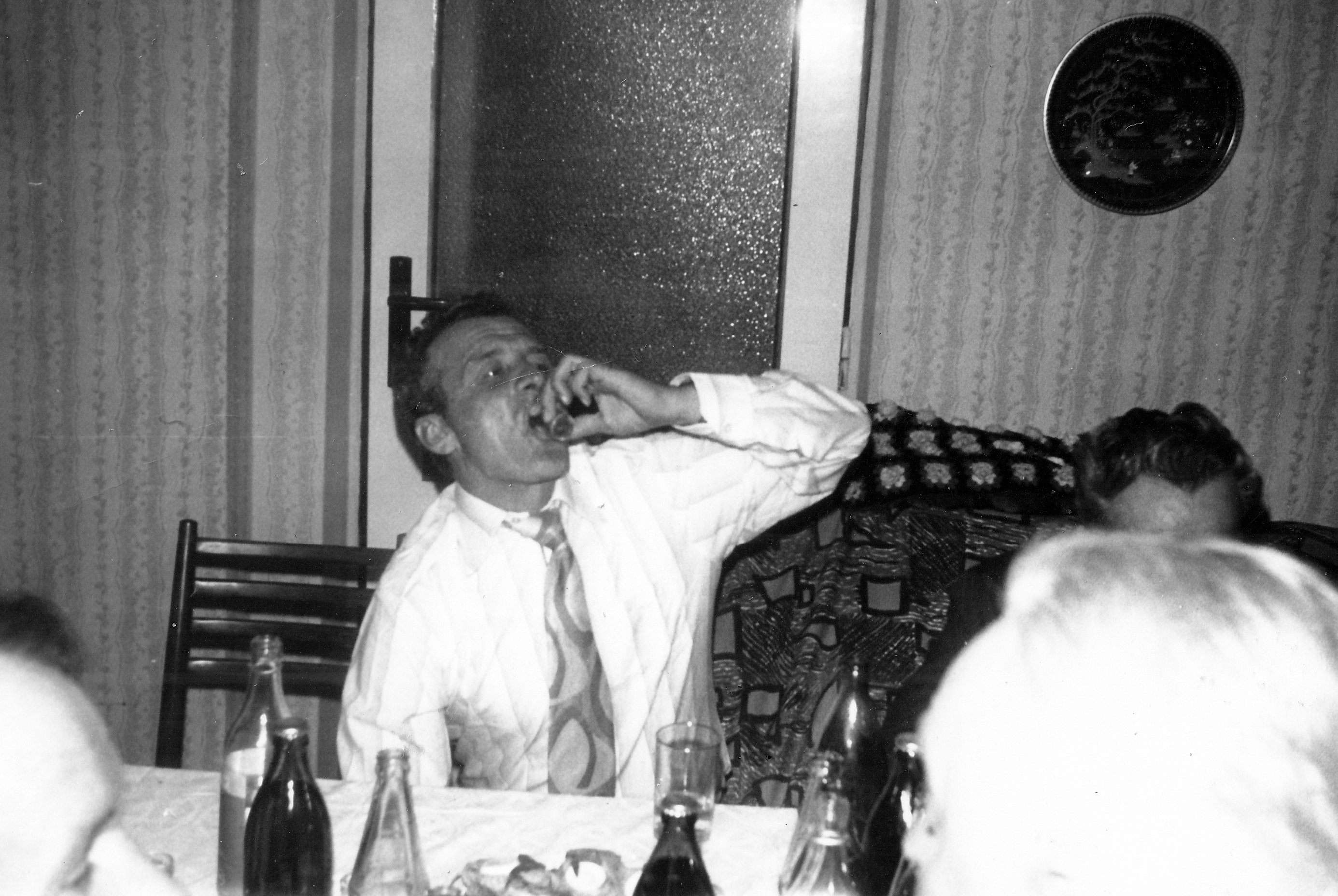
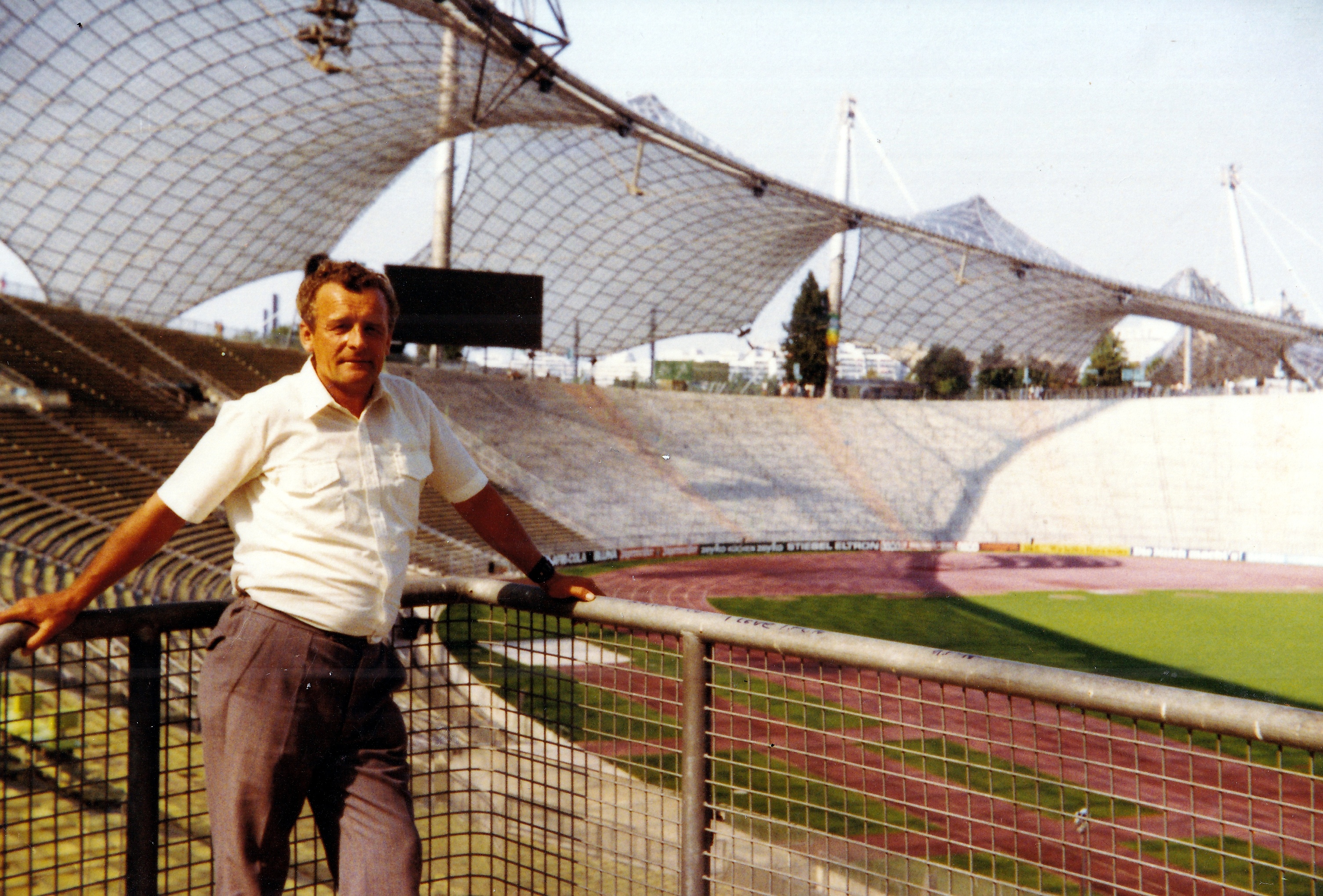
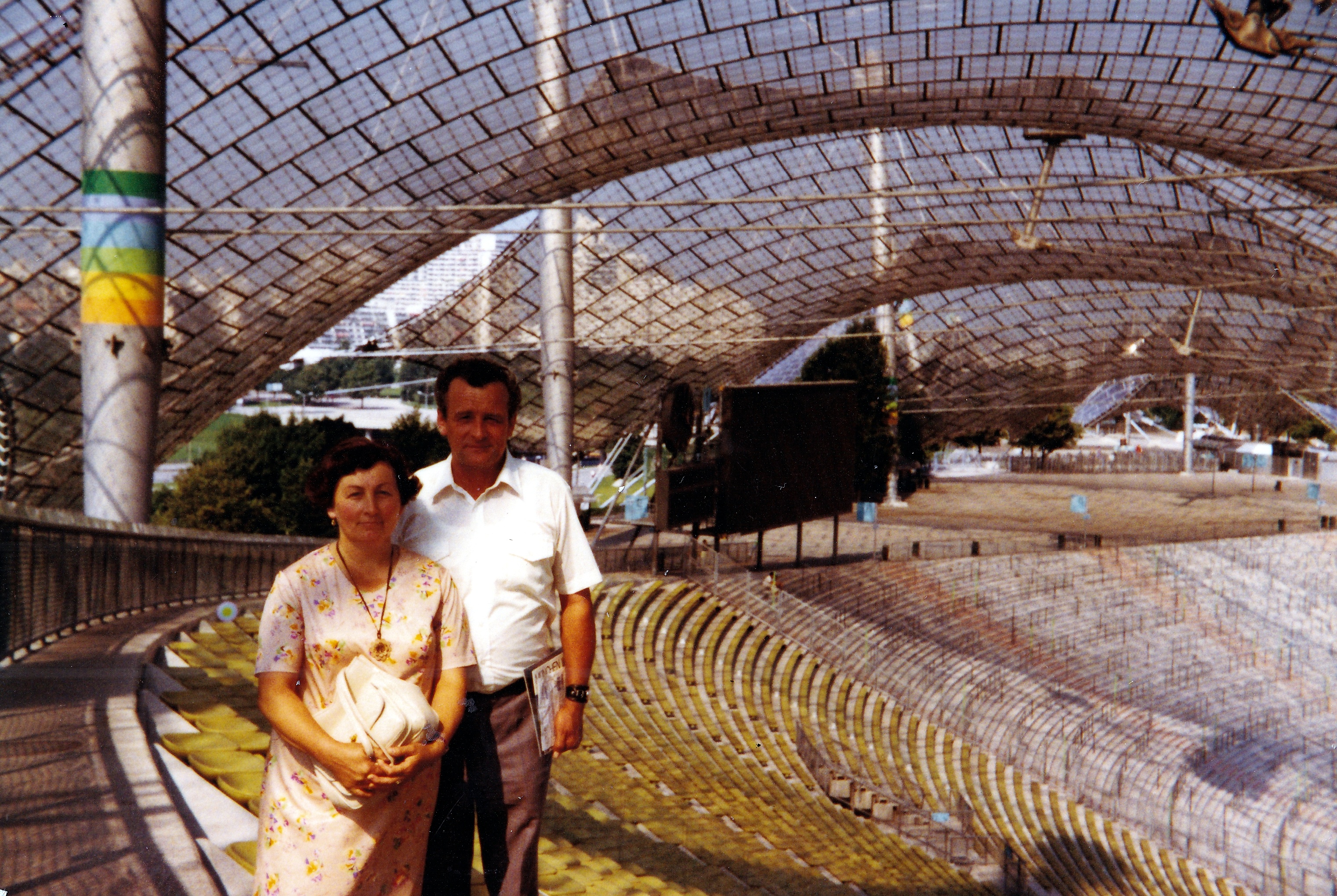
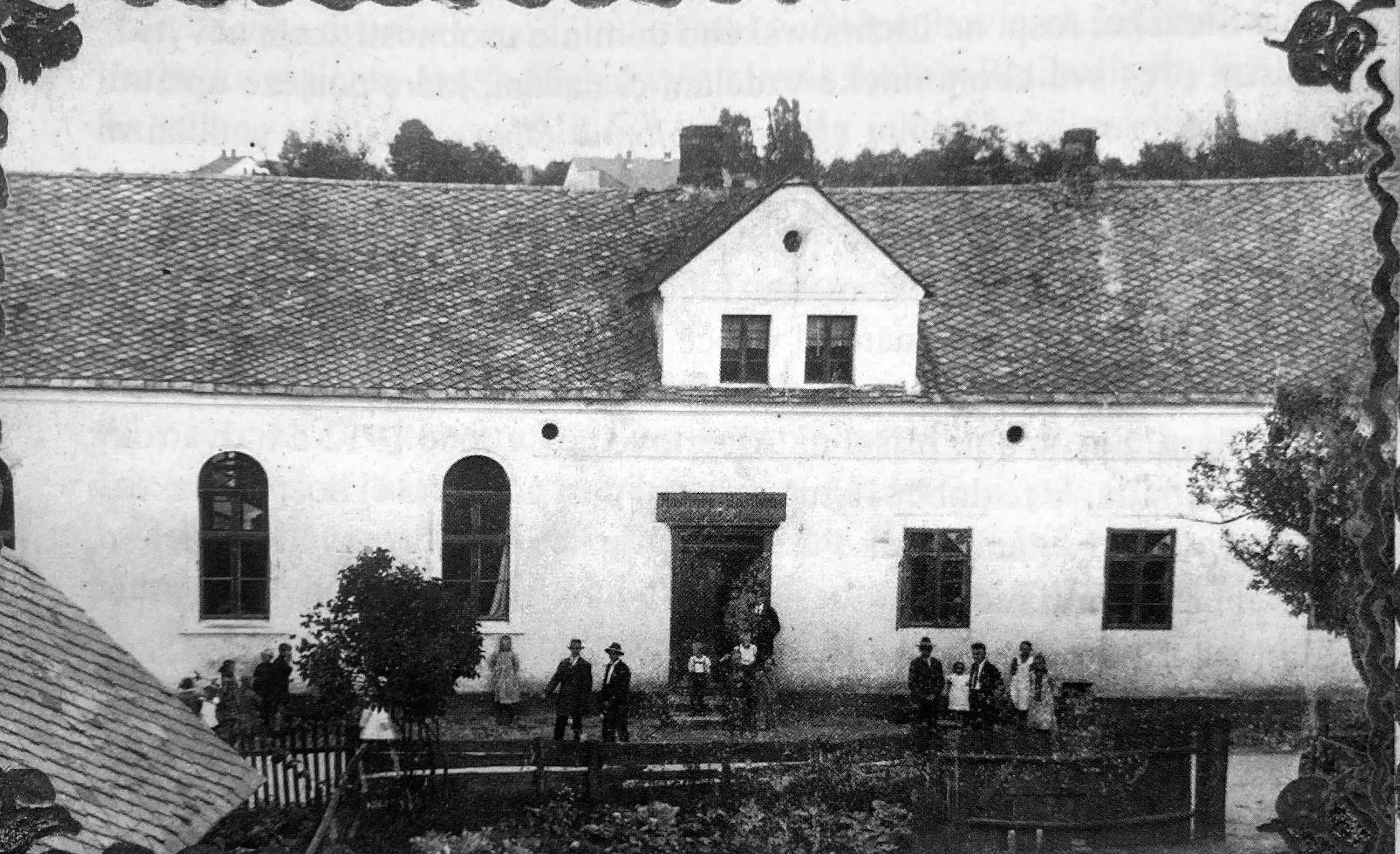
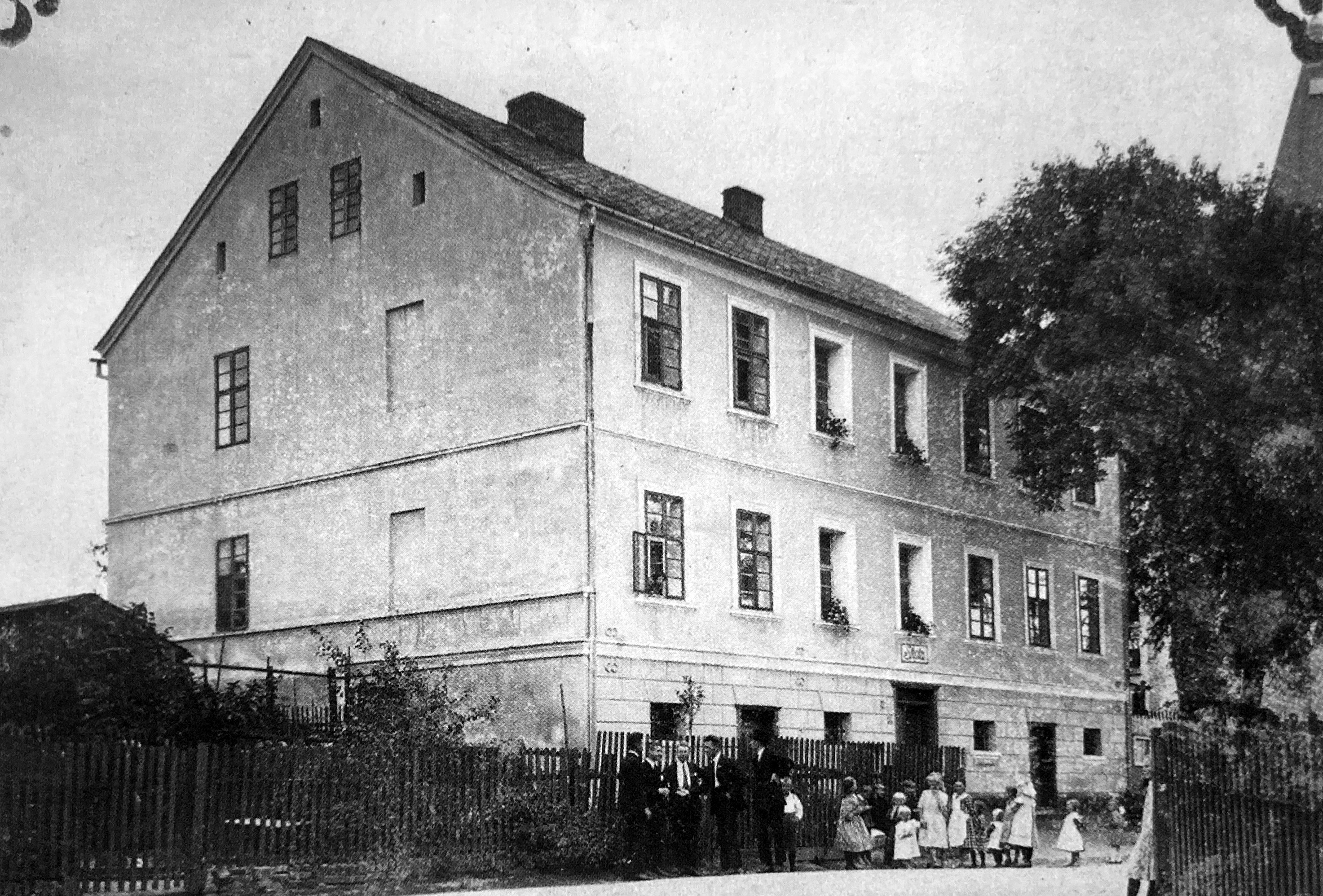
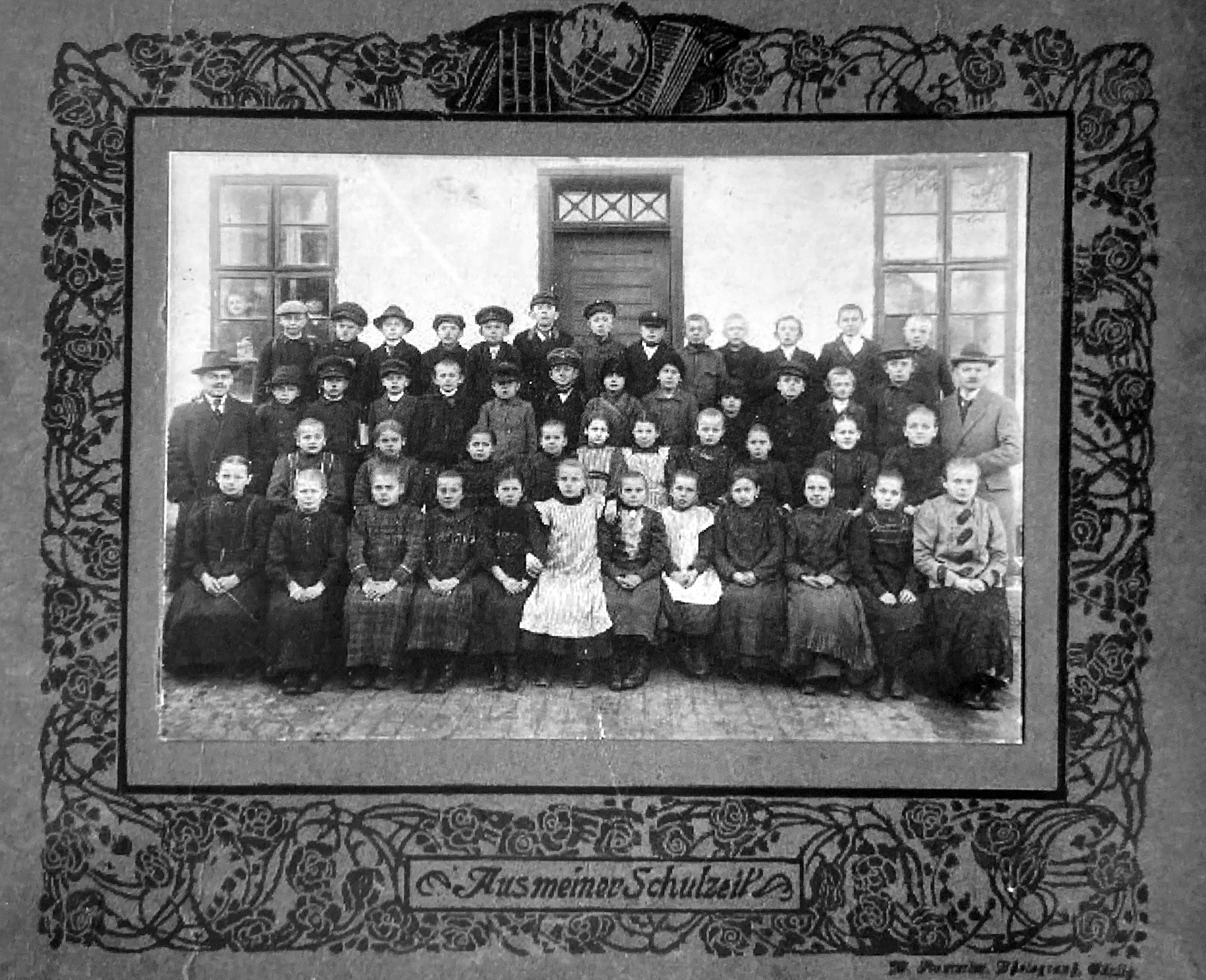
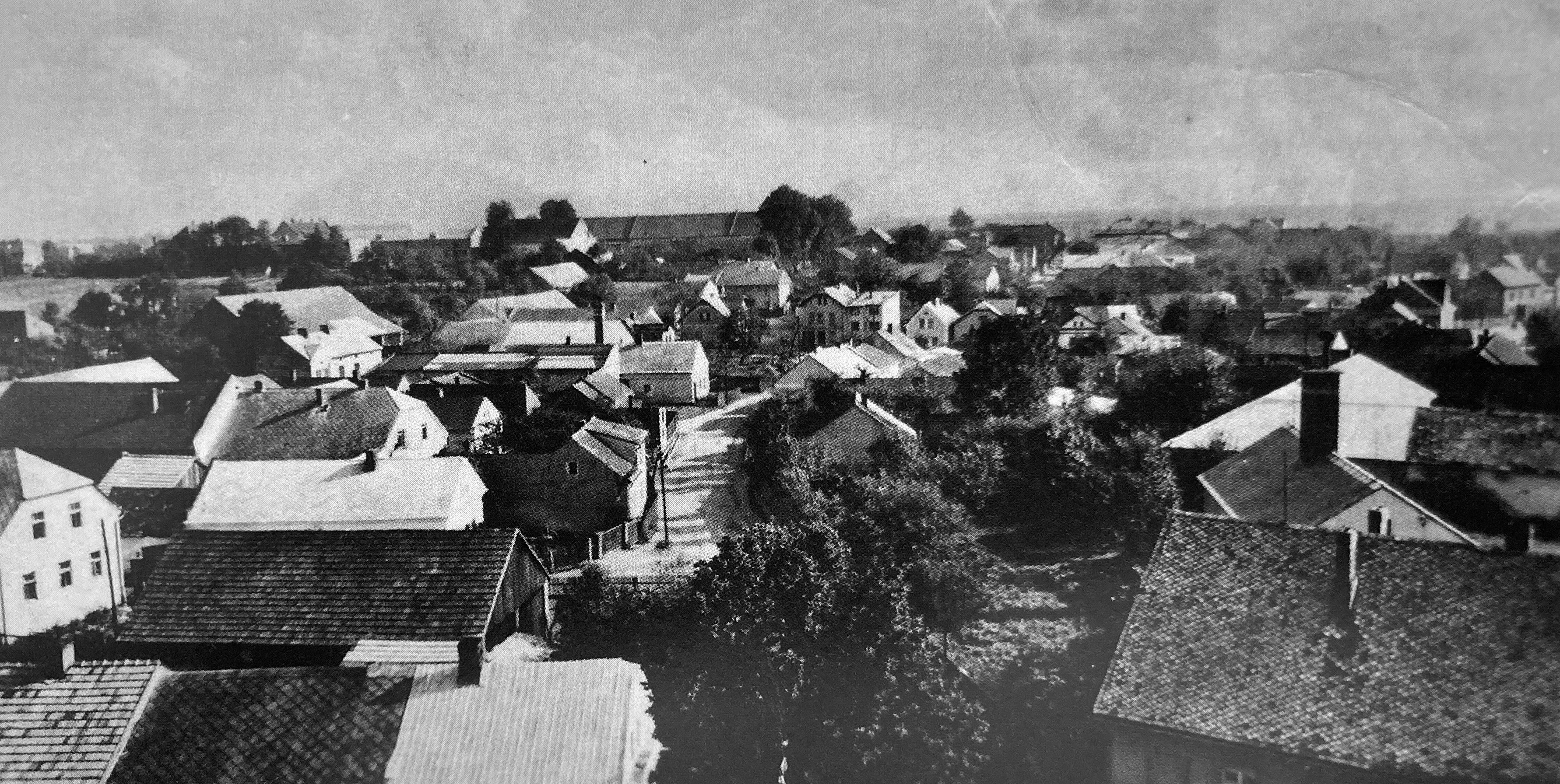
Erhard Pluške was born in Štěpánkovice in the Hlučín region on 3 December 1933. His father Jiří Pluške was a bricklayer and mother Anežka worked on a farm. The family lost their house with the outbreak of the great depression. The father had to commute to Dortmund, Germany where he later worked for Organisation Todt during World War II. His eldest brother Vilém had to enlist in the German army in 1942, was deployed in Russia and stayed in Germany after the war. In the spring of 1945, the mother with Erhard and other children went to Bruntál to protect them from the frontline of the Ostrava-Opava operation. After the end of the war, Erhard Pluške witnessed the expulsion of two Štěpánkovice families to Germany. For years, the mother and children did not know whether their father and brother were alive. The father did not return from Germany until 1948. The witness trained as a bricklayer and worked for the Ostrava-Karviná Mines Construction Company (VOKD). In 1961 he built his own house in Štěpánkovice. Although his elder brother lived in West Germany, he refused to emigrate. At the time of filming in 2025, he was still living in Štěpánkovice.