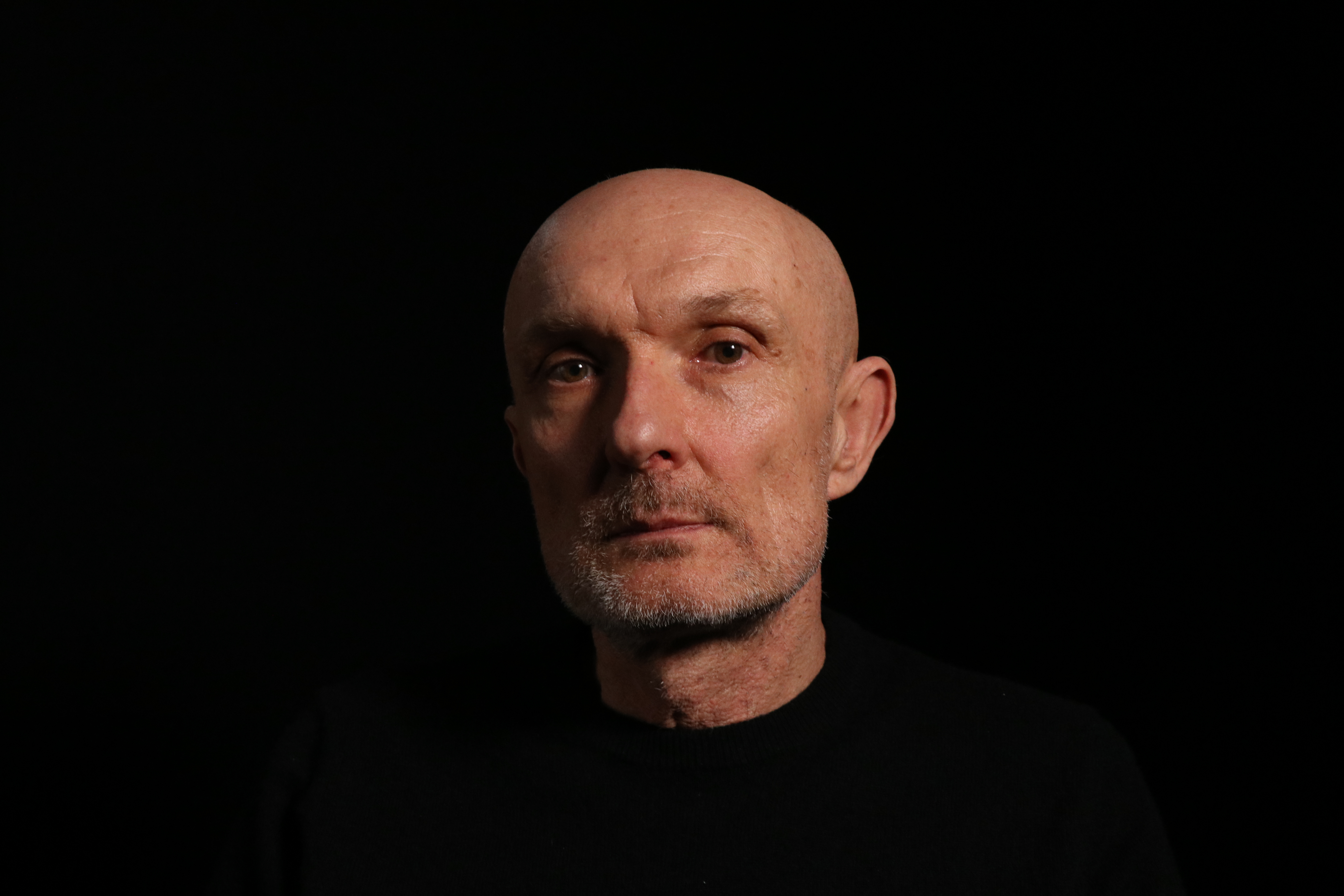
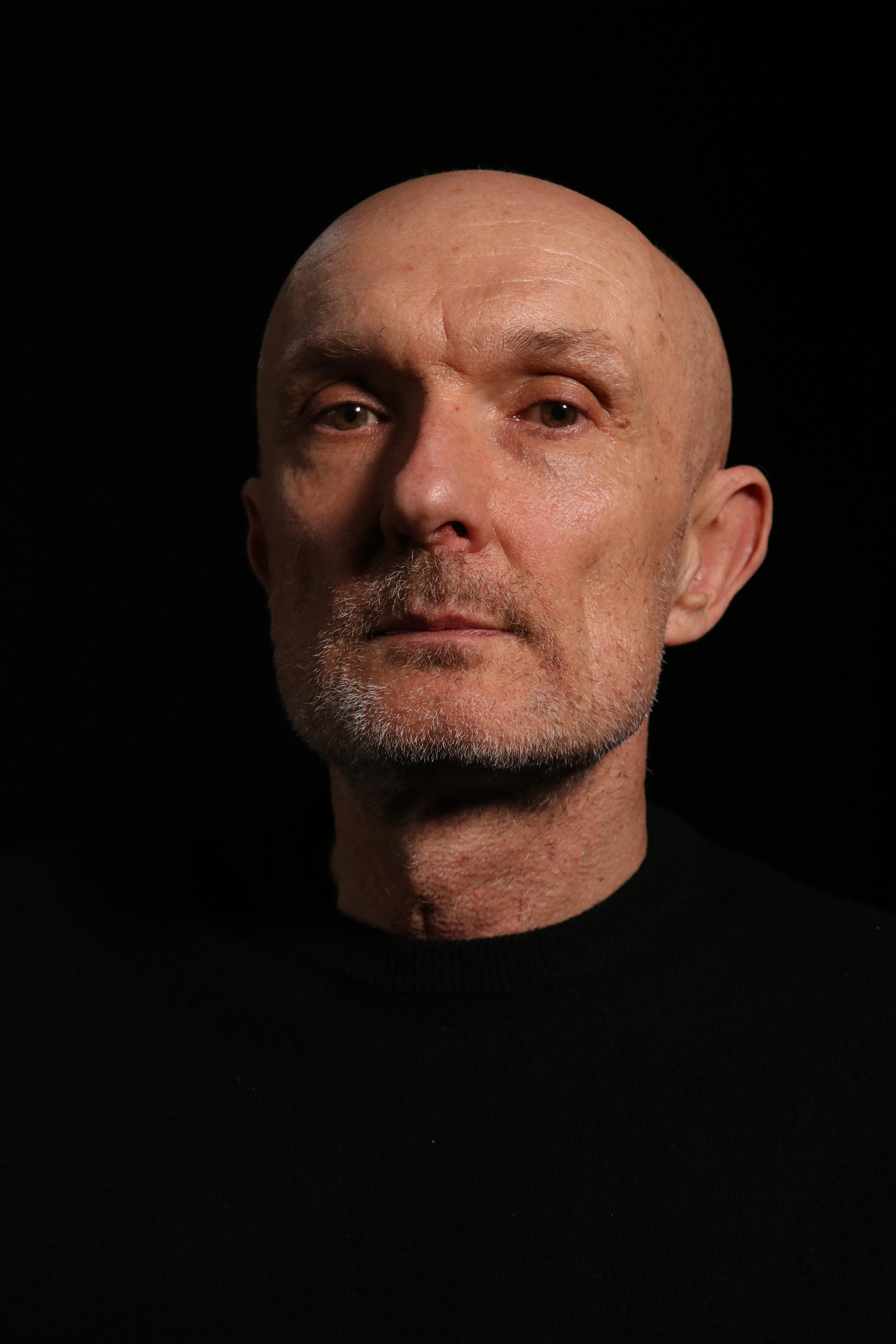
Luboš Plný

* 1961

  • "And the one who had driven me and the chief both stayed. And they started basically telling me that they had picked me out, that I could help them in some way. They were completely calm, they weren't exactly insistent. And I said, 'I can't do that. I'm not capable of doing that.' And then one of them, I don't know if it was the chief or the other one, went into the next room somewhere and came back with some file of papers. He was slapping his hand like this and saying, 'Well, we have some documents here and you'd be surprised what they are.' I didn't know what it was. 'And what would you think about the fact that you could also get two years in prison for evading military service?' And I really didn't stand it because the way they were operating or the psychological pressure that was on me, I was thinking, 'I'm not really able to function somewhere, for example, alone at night to sleep.' I certainly wouldn't be in a cell alone either. I had parents who were actually a generation older than the rest of my classmates, my parents had me quite late. And so I was like, 'I can't do that to my mum to go to prison somewhere,' and at the same time I wasn't even aware that I'd done anything wrong. And I didn't even avoid the military service. I didn't really want to avoid the military service. They basically argued that I wanted to avoid it and that they had a file on it here. And I thought, 'Who knows what they have,' and that they had a lot of other things on me. I wasn't aware of what they might have, but I thought, 'What if they made something up?' or I don't know. So I signed it, cooperation with them, and I didn't feel very good about it."

  • "Peter Cibulka. And I bought again, I don't know, six or some such quantity. And based on that, actually, we only knew ourselves who was buying it, and then we changed it. So I didn't talk about that anywhere. Only then I got a summons to the National Security Corps office from State Security in Brno. They came from Brno, and there they wanted to, they invited probably more people, I didn't find out, but I think that yeah, the people involved were buying from Petr Cibulka. They wanted information from me. How much I bought, how much I bought it for and what was on the tapes. But I didn't make anything up there, so I actually [told them], I didn't know, the information. I think that maybe they either checked Petr Cibulka's mail, or they got hold of some of his accounts, where he wrote down what he sent to whom. So that's how they contacted me."

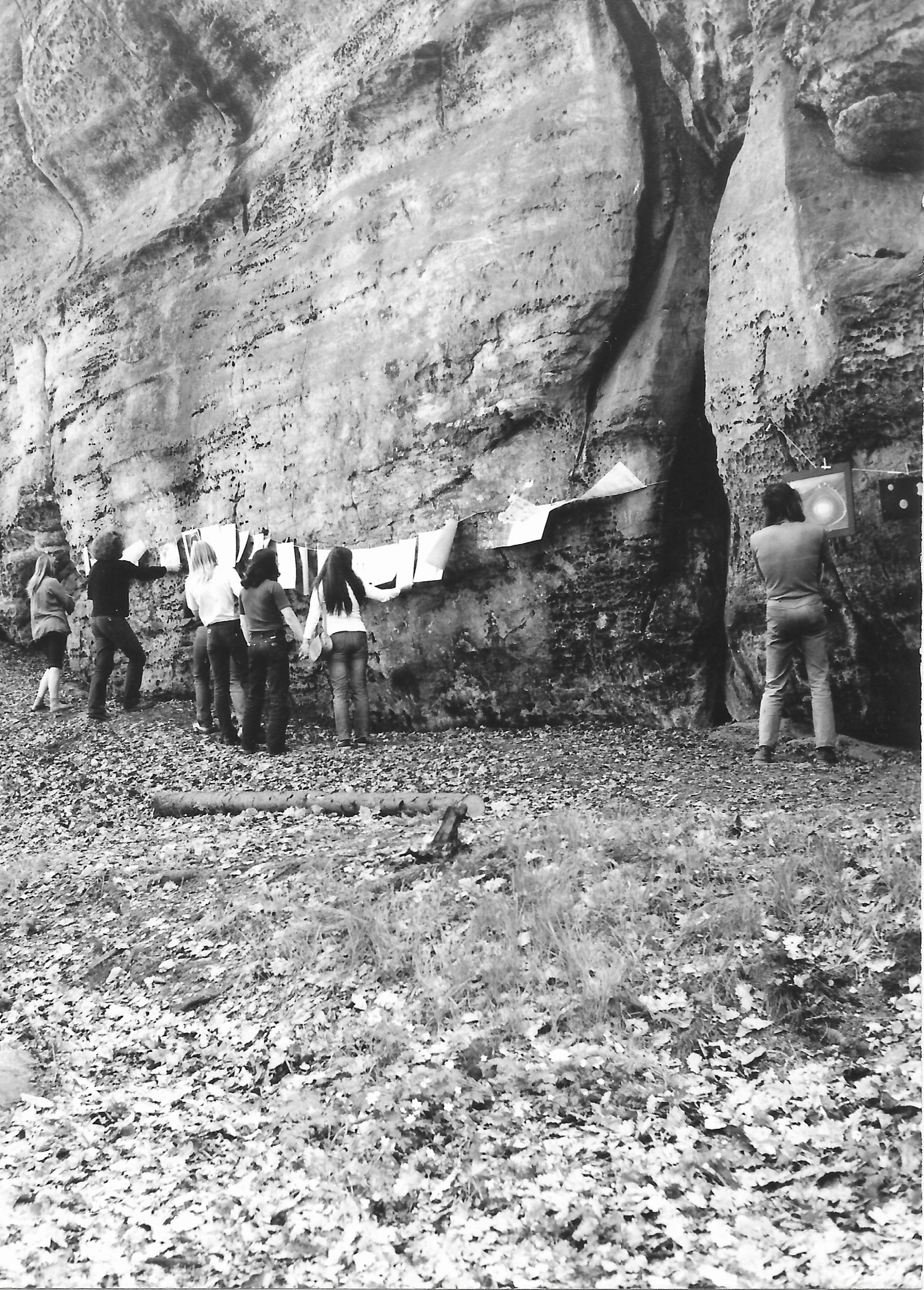
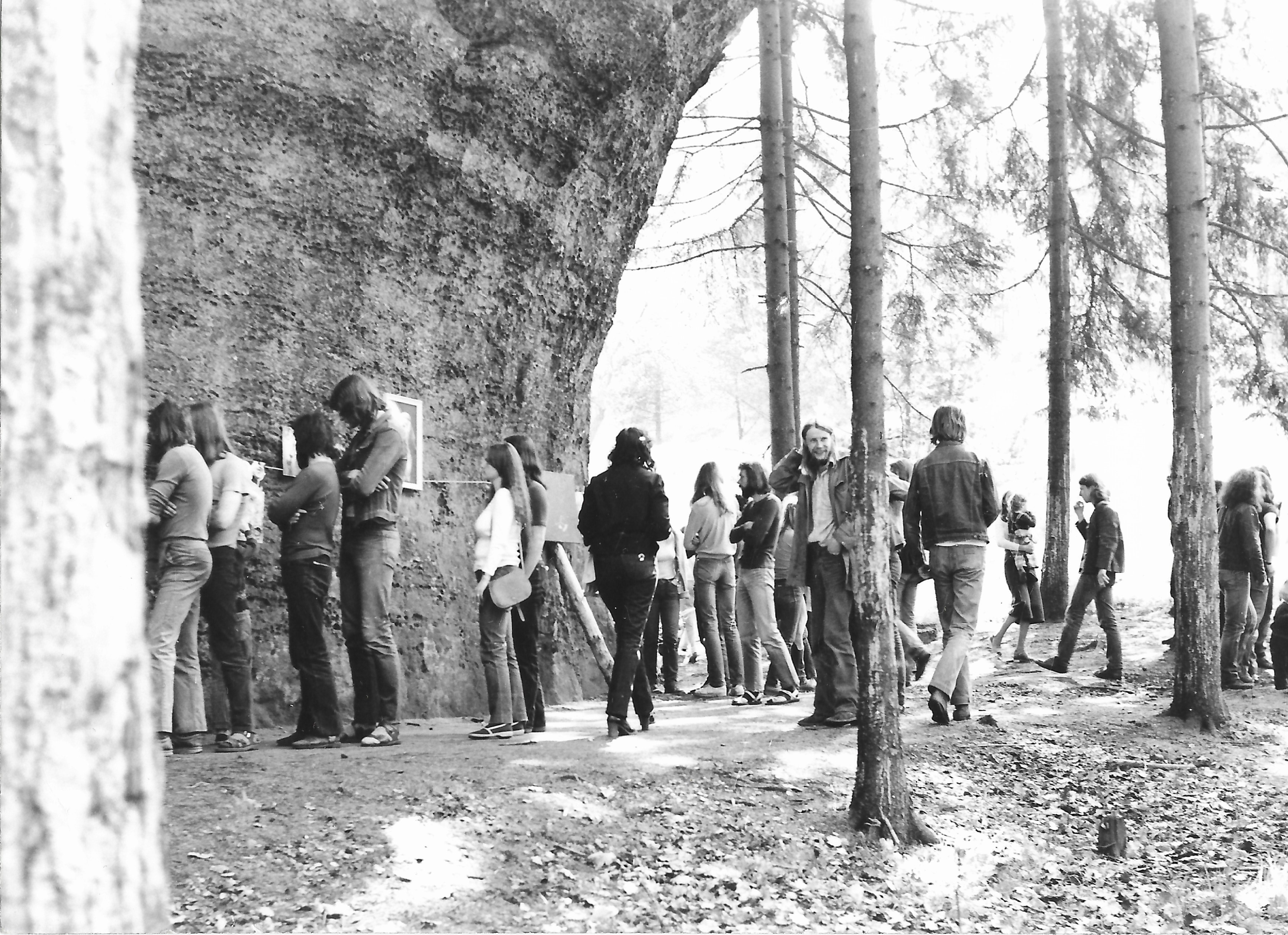
  • "We went to one reserve, it's called Peklo, near Česká Lípa, and we started putting up pictures, drawings, but basically we didn't disturb anything... there are rocks and quite nice trees there, not that we would be cutting nails into a tree or into rocks. Everything was hanging on strings or just leaning on something. So we didn't damage anything, and I didn't see anything wrong with it at all, people with a common interest coming together. Of course there were a lot of people there that I didn't know at that time. I didn't get to know them until maybe later or later I found out who they were. But most of the people were maybe people with alternative interests. So there were long-haired men or basically some punks and intellectuals, different people belonged to that group at that time, the group was very diverse. There wasn't any separation. So there were different people there, but suddenly, when it was hanging, car started arriving to a place where a normal car couldn't go. Suddenly, police or National Security Corps cars started to appear there, several of them, I don't remember, and people started to run away from there. I guess they already knew. I probably didn't even know what to do or what was wrong. So they put me and a few other people, maybe ten more like that or I don't know, a few of us in the car, took what was hanging there and took us to the National Security Corps office. There they took us one by one into some interrogation room. And they asked us what we were exhibiting there, if I could name it, what was in the paintings, if I knew anyone else who was exhibiting there. And that was about it. They didn't beat us up or anything. Such, it seemed like trivial questions to me. No, they would not say about anything that it was anti-state, they just wanted to know some information about it. And then, I don't know after what time, after a week, after a month, I don't know, they returned the paintings to Zdeněk Jelínek. We all got them back, so I thought, 'I guess it was nothing serious.'"

  • Celé nahrávky
  • 1

    Praha, 26.03.2025

    (audio)
    délka: 02:49:00
    nahrávka pořízena v rámci projektu Stories of the 20th Century TV
Celé nahrávky jsou k dispozici pouze pro přihlášené uživatele.

The pressure was much worse than if they had beaten me up
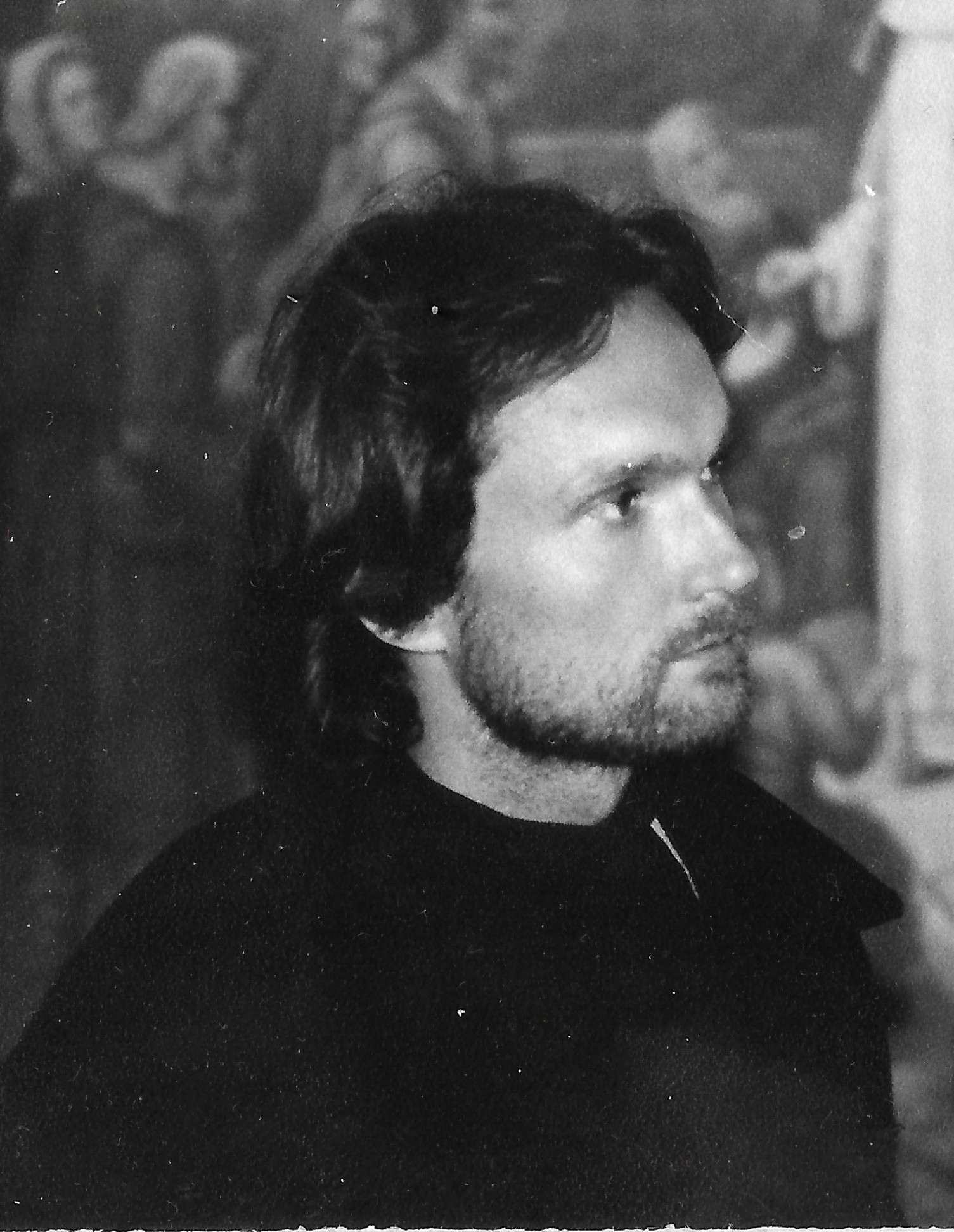
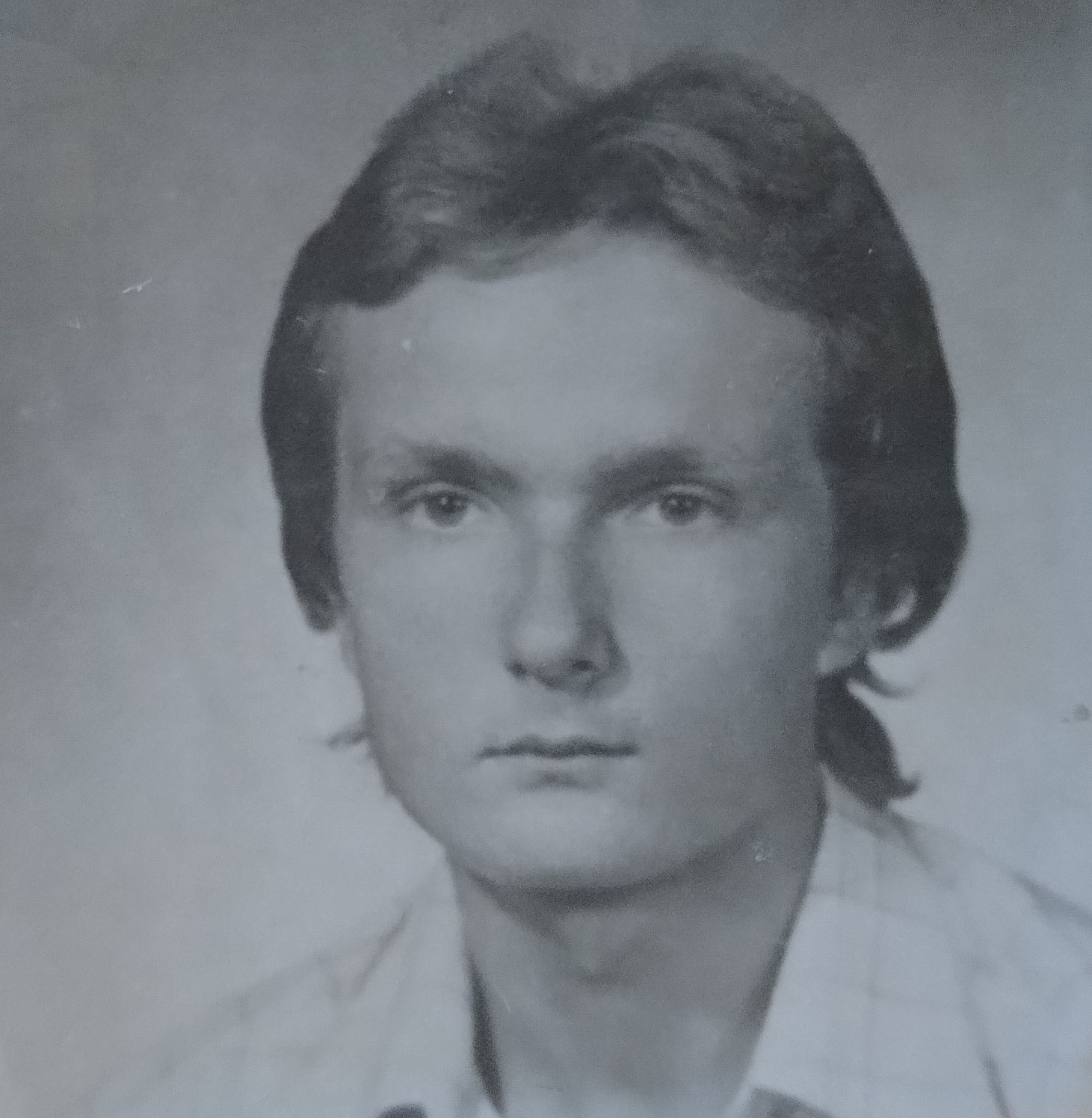
Luboš Plný, 1991
Luboš Plný, 1991
zdroj: Witness´s archive

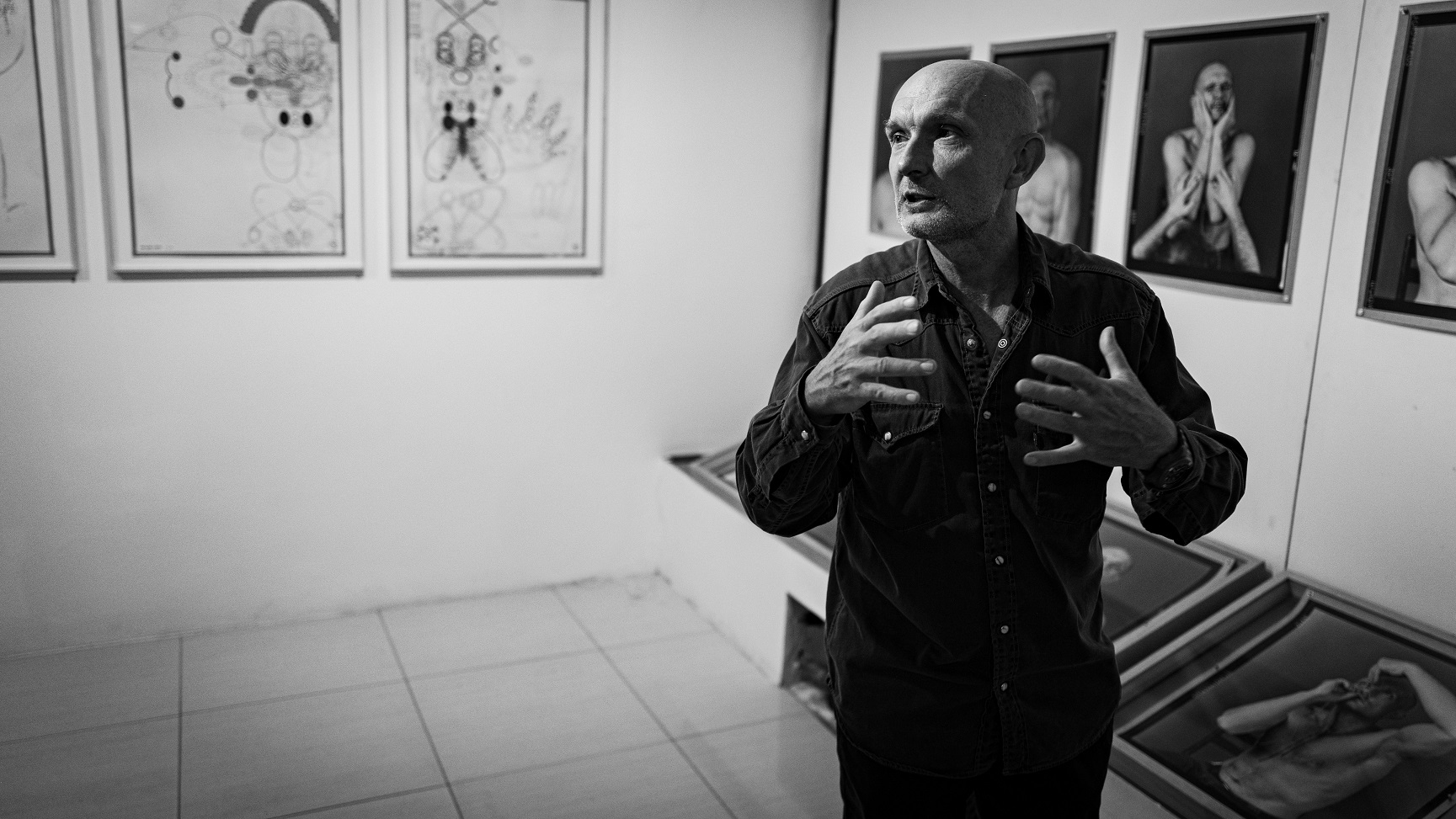
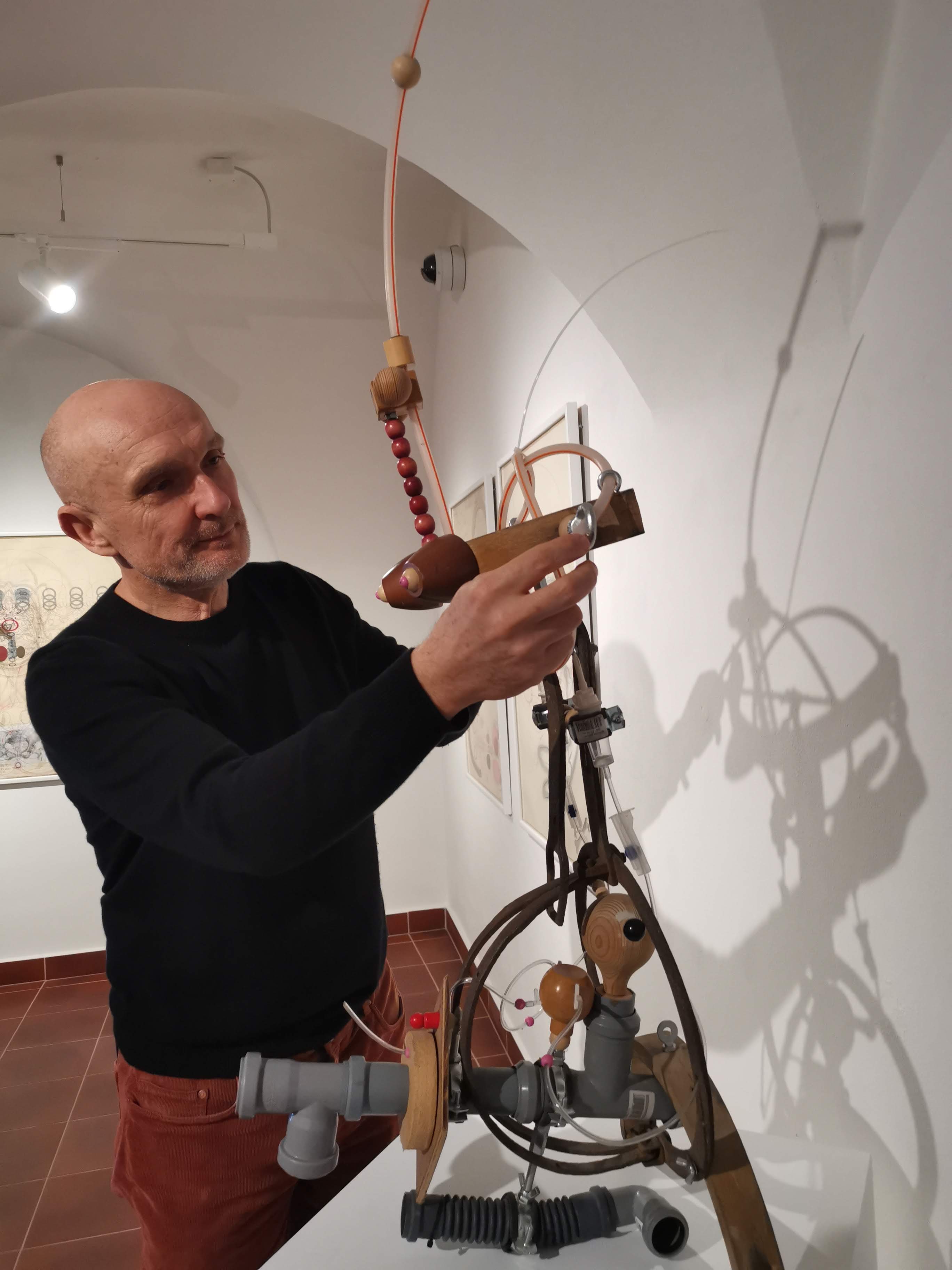
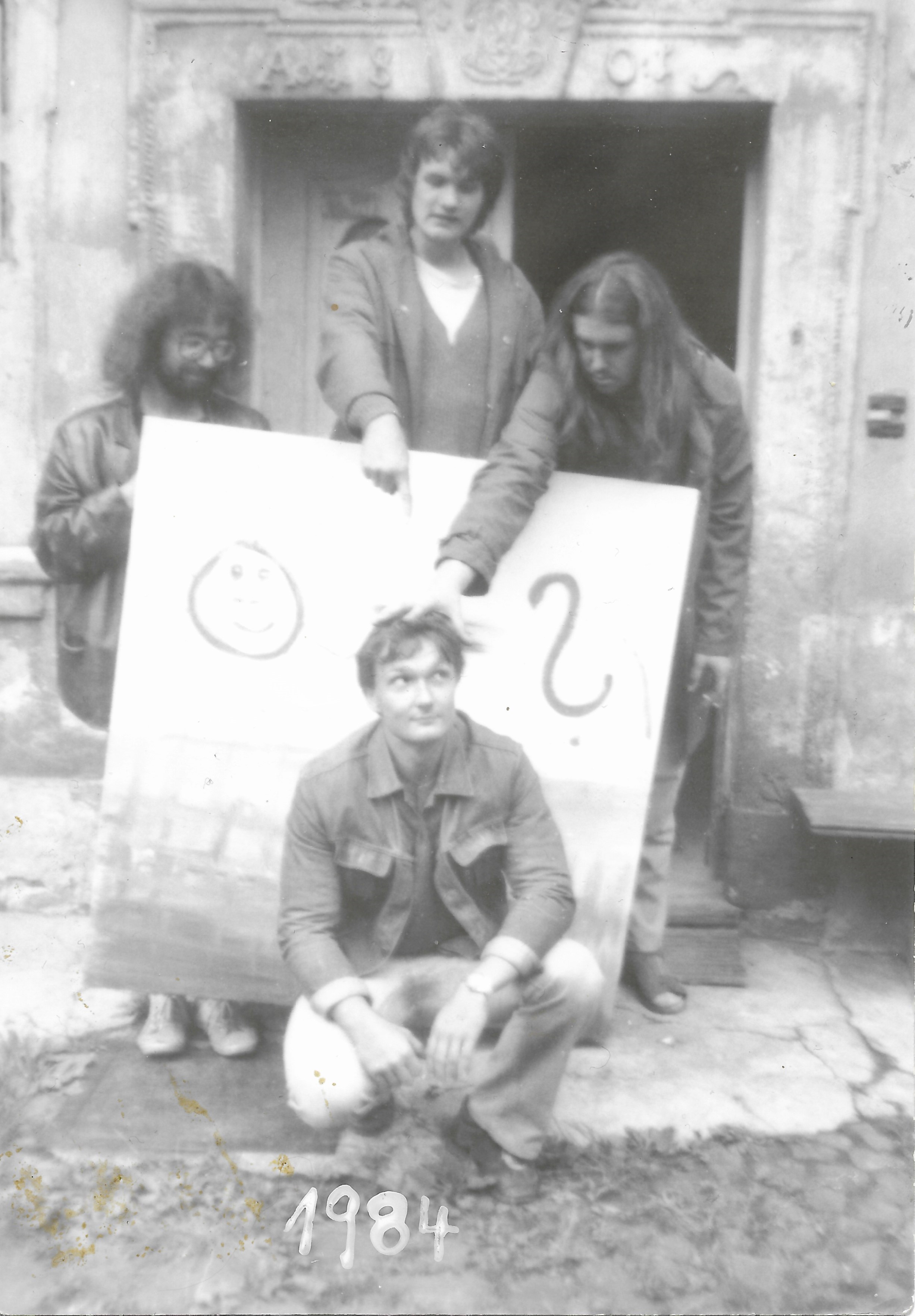
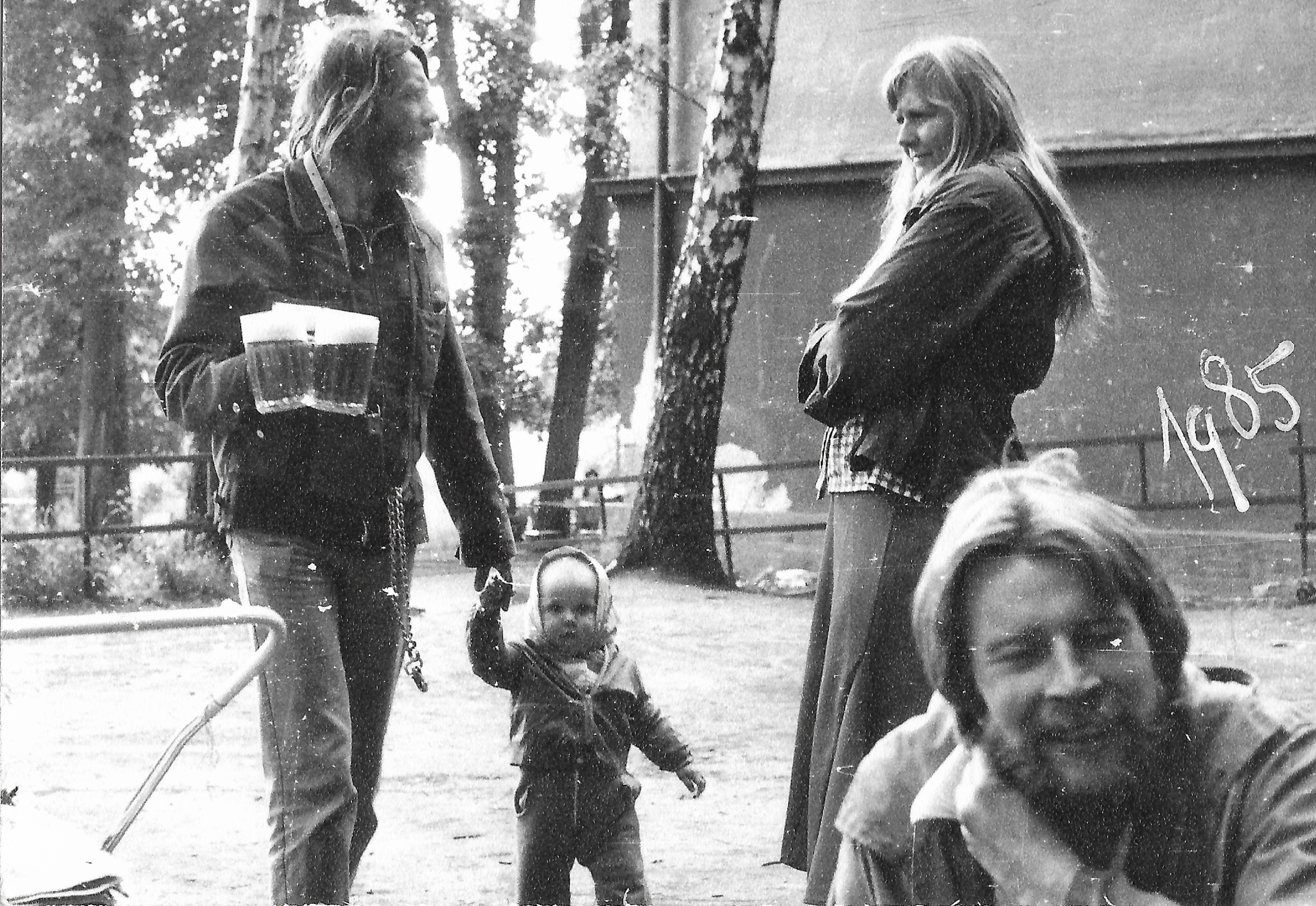
Luboš Plný was born on 4 November 1961 in Česká Lípa into a family of railway workers. His father František and mother Olga, née Procházková, both worked for the railway. From childhood he showed artistic talent, but he was not accepted to art school in 1977 and became a railway electromechanic at the ČSD apprenticeship in Nymburk. Both classes and his stay at the boarding school were conducted under a strict regime, which deepened his sense of unfreedom. In 1980, he started working in Česká Lípa and at the same time he was preparing for graduation in a two-year course. The turning point in his life came during his compulsory military service in 1982, when he was hospitalised in a psychiatric ward with a diagnosis of schizophrenia. While in a psychiatric hospital, he returned to drawing, which became a form of self-therapy and a way of self-discovery. In the mid-1980s, he became involved in the circle of unofficial culture and the underground of Česká Lípa around Zdeněk Jelínek, a signatory of Charter 77. In 1987, during a period of mental and physical weakening, he signed a cooperation statement with State Security Service (StB) under pressure, which caused him long-term remorse and deterioration of his health. In 1988 he moved to Prague and developed original artistic work. His works are strongly autobiographical, combining drawing, text, collage and found objects with physical motifs, memory and the everyday. After 1989, he worked as a model at the Academy of Fine Arts (AVU), and after six years he applied for the non-existent title of „academic model“, which the rector granted him in 2000. The diary entries he kept for years and his anatomical drawings play a significant role in his work. His work is represented in prestigious collections, including the Centre Pompidou in Paris, and he has participated in many exhibitions, particularly in France.