She had to hide her French passport in her topknot at the border
Stáhnout obrázek
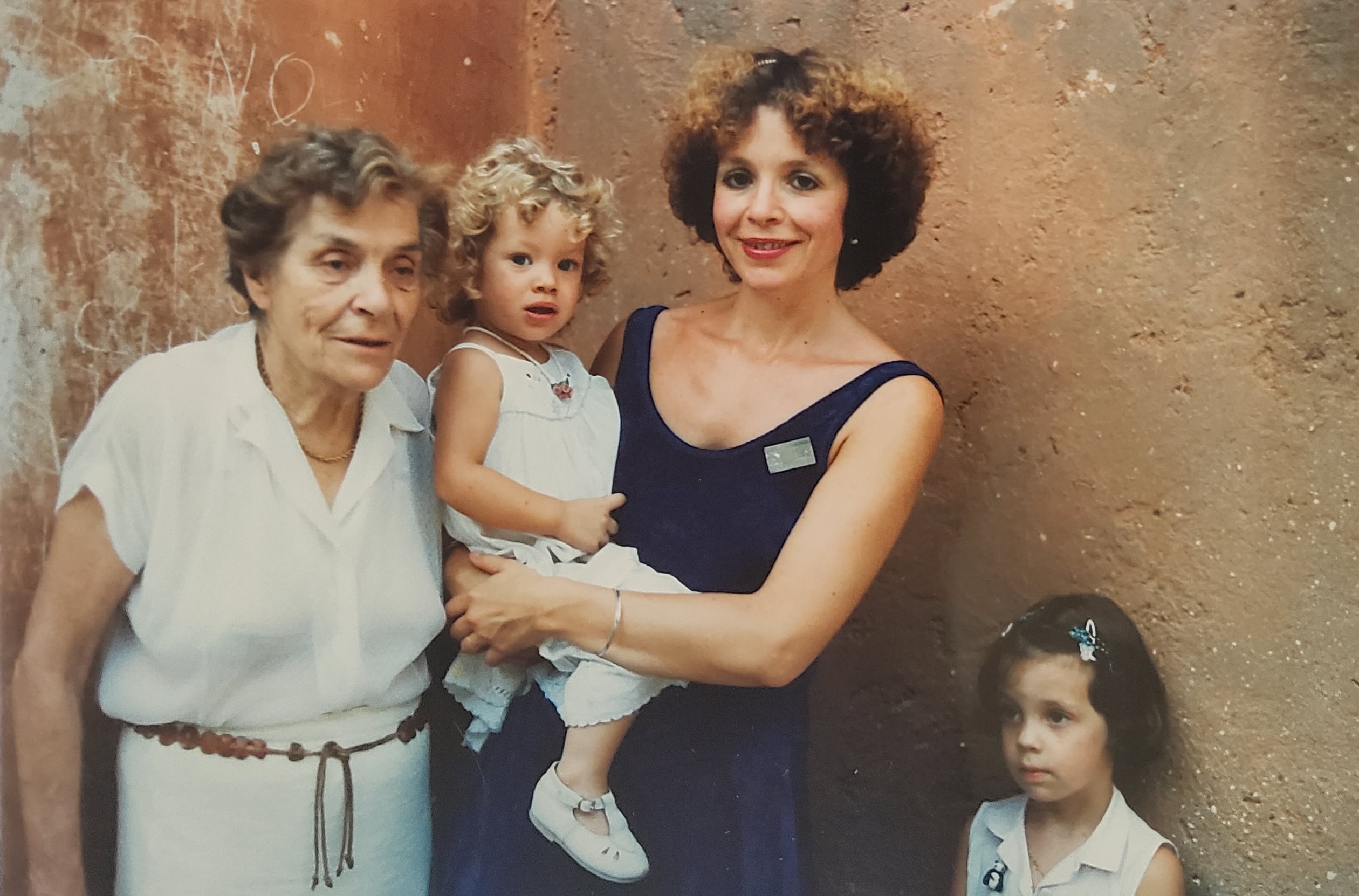
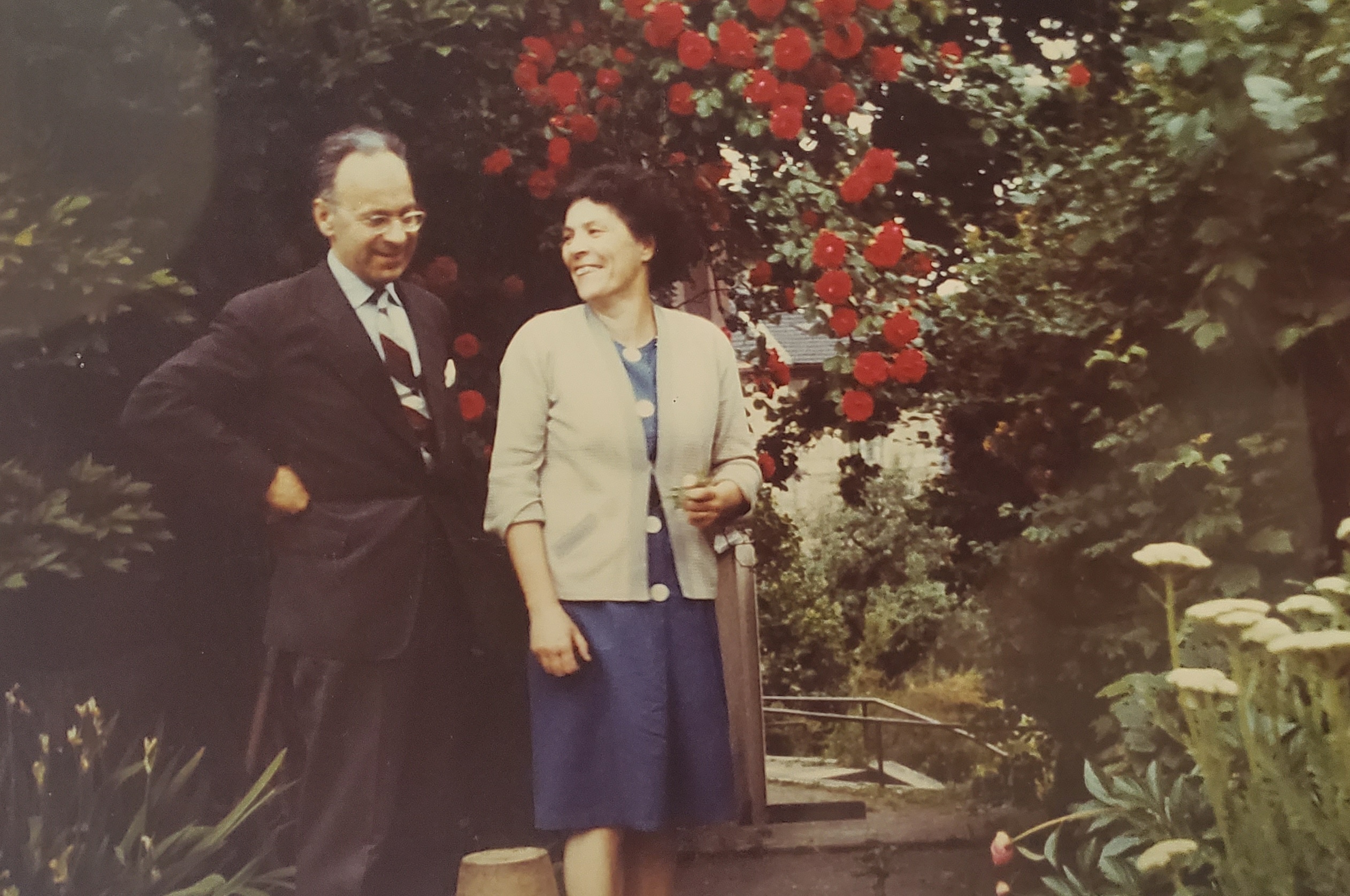
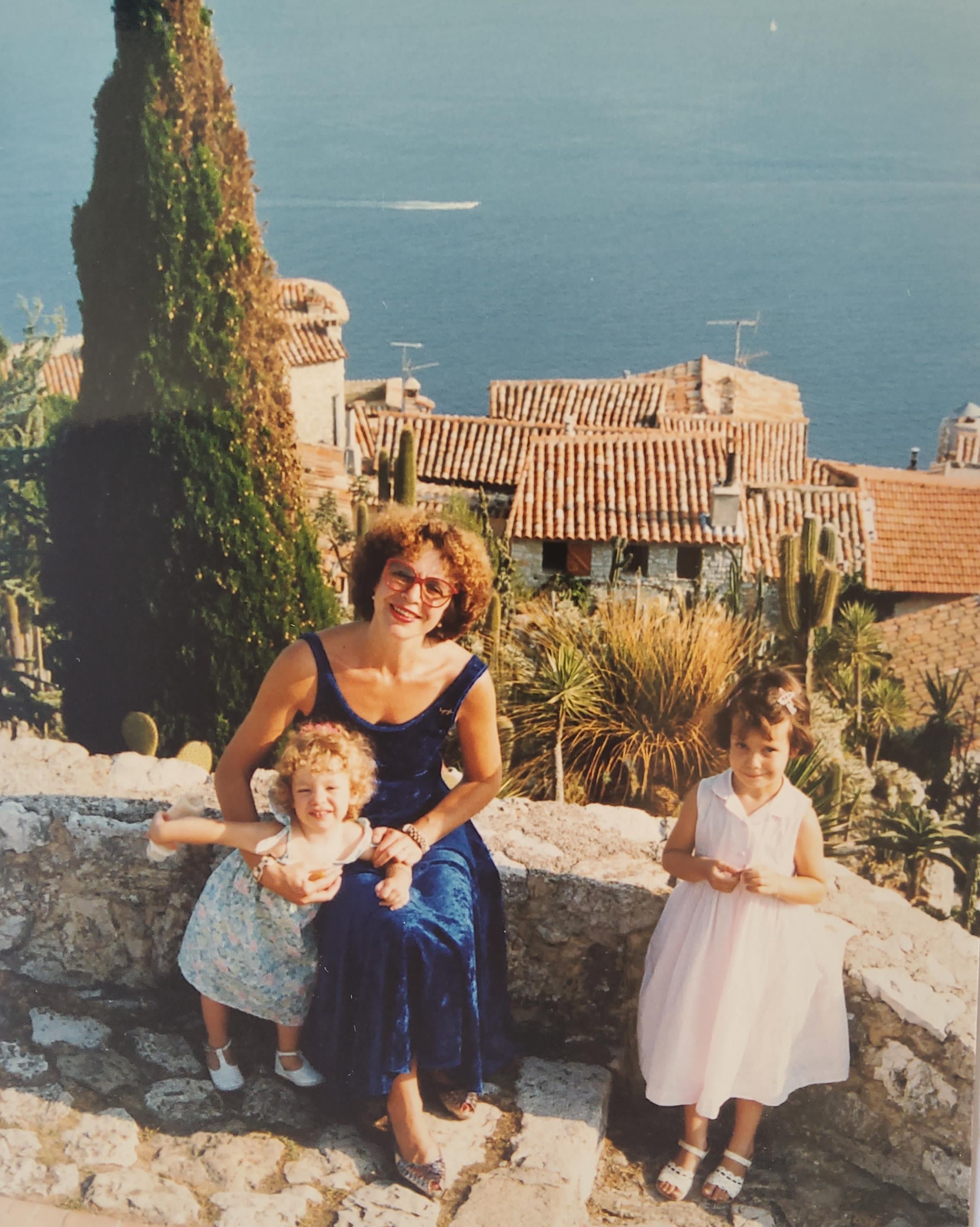
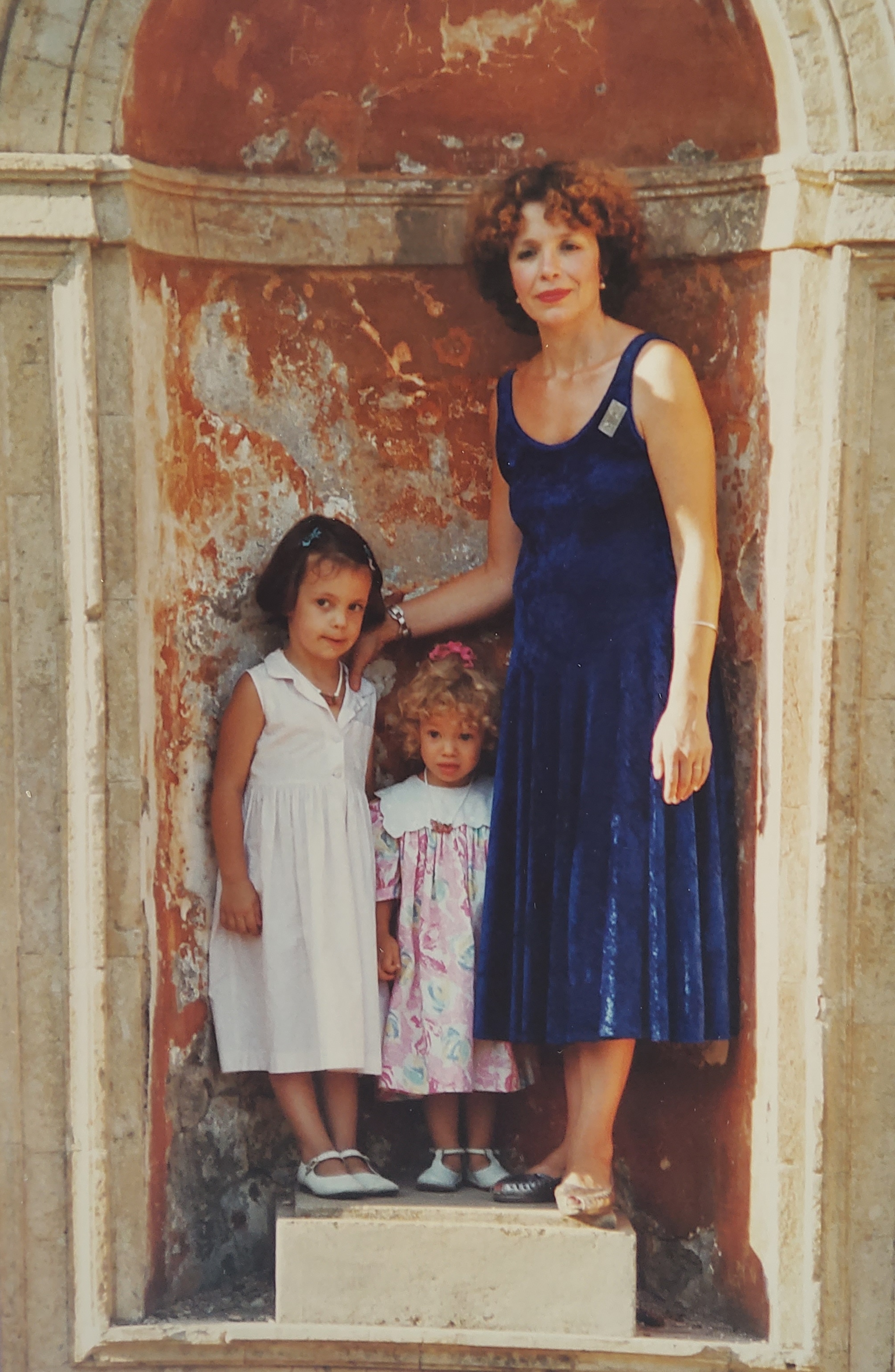
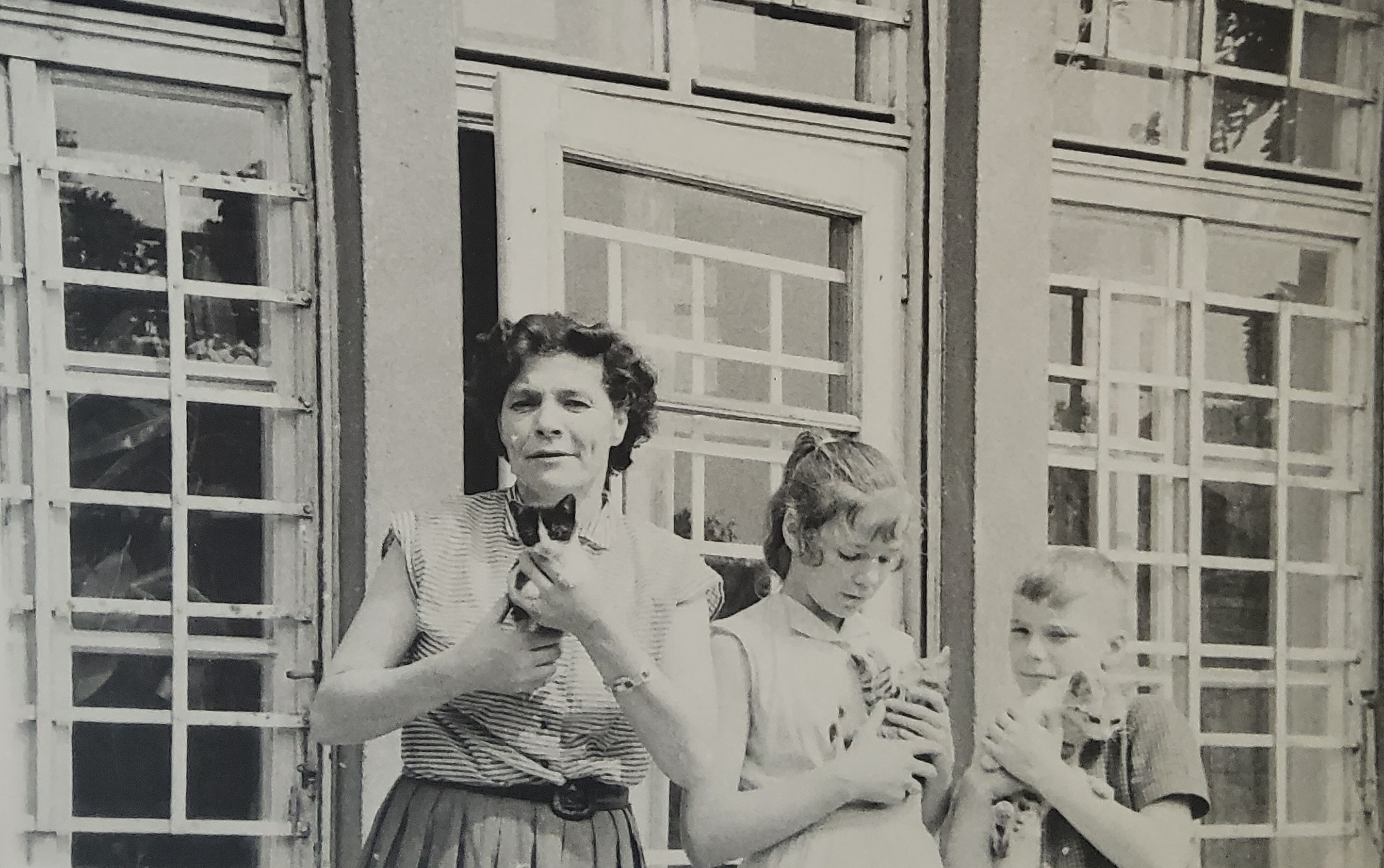
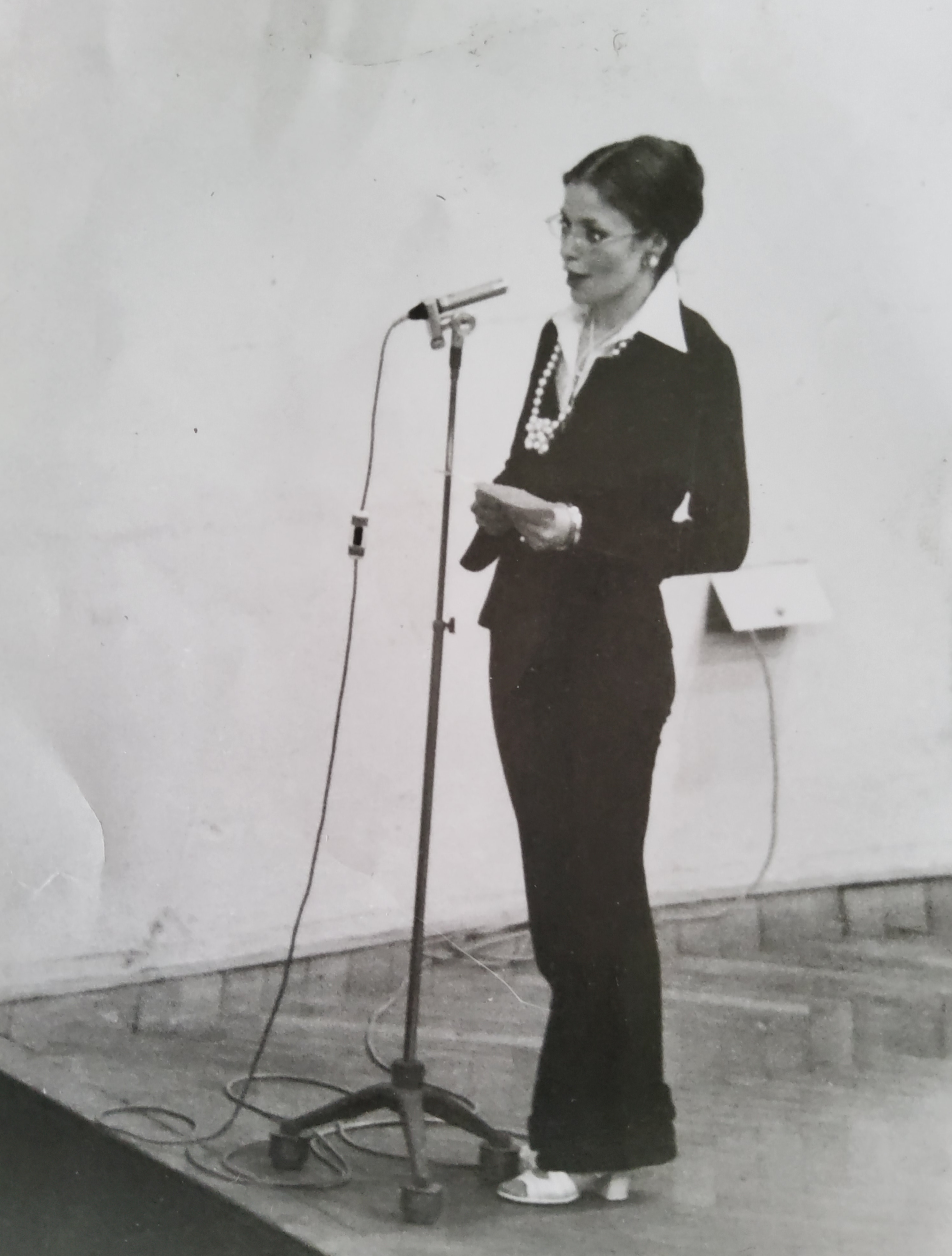
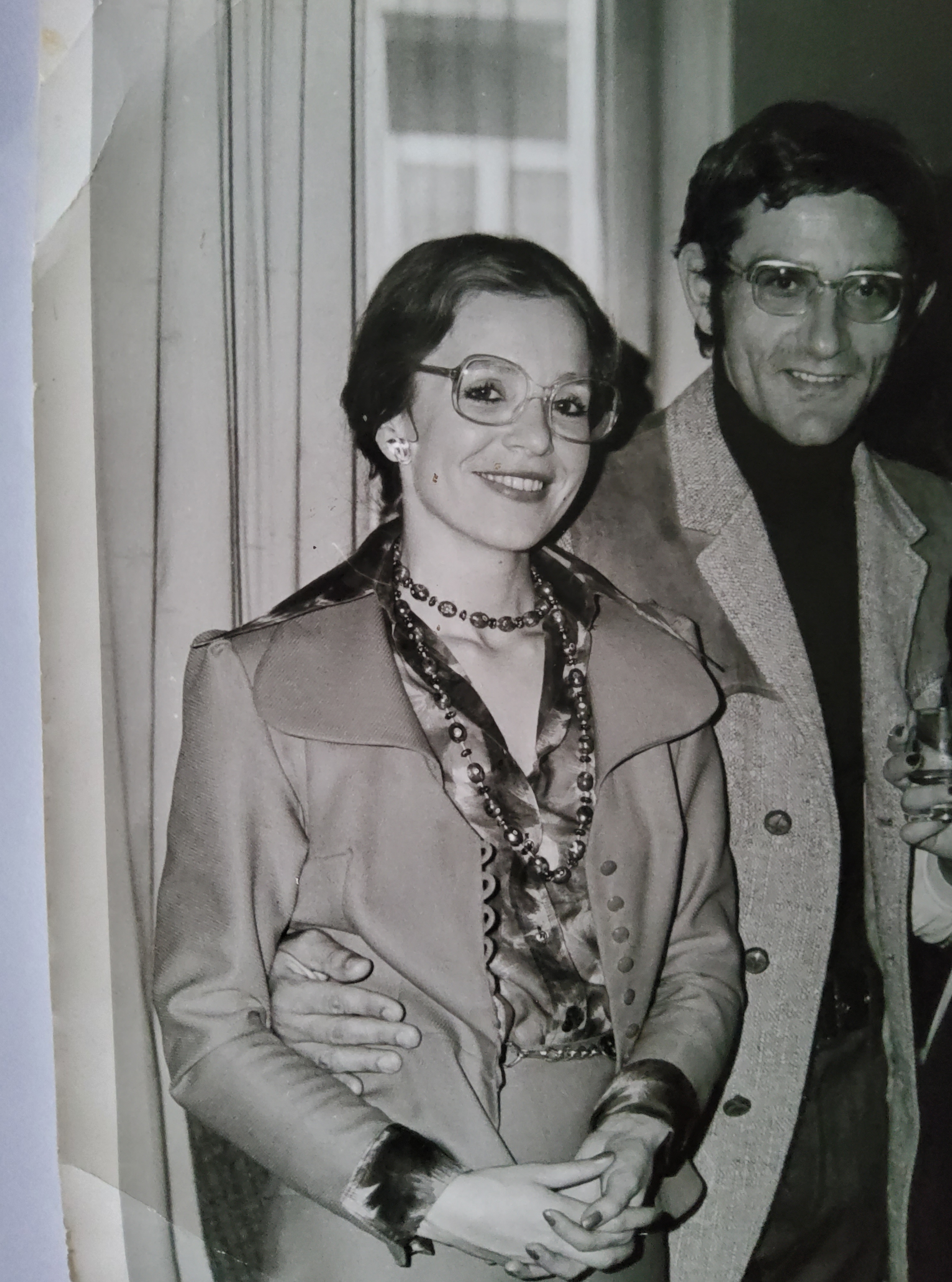
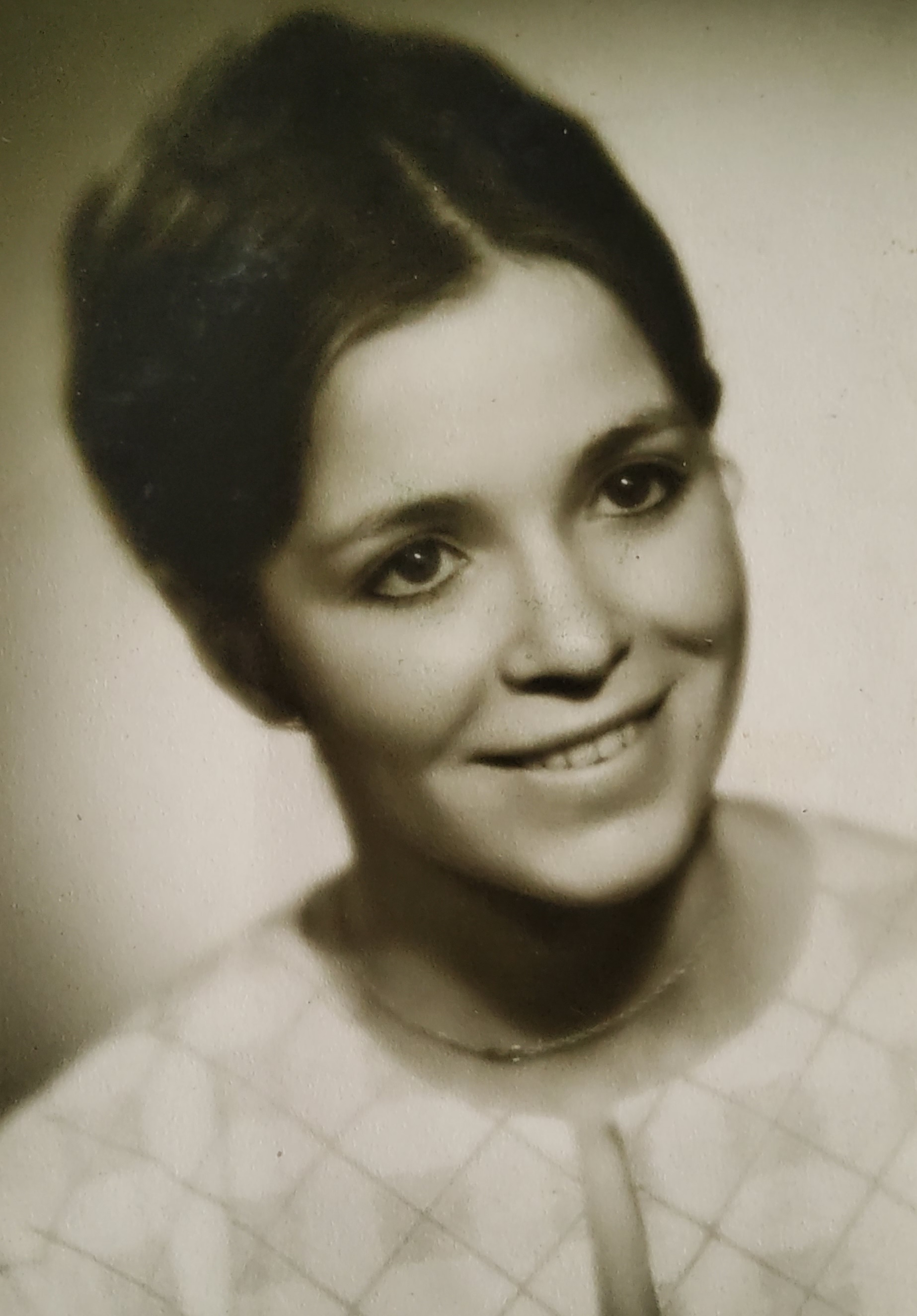
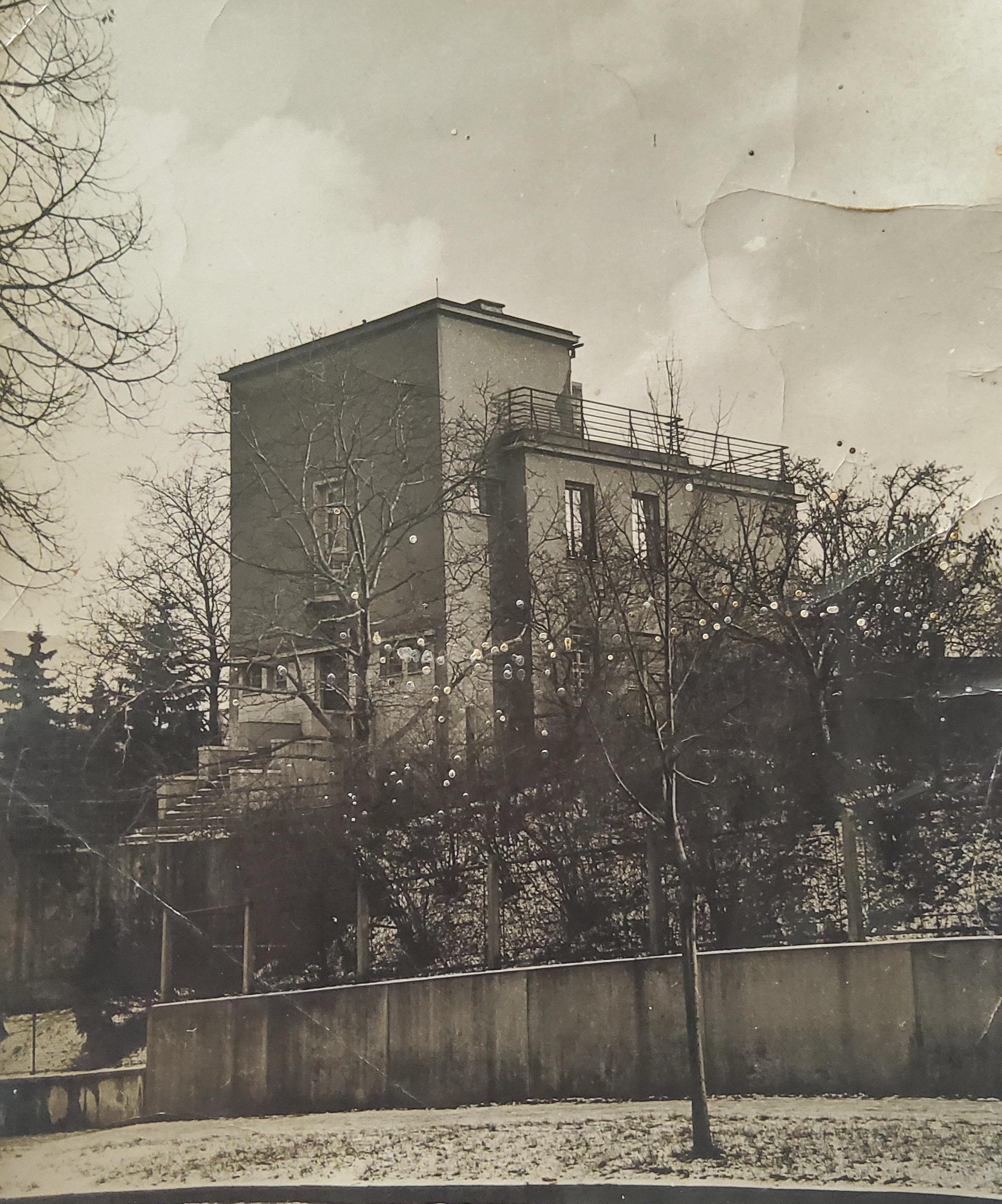
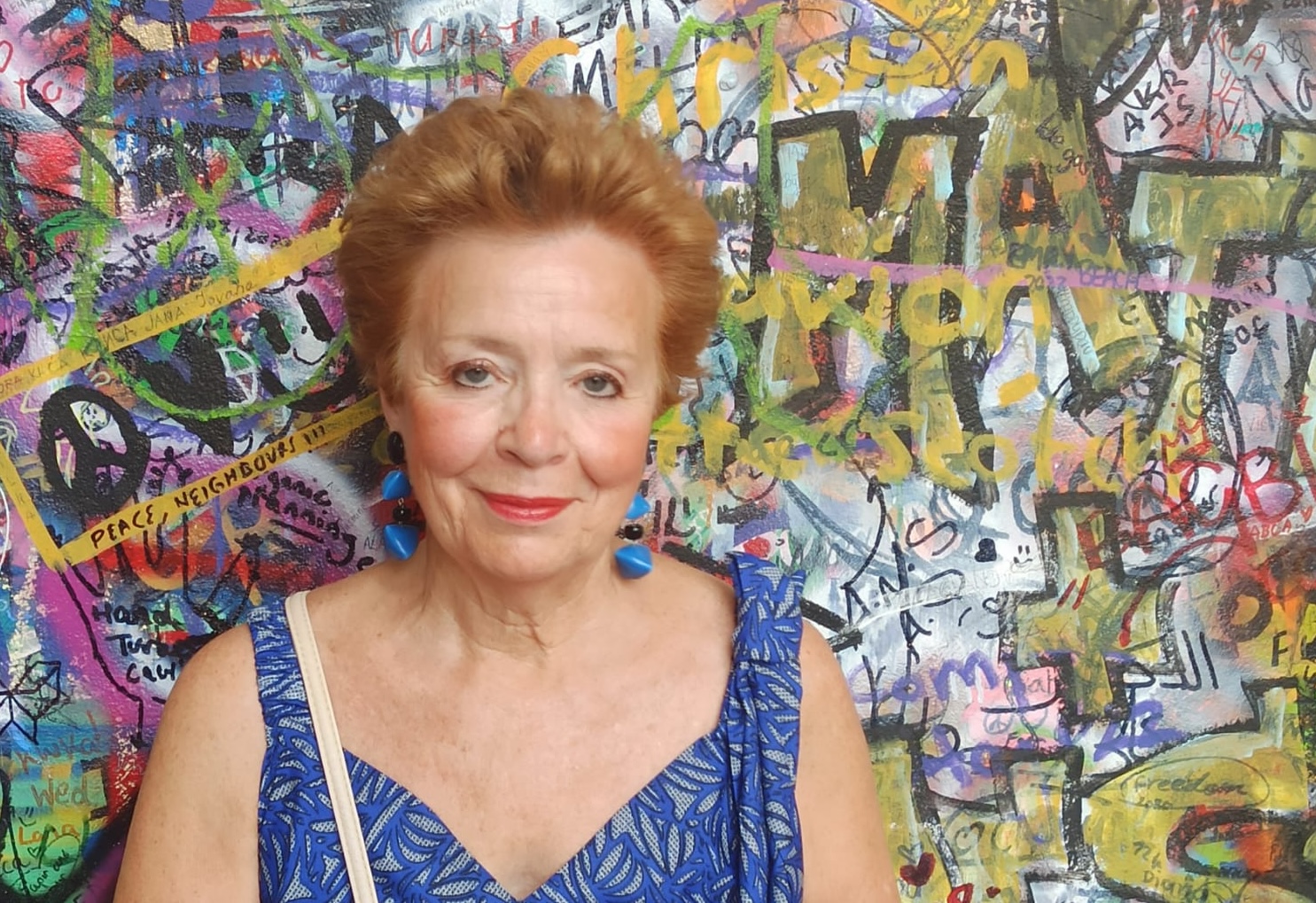
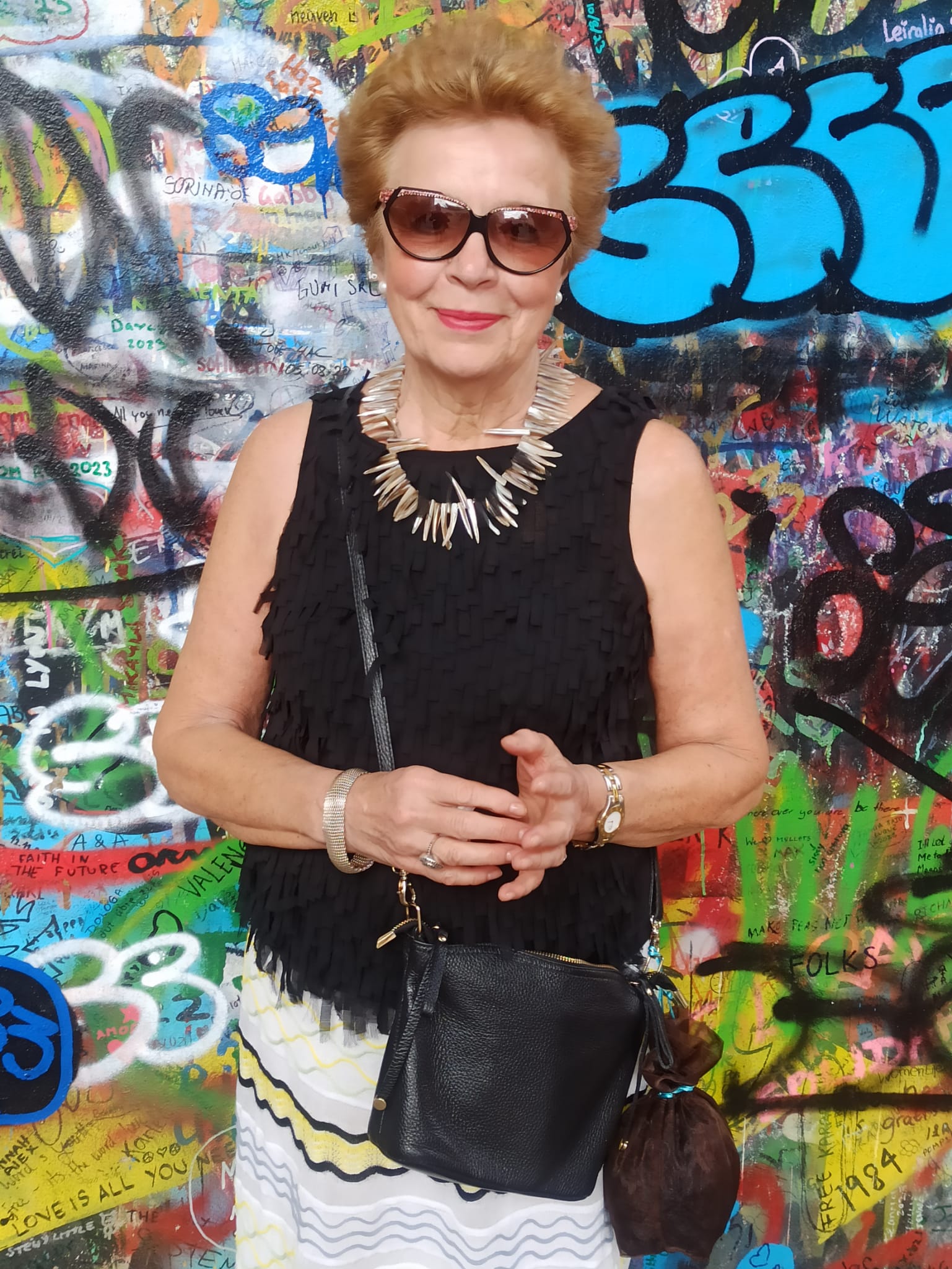
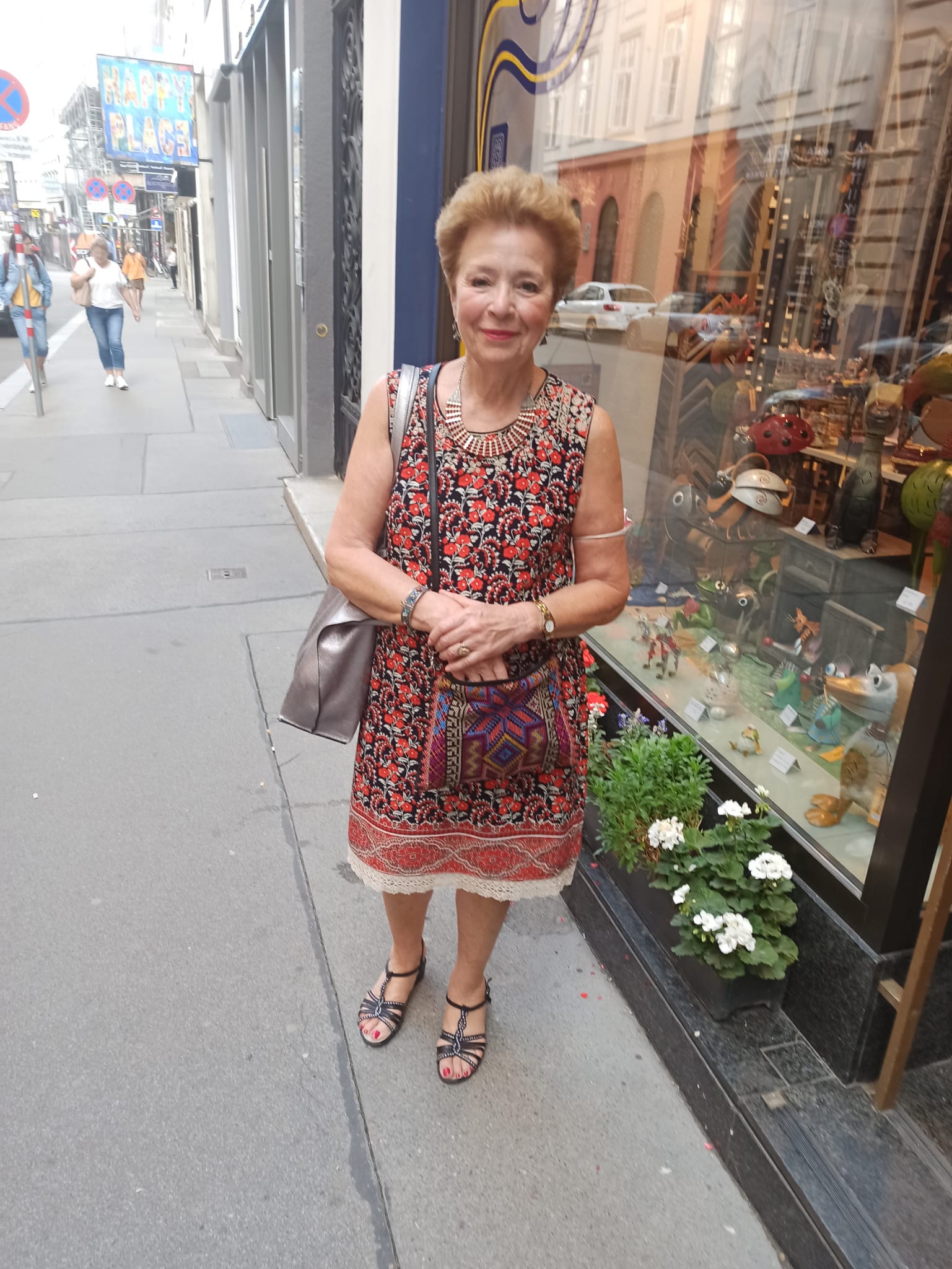
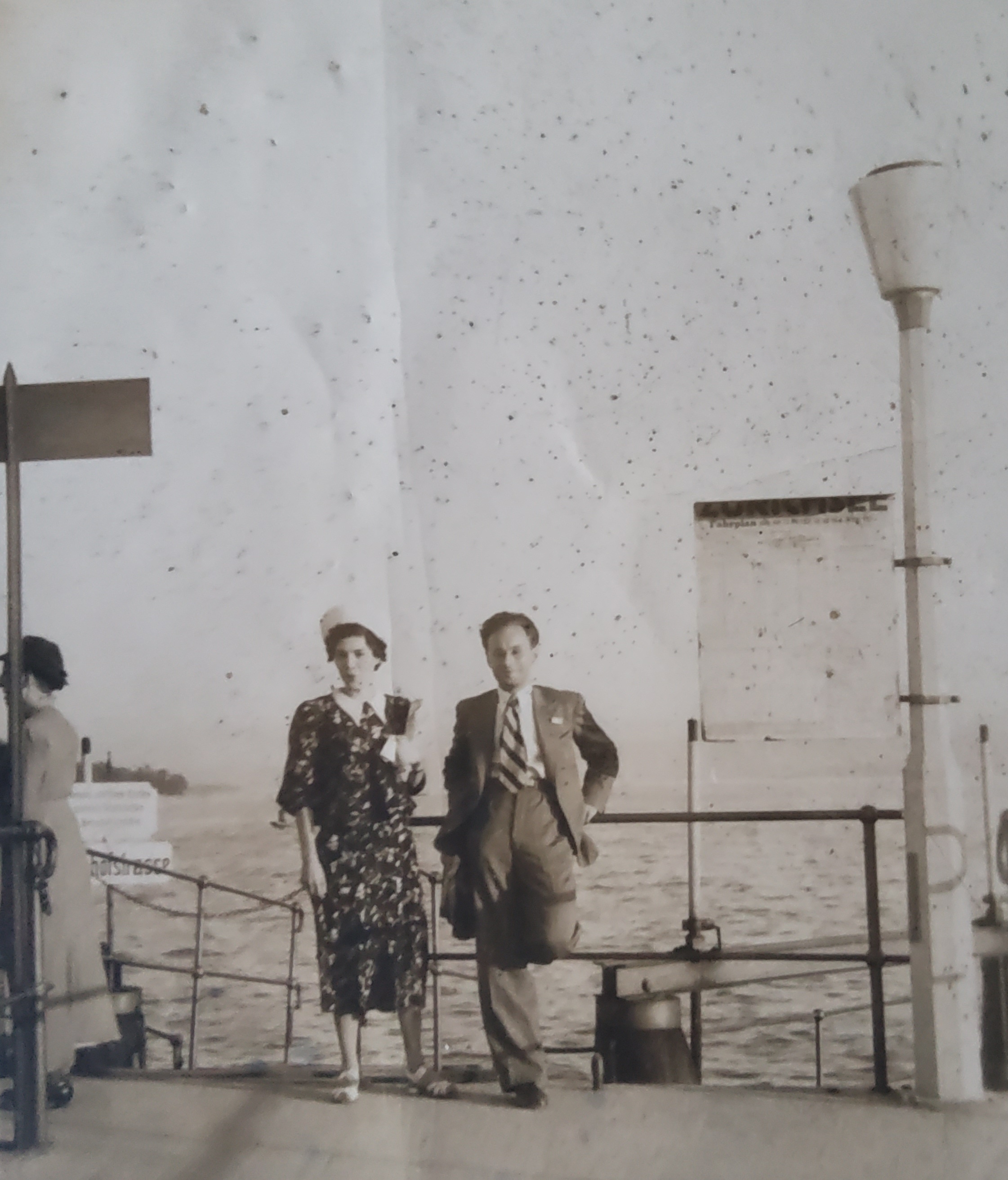
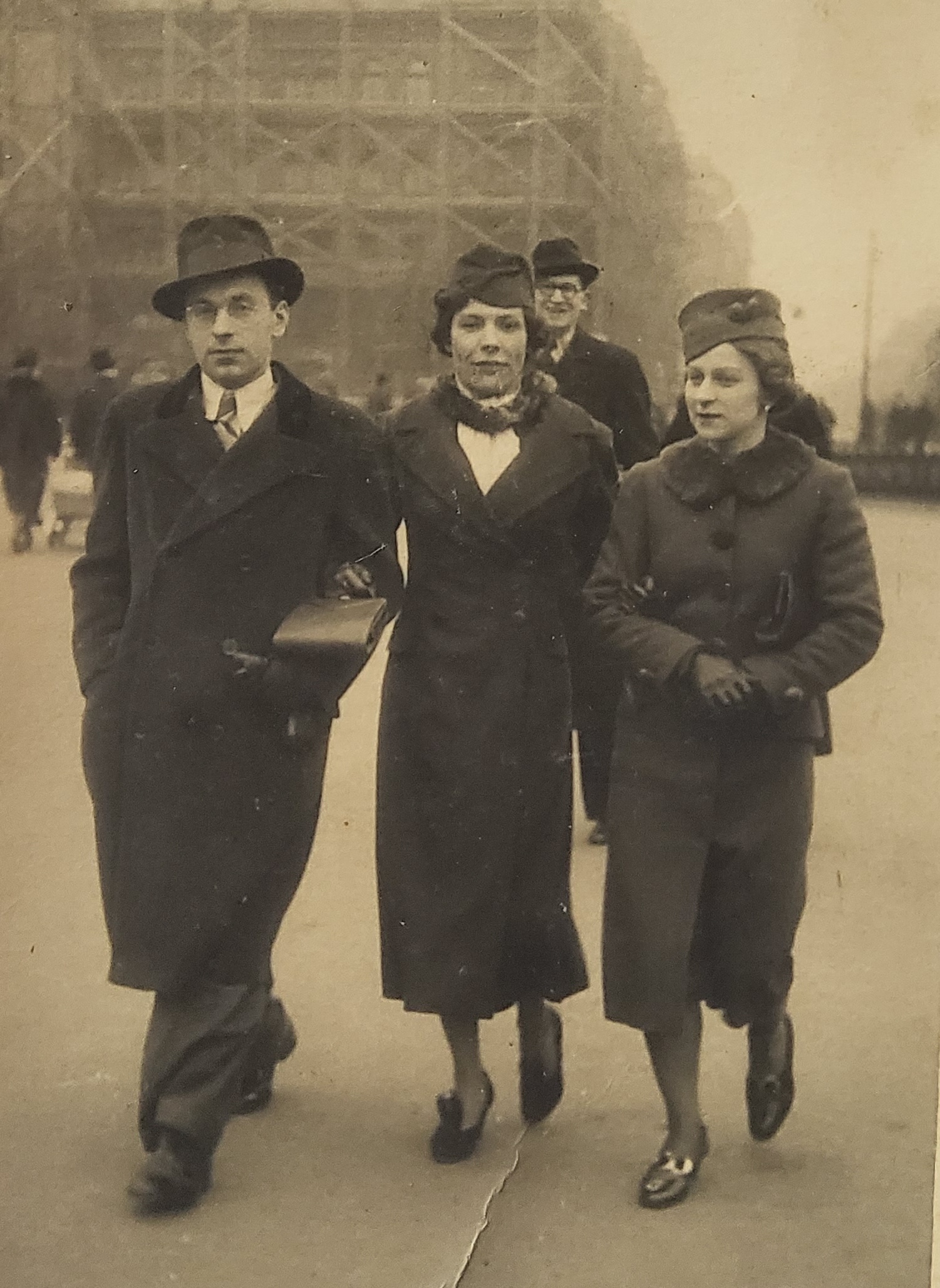
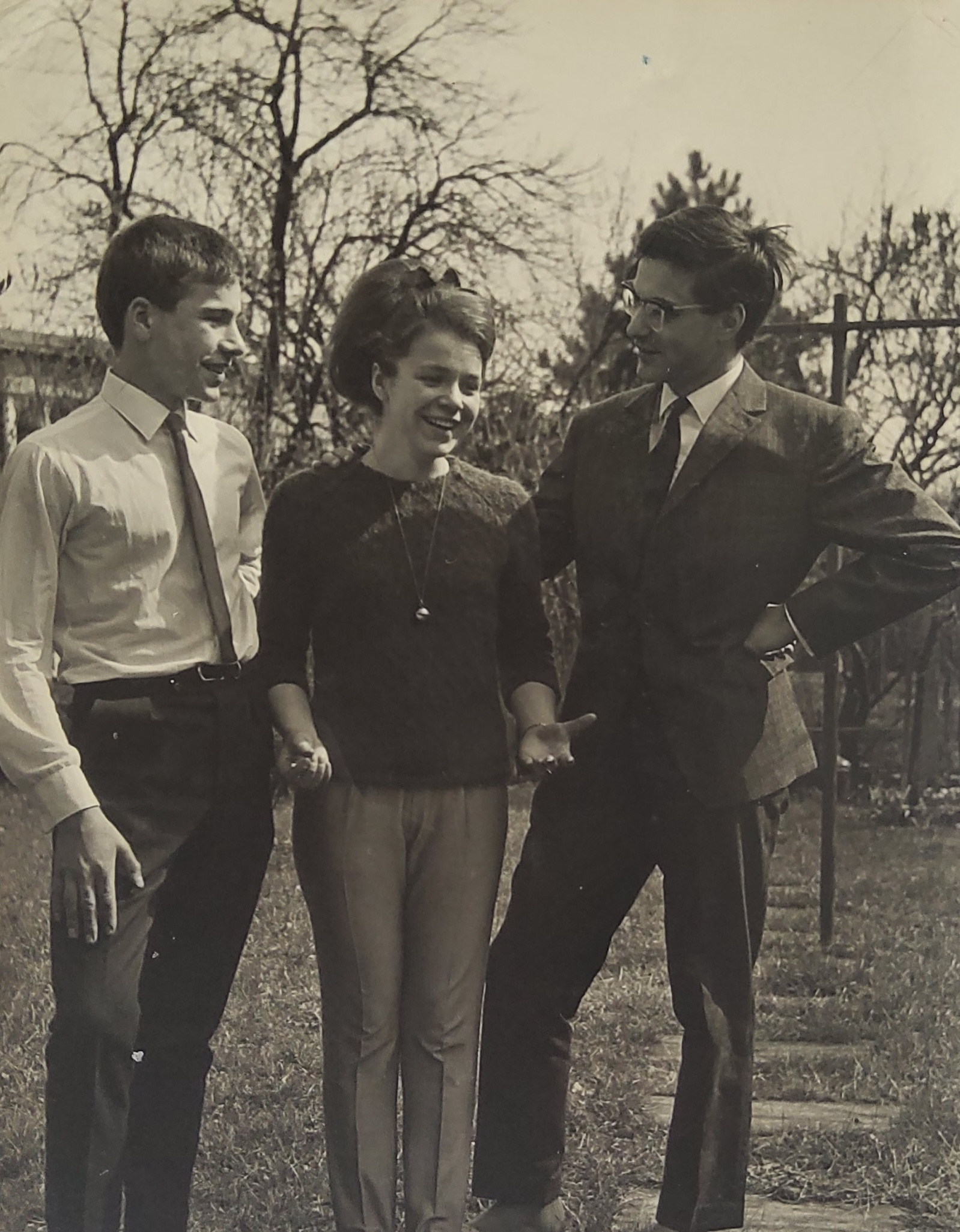
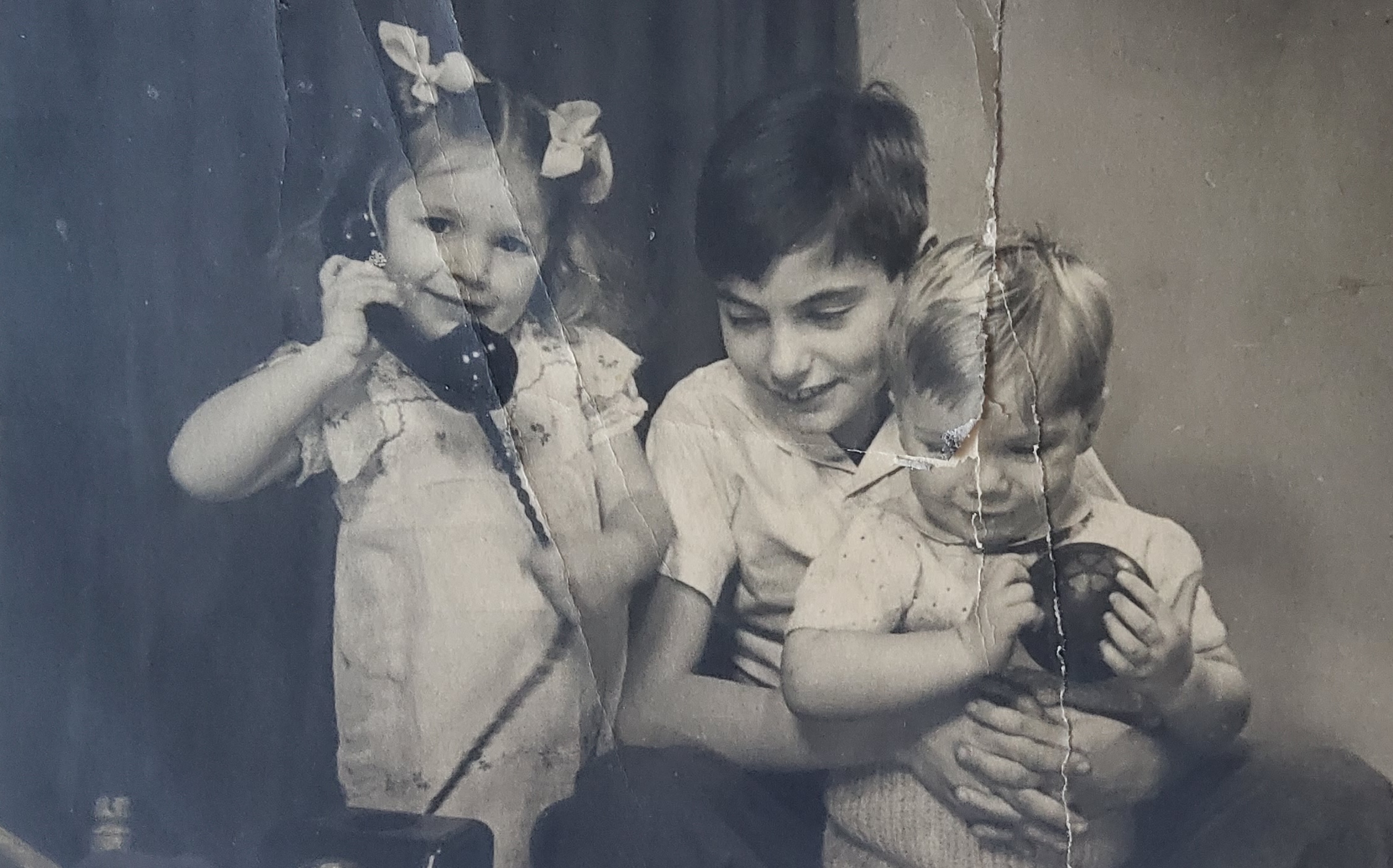
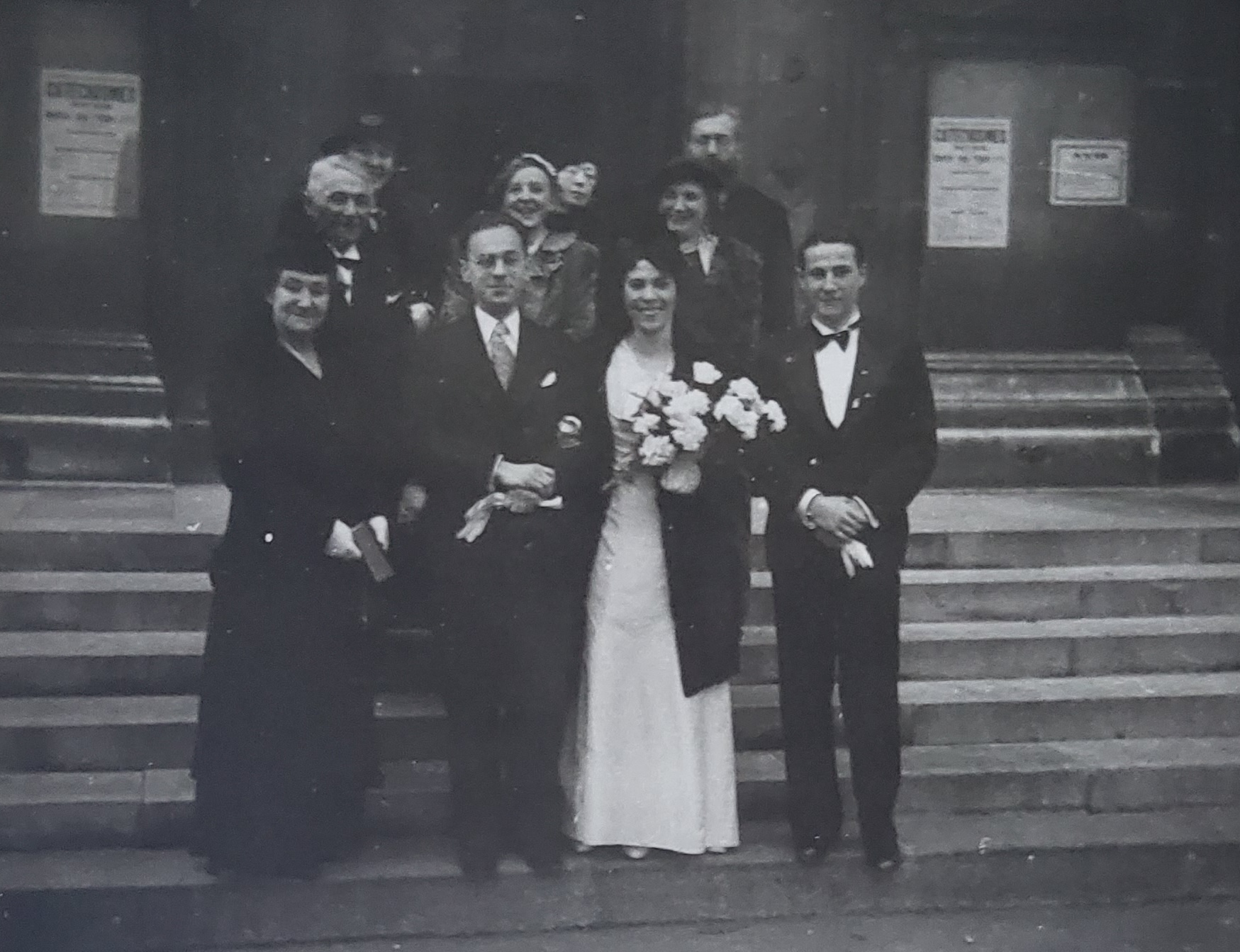
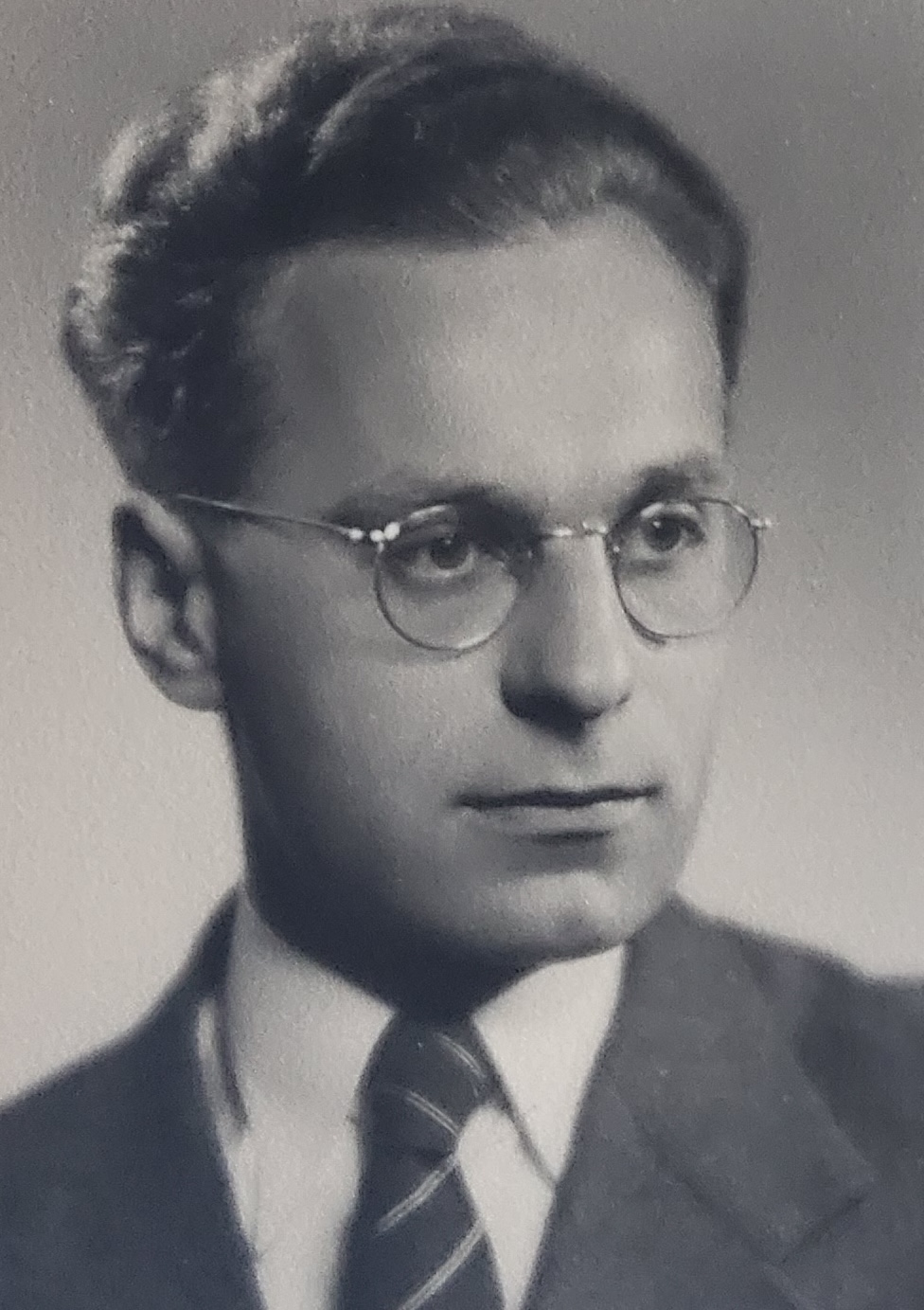
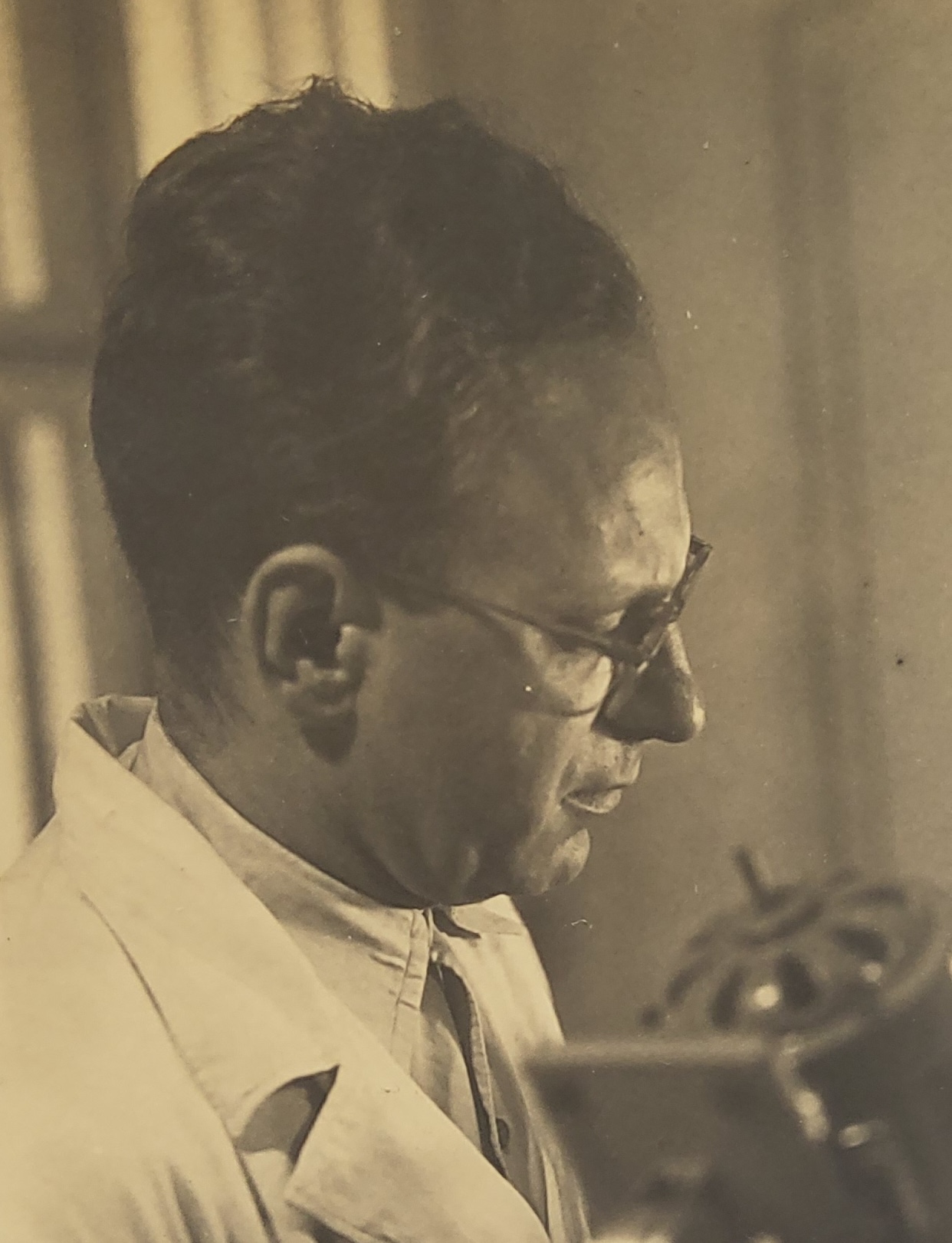
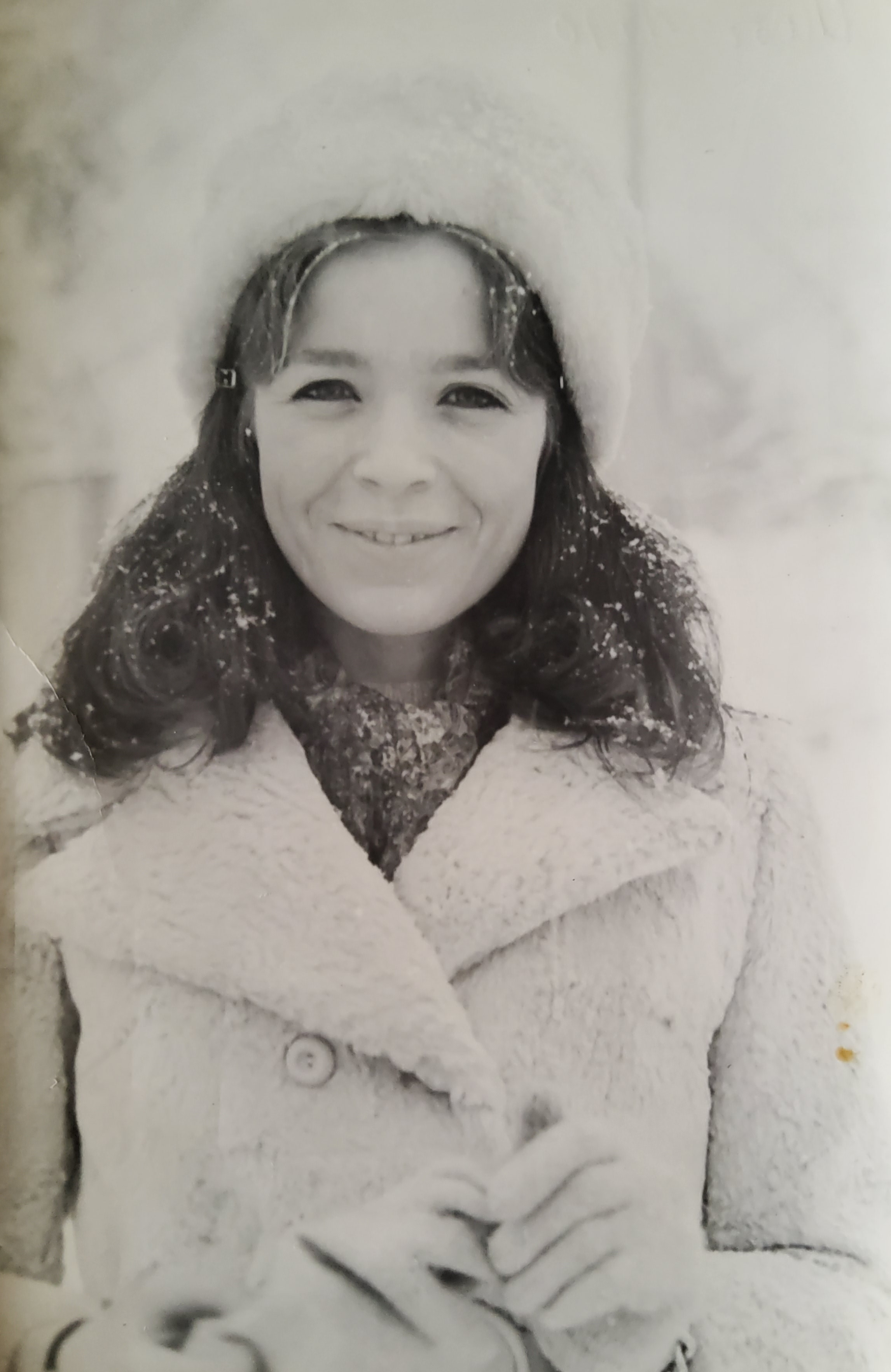
Alena Parthonnaud was born Alena Krutová in Prague on 17 October 1947 the middle of three children of Vladislav Kruta and Emma, née Bahuault. Her father was a Czech scientist - physiologist and her mother was French. The parents met during her father‘s pre-war stint at the Sorbonne. During the war he was a doctor with the RAF‘s Czechoslovak squadrons and the family moved to Czechoslovakia after the war. Vladislav Kruta held various scientific positions in Prague, Hradec Králové and Brno. The mother suffered from not being allowed to visit her family in France post-1948. The family language was French; Alena only learned Czech at school. She completed a grammar school in Brno and studied musicology at the Faculty of Arts of the Brno university. Vladislav Kruta was one of 70 public figures who signed the Two Thousand Words manifesto in 1968, so at the beginning of the normalisation period he was expelled from the university and not allowed to publish. Still, Alena completed her studies and worked for the International Music Festival in Brno. In 1977 she took the opportunity of an eight-month scholarship in Paris and decided to stay in France. This was made easier by the fact that she held a French passport in addition to her Czech one. She married in France and had two daughters. In 1988 she joined the Médiathèque musicale Mahler, later renamed Bibliothèque musicale La Grange-Fleuret in honour of its founders. She lives in France yet considers the Czech Republic her second homeland.