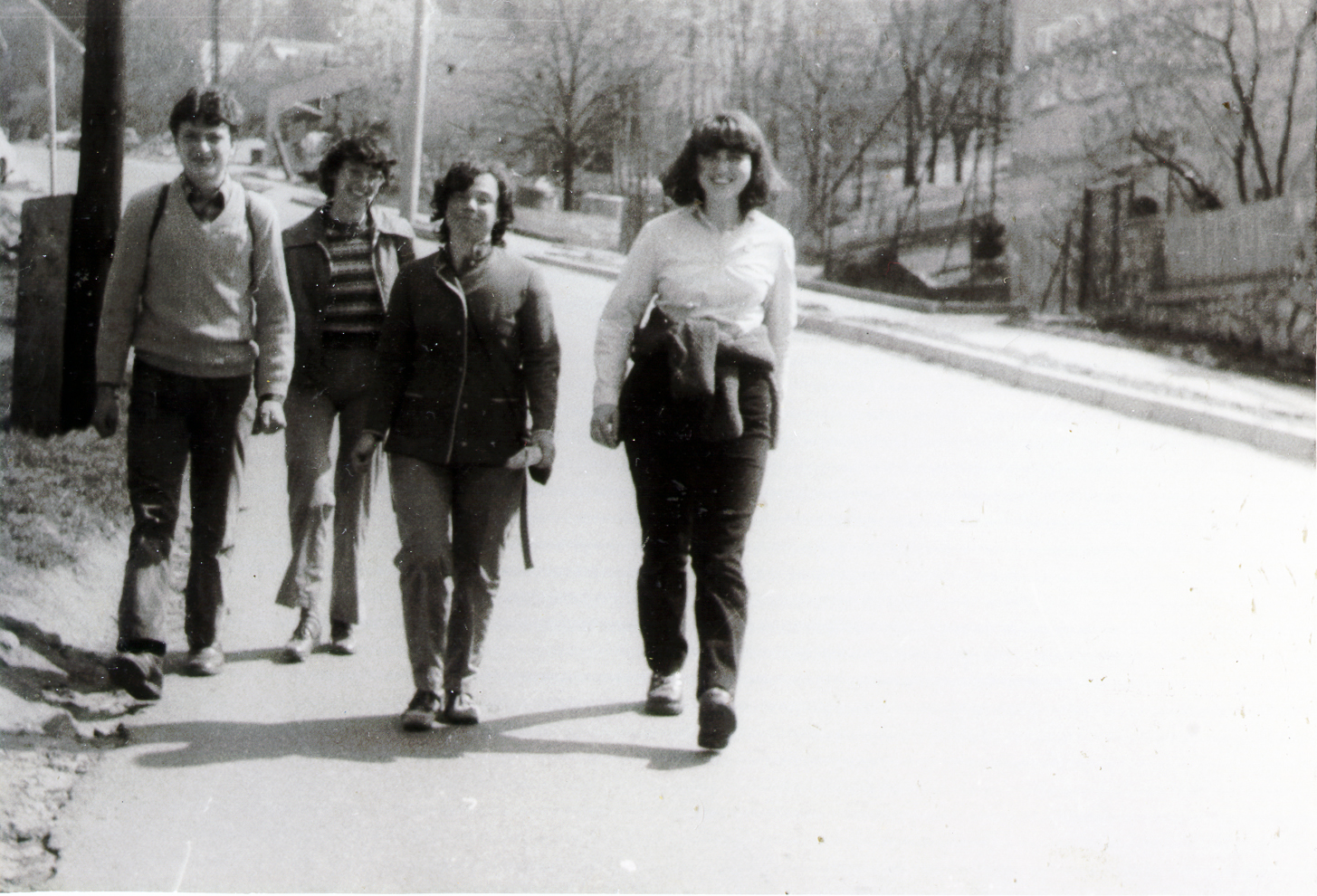
"When we were with the investigator, Marek, who was closing it, he said he was closing it as a suicide, although we disagree. And I said again, that's not believable with the nature of Pavel and that he would never do that. Even in the written documentation, he says he would never do anything that would hurt. He could have stayed in Italy and did not stay because he didn't want to hurt his mother or others. And he says, 'You know,' and now he says it to me in a sort of fatherly tone - that he advises me not to spread the word. That he was closing this investigation as a criminalist and that the next investigation would go the way of State Security. I, in turn, naively asked why on earth State Security if he was to be classified as a common suicide. He in turn said that Pavel had been in capitalist foreign countries where he could and had met all sorts of people, and that the next State Security investigation would be for reasons of state protection. And he said, 'And you know, you don't talk about such things with girlfriends.' That's what got me thinking. And then the fact that nobody ever summoned me, not even State Security, but I knew in retrospect that State Security of the Hodonín district was allegedly interested in me, investigating who I was, what I was, what kind of family I was from."
"We saw each other on Tuesday, we were together at Dalibor, at the opera. Pavel was at the State Opera for the first time. And that's when it struck me, I was taking the tram from the university campus and he walked up to the station and we were supposed to meet at the theatre. And now he was like, 'Jesus, Ani, I'm so happy to see you. I forgot where we were supposed to meet.'And he said, 'Let's not go to the theatre, I don't want to go to the theatre anyway.' And I said, 'But Pavel, we've already agreed, you're in a suit, in a shirt...' and so on. And later I regretted it so many times, sitting there next to him on that Dalibor, and he was dealing with something else completely, completely different. That I should have recognized that, like, this... Well, and then on Wednesday we went and then he told me again on that Wednesday, because I was going to typing lessons- not to be a stupid doctor who then types poorly, so I paid for the typing and then we only had the evening. We went to Židenice, there was a film club there. Coincidentally, Anna and the Wolves was on there. We walked from Židenice to Vinařská Street, across Brno, and we talked. The last thing was that we talked about his sister and her problems, with the understanding that we would see each other on Mondays, when we regularly saw each other at Mass at Tomáš's, and then we went with the university kids to the regular Monday meeting."
"These were situations where the class teacher called me very seriously in ninth grade to apologize, and she had to write in my reference that we were an Orthodox Catholic family, that we went on weekdays, and that the municipal office was keeping track of everything, writing it down and all that. And the same professor at the grammar school again, his name - it slipped my mind now - our class teacher, he was extremely polite. He called me and my friend, we were applying to medical school and we both weren't in The Socialist Youth Union , which was basically the disqualifying criteria at that time to even be able to send, for that school to send a college application. Well, Professor Pšurný called me in and said, 'Look,' or he called us both in and said, 'Girls, look, you're my best students in the class, I'm annoyed myself that I had to write what I wrote in your reference. That's right, no, you probably stand by that. But I arranged' - this was at the end of December - 'to get you into the Youth Union starting in December so your university application could be sent out." - "Was the man forced to make that concession?" - "Yes, yes. In order to get through medical school, in effect, if I hadn't agreed to join the Youth Union, which was actually a formal act - and it was all so formal that we could all sort of make excuses - I wouldn't have got into university."
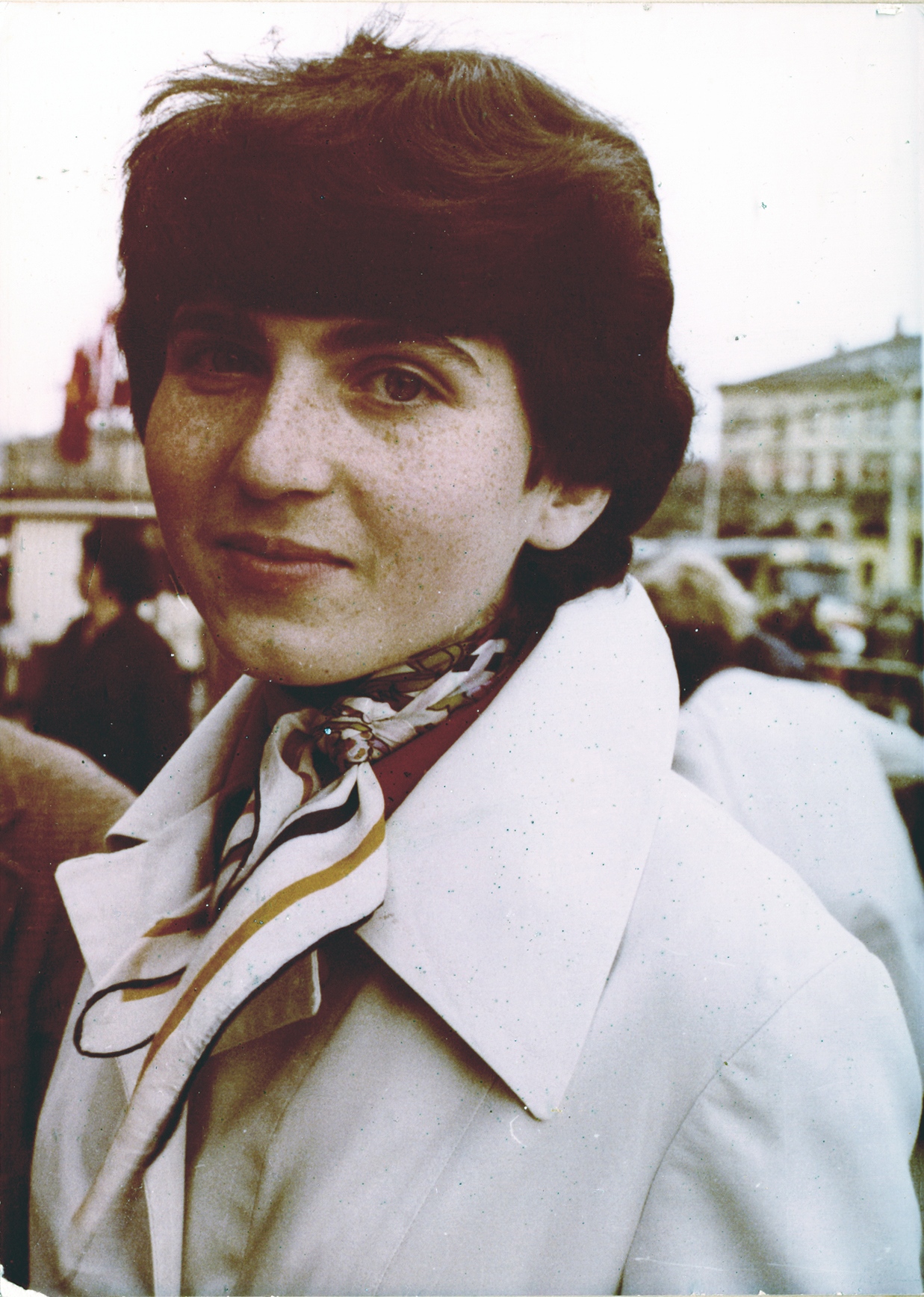
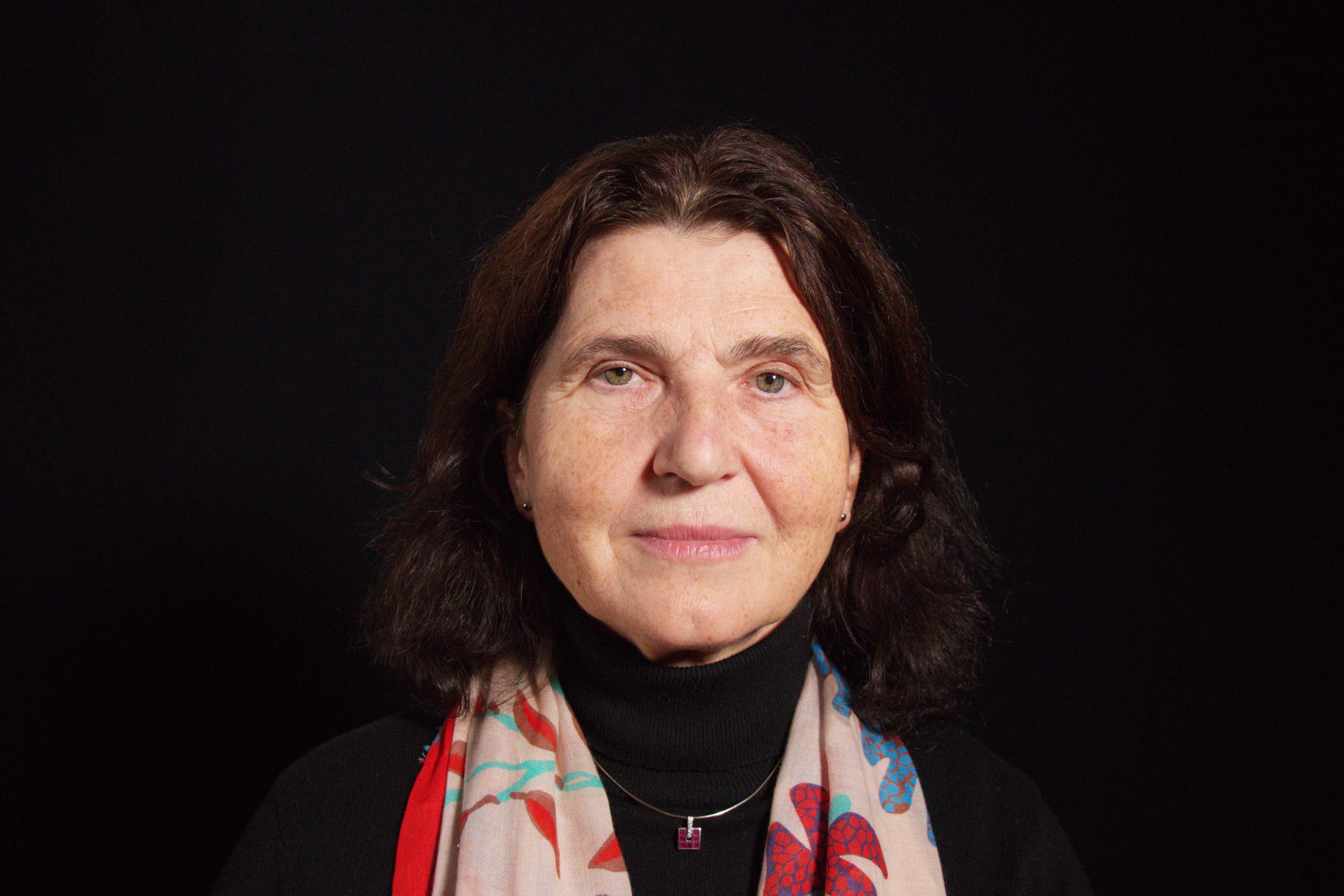
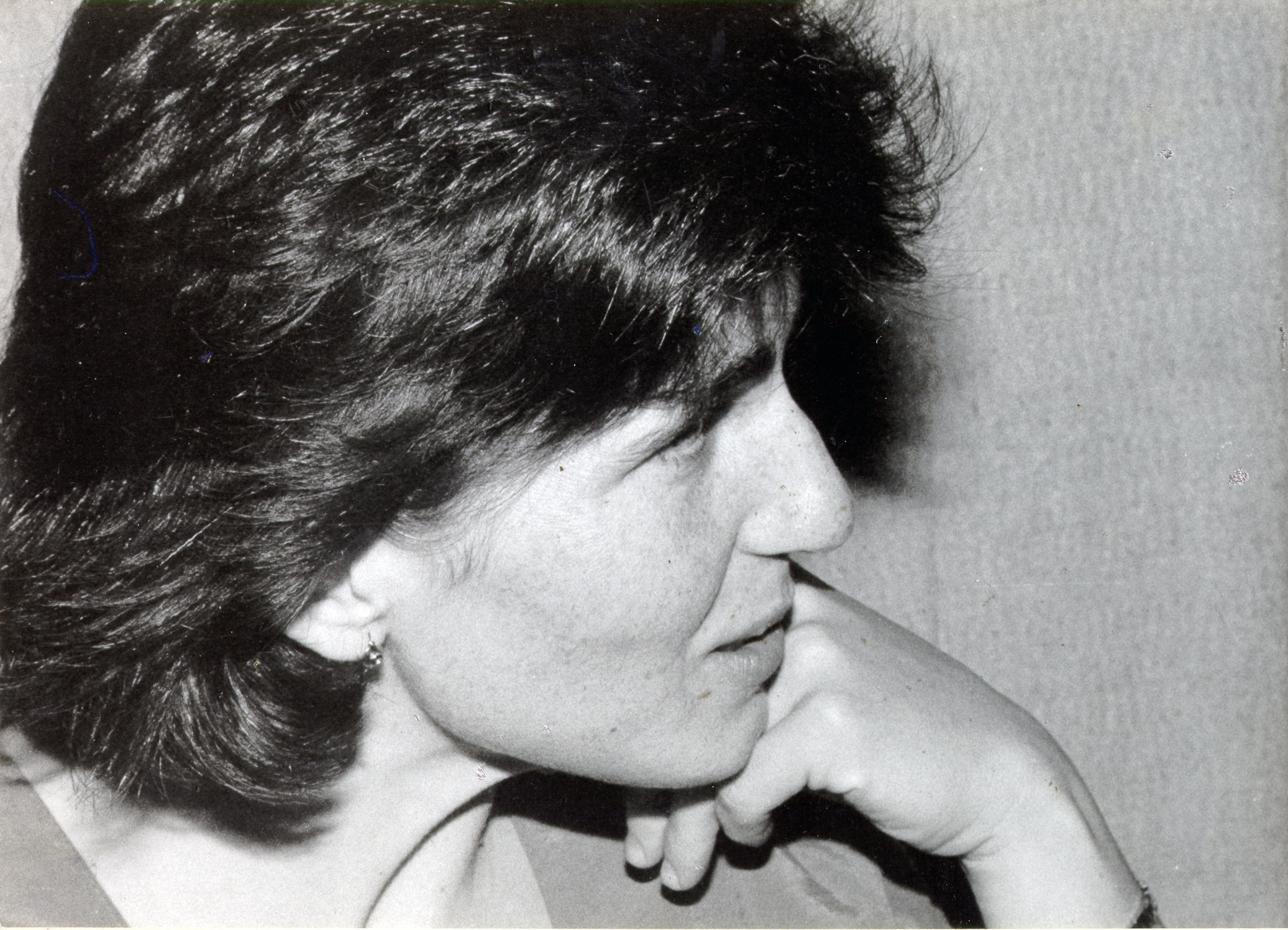
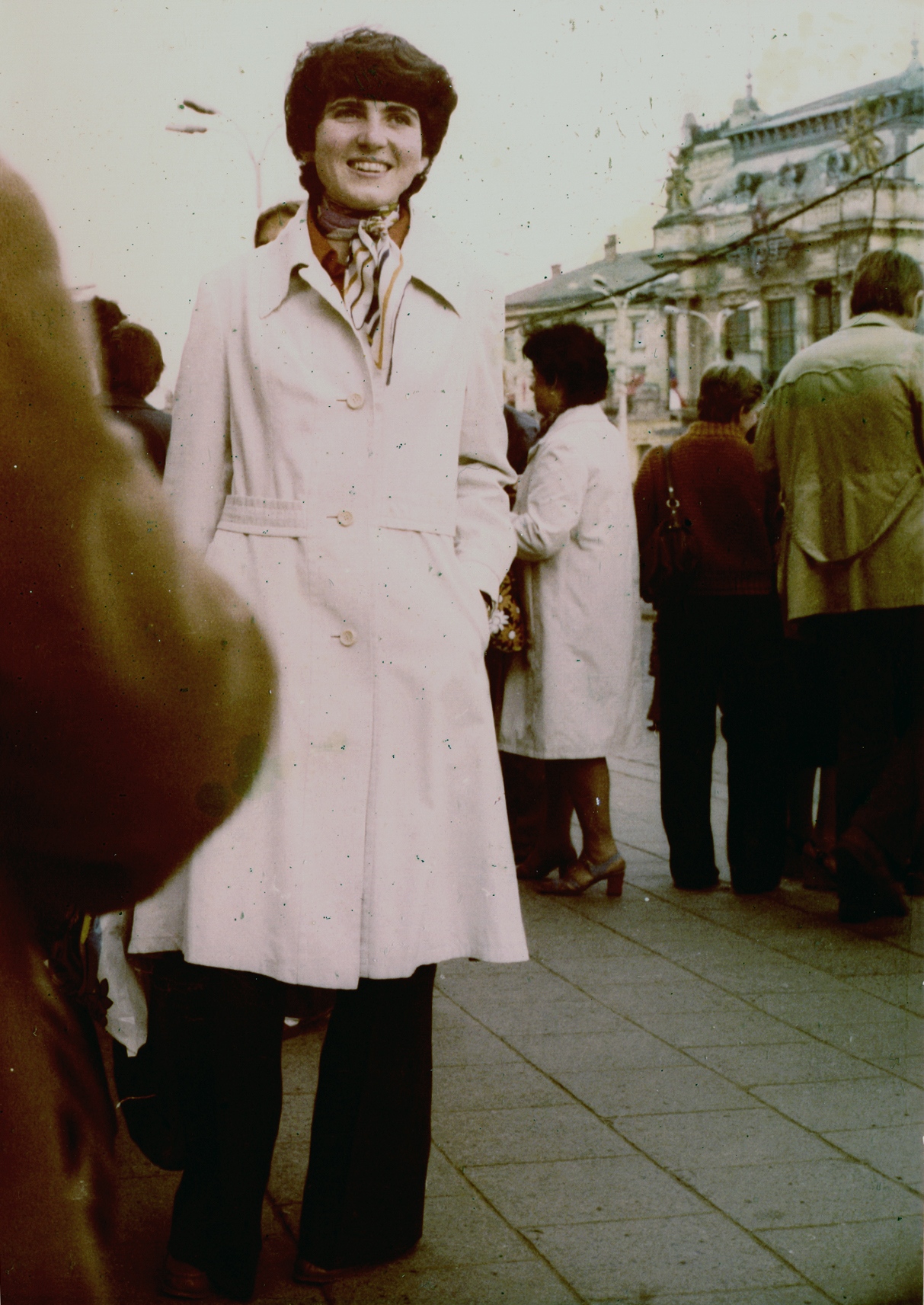
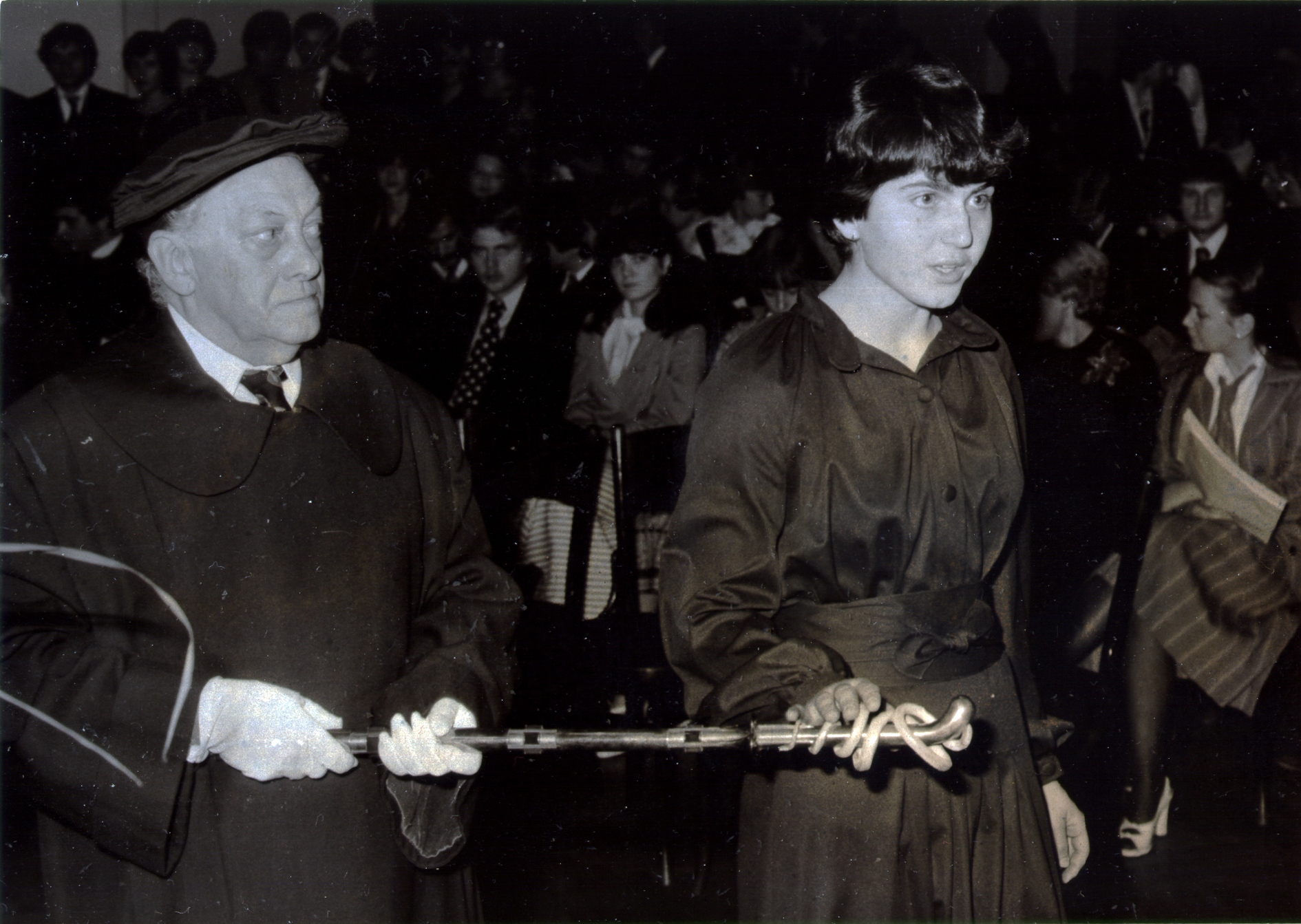
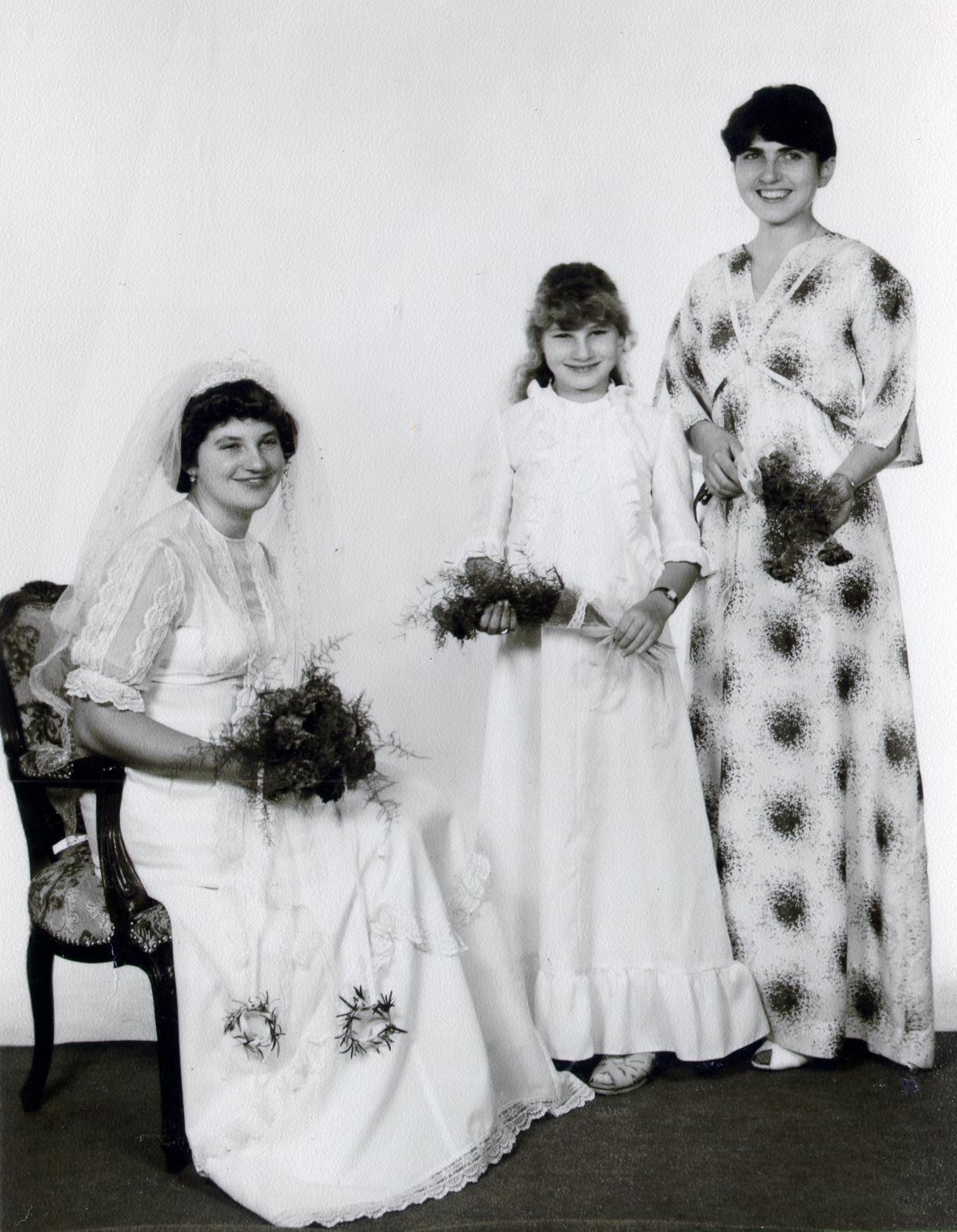
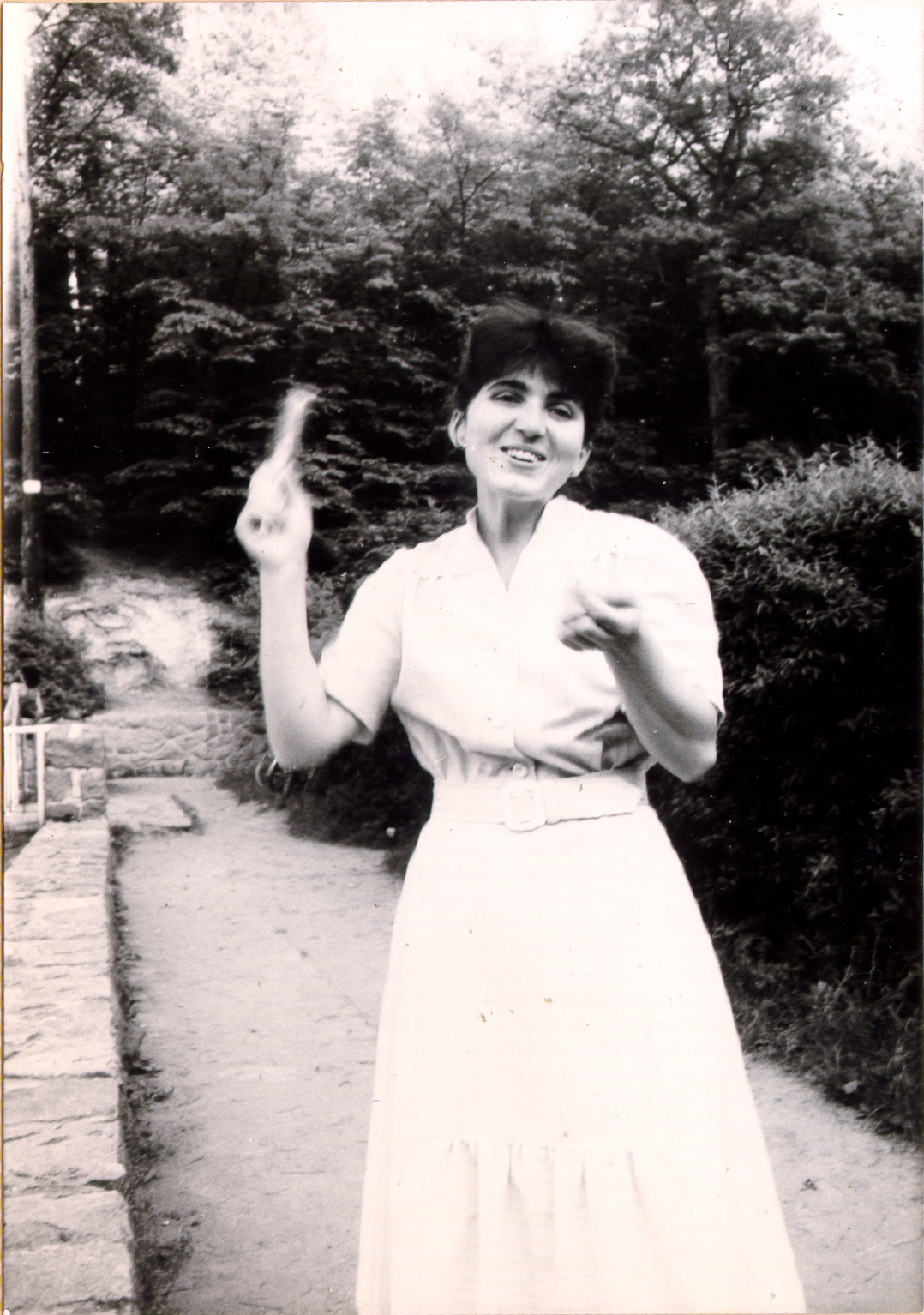
Anna Ondračková, née Horňáčková, was born on 27 October 1959 in Uherské Hradiště to parents who did not abandon their faith even during the communist regime and truly lived their faith. Both her father, Jiří Horňáček, and her mother, Marie Horňáčková, worked in the labour professions. Young Anna Horňáčková was a very talented student. However, because of her and her parents‘ faith, there was a danger that she would not get into her dream medical school. Even the Socialist Youth Union (SSM), which was a prerequisite for sending in an application for university studies at the time, did not want her initially. She eventually got into medicine and began her studies in Brno. There she met Pavel Švanda, a highly intelligent architecture student who was a driving force among his classmates. In 1981, he died under mysterious circumstances. It was widely believed that State Security (StB) was behind the death of this exceptional young man, the great nephew of Cardinal Špidlík. Shortly before his death, he had visited a relative during a trip to Italy. However, the case was never investigated, although Anna Ondračková tried to reopen the case after 1989. The witness managed to complete her medical studies. At the time of recording, she was still working at the Masaryk Cancer Institute in Brno. She had five children with her husband, architect Ivo Ondračka.