"I witnessed it, they chased us a few times when it started to break down. It must have been ex-secret policemen or I don't know, driving us with batons. They hit us with batons and drove us down Pražská Street to Gottwald Square. I got angry. There were a lot of guys from the park and I convinced them, which was not hard to do. We went to the construction site, took the rocks from there, and down in Pražská... I explained to the guys: We have to stop the cops from getting to Gottwald. That's why they started shooting missiles or whatever they call it. They were shooting to the Dunaj and so on, into the people who crowded Gottwald. They hit one woman in the head. I know there was some trouble about that. We didn't let them in. When this was done and they found out they couldn't get in, the combat vehicles came in. We threw rocks at them, too. I was always yelling at the guys to stop it, put an obstacle in its way. And before he gets going again, smash all his lights. It was almost dark and he couldn't see."
"Then there was shooting down there, and we wanted to go there - to Náměstí Míru by the town hall, but the head of the ambulance service wouldn't let us go. He said we could go once the shooting stopped. When he told us to go, I was like an idiot, a crazy young kid trying so hard, and I was the first one to arrive on the scene, and there was a tank packed in the arcade. I stopped and ambulances were pulling up next to me. Why am I saying this? At the worst moment possible, when my ambulance was loaded with people and I wanted to leave, the tank started backing up and into my car. I couldn't leave quickly - there were tanks behind me, ambulances next to me, though they were already driving away because people were shouting at them, so they loaded up and drove away in a hurry. A tank ran into me, crashing in the car door about a foot away from my leg. My eyes bugged out, I didn't even think to move to the other side. I was so close to being smashed into pulp. When I could finally start backing out, the hatch opened - as the tank had backed up and ran into me - and a soldier climbed out and started shooting around angrily. Whether it was just as a deterrent, I don't know. I hurriedly drove away from the square to the hospital. I was basically lying down next to the wheel. I drove through Šaldovo Square, on the sidewalks, the shortest possible way to the hospital."
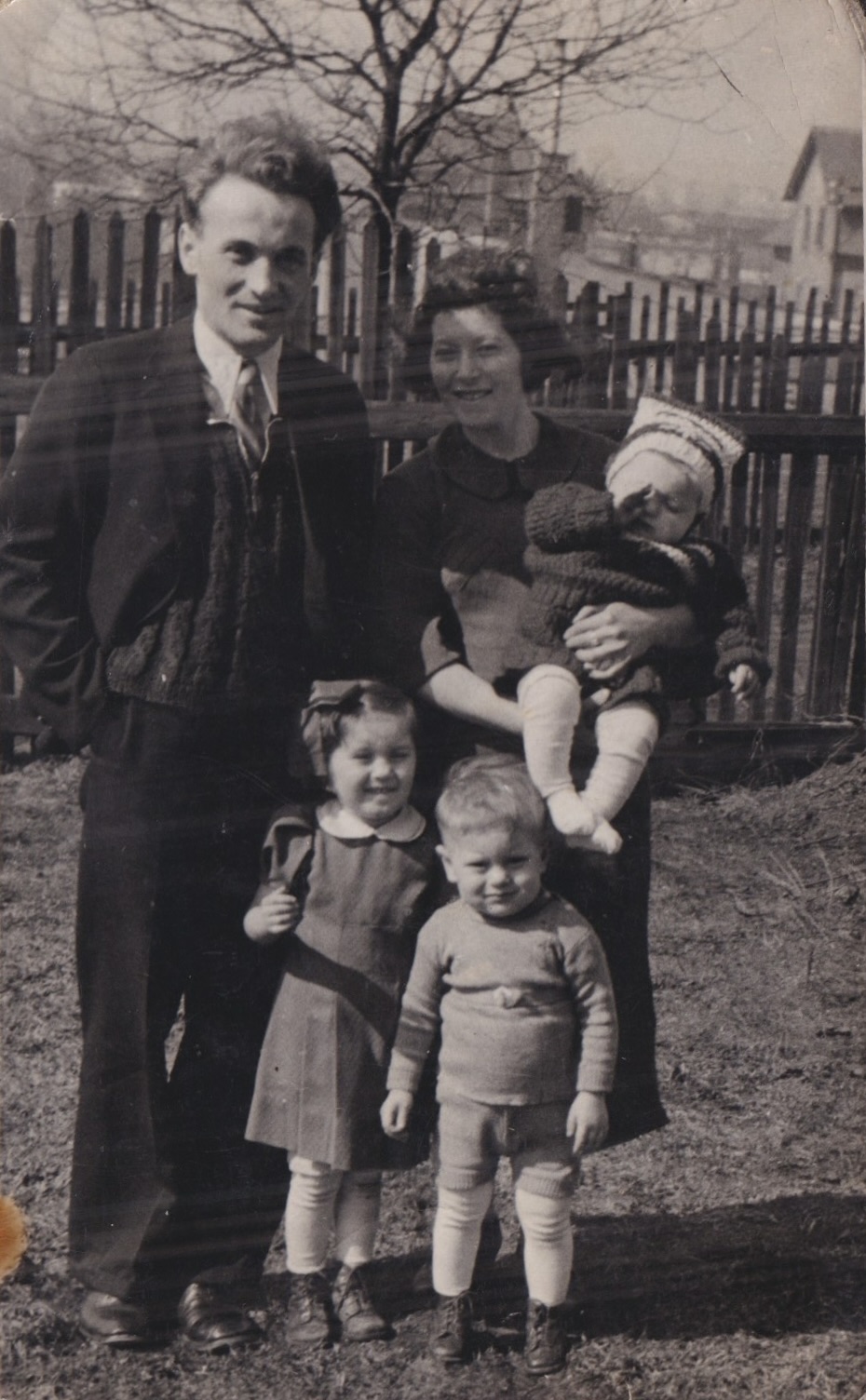
"When my mother was released from prison, they deported us to Kadaň near Karlovy Vary, where there was a collection camp. From that camp, the Gestapo wanted to take us to Terezín where they killed people. Since my father was no longer alive, we had no protection. He had relatives here in Liberec, a German married couple, childless relatives who were in a secret group of the Communist Party of Czechoslovakia, and they connected with members in Kadaň. At first, they had to convince my mother across the fence that they were not provocatours sent by the Gestapo and that they wanted to get her out of there and save her and her family. They managed to convince her, though my mother didn't believe them at first. They say there was a lot of show that February, and at night they cut through the fence, dragged the whole family through, including the pram with me in it, and led us through two feet of snow in a big arc to their place, where they hid us until the end of the war."
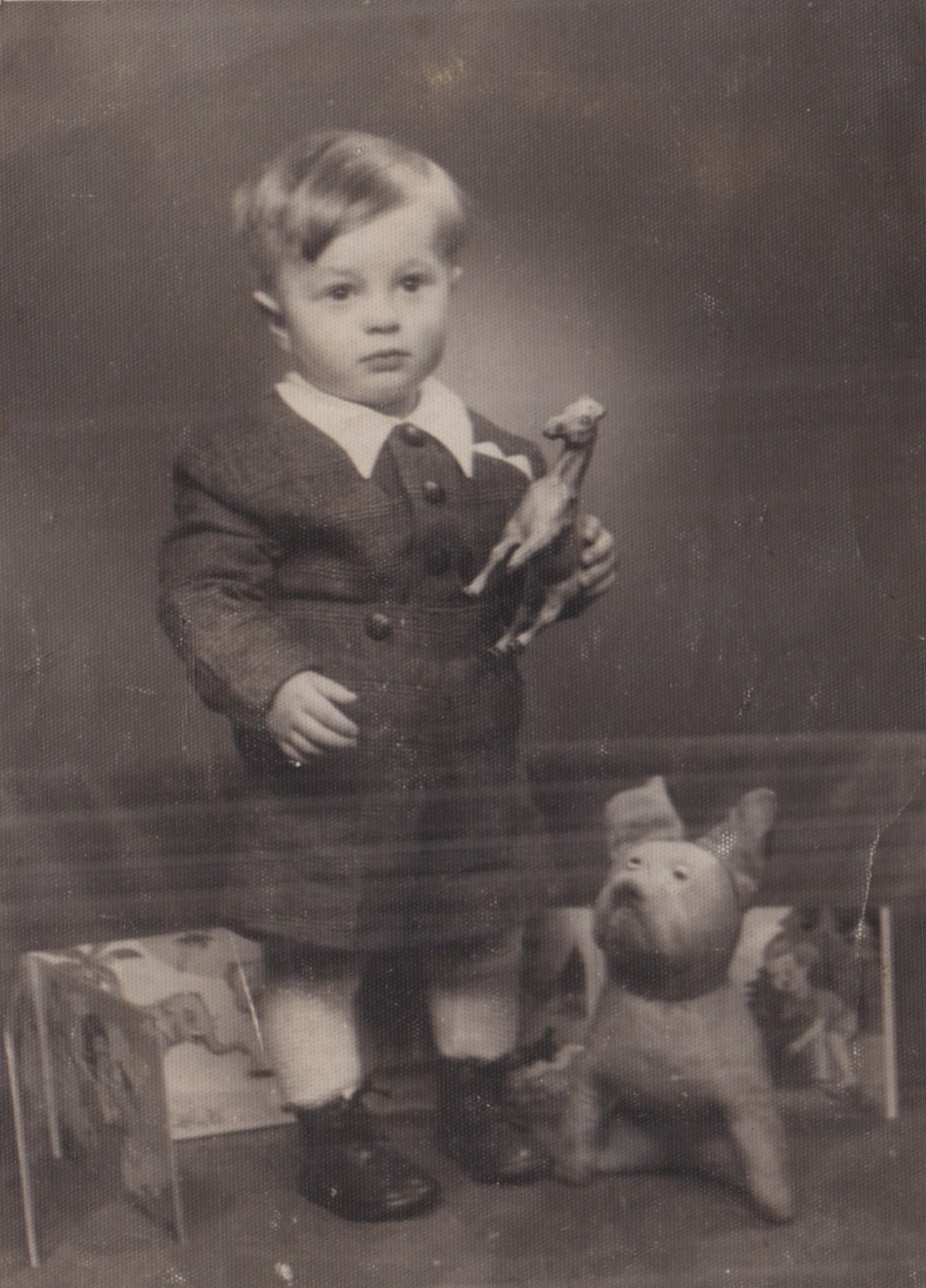
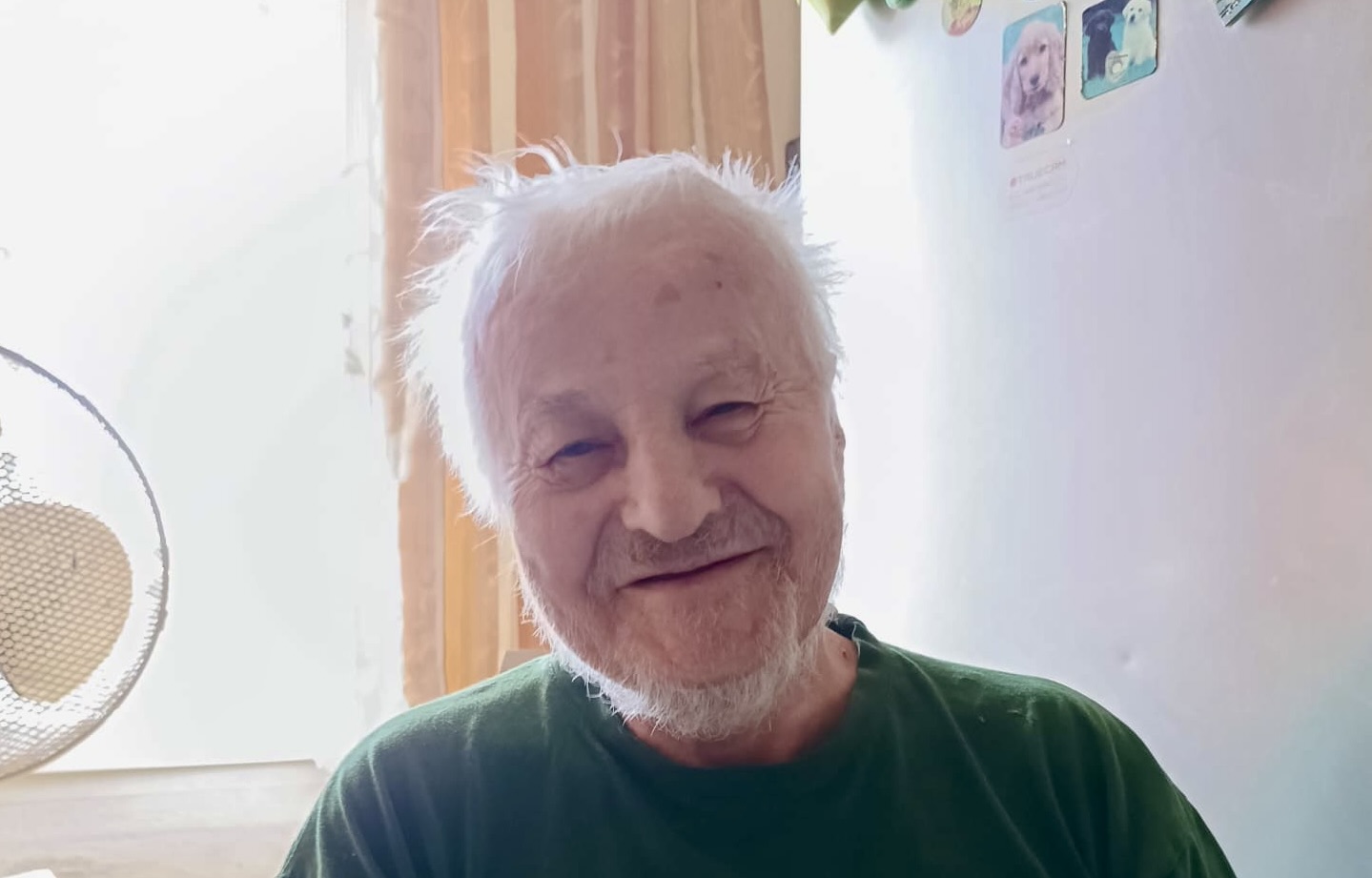
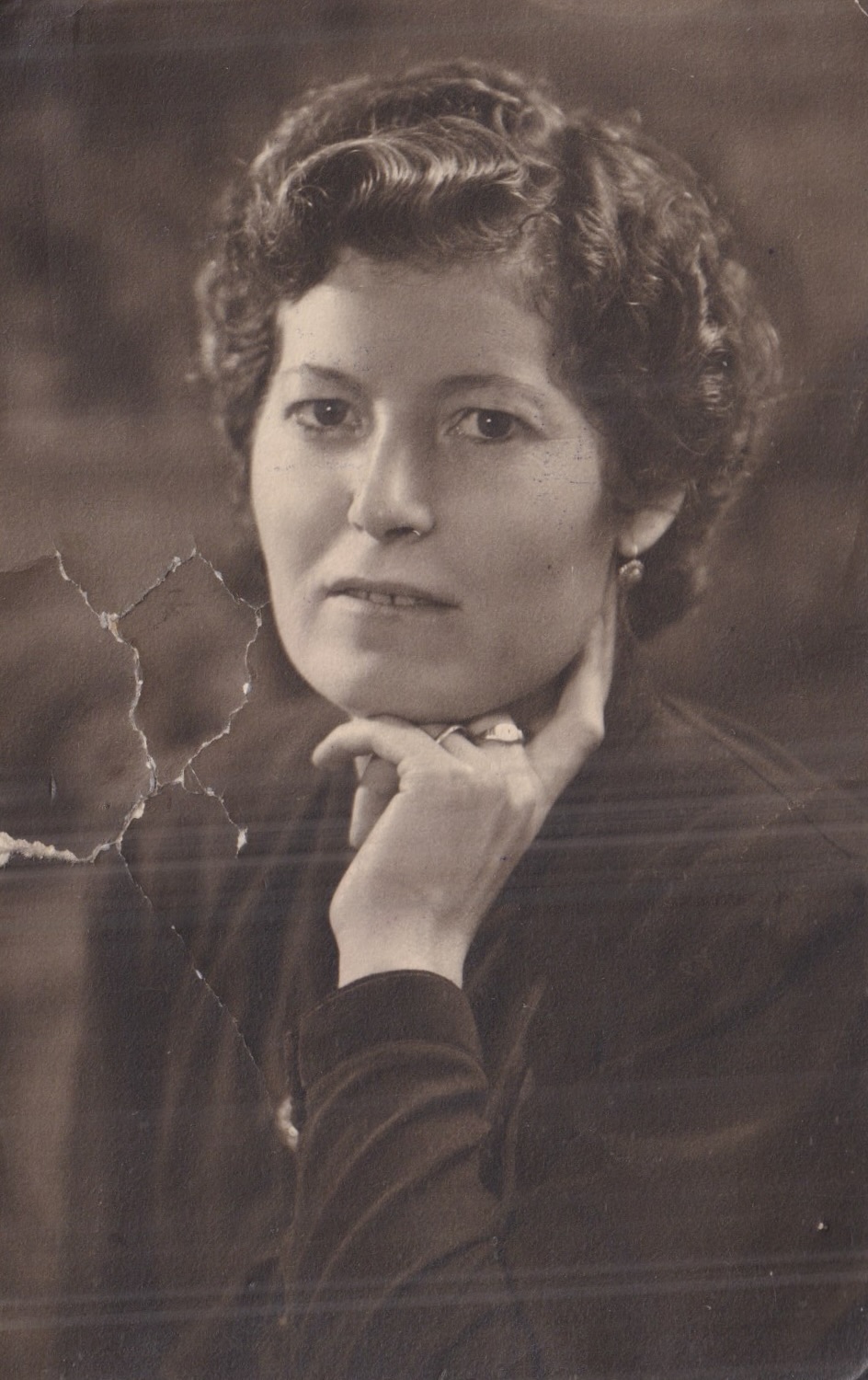
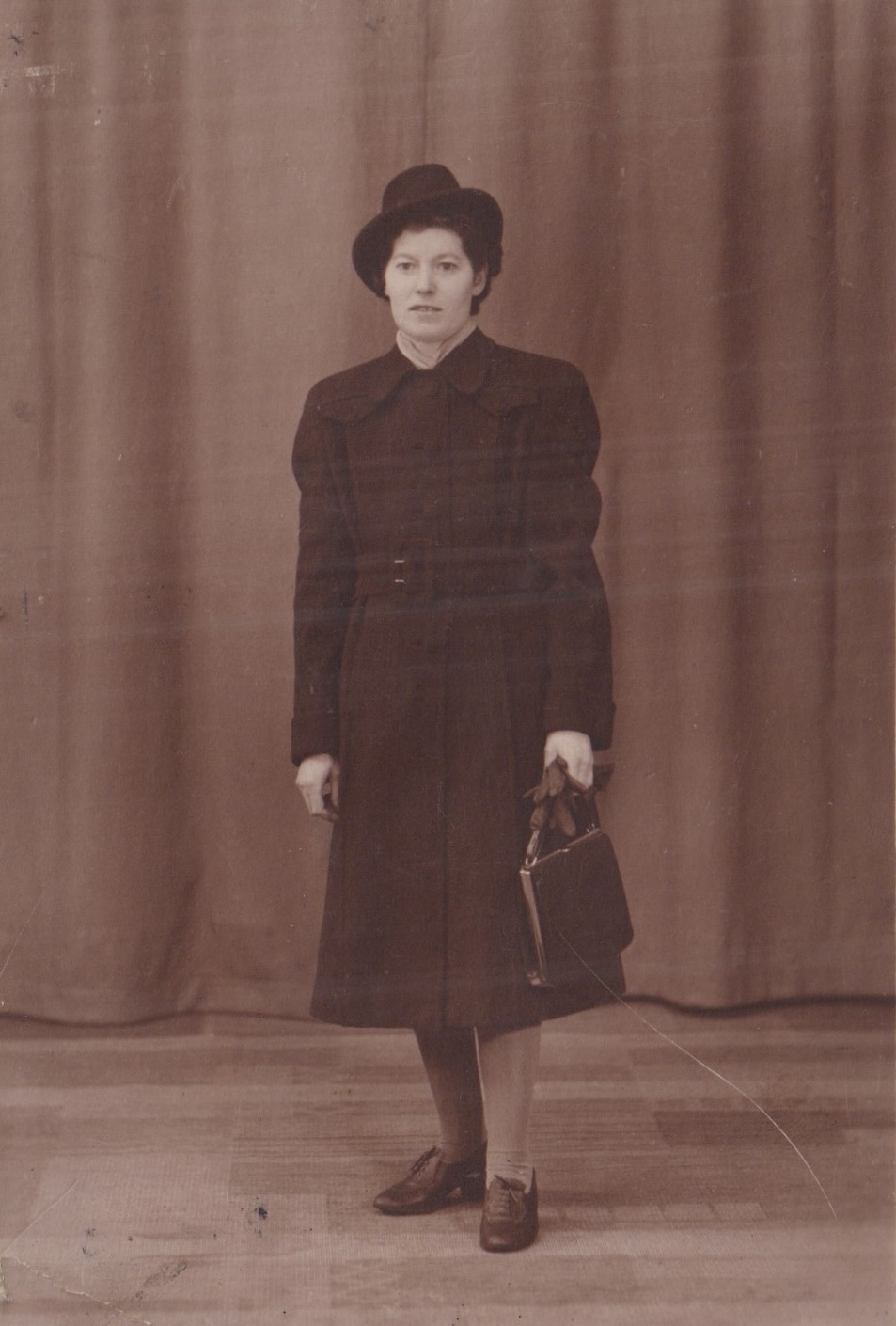
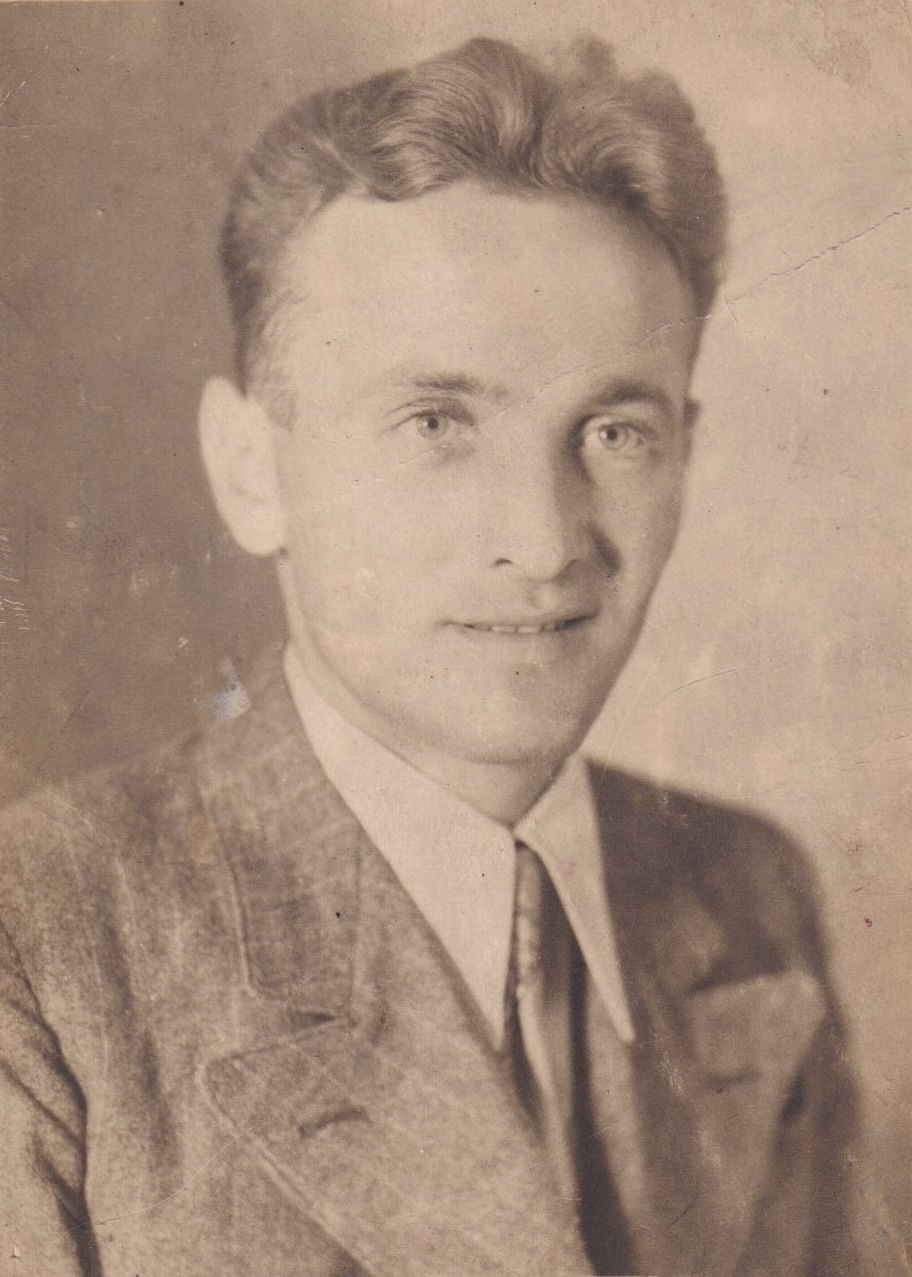
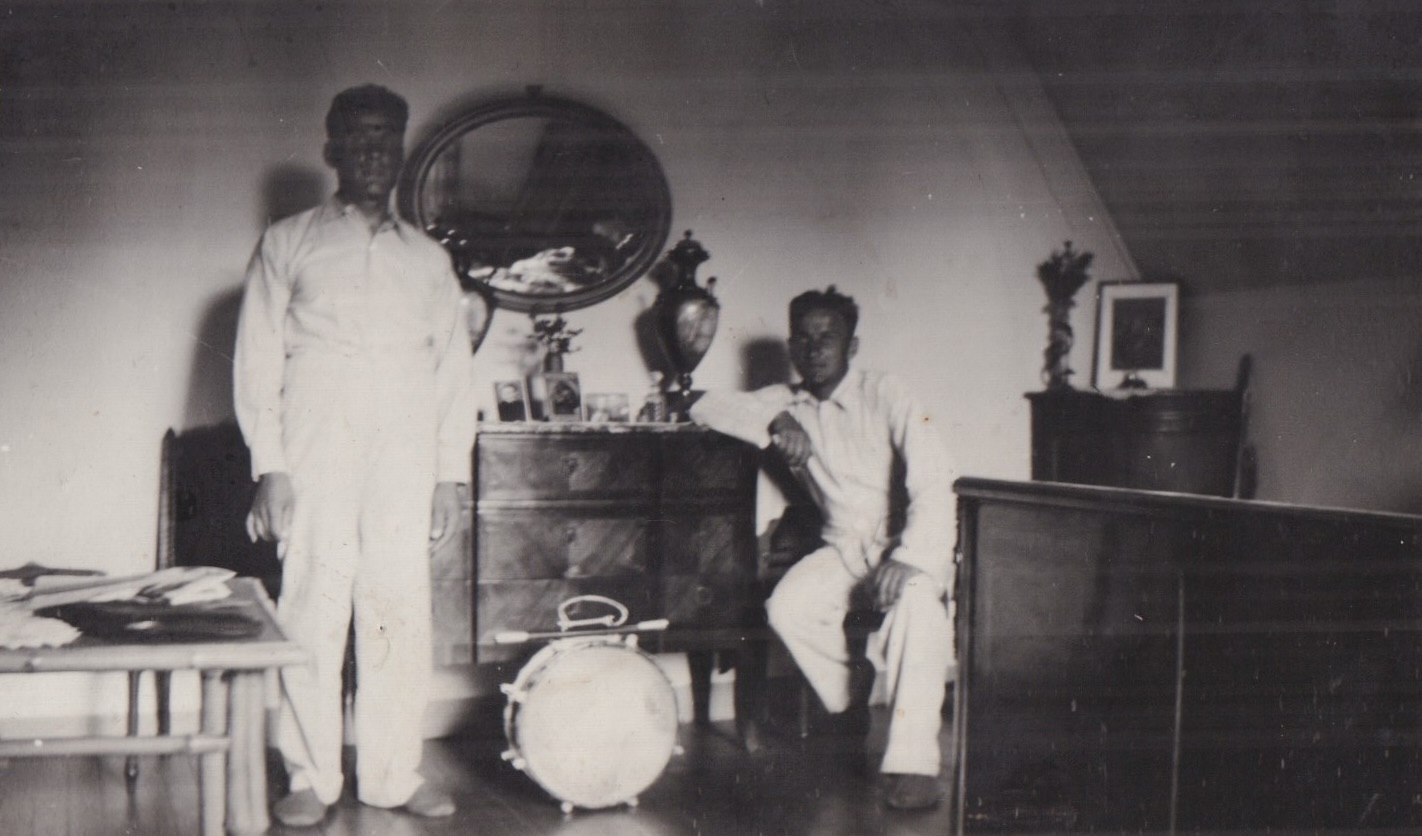
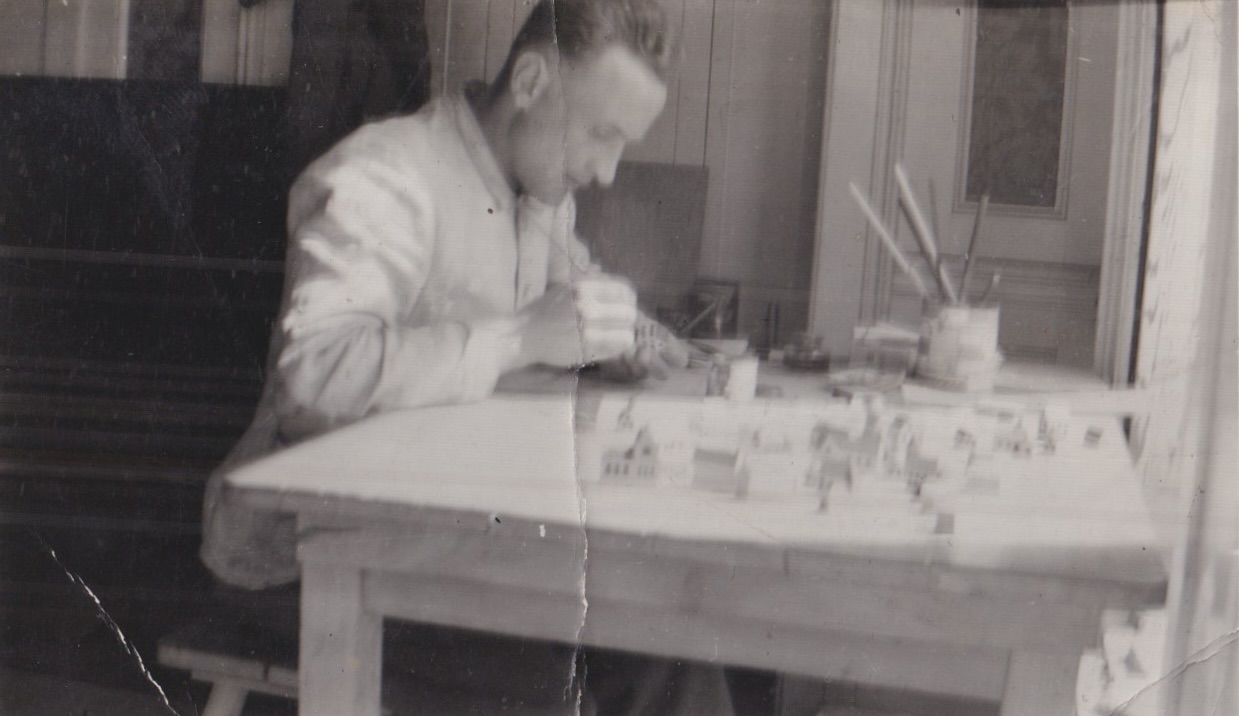
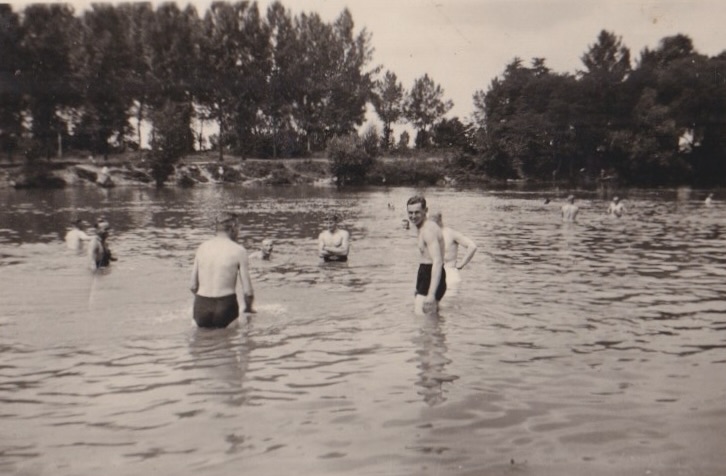
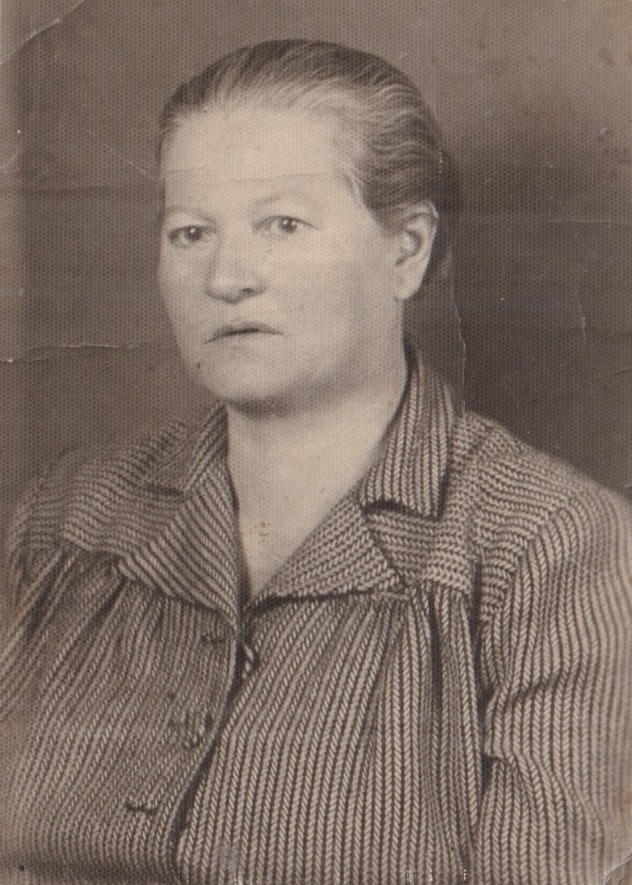
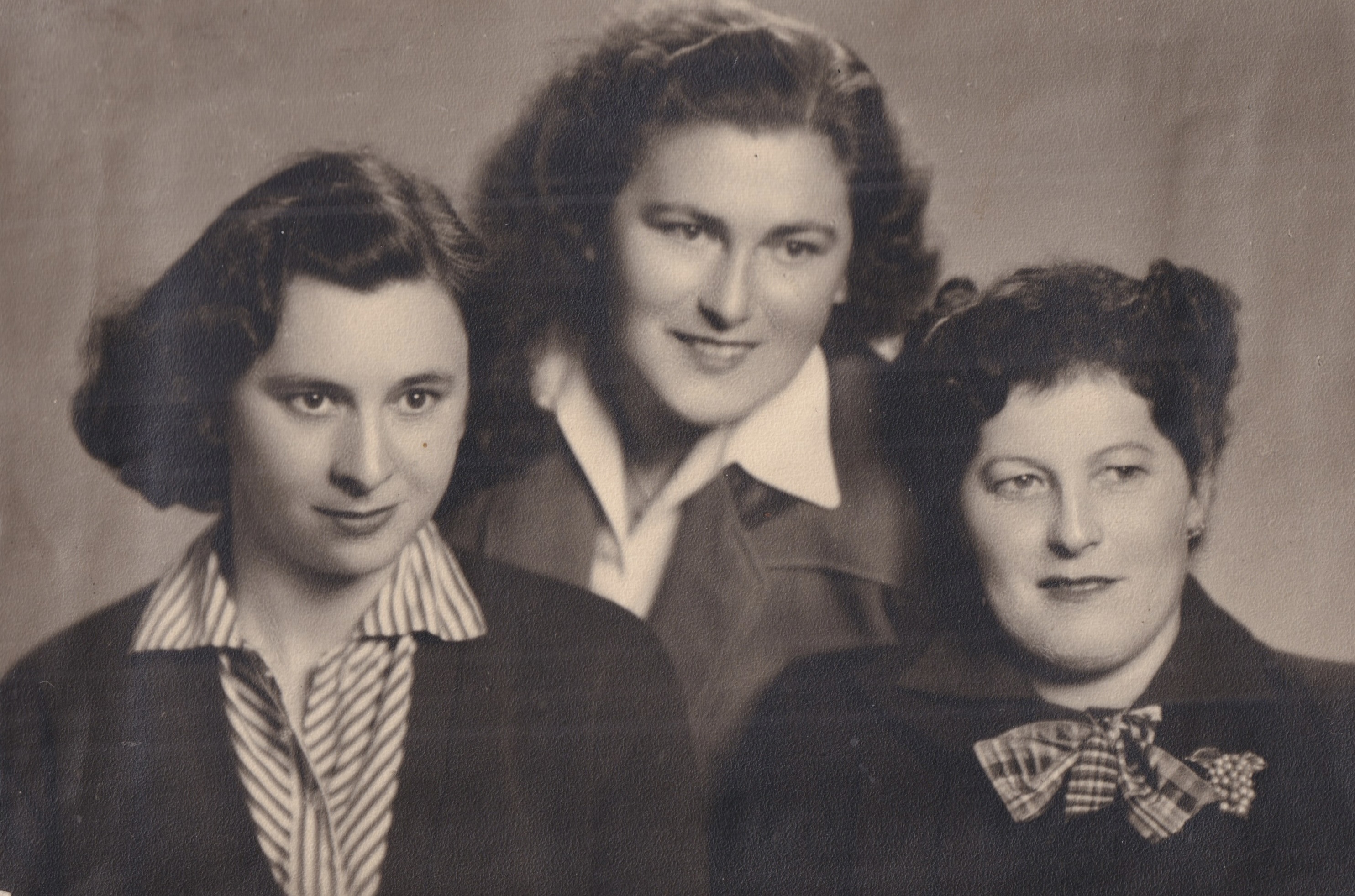
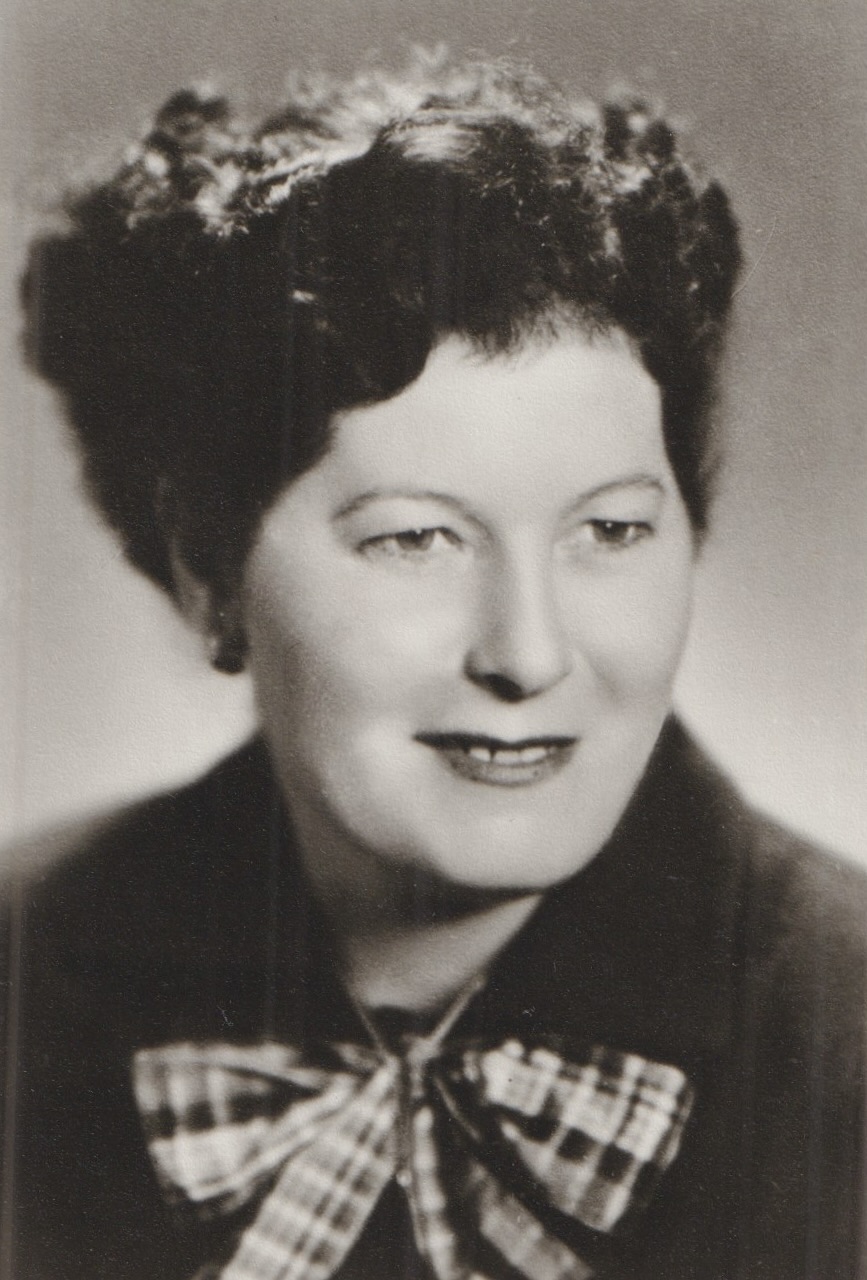
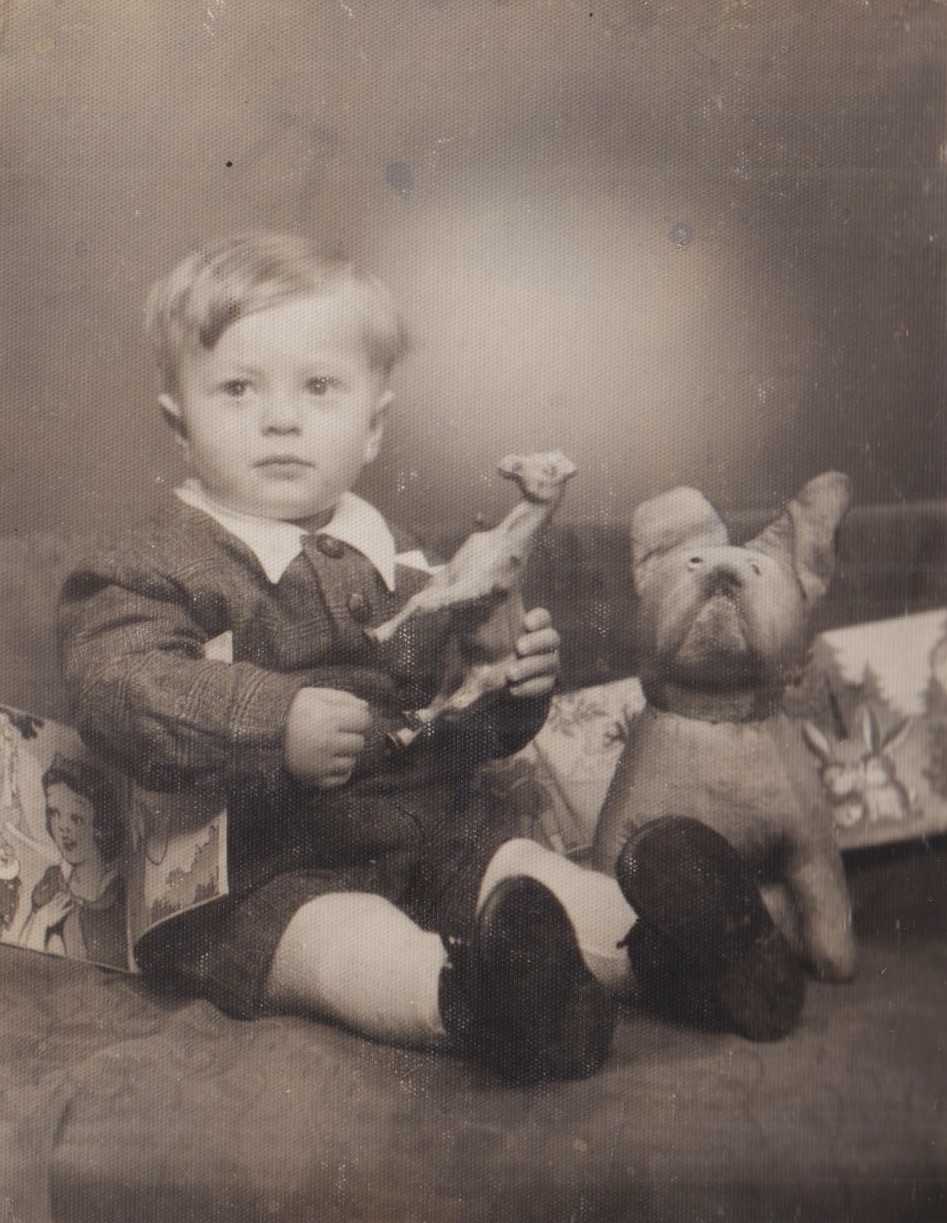
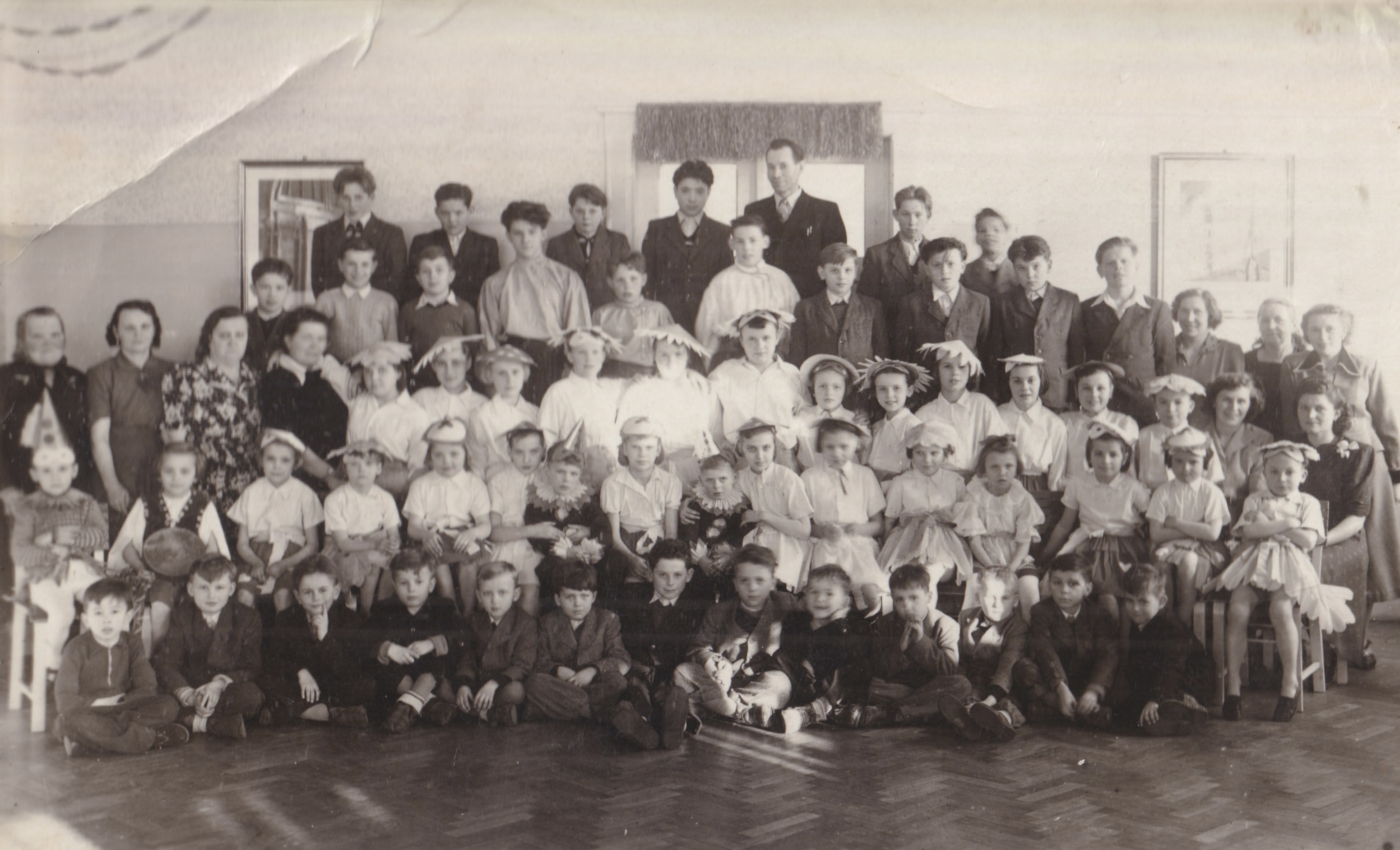
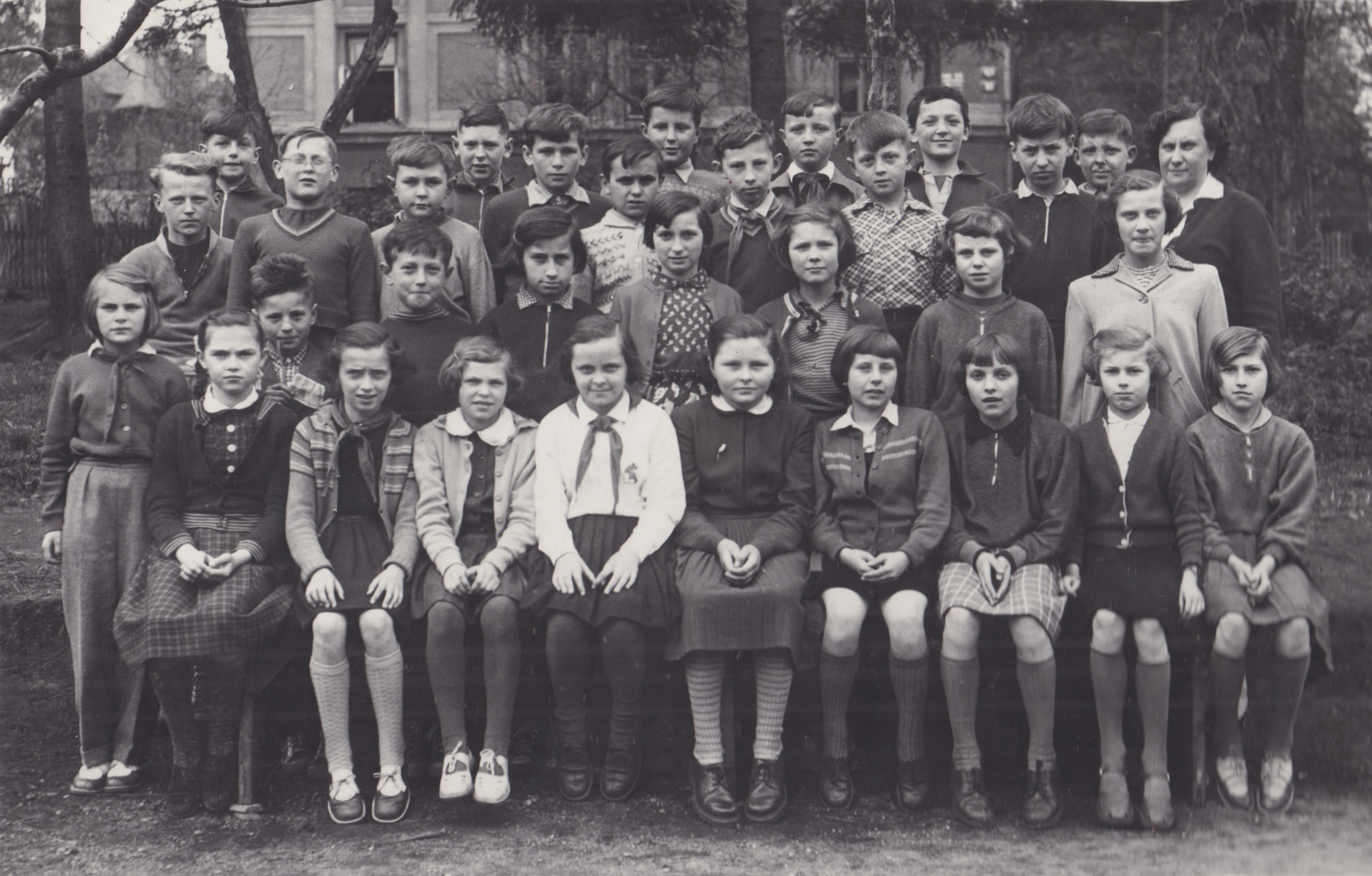
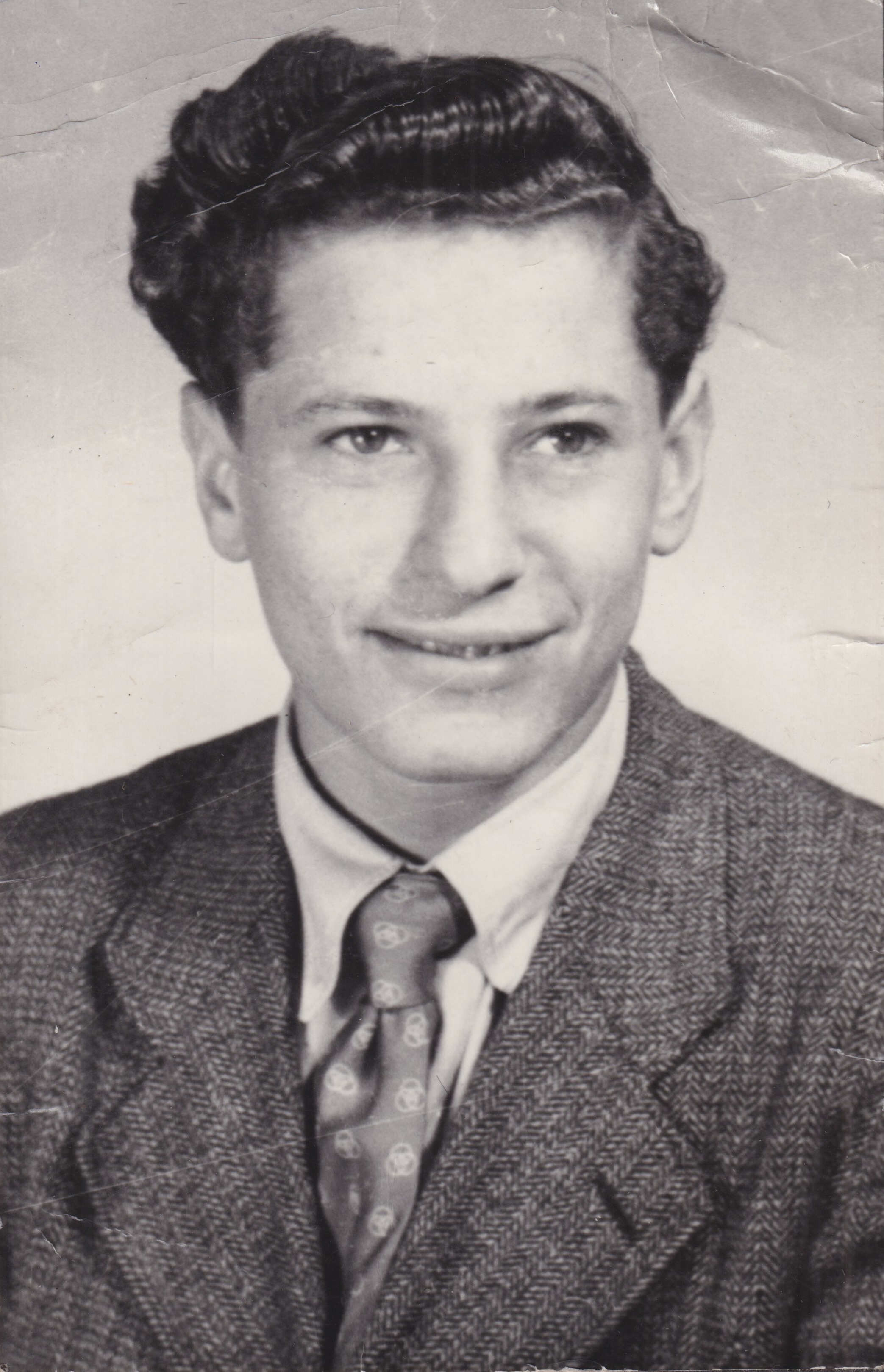
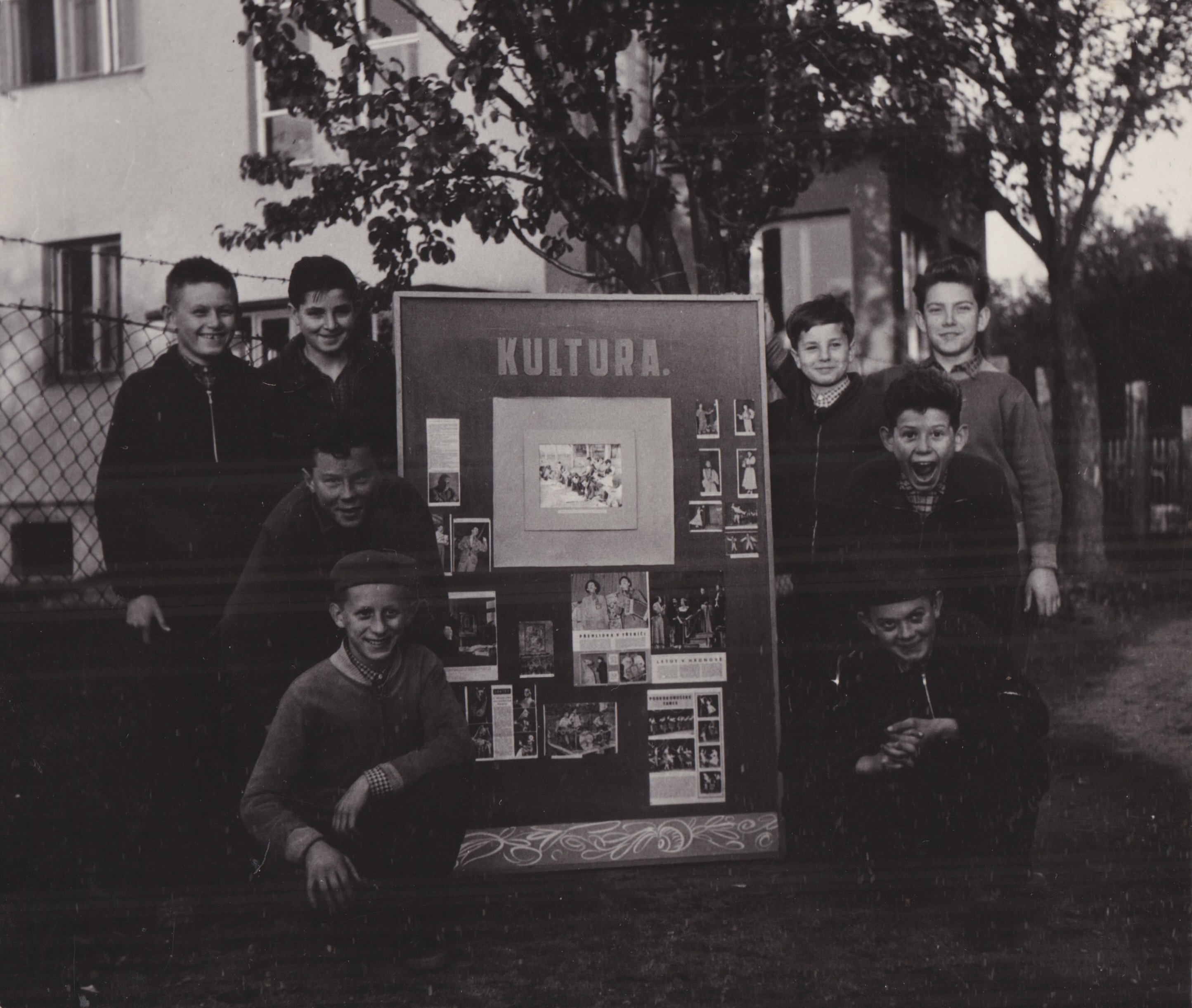
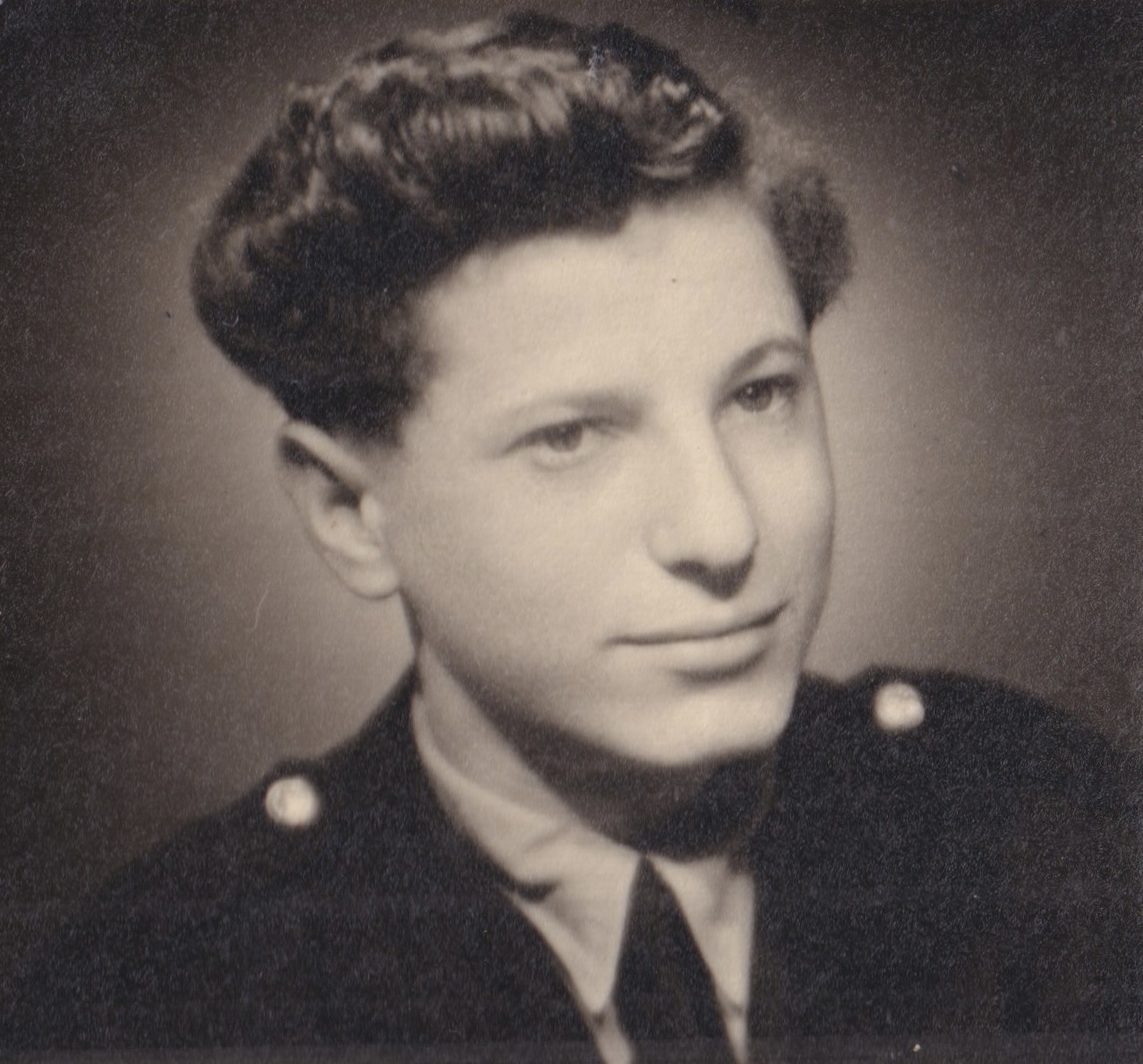
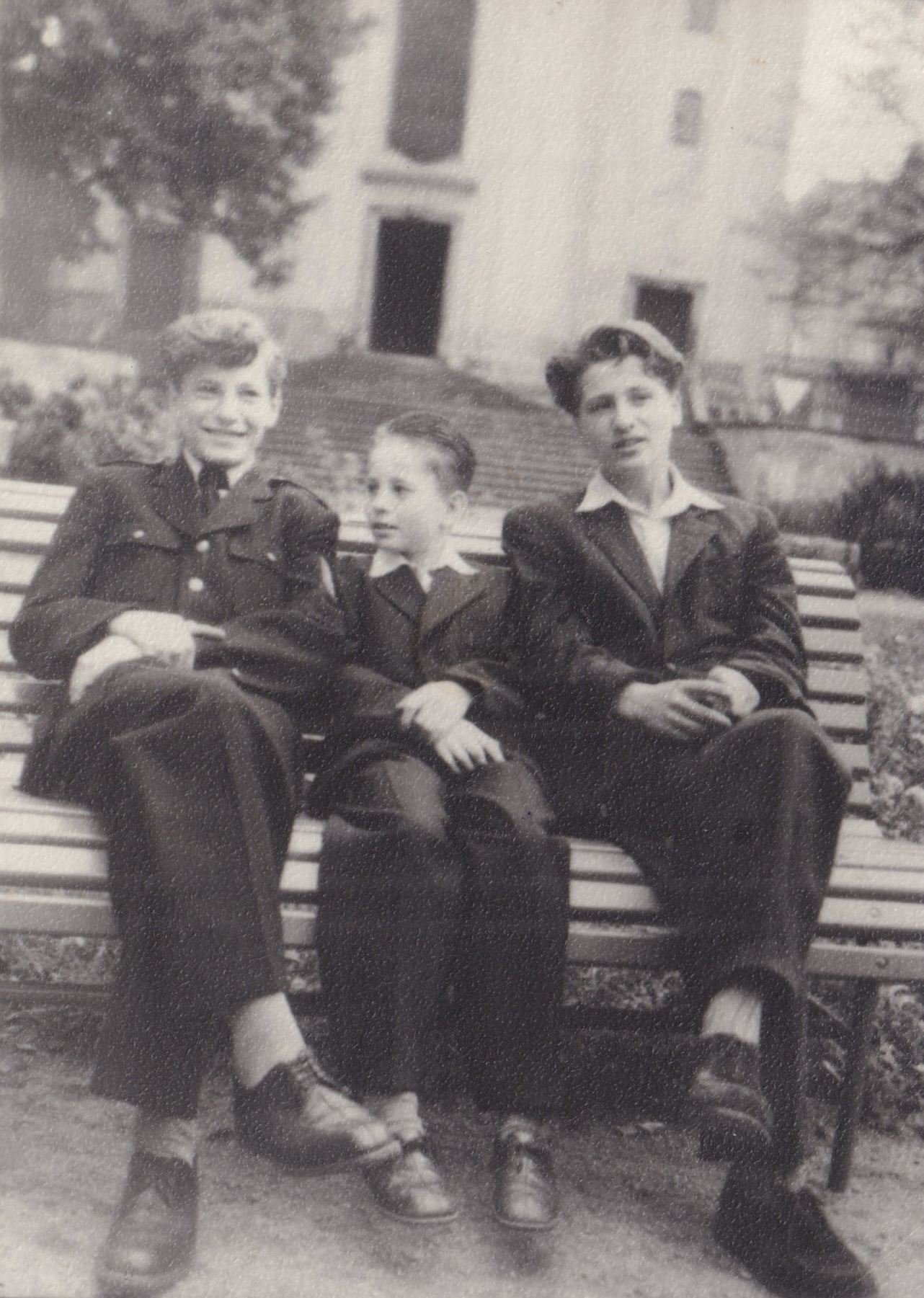
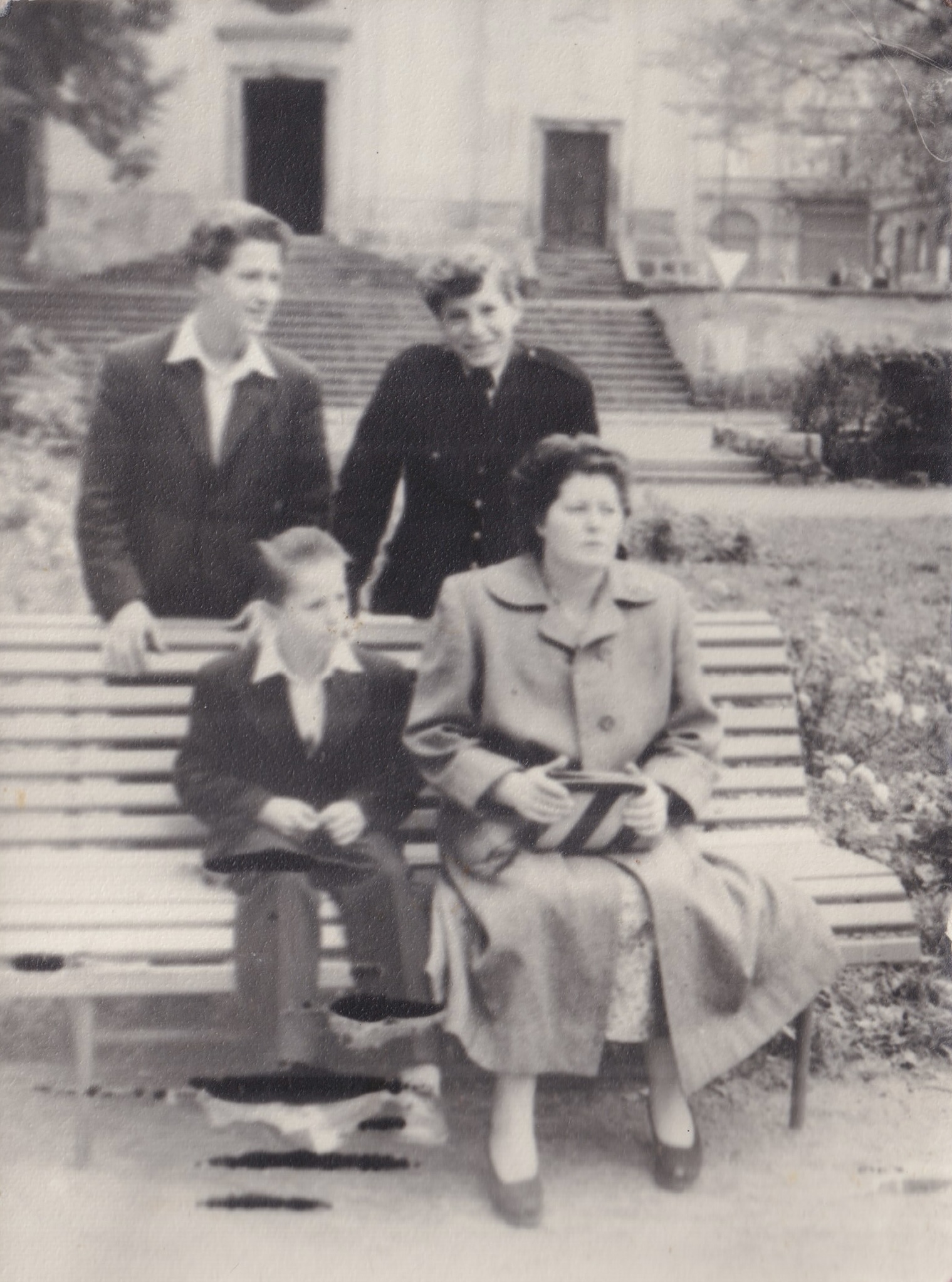
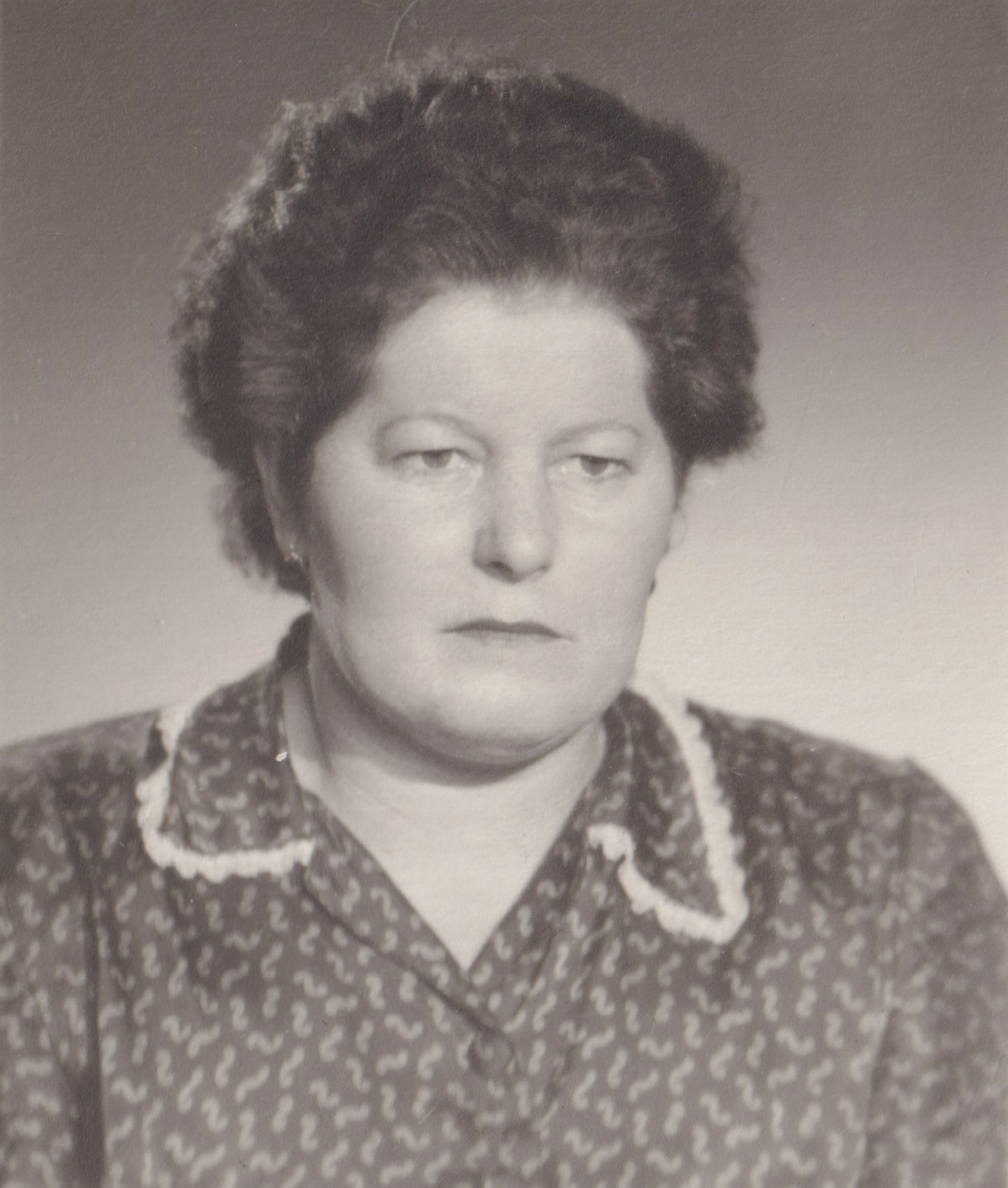
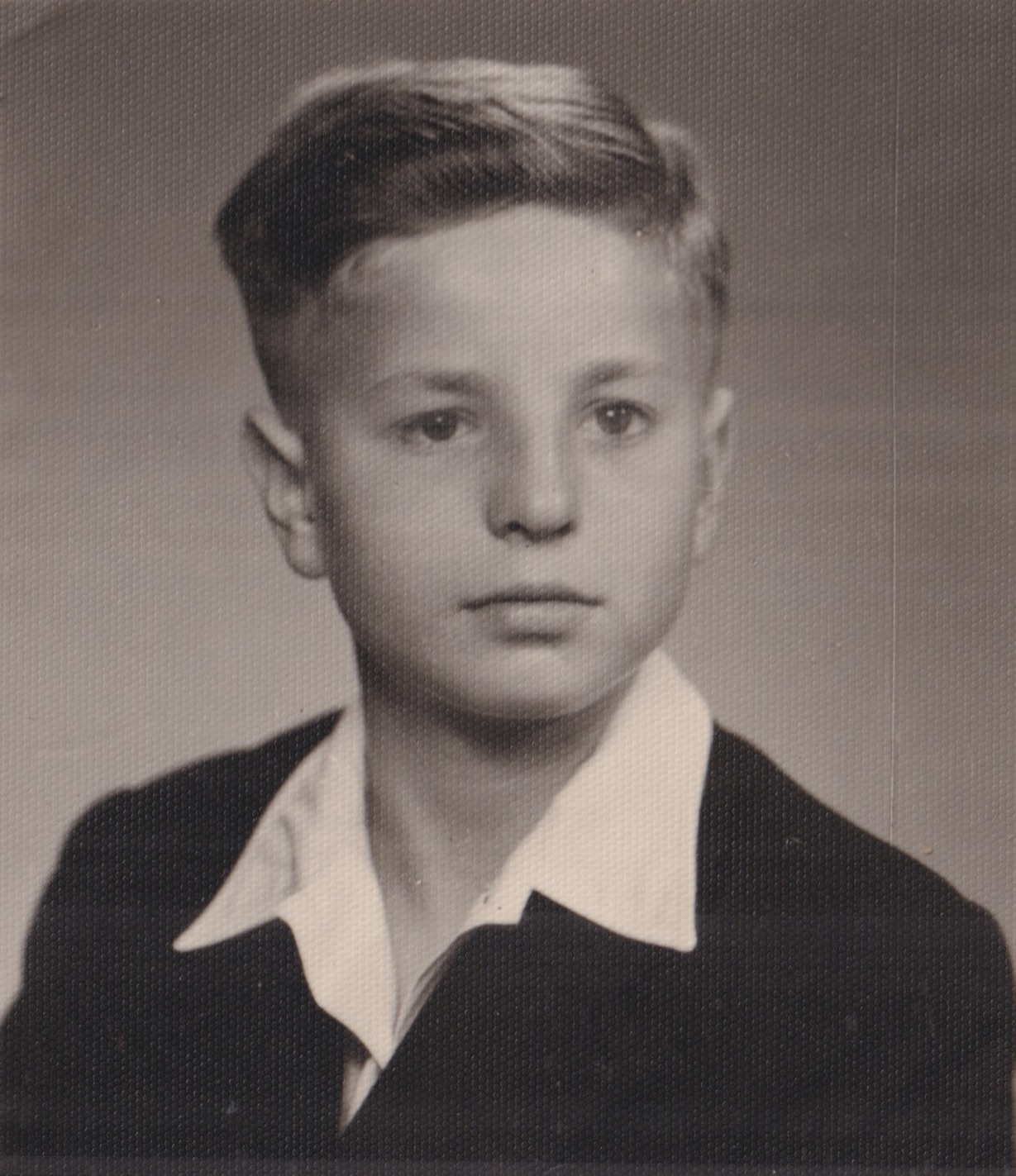
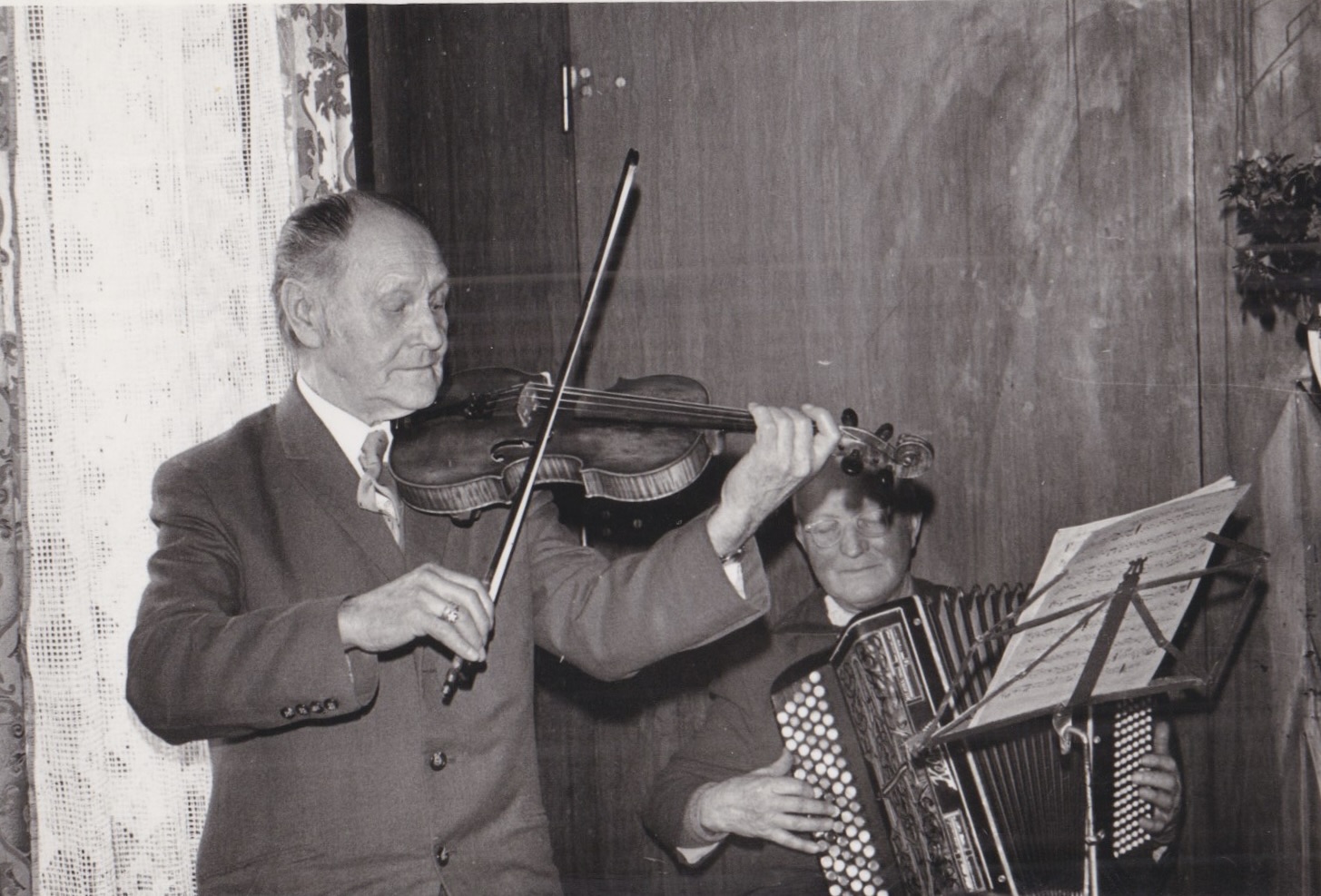
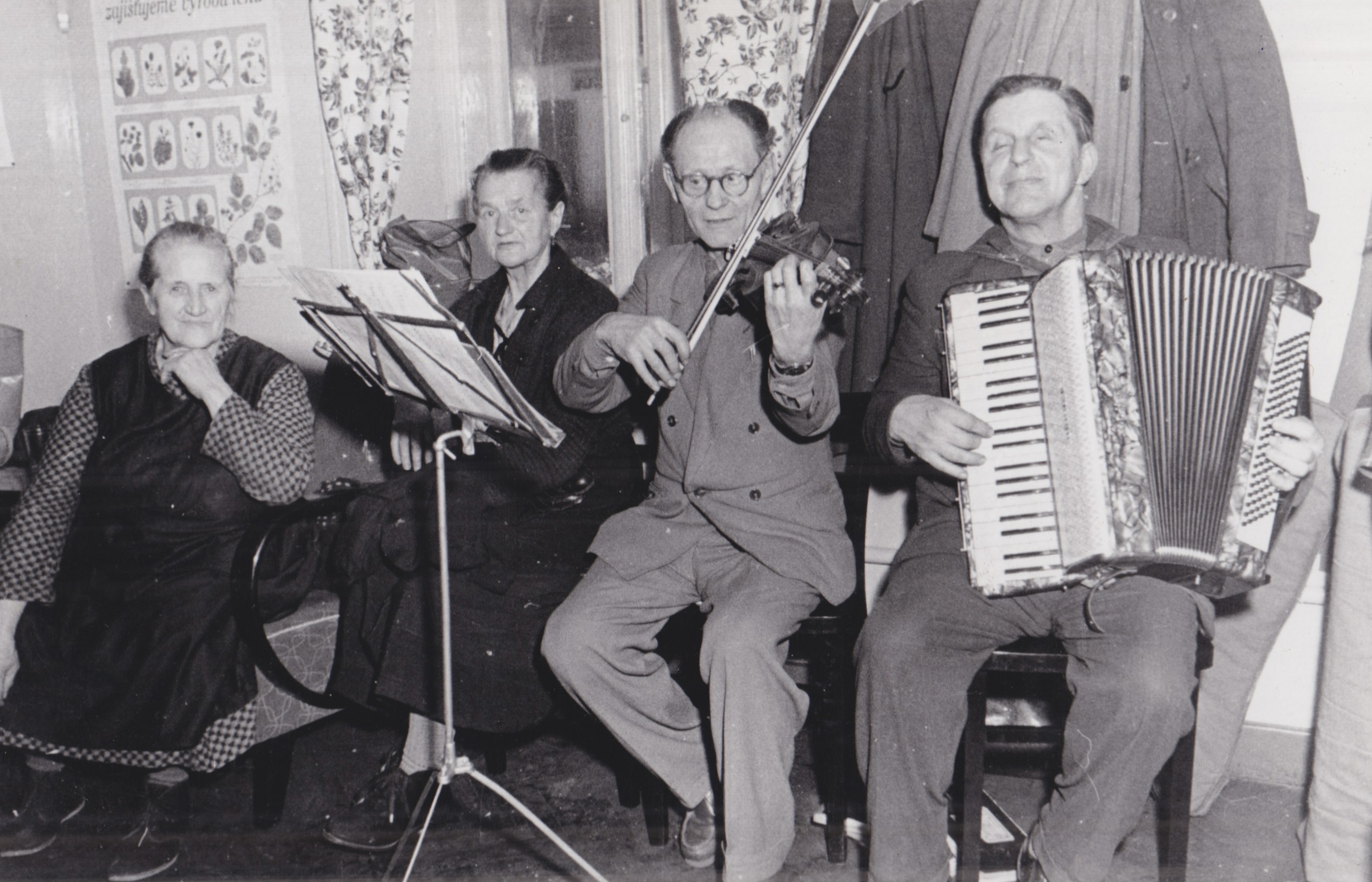
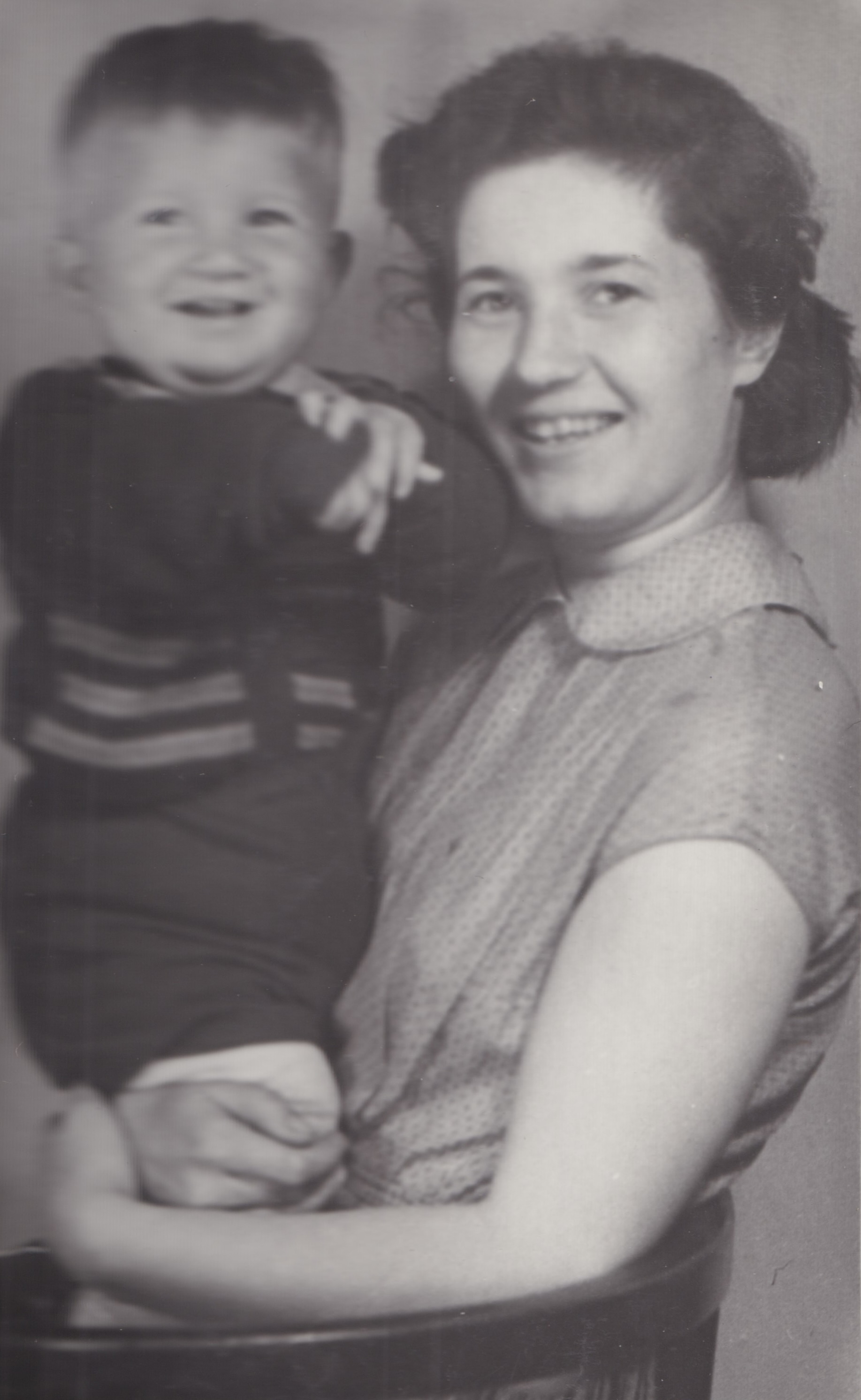
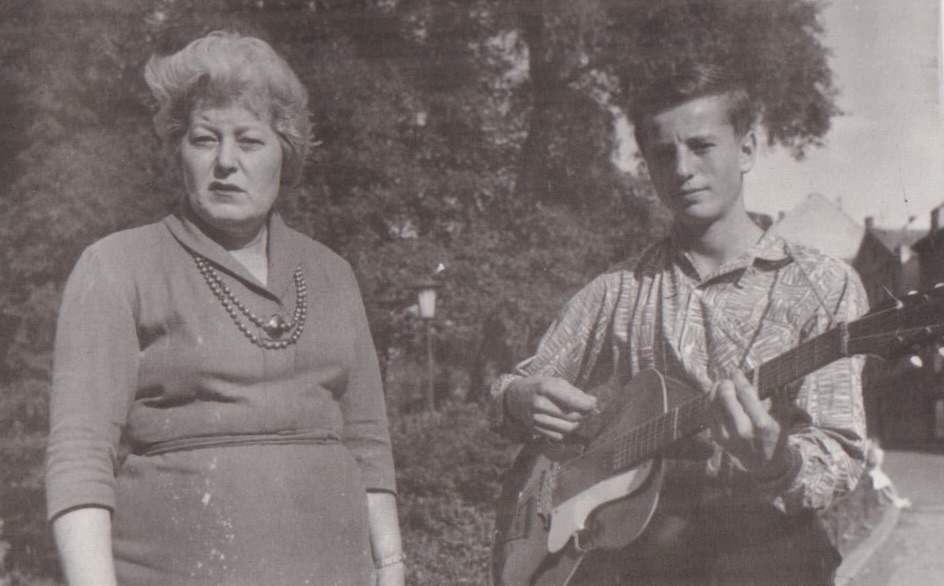
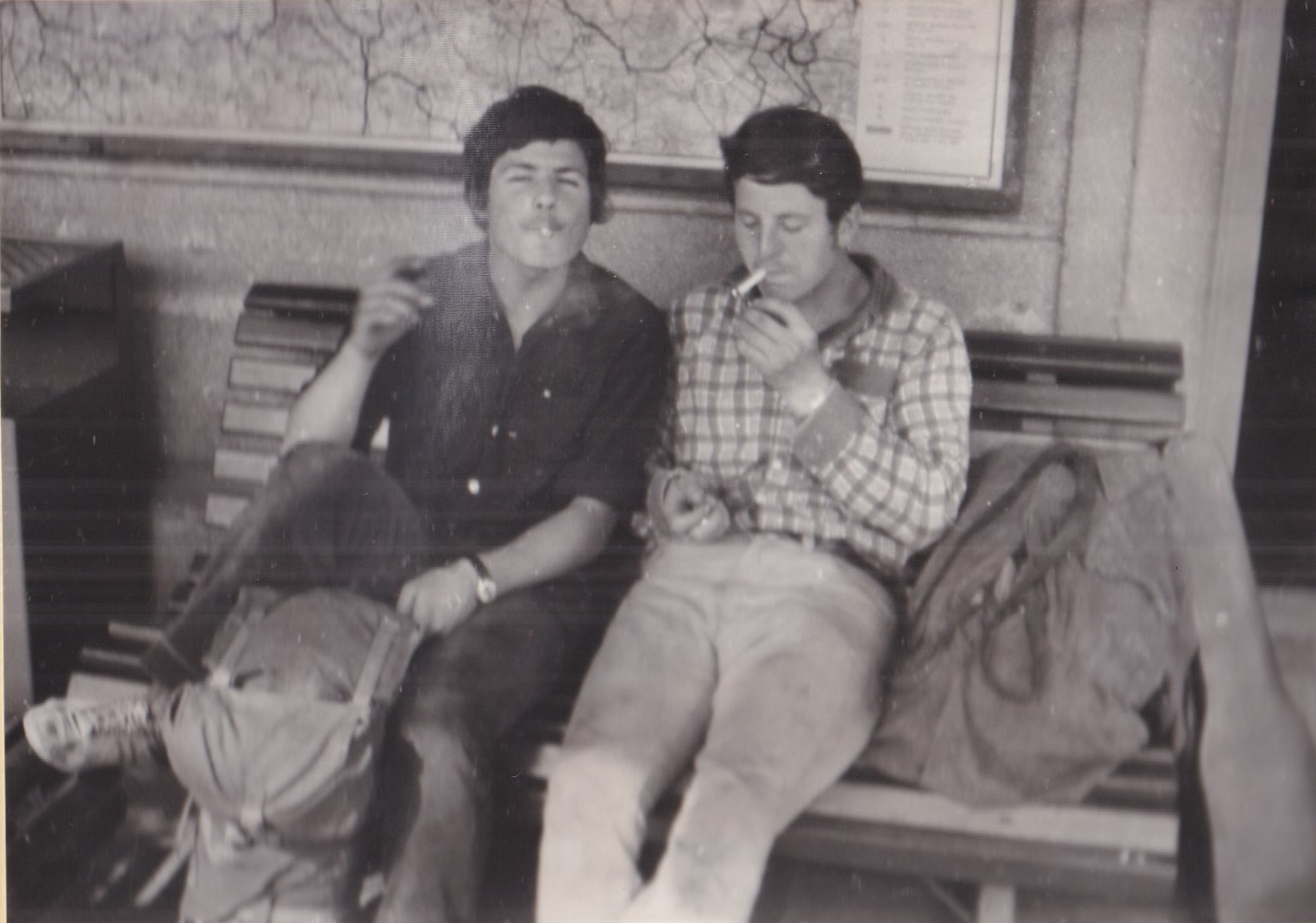
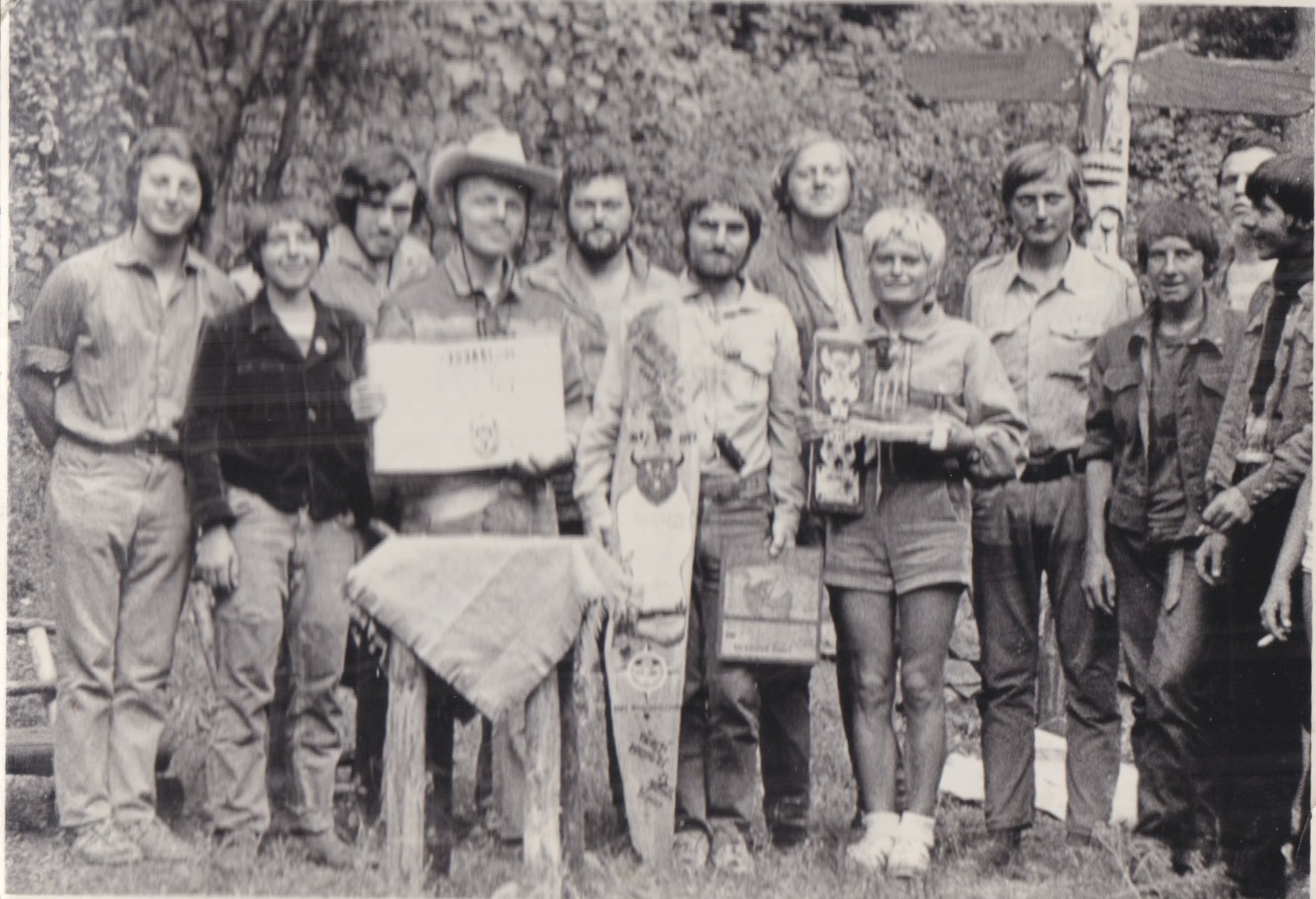
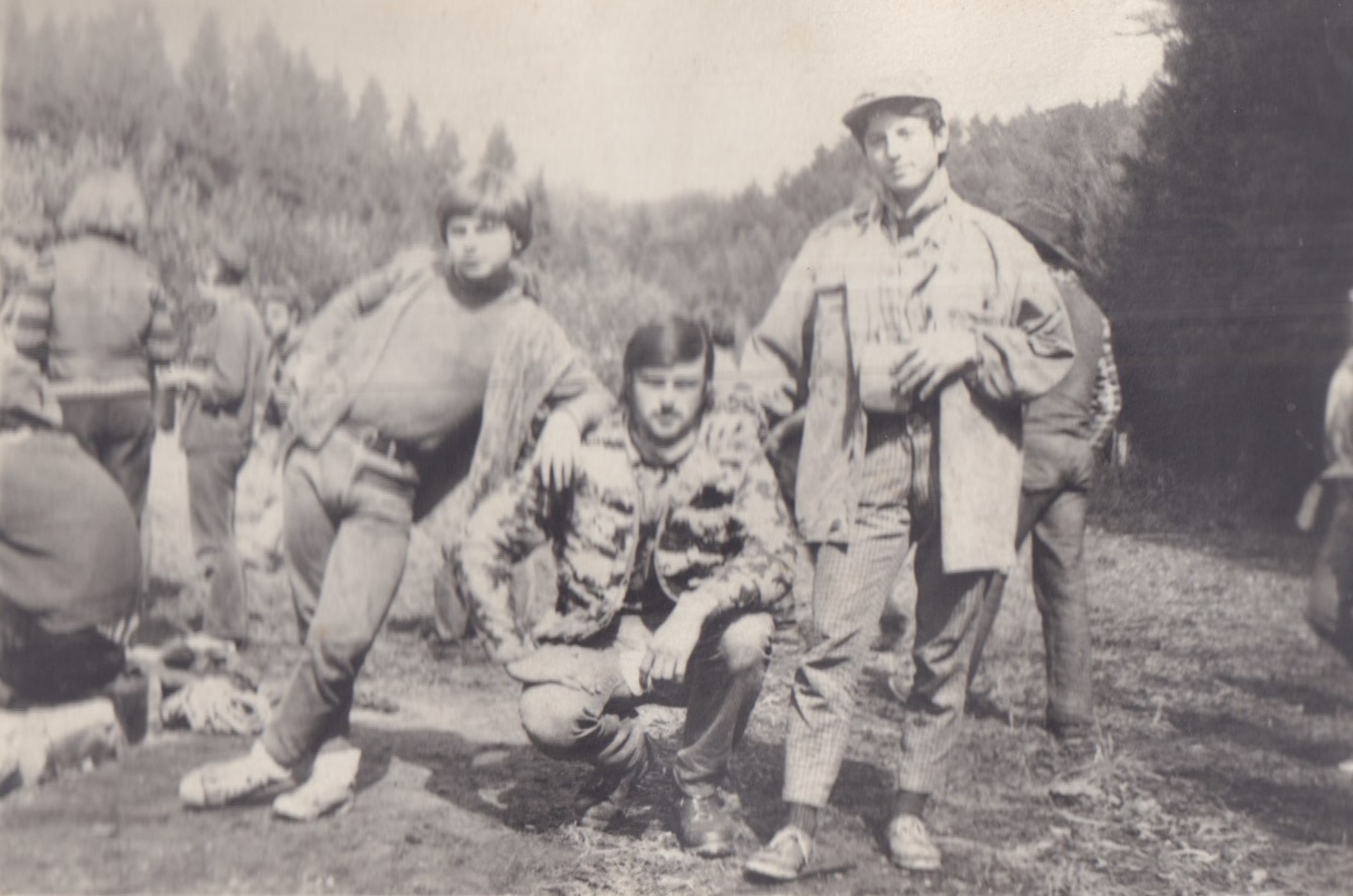
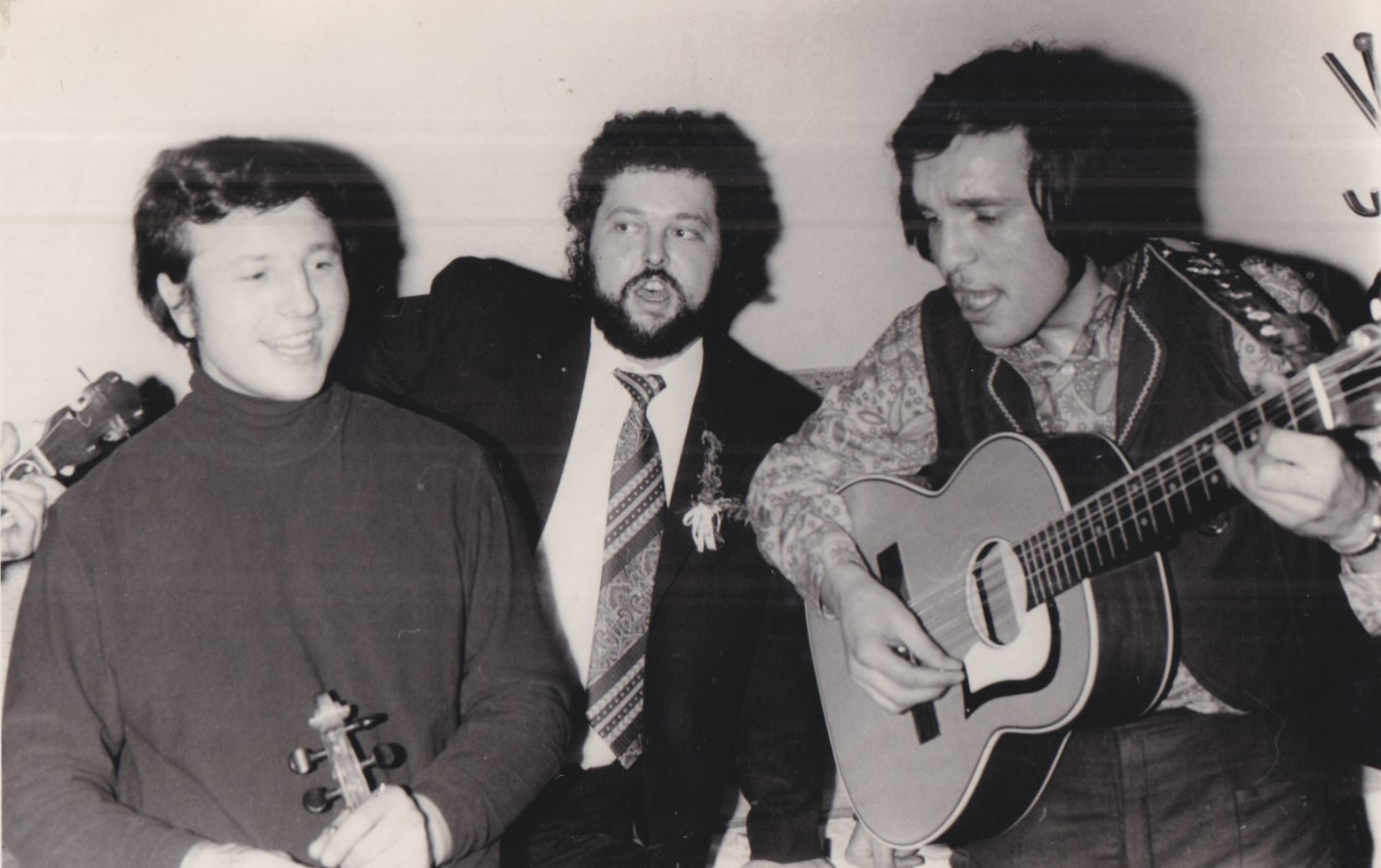
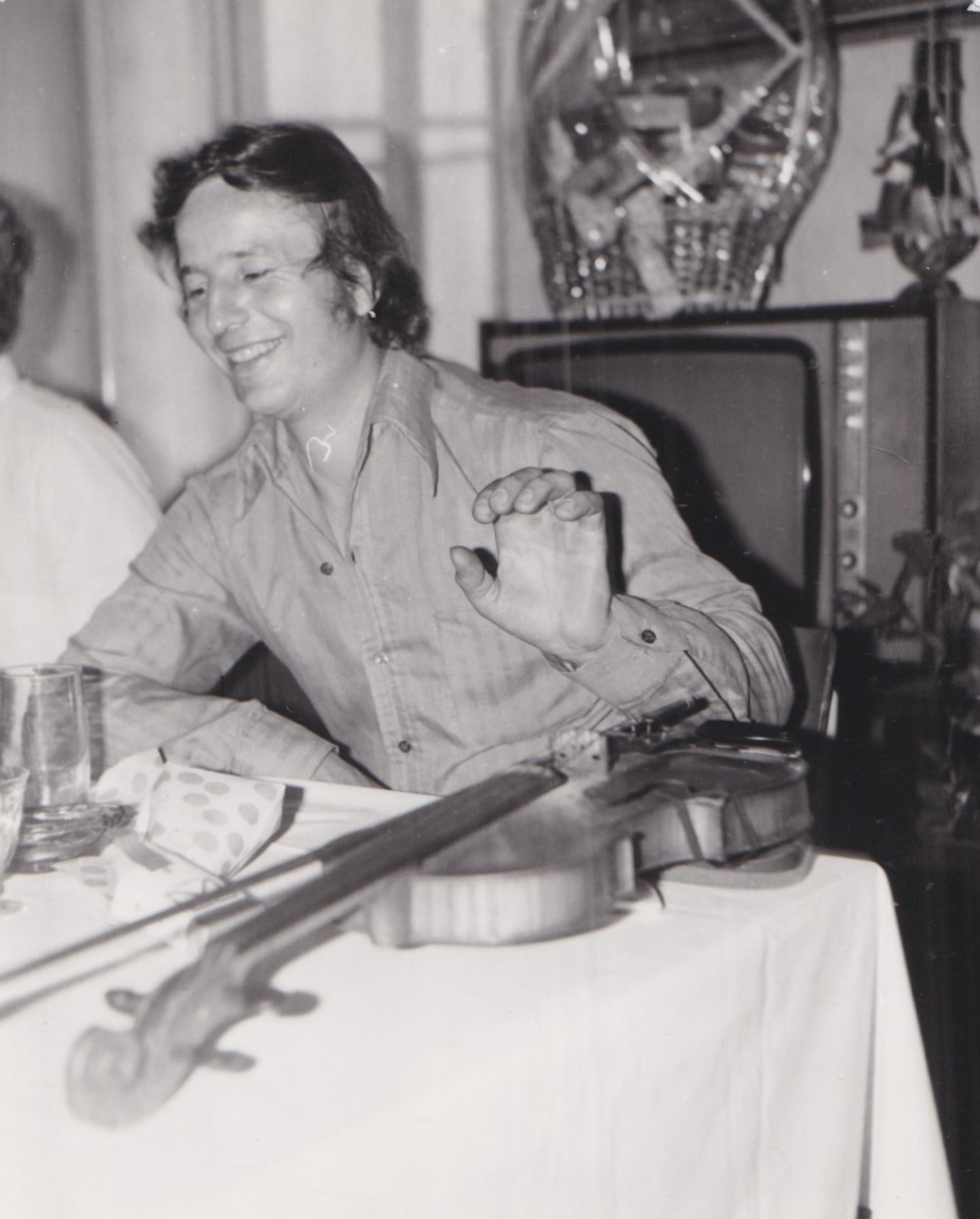
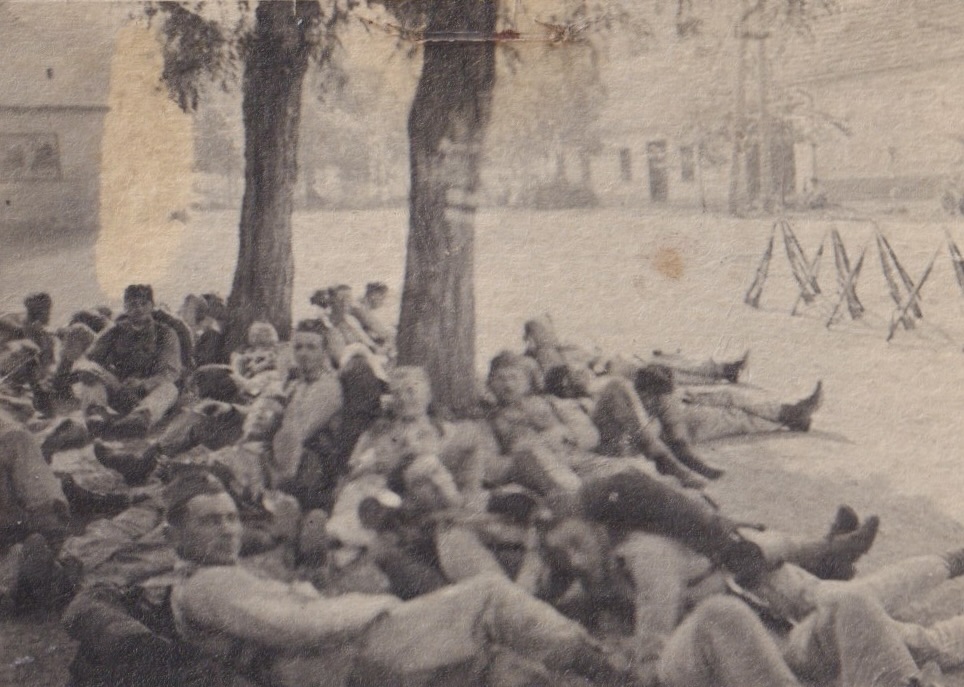
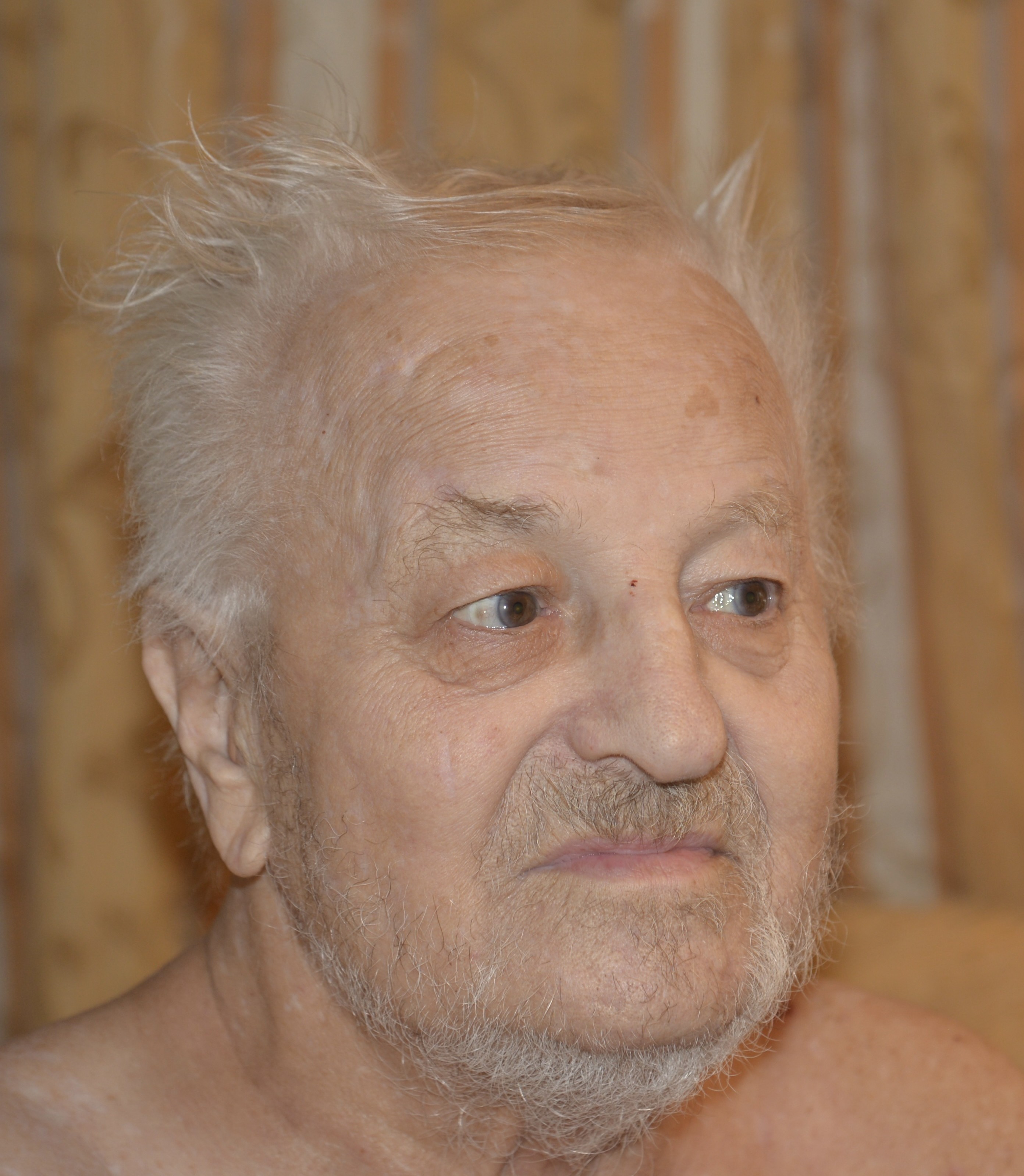
Dieter Neumann was born in Liberec on 24 June 1944 into a mixed ethnic family. His father Franz Neumann was German and mother Serena came from Slovakia and her entire family was Jewish. When the father died in July 1944, the mother faced six months of detention and harsh interrogations in a Liberec prison. After release, she and her five children went to the Kadaň collection camp from where they were to continue to a concentration camp. With the help of the communist resistance, the family was rescued and the Neumanns went into hiding for several months. After World War II, the mother‘s health was weak due to the torturous interrogations and she had to be hospitalised for a long time. Her children found themselves in children‘s homes. After completing primary school, Dieter Neumann went apprenticed for a shoemaker and after graduating in 1964 he began military service with the Technical Battalions in Horní Počáply and then in Terezín. At the time of the invasion of Czechoslovakia by the Warsaw Pact troops, he worked as an ambulance driver in the Liberec hospital, driving the injured from the square. A year later, he actively participated in an anti-Soviet protest and tried to stop the advance of police cars. Until his retirement, he worked as a driver for several companies and was in great demand as a musician for various occasions and parties. At the time of filming (2025) he lived in Vratislavice nad Nisou. Dieter Neumann died on June 18, 2025.