Ing. Petr Nejtek

* 1941

  • "In '68 I said to myself, 'No, I have to be home, this is where it's going to be the most exciting.' But we didn't expect it to be so exciting. My had quite a sense of the situation and said, 'They won't dare anymore, it's too far away.' But they did. I was up here. My sister Libka was here on holiday with children, her two boys. I was asleep and Libka came in and said, 'There's talk outside about the Russians occupying us.' It was like waking up to a horrible nightmare, from a peaceful sleep to a nightmare. And it was true. It was a terrible shock. What bothered me the most about it was this: I thought, 'Now that our nation has reversed it all, got rid of all the lies and ugly stuff and vomit... they're going to crush it again and shove it back down its throat... I didn't have any prospects. In Germany, they wouldn't recognise my years of study and I was already 27 in 1968. Others had finished their studies but I was still there. I was a bit helpless, but fate intervened again..."

  • "My parents said, 'No, bring a proper moving truck,' so at least that... They loaded up all the stuff but then were told: 'Leave the gas stove, the piano and the fridge here.' Mother argued with them. The bastards came in worker's clothes and hats as if to represent the working class but they were no workers. They were bastards from the district authority. Mother said, 'Under what law are you moving us? We live here, but we have our own food stamps and my father is employed in Prague.' They said: 'What law? Your father was a kulak. You are one family, understand?' That was the reasoning they gave her. They took us to a state farm in Sedlišťka near Morašice by Litomyšl. We arrived late at night and the first thing that hit us was the terrible pigsty and manure smell. It was a large yard, once very nice and well-kept, but of course it had been ruined by the Bolsheviks. In the middle was a huge manure heap that leaked into a pond, and on an isle stood a granary, a remnant of the former fort. Our living quarters were quite decent, as they were upstairs, quite dry, and we could use the bathroom. But when we went downstairs through the corridor we always caught fleas and there were an awful lot of flies."

  • "One autumn evening, they suddenly came and arrested my grandfather and both uncles and took them to Litoměřice. The trial was in January. I remember it quite clearly. We were waiting for them in a long corridor, and then they led them, one guard with each of them. My grandfather's hair was all white. He was 69 or 70 at the time. It was such a horrible sight that I cried desperately and so did my sister. My cousins were there. It was a very emotional encounter. Then they went on trial. The trial was a farce. The prosecutor's name was Janouch; he was a former barber. It was all arranged in advance. They were accused of total nonsense, such as not ploughing the field in time and so on, while they were left with almost nothing to do it with. There were no people to do the work. One uncle had to go around the villages to get pigs because they were ordered to supply pigs while having no place to keep the pigs and no one to look after them."

  • Celé nahrávky
  • 1

    České Kopisty, 29.04.2025

    (audio)
    délka: 02:04:19
    nahrávka pořízena v rámci projektu Příběhy regionu - Ústecký kraj
  • 2

    České Kopisty, 18.06.2025

    (audio)
    délka: 36:18
    nahrávka pořízena v rámci projektu Příběhy regionu - Ústecký kraj
Celé nahrávky jsou k dispozici pouze pro přihlášené uživatele.

He couldn‘t live a lie
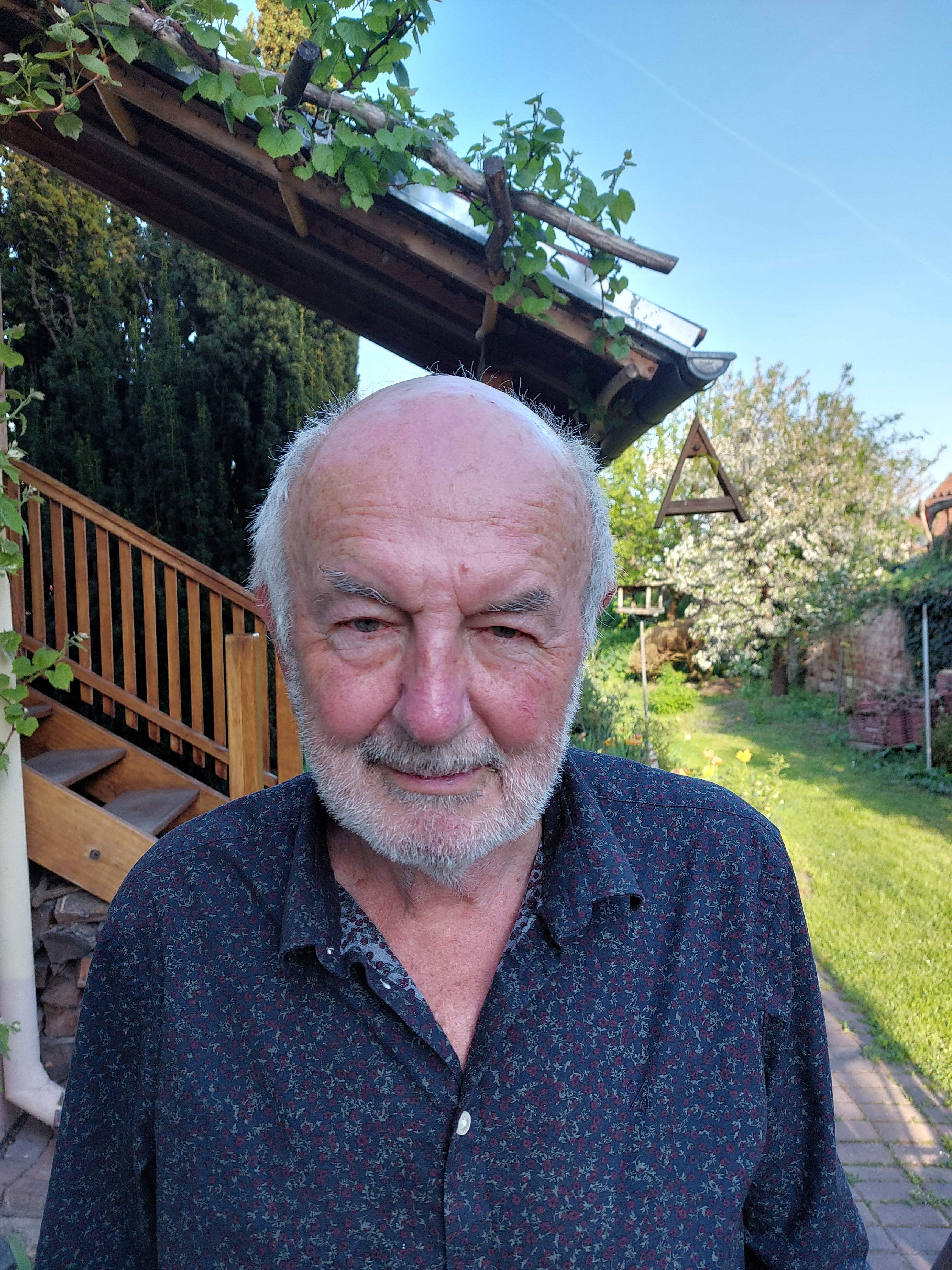
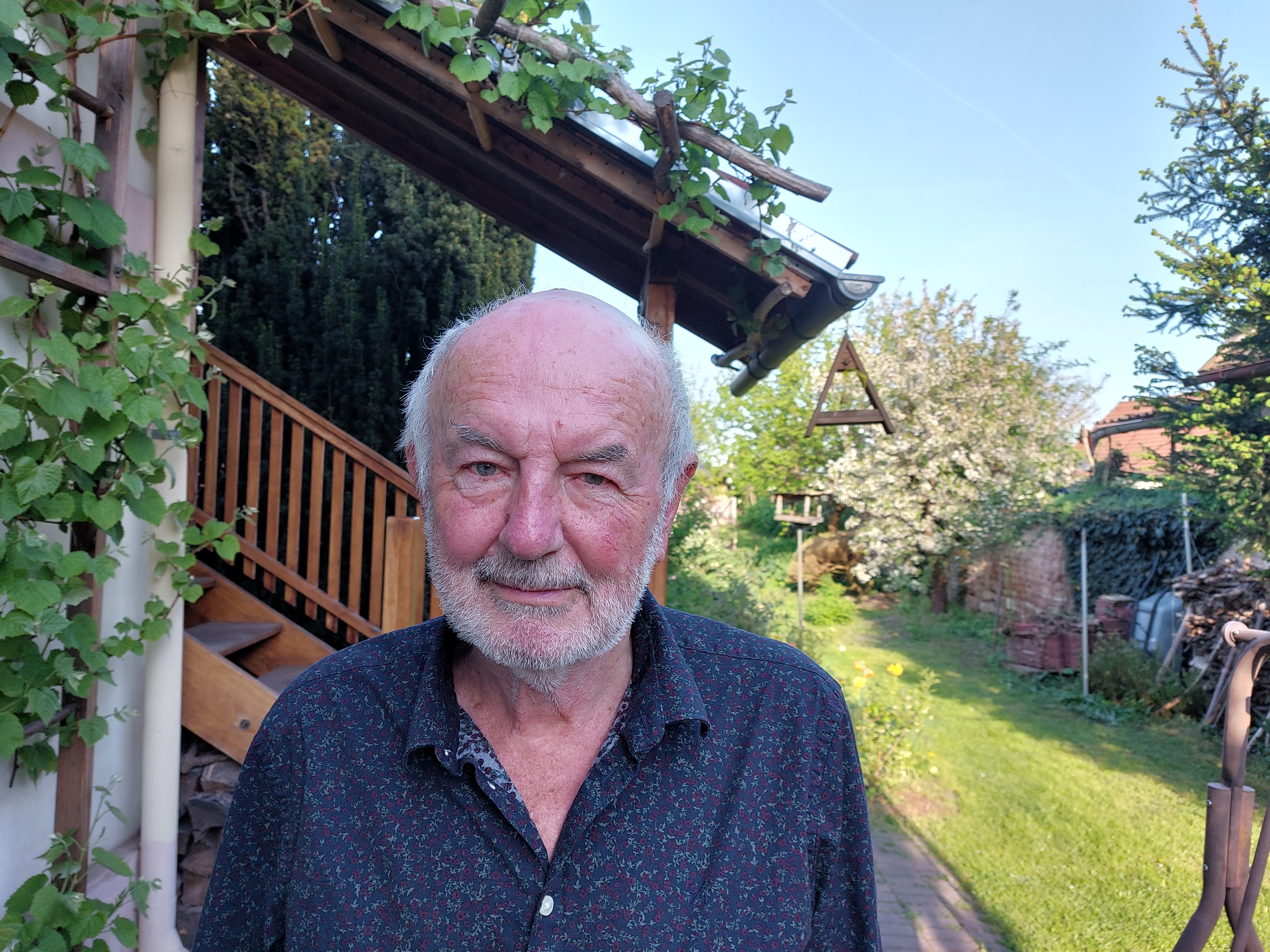
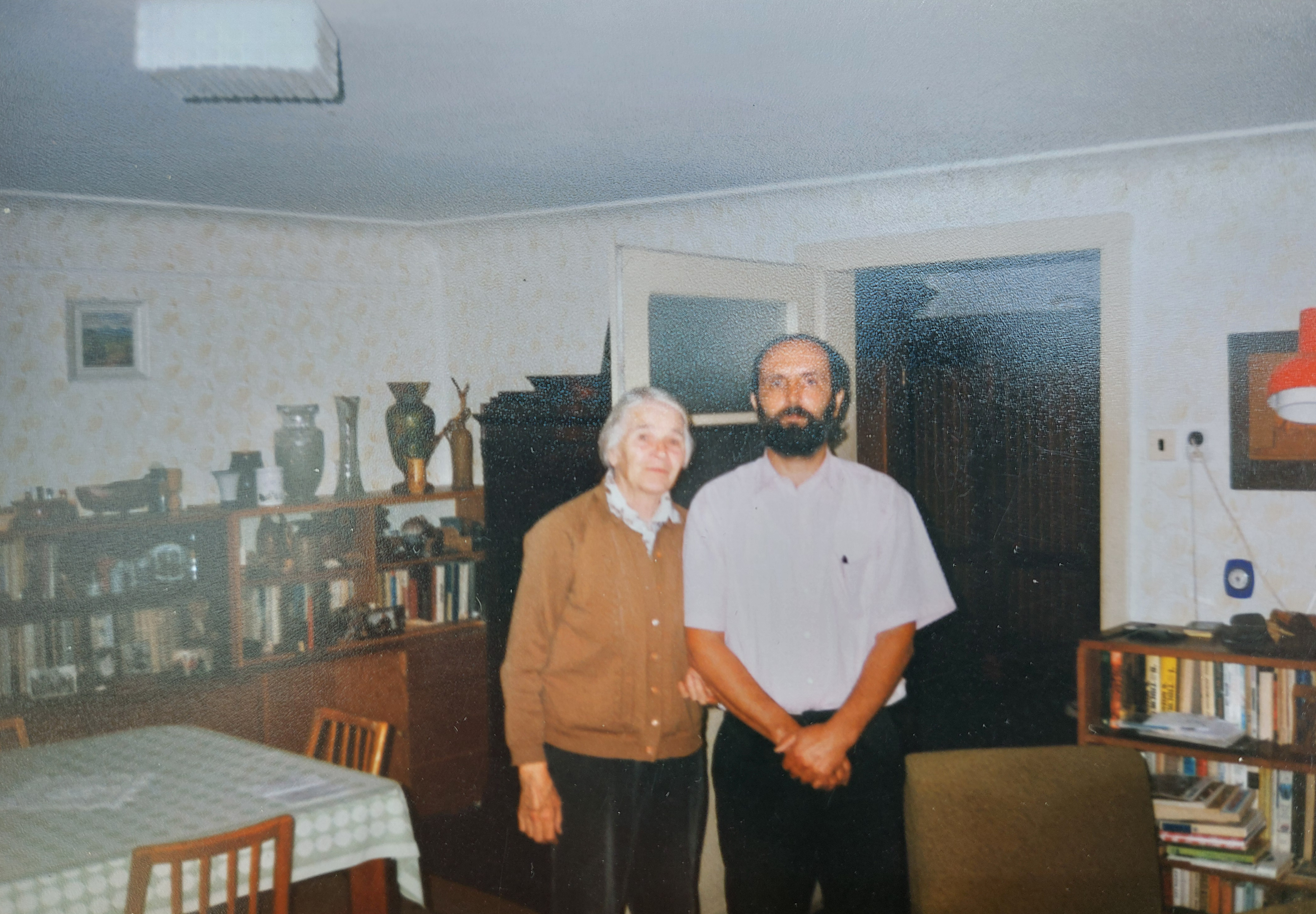
Petr Nejtek in 2025
Petr Nejtek in 2025
zdroj: Memory of Nation

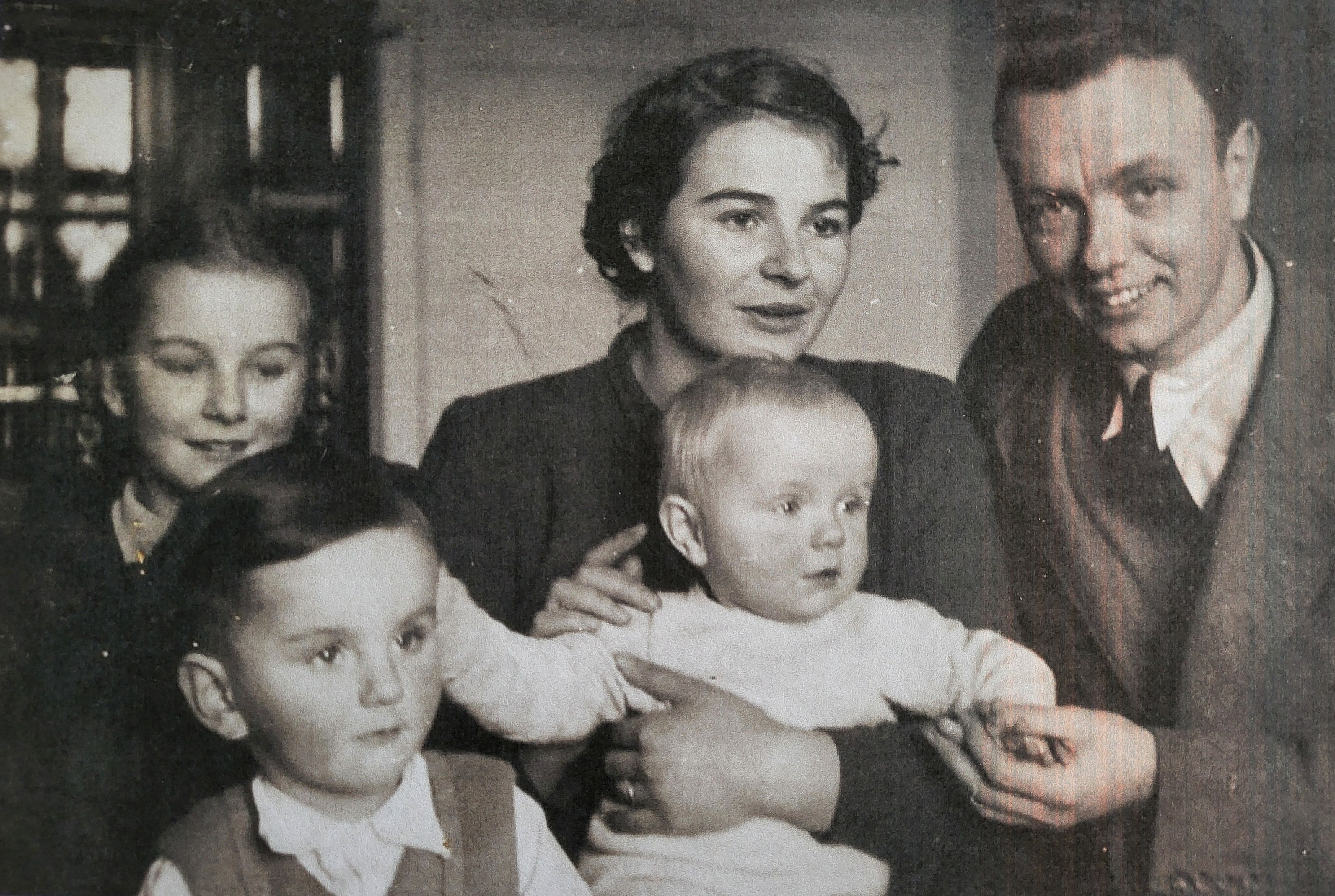
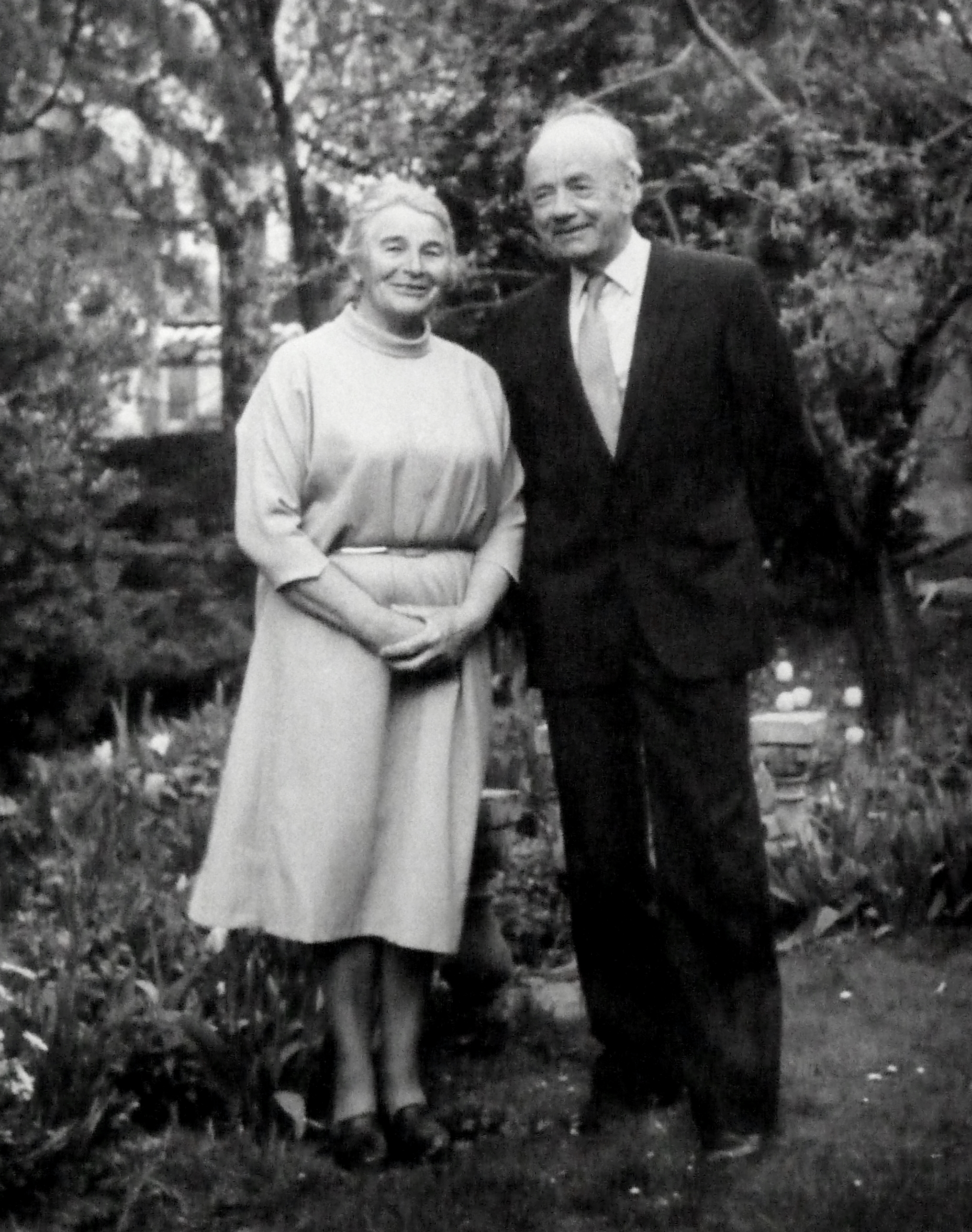
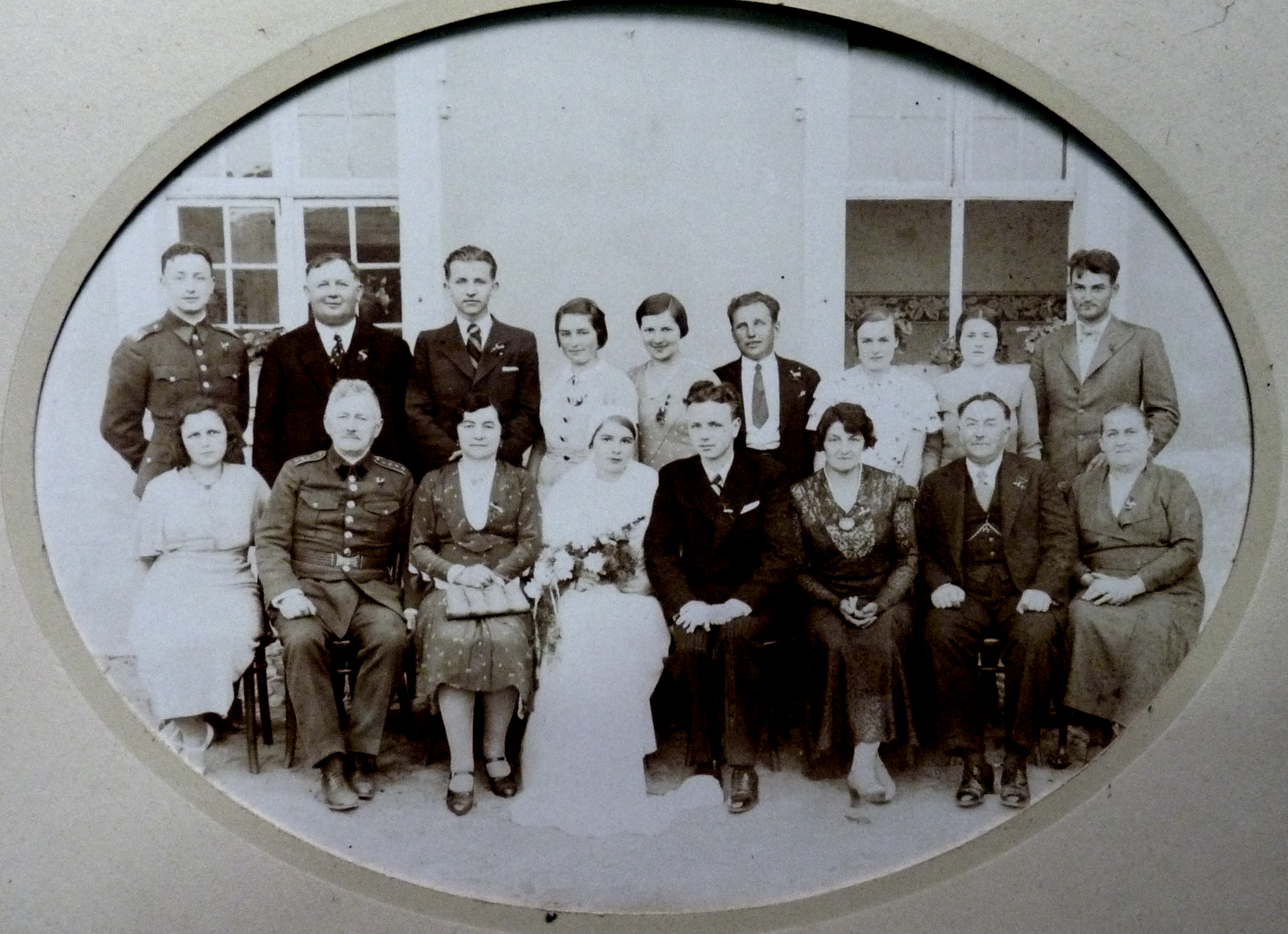
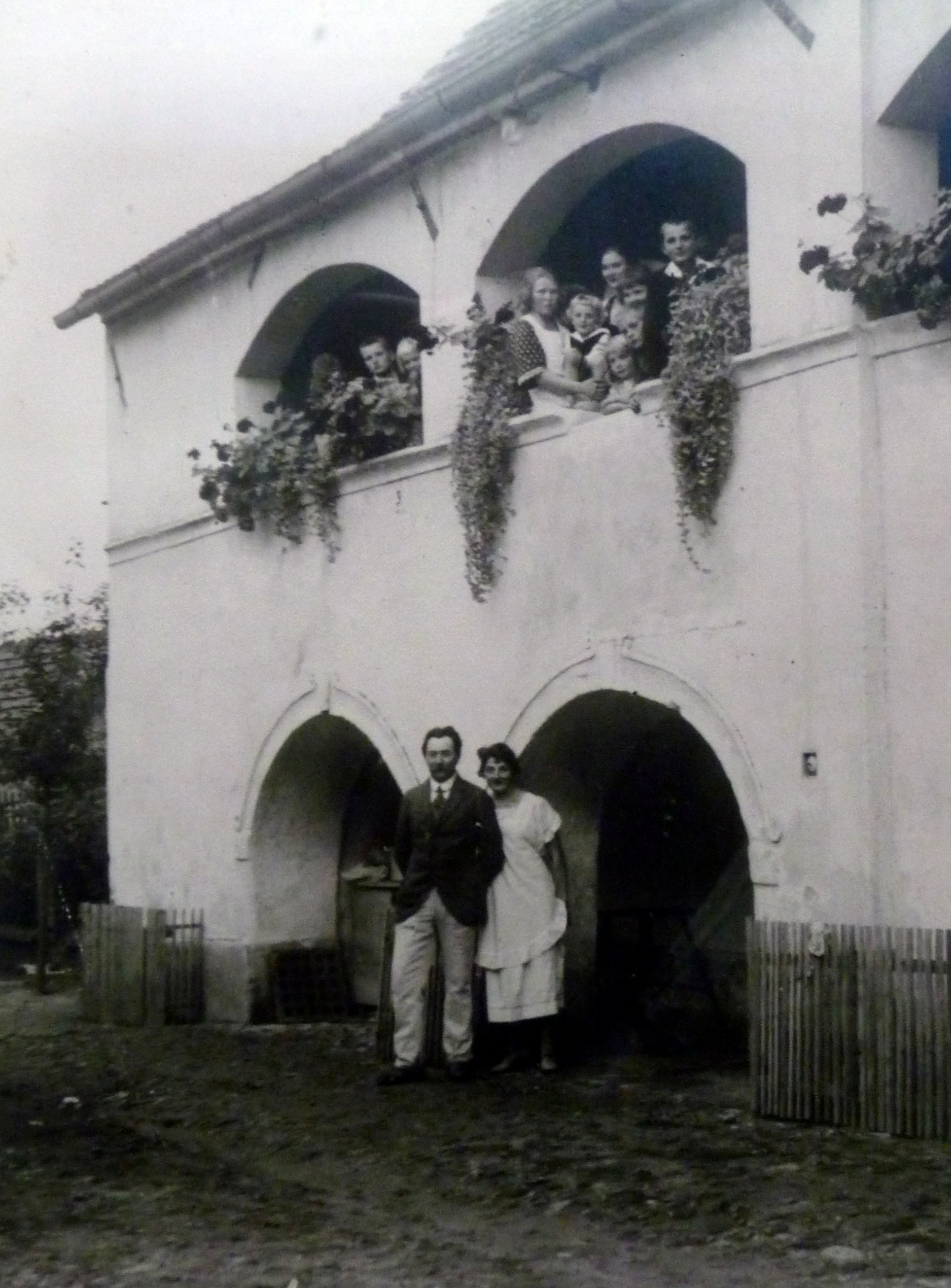
Petr Nejtek was born in České Kopisty near Terezín on 31 March 1941. He grew up with parents Jiří Nejtek (1912-2004), mother Libuše (néé Strádalová, 1917-2006), and sisters Libuše and Jana on the farm of his grandparents Václav and grandmother Růžena (née Škobisová) Strádalůs who had eight children. His father was the son of the chief physician of the Terezín military hospital and worked as a clerk. His mother ran a large household on the farm. Grandfather Václav Strádal farmed about 50 hectares of land growing vegetables. During the war, prisoners and guards from the Small Fortress came to the farm to get vegetables. After the war, German women from the Smal Fortress internment camp worked on the farm while waiting to be deported. In January 1953, the Communists sentenced the grandfather and his two sons in Project Kulak under Section 85(1) of the Criminal Code for sabotage to five years in prison and confiscated all their property. In June, the Communists ordered Petr Nejtek‘s family to move to a state farm in Sedlišťka near Litomyšl within 24 hours and banned them from the Ústí Region. When the political situation eased somewhat in 1956, his mother got back the family house which was originally her property and not part of the farm, yet the communists also confiscated it in 1953. Returning to České Kopisty, Petr Nejtek graduated from the Litoměřice Grammar School in 1958. He was not admitted to university for politicla reasons. He went to Prague and trained as a turner at Tesla Hloubětín. Even after a year of working as a labourer, he was still not admitted to university. He served in the military in 1960-1962 with the air force in Bochoř near Přerov. Then he completed a two-year extension course at a construction high school in Děčín and was admitted to the Faculty of Civil Engineering of the Czech Technical University in Prague in 1964. Following August 1968, he left the country for Germany and then Norway to visit friends, where he finished his studies and started a family. After graduation he worked as an assistant teacher in university and then with a design company as a successful civil engineer. He designed buildings, bridges, oil rigs and bridge construction equipment built in Portugal, South Korea, Taiwan and elsewhere. After the Velvet Revolution, he co-founded the Czech-Norwegian Help Society supplying wheelchairs for the handicapped, hospital beds, photocopiers and other equipment to Czechoslovakia. In 2002, he founded a Camphill Community at his restituted family farm. At the time of filming in 2025, he was supporting other similar projects promoting Waldorf pedagogy and biodynamic agriculture in the Czech Republic while living permanently in Norway. We were able to record the story of the memorial thanks to support from the town of Litoměřice.