"So I joined in August sixty-eight, and my first duty was from August 20 to 21, 1968. I served, it was still at the old internal ward, it wasn't standing here yet. And at night, at 1:30 in the morning... I remember that I had no admission during that service, but I had a sixteen-year-old boy die of acute leukemia, there was no medicine for it then. At 1:30 in the morning, the nurse who was serving called me to turn on the radio, which was then here. It was about the troops coming in, well, so we met, I was a young doctor and there was an older assistant, Janek, an orthodox communist. He was crying when he heard that we were occupied by the Soviet army."
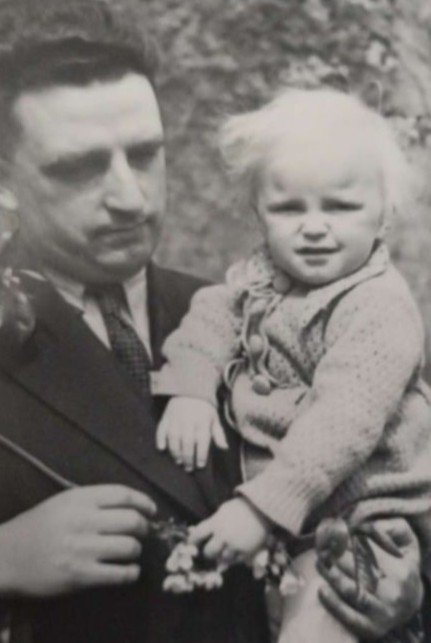
"My dad tried to help people who were in the concentration camp. There were a lot of Czech people there, they were there for some small offences. It was forbidden to send food to the concentration camps, yeah, that would be the subversion of the Reich, but they were allowed to be sent medicine there. Well, and they were starving there, so the relatives would come to Daddy and ask him to put lard in their tubes instead of ointment, which Daddy did. But he was afraid if they found out it was a cheat, but maybe he helped some people survive because there was a lot of hunger."
"The year 1945, when the war was ending, that's my earliest memory that I remember my dad carrying me down to the basement. That's where they put the mattresses, in short, so I wouldn't lie on the floor. And my siblings were there, too, because they were shooting at Březnice. As the war was ending, the Germans were running away from Prague and from Milín towards the Americans, they wanted to come here, to western Bohemia. The so-called Vlasov´s army soldiers were also withdrawing from Prague. If you've heard of them, they were captured Russian soldiers who had the choice of going to a concentration camp or cooperating with them, so they did cooperate with them, not very much, but during the Prague Uprising they stood up for Bohemia and fought against the Germans. But it was assumed that the Red Army considered them traitors. So they retreated to the Americans, too. And two roads meet at Březnice, one with the Germans retreating from Milín, the other with the Vlasov´s soldiers retreating from Příbram. Above Březnice, it met and now they were shooting at each other."
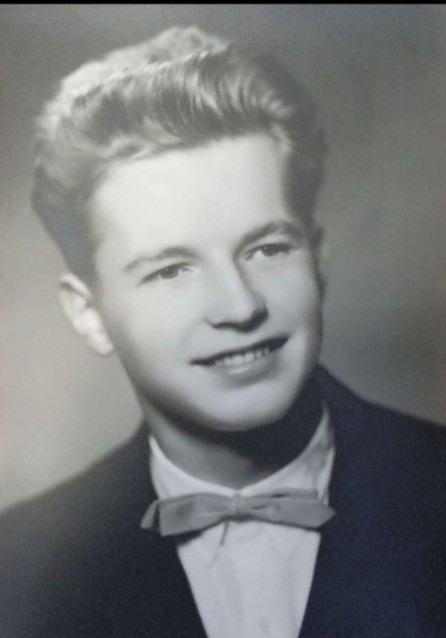
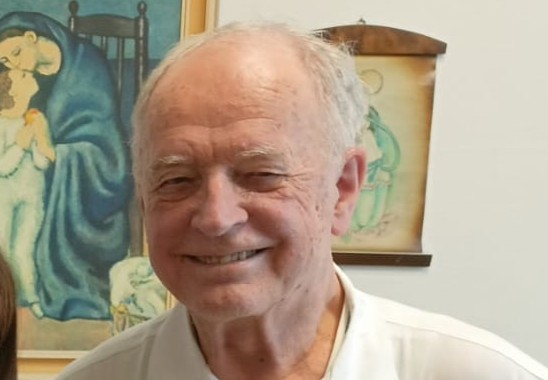
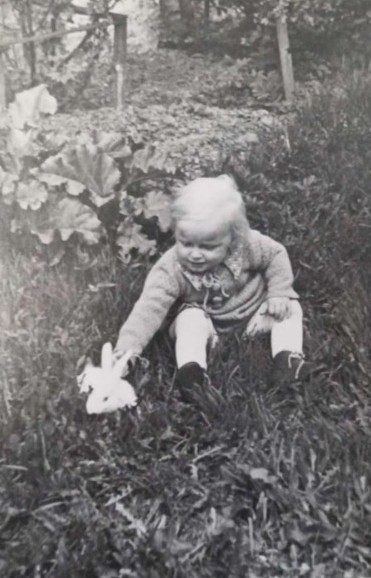
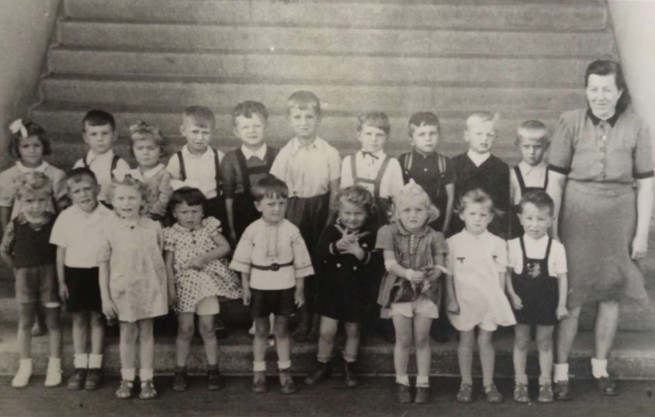
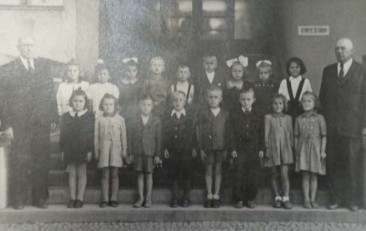
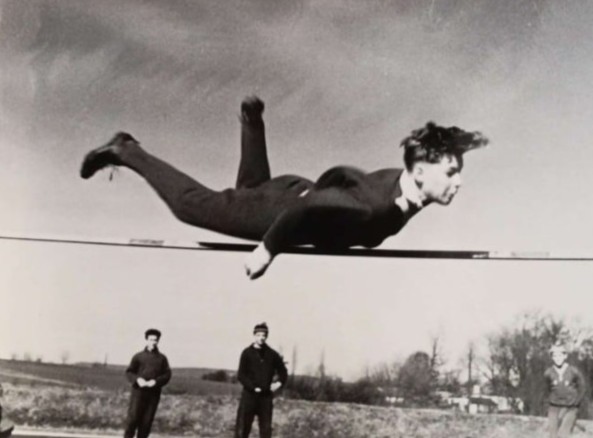
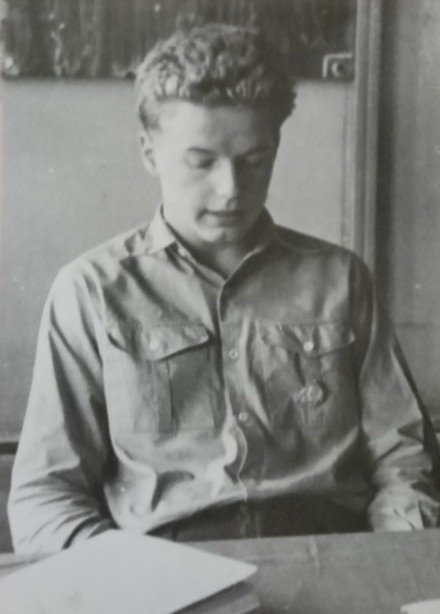
Jiří Motáň was born on 4 September 1942 in the village of Březnice, which is located near Příbram. He remembers the liberation of Březnice, which he spent in the basement where he was hiding with his family from the last battles. After the communist takeover, the new regime nationalized the family‘s house and the pharmacy that his father ran. As the son of a tradesman, the witness had trouble getting into university. Although he graduated from primary and secondary school with excellent results, he was not recommended for further studies. He had to work in a grinding shop for a year to get along with the working class. Then he managed to get into the Faculty of Medicine at Charles University in Pilsen, from which he graduated with distinction in June 1966. In August 1968 he joined the First Internal Medicine Clinic in Pilsen. There he also lived through the invasion of the Warsaw Pact troops. First he worked as a junior doctor, then as an assistant doctor. Later he became deputy head of teaching and gradually worked his way up to the head of the clinic. He obtained three professional certifications, attained the scientific-pedagogical title of CSc. In 1990 he was appointed Associate Professor of Internal Medicine. In 2024 he lived in Pilsen and still worked part-time as a consultant physician at the First Internal Medicine Clinic and as a teacher at the Medical Faculty in Pilsen.