Alena Mikešová

* 1945

  • "In November of the year eighty-nine, I was on pilgrimage with the Church in Rome for the canonization of St. Agnes. The other day I heard a broadcast on Vltava station, they were remembering Tomášek. He was there and spoke to the pilgrims. It was a surprise - there were so many Czechs at the canonization, such a mood... It has already broken out everywhere, in the DDR, only not yet in the Czechoslovakia. And that was amazing. And when we were coming back, it actually started in Prague, in November. Nobody could believe it at the beginning that this was possible. I mean, it had already boiled over, as I say, we were one of the last ones. But we also hoped it would happen, but when it did, it was a big surprise. And there were people who went here the very next day, so we couldn't, that was also before Christmas, but in January we went just to South Bohemia for the first time. We had cousins there, they were still alive, so we went there, that was quite interesting. We went through Austria and we went to Český Krumlov or a village near Krumlov. And when we got to Krumlov, we stopped in the square, it was evening, in January it's already five o'clock in the evening - we got out of the car and the smell of the heating, the smell, it immediately reminded us of our homeland. We didn't know that anymore, so we took a breath..."

  • "The German side, they gave us the money to give to these people... to support them a little bit, but then, as I say, if it was a family, they got maybe fifty marks, but what was interesting was that at the time of the asylum applications, it was already a time when these people arrived, got money and lived in a guesthouse. They didn't work because they couldn't. And they got this Goethe Institute right away to learn German. But I knew some people who, when they went there like that, they said - no, we don't go there... I said: why, you need the language, don't you? And because of this and that... so I always thought: you're stupid, because that offer... that Goethe Institute cost six hundred marks a month, it was the most expensive language school."

  • "...it changed a little bit in the Czechia in that people didn't get passports like normal passports, but they got grey passports and they could go to Yugoslavia with them. And a lot of people, it was more or less a kind of second wave after the '80s, a lot of people fled in the '80s, it was thousands of people with those grey passports too. And it was like, they would come to our parish and they would talk to each other and we would give them dictionaries and we would give them money to start with. It wasn't a lot, but they each got twenty marks and the dictionary, well, and all sorts of things that they needed, to call somewhere or to write something, to get information or something. It was such a rush of people, it was like two years that they used to queue across that yard, well it was so touching. And that was also the time when there were some people like that who came in amongst them, and as I say, you could see that they had other interests. - Hod di you regognize it- Well, he said, what's your name? And I always said, well, it's not that important and what would you need and this... I don't know how to say it. We also had, like, two times when we got a phone call at home. I don't know where he got the number either..."

  • Celé nahrávky
  • 1

    Praha, 12.06.2025

    (audio)
    délka: 01:14:07
    nahrávka pořízena v rámci projektu Stories of 20th Century
Celé nahrávky jsou k dispozici pouze pro přihlášené uživatele.

She devoted forty years to the ministry in Munich
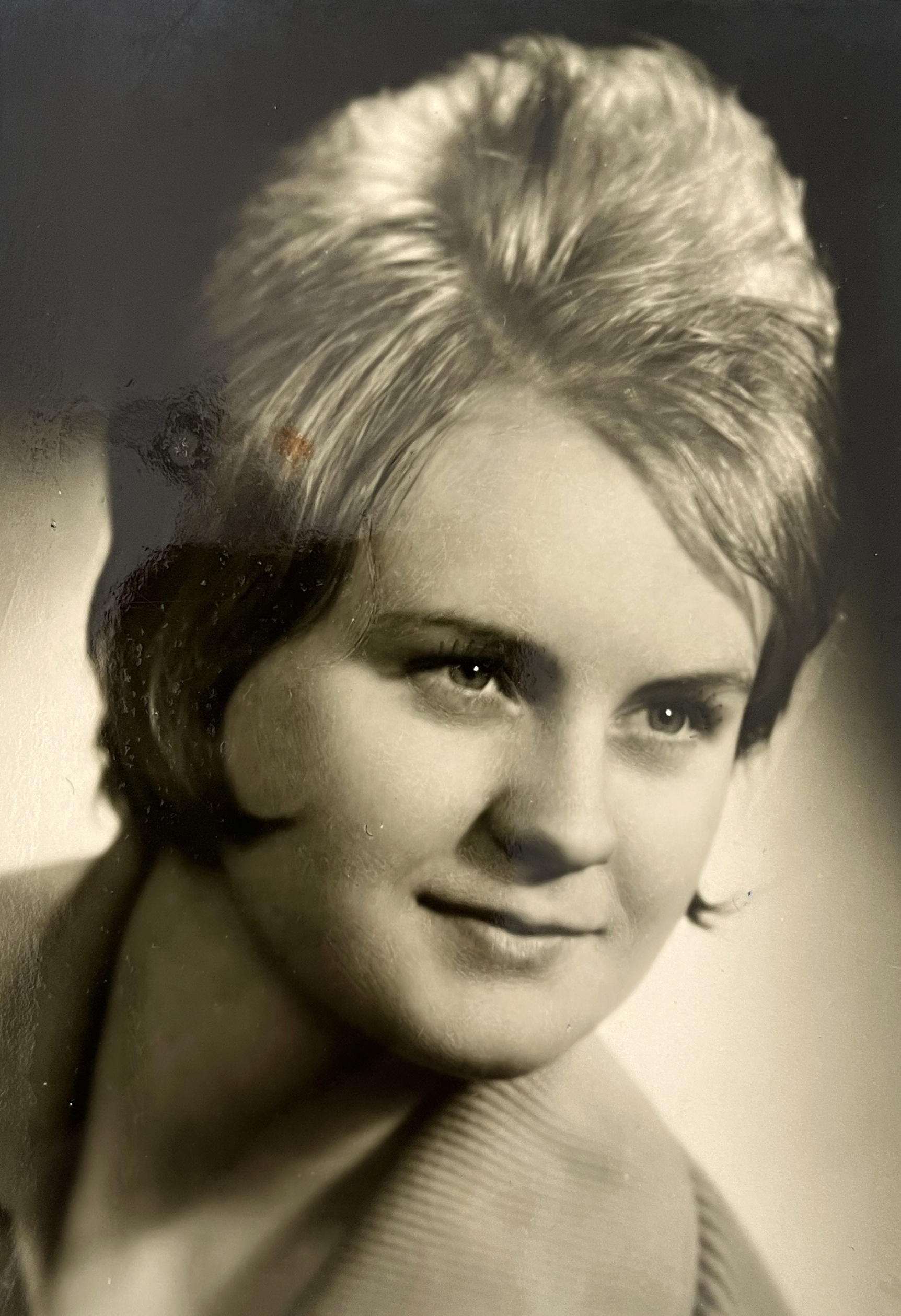
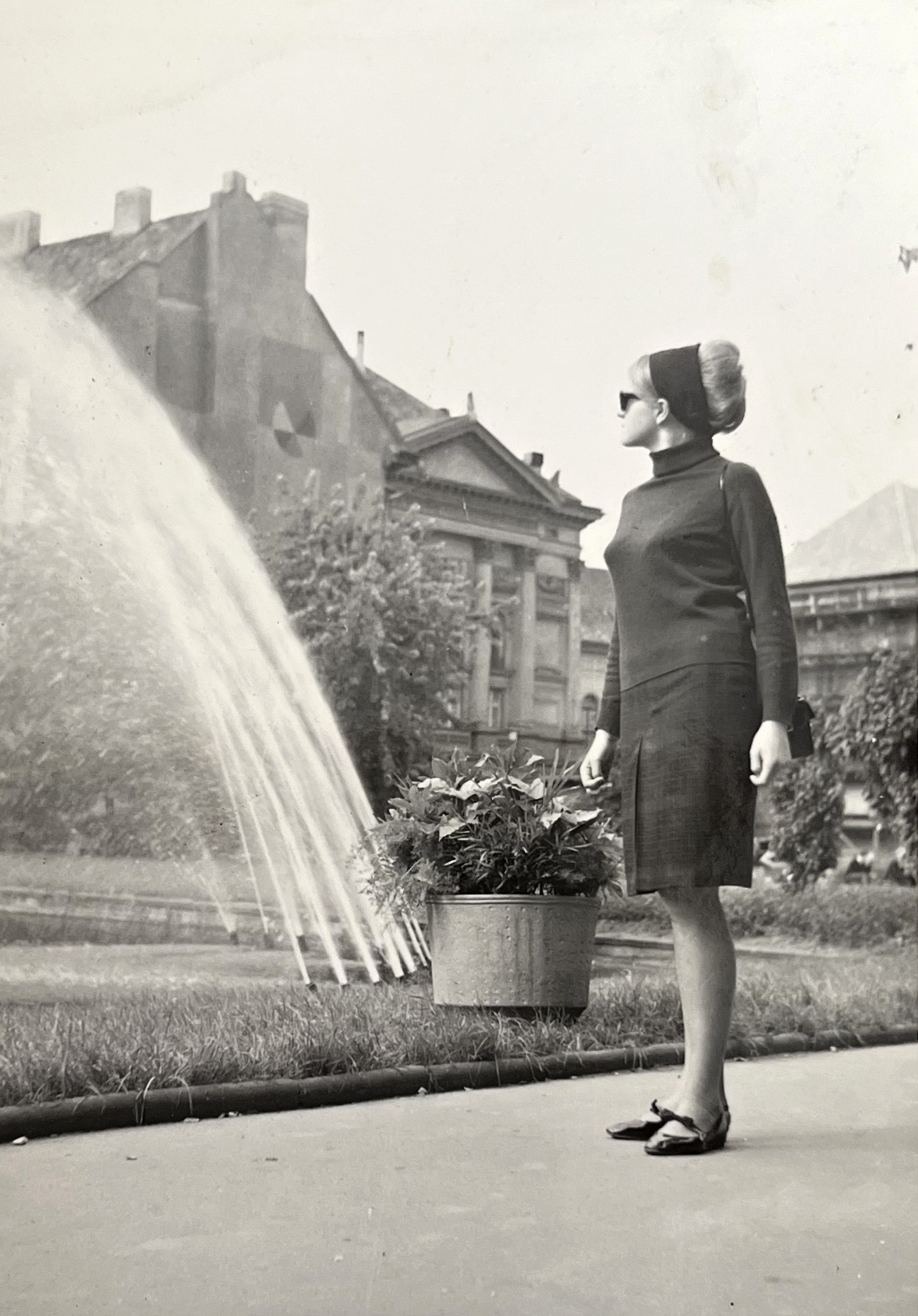
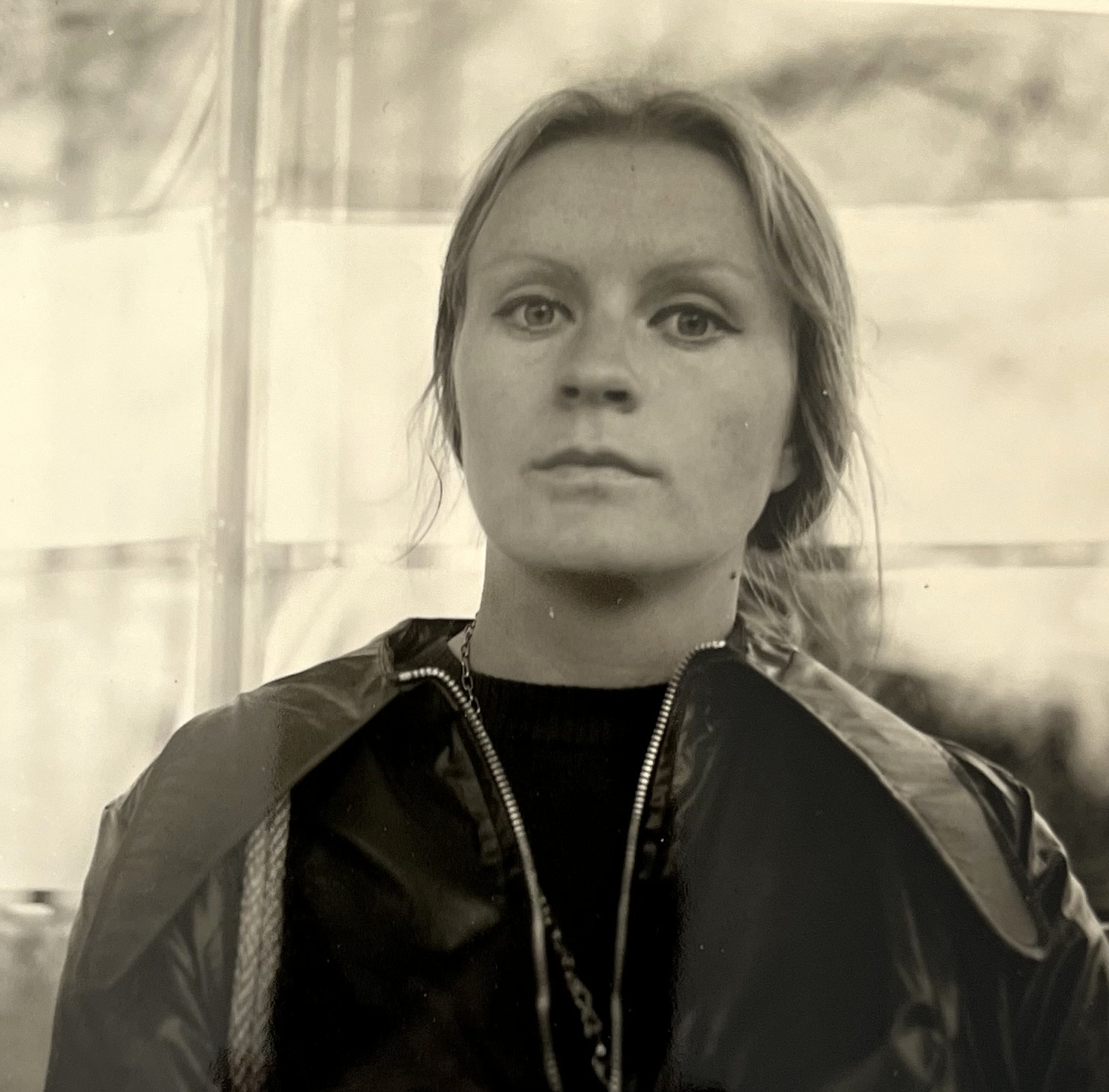
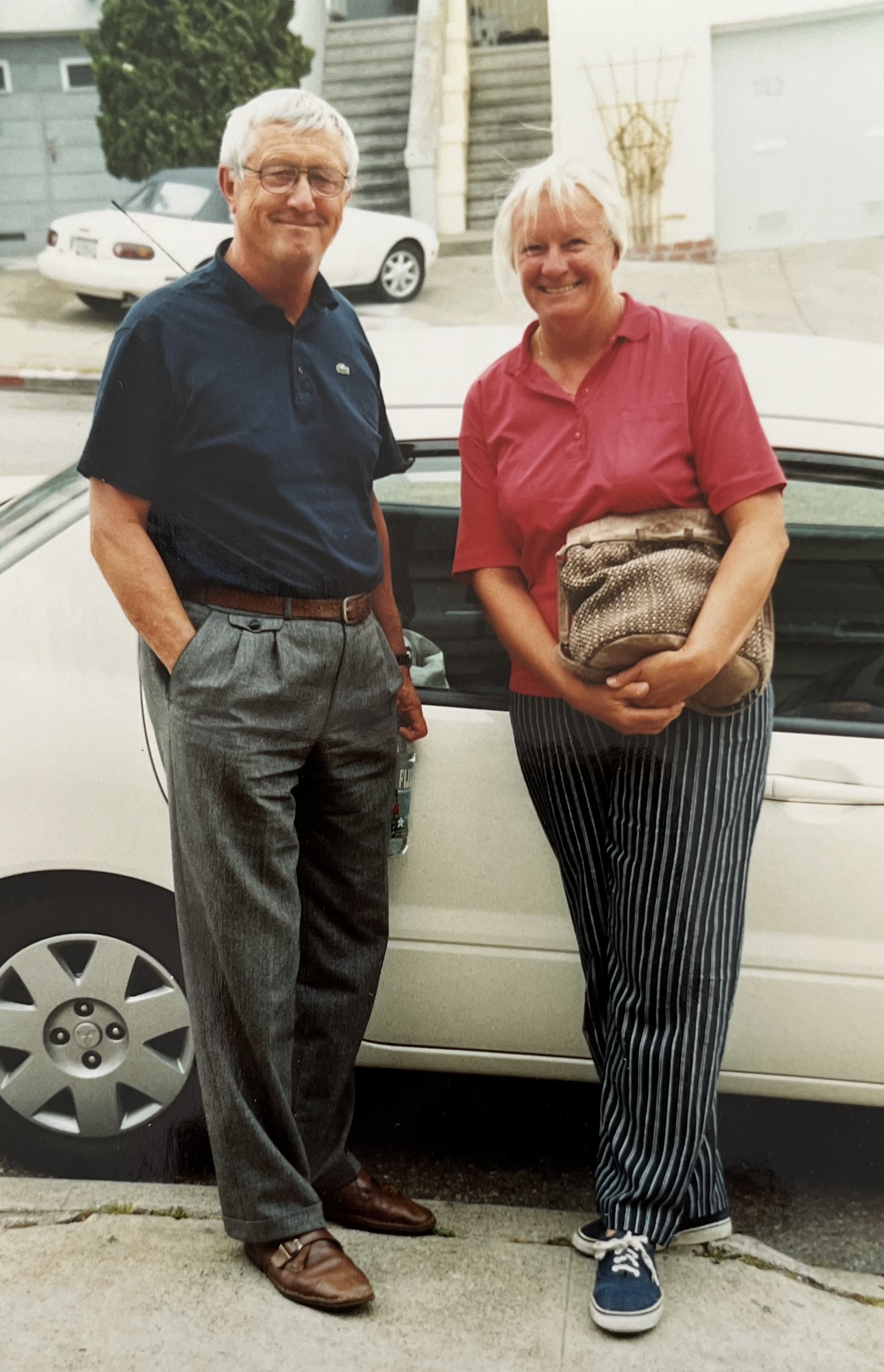
Alena Mikešová, eighteen years old
zdroj: Witness´s archive

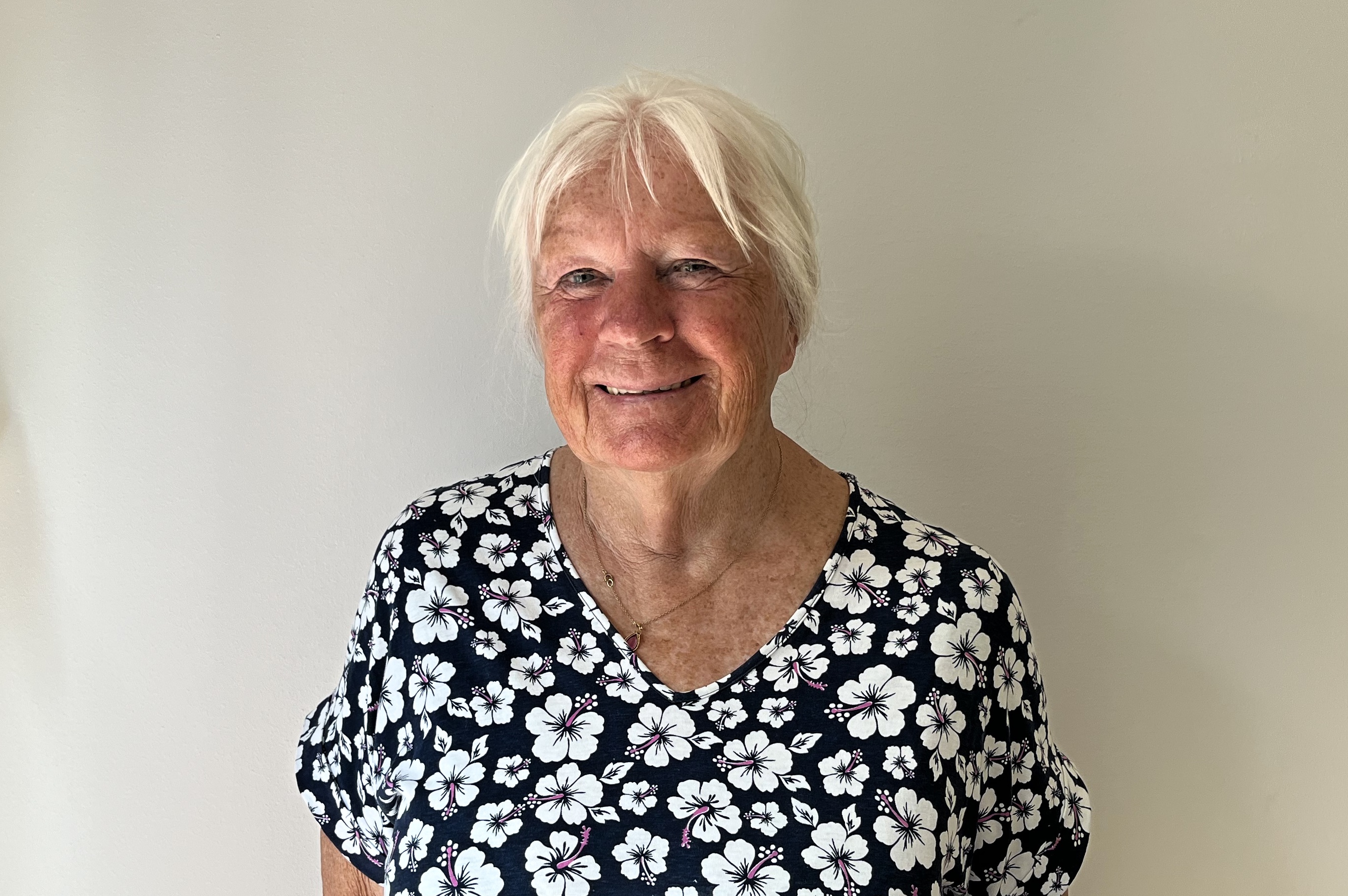
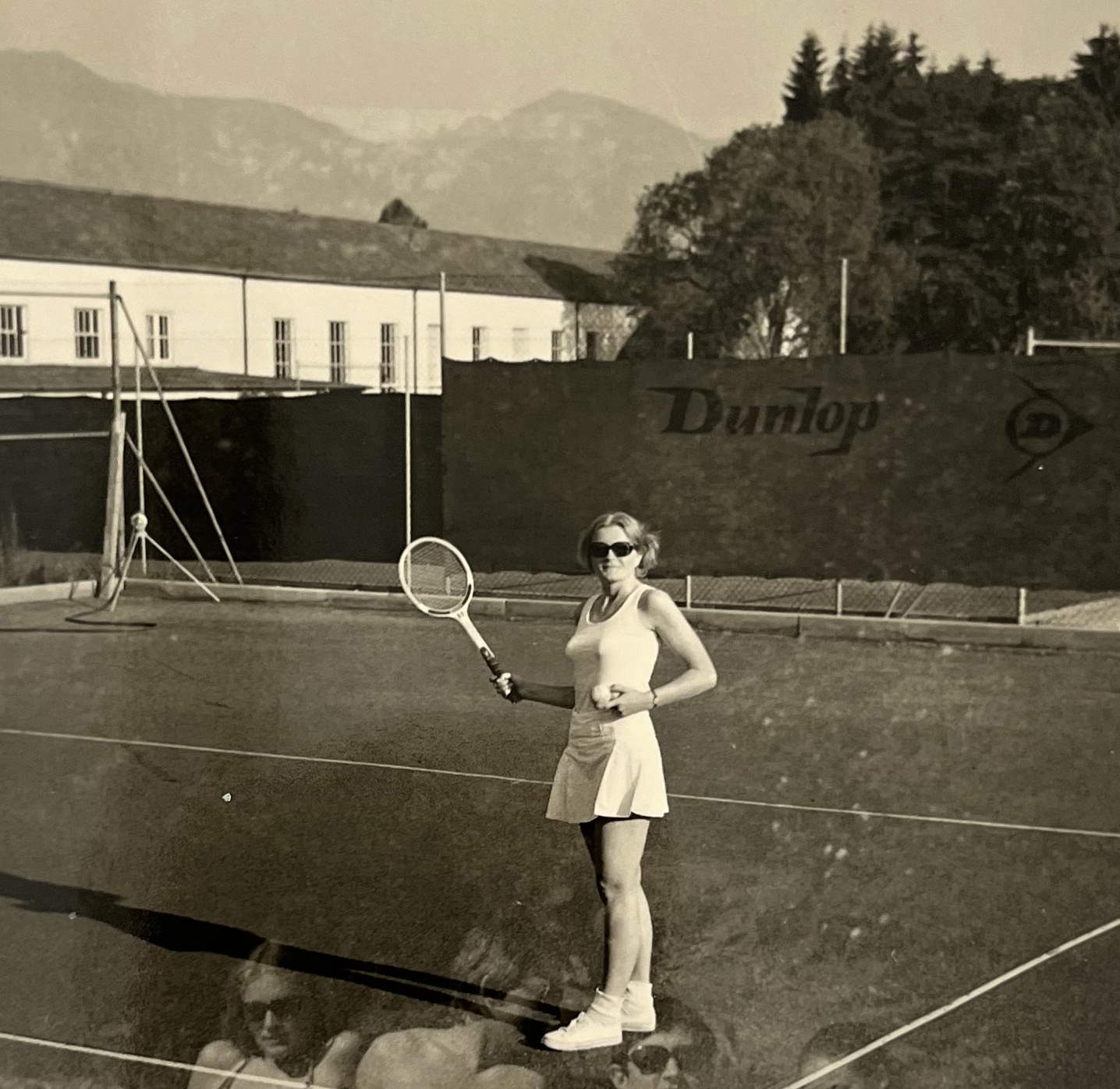
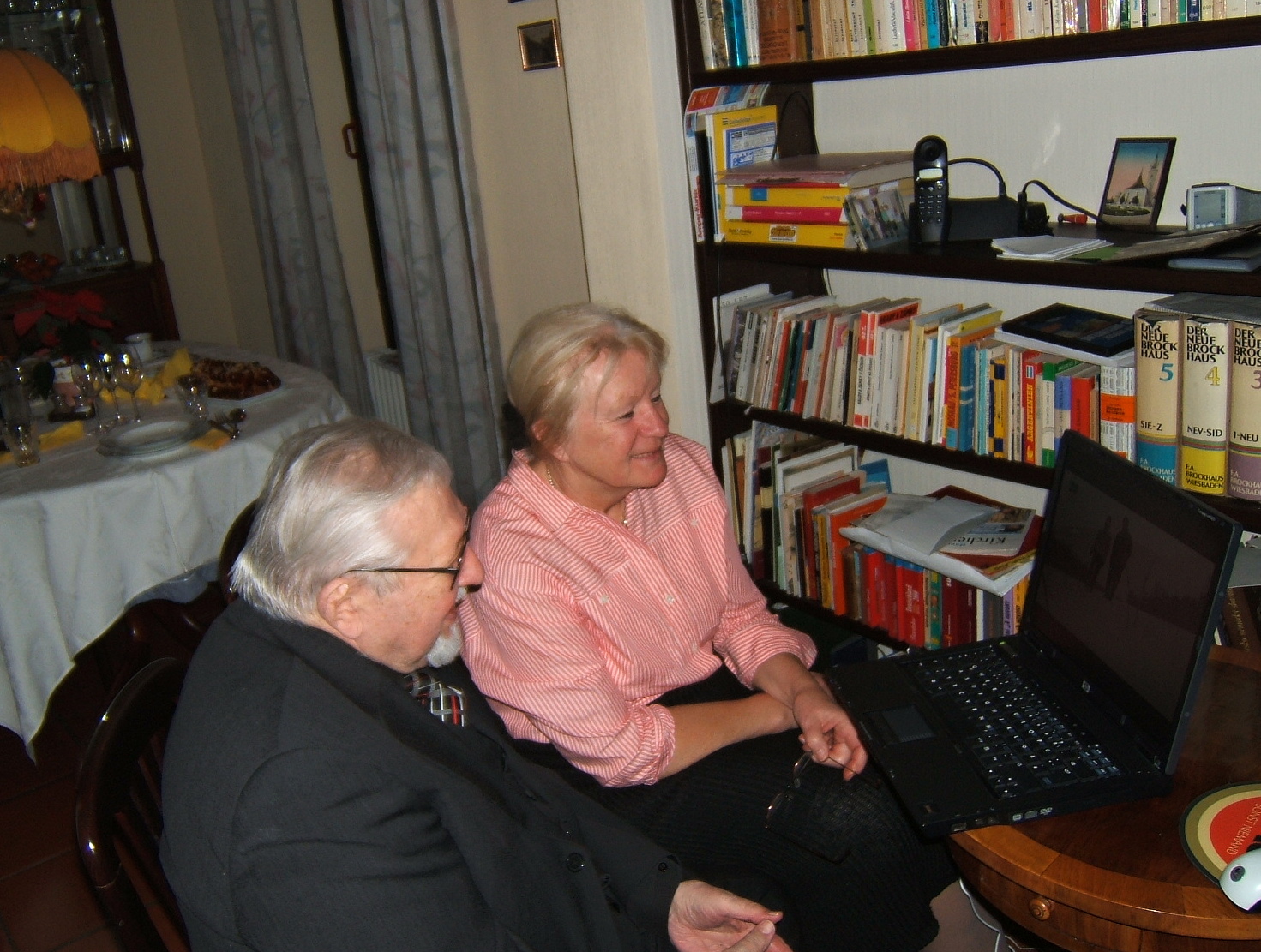
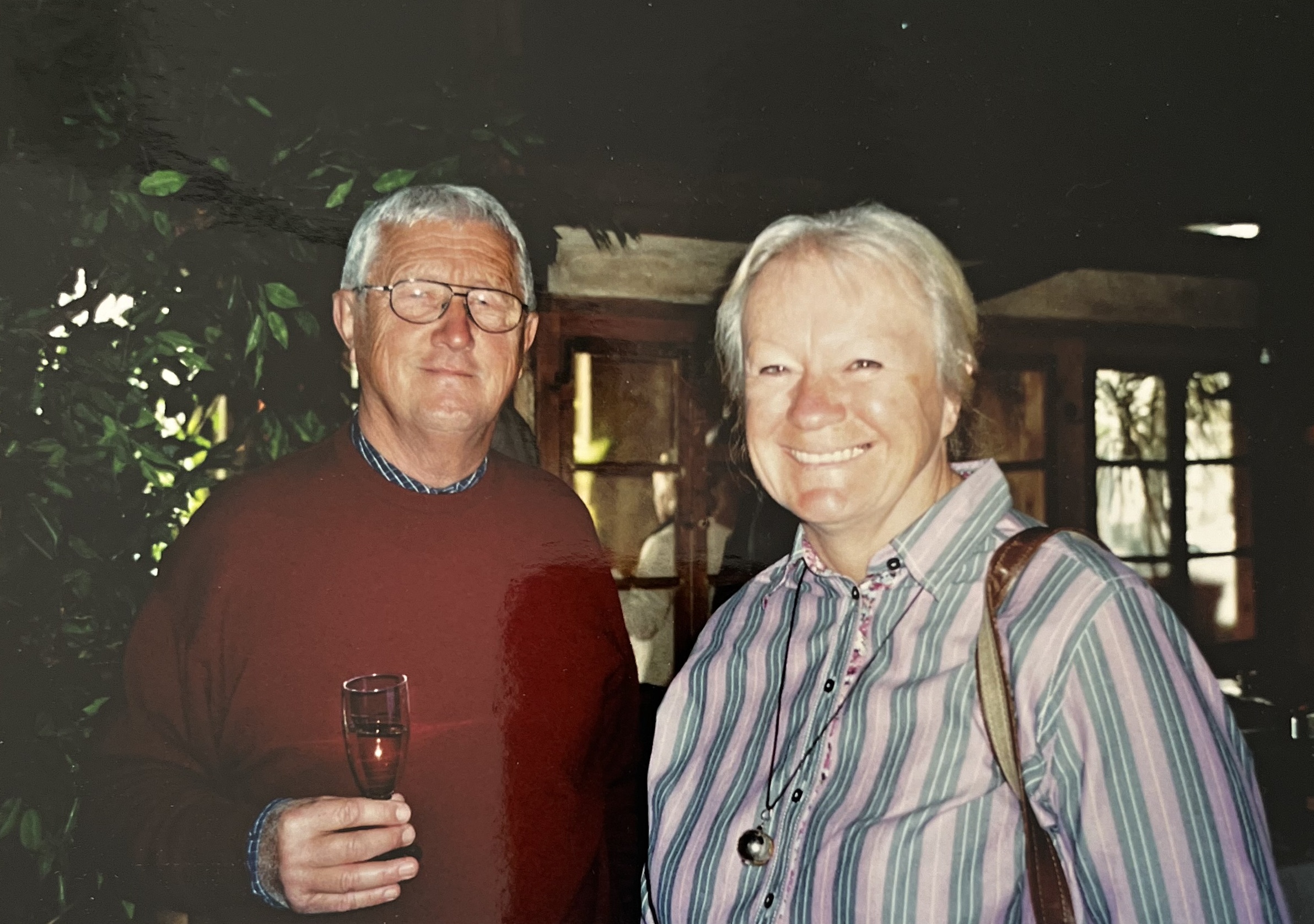
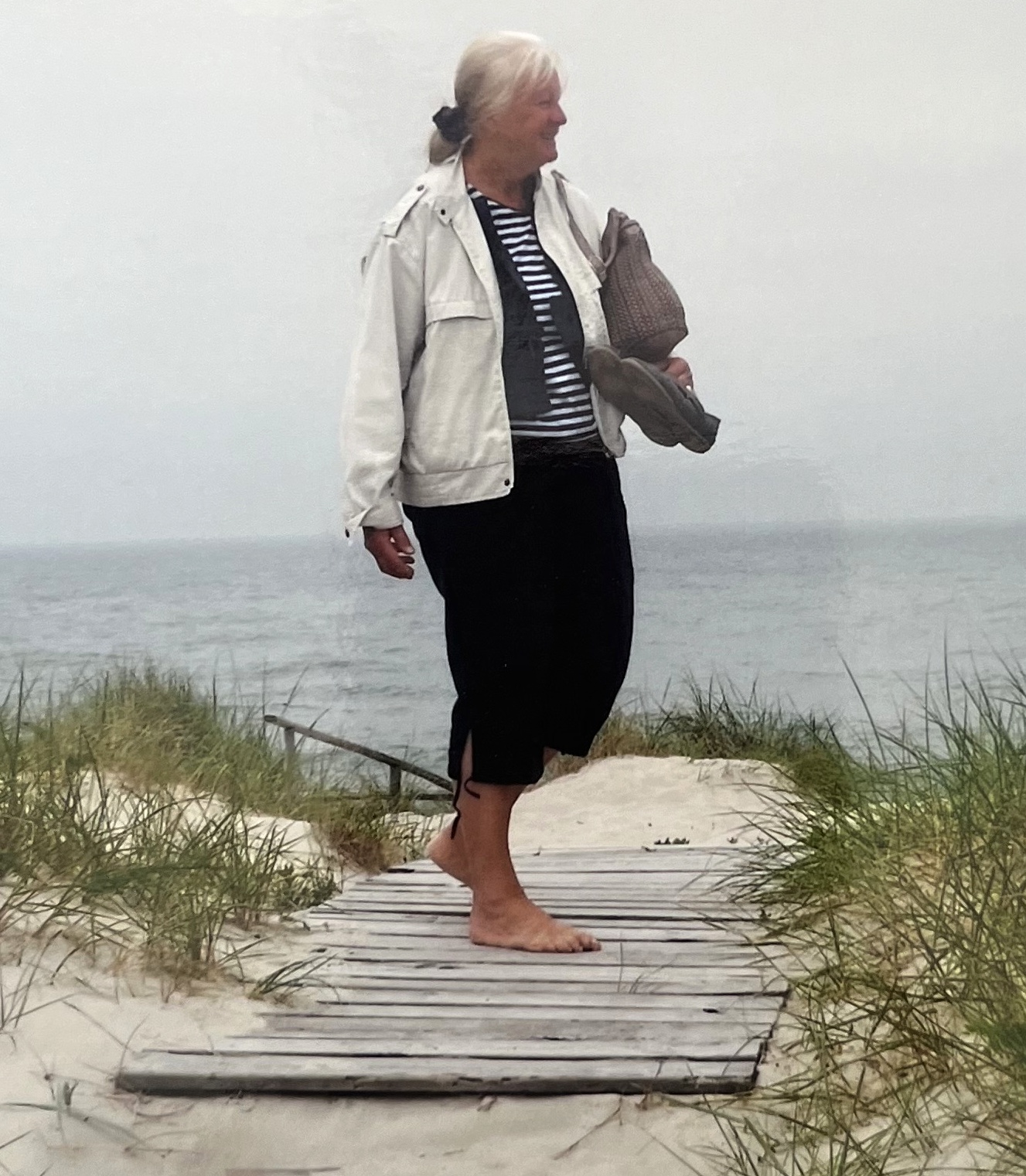
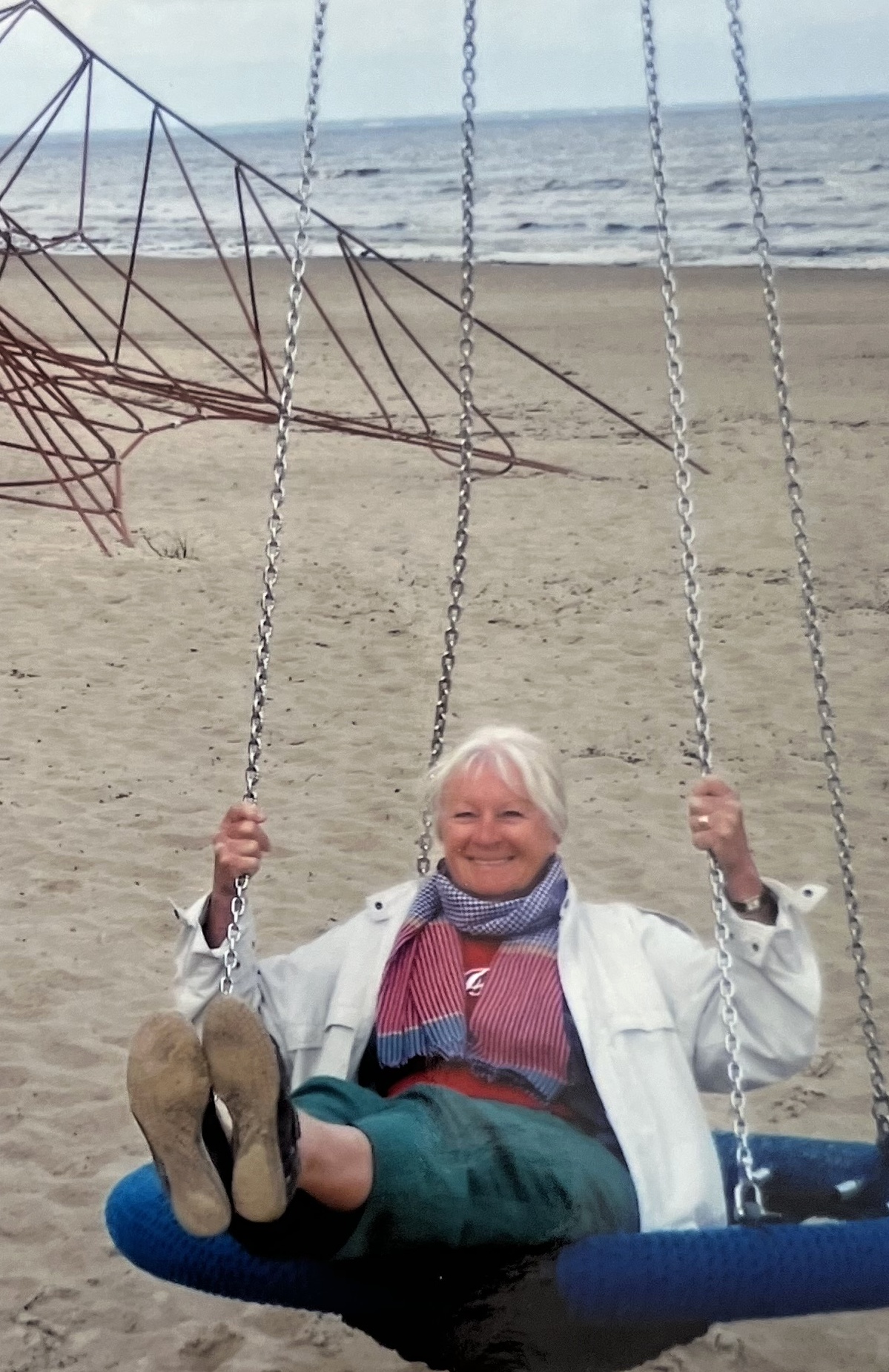
Alena Mikešová, née Šourková, was born on 29 October 1945 in Děčín into a working-class family. Her father, Jaroslav Šourek, worked on the railway, and her mother, Zdenka Šourková, had to work as a saleswoman after her husband lost his hearing. She studied at the School of Economics in Prague. She was one state exam short of completing her education and obtaining the degree of Ing., which she did not manage to pass because in August 1968 she decided to stay in Germany, where she was at that time on a student work stay. In Düsseldorf, she started working as an office worker at Mercedes, then in 1971 she and her husband Jan Radoslav Mikeš moved to Munich, where she was accepted into the Velehrad ministry under Monsignor Karel Fořt. In the same year, she was sentenced in absentia in Czechoslovakia for the crime of leaving the republic to fourteen months‘ imprisonment. She spent forty years serving the parish, where among other things she helped organize church services and pilgrimages for Czech and Slovak emigrants, until her retirement at the age of sixty-six. In 2025 she lived alternately in Gröbenzell near Munich and Prague.