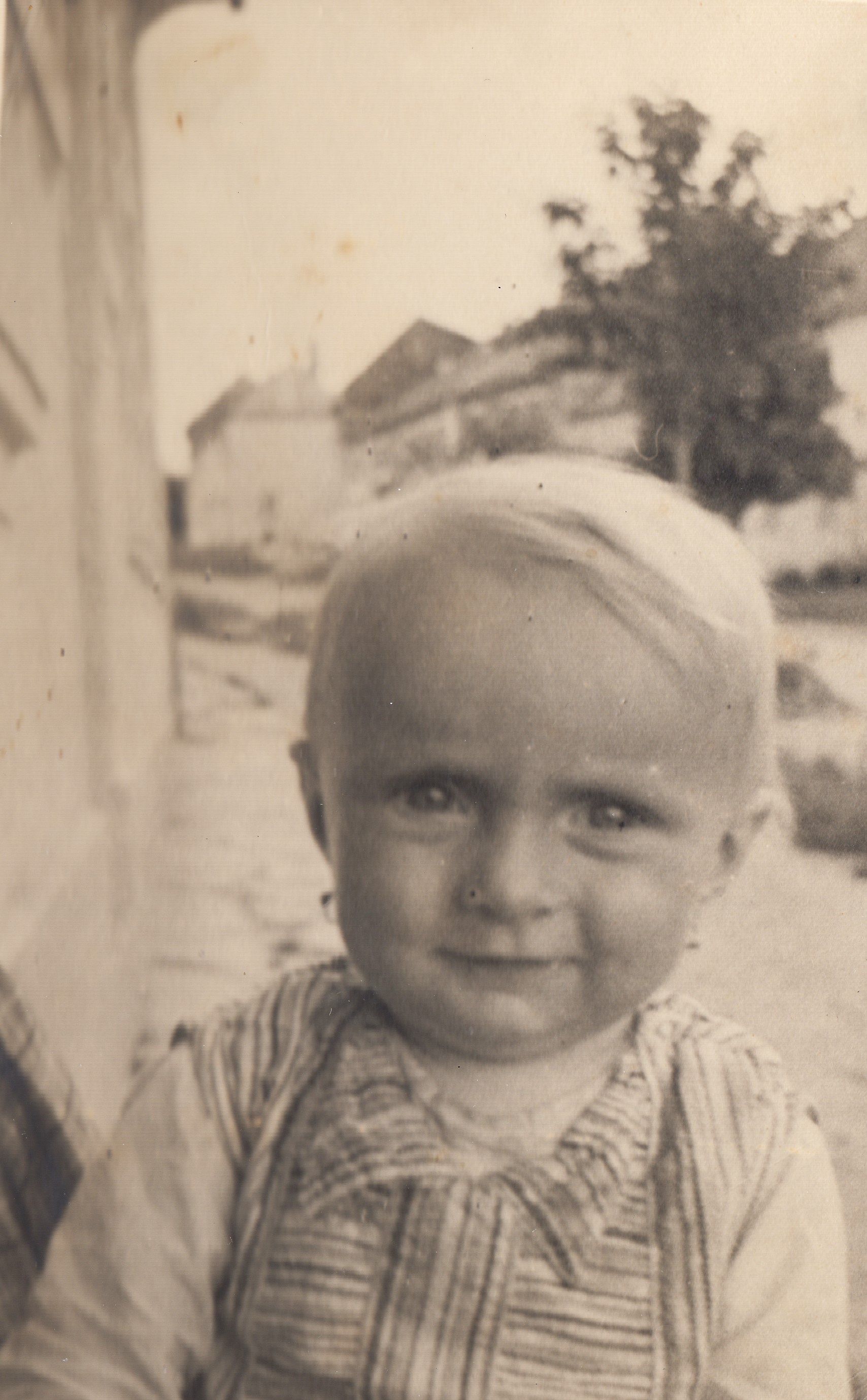
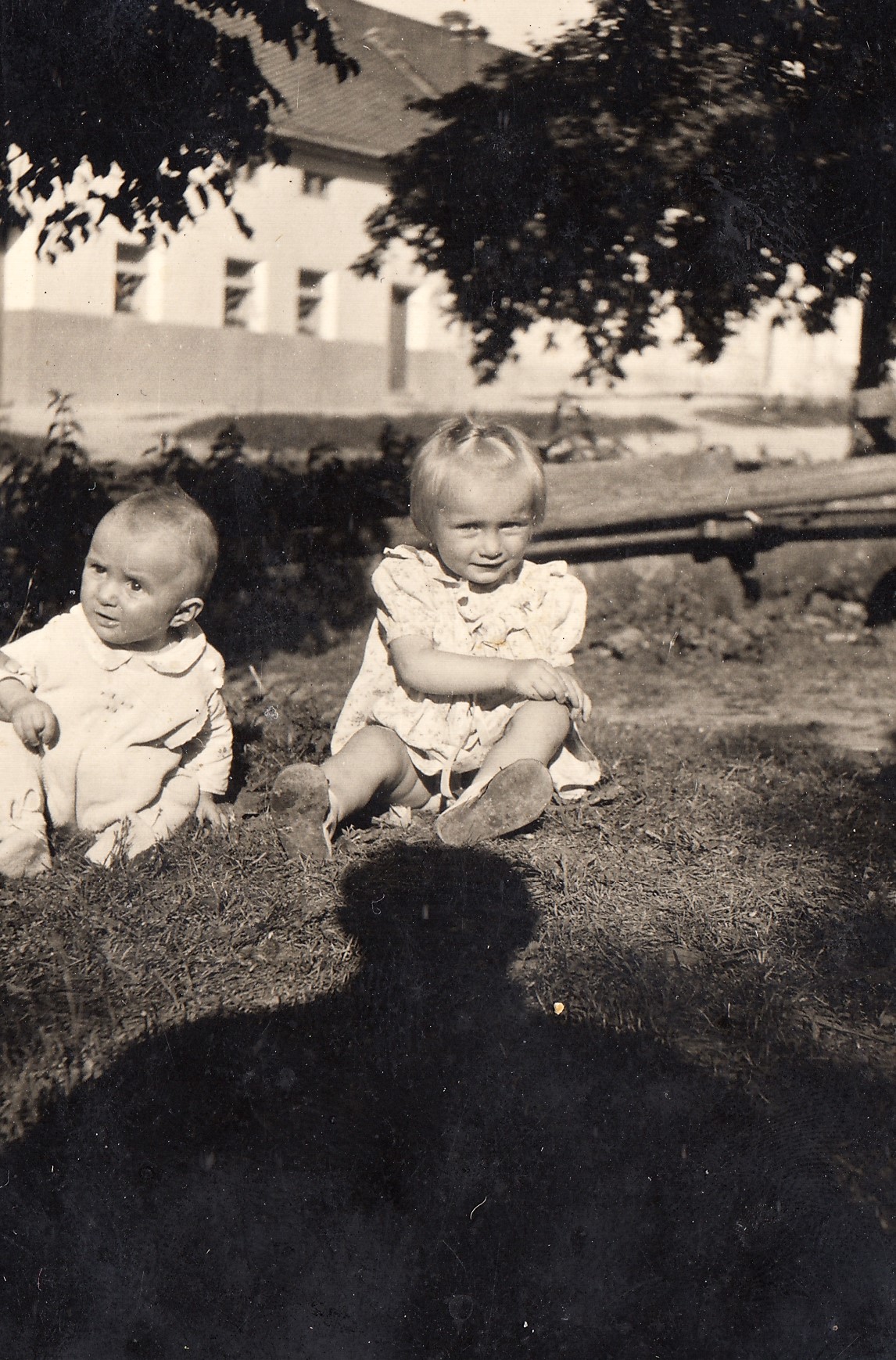
Jana Mičánková

* 1945

  • Her [mother's] father, Josef Loučka, came from the Kroměříž region, was born in Lhotka, about ten kilometres from Kroměříž, and married a wife from the nearby village of Milovice. Her name was Anežka, née Bučková. But these grandparents of mine did not live in Lhotka for a long time, although all their five children were born there. My mother was the fourth in line and the fifth was another brother. In 1925, when my mother was three years old, they moved to Slovakia, to, we can say, a large estate, three kilometers from Galanta, in southern Slovakia. This place was somehow found for them by, perhaps we can say, my grandfather's youngest brother, who according to my mother was my uncle Vincenc Loučka. When he was the youngest, he was sent to Vienna to study, where he became a veterinarian and then worked in a stud farm in Topolčanky during the First Republic. He took advantage of the action when the Hungarian grofs, as they called them, had their land nationalized for a fee and gave it mostly to the newly settled people here from the Czech lands, we can say. So they farmed there for eleven years, but it wasn't easy either, because they were surrounded by the Hungarian environment, and it happened to them, for example, that they were sitting at dinner, and the lights were already on, and I think the window was open, and somebody shot at them, but the bullet got caught in the bread in which the bread was put, and it took a different direction and ended up in the ceiling. So they decided that after eight years in Slovakia they would return to Moravia. And this time they didn't return to my grandfather's and mother's native farm, but my grandfather bought a farm in Zelešovice and that was my mother's new place of work."

  • "Then, in 1955, it came to such a situation that one of our neighbours was arrested in the field, we can say his name - a certain Josef Hrazdička, who was convicted and imprisoned in Jáchymov. In the same way, at the beginning of December 1955, Antonín Zlámal, another farmer, was arrested. He also ended up in Jáchymov. These were men ten and I think twelve years older than my father, and they did not survive their imprisonment in Jáchymov. Mr. Zlámal died after about three quarters of a year. And it happened that there was the bigger building and the state farm at that time had set up a pig farm there for fattening pigs, and at that time my mother had a job there, and one day this Mrs. Zlámalová said to her, 'Imagine that I received a letter telling me that my husband had died and had been cremated somewhere in the local crematorium, and if I wanted his ashes I had to pay, I don't remember what amount. Well, that speaks volumes about the behaviour towards the survivors of prisoners. Mr. Kvasnička, he got sick there, he got cancer, and it was a little over a year when his condition was so hopeless that he was released from prison and allegedly taken back to his family in Rataje. But someone at the National Committee said that his return to Rataje was undesirable, so they left him in the hospital in Kroměříž, where he died the next day or the next but one day."

  • "My mother was also interrogated, once overnight, and she was brought in the next morning. As we know from various other cases, these prisoners then often confessed to things that were not true, so we didn't have the opportunity to meet my dad at the time of the remand, only in writing, and I think that the number of letters was also limited at that time. The first time we saw him, my mother and we two daughters, was after the trial in Uherské Hradiště. It was also quite shocking at the time, because there was a wall with only a small barred window, and we couldn't even shake hands. So that's what we endured there."

  • Celé nahrávky
  • 1

    Kroměříž, 02.12.2022

    (audio)
    délka: 03:46:00
    nahrávka pořízena v rámci projektu Stories of the region - Central Moravia
Celé nahrávky jsou k dispozici pouze pro přihlášené uživatele.

I never looked for an opportunity to take revenge on someone
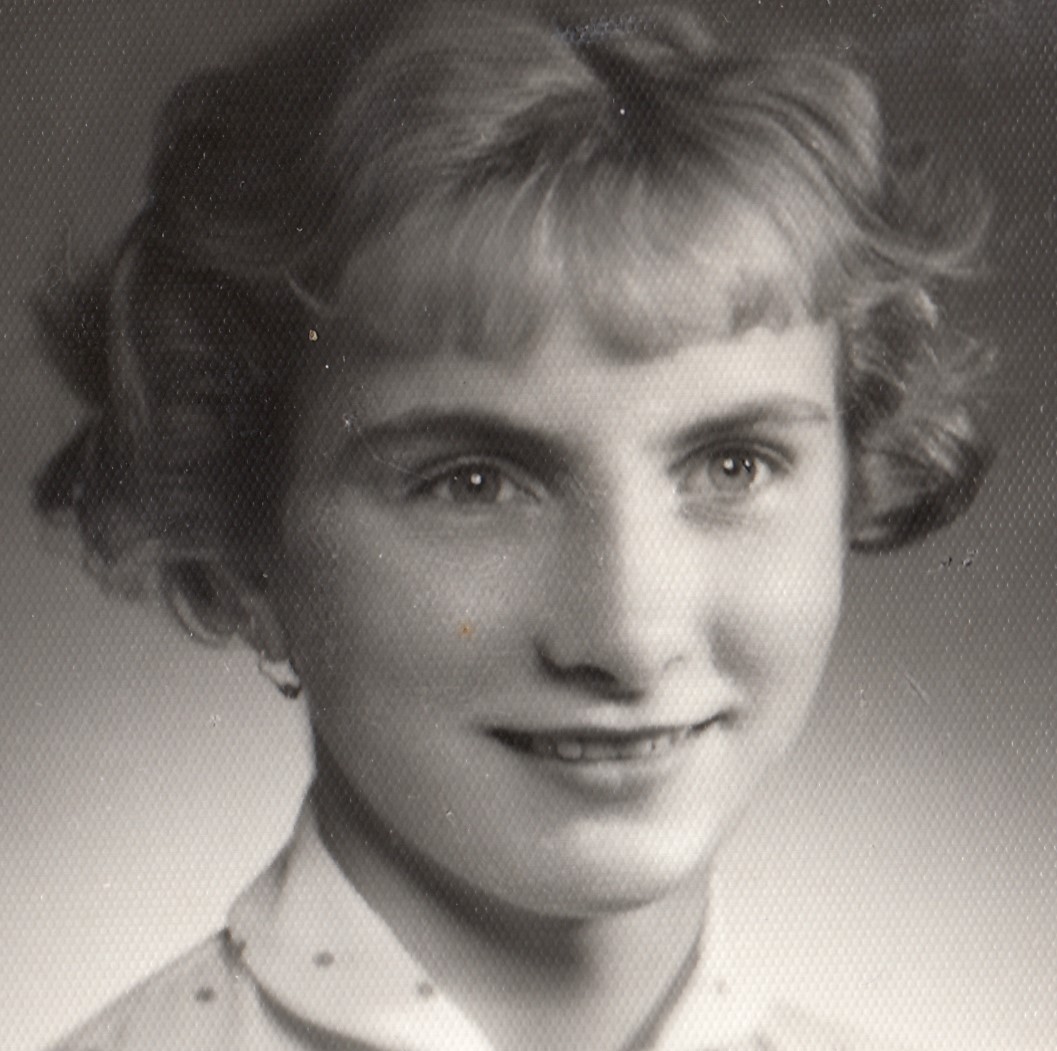
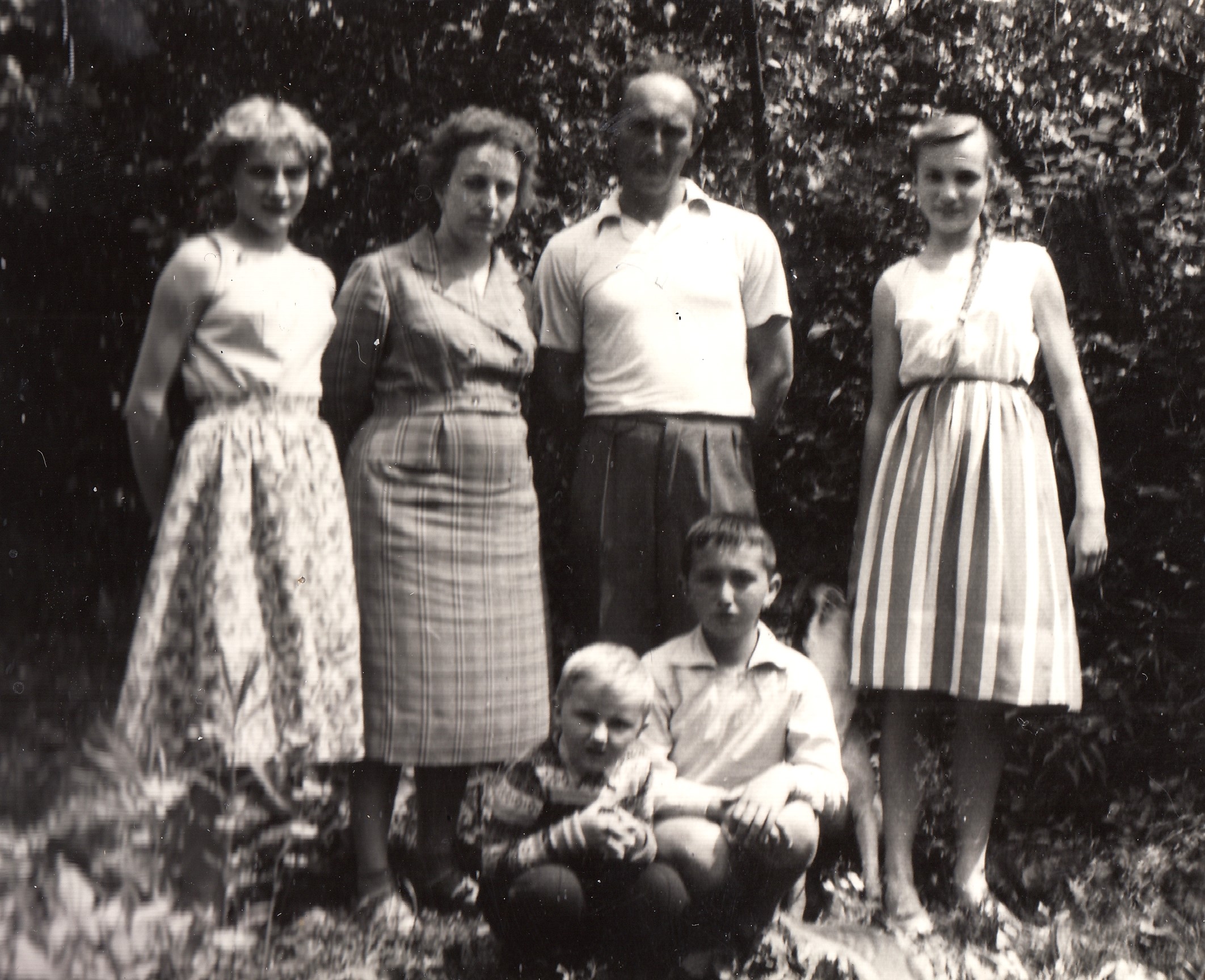
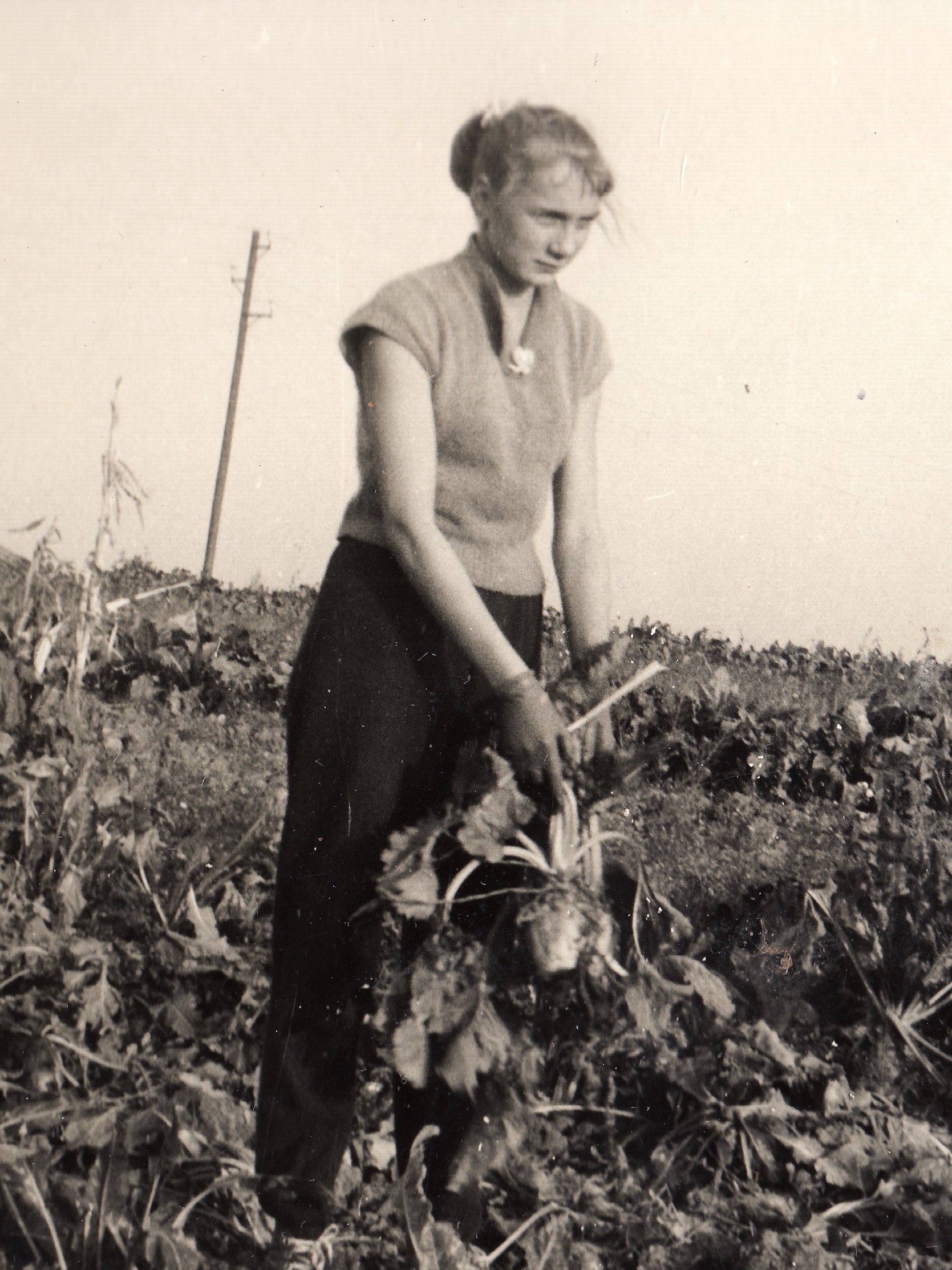
Jana Mičánková, née Kovářová, 1960s
zdroj: witness´s archive

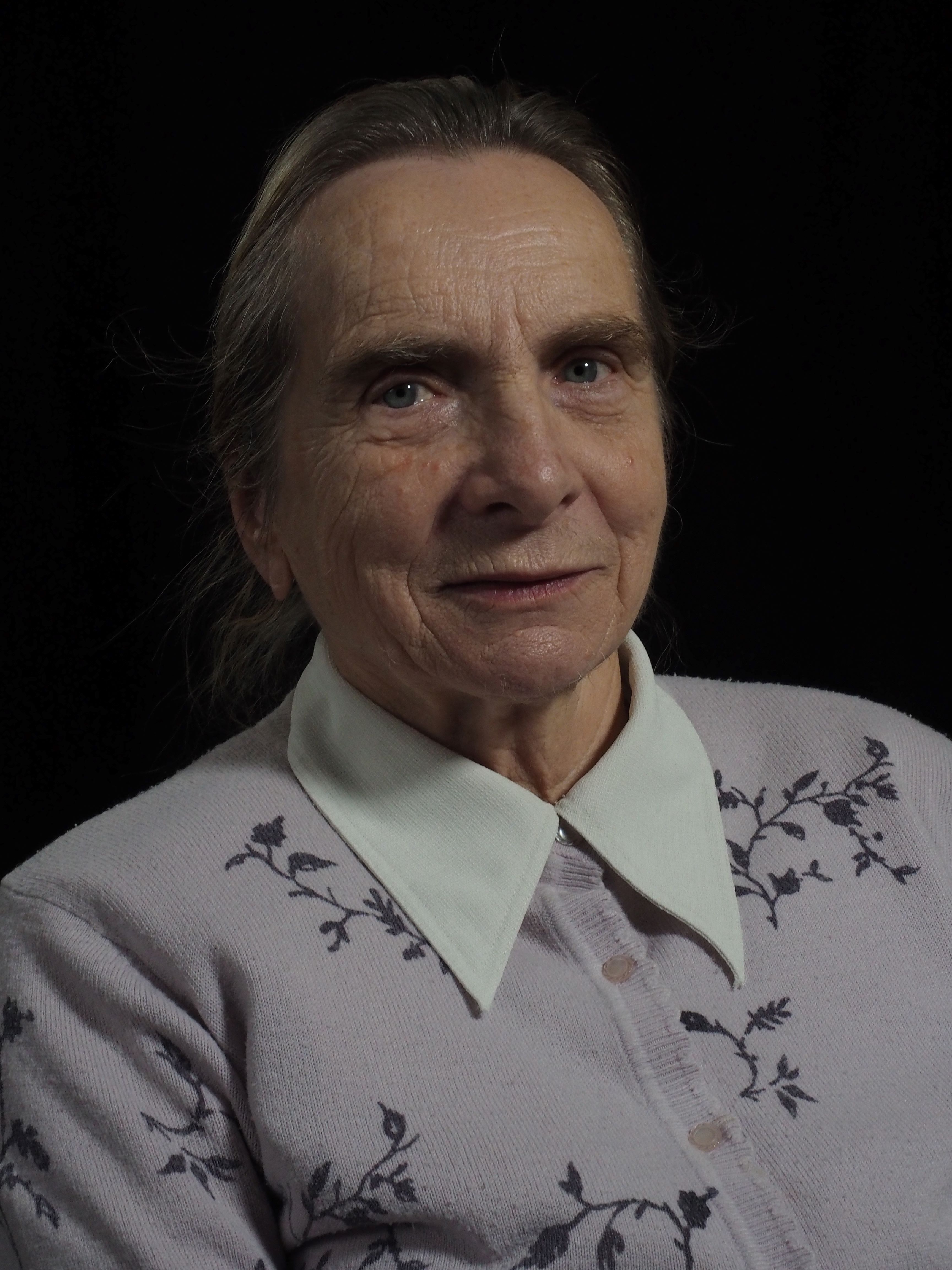
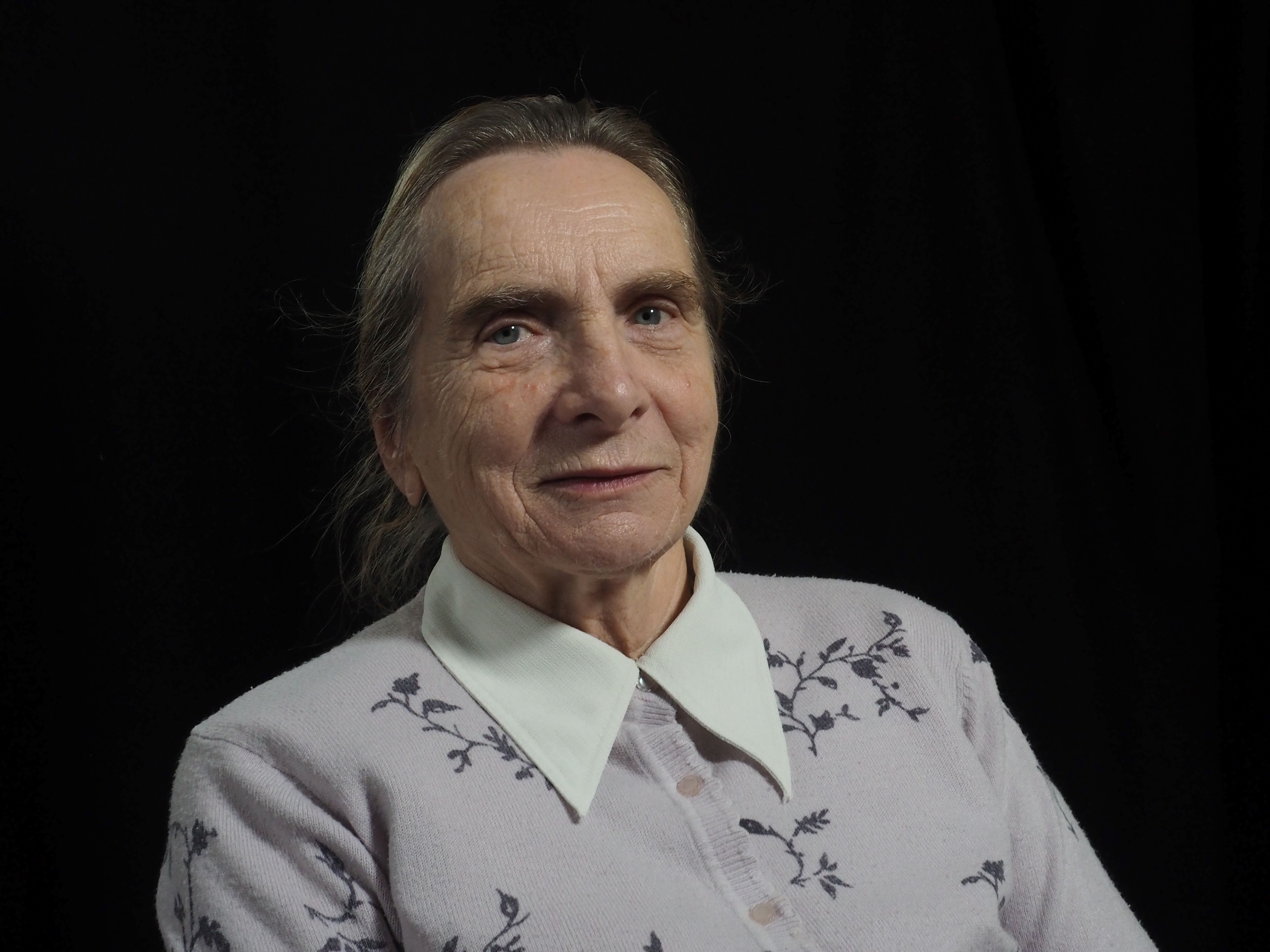
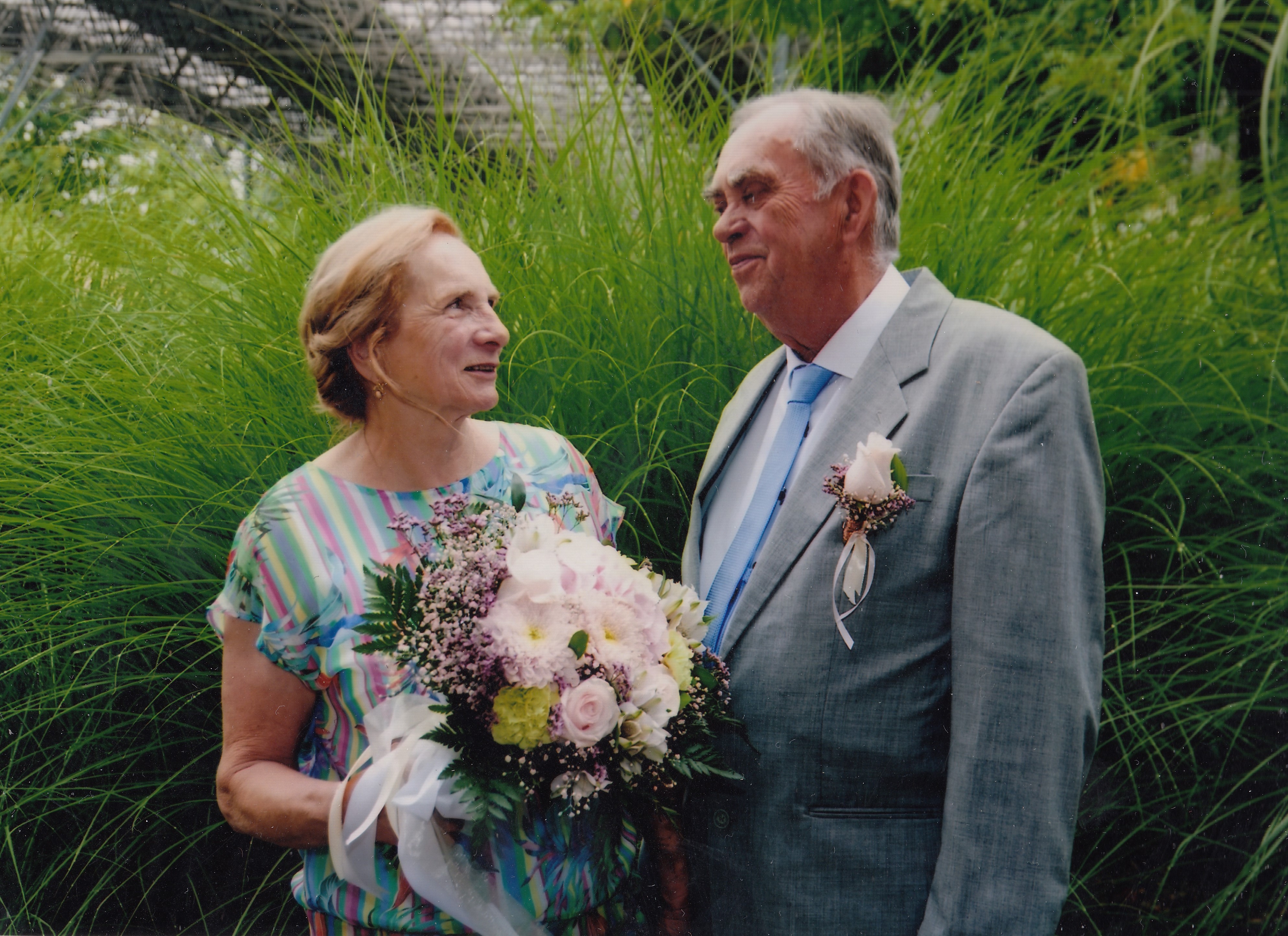
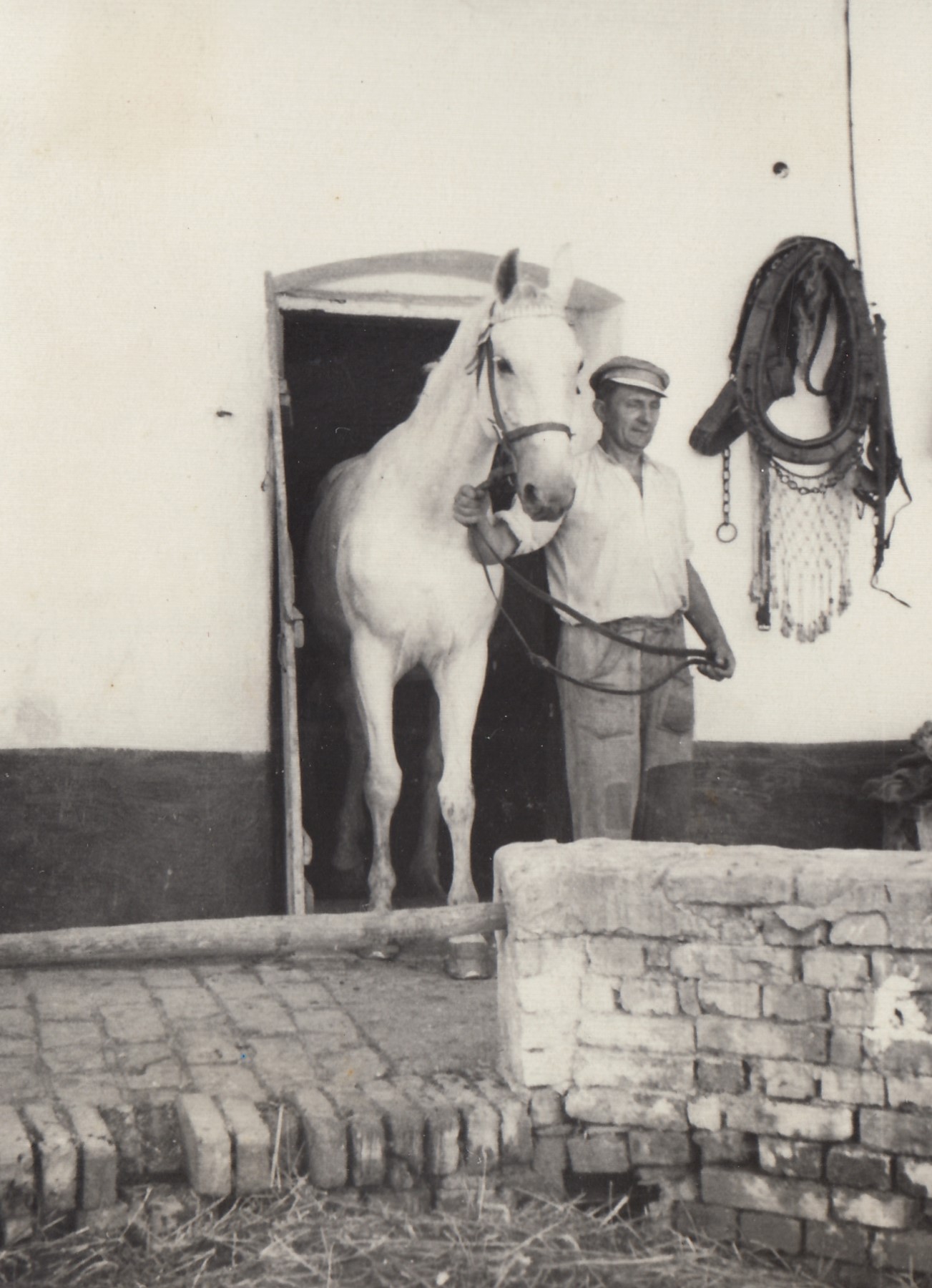
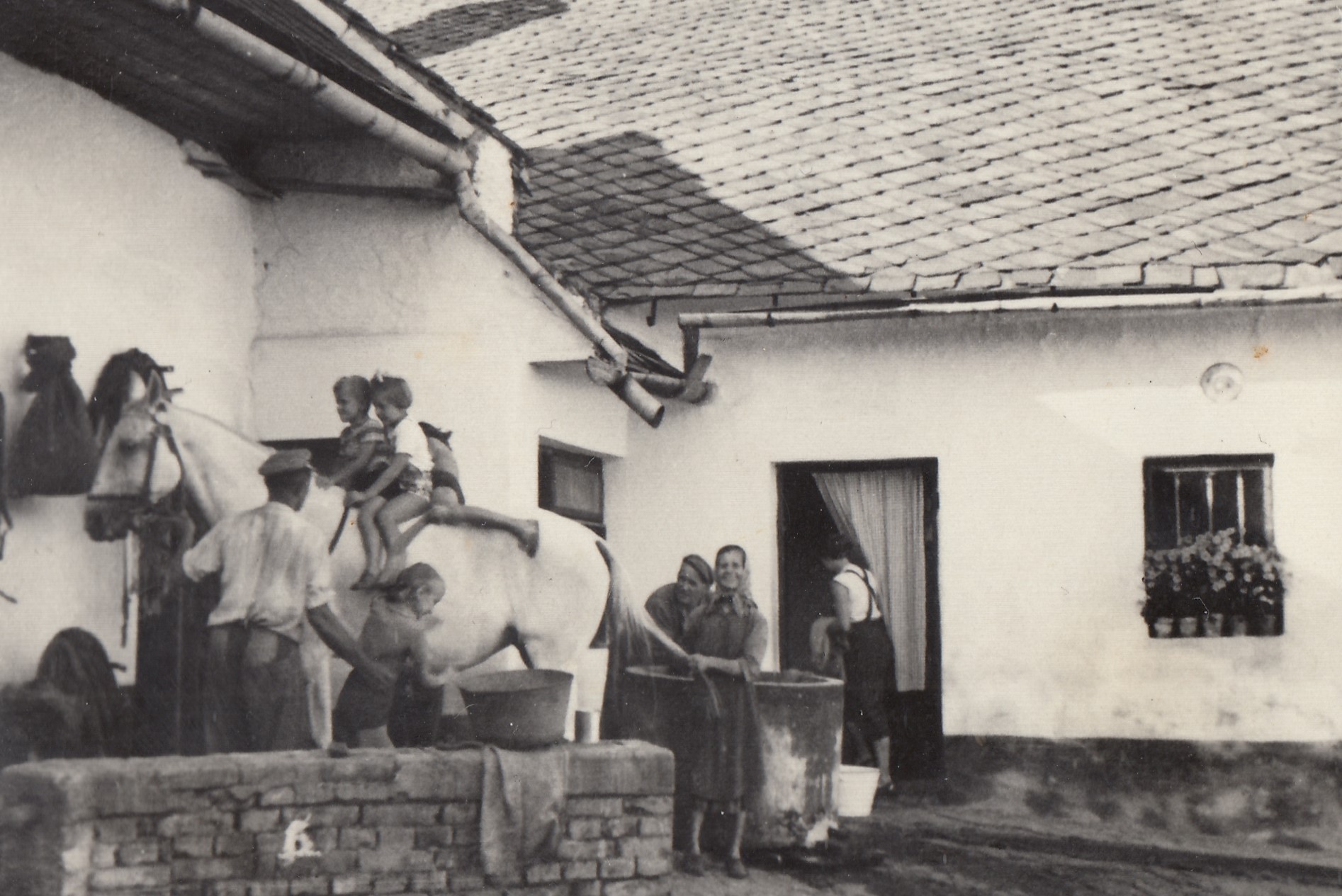
Jana Mičánková, née Kovářová, was born on 11 June 1945 in Rataje near Kroměříž as the eldest of four children of her parents Marie and Josef Kovář. Her parents had a farm in Rataje and were farmers. Before the war, her father belonged to the Agrarian Party. The coup d‘état in 1948, the rise of the communists to power and the subsequent collectivisation affected the family‘s life. Her father did not want to join a cooperative farm, eventually doing so in 1952, but he left a year later in protest against the mass stabling of horses. In the first half of the 1950s, the family faced increasing persecution, and in 1955 the father was arrested, wrongly accused and sentenced to six years in prison; he was released on parole shortly before his sentence expired. Jana grew up with the label of the child of an enemy of the state. She and her sister were only allowed to study agricultural schools, and Jana was initially not accepted to any school. Eventually she graduated from the Secondary Agricultural School in Vyškov and then from the University of Economics in Brno. In 1970, after graduation, she married Josef Mičánek, a classmate from college, and they had four children - Marie (1973), Kateřina (1976), Jan (1978) and Blanka (1980). She organized educational talks at the Socialist Academy, then worked at the Computer Rationalization and Management Enterprise and at the District Agricultural Administration in Kroměříž. In 1989, she began teaching at the secondary veterinary school here, from where she retired in 2005. In 2022, at the time of recording, she was living in Rataje.