Miloslav Malý

* 1957

  • "We went to Ostrava that Friday for educational concerts, where we had a whole series of educational concerts. We left Prague on Friday and on Saturday morning we found out what was happening in Prague. It was still unfinished, we didn't know what was really going on in Prague. So we were getting ready for the concert that was going to be on Monday. And in the meantime, those two days were very revolutionary and dynamic and a lot changed in those two days. Now there was a situation where we were supposed to go outside the schools on Monday morning and do a school performance, but in the meantime we had already learned that there was a strike in Prague, that the theatres had started striking since sometime on Saturday. I don't know if it had been since Saturday, but certainly since Sunday, that the theatres in Prague were not playing on Sunday night. We decided not to play either. That decision was quite dramatic because we were quite far from Prague and we didn't know what the consequences would be, because we didn't know yet the impact that the student revolution would have. So it was quite risky. On Monday morning we decided not to play, at that time it was still quite risky, we could have been sanctioned quite heavily for it and we weren't sure how it would turn out. But we went for it, it was a revolutionary time, so we refused to play and went to Prague."

  • "The trip to North Korea was... How can I put it in one word, fascinating. Because North Korea was a communist country, or still is a communist country. Even though we were used to the communist regime, what we saw or experienced there exceeded all our expectations and imagination. Because Korea was a country ruled by Kim Il-sung at that time. And it was a huge cult of personality that Russia experienced during the Stalin era, so they created something similar in that North Korea. And Kim Ir-sen was an untouchable god to the Koreans, but it was all forced, it was all enforced under police surveillance. That means that anyone who opposed the regime ended up in prison. And these things were absolutely ridiculous because, for example, they took us on a trip to the mountains where we walked this trail. And all of a sudden there was a big sign and it said, 'Our great leader Kim Il-sung rweached this point.' So those situations were slightly absurd. Otherwise, his picture was everywhere, in every subway, in every train car, in every square, on the streets, huge posters everywhere. So the cult of personality was huge there."

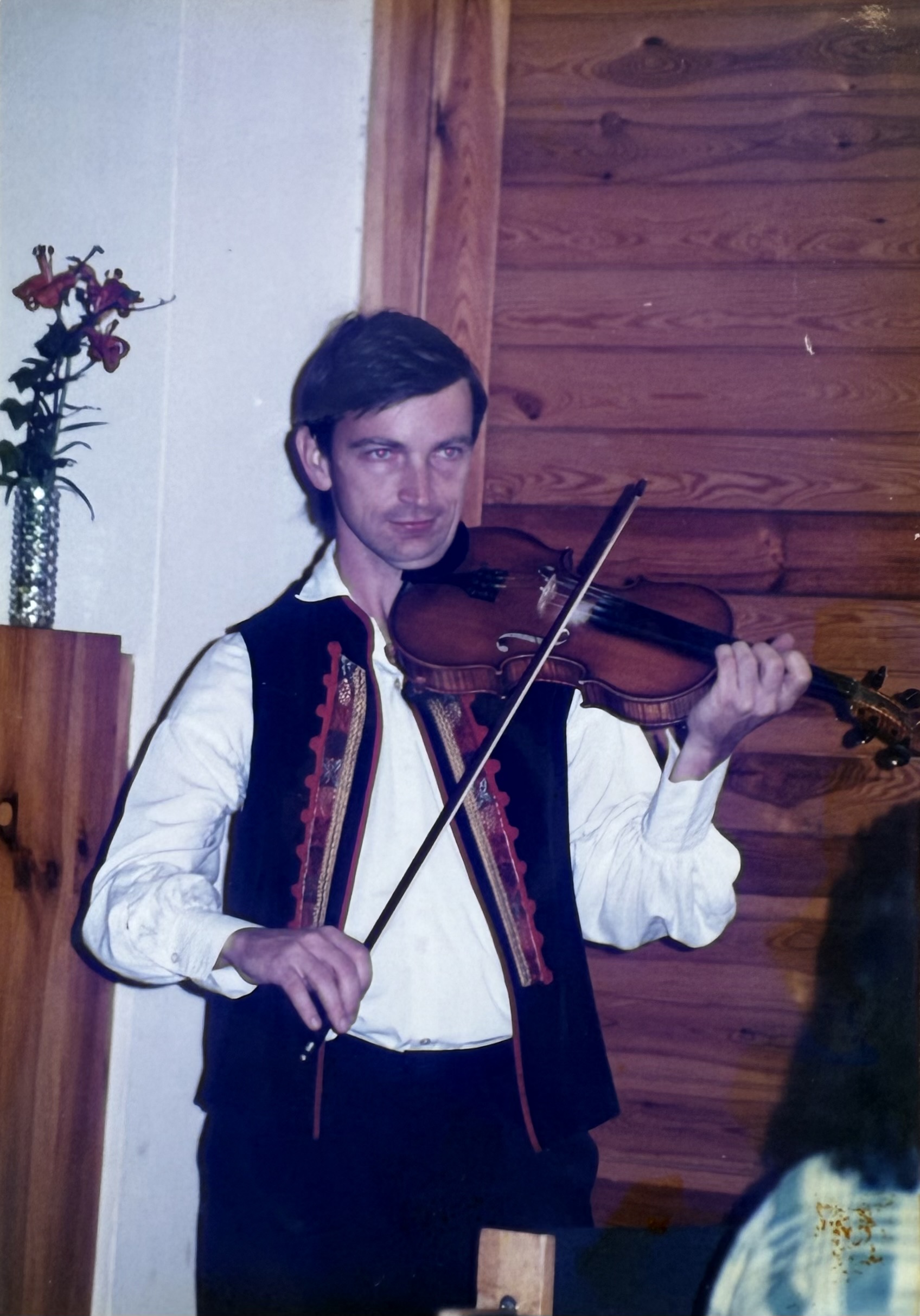
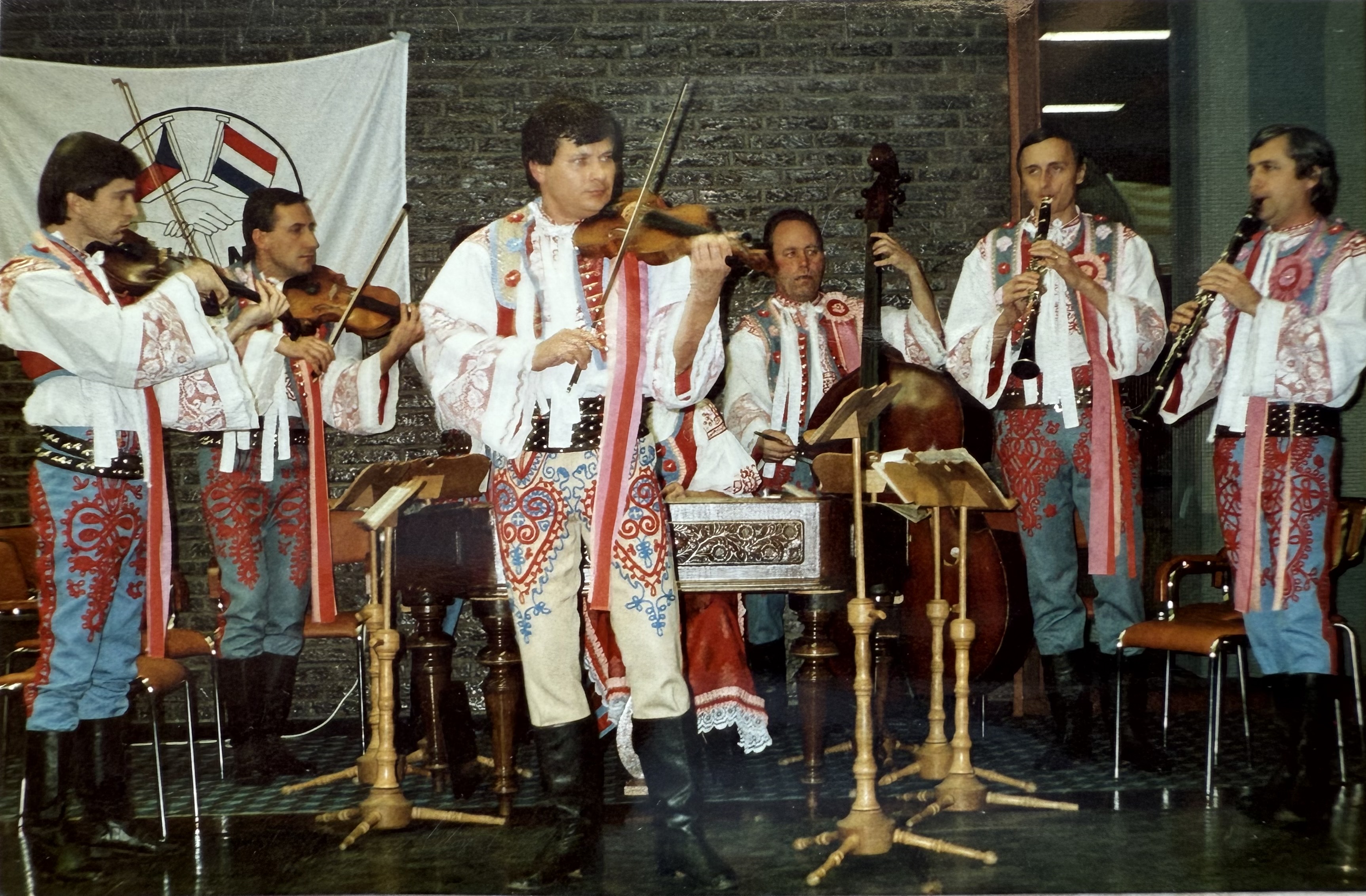
  • "We were a so-called small group, which was about 15 people, it was cymbalo music plus four dancing couples. And by being a small group, we had a huge advantage because we were cheap compared to the big group where there were 30 dancers. So we were the small group, cheap and flexible, we did all the beautiful tours. Just all over Europe, France to... Just all of Europe. We've been to Russia and we've been all over Europe. The most attractive tours were outside Europe. And there were several. Well, maybe the most curious one was to North Korea. Then we went to Libya and Iraq. So those tours were very interesting for a young person coming out of school and starting a family. And he had the opportunity to experience these foreign countries."

  • Celé nahrávky
  • 1

    Praha, 24.06.2025

    (audio)
    délka: 41:13
    nahrávka pořízena v rámci projektu The Stories of Our Neigbours
Celé nahrávky jsou k dispozici pouze pro přihlášené uživatele.

We joined the strike on 20 November. We were anxious to know what would happen
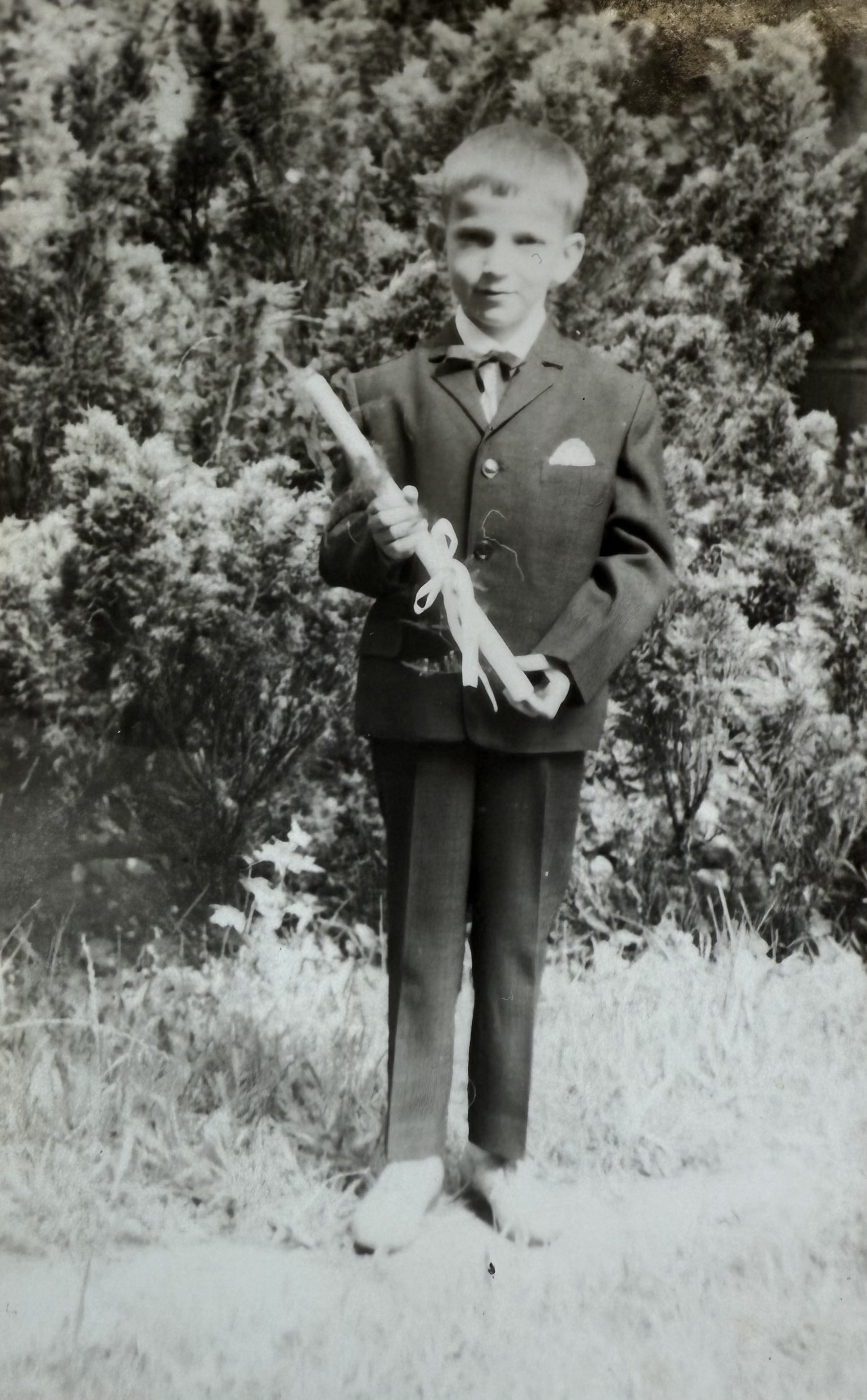
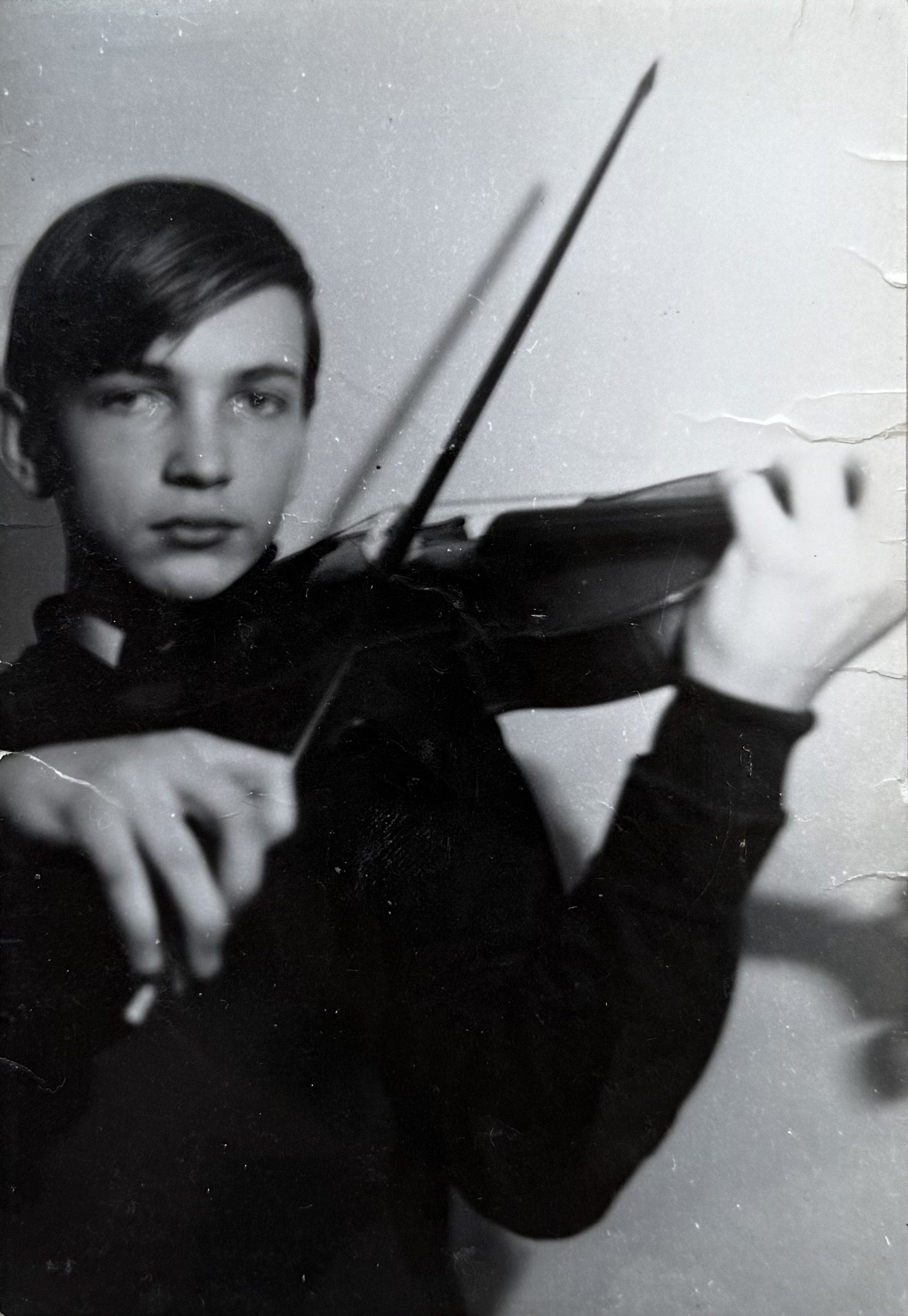
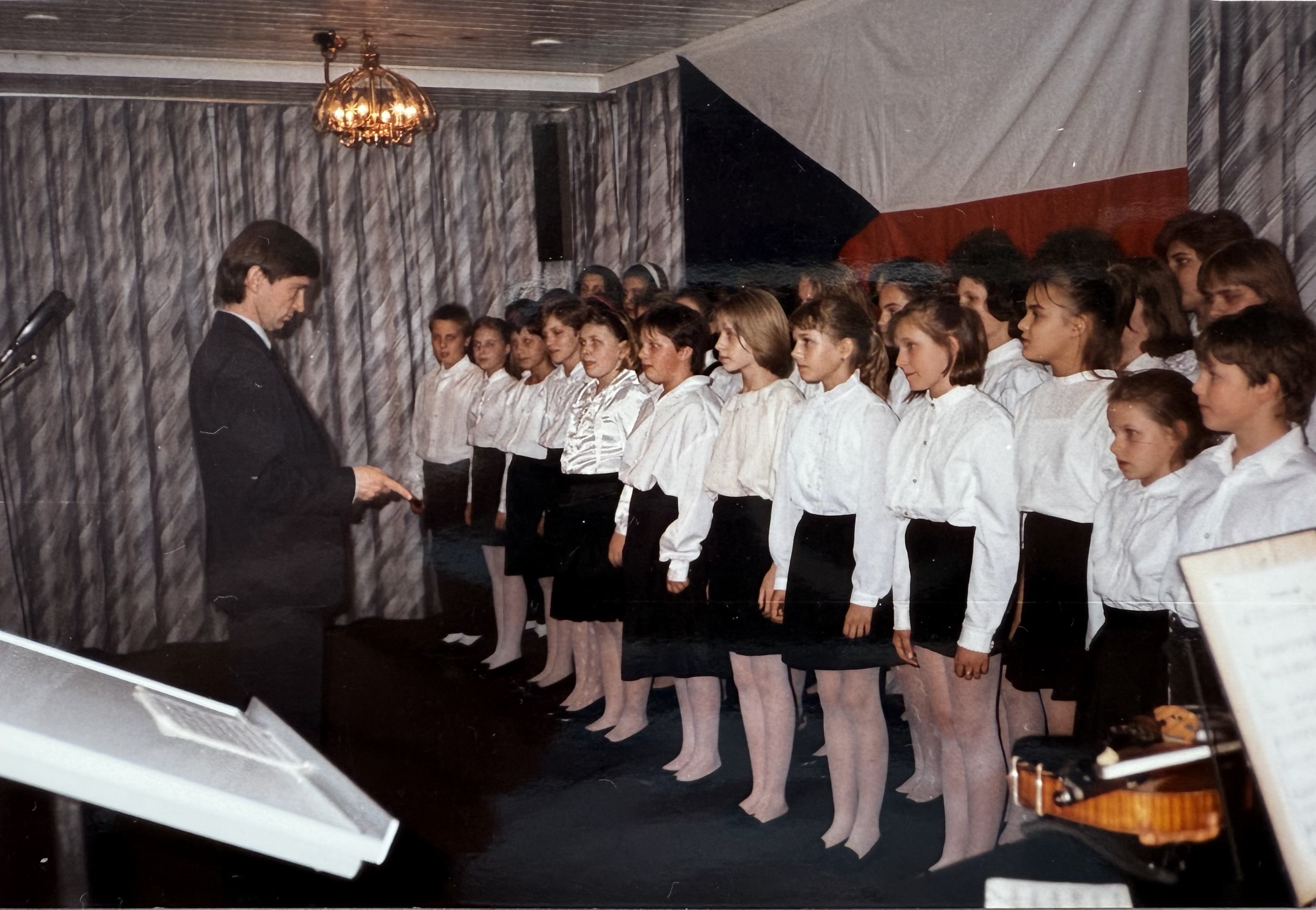
Miloslav Malý in 1965
zdroj: witness archive

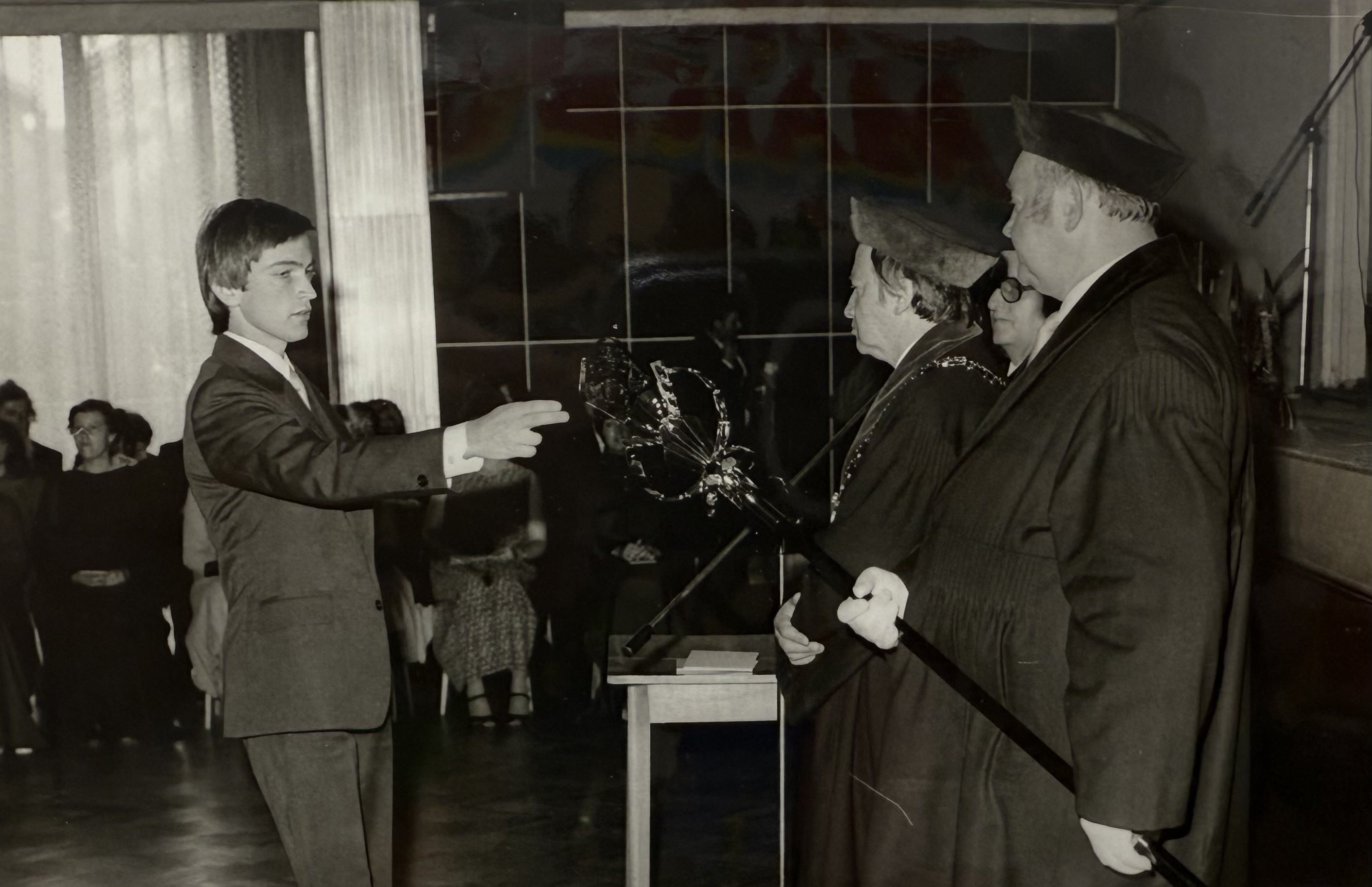
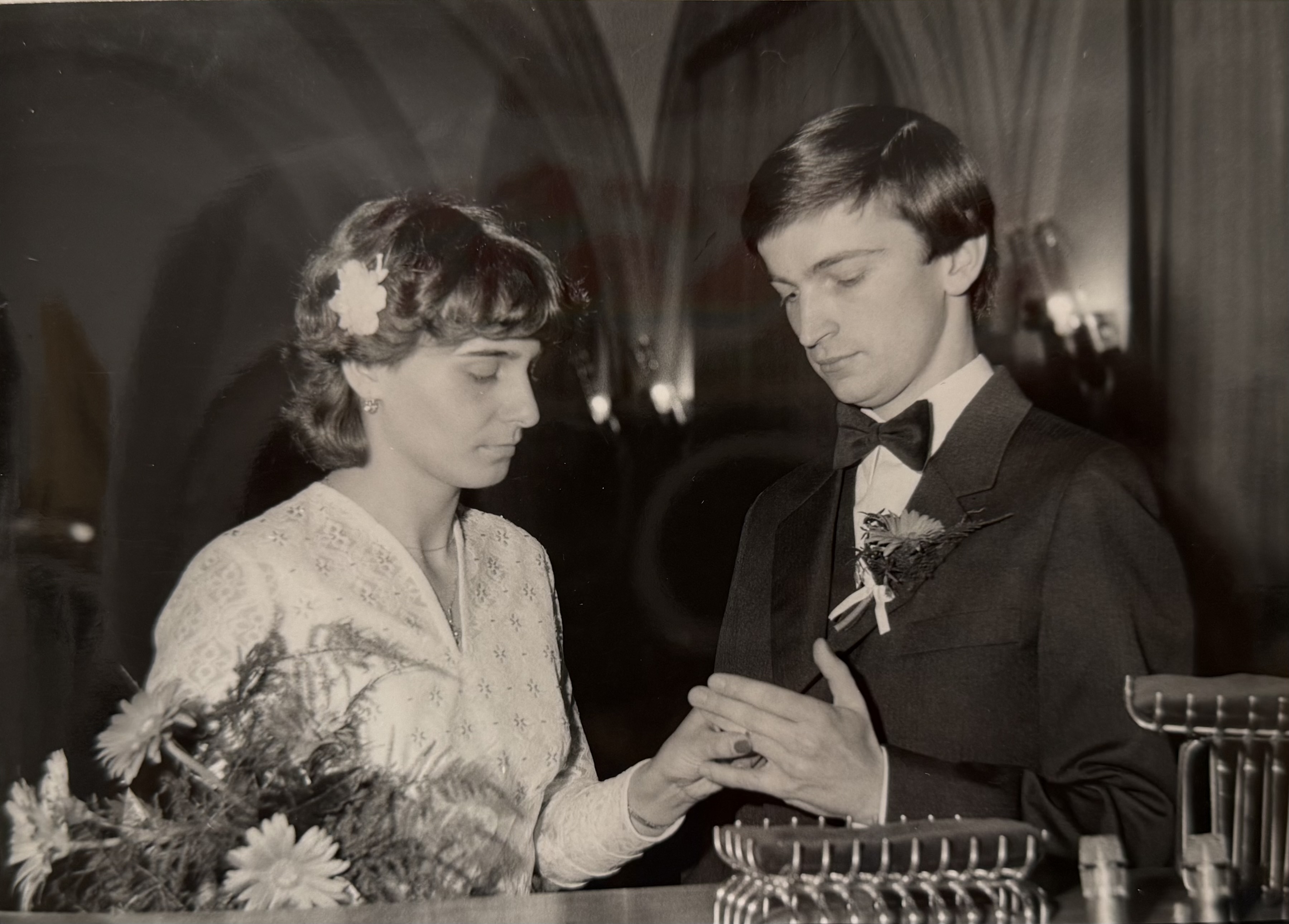
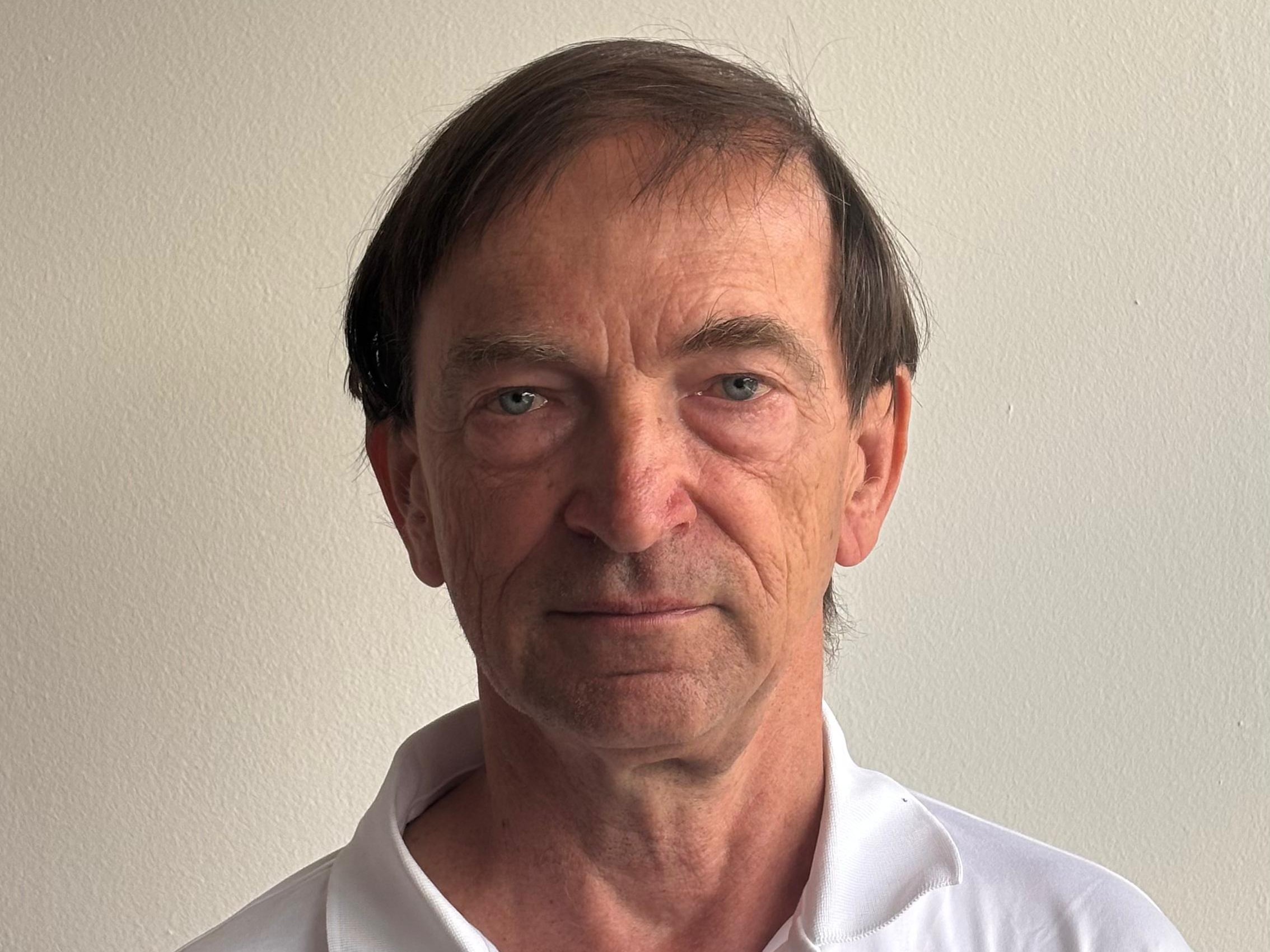
Miloslav Malý was born on 14 October 1957 in Opava. From a young age he learned to play the violin, so after graduating from primary school he applied to the Zlín Conservatory. However, he did not get in and graduated from the grammar school in Šternberk. After graduation he applied to study violin at the Faculty of Education in České Budějovice. Already during his studies he joined the South Bohemian State Orchestra. After university he completed his military service, during which he worked as a violinist in the Army Art Ensemble. At the beginning of the 1980s he won an audition for the State Song and Dance Ensemble, thanks to which he travelled through part of Europe, including Western countries, during the socialist era. With the ensemble he also visited Libya, the the Democratic People‘s Republic of Korea and Iraq. In November 1989, his folklore ensemble was among the first to join the strike. After the revolution, the ensemble was dissolved, and the witness and his colleagues began performing first at the Hotel International, later moving to a restaurant in Veleslavín. Miloslav Malý was professionally engaged in violin playing until the pandemic of covid, when he began to earn a living as a teacher. After the pandemic he returned to playing professionally, but he did not leave his teaching career. In 2025 he was living in Prague.