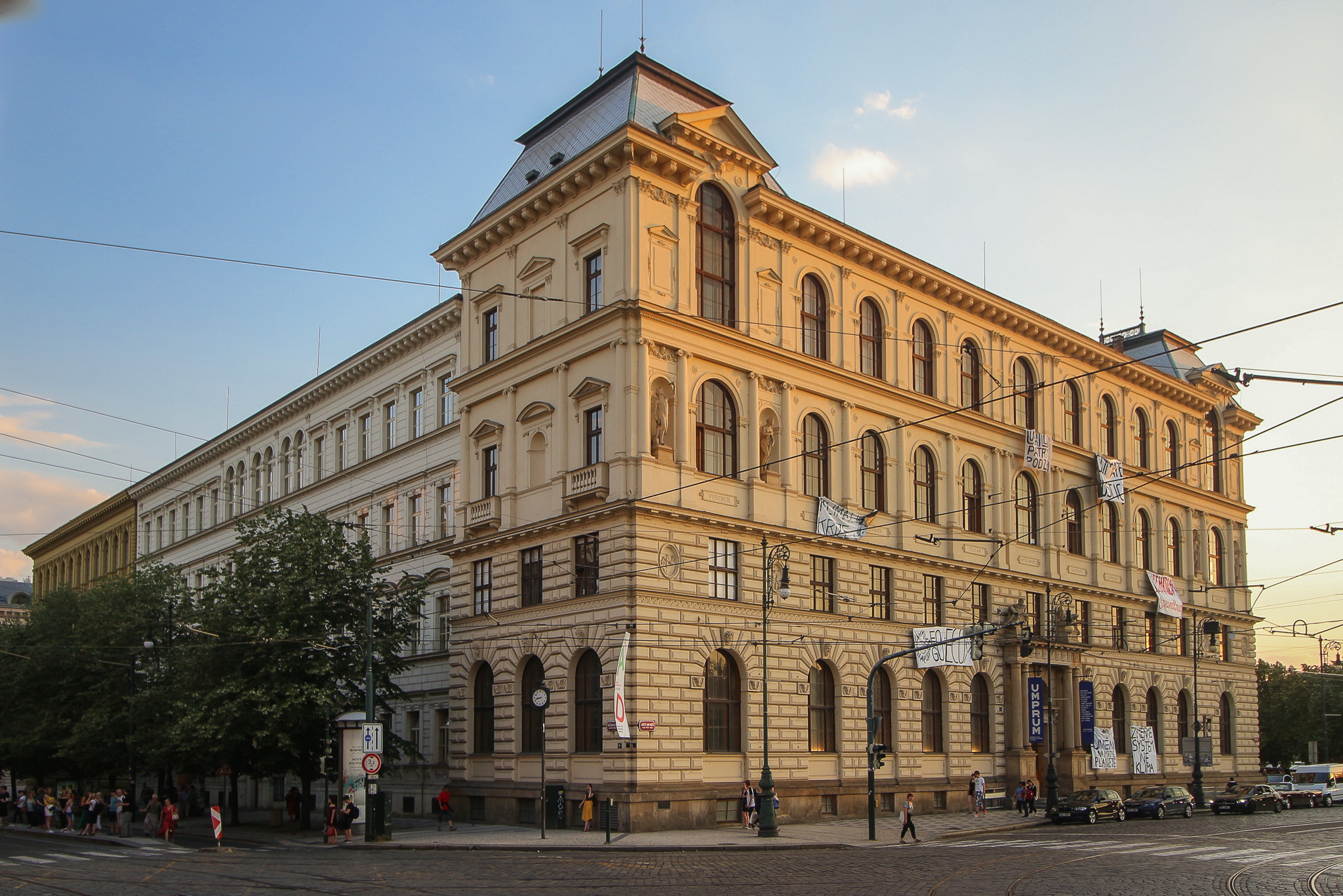
"The photocopier was an absolutely essential piece of equipment that we needed, but there was the secretary of the Union of Visual Artists at the time, Spilka, who was a convinced communist, and he said, 'Guys, if you co-opt me into this Committee of the Civic Artists' Forum, I'll give you the keys and tell you how to operate the machines and everything, but you have to take me in.' And we knew who he was, so we sent him out the door and now we were arguing because half of us wanted to co-opt him and the other half were against it, they said, 'We're not going to talk to a communist here,' so we argued there and in the end the vote was taken and it won by one vote to co-opt him. I was in favour of co-opting because we already had step two ready. He was all excited, he came in, gave us the keys, showed us how to use the copying machine and where the fuses were and showed us all that stuff and we fired him. And you see, and that's politics. All of a sudden we started learning how to do politics."
"You could hear Ivan Havel saying, 'I was at the demonstration, then I went home, but something went wrong. Something happened on Národní Street.’ And at that moment, when I heard that, I threw on my clothes and I went across Letenská pláň, I ran down and there in front of me was a dead city, complete darkness, only police flashes, sirens, and otherwise complete silence, and when I crossed the Čechův Bridge into Pařížská Street, there were suddenly piles of clothes, shoes and so on. It was quite unbelievable, but otherwise the city was totally empty. And it was only when I came to Národní Street that there were still the remains of the demonstrators´belongings as they had been chased by the police. They were riding around in a kind of a bus with the lights out. They always stopped, the doors opened and the commandos rushed out, but they were equipped in a way that we had never seen before at those demonstrations. They didn't just have batons this time, they had these long white fiberglass sticks that they used to beat the demonstrators with. And as soon as they rolled out, there they... it looked to me like they were on some kind of drugs, they just ran like crazy against the crowd, and we started running off to wherever we could..."
"I remember, for example, during Palach Week, there were also water cannons. It's not pleasant when they spray you with freezing water in the winter. And we always tried to stick together as friends, to support each other in some way. And that chase with the cops lasted, let's say, two or three hours, and then it slowly started to fall apart. And besides the police force, there were also militiamen there, they had already been called up for the Palach Week, and it was interesting that even for them sometimes the police violence was too much. So I remember that one time we were cordoned off by the police in the Na Můstku alley, and on one side there was a cordon of militiamen, and they were like uncles, like they were brought from the countryside, and when they saw what was happening there, one of them said, 'Boys, come on, we're going to let you out of here.' And they parted, and we were able to run out."
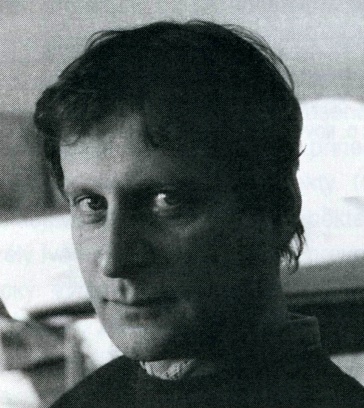
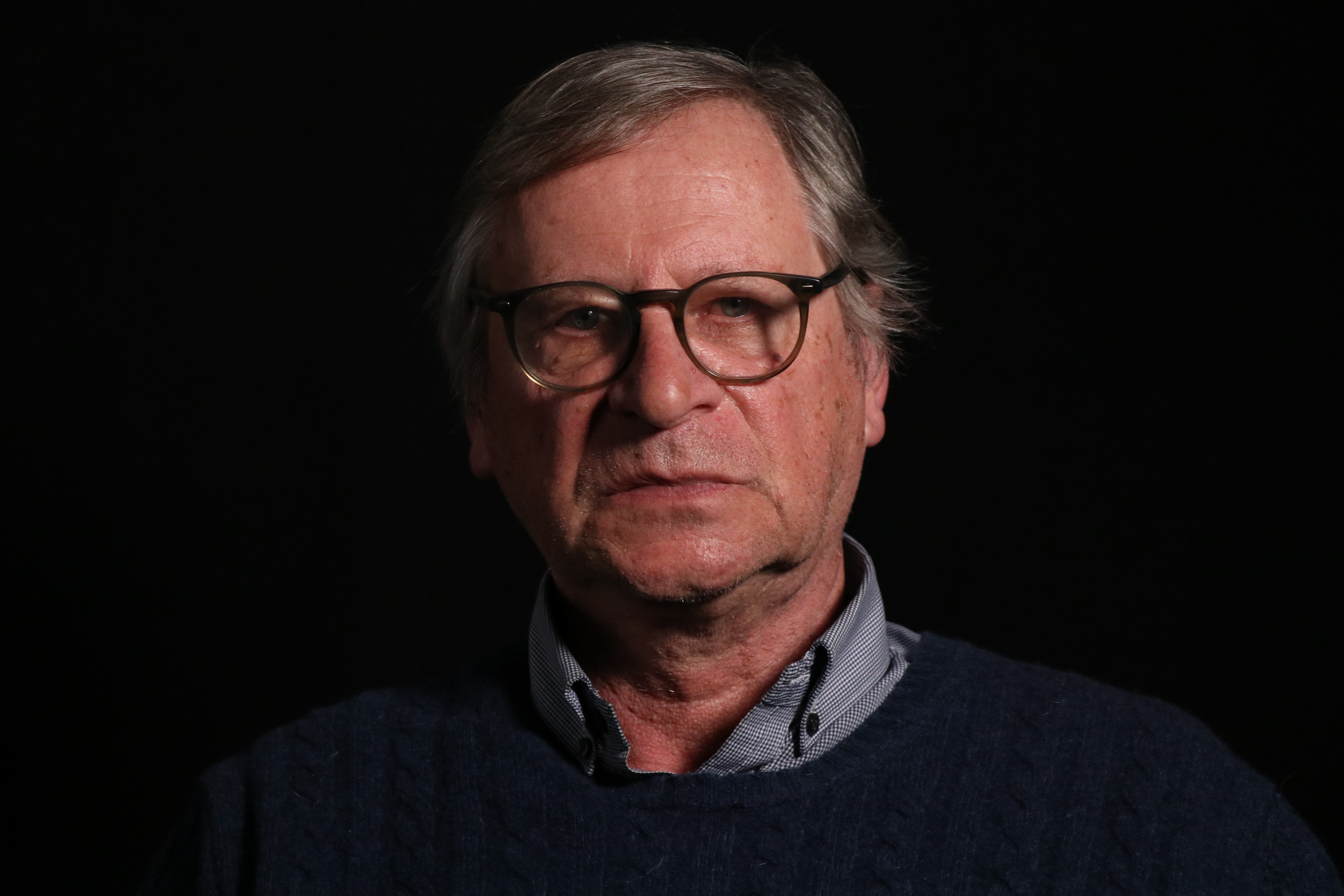
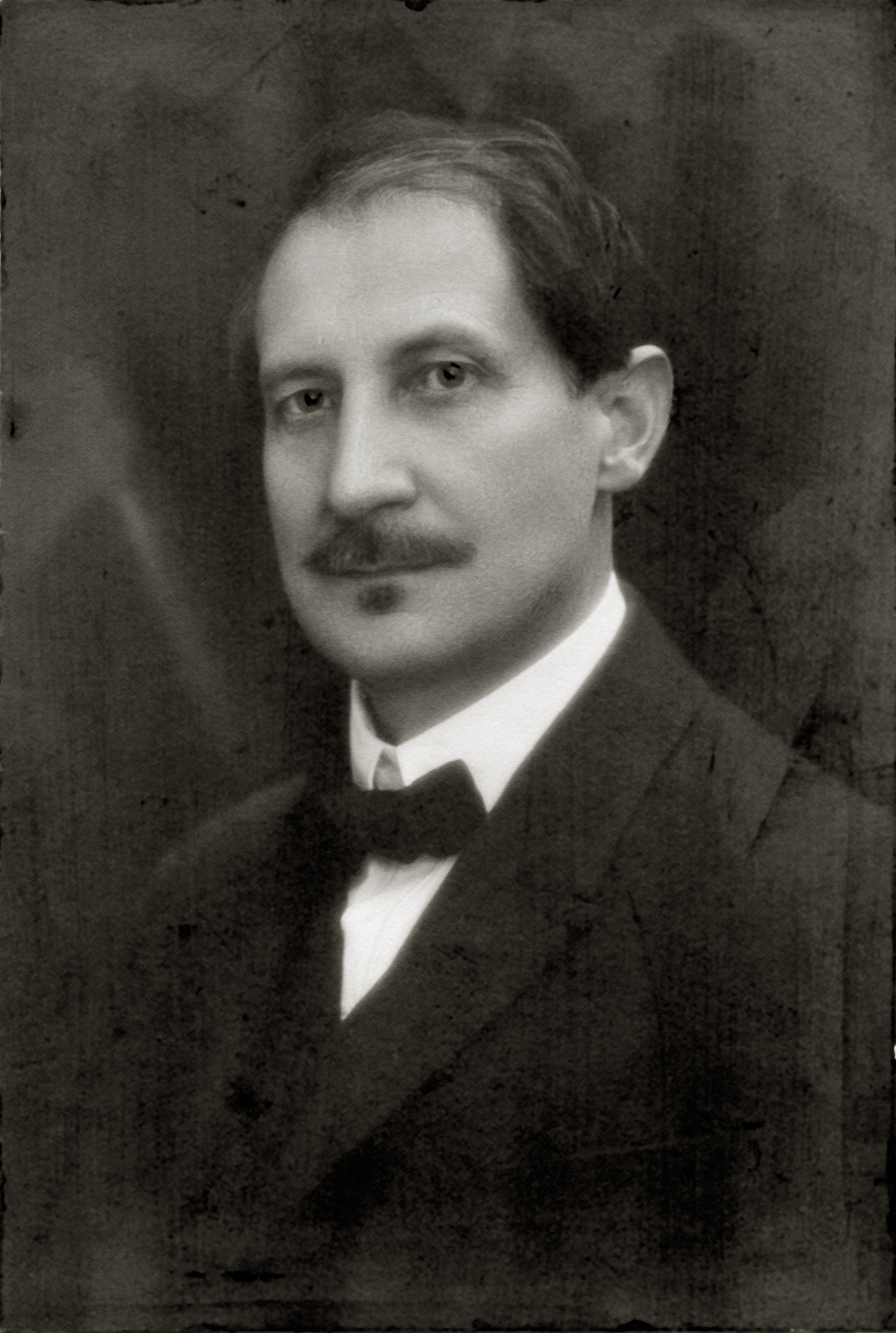
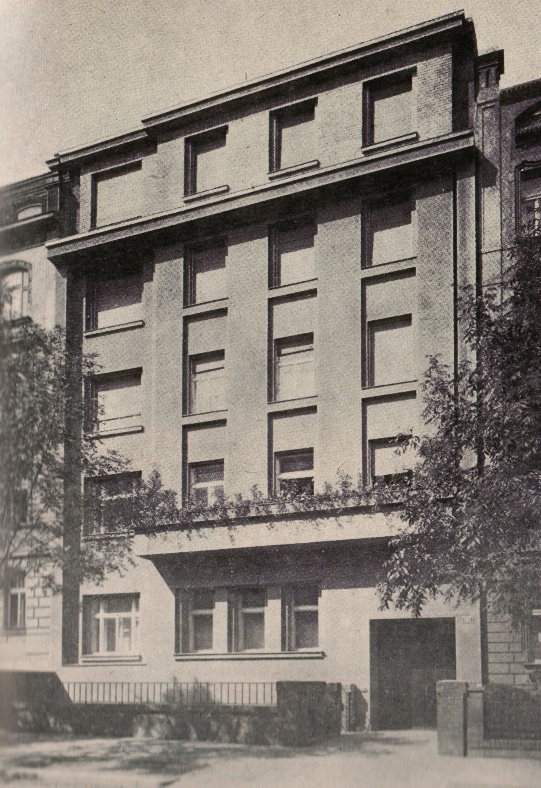
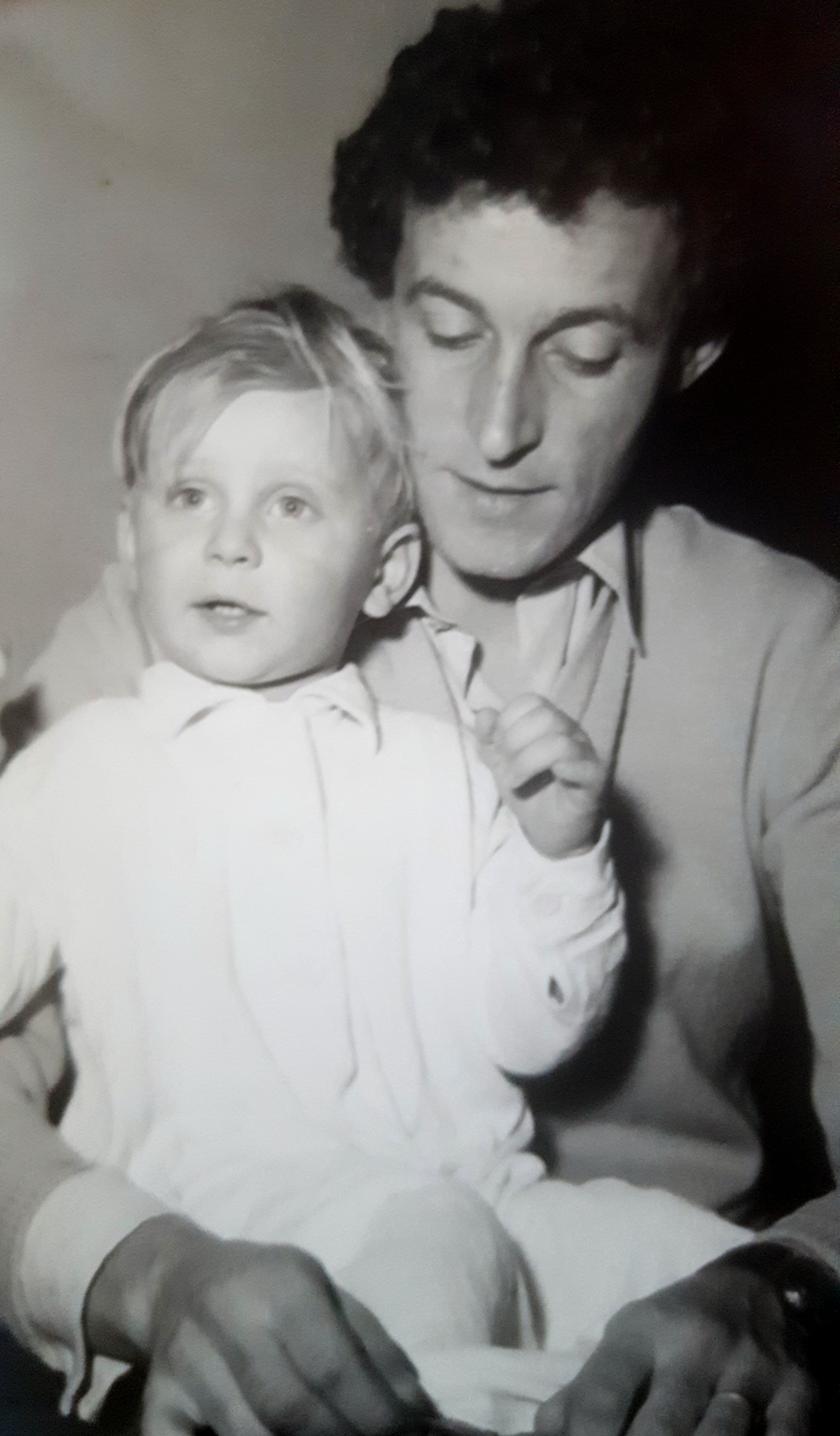
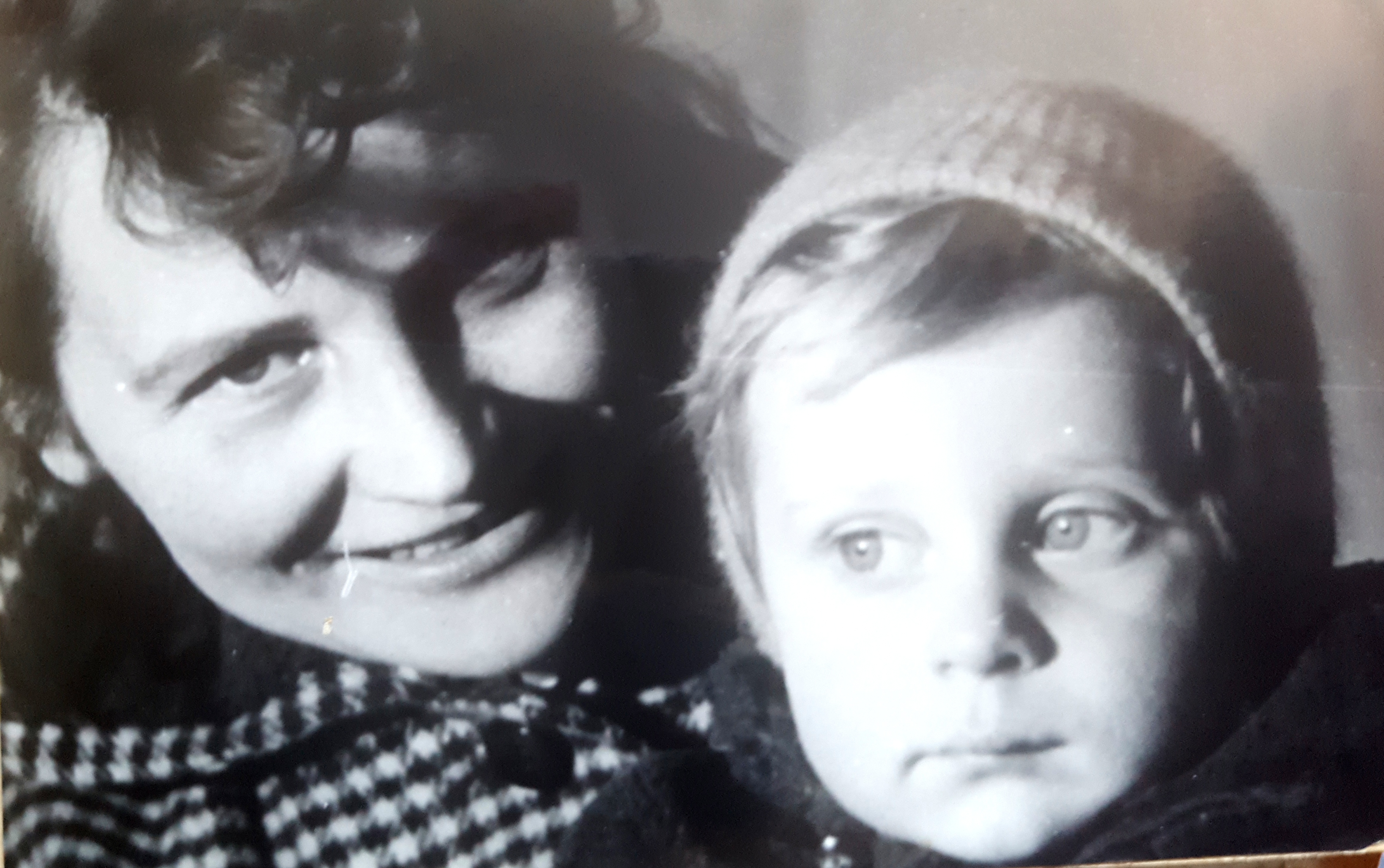
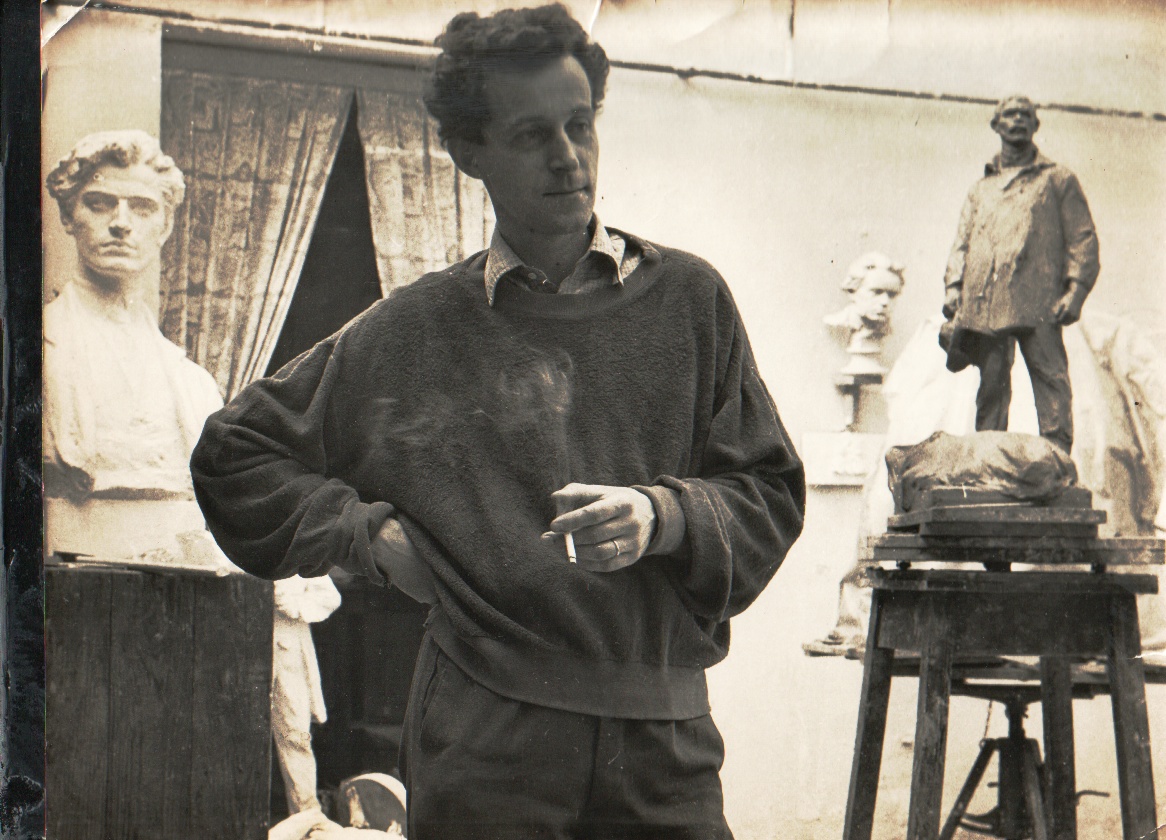
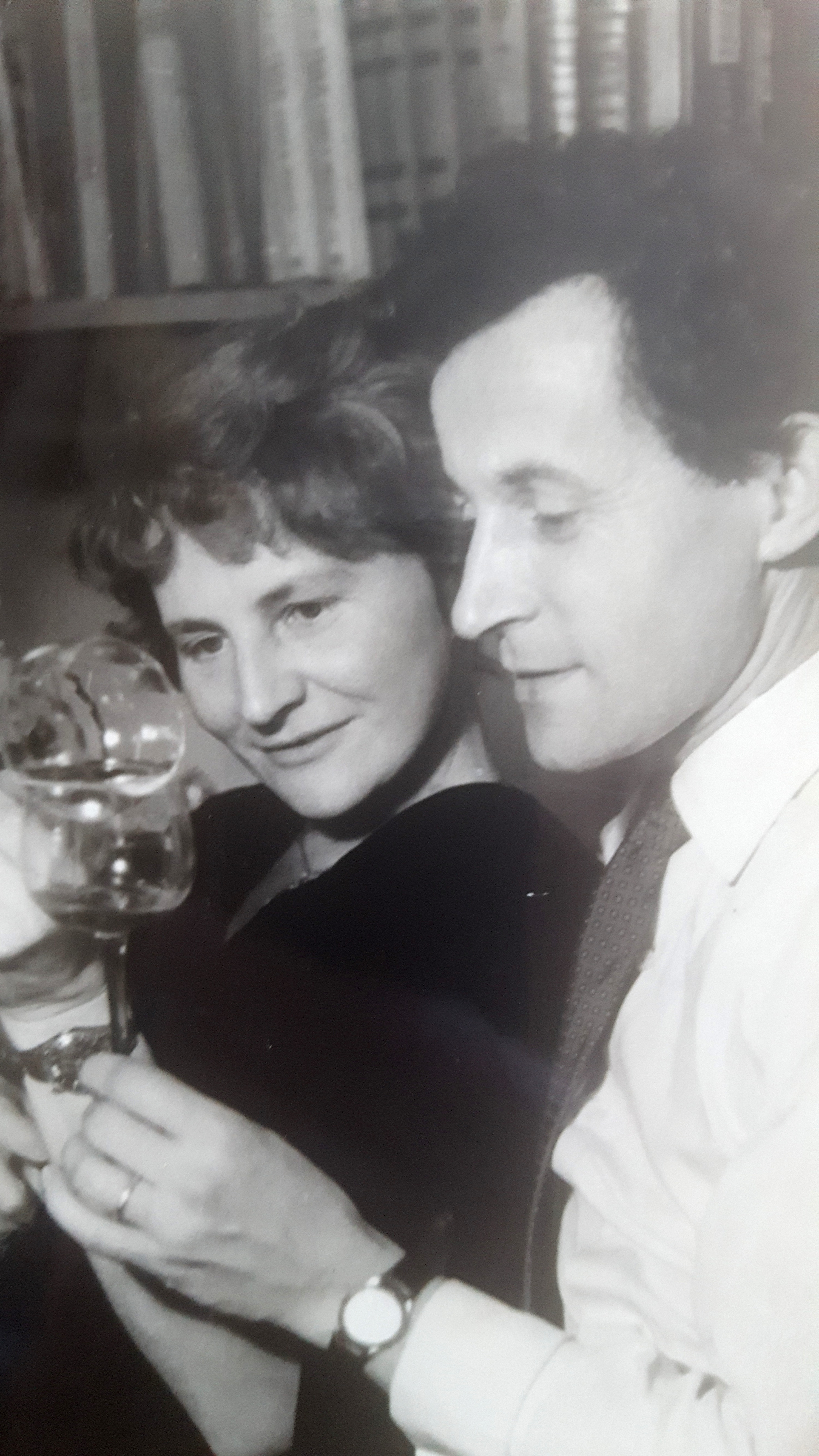
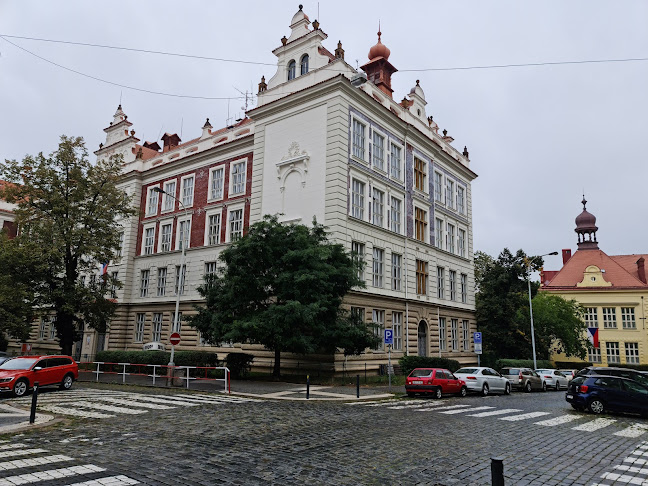
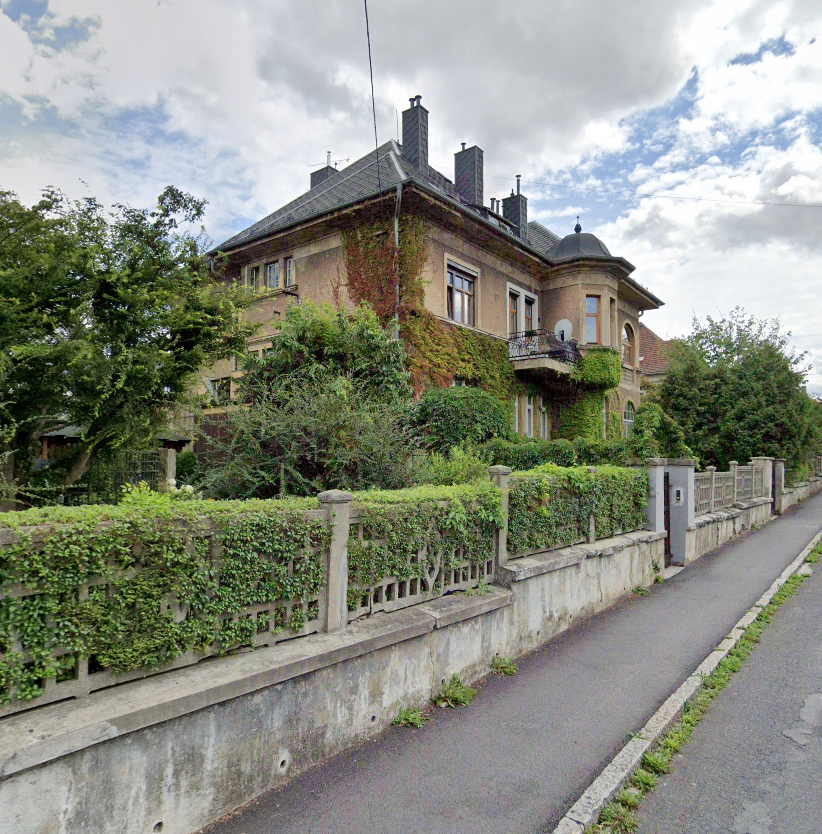
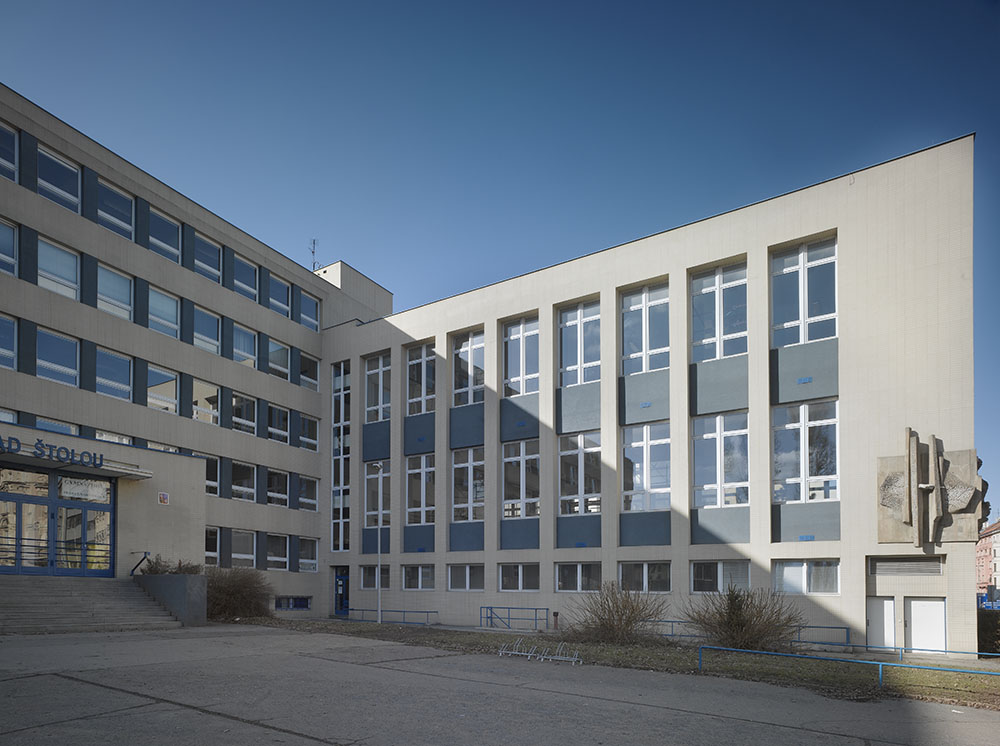
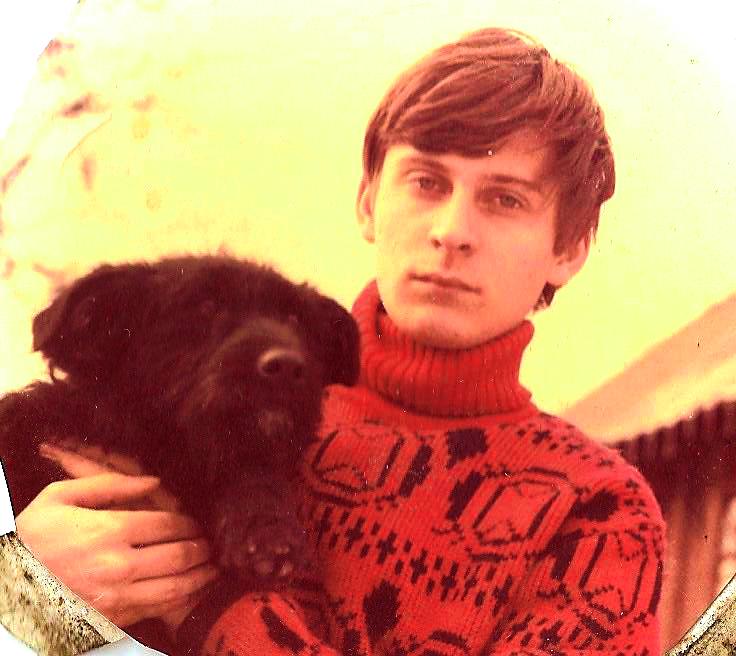
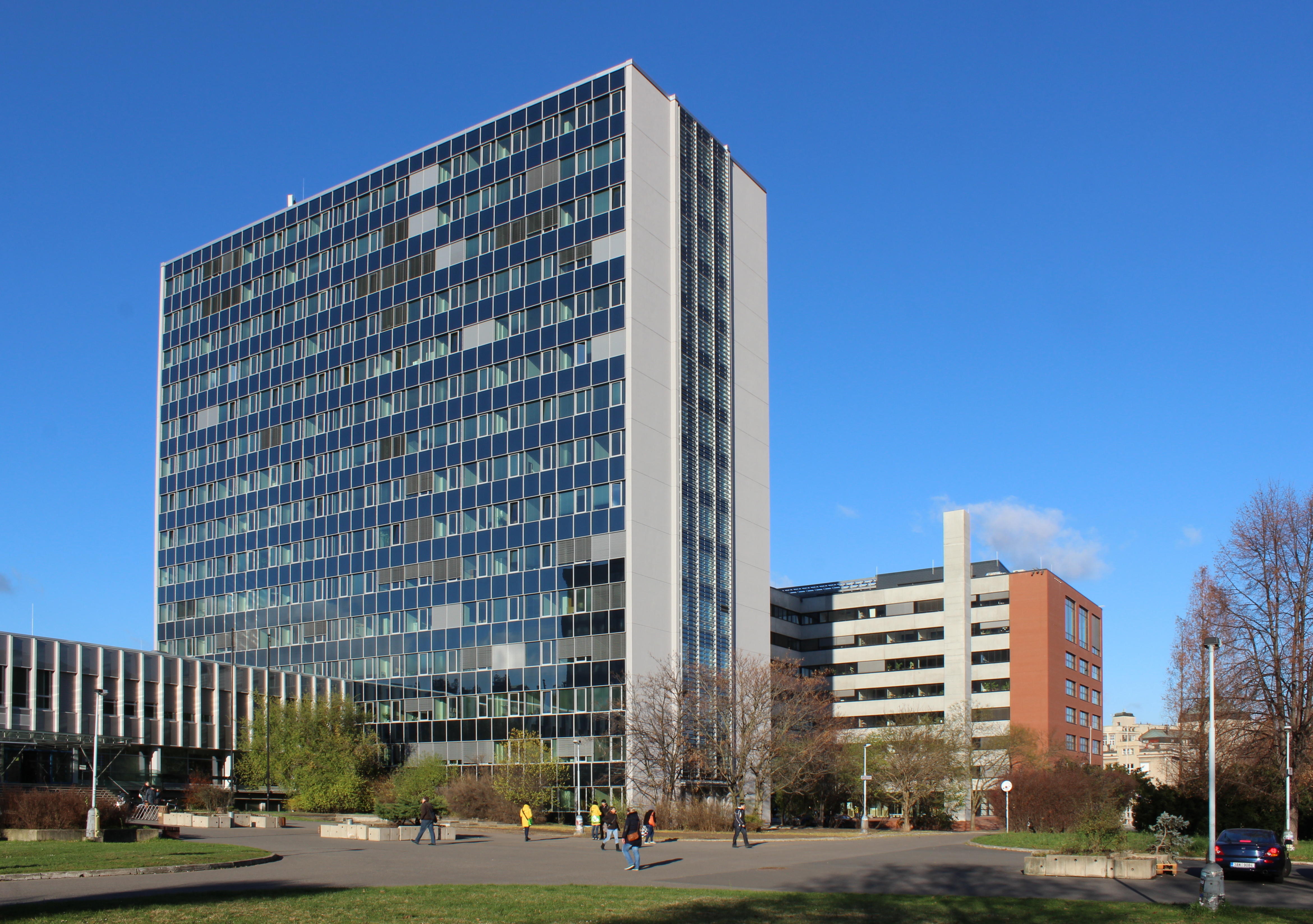
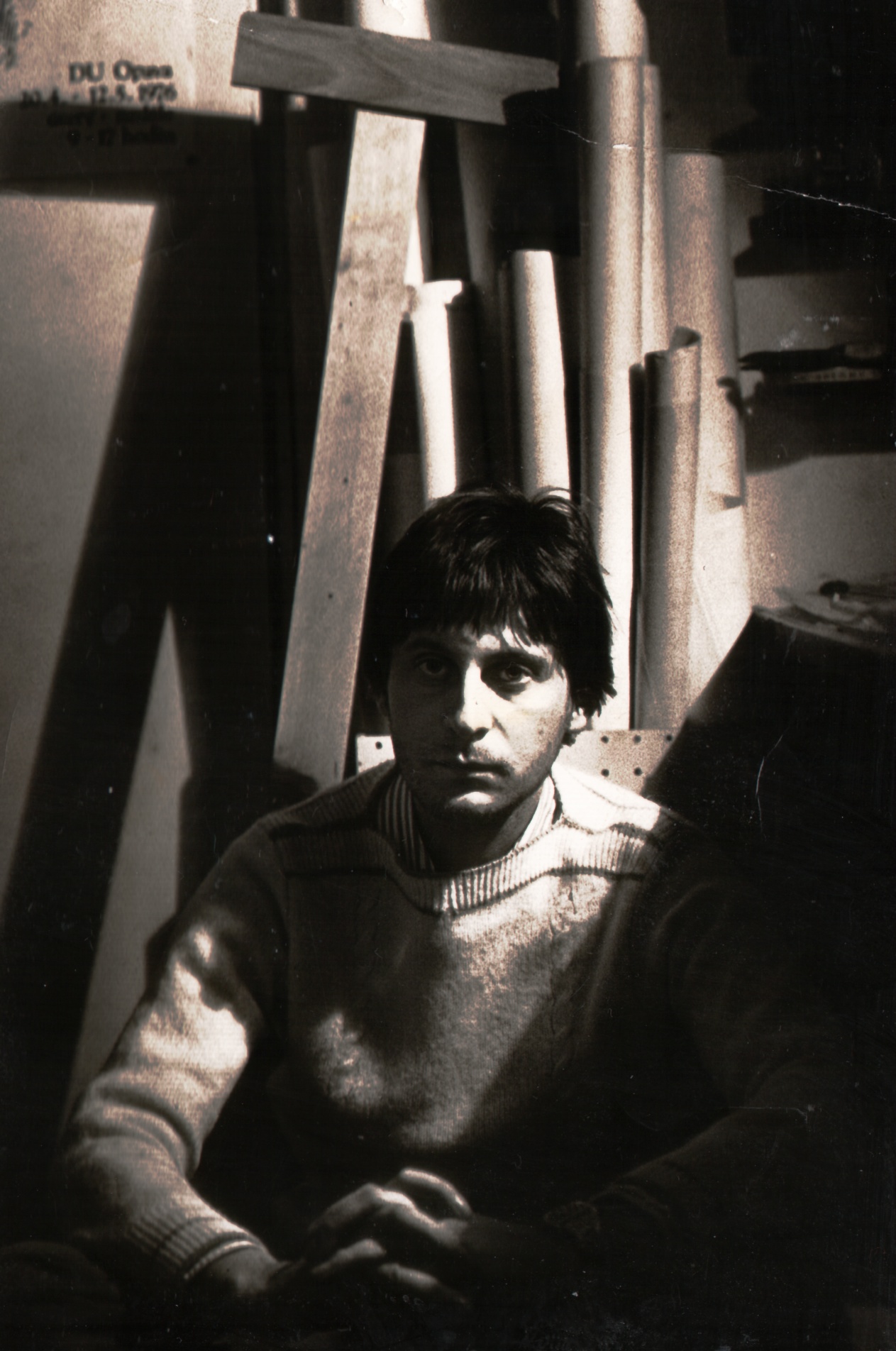
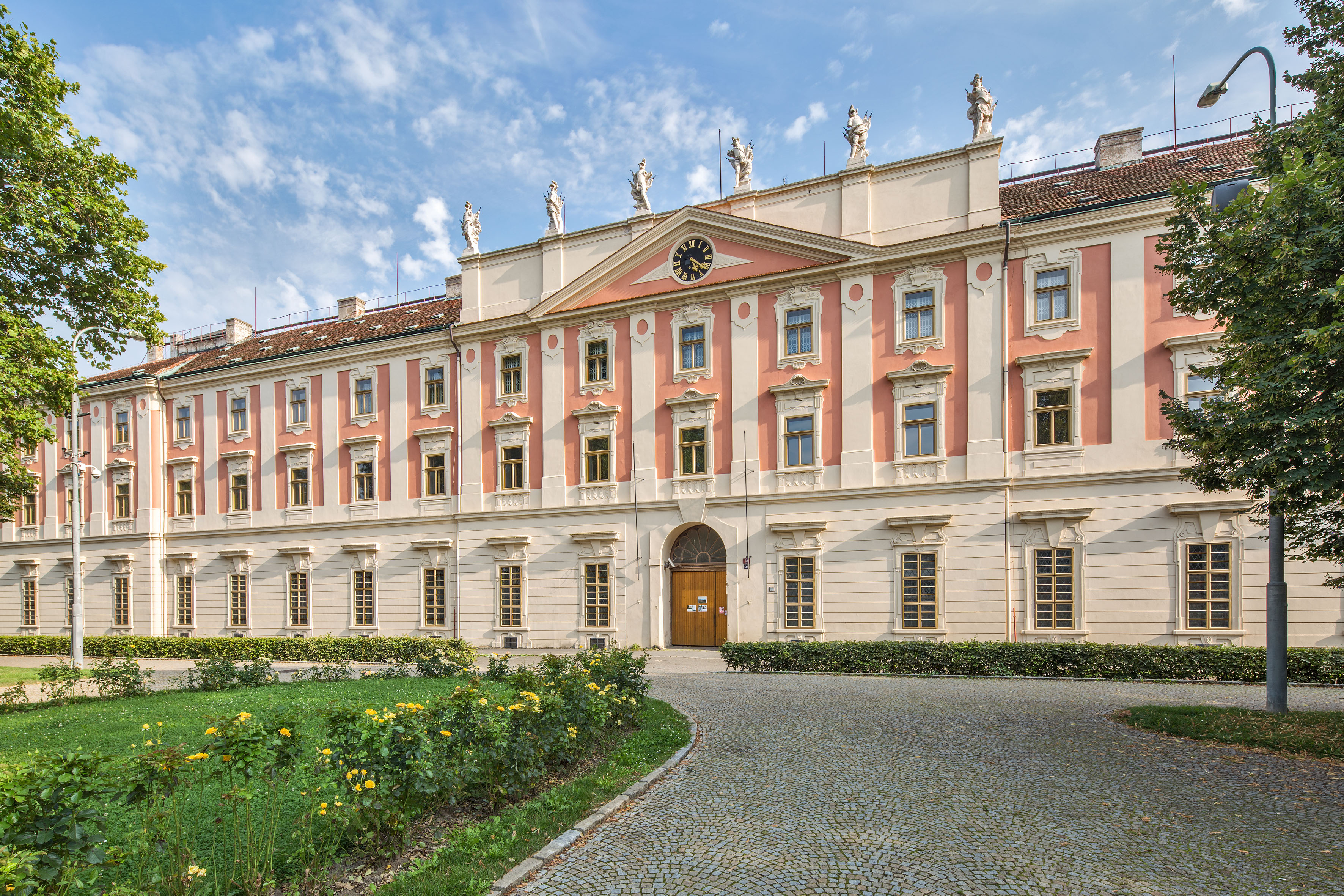
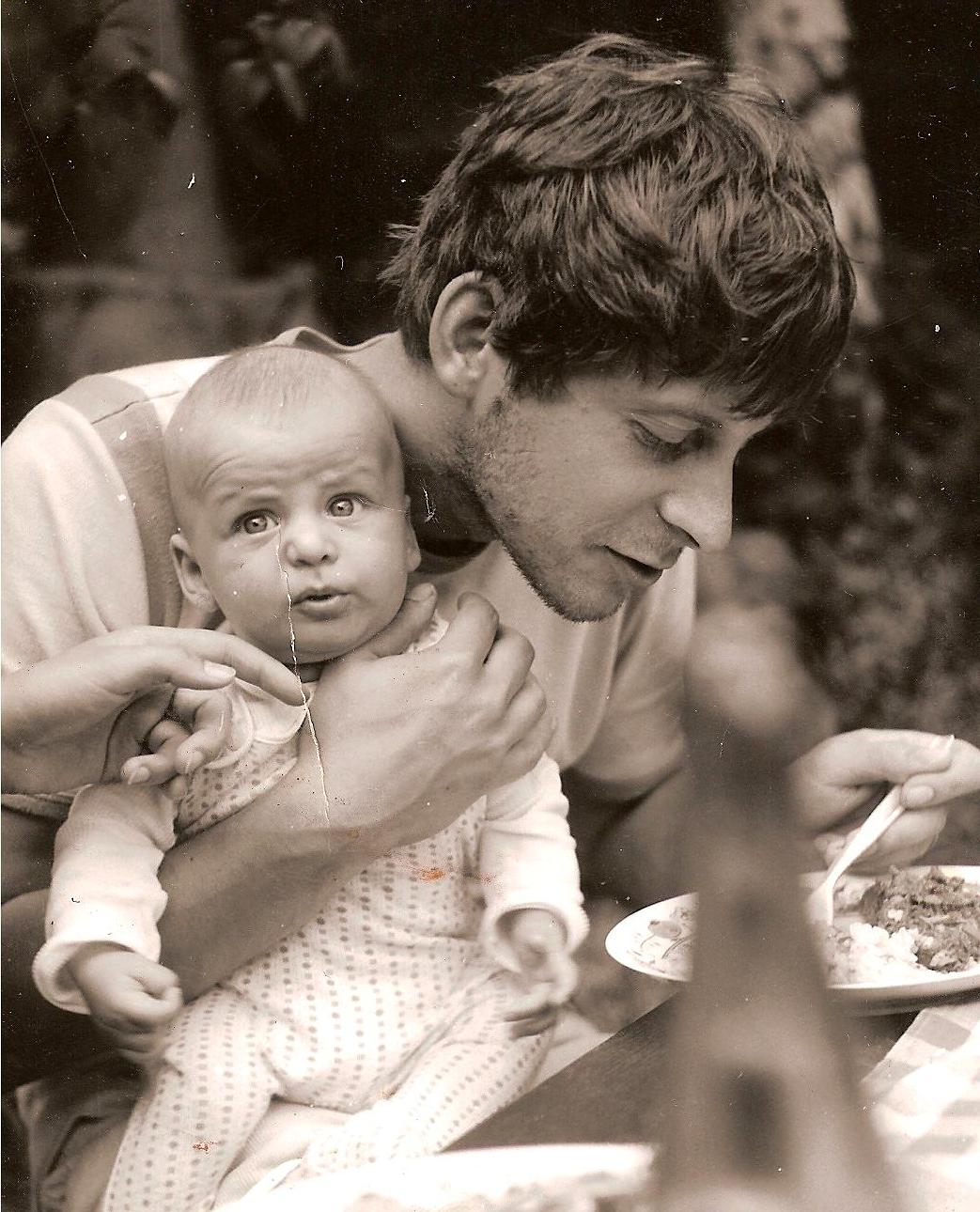
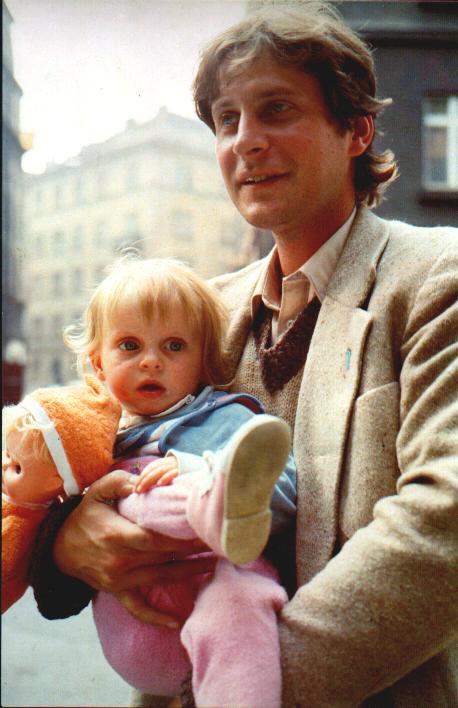
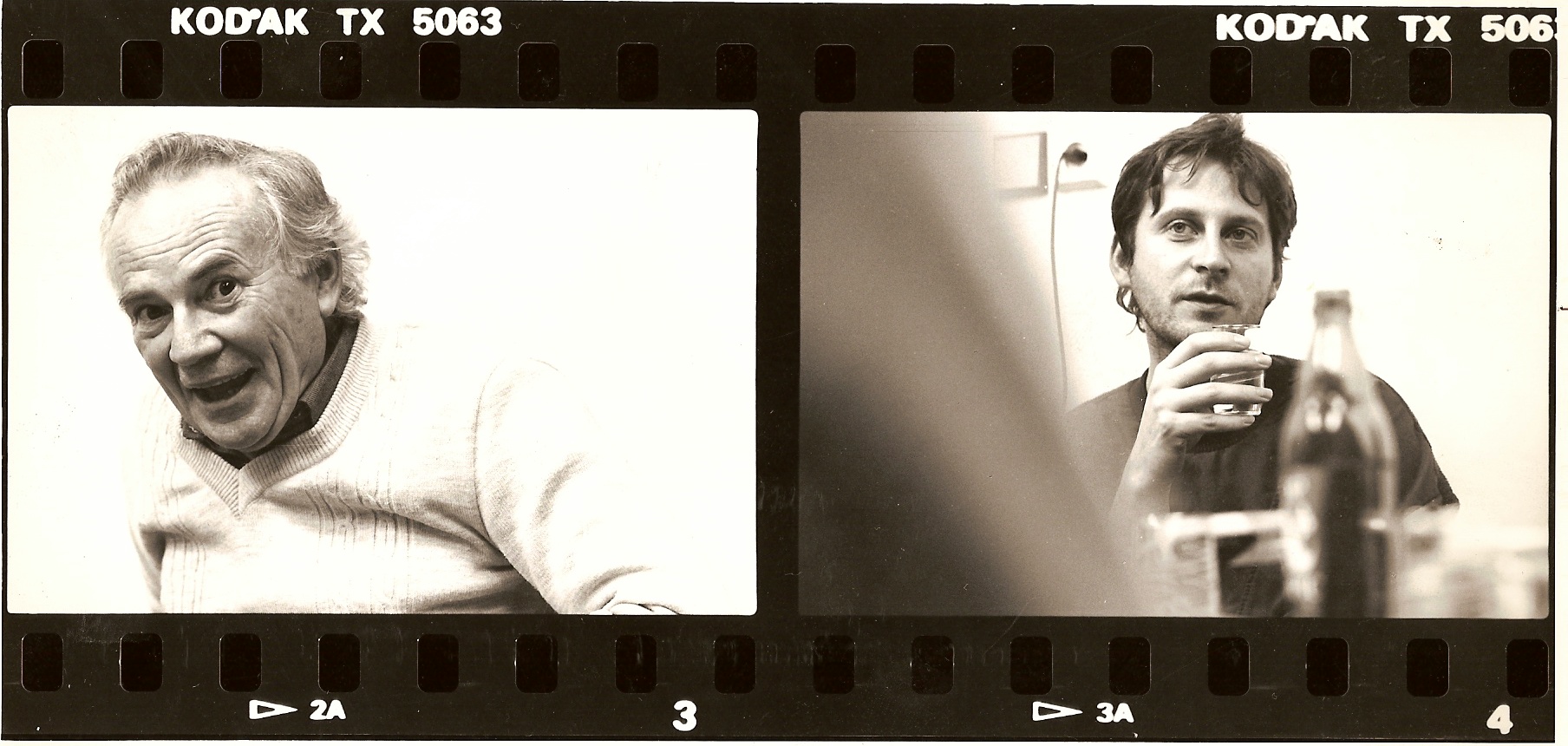
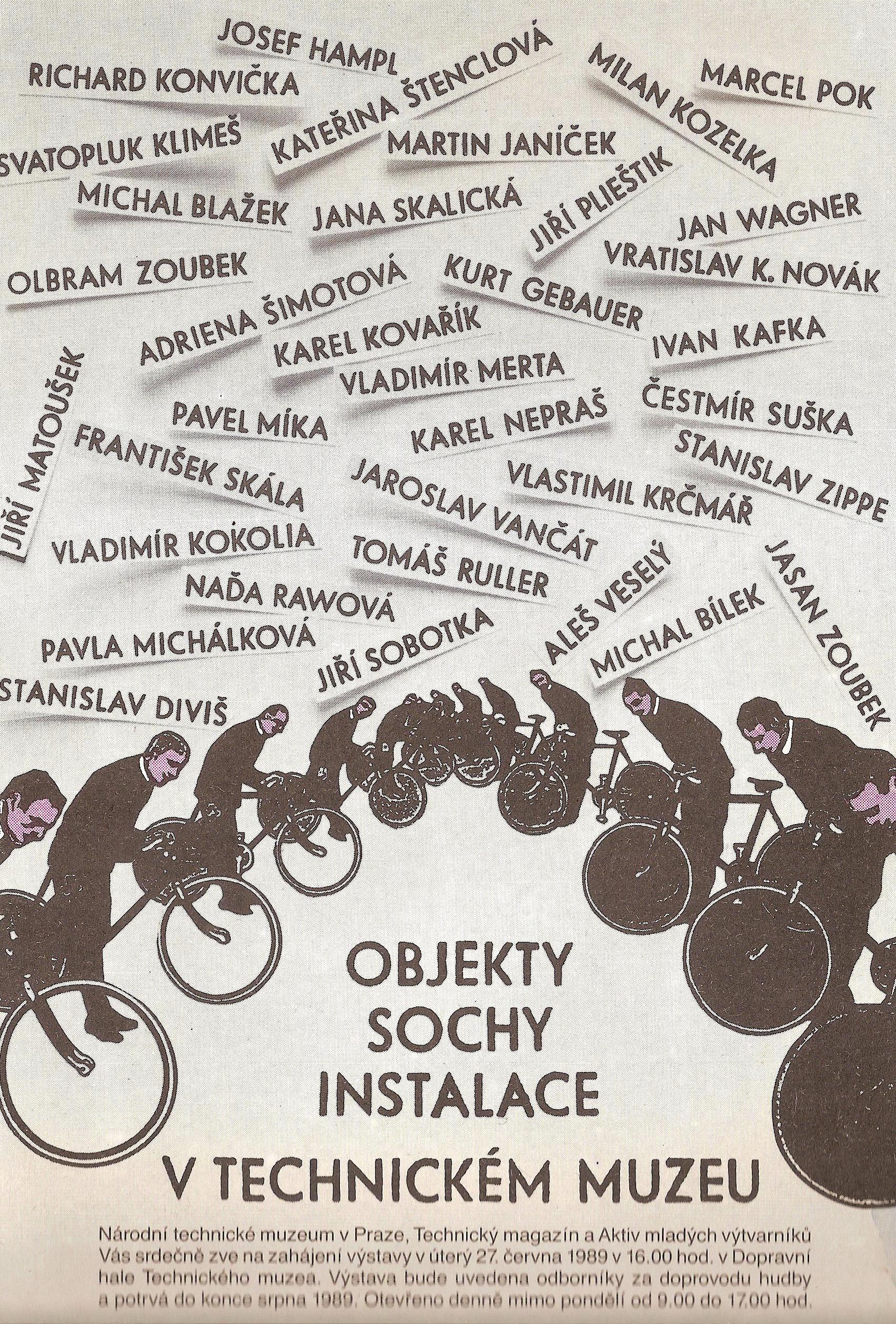
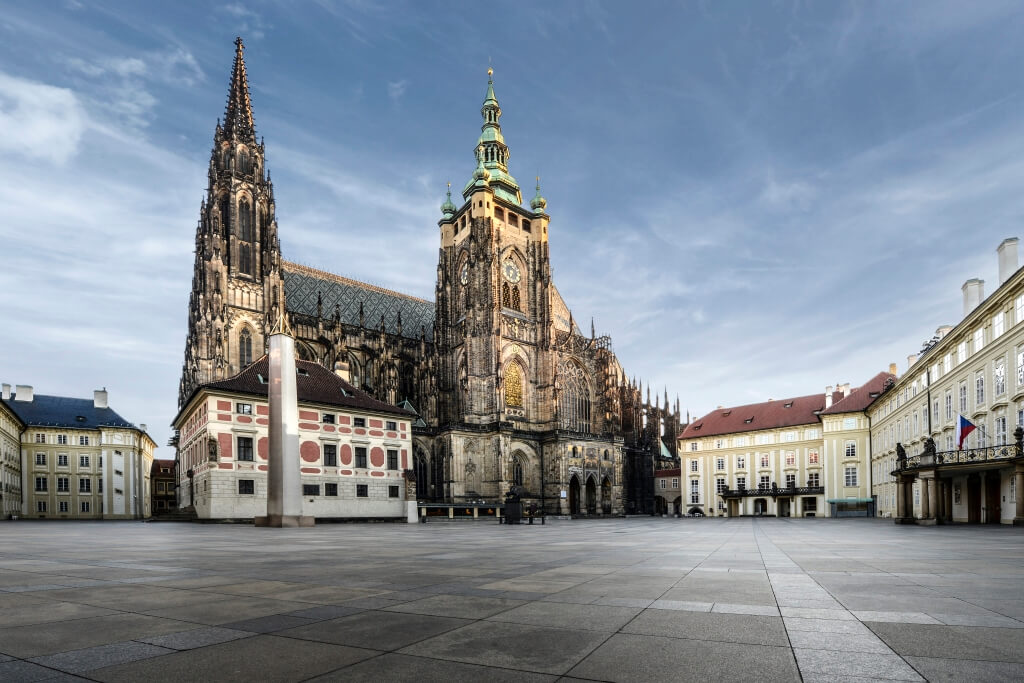
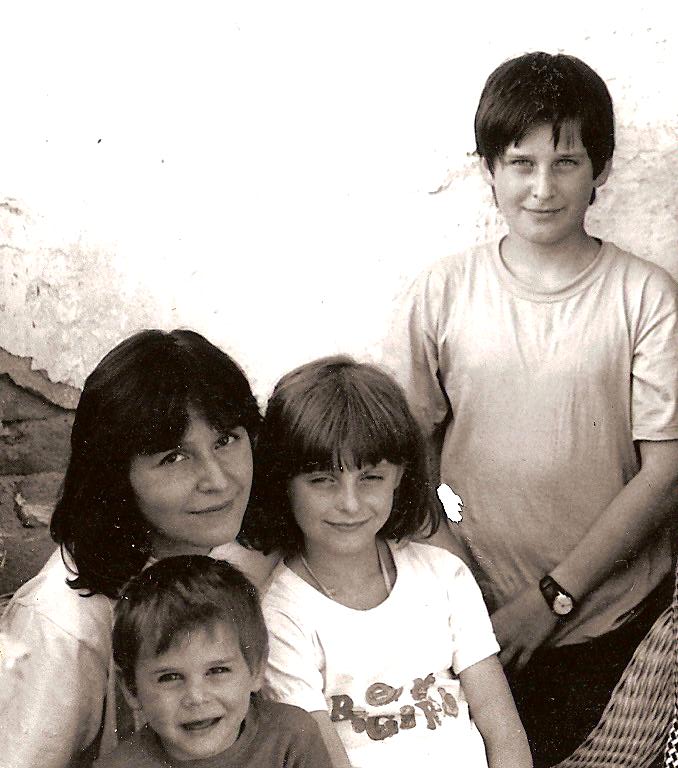
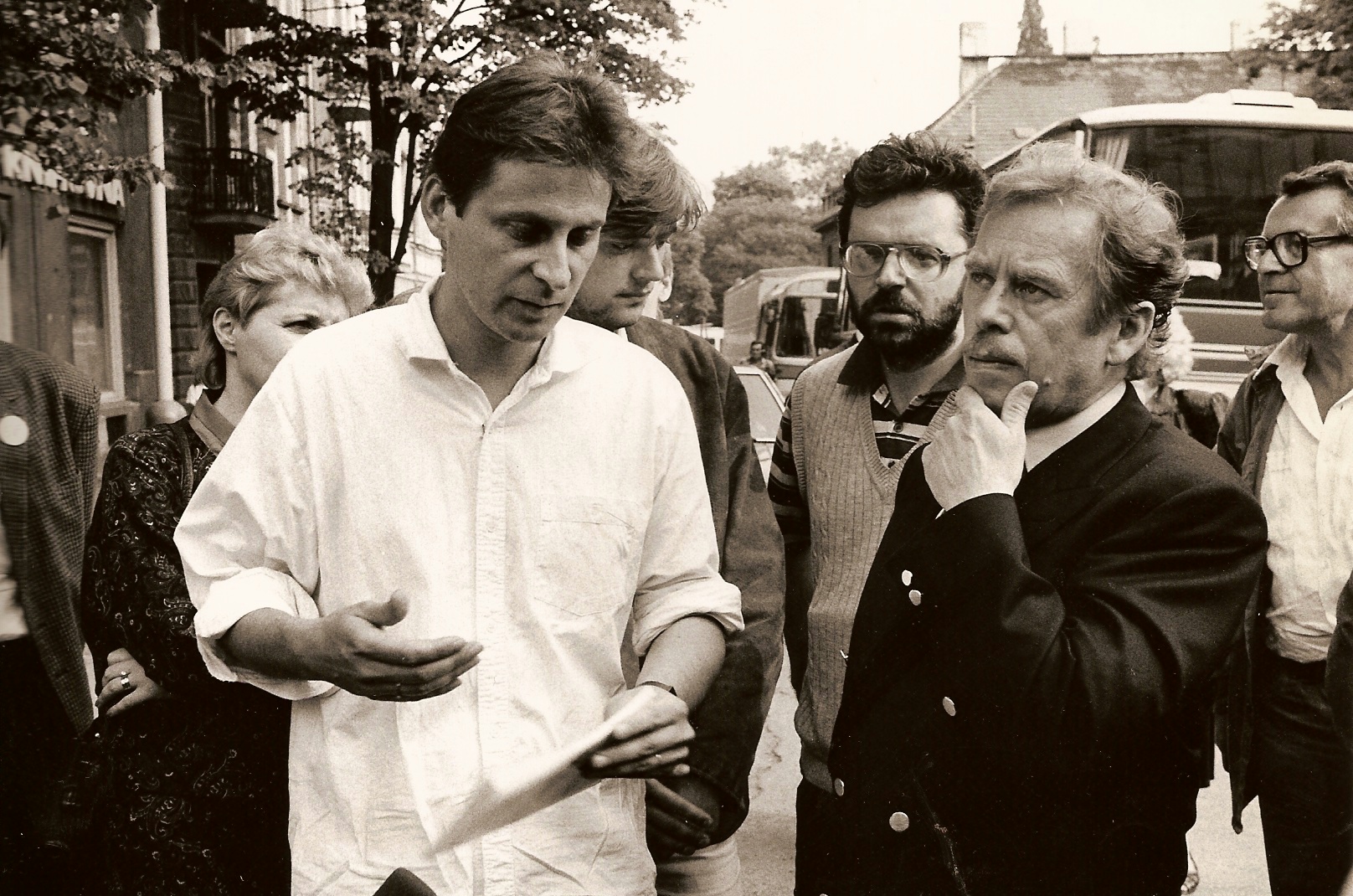
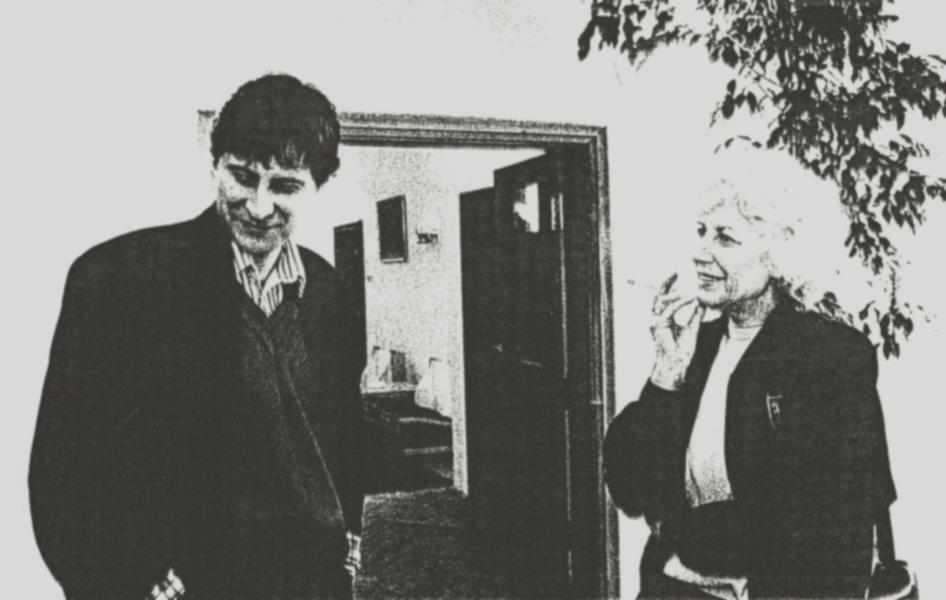
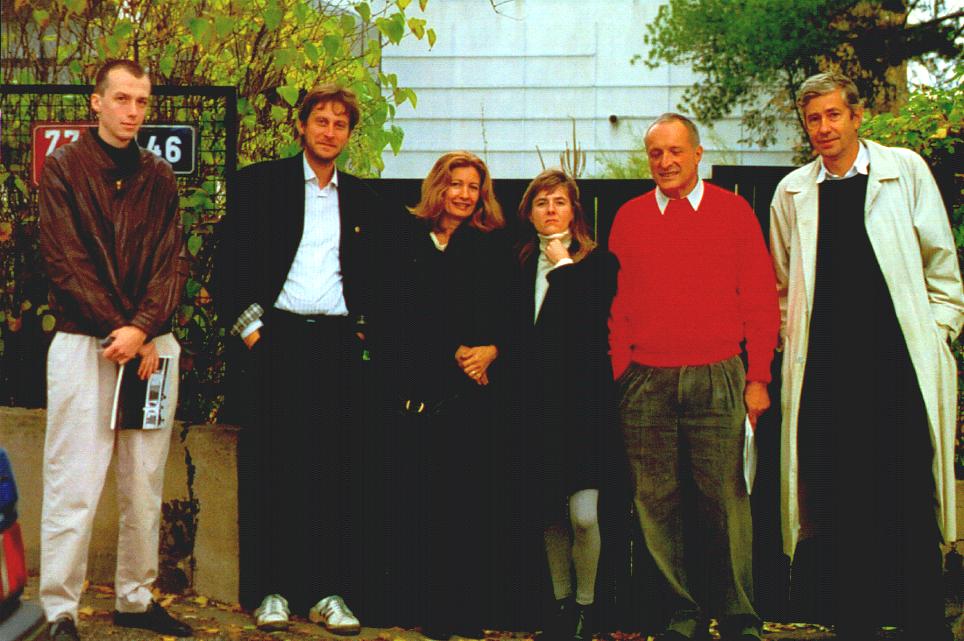
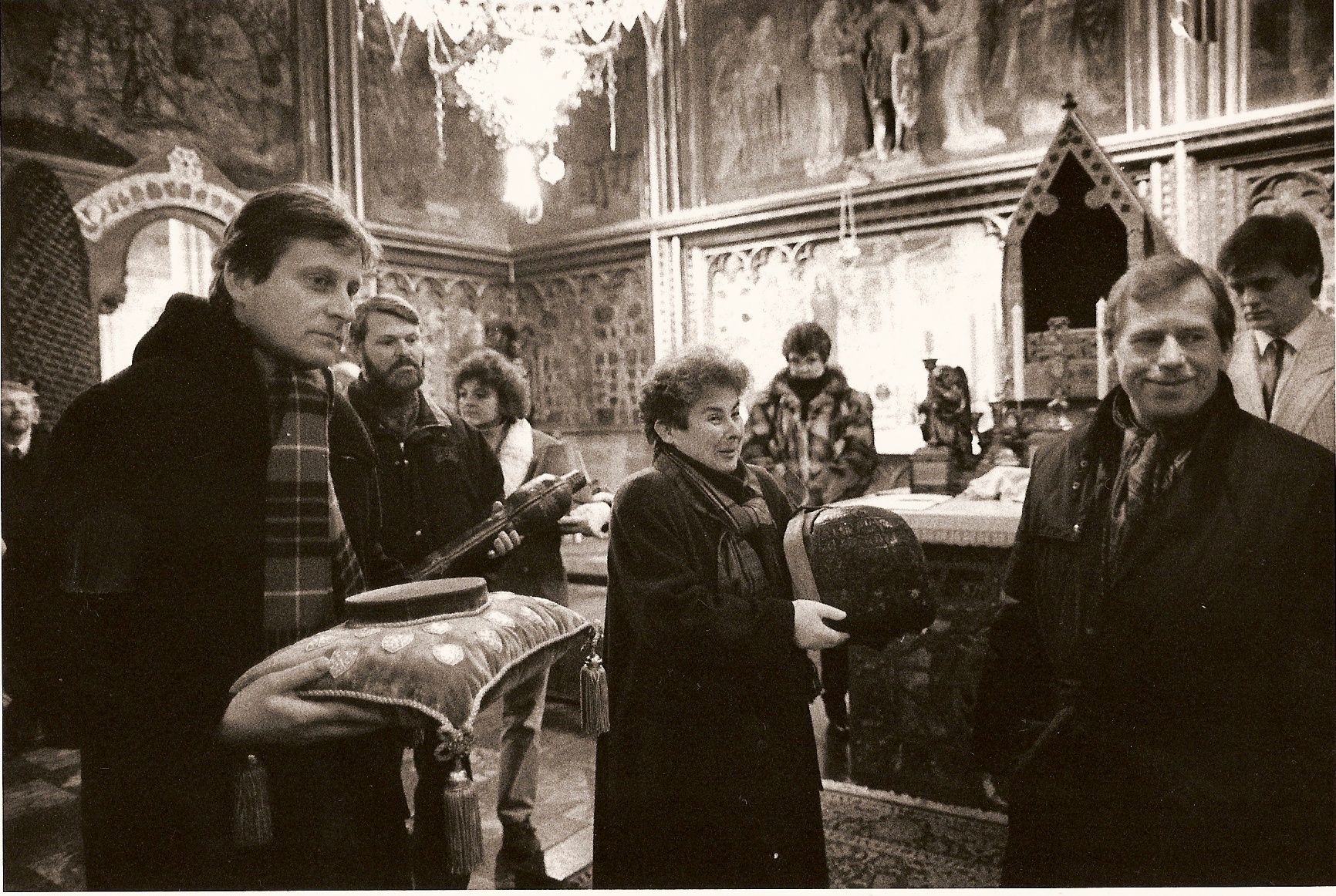
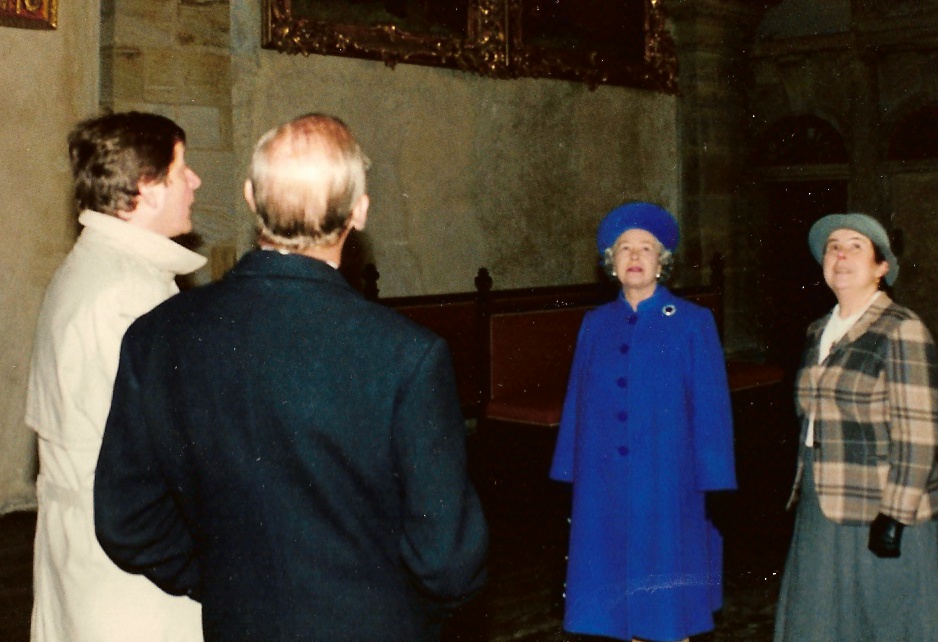
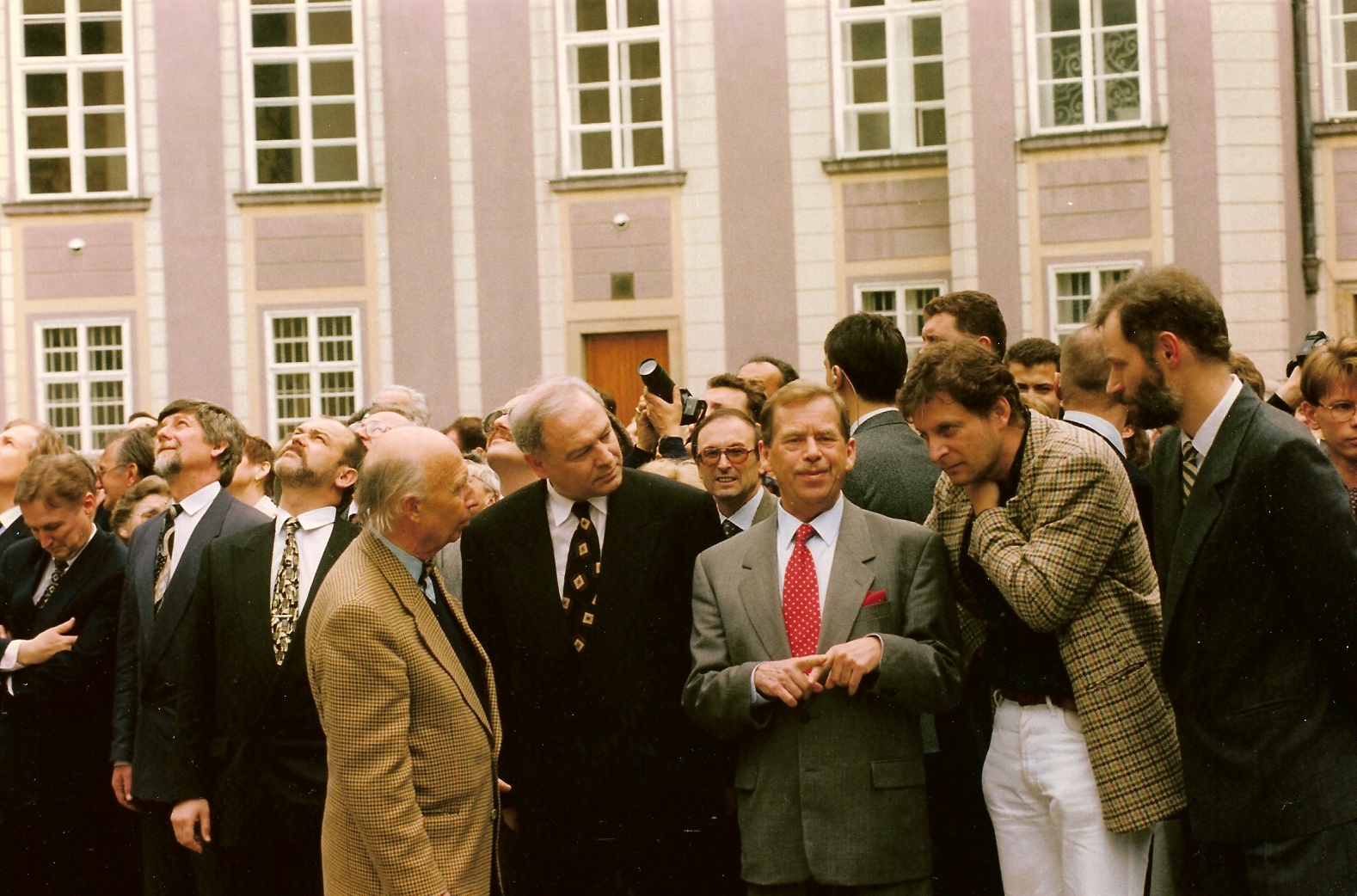
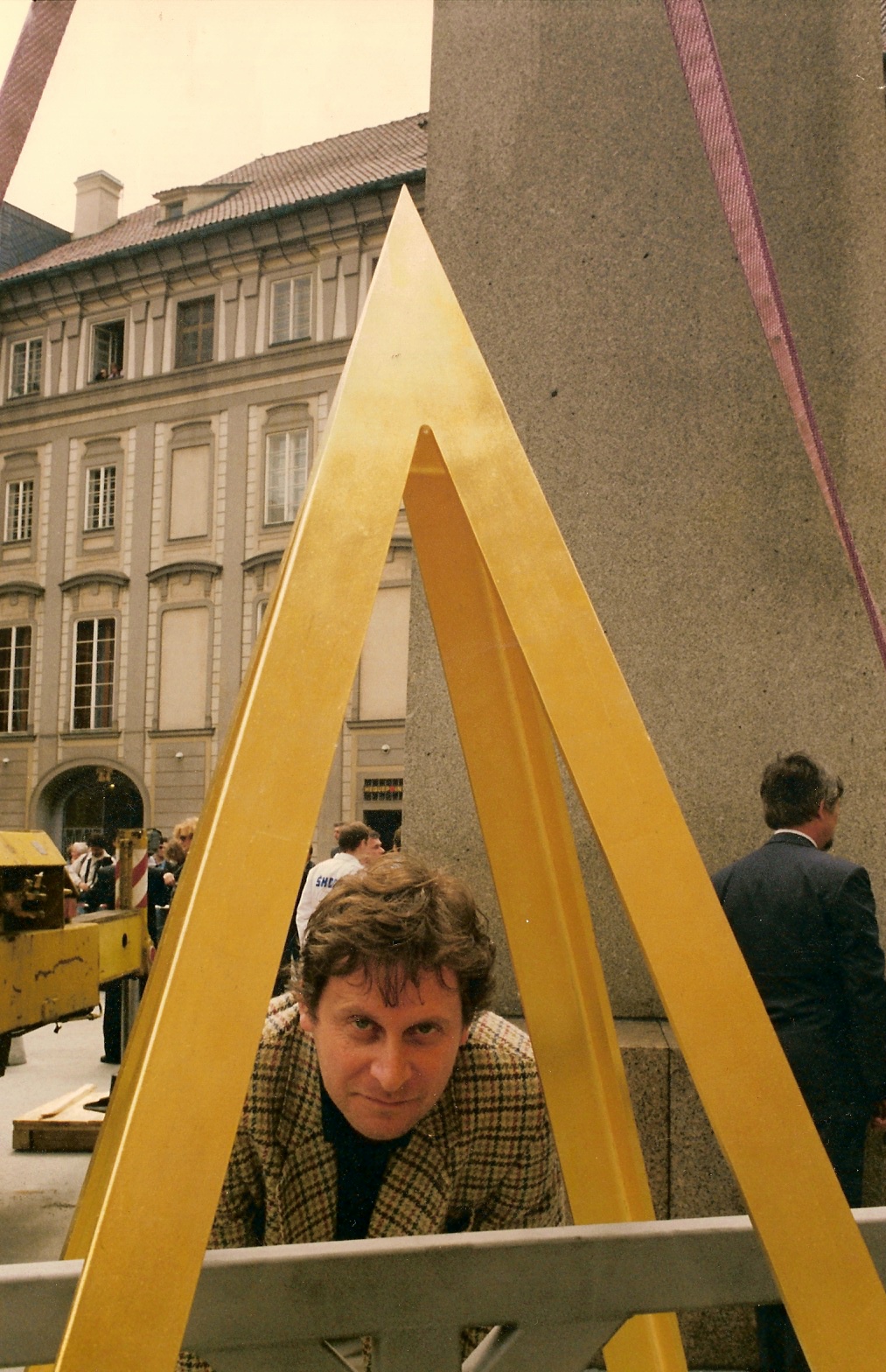
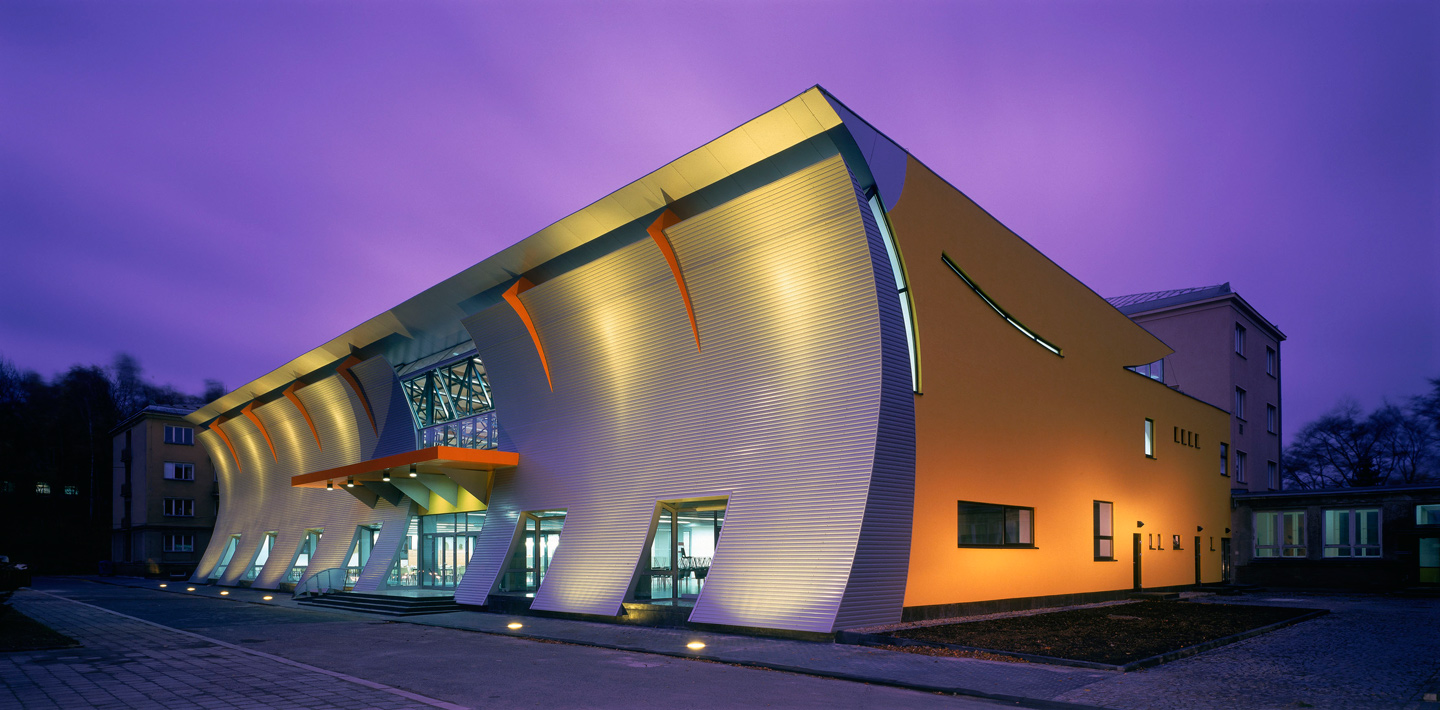
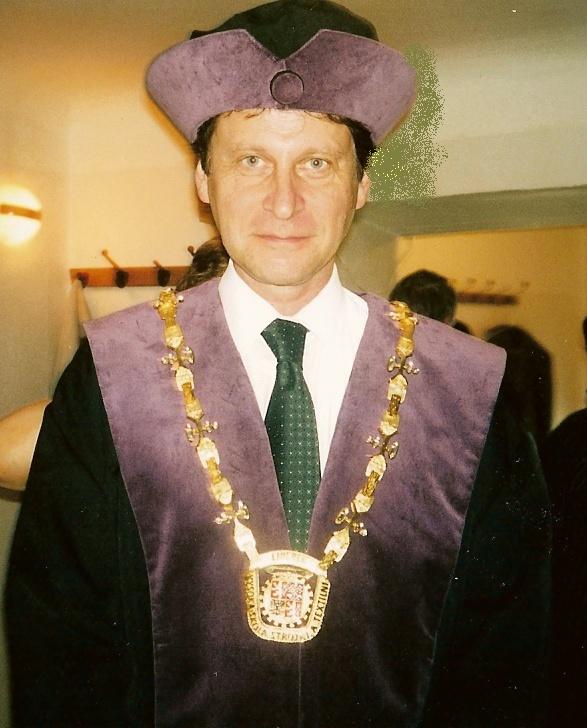
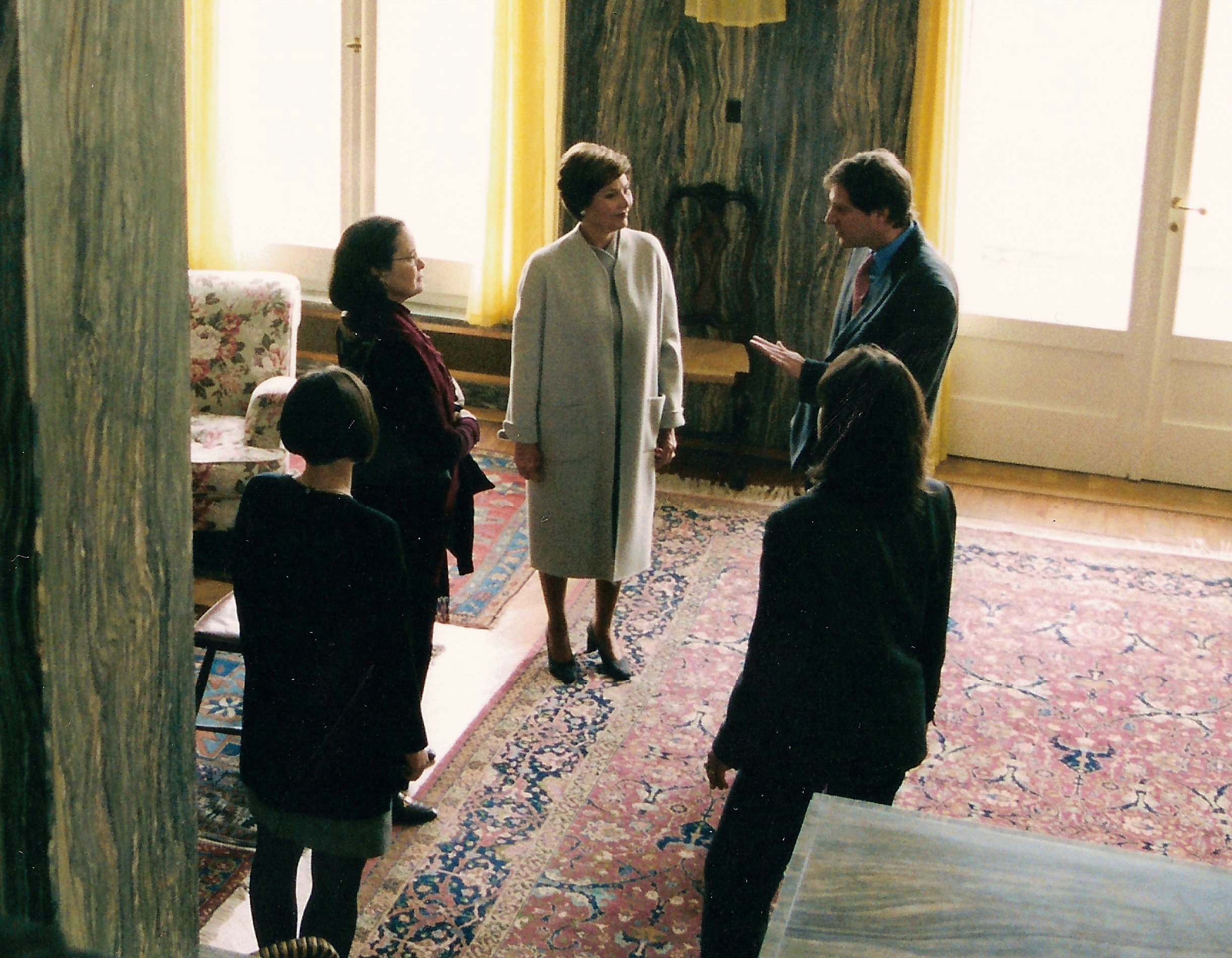
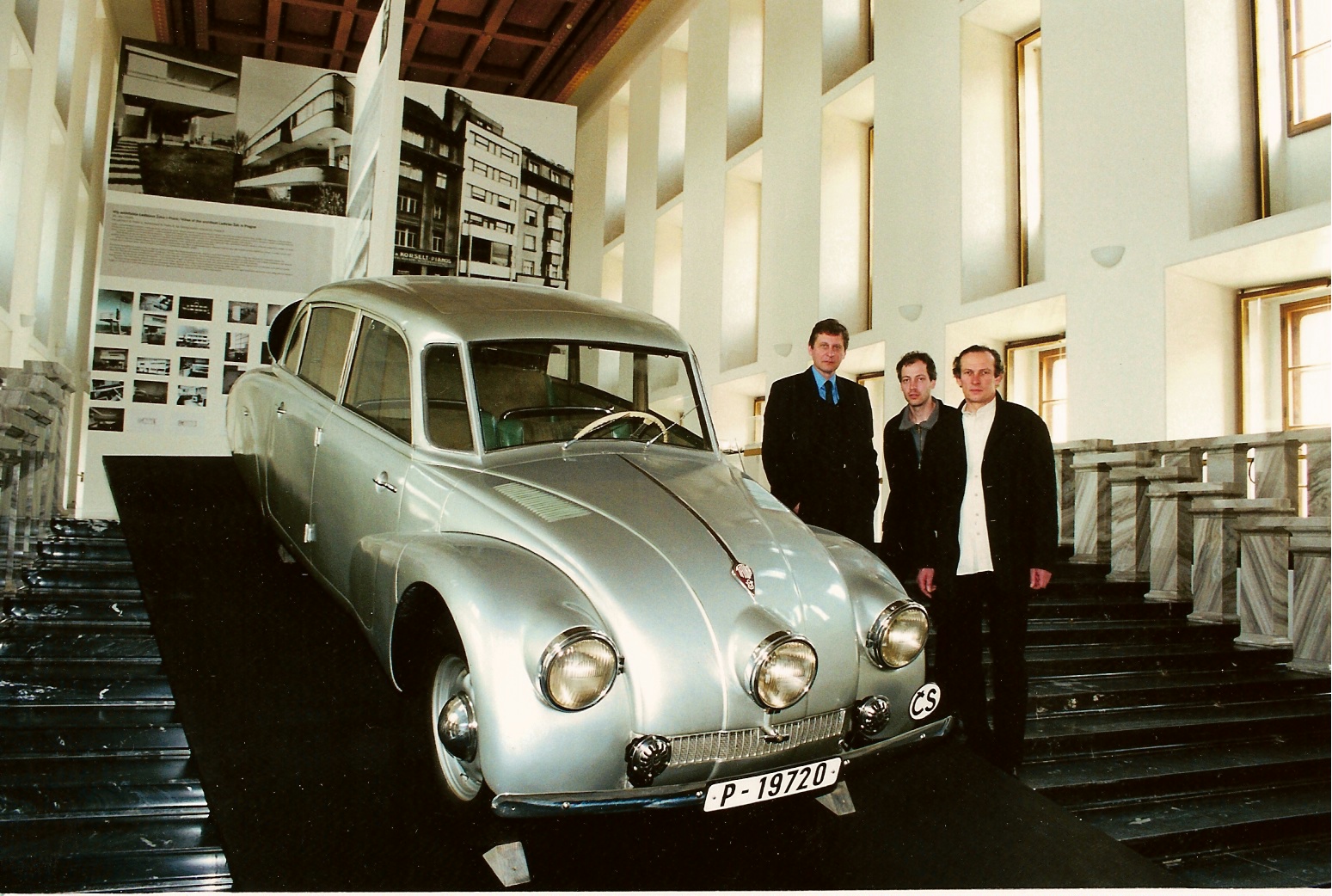
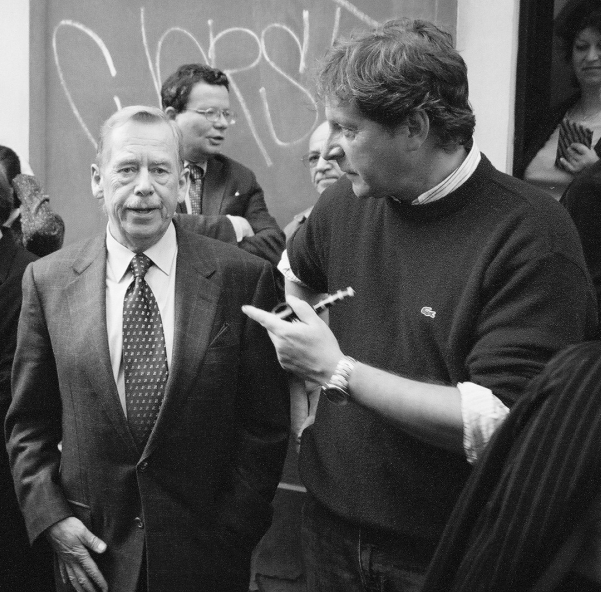
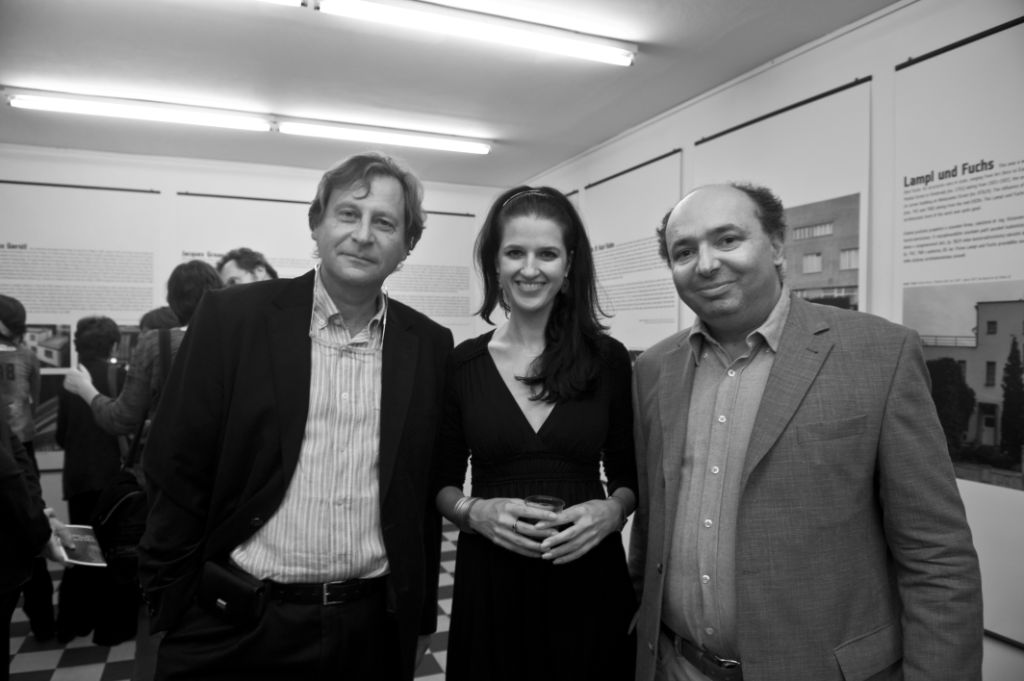
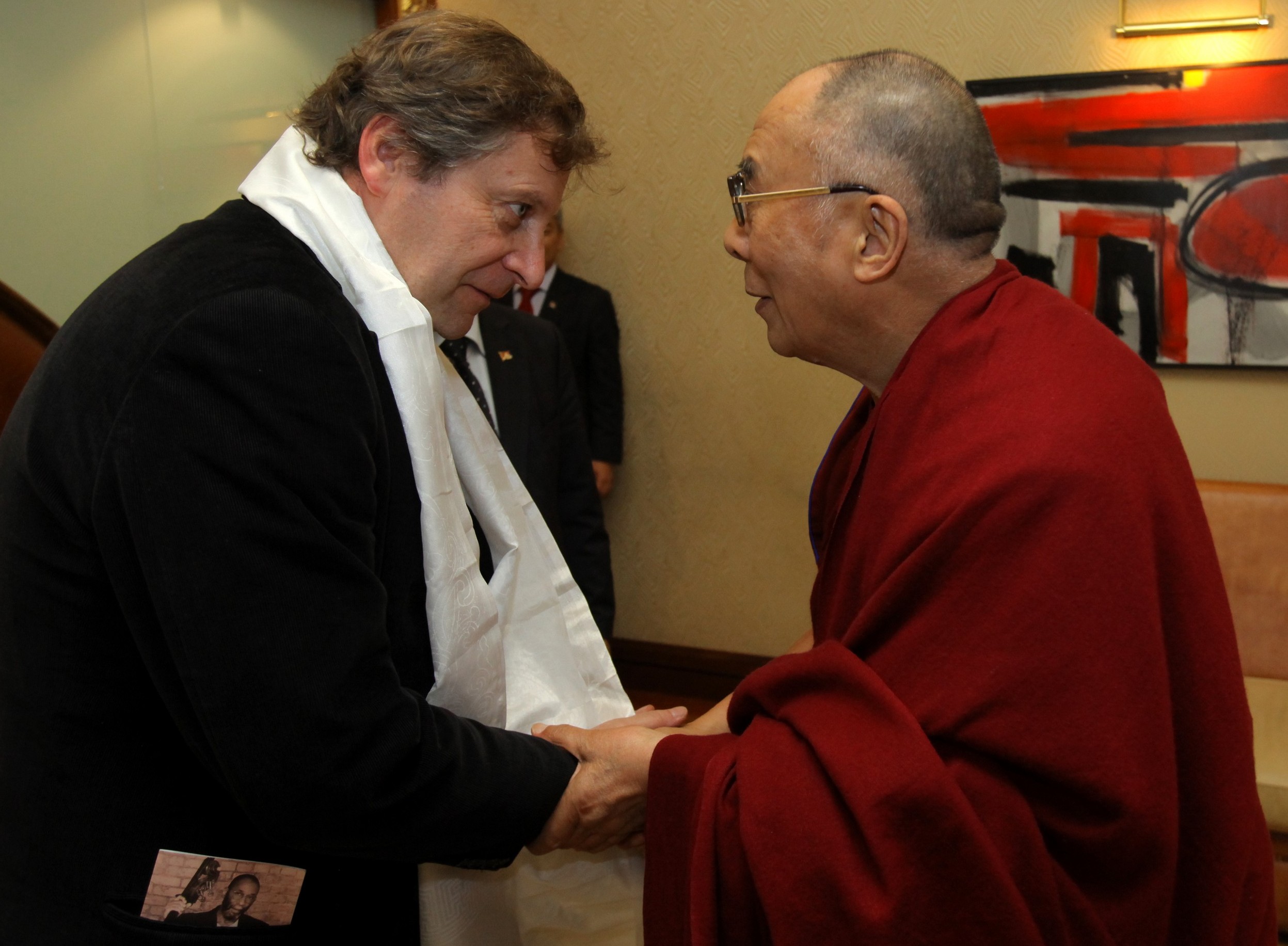
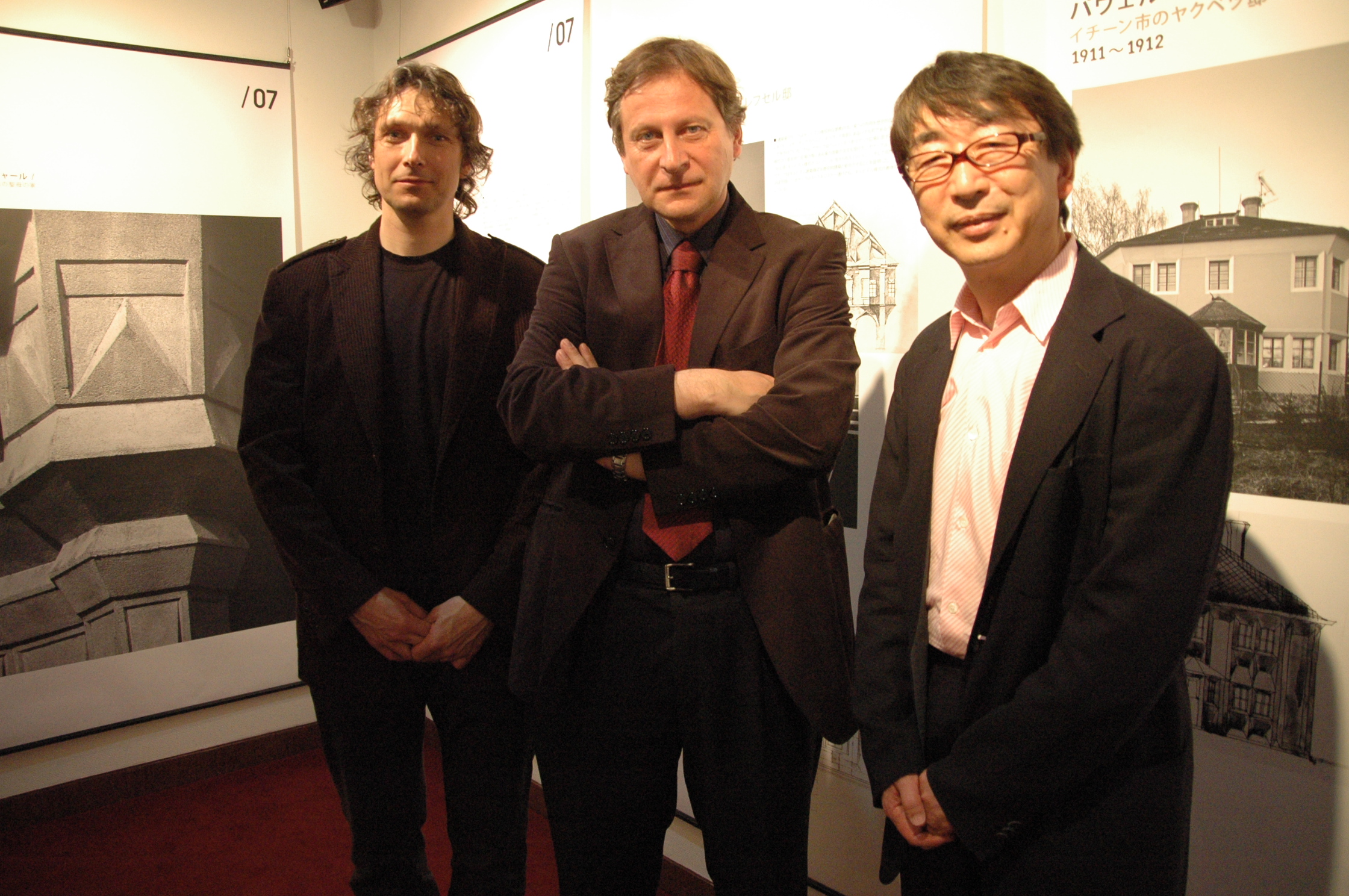
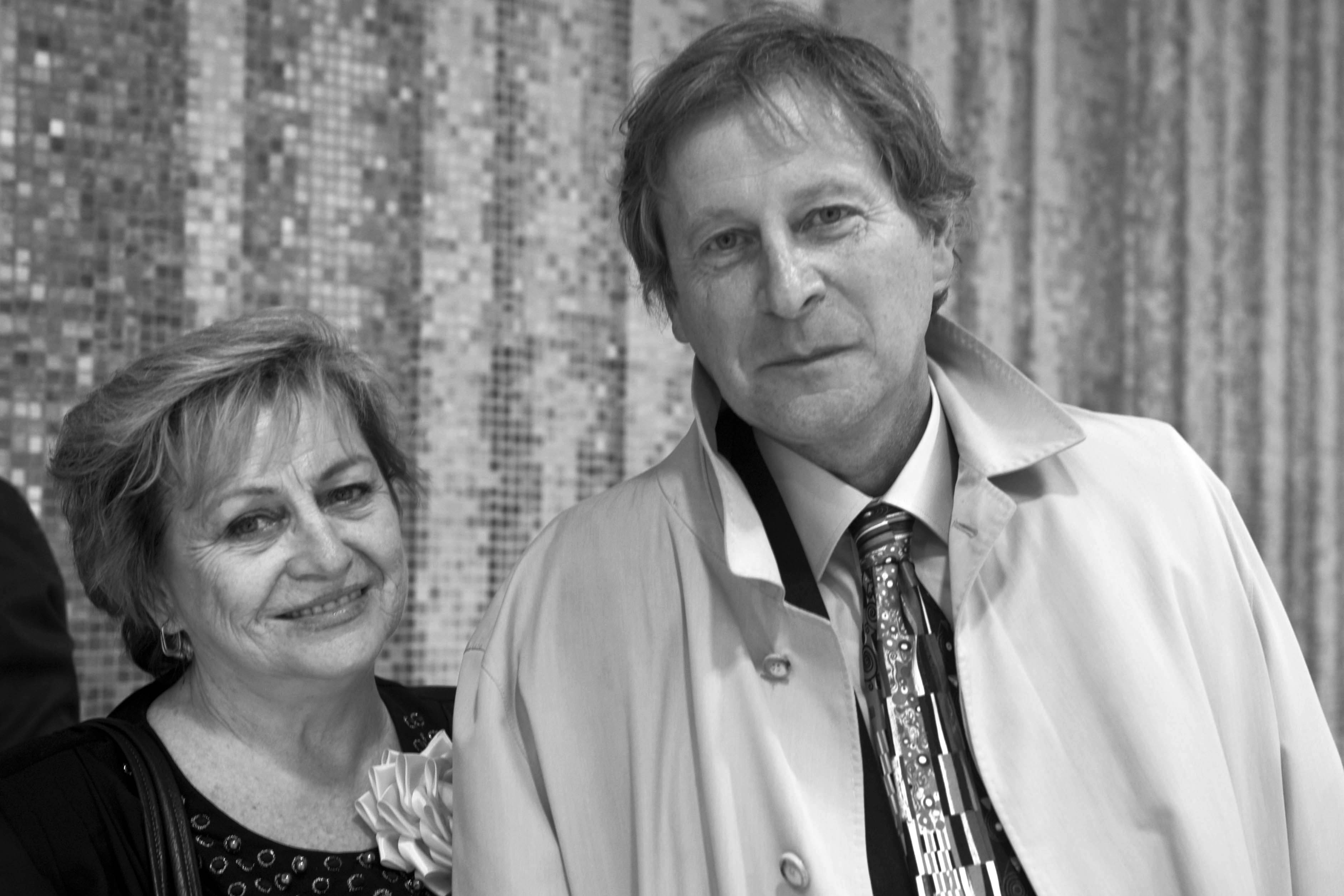
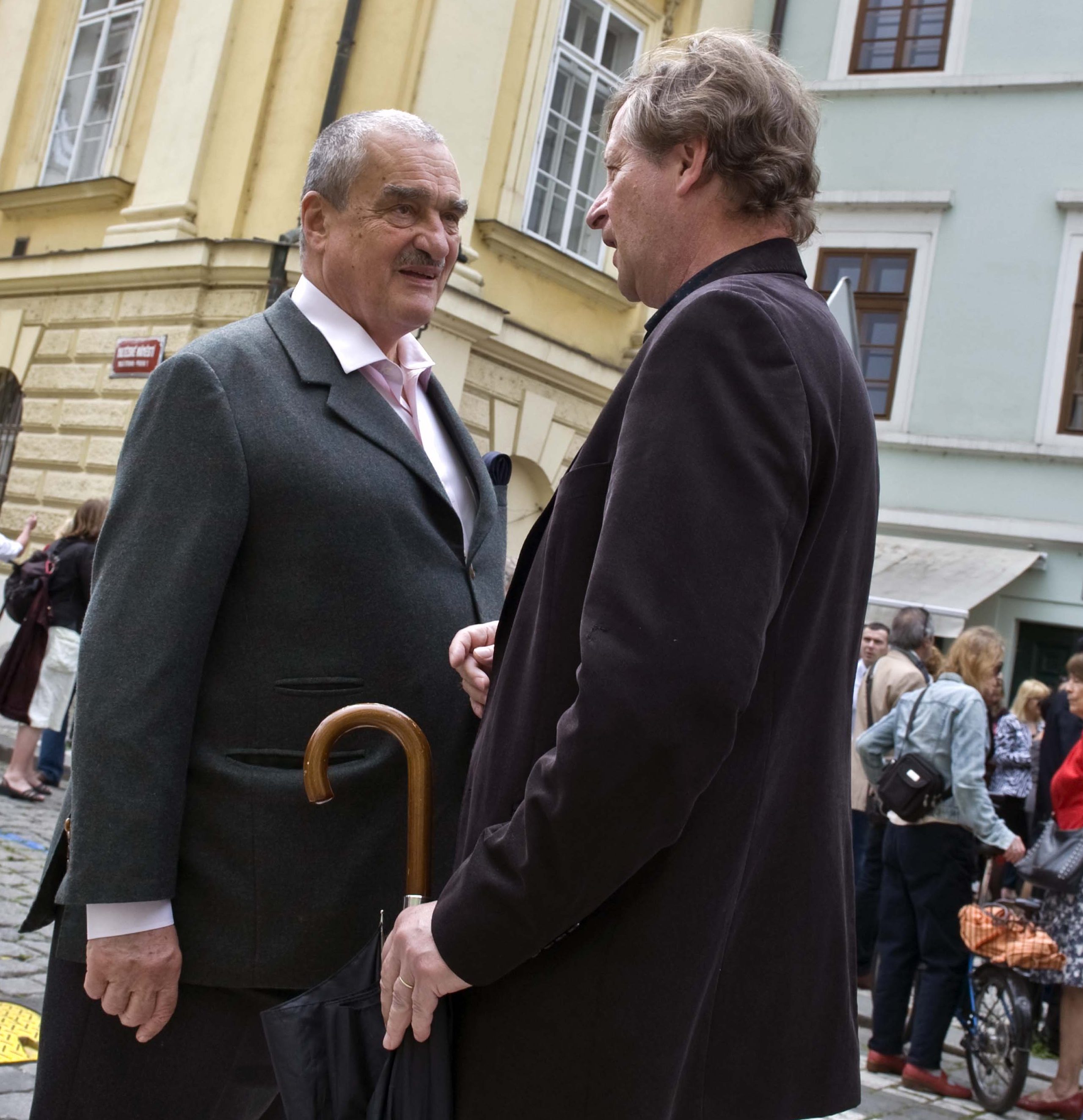
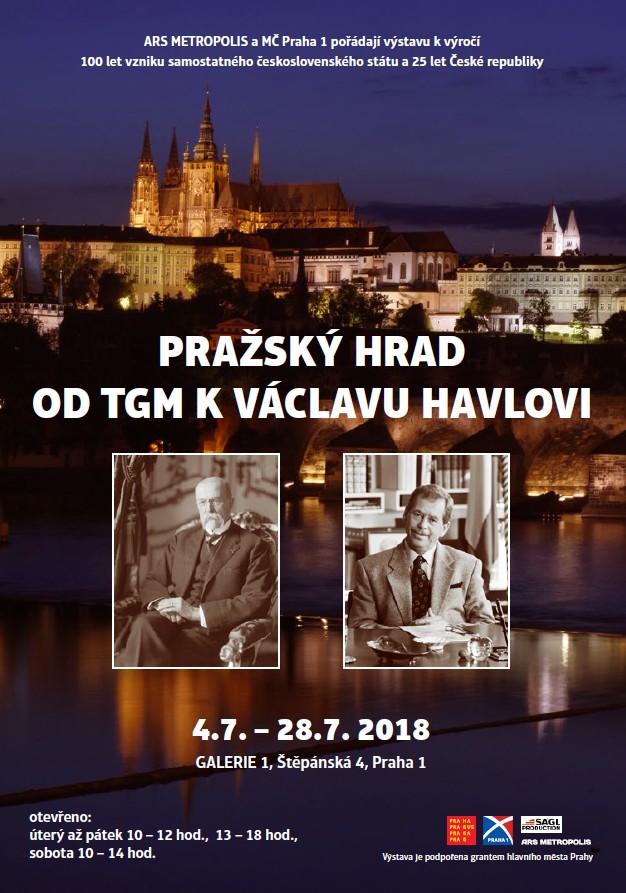
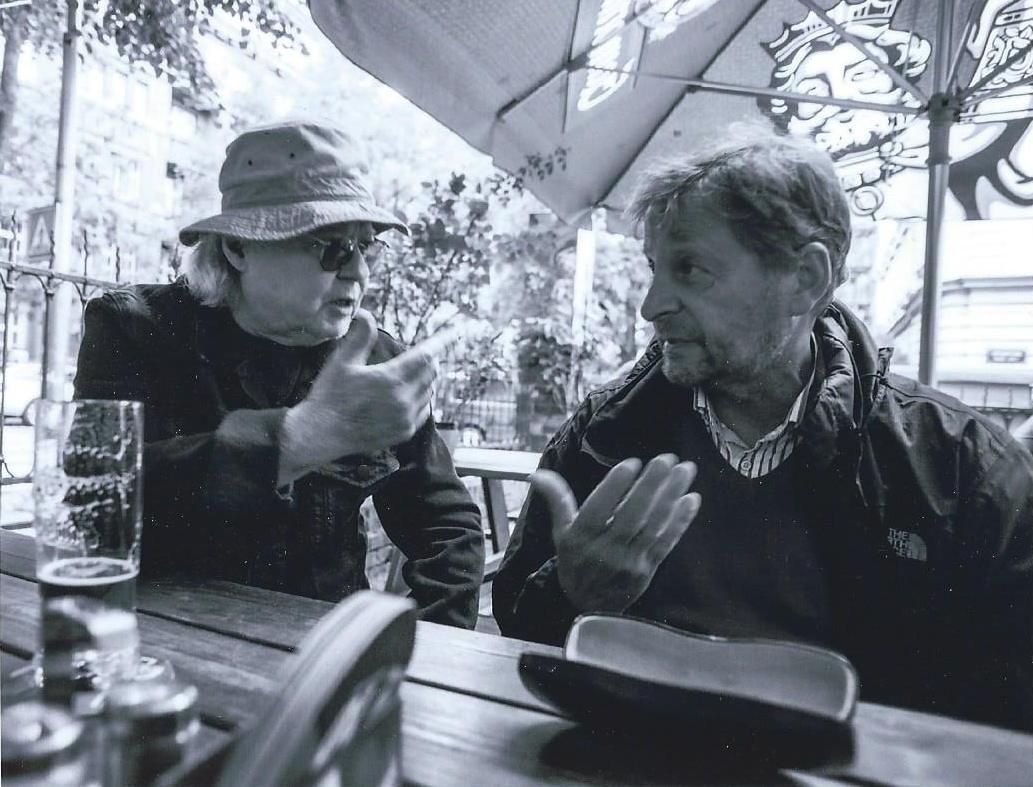
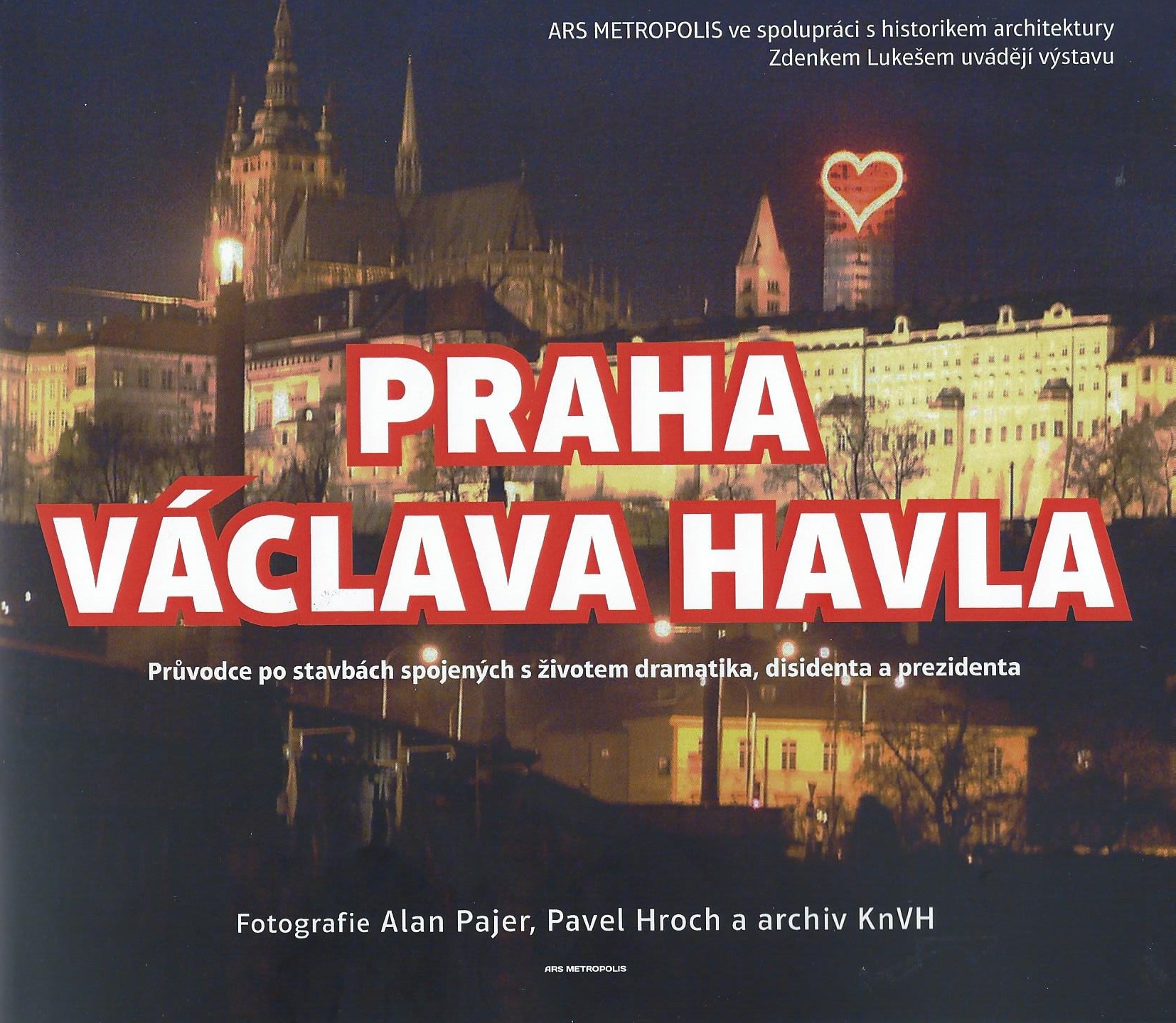
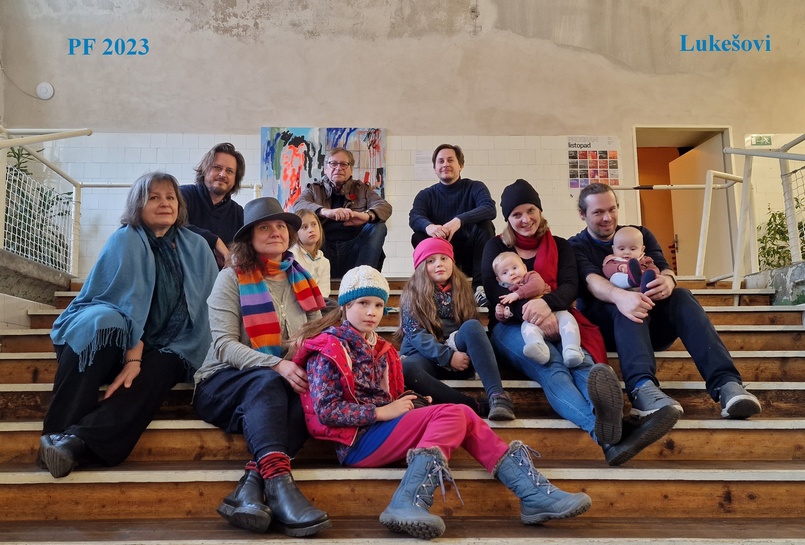
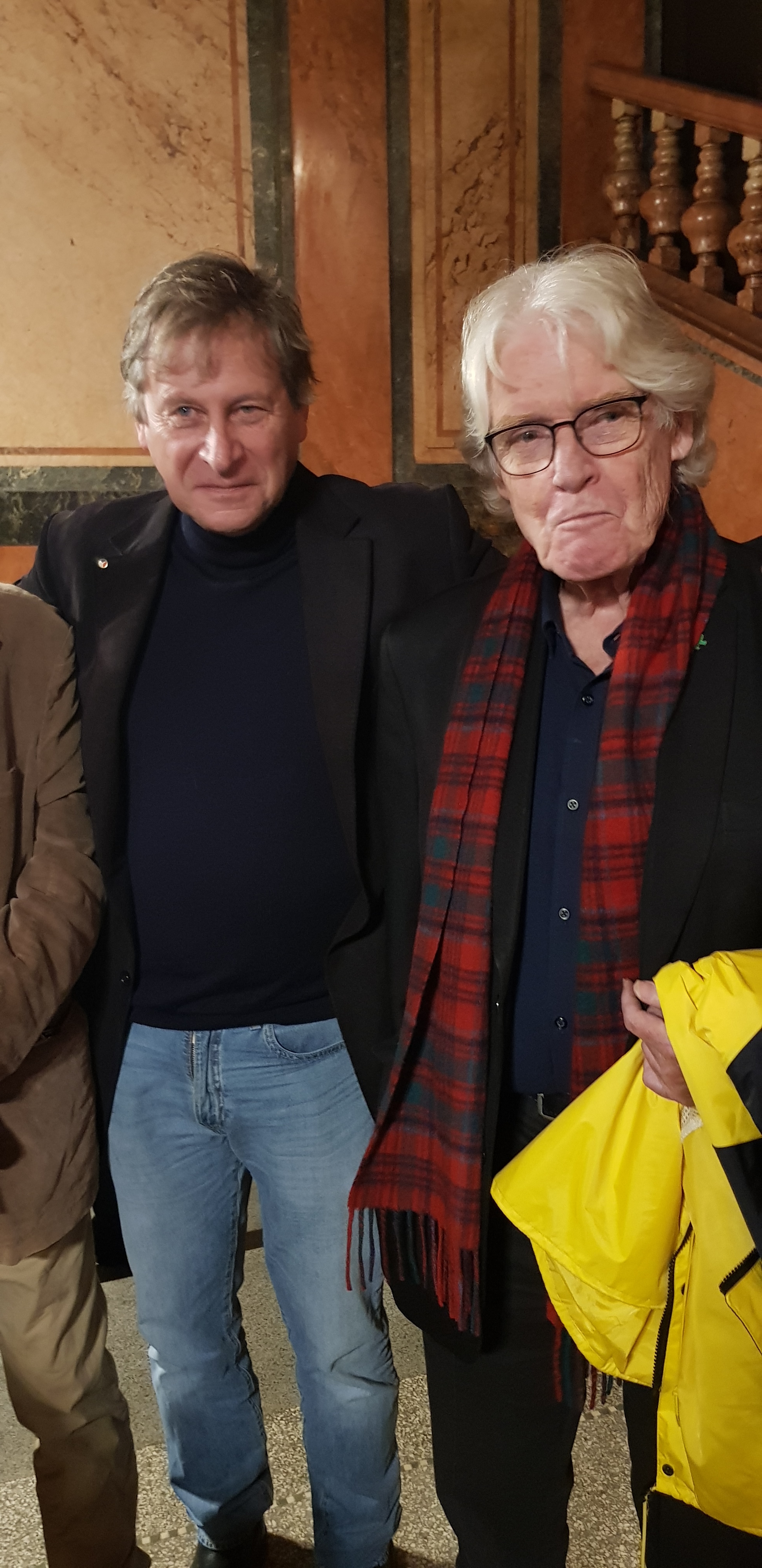
Zdeněk Lukeš was born on 2 March 1954 in Prague. He grew up in the artistic family of academic sculptors Vladimír Kýn and Jaroslava Lukešová. His childhood was spent between Prague and Opava, and his family background was also shaped by his grandfathers, the stone-sculptor Alois Kýn and a judicial councillor from Opava and senator Josef Lukeš. He spent the 1960s in an atmosphere of cultural relaxation. The occupation of Czechoslovakia in 1968 found him and his parents in Copenhagen. When they returned to their homeland in mid-September of that year, due to their aging parents, both of his parents resigned from the Communist Party, which affected his study plans. He gave up the idea of studying art history, studied architecture at the Czech Technical University, where he graduated in 1980, and joined the Archives of the National Technical Museum. From the late 1980s onwards, he actively participated in demonstrations. After 17 November 1989, he became a member of the Committee of the Civic Forum of Artists at Mánes and worked at Laterna Magica. Since 1990 he has worked at Prague Castle, where he participated in the reconstructions under Presidents Václav Havel, Václav Klaus, Miloš Zeman and Petr Pavel. In 1998-1999 he taught at the Academy of Fine Arts in Prague, between 2000-2003 he was Dean of the Technical University in Liberec, and from 2003 to 2019 he lectured on the history of modern architecture at NYU in Prague. He has long been involved in the history of modern architecture, organizing lectures for the public and architectural walks. Zdeněk Lukeš lived in Prague in 2026.