"Do you think artificial intelligence has a chance to beat humans? You suggested that it might."
- "You know, I'm even convinced of it. If we exist as thinking beings, as so-called universal natural intelligence, there is no argument that this cannot also be constructed artificially. On the one hand, I believe that it will be to our advantage; on the other hand, I fear that this situation is approaching faster than we can imagine, and that something equivalent to our encounter with an alien civilization will occur. Nevertheless, I think that man will remain man and his education will remain very essential. If what I may be mistakenly predicting here comes true, there is only one thing we will need to understand - what the AI is telling us. And uneducated humans will not be able to do that."
"At that time I was an assistant professor at the department of non-woven materials. I know that the university was divided then. On the one hand, members of the Communist Party were meeting and discussing what they could do. And on the other side there was a group of us who were trying to support the students to do their work of raising awareness, to go to factories, to go outside the university, to have typewriters and reproduction equipment for printed materials so they could deliver their leaflets."
"Back then we really lived in complete isolation. Contact with the Western world was through Professor Krčma's patents. When I started, in my first or second year - I was involved in, among other things, computer simulation methods for mechanical properties of non-woven fabrics - Krčma sent me to the Ministry of Industry in Prague with the idea that I should ask the communists to release some money from his patents so that we could buy computer equipment. He probably meant it as a joke or a tease. I visited the Ministry. I remember sitting in the corridor for half an hour, and a huge - I'm making this up - oak door opened, and I had a catalogue of computer equipment with me; there were no personal computers then. I unfolded it in front of a clerk who was sitting in a huge room and said that Professor Krčma was asking that part of his profits be donated to this computer technology. And the only thing that was said was: ‘The party has used these funds elsewhere. Goodbye.’ So I shut up again, went to Liberec, told the professor and he laughed heartily."
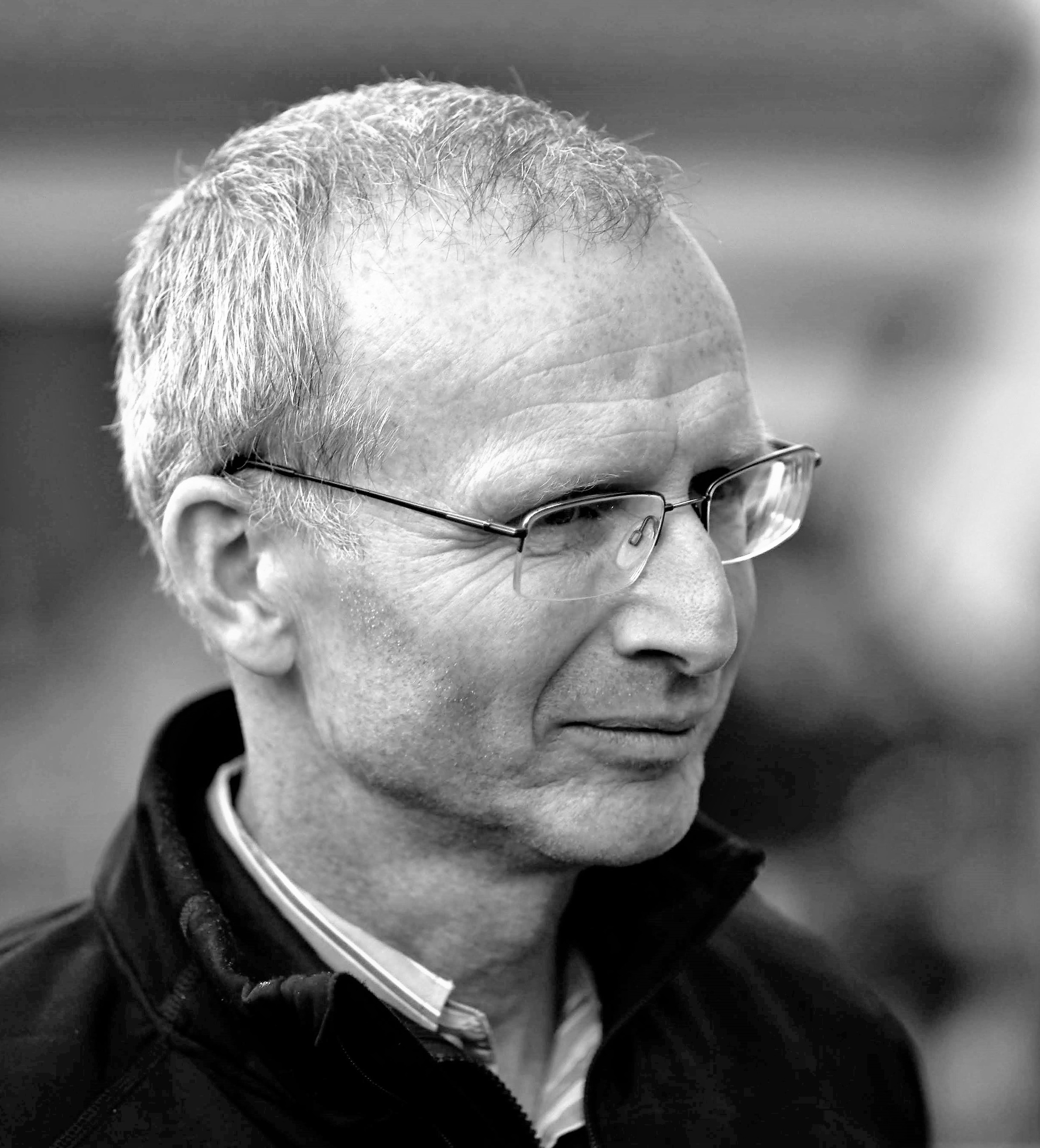
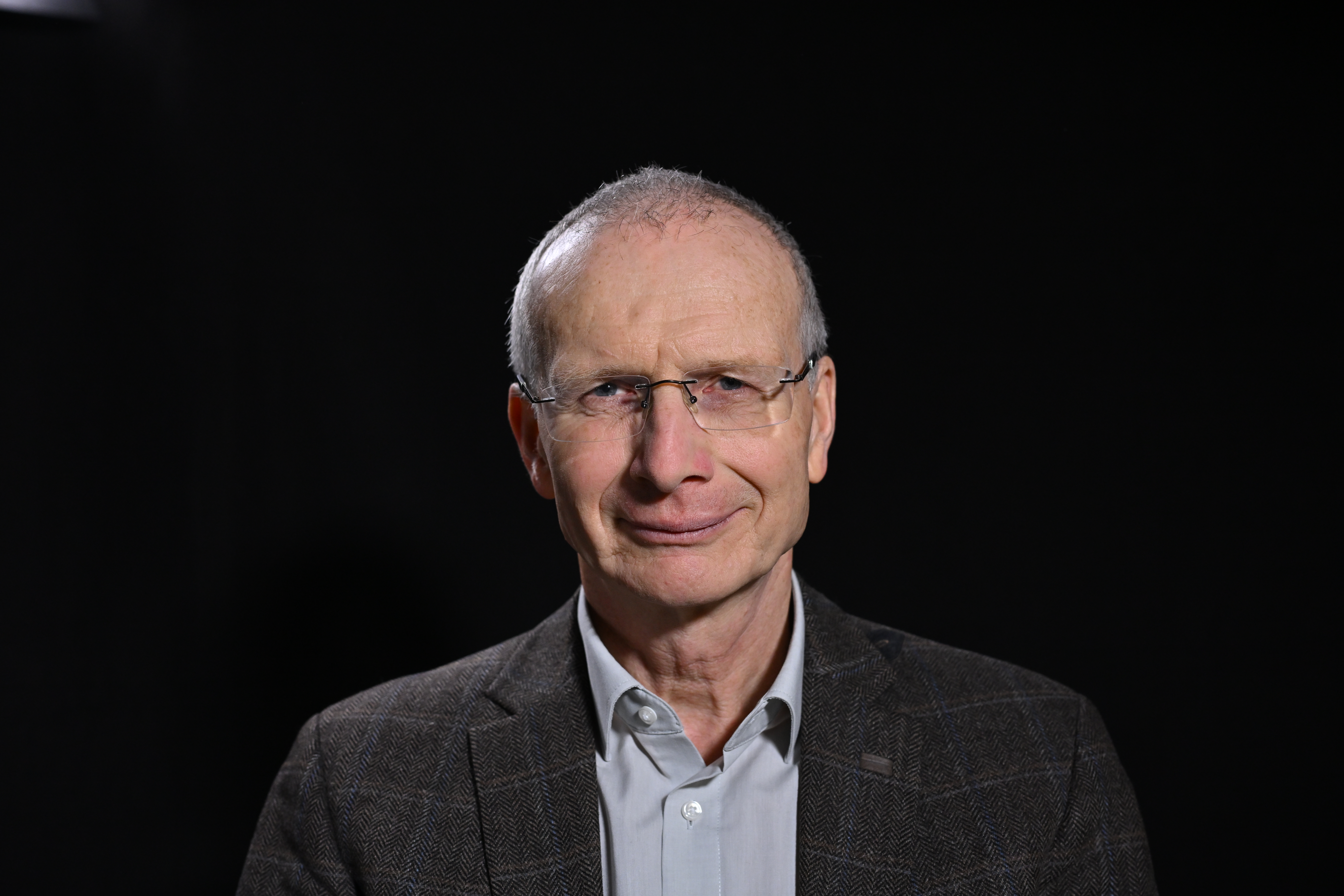
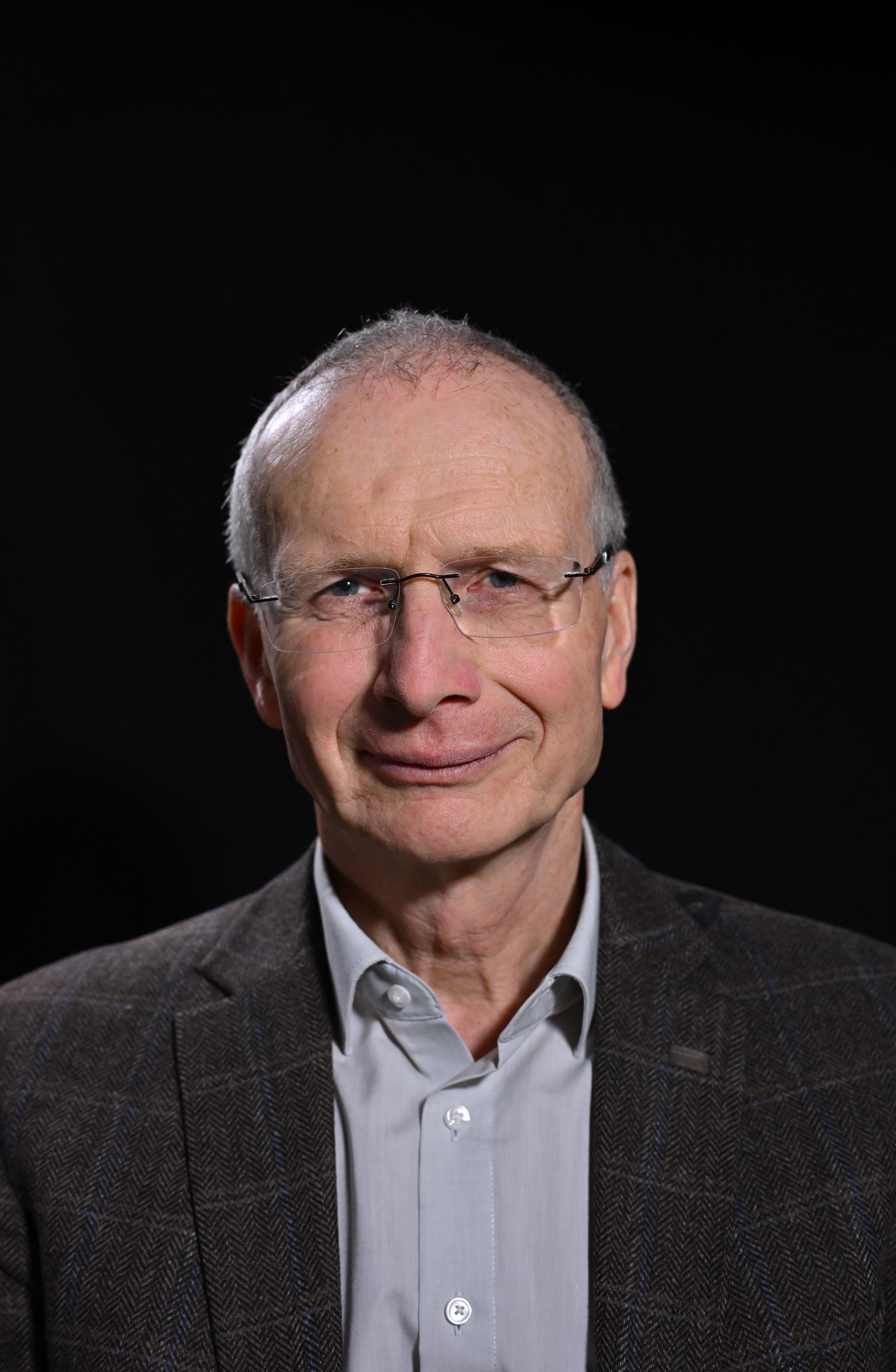
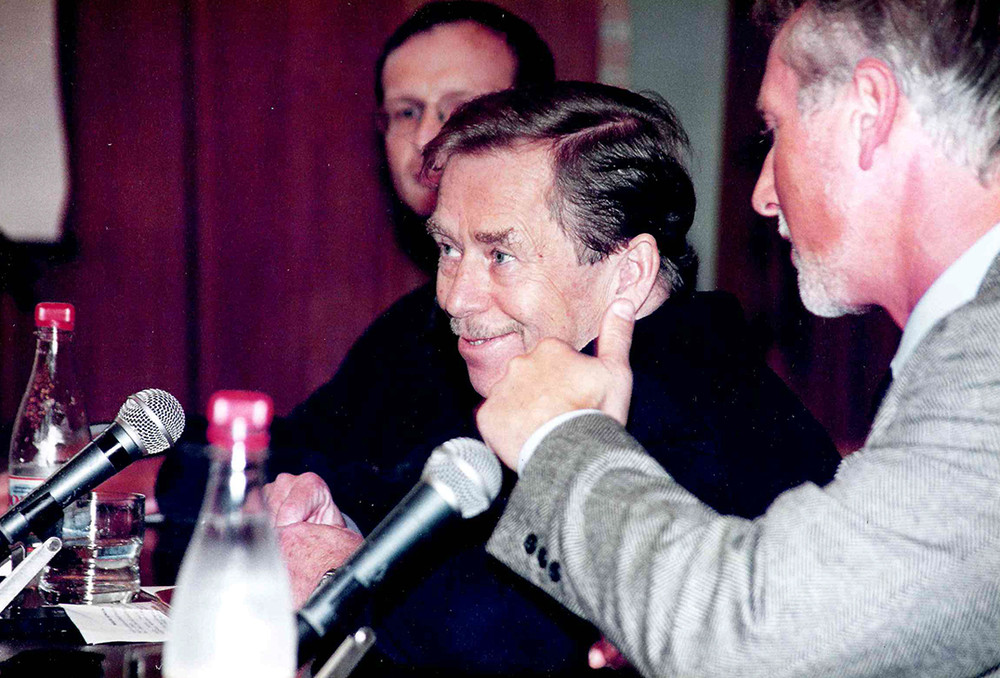
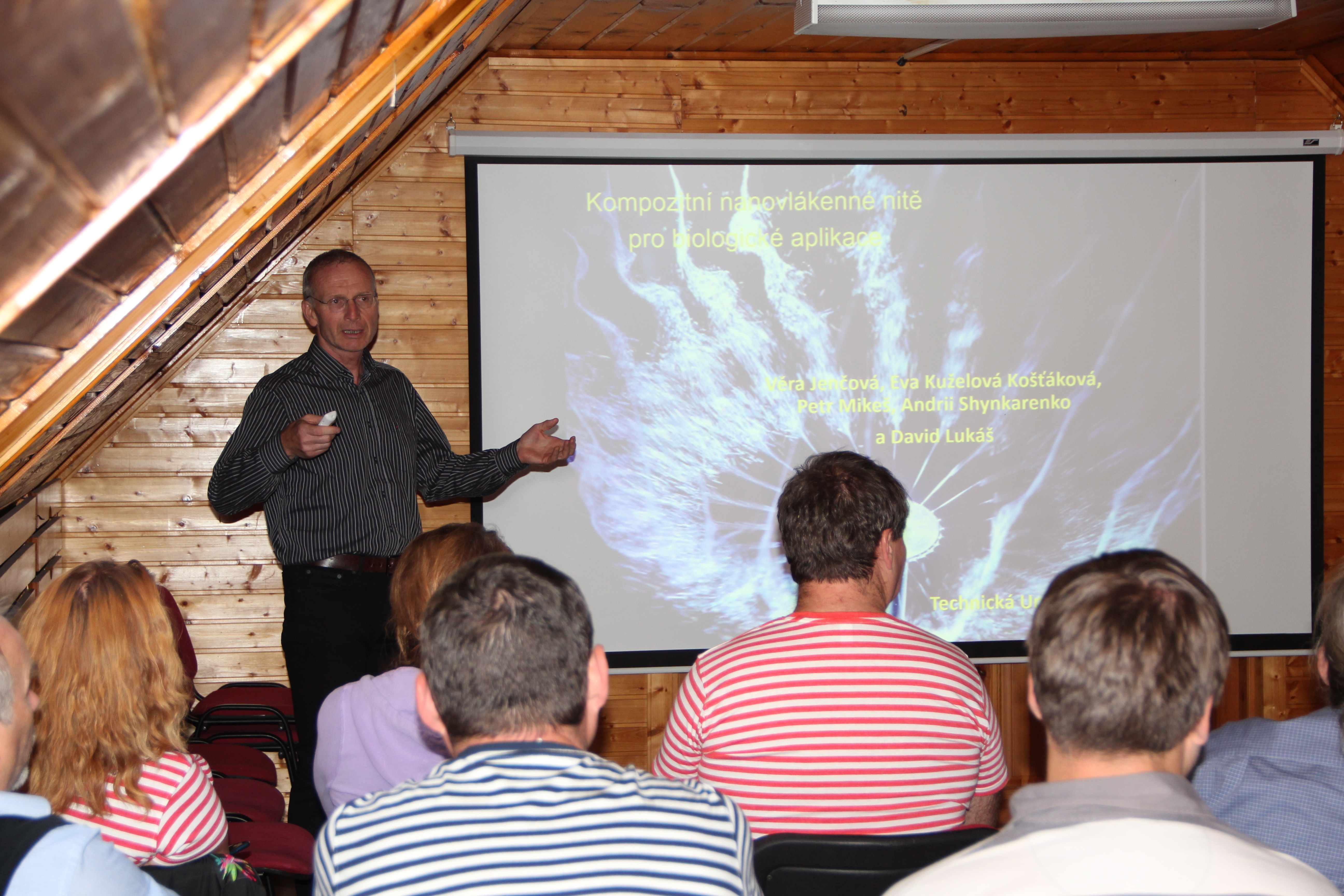
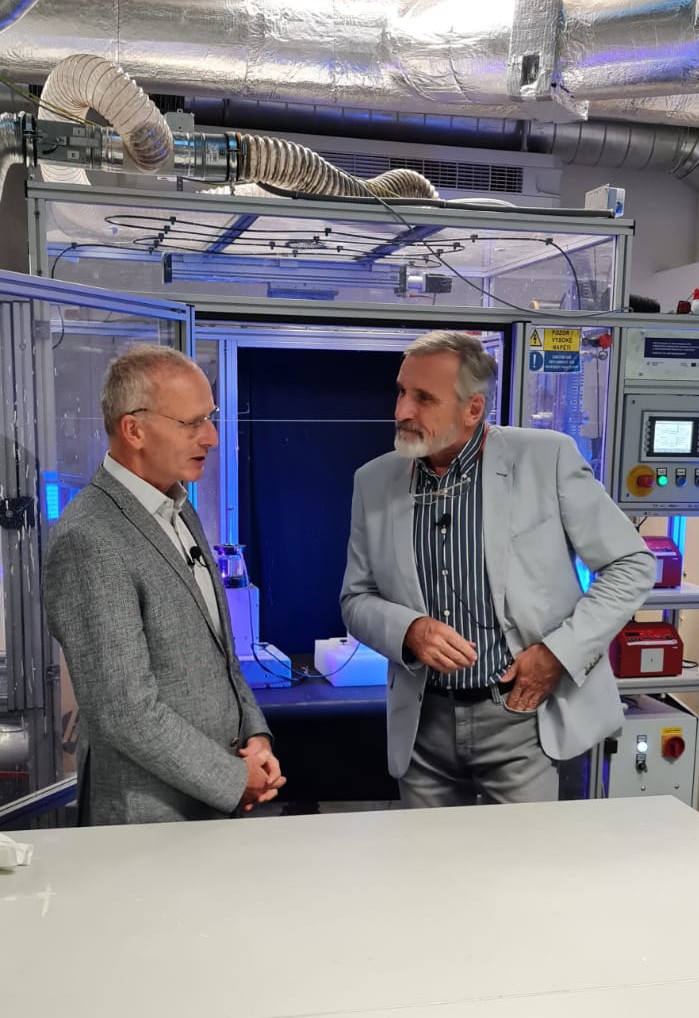
David Lukáš was born on 18 April 1958 in Liberec. His parents Václav Lukáš and Květa Lukášová were teachers and came to North Bohemia after the war to work. His father survived the bombing of Bremen during forced labour during the Second World War. The witness studied biophysics and chemical physics at the Faculty of Mathematics and Physics of Charles University. For more than 30 years he worked at the department of non-woven fabrics at the Technical University of Liberec. He participated in the democratization process at this school during the Velvet Revolution and then was one of the leading figures of the university, which he also led as rector between 1997 and 2002. As a scientist, he was involved in a number of patents, including the technology that enabled the industrial production of nanofibres. He received the Medal of Merit, First Class, for services to the state in the field of science. In 2025 he lived in Liberec.