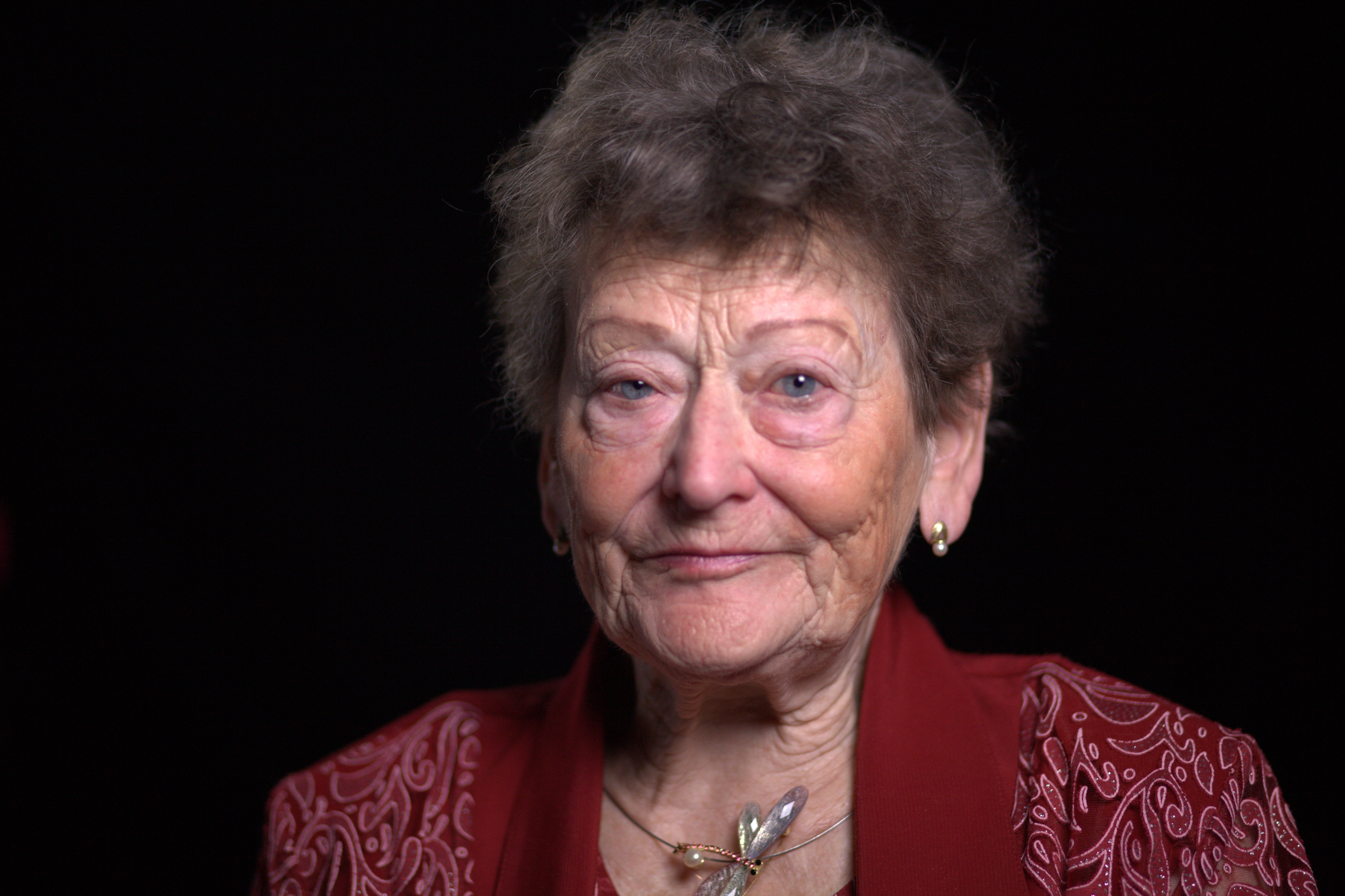
Danuše Kupfová

* 1934

  • "That was the end of the malt house, it was demolished and cleaned up, there's no trace of it now. And what about us now, at night? We had nowhere to go, the Germans had an infirmary opposite the cellars, they took us there until morning, and gave us something to eat. We decided to go to my grandmother's in Merklín near Preštice, where else? We were supposed to leave at nine-thirty by truck, but because they reported that the deep-sea planes were rampaging on the route - these were planes that flew low and destroyed locomotives and trains with ammunition, they were very brave fliers, they had to come low to the ground - so we waited. My parents and I sat in the driver's seat; other people rode in the back. There was no petrol then; the Germans used it all up. The car ran on charcoal, and there was a boiler on top of the hull. When we approached Preštice, we saw dead horses and burning wagons. We had to pick up some German soldiers; they were sitting on the hull, too. They were banging on the hood, telling us to stop, that the planes were coming. The Germans ran away and never came back. The driver said to me, 'Run to the right,' but I couldn't open the door, so he came back and helped me. There was just a ditch and a field, and I hid in the ditch and saw the plane coming down to the car. I ducked my head and thought, 'Oh my God, please don't let this hurt too much.' I was eleven years old. When I peeped out, I saw the plane turning around and flying away."

  • "My dad was a fire chief; they used to call us on the phone to report air hazards. Then the sirens would blare, or when the planes didn't crash, they didn't blare. But we always knew by phone, so we were always awake. I haven't slept well since. But before that last raid, they didn't phone us; the sirens just blared acute danger, in quick succession. And we could already hear the planes and the bangs. We ran out. My mother always had her suitcase packed with papers and precious things. We ran to the cellars under the cooking room, the lights were out, and we had torches and candles. Then Daddy came in and said, 'We got hit.' He left, and when he came back, he said, 'We're on fire.' Daddy kept rabbits, chickens and pigeons on the patio. The pigeons were flying out of the pigeon coop and burning in the air..."

  • "Before the war, from the time I was three years old, we lived where the visitor centre is today. There was a complex of buildings called the Old Malt House. It doesn't exist today; the current Old Maltings is the newer one. And the Old Malt House had a dwelling house, and underneath the house were areas where the maltsters would shuffle the grain with wooden shovels, and they would check the temperature, and they had rooms, chalets, where they could sleep. We lived on the first floor, my father was first the maltster, then the head maltster and finally the brewer. His office was in the hall. Because the flat was so big, we had a gentleman, nowadays you would say a servant, who cleaned, washed our windows, brought us heating, although there was already central heating in several rooms. We went through the bathroom to the pantry. There were other rooms for the workers and then the room where the Wehrmacht's gruppenführer had his office when the Germans came."

  • Celé nahrávky
  • 1

    Plzeň, 25.04.2023

    (audio)
    délka: 01:43:41
Celé nahrávky jsou k dispozici pouze pro přihlášené uživatele.

Beautiful childhood in the brewery
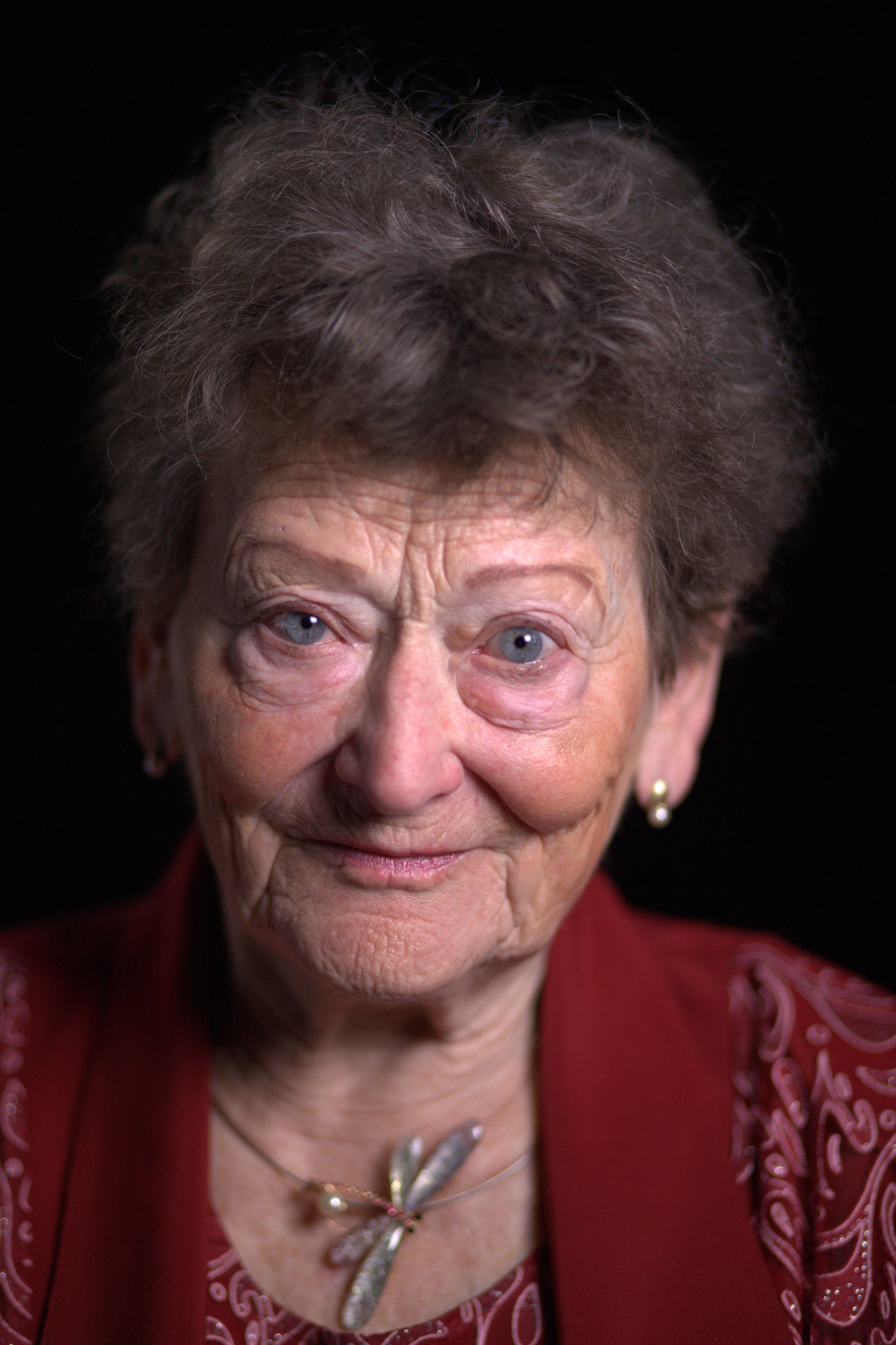
Danuše Kupfová in 2023
zdroj: Pilsen studio

Danuše Kupfová (née Marešová) was born on 22 July 1934 in Pilsen. She grew up on the premises of Plzeňský Prazdroj, then called Měšt‘anský pivovar. Her father, Jan Mareš, was first a maltster, then a head maltster and finally a brewer, while her mother, Marie, was a housewife. The family lived in a complex of buildings called the Old Malt House (locally called Sladovna I and II, no longer existing). Their house was part of the malthouse complex, where the barley was made into malt for beer production by steeping and then drying. The brewery kept horses to carry the beer and oxen to carry the threshing machines and other things, had its own theatre company and held concerts. When World War II started, the witness was five years old. She survived bombing - the malt house was badly damaged in one of the air raids, and their house was destroyed. She lived at the brewery from the age of three to twenty-one, and the family moved out in 1955 when her father stopped working at the brewery after a heart attack. She married a doctor who was studying in Pilsen and moved with him to Pardubice, where he got a job in trauma surgery. Danuše Kupfová has two sons, Jan and Jaroslav. The elder Jan is deaf; she stayed at home with him and taught him to speak. When Jan went to school, she started working in an office. Despite her age, she is still active - she organises events for pensioners in the Pardubice club.