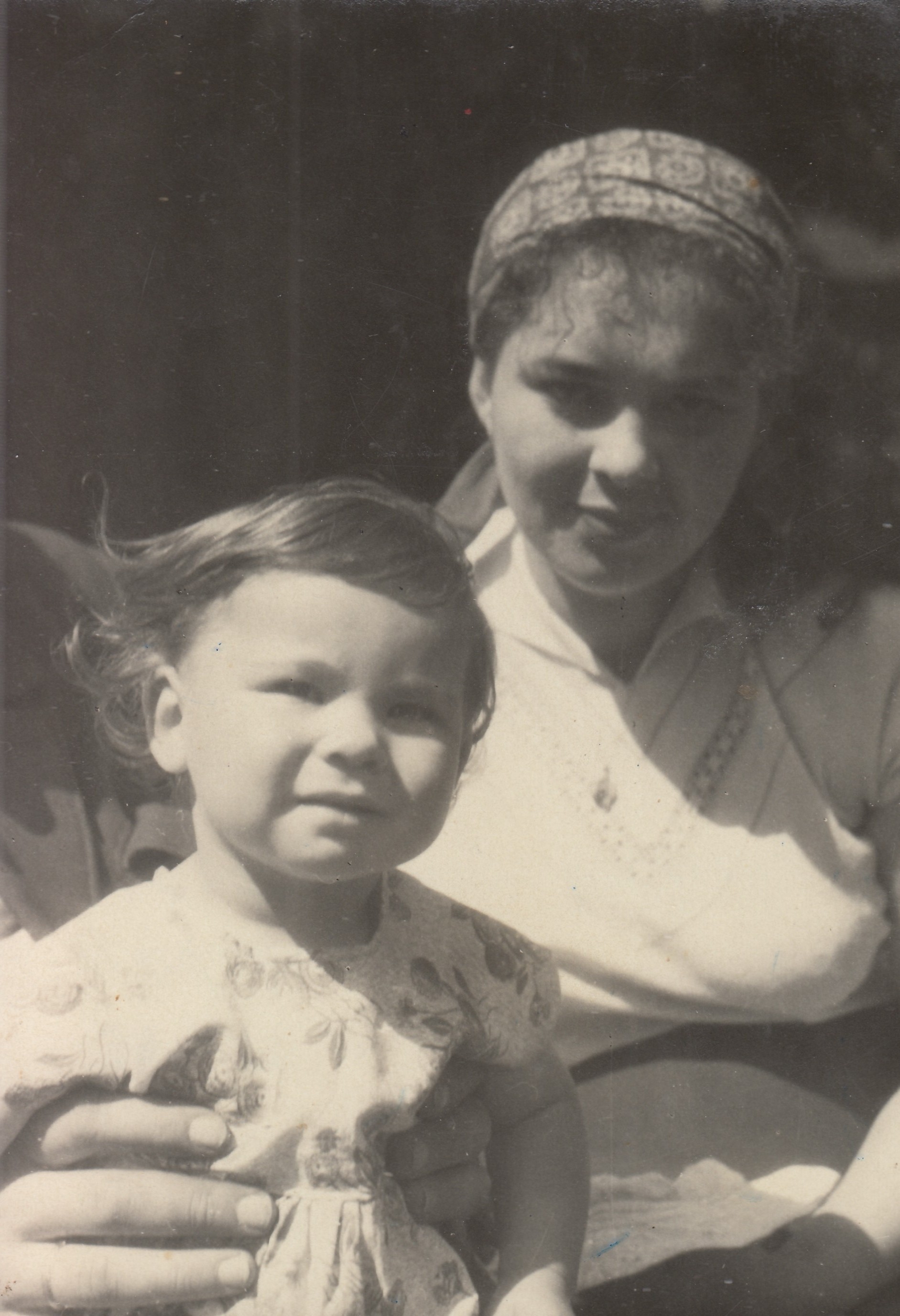
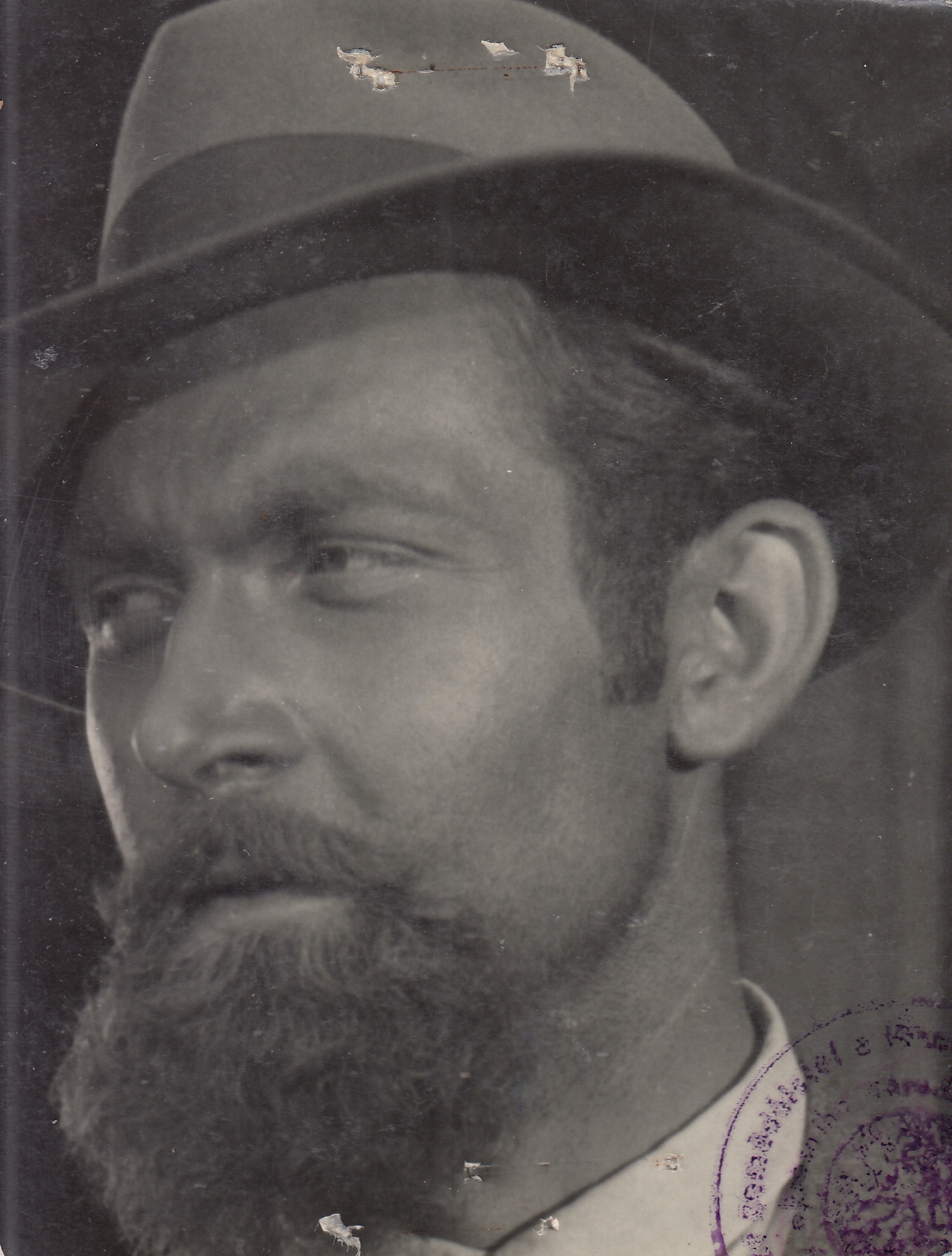
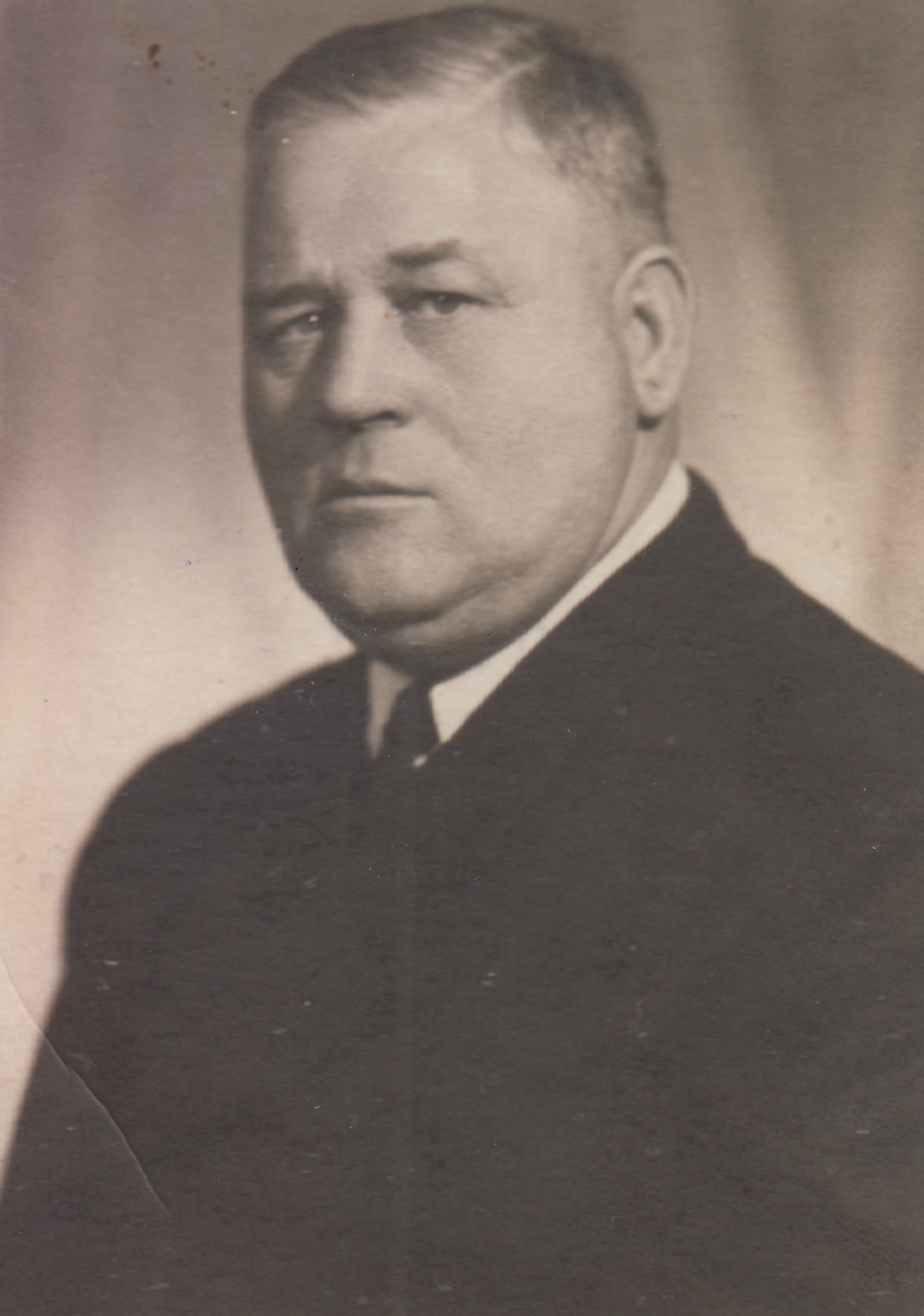
"My grandfather lost his job, they were thrown out of their housing. My grandmother, because she had a lot of jewelry, gradually sold it off so they could make a living. They lived in one room in Benešov nad Ploučnicí and my grandfather was employed as a watchman in the bakery. But that was only for a while, so they more or less lived in poverty. Then, when Grandpa died, Grandma lived in Děčín, also in one room, and Count Thurn-Taxis lived next door, also in one room. They lived there like mice. It was cold, it was just horrible."
"I used to keep all the newspapers I came across at the time and I thought, when I have kids one day, I'll show them all this stuff. Because history marches on and people twist it to suit themselves. And that's when I started writing protestsongs that I set to the music of those years. I had them all stuffed under my mattress, and my mother found them when she was cleaning my room and took them all and burned them. And that was the end of my literary activity for many decades."
"My dad used to go to graduate reunions in Jičín. And why Jičín? Because he studied at a grammar school there. And his dad was an administrator of the Šlik family, so they lived in the castle. My grandmother was a great lady who, when I was a little girl, used to tell me about the Countesses and the Pharmacist's wife. She was such a towering figure above the common folk. She lived in a different world. She always said to me when I was a little older, 'My little Květa, when you come of age, I'll take you to the opera and introduce you to a young men who would be adequate to your beauty and status...'"
"My mother used to say, 'You don't know what they can do,' so we had a scenario that if the worst came to the worst, there used to be a castle chapel on the castle grounds, and it was crossed with beams - the ceiling was lowered and a room without a door was created above it. There was a wooden hatch above the door, which was not visible to the eye, and this could be pushed back and a ladder could be climbed into the room. So there was a secret family scenario that if something bad came up, my mother, my brother and I would hide in there. And there was a technician in the woods, you couldn't tell at a glance if she was a man or a woman, although she had a son too. My daddy and the lady would have been like a couple and we would have been hidden at that time."
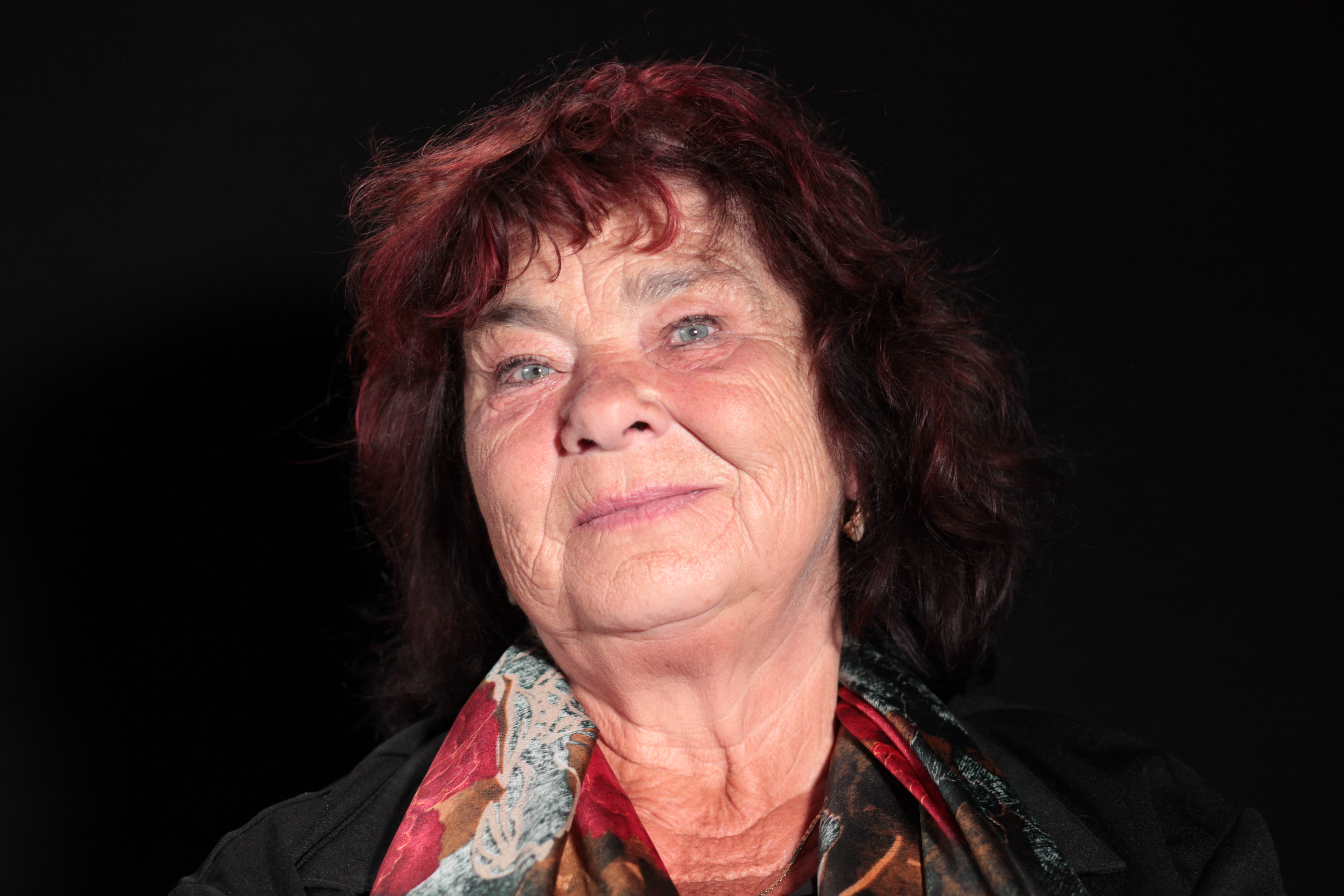
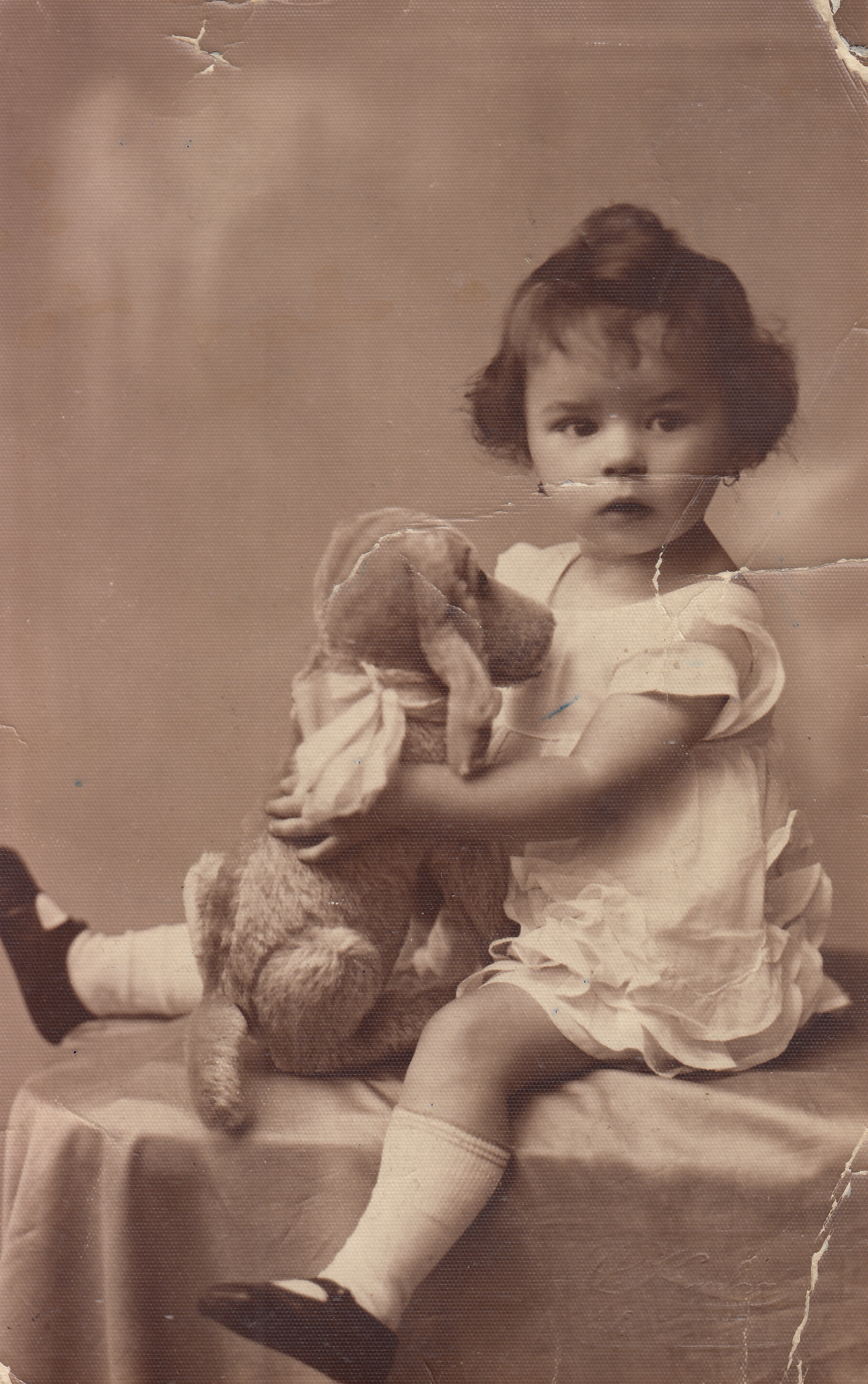
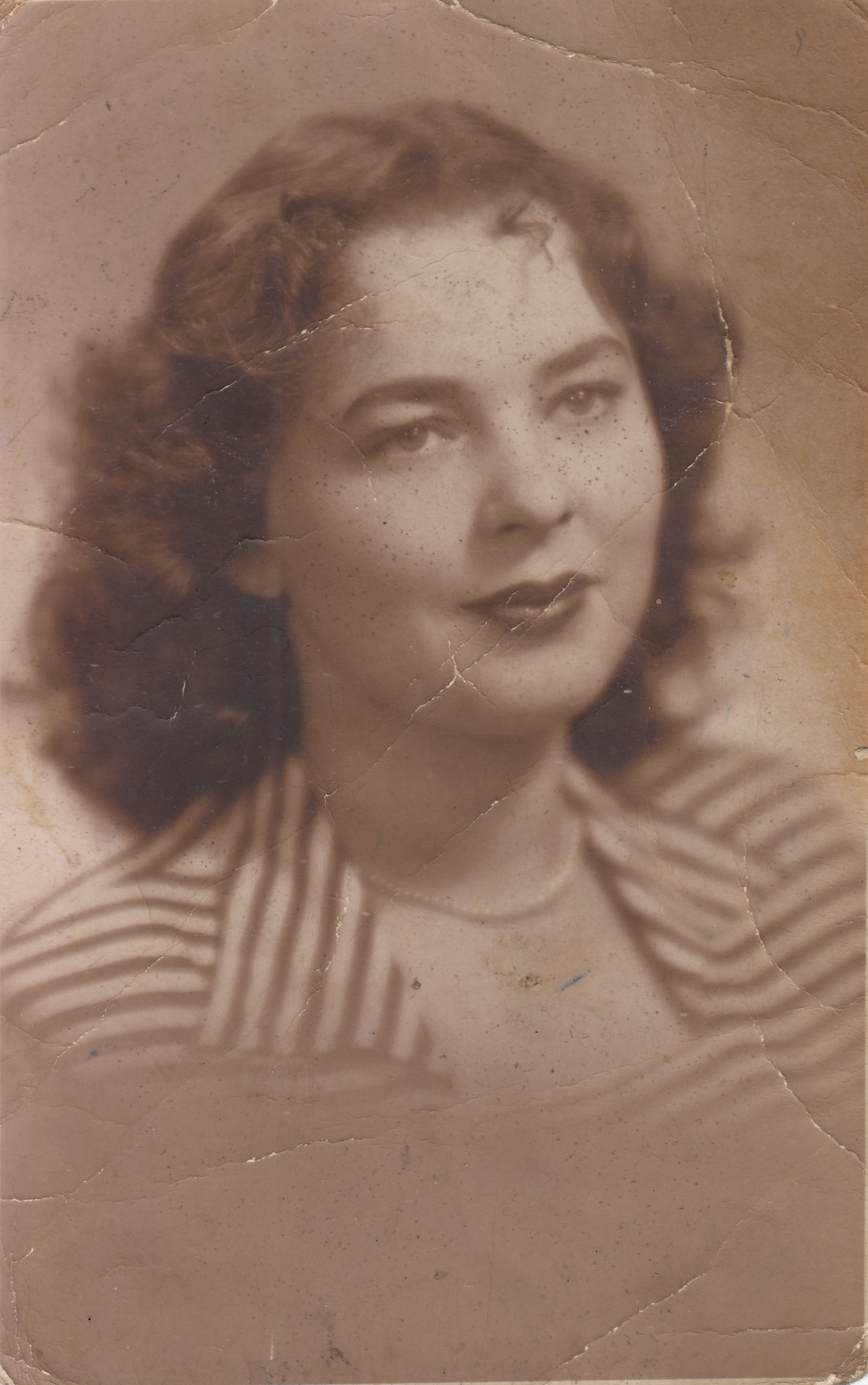
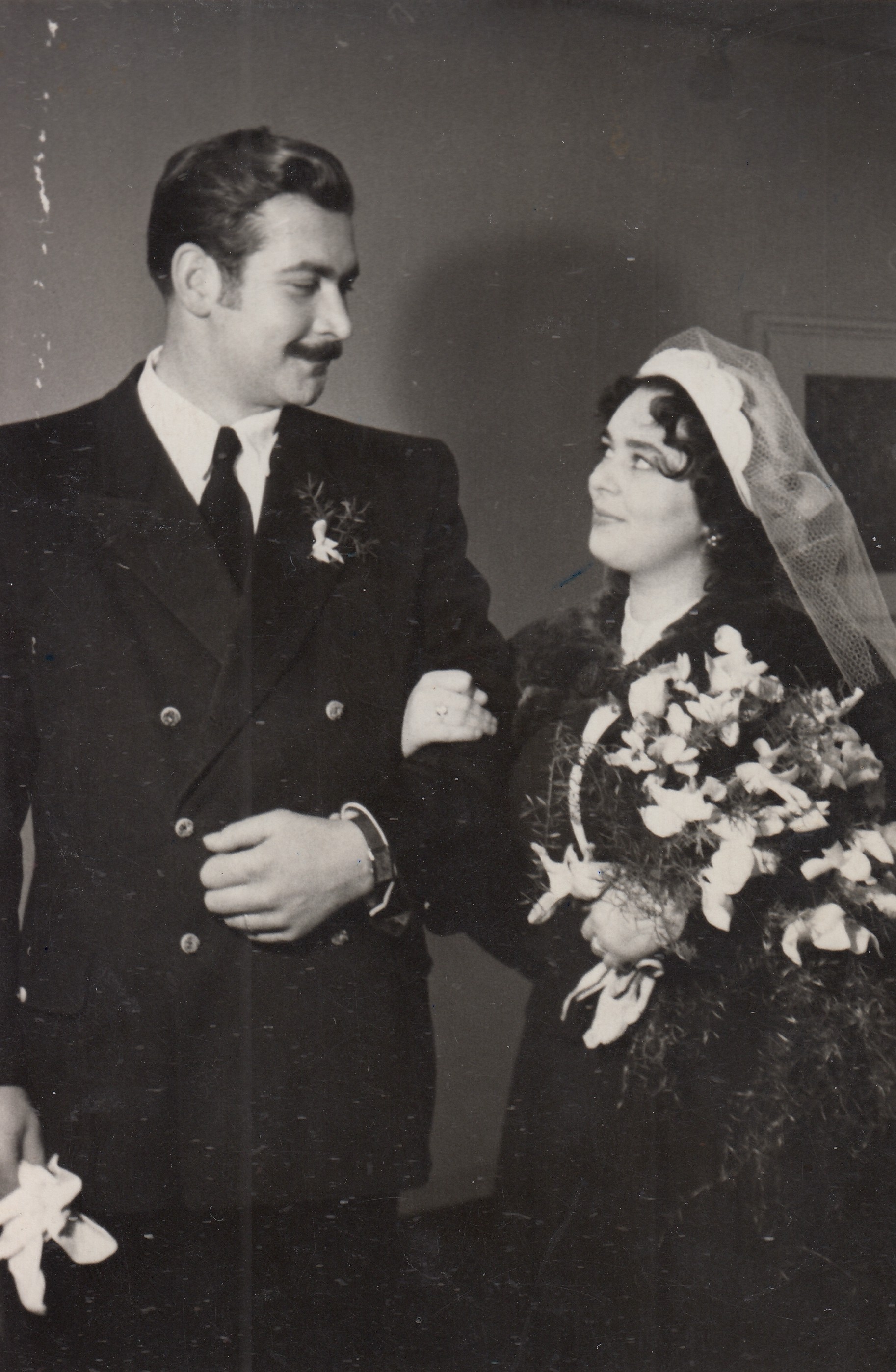
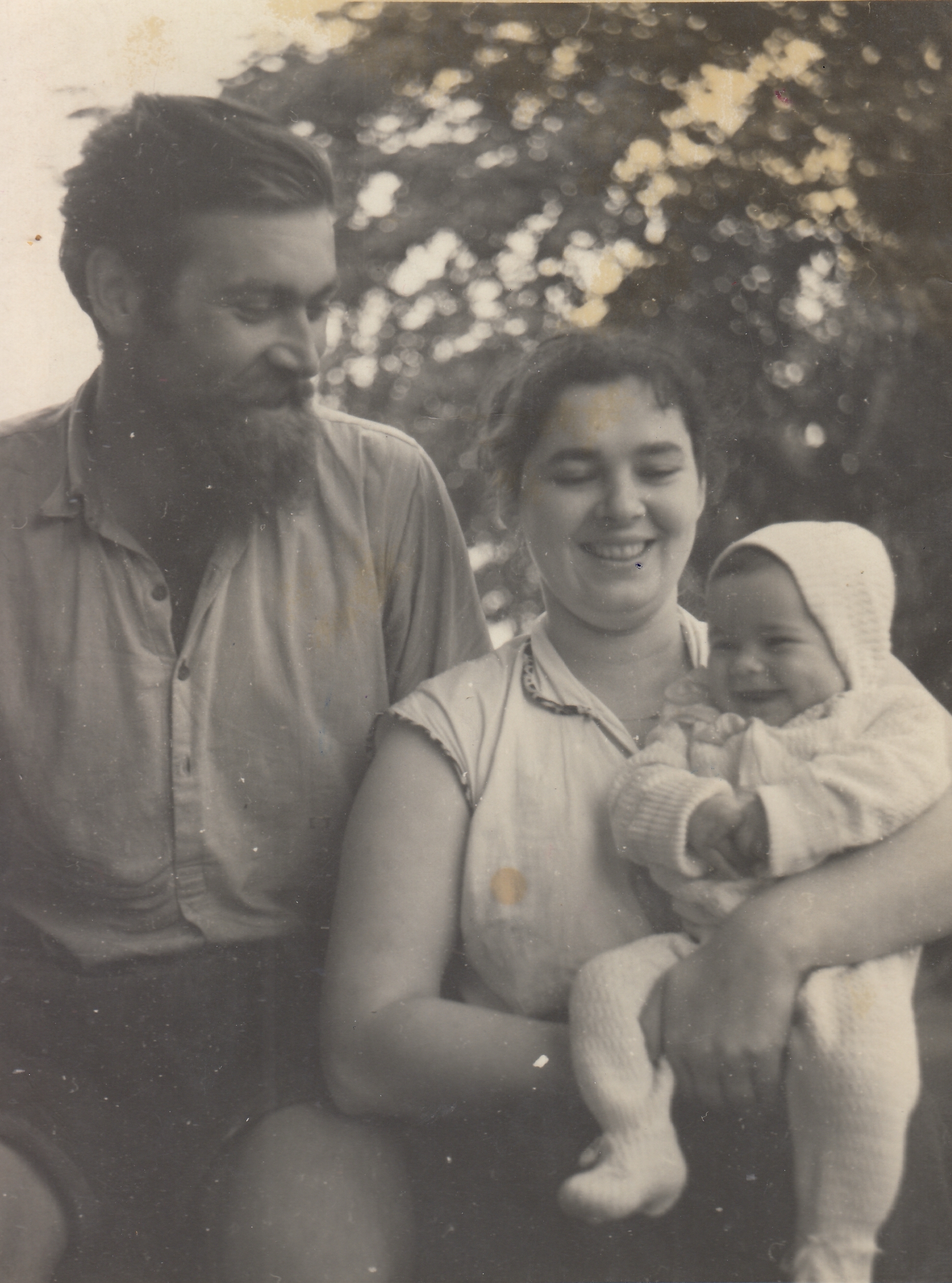
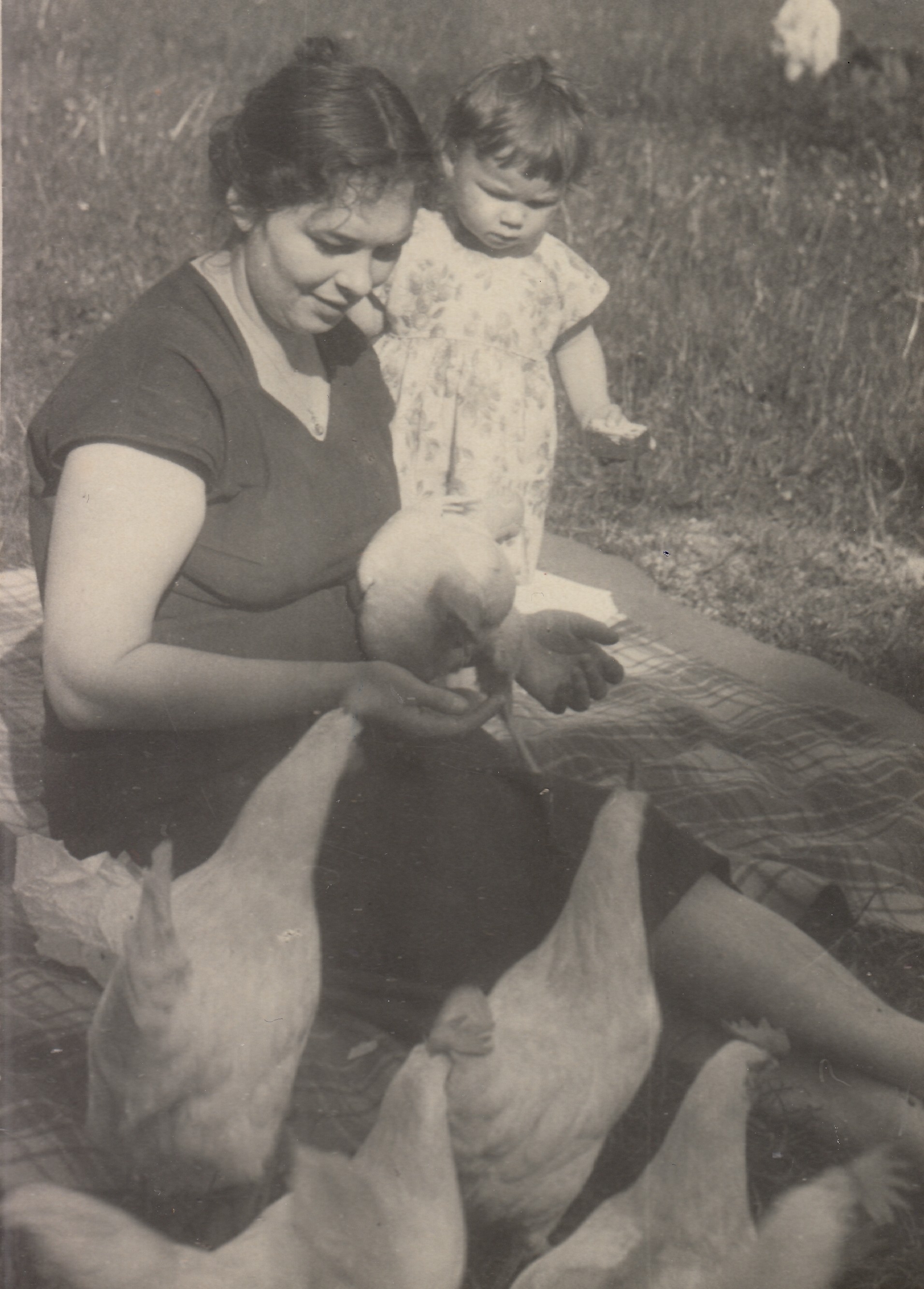
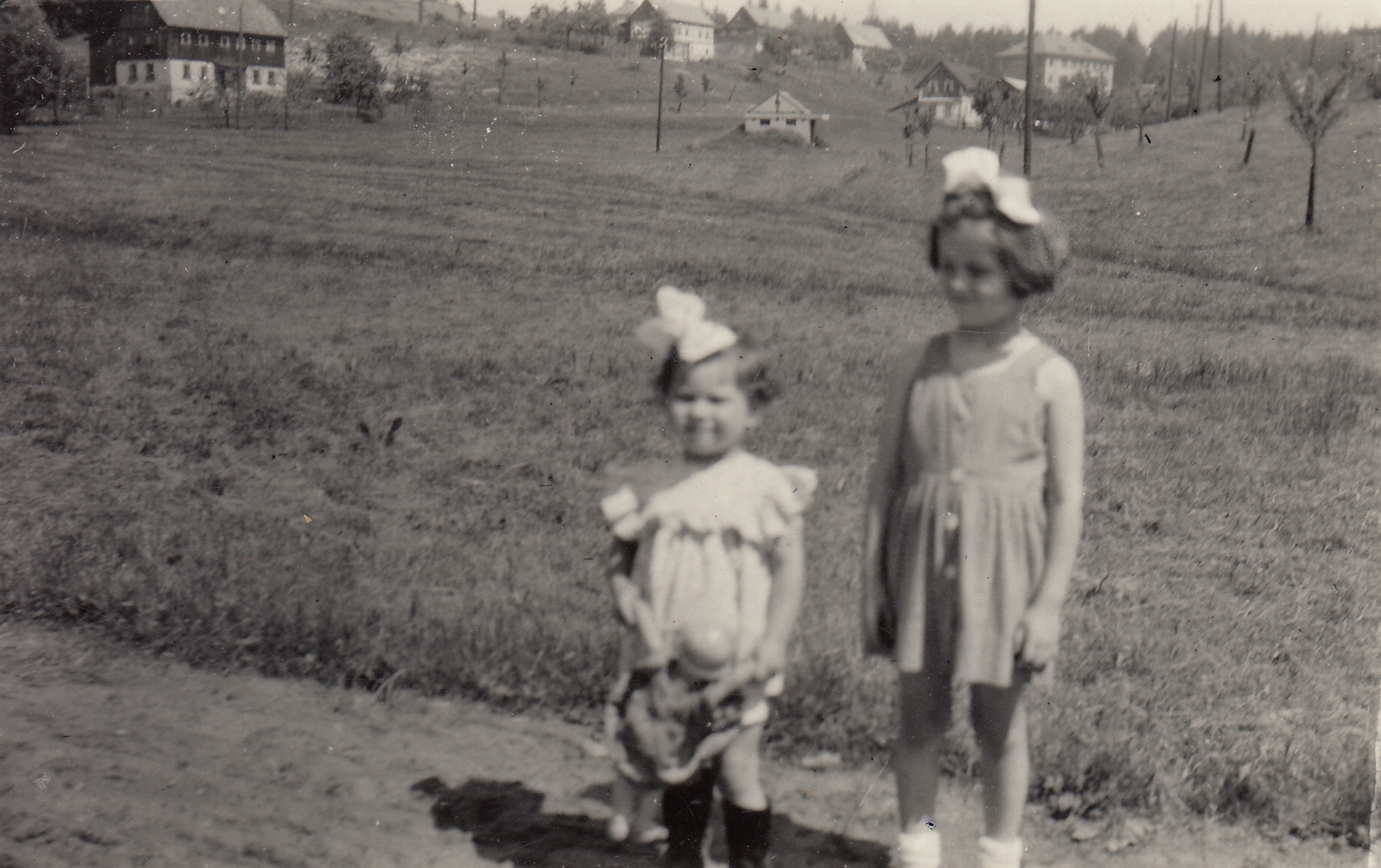
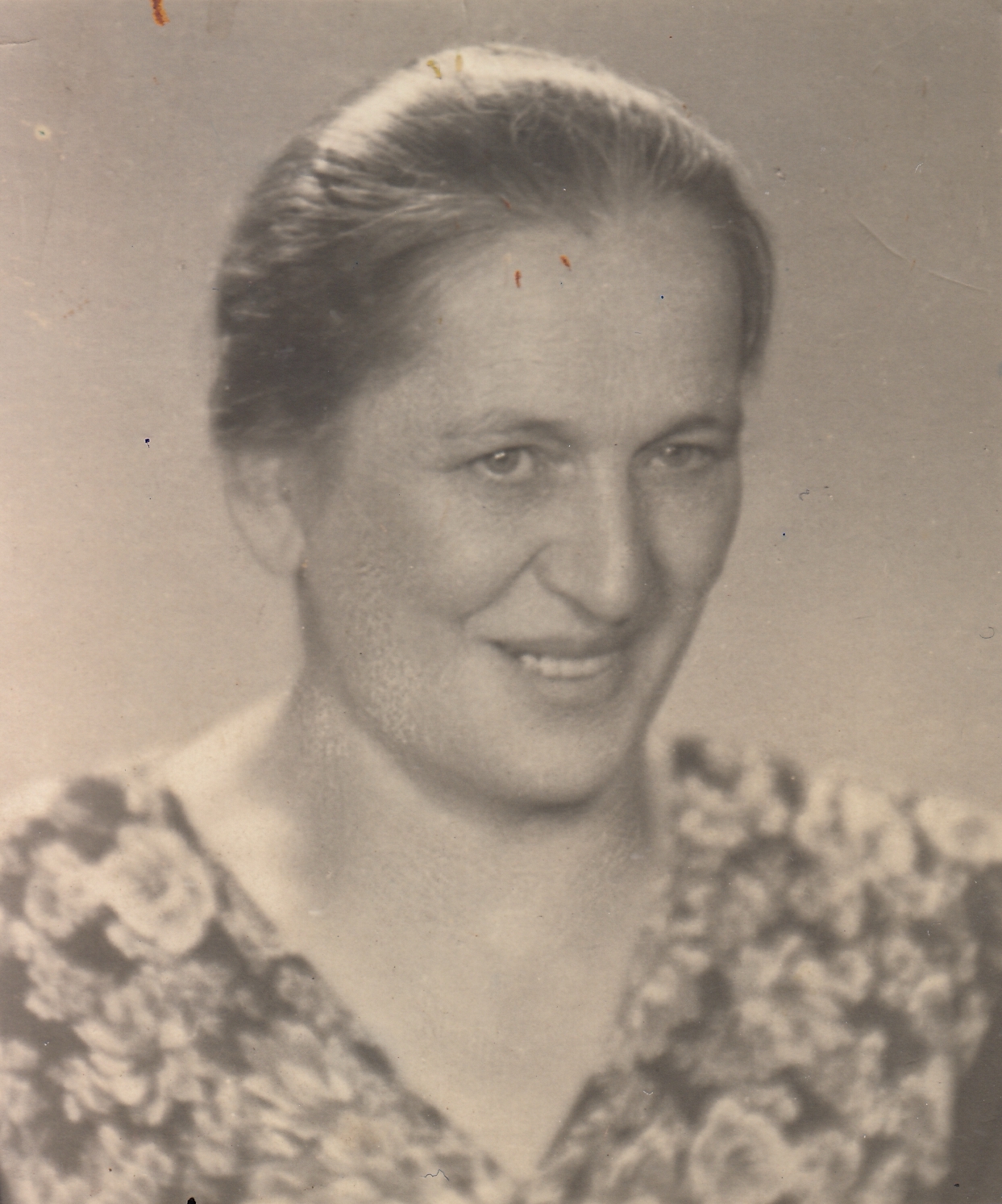
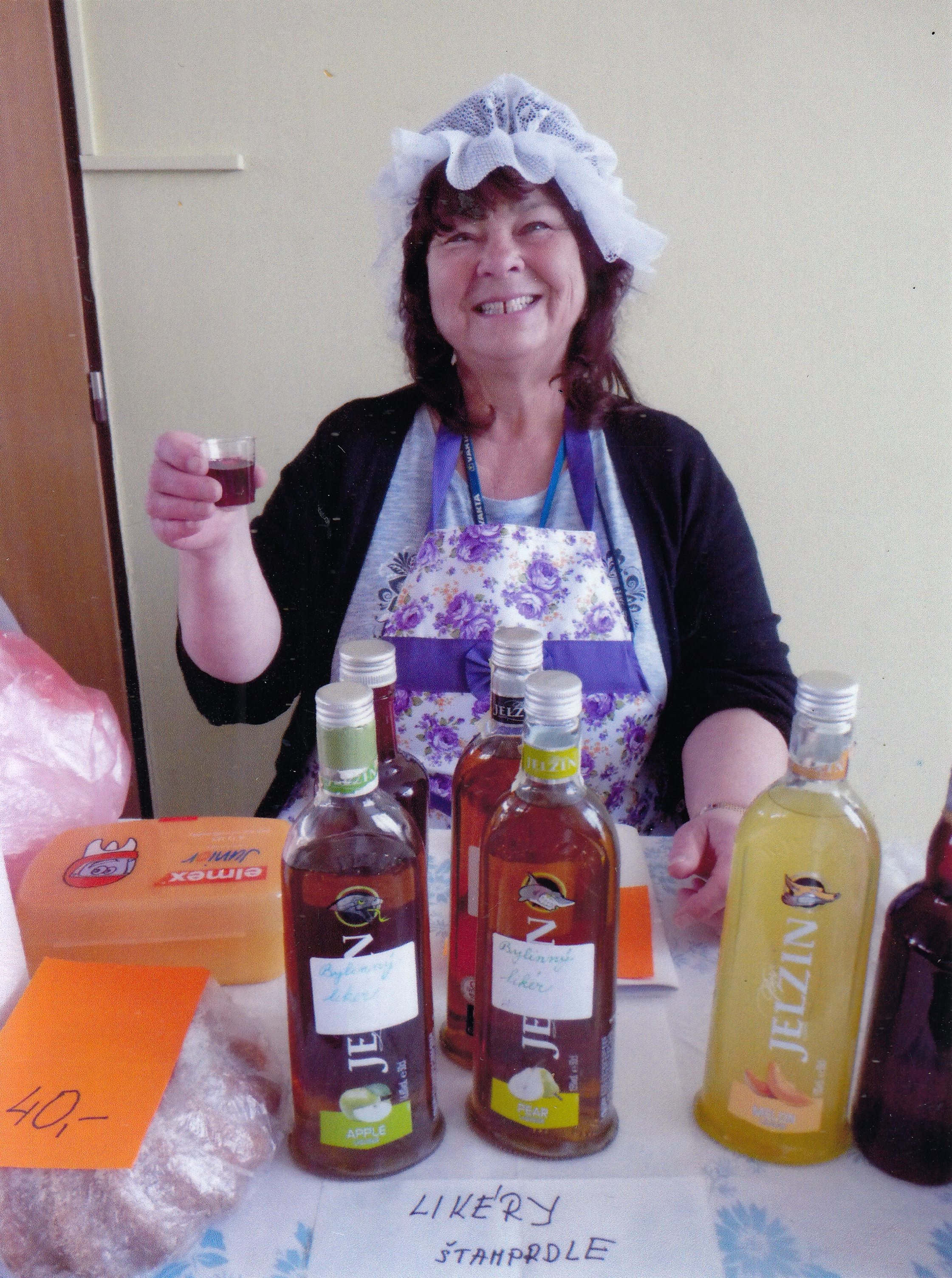
Květoslava Kudláčková (née Tuháčková) was born on 29 January 1953 in Děčín. She grew up in a solitary house in a forest in the Děčín region, where her father Ervin Tuháček - a graduate of the forestry college - worked as a forester. Her grandfather Josef Tuháček managed the large estate of count Šlik in Jičínves. After the nationalisation he lost his job, housing and status, and was rehabilitated in memoriam. Grandmother Berta Tuháčková, used to aristocratic environment, took the change hard. Her mother Květoslava, née Kokešová, came from Prague and before her marriage worked as a nurse for a private dentist. Her father, Ervín Tuháček, was considered politically unreliable because of his origins and was also monitored by the State Security Service because artists from Prague came to visit him in his house at the Kristin Hrádek. His degree as an engineer from the forestry school was not returned to him until after the Velvet Revolution. The family moved between gamekeeper‘s lodges - from Kristin Hrádek through Maxičky and Sněžník to Boleboř. Květoslava Kudláčková finished elementary school in Jirkov, and graduated from high school in Chomutov. She did not get into university because she refused to join the Communist Party of Czechoslovakia. She studied education at the Secondary Pedagogical School in Most. She taught at various schools in Jirkov. Eventually she landed at a special school, where she stayed until her retirement. She stubbornly refused to join the party. After the Velvet Revolution, she began to study at university, but did not finish her studies because she was caring for her sick father. She published nine books of poetry, fairy tales, stories and prose. She and her husband, with whom she raised a son and a daughter, built a house in Boleboř, where she lived in 2025.