"As soon as I passed the certification, they threw me out to the district, so I had to go... it was Luže, Chroustovice, Nové Hrady. That was thirty-five kilometres from Chrudim. The commuting was quite problematic because I had to take the train to Chrast in the morning, wait there for half an hour for the bus and it would take me to Luže. I liked the children, so I was happy to do it. The worst thing was that I had to do night duty in Skuteč, so I had to go from Luže to Skuteč and back again. The night duties in Skuteč were terrible, because it was the region where even the psychiatrists admitted that out of the whole Hradec Králové region there were the most psychiatric diseases. So I was chasing some madmen very often and it was quite unpleasant. Only one of them wanted to cut the throat... Those were some pretty hard duties."
"I said to him, 'Daddy, when the war is over, do you think I could have a pony?' And Daddy says, 'Well, look, when the war's over, I'll buy you a pony. And Sokol members have got stables in Stromovka, and we'll put the pony up there, and you can go and see it if you want to.' That's what I remember, how pleased I was to have a pony."
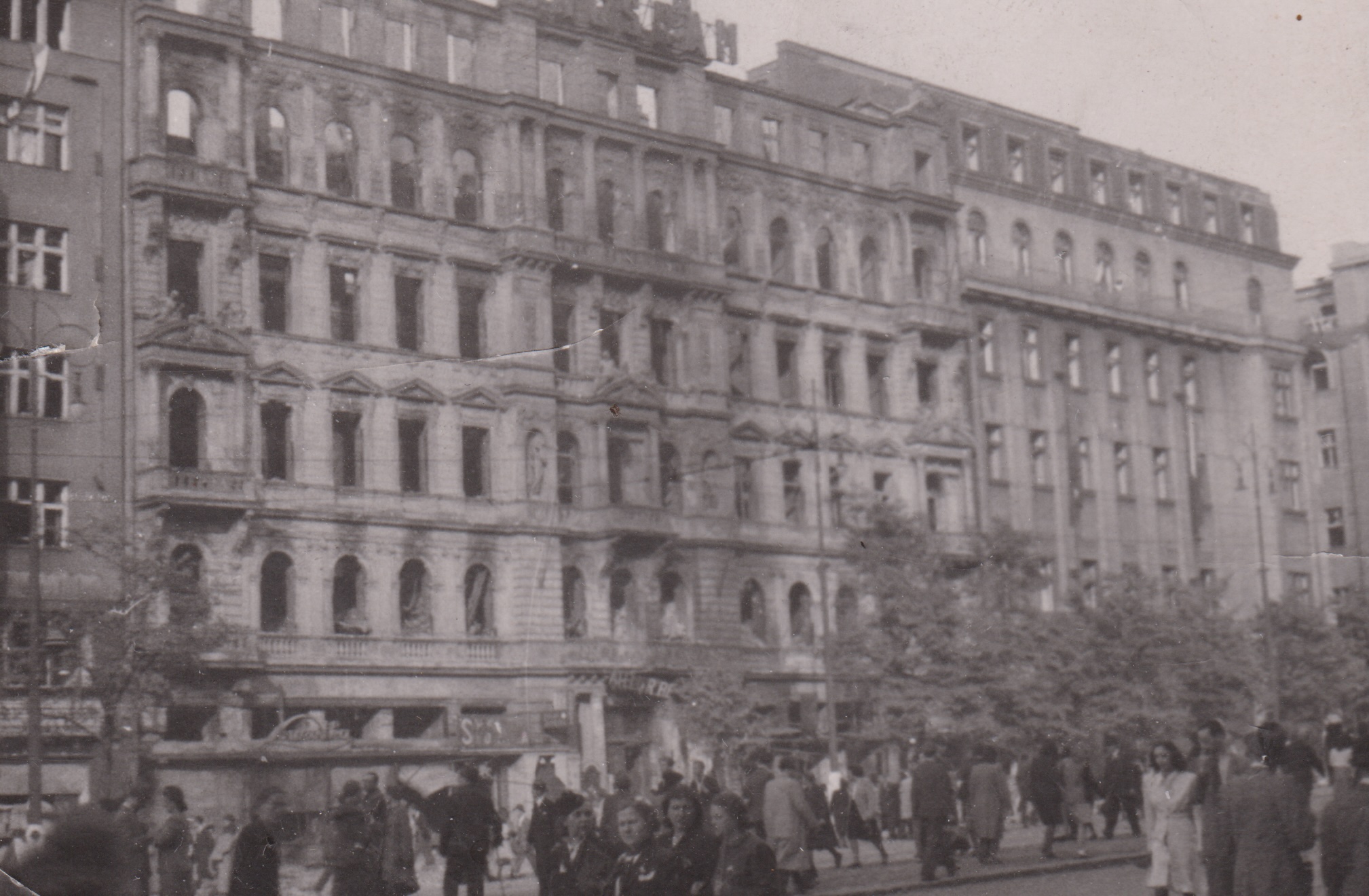
"My mother had me carried upstairs, and because she was afraid of the bullets flying around, she left me in the hallway. In the corner. Behind me was the door to the bedroom and next to me was the door to the bathroom, and she left me there and she called my daddy that I was probably going to die. Well, he came to see me. He gave me something. I don't know if he injected me. I don't remember. And I know I was relieved and he sat there and we talked for a while. I even remember what we talked about. And then when I fell asleep, he went to the bathroom to shave or rinse off, that he was going back to the infirmary, and at that moment the phone rang and the parish priest called again, at a quarter to seven in the morning, that hewas thinking about us all the time, if something was wrong, and at that moment the Germans started bombing it. So all he heard was my mother screaming, but because she hadn´t wanted to wake me up, she pulled the cord from the telephone into the front room, into the living room, and that saved her. Cause it all came crashing down and I was stuck in that corner. Everything fell through, but this piece was just hanging there, and the beams were falling on me. Mummy said I had a beam, probably from the attic, that stood up in my cot. So I had it between my legs. I was scared, I threw the covers over my head while sleeping, which saved my head because I only had a few bumps, but otherwise it was fine. They couldn't get to me, so the [family friend] Blažícek forcefully pulled the headboard of the cot, which was wooden, and pulled me out that way. As he was pulling me out, he heard my dad whispering, 'Save Jana.' He went right back in to get him, but he [father] was already dead."
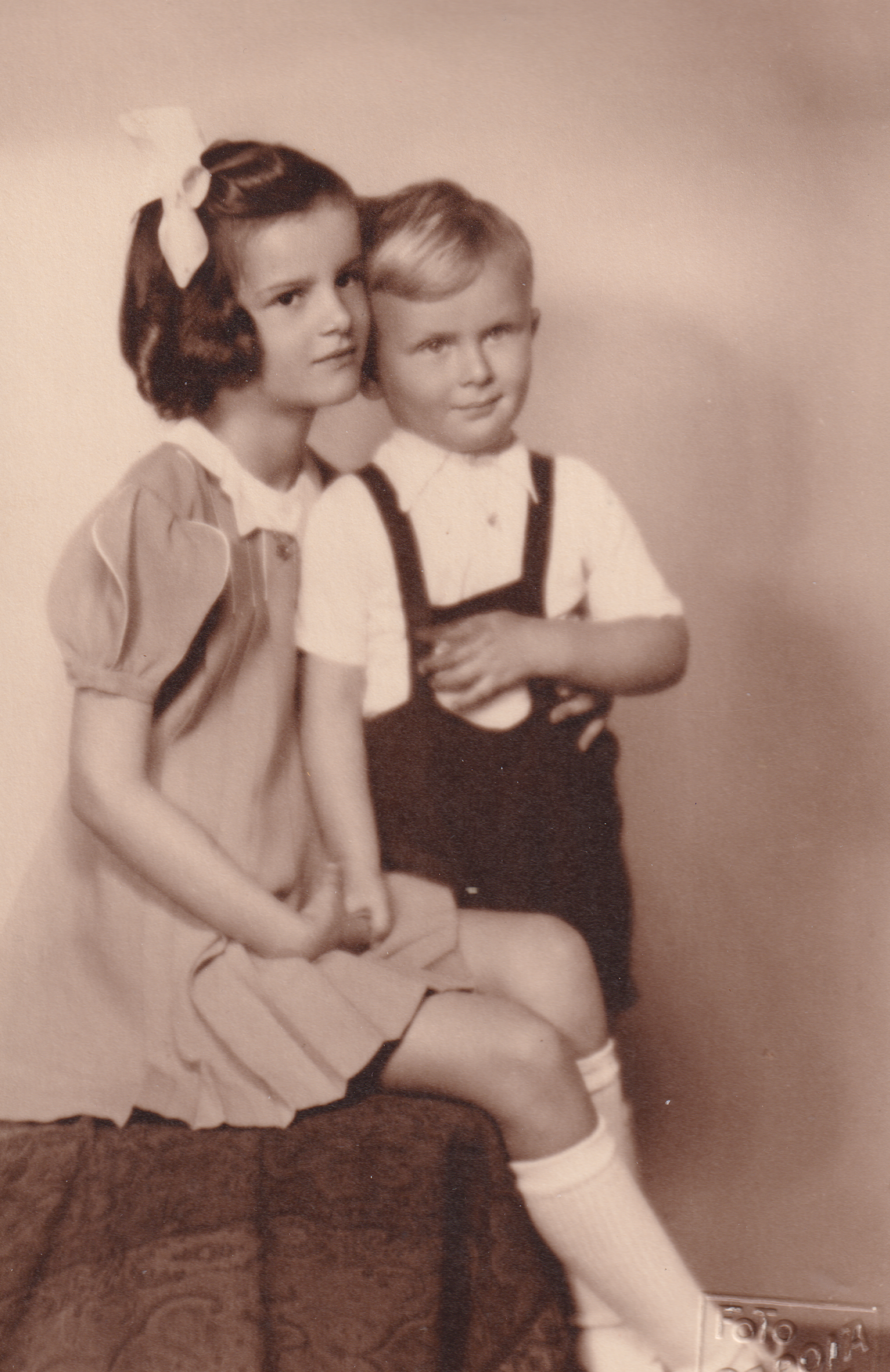
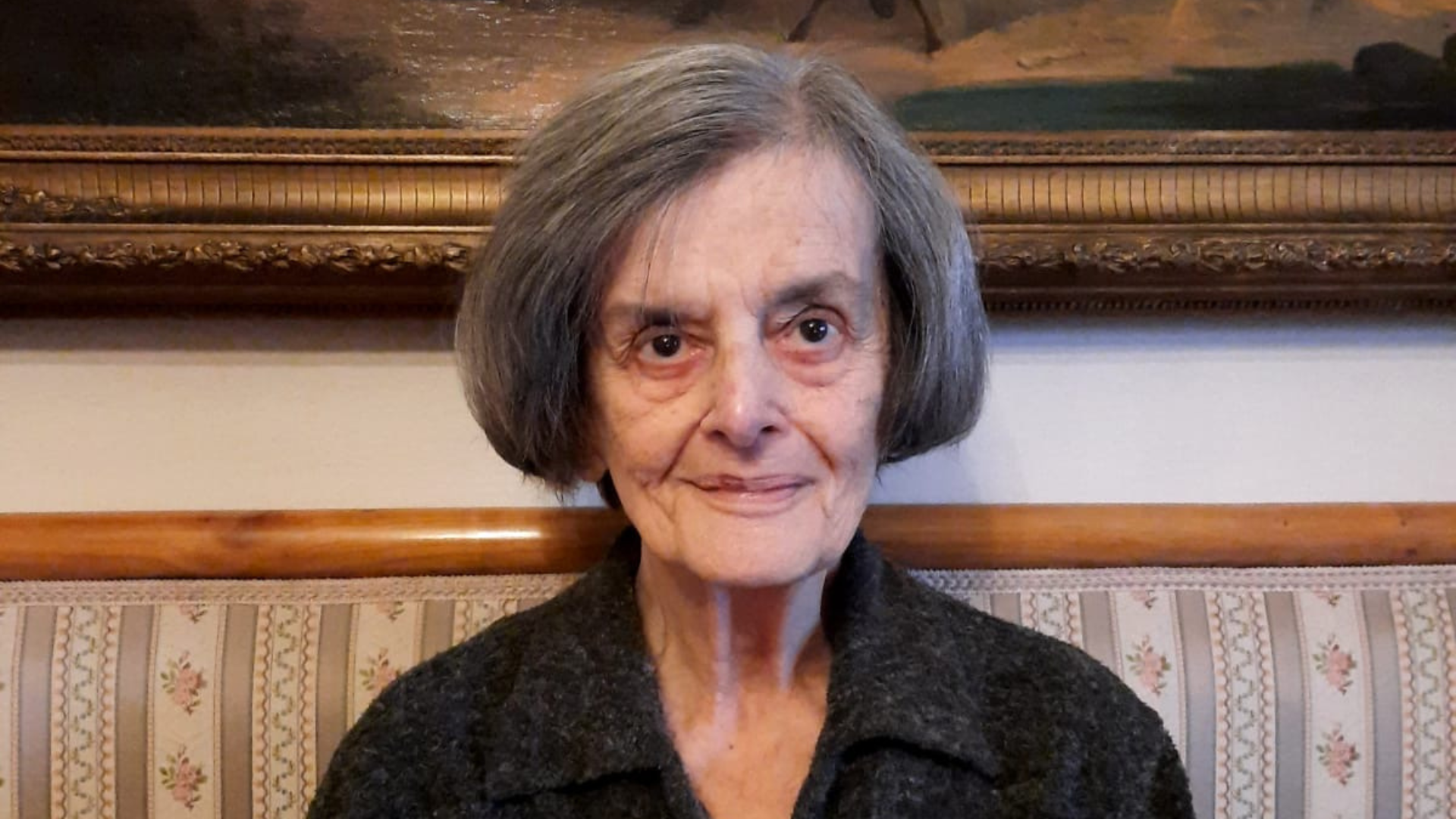
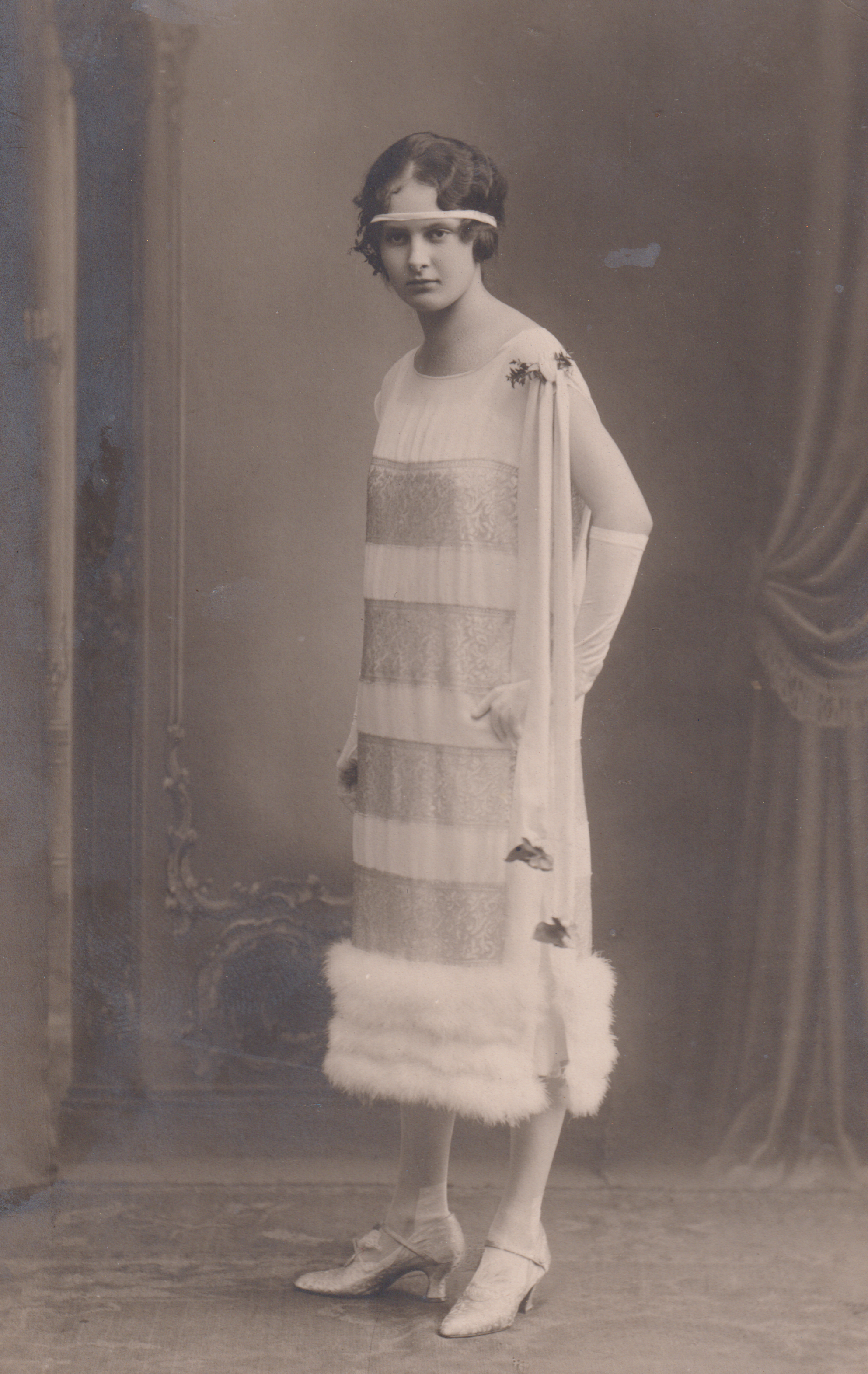
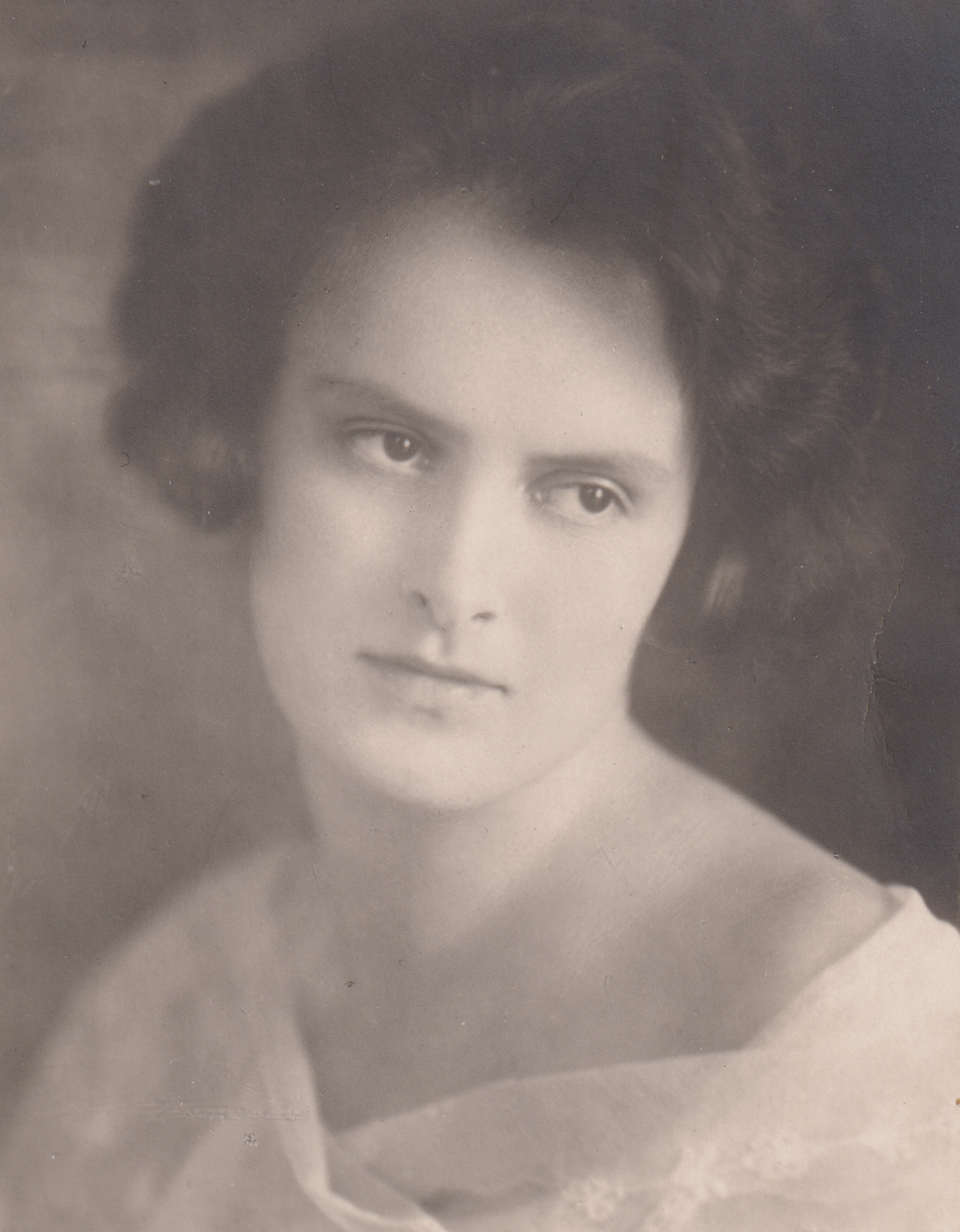
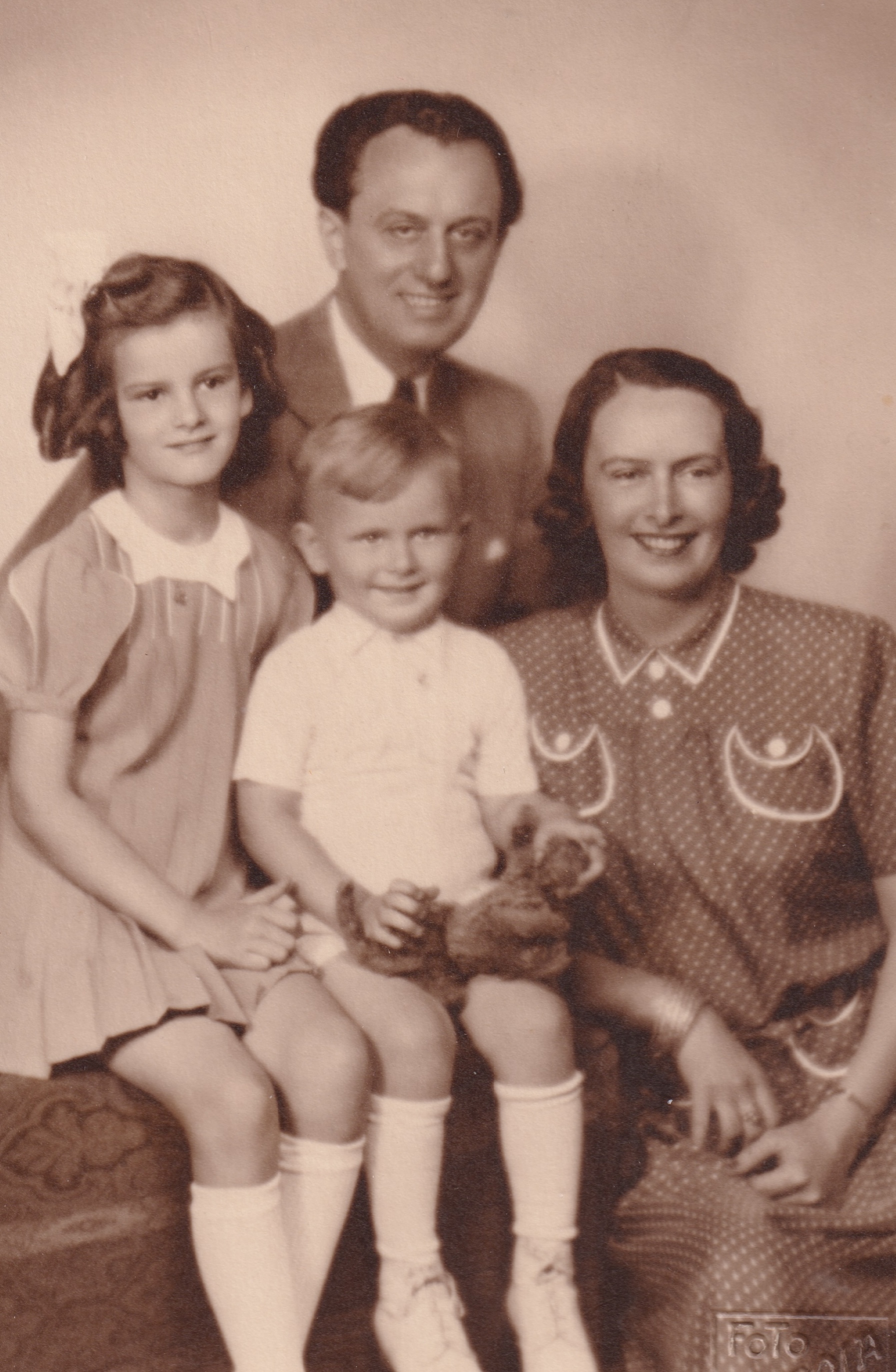
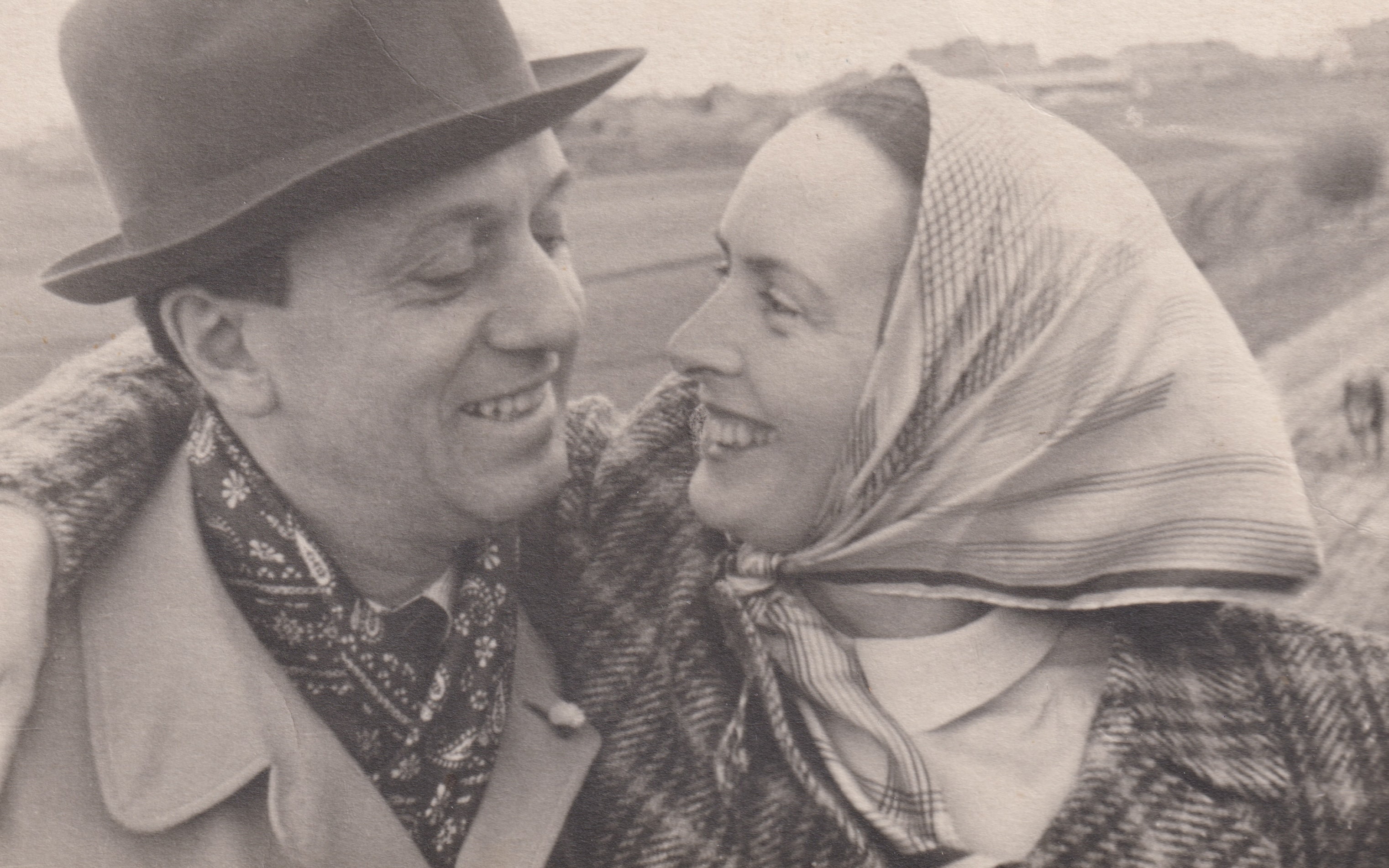
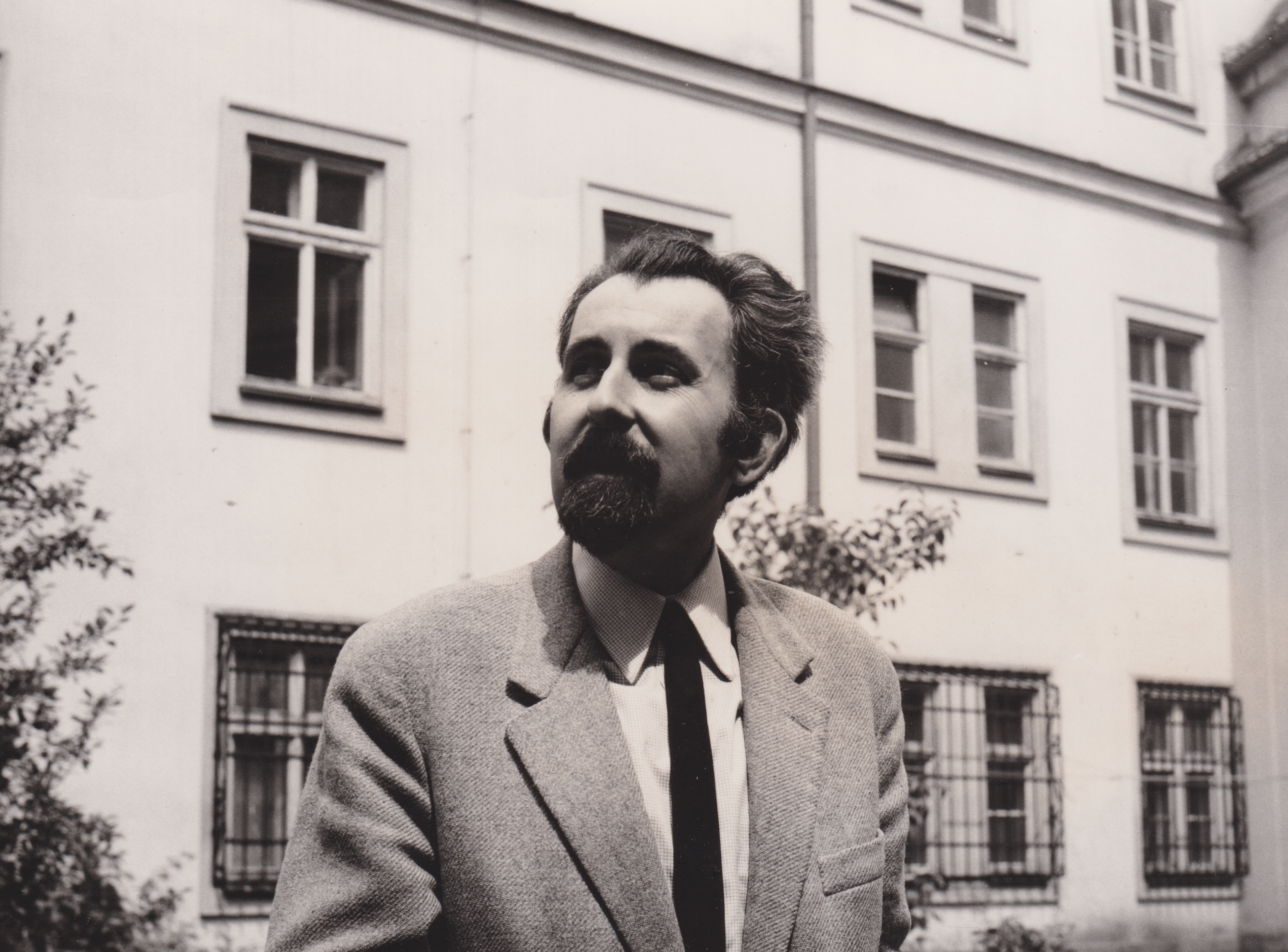
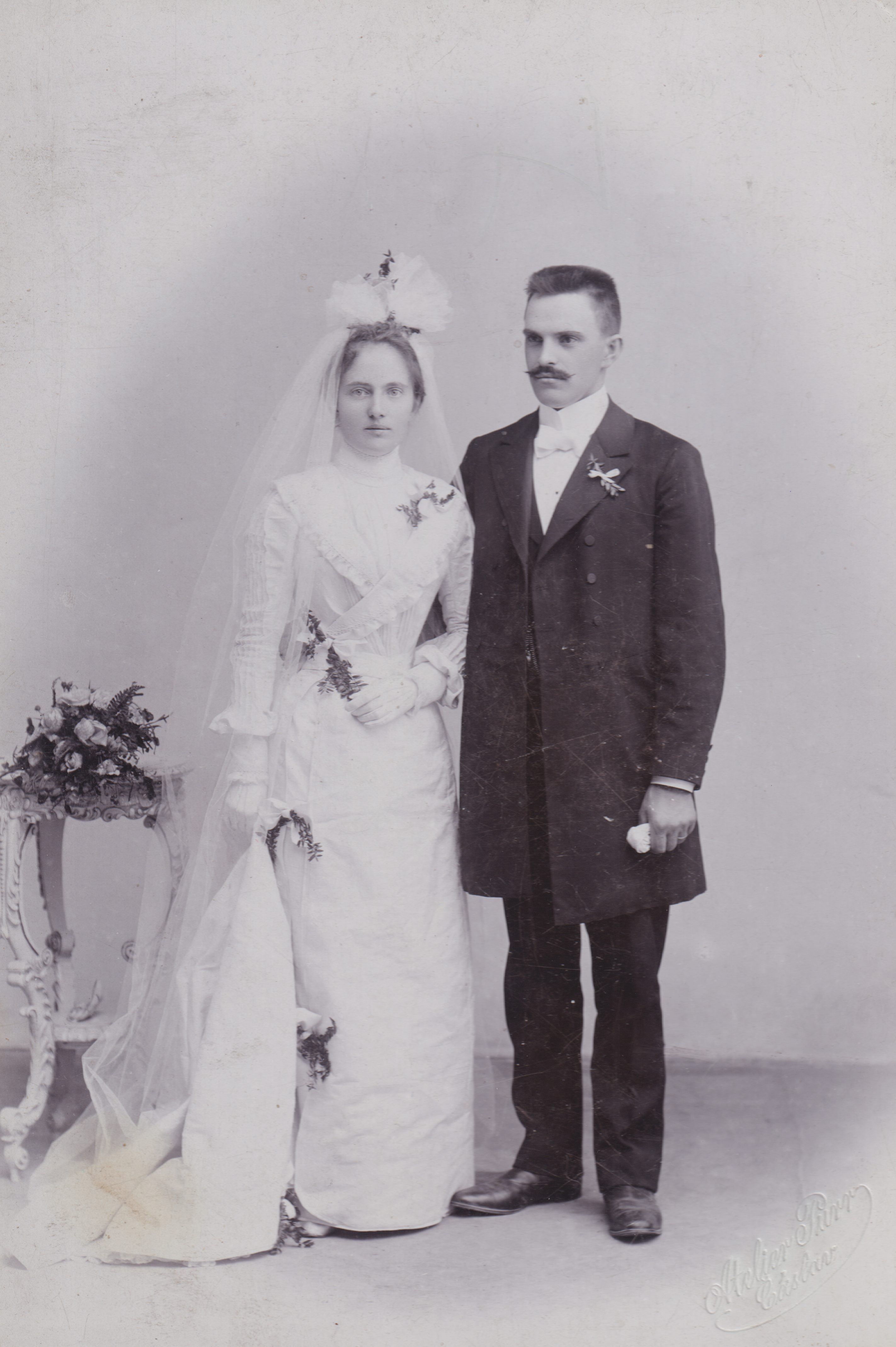
Jana Kučerová was born on 15 June 1936 into the family of balneologist Vladimír Kučera and his wife Marie, née Borovcová. Her grandfather Vratislav Kučera was also a renowned balneologist and co-owner of the Water Treatment Institute in Prague in Řeznická Street. During the war, his father Vladimír Kučera was involved in the resistance group Podskalák, which helped to supply bandage material to wounded heroes in the Church of St. Cyril and Methodius, for which he was awarded a decoration in memoriam after the war. Jana Kučerová remembers only bits and pieces from the war: bombing, trips to the shelter, learning German at school or Heydrich‘s funeral. However, the events of May 1945 affected her the most. It was then that she contracted severe pneumonia. During the Prague Uprising, her father helped treat the wounded, and when he came home to check on his ill daughter, the house took a hit and one of the beams killed him. The witness eventually made a full recovery, but without a breadwinner they faced a difficult journey. After the war, she, her mother and brother moved to Chrudim to live with her grandfather. Her mother studied pharmacy and opened a pharmacy with her sister in Prague. However, the communists took it away from them in the 1950s. Despite the obstacles, in 1961 Jana Kučerová successfully graduated from the medical faculty in the field of paediatric medicine and in 1964 she was certified. She worked in the district that included Luže, Chroustovice and Nové Hrady. Five years later, she started to work in Pardubice, where she passed her examinations. In 1974 she married historian and archivist Karel Kučera, who was regularly interrogated by State Security officers. After her marriage, the witness moved to Prague and worked at the dermatology department in Štěpánská Street. Both spouses looked forward to the period of freedom after the Velvet Revolution, but Karel Kučera died in February 1990 and Jana Kučerová never remarried. In 2025 she was living in her Prague flat.