Petr Kubín

* 1962

  • "I perceived that even after the military service, through the military administration, they tried to make my life unpleasant. When I had three children and I got a call-up order for some reservist training. That's when Samuel was born [inaccurate - he had already gone to school at that time, ed.], my wife´s son, who was the grandson of Dana Němcová. And then I had a one-year-old daughter who had sight problems, who was going to have surgery. I had a brand new son [third child]. So it was kind of a constellation. Into that came the draft order, so I went to the authorities somewhere to avert it. They, the day before the exercise... I was working on some archaeological digs here in Prague. And an escort came right to the trench behind me, pulled me out and took me somewhere, I was somewhere for over a month. I perceived this as their revenge."

  • "In short, I was taken into the military service, so maybe... Actually, at the end of my studies there was an incident with Gábina Farová, who was my classmate a year younger. We were walking around on the eve, or I don't know if it was November 7th, Prague decorated with red flags. So we were walking at night through Vlašská Street, through Malá Strana, coming back from somewhere, and there were these red flags hanging there. So we pulled a few of them down and as they were all around, there was a car parked at the end of Vlašská with undercover cops, State Security men, and they jumped out and picked us up and said we had fucked up our lives. And they took us to some kind of investigation room somewhere in Tržiště. Then it went to court. We got a suspended sentence. I mean, after the detention we went to some CPZ [pre-trial detention cell] in Bartolomějská. As I said, then the court came, and it gave us suspended sentence. Sometime in the eighties there was an amnesty for these low sentences, so we were amnestied in connection with the election of Husák or I don't know what it was then. Well, so that kind of story."

  • "I liked to draw, so I went to this people's school [the People's School of Art], which was run by a great sculptor with a big heart who made it possible for us to go there, she was available most of the week. And that one could come there for as long as one wanted, and Mrs. Borková presented a whole range of possibilities for making and creating art. From some ceramics to linocuts and all sorts of techniques of spinning on the wheel and hammering in the tin and painting on glass. So a whole range of things that you could try. And people from the senior home used to go there for example, I remember when old people were creating, a lady was creating a bust of her partner. And then there were people preparing for art school exams. So it was kind of an inspiration. Then it was taken to her house to fire it somewhere, so she was such a good soul."

  • Celé nahrávky
  • 1

    Praha, 03.06.2025

    (audio)
    délka: 01:31:40
    nahrávka pořízena v rámci projektu Stories of the 20th Century TV
  • 2

    Praha, 25.11.2025

    (audio)
    délka: 47:14
    nahrávka pořízena v rámci projektu Stories of the 20th Century TV
Celé nahrávky jsou k dispozici pouze pro přihlášené uživatele.

A photo is a freeze of time that will never be repeated
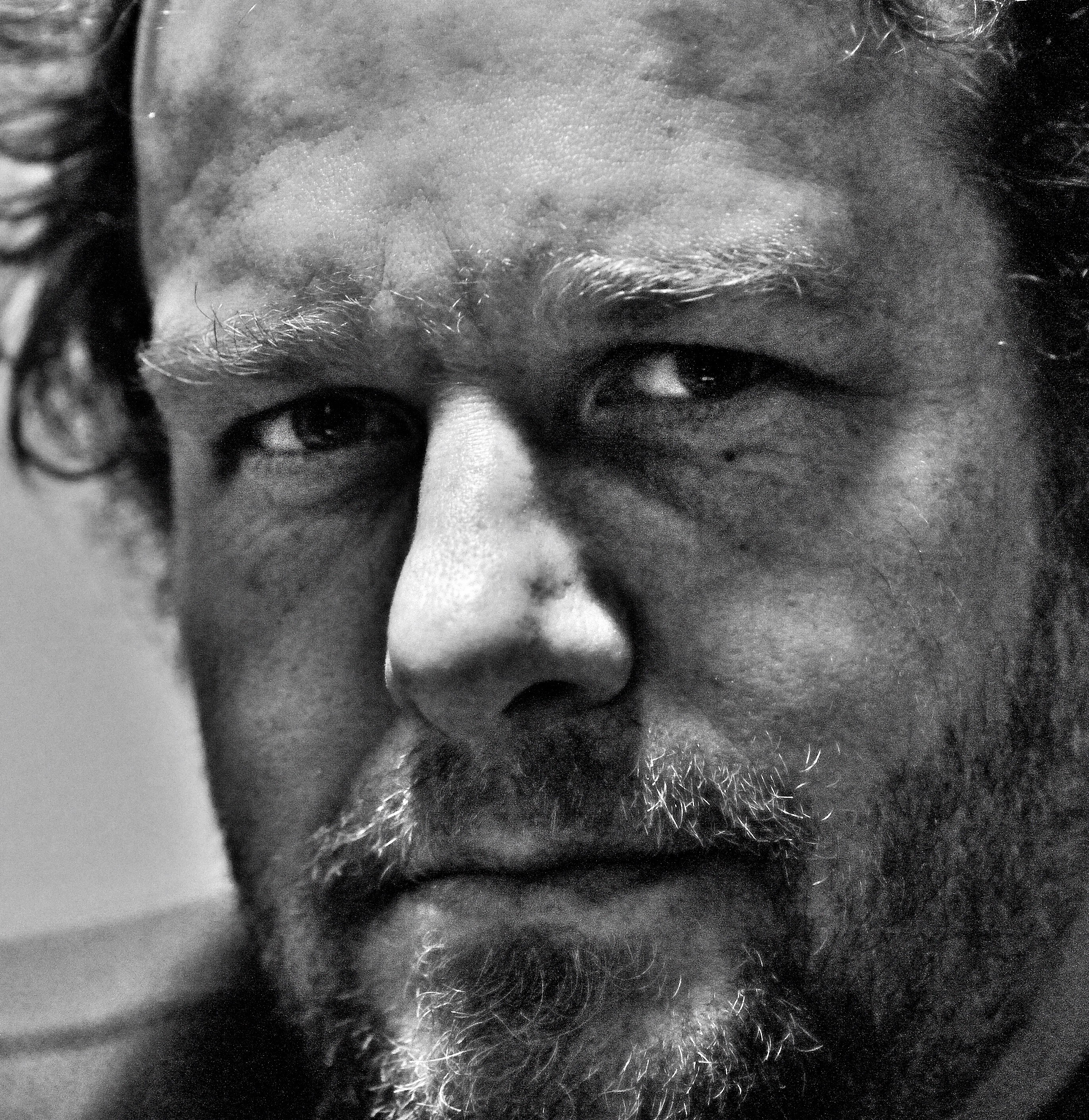
Petr Kubín
Petr Kubín
zdroj: Witness´s archive

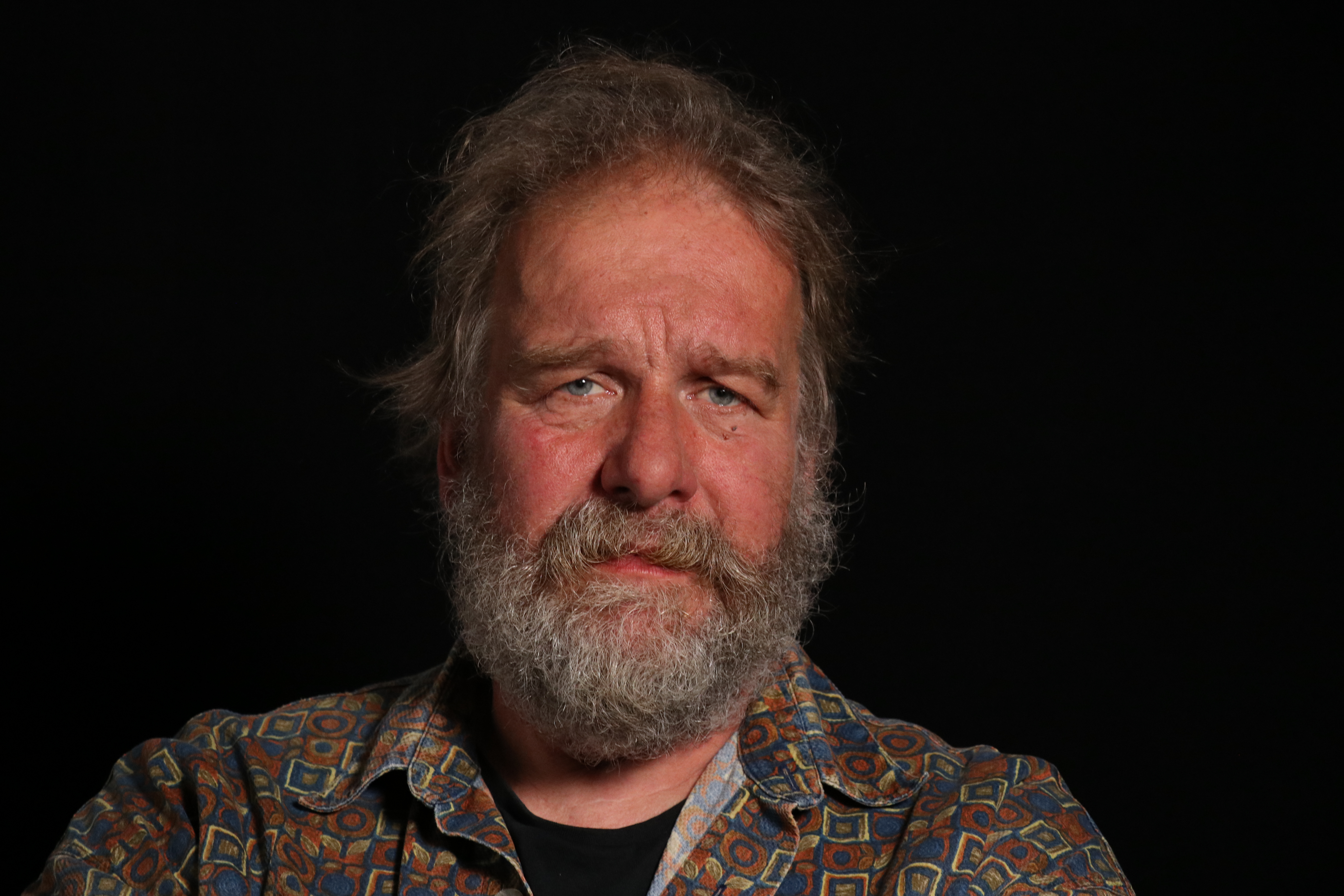
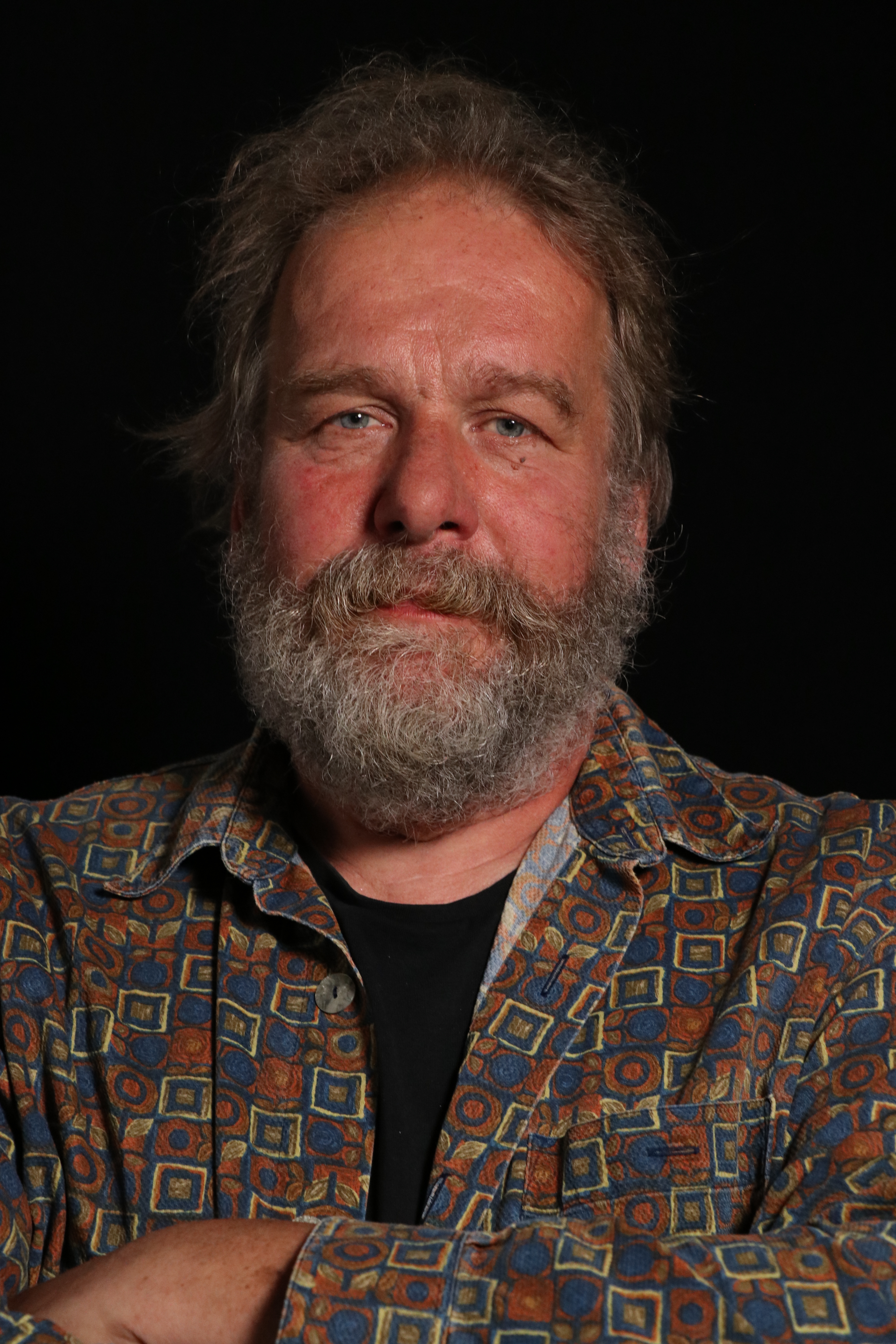
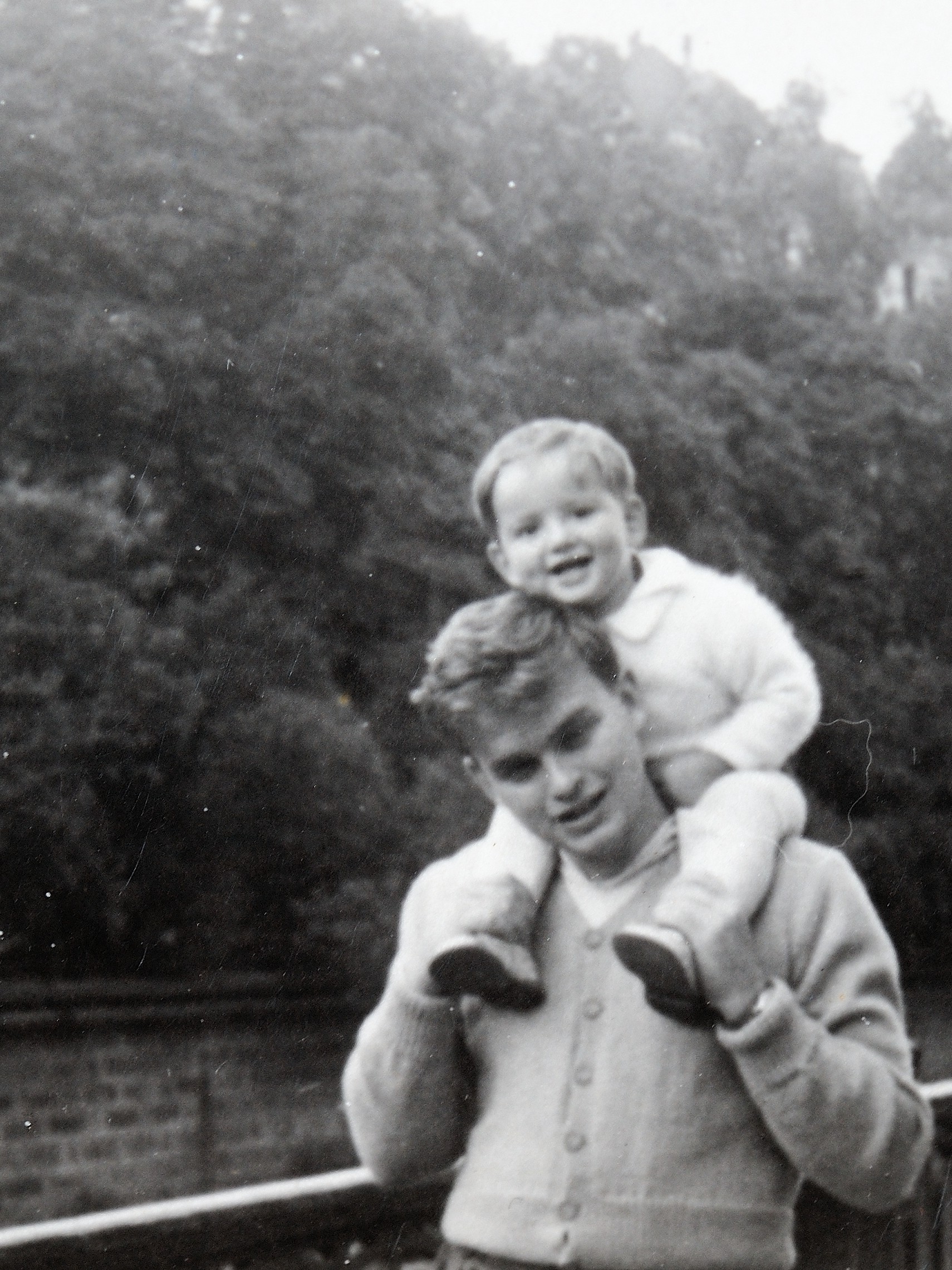
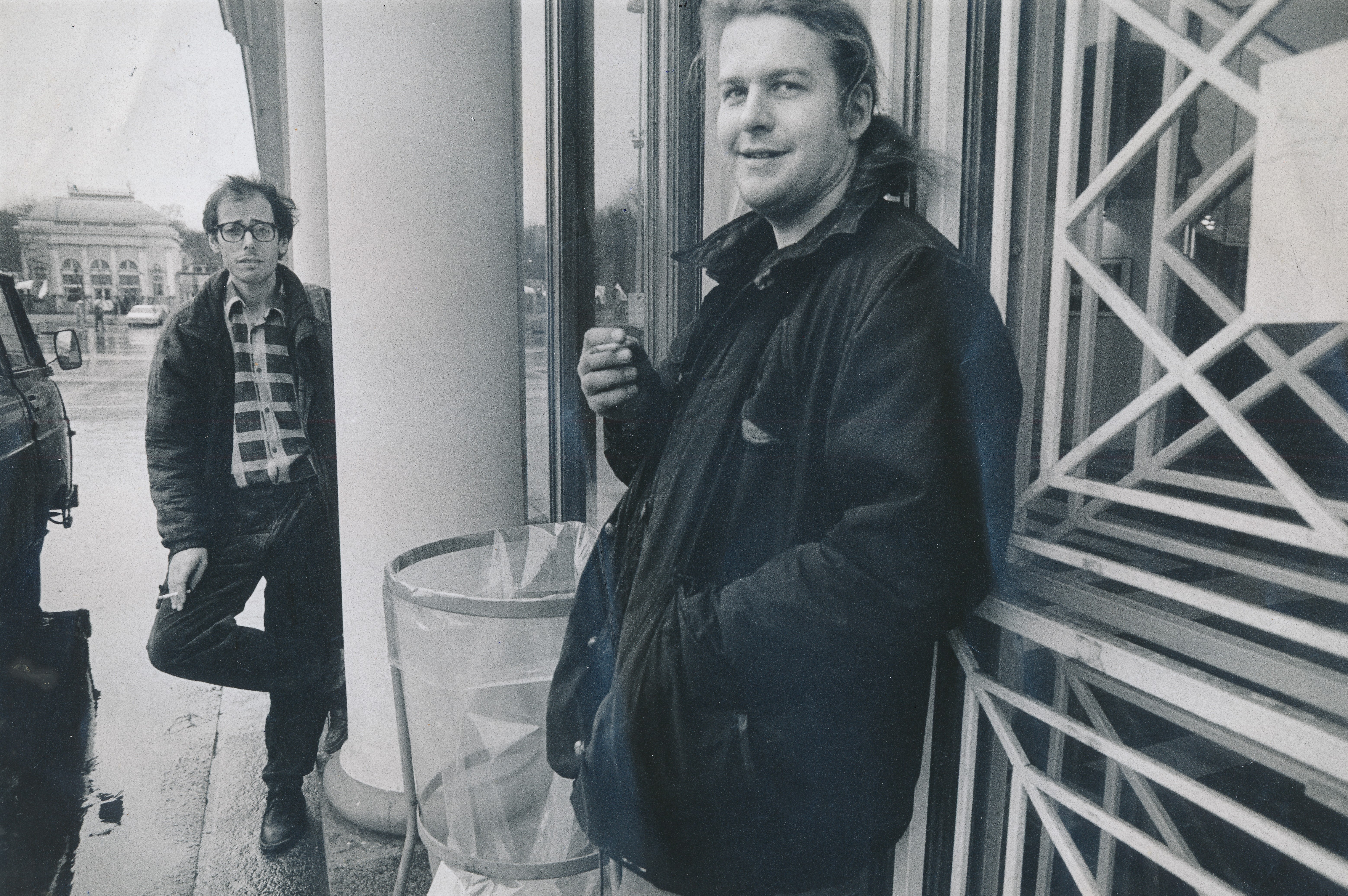
Petr Kubín was born on 12 April 1962 in Prague to Boris Kubín, a telecommunications scientist, and Vilemína, née Stejskalová. During his childhood in Černošice, he attended People´s School of Art (LŠU) under the guidance of a sculptor who opened his horizons in the visual arts. After finishing primary school, he was accepted to study photography at the Secondary Technical School of Graphic Arts in Hellichova Street in Prague. Here he became close to Viktor Karlík, Vít Brukner and Martin Socha, and together with the Topol brothers they contributed to the samizdat literary and art anthology X (Desítka)/Violit. In November 1979, he and his classmate Gábina Farová were arrested for tearing down red flags and subsequently sentenced to a suspended sentence for rioting, refusing to cooperate with State Security (StB). He later found out that his father had been pressured to cooperate, mainly because of a relative in the West and a brother who was a member of the Wehrmacht, and had been kept as a secret collaborator under the code name Kubr. In 1981, Petr Kubín graduated from secondary school and, after his compulsory military service, joined the Prague Conservation Centre, where he worked as a digger on archaeological excavations and as a photographer from 1983 to 1990. He and his partner Marcela raised five children. The beginning of the November 1989 events found him on an expedition in Samarkand, Uzbekistan. After the revolution, he worked as a professional photographer for the editorial offices of Lidové noviny and Respekt, and since 2000 he ran his own studio. After 2010 he became involved in civic activities in Černošice, where he has lived since childhood. He holds a Certificate of Participation in the Resistance and Resistance against Communism, and has been working as a freelance photographer since 2008.