Ing. Alan Kubica

* 1959

  • "After Christmas, news began to leak out that the Stonava Mine had broken away from the coal district. Viktor Koláček went on a rampage there and it was a big deal. He was the first person to oppose the coal district. He was the first to say that he would no longer supply coal to the mine district and that he would sell the coal himself. Because he knew how much he would get for it. He gave the foremen a hundred percent pay rise. In Ostrava, the foremen got seven thousand, there they got fifteen thousand. They all got the salaries they were entitled to for the work they did. Hysteria broke out among the Communists. They were absolutely furious that someone would allow such a thing." - "Was it possible to manage to sell coal independently? It couldn't have been easy from one day to the next..." - "They took away his wagons. They cut the cables. Stonava couldn't be reached by phone. Nobody had any information. It was a blockade, like Stalingrad. They were panic-stricken that it would prove independently viable. Because immediately people started fleeing from elsewhere. The best and most qualified people started to flee to Stonava."

  • "The main driving force was money. Money and flags. Every director wanted to have a flag in his office, and he would go to Prague to the ministry to get it. There they received decorations. On the occasion of Miners' Day, May Day and other such holidays. When the director could appear publicly on television and receive a flag, he was on top of his game. And of course there was money attached to it. Both for the management and the people down there. It went along party lines, of course. Director. Chairman of the Communist Party. Head of the department. That was one bunch under which were the foremen. They all agreed that the director would make sure that the service organizations, like transport, ventilation, and so on, would come to their aid, that they would give them good machinery... And it was up to the foremen to persuade the team. To tell them that they'll dig, and if the record is broken, they'll go to Prague. Of course, everybody knew there was money involved. So they timed it right and started announcing commitments. They started writing in the newspapers, there were posters on every shaft, there was publicity on every shaft, and there was a banner on every step, announcing that they were going for the record. Of course, those who took part were happy because that's where the biggest money was paid. And that was actually what pushed them to make the record. Because they knew that they would get money, and in the end they would buy a pig, get on a bus with the women and go to Ostravice to get sloshed."

  • "In the 1960s, economist Ota Šik prepared a study that resulted in the designation of economically unviable shafts. Not ideologically, but economically. The whole thing was based on an estimate of coal reserves. Each shaft had its own reserve estimate, which was updated every twenty years. So there was fairly accurate information about what coal reserves could still be mined and under what conditions. ŠIk put it all together. Even at that time, the Ostrava part of the coalfield was not performing positively and was subsidised by mining in the Karviná region. Ota Šik therefore drew up a phasing-out schedule according to which the Ostrava shafts were not to be further developed by deepening them. They were to mine coal in the areas that were ready and then gradually end. Because it was clear that the coal would no longer pay for itself here. But then came 1968. Šik was branded an enemy and the plan was thrown into a shredder. New targets were set again and mining was made the first priority. The regime decided it needed coal and coke, it would subsidise it and there would be no end to it. Moreover, the coke was exported to Austria and the regime needed shillings, so it got going again."

  • Celé nahrávky
  • 1

    Ostrava, 19.11.2025

    (audio)
    délka: 02:41:08
  • 2

    Ostrava, 20.11.2025

    (audio)
    délka: 02:50:37
Celé nahrávky jsou k dispozici pouze pro přihlášené uživatele.

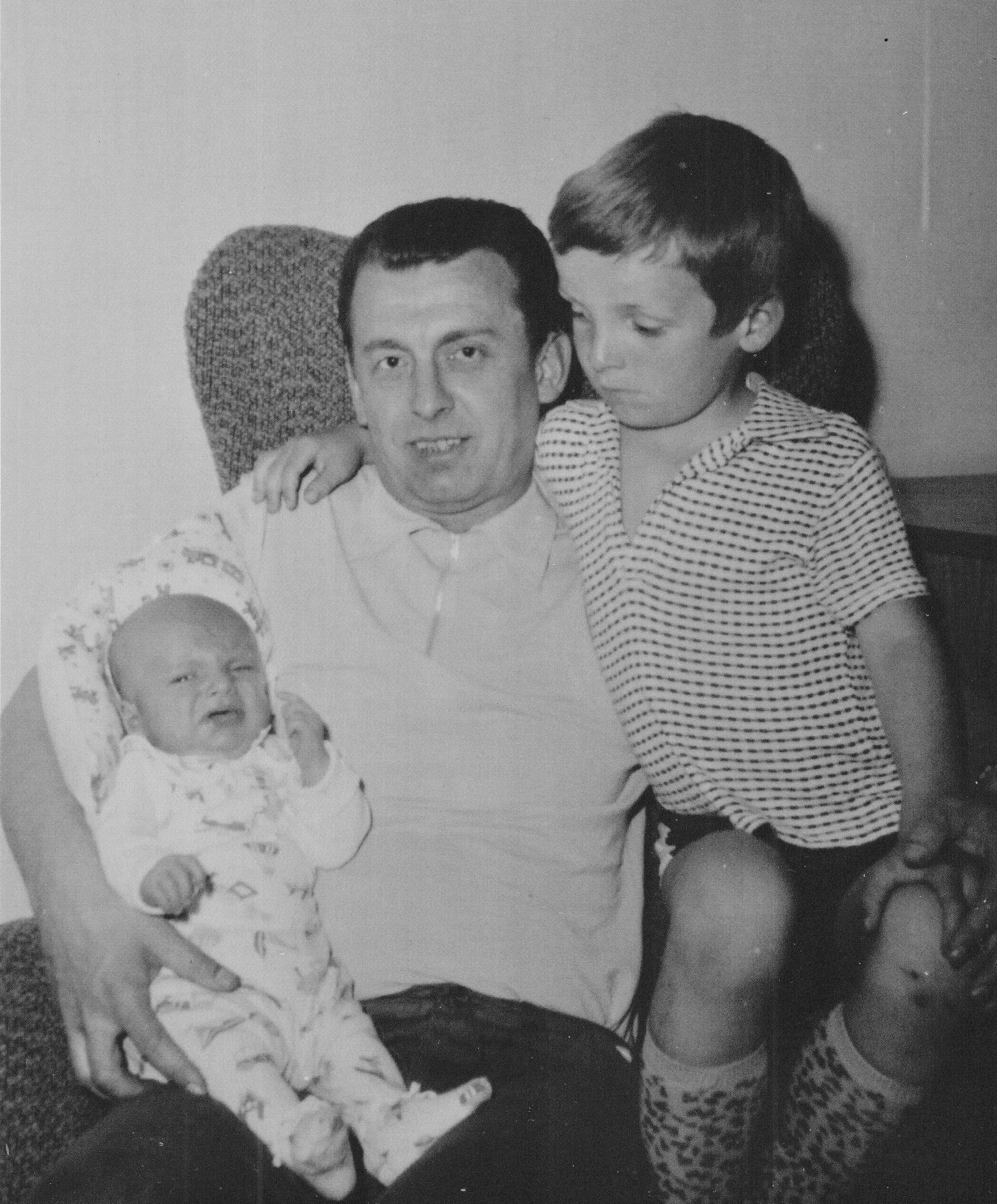
He loved working underground, the communists cherished it. Then a fire destroyed it.

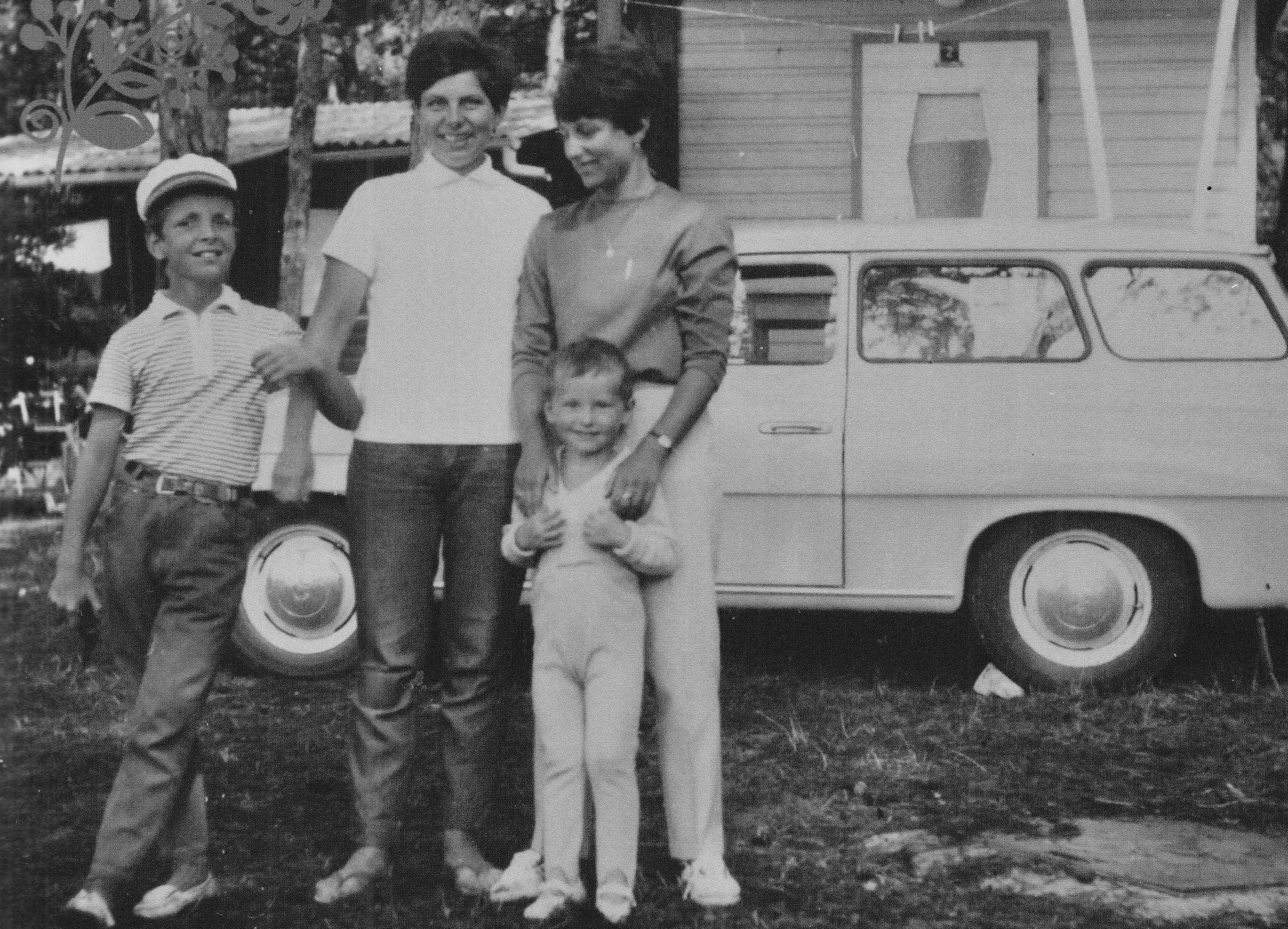
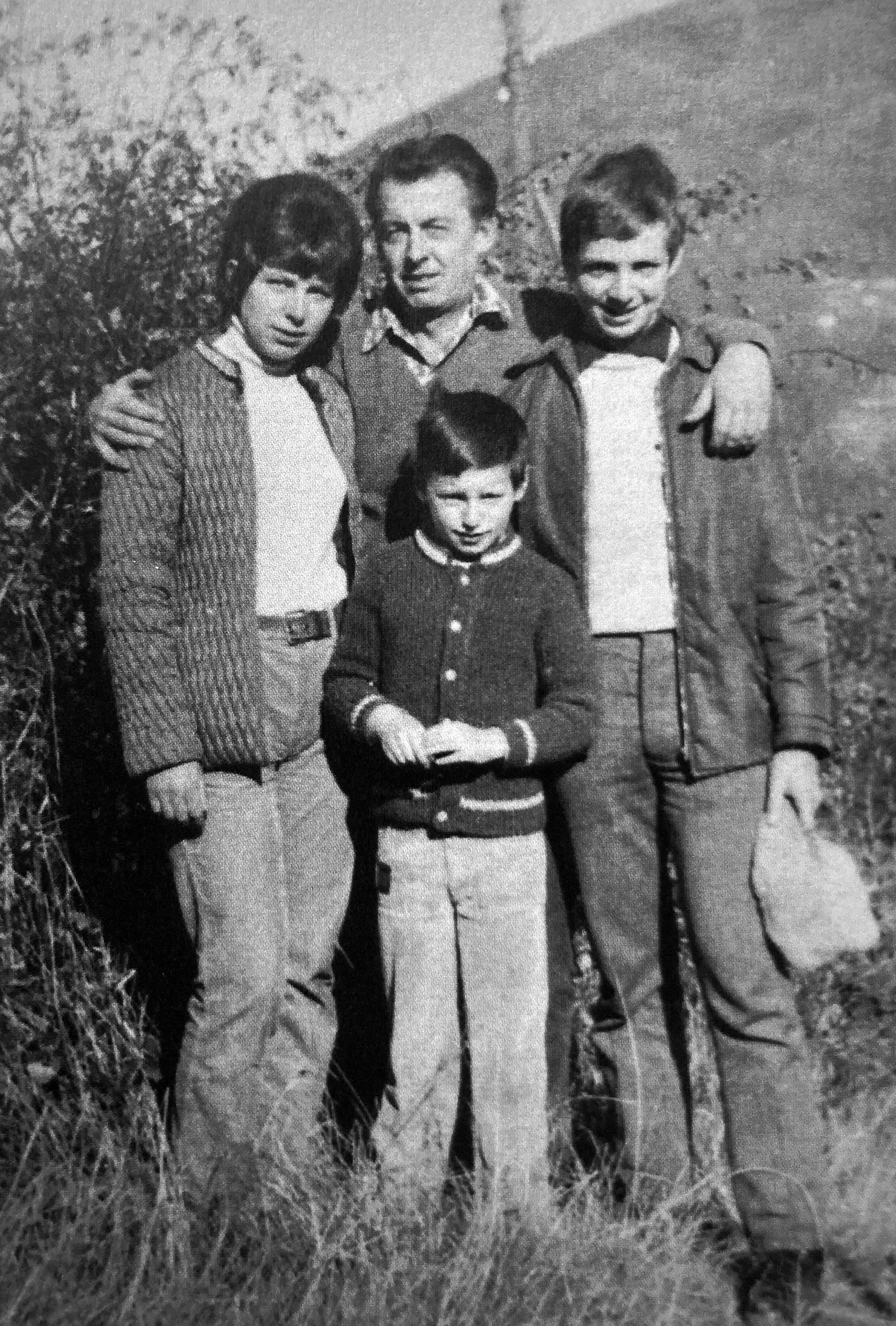
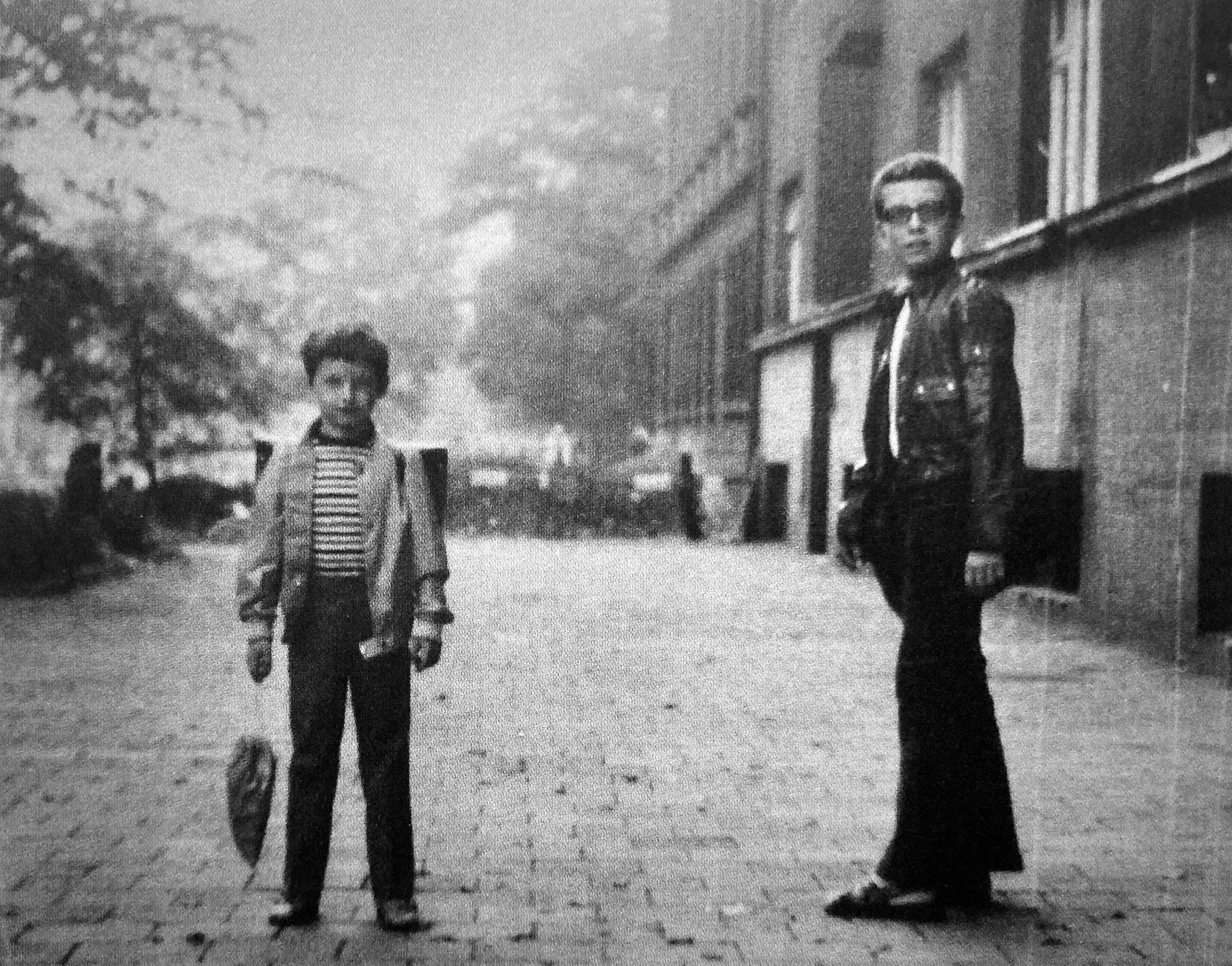
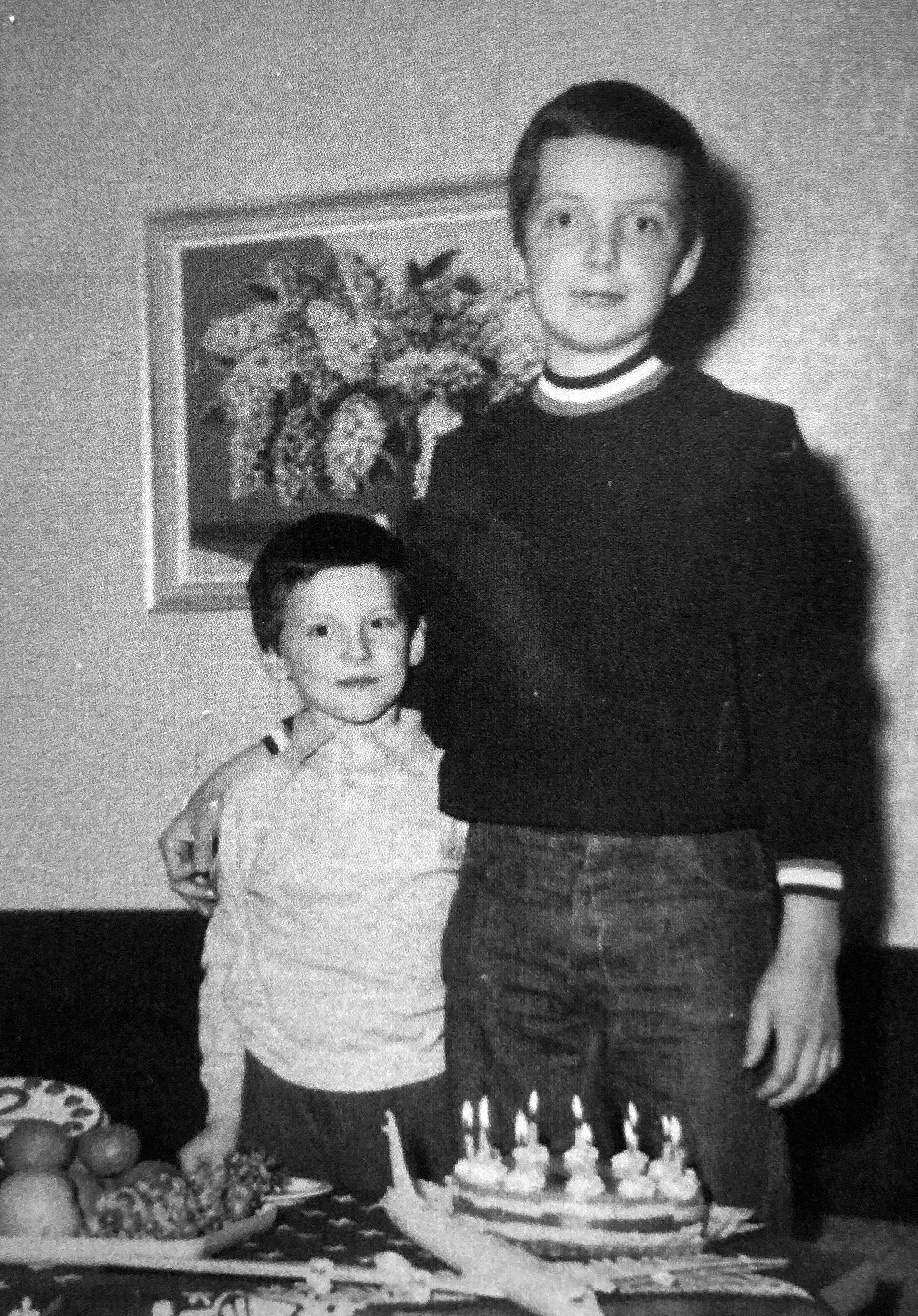
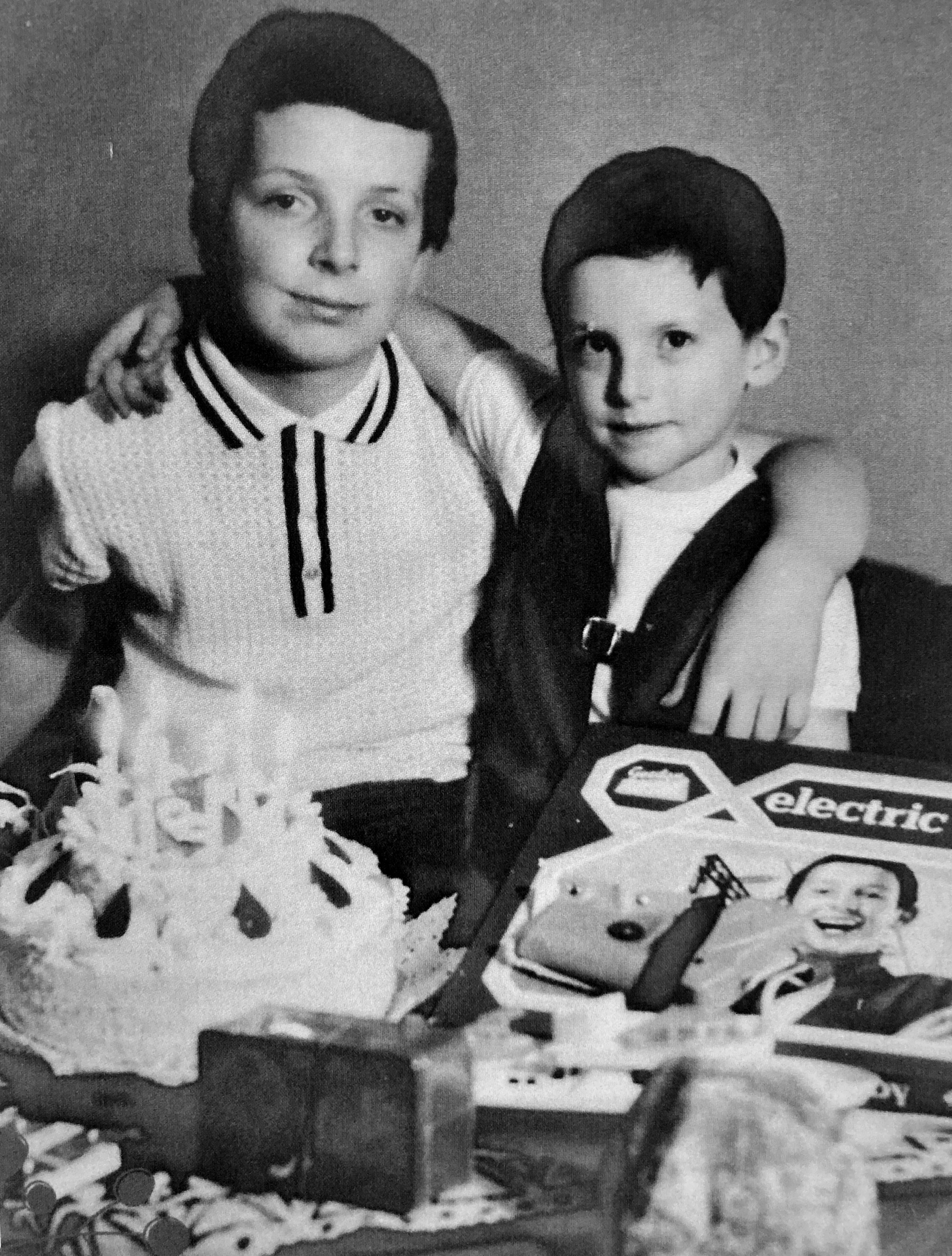
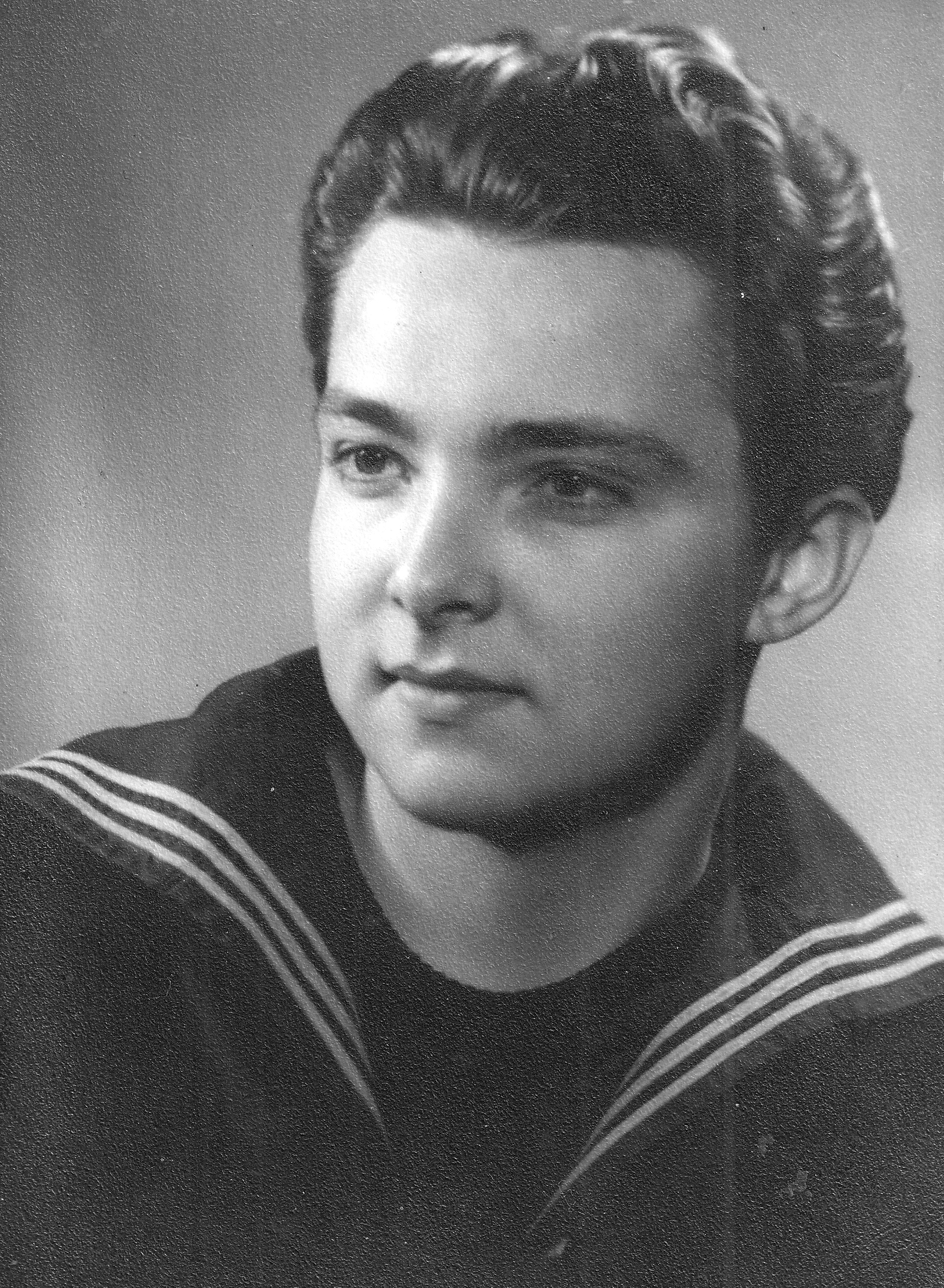
Alan Kubica, late 1960s
zdroj: archive of Alan Kubica

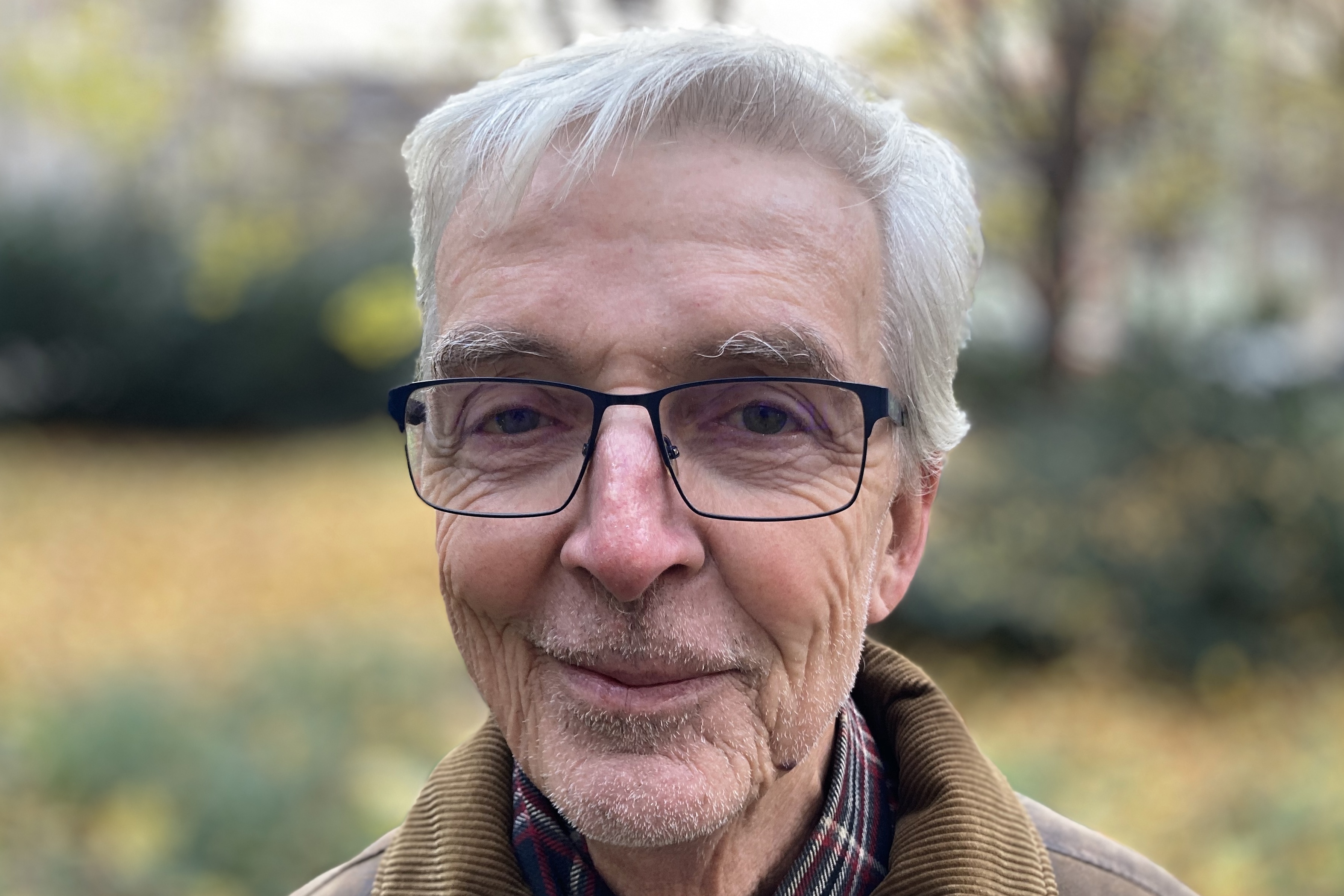
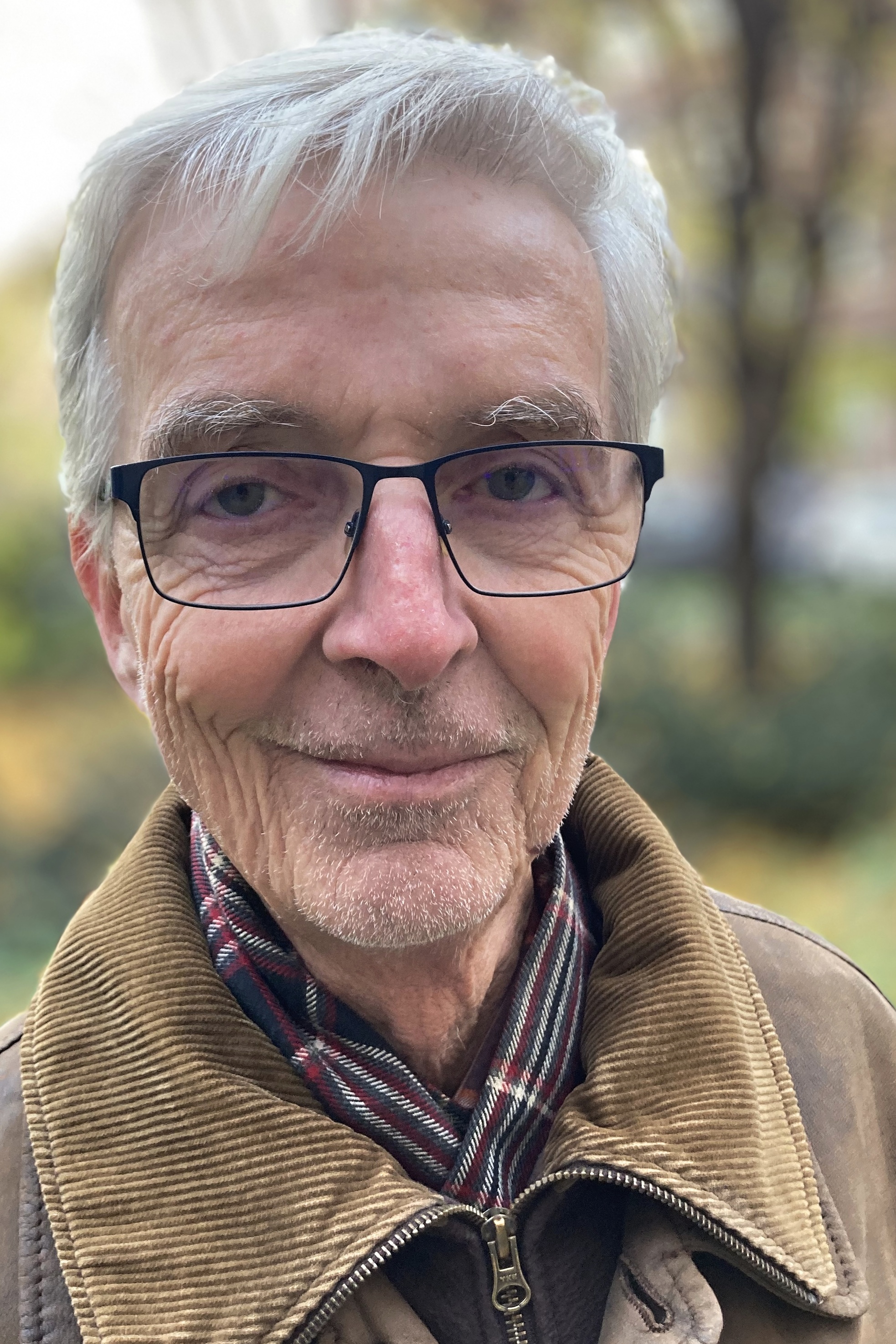
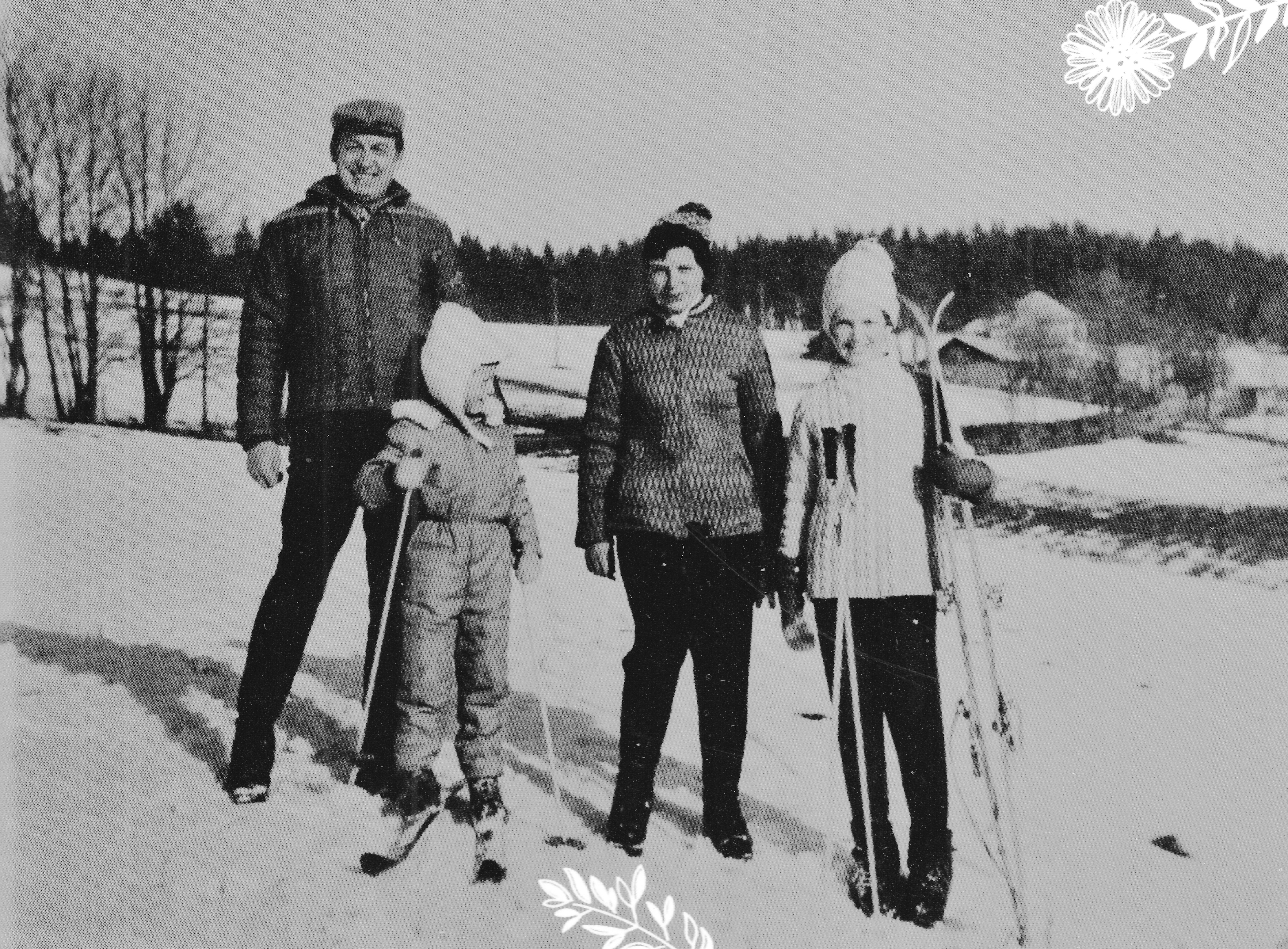
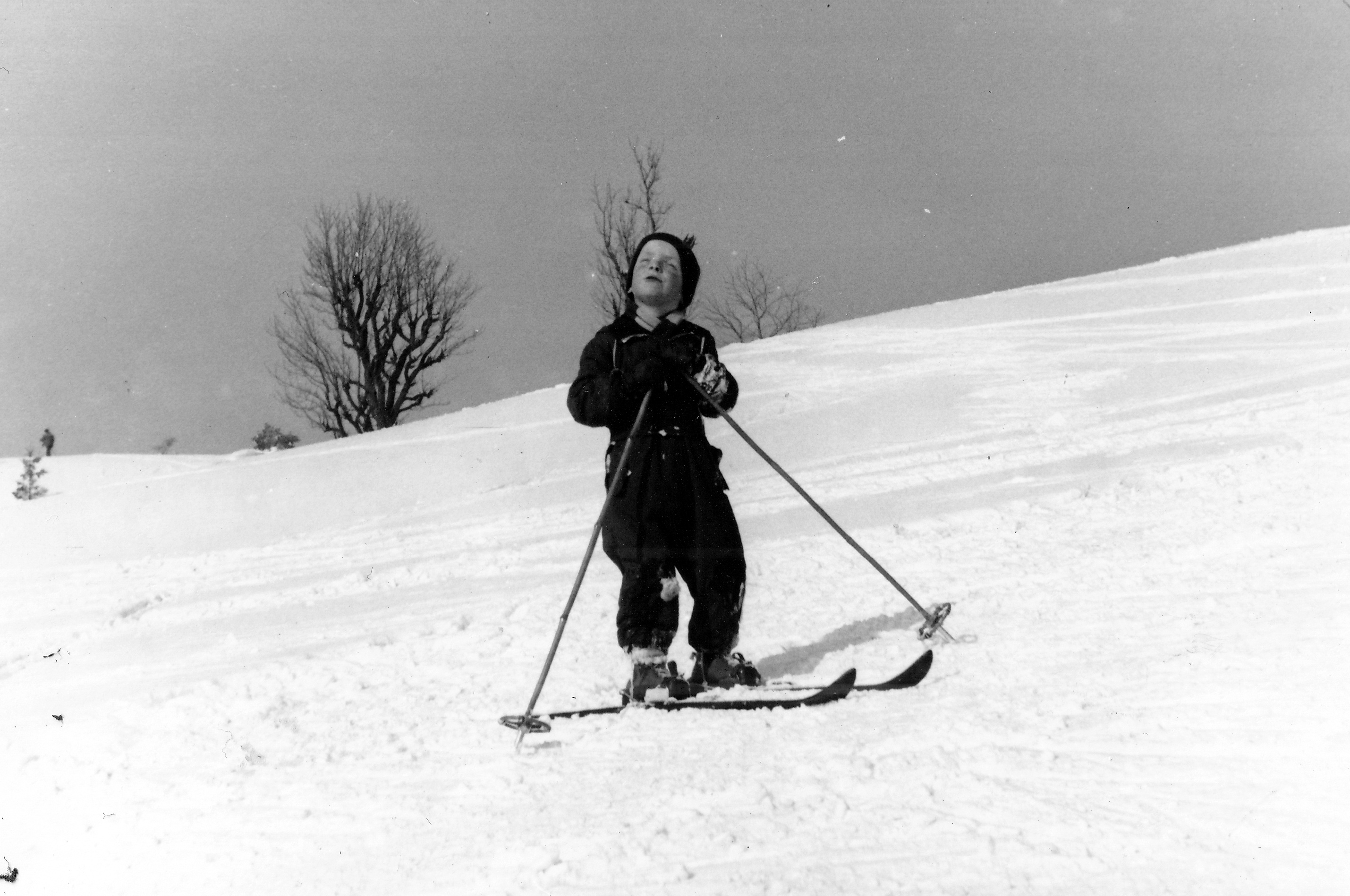
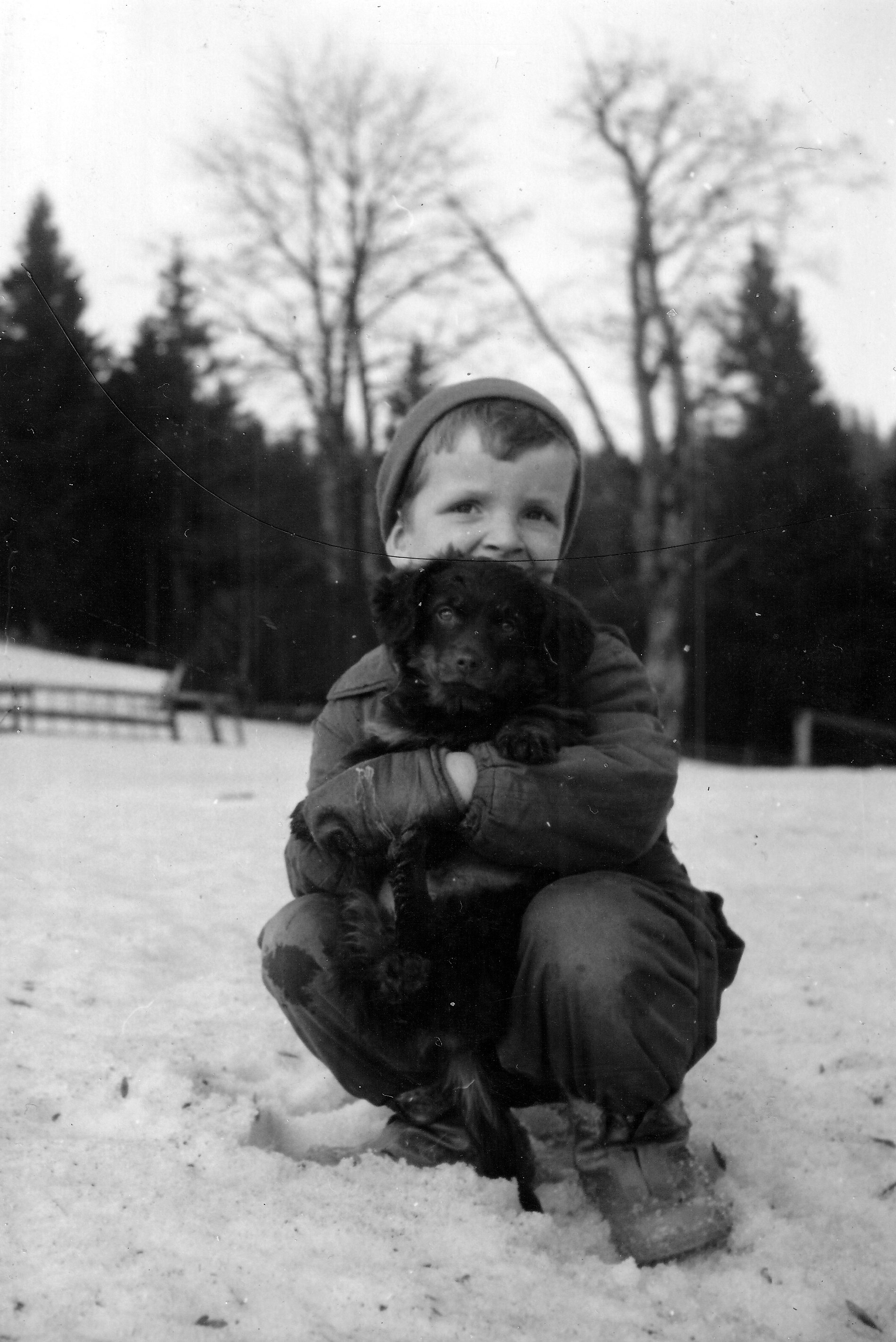
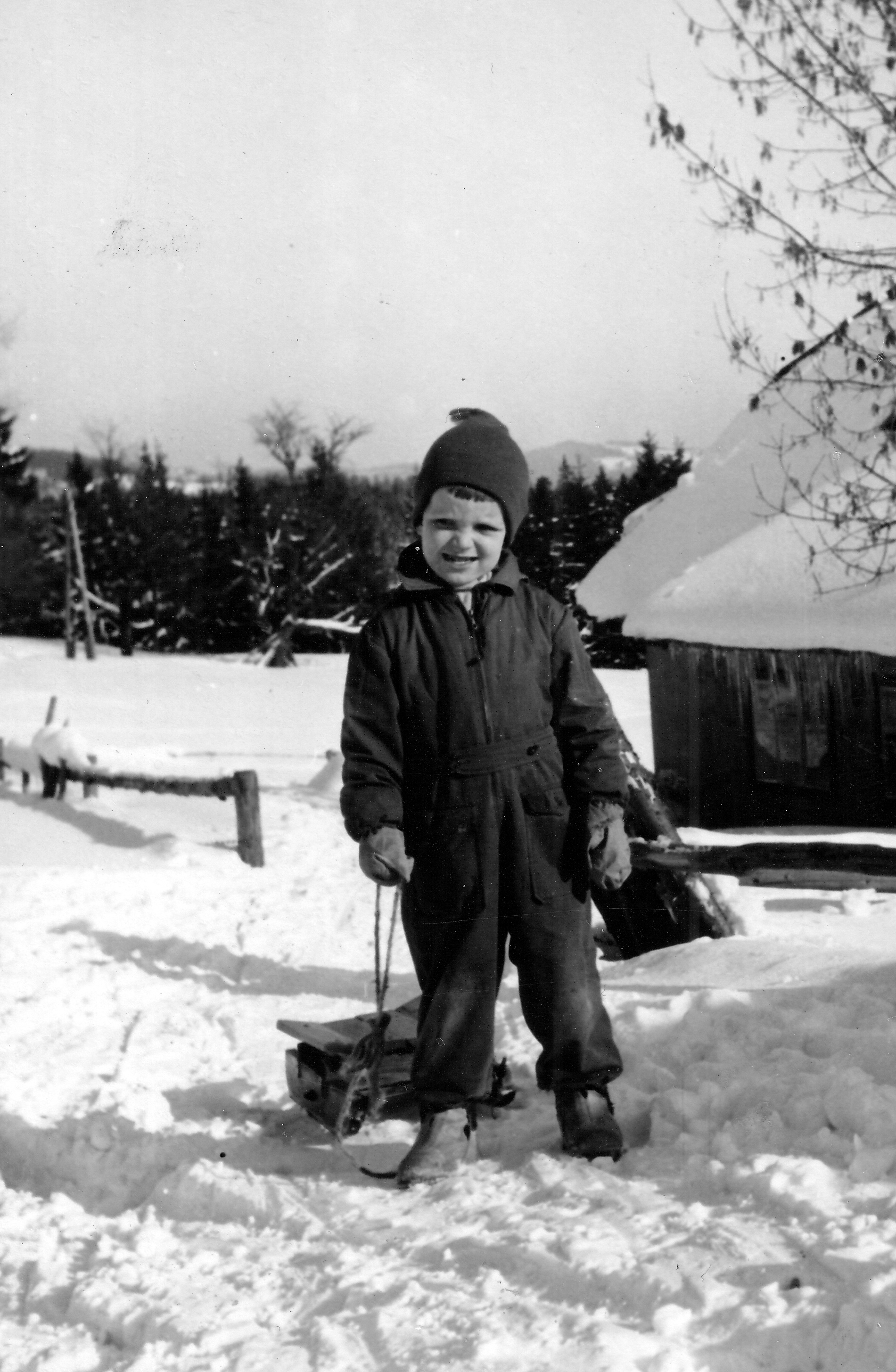
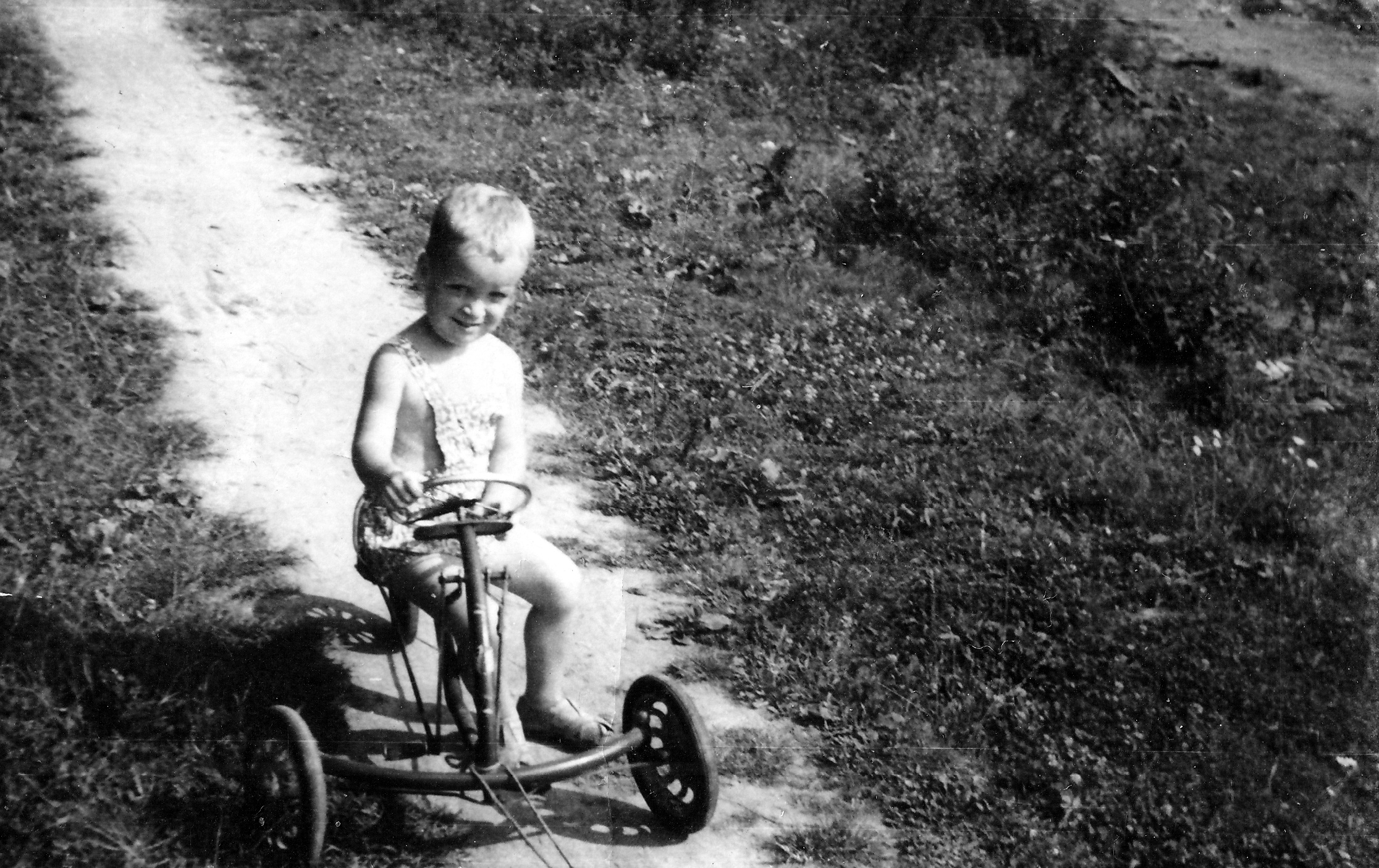
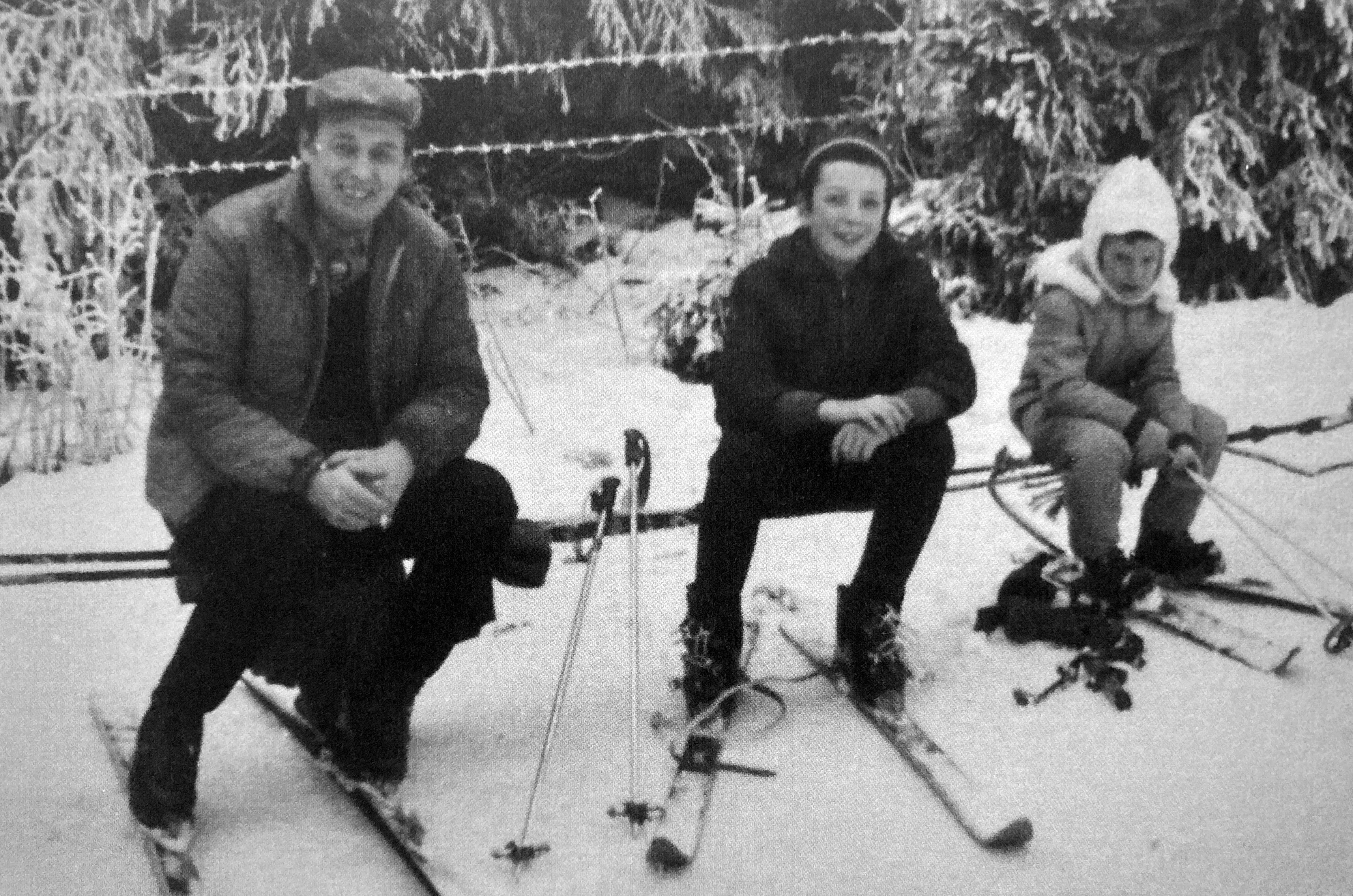
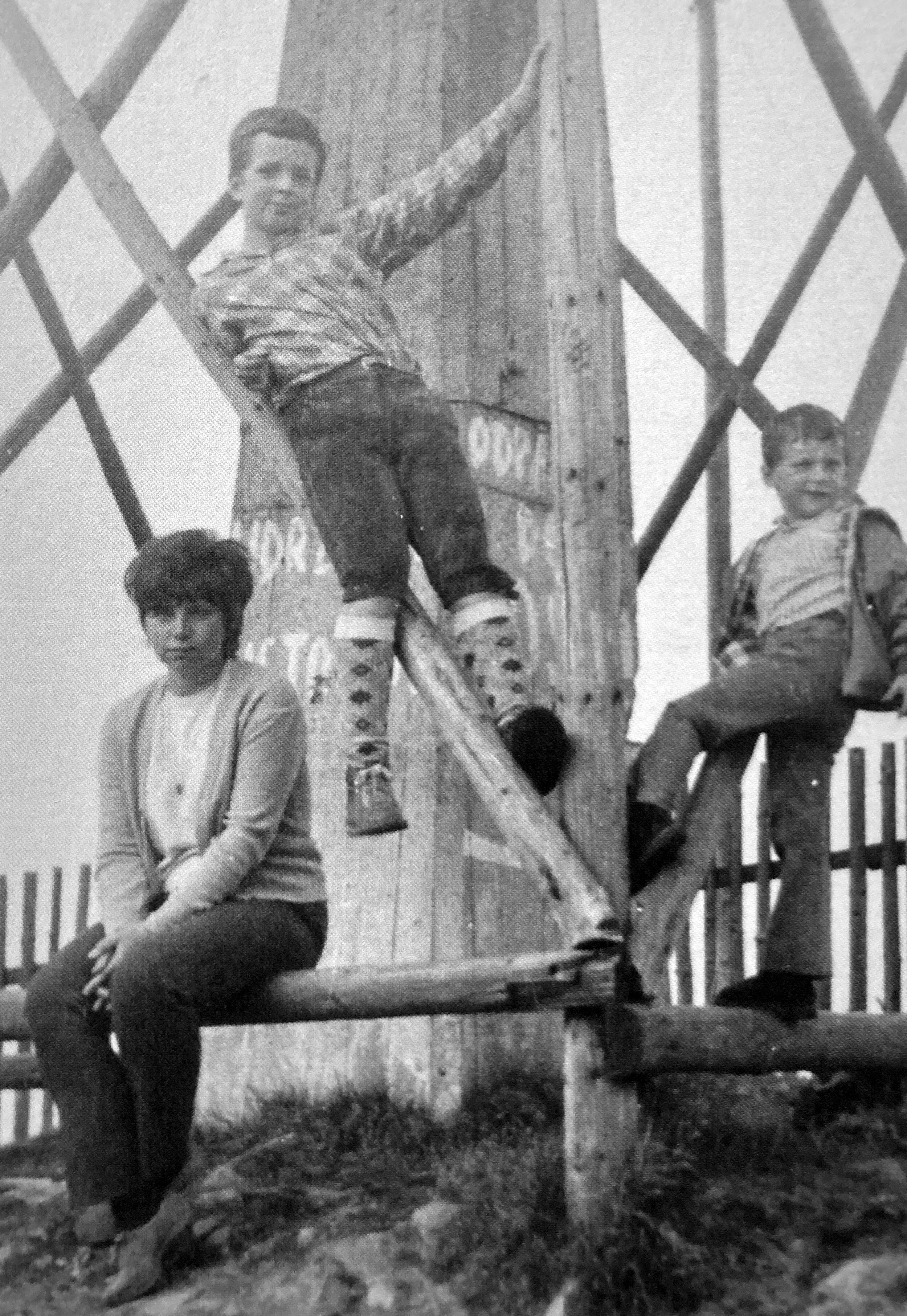
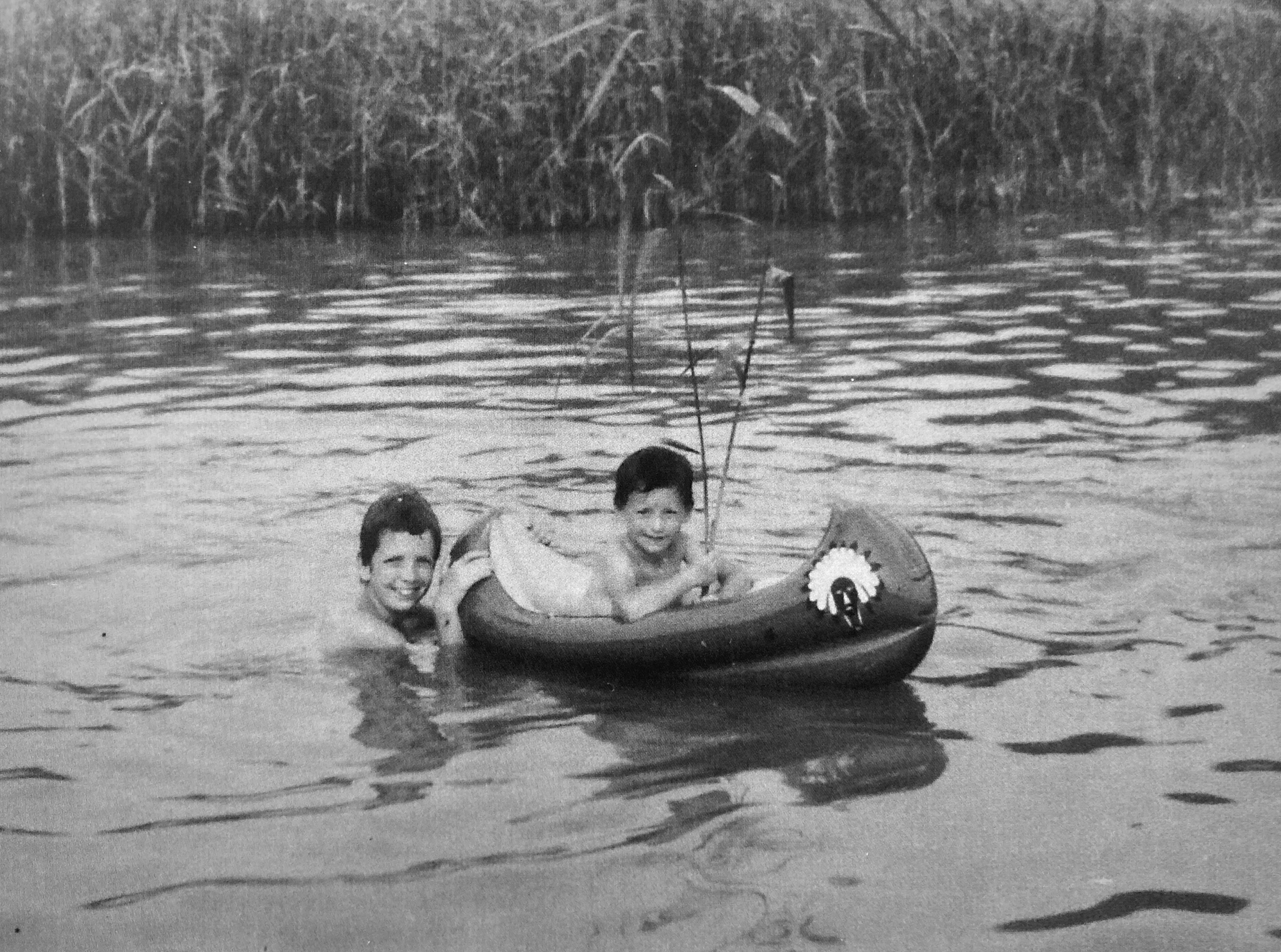
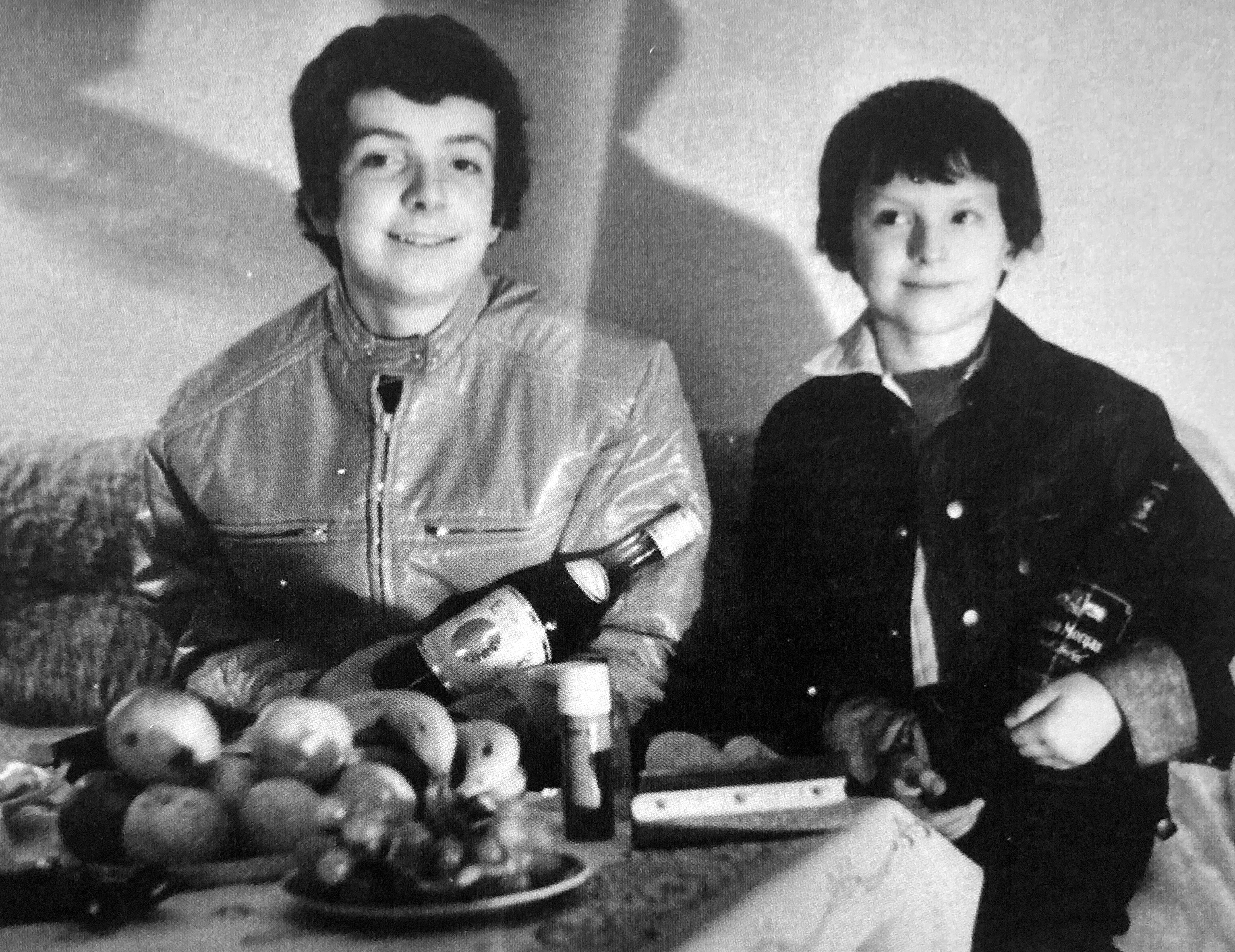
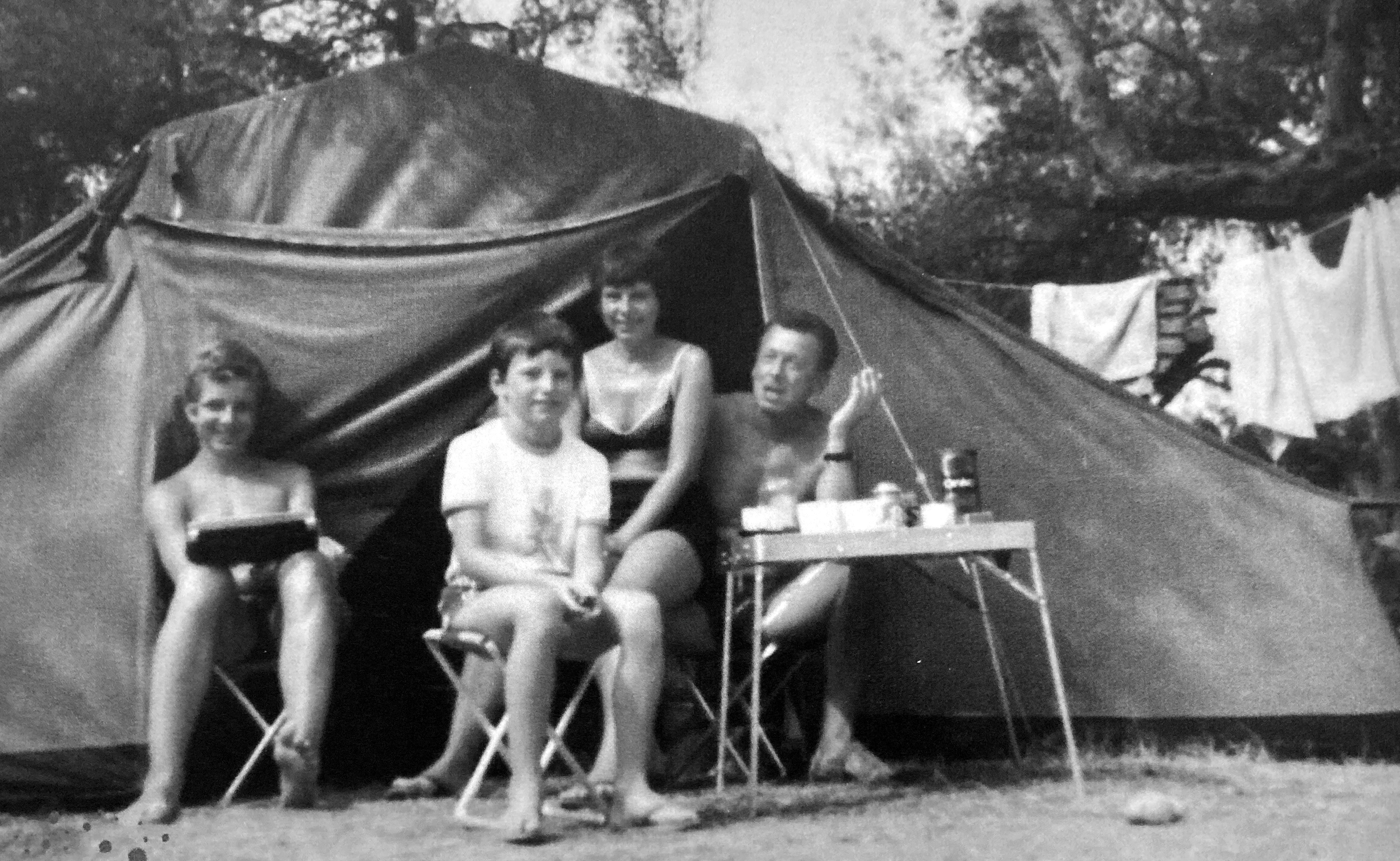
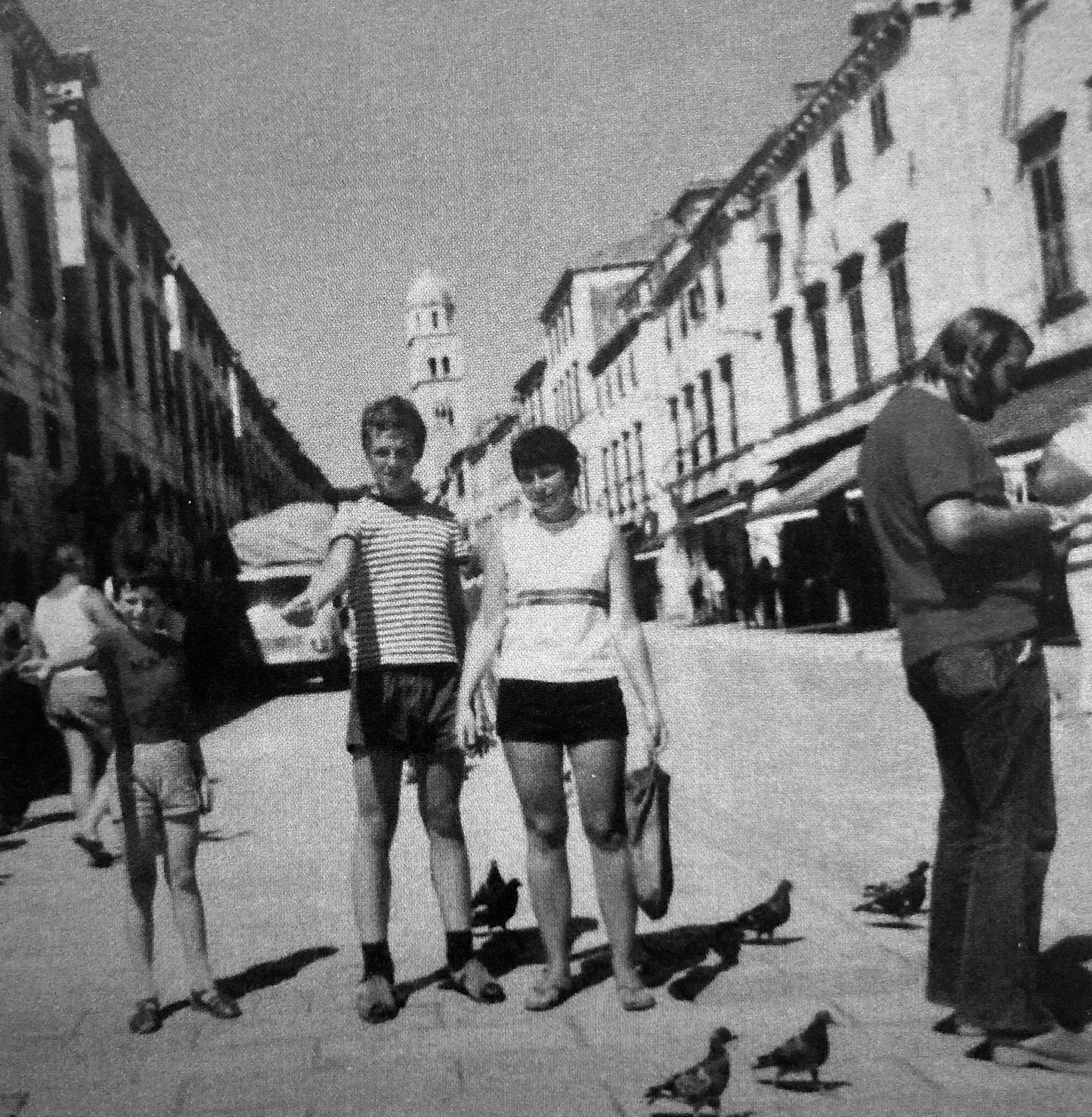
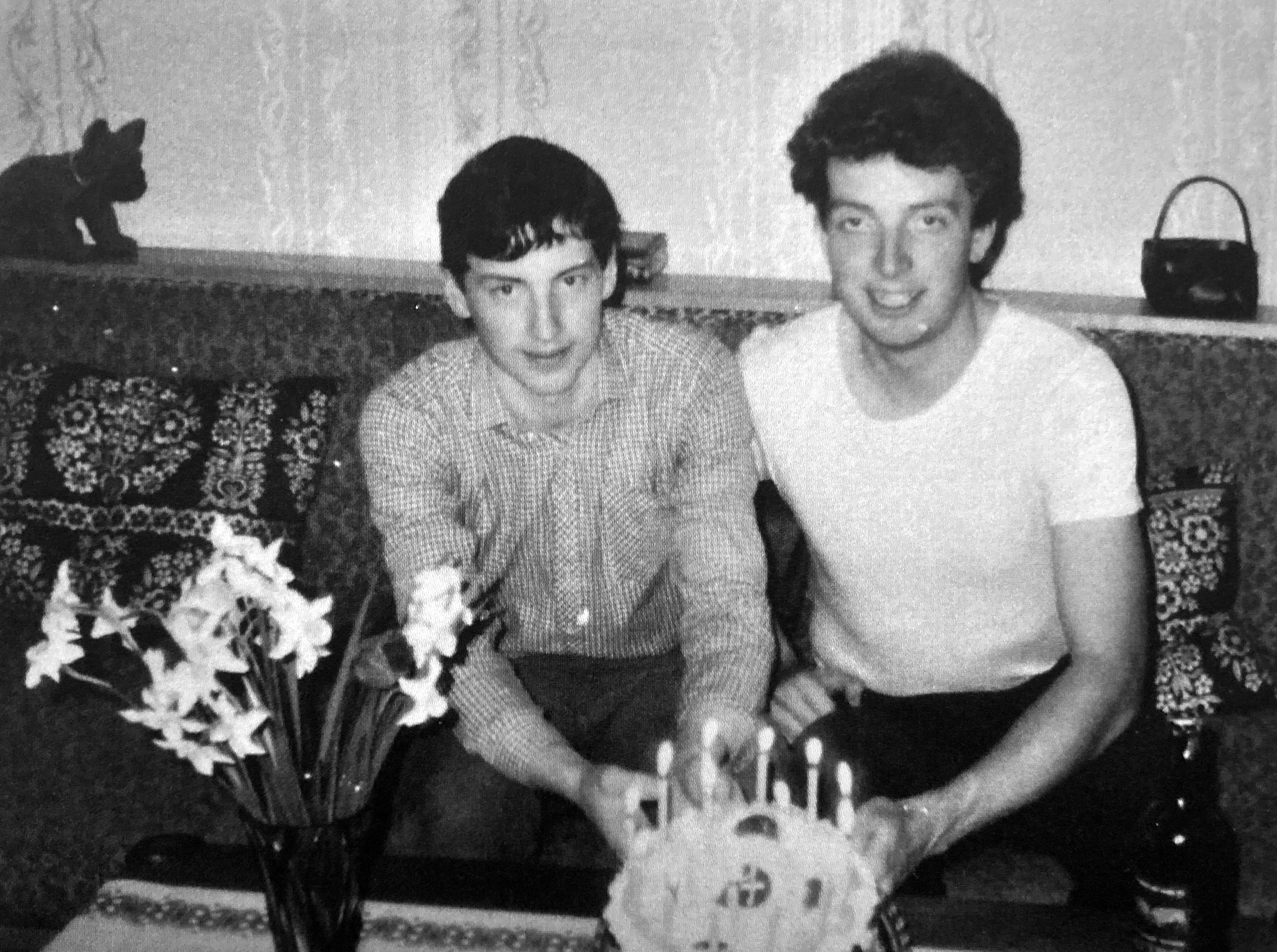
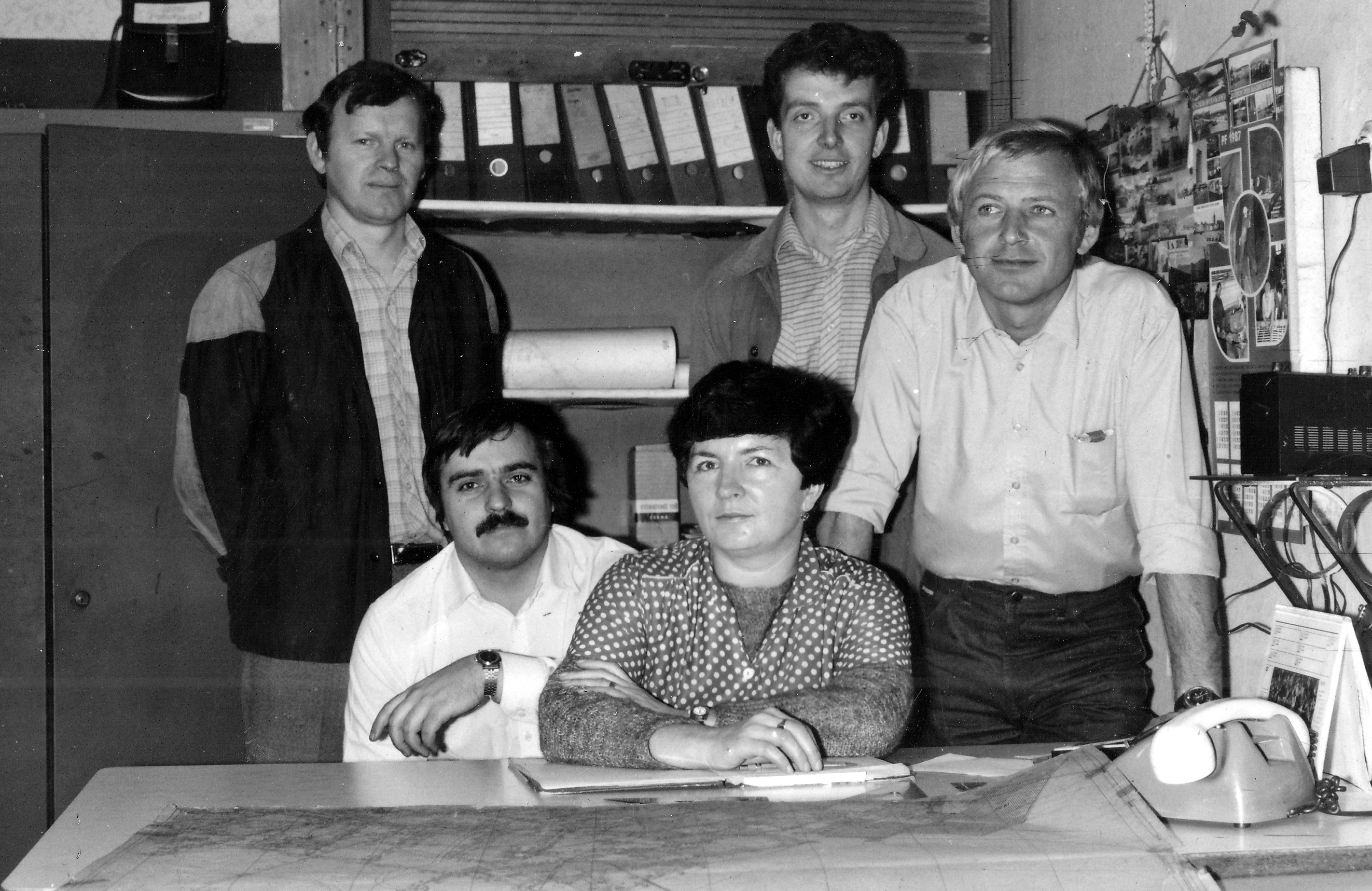
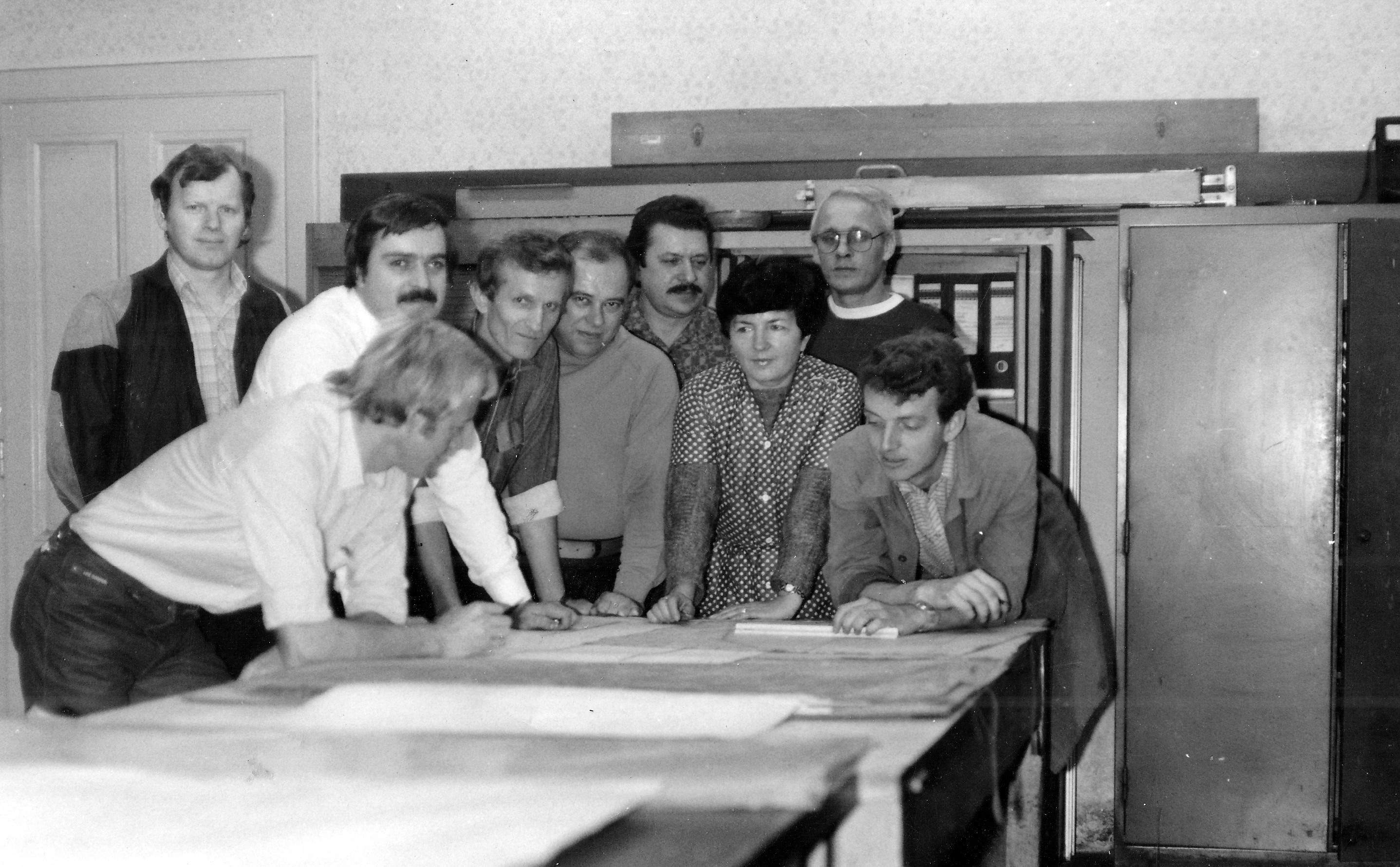
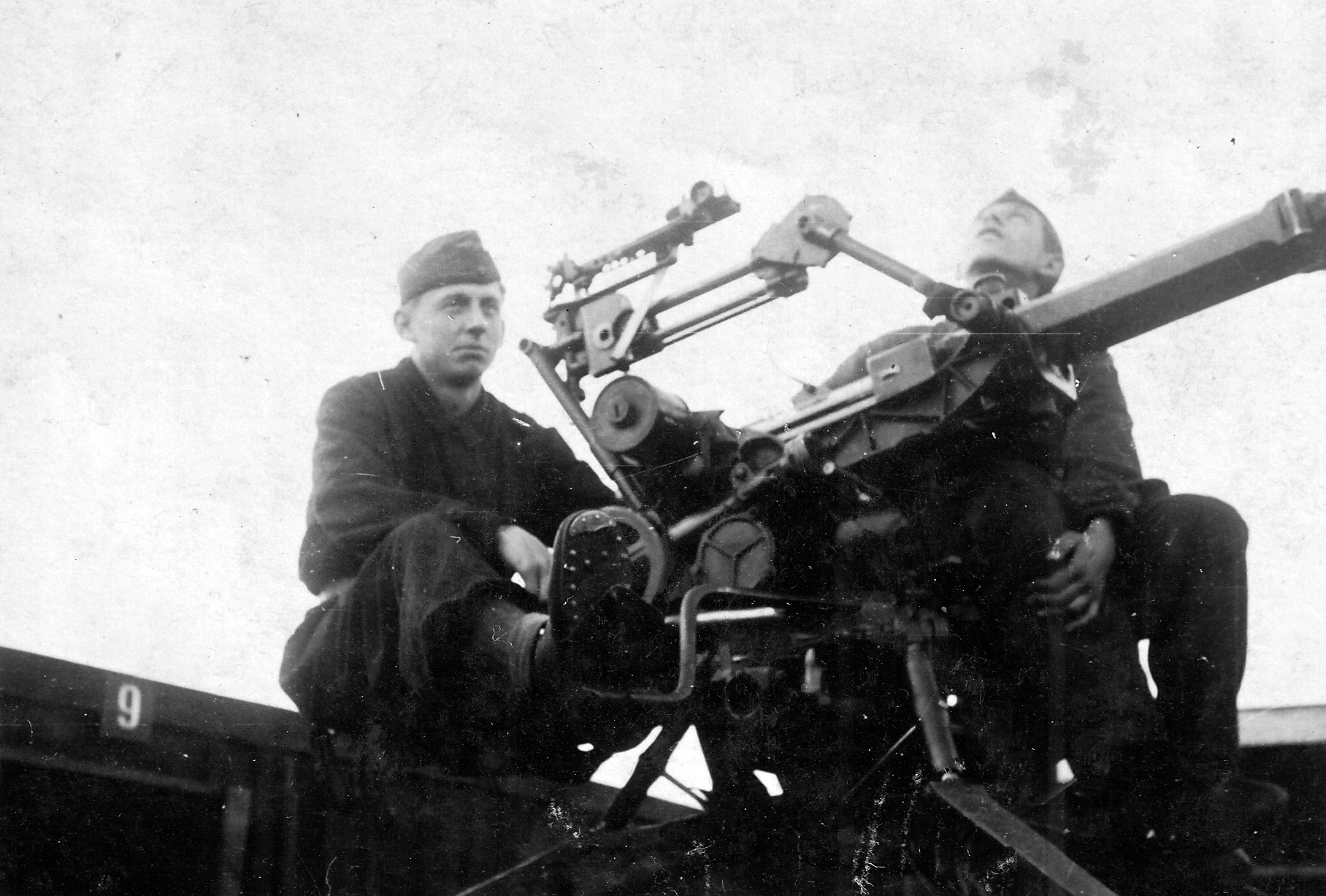
Alan Kubica was born on 28 December 1959 in the maternity hospital in Ostrava Zábřeh into the family of Alan Kubica and Marie Kubicová. The father came from Koblov on the left bank of the Oder River, which after Munich fell to the German Reich and the inhabitants became German citizens. At the age of four, Alan Kubica‘s mother died and his father sent his son from Ostrava to spend a year in the Beskydy Mountains. Upon his return, Alan Kubica grew up in an industrial mining town. He graduated from the grammar school in Bohumín and was accepted to study mining surveying at the Mining University. He temporarily worked in ironworks, slaughterhouses and a chemical plant as a student. He went underground for the first time in 1979. After basic military service he started working at Zárubek Mine. He followed the conditions in the socialist mining industry and after November 1989 he witnessed the closure and privatisation of shafts. In the spring of 1990 a fire destroyed the Zárubek Mine and it was closed. Alan Kubica retired from mining in 1994. In 2025 he was living in Ostrava.