Emília Kreuzerová

* 1947

  • "I remember when they were persuading... There was a gentleman living below us who was not yet in the cooperative farm, so they came to persuade him. But here again, they were forcibly evicting people to somewhere in the borderlands - from beautiful housing to some bad housing, so that didn't happen here, in Slovakia, I don't remember. Only those below us still didn't want to go to the coopertive farm, even though there was already the farm. They had two sons who were studying at agricultural school, because they were counting on taking over their parents' fields and property. So they were taken out of that school and had to go to work in the mines. But it wasn't that they worked there for free or were punished, they just didn't let them finish that school. In the end, they went to the cooperative farm anyway, because there was nothing else for them, but otherwise, no, no, no, such bad things didn't happen here."

  • "We lived in it, we were used to it, it didn't seem strange to us. I personally was never restricted because in that village... Well, we were restricted by the fact that when my parents grew a pig, we had to hand over seven kilos of lard. So that was the kind of regime that was set up, that they were trying to make them self-sufficient, so that again those people in that town... It didn't go to somewhere exotic, it stayed in that republic, but again it was for those town people who couldn't grow it to have it at home as well, so it was given away like that. Then it went back to us, of course, because if the lard was seven kilos, it wasn't for nothing. I don't even know if my mother got any money for it, but I guess not."

  • "I wasn't scared at all, because when you don't experience something like this and you're young, you kind of don't admit it. I thought, 'Why would they take him away from me?' I don't even know where they would take him when they were all here and we were the Warsaw Pact. So common sense tells you, 'Where could they take him, how could we possibly defend ourselves against such superiority? You absolutely have no chance.' I wasn't afraid, I really wasn't. I believed that everything would turn out well, and that's the best thing. To think of the better rather than the worse."

  • Celé nahrávky
  • 1

    Předslav, 04.12.2024

    (audio)
    délka: 01:22:07
    nahrávka pořízena v rámci projektu The Stories of Our Neigbours
Celé nahrávky jsou k dispozici pouze pro přihlášené uživatele.

On the twenty-first of August, I thought there was a play on the radio
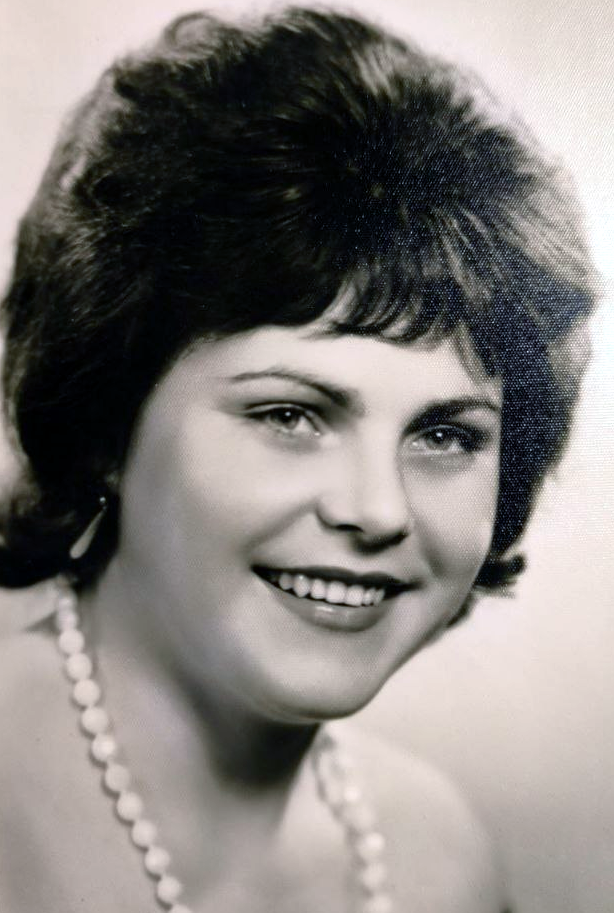
Emilia Kreuzerová, 1965
zdroj: Witness´s archive

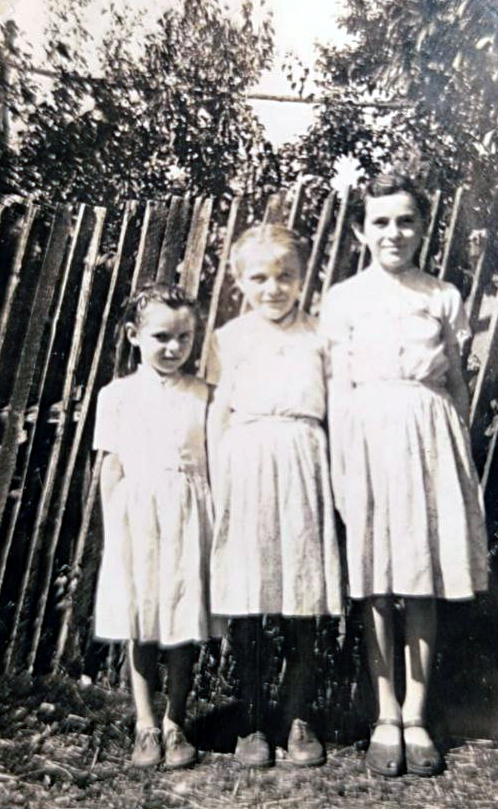
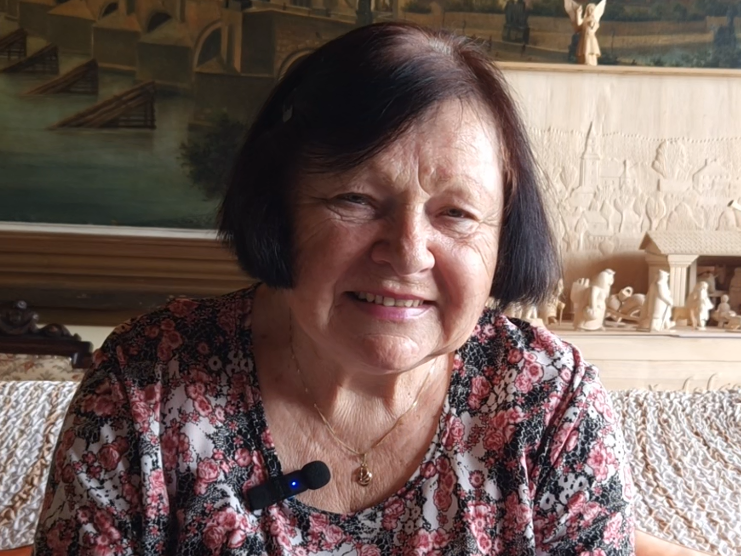
Emília Kreuzerová, née Figurová, was born on 1 April 1947 in the village of Dvorníky in the Trnava region of western Slovakia. She grew up in a large family, with her parents running a small farm. As there were not many jobs to choose from in Slovakia, the witness, together with her older sister, went to Bohemia. They found jobs in a textile factory in Železný Brod, where they both worked for three years. The older sister eventually returned to Slovakia, but Emília Kreuzerová found a man in Bohemia, whom she married in 1966. They began working for the Škoda Plzeň plant, where they both experienced the occupation by Warsaw Pact troops in 1968. In 1969, their twin sons Jaroslav and Miloslav were born. They lived a peaceful life in the Pilsen region. She was not involved in political events. She never permanently returned to her native Slovakia, but she was not happy about the division of the country in 1993. In 2024 she was living in Předslav.