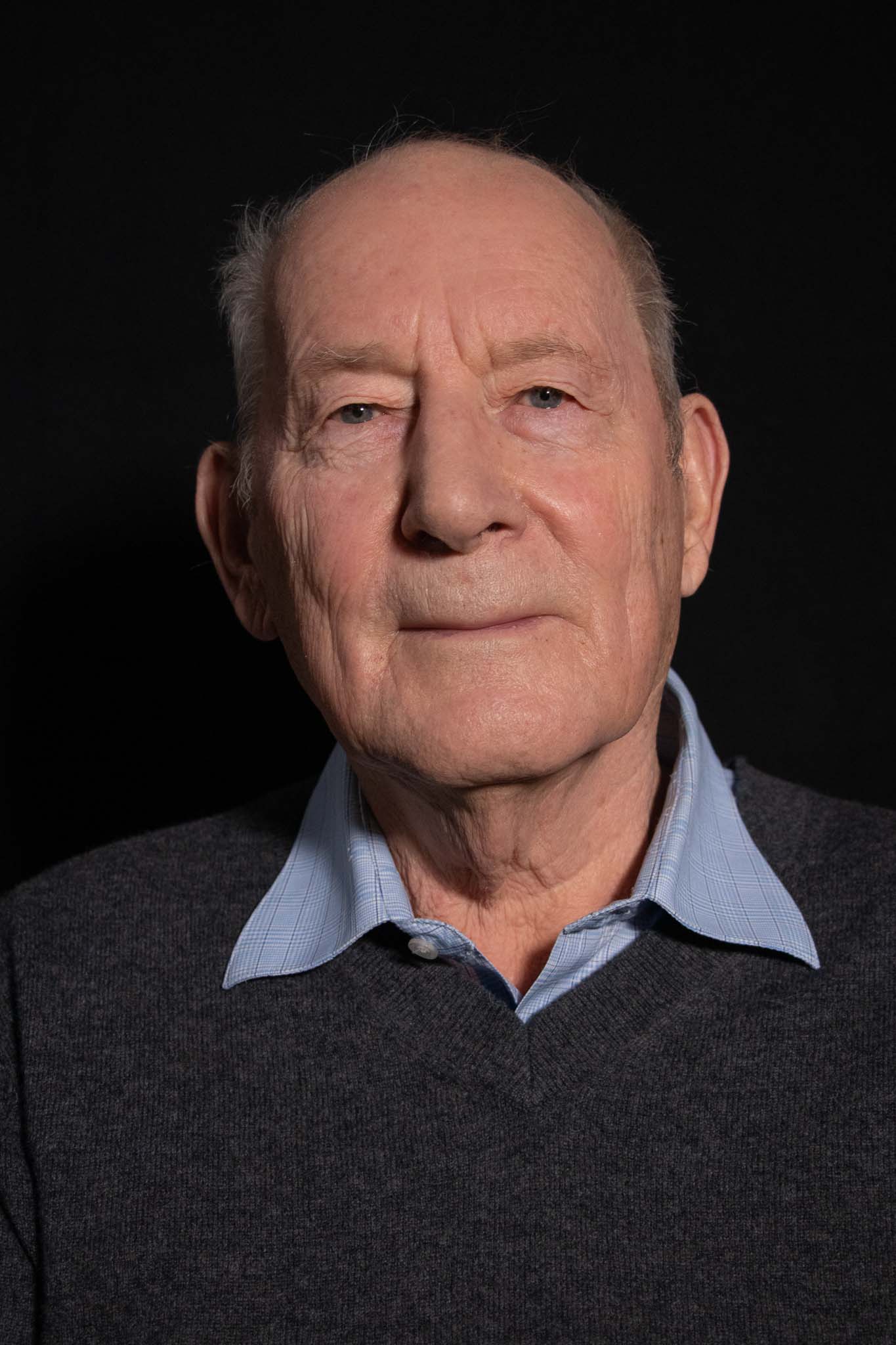
RNDr. Jan Král

* 1938

  • "And so he wanted to know, when the veins like broke through, if there was any redness there. So he sent me in with the 'geiger-müller'. There wasn't a normal cage going down there yet, there was a kind of a shackle going down there, it was like a bucket, so you'd get into the bucket, there was mostly water in there, but luckily it didn't go all the way through my boots. I got there and I found out that there was nobody there, they weren't going on with the work, and I suddenly realized that the fans weren't going either, so basically there was no air exchange. But I felt young, strong, so I went down the trench, I measured it with this Geiger counter, and all of a sudden the air stopped coming in. I was choking slowly, well, then I got up there to the shaft stack, because it was clear that if you put that blind pit in there, that long timber and rails and that stuff couldn't be transported through that initial shaft and the next one. So there was going to be a shaft chimney that would be built to accommodate those long items. So I got up there, because there was some air, I got to that embankment, rang the porter to get me out. I went out and I said to the boss: 'The power was out, I could have suffocated...!' He said, 'Well, you should have checked that.' I figured that to suffocate in there in my 20s, there was no point."

  • "They built a barricade on the edge of the bridge in front of our house. My parents assessed that it could end up very badly, and we moved to the village of Bečváry. There's a chateau there that once belonged to that General Laudon, and now the singer Koller bought it, I think, or bought it years later. It belonged to a distant friend, too. And we were hidden there, and the Germans were fleeing, and there were these... it had a garden and a tin gate with holes cut in it. So we were hiding behind that gate and we were looking through those holes to see what was going on. The Germans were running away, but then they had enough, so the locals started disarming them."

  • "My mother was half-Jew because my grandfather converted to the Catholic faith when he married my grandmother. I'll talk about her. And of course the Germans didn't acknowledge that. He had to wear a star, and he was lucky, because he divorced my grandmother - she was called Mařka - unhappily, and then he married the other lady, that Věra Svatá, the sister of Jarmila Svatá, the writer. She didn't divorce him despite pressure, so he wasn't persecuted as a pure Jew. He was arrested for basically supporting a resistance group. So he wasn't locked up in Terezín where the Jews were locked up, but he was in the so-called Small Fortress."

  • Celé nahrávky
  • 1

    Praha, 23.02.2022

    (audio)
    délka: 02:19:35
    nahrávka pořízena v rámci projektu Stories of the 20th Century TV
  • 2

    Praha, 14.06.2022

    (audio)
    délka: 02:06:28
    nahrávka pořízena v rámci projektu Stories of the 20th Century TV
Celé nahrávky jsou k dispozici pouze pro přihlášené uživatele.

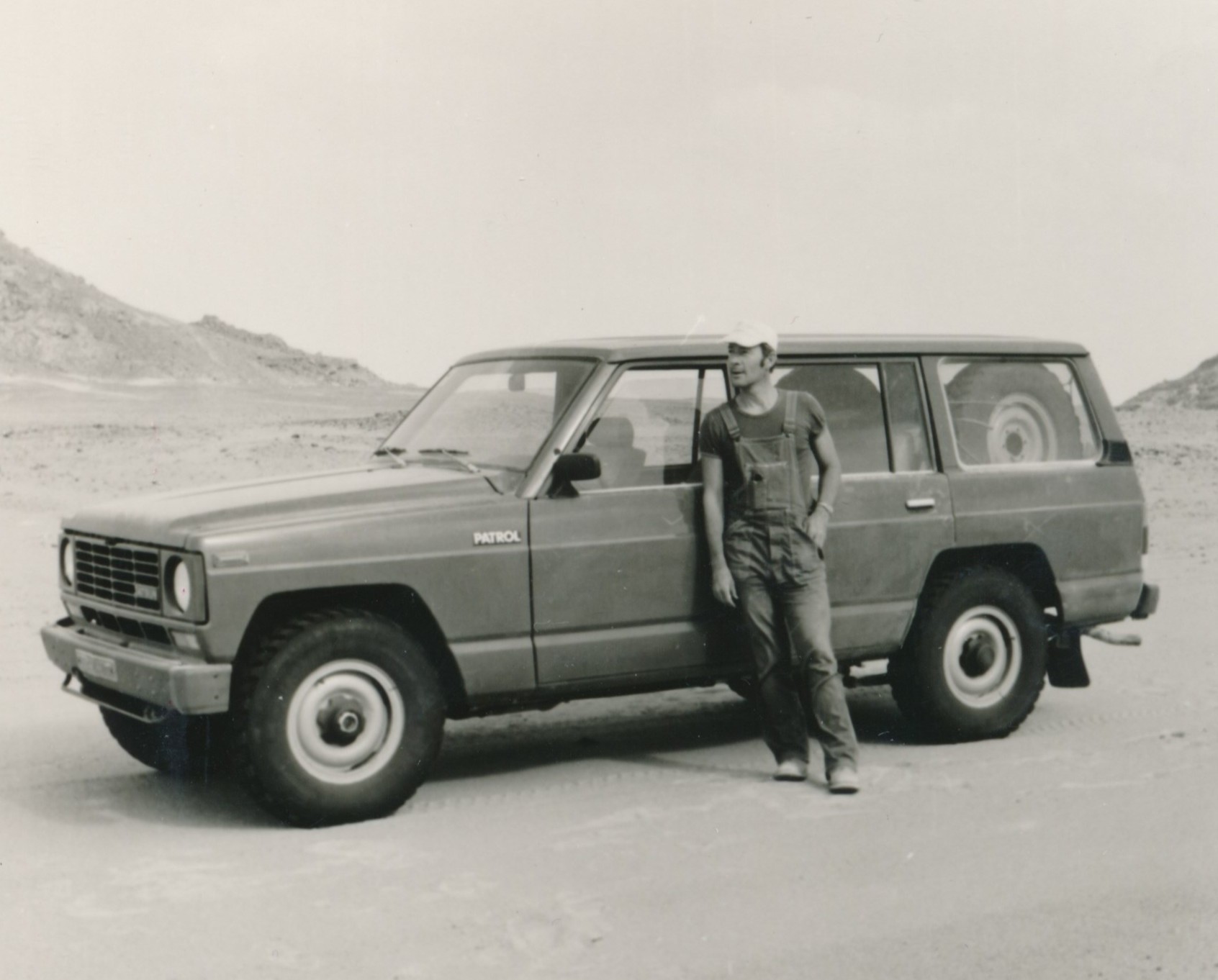
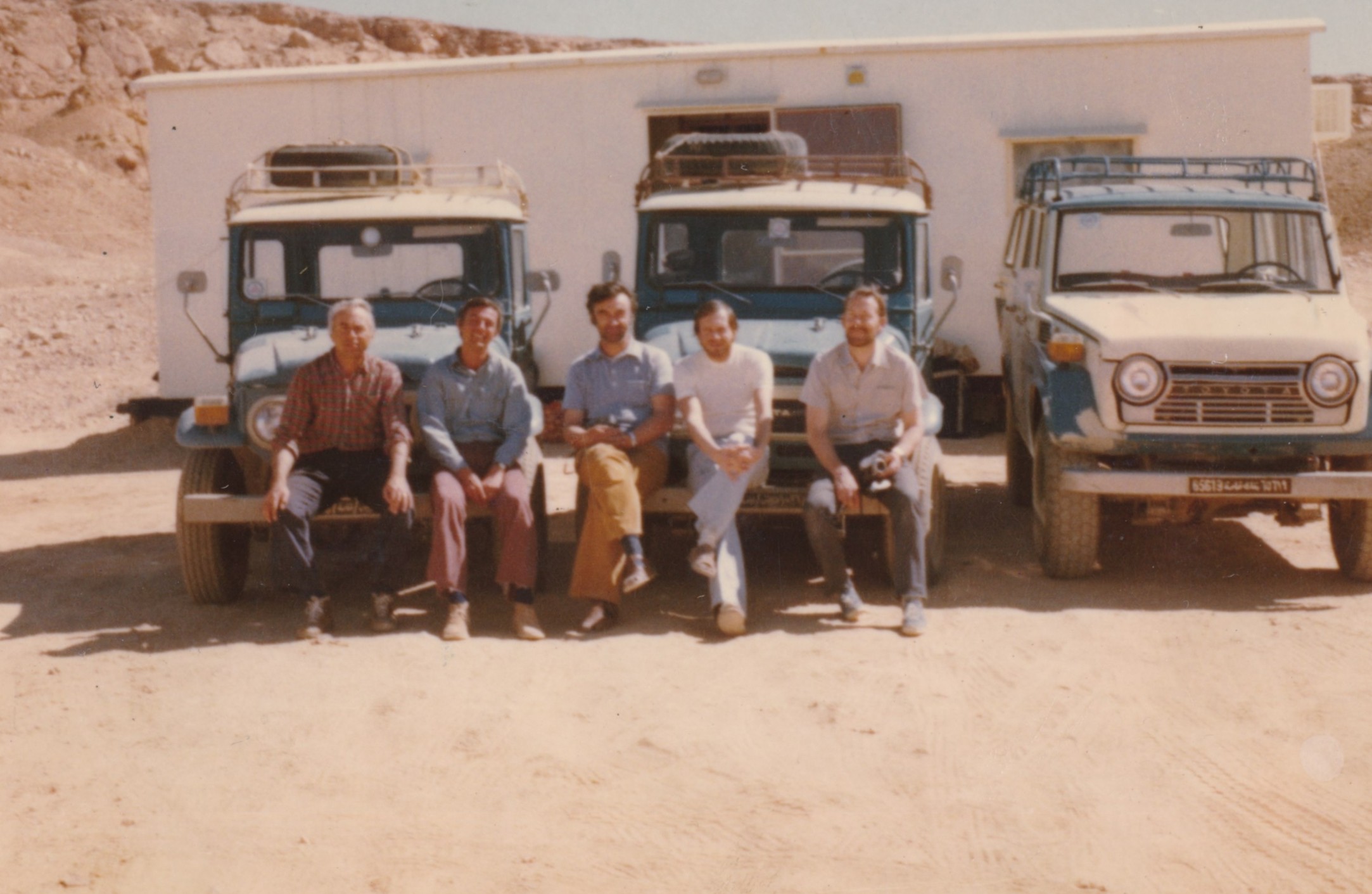
Geology had already been explored in the Czech Republic, so I went to Libya

Jan Král in Libya, 1982/1983
zdroj: Witness archive

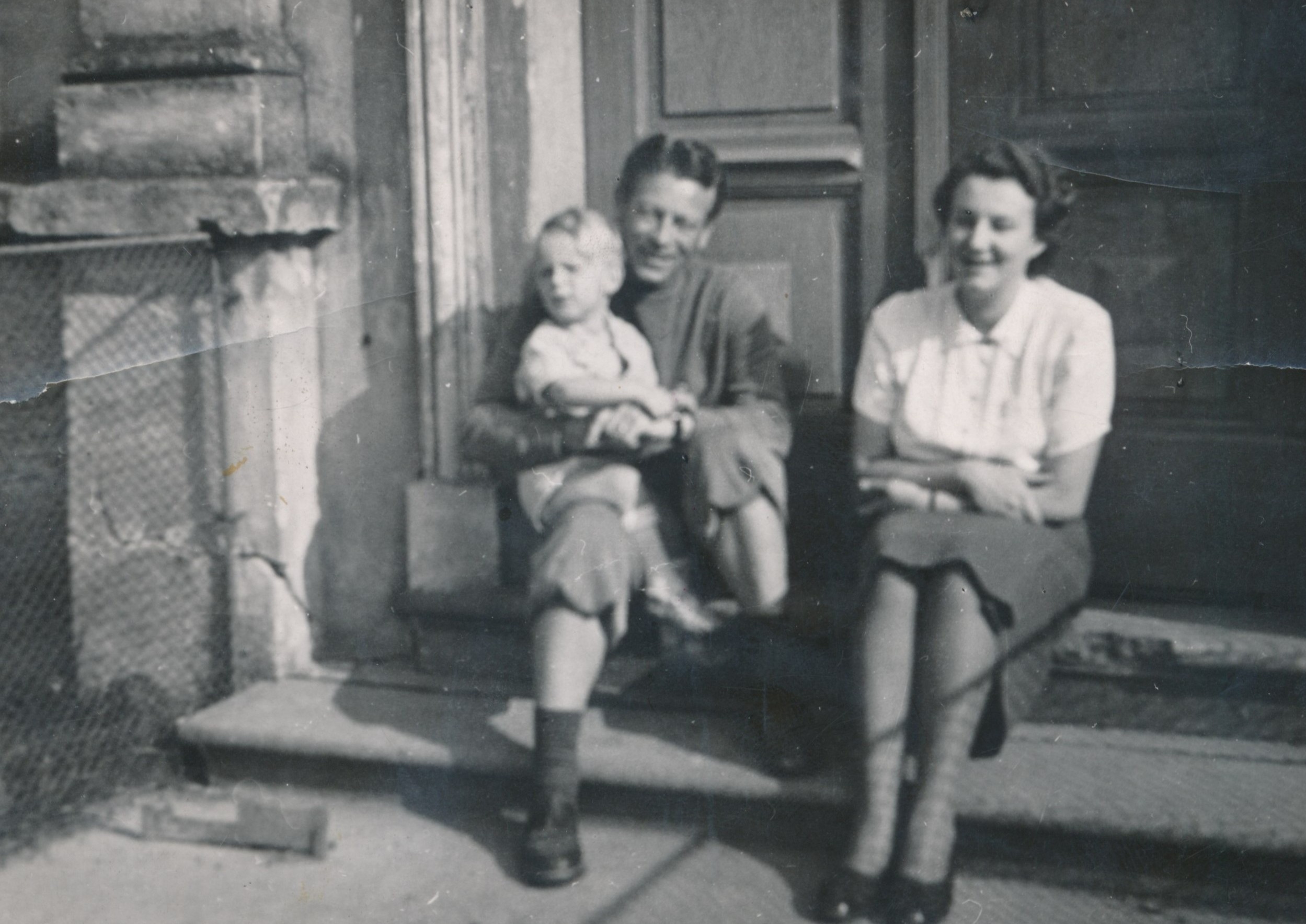
Jan Král was born on 5 August 1938 in Prague to Jindřiška and Josef Král. He spent the first year of his life on Malá Strana, Míšeňská Street, in the house U Bílého beránka. At the beginning of the war, the family moved to Sedlov (now part of Ratboř) in the Kolín region. During the war, his grandfather was arrested for unspecified support of the resistance. He survived the Terezín Small Fortress and the Mauthausen concentration camp. The Král family survived most of the war in Kolín, where they also experienced bombing. In 1949, the family moved to Barochov in the Benešov region. After elementary school, the witness graduated from the Geological Industrial High School in Prague. He graduated in 1957 and then joined the Jáchymov mines in Příbram as a mine operator in the geophysics department. From 1960 he worked at the Czechoslovak Academy of Sciences (CSAV) as a technician. During the invasion of the Warsaw Pact troops he participated in the XXIII International Geological Congress in Prague. After 1968 he started working at the Prague Project Institute, where he worked as a technician for exploration work. He participated in two geological expeditions to Libya. From 1986 he worked at the Project Institute of Transport and Engineering Construction. After the Velvet Revolution, he founded an exploration and consulting firm in 1993. He was also involved in the establishment of the Czechoslovak Association of Engineering Geologists (now the Czech Association). He taught at the Czech Agricultural University and the Faculty of Science of Charles University. In 2022 he lived in Prague.