"Maybe somebody in my position could have done more, from that point of view, it might have been wasted time for the company. But for me personally, no, it wasn't. I understood what I could do, what I couldn't, I understood a lot of things about the world and about life, and most importantly I understood the bottom line, that I really wasn't the savior, that I wasn't up to it. I understood where not to dig, I would put it that way. Otherwise, I would still - I had the feeling up until I became an MP and then a deputy minister that there was a world of open, unlimited possibilities in front of me, that I had it all. Then I found out that no, there are some things that you just don't have. And it's not that I can't come up with a bill, but I'm not the one who can negotiate it with other people in a reasonable way. I just have my limits, and I didn't know that before, and now I do. And if it weren't for the politics, I might not have found that out, and I'd still be sticking my nose somewhere else."
"At that time I had already arranged a position as a researcher at the Museum of Czech Music. I specialized in Czech baroque music, I had been working there for about two or three years, organizing some archives and so on. I did my thesis there. Well, so I went to the museum management after the state examinations, that I could start, that I had passed the state examination. They said, 'Yes, you'll have to talk to the personnel staff about it. And he's not there right now.' I guess he was on vacation, then he was sick, then he was on vacation again, then somehow it didn't work out, then it went on all summer, somehow it didn't work out, until they invited me in early September to sign the contract. Well, I have to say that the contract was not for the position of researcher at the Museum of Czech Music. It was for a work agreement to clean up fallen leaves in front of the Dvořák Museum here in Kateřinská, for two months, October and November. Well, that was the end of my scientific career, and I should note in passing that I was one of the few truly unemployed at the time."
"When we were looking for a motto for the wedding announcement, I really liked the phrase: 'Help, Lord, the number of good ones is decreasing,' which is a translation that you don't normally read anywhere, I don't even know who did it, whether it was Renč's or whose, I don't know, I never met him again. But we chose the original Latin version: 'Salva, Domine, num deficiunt iusti.' Well, we were aware that our announcement was a bit, let's say a lot, religious in nature, so we took care about who we sent it to and who we didn't send it to, so that someone wouldn't accidentally misuse it. Yet someone did misuse it. So a letter of complaint came to the Faculty of Arts. Signed by twenty-five workers from ČKD diesel engines factory, I think it was. Twenty-five illegible signatures and the stamp of the trade union, how does the Faculty of Arts educate students when they have a wedding in a church. I'll make it short. In the disciplinary proceedings, the vice-dean, by the way, Angelis was his name - that's the funny detail of it - took the liberty of translating the text: 'Help, Lord, for justice is lacking in this state.' Well, iusti - iusticia... it was simple. On the basis of that, they wanted to expell us at first, and I even know that perhaps the subject was discussed at the Central Committee of the Communist Party of Czechoslovakia, that it was to be used as a settling of scores between certain groups, with the result that one department of classical philology and one department of musicology were to be abolished as unnecessary. Dr. Mužíková, a great communist, who was in charge of the department together with her husband, also a great communist, but she was bigger, she fought like a lion. Then there were some other behind-the-scenes activities that I only know about from hearsay. Like Professor Sommer interceded on our behalf, and so on, who had a good reputation at the Communist Party Central Committee because he used to compose propaganda pieces of music. And it turned out that nothing came of the expulsion, we were only reprimanded. Of course, Markéta lost her scholarship, she was supposed to go to Thessaloniki for six weeks to study New Greek, so they cancelled it immediately, and I was waiting to see what would happen next, how my life would change after this event. Well, it did..."
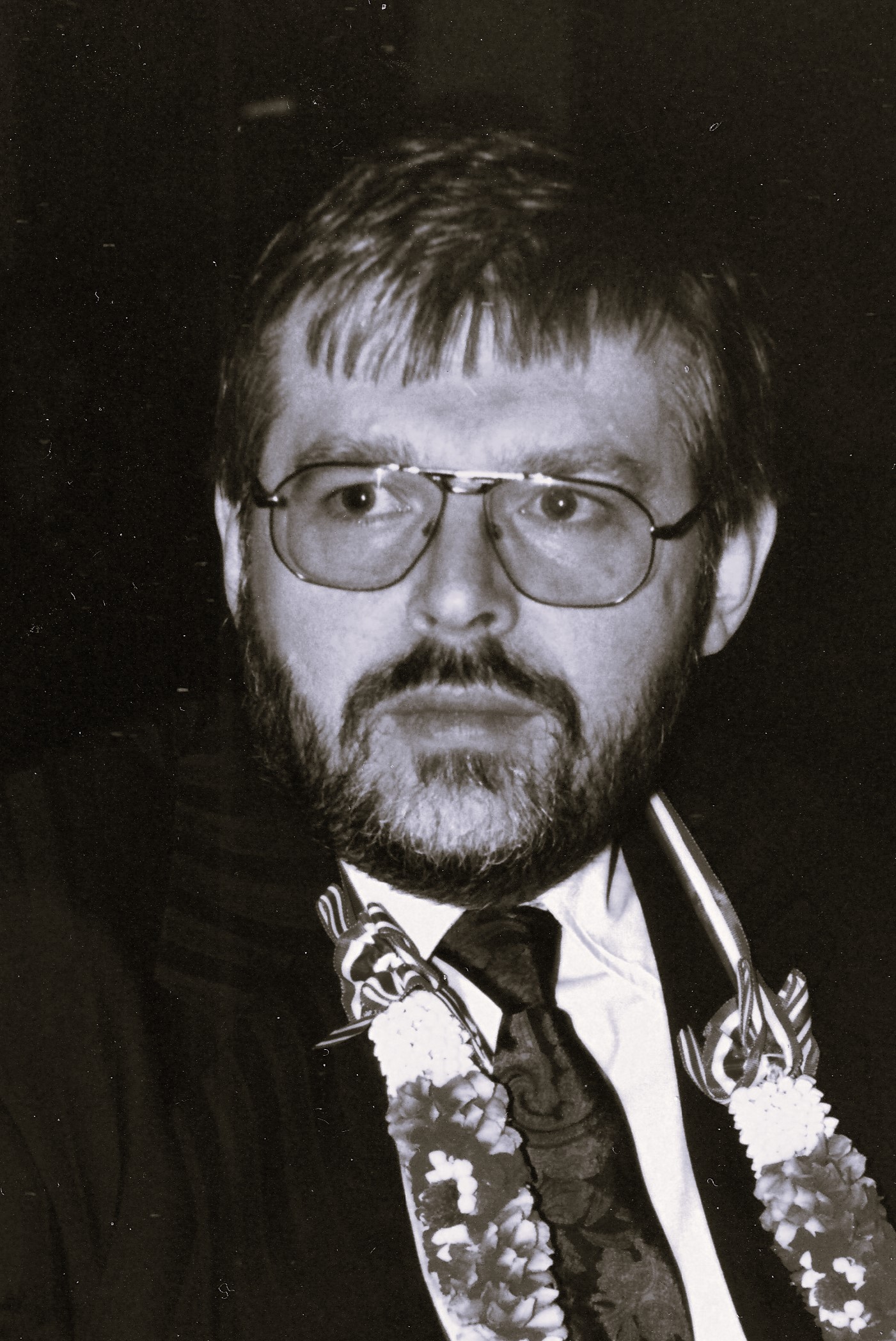
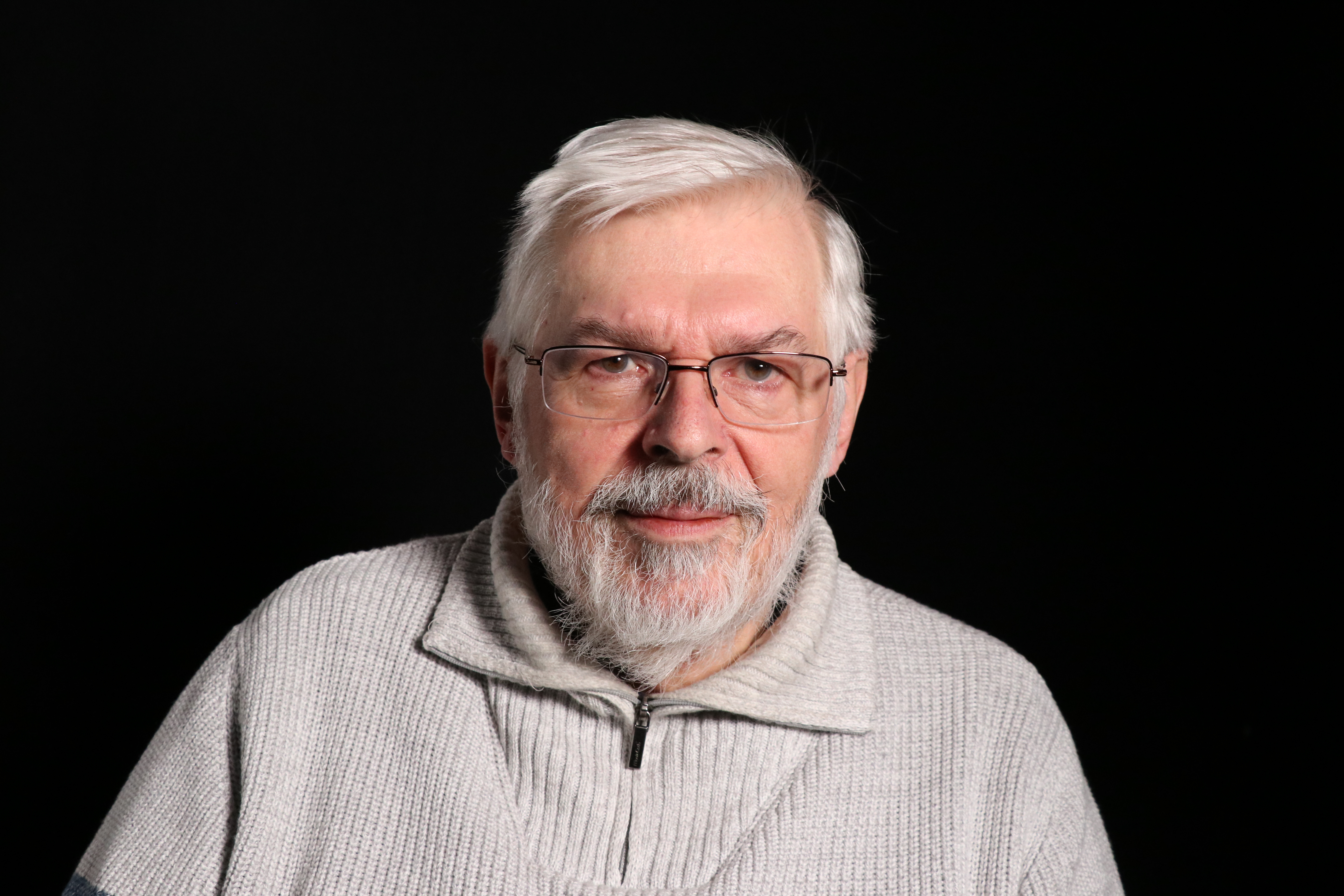
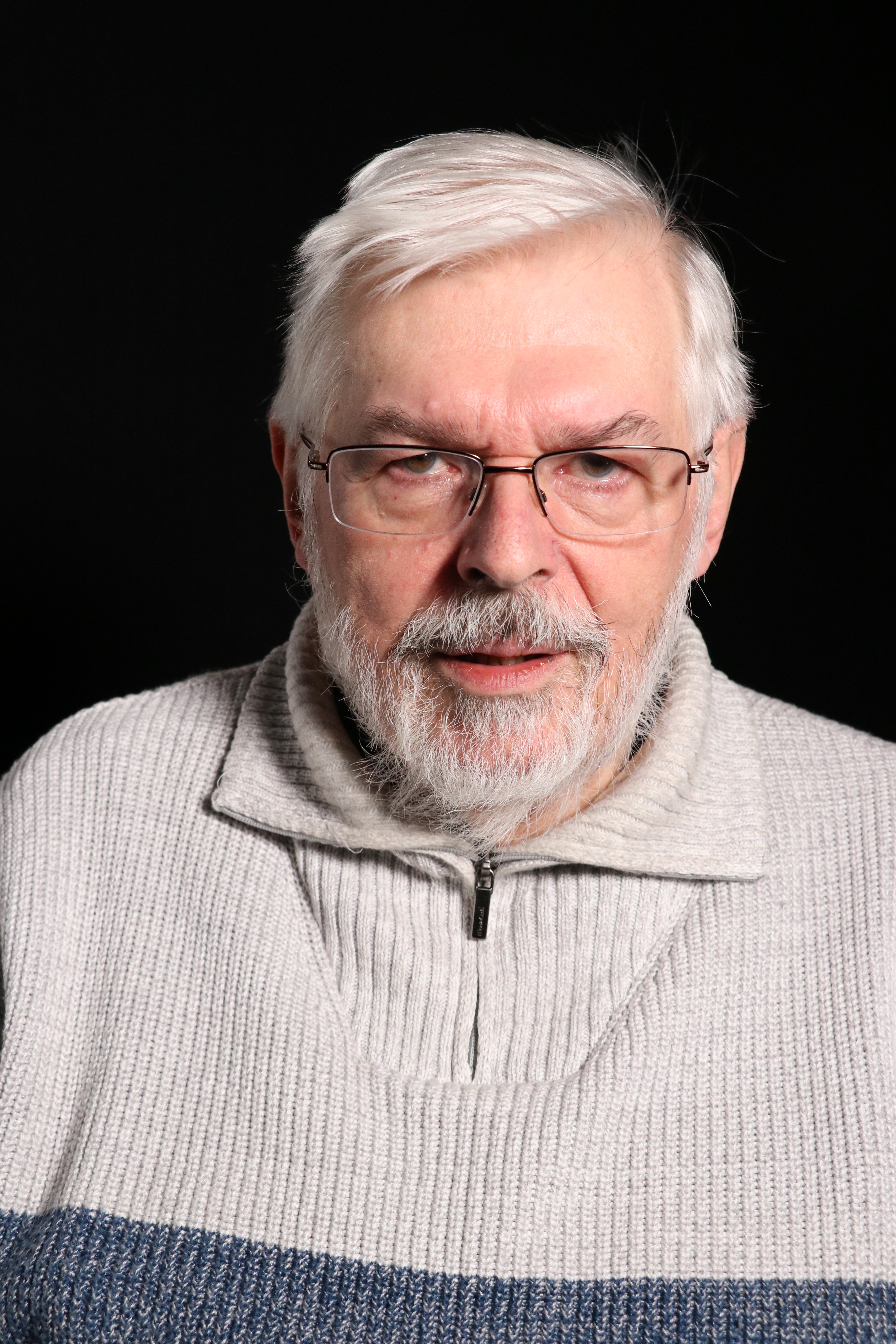
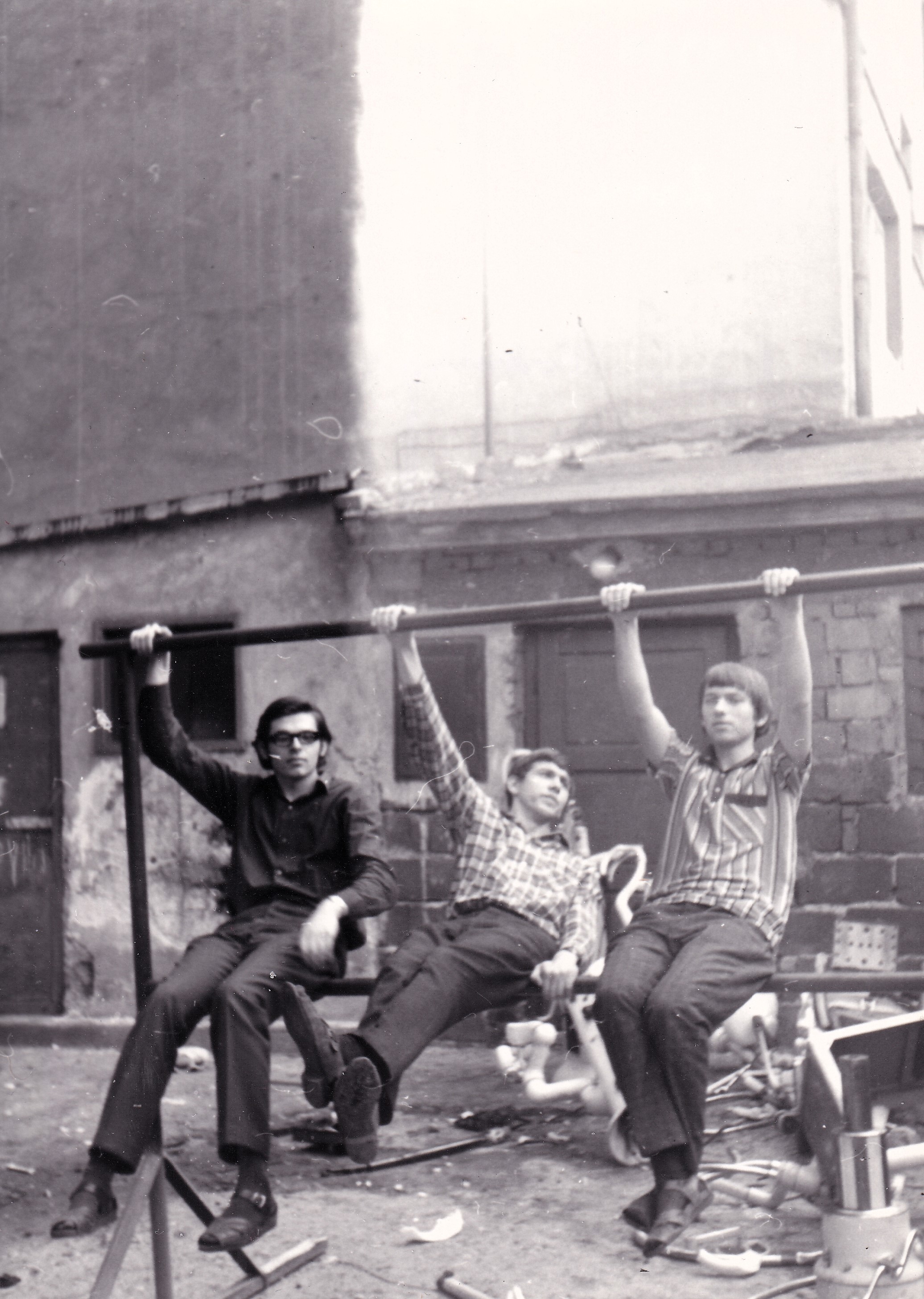
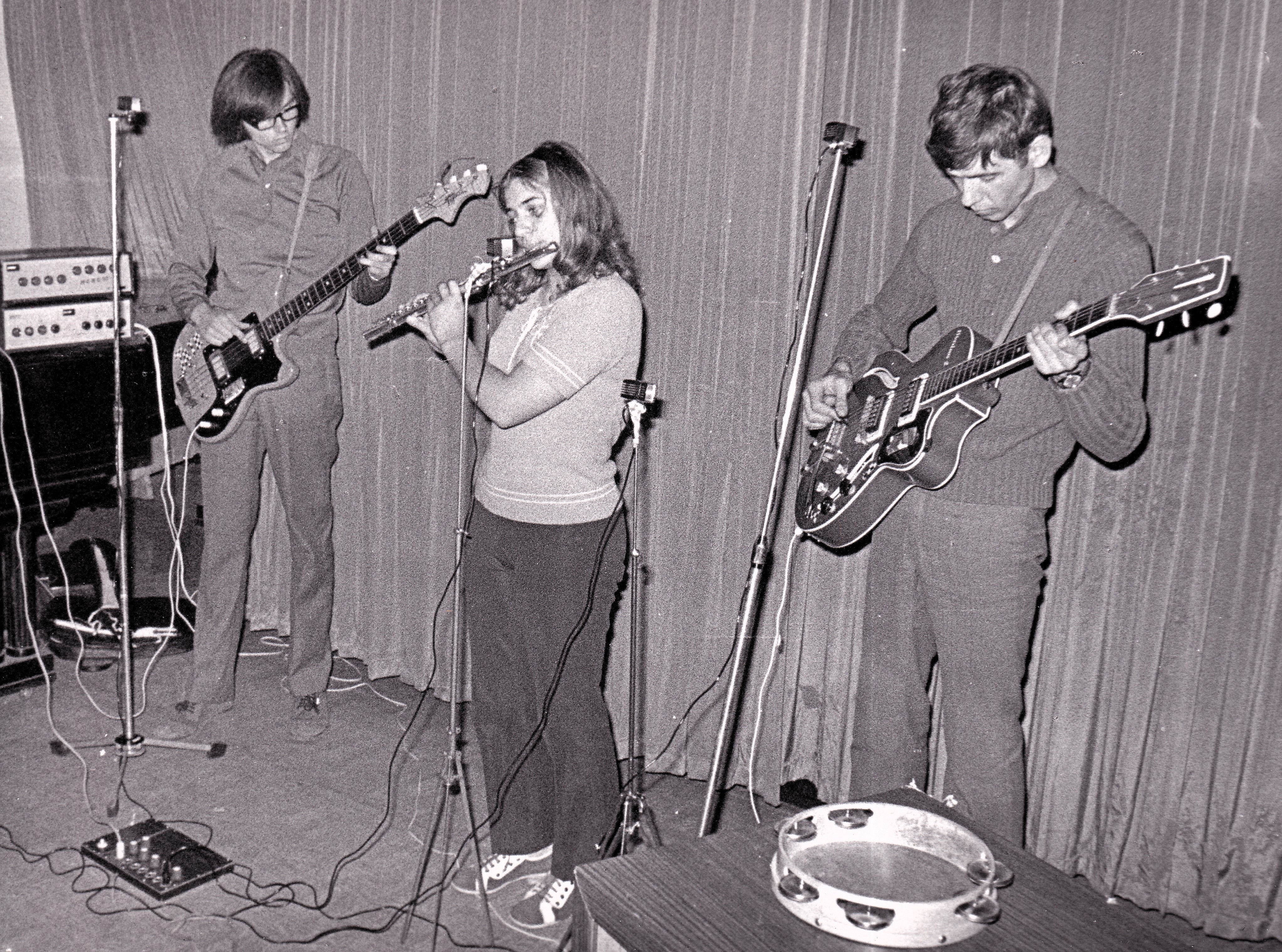
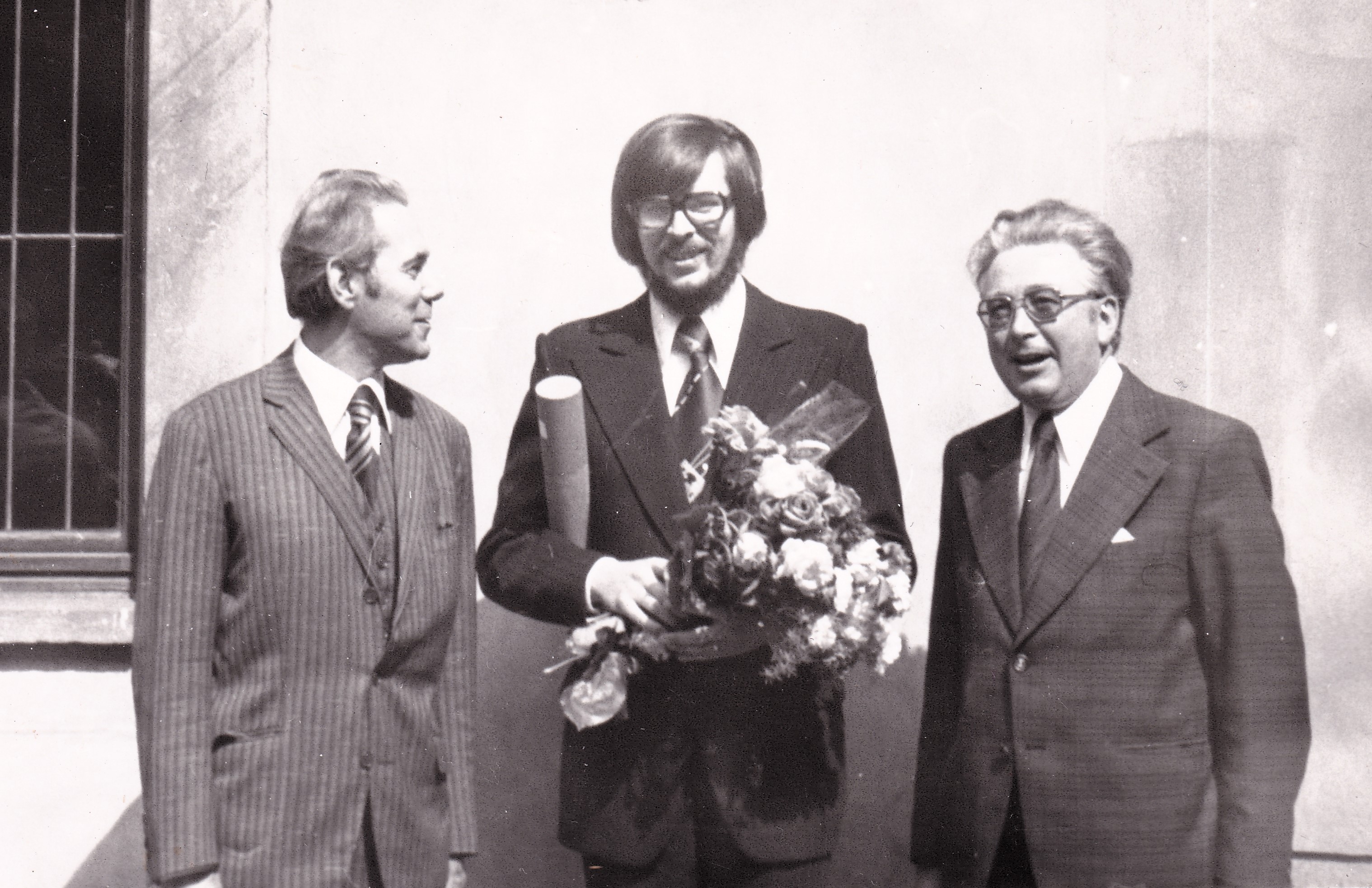
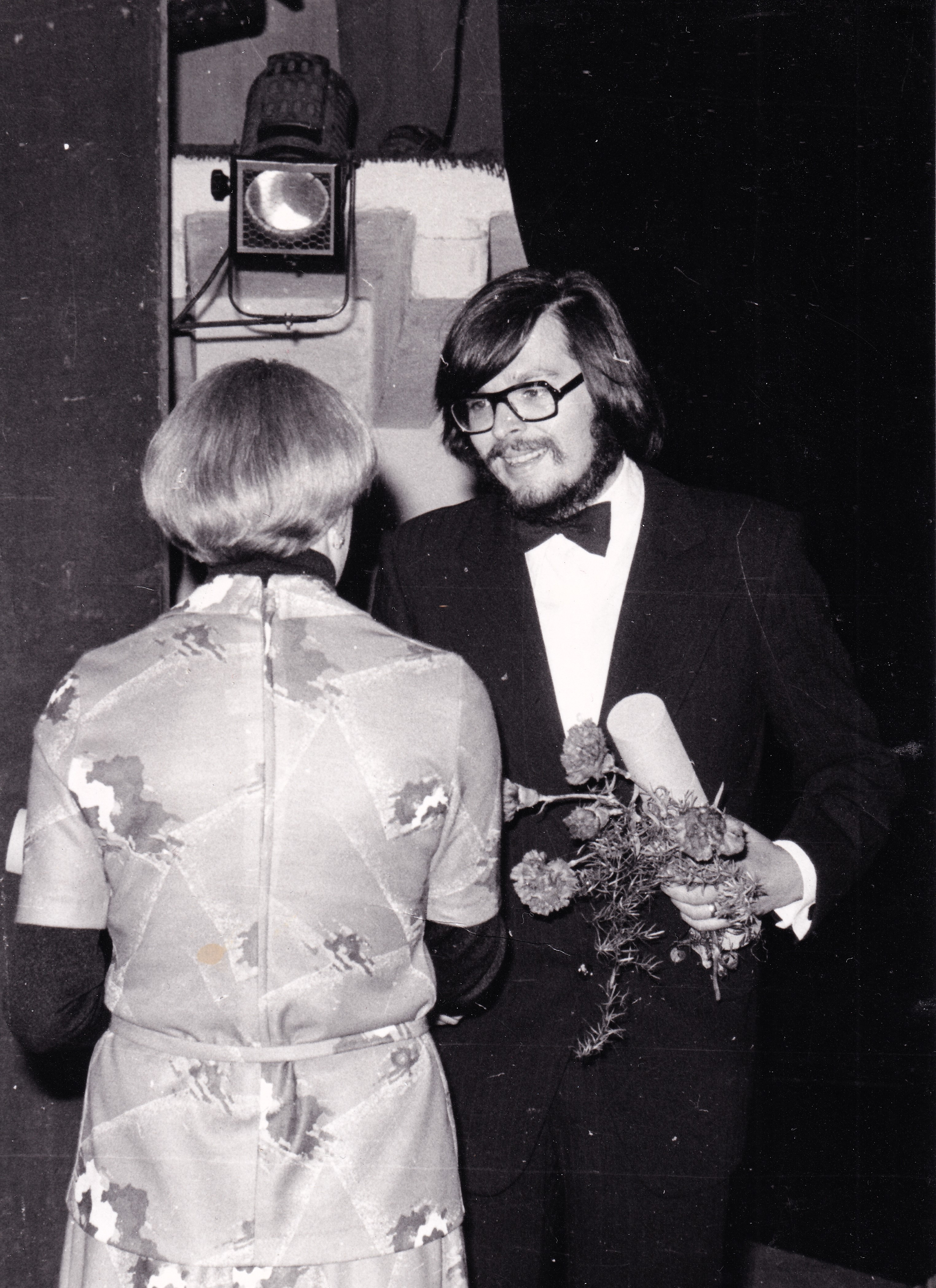
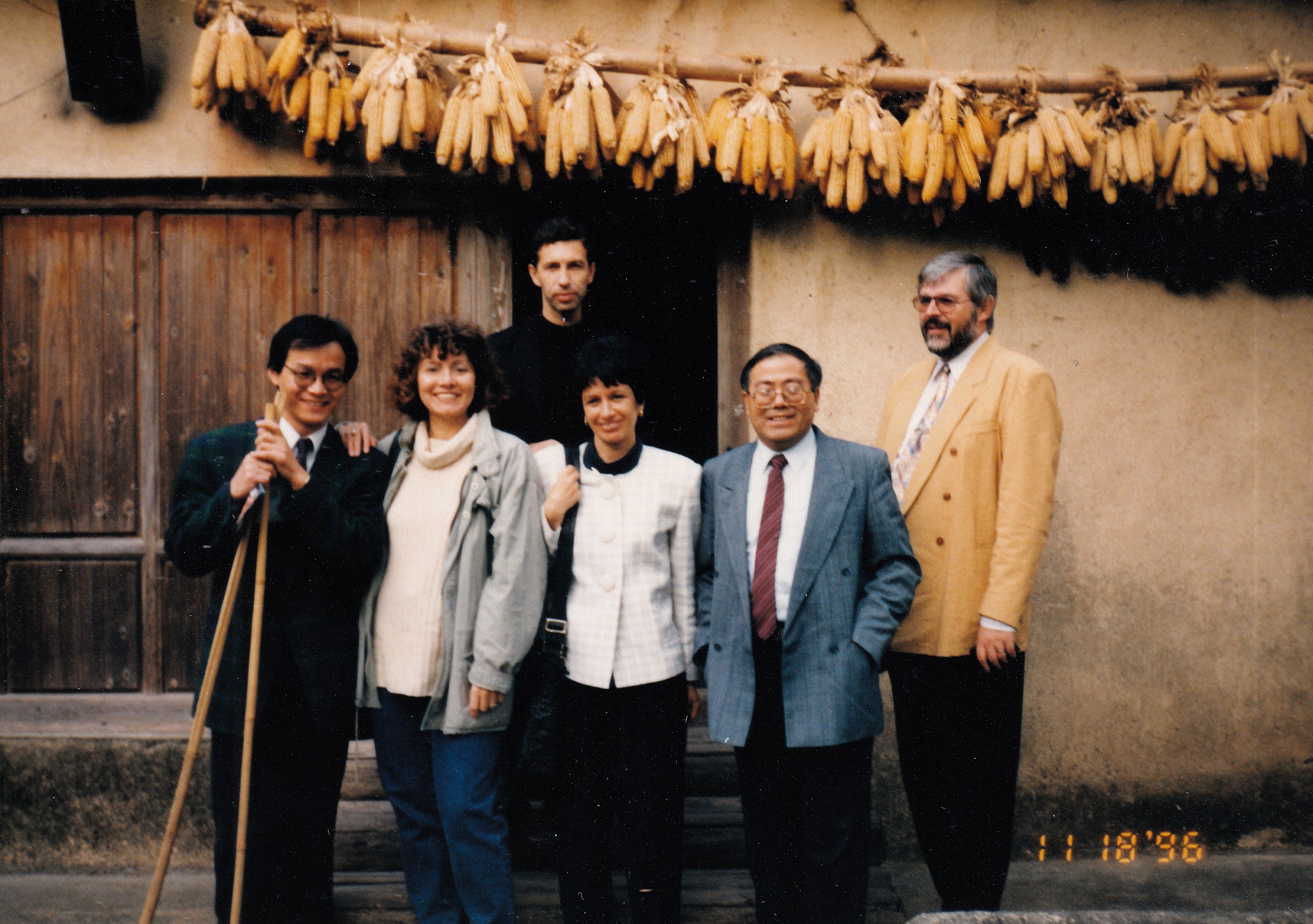
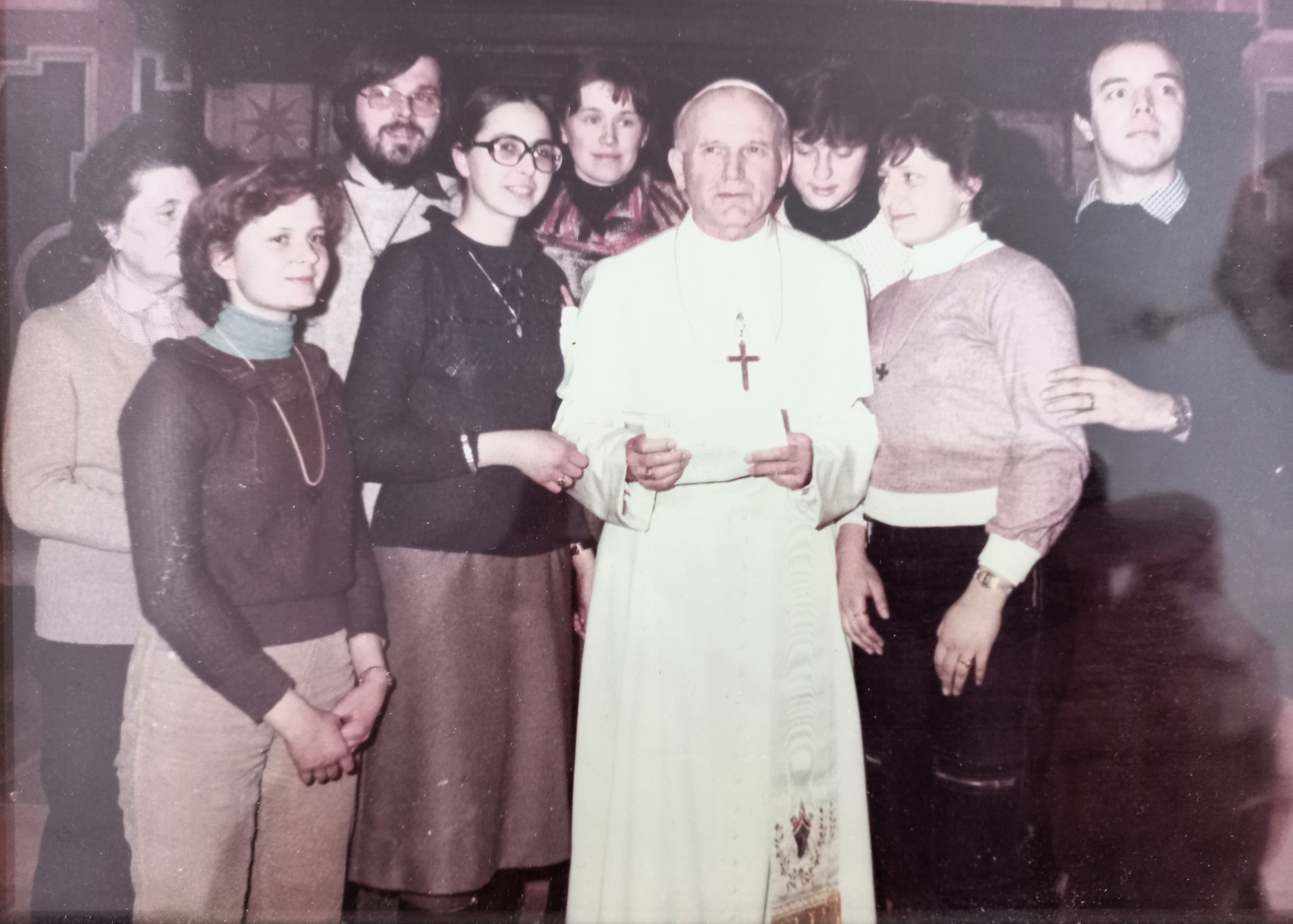
Vladimír Koronthály was born on 20 May 1951 in Bratislava. He experienced the events of 1968 intensely as a student of the grammar school. After graduating from secondary school, he began his studies at the Cyril and Methodius Divinity Faculty, but left after two years to join his professional life with music. While studying musicology and history at the Faculty of Arts of Charles University in Prague, he found a spiritual and personal background in the community of the parish of Týn. In 1975 he married Markéta Herclová there. Their wedding announcement with a biblical quote, however, caused a stir at the faculty and became the subject of disciplinary proceedings that significantly affected the future direction of their lives. From the beginning, church music was his heart‘s business. He served as choirmaster at a number of Prague churches and after graduation began teaching church singing at the Faculty of Theology in Litoměřice. Subsequently, he spent twelve years of his professional life with Supraphon, where he held the position of music director in the classical music department. During the period of normalisation, he actively participated in the life of the independent Catholic community of families. In November 1989, with the St. James Choir he accompanied the liturgy of the canonization of Agnes of Bohemia at the Vatican. After the Velvet Revolution he entered public life as a politician. He was elected a member of the Czech National Council for the Christian Democratic Party, after the division of the republic he became a member of parliament and later, already in the colours of the Christian Democratic Union of Czechoslovakia, he served as deputy minister of culture. After leaving politics, he worked in church administration - first as a chancellor, then for many years as vice-chancellor of the Prague Archbishopric. His professional career culminated in the service of the Royal Collegiate Chapter of St Peter and Paul at Vyšehrad. In 2025, Vladimír Koronthály was living in Prague, where he devoted himself to his grandchildren and wrote fairy tales for their enjoyment.