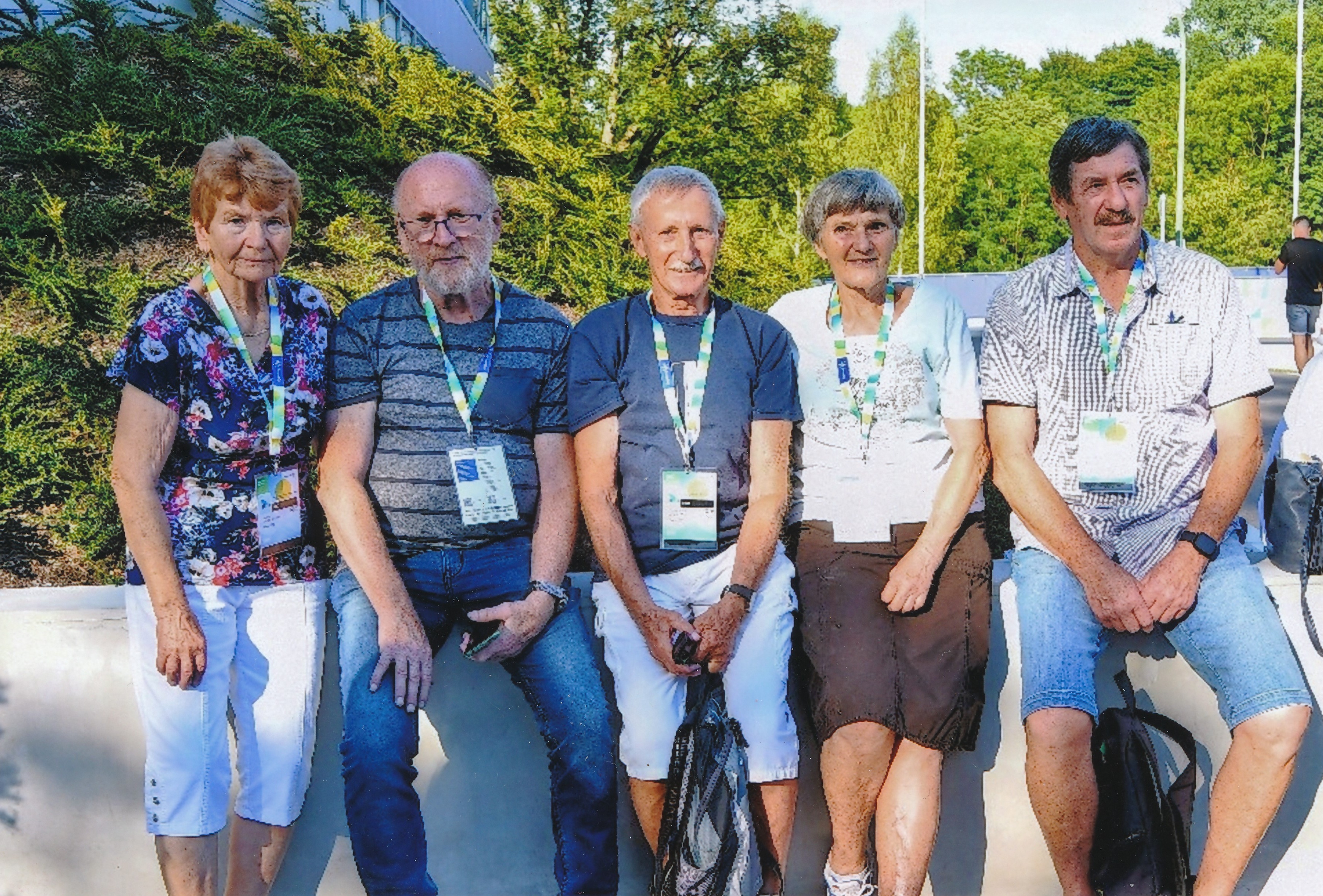
Bohumila Kordová

* 1944

  • “So when we went — we were in Merano for the downhill race. And during training, even before that, we capsized, and I was afraid Milan Svoboda might drown… You see, he really swam like a dog, all that splashing about. And with him there was also the fact that he smoked Partyzánky like crazy. Even at the start he was finishing off a Partyzánka, which he stubbed out and stuck into his swim trunks. When we climbed out at the finish, he took it out and lit it again. And I had this experience with him in Merano during the downhill, when we finished the race. So I put down the paddles and said to him, ‘You can carry the boat yourself!’ And it had to be carried uphill. He dragged it behind him while I walked ahead of him like a queen.”

  • "We, for example, from the Western countries we were from, sometimes we used to carry banned literature. Milan Svoboda, with whom I used to go mixing, he especially had the opportunity to have banned literature... He was a scout and so on, so it was just transported from there, but it wasn't known much and it wasn't allowed to be known because we were normally checked at the border. They took off, or we had to take off the tow boats - take off, take out the luggage. So the guys, how many times, just Sodomka and these guys, they would normally pile up the wet stuff so that later on when they had to empty the bag, it would stink because there was stuff that we had piled up. And the boats, or the forbidden things were carried because in the boats you had these spaces made of polystyrene so that the boat wouldn't sink. And behind this Styrofoam, some of the packages that were being transported were put. You just prayed that it was your boat that they didn't want you to [not] have to take it down."

  • "For me, as part of my training, and I've already made the national team, as part of my training I was on the water... We were working from six o'clock and I was getting into the downhill boat before five o'clock. At Štvanice I used to go under the Libeň Bridge, where there used to be coal warehouses. I left the boat there and drove to ČKD. There I ran across the whole area to the pumps and at 6:00 I was pumping. So when people saw me on the tram, they said, 'Well, we're late again.' So I was going upstream again, and that was my mileage. I'd go home and eat or change my clothes and go and practice slalom. Because we used to do slalom and downhill, both."

  • Celé nahrávky
  • 1

    Praha, 08.12.2025

    (audio)
    délka: 01:43:13
    nahrávka pořízena v rámci projektu Tipsport for Legends
Celé nahrávky jsou k dispozici pouze pro přihlášené uživatele.

The uncrowned princess, that‘s what they used to call me
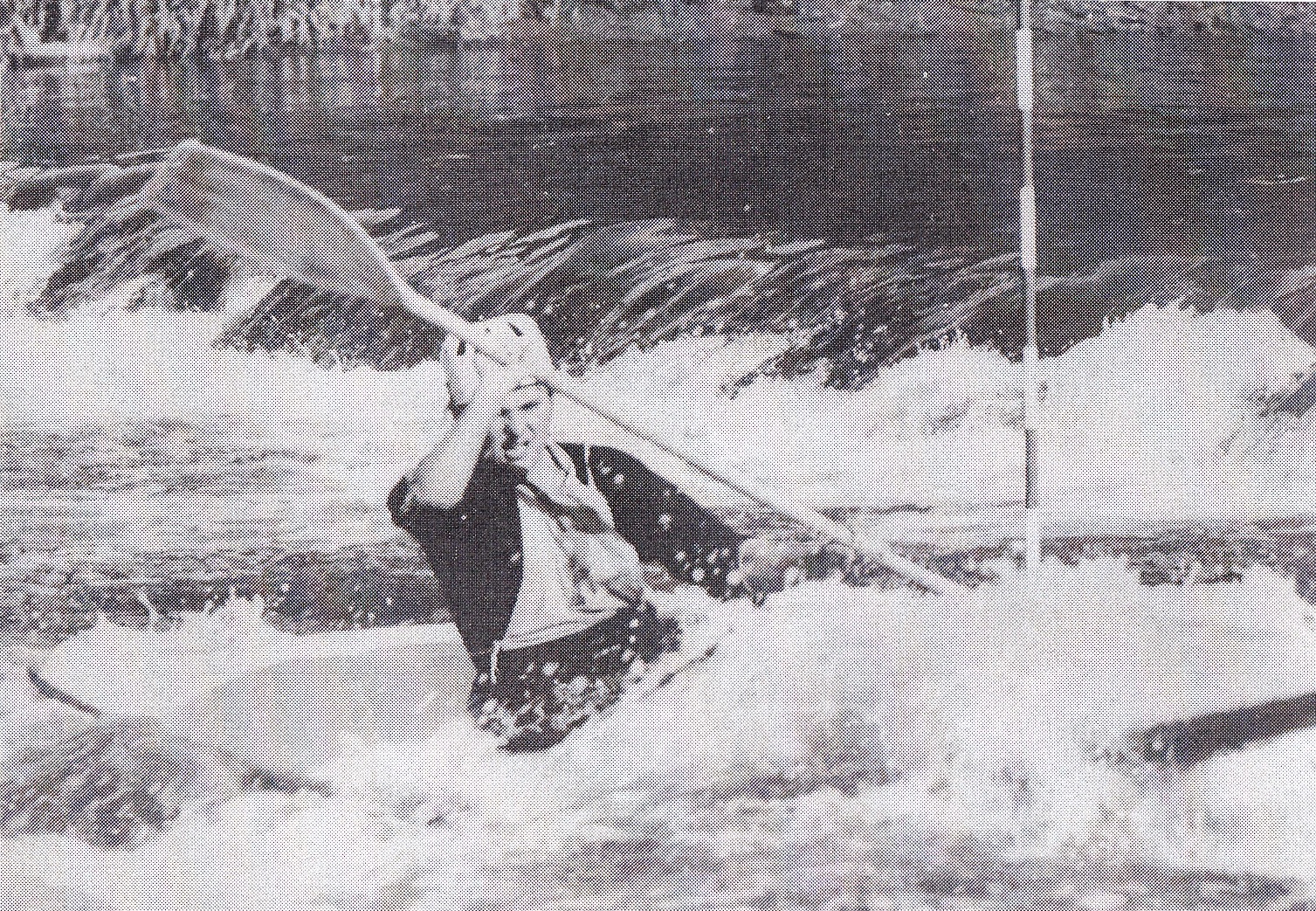
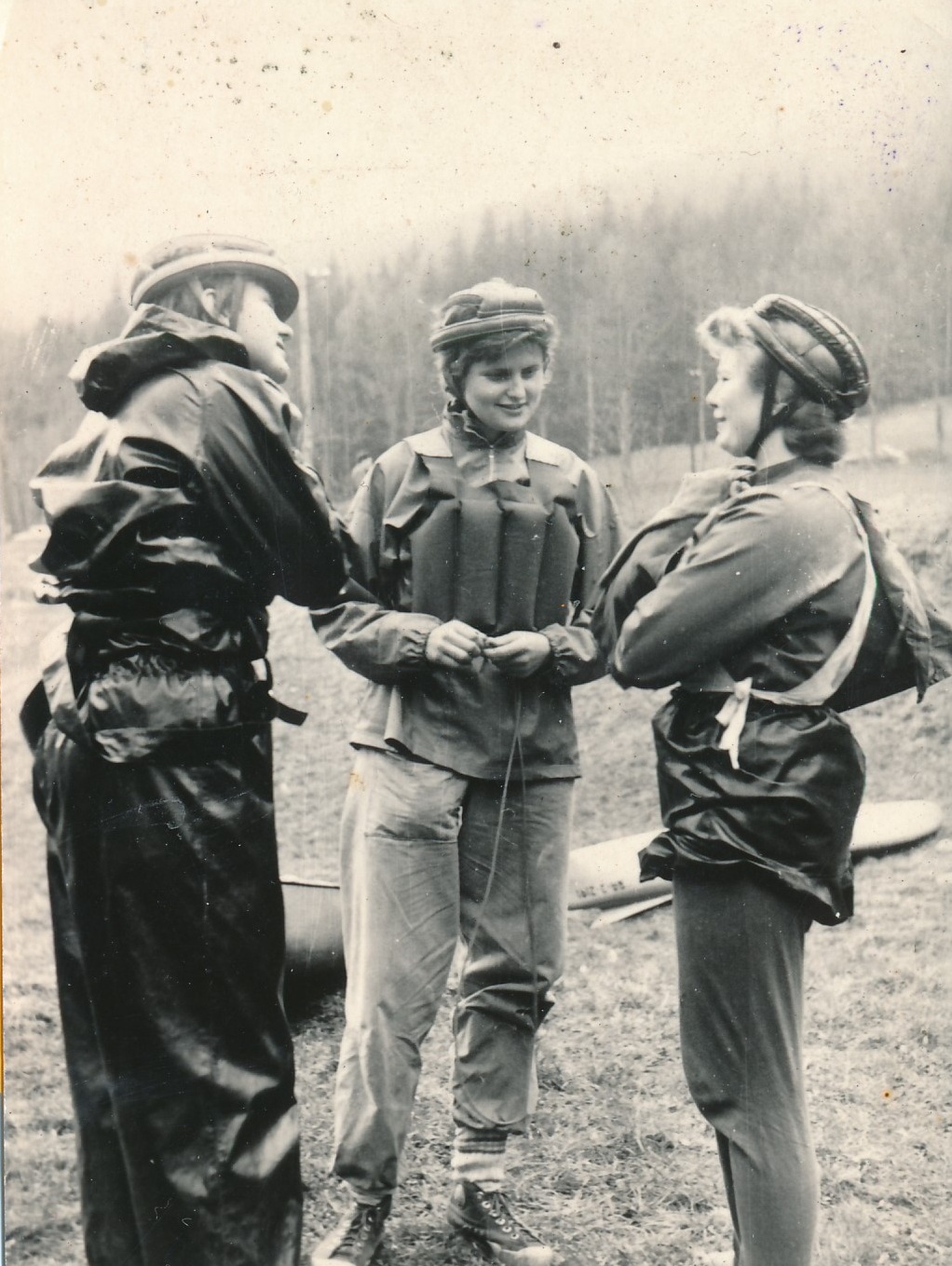
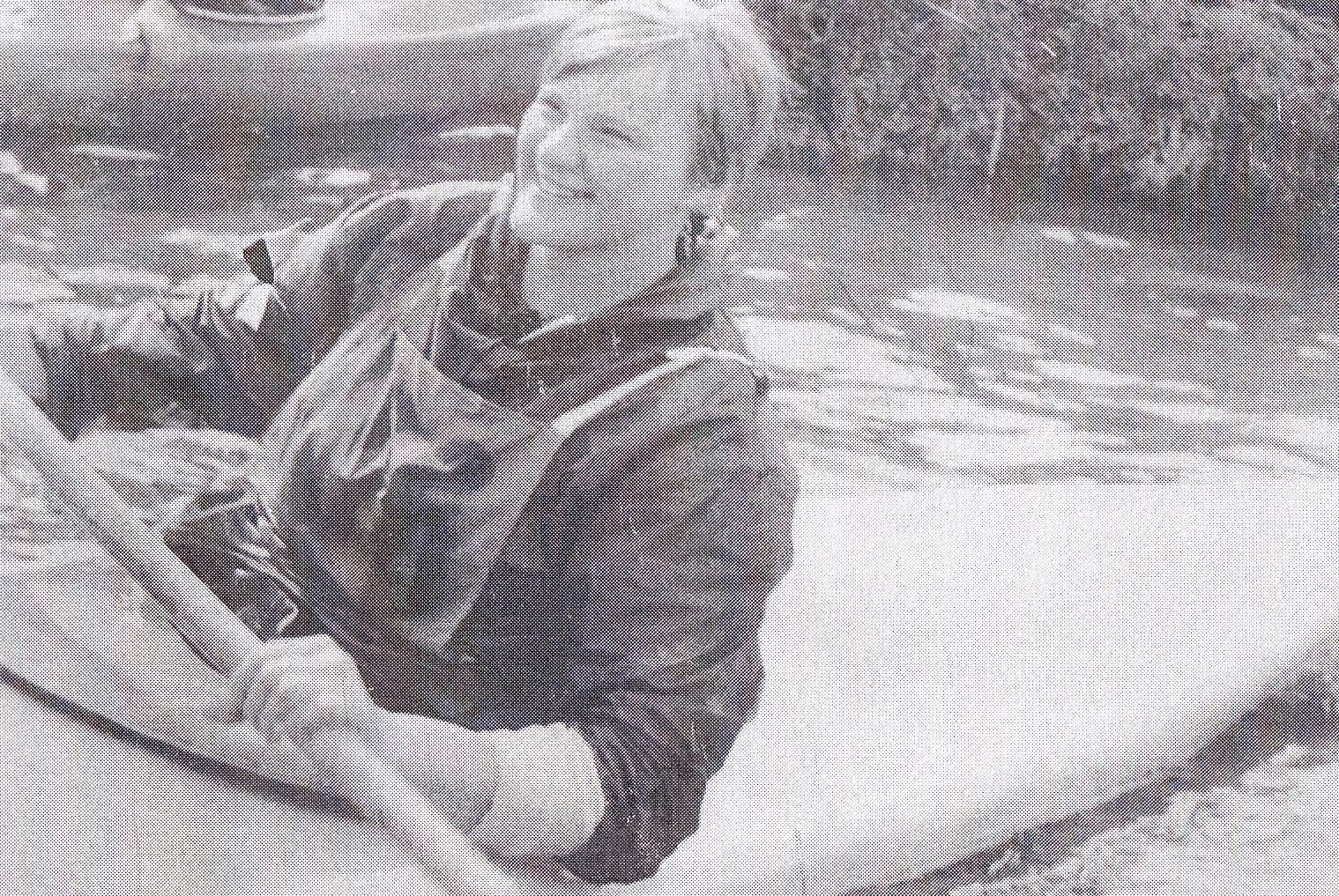
Bohumila Kordová during the race, undated
zdroj: Archive of the witness

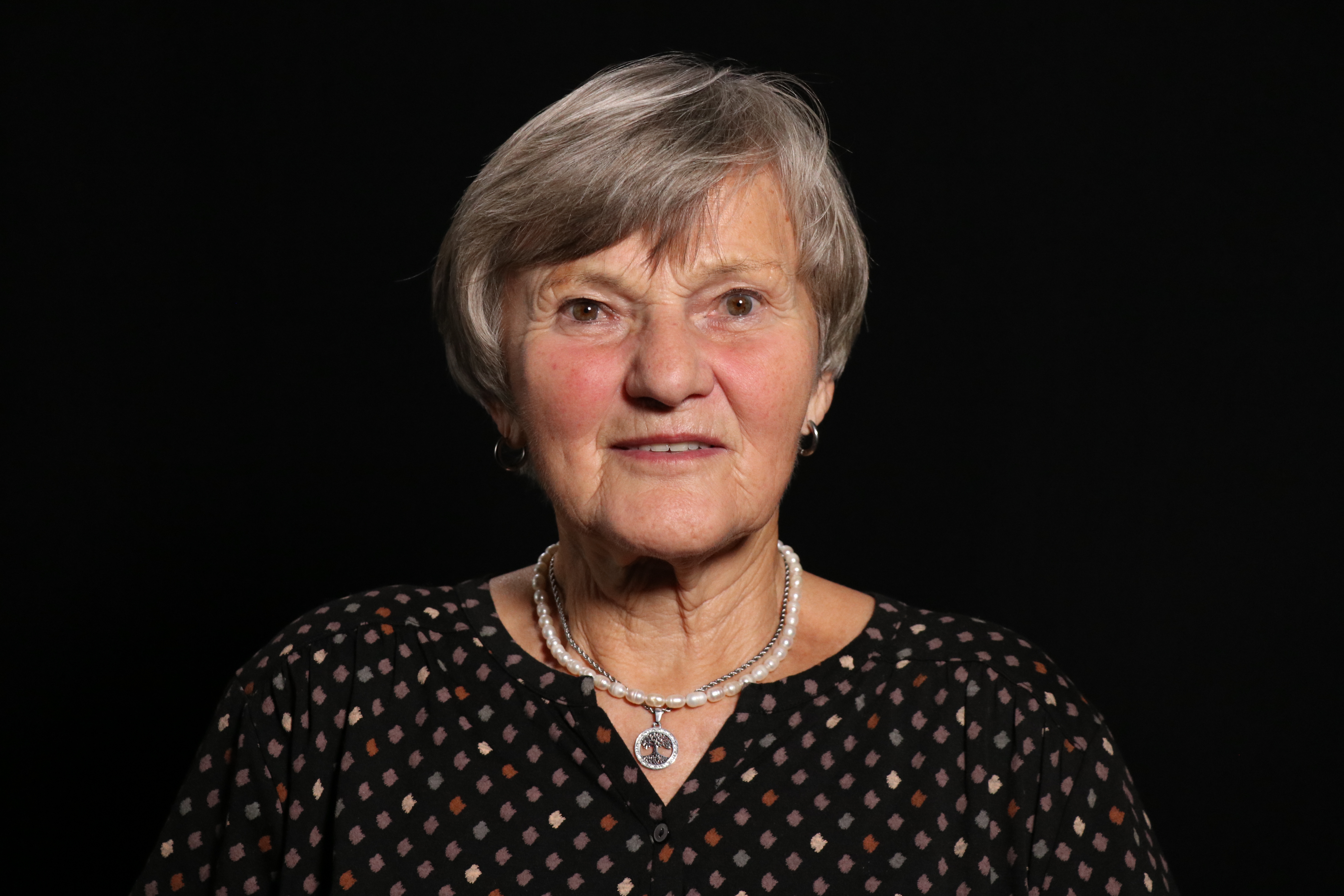
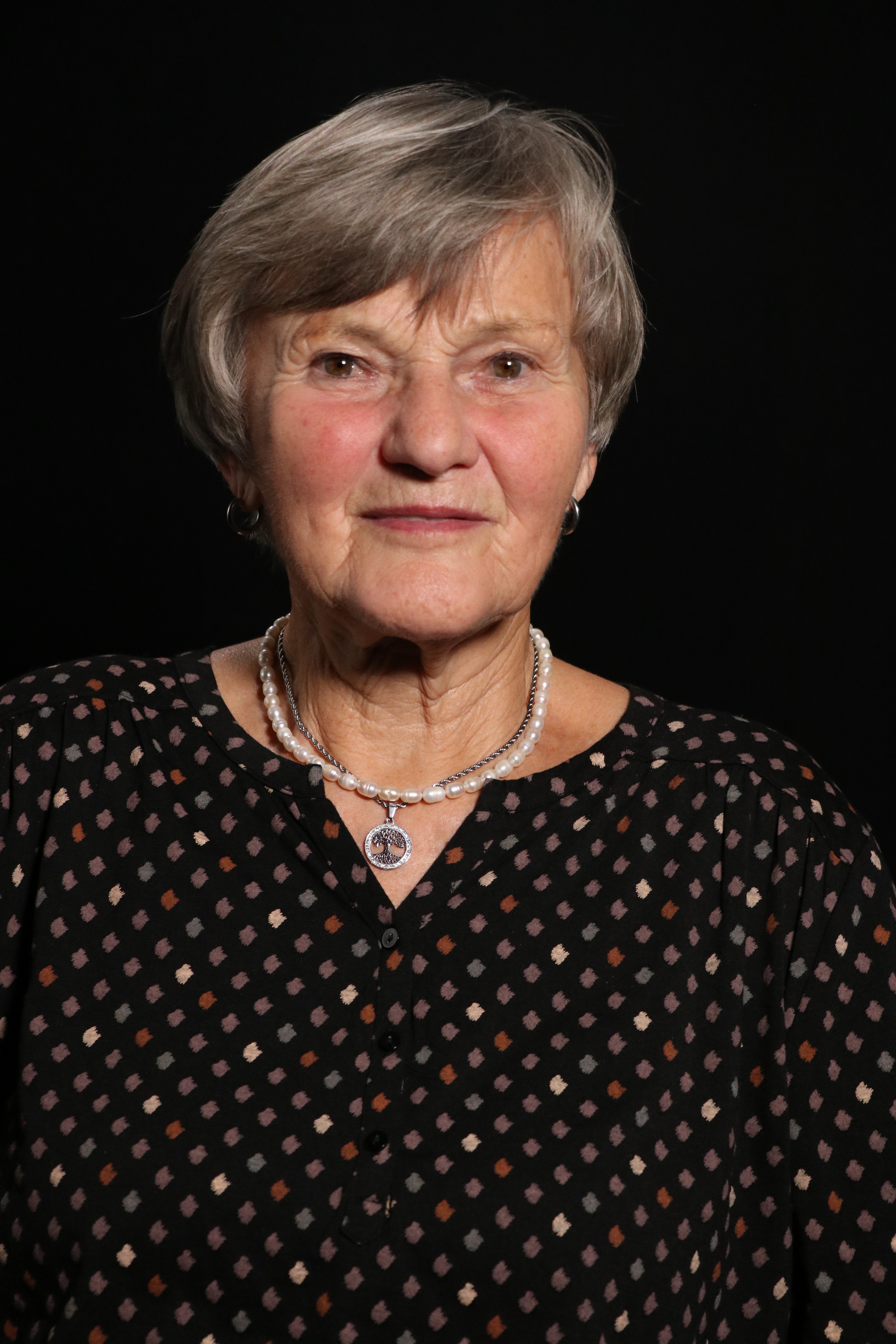
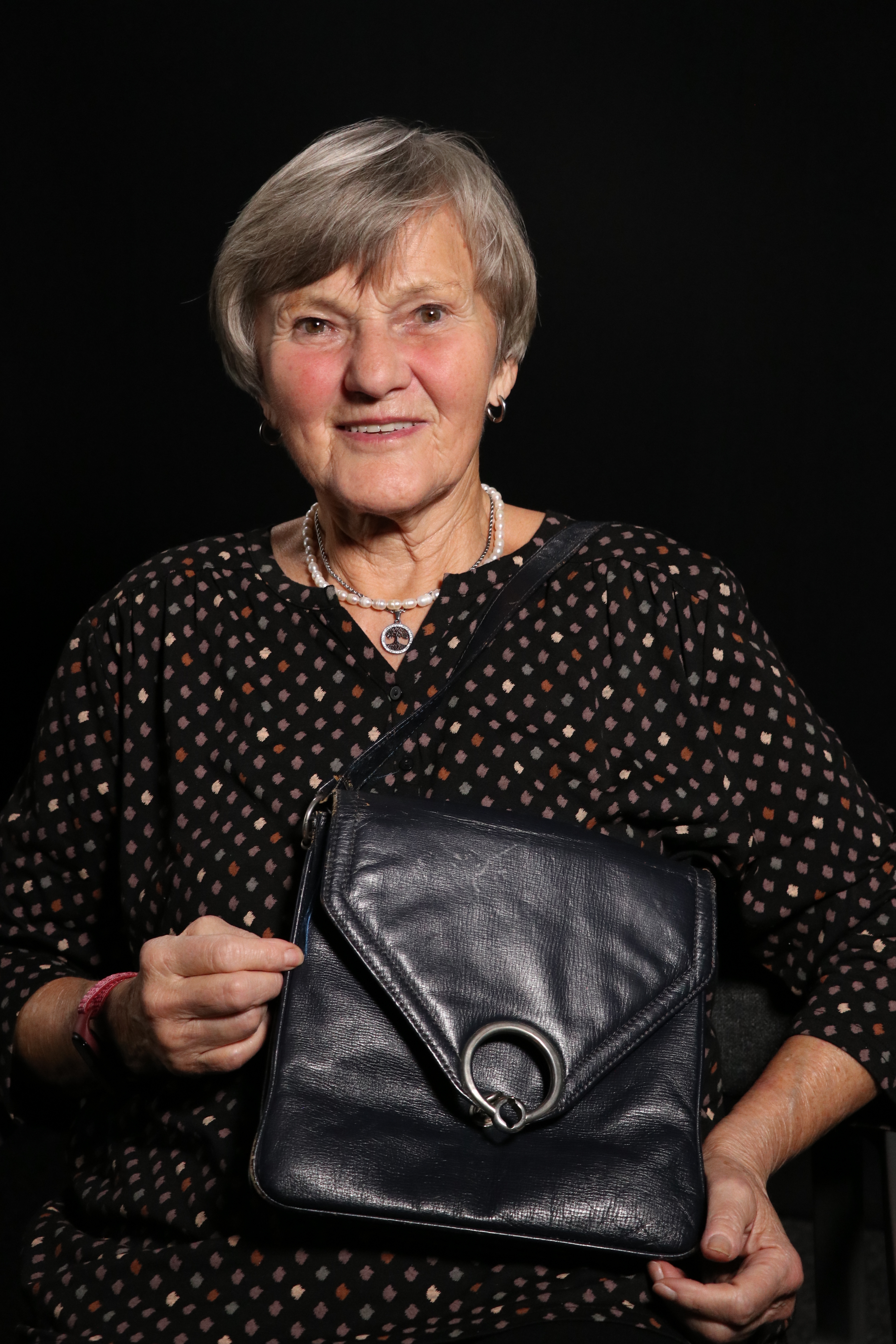
Bohumila Kordová (née Kapplová) was born on September 27, 1944 in Prague to Otto and Maria Kapplová. She lived with her family in Malá Strana, where she also attended a local school, and after graduating she entered a two-year school of economics, from which she subsequently graduated. It was after primary school that she discovered the magic of wild water. She was fascinated by slalom and downhill and began to regularly attend the Čertovka in Prague, where she slowly started to ride the Vltava River. Practically self-taught, without any guidance or coach, only with the help of older racers, she learned to control the canoe and kayak perfectly. She achieved her first great successes in the Slavia College club and the invitation to the Czechoslovak national team did not wait long. In 1965 she competed for the first time at the World Championships in Spittal an der Drau, Austria, where she won silver medals in the K1 Patrol race. With one exception (1973) she won a medal at every World Championship. In 1972 she competed at the Summer Olympics in Munich, where water slalom made its debut, and finished eighth in the K1 category. She retired from her active career in 1975 and wanted to take up coaching water slalom, but this did not happen. She therefore started physical training of young tennis players. In 1983 she married tennis player Pavel Korda, who was working in Luxembourg as a national coach. The couple had a daughter, Pavla, and the family moved to Luxembourg. They lived through the Velvet Revolution there and returned to Czechoslovakia after the fall of the regime. At the time of filming (2025), they lived in Prague.