"We were definitely at home on 21 August, and I know they were sitting by the radio. My mother was crying because, having seen tanks and all of that before, it was very tough for her. Dad was so tough he would never cry at home by the radio. I don't remember Dad ever being sad. He was always such a happy person, and when he was serious, he wasn't sad. He was manly this way, way into old age. So Mum was crying by the radio and saying, 'The soldiers are here, it's going to be bad, so bad. Dad said, 'Just don't go anywhere. Don't get in the way, and if you see soldiers in tanks somewhere, just go away. You never know if that soldier's gonna start shooting. He's got a loaded machine gun in hand, so just don't go there at all.' I never ever went to look at those tanks up close or anything."
"My brother looked it up and found out in the archives that my grandmother was taken there. But one of the other aunts who came home told us what actually happened. Grandma had a diarrheal disease that broke out there. The aunt was telling her, 'Don't go to the infirmary, don't go to the doctor, it's going to be fine.' She said, no way, the doctors must be able to help. So she went away and never came back. That's the story I know as it was told to me."
"He then lived in West Germany in Kleinenbroich near Düsseldorf. He and aunt would come here and to Slovakia for holidays, for their entire leave. I never got it: they could travel all over the world, yet they always spent their entire holiday in Czechoslovakia, year after year, for many years. Then there was another part of the family, a male and a female cousin; they lived in Bavaria. Another part of the family left there after 1969. The uncle always said that they ran around naked with a banana leaf in the front and in the back, because they were prepared... The Viet Cong, I can't remember exactly now, but I think that's the name of the group they fought. They had a hard time surviving. They ran through the jungle barefoot and completely naked so you couldn't tell they were soldiers. By then, the French had sort of won the war partially. They then had a hard time getting back to France, and then he moved to Germany as an adult."
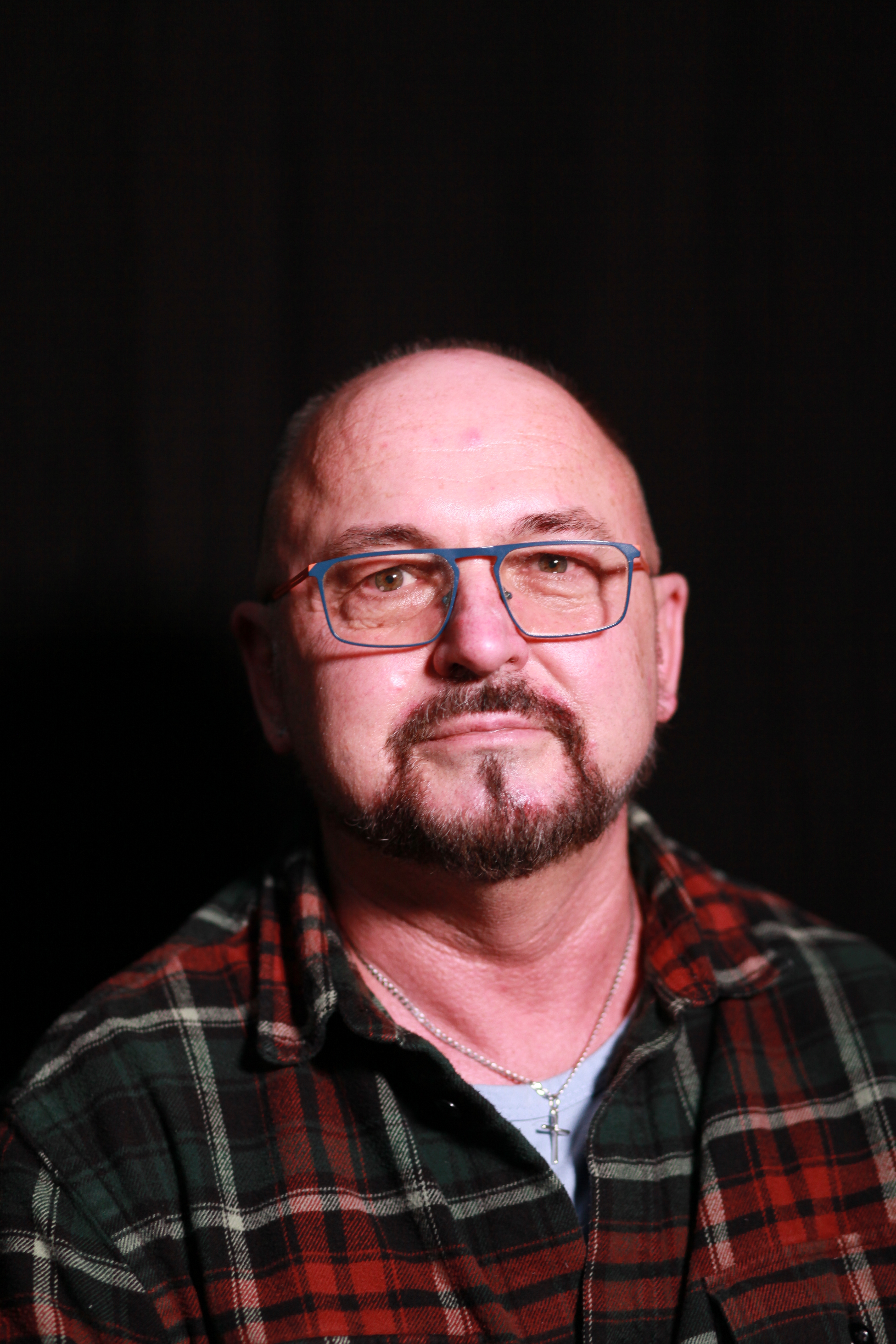
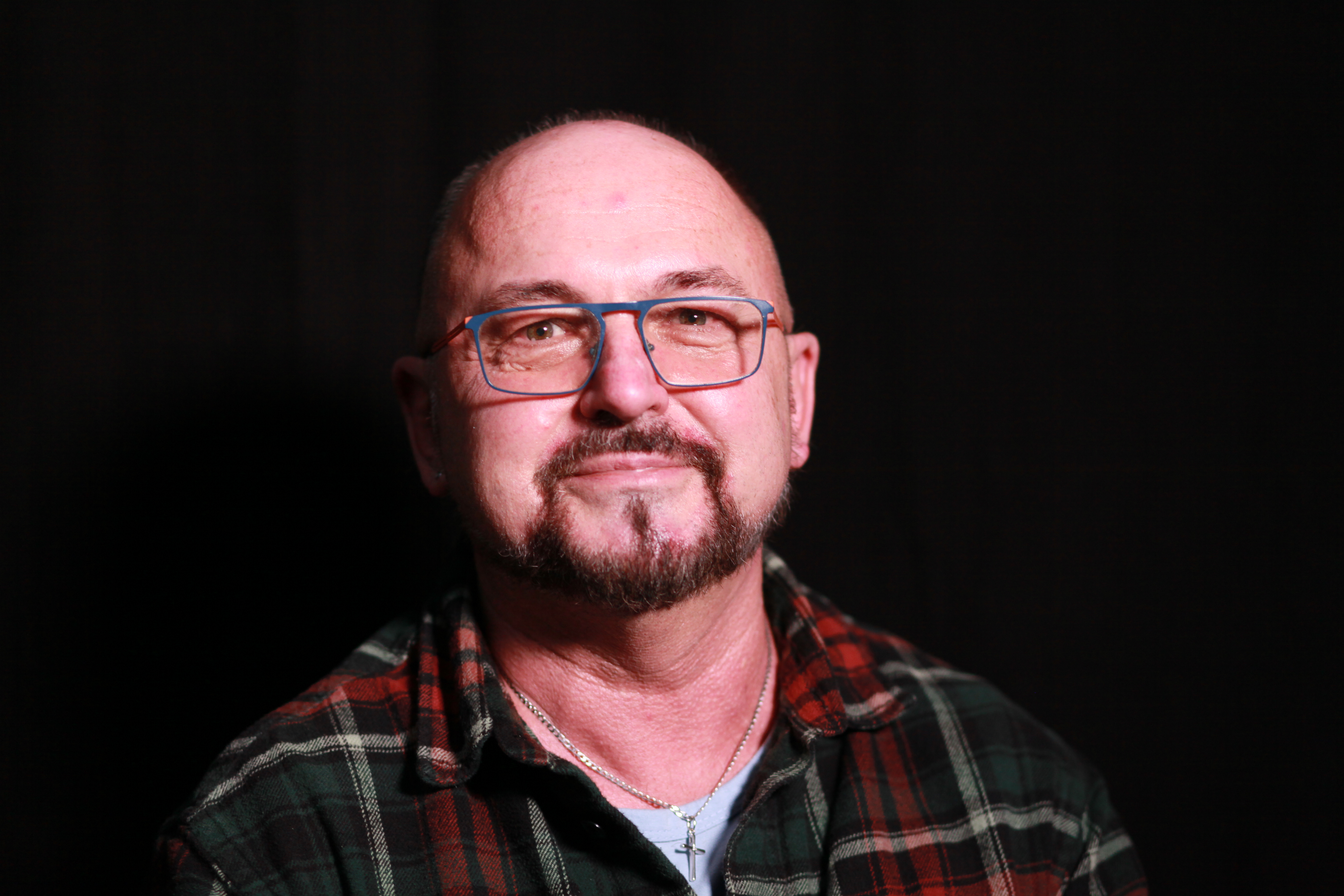
Milan Kohoutek was born in Zlín on 9 March 1957. His mother Otýlie Binderová came from central Slovakia. She witnessed the Slovak National Uprising, after which her family was abducted by the Germans: father Karol Binder and mother Mária Binderová ended up in concentration camps and brother Teodor Binder in the prison in Ilava. Otýlie Binderová spent the end of the war in Germany before reuniting with her brother and father. The witness‘s mother then went to study in Zlín where she met her future husband. The spouses were in the Communist Party of Czechoslovakia (KSČ) and Mária Binderová was crossed out after 1968. Milan Kohoutek graduated from the Zlín grammar school in 1976 and, despite his cadre profile, studied medicine in Brno. He was forced to join the Communist Party during his studies. He graduated in 1982 and has been working as an oncologist at the Teaching Hospital in Olomouc since 1984. He exited the Communist Party in December 1989. He was living in Zlín in 2025.