Ing. Tomáš Klepek

* 1951

  • "The Charter was the salvation of this country. I think it had the most significant influence in that there were people who had the courage to be the opposition to the absolute power that ruled here and had everything in its hands. That anyone at all, especially Václav Havel and then individual spokesmen, were willing to articulate what was right. Before that, no one had been able to say it out loud. That is the most important thing, that someone stands up and, at the great risk of endangering his own life and prison, is able to say it out loud and bear the consequences. That was fascinating. It was very meaningful to us, and I still have incredible respect for all those people. And they are heroes to me in every way. But I also think it was a good thing that a circle of even more people started to form around the Charter who were working. They were involved in literature, which was important, and other activities."

  • "What was Prague like in the early 1980s? How do you remember its atmosphere? How would you describe Prague to someone who didn't know it at all?" – "Prague had several faces. The official space wasn't really interesting. Prague was being rebuilt at the time and it was an unimaginable mess. Facades were falling down. Roads were being repaired and new ones were being built... And the space of Prague, especially the central one, was extremely congested. But Prague also had another, very interesting face. That was the pubs. Because pubs were a very interesting group of people. An artistic group and an alternative group. Different artists, musicians and such strange and interesting personalities. Then there was a very interesting and increasingly large and growing specific religious group. The Catholic one was probably the strongest, but the Protestants were also extremely interesting and active. For example, in Nusle there was a very lively congregation. They invited Třešňák, for example, and it was very lively. So suddenly, from below, a lively interest in faith, in new things, was quite strongly promoted. And that was a big reaction to the completely dull materialism. To that incredibly poor Bolshevik marketing."

  • "An amazing character, truly unique, was Dr Habáň. He was eighty years old at the time, so he was an old man. He had an incredible gift. He was incredibly wise. The magic was that he could interpret difficult philosophical and theological things in a simple way. So literally everybody understood. Which is very rare. People who aren't educated come to a philosophy lecture and go home after a while because they don't understand. Philosophers use their own language and very complicated forms of thinking in terms of communicating. So then it just doesn't work for the normal layman who is not familiar with that language and thinking. But Dr. Habáň had, for example, the theme of forgiveness, personality, individuality, God... Just themes that he could convey gently, joyfully and optimistically. He radiated an almost childlike joy. He gave a lecture for an hour and a half and then we talked."

  • Celé nahrávky
  • 1

    Praha, 03.04.2025

    (audio)
    délka: 02:10:41
    nahrávka pořízena v rámci projektu Stories of the 20th Century TV
  • 2

    Praha, 04.04.2025

    (audio)
    délka: 03:03:04
    nahrávka pořízena v rámci projektu Memory of Prague 6
Celé nahrávky jsou k dispozici pouze pro přihlášené uživatele.

He knew from childhood how communism worked. Then he started to hate it

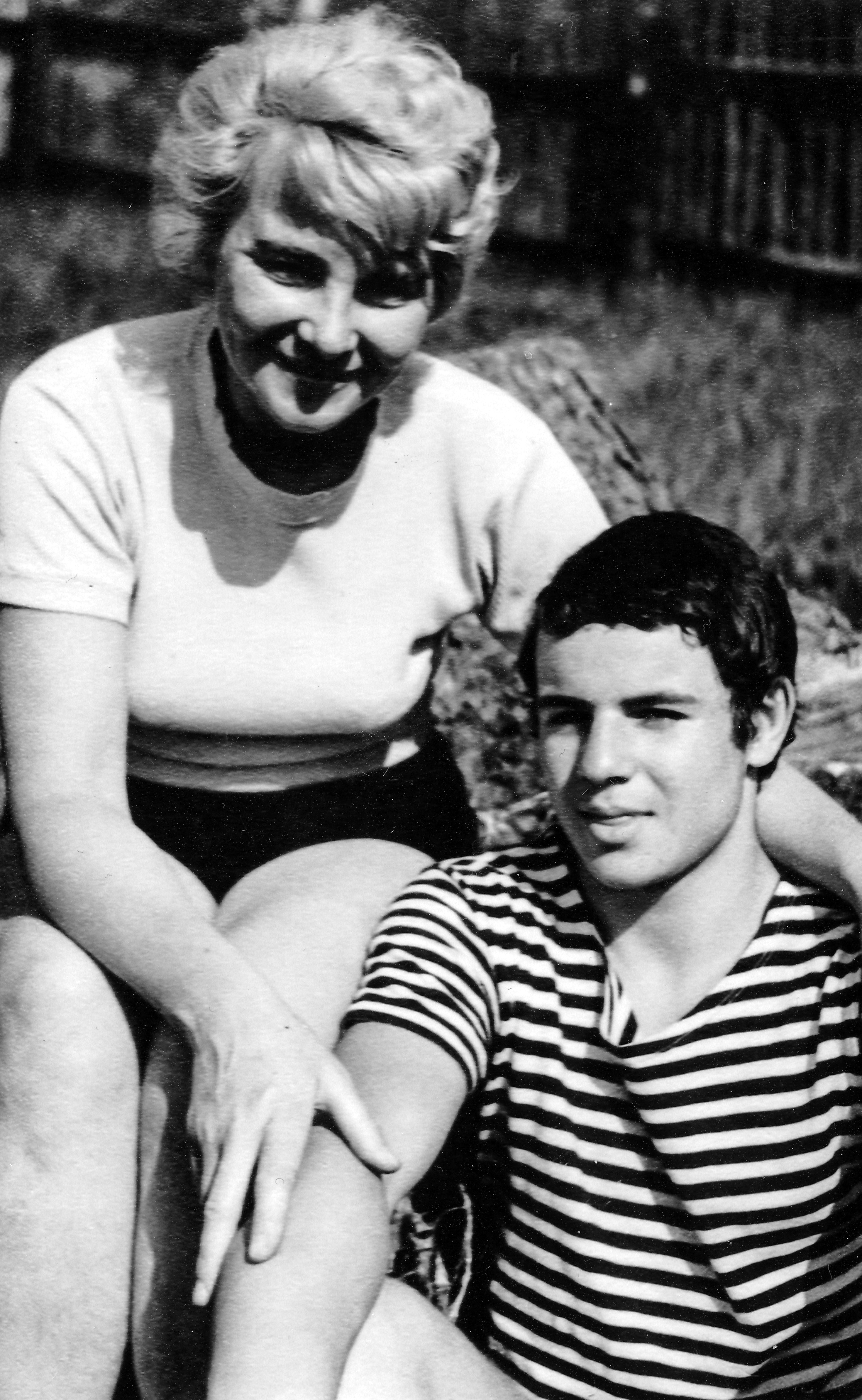
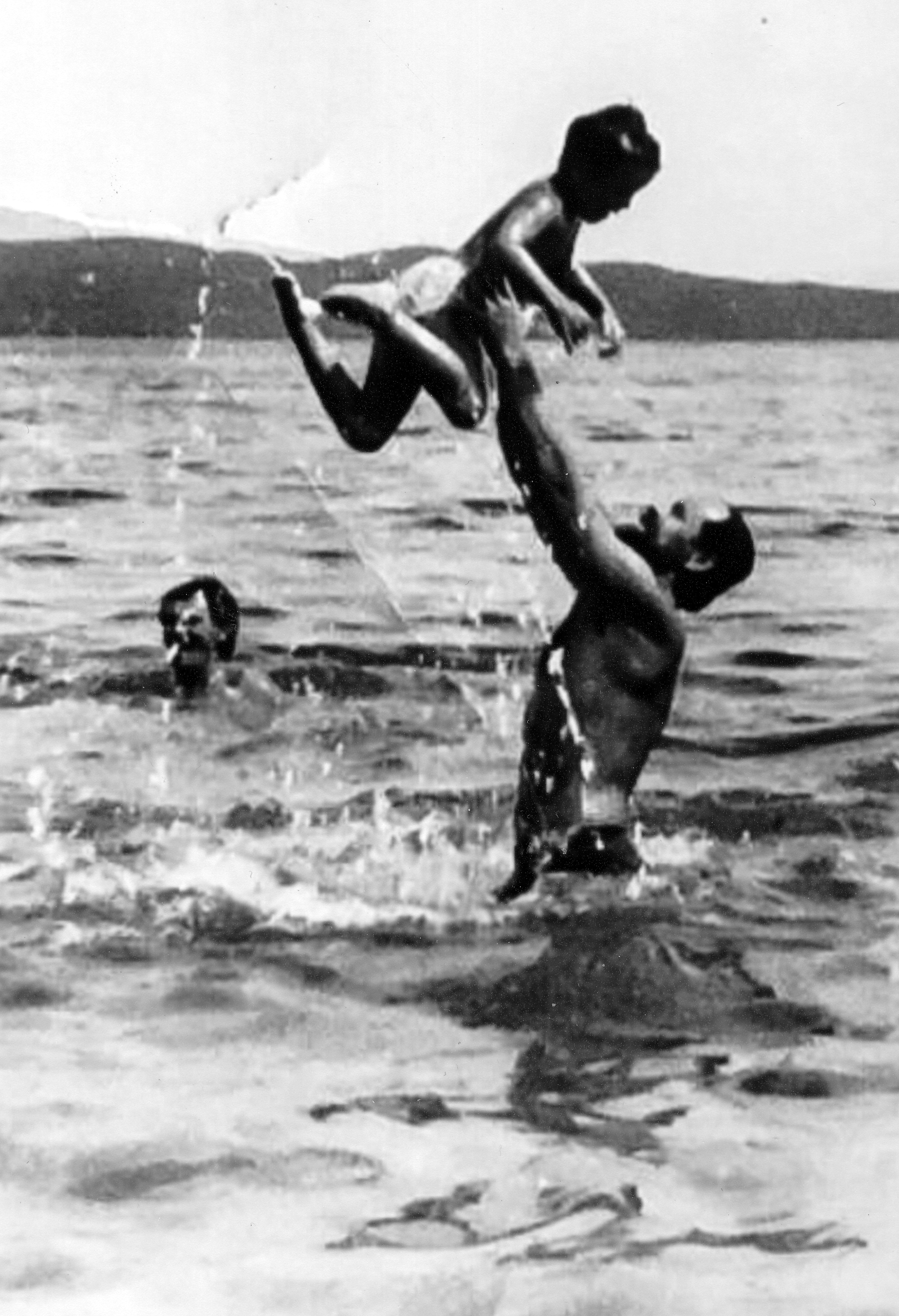
Tomáš Klepek, second half of the 1960s
zdroj: archive of Tomáš Klepek

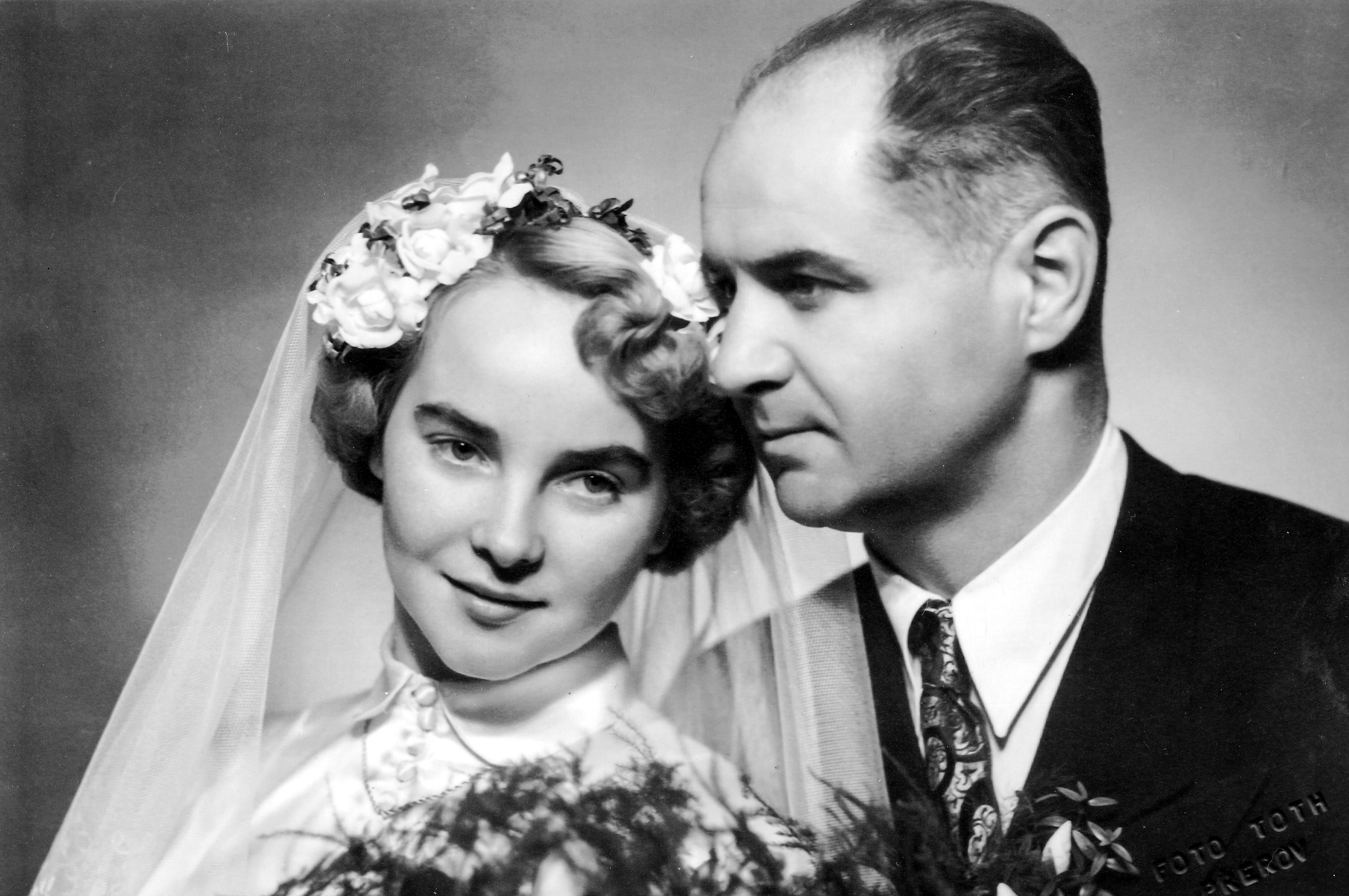
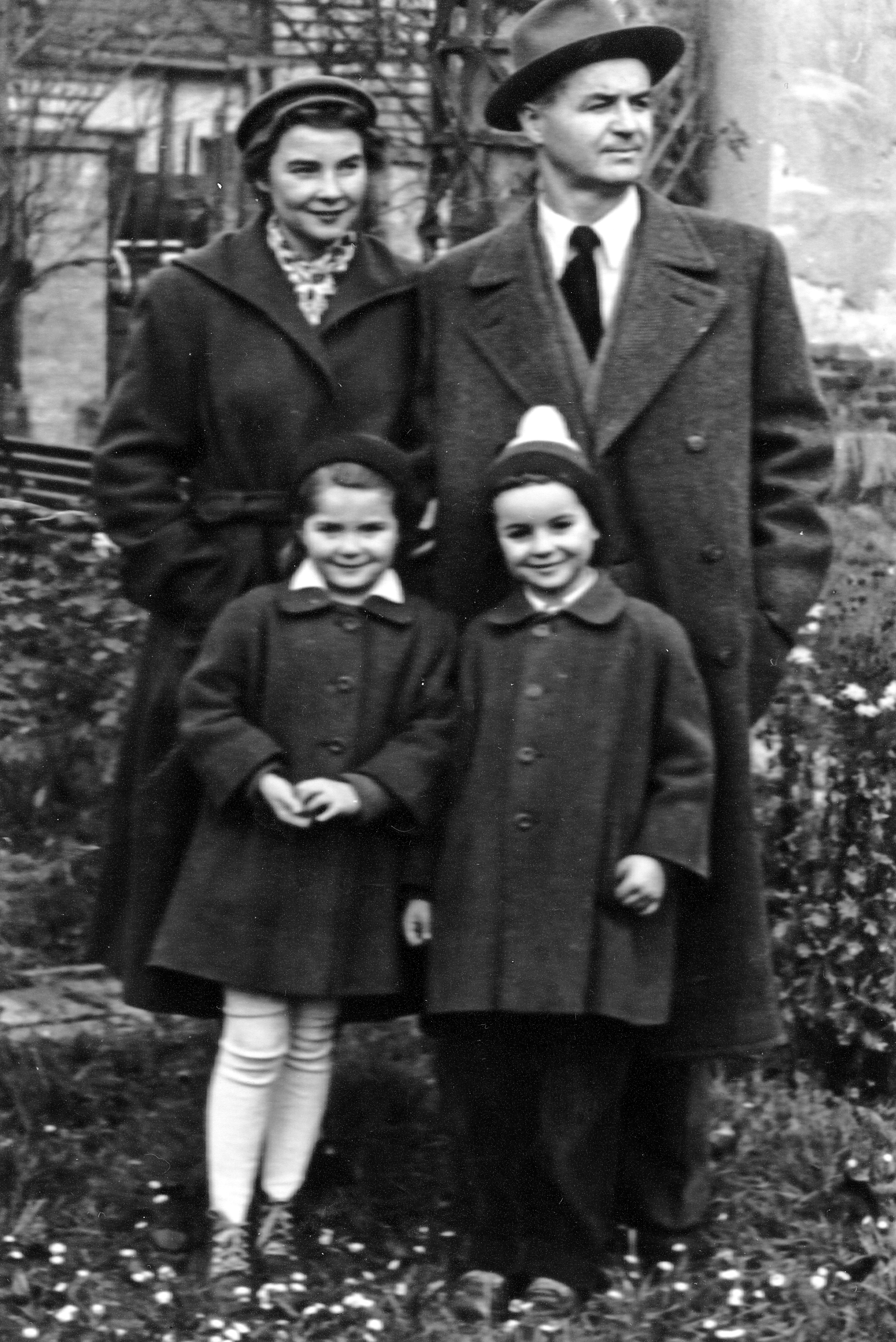
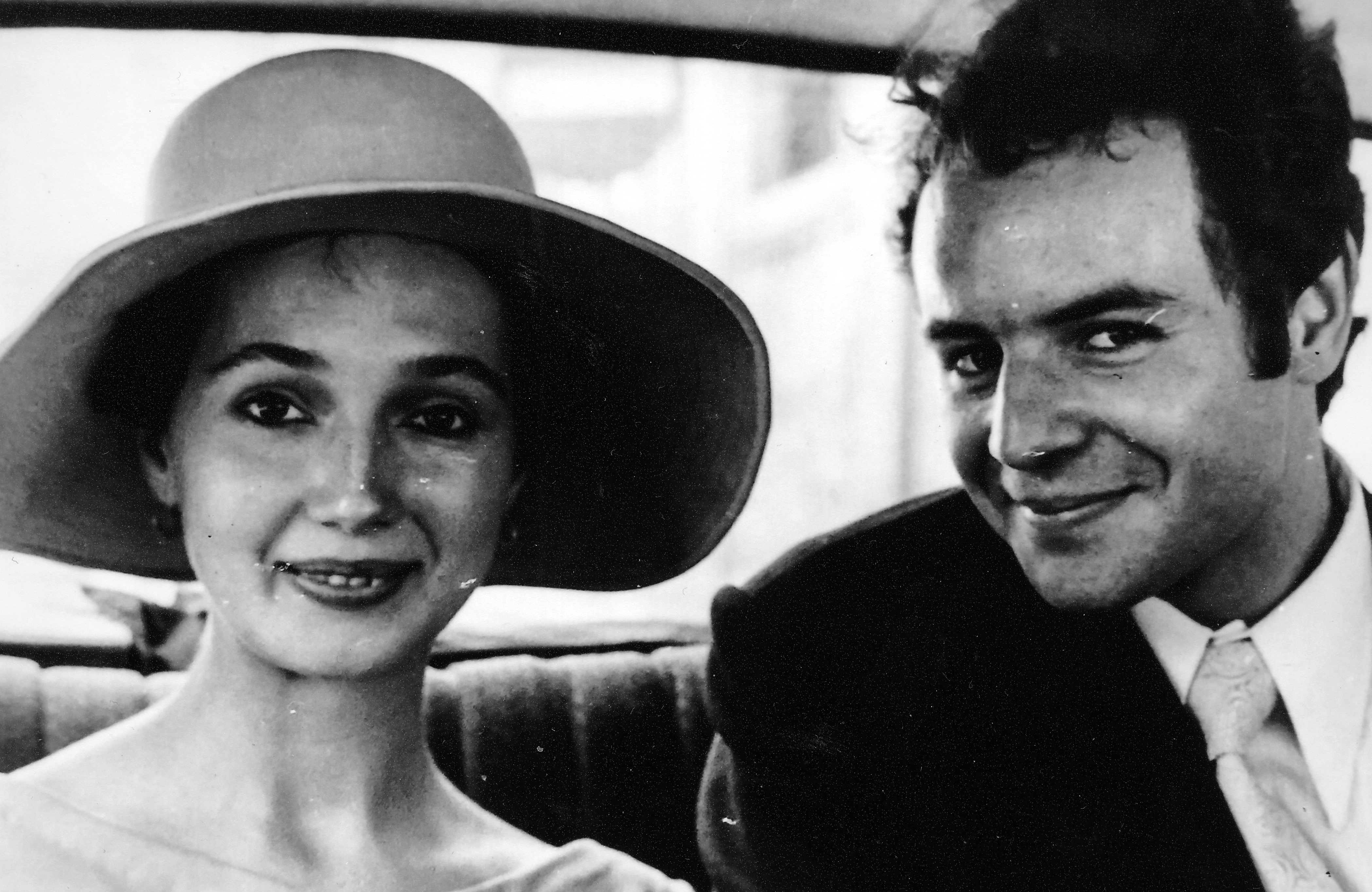
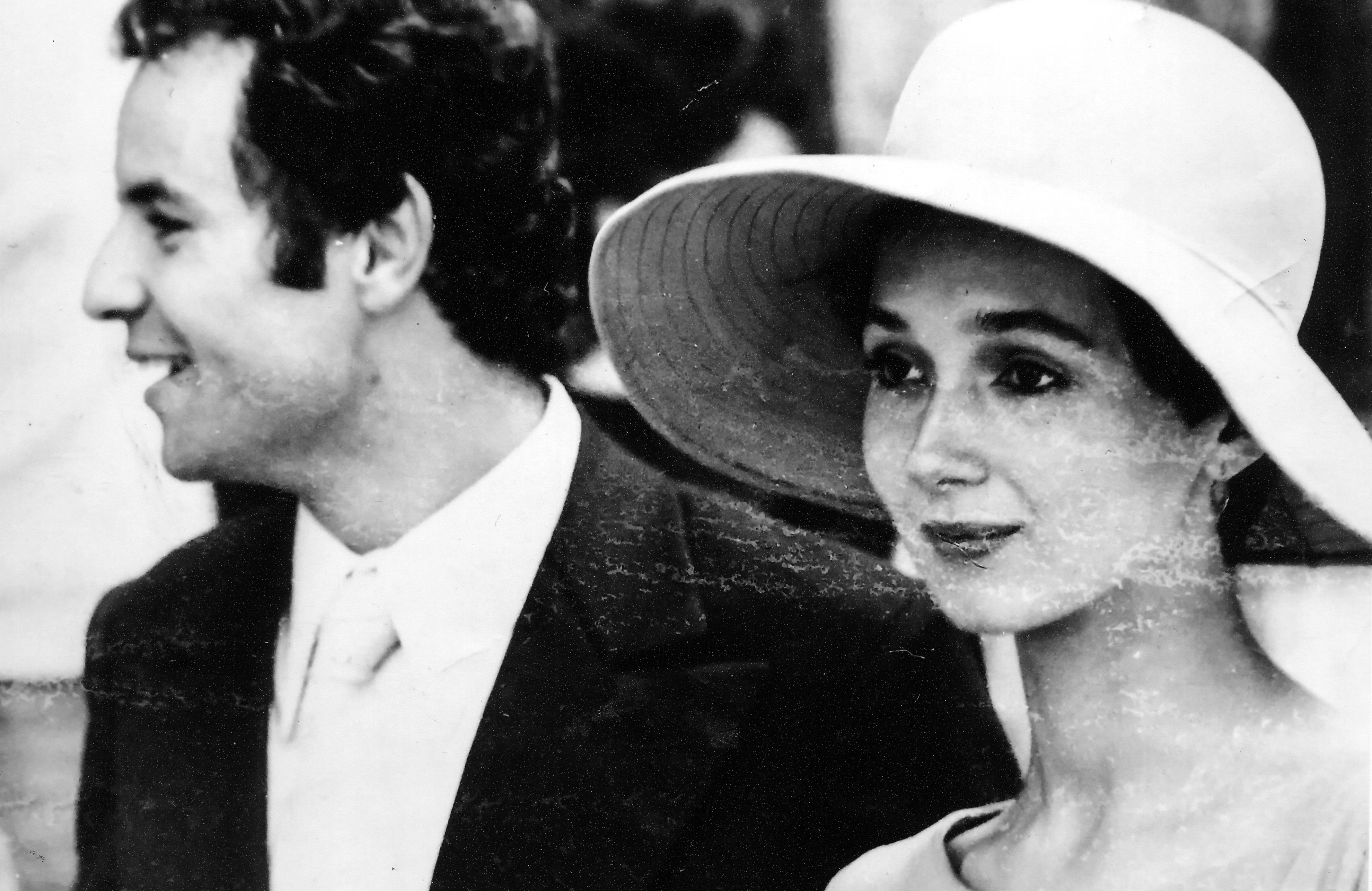
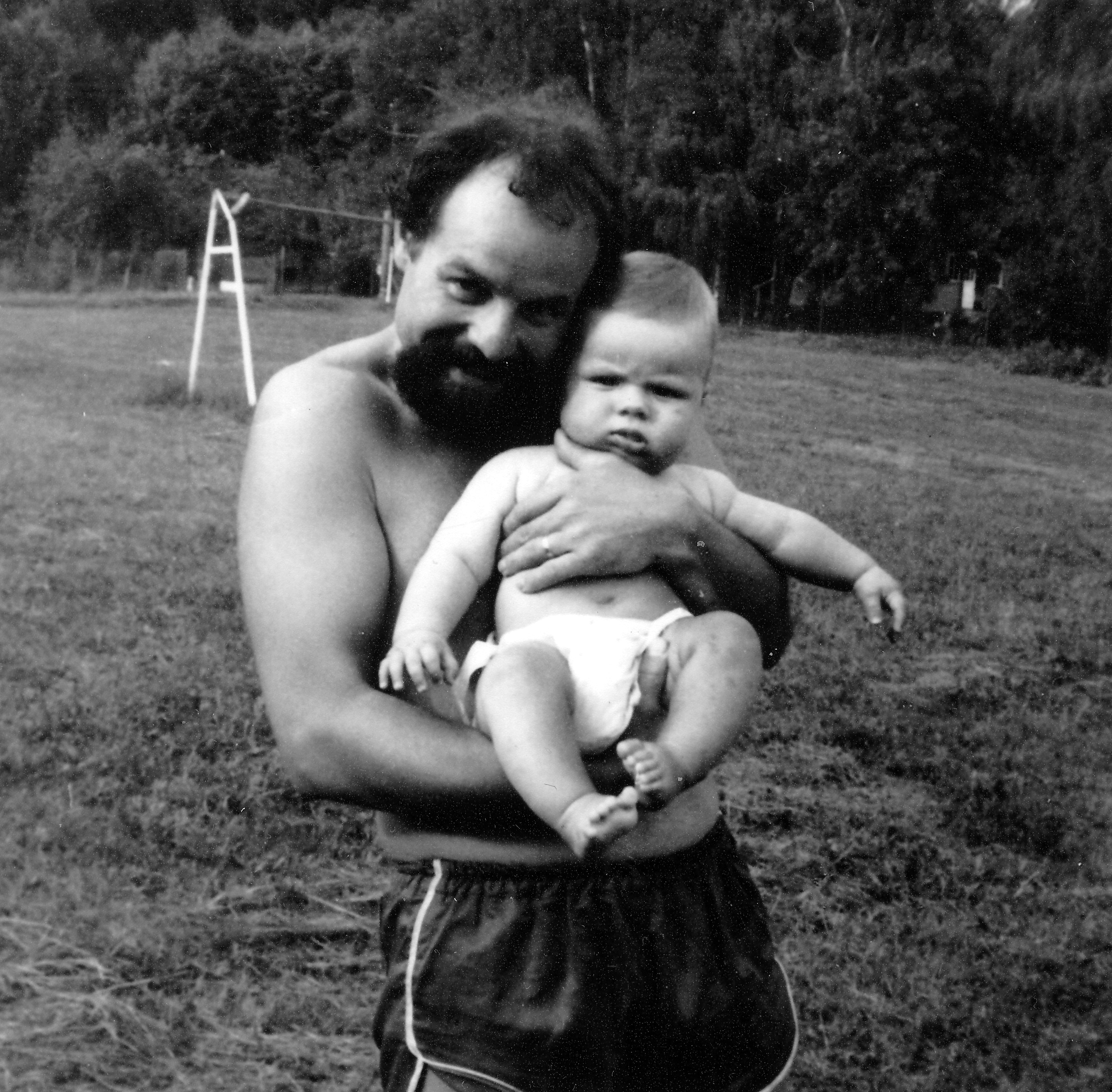
Tomáš Klepek was born on 1 April 1951 in Prague into the family of Zdena and Drahoslav Klepek. His father studied law, but did not want to practice his profession in socialist Czechoslovakia. On 21 August 1968, he witnessed the invasion of the occupying forces on the streets of Prague and participated in a rally in front of the Czechoslovak Radio building. During a protest demonstration in August 1969, a member of the People‘s Militia shot dead his friend Vladimír Kruba. In 1977, he married Jana Bartoníková and both became involved in independent Catholic activities. They were followed by State Security, which eavesdropped on their house. In 1986, the witness accepted an offer from the priest Tomáš Halík and became a member of the preparatory committee of the Decade of Spiritual Renewal project. At the time of the recording in 2025, Tomáš Klepek was living in Říčany, Prague.