Karel Kafka

* 1936  †︎ 2026

  • "In the fifty-sixth year, when I was recalled to Žatec, they cut our hair at the station, gave us full combat gear, a machine gun, a short automatic. We didn't know how to hold it, nothing. Because it was the fifty-sixth year. That was the tank regiment I was transferred to. And all the tanks were outside, we were taking out live ammunition. We cooked in the field kitchens on the street, outside the barracks. Because we were waiting for the order to go and help the communists in Hungary. That was the revolution in Hungary, as they hung the communists there."

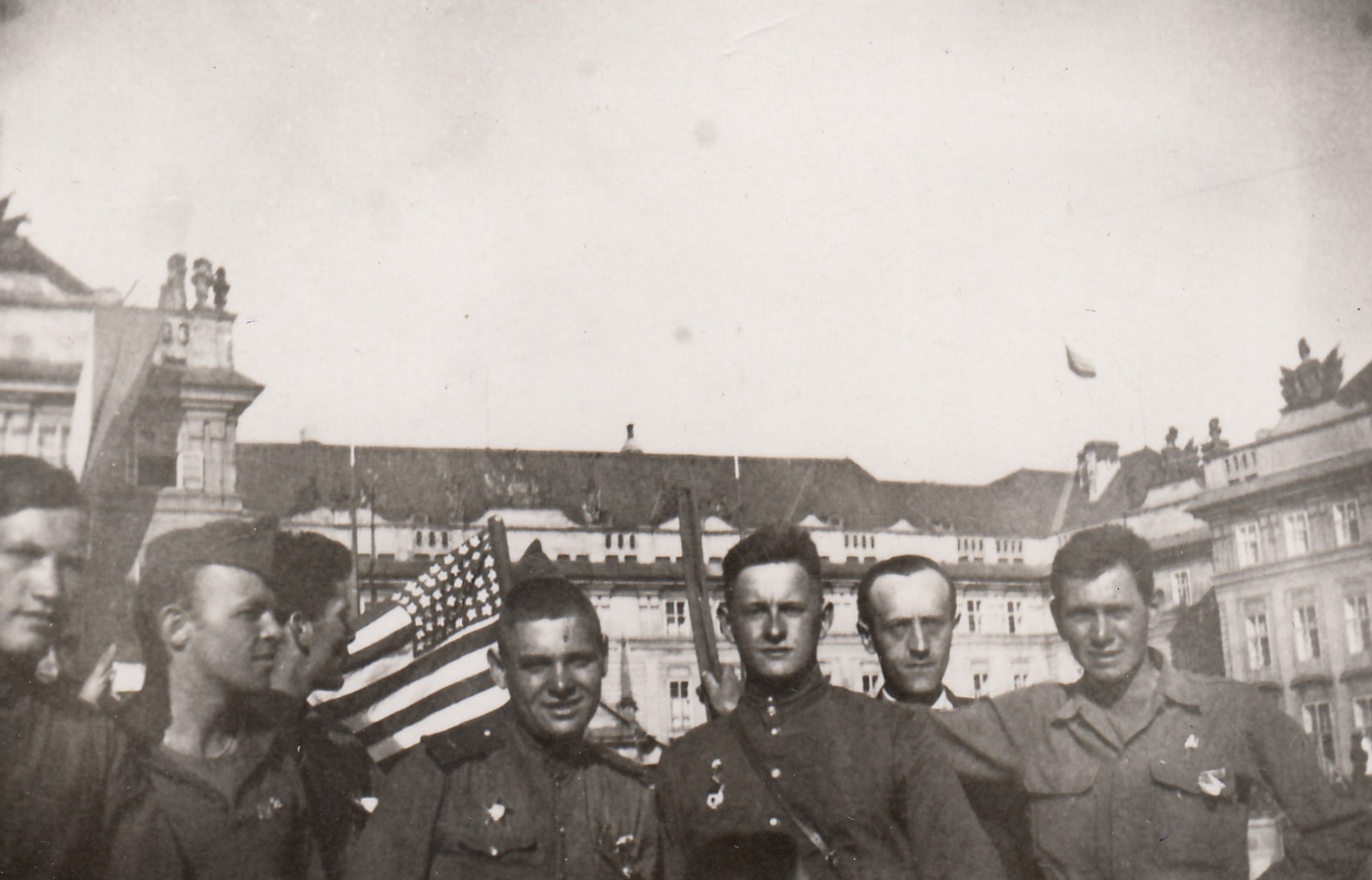
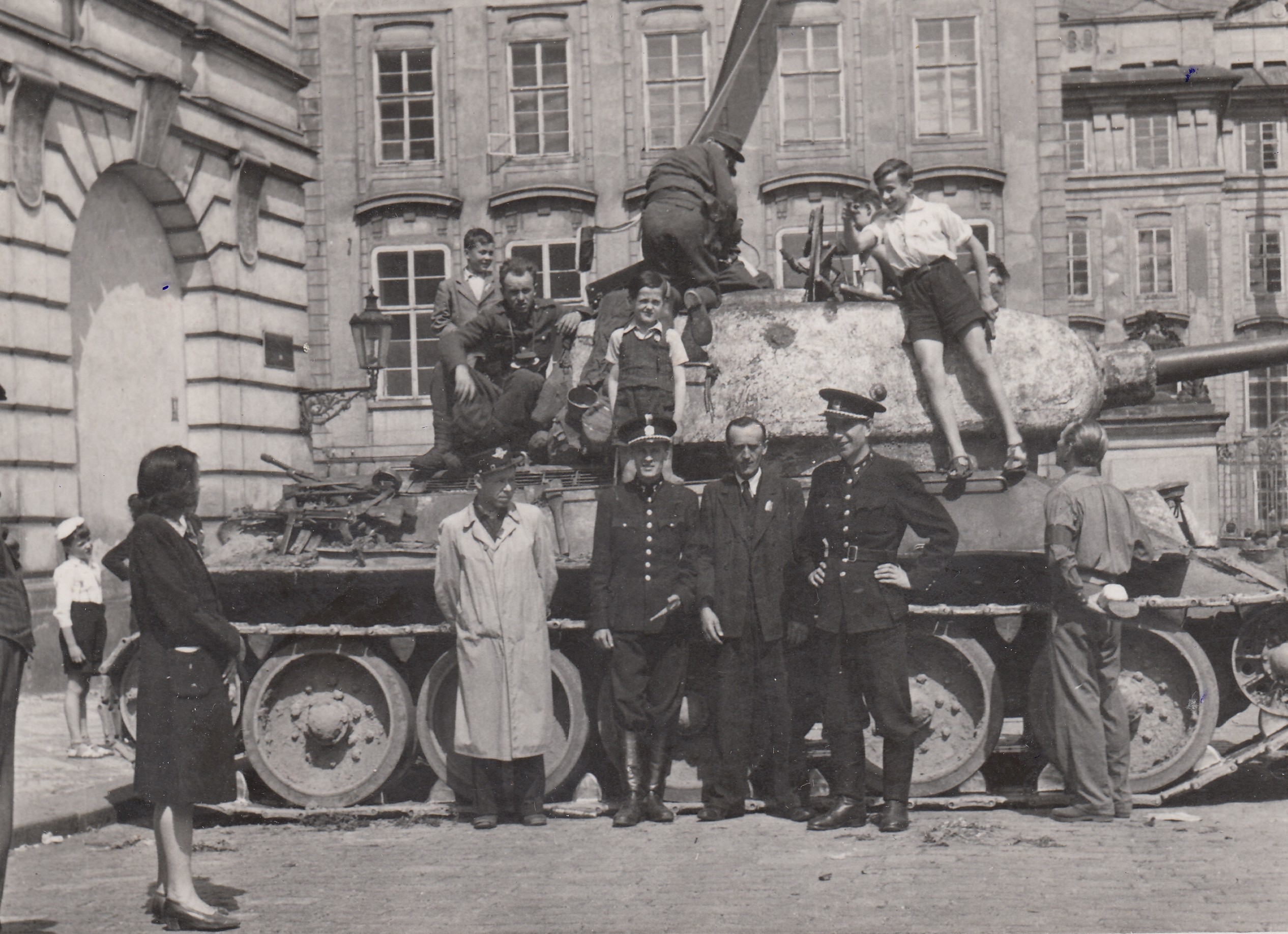
  • "So we celebrated here, but I went to work in the morning, I couldn't celebrate much, I had to leave home at 3:30 in the morning. I always got up at three o'clock, all my life. It was warm, beautifully warm, the windows were open. And downstairs someone was shouting: 'People, get up, the Russians are occupying us!' It was somebody shouting downstairs in front of the house. And somebody from the window again: 'Go to bed, you drunkard, what are you waking us up for!' But he said: 'I'm not a drunkard, turn on the radio and you'll see it's true!' So we turned on the radio, Prague. And we found out that Prague was being occupied by the Russians. They were already here, they came from Germany. I had to go to work, so I went to the garage. There were already tanks there. Táborská Street was a one-way street, tanks were coming towards me, a narrow street... There were signs everywhere. On the district there was a sign saying Dvory, like the airport. They moved signs everywhere to confuse them. I drove a Nr. 6 bus, we did something different every day, depending on the turn. I drove the Nr. 6 bus, I had one passenger from Tržnice to Doubí. That was still the station down by the bridge, you didn't go up. He went to a warehouse. And I went back empty, because all the people were listening to what was going on. The Captain Jaroš Bridge fell down. There was a sign there, 6T, the Russians thought it was 6 tanks, only it was 6 tons and they drove on it, the tank broke the pipe, gas went out, now it caught, electricity. And that's how half the bridge tilted. I followed the line to Tržnice. Our director was there, he said, 'Don't make a mess, you put a bus to Lázně V.' So I backed up to Lázně V, so I wouldn't get in the way, because there was an army vehicle parked opposite the post office. They thought it was an office or something. There was a statue of a Red Army soldier opposite the post office, so people with sticks and poles threw it down in the park. The head fell off, so they threw it in the river. It was a wild time, it's hard to say nowadays. So we stood there until it calmed down, so we slowly started it up, the tanks left."

  • "When Stuttgart was raided... it wasn't the main station, but it was a big station. In one bombing, the station was destroyed. They - both at forced labour, and the Germans didn't care who was left under the rubble or not - my dad and a Swiss guy who was also deployed there, they escaped. They weren't injured, they picked up a Horch, that's a German car, and they drove it out of Stuttgart. It had an SS flag on the fender, so they didn't stop them anywhere. They were wearing some kind of uniform, Dad and the man. They went to Switzerland, and the Swiss stayed in the Swiss and said, 'Karel, go home through Austria.' So Dad went, and in Austria he was also quite... He had problems, but it turned out well. He went to Czechia, he couldn't go to Prague in Czechia because they would have arrested him and he would have gone to the gas or to a concentration camp. My grandfather had a brother in Dolní Brežany and he had a brickyard. He served as a hired hand, my father herded cows, cattle, helped on the farm. Until the revolution. As soon as the revolution came, he came to Prague, to his parents and to us at the Prague Castle."

  • Celé nahrávky
  • 1

    Karlovy Vary, 03.06.2025

    (audio)
    délka: 01:08:39
    nahrávka pořízena v rámci projektu Příběhy regionu - Karlovarský kraj
Celé nahrávky jsou k dispozici pouze pro přihlášené uživatele.

I‘ve driven over two million kilometres
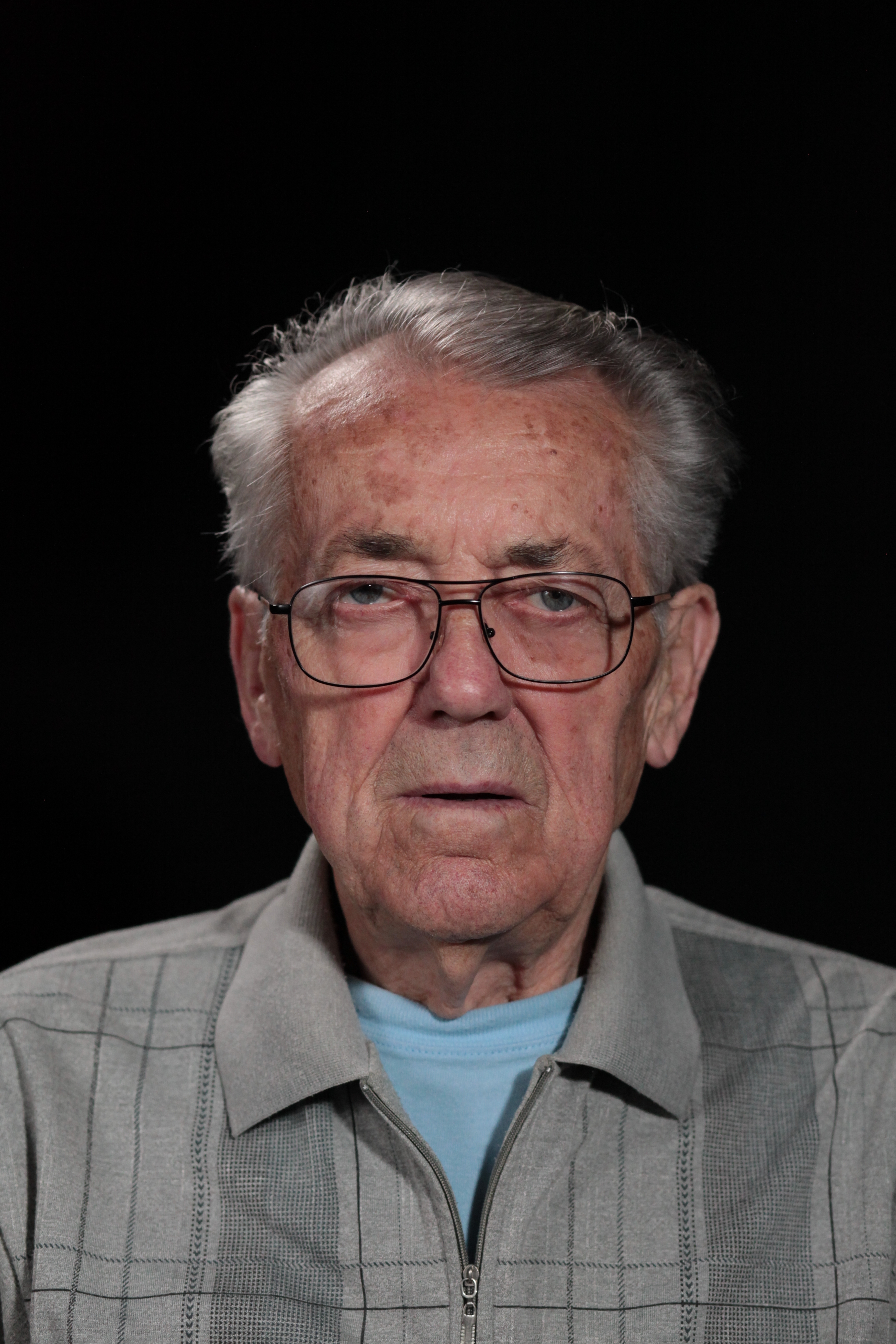
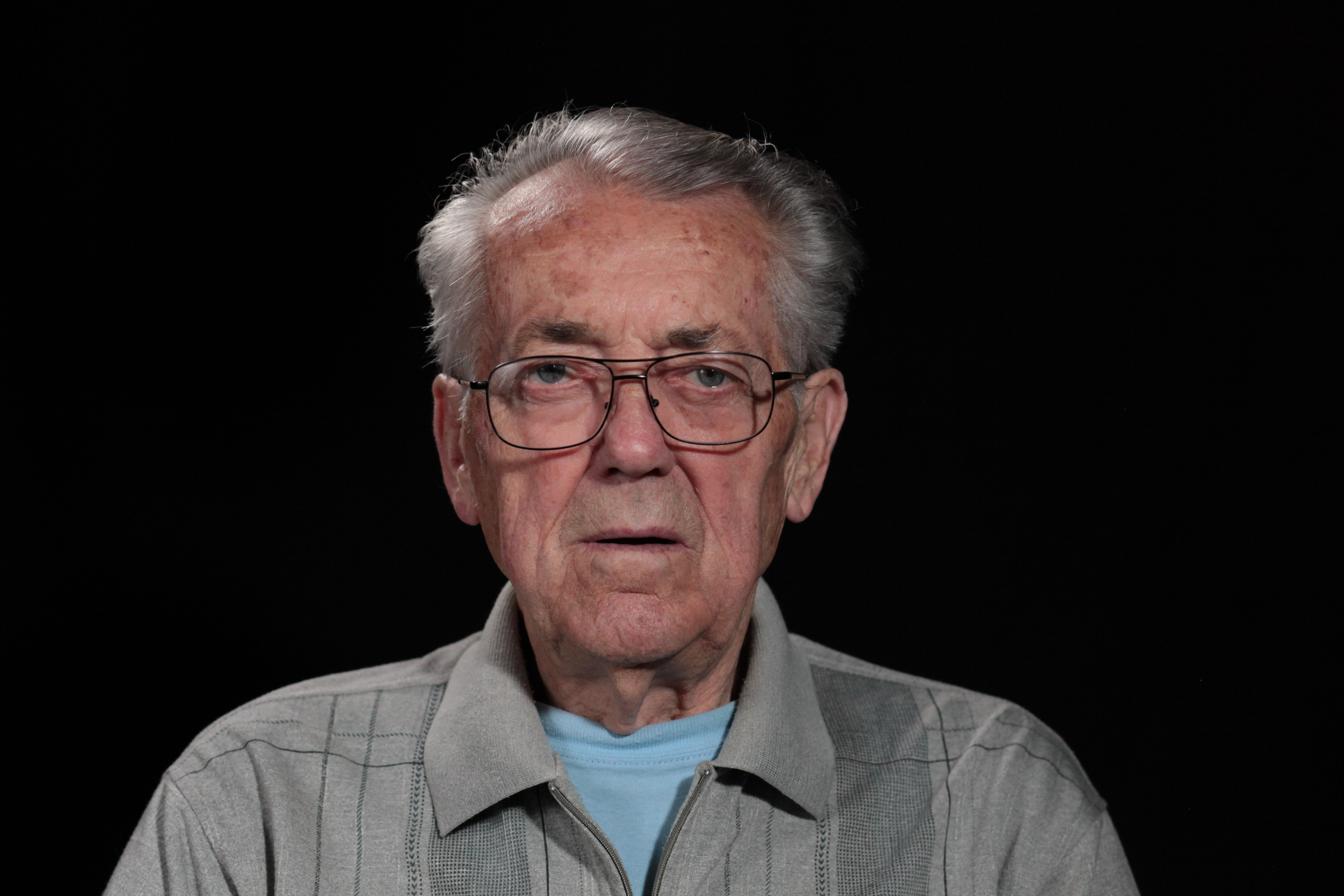
Karel Kafka in 2025
Karel Kafka in 2025
zdroj: Post Bellum

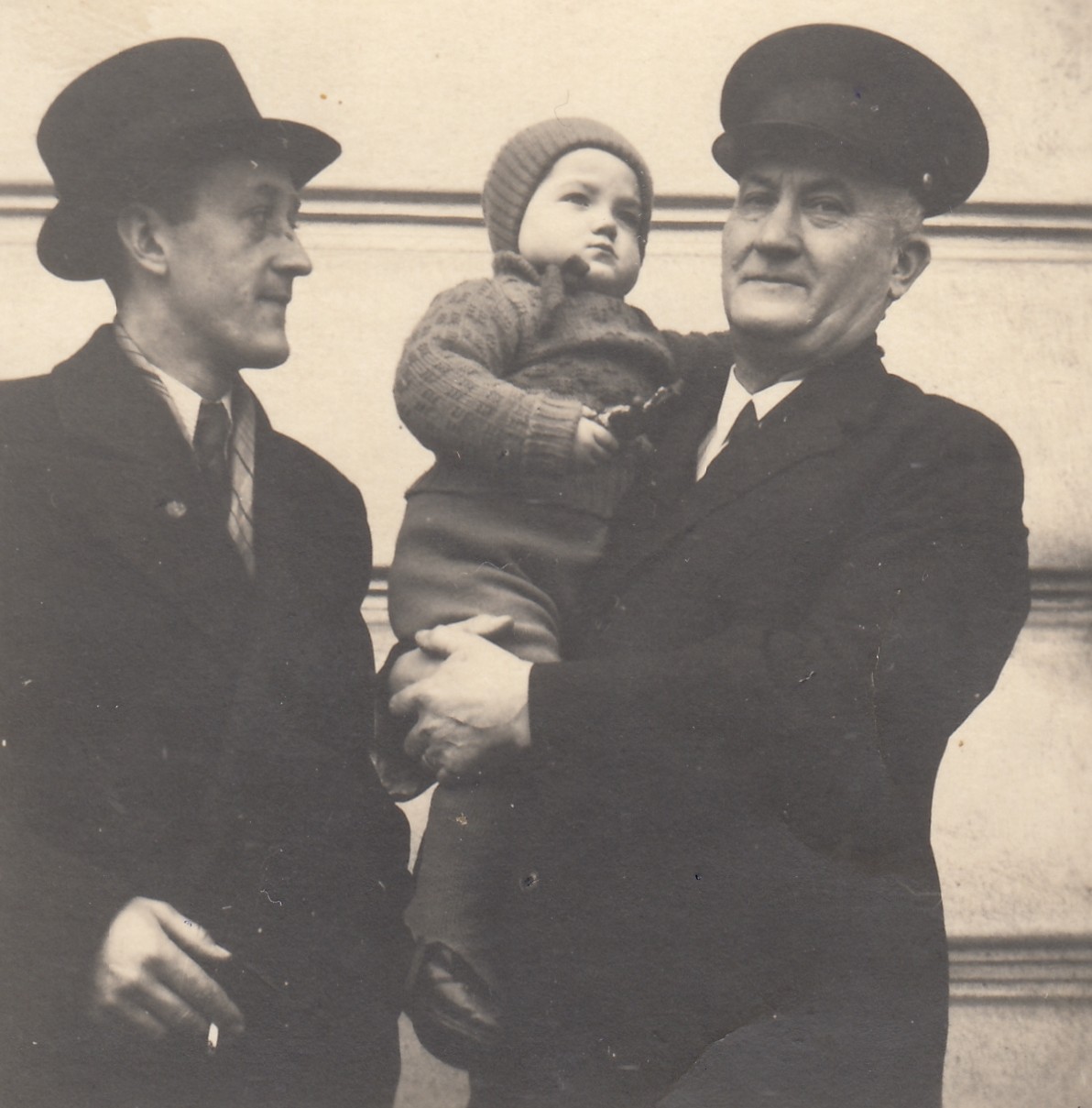
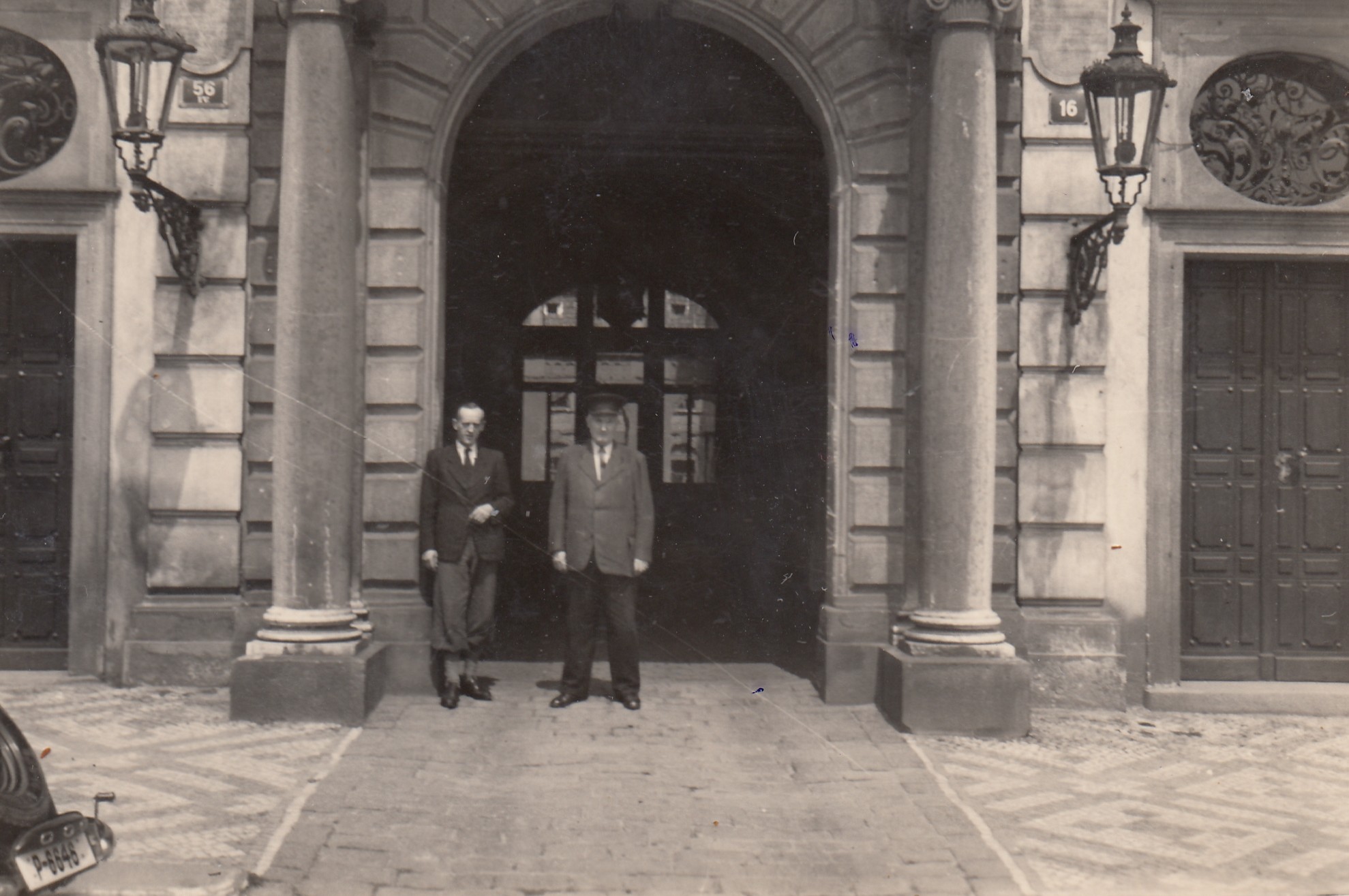
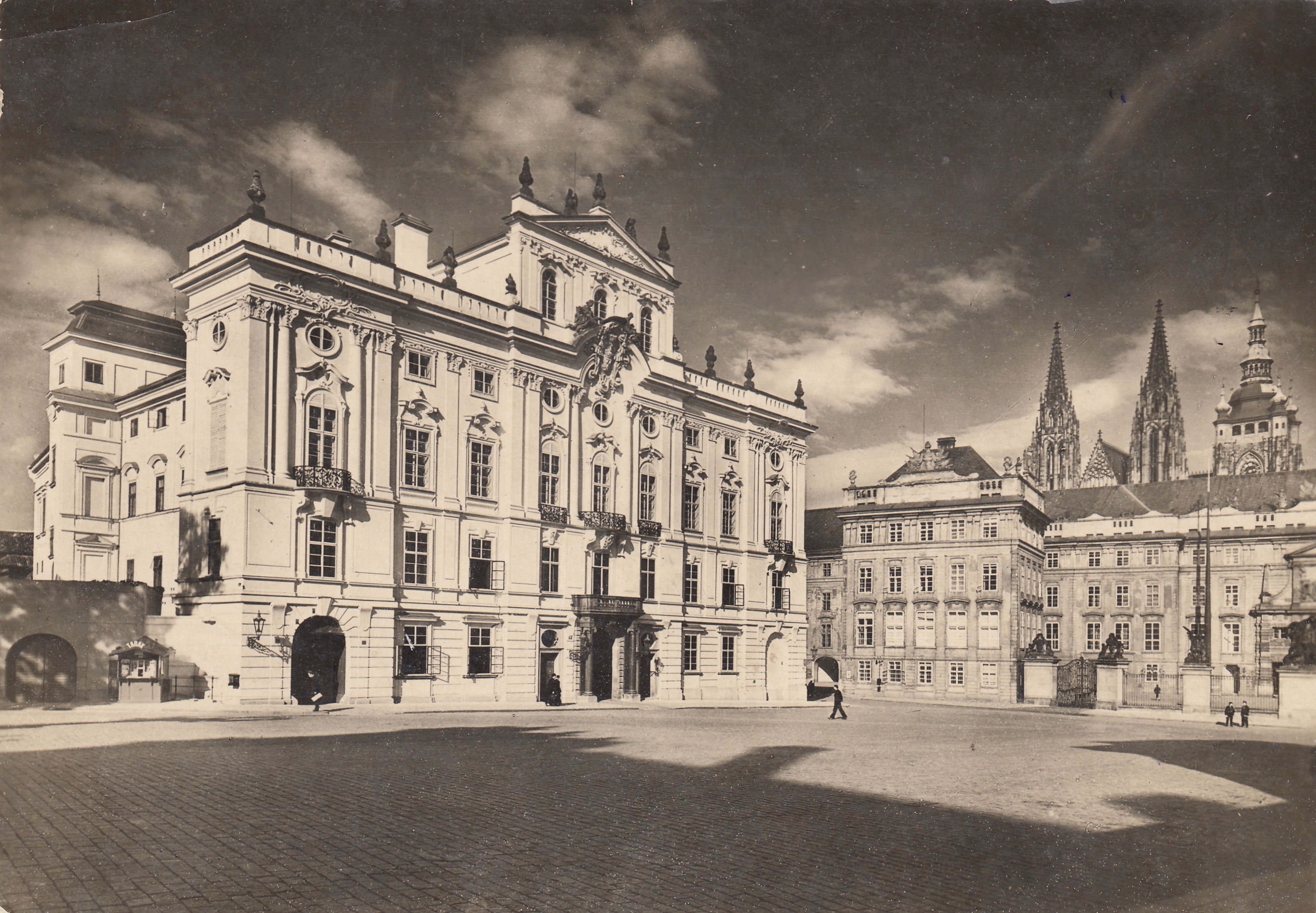
Karel Kafka was born on 12 April 1936 in Prague. His mother was a Sudeten German from a factory family Elvira Kämpfová, his father was a Czech postal clerk Karel Kafka. His parents met in the border village of Merklín (Merkelsgrün). Due to national tensions, they moved to Prague to a flat in the Martinice Palace. Grandfather Jan Kafka was a legionary who after the war got a flat and a job as a gatekeeper in the Archbishop‘s Palace in Prague. After the assassination of Reinhard Heydrich, his father was sent to forced labour at the post office in Stuttgart, Germany. After the bombing, he managed to escape from there and remained in hiding until the end of the war. Karel Kafka spent his childhood mostly in Hradčany in Prague, later in Karlovy Vary. He trained as a mechanic in Harrachov, and in 1956-1958 he completed his military service in Žatec and later in Terezín. After the war he worked as a bus driver in the Karlovy Vary Transport Company. On 21 August 1968, he was on duty and witnessed the invasion of the army and the protest actions in Karlovy Vary. At the time of recording (2025) he lived in Karlovy Vary. He died on 30 March 2026.