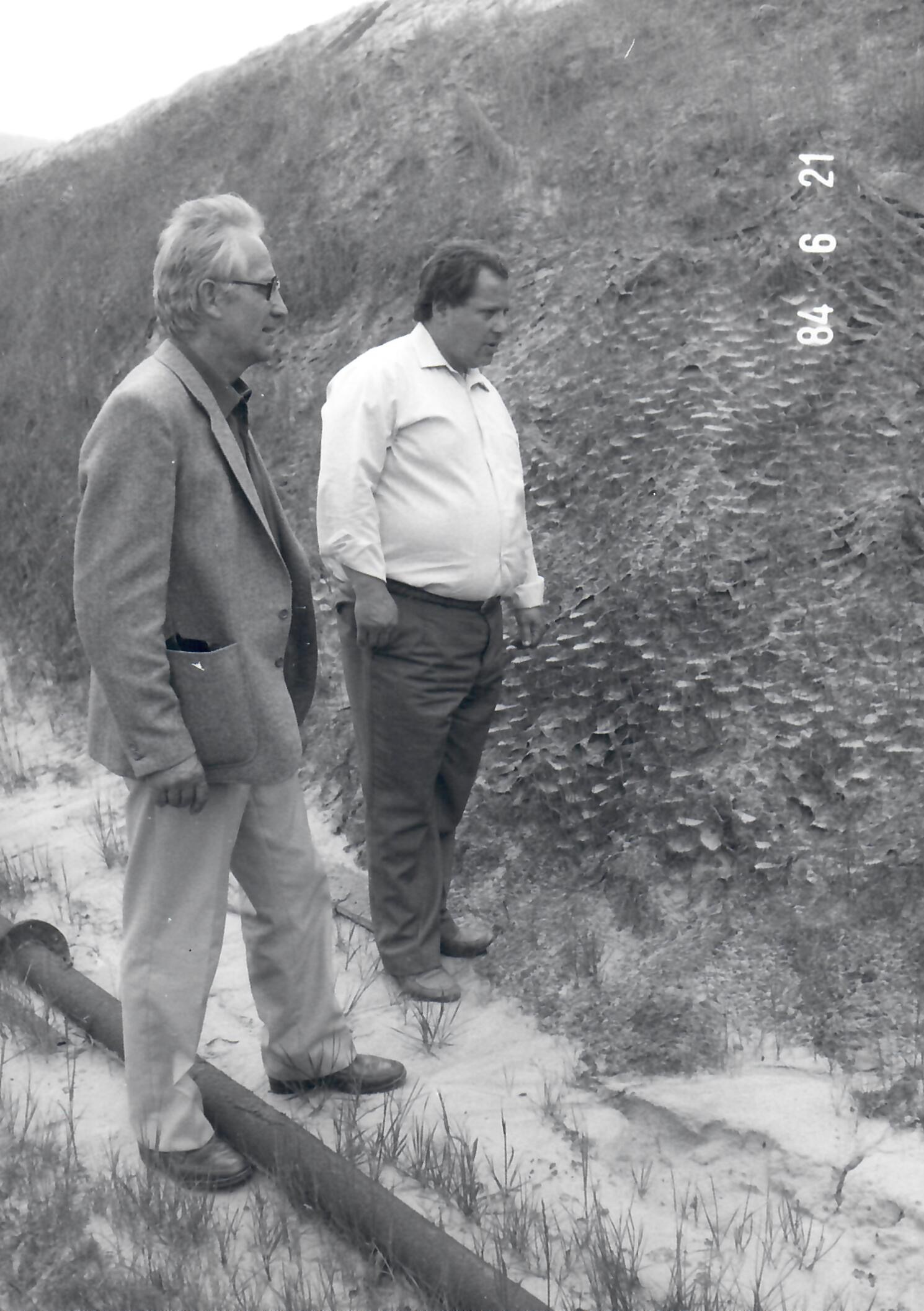
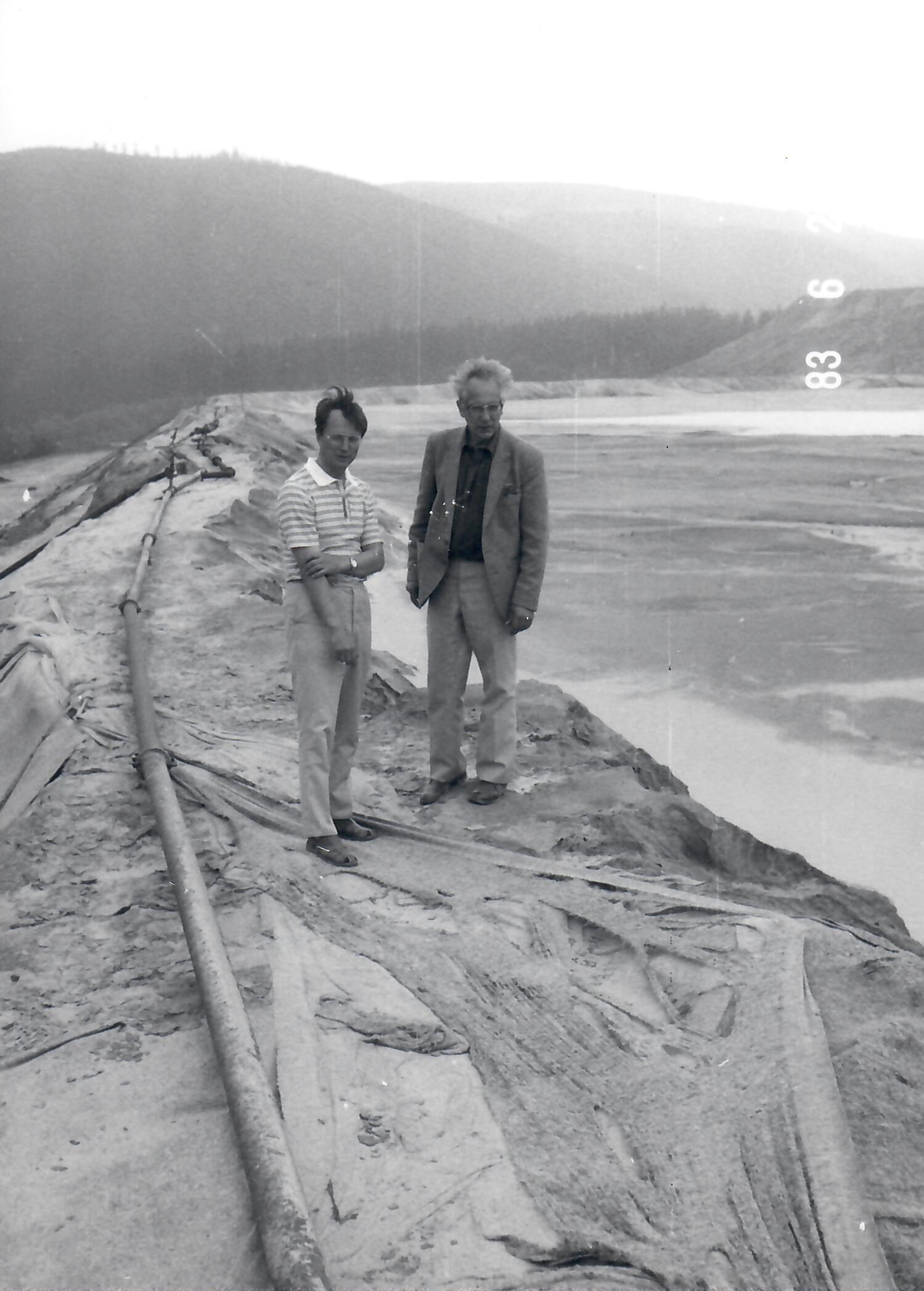
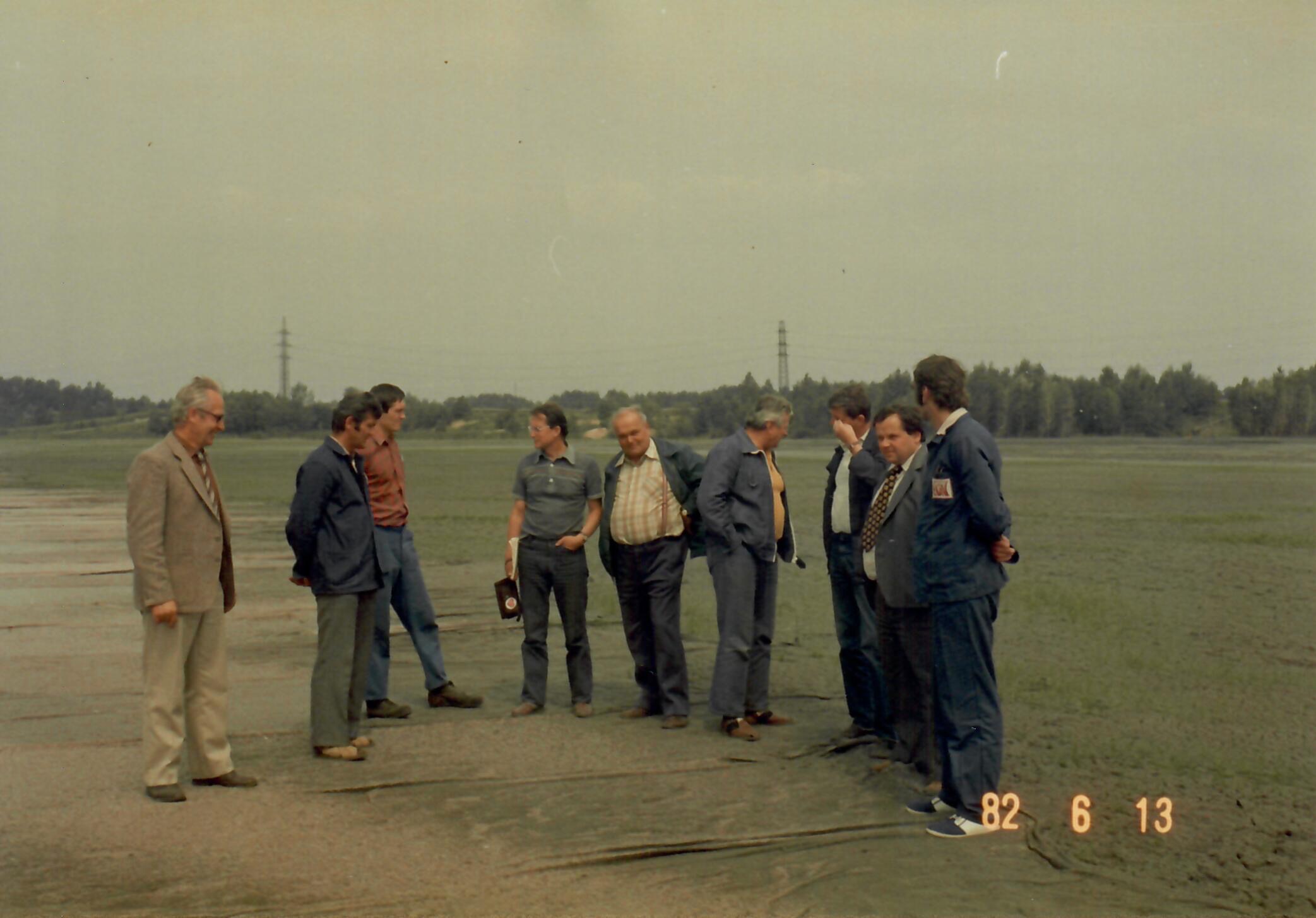
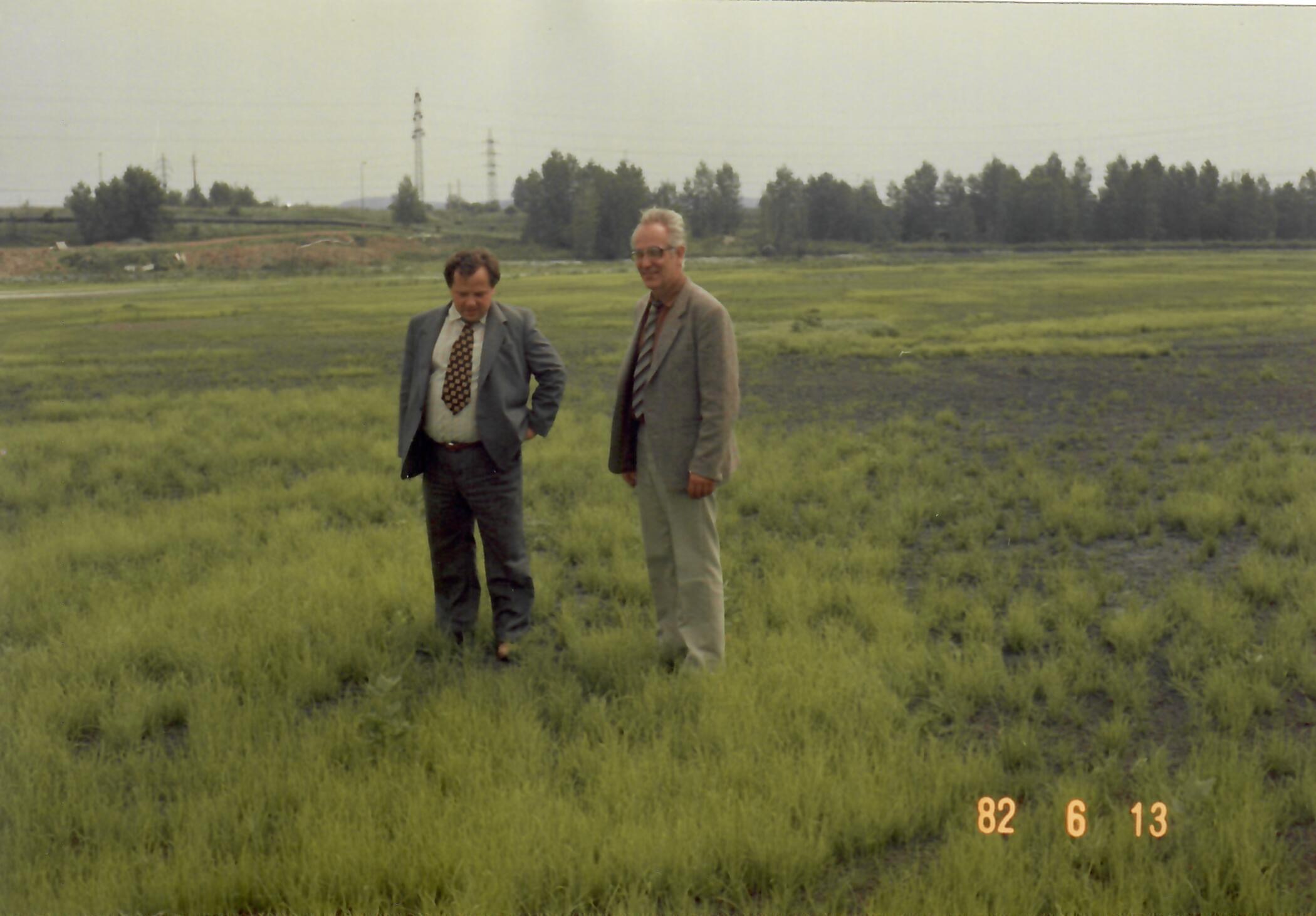
"I didn't use much of it. I'd have to sue. If somebody got a hold of it, they introduced it, and I'd have to sue. But I've let that go. That's when I started dealing with agrotextiles. Putting those storage tanks by the houses to keep it from dusting, and then the planting bags." - "Can you explain what that was?" - "That was planting trees in the planting bags and getting them properly rooted in those bags. That was instead of the cups. And then the sails, that was wool fabric stuck into crepe paper and that was put under the trees so they wouldn't get overgrown with weeds. Oh, yeah. But how that turned out, I don't know, because as they started to change those forest organisations, everything was different."
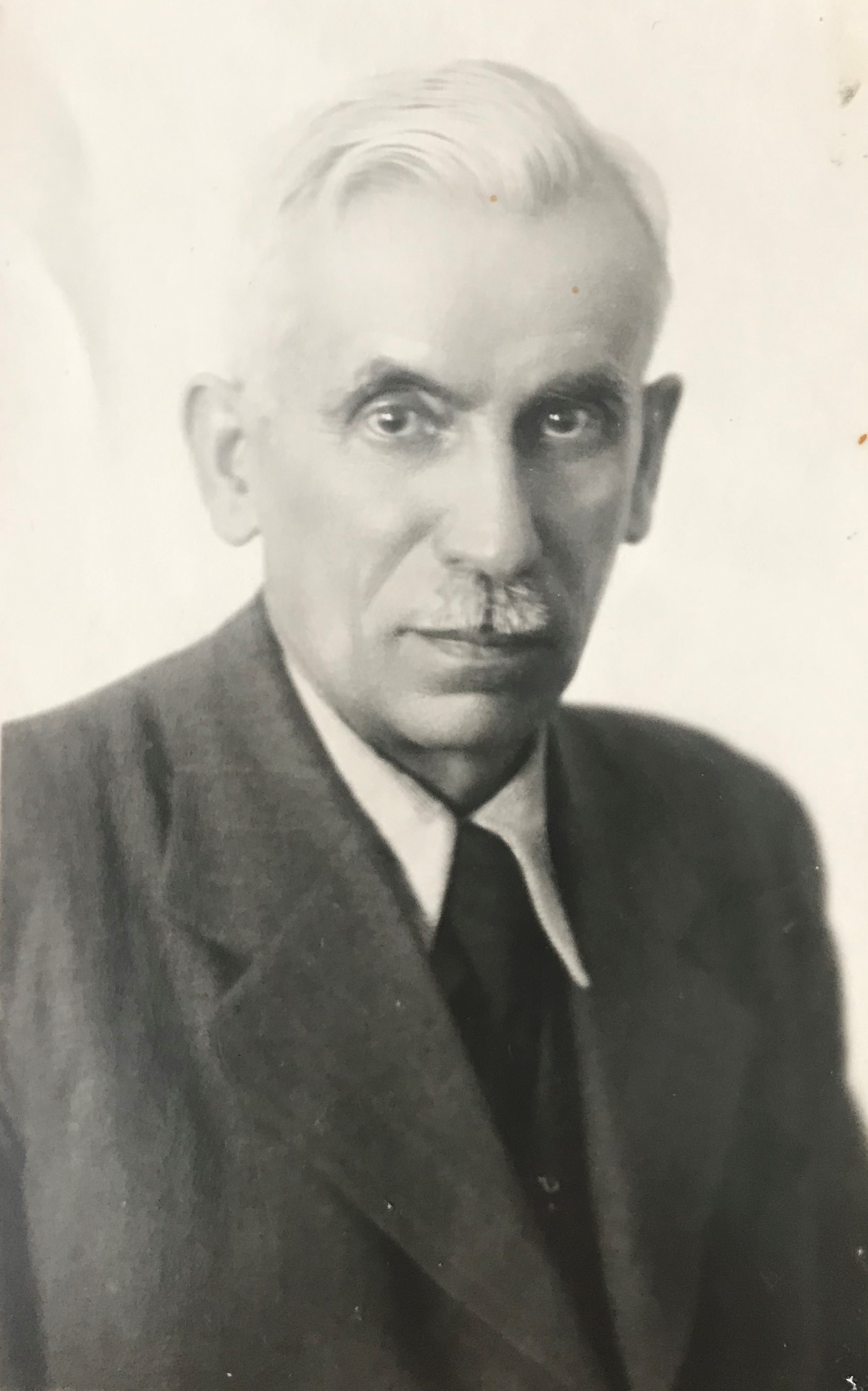
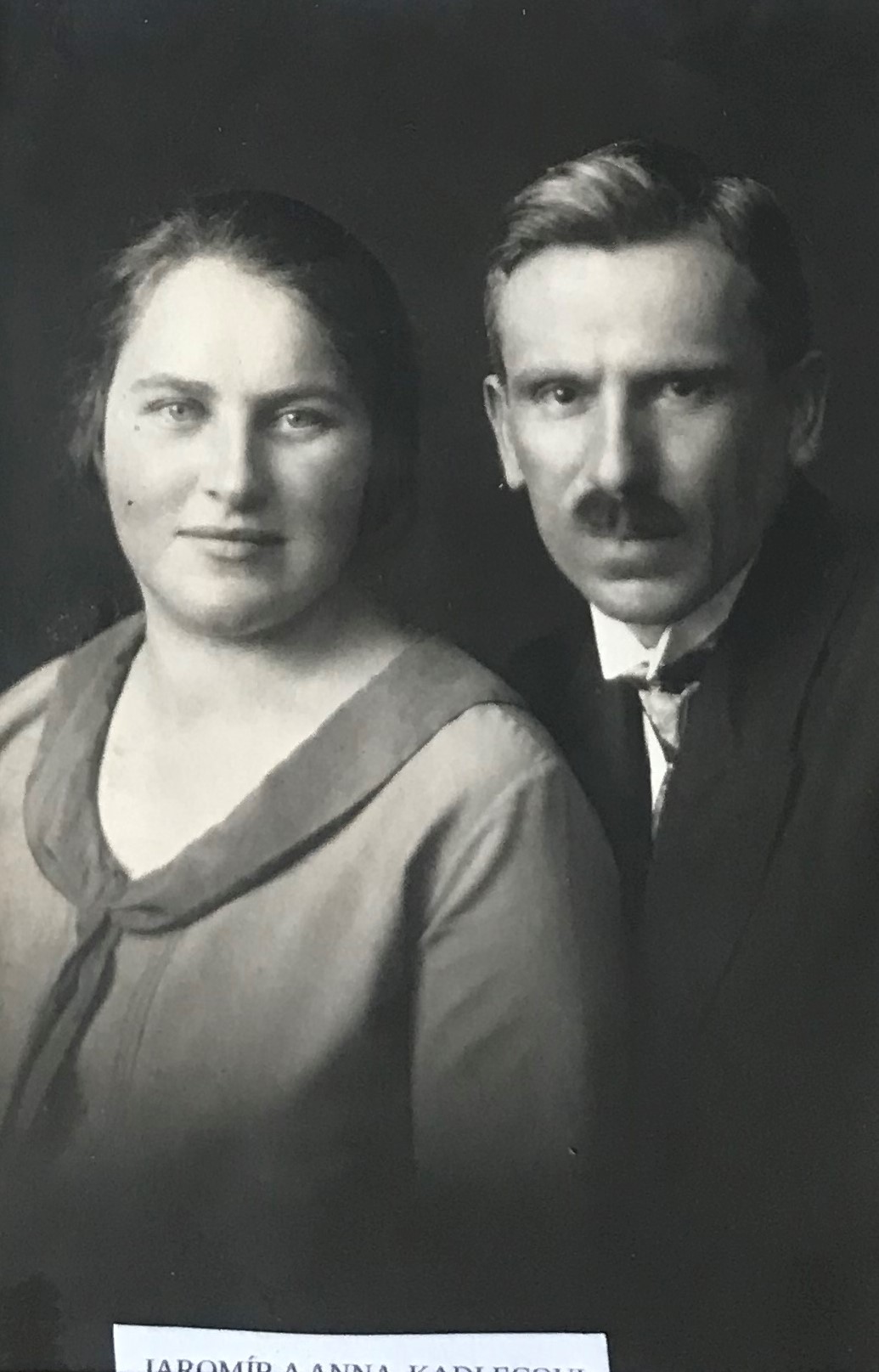
"Our family were evangelicals since the times of Josef II. There was a big evangelical church in Jimramov. And we were close to the Jimramovites. The village was close to Jimramov. It used to belong to Bohemia for centuries because it was on the left bank of the Svratka River." - "How did you live that evangelical life? What was it all about?" - "Normally. We went to church, we had an evangelical religion and my daddy was usually the curator, that is, he took care of that kind of normal economic stuff of the congregation. There were a lot of evangelicals there with us, there were five thousand members."
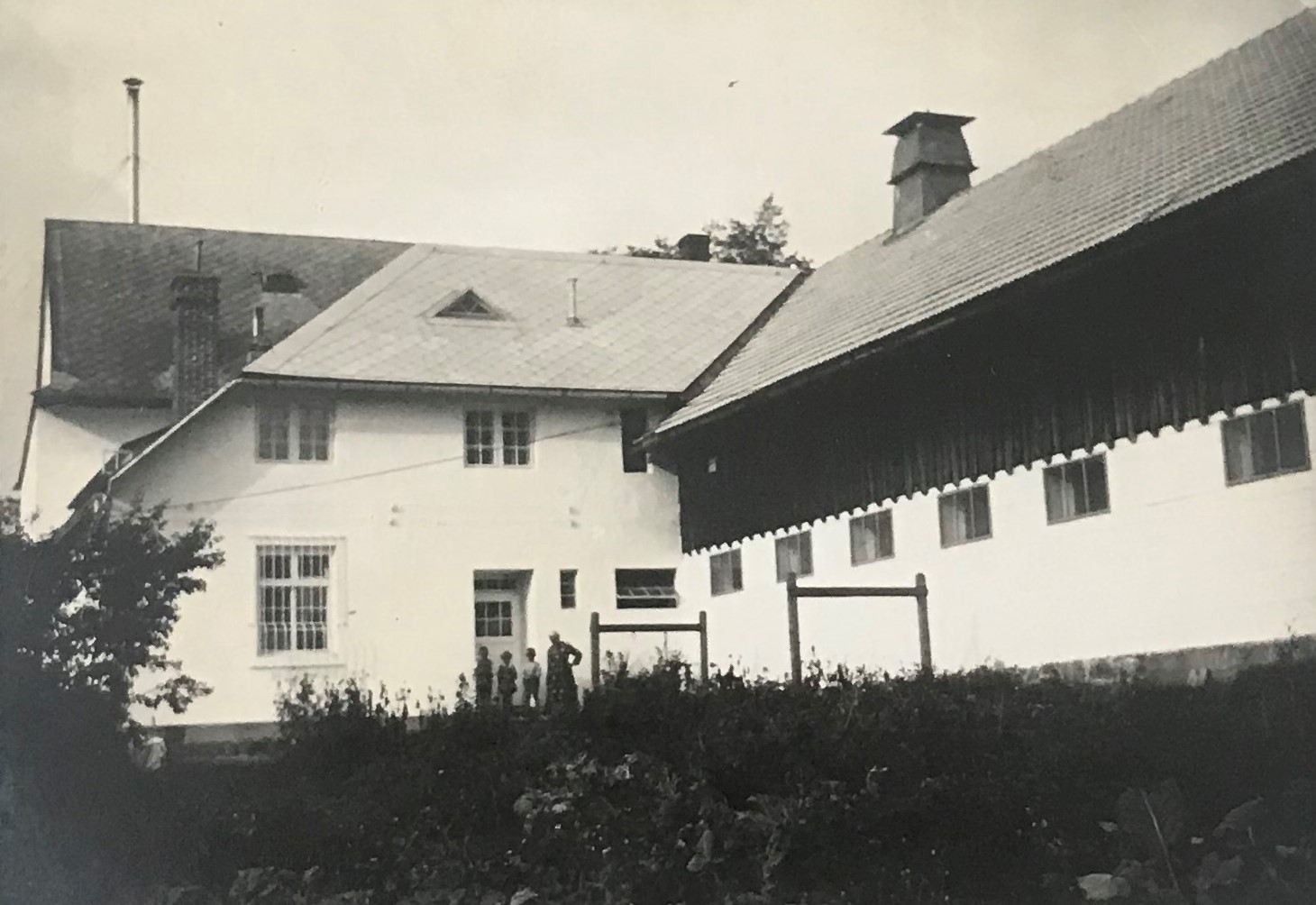
"My grandfather had already turned it into a small weaving mill. Back then, the water mills were out of work. Well, my grandfather had already started to make a weaving mill out of it, and my daddy made horse blankets for the army there in the World War I after my grandfather died. And after the war, after World War I, he changed to wool and cotton. That is, he supplied torn, loose fibers for further processing. We had two pairs of horses and they took it to Polička. We had a train station there... we had a warehouse there. So they would take it there and then when the wagon was there, it was loaded into the wagons in those sacks." - "So the business was good?" - "Well, it supported us. Daddy employed a little over twenty people during the World War II, but a lot of them were dead souls. They were artists or other people who would otherwise have been sent to Germany to work, so Daddy employed them that way. As dead souls."
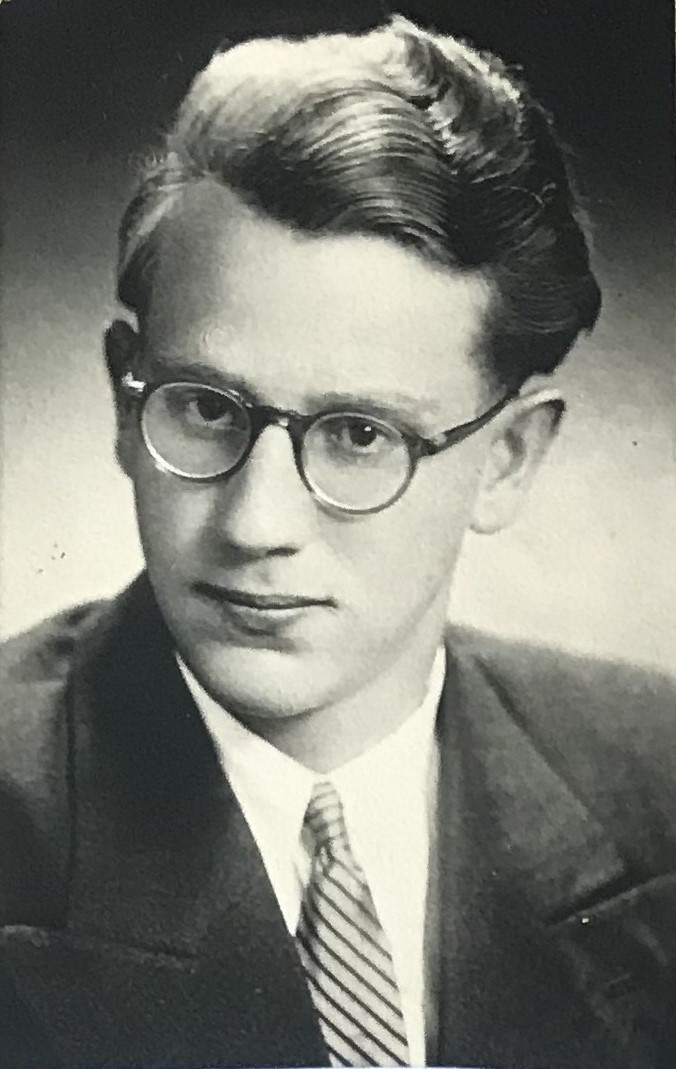
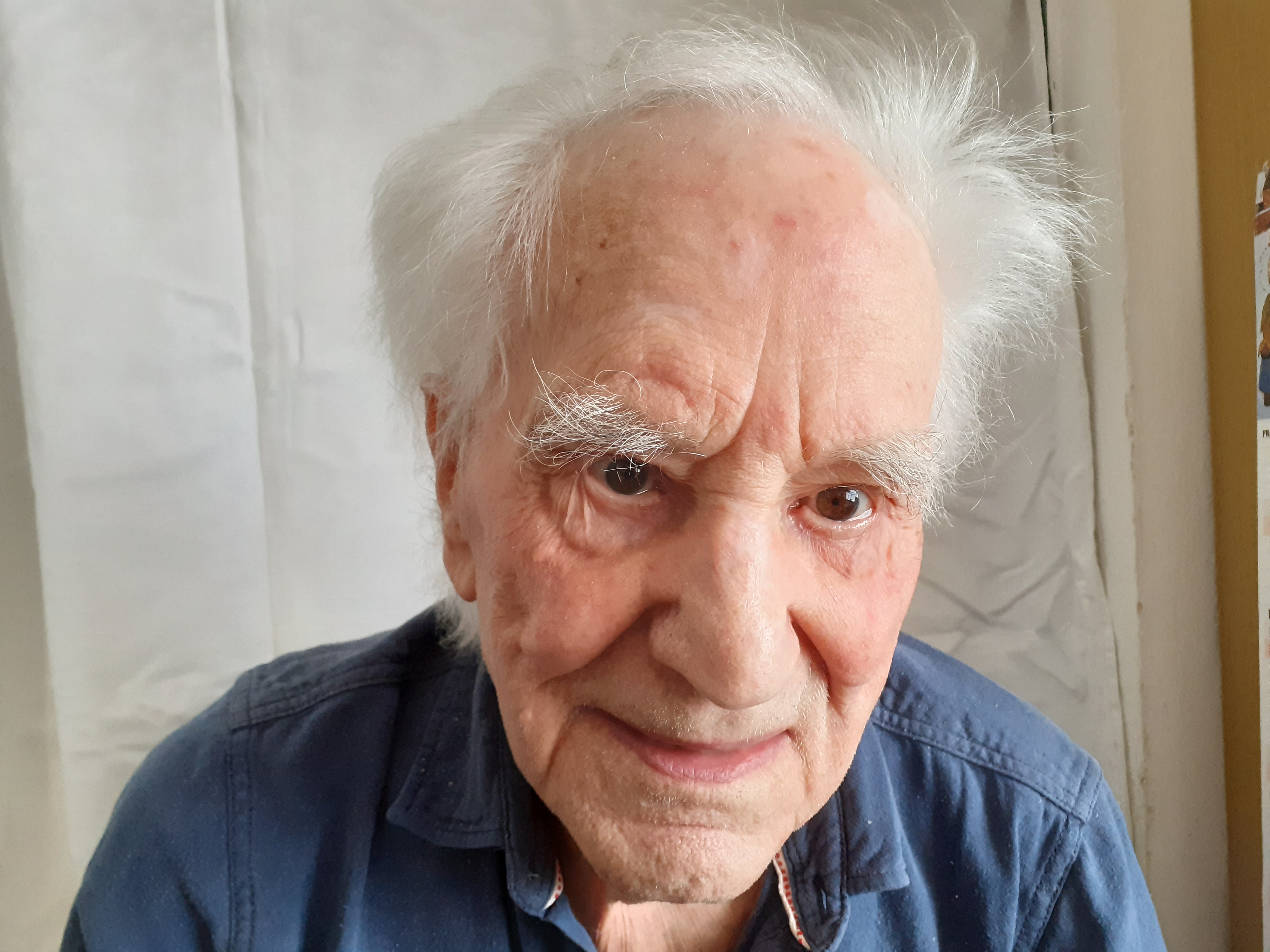
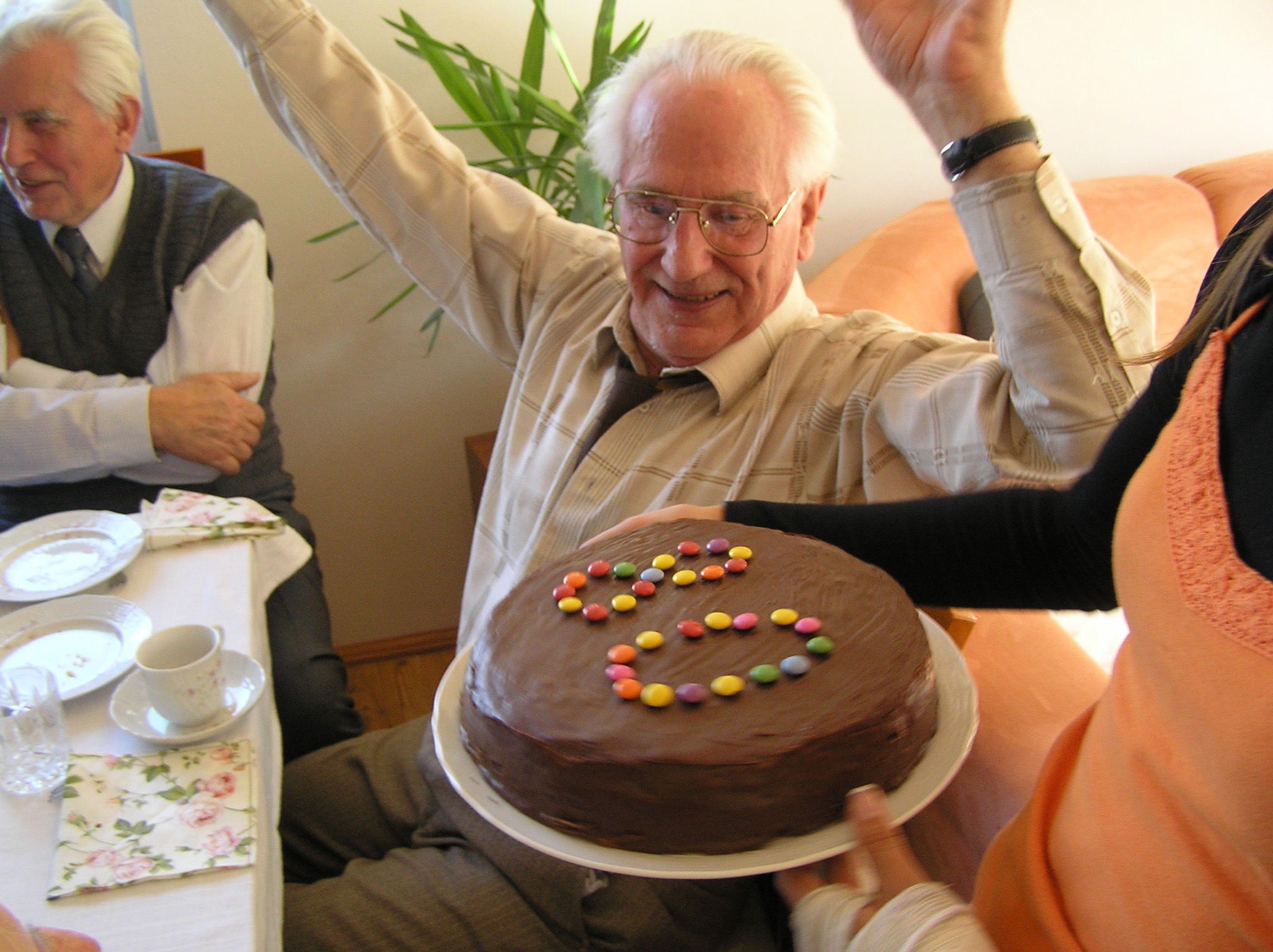
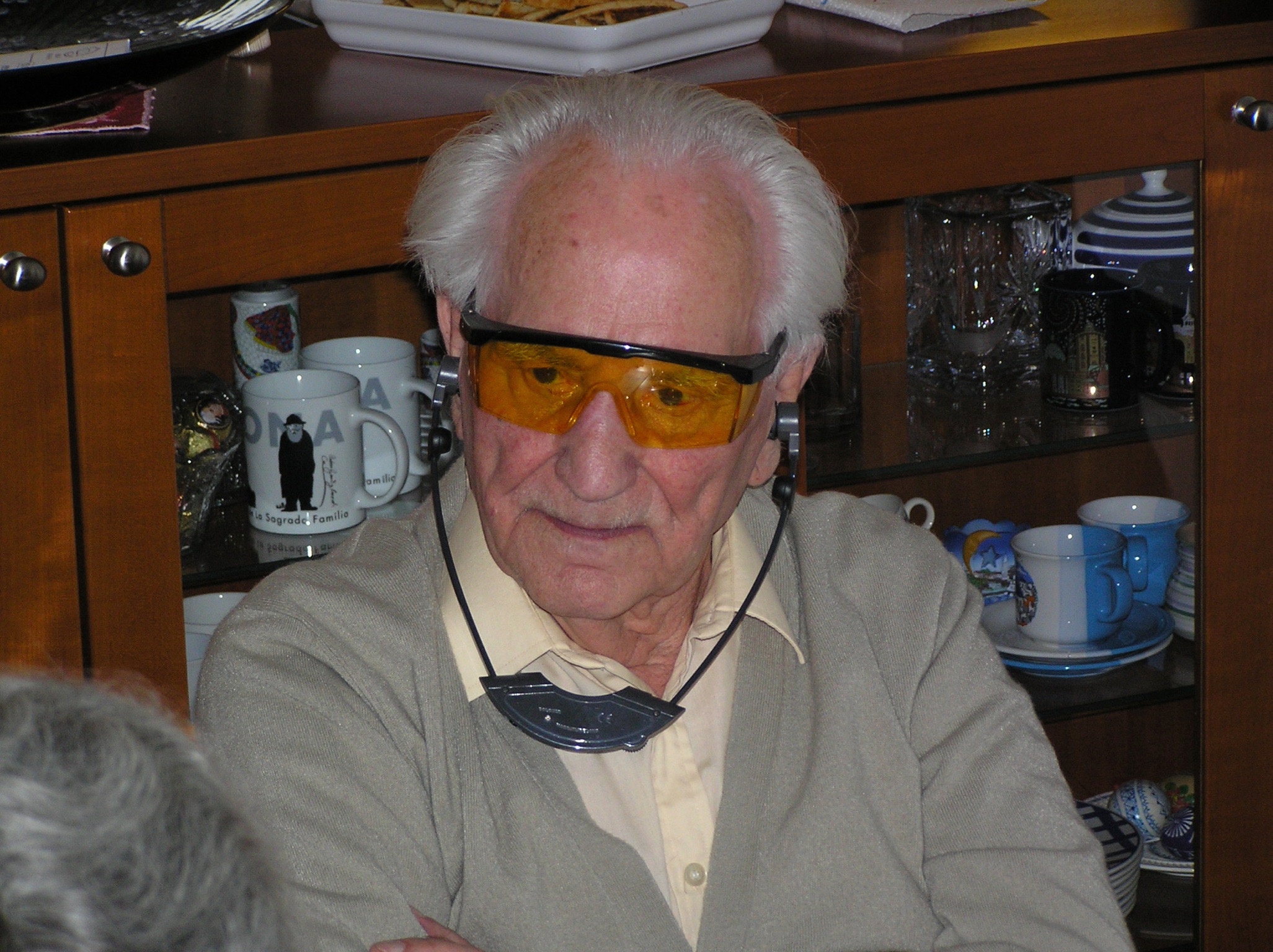
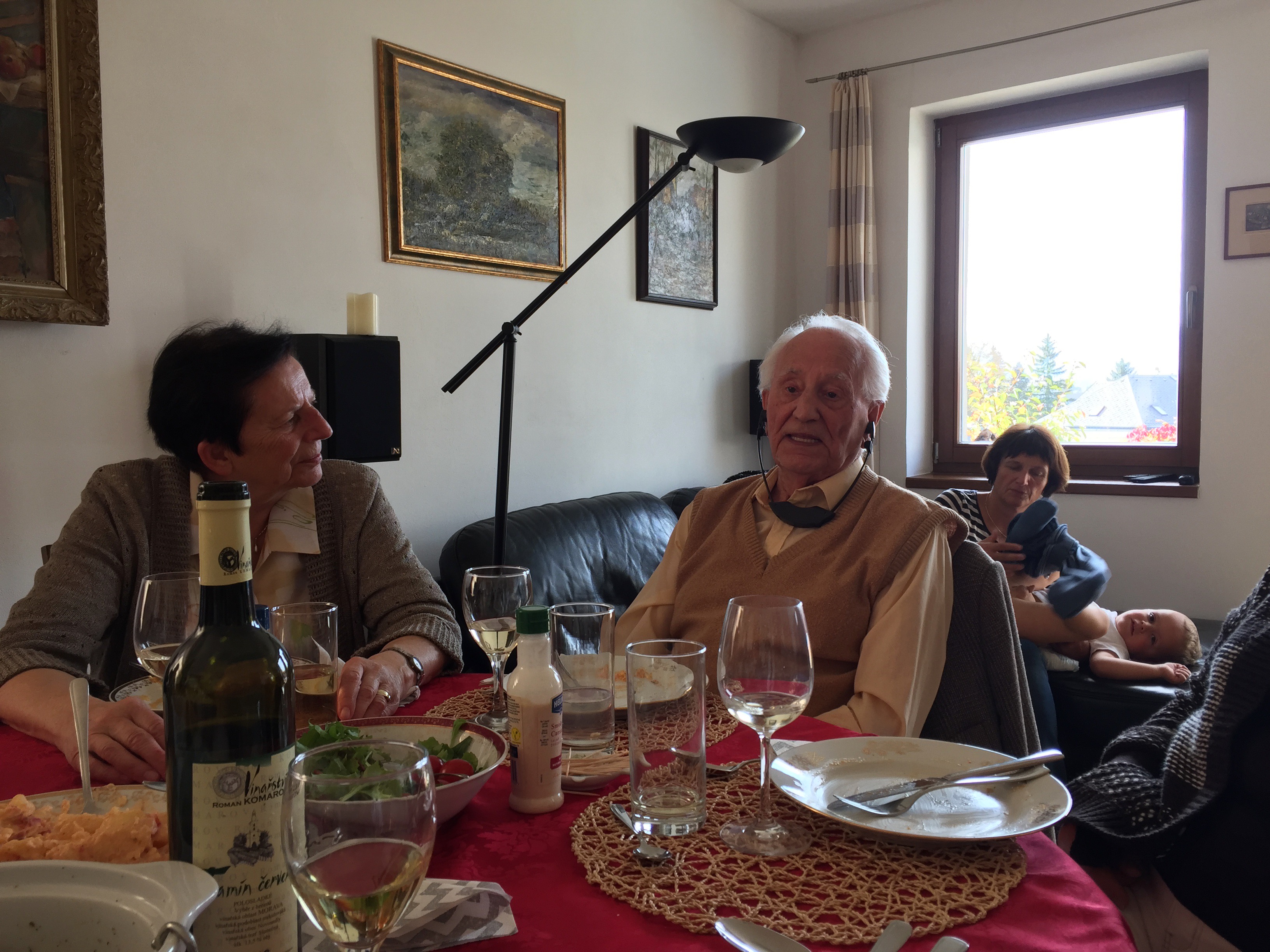
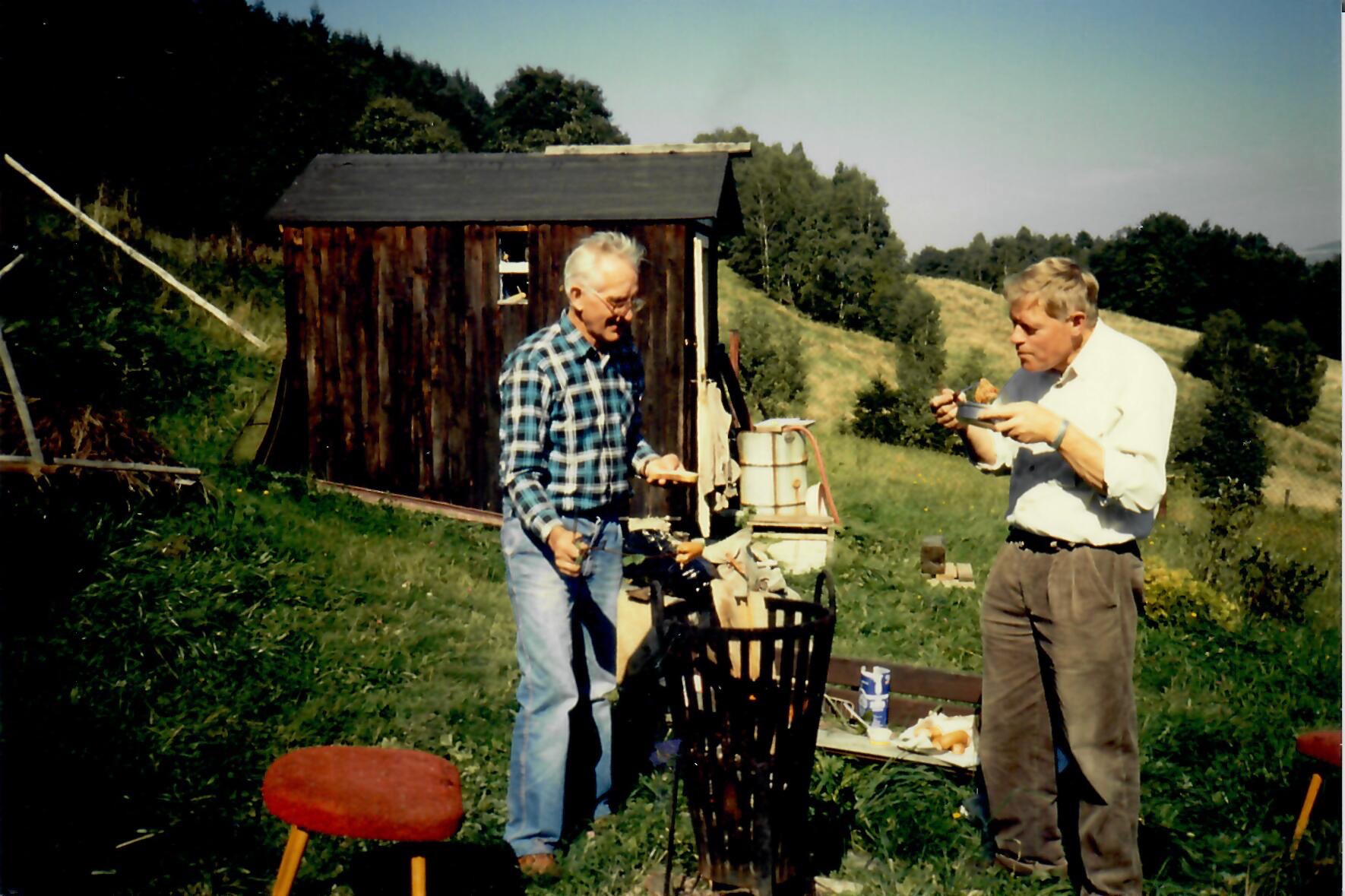
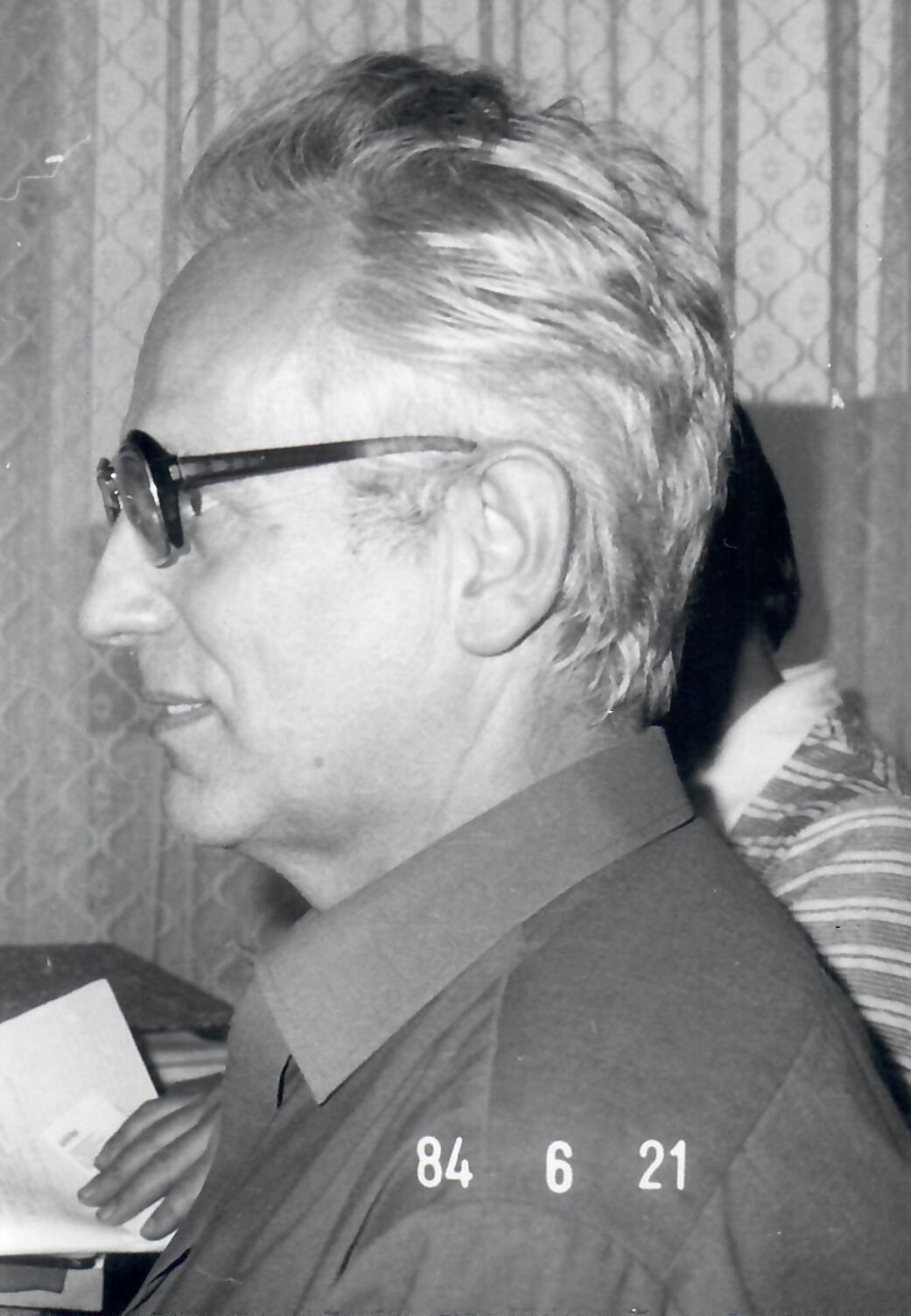
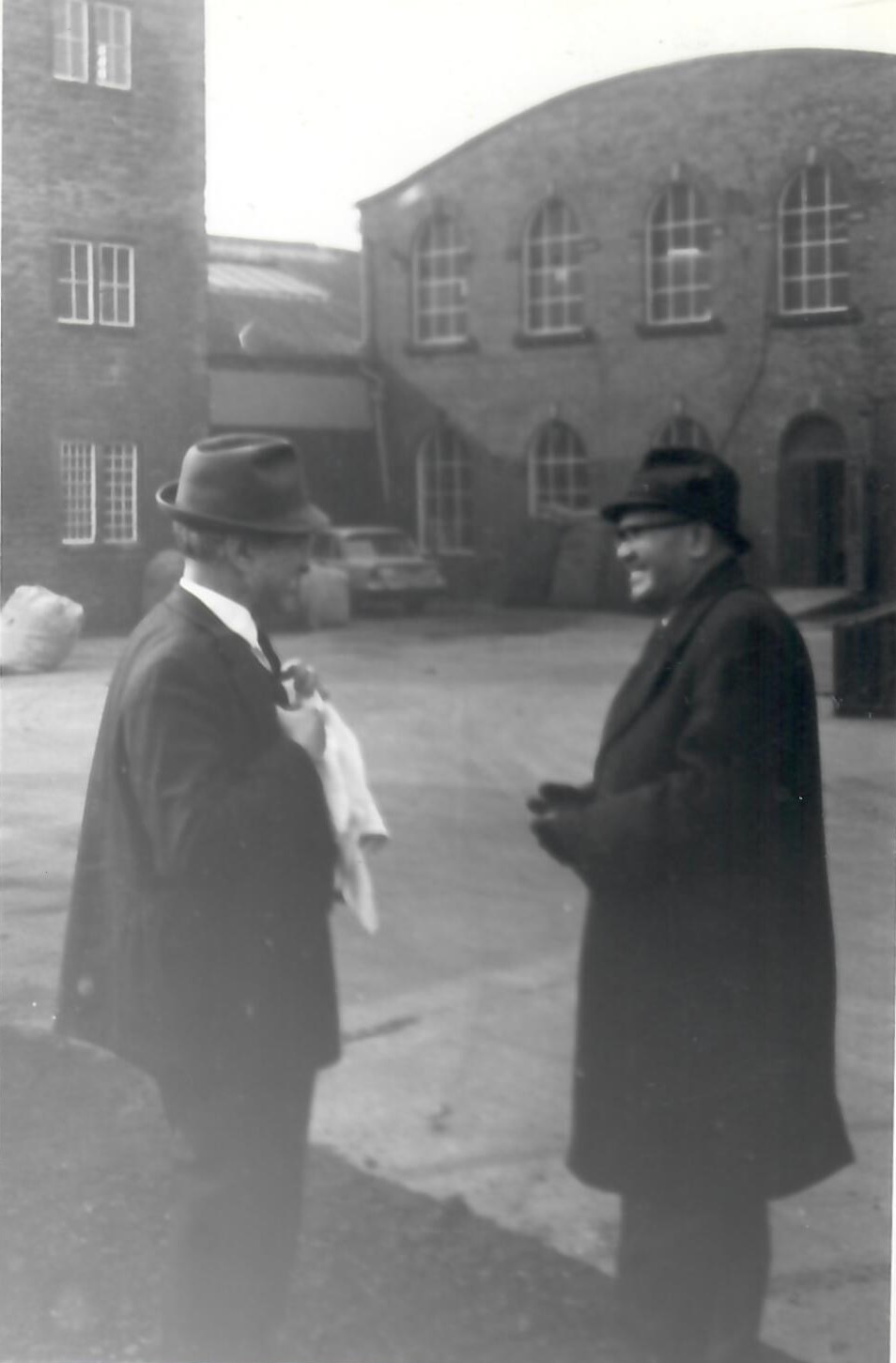
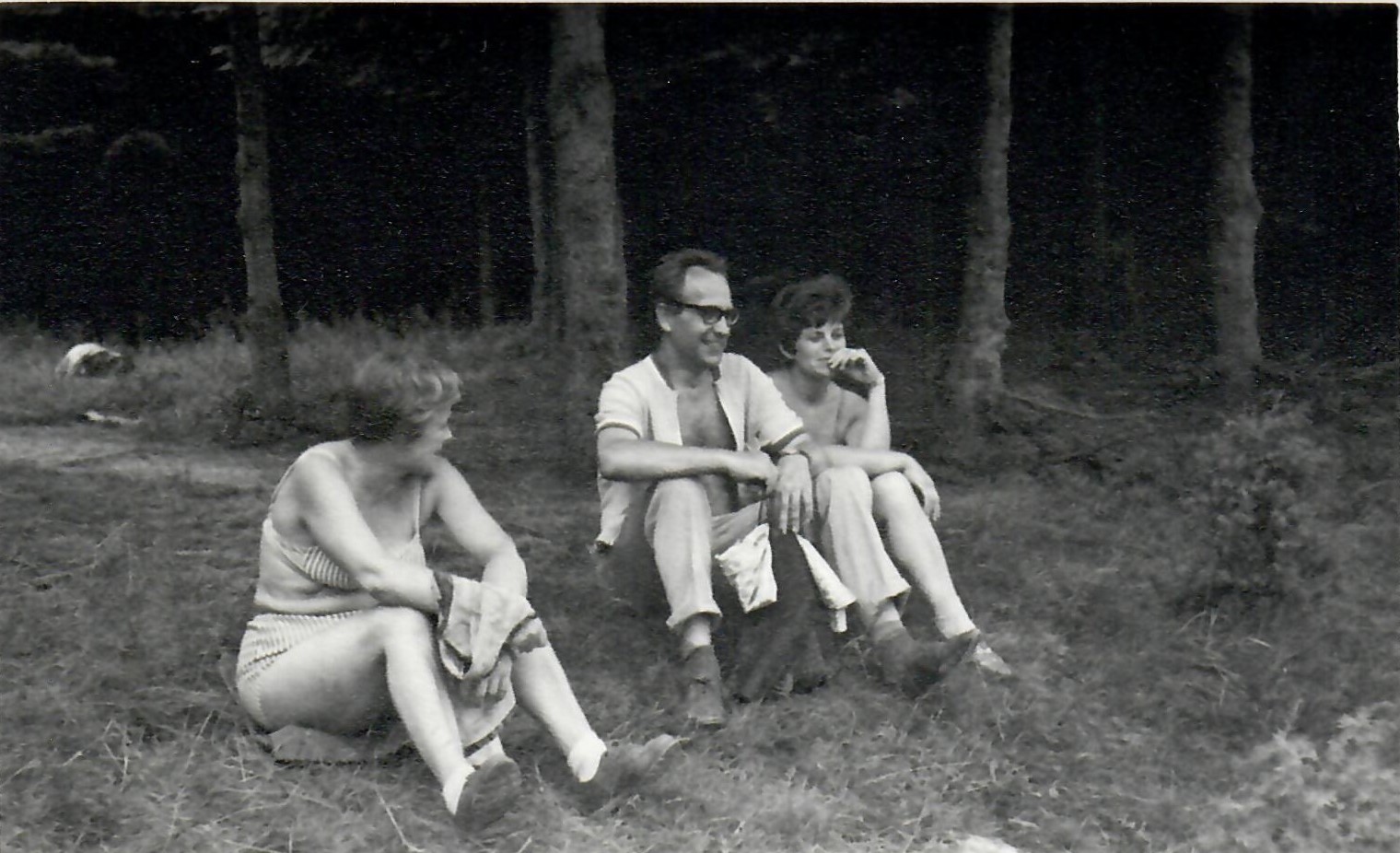
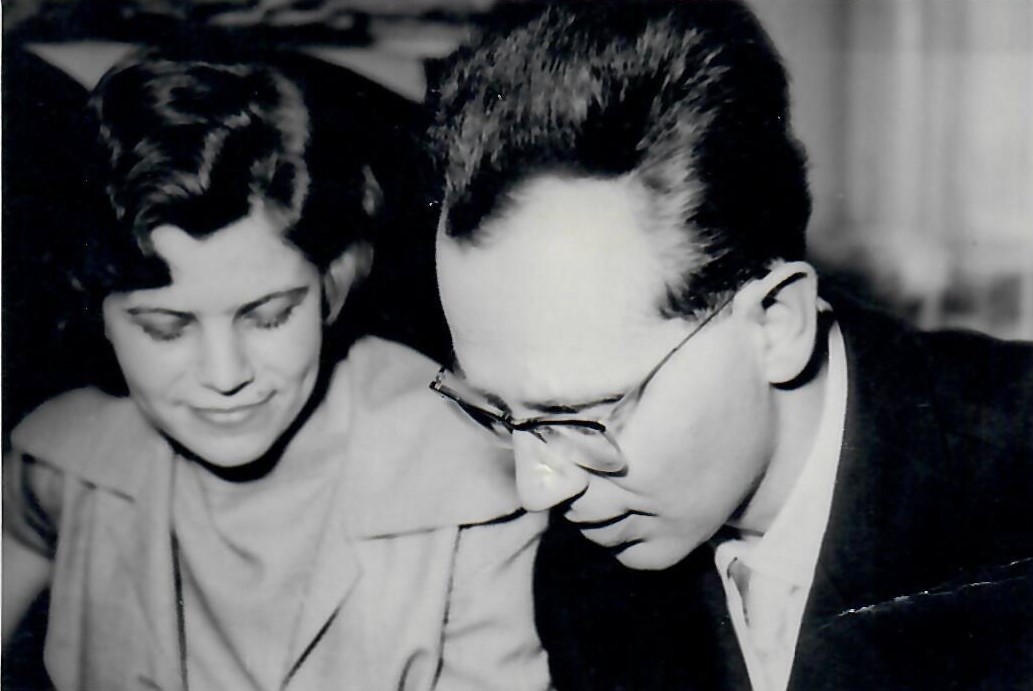
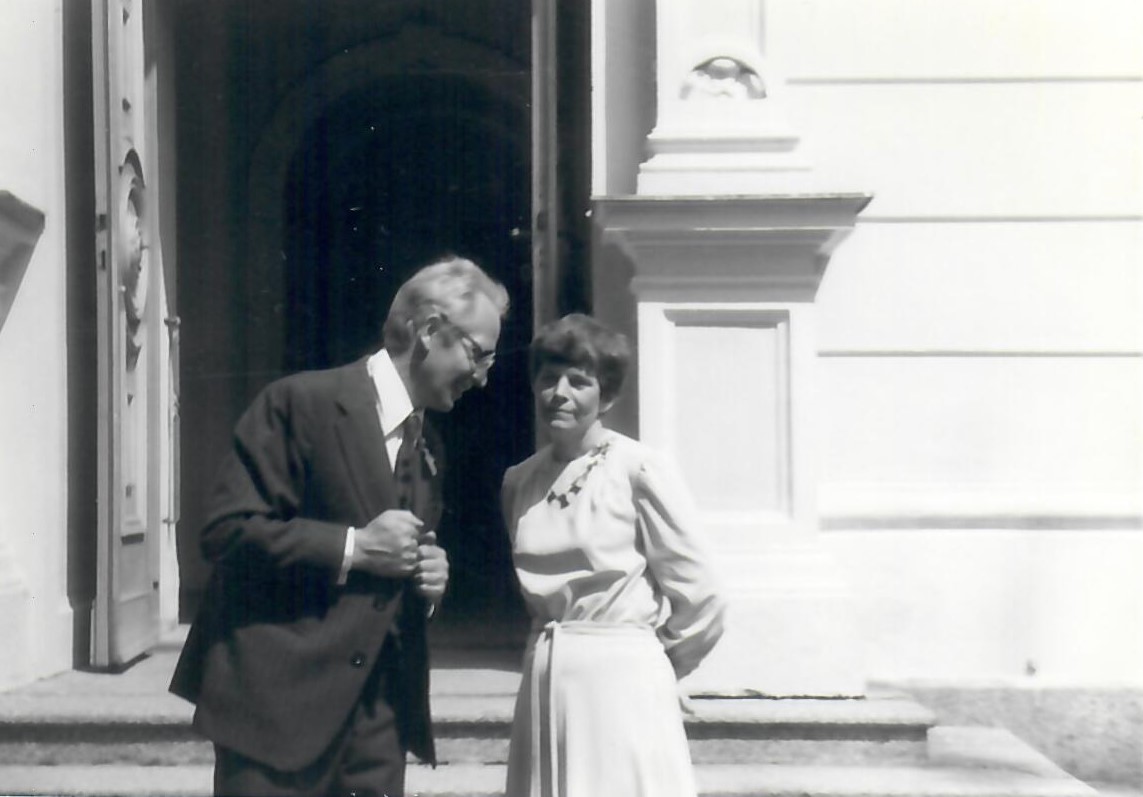
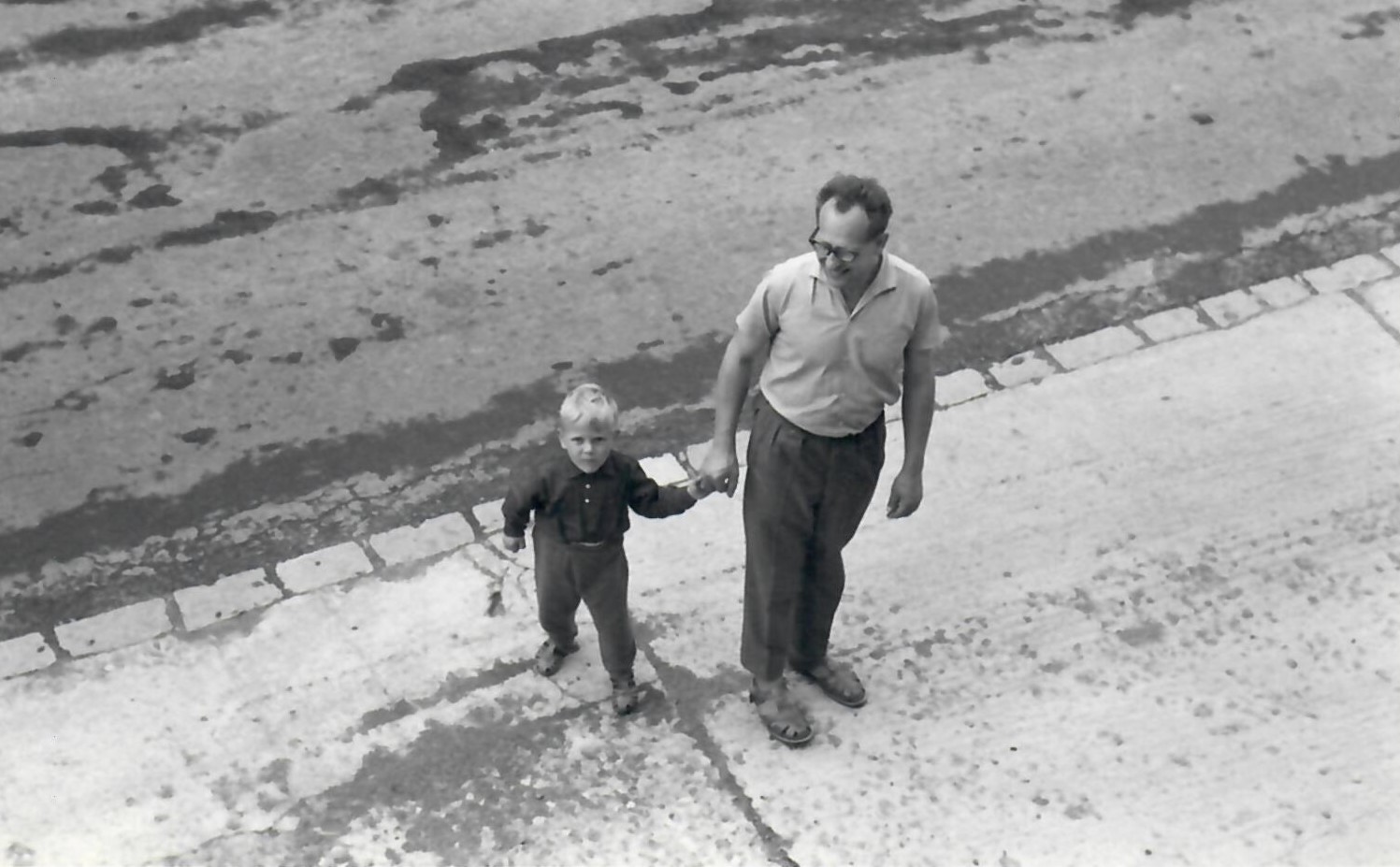
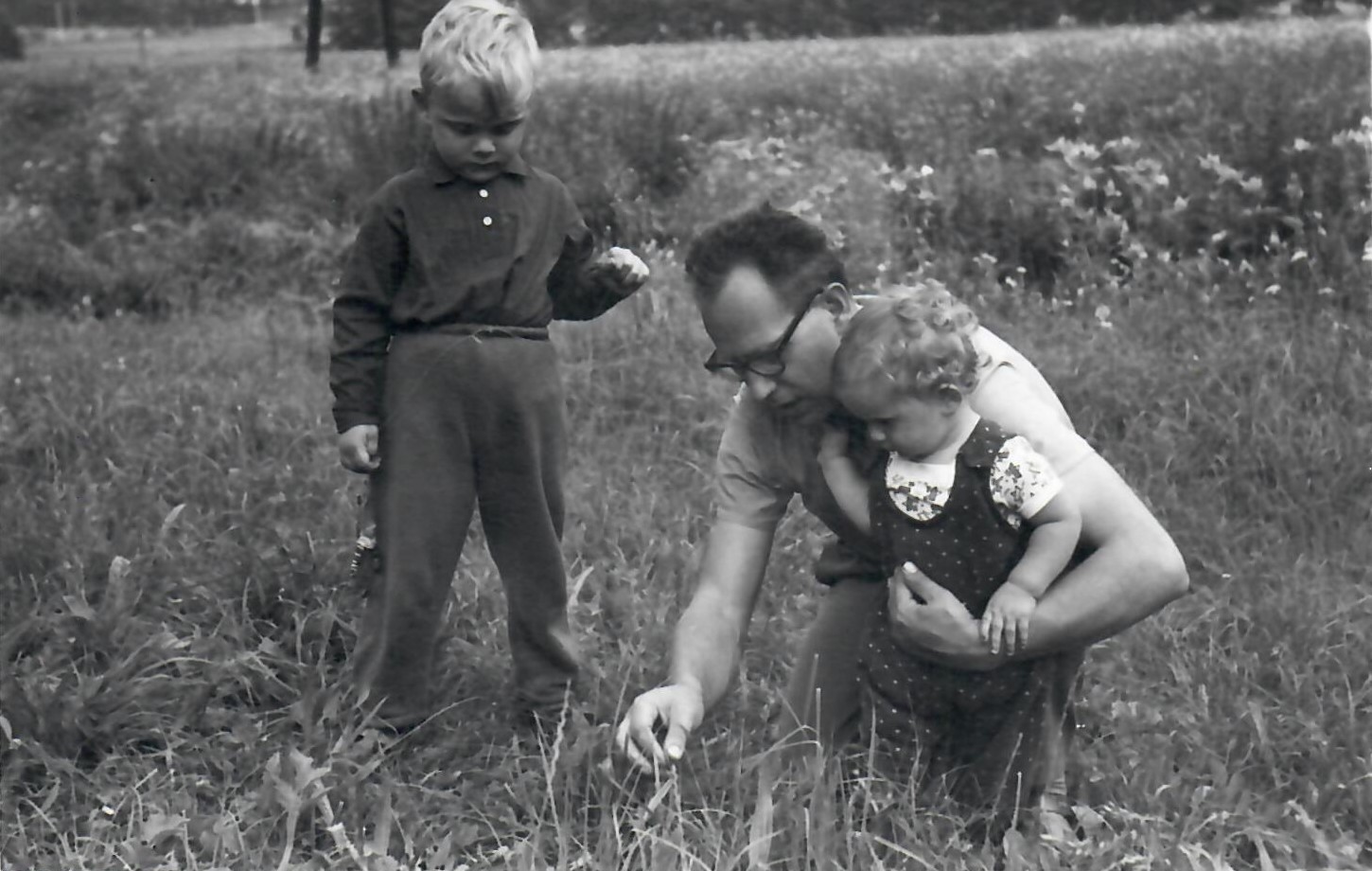
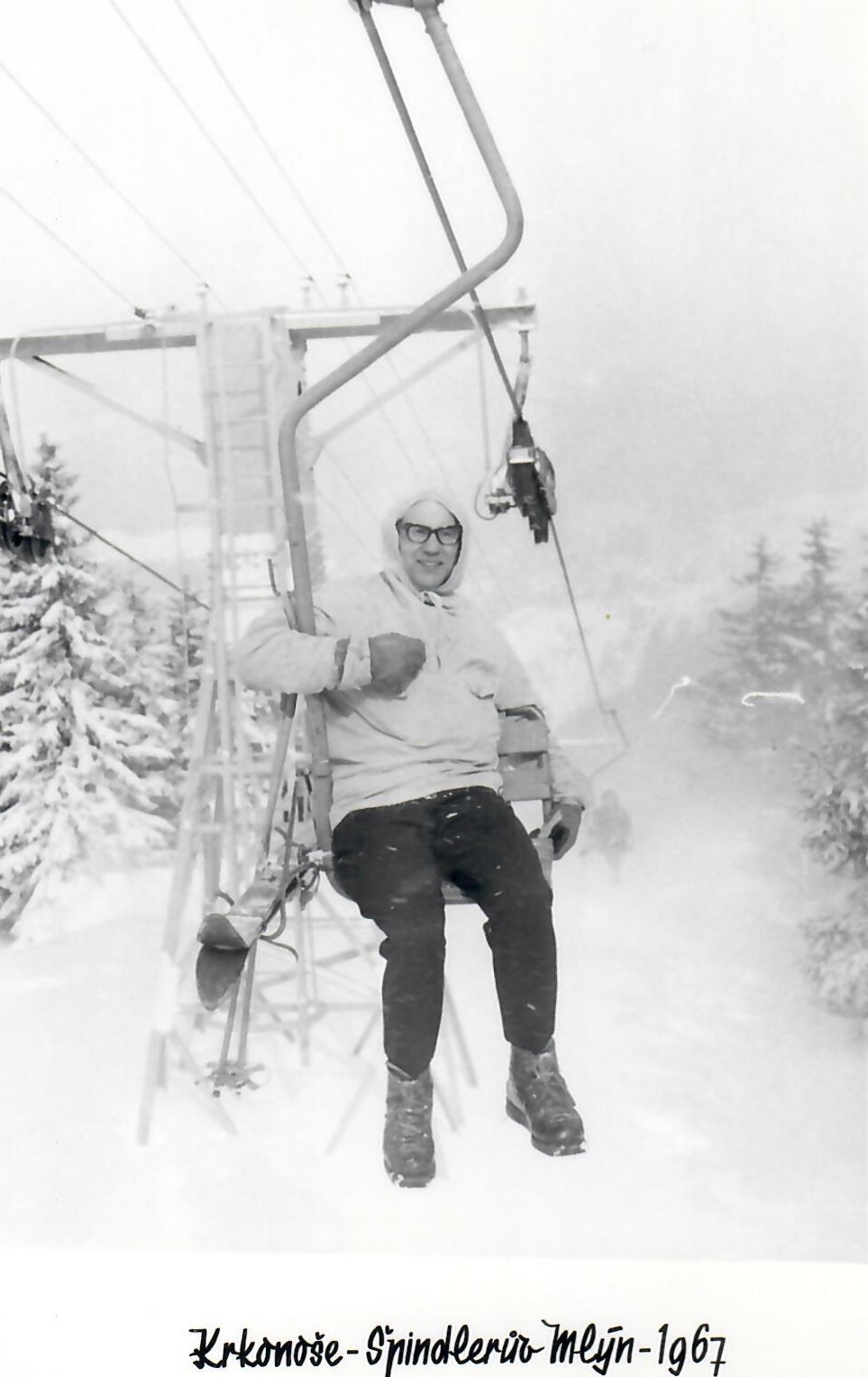
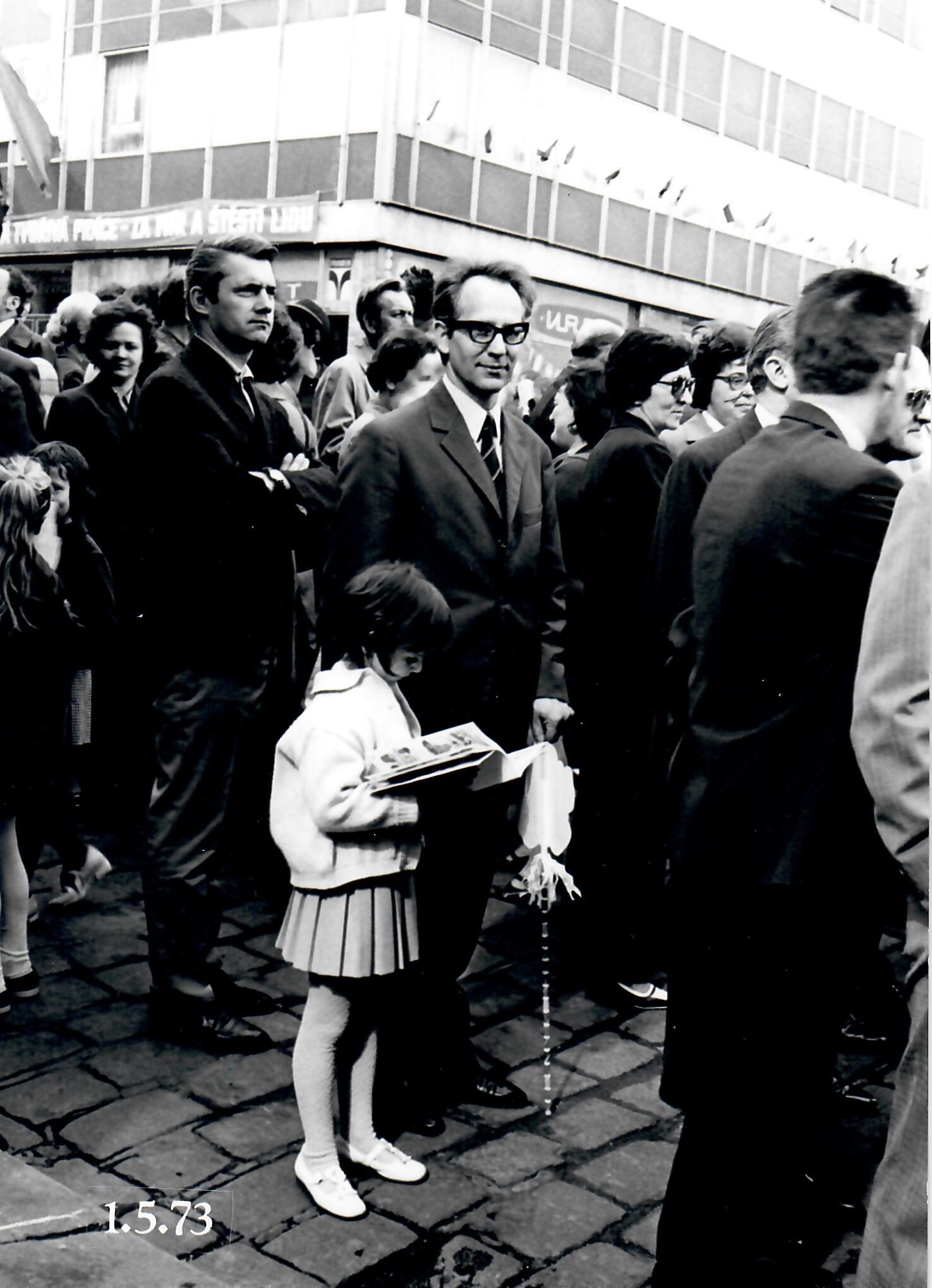
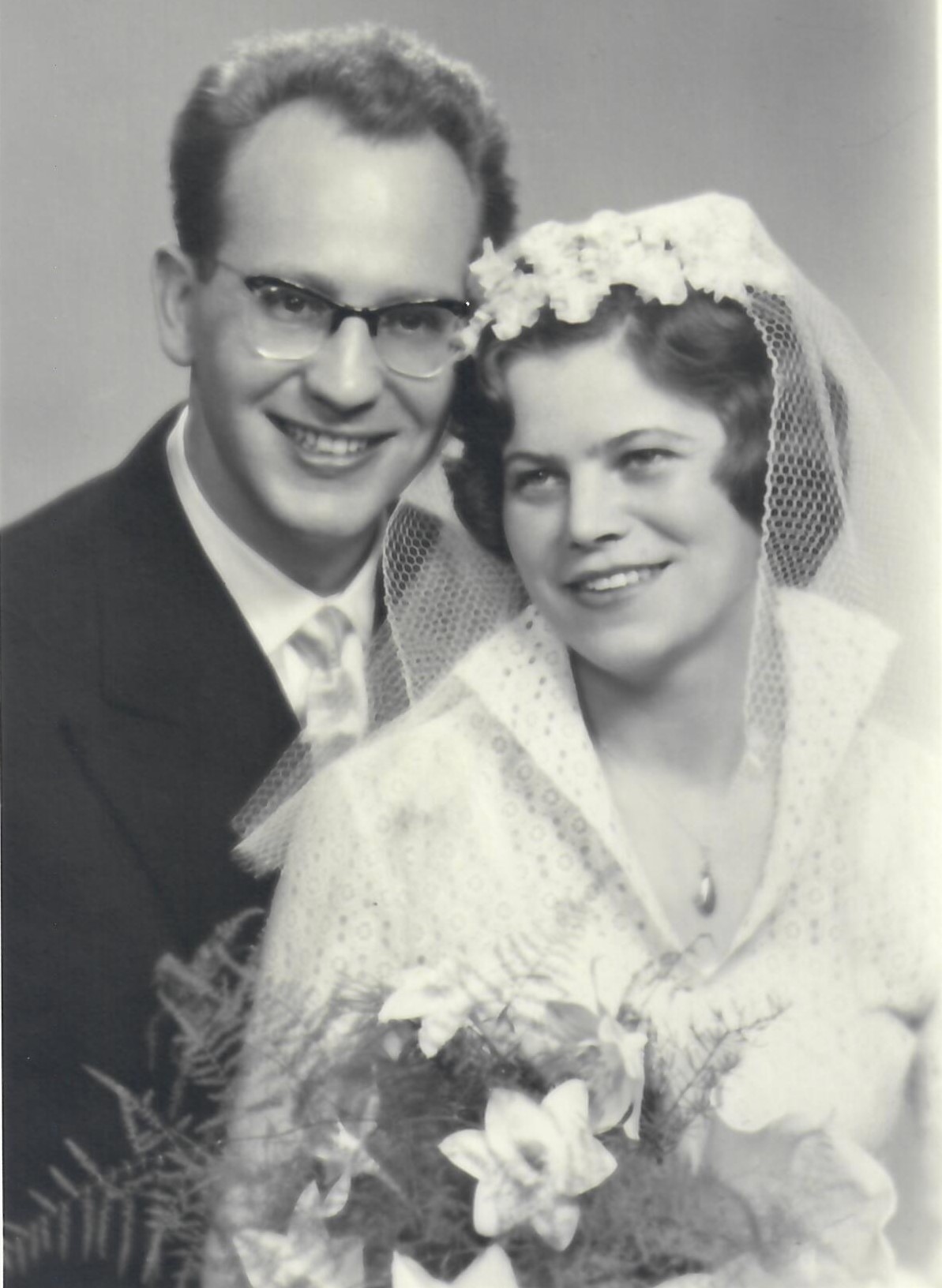
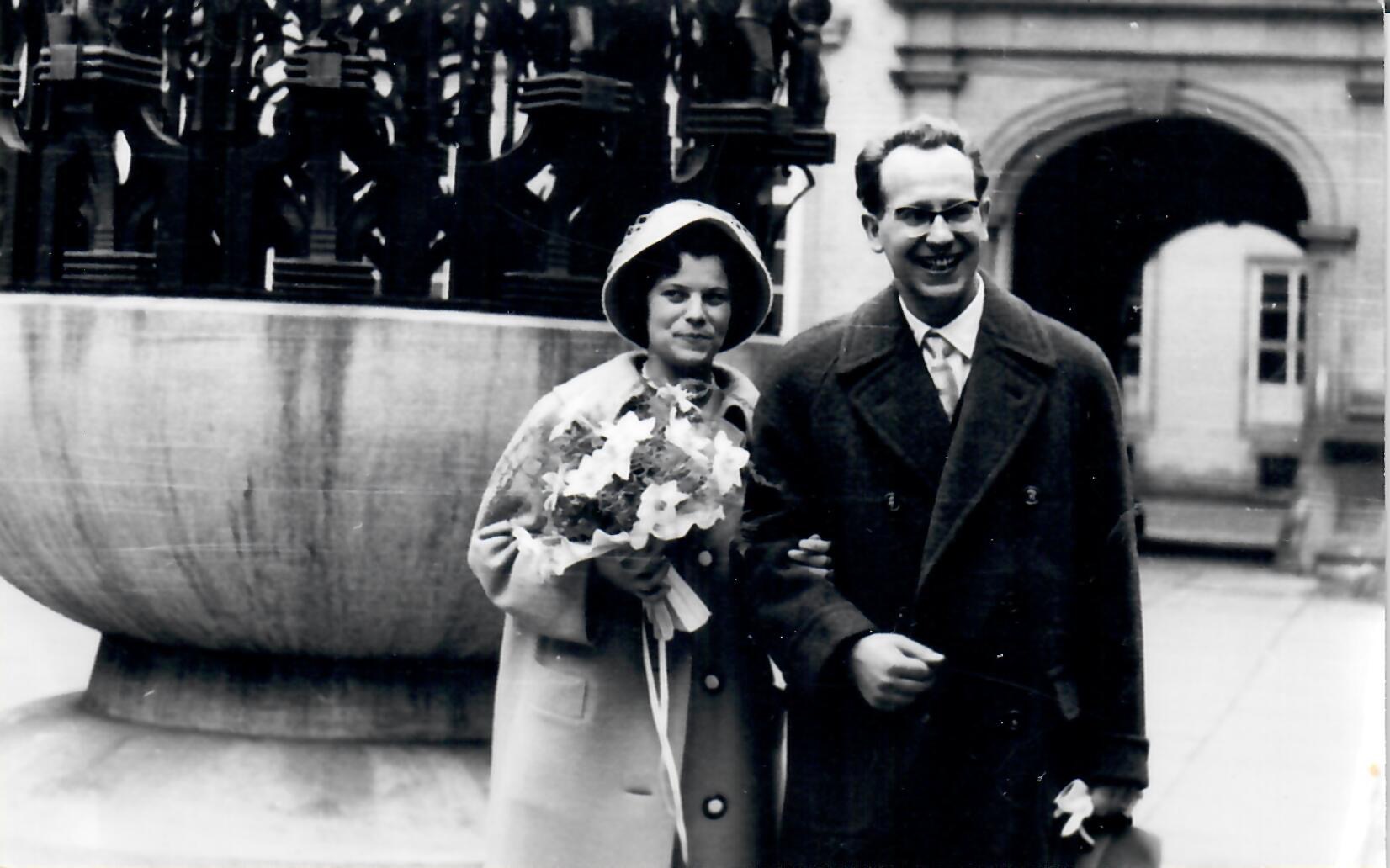
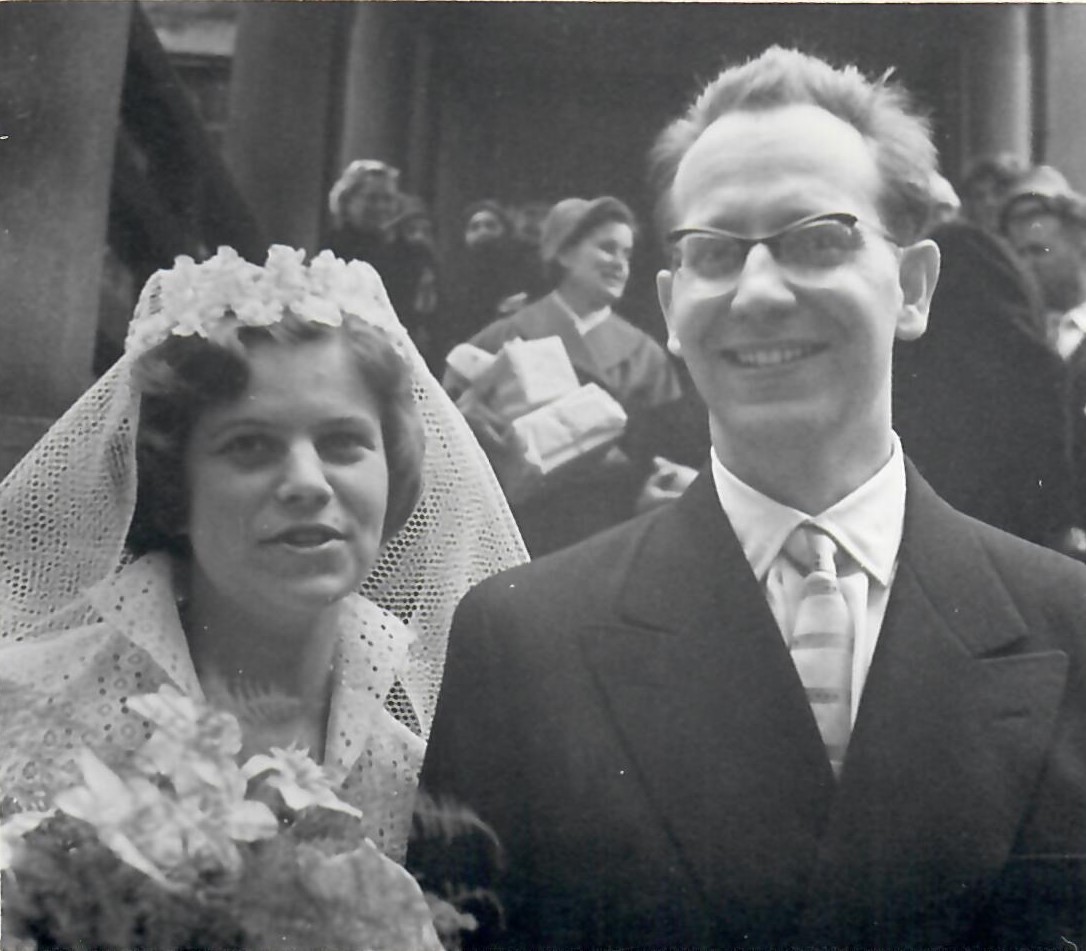
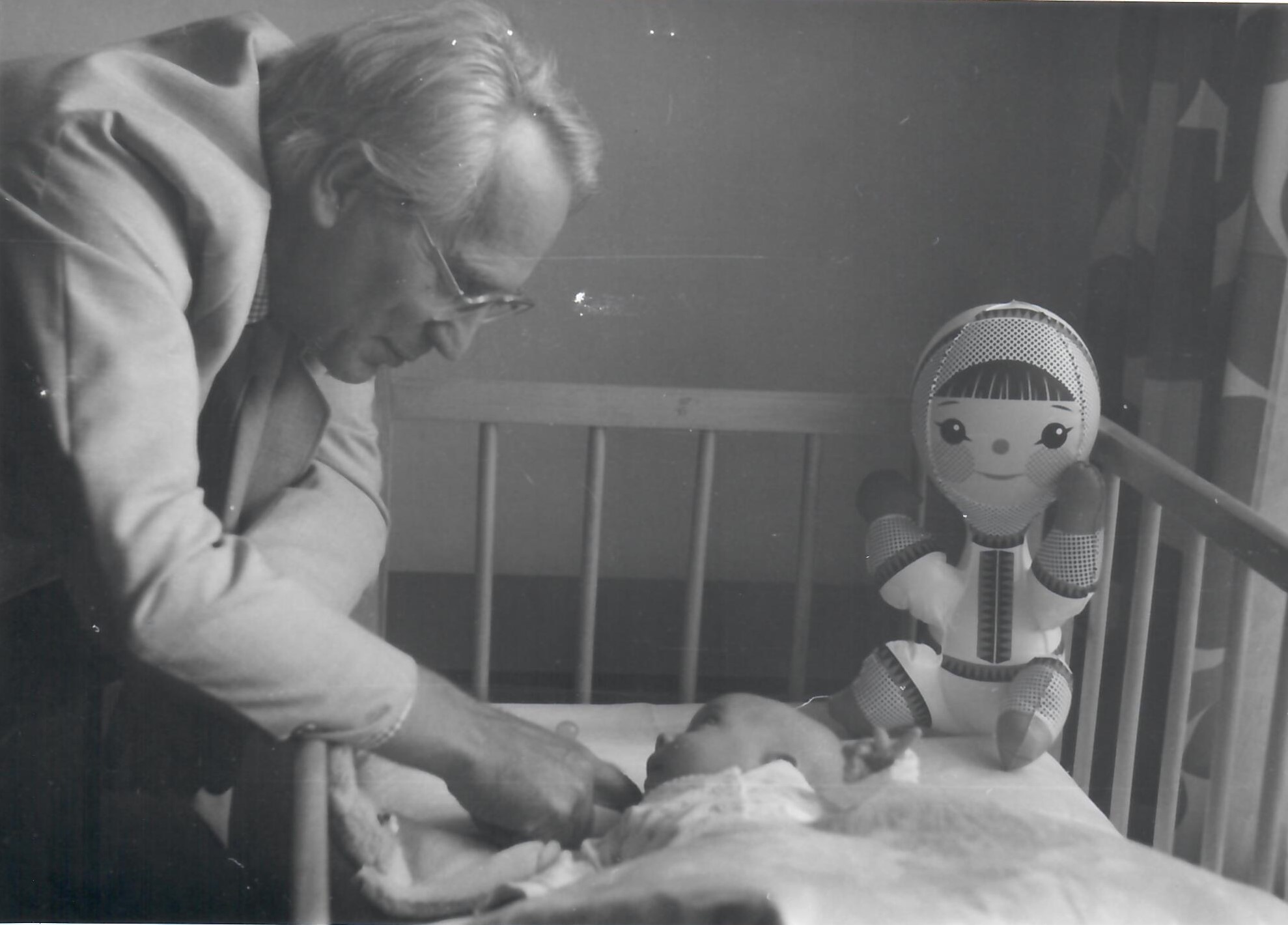
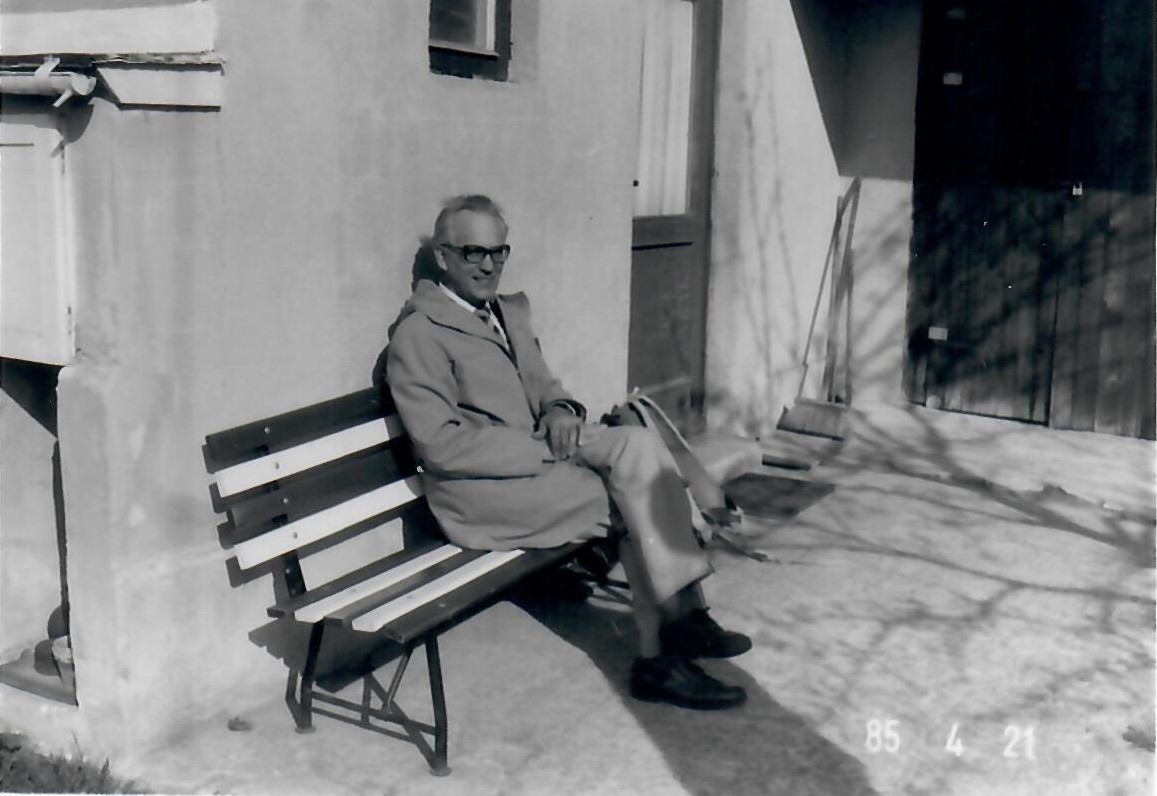
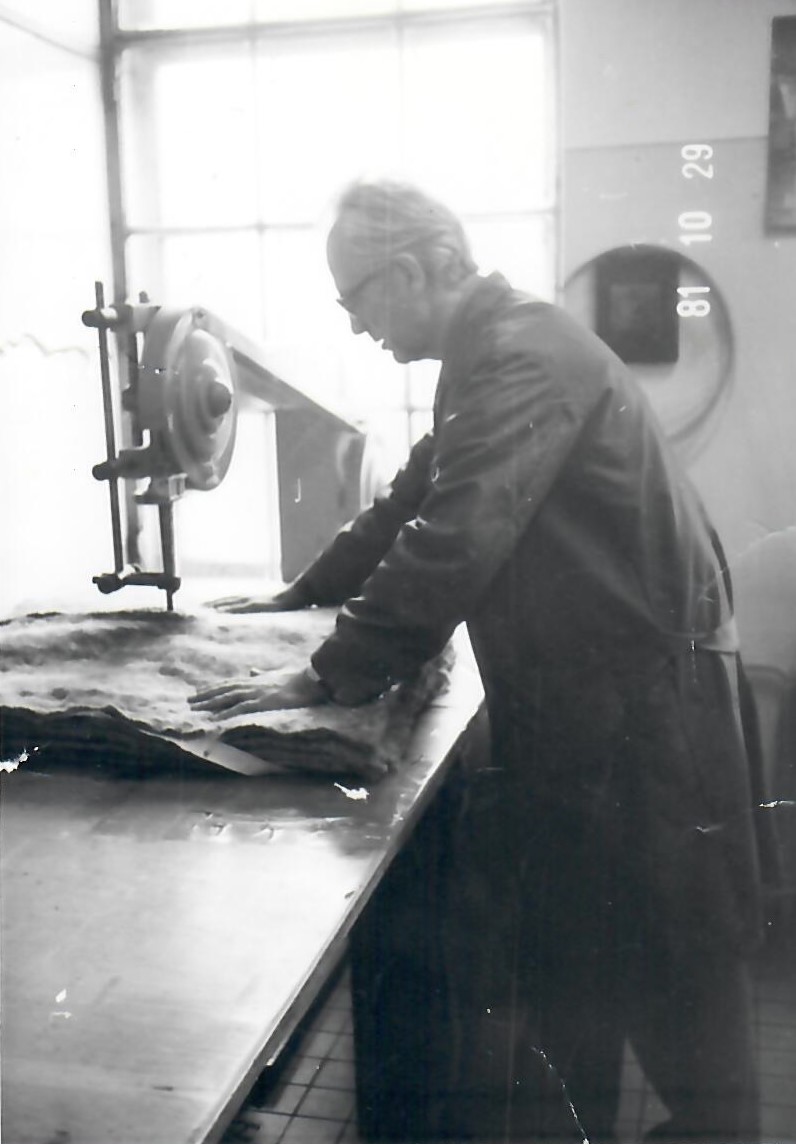
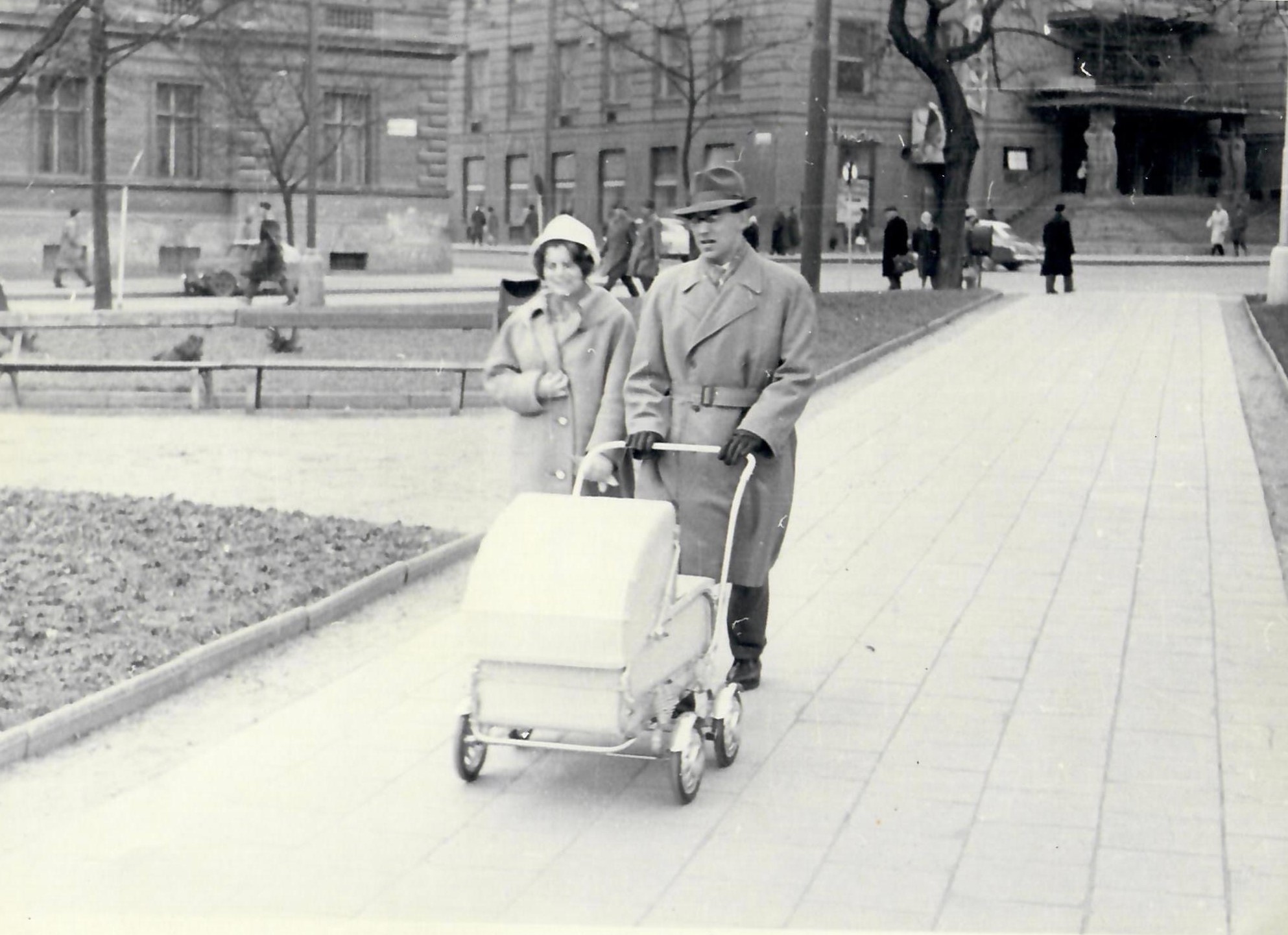
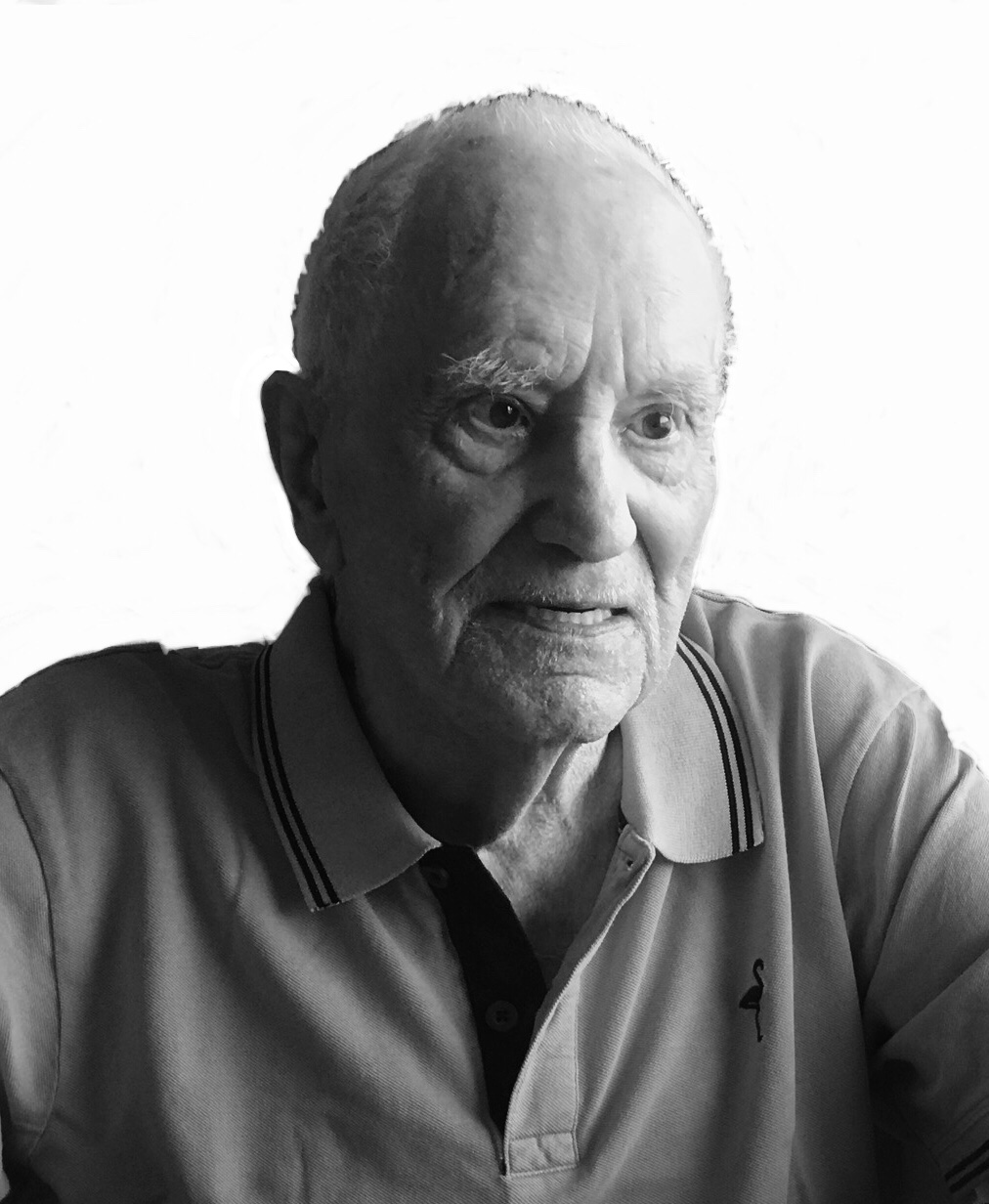
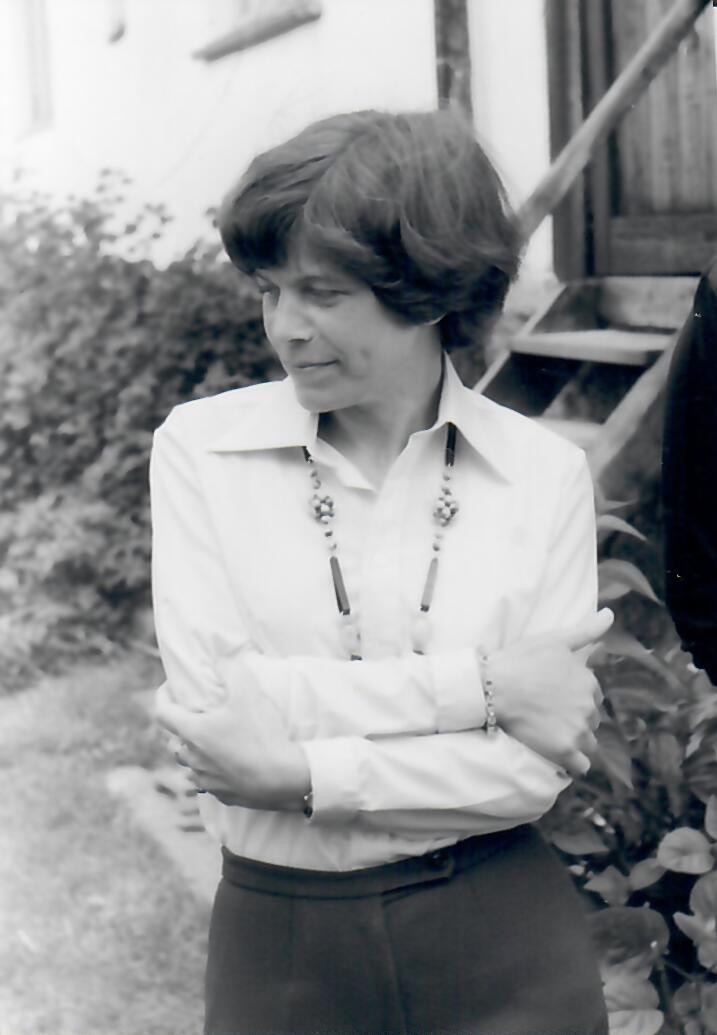
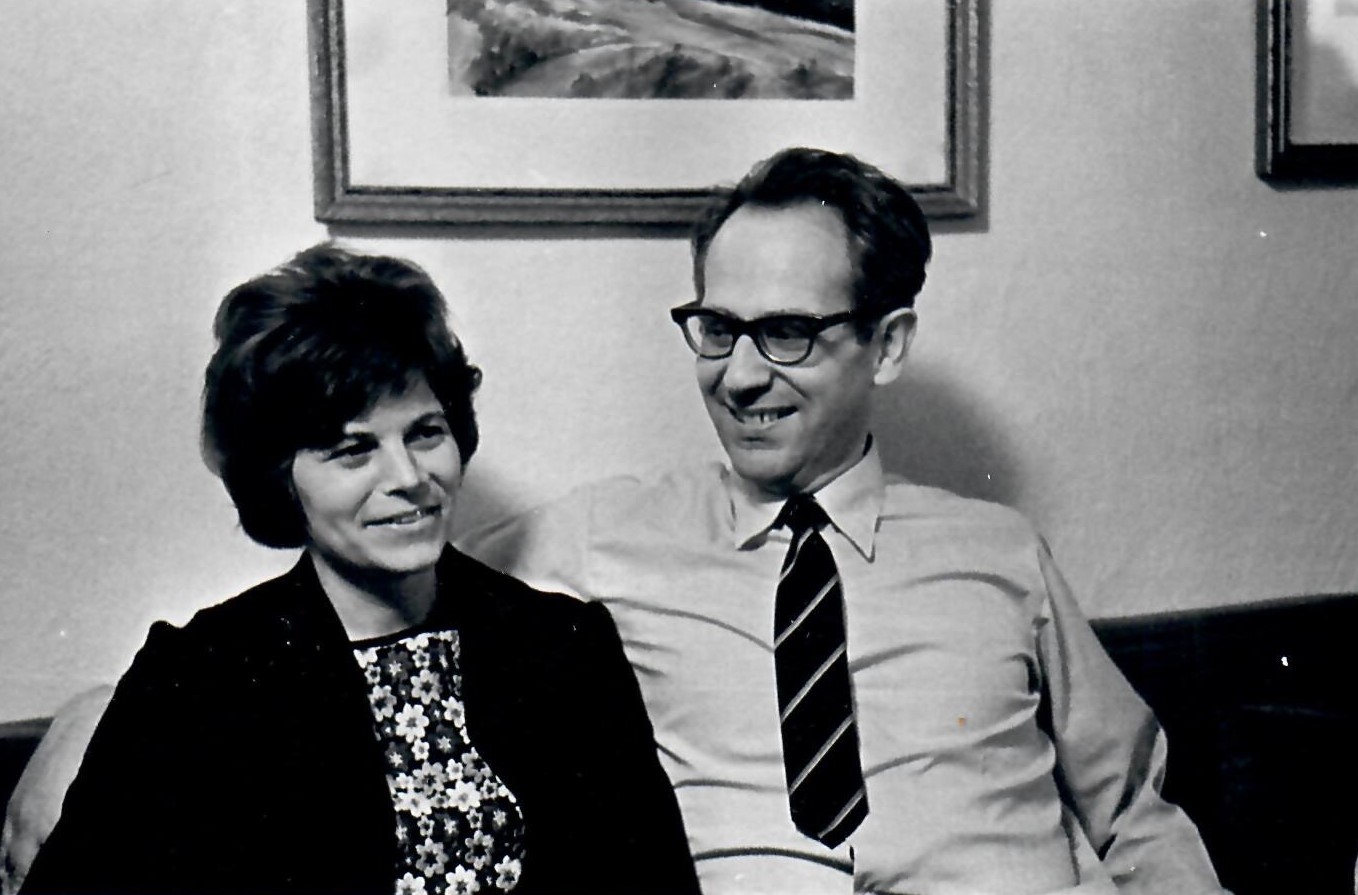
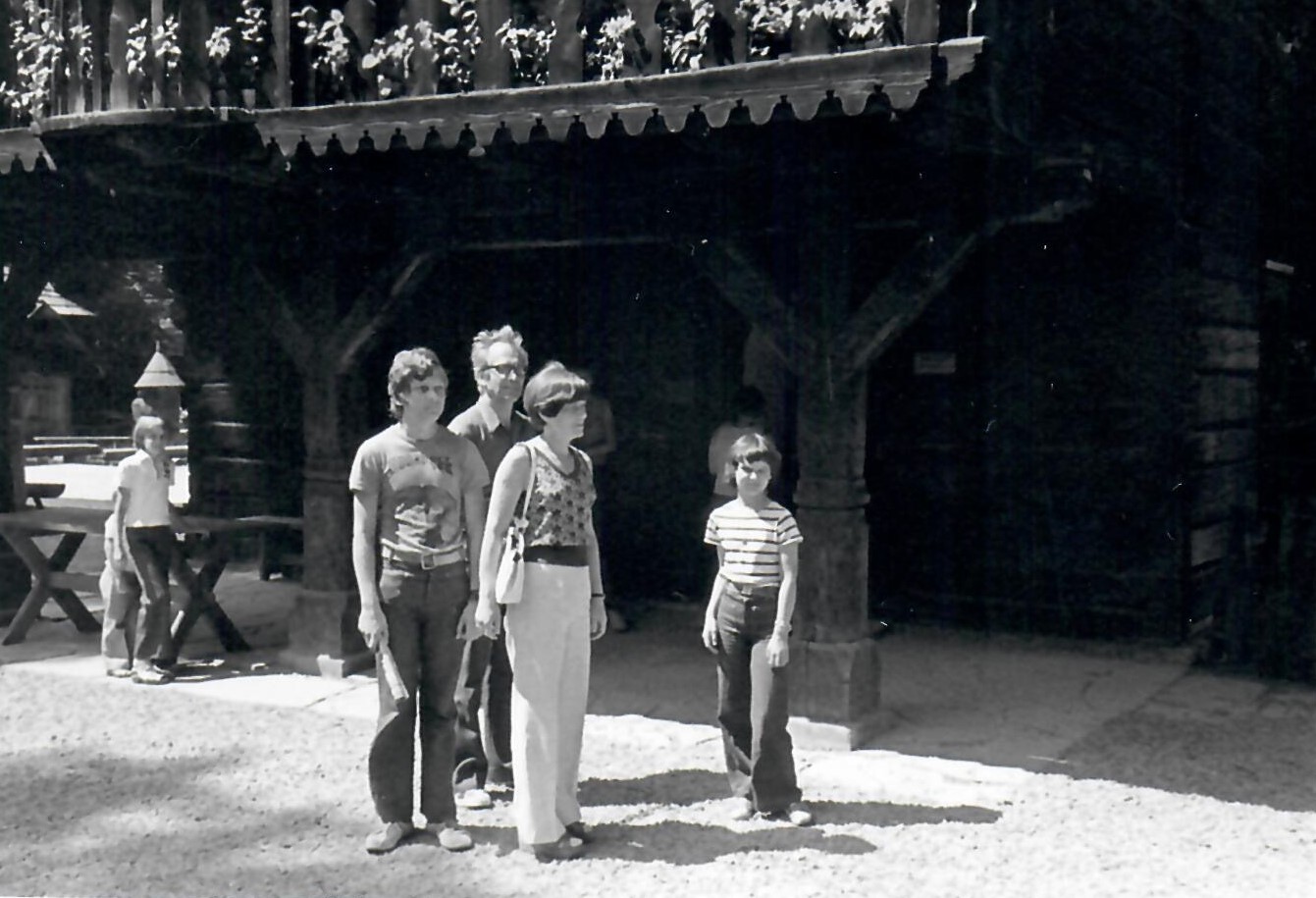
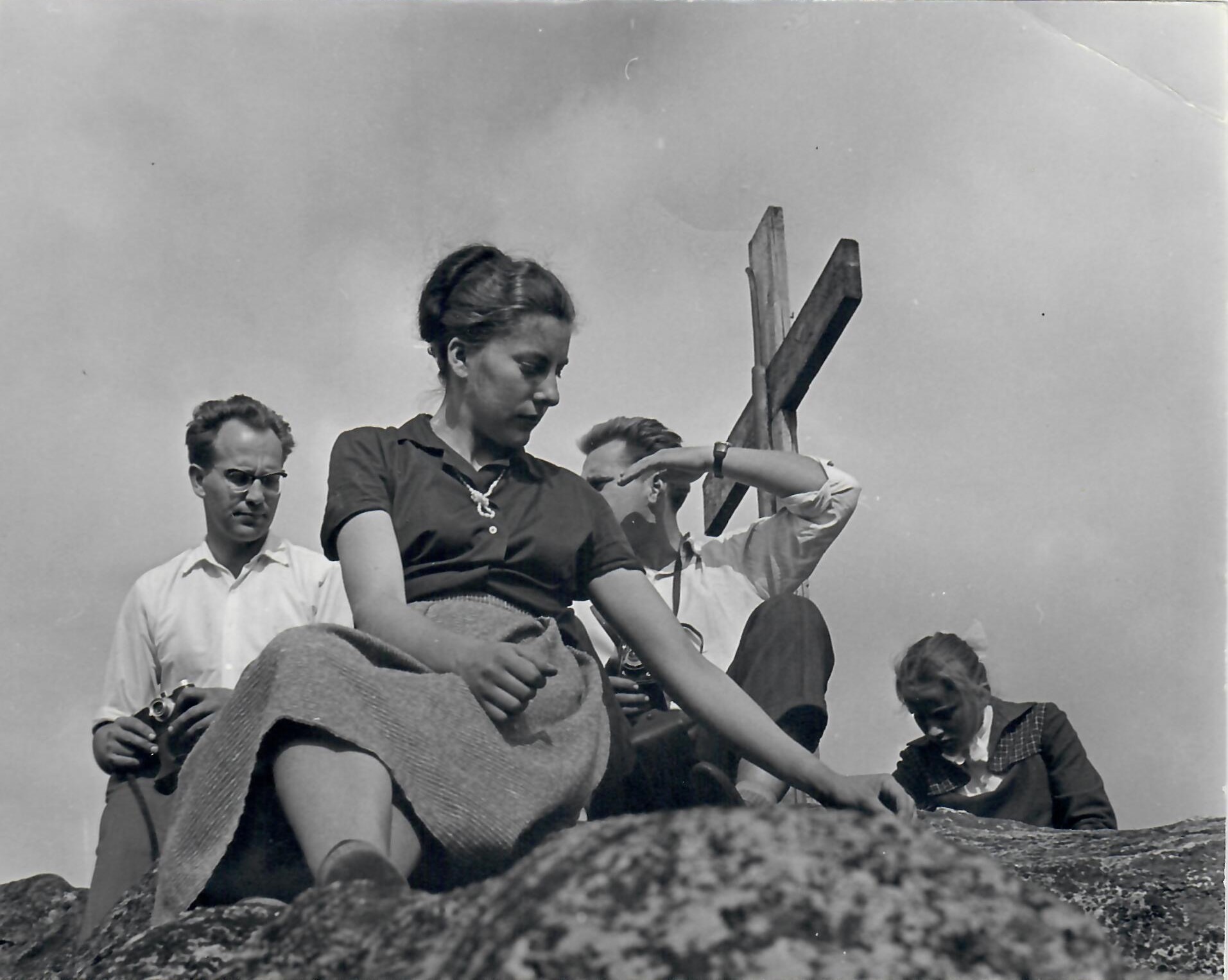
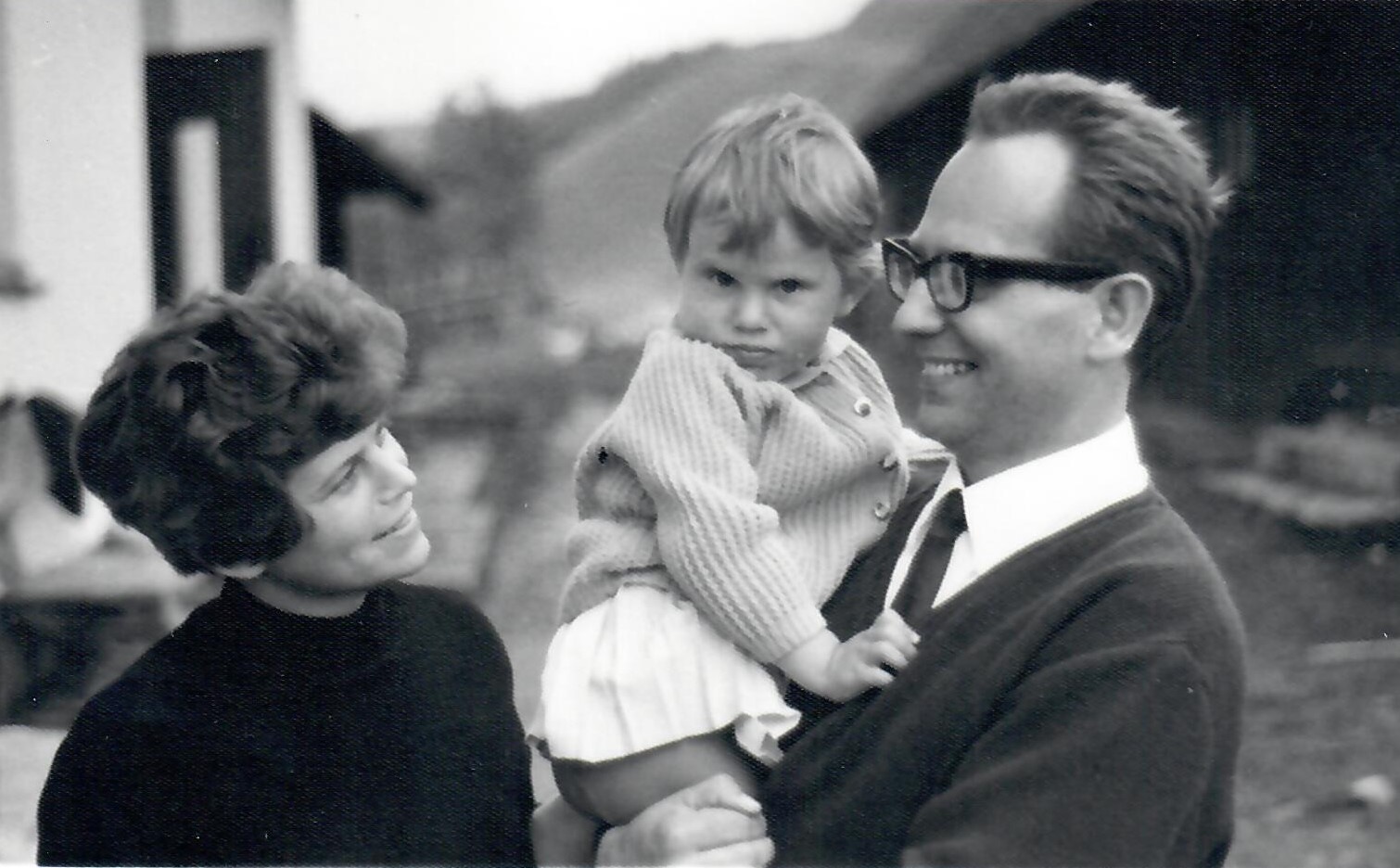
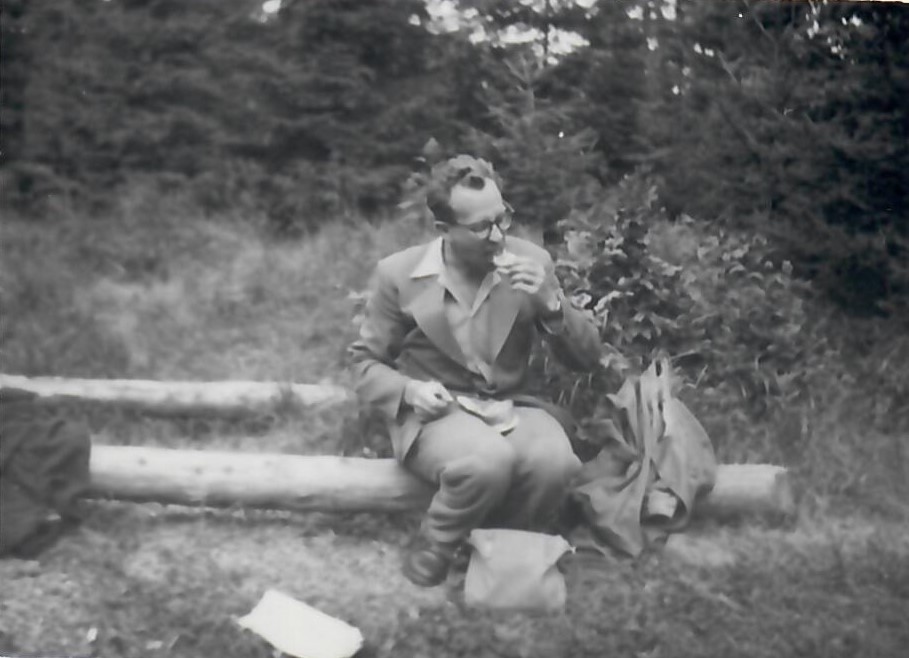
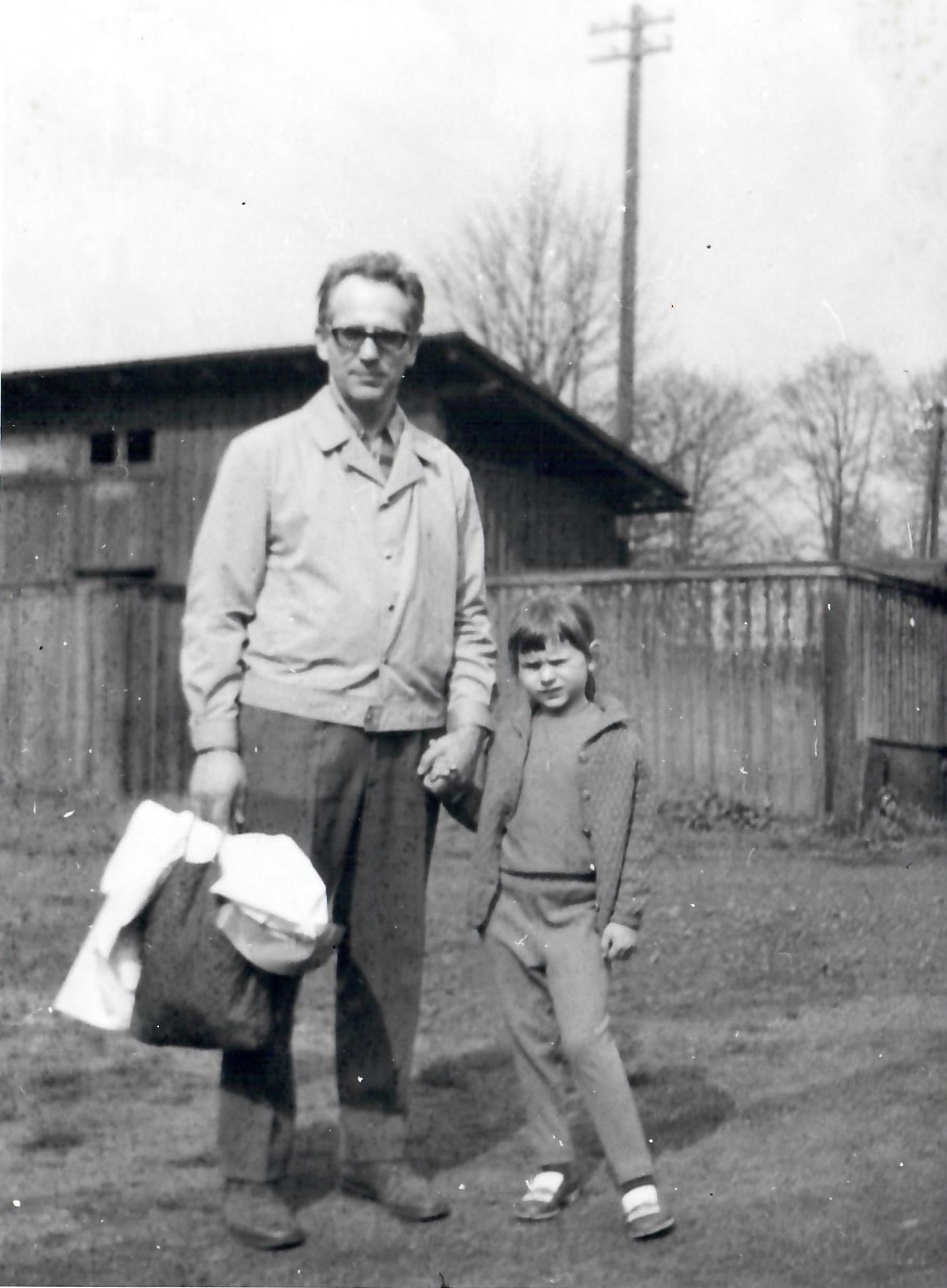
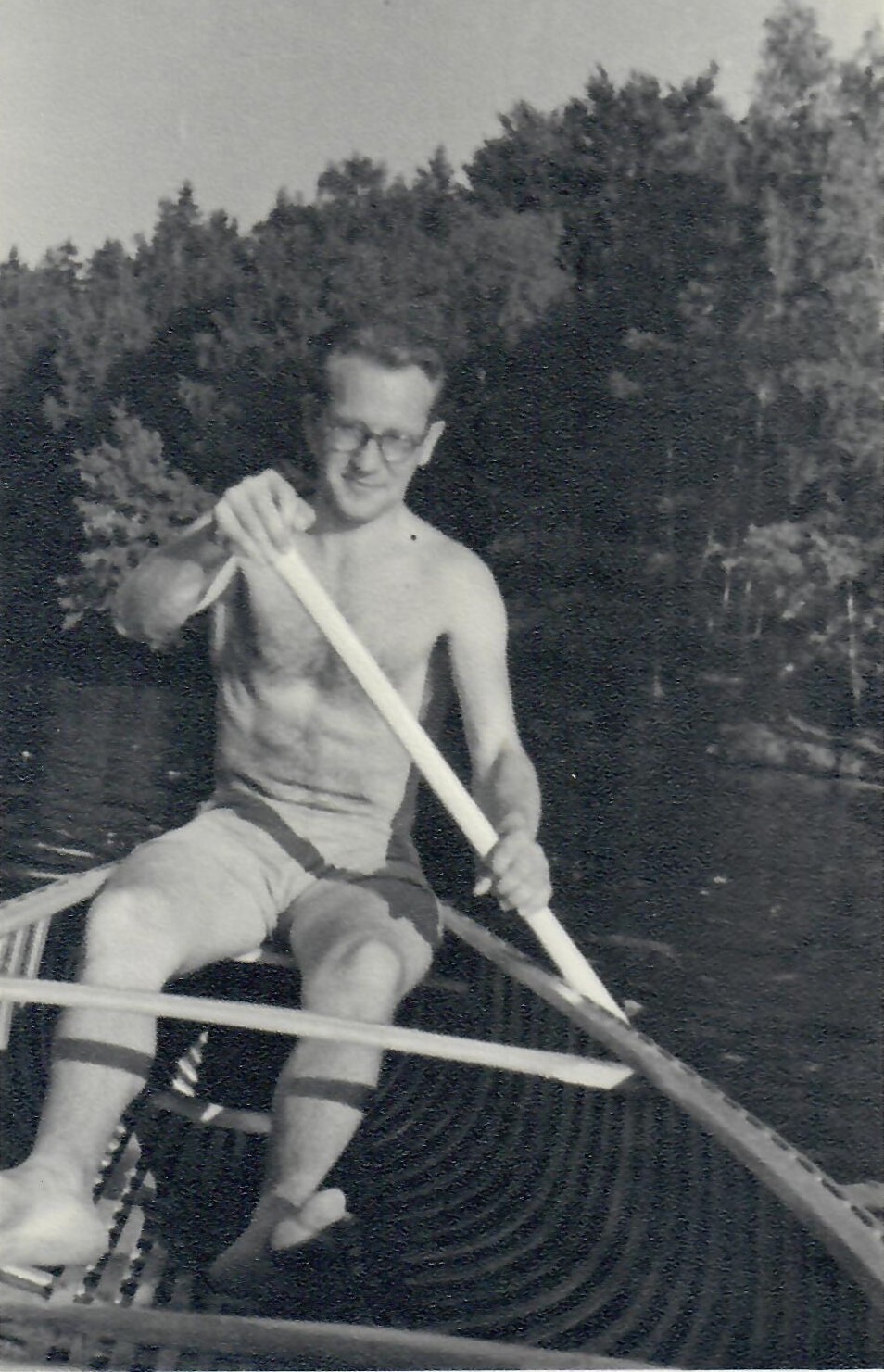
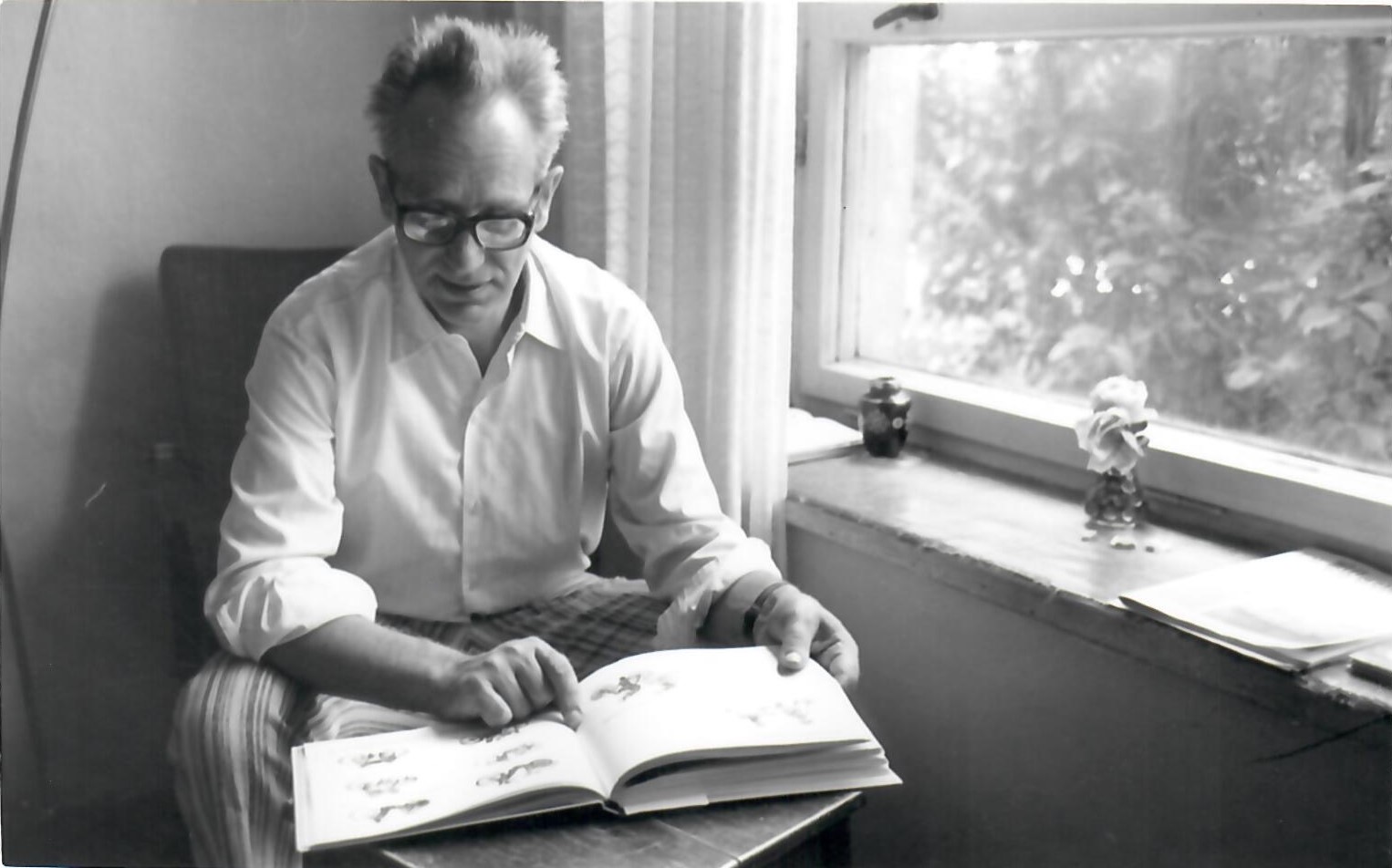
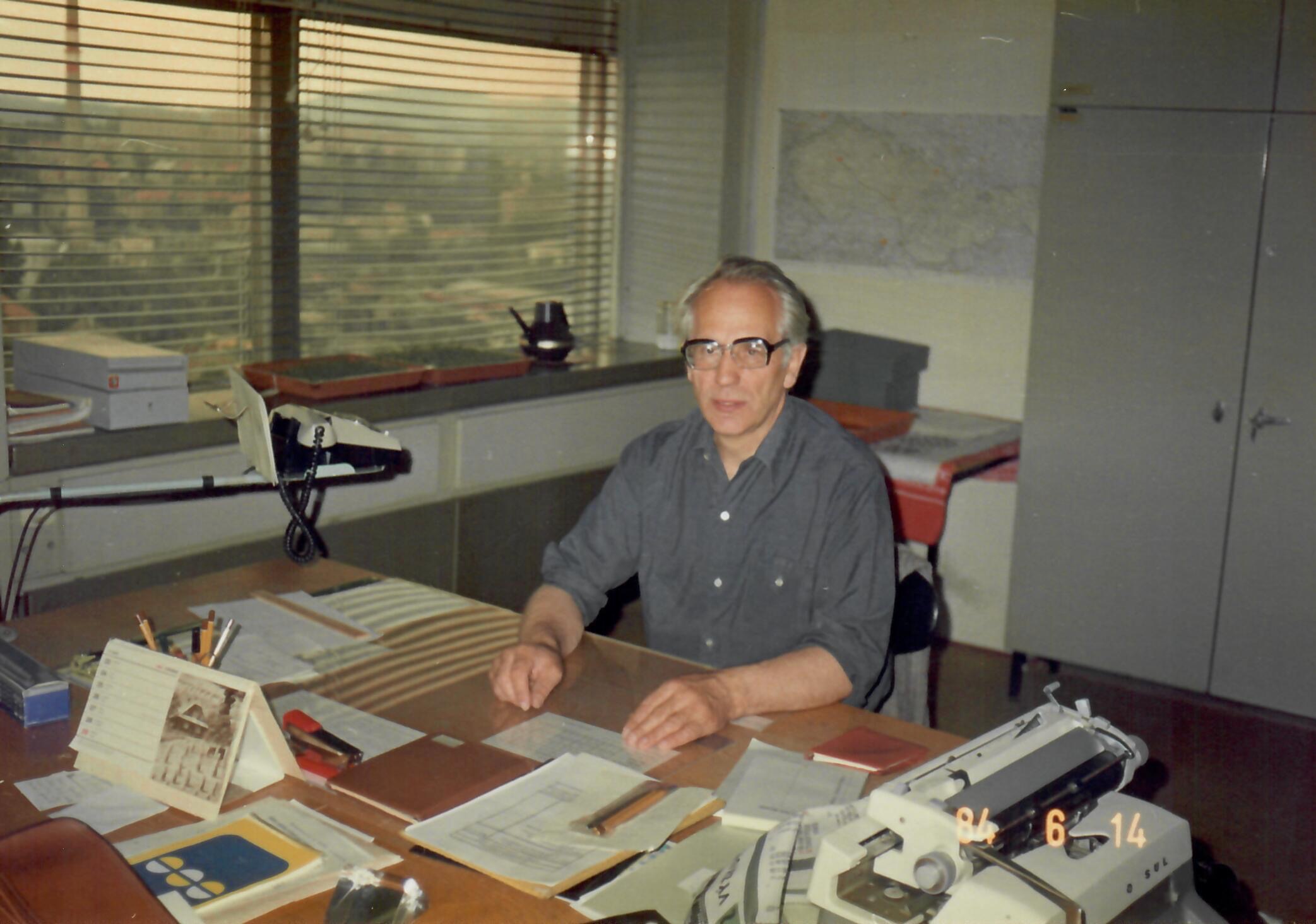
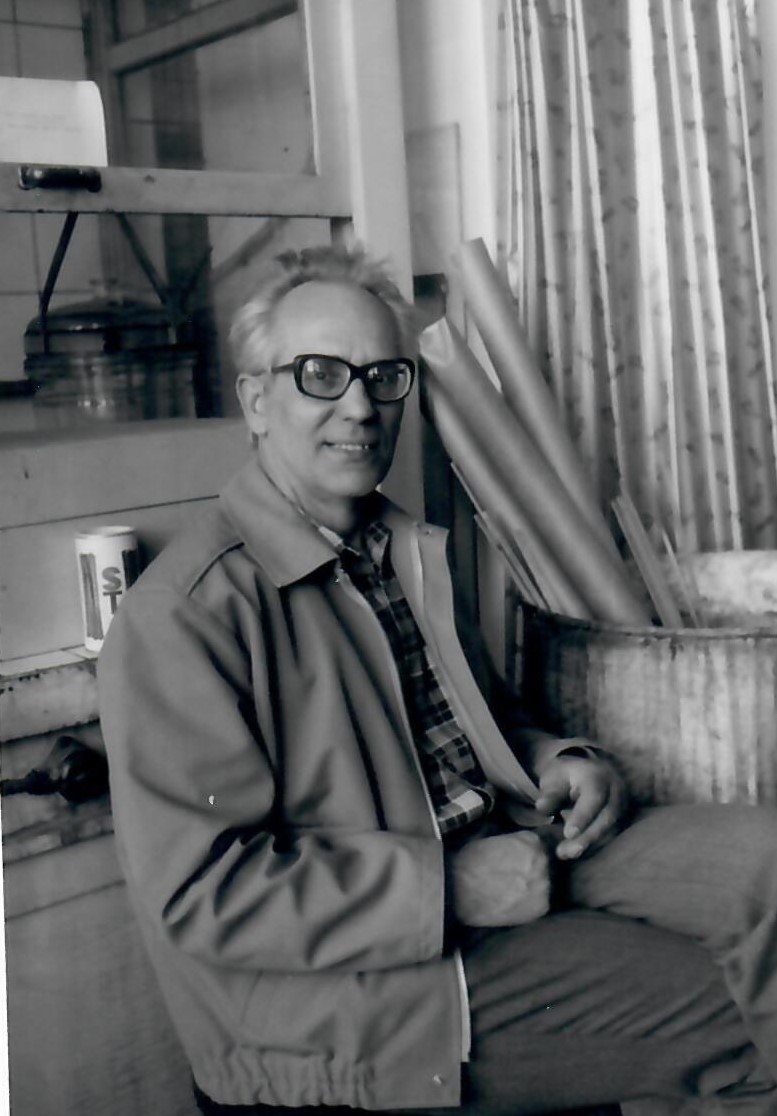
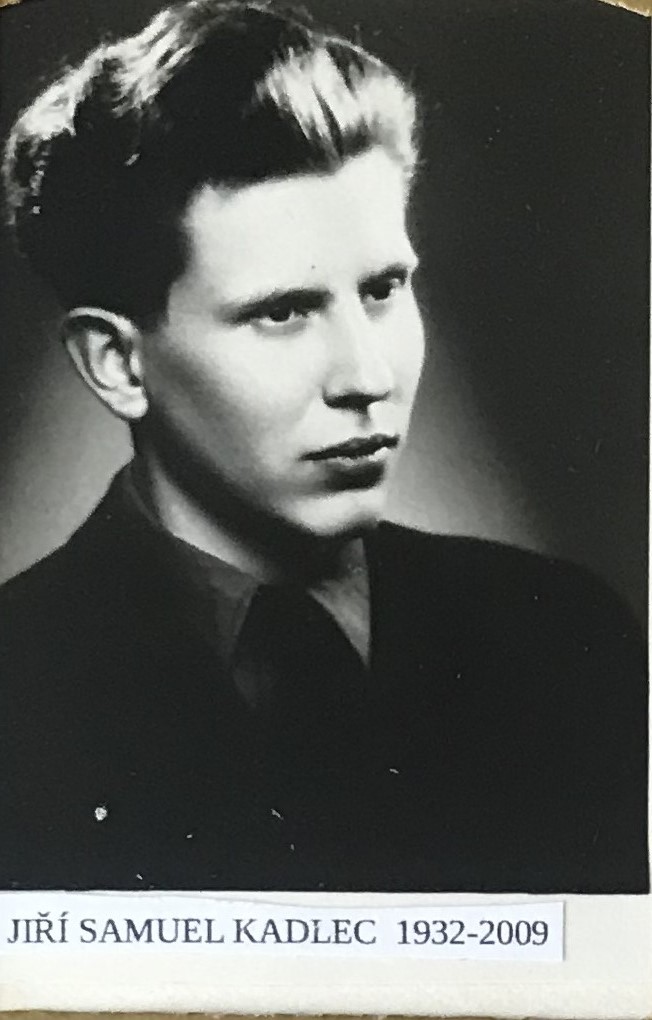
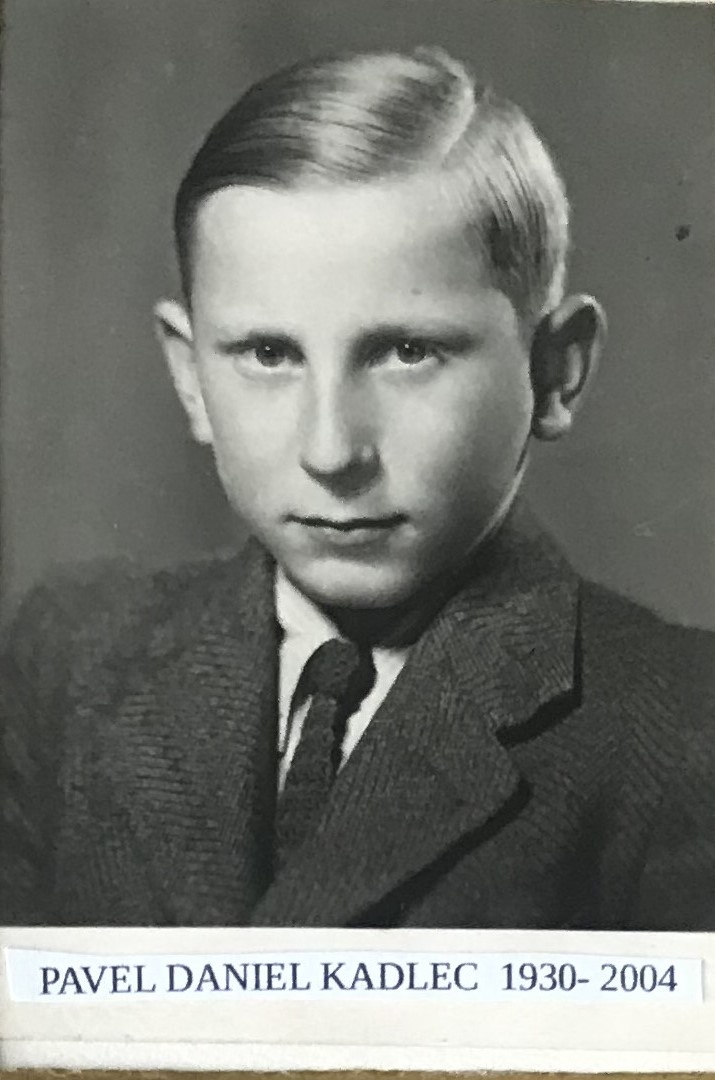
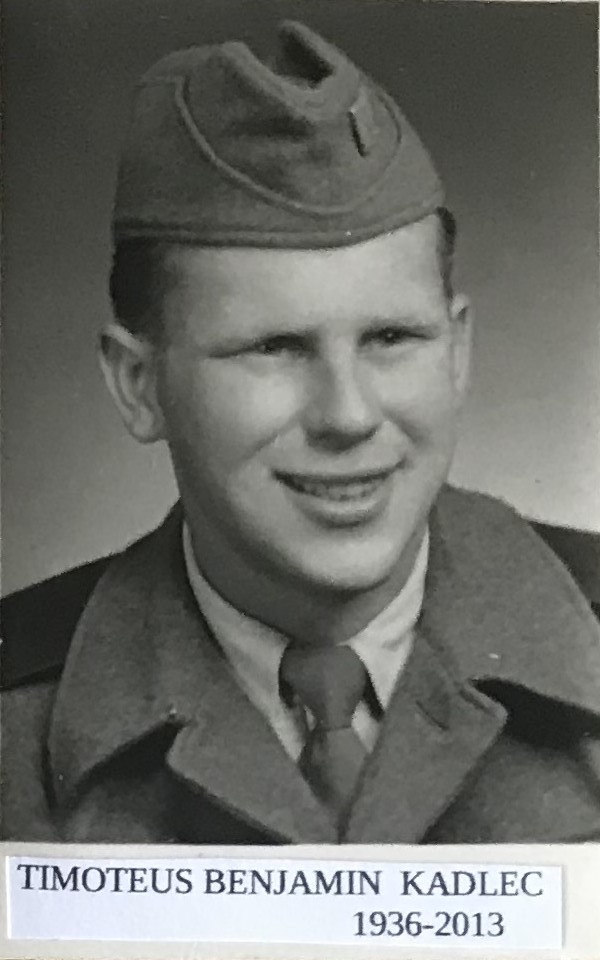
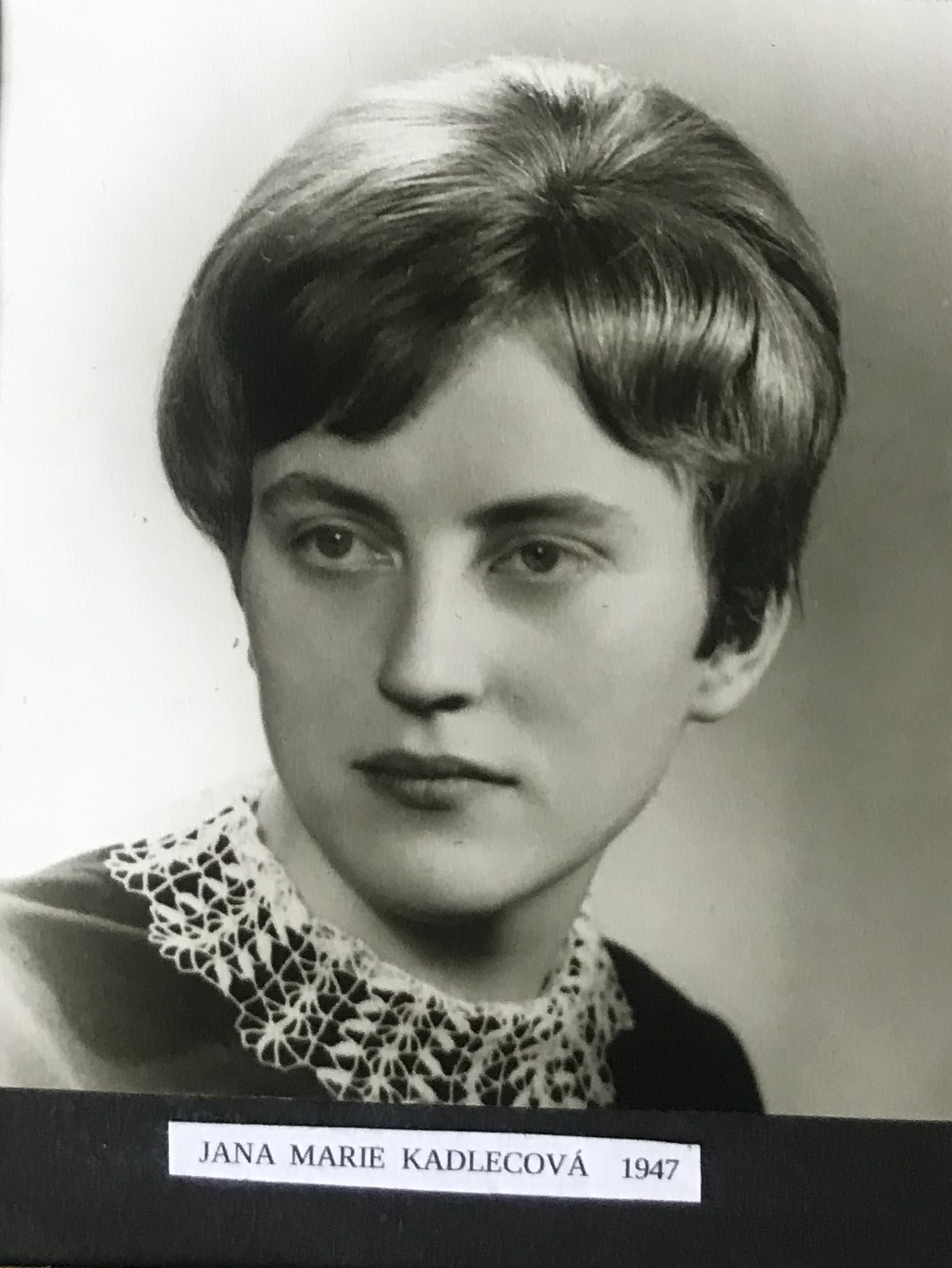
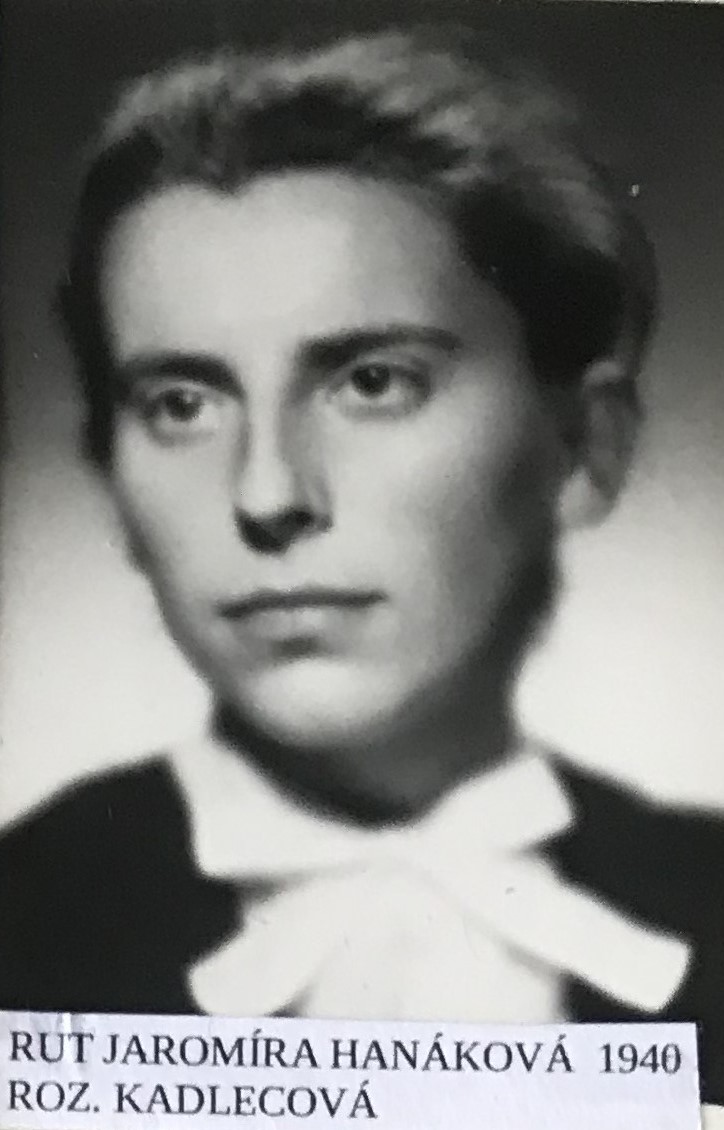
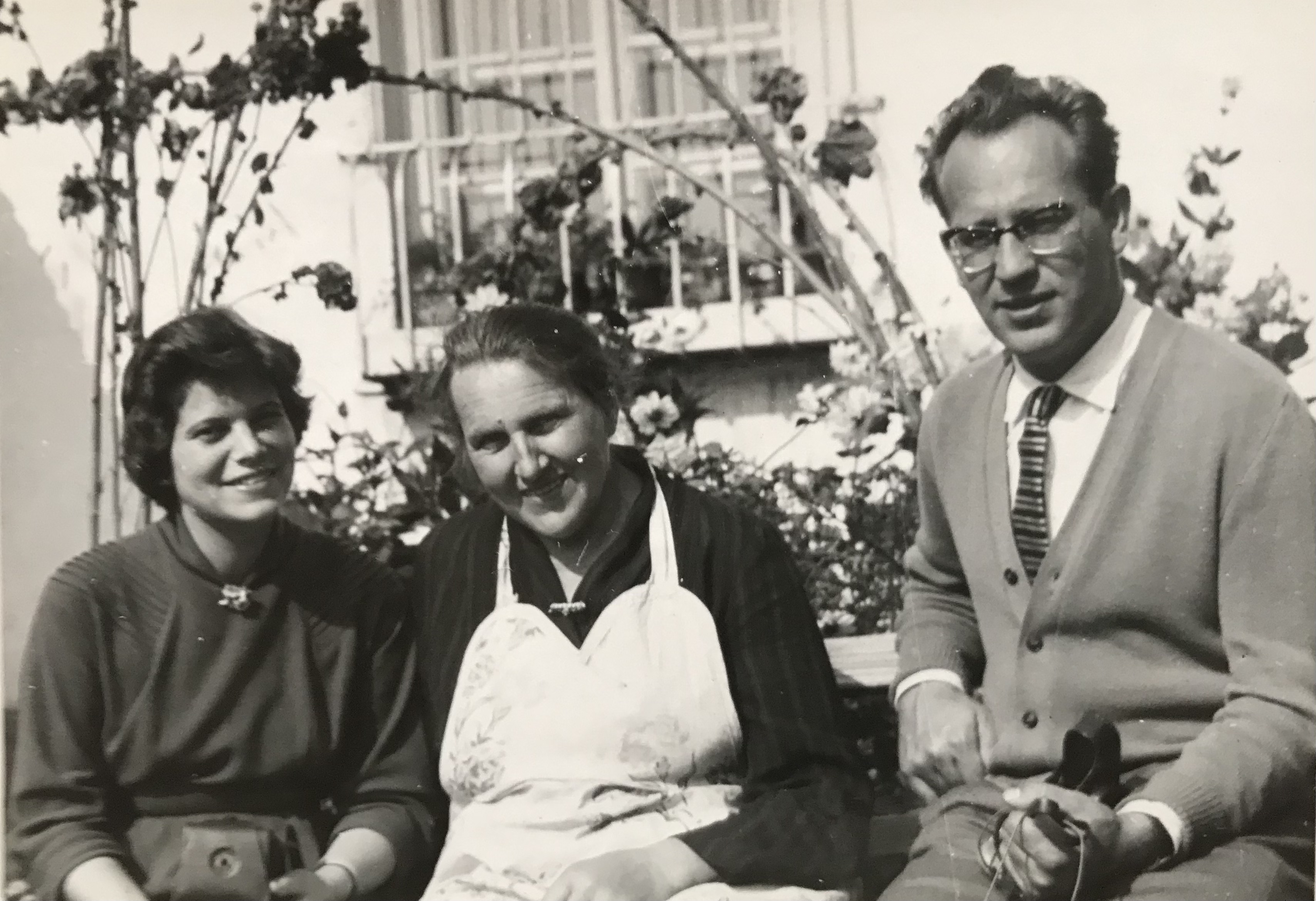
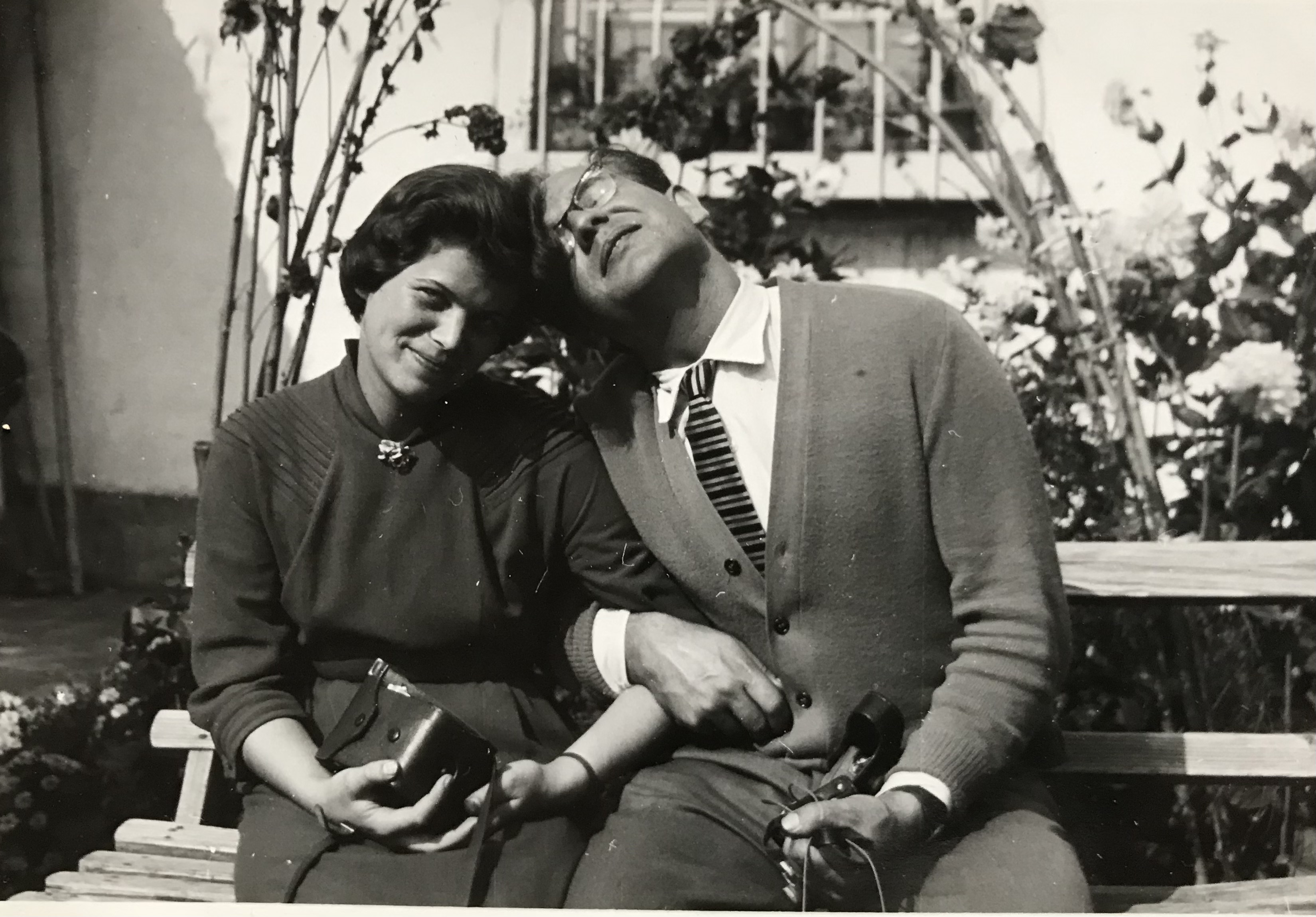
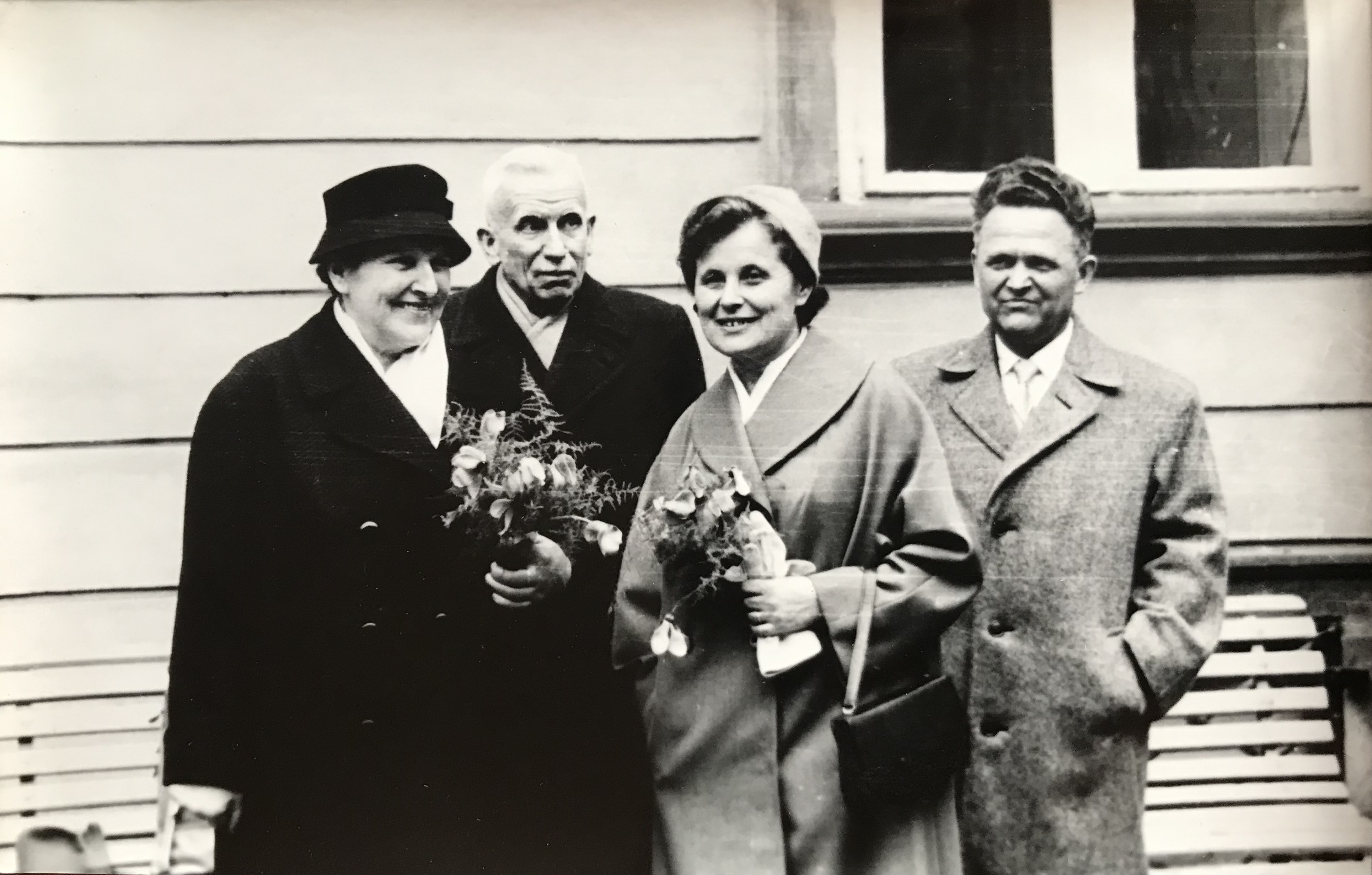
Jan Kadlec was born on 23 October 1928 in Sedliště near Jimramov into a family with deep evangelical roots. He was the eldest of seven children. His grandfather owned a mill, which his father turned into a small weaving mill. Later he used it to supply wool and cotton from the torn fibres for further processing. Jan studied for a year in Switzerland, but graduated at home, at the Real Gymnasium in Polička. He began to study economics at the University of Economic Sciences, but failed the political screenings and was expelled from his studies. In 1951, the weaving mill was nationalised and his father was arrested, but had to be released shortly afterwards because he became seriously ill. Jan did two years of basic military service in Vimperk and after his return he started working at the Retex factory in Liberec as a worker. Because he was capable and hard-working, he gradually worked his way up to better positions, becoming head of operations, plant and production. In 1962, he was allowed to study again and complete his University of Economics studies. After fourteen years he moved from Retex to the State Textile Research Institute (SVÚT) in Liberec as a scientific and technical worker. He retired due to health reasons and briefly worked in the field of textile refining. Jan Kadlec is the author or co-author of several patents and improvement proposals and professional publications in related technical fields. At the time of the interview in 2022, he lived in Liberec. He died in 2023.