Jiří Juřena

* 1945

  • "We went to Vienna, we had friends there - a Mr Fízner from Jeseník, we stayed with him for three nights and waited to see what would happen. Vienna was full of people who had come from Yugoslavia, gyms, everything was full, you don't forget that, that period. Although I forgot a lot of things, we went home. We were almost the only ones going to the Republic, everybody was going out. And we arrive on our side, there were no signposts anywhere, everything was dismantled. Only in Brno in the direction of Moscow, Berlin, Budapest - for the army information, so somehow we got through Svitavy and we got here, to Branná, and Branná was occupied by the Polish army. We almost didn't get through, the road was full. There were armoured vehicles all over the meadows."

  • "I will tell you that on the morning of August 21, 1968, I came to work and the first thing was - the cooks reported to me: 'The Russians have joined you, the Russians have occupied you!' We didn't have telephones, when Hitler occupied Jeseník, they left us, my parents, even the telephone, when the comrades came in '48, they took away our telephone, so that we wouldn't accidentally call West Germany, so I didn't have a telephone at home all the time (of course, I had a telephone at work). We couldn't call home to find out what was going on, so my wife and I worked for about two or three more days, I couldn't work that day - the 21st, my wife couldn't work. She was there as a maid, but because she was a trained seamstress, they found out she could sew. In Germany in 1968 it was still quite poor, two sheets made one sheet. She sewed bed linen, sewed for the boss, she had a great job, better than me."

  • "My father was lucky to be back as a butcher in the kitchen. First he was in Příbram - he was in the pit there - and then when he got to Svornost in Jáchymov, he was, I think, in the kitchen the whole time he was there, so he survived in good health. He was on that uranium for a short time, but those who were there all the time paid with their health. Because they worked there with shovels, hand picking, from what I hear. I went to Jáchymov once, I looked up on the hill where Svornost was - nowadays there are holiday cottages there. I wouldn't have built a hut there - in a place where there were so many tears, crying, pain and dead people. Because there were fatalities, of course, it is practically not talked about even to this day."

  • Celé nahrávky
  • 1

    Jeseník, 22.03.2025

    (audio)
    délka: 01:36:06
    nahrávka pořízena v rámci projektu Stories of the region - Central Moravia
Celé nahrávky jsou k dispozici pouze pro přihlášené uživatele.

All my life, I shot from the hip—and sometimes, I hit the mark
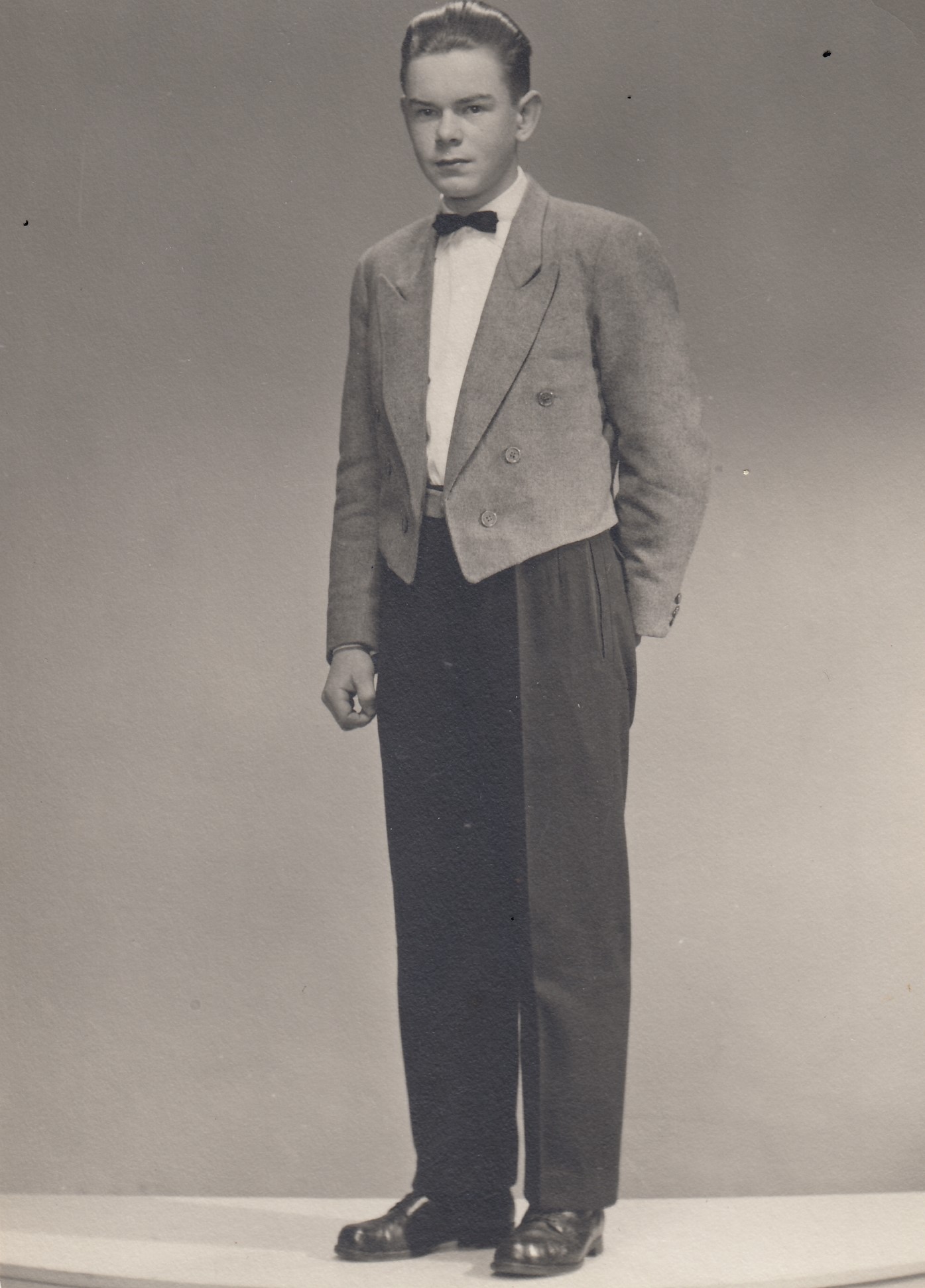
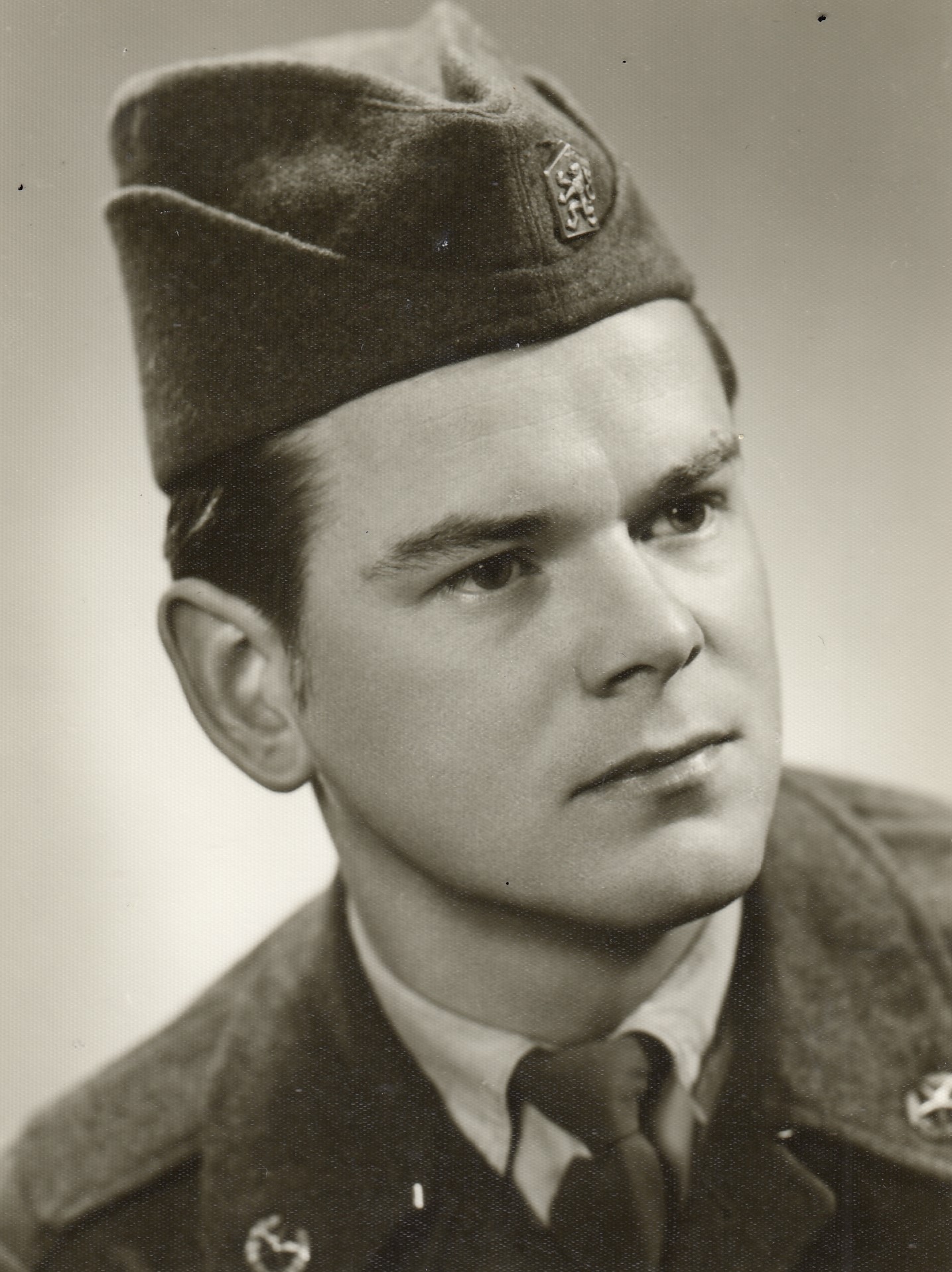
Jiří Juřena in training, 1960s, Jeseník
zdroj: Archive of the witness

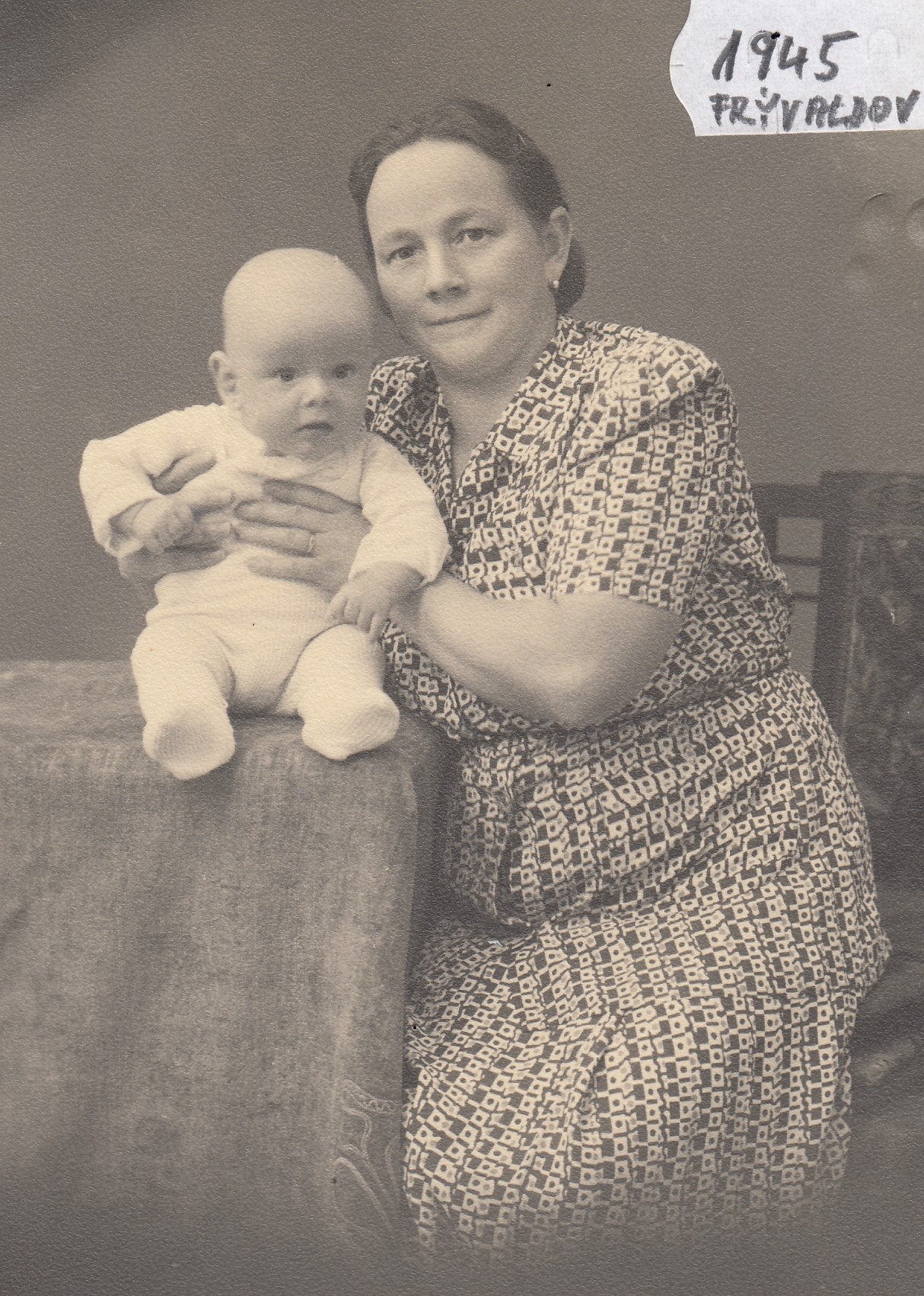
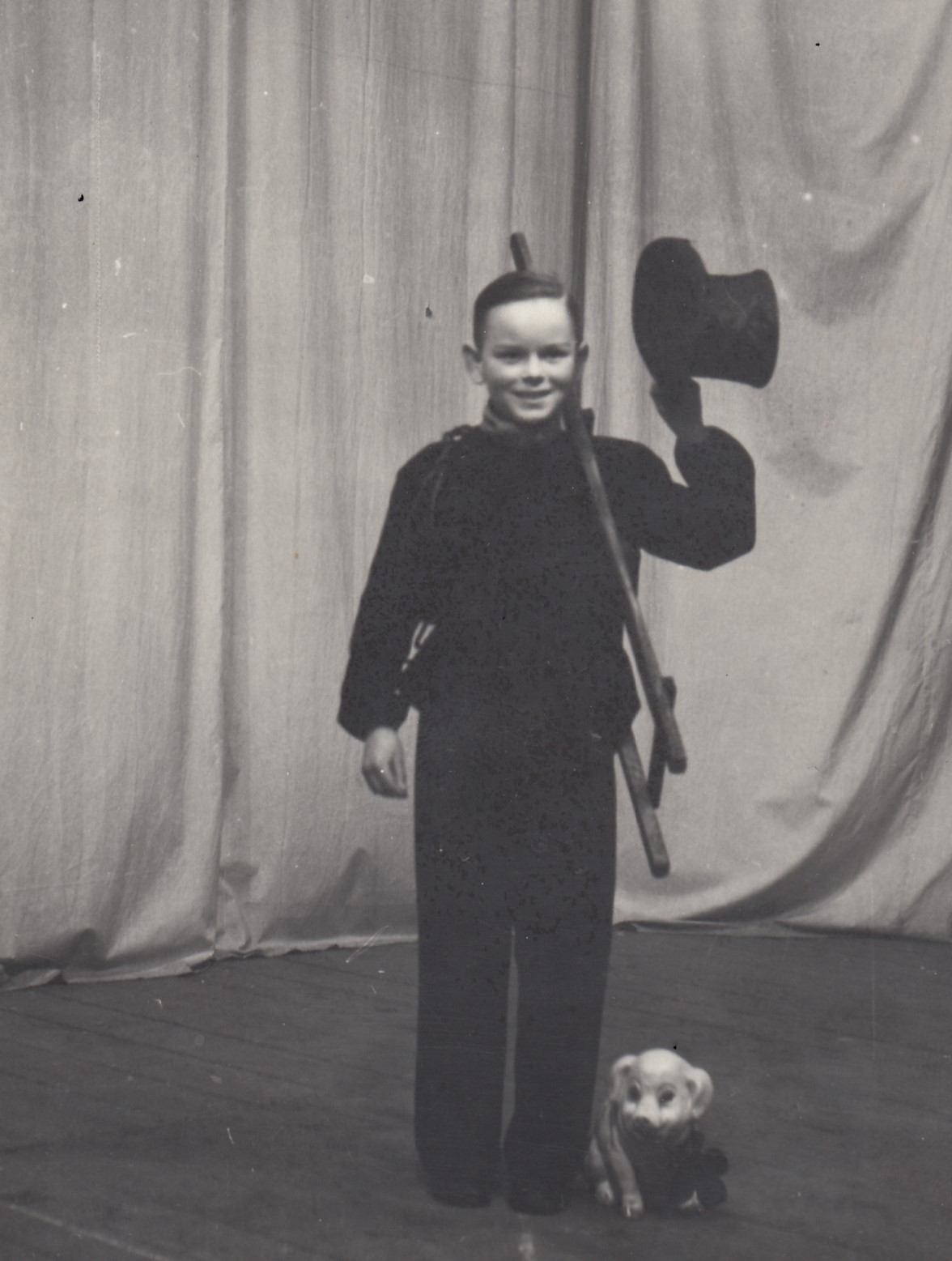
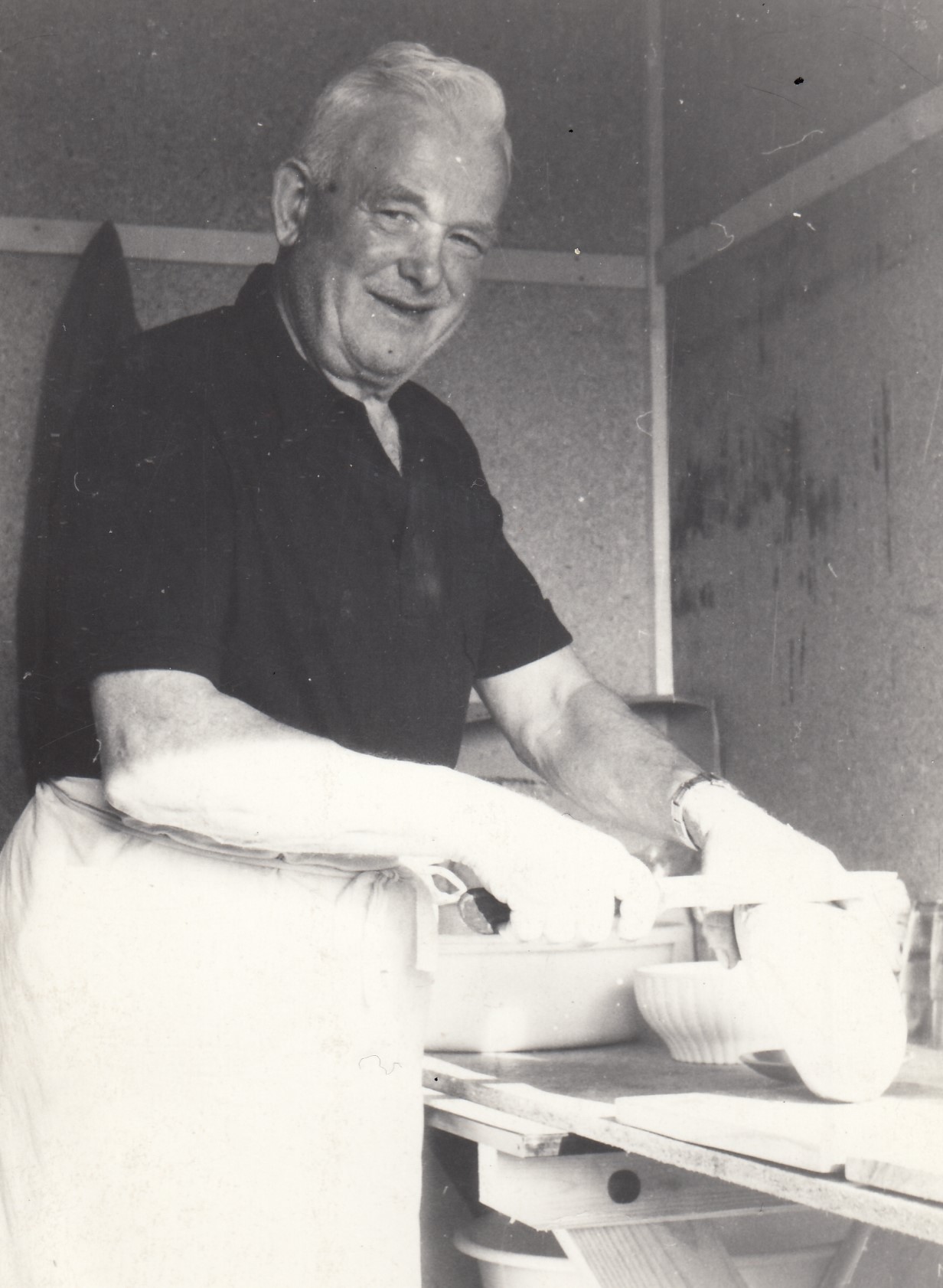
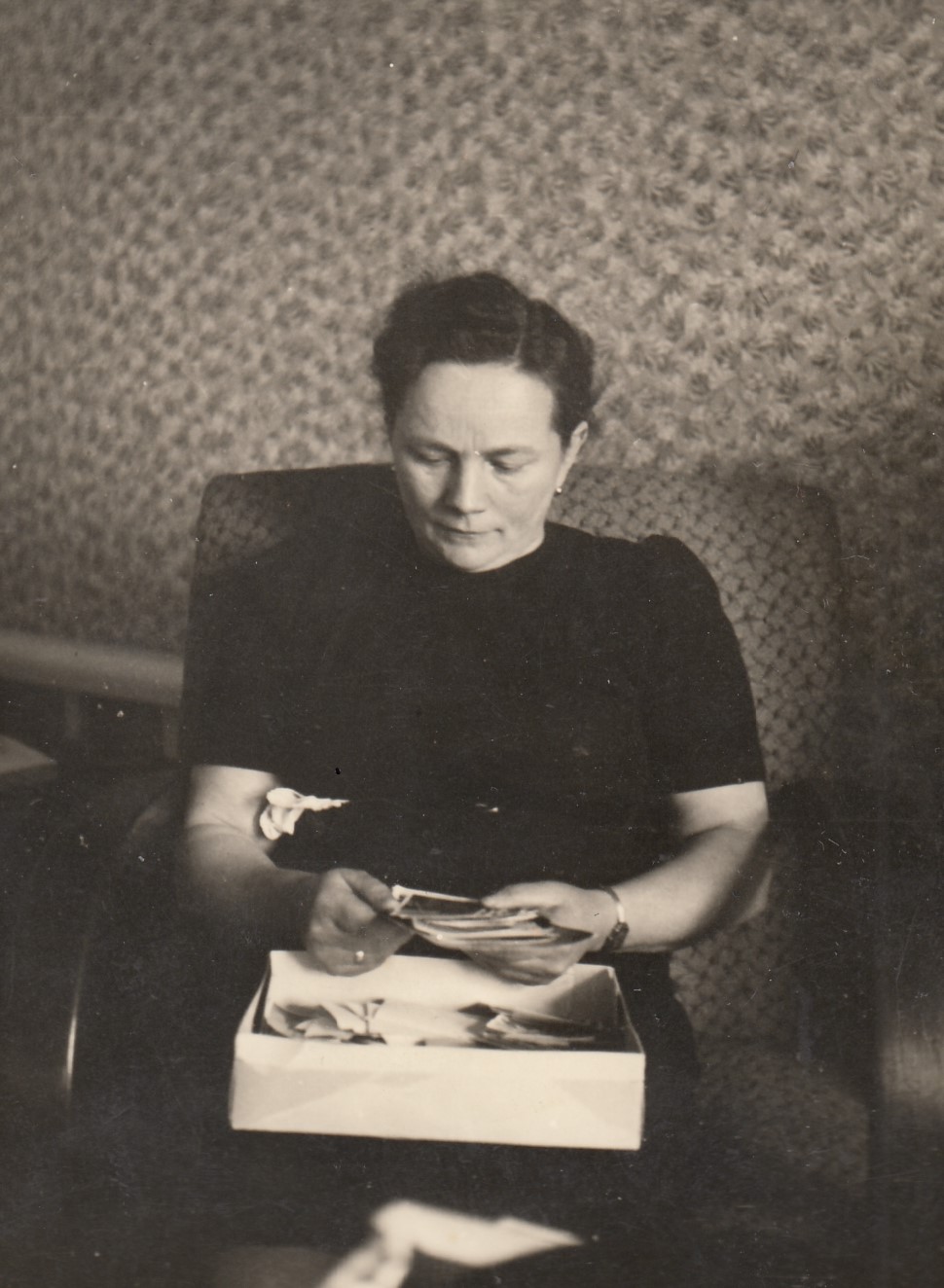
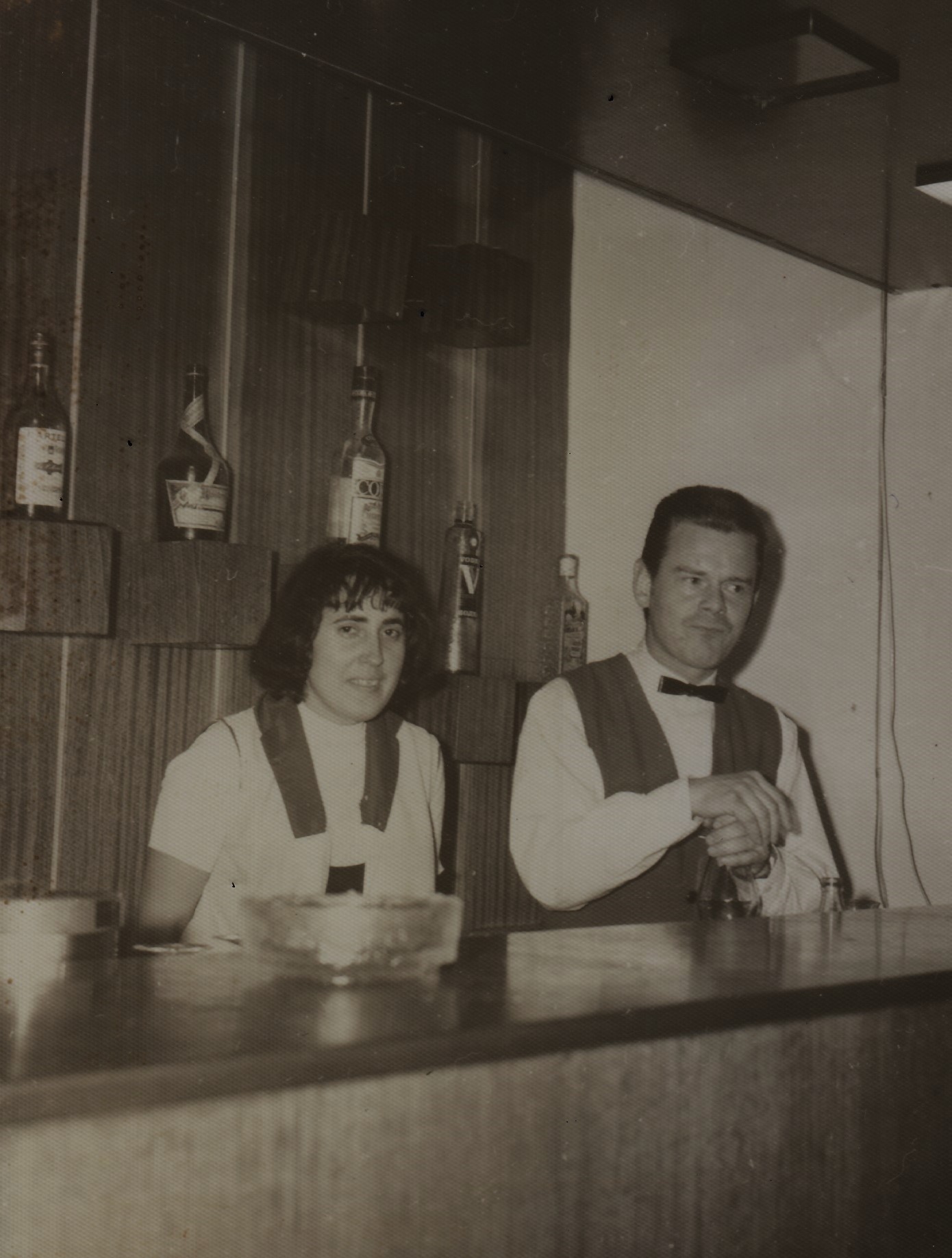
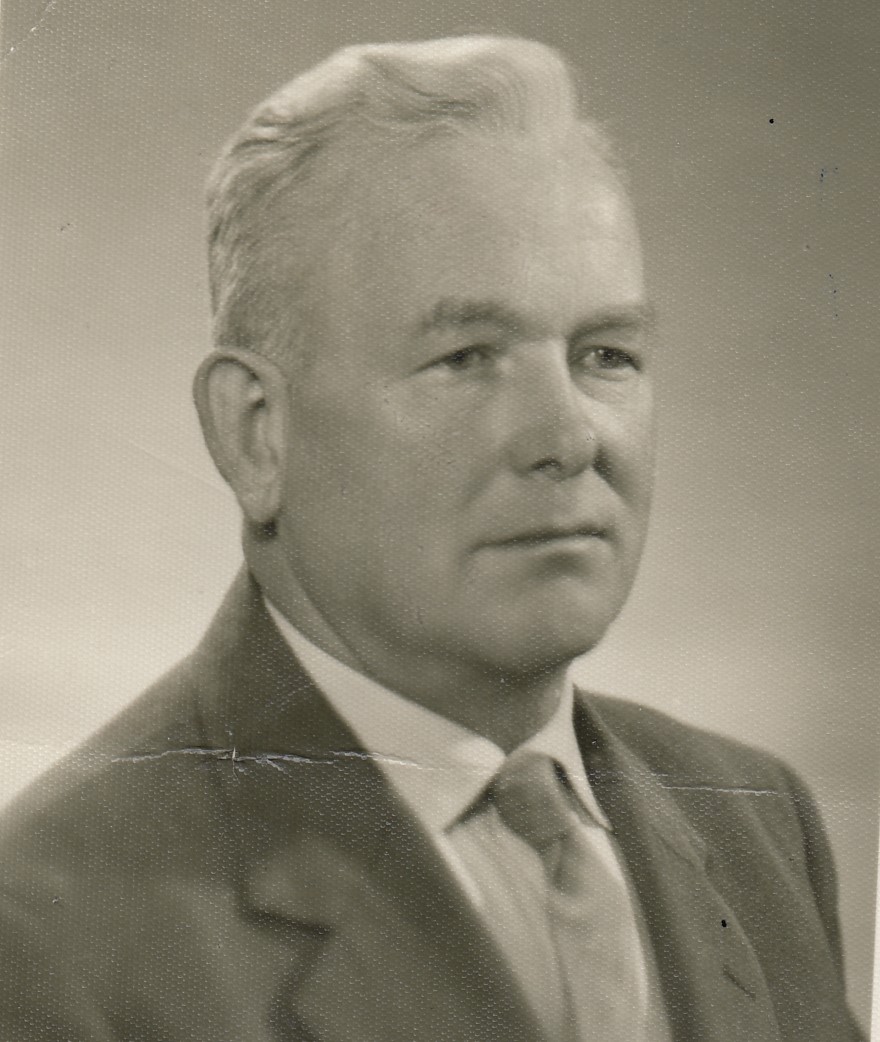
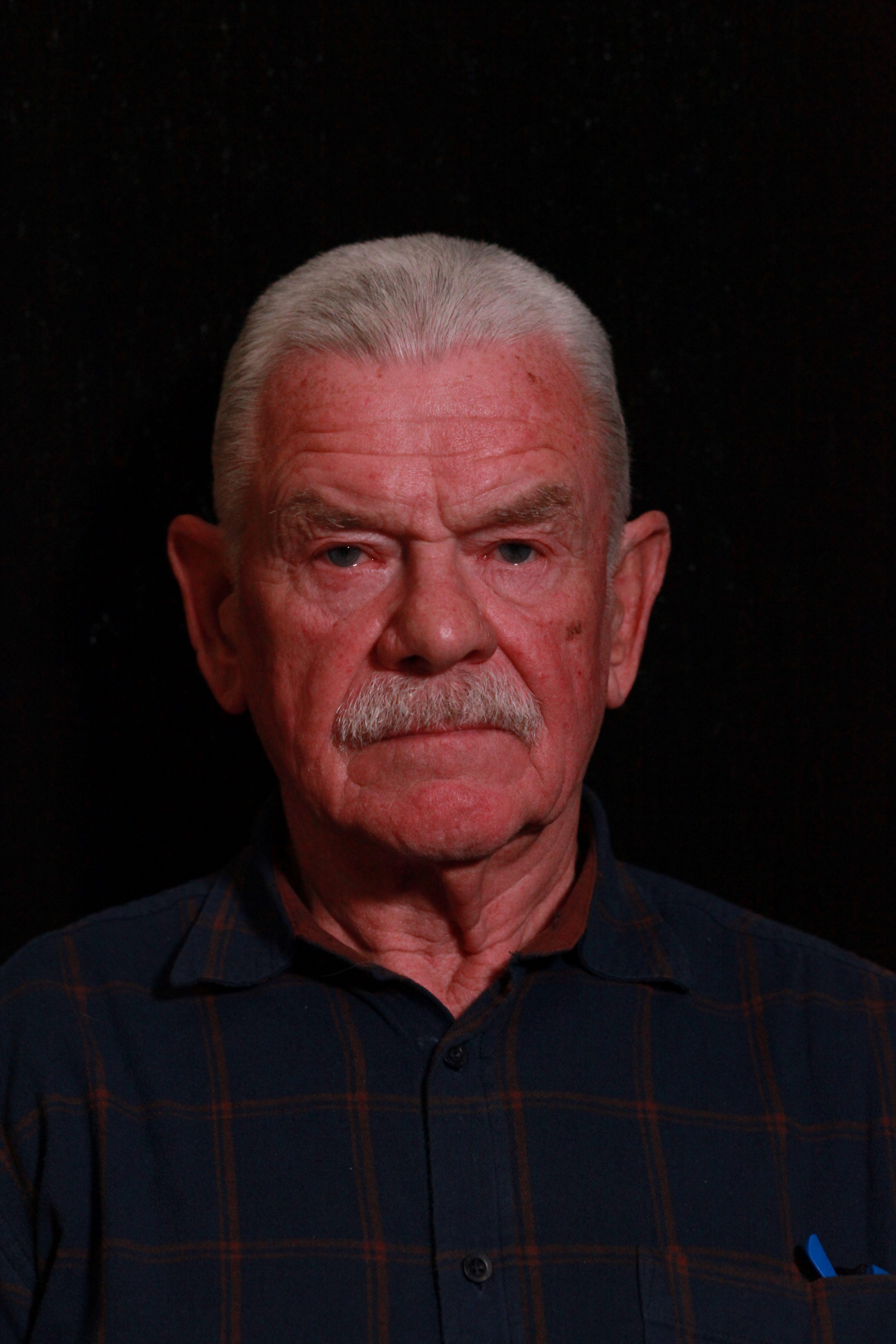
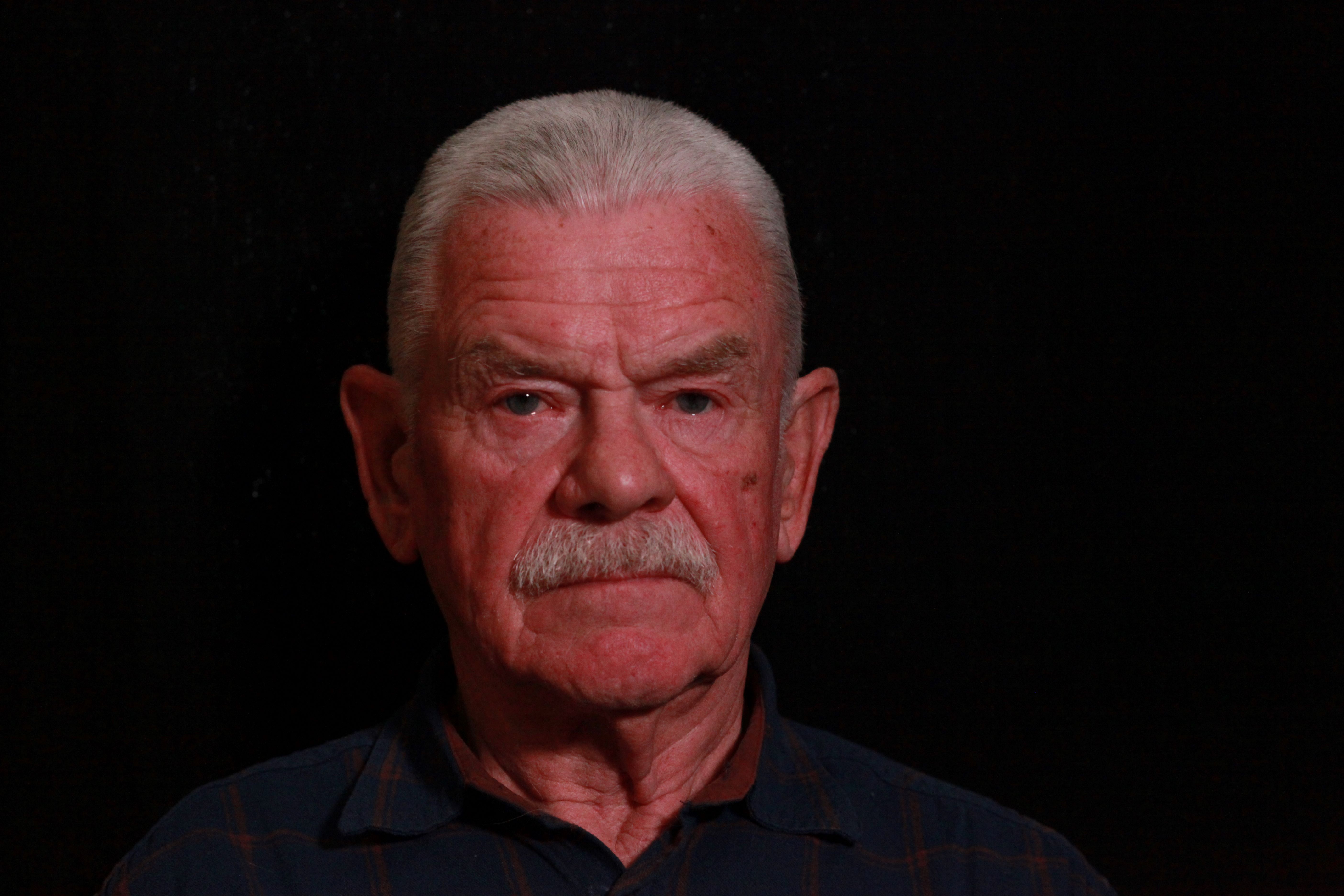
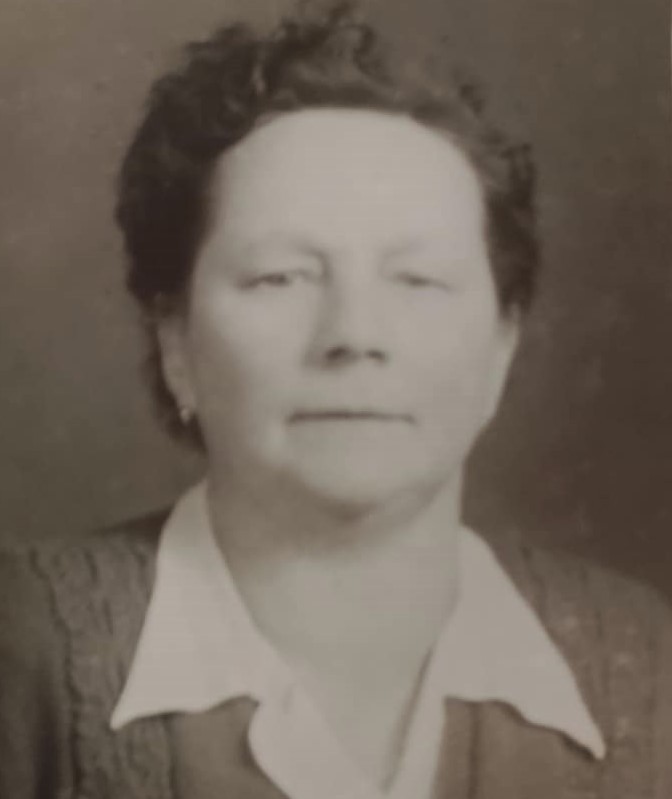
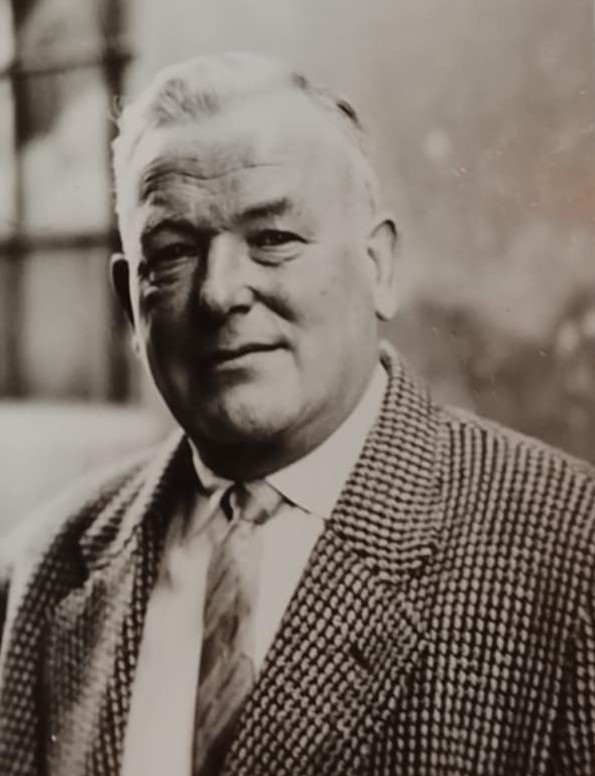
Jiří Juřena was born in the last year of the war, on February 26 in Frývaldov, as the younger of two sons, to a mixed German-Czech marriage of Paula, nee Paula. Hauke, and Vilém Juřena. His father, a National Socialist, a tradesman running a butcher‘s shop, was arrested after 1948 after attending the Milada Horáková conference in Prague and sentenced to ten years in prison, serving his sentence in the Vojna labour camp in Příbram and in the Svornost camp in Jáchymov. After his arrest, his family had part of their property confiscated, his business was nationalized, his brother was expelled from the gymnasium and he spent the war in the PTP (Technical Auxilliary battalion) in Horní Suchá. His father was partially rehabilitated in the 1960s, but full rehabilitation took place after 1989. Jiří trained as a cook - waiter under Jednota Zábřeh. In 1964 he got married. He and his wife Květoslava raised four children - Renata (1964), Monika (1970), Marcel (1978) and Tomáš (1981). From 1968 to 1970 he worked as a waiter in the German Black Forest. After his return, he was repeatedly approached by State Security with a request for cooperation, which he did not sign, and he was not allowed to travel to the West until the revolution. In 2016 he remarried to Marta, née Hlavatá. Until 1991 he worked as a manager of a recreation centre in Horní Domašov. After 1989 he briefly served in the Jeseník town council for the ODS. He was engaged in the hospitality business. He built a house with a butcher‘s shop and a confectionery in Jeseník. In 2025 he lived with his wife in Jeseník.