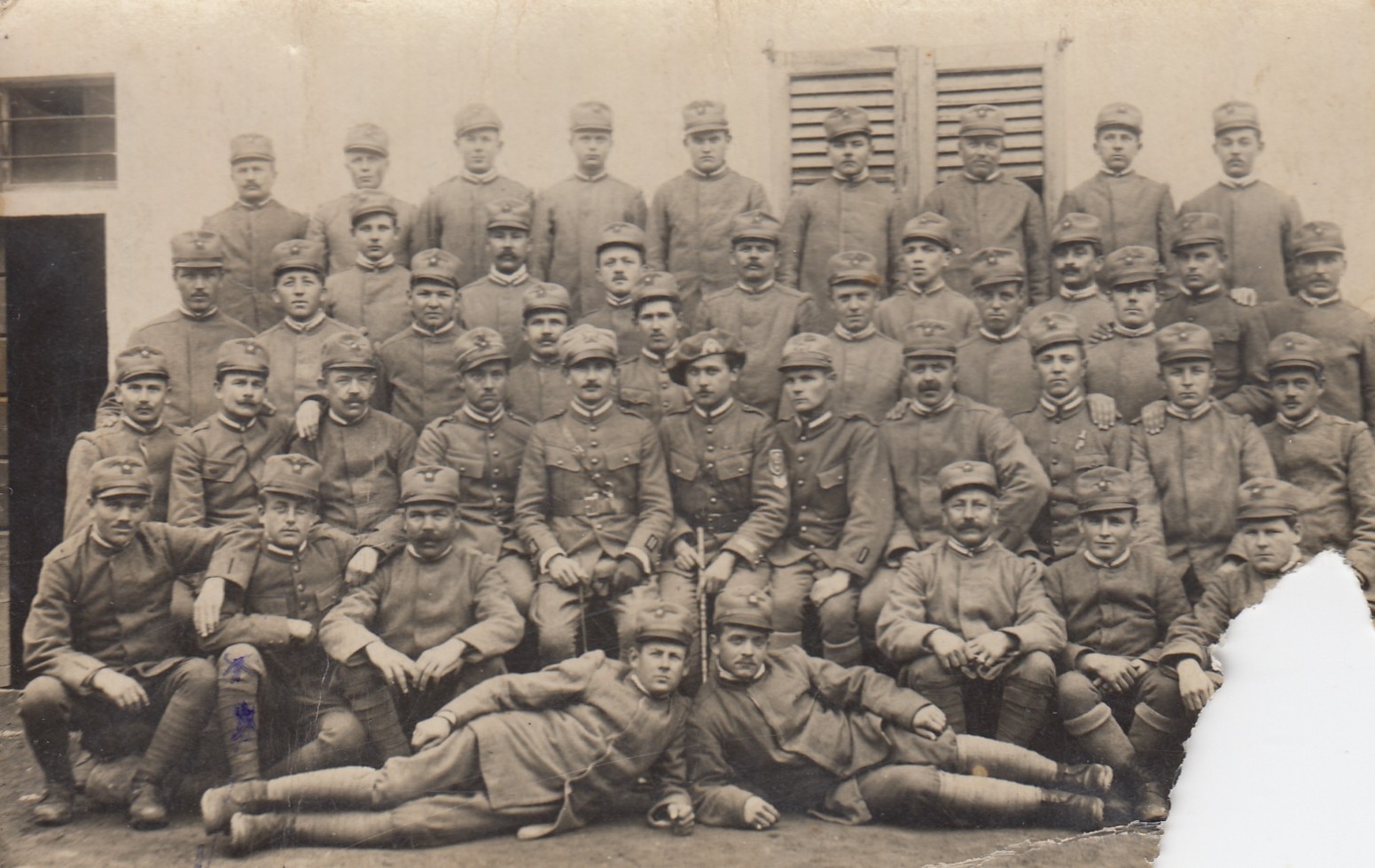
“I went through basic training with the guys just fine. I was in good shape, so it didn’t really bother me that much. Except for the fact that I saw the real bully-style army there—where the corporals got power, even though they didn’t seem too bright. I remember how we were often rolling around in the mud. ‘To the ground!’ Okay, then we had to clean ourselves up, and then he’d inspect us to see if we were clean. We took that seriously. And he’d check our boots too. This idiot would sit up on the stairs, holding a pin in his hand. You’d bring him your boot, he’d flip the sole over and poke at it with the pin. Then he’d toss it back at you. No one ever passed the inspection on the first try. So we didn’t rush. We kind of sabotaged it a bit. And then, same guy—since we were with the chemical unit—we had a drill with gas masks. We put them on. We had to run with them on, and it’s hard to breathe in those things. He ran alongside us, but without a mask. Then someone couldn’t take it anymore and threw up. He took off the mask to shake it out, and the guy jumped on him, started beating him, and tried to shove the mask back on him. That was the point where discipline… well, that ended. So we rose up and went after the [commander] with rifle butts.”
"When the so-called November Plenum was held, I have mentioned it here once before, where Gustáv Husák began to gain strength and Dubček was losing his position, we as university students published - I think we called it the Ten Articles. One of those articles was that we wanted freedom of the press, we wanted open borders. Those were probably the two most important points. We went on strike for that. That was the university occupation strike. We packed up the kind of surfaces that we had on our dorm beds, got a little bit of food, and went to school. And the school actually shut down. It shut down in case the cops wanted to drag us out by force. And we didn't let anybody in. The interesting thing about it, and terribly beautiful, was when a car, a truck of some kind, a van, came in front of the school in the morning, and they opened it up and the bakery came. The baker came. 'Boys, girls, come and get your pastries!' We got out and they told us that it was sent by our union, our employees. They encouraged us to just hang in there and stay. Then a little while later the sausage makers came, so we got sausages. And then the dairy also came. It lasted about three days, when the strike lasted. That was really strong!"
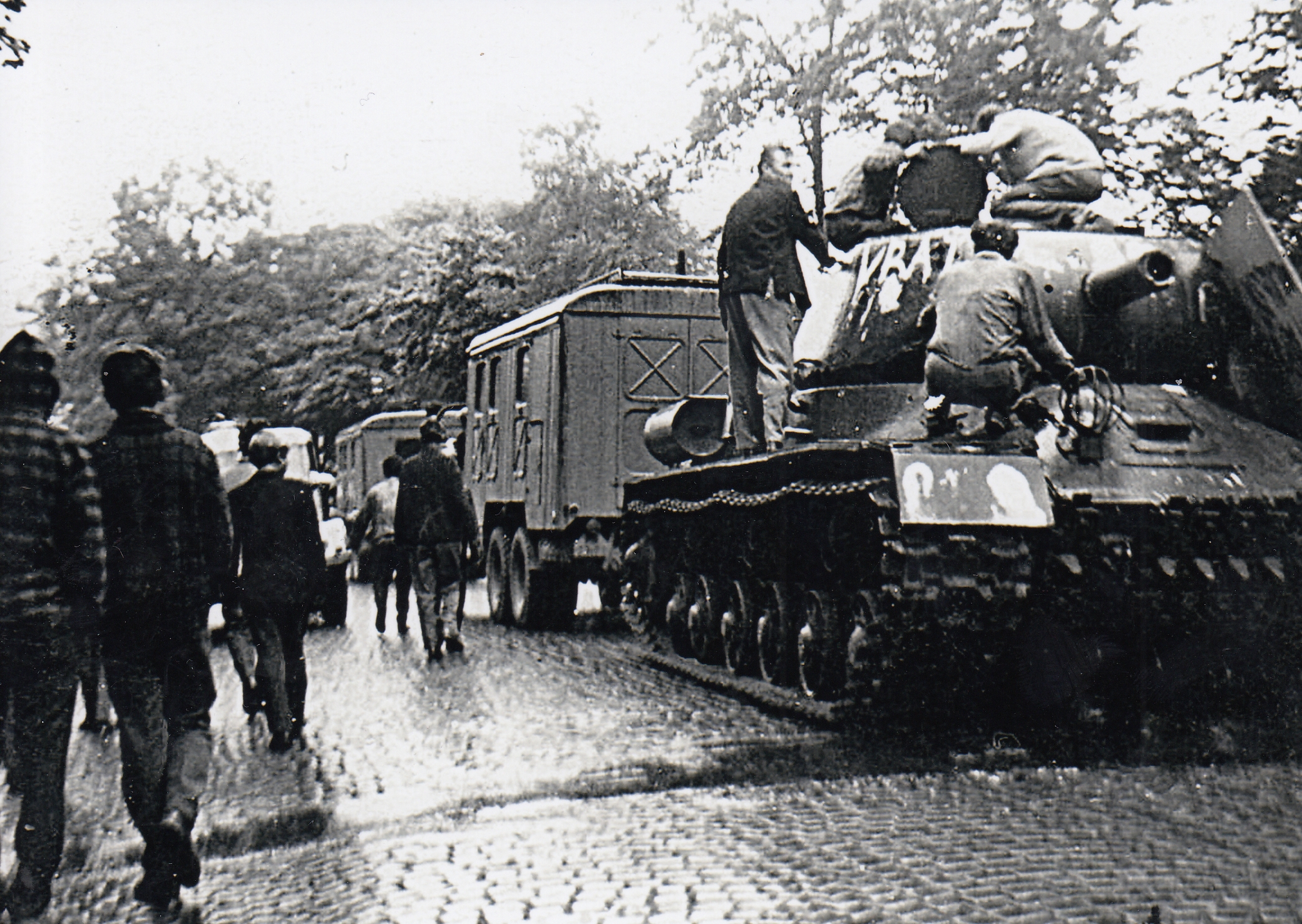
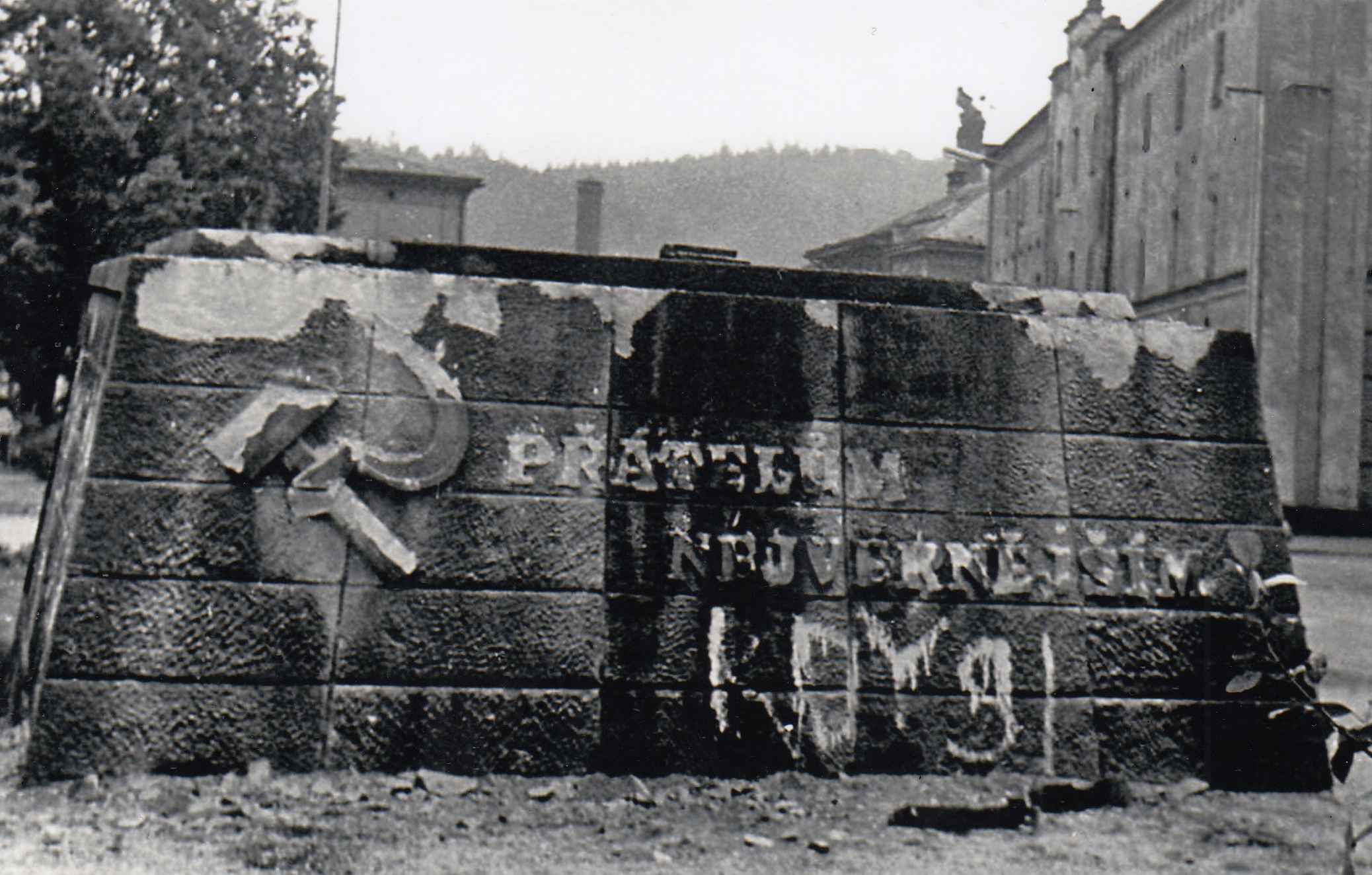
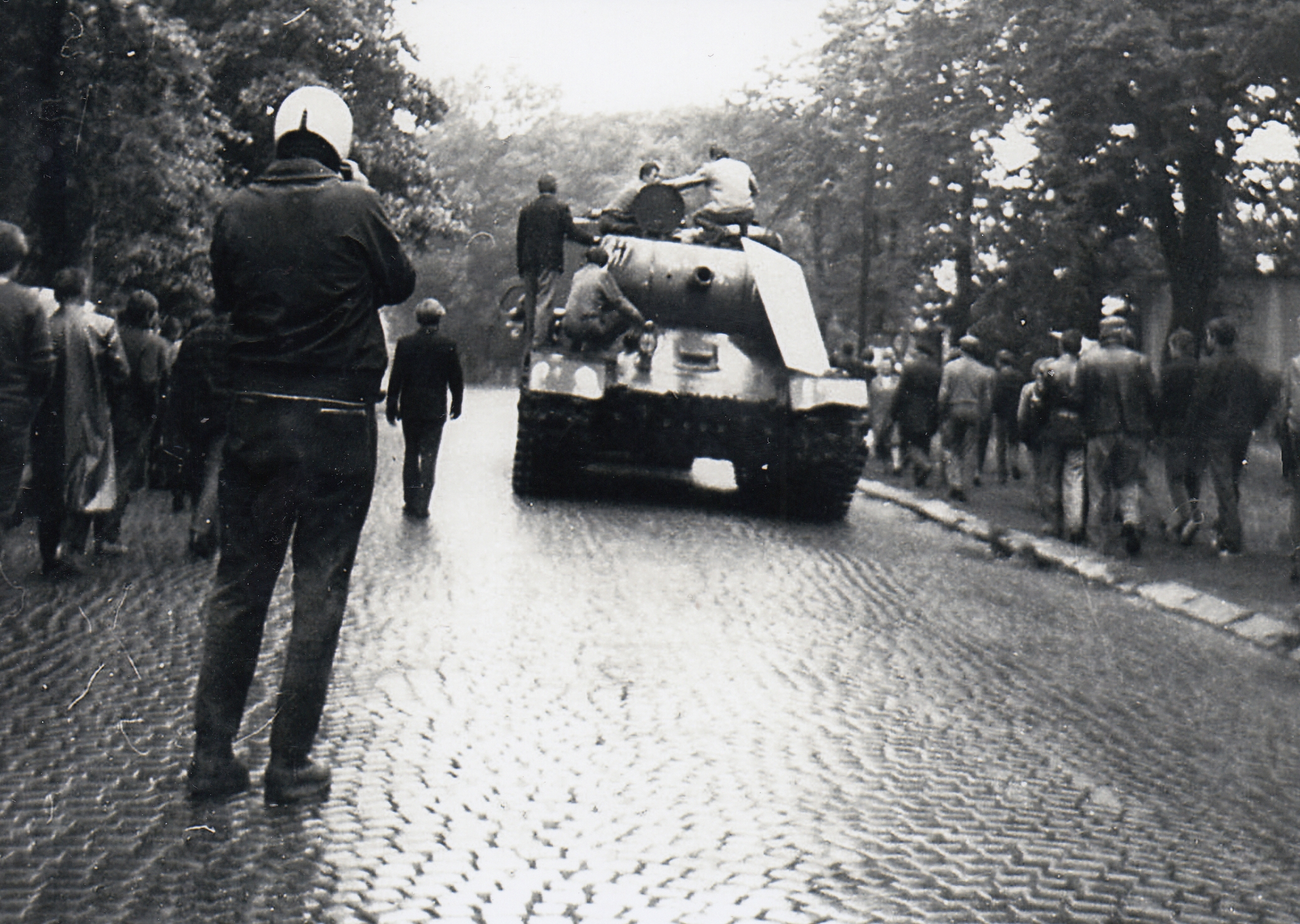
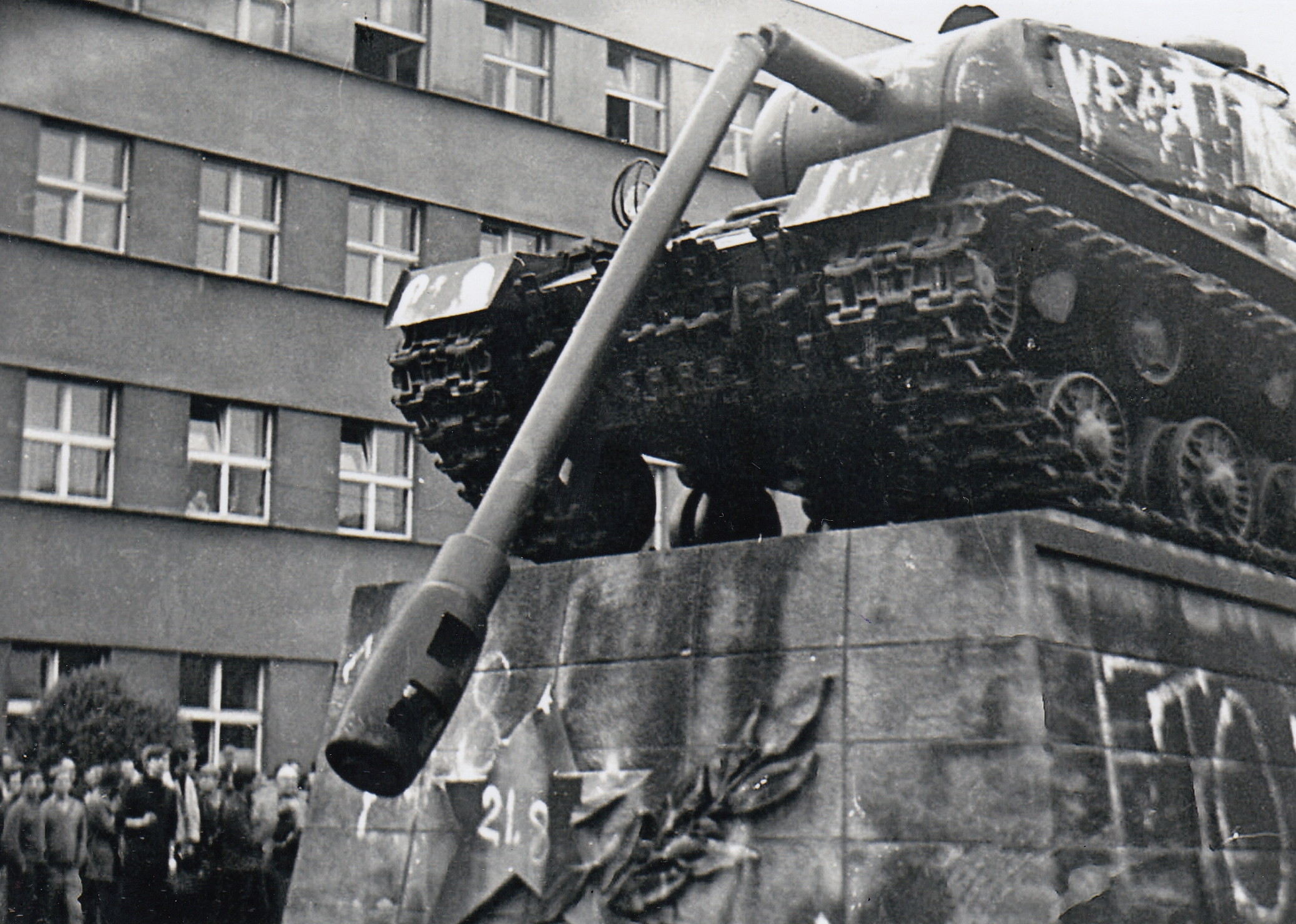
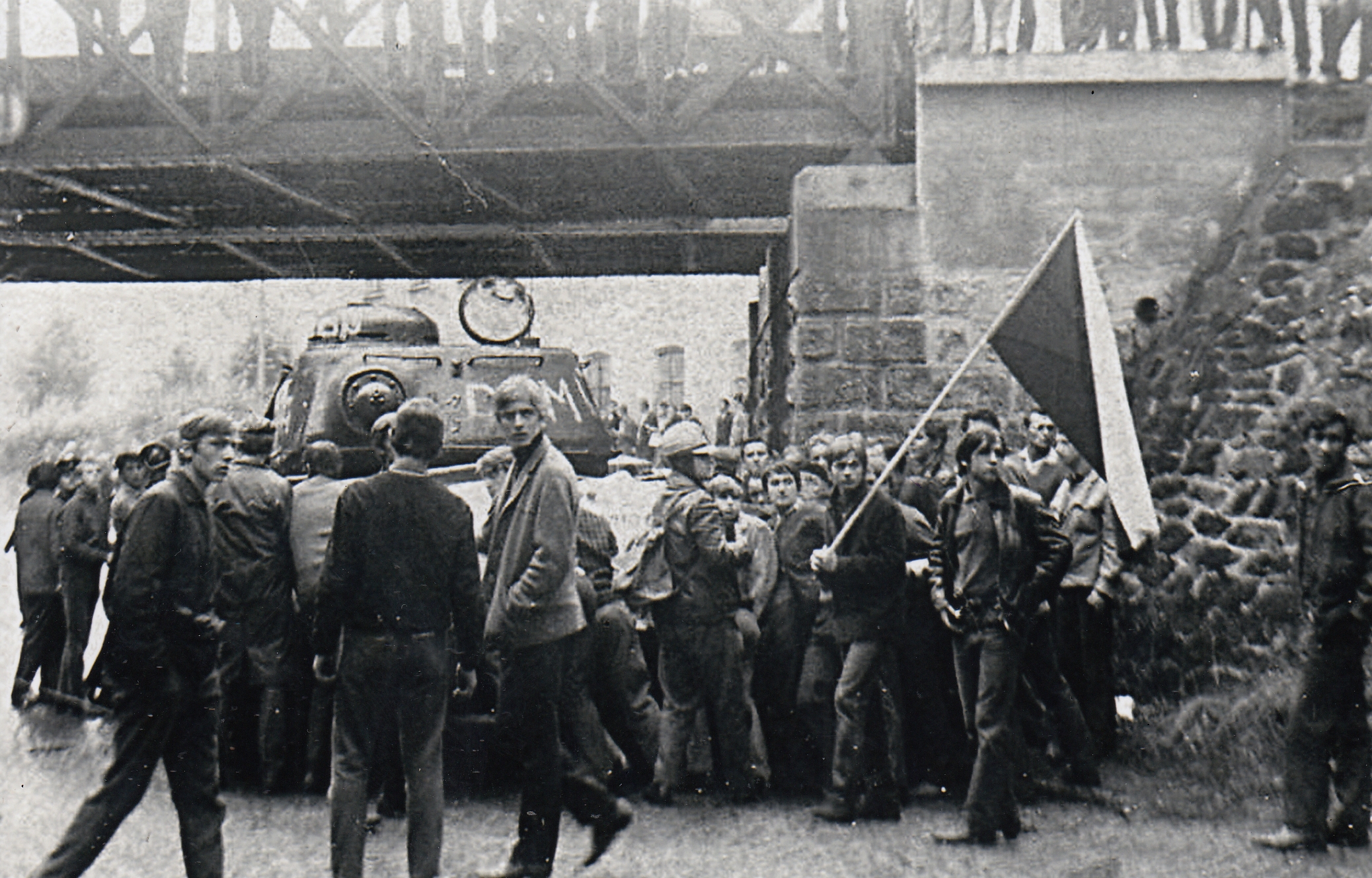
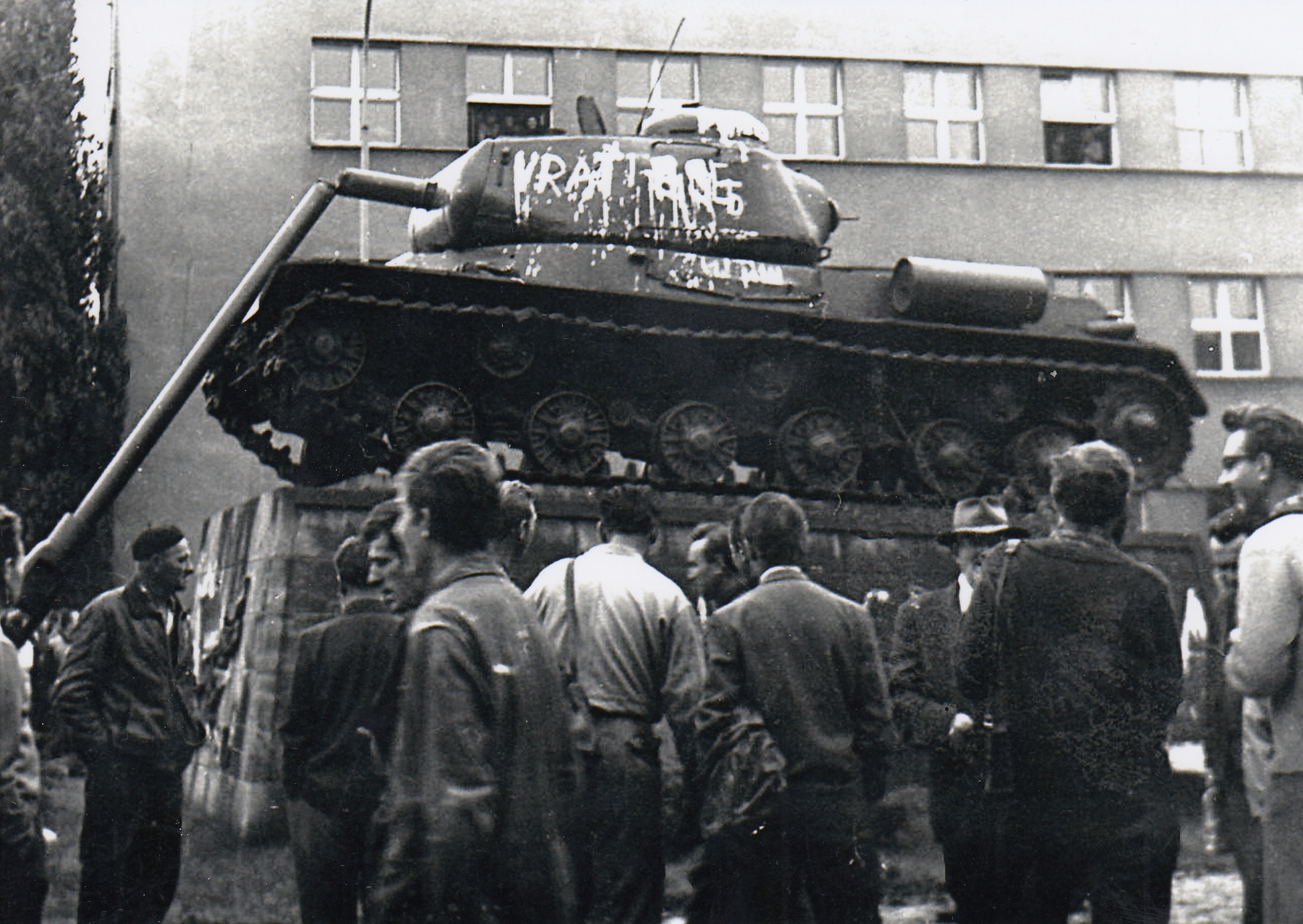
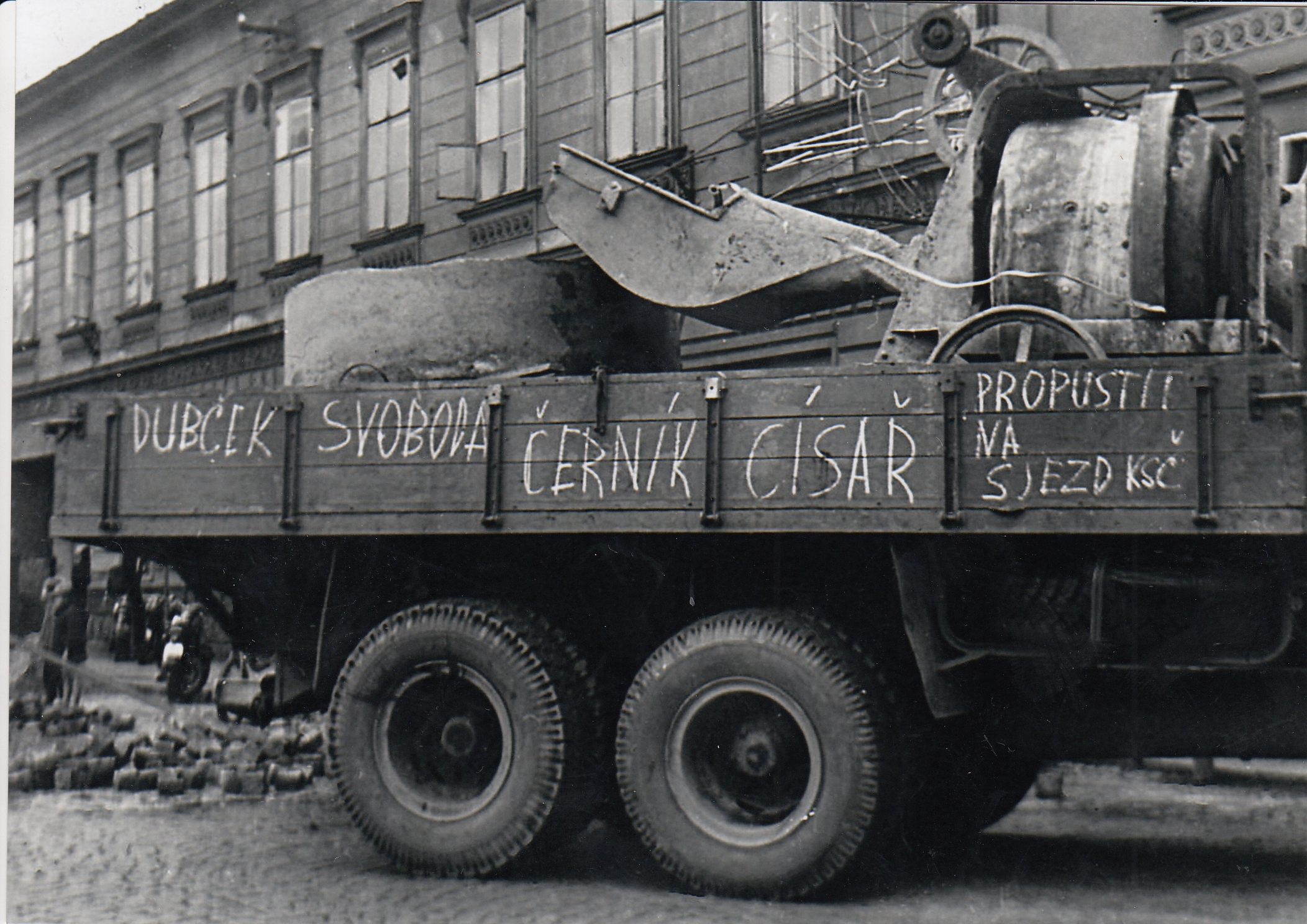
"That's an interesting story, too. Because the tank was on a pedestal - the Liberators' Monument - and at that time, when they [Warsaw Pact troops] came, they were no longer liberators, they were occupiers. So the tank had to be painted first, then it had to be lowered. The loweering included guys coming in, probably with an autogenous gun, and cutting the barrel. So it was pointing the way it was supposed to for a little bit, and then it broke off. But that was only good for so long. Then they came in with a truck and pulled the tank off the pedestal. The barrel fell off, it broke. So it got dragged under the viaduct that goes towards Svoboda Na Dubu. Towards the mountains. And there they built it so that it blocked the passage under the viaduct. That's how the tank ended up. But it goes on. When the Russians came, they occupied the barracks in Trutnov. And they took the tank there. It was a disgrace for a tank to roll around like that! They refurbished it, fixed the barrel, probably painted it and said they would come back!"
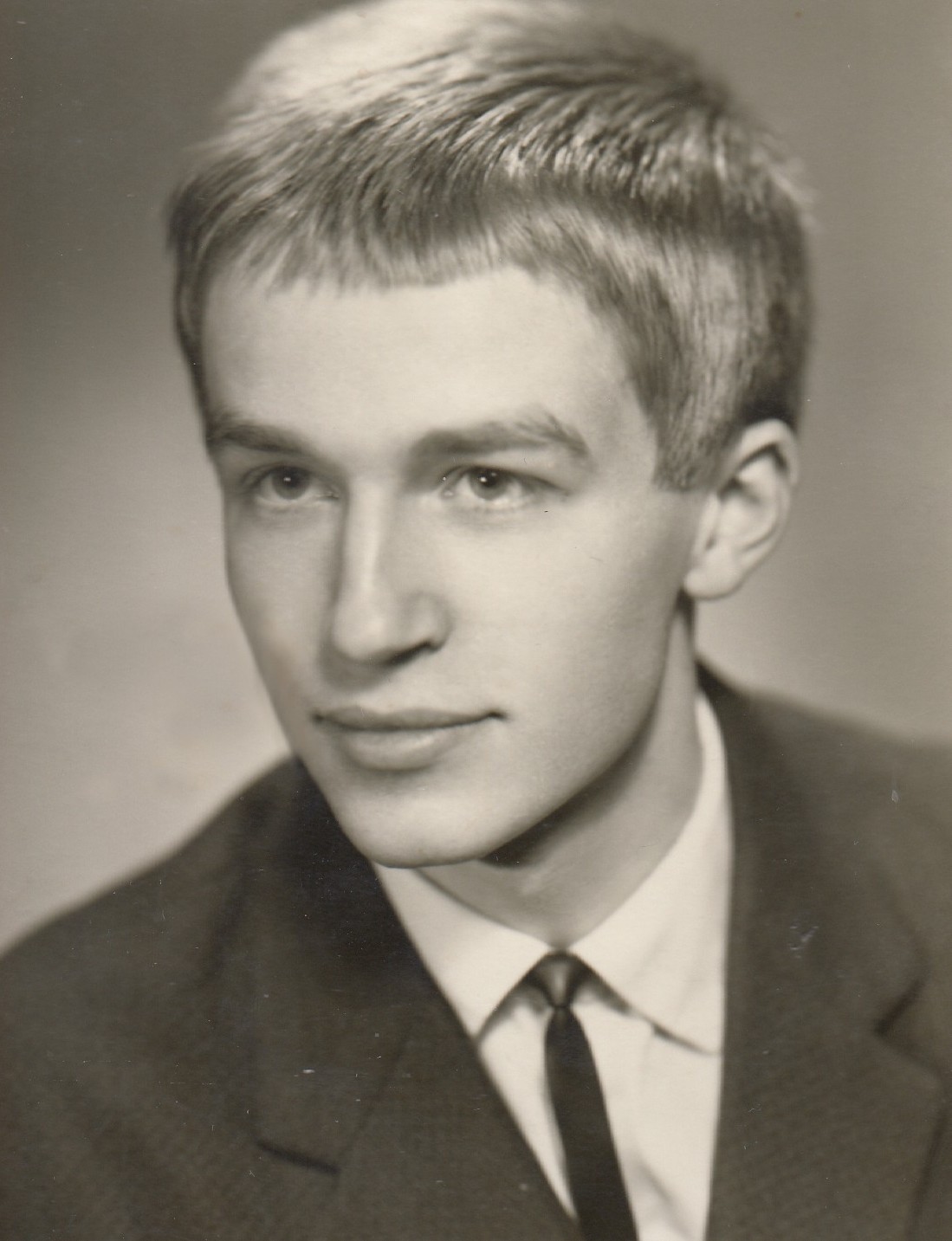
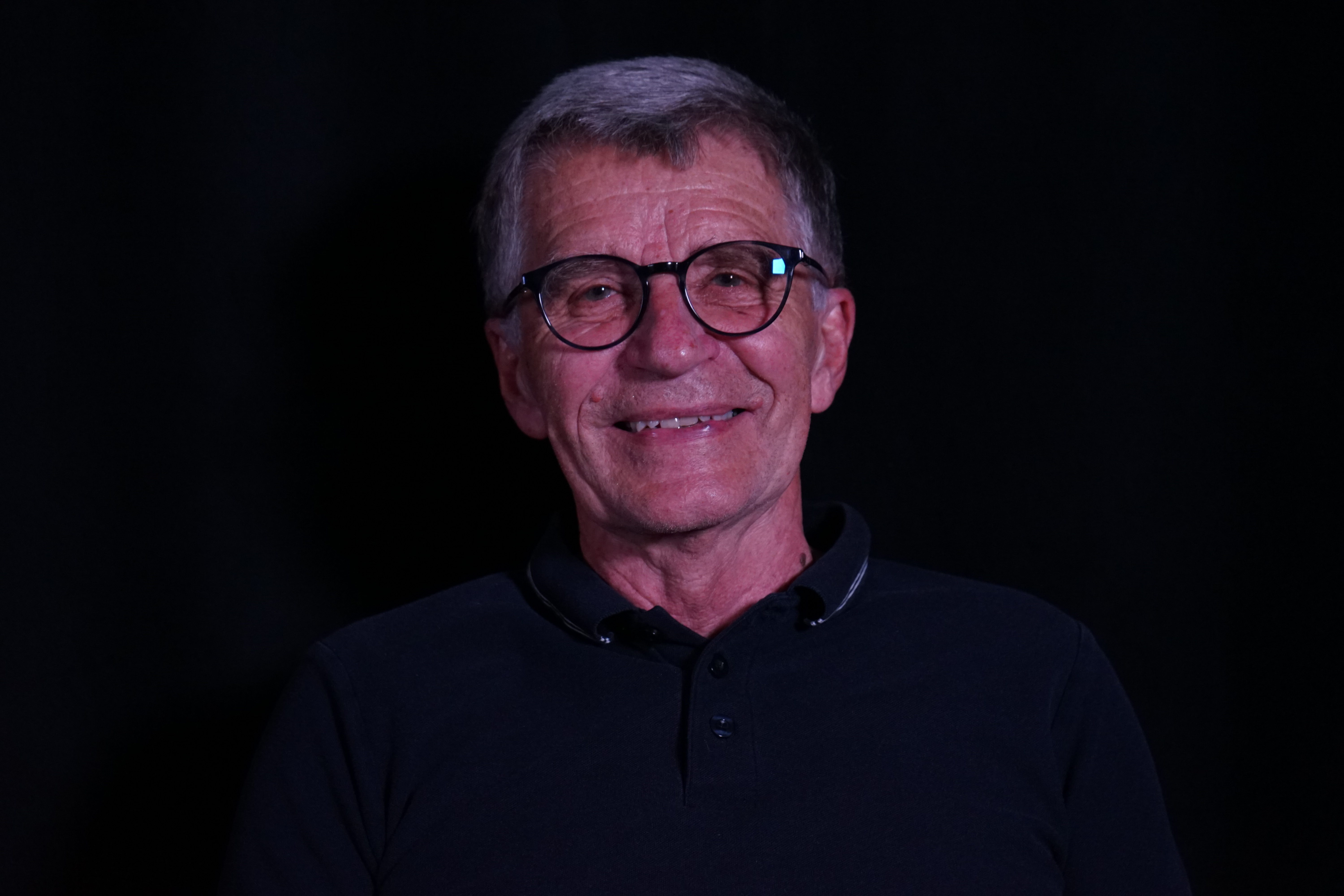
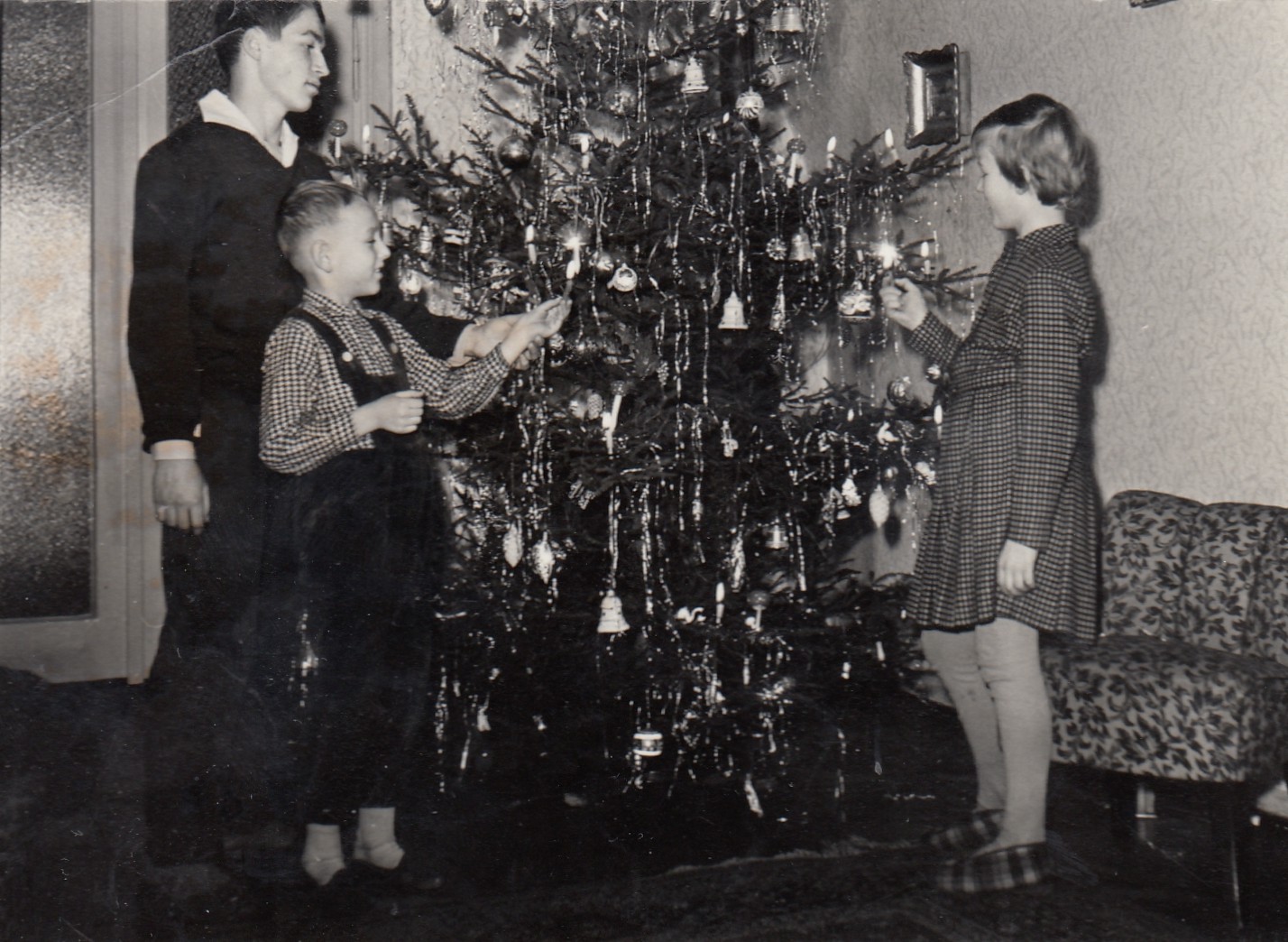
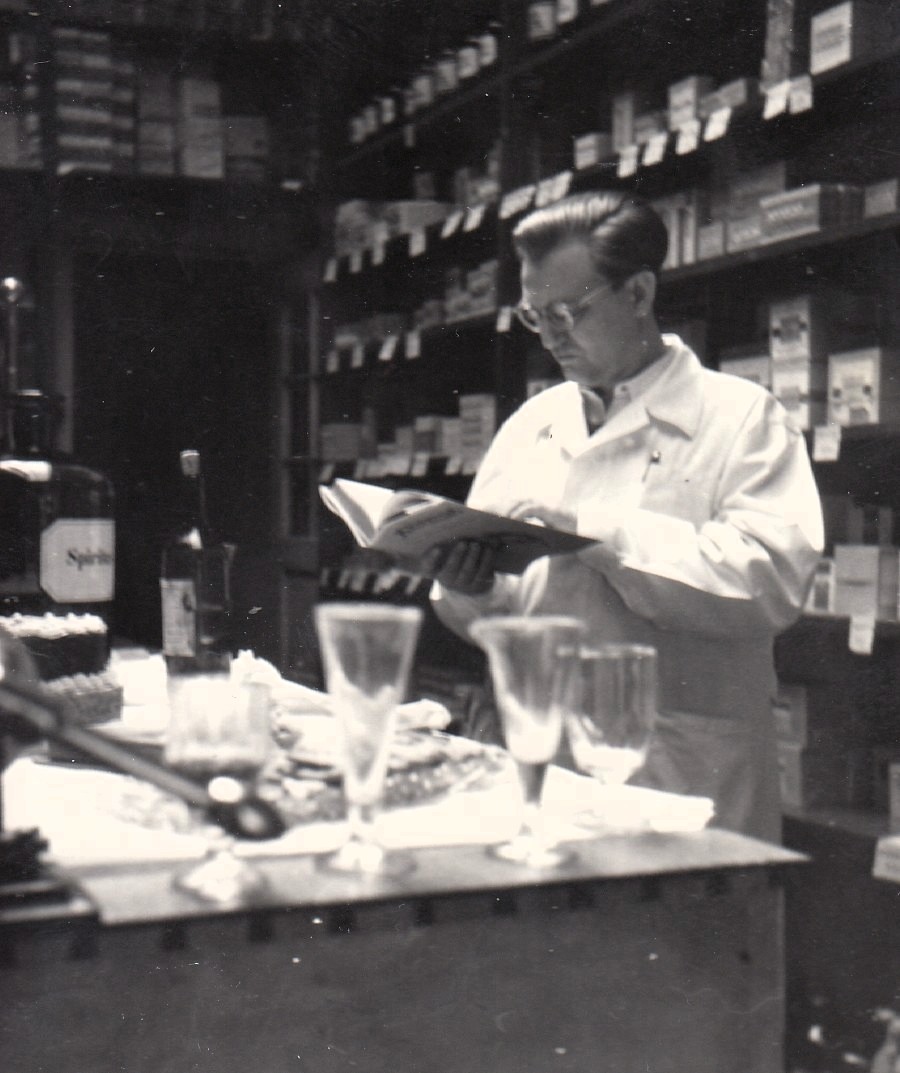
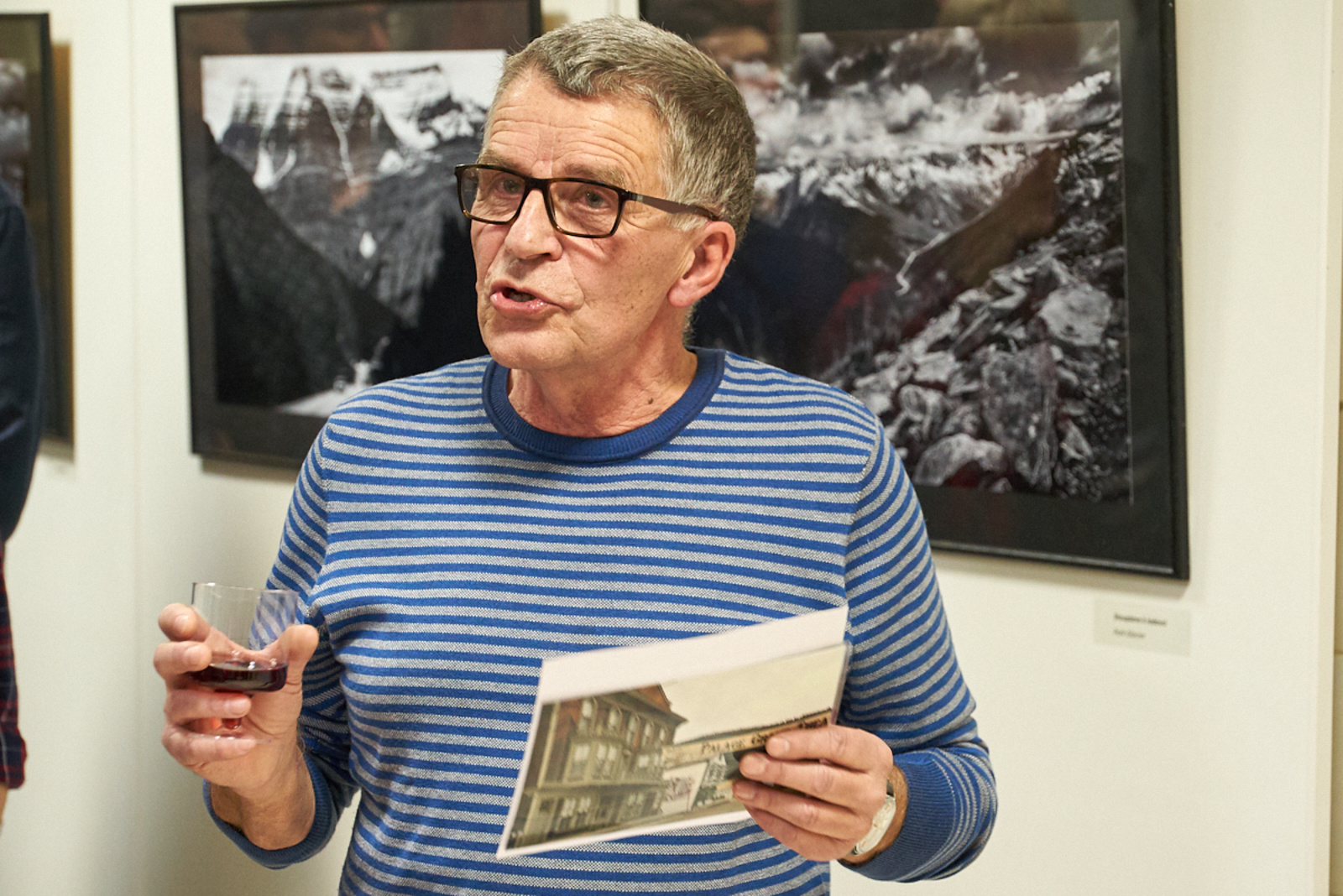
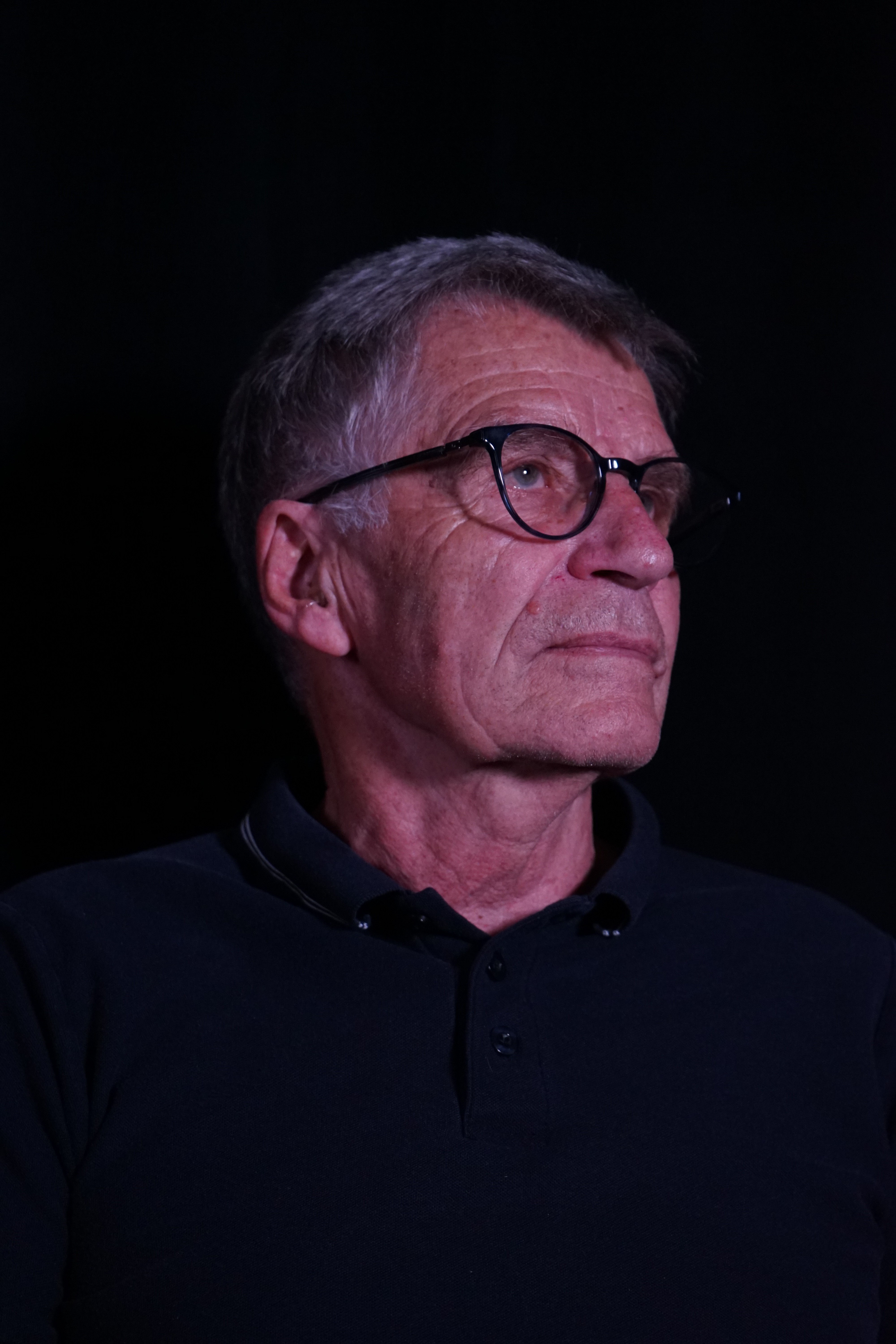
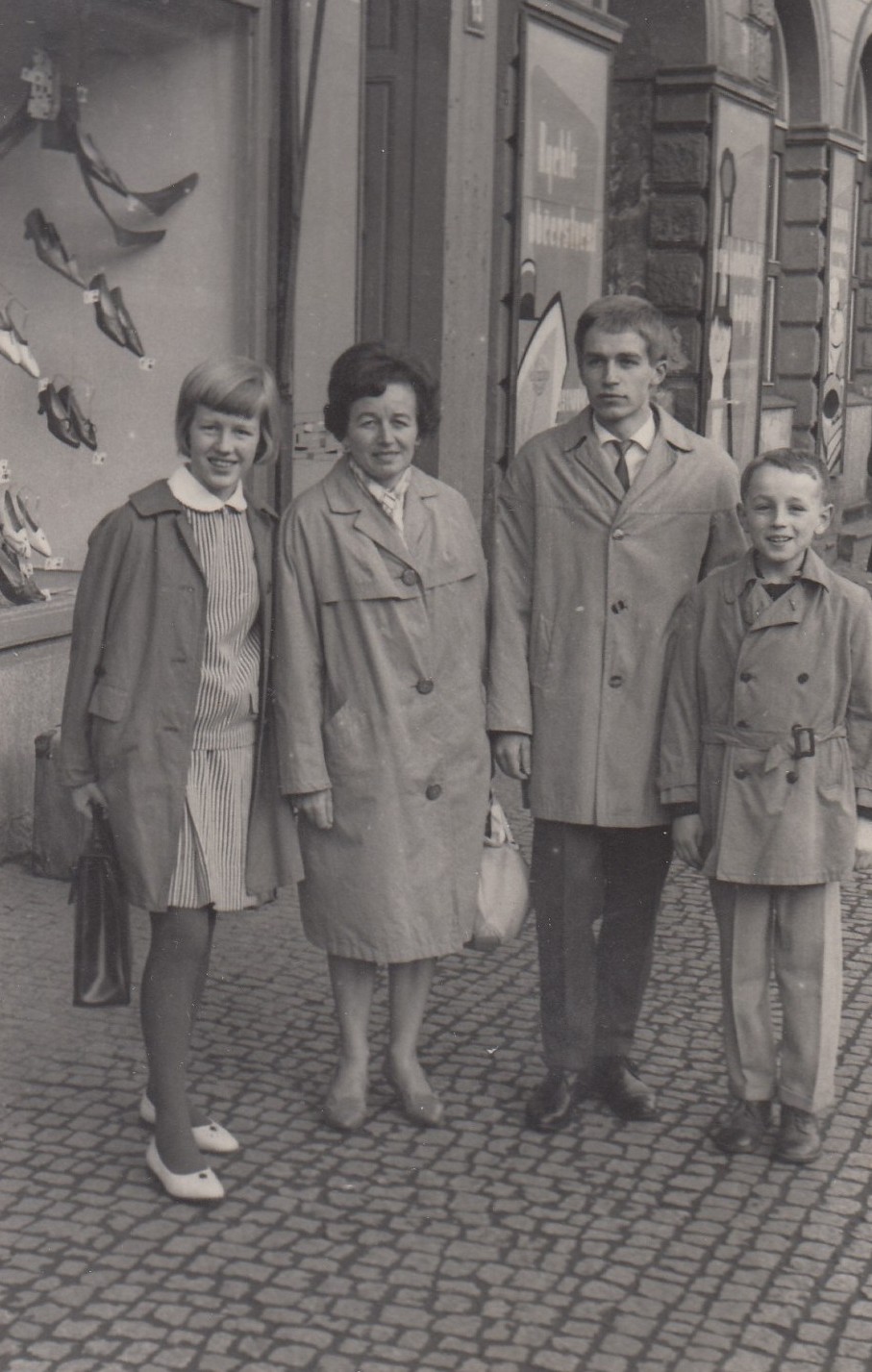
Jaroslav Jirman was born in Police nad Metují on March 9, 1948 as the eldest of three children. His father became a pharmacist in the displaced Trutnov, where he spent his childhood. From an early age he was interested in electrical engineering and later in photography, literature and music. He graduated from the Trutnov grammar school and got to the Czech Technical University in Prague. In August 1968 he took photographs and joined the civil protests in Trutnov in response to the invasion of Warsaw Pact troops. He also took part in the three-day occupation student strike at the Faculty of Electrical Engineering. He spent his entire professional life in ZPA Trutnov. After the Velvet Revolution he became the general director of the transformed company. He was instrumental in preserving jobs in the company. Today, he is again devoted to photography. He is the chairman of the Friends of Stary Rokytnik, which saves the Church of Saints Šimon and Juda. In 2025 he lived in Trutnov
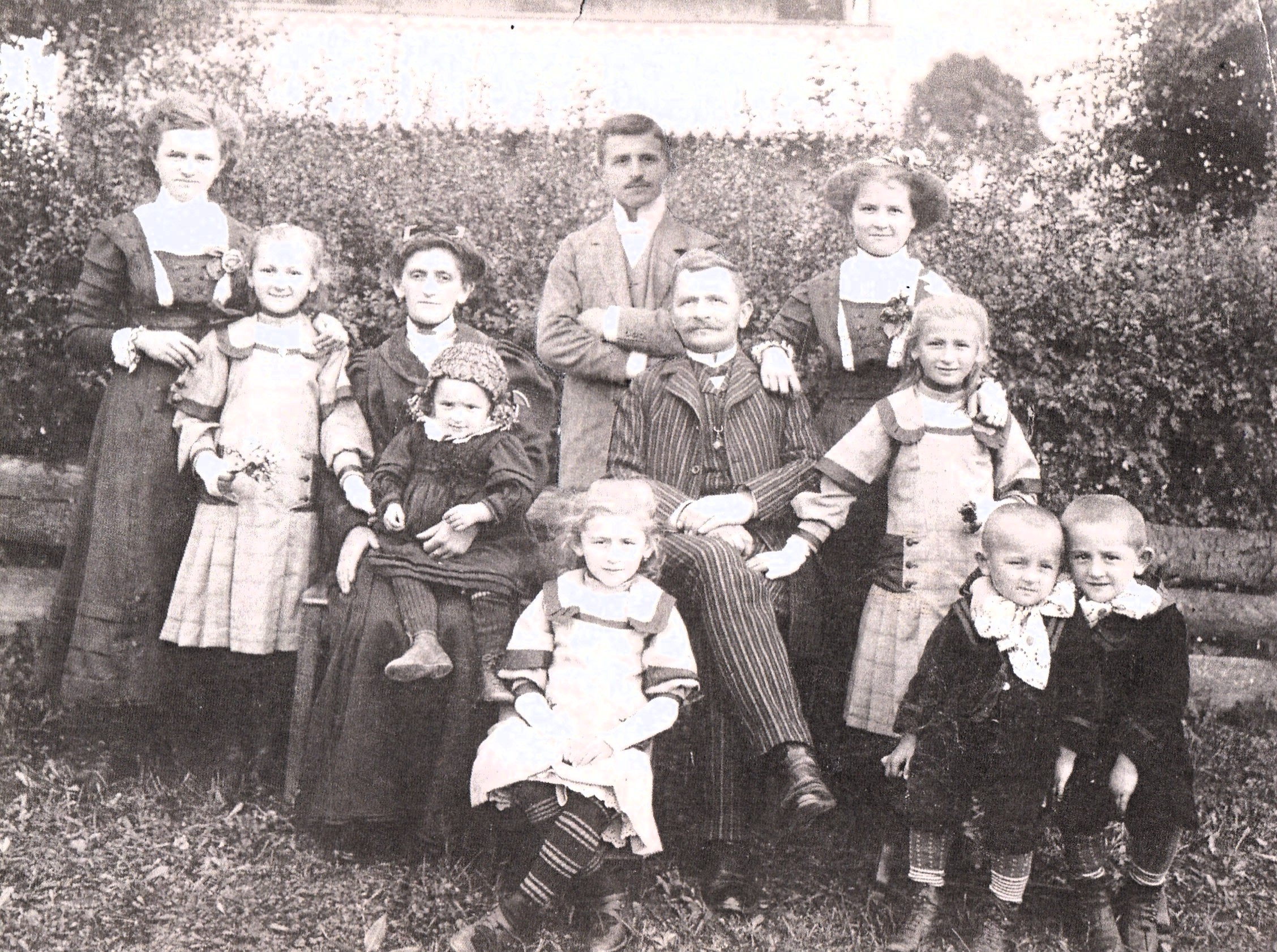
Family photo. In the middle, seated grandfather František Kocián, baker and mayor of the village of Machov; below him, seated little girl - Františka Kociánová, grandmother of the witness, 1910
Family photo. In the middle, seated grandfather František Kocián, baker and mayor of the village of Machov; below him, seated little girl - Františka Kociánová, grandmother of the witness, 1910
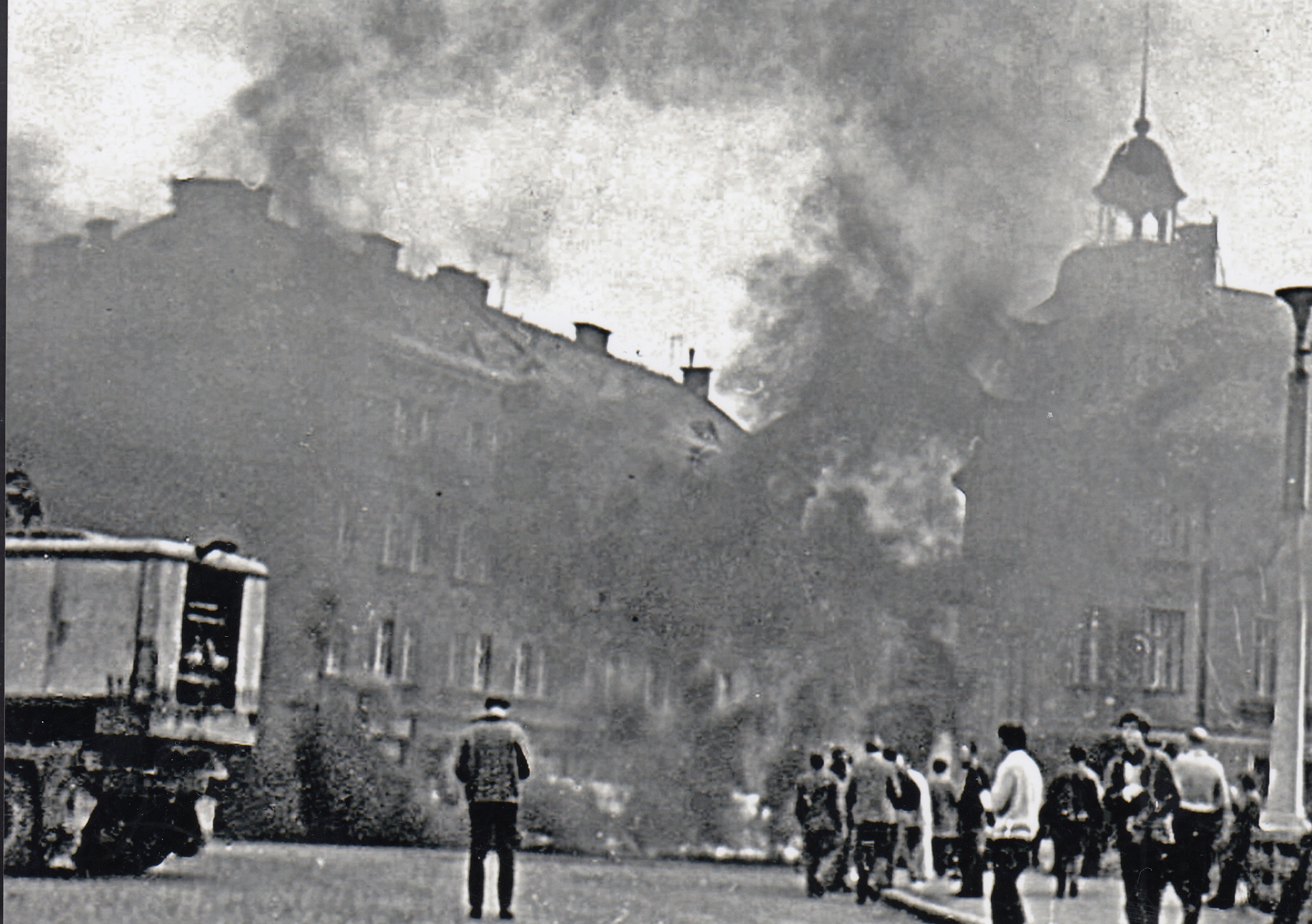
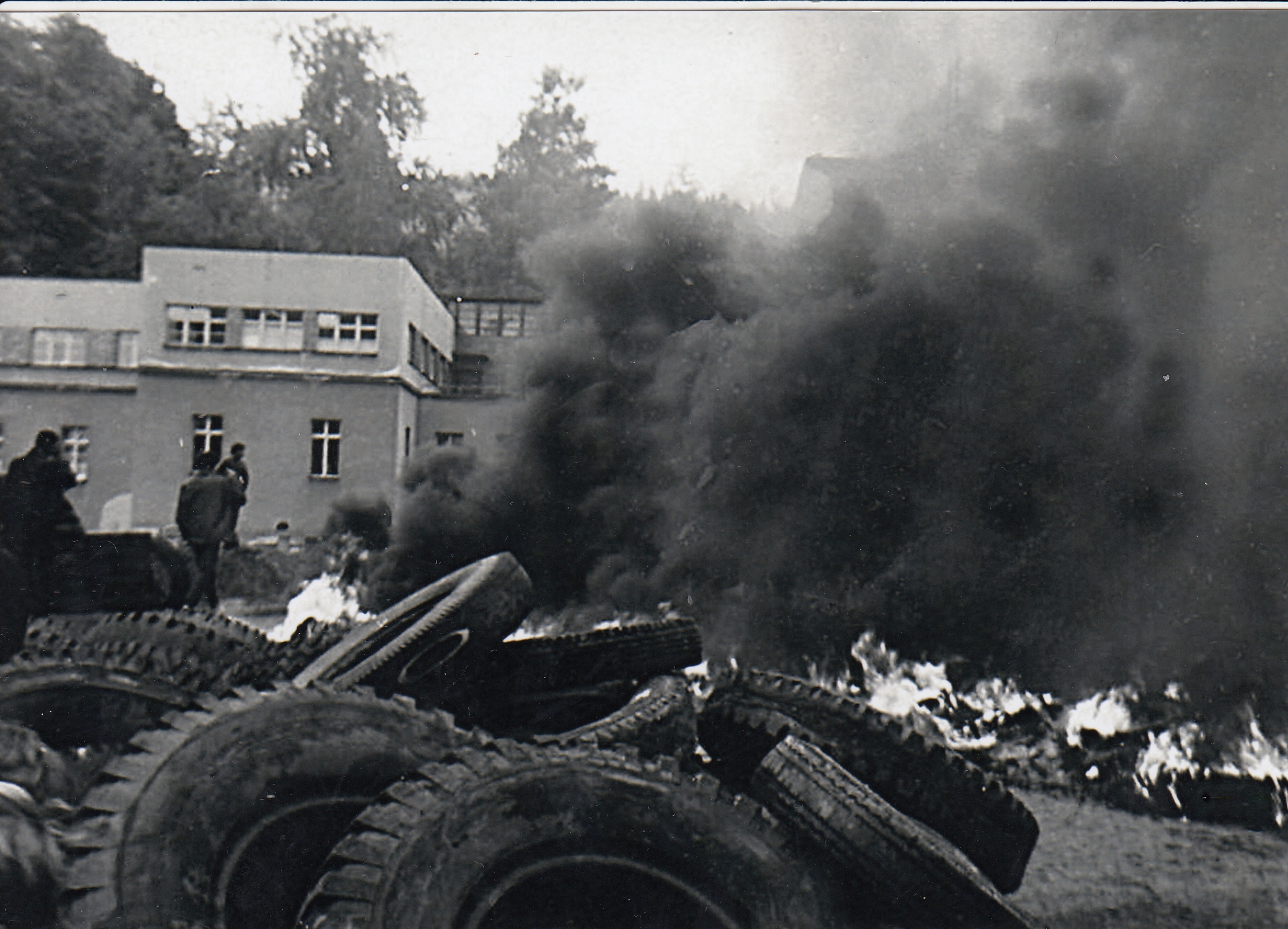
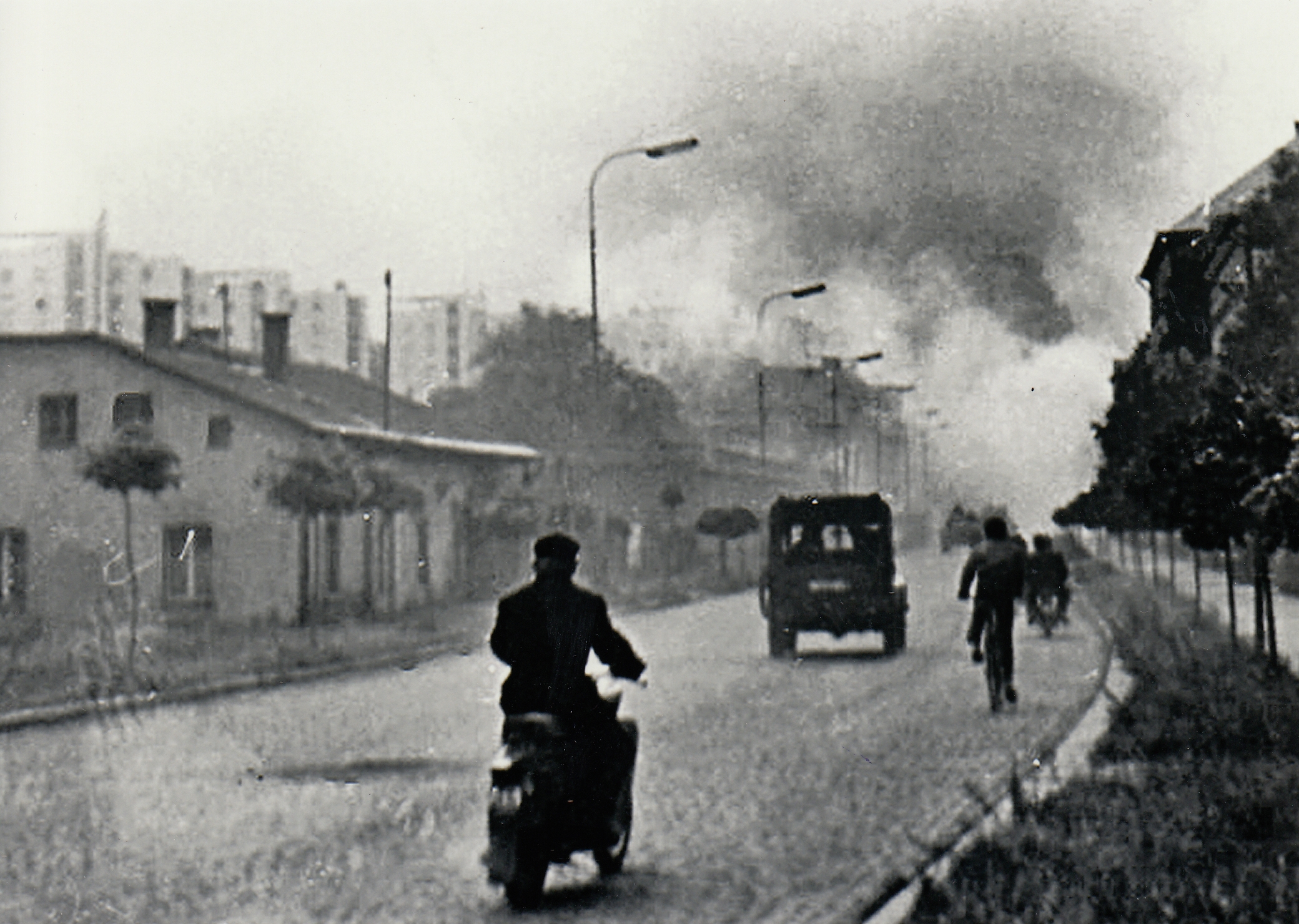
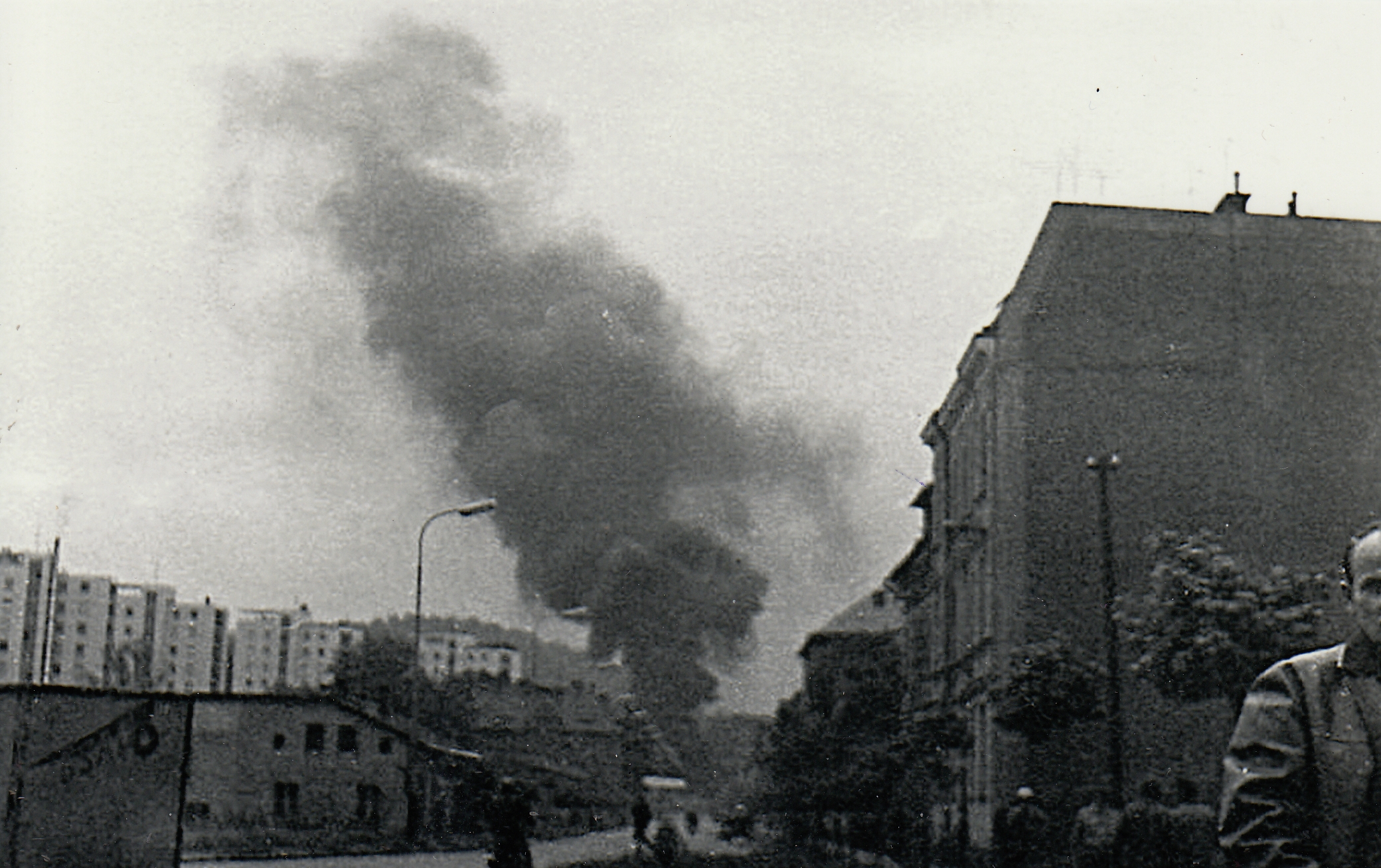
A tank of the occupying Warsaw Pact troops being pulled from a pedestal under the viaduct in Trutnov in August 1968. A series of photographs by Jaroslav Jirman of the stormy resistance of the citizens of Trutnov during the August 1968 occupation
A tank of the occupying Warsaw Pact troops being pulled from a pedestal under the viaduct in Trutnov in August 1968. A series of photographs by Jaroslav Jirman of the stormy resistance of the citizens of Trutnov during the August 1968 occupation
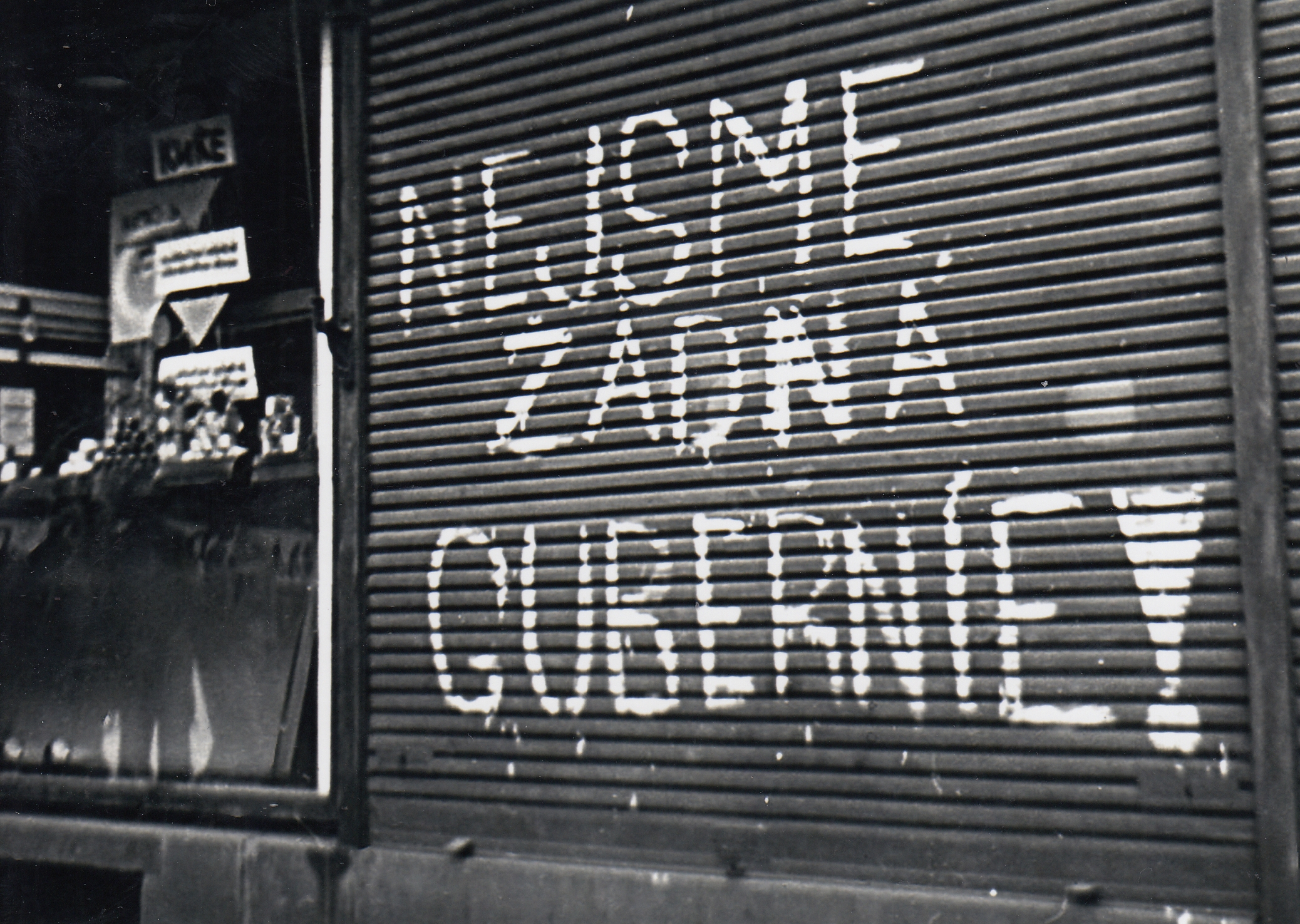
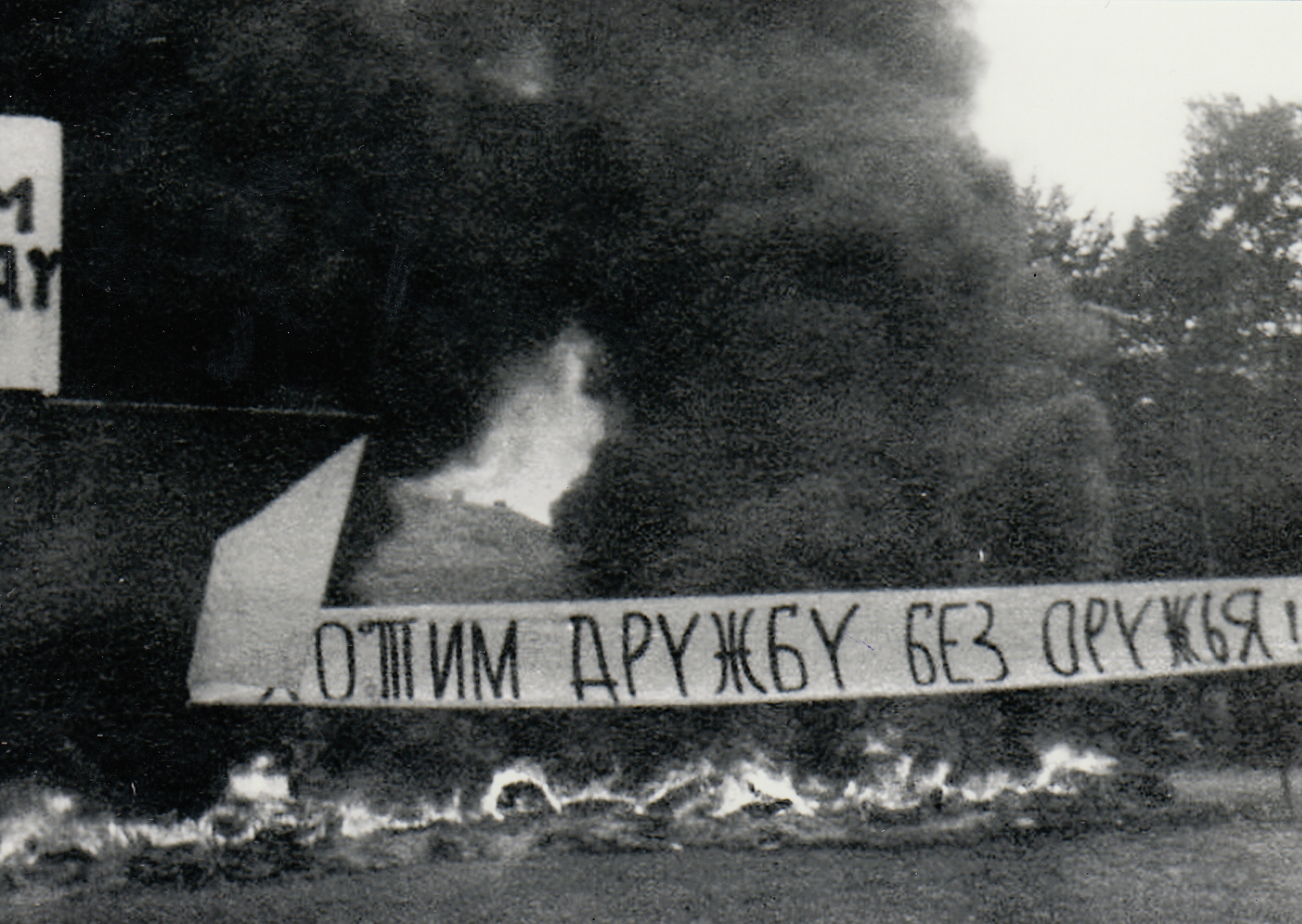
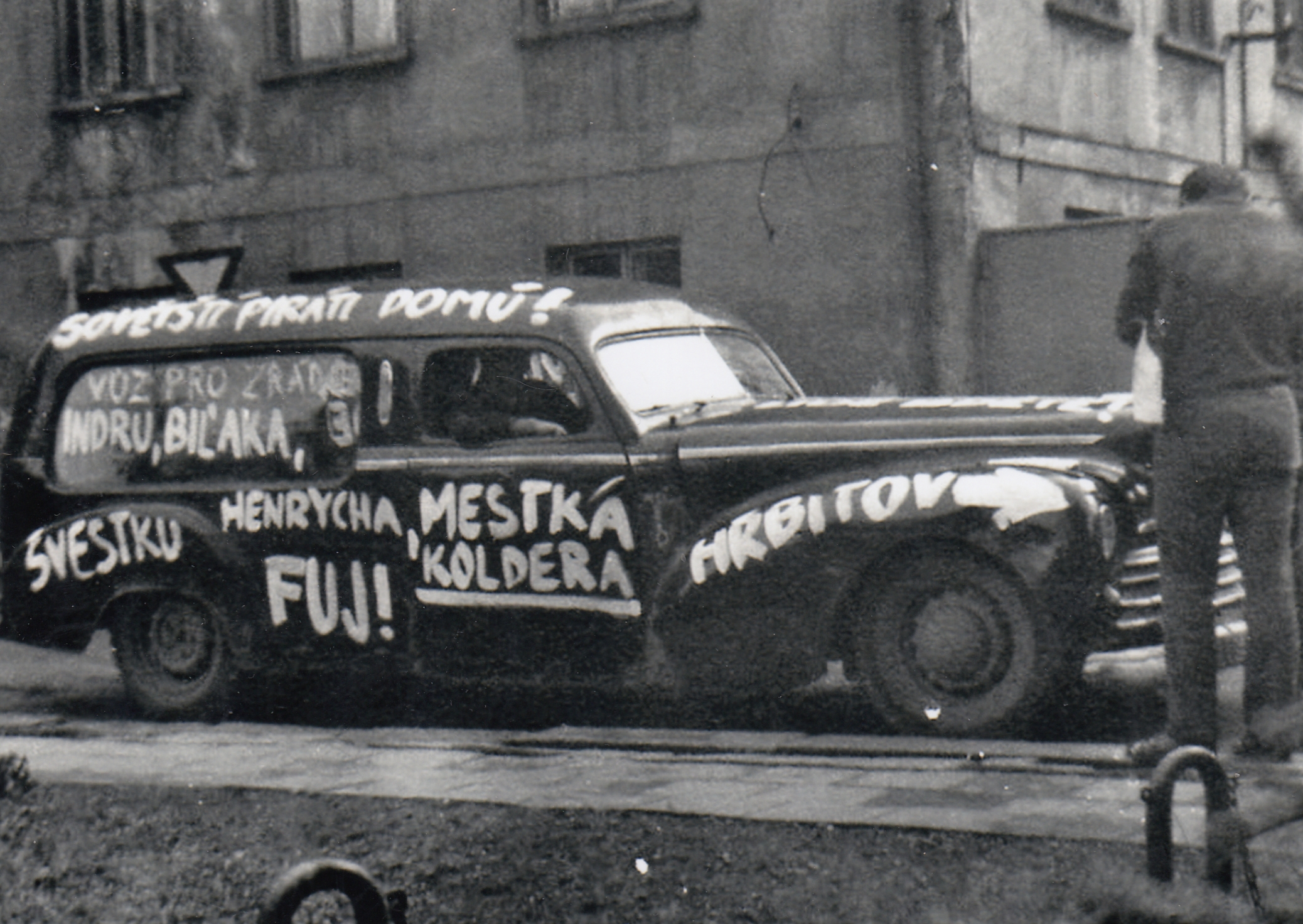
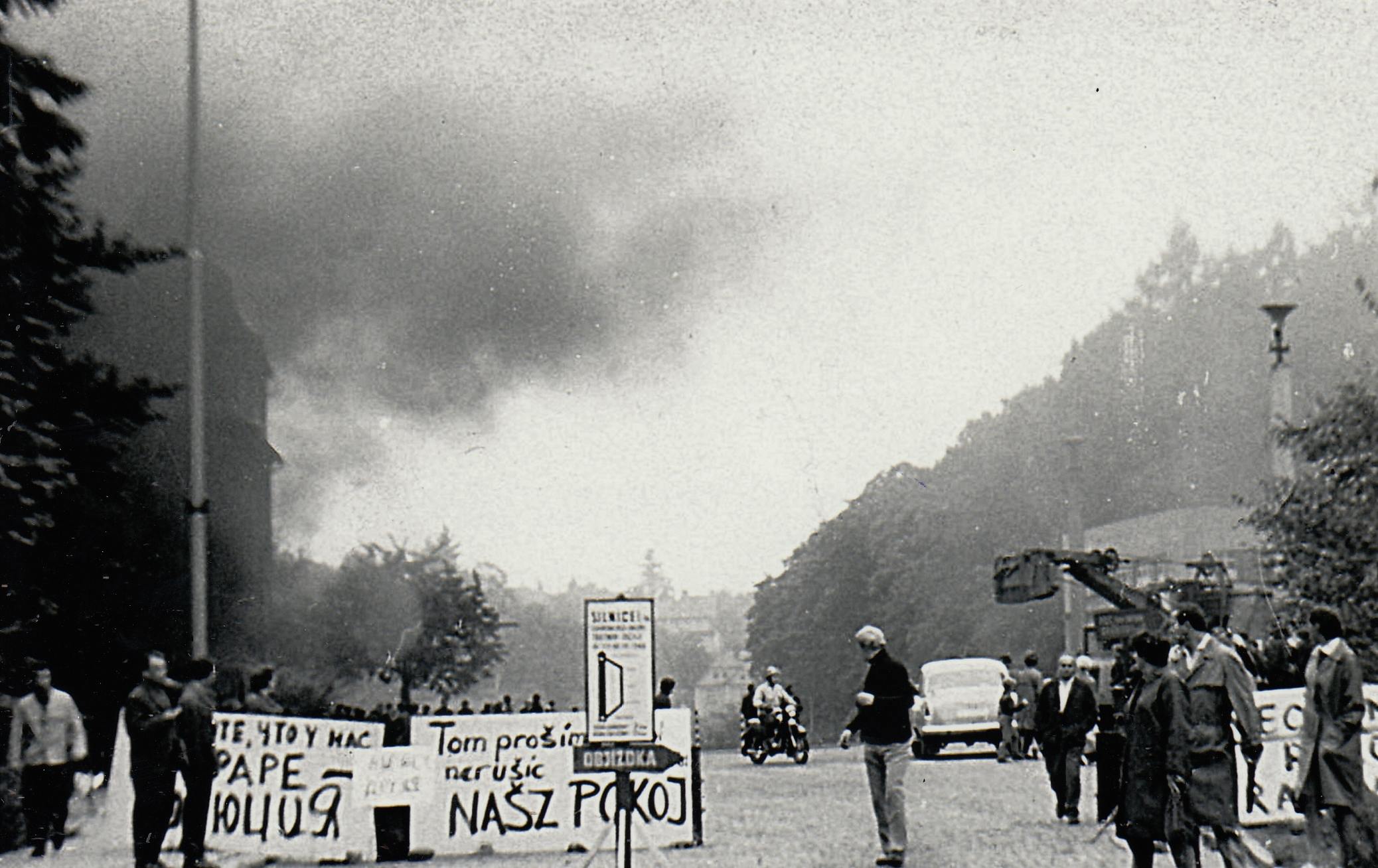
A protest sign on the shutter of a shop window in the centre of Trutnov. A series of photographs by Jaroslav Jirman of the stormy resistance of citizens during the August 1968 occupation
A protest sign on the shutter of a shop window in the centre of Trutnov. A series of photographs by Jaroslav Jirman of the stormy resistance of citizens during the August 1968 occupation
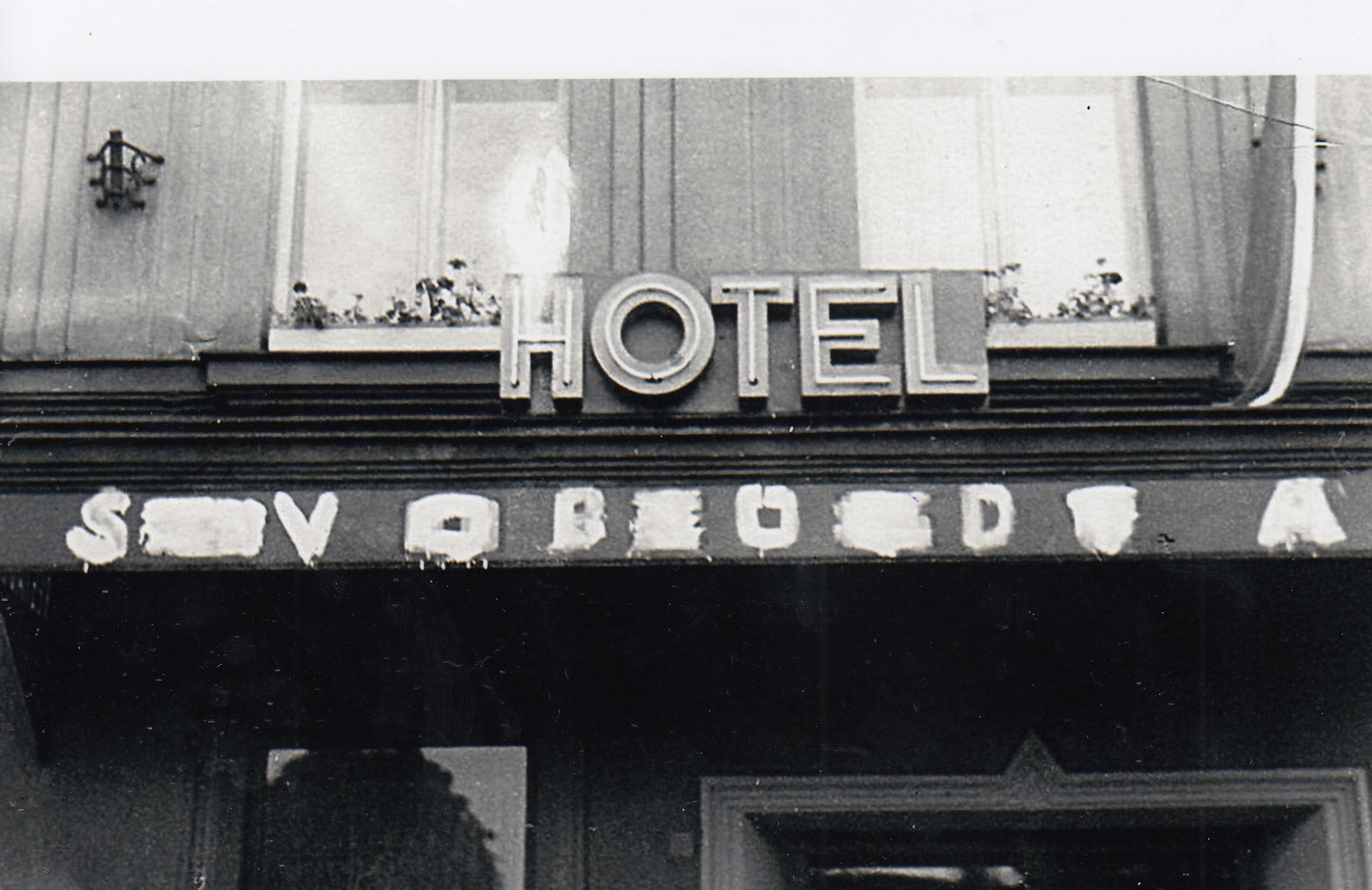
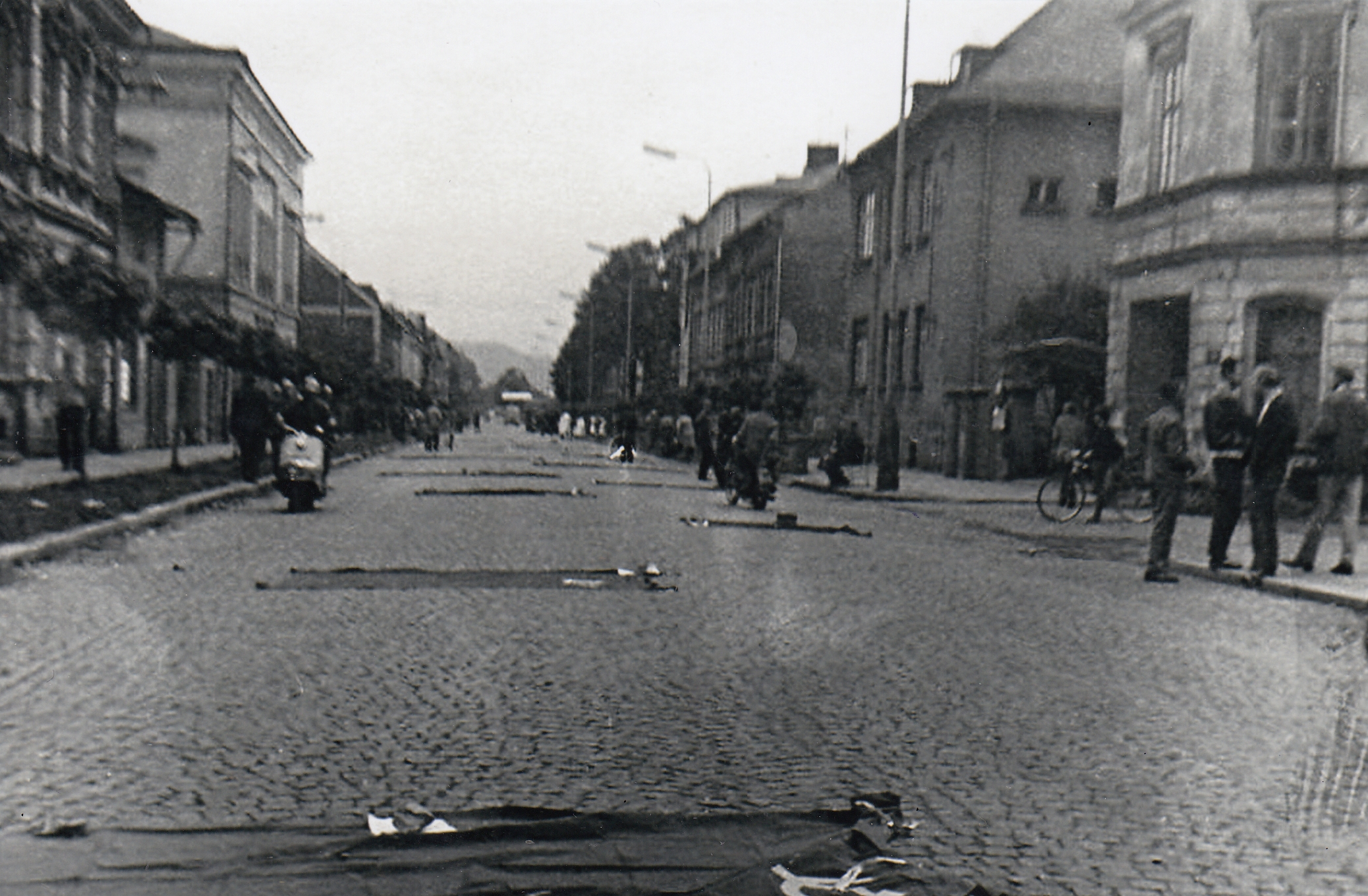
The Hotel Moskva in Trutnov was rebranded the Hotel Svoboda by protesting citizens. Jaroslav Jirman's series of photographs of the stormy resistance of citizens during the August 1968 occupation
The Hotel Moskva in Trutnov was rebranded the Hotel Svoboda by protesting citizens. Jaroslav Jirman's series of photographs of the stormy resistance of citizens during the August 1968 occupation
The original base of the Liberators Monument, deliberately destroyed by the inhabitants of Trutnov after the invasion of Warsaw Pact troops, August 1968
The original base of the Liberators Monument, deliberately destroyed by the inhabitants of Trutnov after the invasion of Warsaw Pact troops, August 1968
A tank of liberators, now occupiers with a broken barrel. The inhabitants of Trutnov subsequently removed it from its pedestal and dragged it out of town, August 1968
A tank of liberators, now occupiers with a broken barrel. The inhabitants of Trutnov subsequently removed it from its pedestal and dragged it out of town, August 1968
The citizens first painted the Liberators' tank, later cut off the barrel and finally tore it off its base. The occupation crew repaired the tank and returned it within a few weeks, August 1968.
The citizens first painted the Liberators' tank, later cut off the barrel and finally tore it off its base. The occupation crew repaired the tank and returned it within a few weeks, August 1968.